









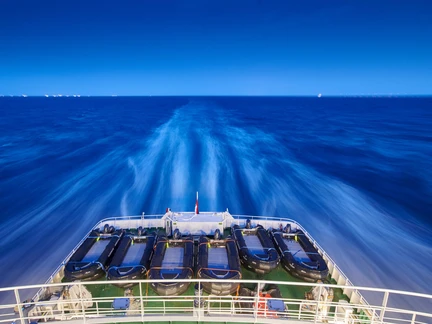
 05 June 2026 - 13 Jun 2026
 9 Days/8 Nights
 Akureyri - Longyearbyen
Start of the Expedition
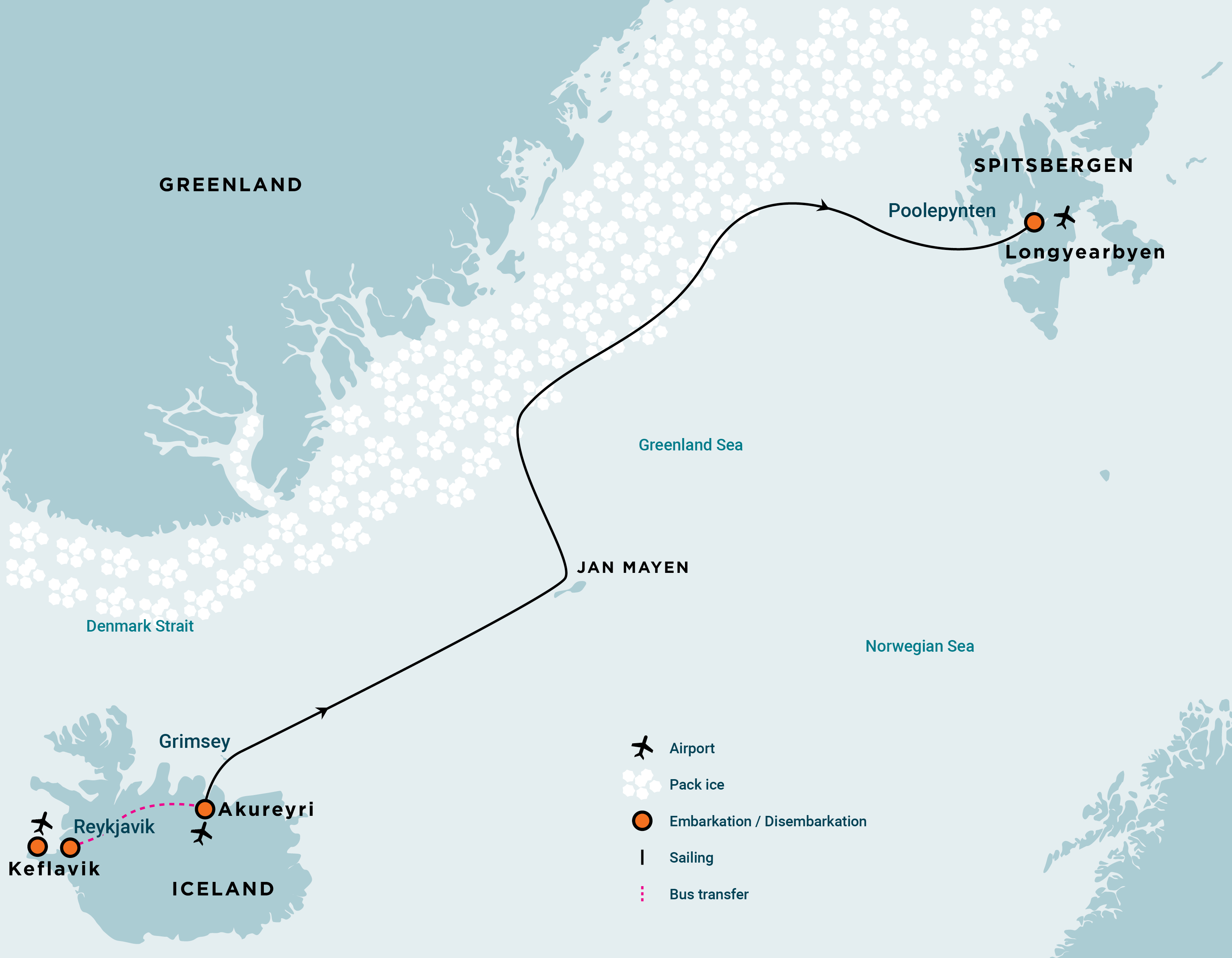
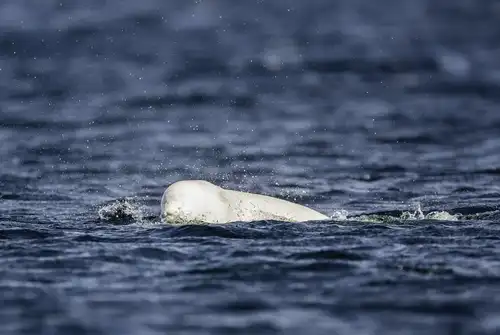
In the afternoon, you board the m/v Hondius in Akureyri, a historic fishing port in North Iceland. We head north through Eyafjordur, one of Iceland's longest fjords, where we might spot our first whales as we reach the open sea.
Exploring the Arctic Circle
Grimsey Island
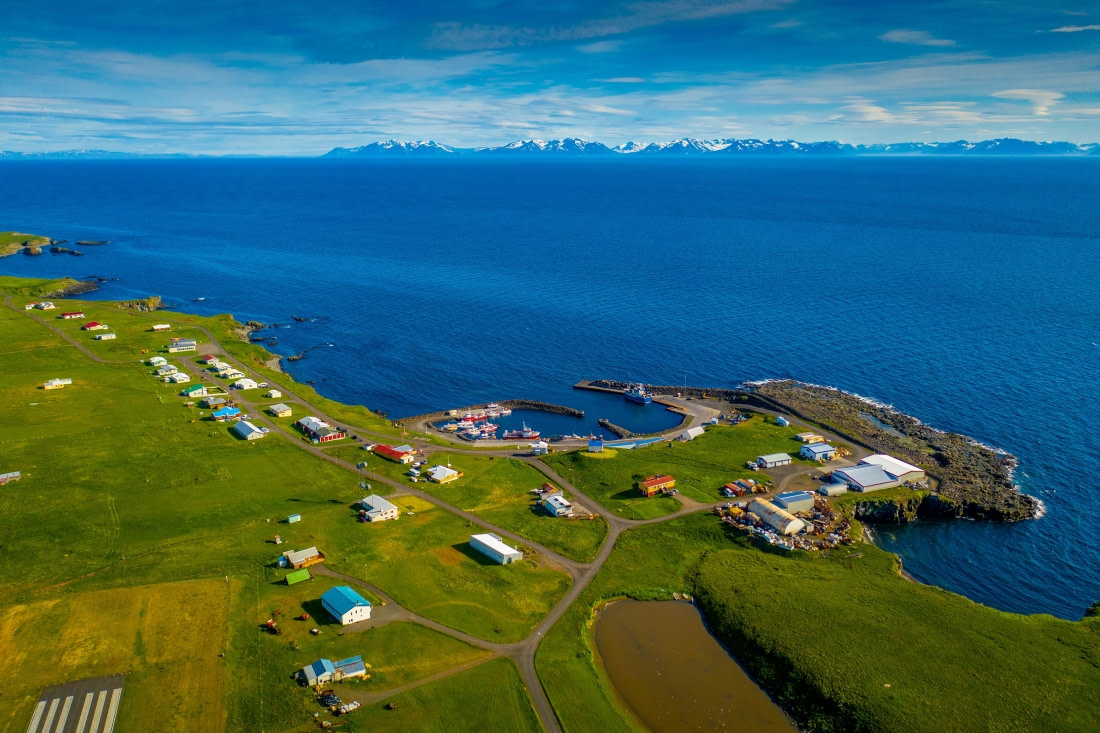
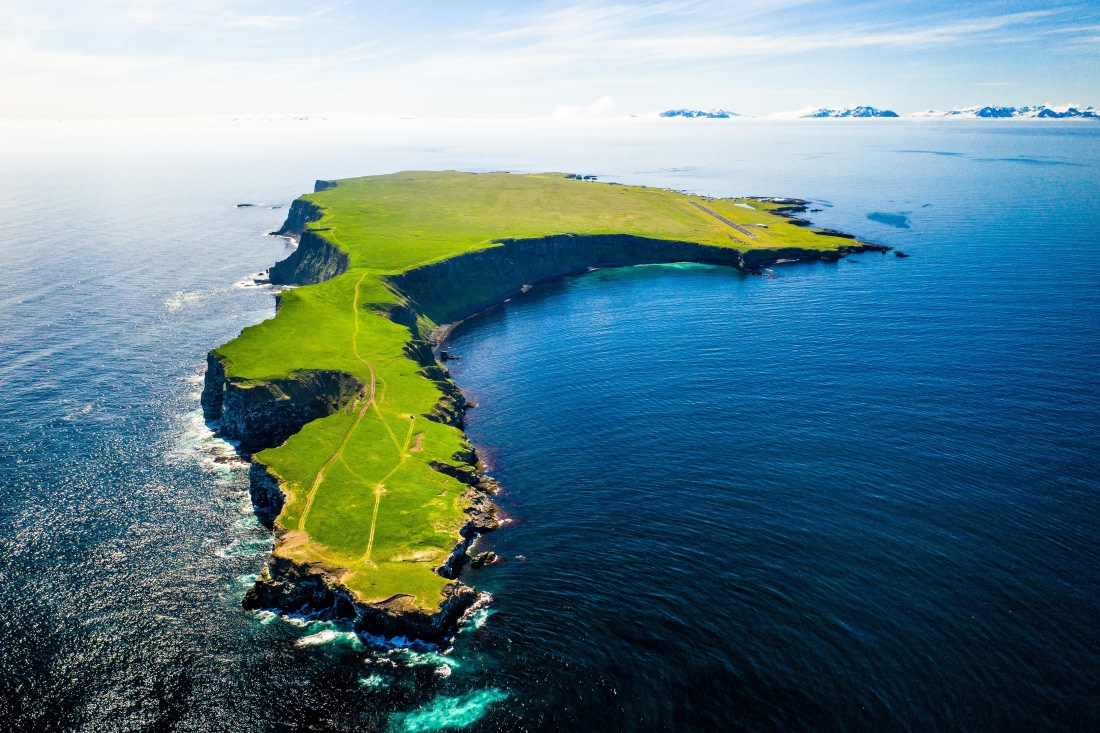
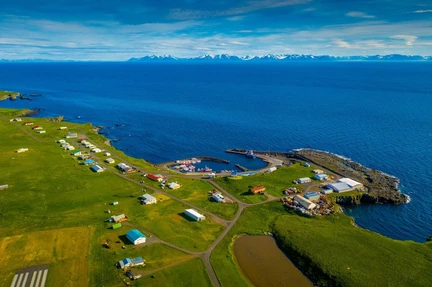
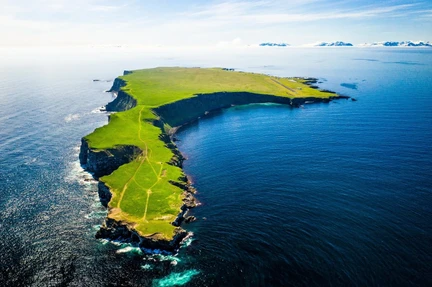
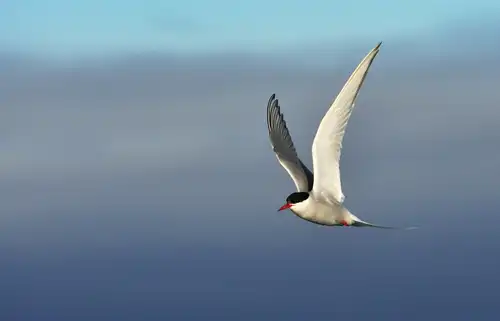
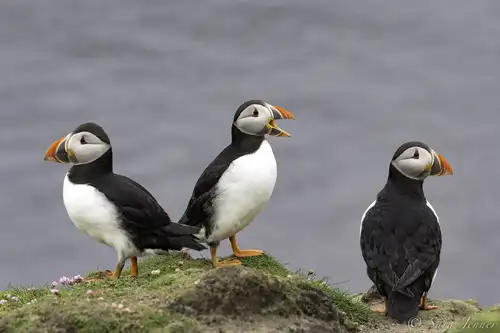
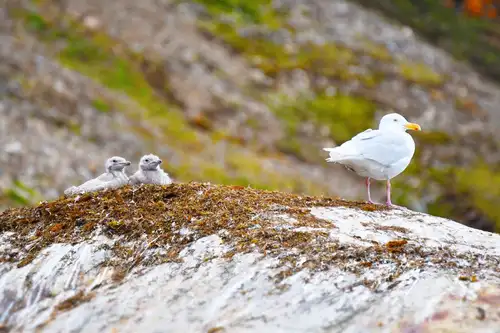
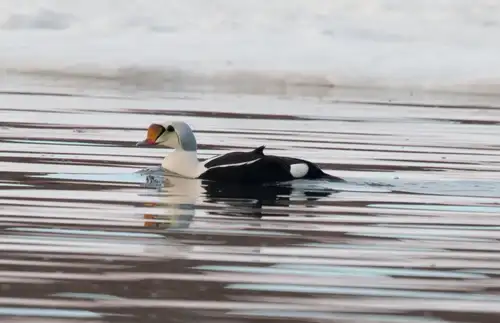
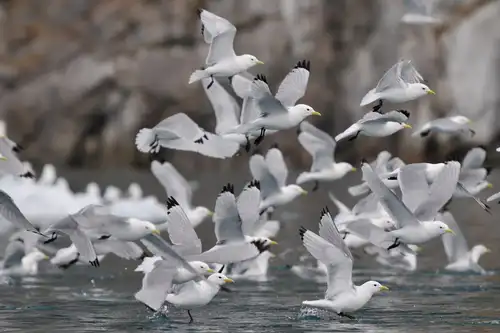
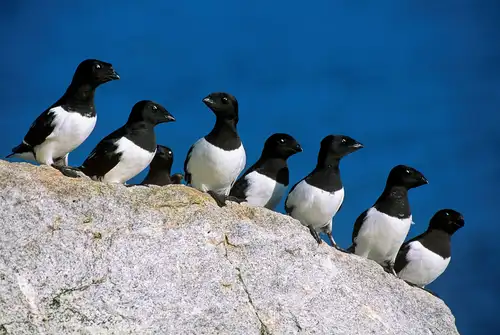
We visit Grimsey Island, which lies on the Arctic Circle. This island has a friendly fishing village and is home to many birds like puffins and Arctic terns. In the evening, we pass by Kolbeinsey, a small uninhabited island, and continue north, experiencing continuous daylight.
Journey Northward
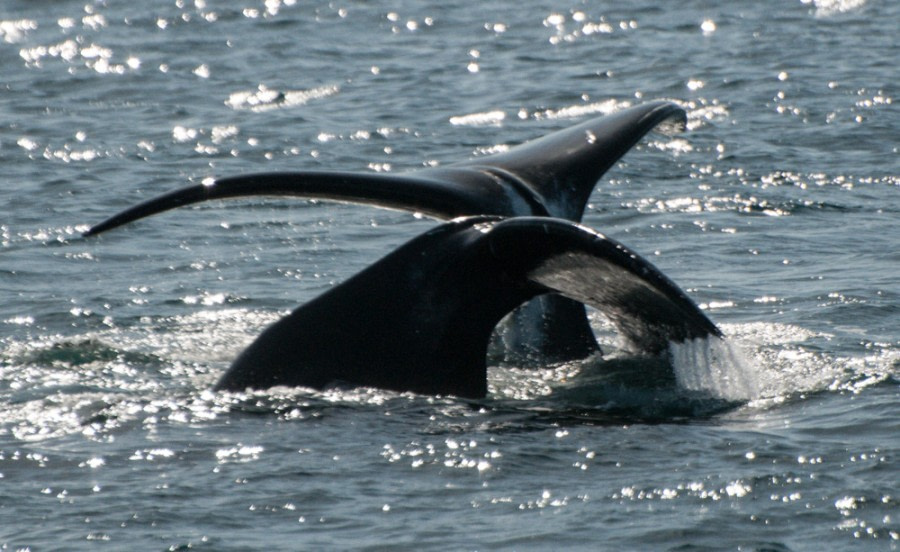
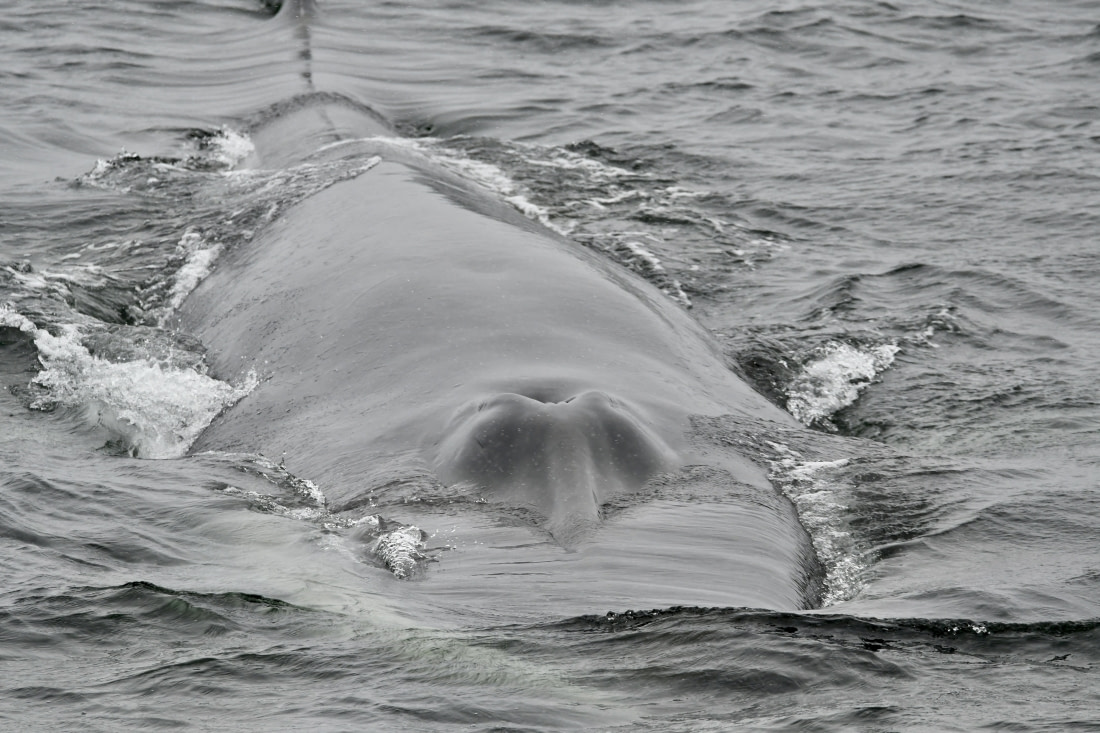
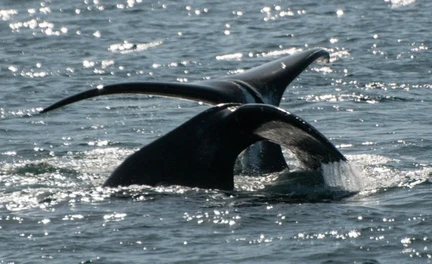
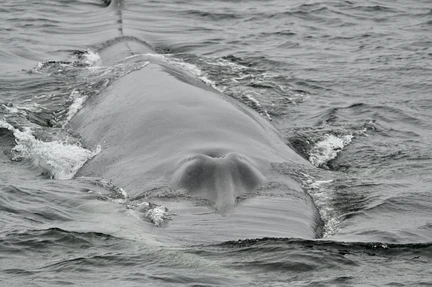
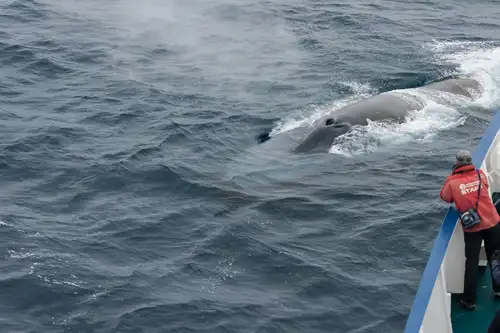
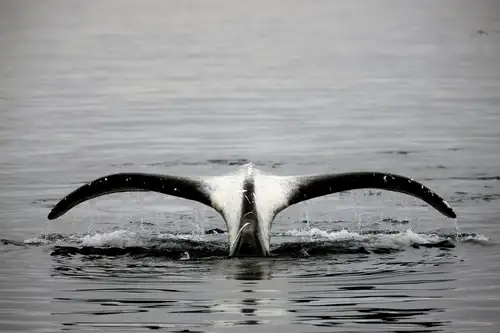
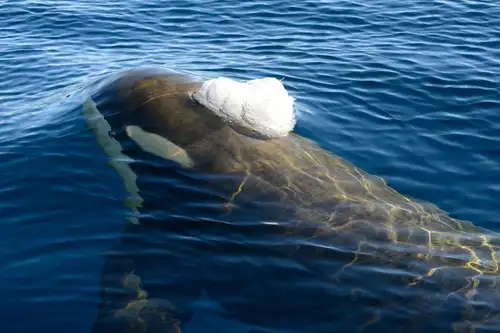
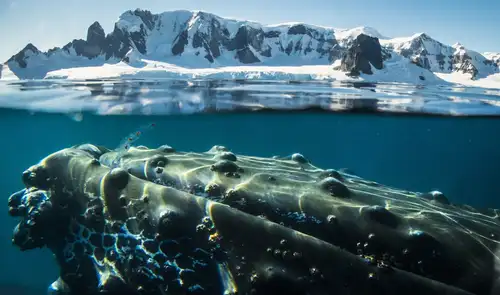
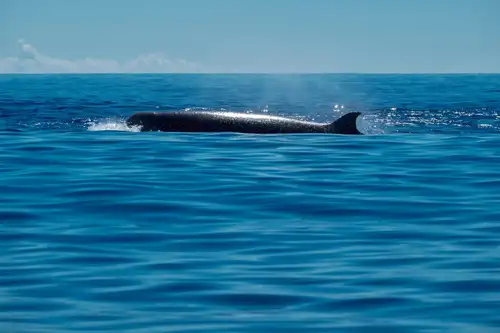
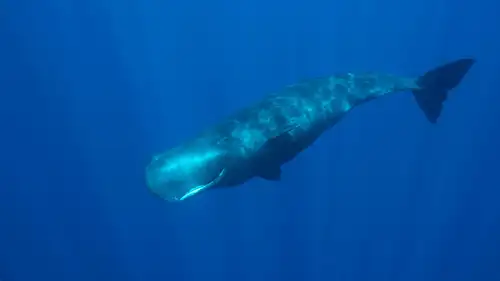
As we sail toward the remote Jan Mayen, we search for whales such as humpbacks and orcas. The ship may change course to improve wildlife viewing opportunities.
Jan Mayen's Volcanic Beauty
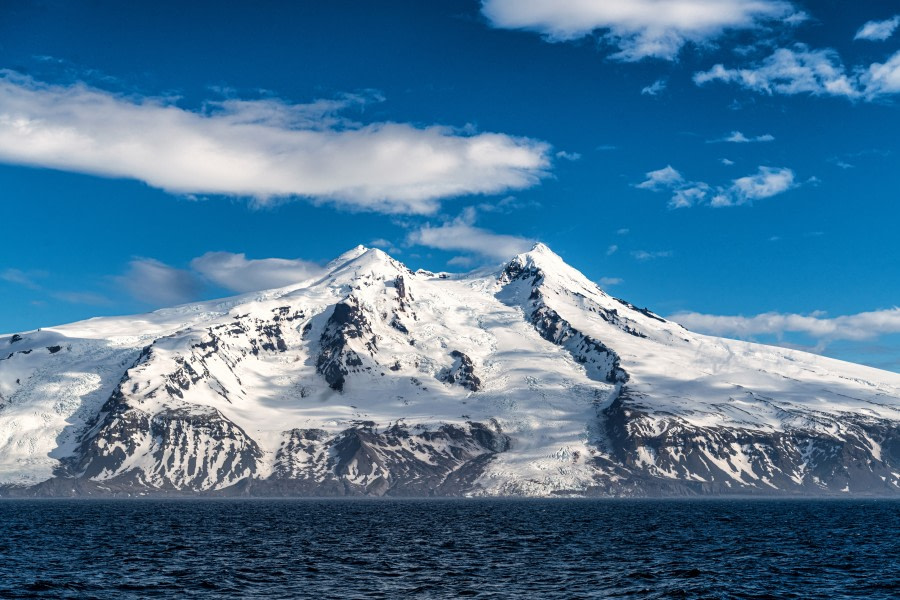
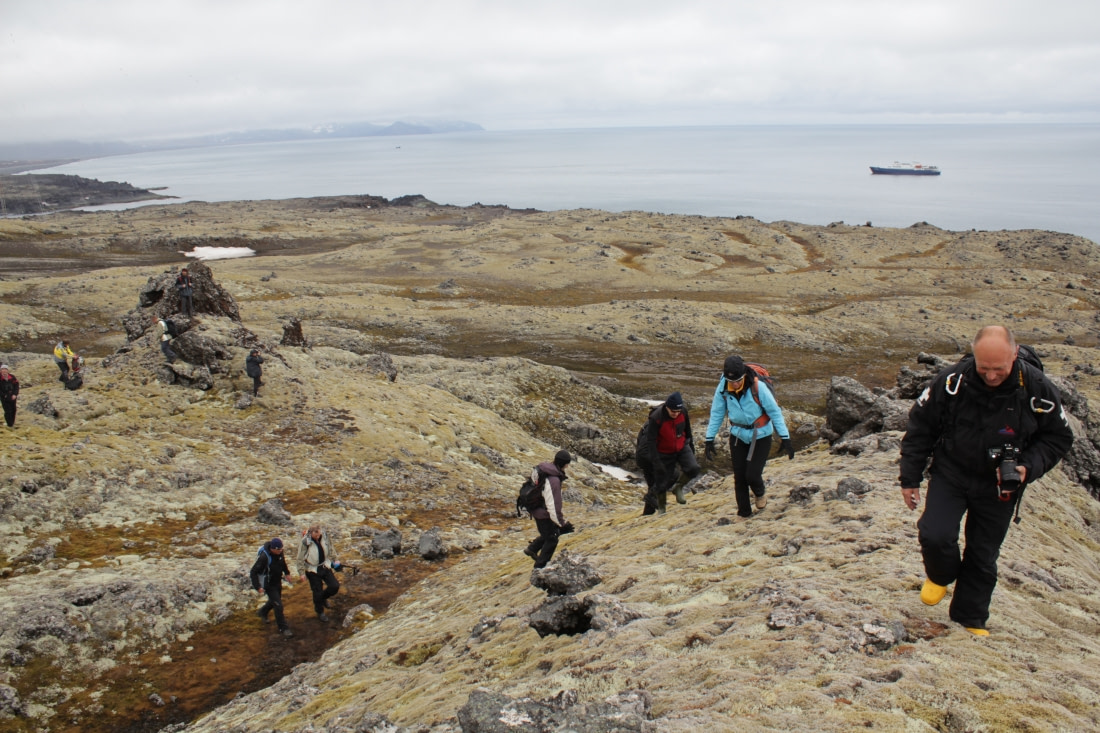
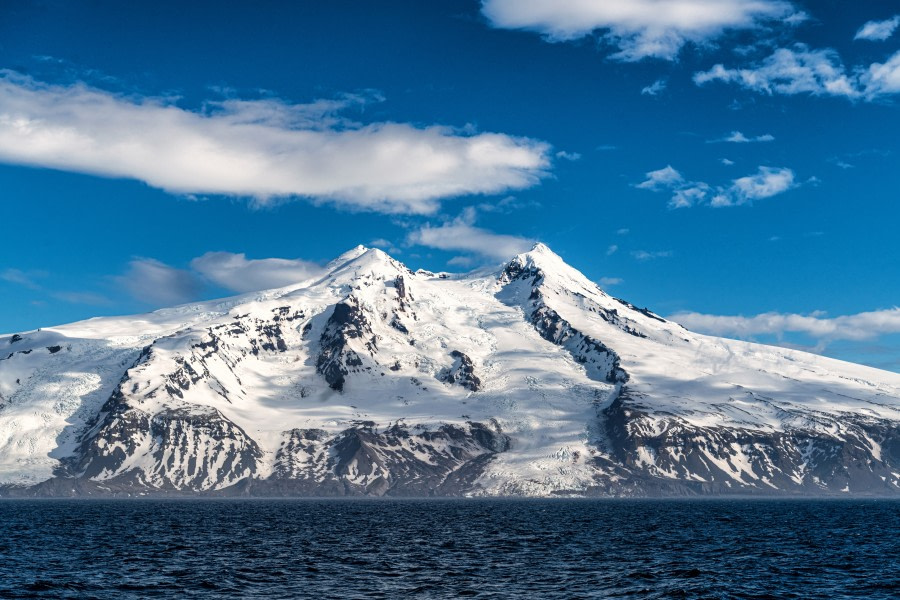
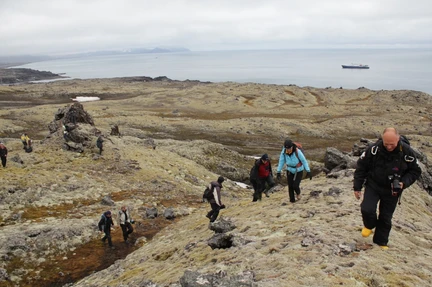
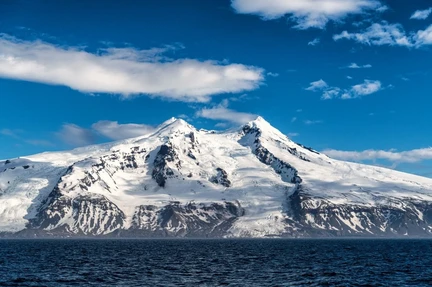
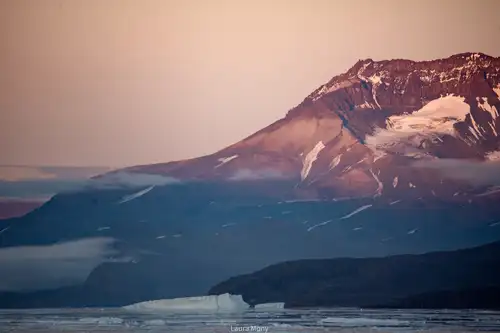
We arrive at Jan Mayen, a volcanic island with the towering Mt. Beerenberg. With permission, you can visit the weather station and explore the remains of a 17th-century Dutch whaling station, surrounded by mossy landscapes.
Midnight Sun and Ice Edge
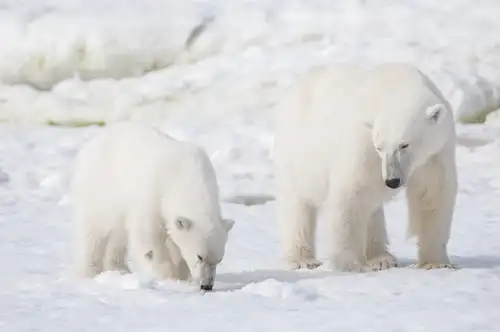
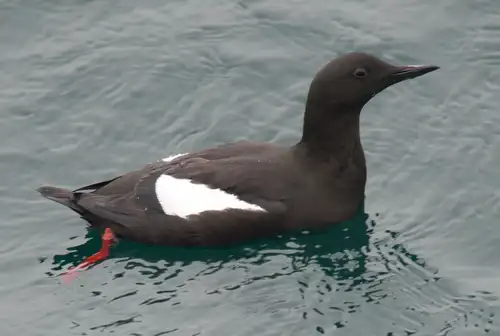
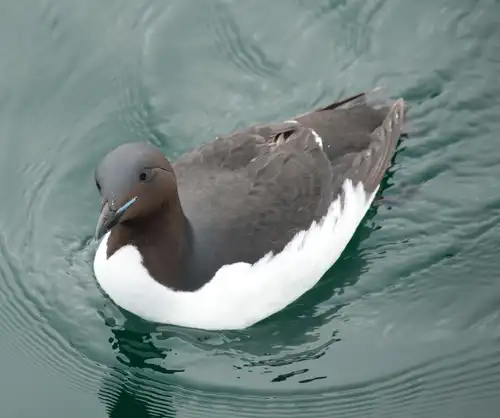
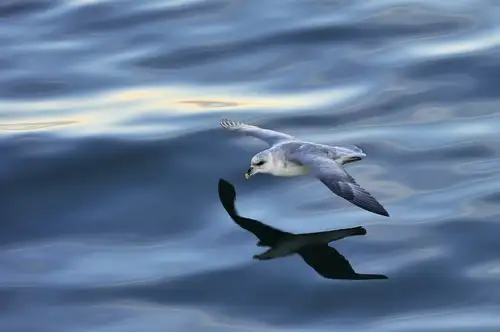
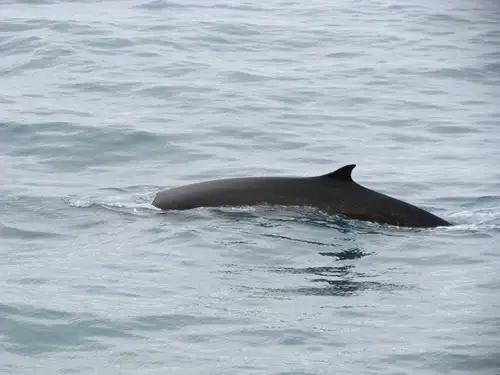
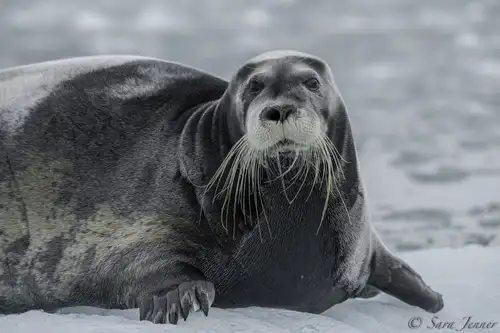
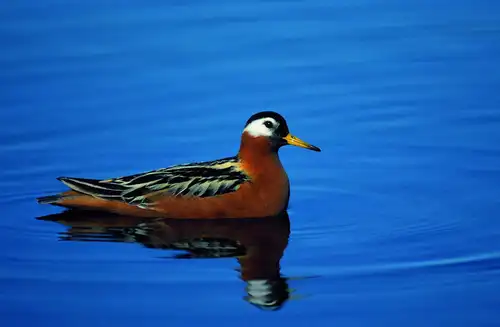
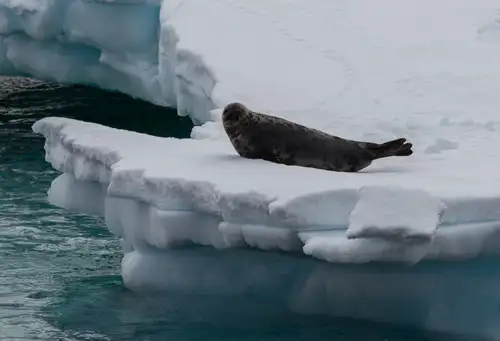
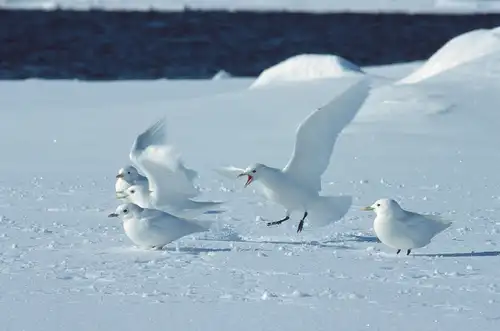
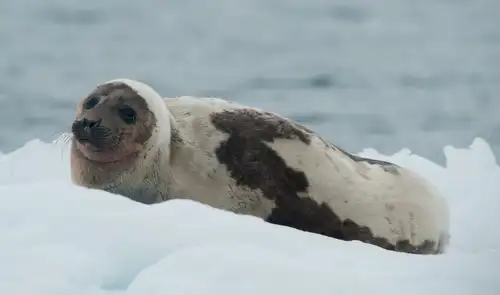
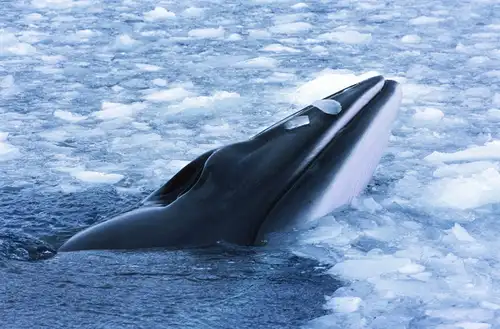
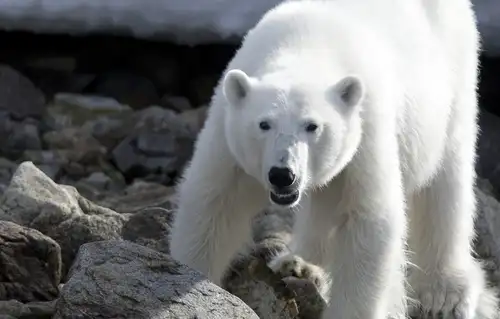
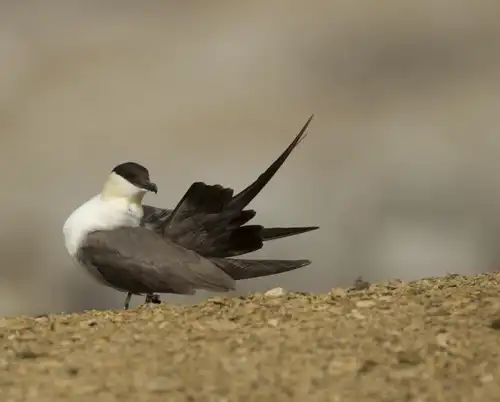
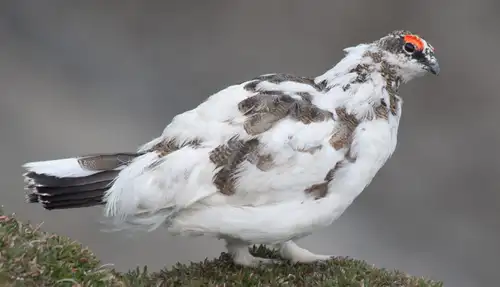
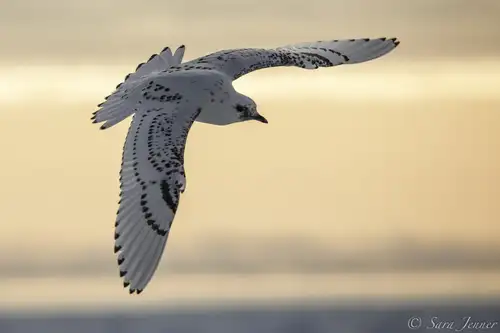
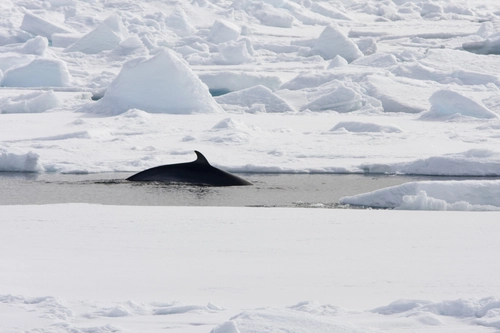
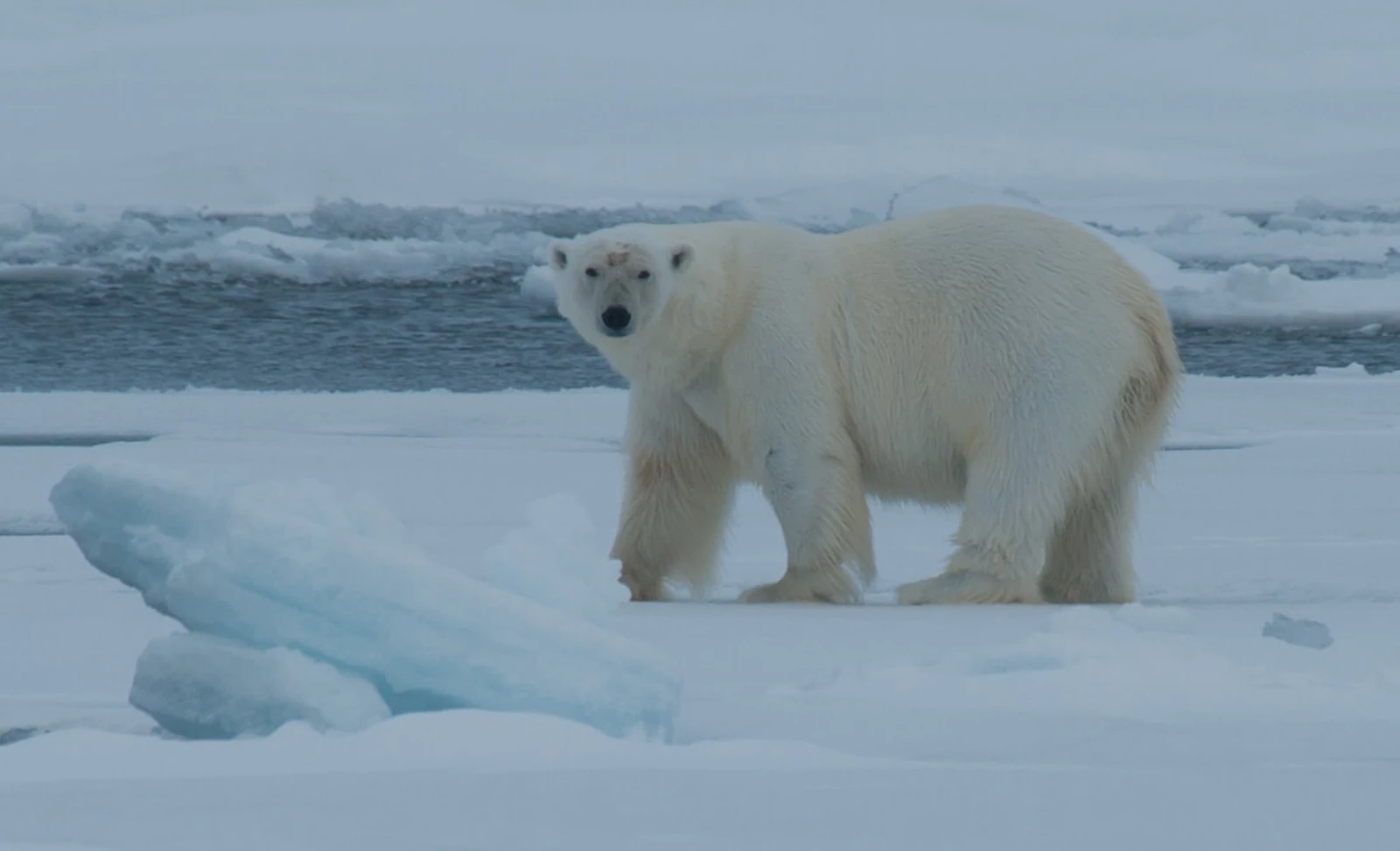
Under the midnight sun, we sail north along the ice edge, looking for bowhead whales, polar bears, and seabirds. We then head west to the continental shelf of West Spitsbergen, where fin and minke whales are often seen.
Spitsbergen's Wildlife
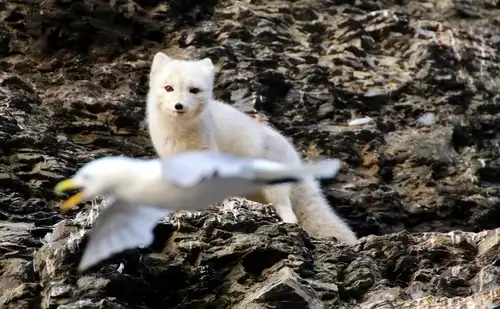
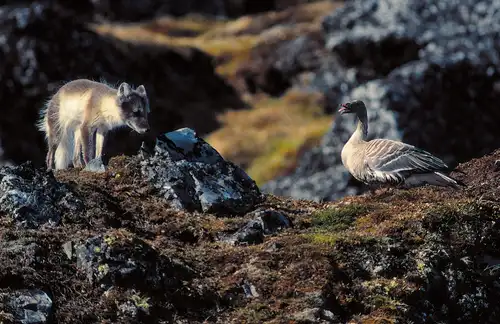
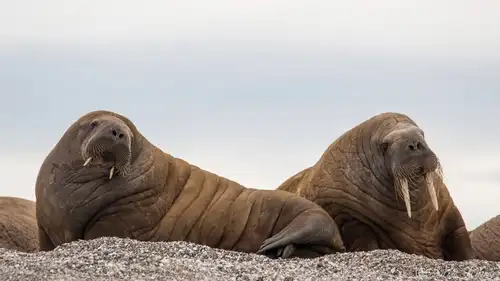
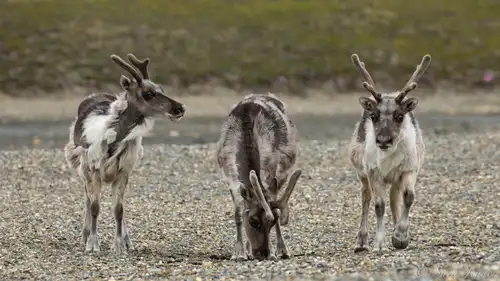
In Forlandsundet, between Spitsbergen and Prins Karls Forland, you might see walruses. Alternatively, we may explore St. Johns Fjord or Isfjorden, where cliffs are home to nesting birds and Arctic foxes. Reindeer graze nearby, offering great photo opportunities.
End of the Expedition in Longyearbyen
With unforgettable Arctic memories and stunning photos, you disembark in Longyearbyen, Spitsbergen's administrative center. Though the journey ends, the spirit of Arctic adventure remains with you!







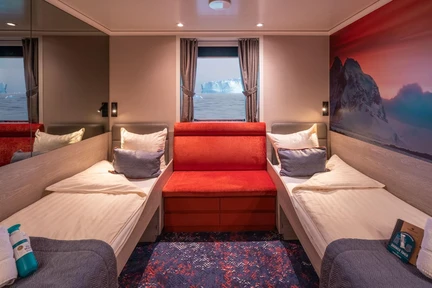
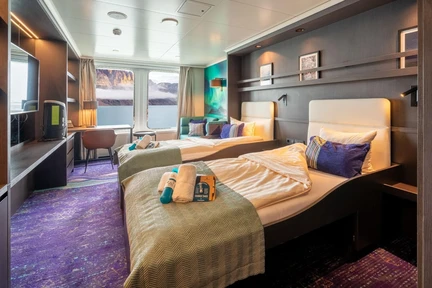


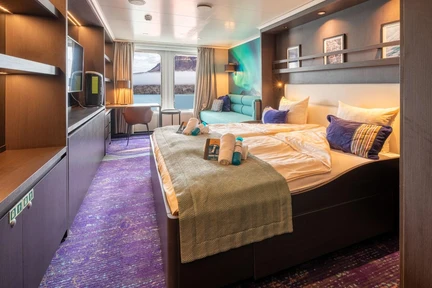
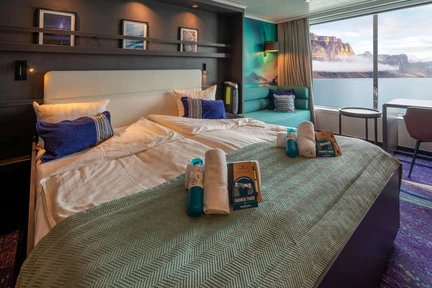
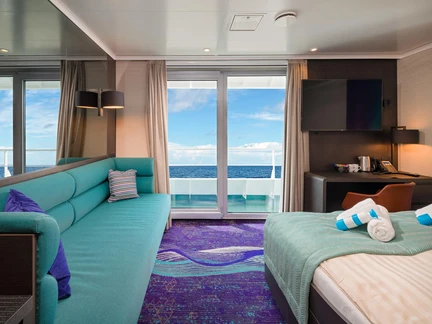
m/v Hondius
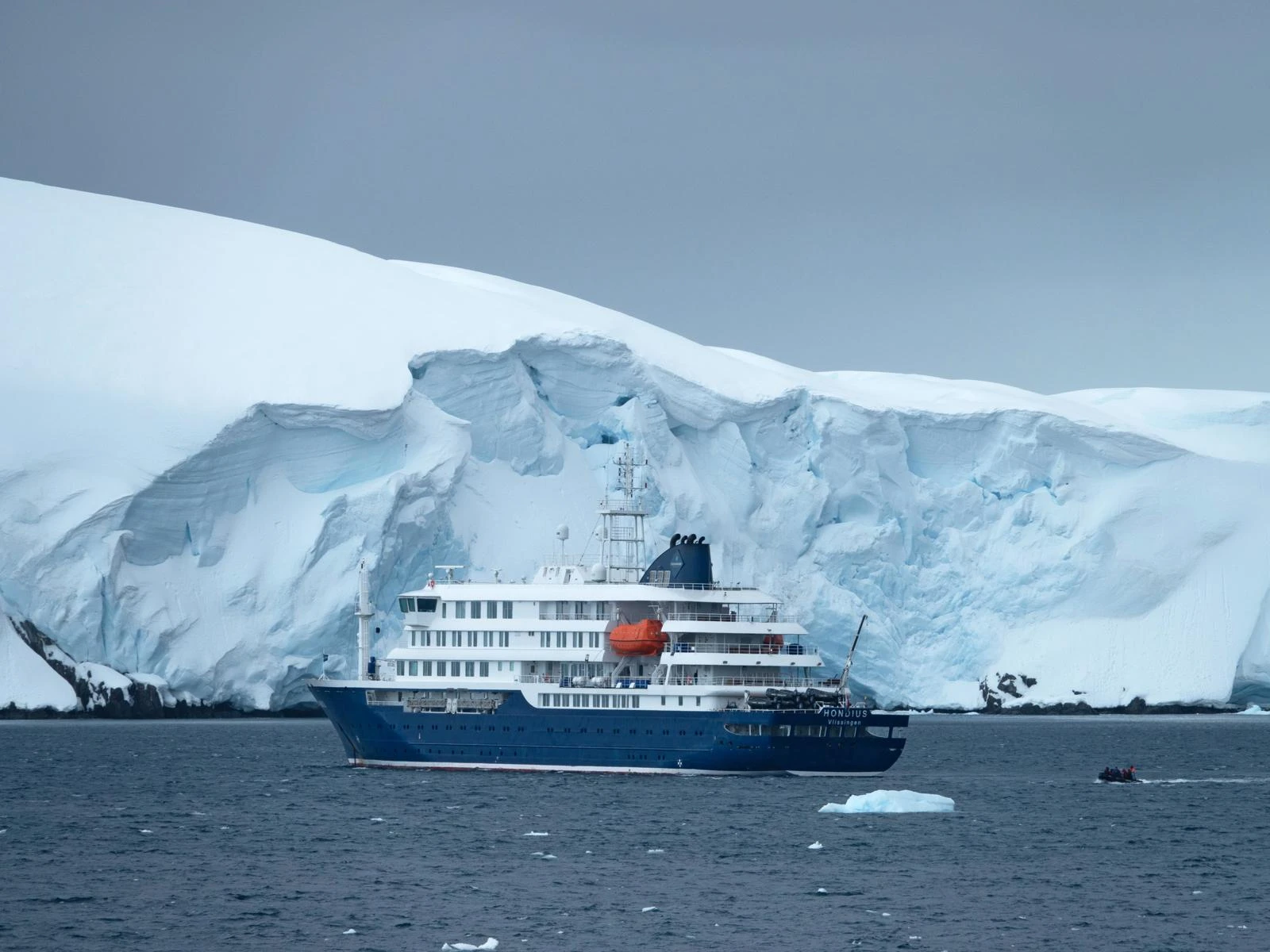
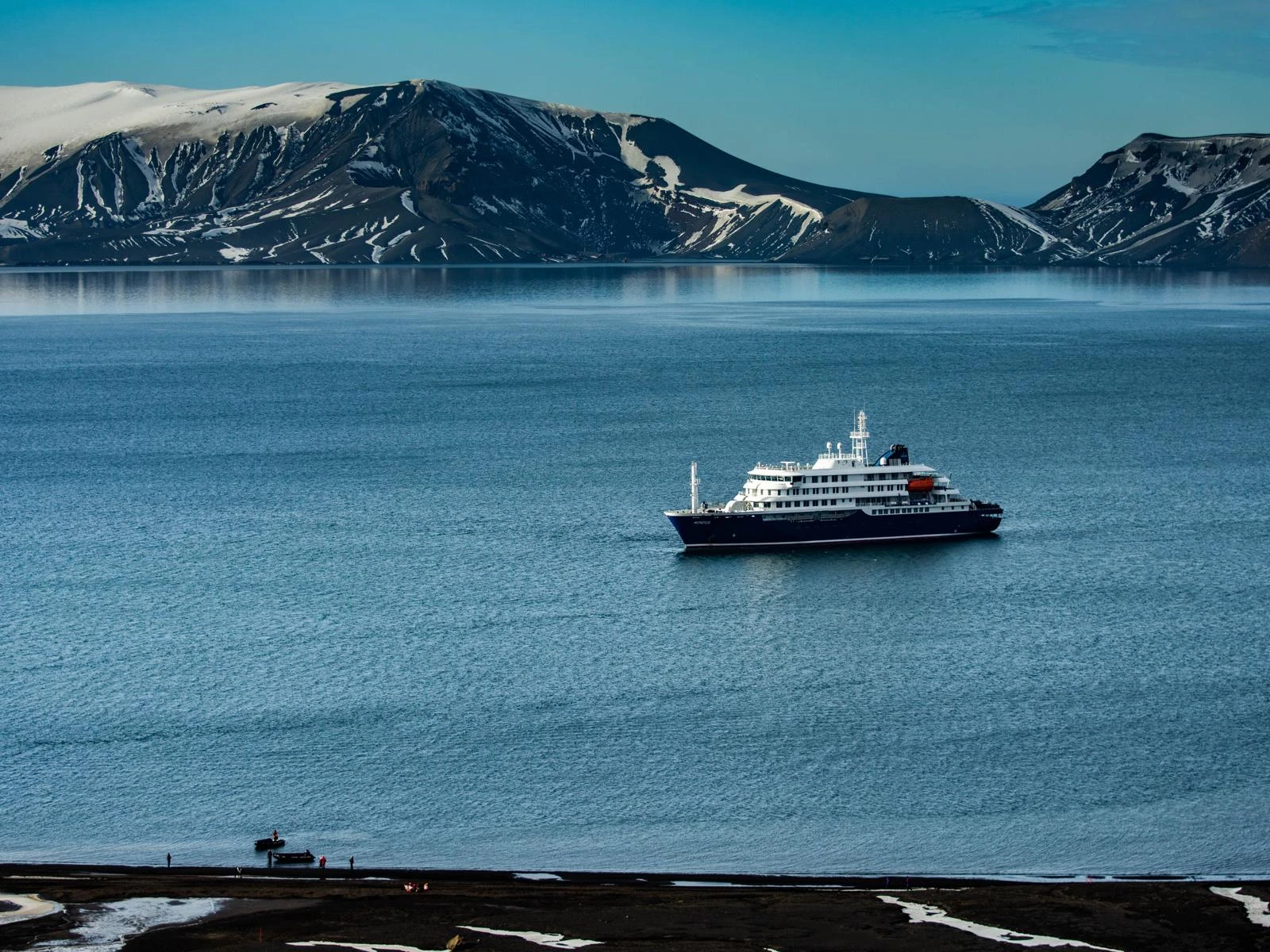
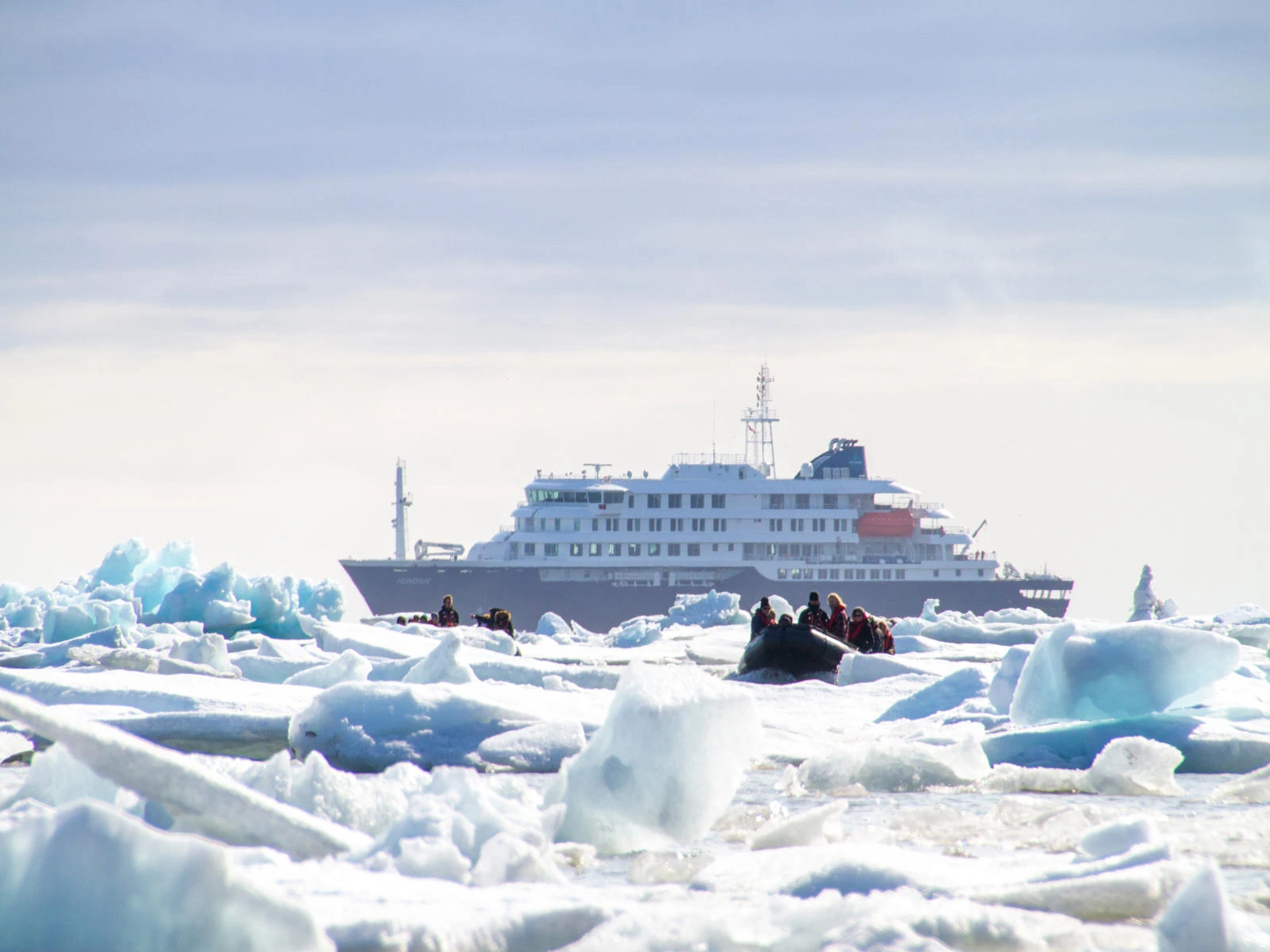
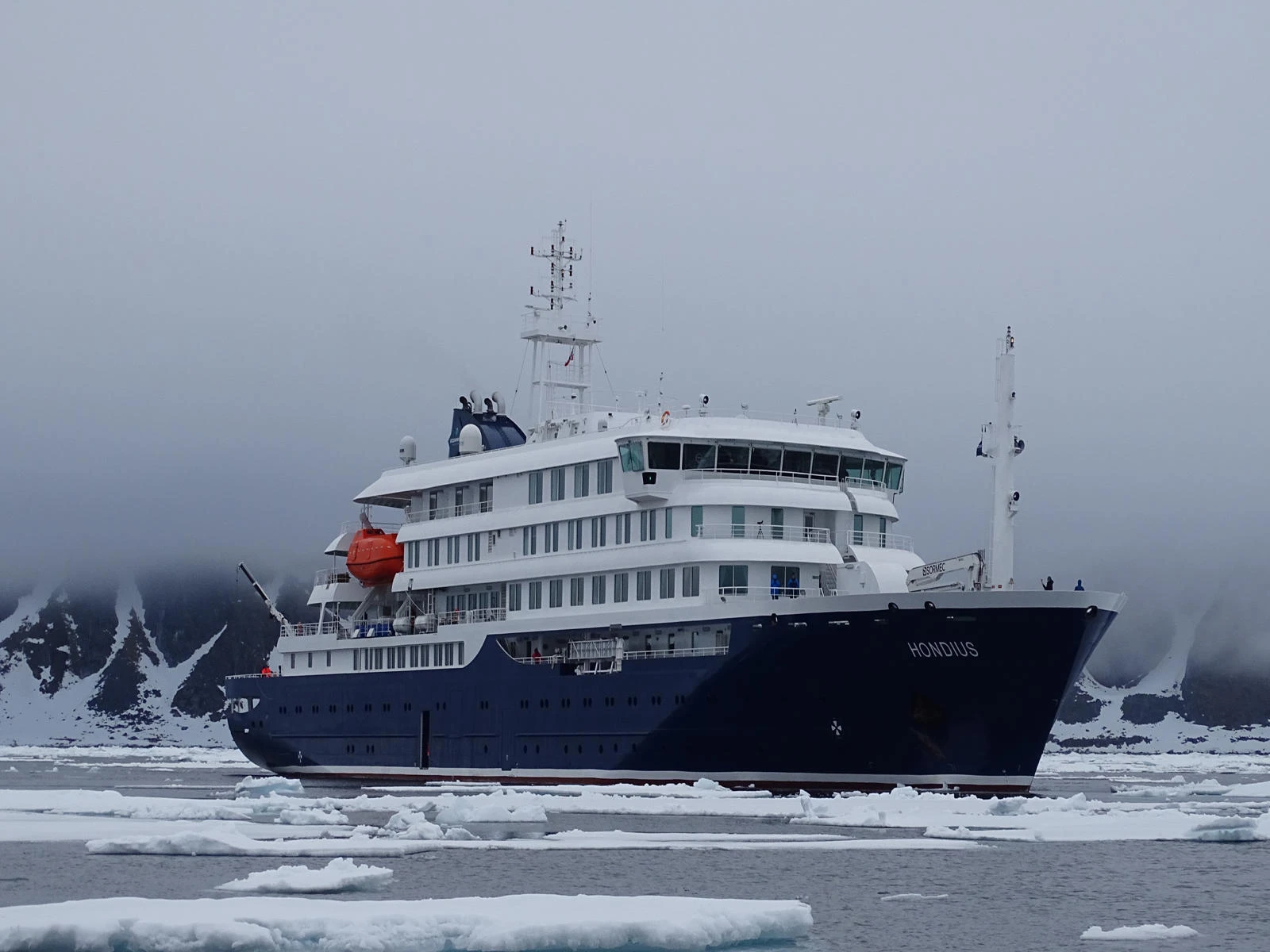
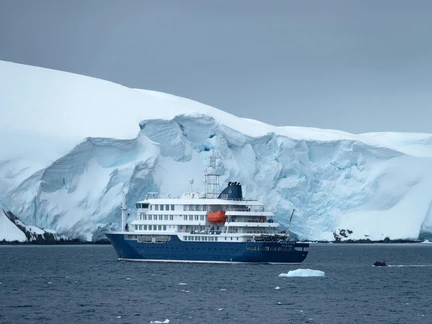
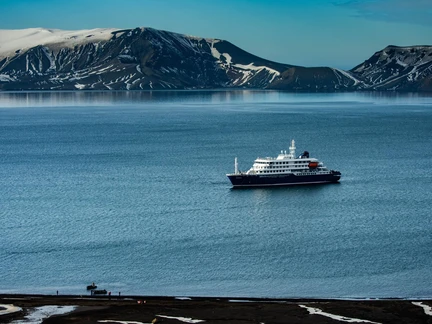
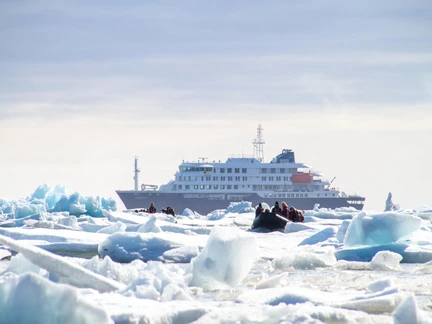
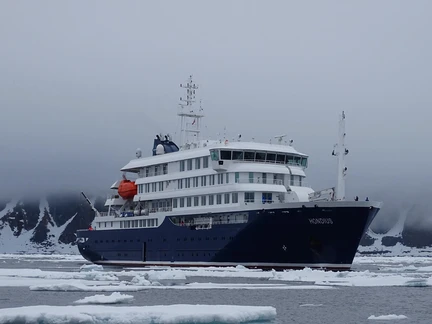
Hondius is the world’s first-registered Polar Class 6 vessel and was built from the ground up for expedition cruising.
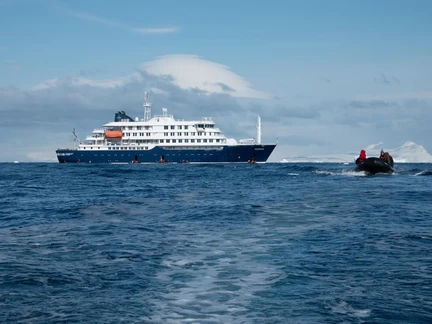
Specifications
| Passengers: | 170 in 80 cabins |
| Staff & crew: | Crew 57 | Guides 13 | Doctor 1 |
| Length: | 107.6 meters |
| Breadth: | 17.6 meters |
| Draft: | 5.30 meters |
| Ice class: | Polar Class 6 (equivalent 1A-Super) |
| Displacement: | 5,590 tonnes |
| Propulsion: | 2 x ABC main engines; total 4,200 kW |
| Speed: | 15 knots |
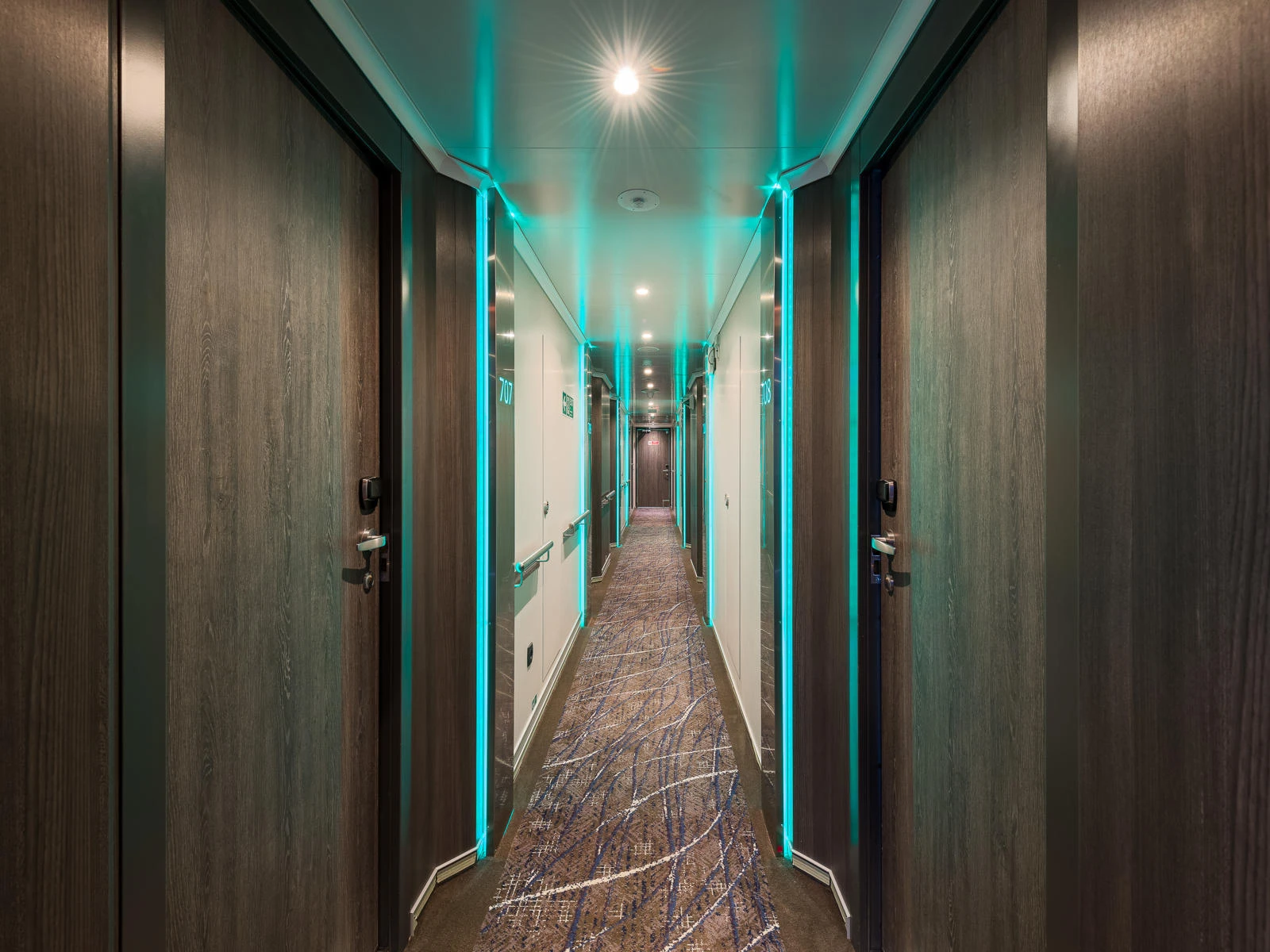
Cabins Gallery
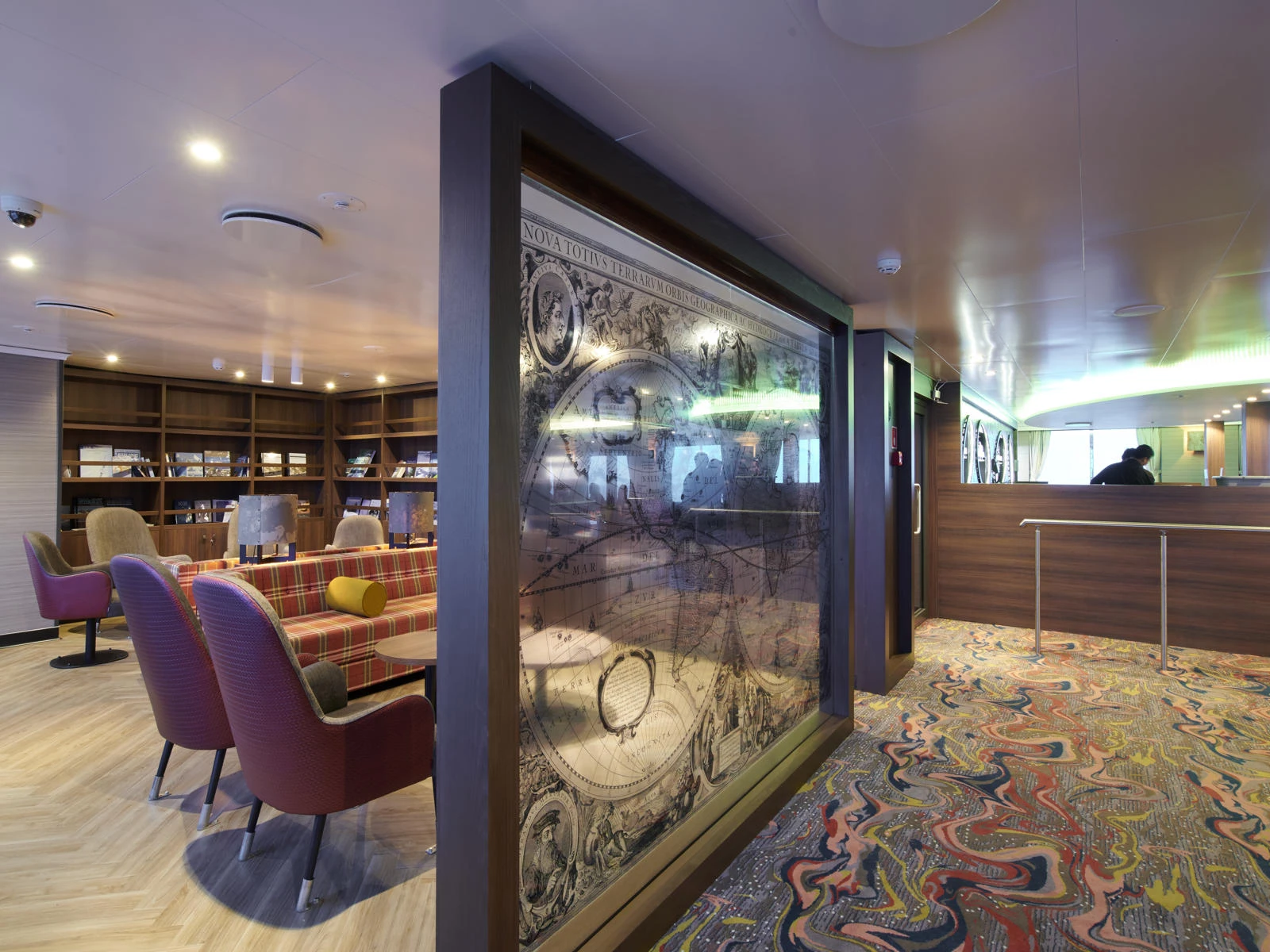
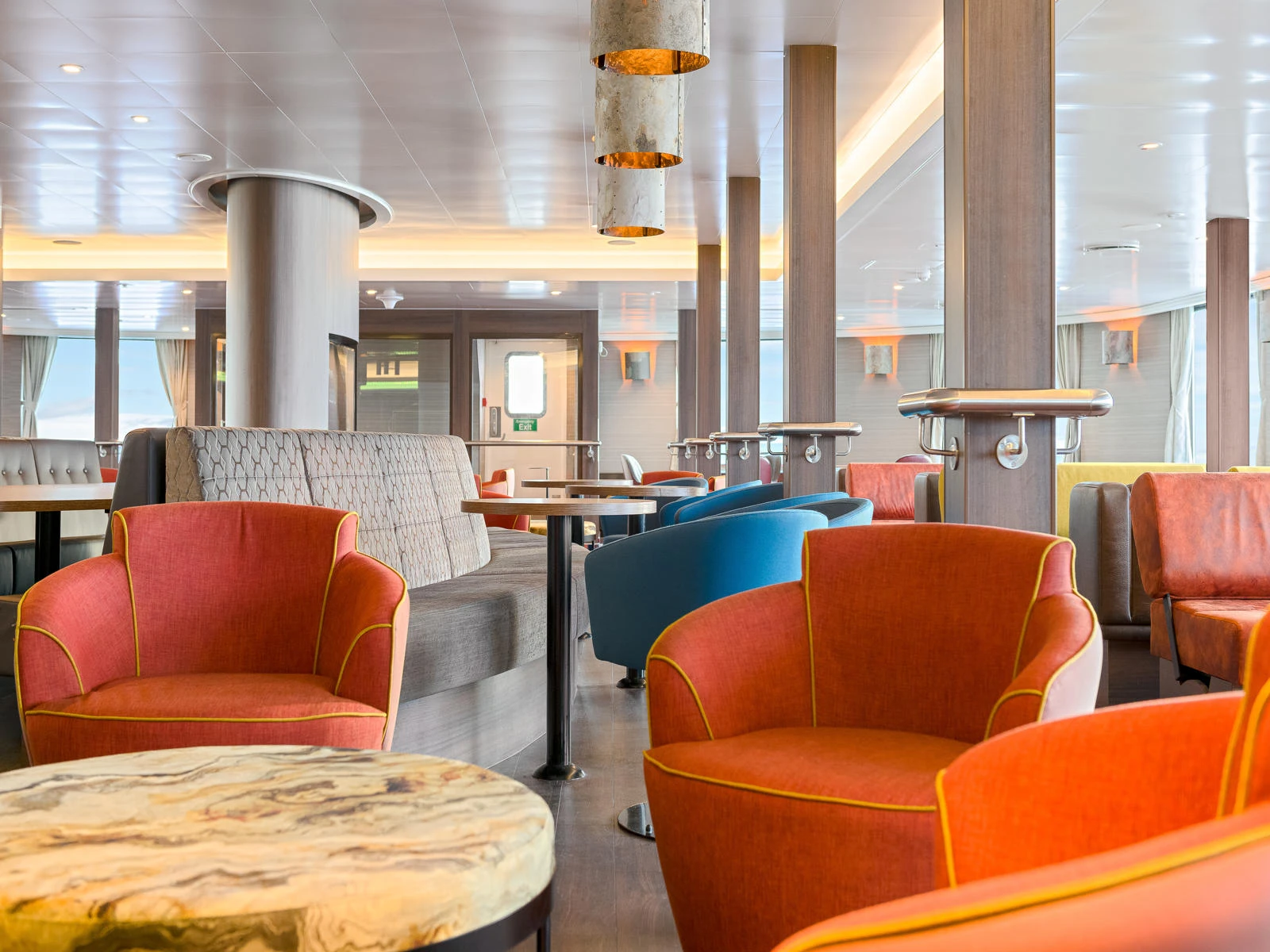
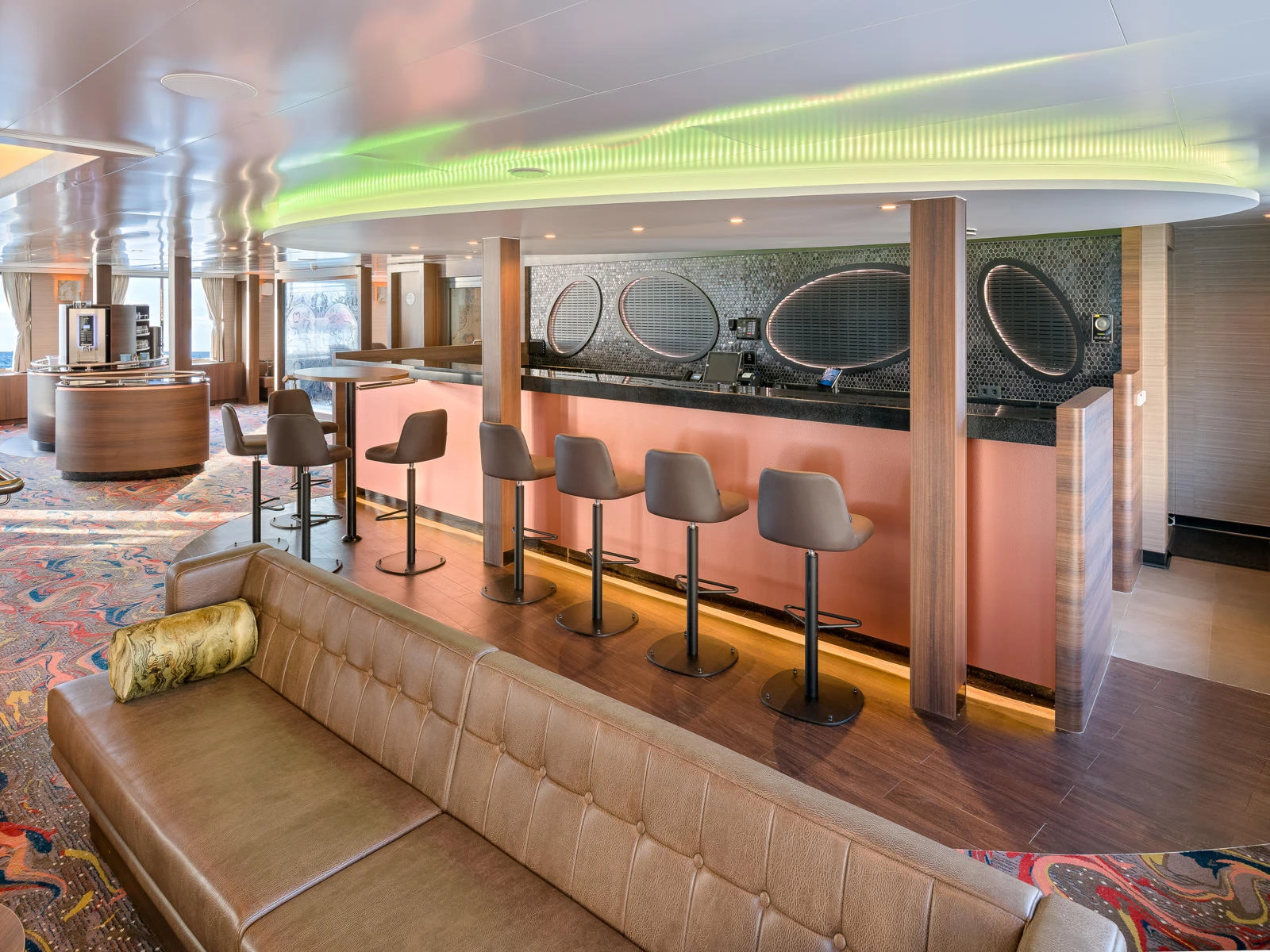
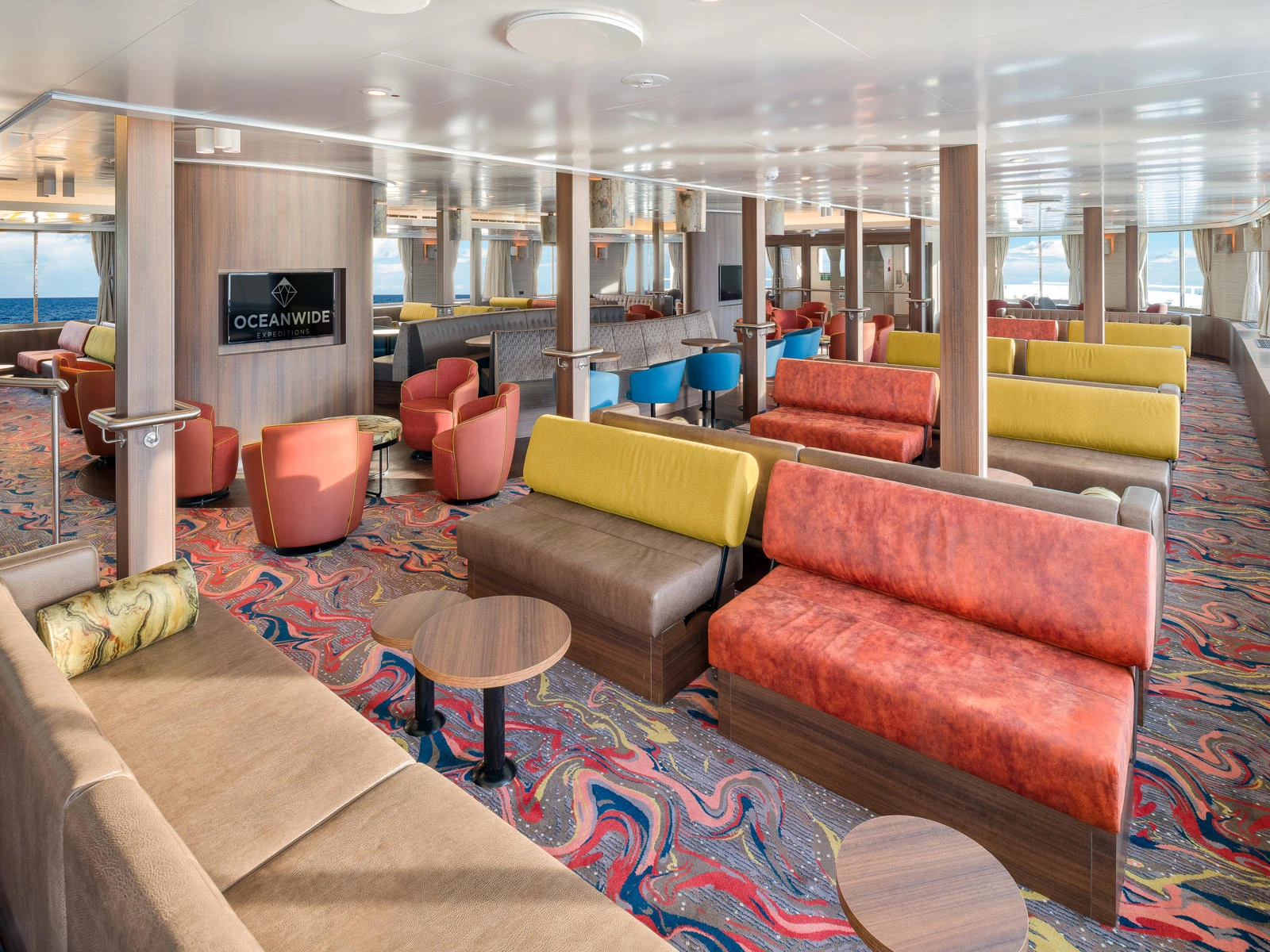
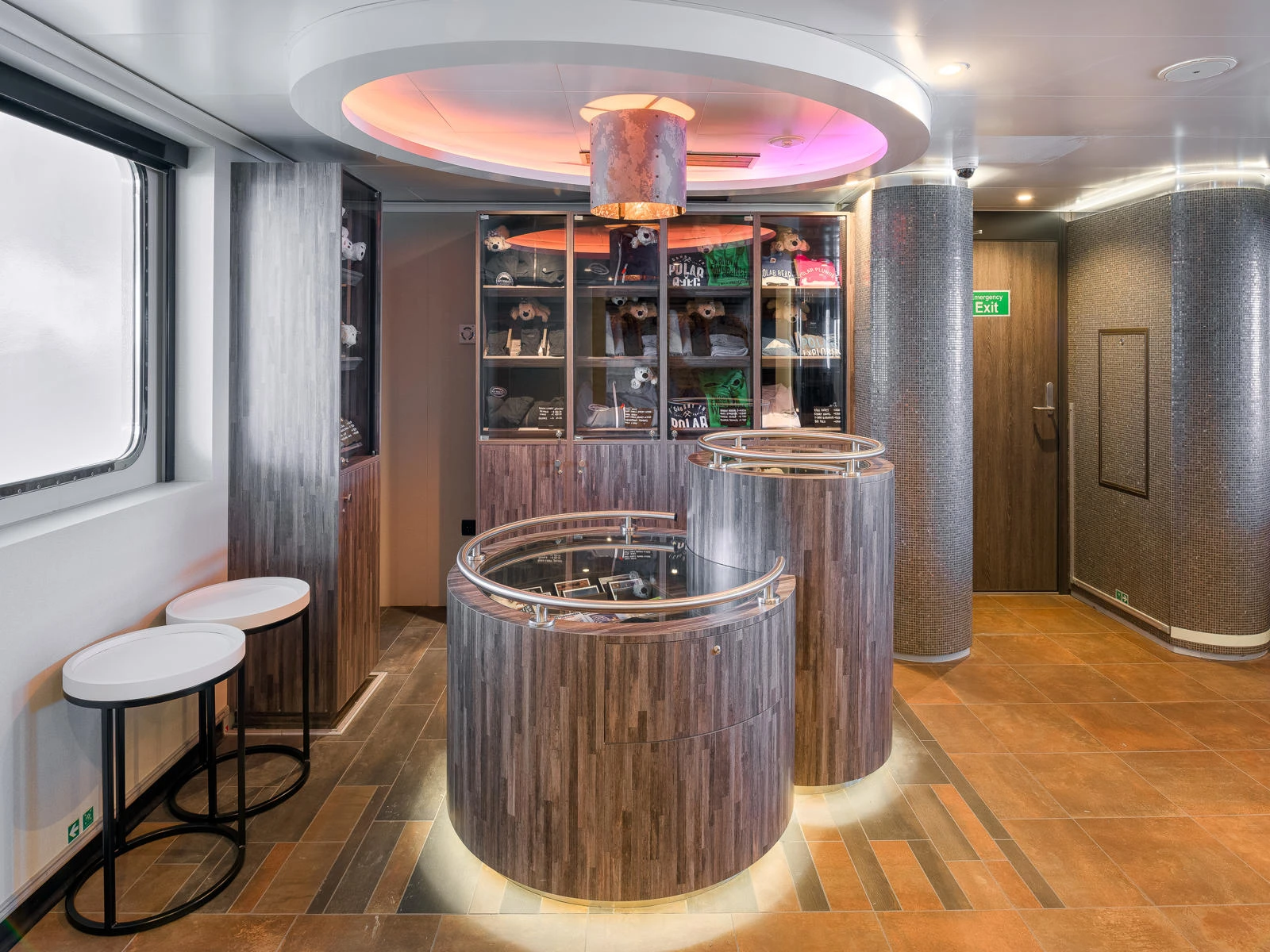
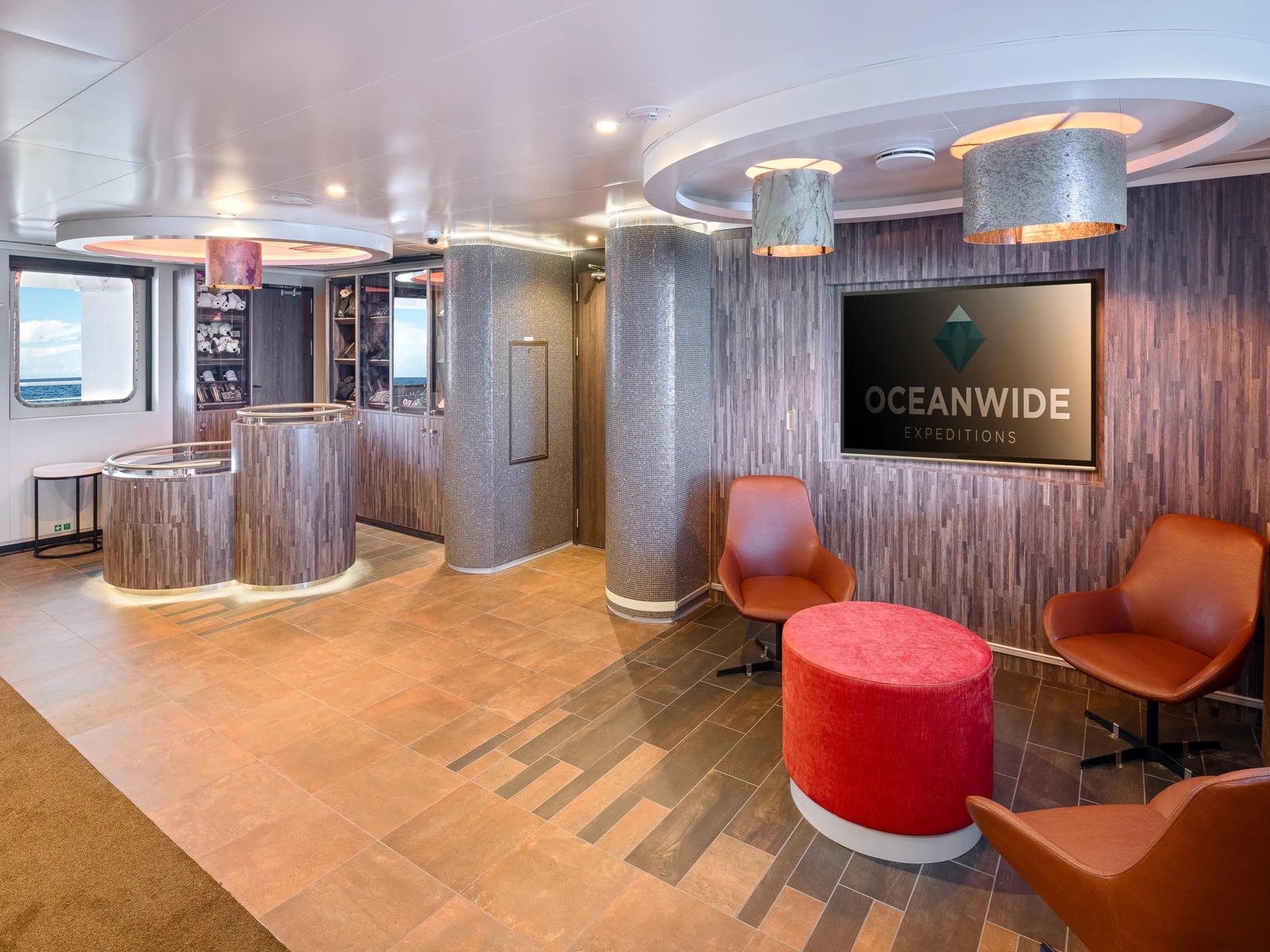
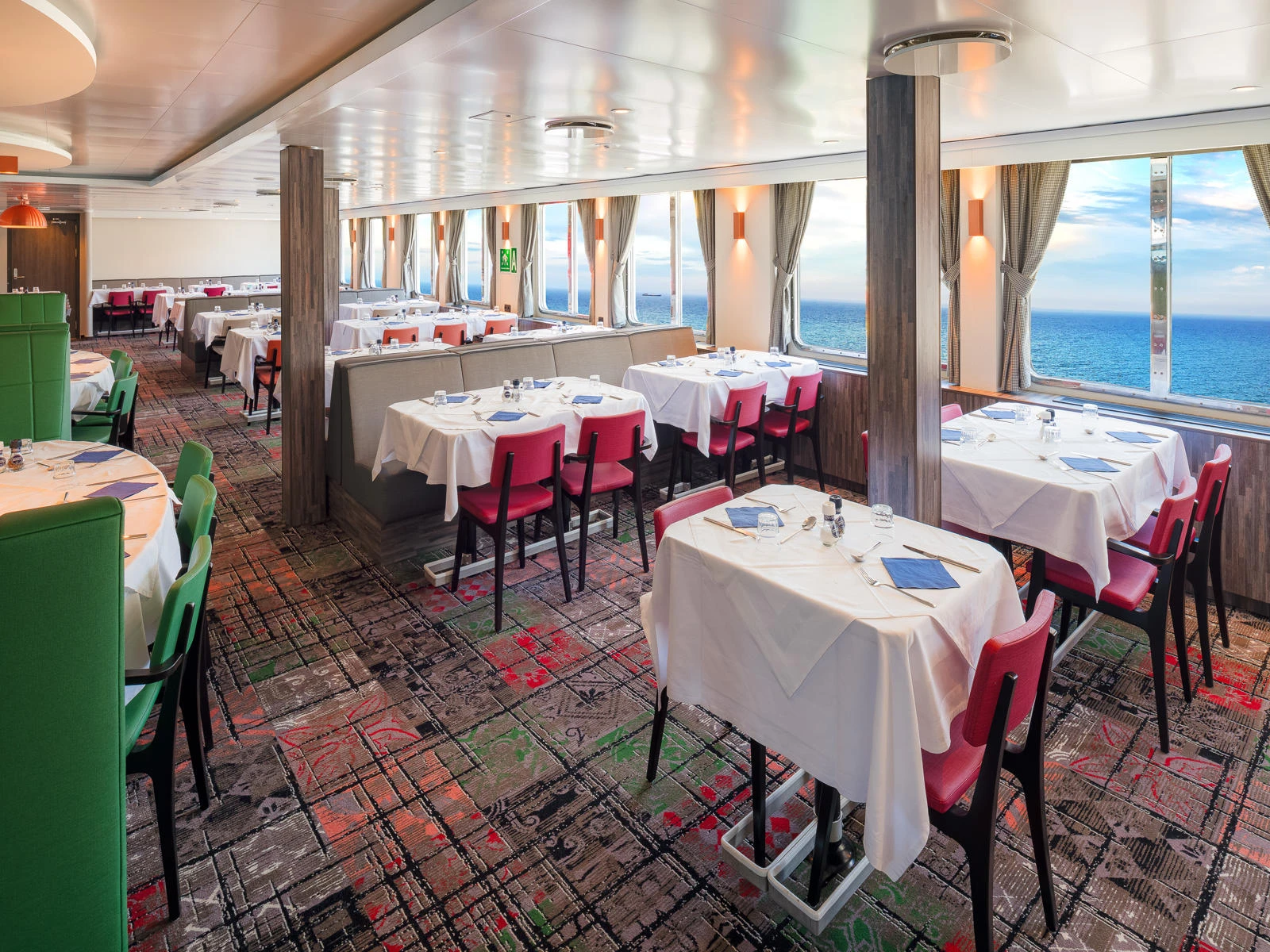
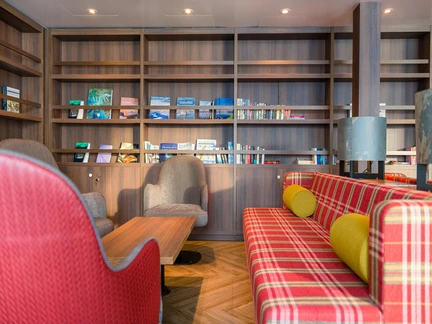
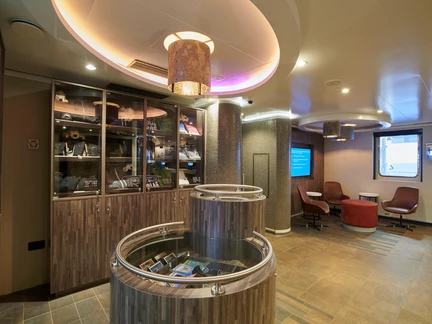
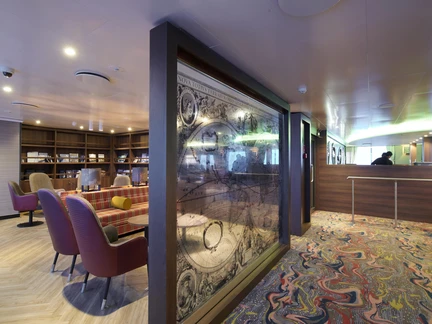
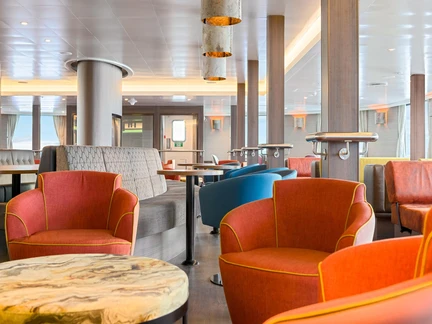
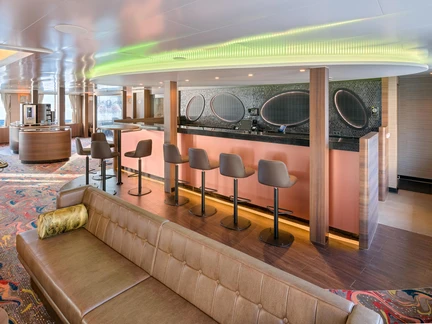
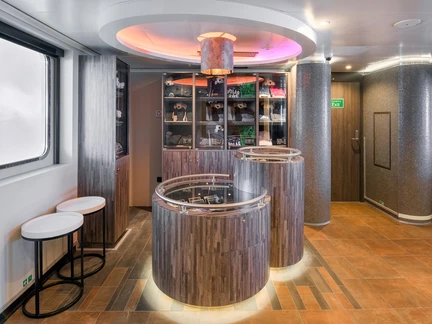
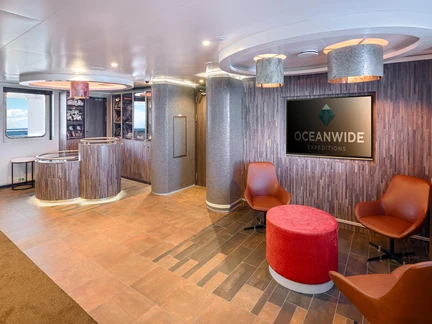
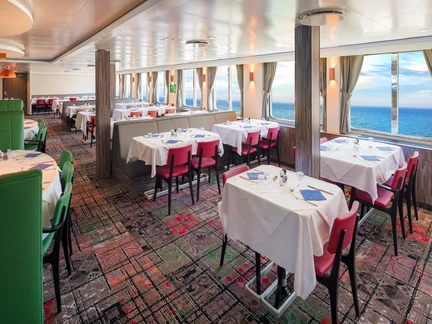
Ship Interior Gallery
Ship Exterior Gallery
Hondius is the first-registered Polar Class 6 vessel in the world, meeting the latest and highest Lloyd’s Register standards for ice-strengthened cruise ships. Surpassing the requirements of the Polar Code adopted by the International Maritime Organization (IMO), Hondius represents the most flexible, advanced, innovative touring vessel in the polar regions, thoroughly optimized for exploratory voyages that provide you the utmost first-hand contact with the Arctic and Antarctica.
Happier polar passengers, healthier polar environment
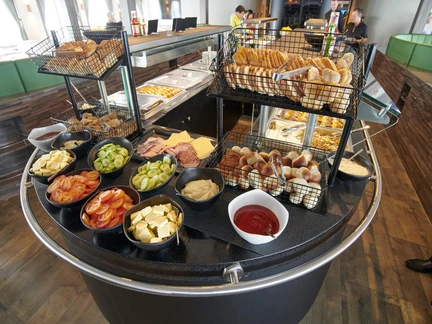
Not only will the numerous amenities and on-board entertainments help make your Hondius voyage truly memorable, this ship also gives you the peace of mind that comes with choosing one of the most environmentally friendly vessel on the polar seas.
Hondius uses LED lighting, steam heating, bio-degradable paints and lubricants, and state-of-the-art power management systems that keep fuel consumption and CO2 levels minimal. This means that when you sail aboard Hondius, you get to enjoy the exotic landscapes and wildlife as much as possible while impacting them as little as possible.
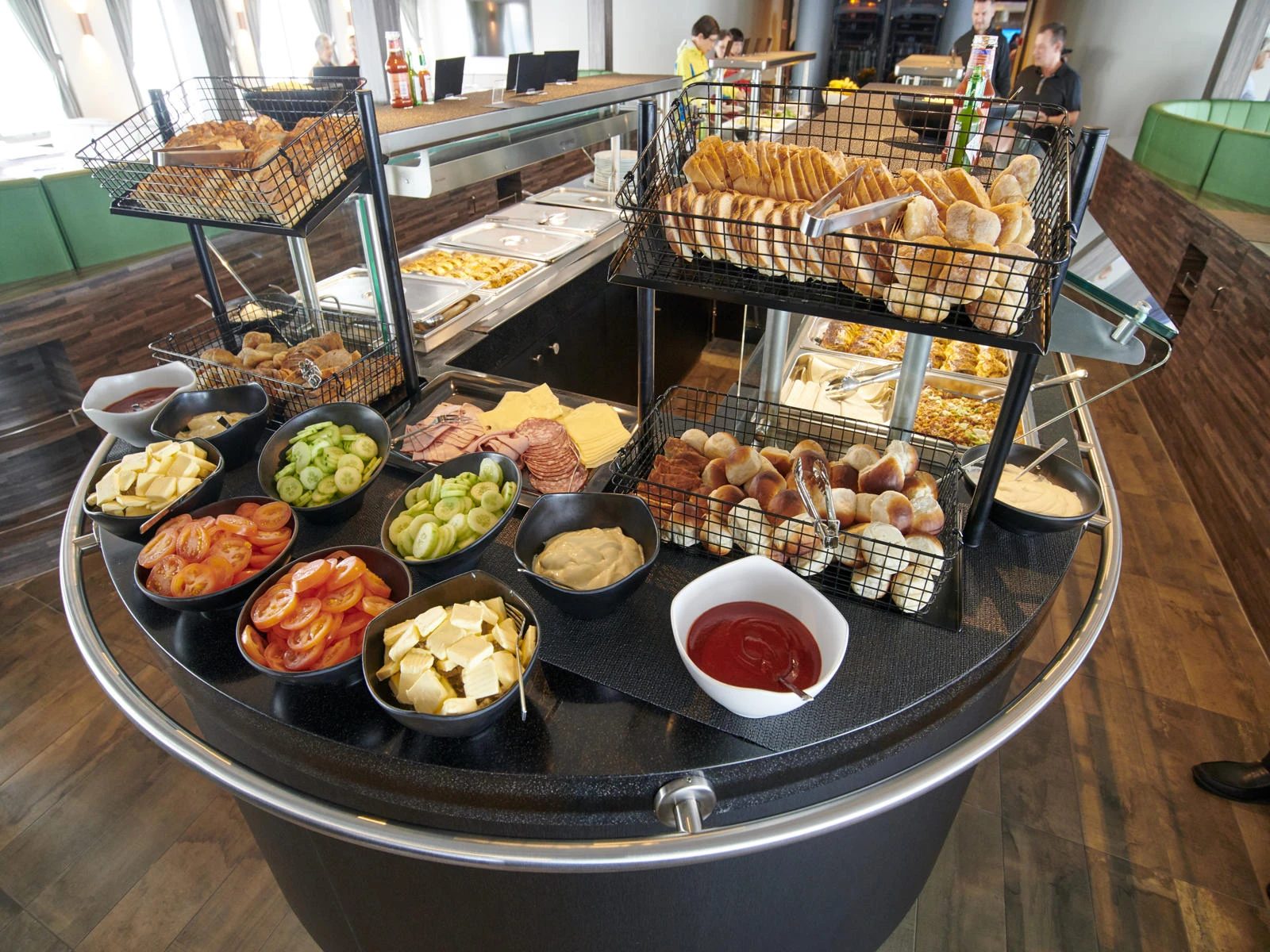
Hotel comfort, expedition class
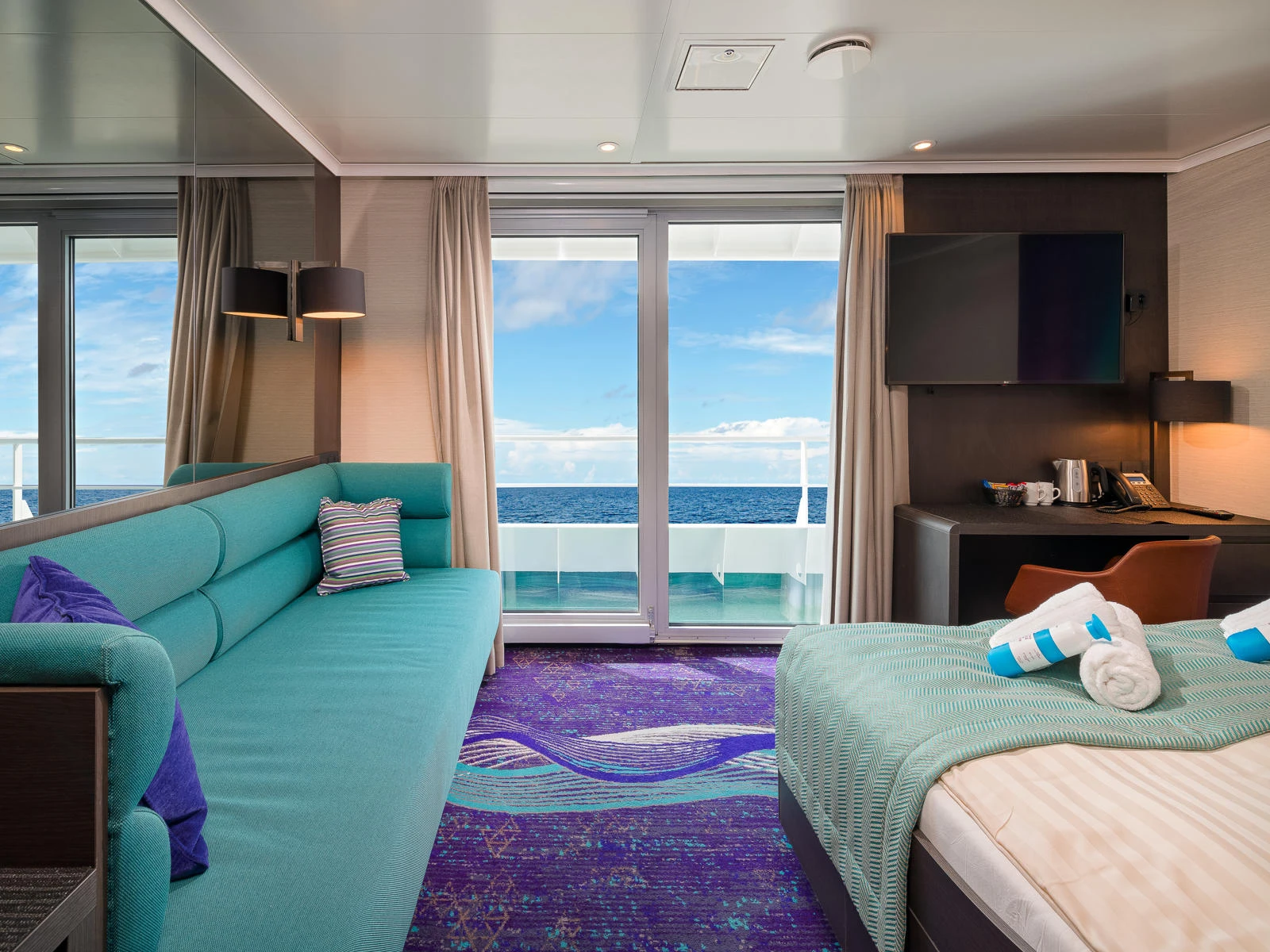
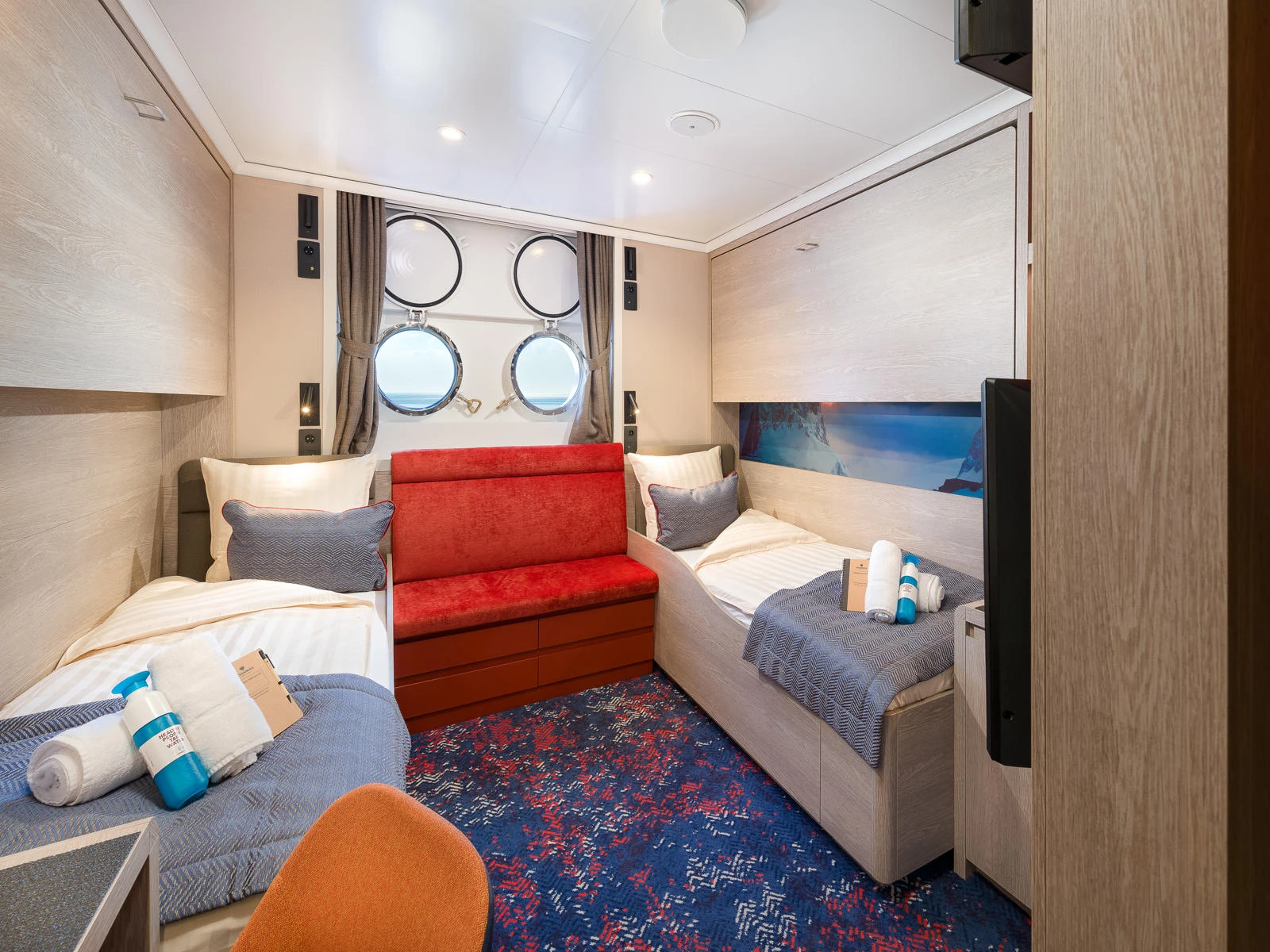
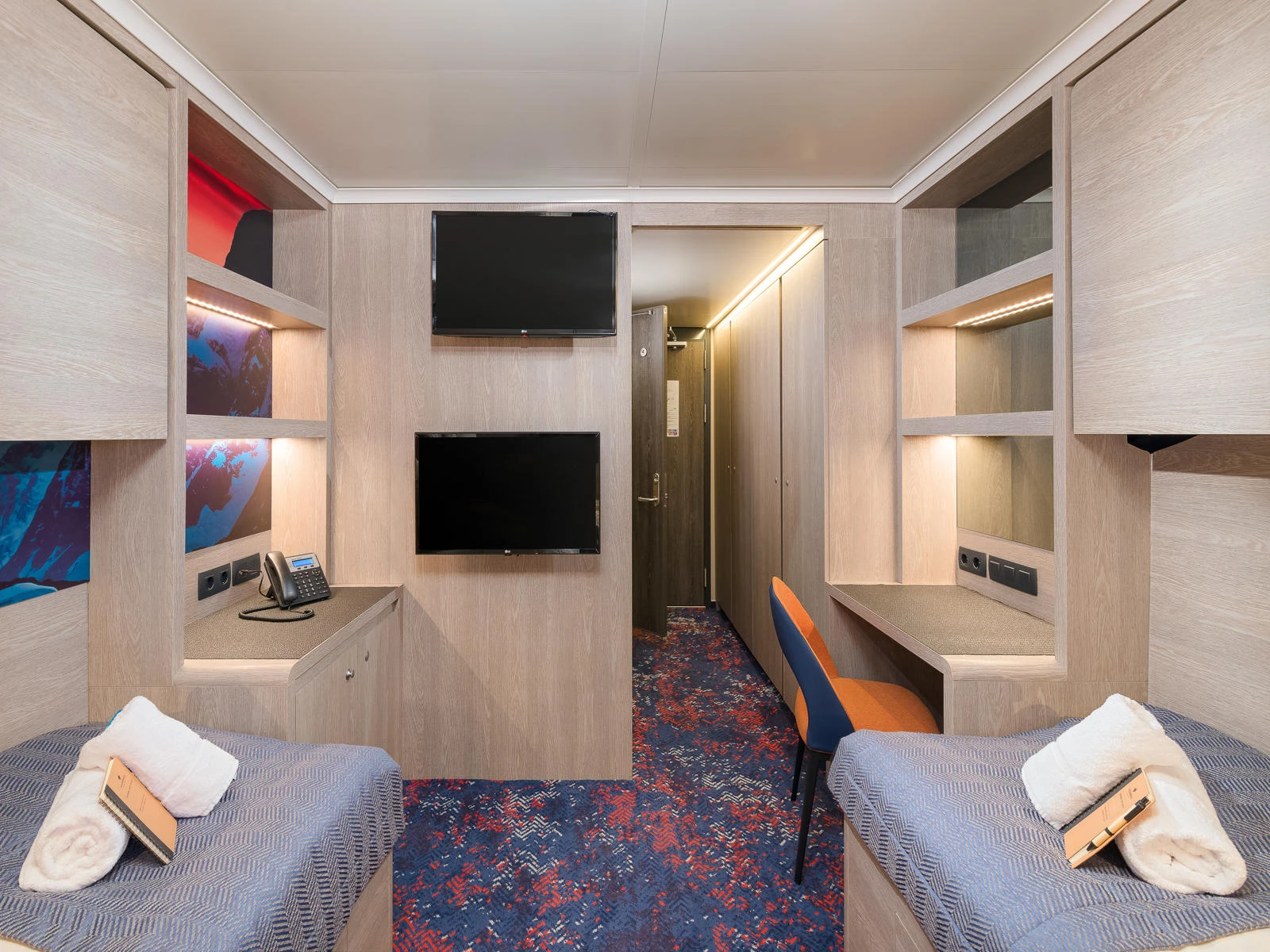
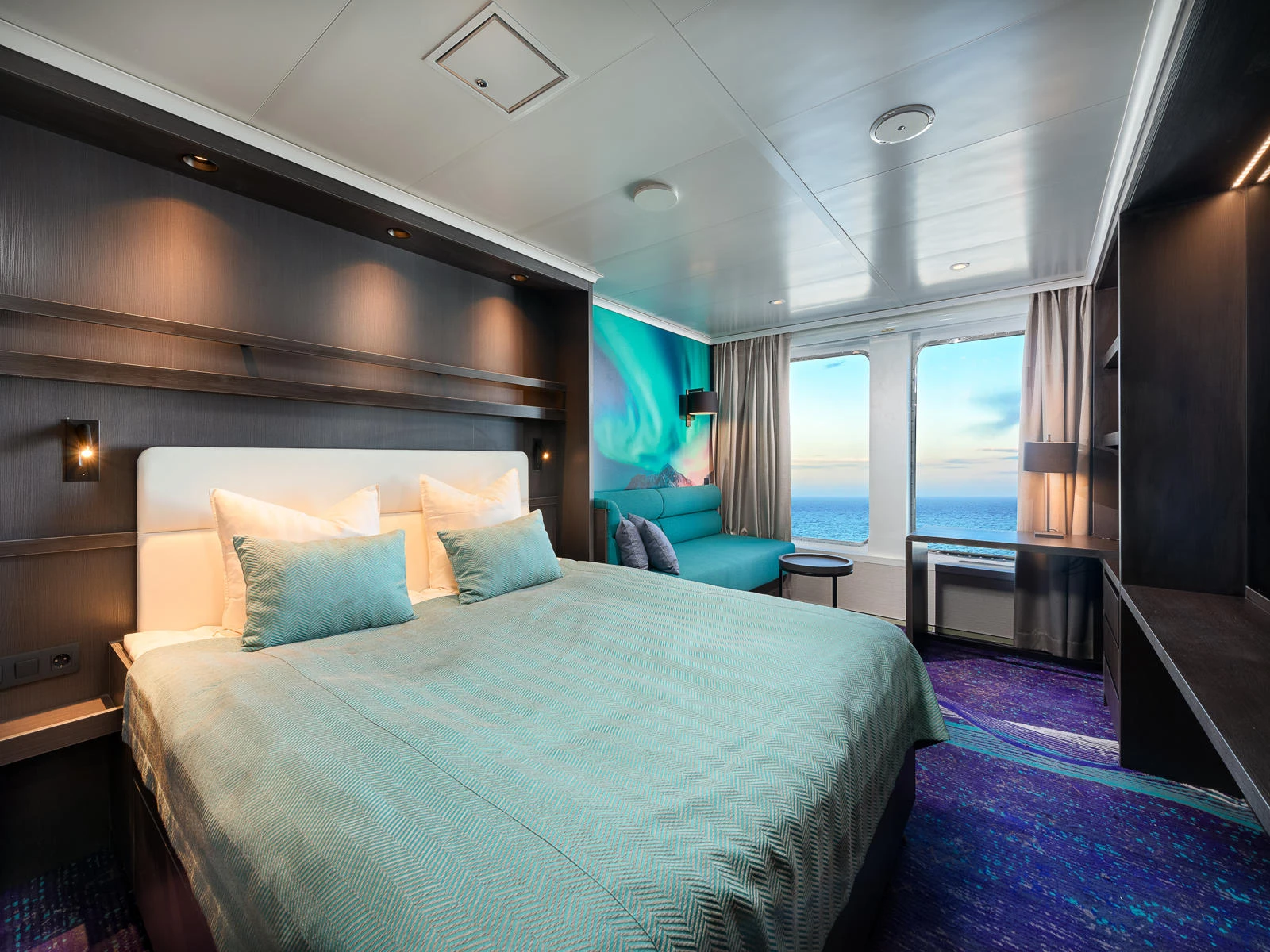
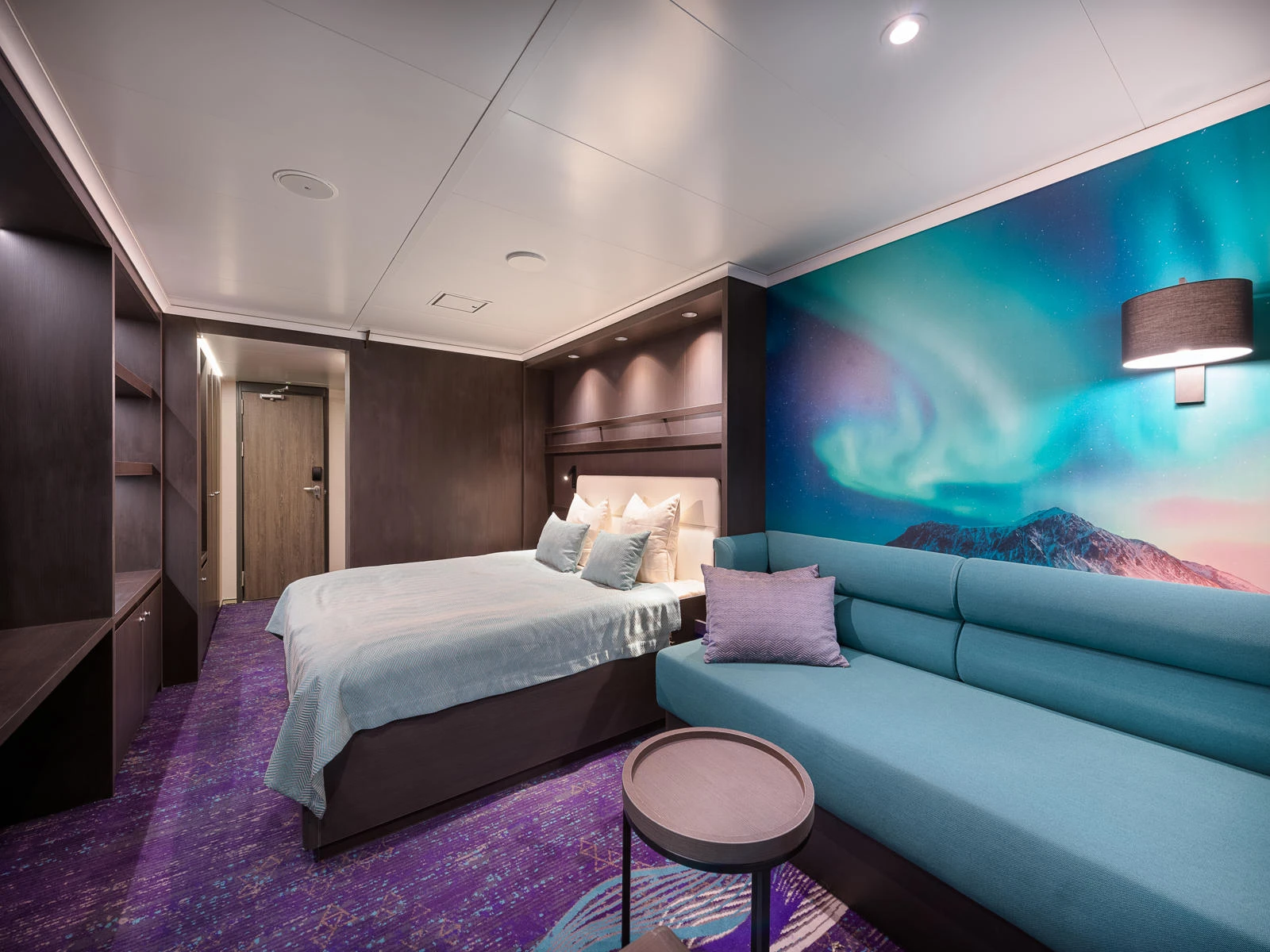
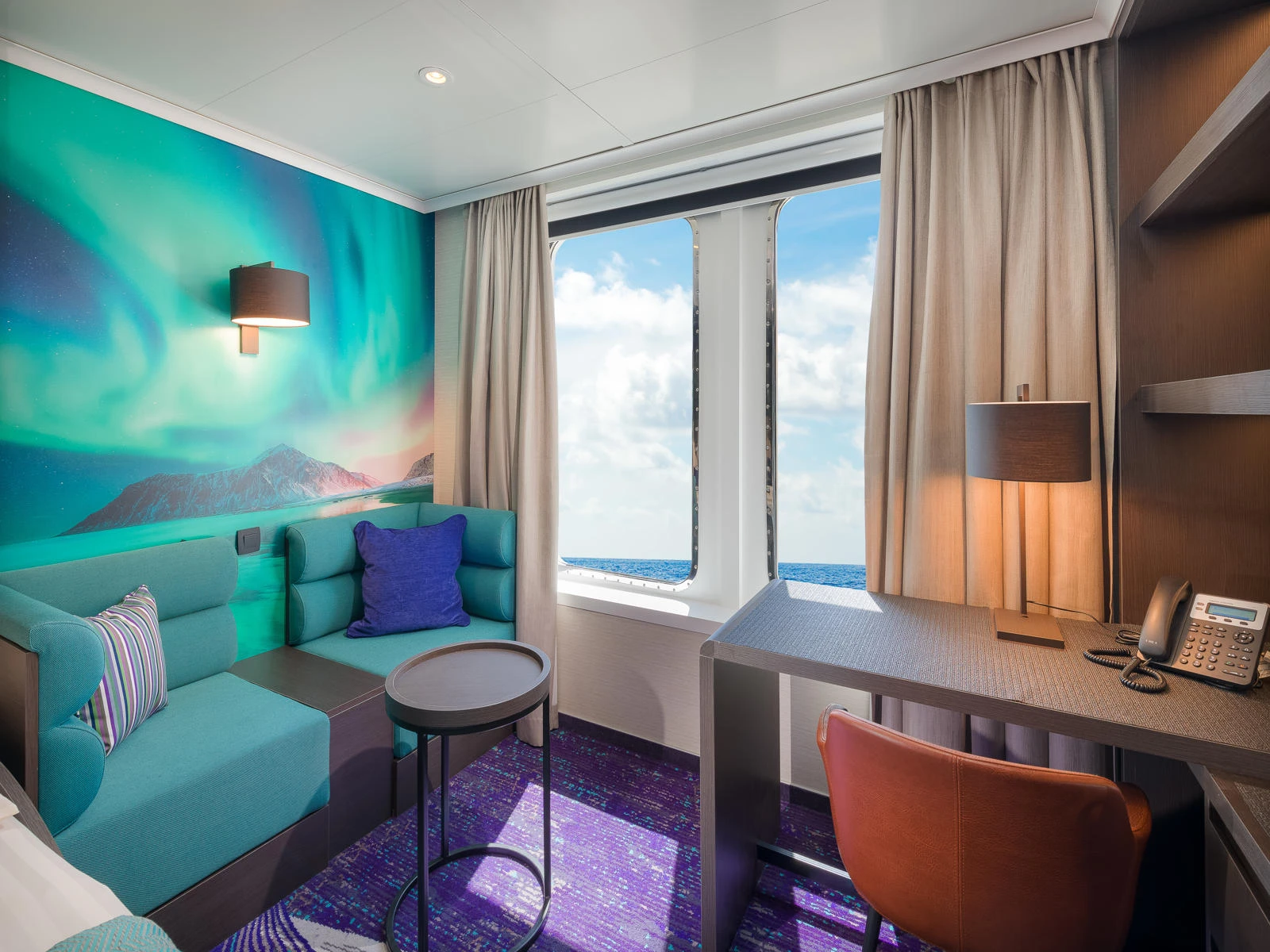
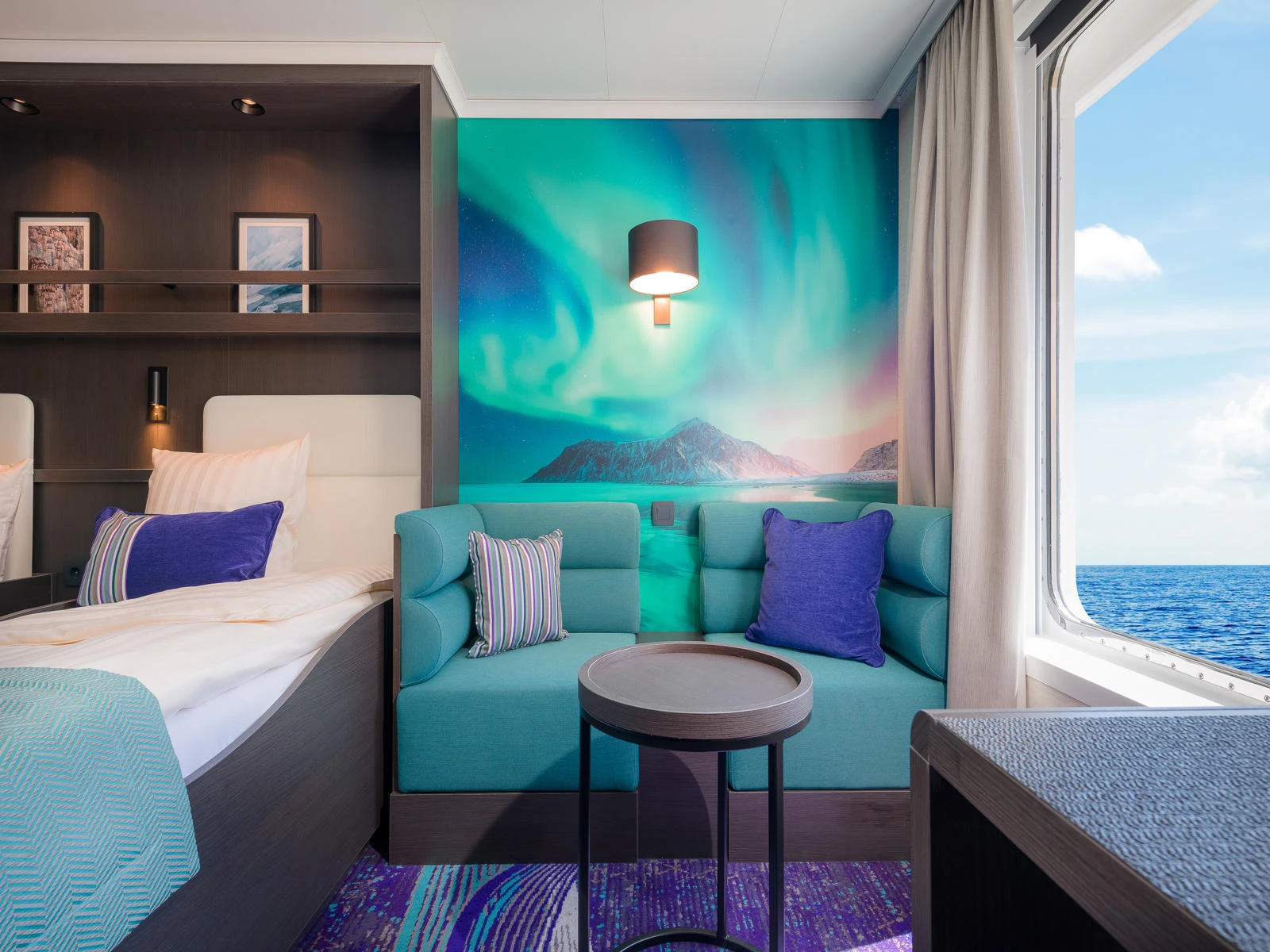
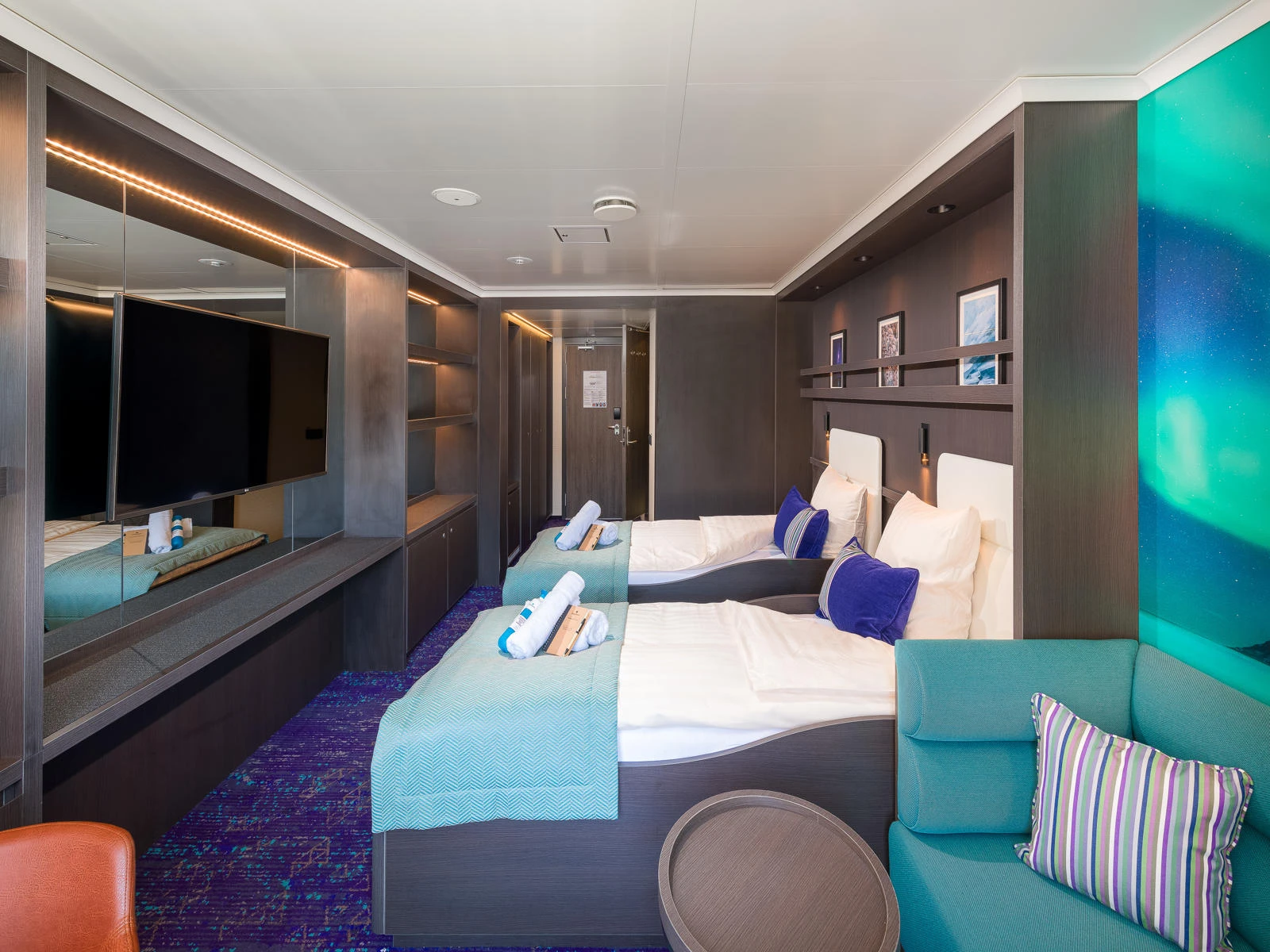
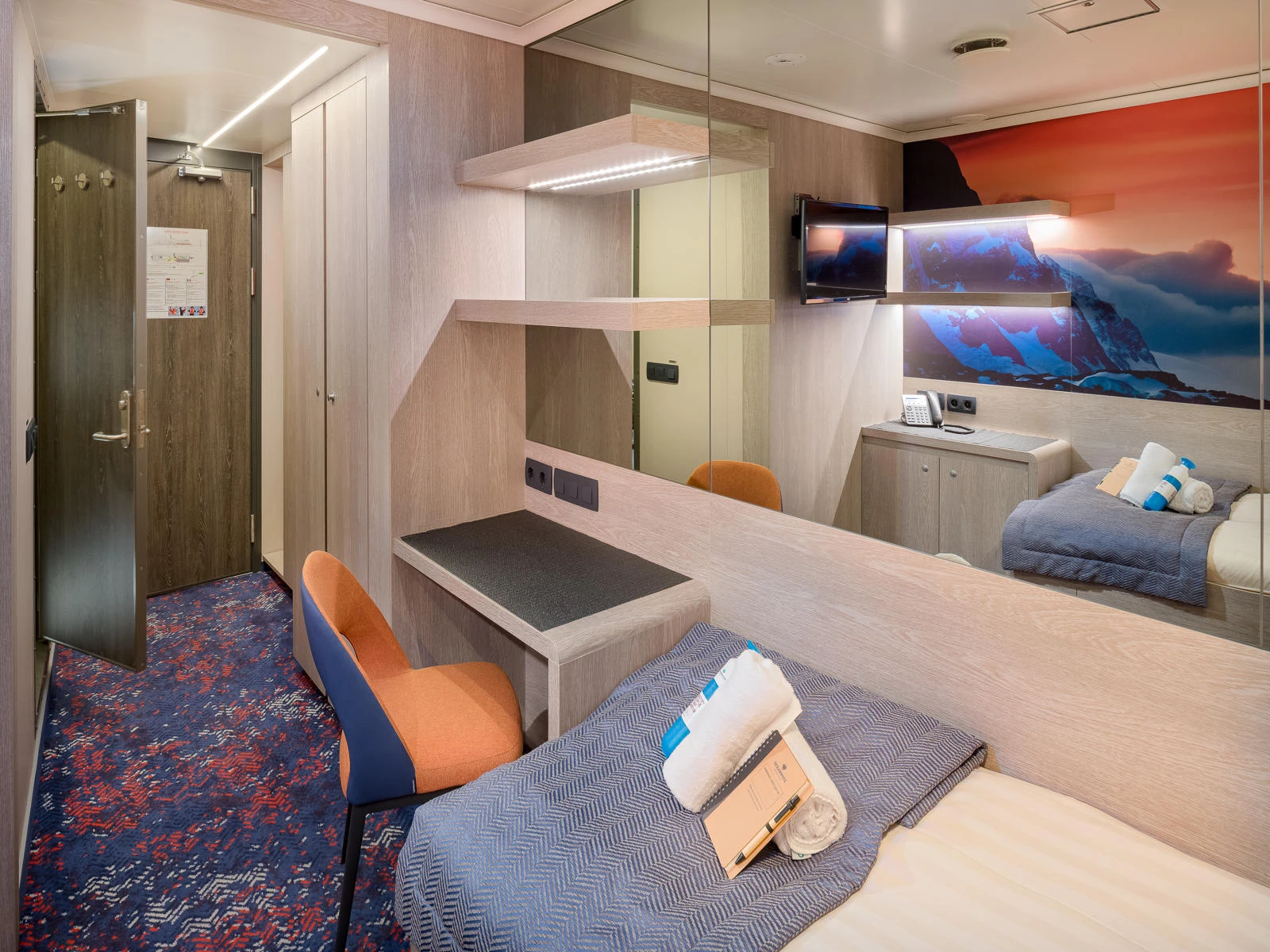
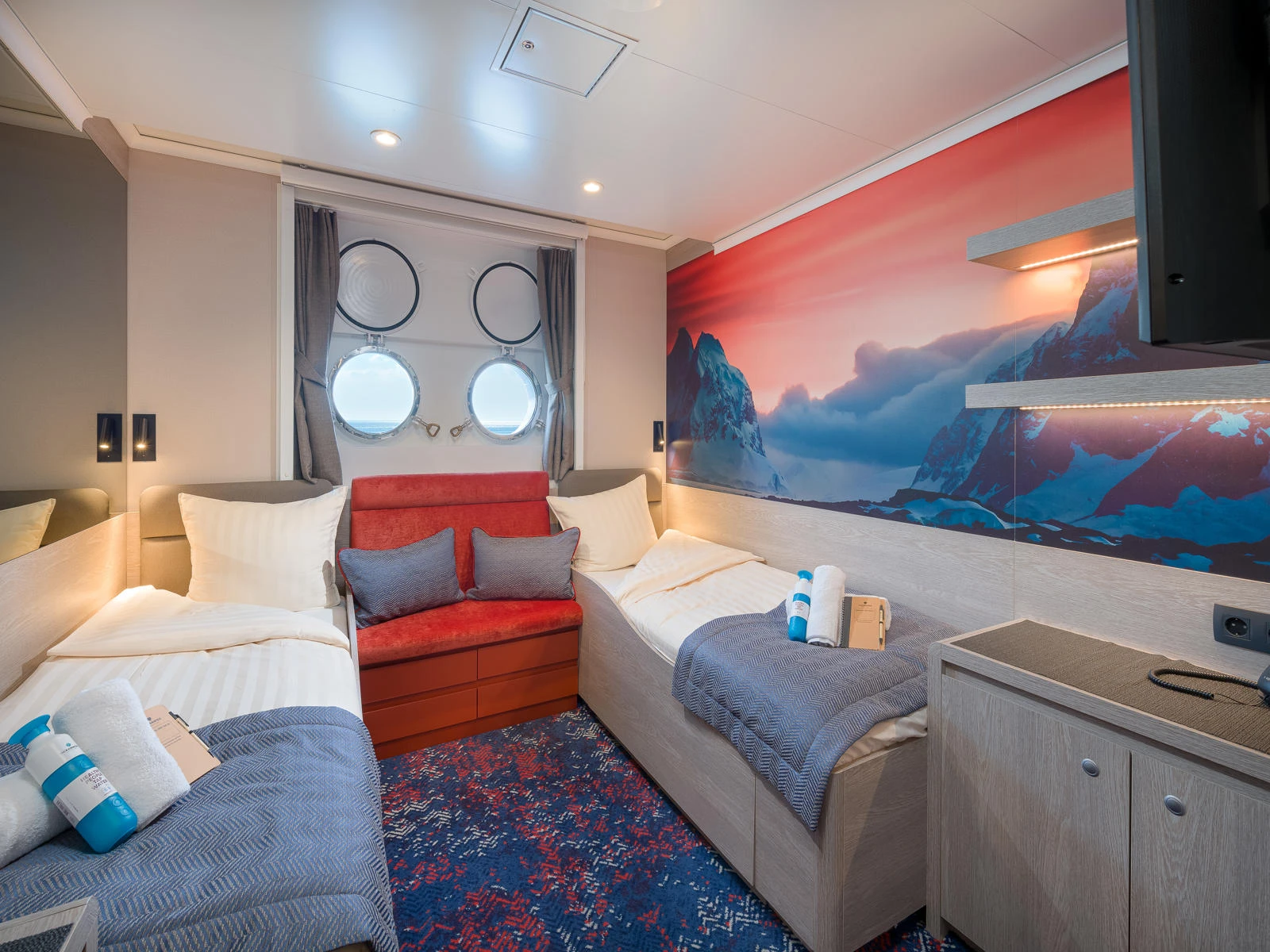
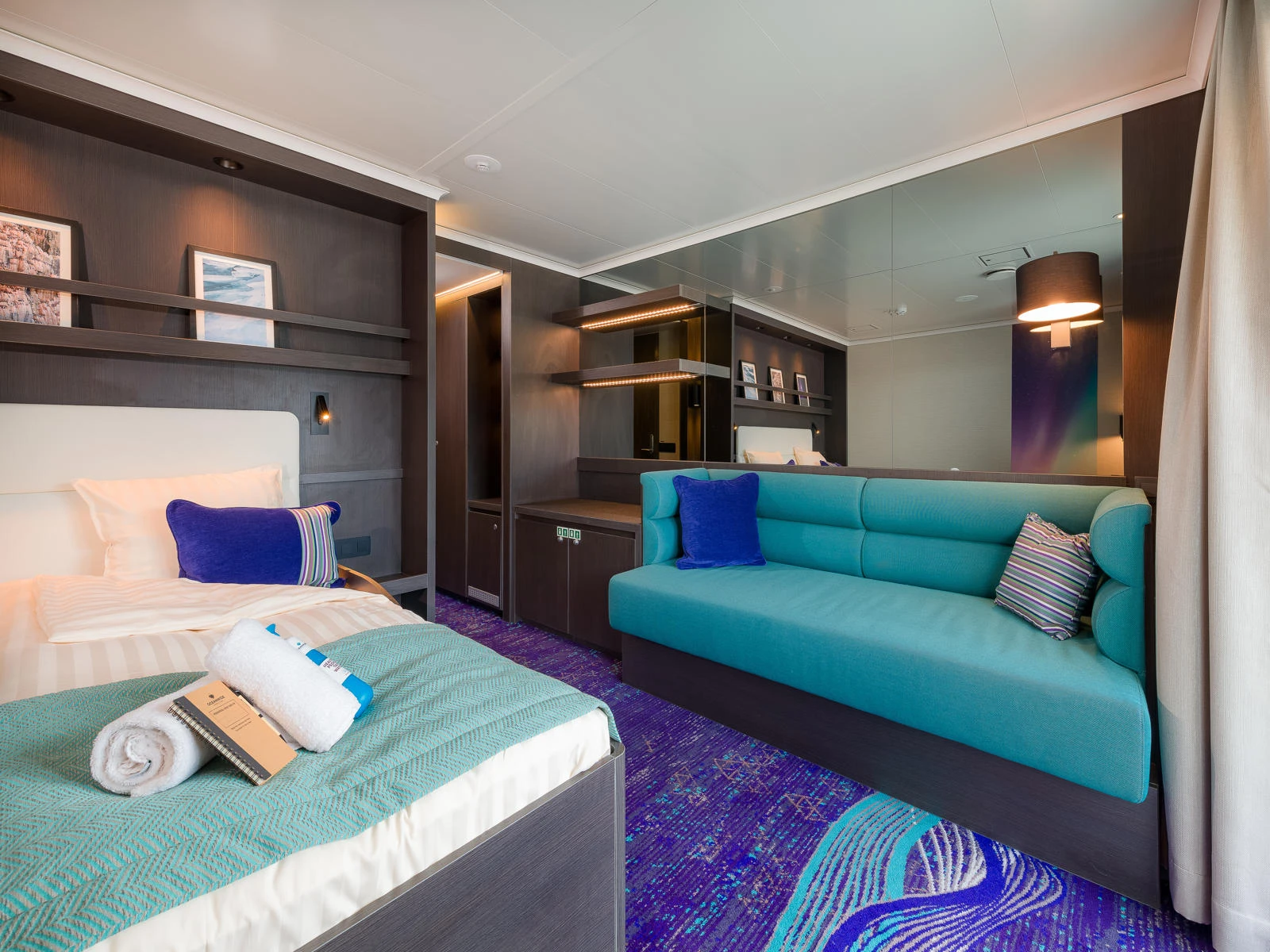
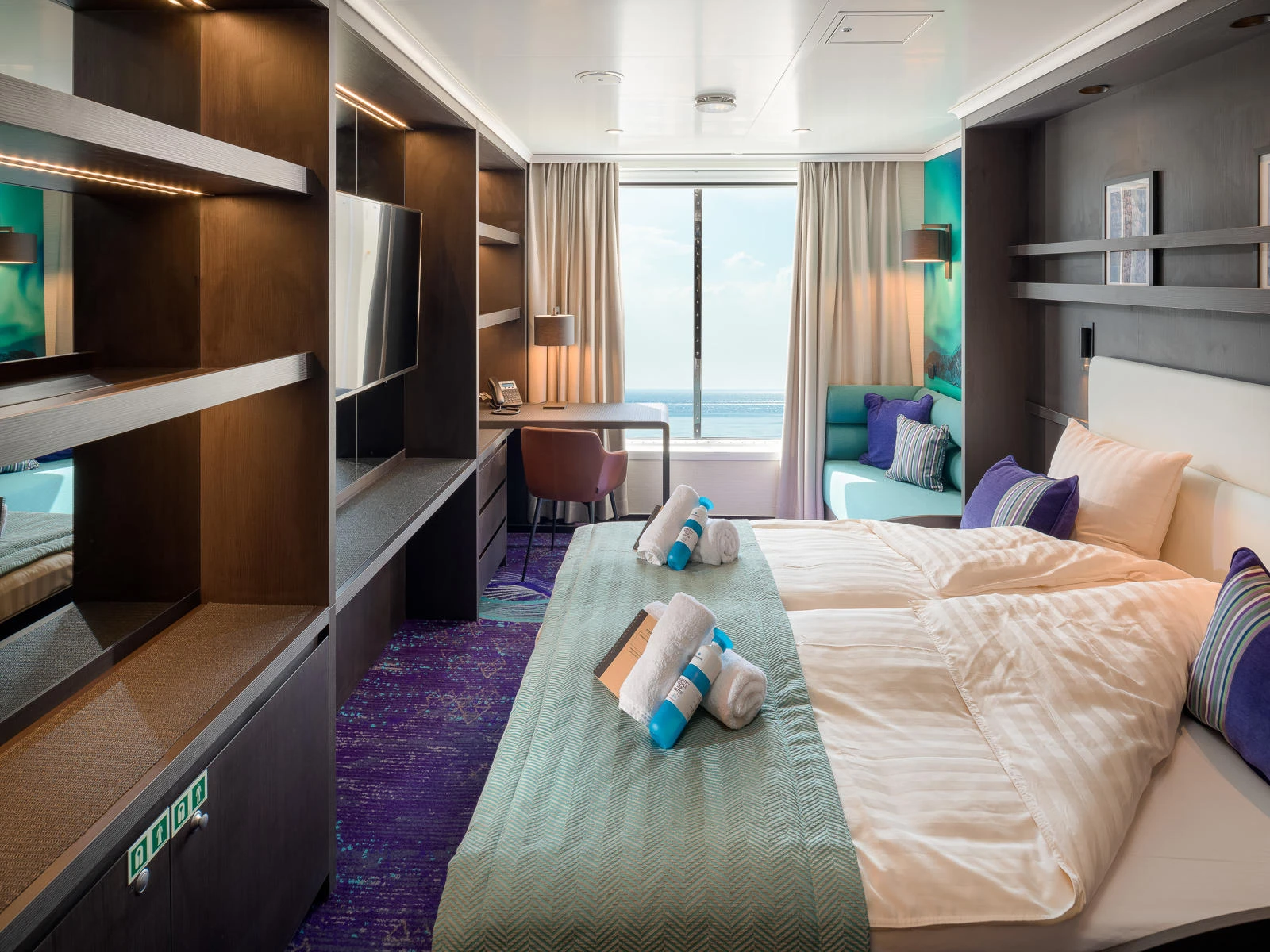
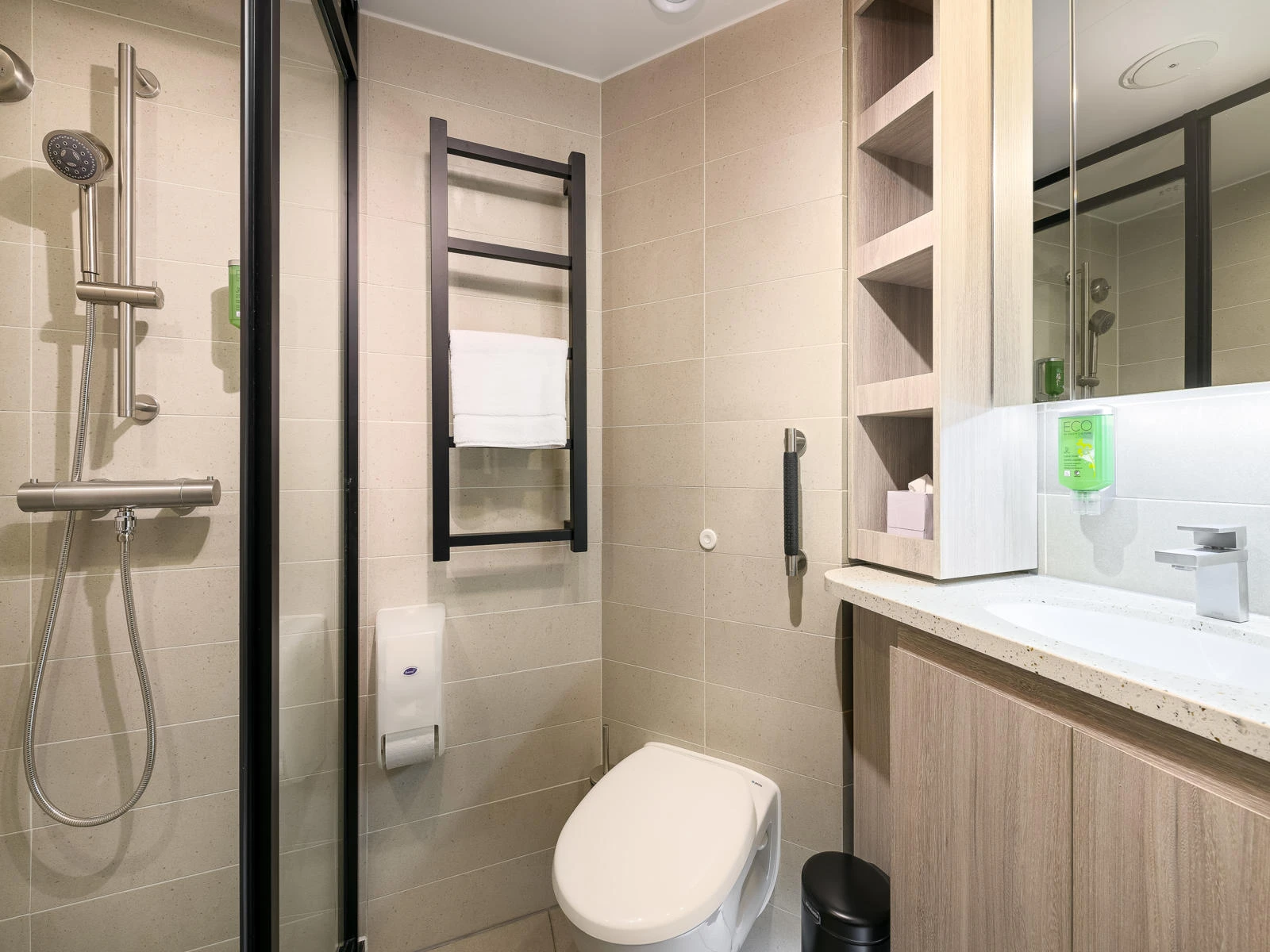
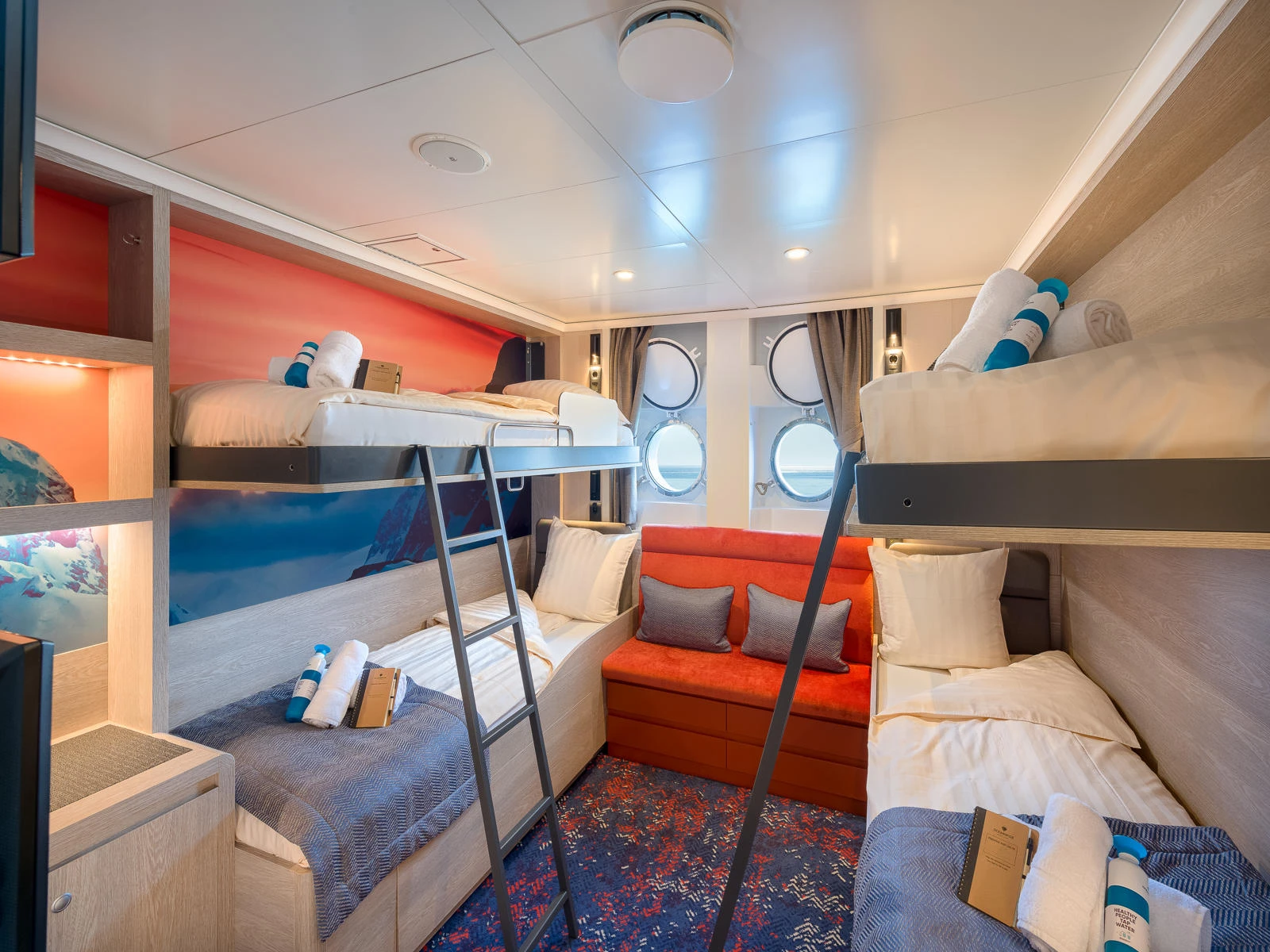
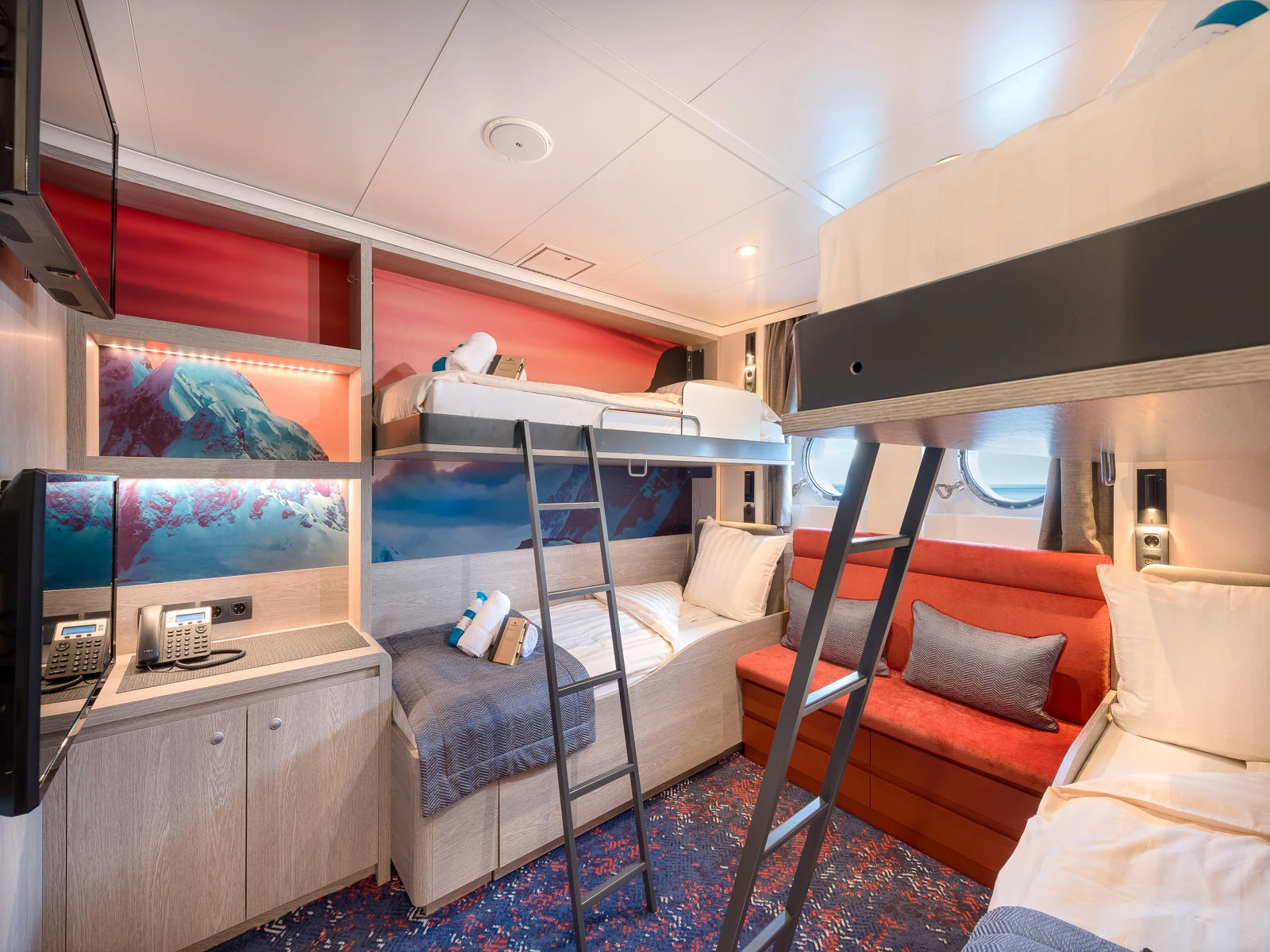
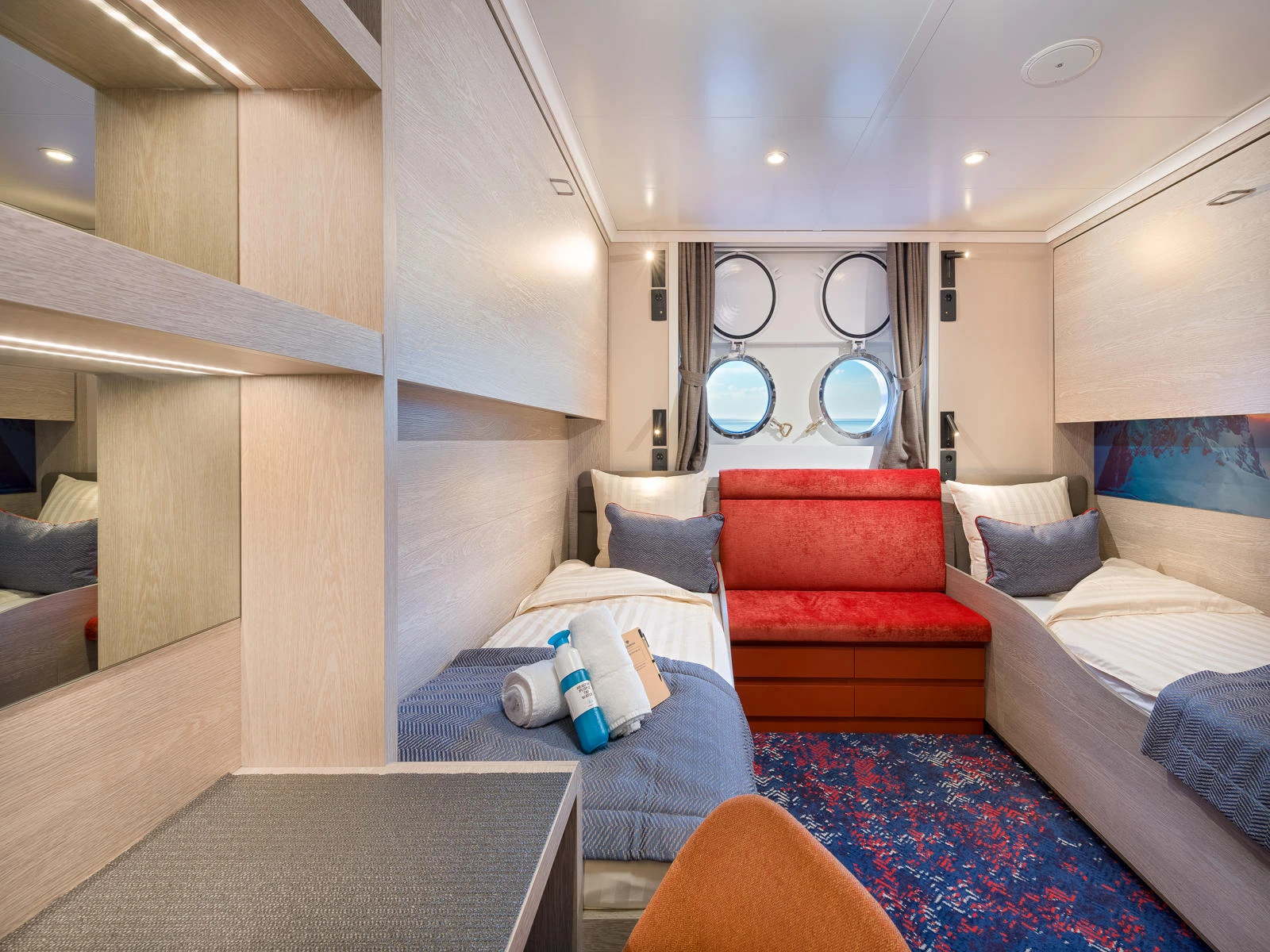
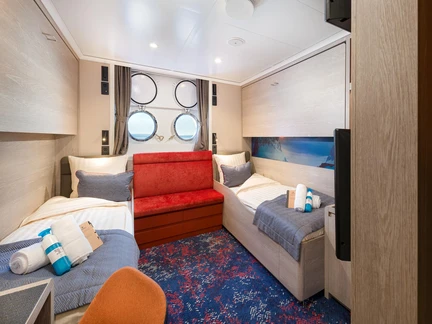
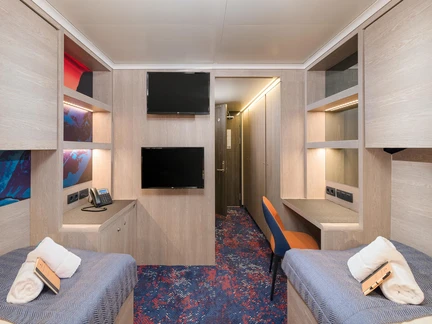
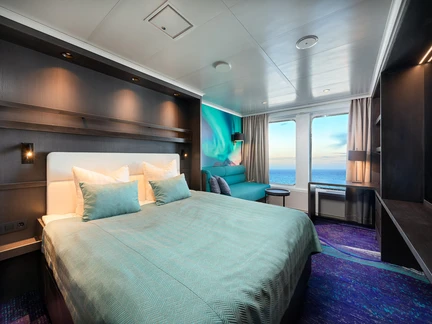
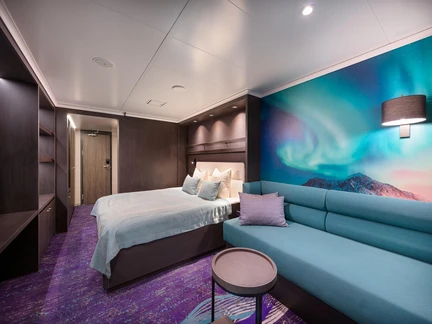
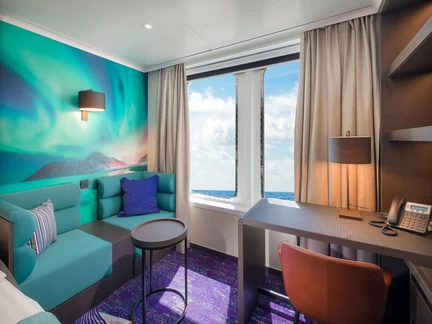
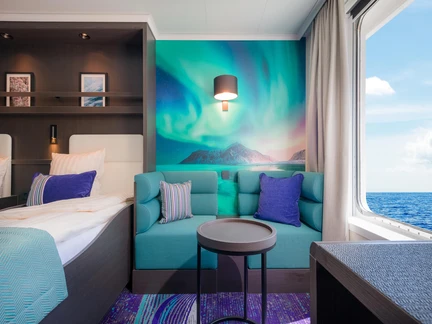
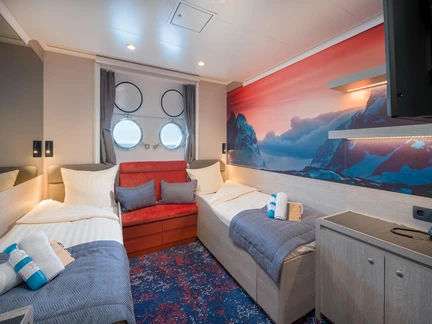
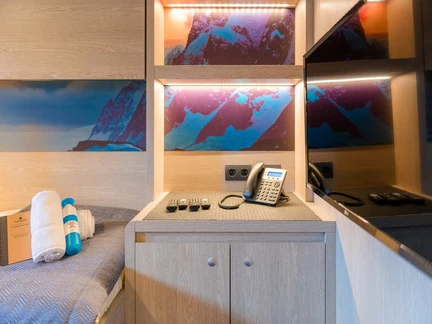
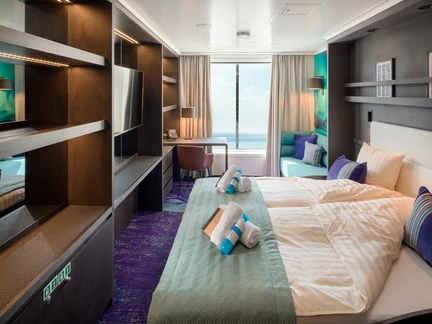
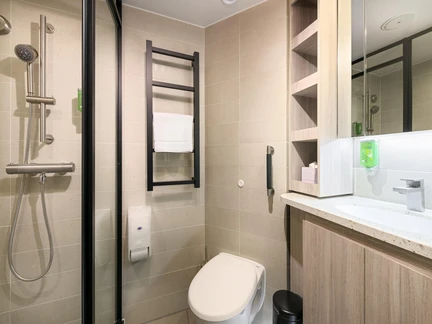
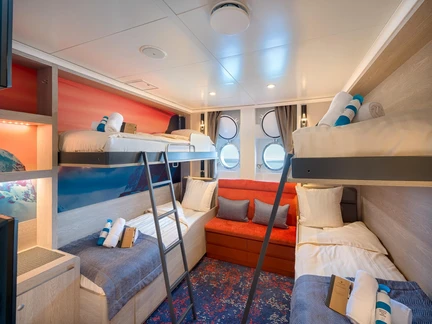
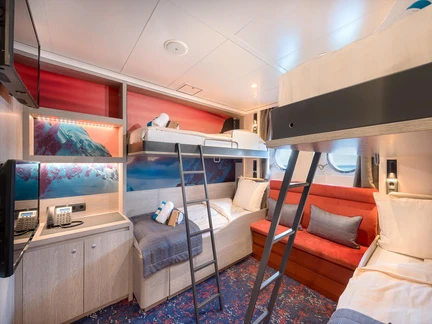
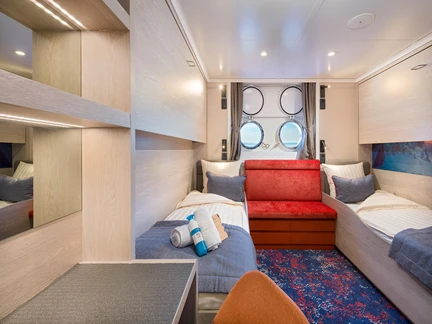
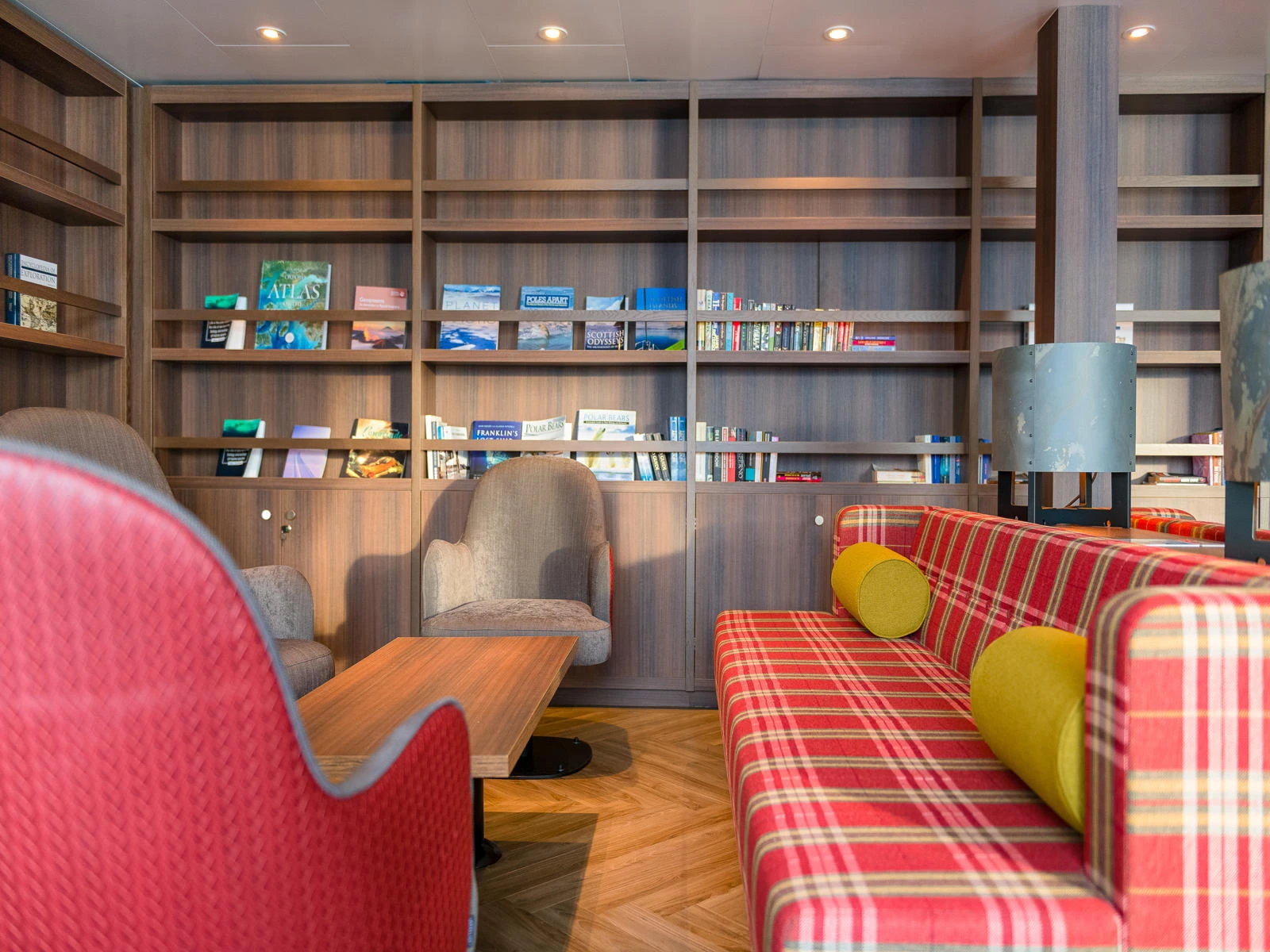
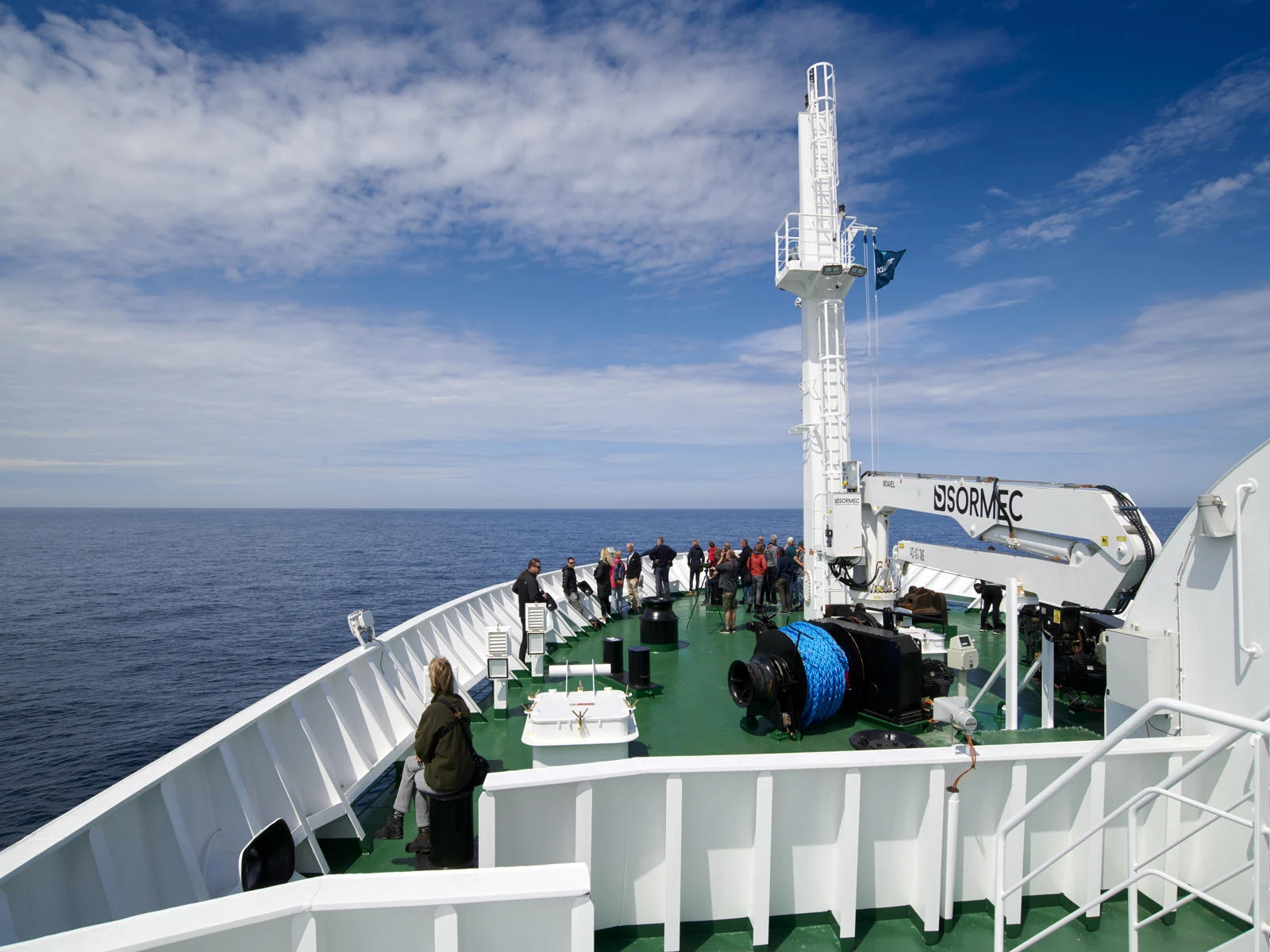
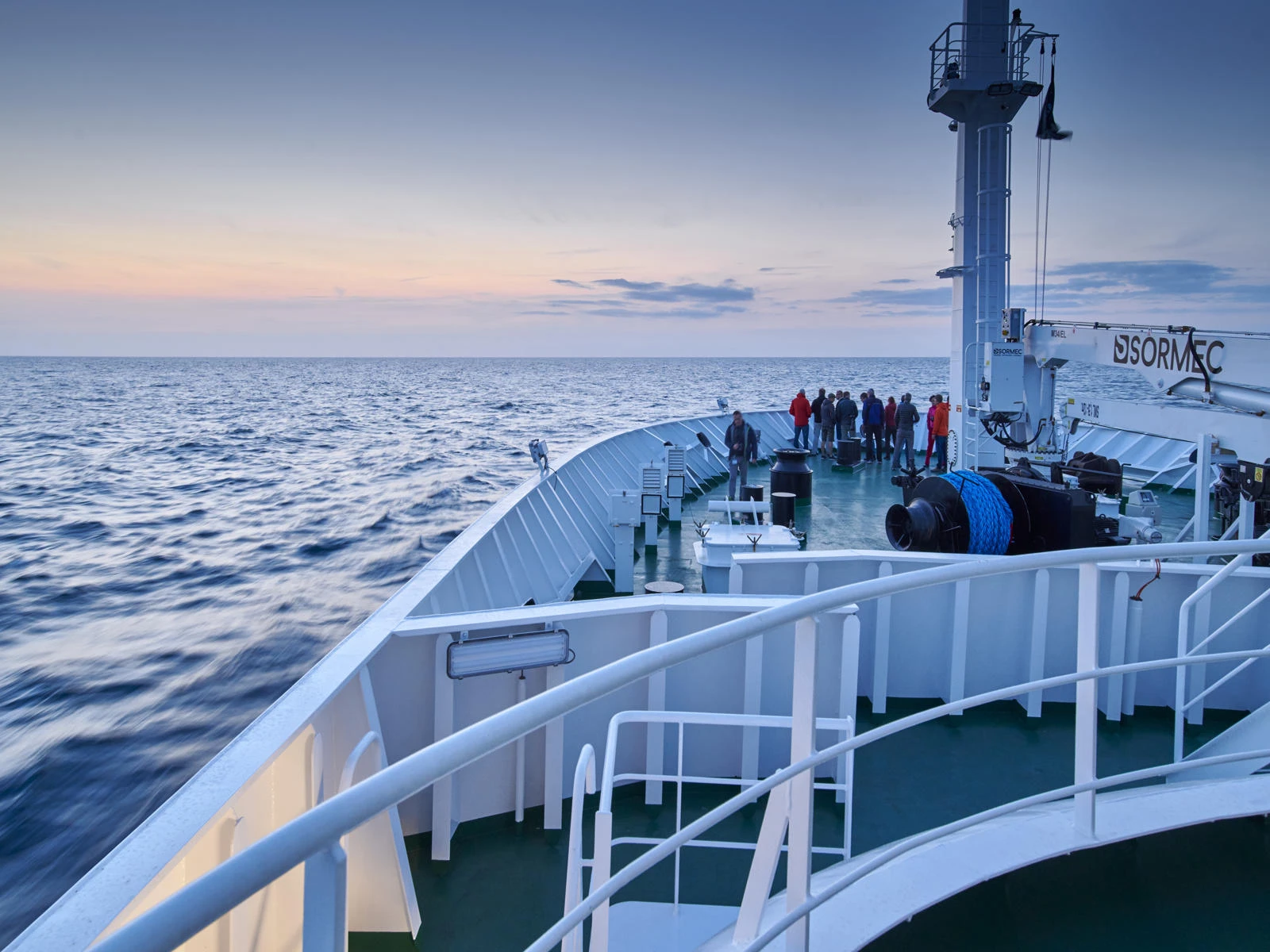
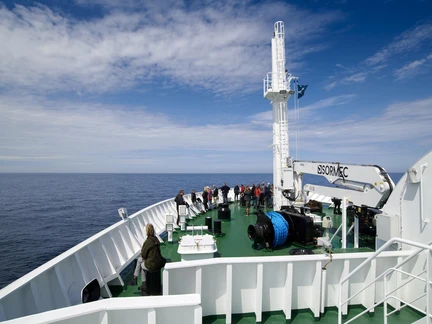
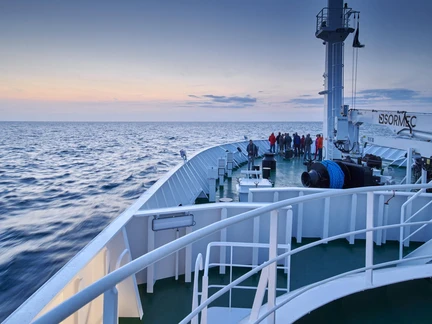
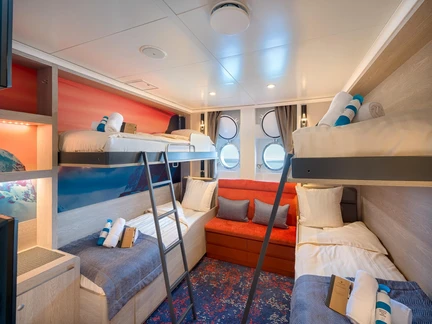
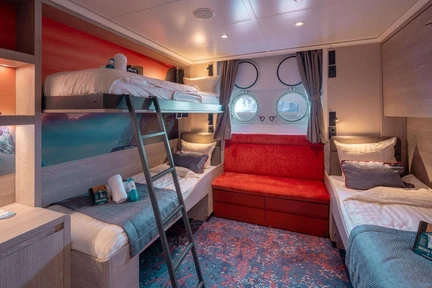
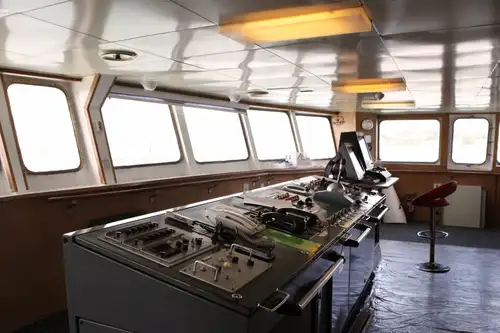
The best view is always on the outer deck or the bridge. Hondius offers high-quality accommodation for 170 passengers in six grand suites with balconies (27 square meters, 291 square feet), eight junior suites (19 to 20 square meters, 205 to 215 square feet), eight superior cabins (20 to 21 square meters, 215 to 226 square feet), 11 twin deluxe cabins, (19 to 21 square meters, 205 to 226 square feet), 14 twin window cabins (12 to 14 square meters, 129 to 151 square feet) as well as 27 twin porthole cabins, two triple porthole cabins, and four quadruple porthole cabins that vary in size from 12 to 18 square meters, or 129 to 194 square feet.
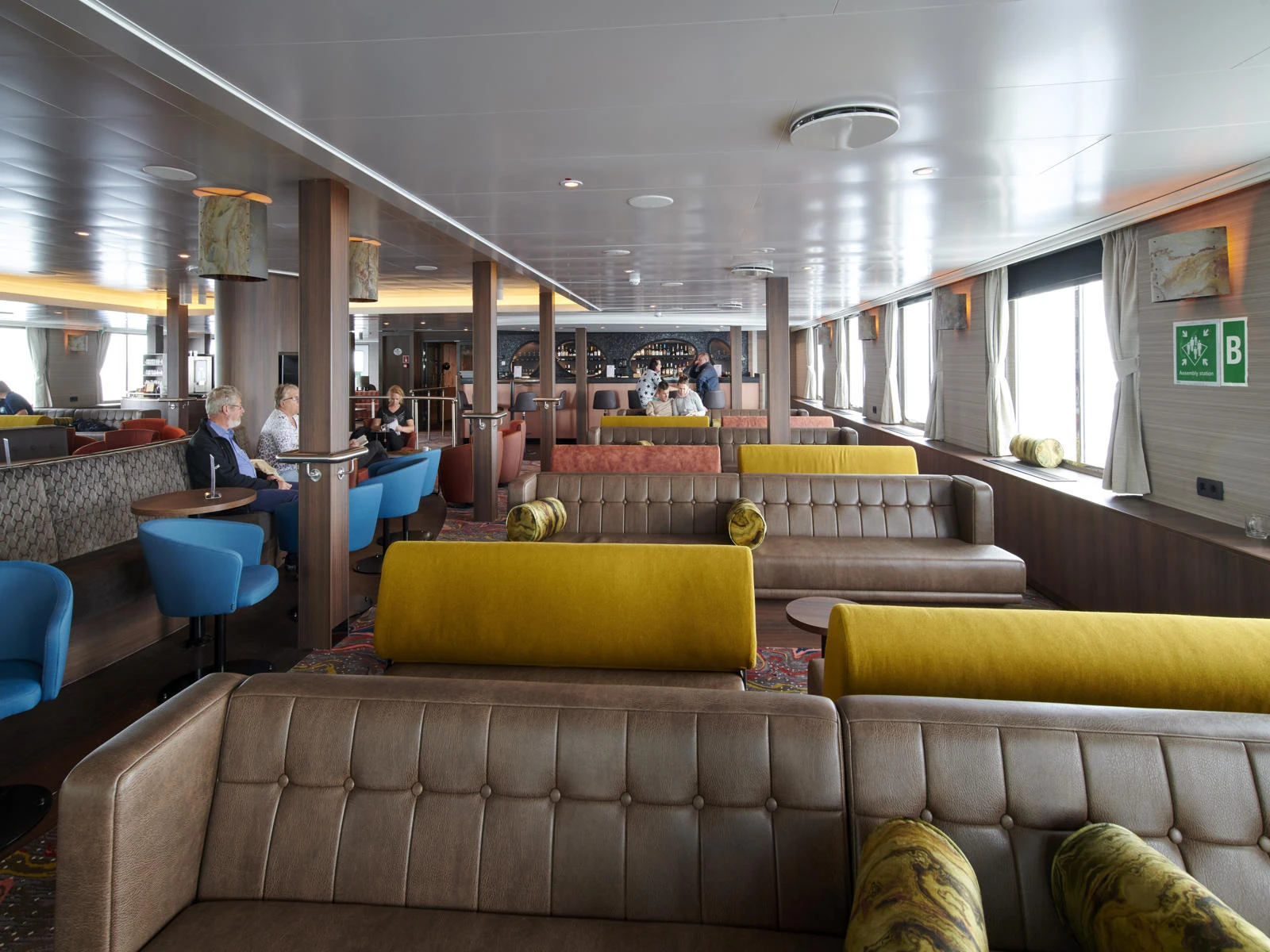
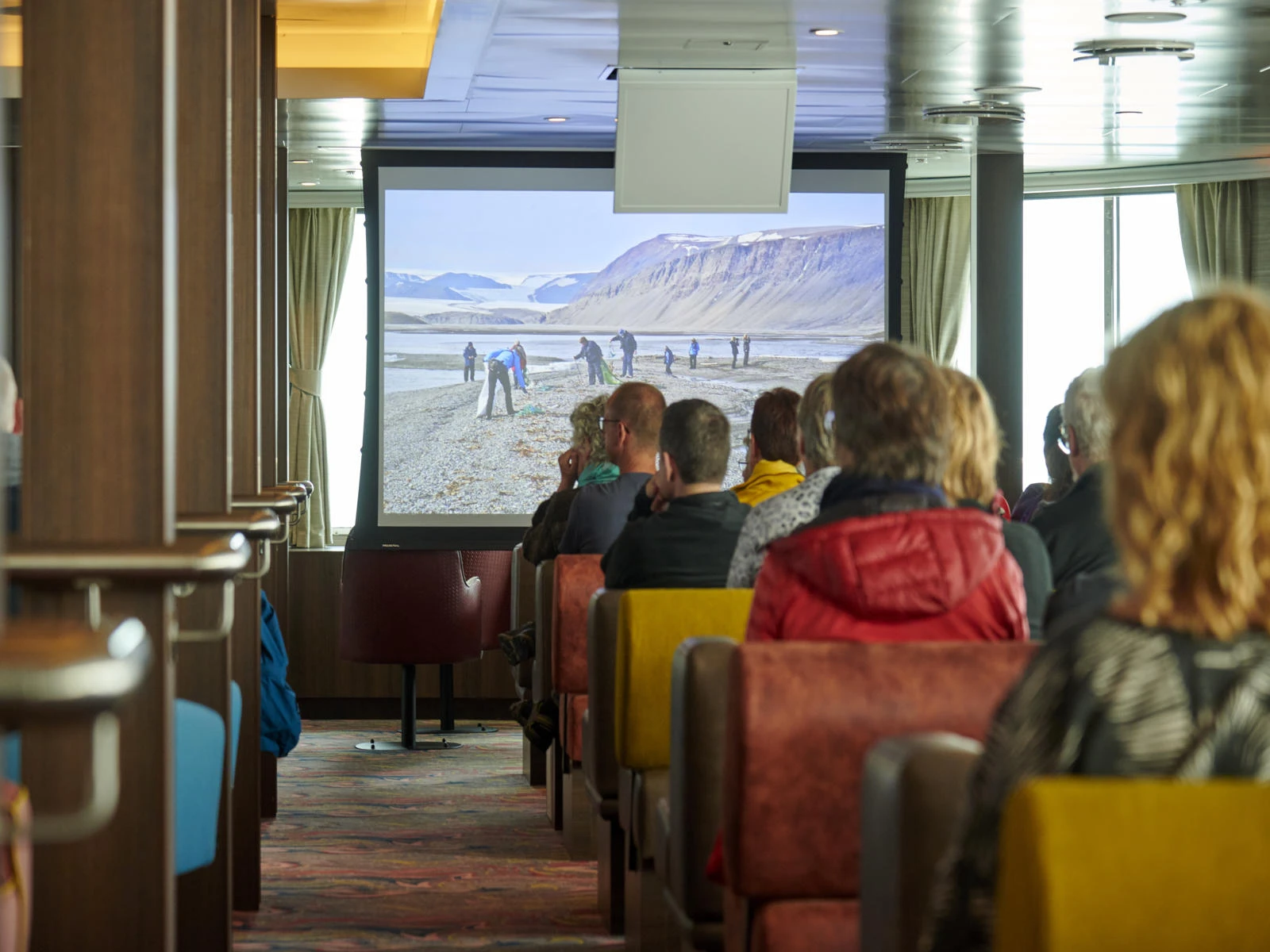
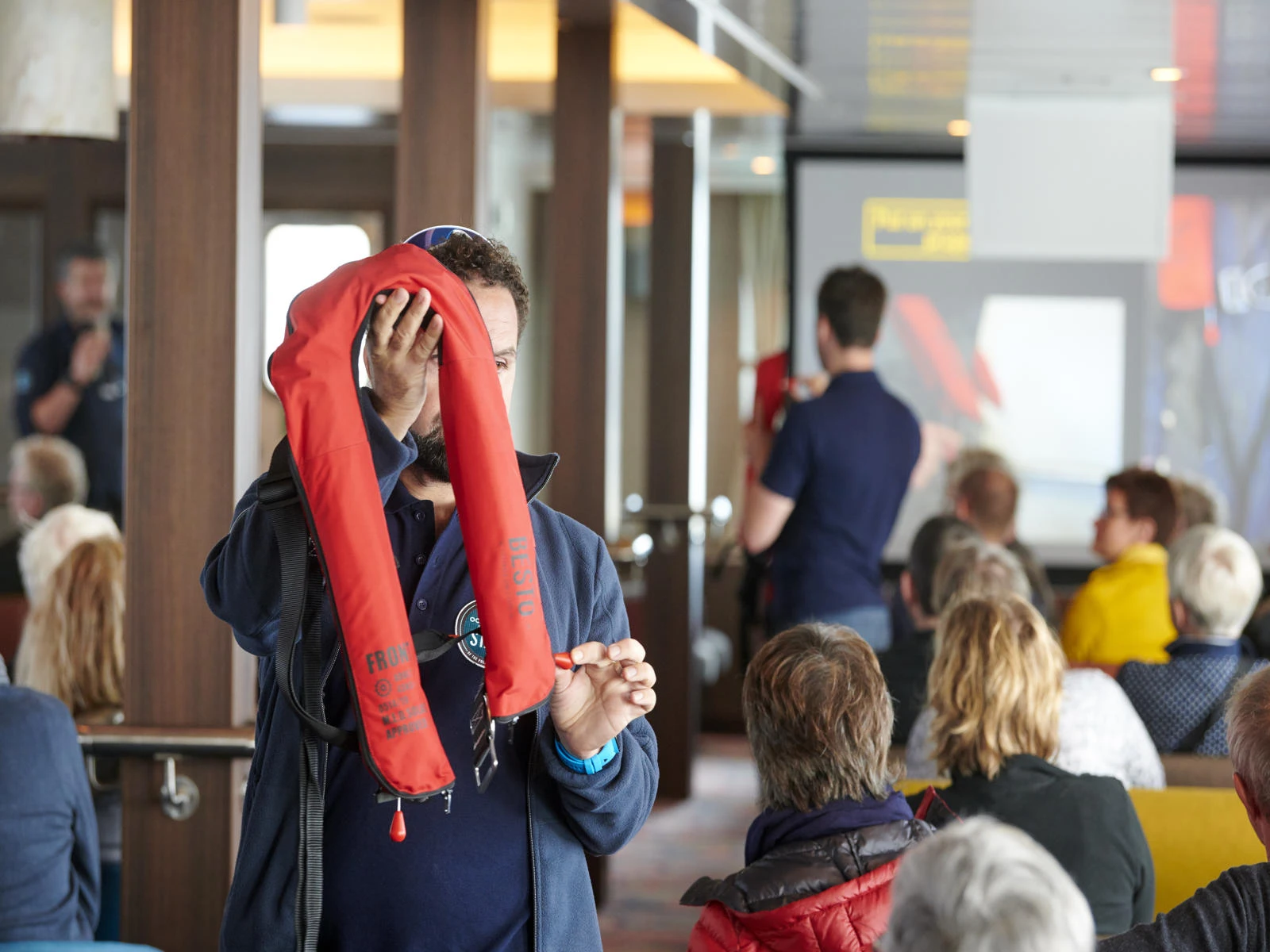
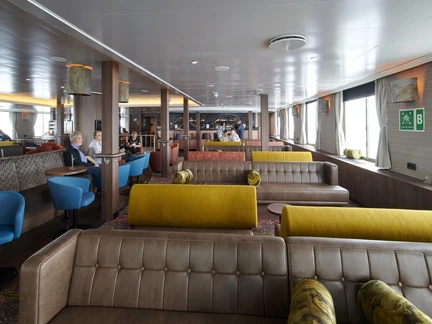
One deck consists of a large observation lounge and a separate lecture room, which are reserved for a wide variety of interactive workshops, exhibitions, and performances particular to Hondius.
Swift & safe ship-to-shore operations
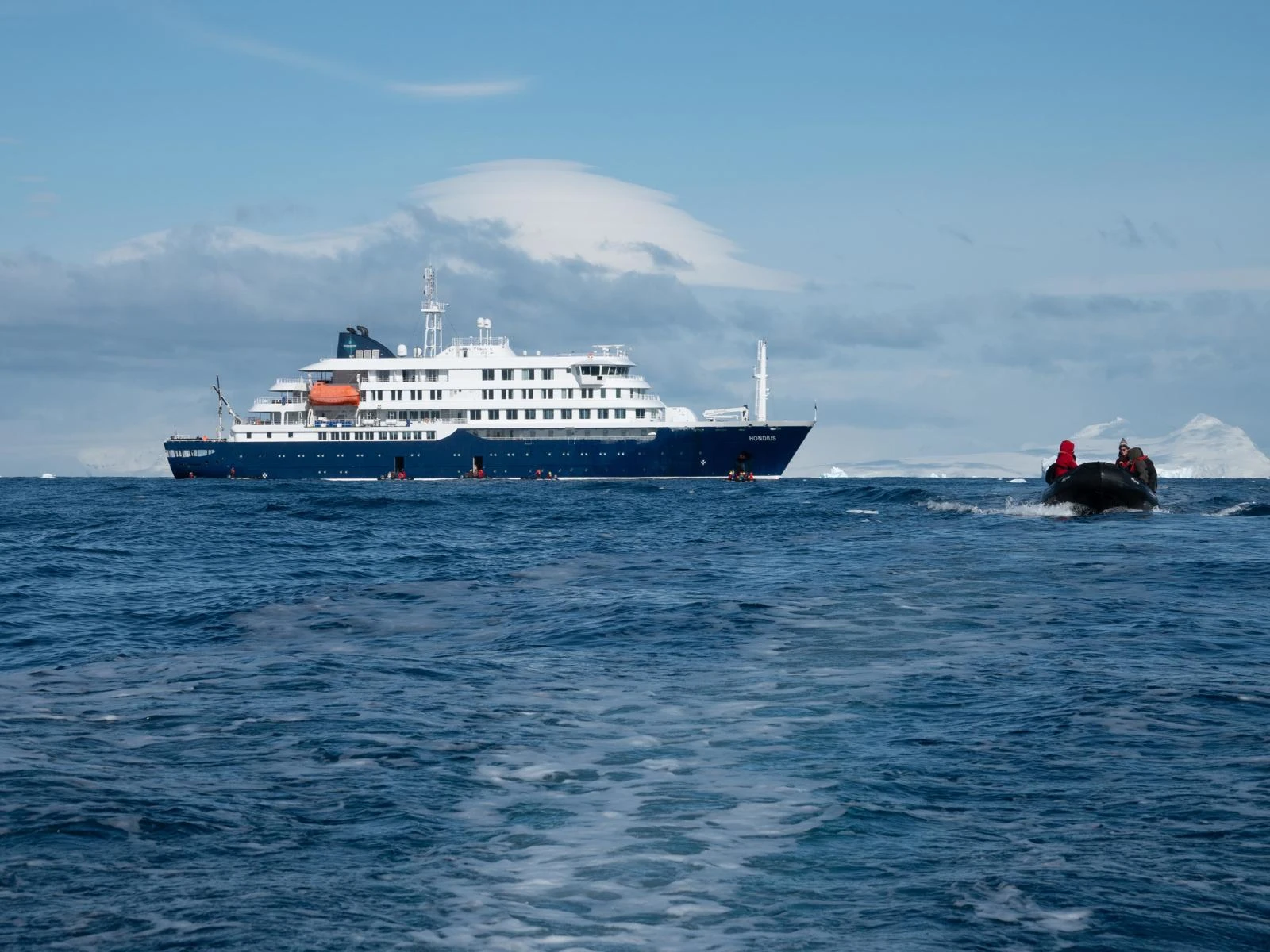
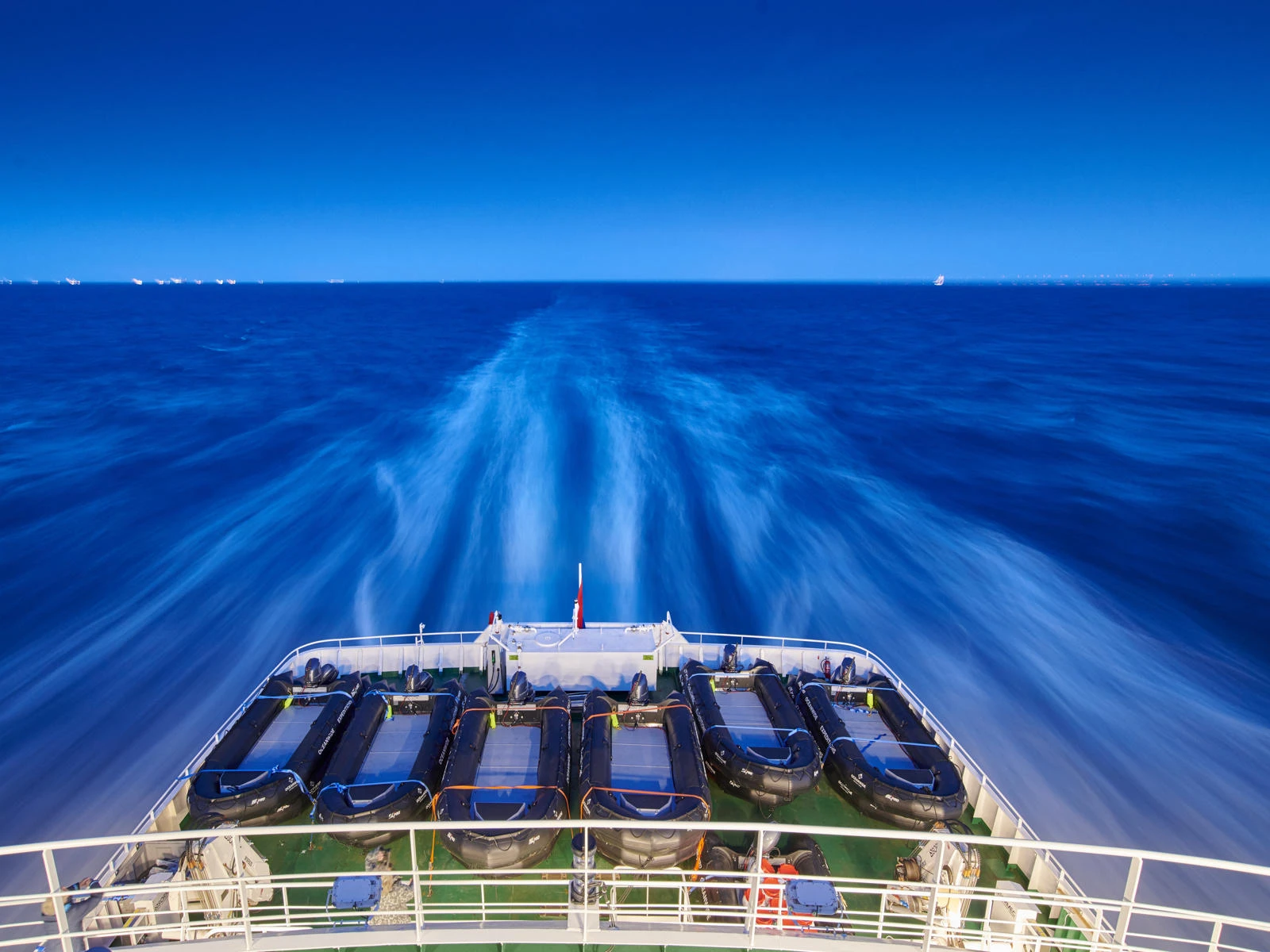
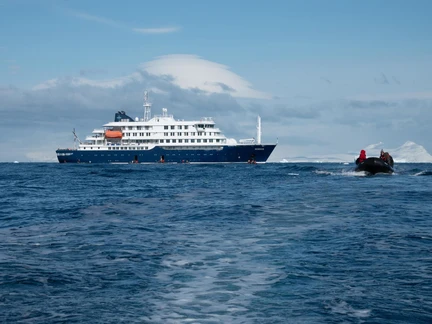
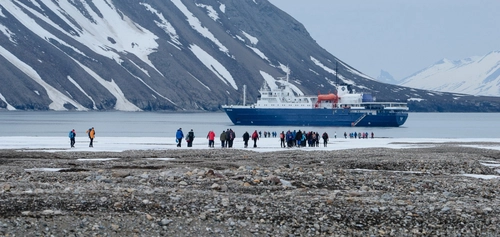
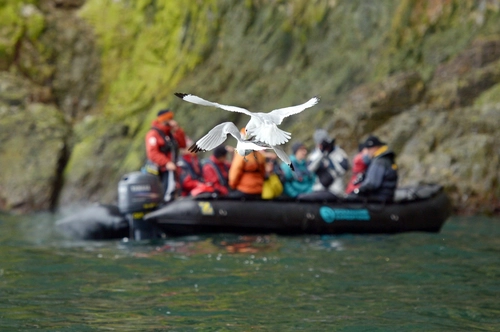
It is our philosophy to keep sea time short so that we can focus instead on fast, effective access to shore and near-shore activities. To give you the maximum contact with the nature and wildlife you traveled so far to see, we employ a tough fleet of rigid-hull inflatable Zodiac boats that guarantee swift and safe landing operations for the passengers. Hondius has two separate gangways and a sheltered indoor Zodiac boarding area that can also be used for special outdoor activities, such as kayaking.
What to wear
In keeping with the spirit of the expedition, dress on board is informal. Bring casual and comfortable clothing for all activities, and keep in mind that much of the scenery can be appreciated from the deck ― which can be slippery. Bring sturdy shoes with no-slip soles, and make sure your parka is never far away in case one of our crew shouts “Whales!” over the loudspeaker and you have to dash outside at a moment’s notice. Opt for layers, as it is comfortably warm aboard the ship though often cold on deck.
How to pay
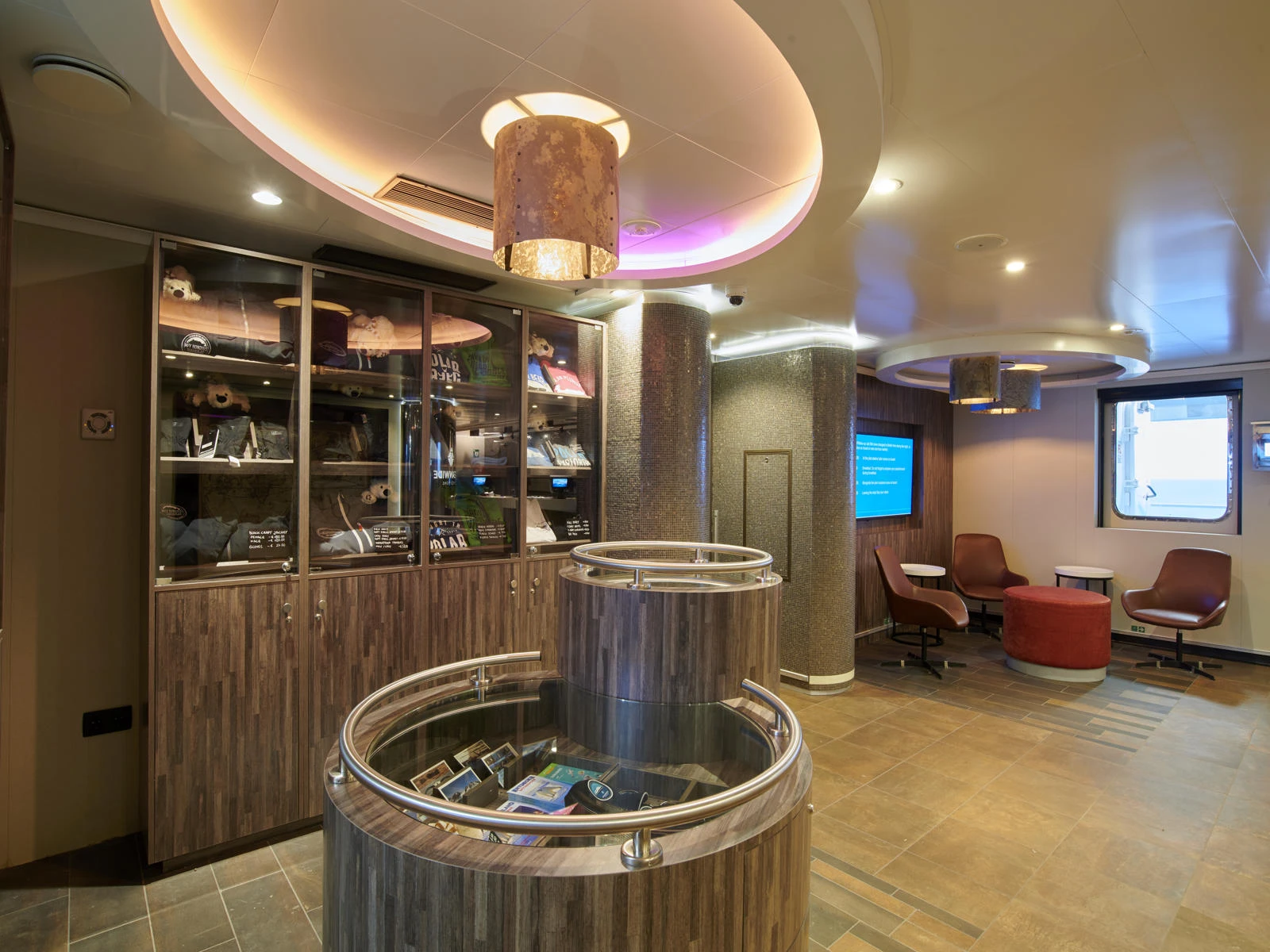
Refreshments and souvenirs will be charged to your cabin. The day before departure you can settle your bill with the hotel manager, paying by credit card (Visa or MasterCard) or cash (euro, or in some cases dollar). We cannot, however, accept checks. Though the prices and standard currency on board is in the euro, other currencies may be accepted at the discretion of the hotel manager, at prevailing rates.
Electric current
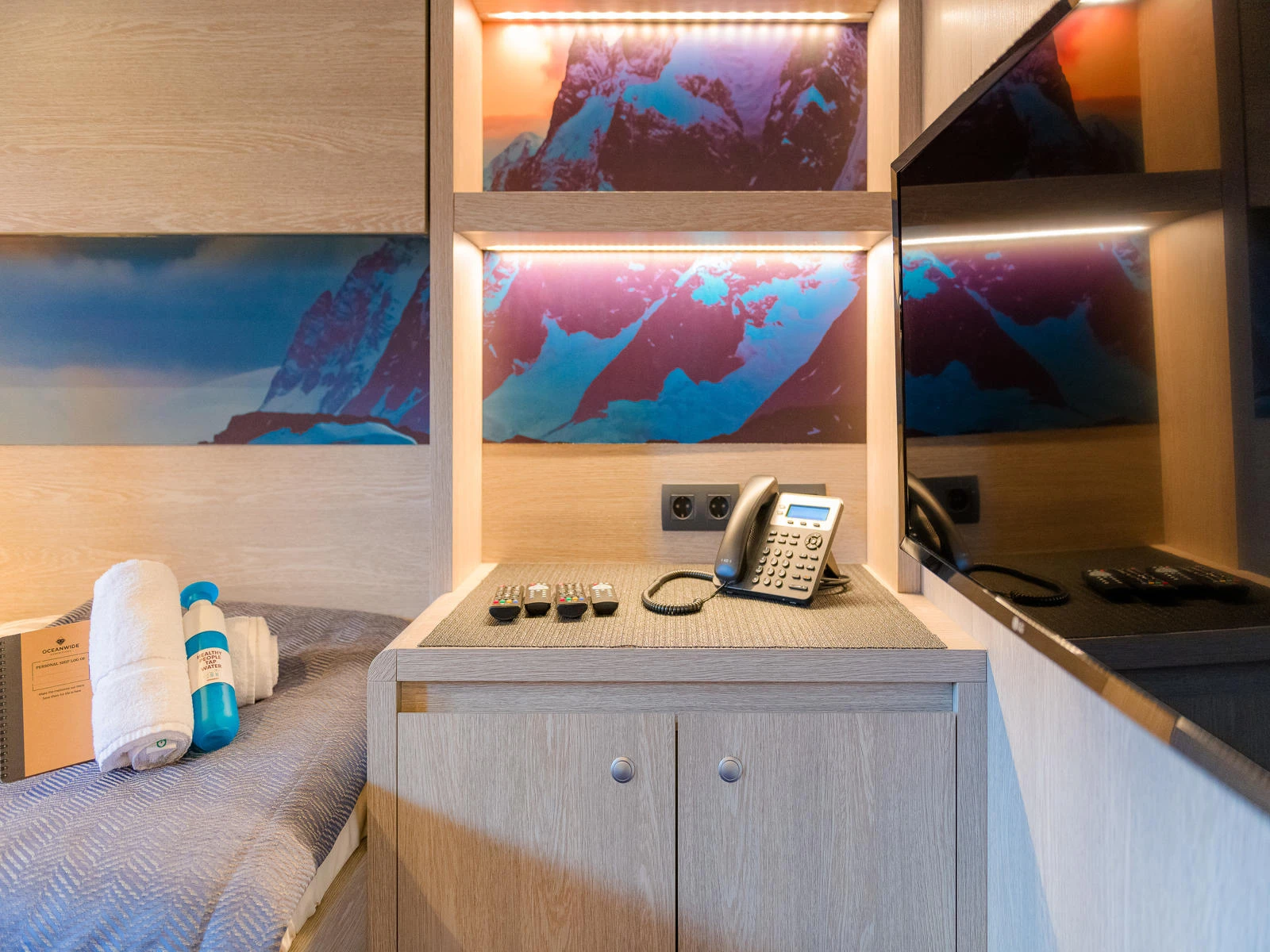
The electrical supply aboard ship is 220v, 60Hz. Electrical outlets are standard European with two thick round pins, so some passengers may need a 220v/110v converter.
Gratuities
The customary gratuity to the ship’s service personnel is made as a blanket contribution at the end of the voyage and is divided among the crew. Tipping is a personal matter, and the amount you wish to give is at your sole discretion. As a generally accepted guideline, we suggest 15 euros per passenger per day. It is better for the crew if you give cash.
Non-smoking policy
We have a non-smoking policy inside all our vessels, though you can smoke in certain designated areas. We ask that you please respect the wishes of non-smokers.
Your physical condition
You must be in good overall health and be able to walk several hours per day. The expedition is ship-based and physically not very demanding, but we spend as much time as possible on shore. You are, however, welcome to remain aboard the ship if you prefer. To join most excursions you must be able to get up and down the steep gangway ― from the ship to the water level ― to board the Zodiacs. Staff will assist you in and out of the boats, and boarding will become progressively easier with practice, but conditions on shore can be slippery and rocky. Remember, you will be traveling in remote areas without access to sophisticated medical facilities, so you must not join this expedition if you have a life-threatening condition or need daily medical treatment.

- The expedition team keeps you informed about our location and destination.
- Weather is always an unknown factor and can change quickly and often. Temperatures can be cold, though not perhaps as cold as you might expect. On calm sunny days, it can feel quite warm. But wet, windy weather must also be expected. Wind chill factor is always a consideration.
- The currency used on all vessels is the Euro, but you can also pay with USD.
- No, you are not able to change currency on board.
- The sun sets for the last time in Spitsbergen in mid-September and rises above the horizon again in mid-February. The winter landscape and temperatures prevail until May.
- Svalbard is part of the non-mainland Norwegian islands. This West Spitsbergen island was first spotted in 1596 by Wilhelm Barents, and it was originally claimed by the Danish. The Spitsbergen Treaty granted Norway sovereignty over Spitsbergen as of 1920, but anyone who is a citizen of the more than 40 signatory nations has the legal right to settle within Spitsbergen.
- The number of passengers is limited to 174 on the Hondius. Furthermore the vessel is manned by 24 highly experienced international nautical crew, 32-34 international hotel crew, 13 expedition staff (1 expedition leader, 2 assistant expedition leaders and 10 guides/lecturers) and 1 doctor.
- The Hondius was built in Croatia in 2018 and delivered in 2019.

You May Also Like
Alpine Peaks of Spitsbergen, Ski & Sail
24 Apr 2026 - 01 May 2026 8 Days / 7 Nights
Arctic Ocean - Fair Isle, Jan Mayen, Ice Edge, Spitsbergen, Birding
27 May 2026 - 05 Jun 2026 10 Days / 9 Nights
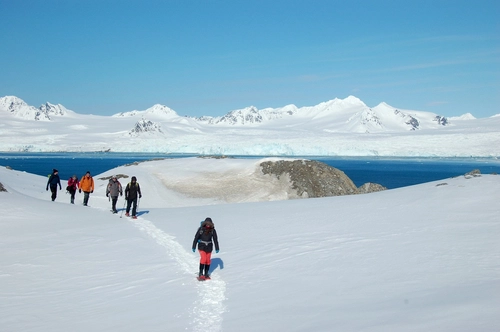
North Spitsbergen - Arctic Spring , Hike & Sail
29 May 2026 - 05 Jun 2026 8 Days / 7 Nights
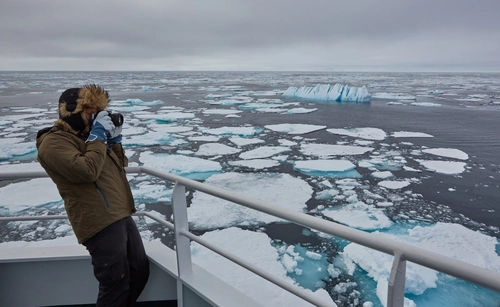
North Spitsbergen Explorer - Into the pack ice - Polar Bear Special
05 Jun 2026 - 12 Jun 2026 8 Days / 7 Nights

Arctic Ocean - Jan Mayen, Ice edge, Spitsbergen, Birding
05 Jun 2026 - 13 Jun 2026 9 Days / 8 Nights
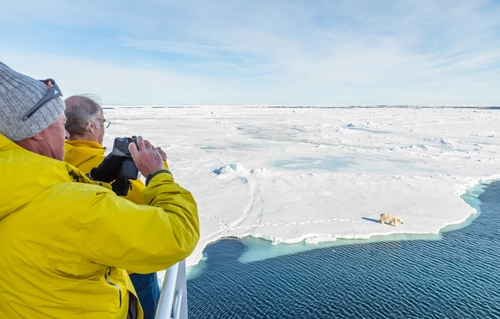
Arctic Ocean - Fair Isle, Jan Mayen, Ice edge, Spitsbergen, Birding - Summer Solstice
12 Jun 2026 - 21 Jun 2026 10 Days / 9 Nights
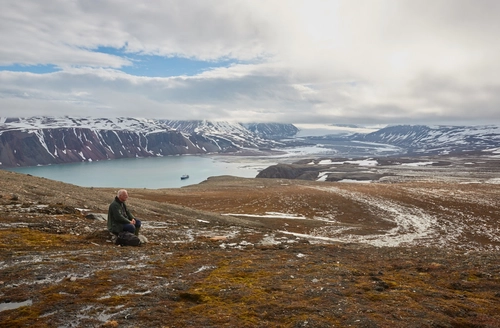
North Spitsbergen Explorer - Versatile landscapes, sea ice & wildlife
13 Jun 2026 - 20 Jun 2026 8 Days / 7 Nights
North Spitsbergen Basecamp – Summer Solstice - Free Kayaking, Hiking, Photo Workshop, Diving (supplemented)
19 Jun 2026 - 26 Jun 2026 8 Days / 7 Nights
North Spitsbergen Explorer - Versatile landscapes, sea ice & wildlife - Summer Solstice
20 Jun 2026 - 27 Jun 2026 8 Days / 7 Nights
North Spitsbergen - Arctic Summer
25 Jun 2026 - 05 Jul 2026 11 Days / 10 Nights
East Spitsbergen - Home of the Polar Bear, Including Long Hikes & Cleaning the Shores
26 Jun 2026 - 03 Jul 2026 8 Days / 7 Nights
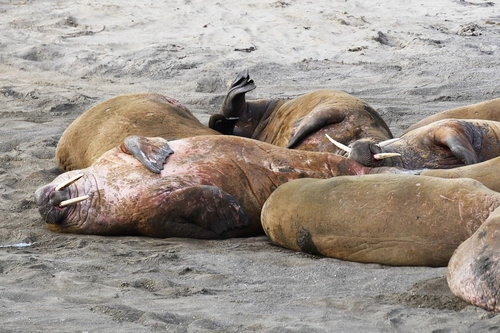
Around Spitsbergen, In the realm of Polar Bear & Ice
27 Jun 2026 - 06 Jul 2026 10 Days / 9 Nights
North Spitsbergen Explorer – Into the Pack Ice – Polar Bear & Whale Special
28 Jun 2026 - 07 Jul 2026 10 Days / 9 Nights
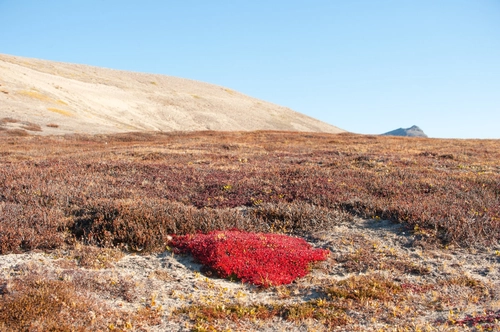
Northeast Greenland Solar Eclipse Explorer Voyage
02 Aug 2026 - 15 Aug 2026 14 Days / 13 Nights
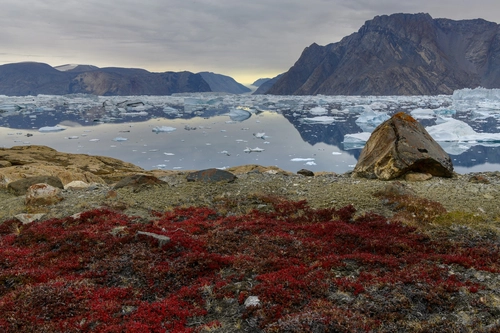
Spitsbergen - Northeast Greenland, Fly & Sail
12 Aug 2026 - 31 Aug 2026 20 Days / 19 Nights

Around Spitsbergen incl. Nordaustlandet
17 Aug 2026 - 26 Aug 2026 10 Days / 9 Nights
Alpine Peaks of Spitsbergen - Ski & Sail
07 May 2027 - 14 May 2027 8 Days / 7 Nights
Arctic Ocean - Fair Isle, Jan Mayen, Ice Edge, Spitsbergen, Birding Special
23 May 2027 - 01 Jun 2027 10 Days / 9 Nights
North Spitsbergen Explorer - Versatile Landscapes, Sea Ice & Wildlife
01 Jun 2027 - 08 Jun 2027 8 Days / 7 Nights
North Spitsbergen Explorer - Into the Pack Ice - Polar Bear Special
09 Jun 2027 - 16 Jun 2027 8 Days / 7 Nights
North Spitsbergen, Arctic Summer - Summer Solstice
14 Jun 2027 - 24 Jun 2027 11 Days / 10 Nights
North Spitsbergen Explorer - Versatile Landscapes, Sea Ice & Wildlife - Summer Solstice
15 Jun 2027 - 22 Jun 2027 8 Days / 7 Nights
North Spitsbergen Explorer - Into the Pack Ice - Polar Bear Special - Summer Solstice
16 Jun 2027 - 23 Jun 2027 8 Days / 7 Nights
Arctic Ocean - Spitsbergen: Jan Mayen, Ice Edge & Birding - Summer Solstice
21 Jun 2027 - 29 Jun 2027 9 Days / 8 Nights
North Spitsbergen Basecamp - Free kayaking, Hiking, Photo Workshop
23 Jun 2027 - 30 Jun 2027 8 Days / 7 Nights
North Spitsbergen, Arctic Summer
24 Jun 2027 - 04 Jul 2027 11 Days / 10 Nights
Around Spitsbergen, in the Icy Realm of the Polar Bear
29 Jun 2027 - 08 Jul 2027 10 Days / 9 Nights
A Taste of North Spitsbergen - Compact Arctic Adventure
30 Jun 2027 - 05 Jul 2027 6 Days / 5 Nights
South Spitsbergen Explorer - Bear Island - Diving (supplemented)
10 Jul 2027 - 19 Jul 2027 10 Days / 9 Nights
Around Spitsbergen - Arctic Summer
28 Jul 2027 - 11 Aug 2027 15 Days / 14 Nights
Around Spitsbergen and Nordaustlandet, In the Icy Realm of the Polar Bear
06 Aug 2027 - 15 Aug 2027 10 Days / 9 Nights
Spitsbergen, Northeast Greenland & Scoresby Sund, Including Long Hikes
20 Aug 2027 - 02 Sep 2027 14 Days / 13 Nights
South Spitsbergen, Bear Island & Mainland Norway - Aurora Borealis
17 Sep 2027 - 22 Sep 2027 6 Days / 5 Nights
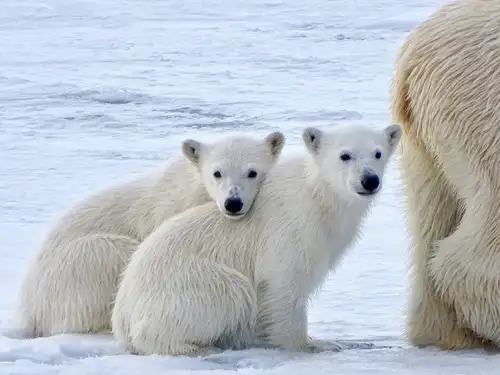
Where the Polar Bears Roam
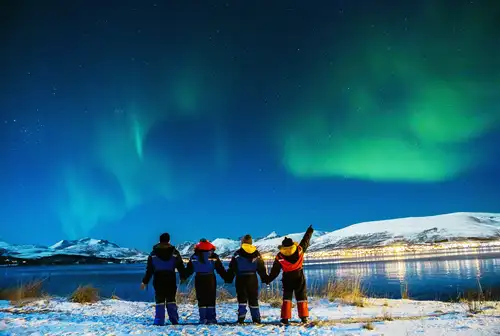
10 Tips for Photographing the Northern Lights
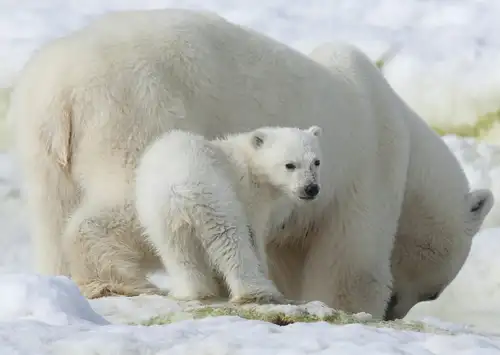
Arctic Icon: 10 Facts about the Polar Bear
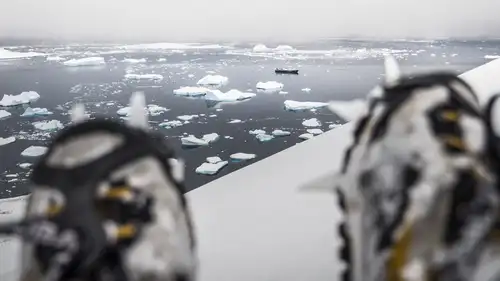
Arctic and Antarctic Basecamp Cruises – Choose Your Own Adventure
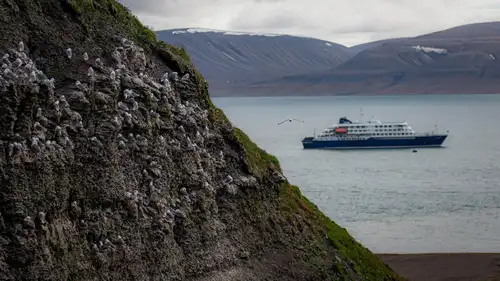
Circumnavigating Spitsbergen
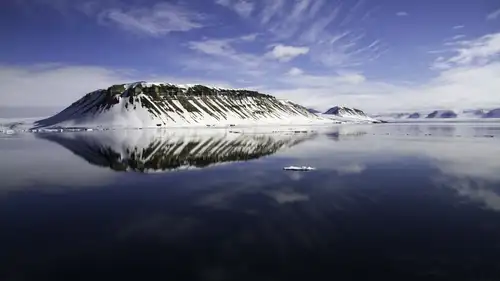
The Ice-Jewelled Geology of Spitsbergen
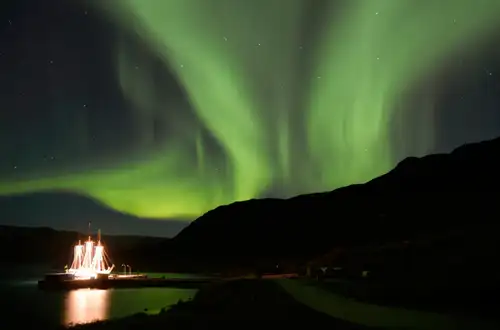
The Northern Lights dancing across the skies
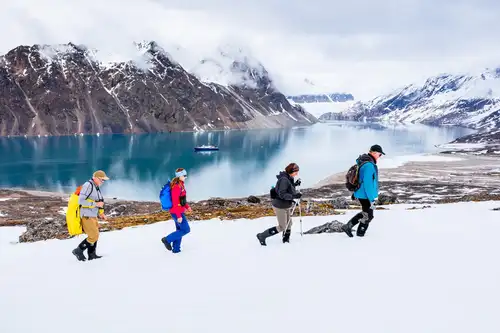
Around Spitsbergen vs. North Spitsbergen
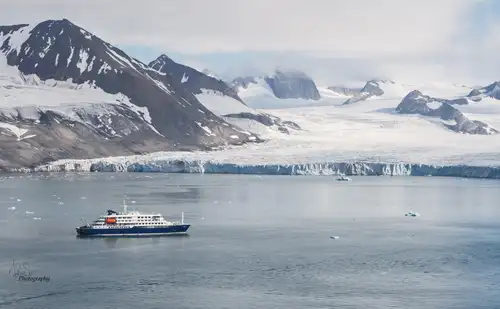
What’s so Special about East Spitsbergen?
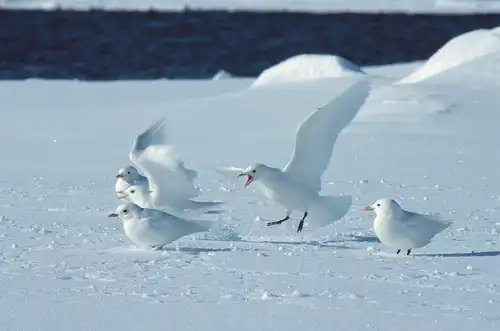
Birds of the North: 29 Arctic Birds and Seabirds
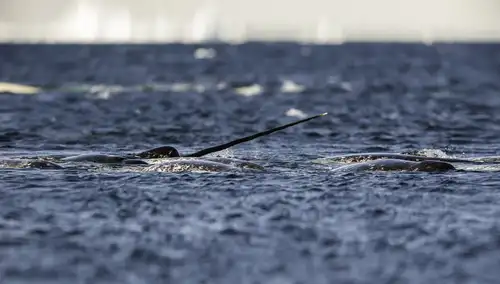
Narwhals: the Aquatic Unicorns of the Arctic
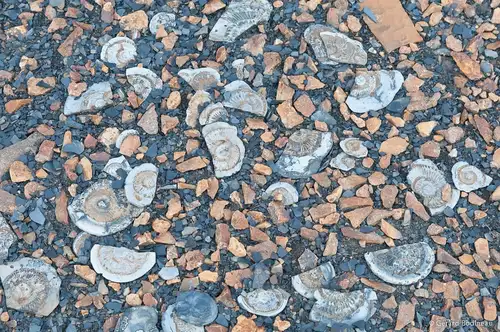
Svalbard a Disneyland for geologists
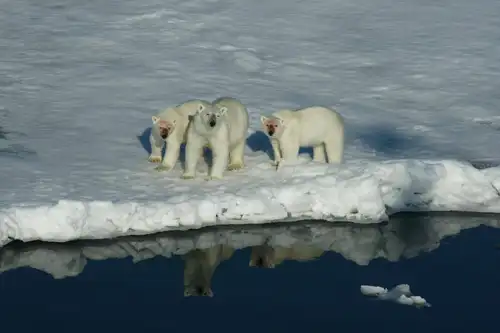
Polar Bear Primer: Eight Facts About the Arctic Wanderer
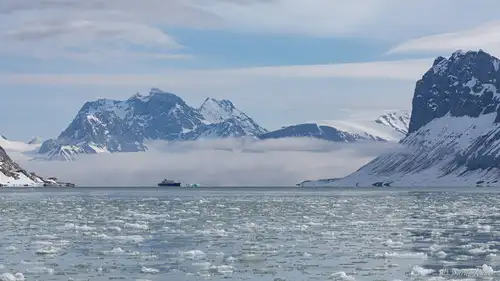
Svalbard vs. the Canadian Arctic
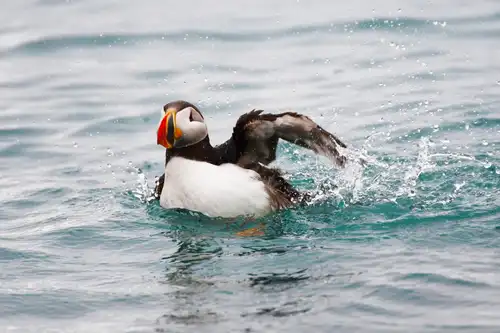
Puffins: Clown Birds of the Atlantic
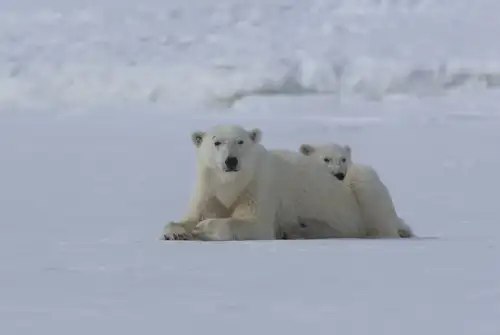
Polar Bears and Pack Ice: 22 Pics from North Spitsbergen
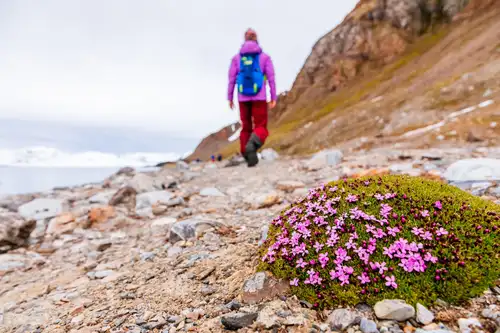
Seizing the Season: Spitsbergen’s Late Spring, Early Summer
Navigating by touch through the sea ice
The Arctic’s Most Phenomenal Fjords