
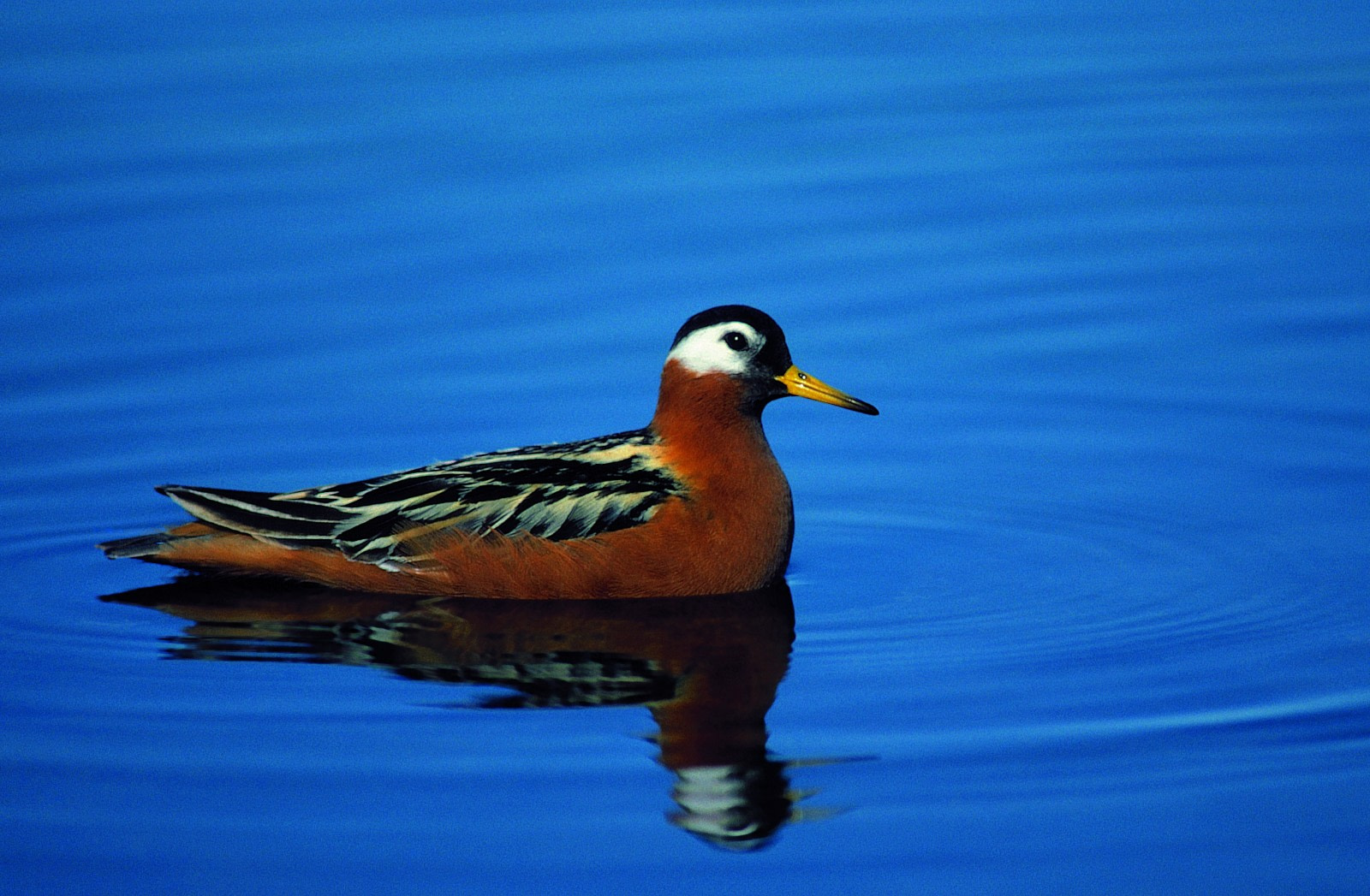
Name: Grey Phalarope, Red Phalarope (Phalaropus fulicarius)
Length: 20 cm
Weight: 40 to 75 grams, females being larger
Location: Arctic, winters in South America and West Africa
Conservation status: Least Concern
Diet: Plankton, insects, crustaceans
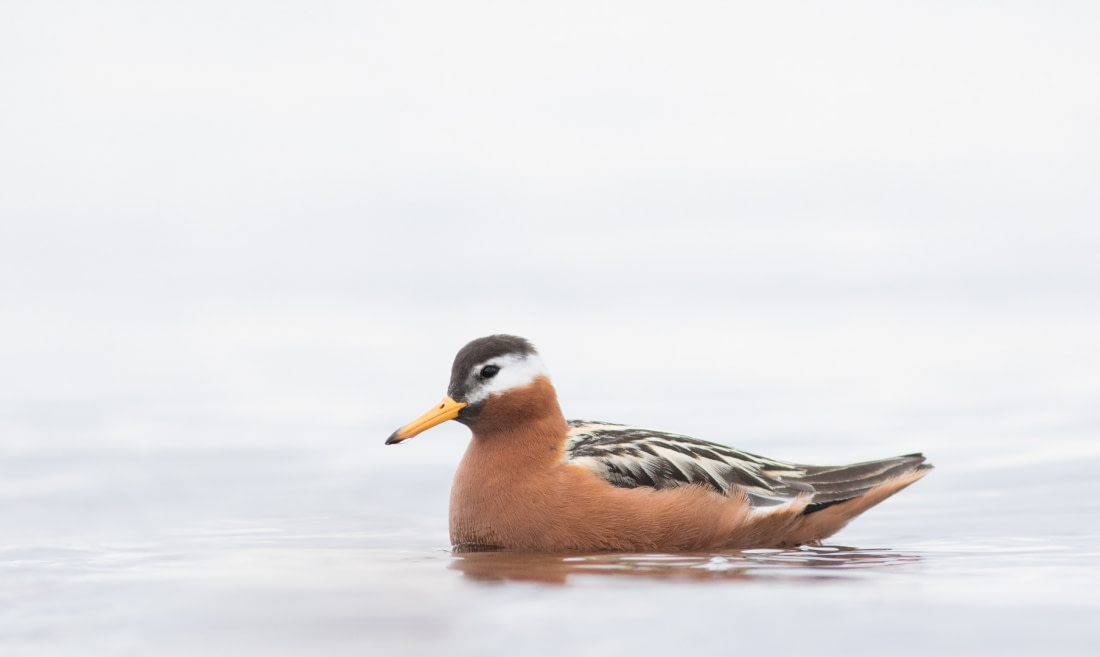
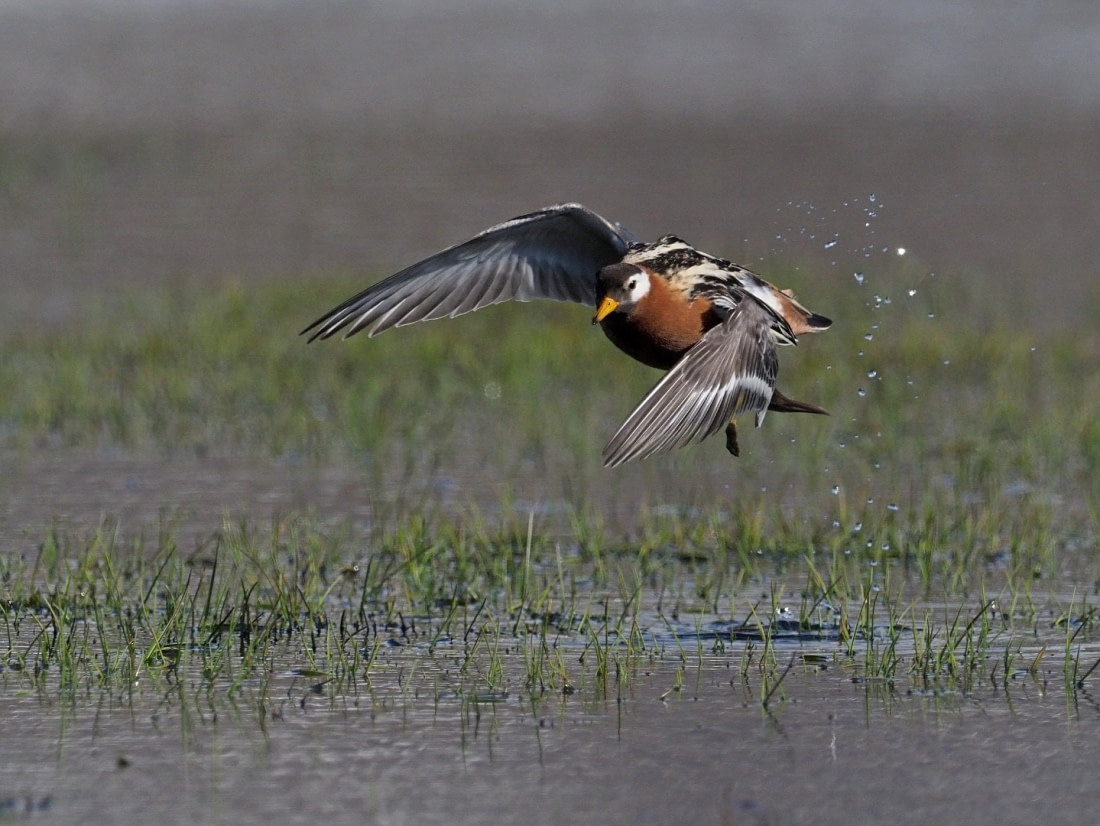
Appearance: Straight yellow bill with a black tip, dark brown and black with red underparts and neck, white patches on the face. Plumage changes to grey and white in winter.
How do Grey Phalaropes feed?
Grey Phalaropes forage in shallow waters, creating small whirlpools by swimming in circles to bring insects and crustaceans to the surface for easy capture.
Are Grey Phalaropes social?
They travel in flocks and breed in small colonies or as single pairs.
How fast do Grey Phalaropes move?
They can fly up to 25 km per hour.
What are Grey Phalarope birthing rituals like?
Reaching sexual maturity at one year, they breed in June and July near Arctic tundra pools. Females court males and defend nesting sites. After laying 3 to 6 eggs, females may leave the males to incubate and raise the chicks alone while they migrate south. Chicks fledge about 18 days after hatching.
How long do Grey Phalaropes live?
They live up to 5 years.
How many Grey Phalaropes are there today?
Population estimates range between 1 million and 2 million individuals.
Do Grey Phalaropes have any natural predators?
Arctic Foxes prey on their eggs and young. Grey Phalaropes often nest near Arctic Terns or Ross's Gulls, which help protect them from predators.
7 Phenomenal Grey Phalarope Facts
- Females are larger and more brightly colored than males.
- Occasionally found in central or southern Europe when blown off course by storms.
- Spend winters in the open ocean.
- Known to eat lice off the backs of whales.
- Often associated with whales like Orcas, Belugas, and Sperm whales, and sometimes Walruses.
- Typically create feeding whirlpools by swimming in a clockwise direction.
- Entire migration route is over the sea.
 12 Aug - 31 Aug 2026
 15 Aug - 28 Aug 2026
 16 Aug - 25 Aug 2026
 25 Aug - 07 Sep 2026
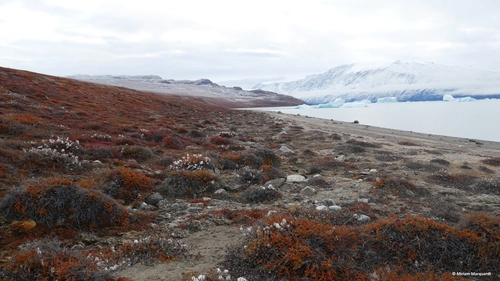 21 Sep - 01 Oct 2026
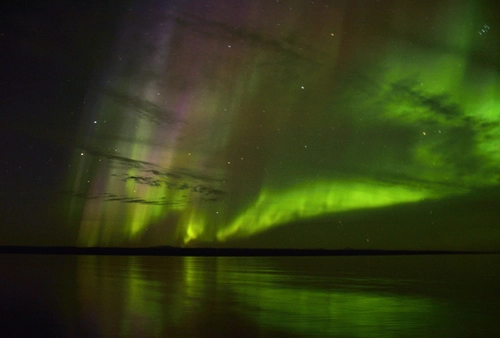 01 Oct - 12 Oct 2026
Related Trips


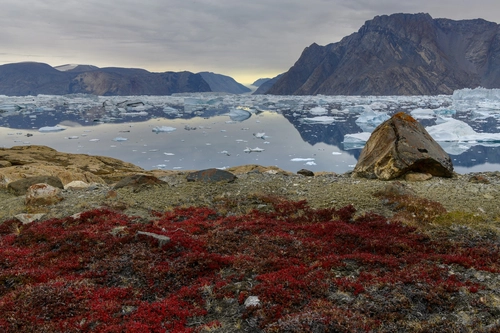
Spitsbergen - Northeast Greenland, Fly & Sail
12 Aug 2026 - 31 Aug 2026  20 Days / 19 Nights
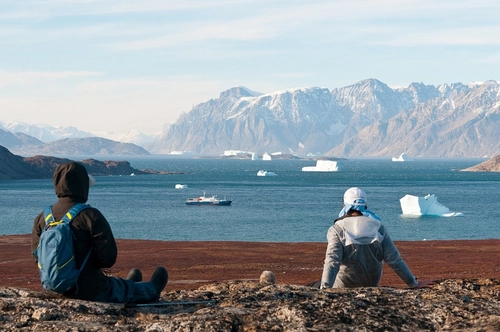
Northeast Greenland Extreme
15 Aug 2026 - 28 Aug 2026 14 Days / 13 Nights
East Greenland, Scoresby Sund, Including Long Hikes
16 Aug 2026 - 25 Aug 2026 10 Days / 9 Nights
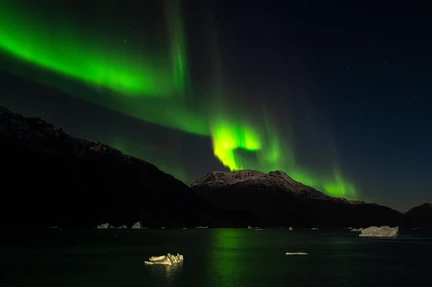
Northeast Greenland Extreme
25 Aug 2026 - 07 Sep 2026 14 Days / 13 Nights
East Greenland, Scoresby Sund - Aurora Borealis, Fly & Sail
21 Sep 2026 - 01 Oct 2026 11 Days / 10 Nights
East Greenland, Scoresby Sund - Iceland , Aurora Borealis, Fly & Sail
01 Oct 2026 - 12 Oct 2026 12 Days / 11 Nights

Ice streams and lakes under the Greenland Ice Sheet
The Norse Settlement of Greenland
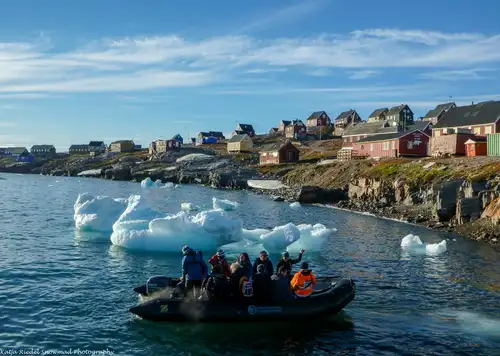
Scoresby Sund: the Greatest Greenland Adventure
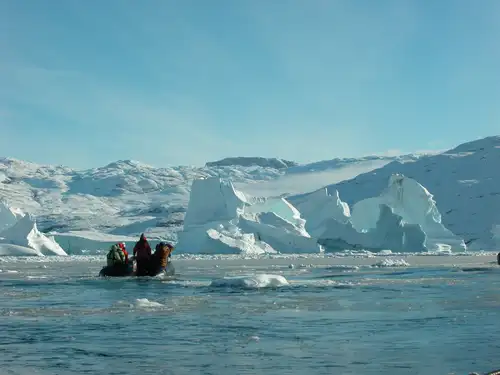
Discover the Scoresby Sund Fjord System in East Greenland
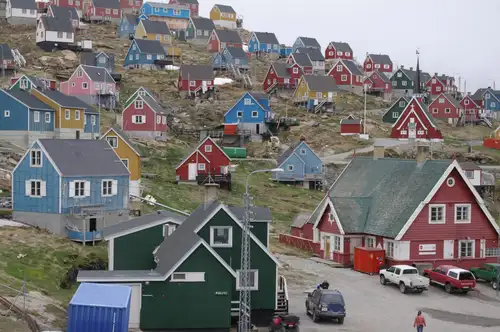
10 Traits of Post-Ice-Age Greenland
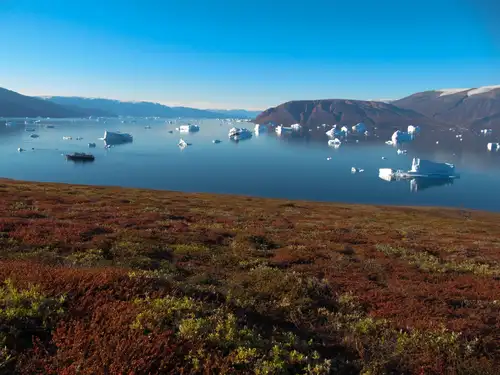
Northeast Greenland National Park
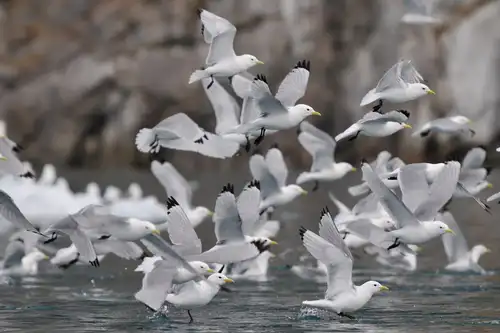
Five Birds You Might See on Your Greenland Cruise
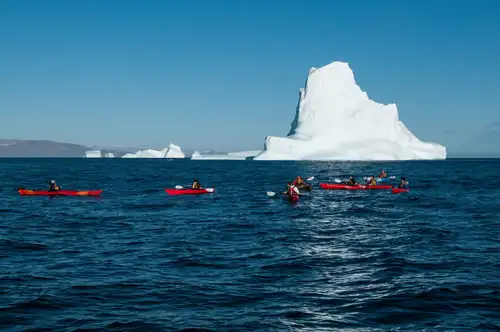
Kayaking In Greenland
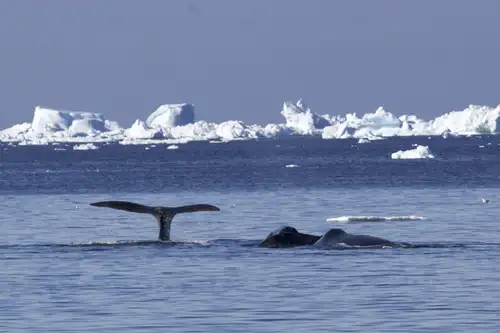
The bowhead whale, whaling about the Arctic
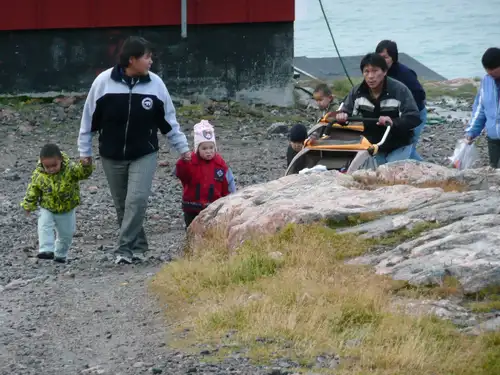
Greenlandic Inuit Beliefs
Why You Should Visit Greenland: 11 Things to See, Do, and Explore

Traditional Lifestyles of the Inuit
5 Misconceptions You Might Have About Greenland

The World Is Changing for Greenland's Native Inuit People
Not Eskimos: 10 Enlightening Facts About the Inuit
Greenland: Where the Kayak Was Invented
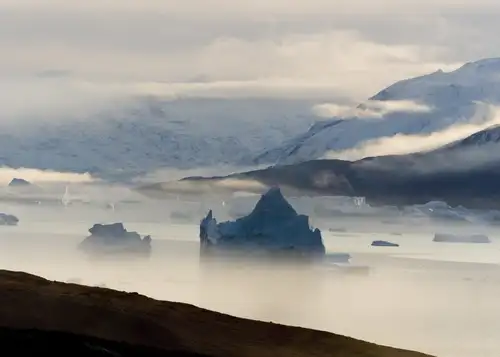
Peaks, Fjords, and Auroras: 14 East Greenland Attractions
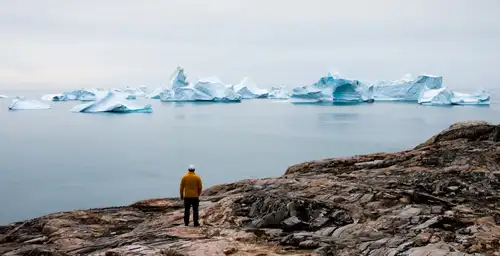
Tracking Greenland’s Wildlife from Space
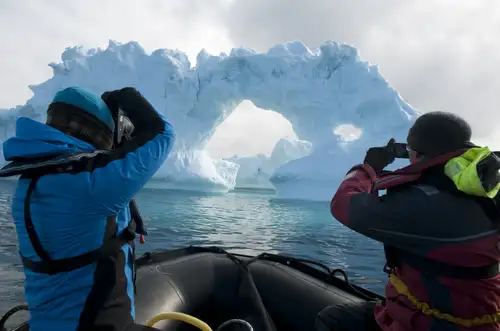
Under the Greenland Ice Sheet