The Arctics Most Phenomenal Fjords - Nexta Expeditions
The Arctic’s Most Phenomenal Fjords

The Arctic’s Most Phenomenal Fjords

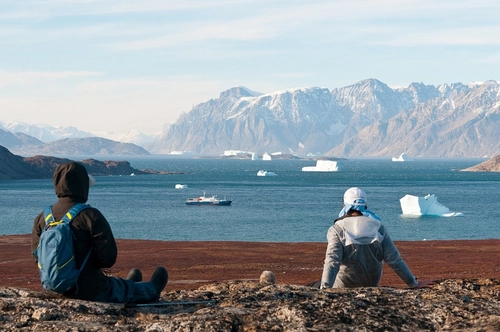
Fjords are often linked with Norway, but they are not exclusive to that region. They are a common feature of the Arctic and are major attractions in Greenland and Svalbard.

Many Arctic fjords boast rich ecosystems, making them prime locations for observing whales, land mammals, and various seabirds. Here, we highlight some of our favorite Arctic fjords in Svalbard and East Greenland.
blog-image

Svalbard fjords

Most Arctic travelers head to Svalbard for its main island, Spitsbergen, which is arguably the best place to see polar bears. However, the fjords of this region, especially those in Spitsbergen, are equally impressive. Below are a few of our favorites.
blog-image

Raudfjorden

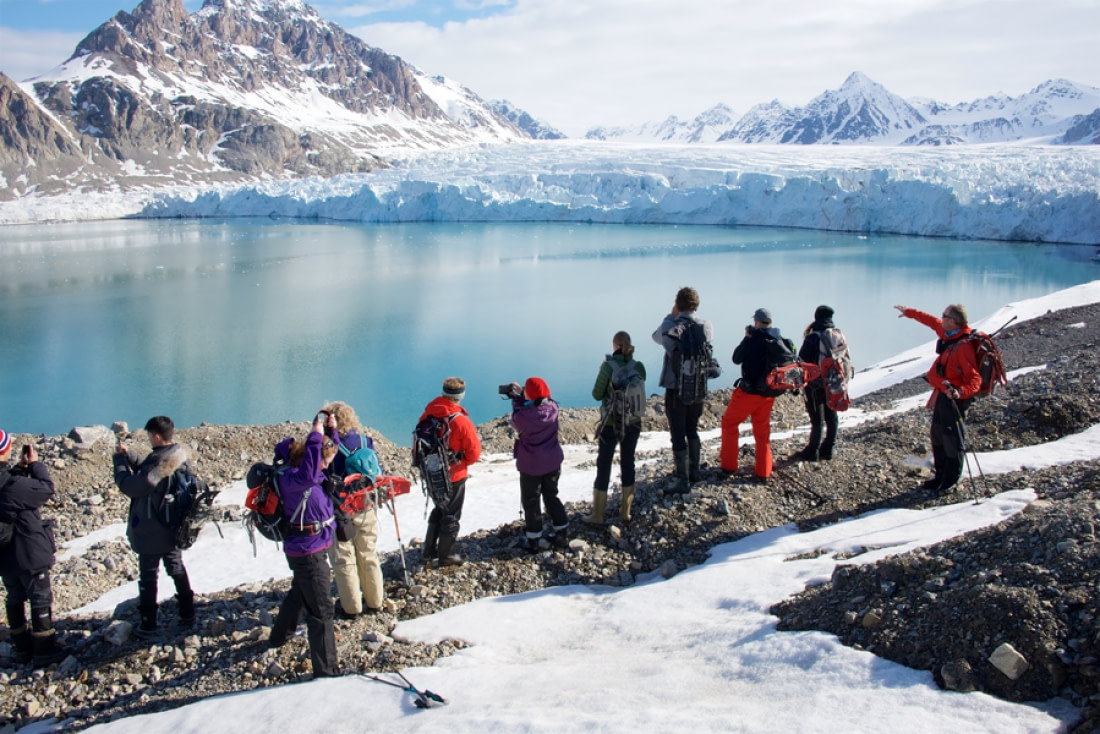
Located on the northern coast of Spitsbergen, Raudfjorden is perfect for glacier viewing. It is also a popular spot for bearded seals, ringed seals, Arctic seabird colonies, and occasionally, polar bears or belugas.

Raudfjorden stretches about 20 km (12.4 miles) long and five km (three miles) wide, situated between Albert I Land and Haakon VII Land. This fjord is a frequent stop on our Svalbard trips.
blog-image

Krossfjorden

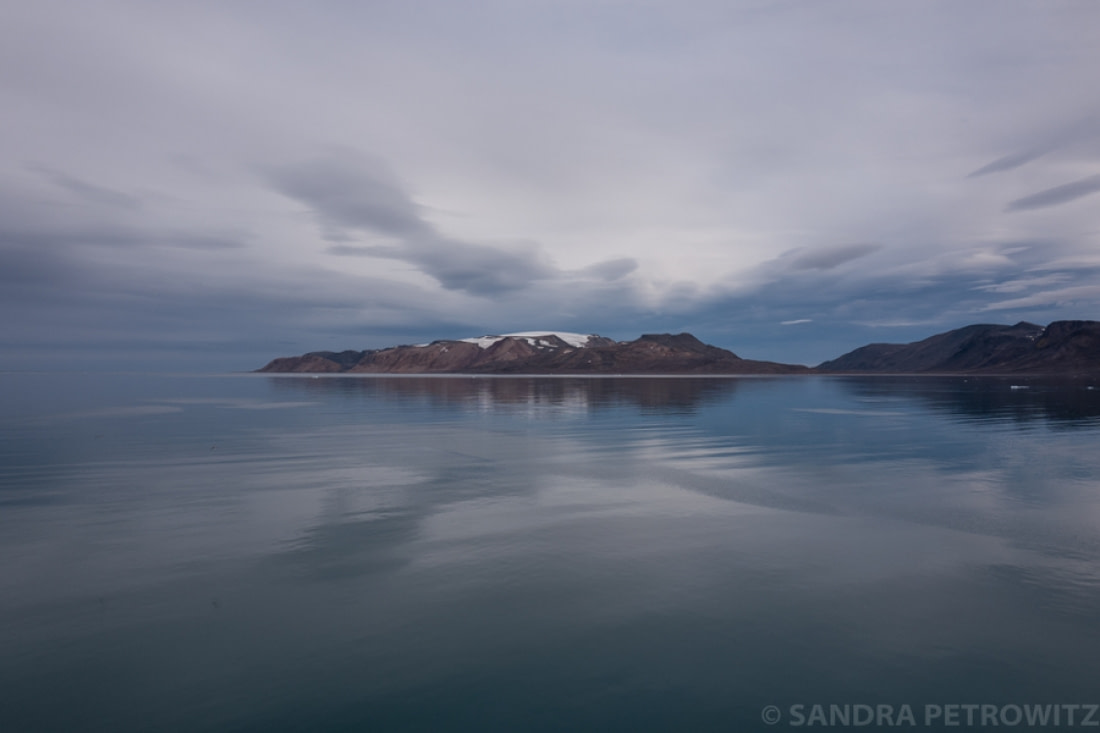
Characterized by green slopes, colorful flowers (seasonally), and a large glacier, Krossfjorden is a stunning Arctic fjord. It is home to flocks of kittiwakes and Brünnich’s guillemots, as well as Arctic foxes and bearded seals. Krossfjorden is about 30 km (48 miles) long and was the site of Spitsbergen’s first whaling station in the early 17th century.
blog-image

Liefdefjorden

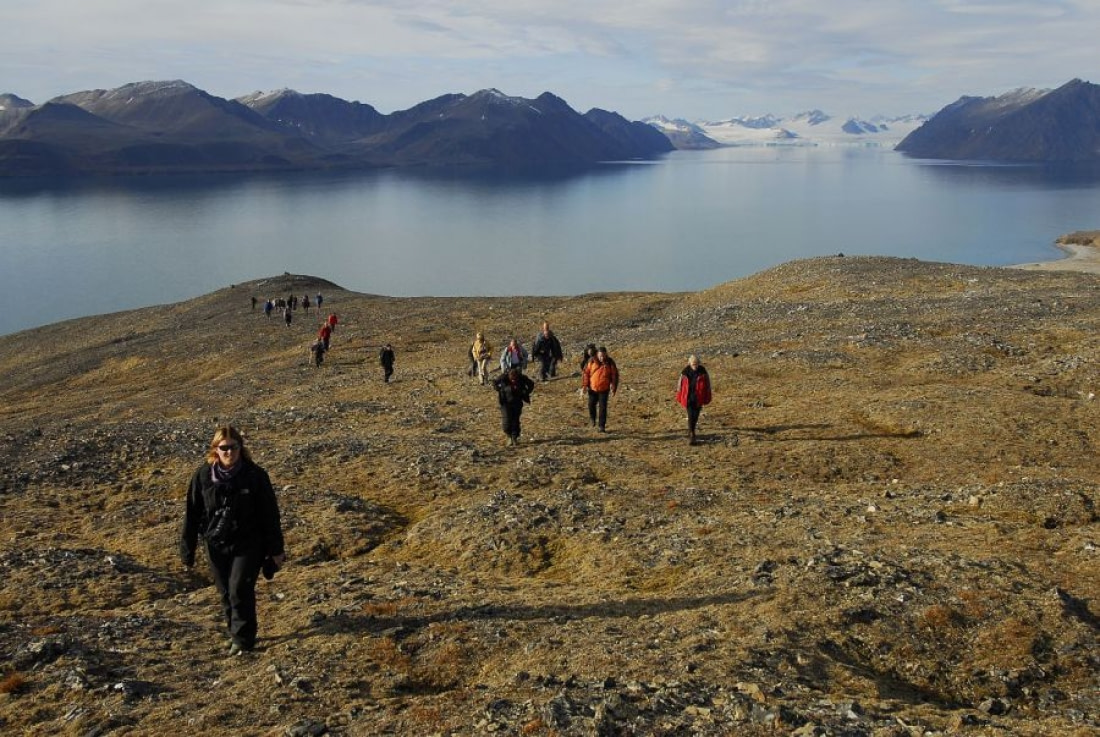
Liefdefjorden is a highlight of our Spitsbergen cruises, mainly because it runs alongside the impressive five-km-long (three miles) Monaco Glacier. The waters near the glacier are a rich feeding ground for thousands of kittiwakes, and polar bears can sometimes be seen hunting at the glacier’s base.

blog-image

Bell Sund

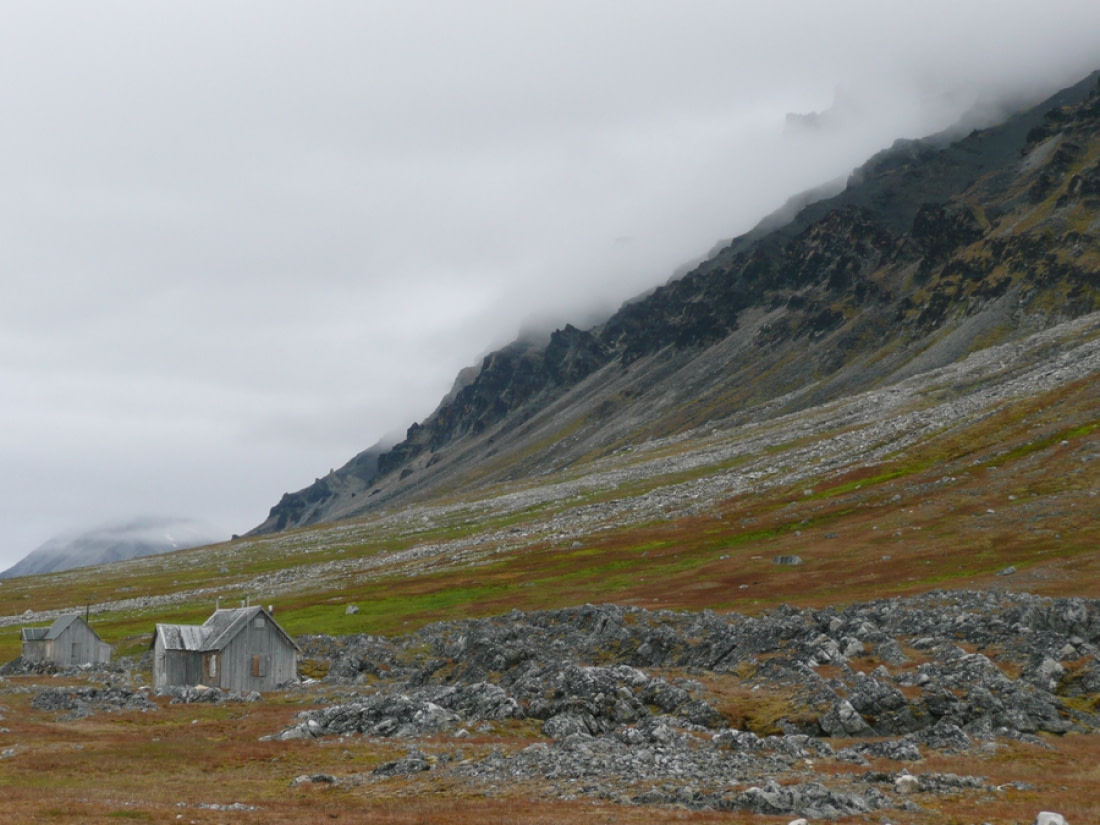
Bell Sund is one of the largest fjord systems in Svalbard, featuring lush vegetation that supports local wildlife and historical sites. Beluga skeletons can be found around Ahlstrandhalvøya, remnants of 19th-century whale hunting.

Fortunately, not all belugas were wiped out, so you may still spot a pod. Exploring the side fjords of Bell Sund, you’ll see tundra where reindeer graze and rocky slopes where little auks nest.
blog-image

Greenland fjords

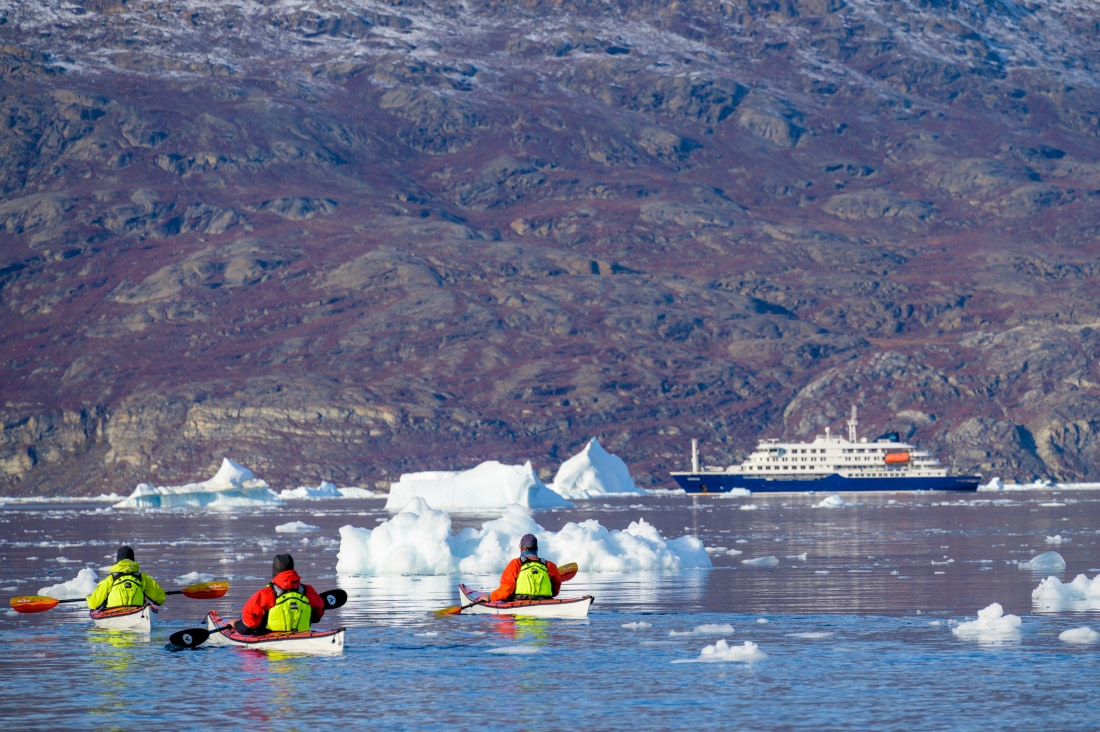
Greenland boasts some of the most spectacular fjords in the Northern Hemisphere, with waterways so vast they can make you feel like you’re in a prehistoric world. This is especially true of East Greenland, the only area we explore.
blog-image

Røde Fjord

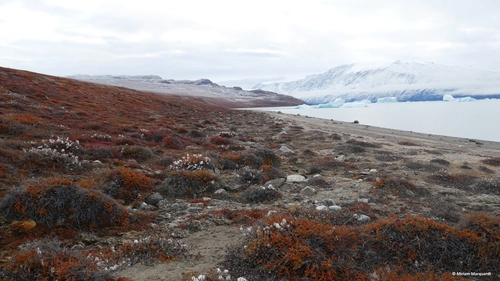
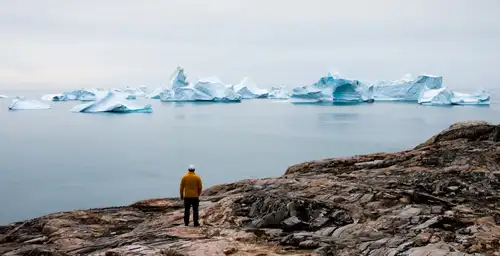
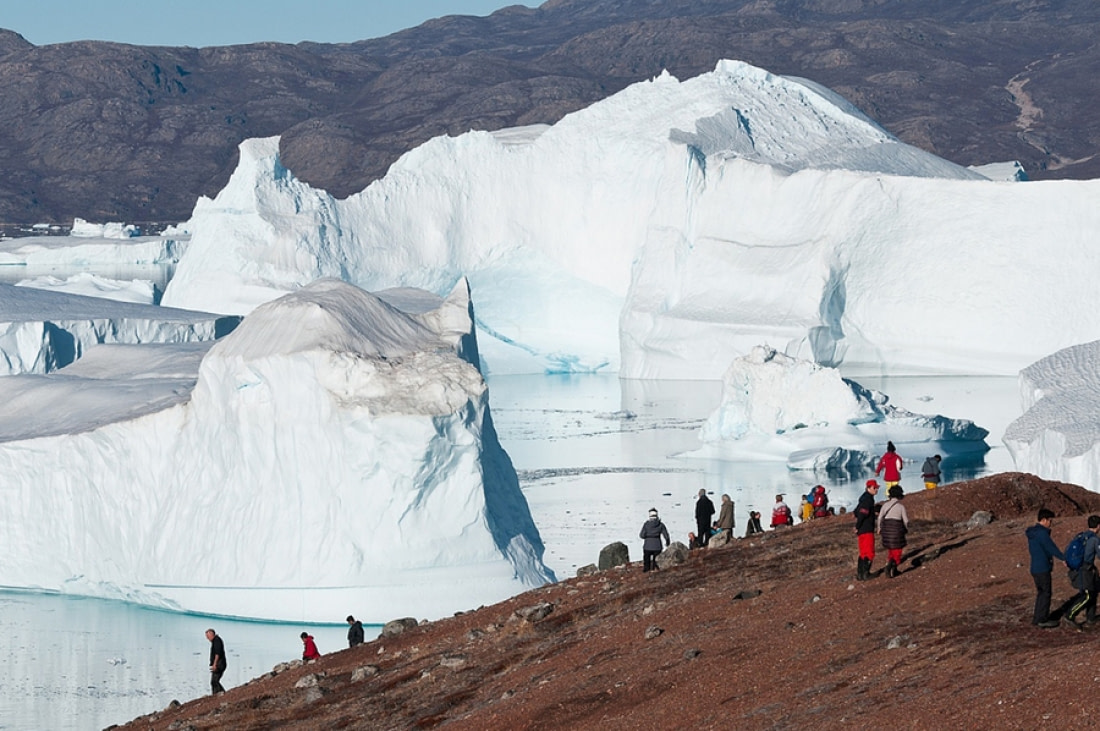
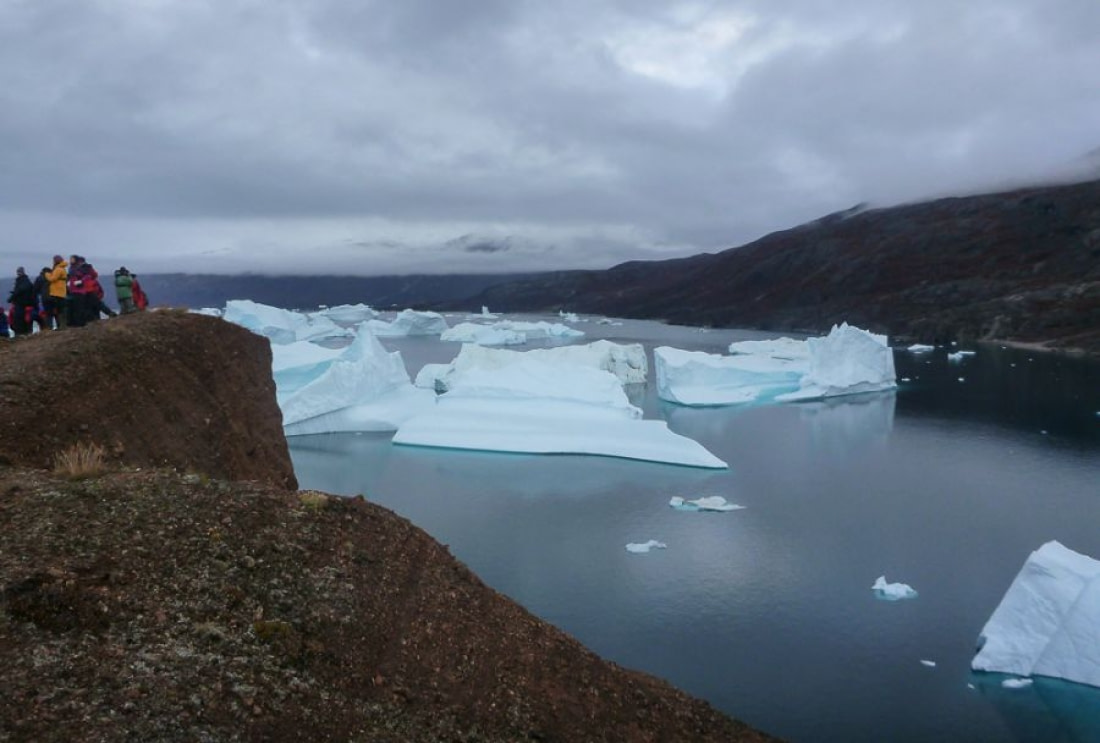
Røde Fjord is a prized site on our Greenland voyages, featuring musk oxen and vibrant autumn foliage. The fjord is home to colossal icebergs, some over 100 meters (328 feet) high. Most icebergs here are grounded, as the fjord is only about 400 meters deep (1,312 feet), five km (three miles) long, and 11 km (6.8 miles) wide. Røde Fjord is part of the extensive Scoresby Sund fjord system.
blog-image

Rømer Fjord

Rømer Fjord offers one of the best chances to see polar bears in Greenland, a species not often spotted on the island. Located on Turner Ø, this fjord is rugged and mountainous.

Kaiser Franz Joseph Fjord

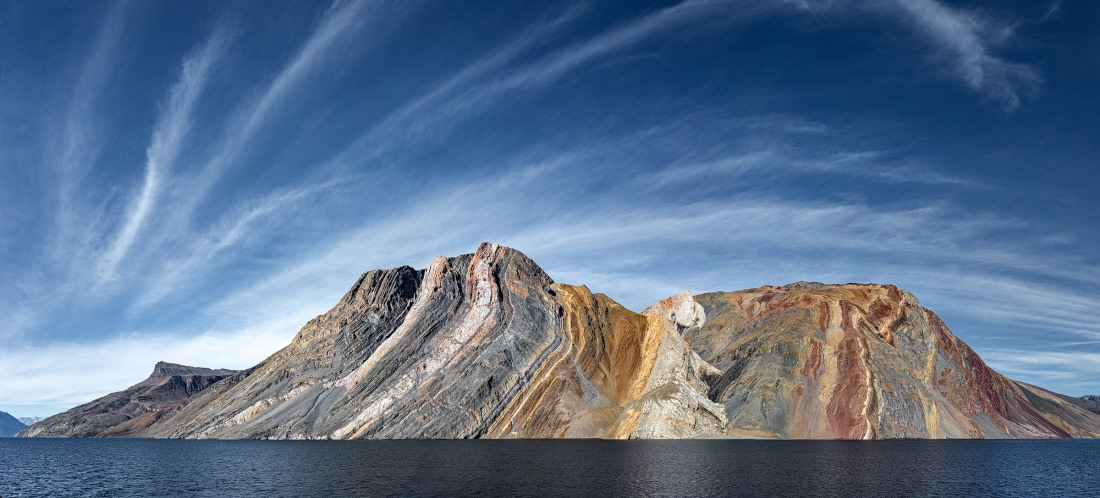
Kaiser Franz Joseph Fjord extends about 100 km (62 miles) into Greenland’s interior, branching in multiple directions for roughly another 92 km (57 miles) from its mouth in Foster Bay.

This fjord is known for its spilling glacier tongues and towering, sheer-sloped surroundings. Be sure to bring a good camera and plenty of memory cards.
blog-image

Kong Oscar Fjord

South of Kaiser Franz Joseph Fjord lies Kong Oscar Fjord, forming the northern border of the Scoresby Land Peninsula. This fjord is a frequent sight during our Greenland trips, branching into numerous smaller fjords on its western side. Kong Oscar Fjord is about 10 – 25 km (16 – 40 miles) wide.

blog-image

Nordvestfjord

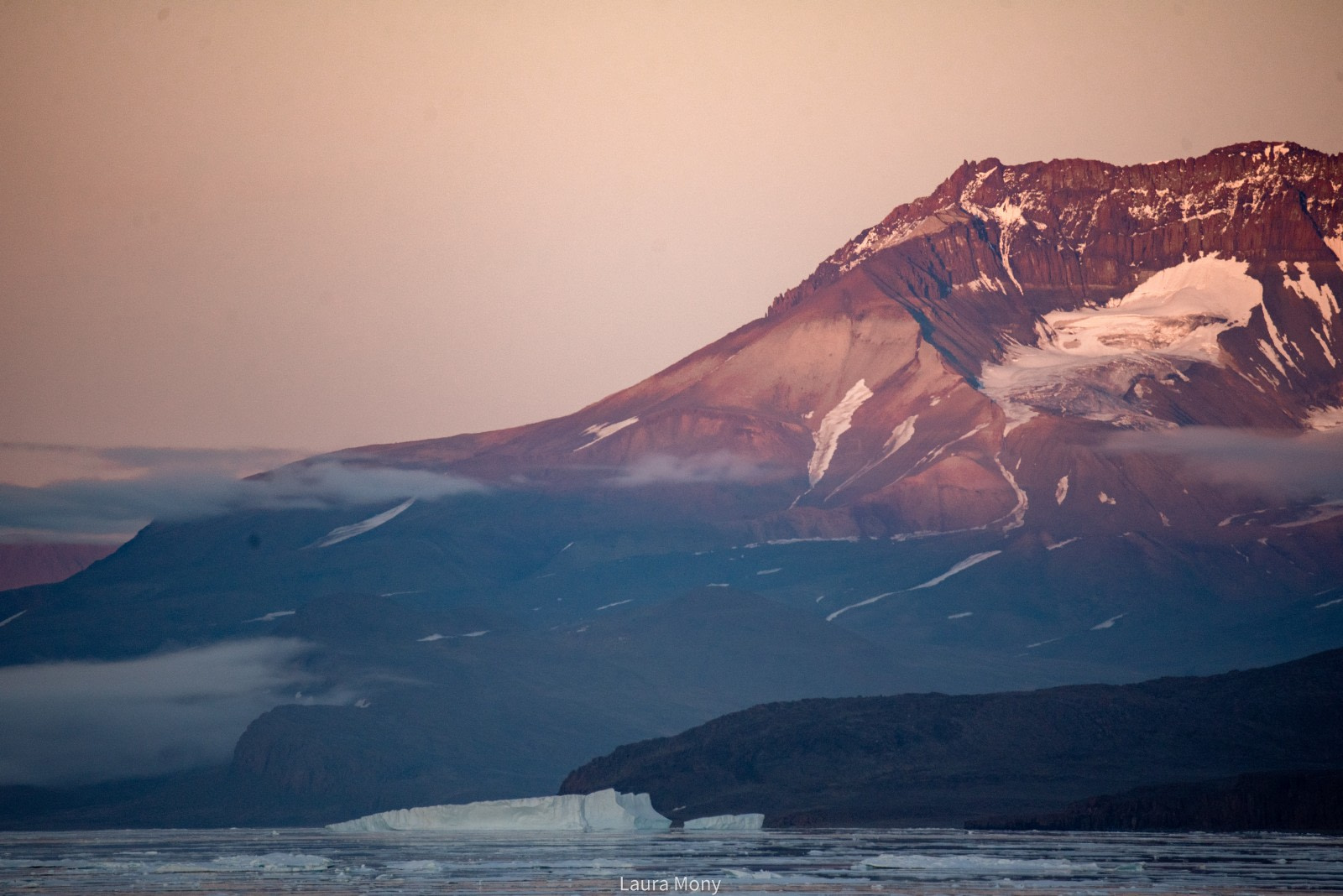
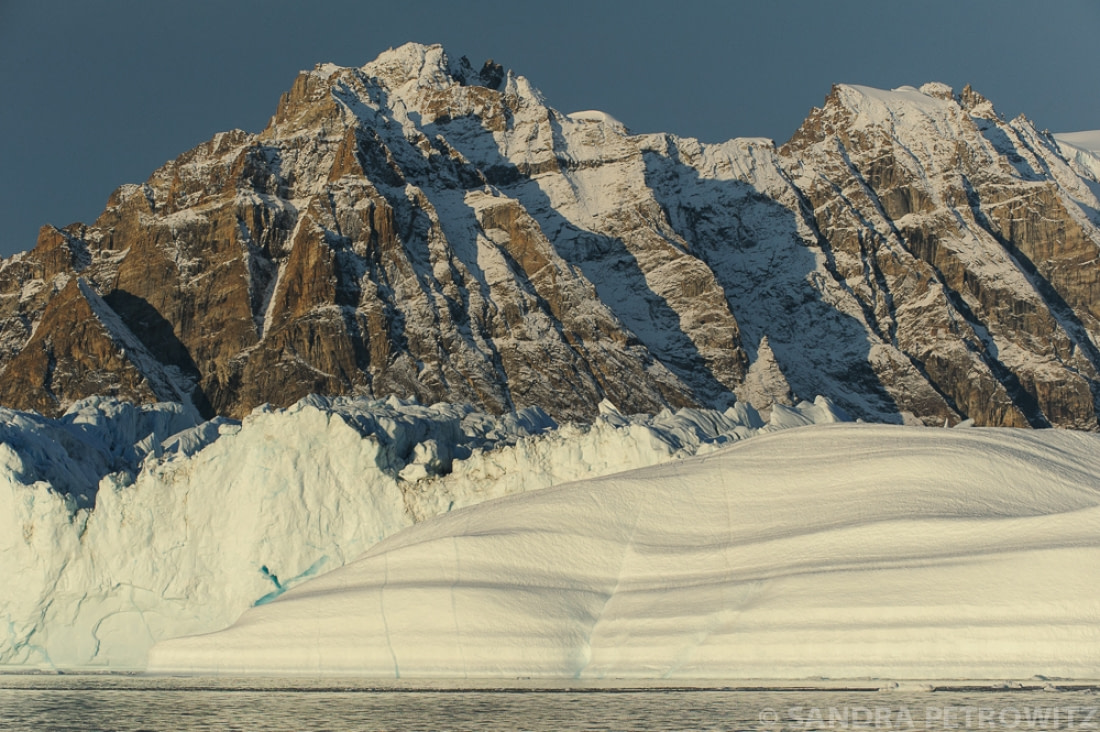
Part of the Scoresby Sund system, the picturesque Nordvestfjord is fed by the Daugaard-Jensen Glacier, among others. This glacier produces most of the icebergs north of Iceland, many of which pass through Nordvestfjord.
blog-image

Scoresby Sund

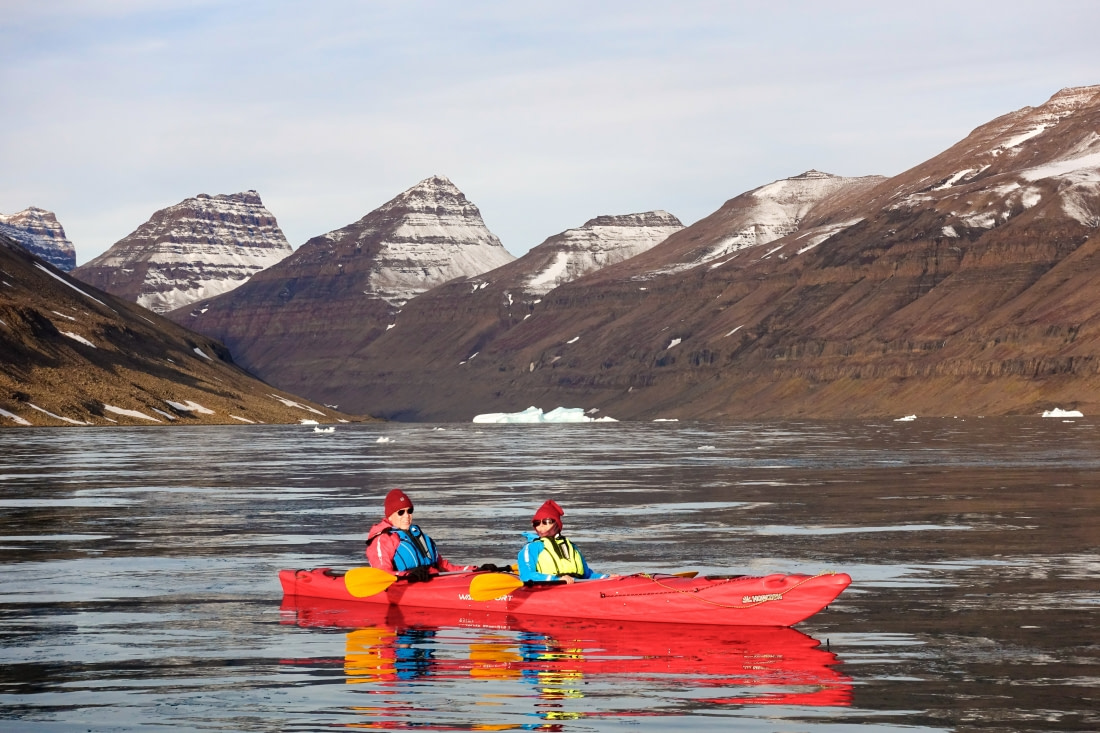
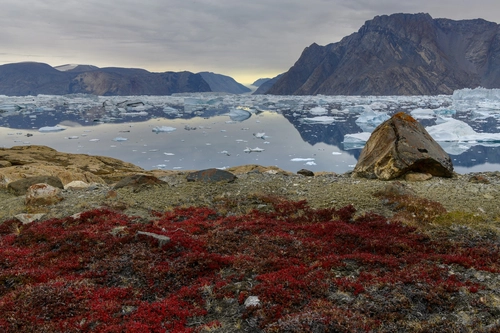
No discussion of Arctic fjords is complete without mentioning Scoresby Sund, the largest fjord system on Earth.

Scoresby Sund is immense, with a main body about 110 km (68 miles) long and an area of extending fjords covering approximately 38,000 square km (14,700 square miles). It reaches 350 km (216 miles) inland, with depths plunging to 1,450 meters (4,760 feet) in some areas.

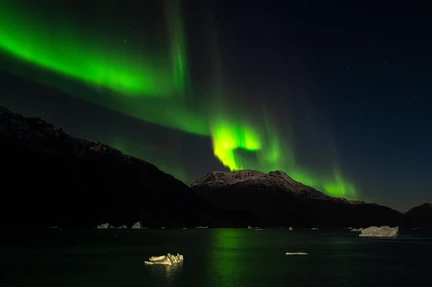
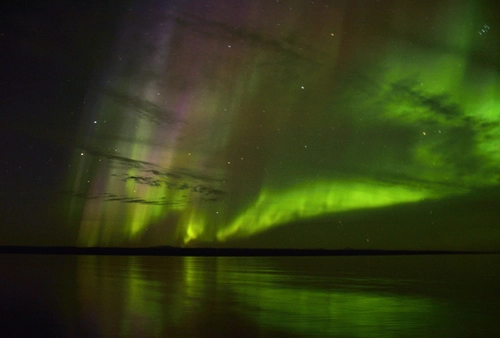
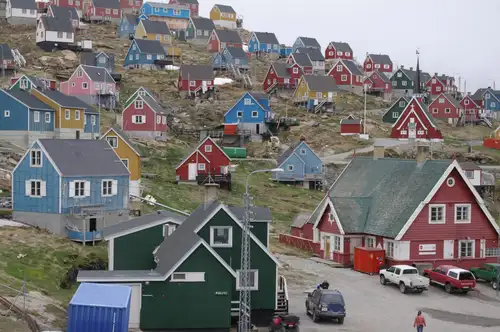
Scoresby Sund is a prime location for observing Arctic wildlife, enjoying the northern lights, and visiting the Inuit village of Ittoqqortoormiit, the only permanent settlement in the region.

In summary, if you visit only one fjord in the Arctic, make it the Scoresby Sund fjord system in Greenland.
blog-image

Best Deals

Related Trips

Spitsbergen - Northeast Greenland, Fly & Sail - Nexta Expeditions
The Arctic
Longyearbyen

Spitsbergen - Northeast Greenland, Fly & Sail

calendar12 Aug 2026 - 31 Aug 2026
clock20 Days / 19 Nights
From $ 9.500 per person
Northeast Greenland Extreme - Nexta Expeditions
The Arctic
Akureyri

Northeast Greenland Extreme

calendar15 Aug 2026 - 28 Aug 2026
clock14 Days / 13 Nights
From $ 8.650 per person
East Greenland, Scoresby Sund, Including Long Hikes - Nexta Expeditions
The Arctic
Akureyri

East Greenland, Scoresby Sund, Including Long Hikes

calendar16 Aug 2026 - 25 Aug 2026
clock10 Days / 9 Nights
From $ 6.000 per person
Northeast Greenland Extreme - Nexta Expeditions
The Arctic
Akureyri

Northeast Greenland Extreme

calendar25 Aug 2026 - 07 Sep 2026
clock14 Days / 13 Nights
From $ 7.850 per person
East Greenland, Scoresby Sund - Aurora Borealis, Fly & Sail - Nexta Expeditions
The Arctic
Constable Pynt

East Greenland, Scoresby Sund - Aurora Borealis, Fly & Sail

calendar21 Sep 2026 - 01 Oct 2026
clock11 Days / 10 Nights
From $ 6.250 per person
East Greenland, Scoresby Sund - Iceland , Aurora Borealis, Fly & Sail - Nexta Expeditions
The Arctic
Constable Pynt

East Greenland, Scoresby Sund - Iceland , Aurora Borealis, Fly & Sail

calendar01 Oct 2026 - 12 Oct 2026
clock12 Days / 11 Nights
From $ 6.300 per person

Blog
go-leftgo-right

Amazing Greenland - Nexta Expeditions
Blog

Amazing Greenland

If you ever get the chance to take a trip to Greenland, you will be amazed by its coastlines, fjords, ice-covered peaks, and great expanse of snow-covered land. You will also notice that Greenland is a rugged area with a rich diversity of life, making it a dream location for scientists as well.
Visa to Argentina for Antarctic Expedition Travelers (2025 Guide) - Nexta Expeditions
Blog

Visa to Argentina for Antarctic Expedition Travelers (2025 Guide)

Argentina is the main gateway for travelers heading to Antarctica, with most expedition cruises departing from the southern city of Ushuaia. Whether you’re flying in through Buenos Aires or connecting domestically, knowing Argentina’s visa requirements is critical for a smooth journey before and after your polar adventure.
The bio-richness of the Ross Sea - Nexta Expeditions
Blog

The bio-richness of the Ross Sea

The Ross Sea is one of the most stunning and untouched marine areas globally. This sea, which remains frozen for most of the year, spans 3.6 million square kilometers (1.4 million square miles) along the Antarctic coast south of New Zealand. Its waters harbor a biologically diverse ecosystem of species that have flourished, unchanged, for millennia.
Baleen Whales – The Gentle Giants of the Ocean - Nexta Expeditions
Blog

Baleen Whales – The Gentle Giants of the Ocean

They are the largest animals on Earth, yet they thrive on some of the tiniest creatures. These giants can reach lengths of 30 meters (90 feet), but it is the microscopic zooplankton, krill, and small fish that sustain them. These are the baleen whales. Unlike toothed whales, baleen whales lack teeth. Instead, they use plates of baleen in their mouths to trap and consume their tiny prey.
Secrets of the Snowy Owl: Habitat, Adaptations, and Other Facts - Nexta Expeditions
Blog

Secrets of the Snowy Owl: Habitat, Adaptations, and Other Facts

The snowy owl (Bubo scandiacus), also known as the great white owl or Arctic owl, is one of the most distinctive bird species on the planet. While you won’t find them in all areas of the Arctic – they don’t exist in Svalbard due to the lack of lemmings – snowy owls are seen in the polar regions of Eurasia and North America and are a potential visitor during Greenland cruises. The binomial species name, “scandiacus,” is derived from Scandinavia, as this is where the bird was first discovered. The snowy owl is the official bird of Quebec, and they are a must-see for countless bird watchers and naturalists.
Imperial Antarctica: the Snow Hill Emperor Penguins - Nexta Expeditions
Blog

Imperial Antarctica: the Snow Hill Emperor Penguins

Recently, a rare achievement was made by visiting Antarctica’s northernmost emperor penguin colony on Snow Hill Island. Typically surrounded by impassable pack ice, Snow Hill is a notoriously difficult destination in the Weddell Sea cruise itinerary, only accessible using helicopters carried especially for this purpose.
Weddell seals: The data collectors scientists of Antarctica - Nexta Expeditions
Blog

Weddell seals: The data collectors scientists of Antarctica

Weddell seals inhabit some of the coldest and darkest waters deep within the Ross Sea ice, making them the southernmost naturally occurring mammals on Earth. During the winter and summer months, their movements are largely governed by the presence of sea ice and the availability of suitable breathing and exit holes.
Six Facts About the Crabeater Seals of Antarctica - Nexta Expeditions
Blog

Six Facts About the Crabeater Seals of Antarctica

Antarctic fur seals, leopard seals, Weddell seals, Ross seals, southern elephant seals... The many seal species of Antarctica all have names that are in some way explained by their appearance or primary region of distribution.
A Day of Whale Watching in Antarctica - Nexta Expeditions
Blog

A Day of Whale Watching in Antarctica

This morning we awoke early to enjoy the first light in Wilhelmina Bay, with the snow and cloud blanketing the surrounding mountains. As dawn broke, we could see the blows of humpback whales scattered throughout the bay. Some of the whales were closer to the ship and we spotted their small dorsal fins and occasionally their white patterned tails. It was a terrific start to our first full day in Antarctica.
The Classic Polar Cruise: Antarctic Peninsula Facts, Pics, and More - Nexta Expeditions
Blog

The Classic Polar Cruise: Antarctic Peninsula Facts, Pics, and More

When it comes to experiencing the vast wonders of Antarctica, the Antarctic Peninsula stands out as an unparalleled destination.
12 photo tips to make better pictures on your Antarctica cruise - Nexta Expeditions
Blog

12 photo tips to make better pictures on your Antarctica cruise

During your trip in the Arctic or Antarctic cruise you and your camera equipment will be exposed to a variety of challenging conditions. Be careful with your equipment and protect it from the salty spray when in Zodiacs, on a beach, or on deck. Salt water and electronics is not a good mix!
Two for the Snow: Polar Cruises for Couples - Nexta Expeditions
Blog

Two for the Snow: Polar Cruises for Couples

Do you know the old saying, “Cold hands, warm heart”? In our opinion, that bodes well for couples who visit the polar regions.
What to Expect When Crossing the Drake Passage - Nexta Expeditions
Blog

What to Expect When Crossing the Drake Passage

Positioned between the southern tail of South America and the Antarctic Peninsula's north-sweeping arm is a lively little waterway known as the Drake Passage.
Spitsbergen: Alkefjellet magic - Nexta Expeditions
Blog

Spitsbergen: Alkefjellet magic

If they knew their way home, why not follow them? Equipped with GPS and compass, we approached the cliffs by zodiac. First, we heard the noise from the colony – the distinct calls of guillemots, kittiwakes, and Glaucous gulls. Then the cliffs gradually emerged from the mist.
The disastrous expedition in the Arctic west - Nexta Expeditions
Blog

The disastrous expedition in the Arctic west

In 1902, Otto Sverdrup, captain of the Fram on Nansen’s expedition, led his own Arctic expedition to the north of Canada. Over the period of the expedition, which started in 1898, Sverdrup and his 15-man crew charted over 250,000 square kilometres of the Arctic using the Fram and sledges. During the expedition Ellesmere Island’s west coast was explored and new islands discovered.
Hondius Photography and Video Workshops - Nexta Expeditions
Blog

Hondius Photography and Video Workshops

There’s no shortage of great things to say about a Hondius expedition cruise, but among the best are the free video and photography workshops offered during some of this ship’s voyages. These informative, interactive, highly useful supplements allow you to not only capture your memories in the best way possible but also make your friends back home maddeningly jealous.
10 Tips for Photographing the Northern Lights - Nexta Expeditions
Blog

10 Tips for Photographing the Northern Lights

The northern lights, also known as the aurora borealis, offer some of the most breathtaking photographic opportunities in the Arctic. However, capturing this stunning phenomenon requires more than just luck. To take your best northern lights photos, it's helpful to understand some key aspects of aurora-specific photography.
Top 10 Antarctic Attractions - Nexta Expeditions
Blog

Top 10 Antarctic Attractions

There’s a reason people go to such lengths to visit Antarctica, and its abundance of whales, seals, penguins, and seabirds are only part of the polar story.
Guidelines for visitors to Antarctica - Nexta Expeditions
Blog

Guidelines for visitors to Antarctica

Activities in the Antarctic are governed by the Antarctic Treaty of 1959 and associated agreements, collectively known as the Antarctic Treaty System. The Treaty established Antarctica as a zone dedicated to peace and science. In 1991, the Antarctic Treaty Consultative Parties adopted the Protocol on Environmental Protection to the Antarctic Treaty, designating the Antarctic as a natural reserve.
All things ice in the Antarctic - Nexta Expeditions
Blog

All things ice in the Antarctic

The first documented sighting of an iceberg in Antarctica occurred on February 1, 1700, when Edmond Halley was on an expedition to measure the Earth's magnetic field. He noted in his diary that he encountered "great Islands of Ice, of Soe Incredible a hight and Magnitude that I scare dare to write my thoughts on it."