

Svalbard, particularly Spitsbergen, was the first polar expedition cruise destination. It's no surprise that there are numerous trip programs available in this region. Among the most unique are the Around Spitsbergen and North Spitsbergen cruises.

As their names suggest, the primary distinction of these cruises is the areas they explore. The Around Spitsbergen cruise circumnavigates Spitsbergen, allowing visits to a variety of landing sites. The North Spitsbergen cruise, on the other hand, focuses on the island's northernmost shores, a prime location for spotting polar bears.

Each program offers numerous variations. Some trips emphasize birding or bear watching, others occur during the Arctic spring or summer, and some use the sailing ship Rembrandt van Rijn instead of larger motor vessels. This variety makes direct comparisons challenging and choosing between the two even harder.

To simplify things, this article will focus on comparing the main difference between these programs: the areas they visit, which can influence the activities available and the wildlife you might see.

Around Spitsbergen
Most Around Spitsbergen cruises, like the North Spitsbergen cruises, focus on polar bears and pack ice – two of Svalbard's highlights.

Around Spitsbergen trips offer a variety of landscapes, from tundra to moonscape-like landings and peaks. Locations visited may include the 5-km-long (3.1 miles) face of Monaco Glacier, the Seven Islands and Nordaustlandet, where polar bears can be seen and you can get just 870 km (540 miles) from the North Pole, and the bird cliffs of Alkefjellet, home to thousands of Brünnich’s guillemots.

Visits to select areas of Barentsøya are also planned, though some landing sites (like Freemansundet) may be inaccessible due to polar bears. Sundneset, a favorite among staff, offers stunning tundra scenery and hiking options with great viewpoints. The bird life here is excellent, and an old trapper’s hut can sometimes be seen.

In the Hornsund area of southern Spitsbergen, the trip offers views of spire-like peaks. Hornsundtind mountain rises to 1,431 meters (4,695 feet), and Bautaen exemplifies why early Dutch explorers named the island Spitsbergen, meaning “pointed mountains.” This area has 14 large glaciers and opportunities to spot seals, beluga whales, and polar bears.

Bell Sund is another highlight of the Around Spitsbergen itinerary, being one of Svalbard's largest fjord systems. A possible landing site here is Ahlstrandhalvøya, at the mouth of Van Keulenfjorden, where beluga skeletons can be seen. Fortunately, belugas were not hunted to extinction, and there’s a small chance of encountering a pod.

Ice can sometimes prevent full circumnavigations early in the season, which is a significant factor in the differences between various Around Spitsbergen cruises. However, this trip offers an incredible survey of a fantastic Arctic island.
North Spitsbergen
Wildlife is more concentrated in northwest Svalbard, the primary focus of North Spitsbergen voyages. While specific wildlife sightings cannot be guaranteed, the chances of spotting polar bears and other species may be slightly better in this area.
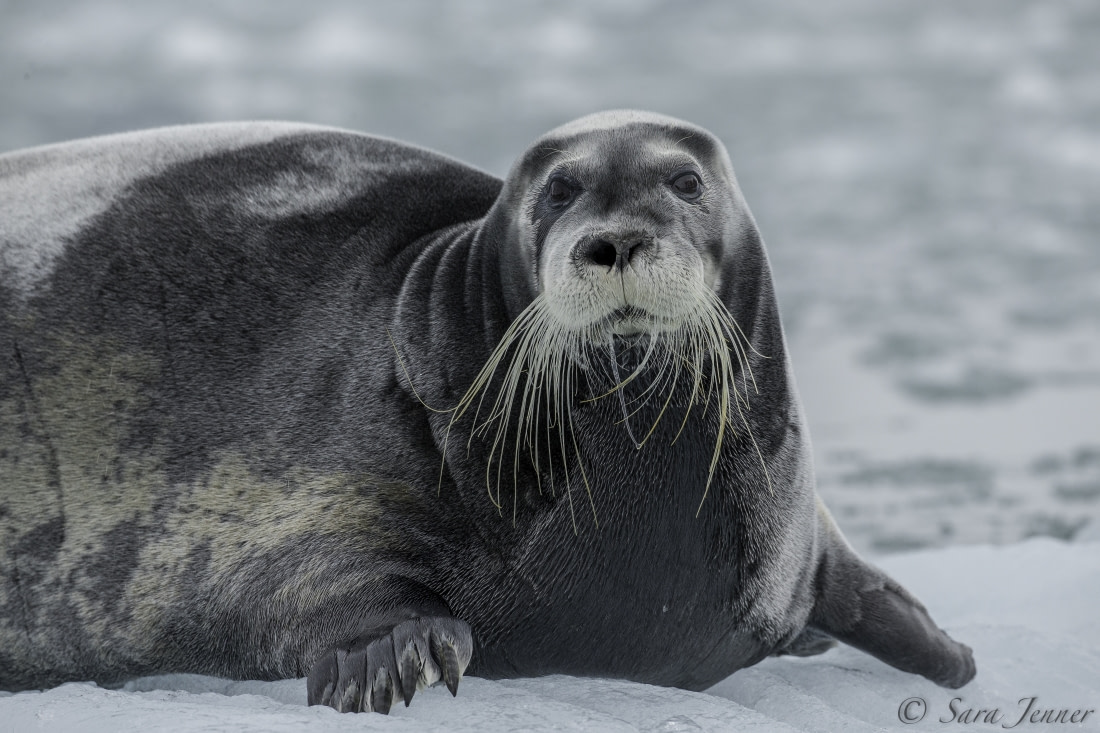
A popular location in this program is Raudfjorden, on the north coast of Spitsbergen, where you can view an expansive fjord and its many glaciers. Ringed and bearded seals might also be seen. The cliffs and shoreline of this fjord support thriving seabird colonies, rich vegetation, and the possibility of polar bears.
Sometimes, we sail into Fuglefjorden for views of Svitjodbreen and Birgerbukta, both breeding spots for great skuas and polar bear hangouts. On Birgerbukta, you can see 17th-century Basque ovens once used for cooking whale blubber. We might also visit Ytre Norskøya, a small island that served as a Dutch whaling lookout for many years.

On the northern side of Reindyrsflya, we see the largest tundra area of Spitsbergen. In Fuglesangen, we can view communities of little auks. Magdalenafjorden is another possibility on this cruise and is one of Spitsbergen's glacier-filled highlights. If we can make a shore visit, you’ll see the remains of 17th-century English whaling and large colonies of little auks.

Two other places of historic interest on the North Spitsbergen cruise are Ny London and Ny Ålesund, two of the northernmost settlements in the world. At Fuglehuken, there are massive seabird colonies and a haul-out site for harbor seals.
Shared locations for both Svalbard cruises
There are many overlapping sites in the Around Spitsbergen and North Spitsbergen voyages. One of these is Liefdefjorden and Monaco Glacier, a feeding spot for thousands of kittiwakes and a polar bear hunting ground.
Both voyages also tend to visit Hinlopen Strait, home to bearded seals, ringed seals, and polar bears – and at the entrance, there’s even the possibility of blue whales.

Other shared locations include the bird cliffs of Alkefjellet, the Seven Islands, and Nordaustlandet, where reindeer, pink-footed geese, and walruses are common sights. Both cruises may take you close to the 80th parallel north, near the northernmost sailing point at the 82nd parallel.

Which Svalbard trip should you book?
The answer depends on which areas, activities, and wildlife most appeal to you.
Both cruises are too varied to be easily compared, and factors like ice, weather, and wildlife can significantly impact the experience. Even cruises with identical itineraries can differ greatly due to these variables.
Consider whether you want a broader survey of locations or a deeper exploration of a smaller area when making your decision.
Regardless of your choice, you are sure to have a once-in-a-lifetime experience. Both cruises offer the chance to see unique wildlife and breathtaking landscapes and ice formations, whether on foot, in a kayak, on skis, or even underwater.
Header photo by Andrew Peacock.
 24 Apr - 01 May 2026
 01 May - 08 May 2026
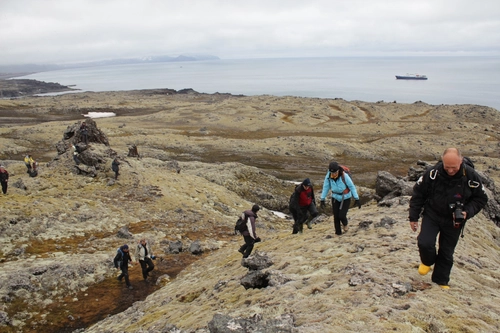 27 May - 05 Jun 2026
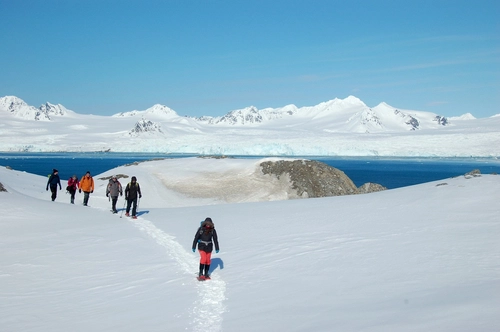 29 May - 05 Jun 2026
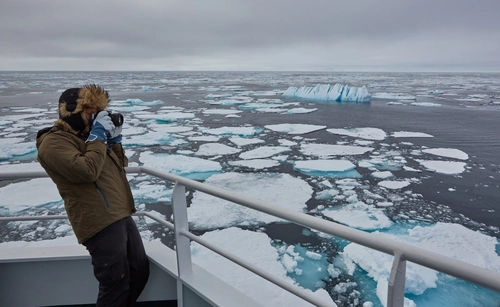 05 Jun - 12 Jun 2026
Related Trips
Alpine Peaks of Spitsbergen, Ski & Sail
24 Apr 2026 - 01 May 2026  8 Days / 7 Nights
Alpine Peaks of Spitsbergen, Ski & Sail
01 May 2026 - 08 May 2026 8 Days / 7 Nights
Arctic Ocean - Fair Isle, Jan Mayen, Ice Edge, Spitsbergen, Birding
27 May 2026 - 05 Jun 2026 10 Days / 9 Nights
North Spitsbergen - Arctic Spring , Hike & Sail
29 May 2026 - 05 Jun 2026 8 Days / 7 Nights
North Spitsbergen Explorer - Into the pack ice - Polar Bear Special
05 Jun 2026 - 12 Jun 2026 8 Days / 7 Nights

Arctic Ocean - Jan Mayen, Ice edge, Spitsbergen, Birding
05 Jun 2026 - 13 Jun 2026 9 Days / 8 Nights
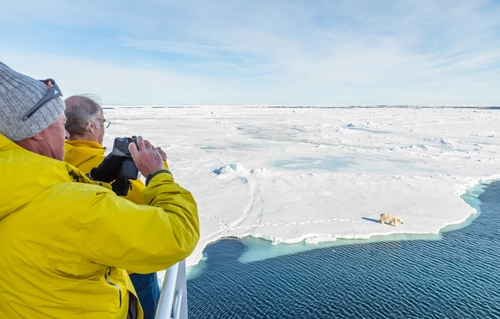
Arctic Ocean - Fair Isle, Jan Mayen, Ice edge, Spitsbergen, Birding - Summer Solstice
12 Jun 2026 - 21 Jun 2026 10 Days / 9 Nights
North Spitsbergen Explorer - Into the pack ice - Polar Bear Special
12 Jun 2026 - 19 Jun 2026 8 Days / 7 Nights
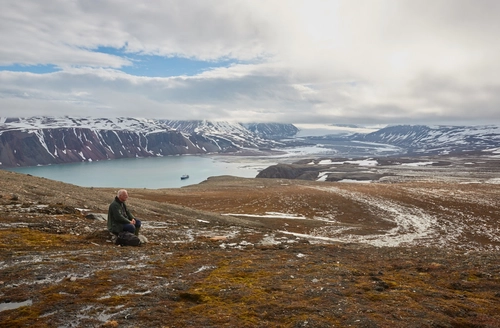
North Spitsbergen Explorer - Versatile landscapes, sea ice & wildlife
13 Jun 2026 - 20 Jun 2026 8 Days / 7 Nights
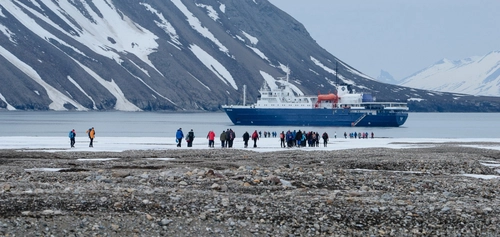
North Spitsbergen Basecamp – Summer Solstice - Free Kayaking, Hiking, Photo Workshop, Diving (supplemented)
19 Jun 2026 - 26 Jun 2026 8 Days / 7 Nights
North Spitsbergen Explorer - Versatile landscapes, sea ice & wildlife - Summer Solstice
20 Jun 2026 - 27 Jun 2026 8 Days / 7 Nights
North Spitsbergen Explorer - Versatile landscapes, sea ice & wildlife - Summer Solstice
21 Jun 2026 - 28 Jun 2026 8 Days / 7 Nights

Blog



Two for the Snow: Polar Cruises for Couples
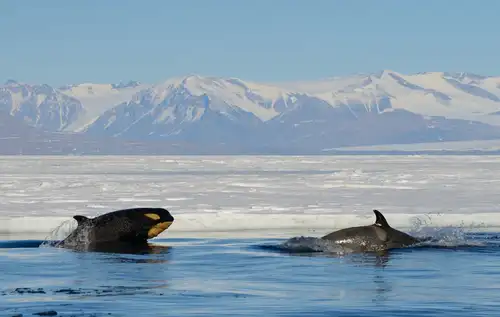
Orcas (aka Killer Whales) of Antarctica and the sub-Antarctic
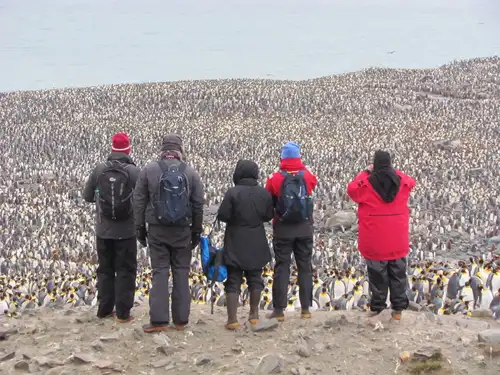
Scenes from St. Andrews Bay: 12 Pics of Penguins, Seals, and More
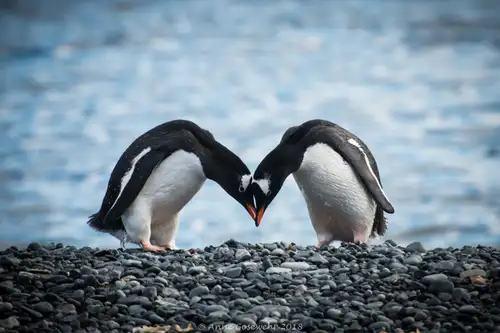
Polar Amore: 14 Wildlife Pics to Warm up Your Valentine’s Day
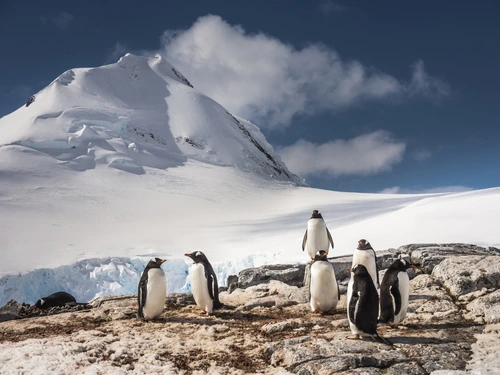
Top Antarctica Cruise Experiences for 2025
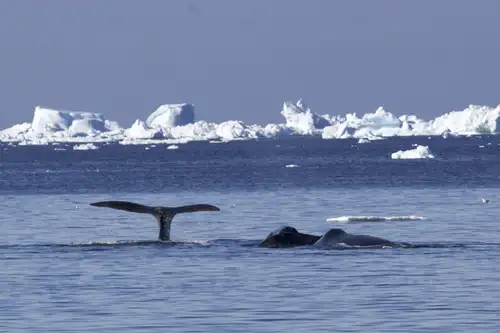
The bowhead whale, whaling about the Arctic
Coming Back from the Brink: The Fur Seals of Antarctica
Six Facts About the Crabeater Seals of Antarctica
Navigating by touch through the sea ice
15 Toothy Facts About the Atlantic Walrus
Seven Sublime Antarctic Bays
Encounter with the emperor penguin in Antarctica
Svalbard’s Texas Bar
Diving in Antarctica: The Ultimate Underwater Experience
North Norway, Northern Lights, and All the Pretty Whales
What’s so Special about East Spitsbergen?
Greenland: Where the Kayak Was Invented
10 Tips for Photographing the Northern Lights
Eight Ultimate Antarctica Adventures