Hooded Seal - Nexta Expeditions
Hooded Seal

Hooded Seal

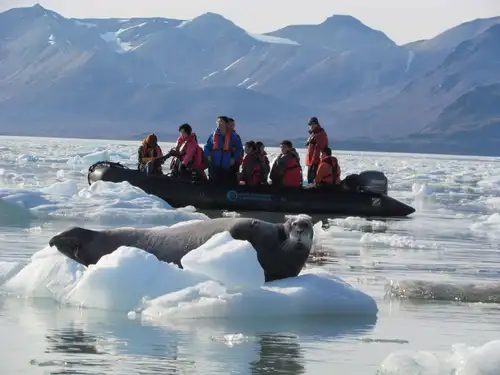
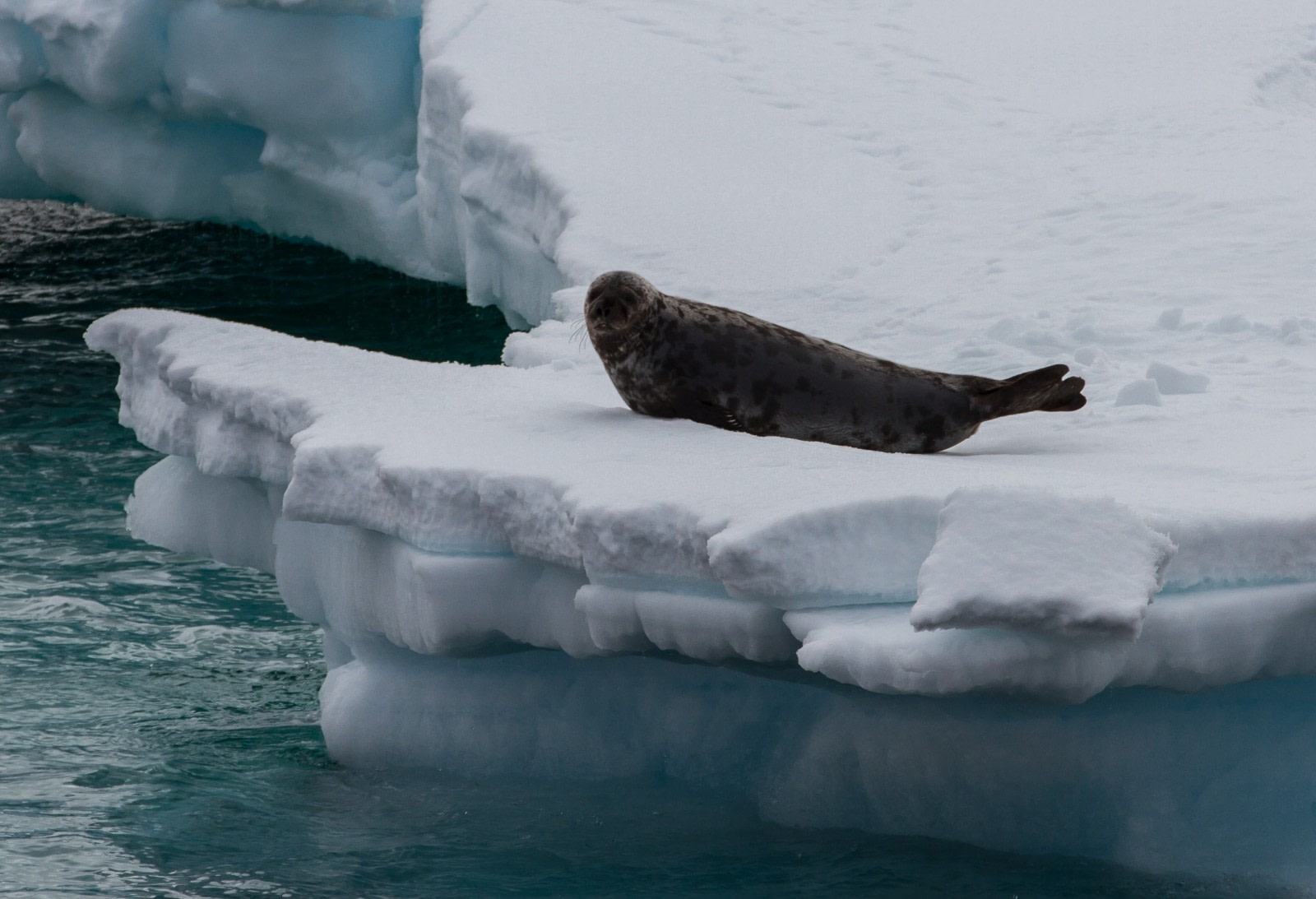
These seals, known for their hooded noses, are more aggressive in protecting their territory compared to other seals.
About

Name: Harbour Porpoise, Puffer, Puffing Pig (Phocoena phocoena)

Length: 1.5 - 1.9 metres

Weight: 60 - 75 kg, males being smaller

Location: Coasts of North America, Europe, Africa, and Asia

Conservation status: Least Concern

Diet: Fish, squid, crustaceans

Appearance: Dark grey back, lighter grey sides, white underside

How do Harbour Porpoises feed?

In shallow waters, Harbour Porpoises forage near the bottom; in deeper waters, they stay mid-range. Typically solo foragers, they sometimes hunt in small groups. Dives usually last about a minute but can extend up to 5 minutes, with the deepest recorded dive at 220 metres. They use small spade-shaped teeth to catch prey, which is swallowed whole, and echolocation to find food in murky waters.

Are Harbour Porpoises social?

Harbour Porpoises are generally solitary but can be seen in groups (shoals) of up to 5 members.

How fast do Harbour Porpoises move?

They can reach speeds of up to 25 km per hour.

What are Harbour Porpoise birthing rituals like?

Females mature sexually at 3 or 4 years and can give birth annually for several years. They can be pregnant and lactating simultaneously. Mating involves multiple partners, with a gestation period of just over 10 months. Calves are born in early summer, measuring 65-85 cm and weighing 6.5 - 10 kg, and are weaned after 8-12 months.

How long do Harbour Porpoises live?

They live about 15 years in the wild.

How many Harbour Porpoises are there today?

The global population is estimated at around 700,000 individuals.

Do Harbour Porpoises have any natural predators?

They are hunted by sharks, killer whales, and occasionally gray seals. Bottlenose dolphins sometimes attack and kill them without eating them.

7 Pleasing Harbour Porpoise Facts

  • One of the smallest marine mammals.
  • Stays close to coasts and estuaries, making them familiar to people, though they are shy and not approachable like dolphins.
  • Can travel far up rivers, sometimes seen hundreds of kilometers inland.
  • Four known distinct populations:
    • Phocoena phocoena phocoena - North Atlantic, West Africa
    • P.P. relicta - Sea of Azov, Black Sea
    • P.P. (unnamed) - Northwest Pacific
    • P.P. vomerina - Northeast Pacific
  • The word “porpoise” comes from Medieval Latin "porcopiscus," combining "porcus" (pig) and "piscus" (fish).
  • Unlike dolphins, they have blunt snouts and a streamlined forehead.
  • During mating season, a male’s testes can enlarge to about 5% of his total weight.
Related Trips
go-leftgo-right

Alpine Peaks of Spitsbergen, Ski & Sail - Nexta Expeditions
The Arctic
Longyearbyen

Alpine Peaks of Spitsbergen, Ski & Sail

calendar24 Apr 2026 - 01 May 2026
clock8 Days / 7 Nights
From $ 3.950 per person
Alpine Peaks of Spitsbergen, Ski & Sail - Nexta Expeditions
The Arctic
Longyearbyen

Alpine Peaks of Spitsbergen, Ski & Sail

calendar01 May 2026 - 08 May 2026
clock8 Days / 7 Nights
From $ 3.950 per person
Arctic Ocean - Fair Isle, Jan Mayen, Ice Edge, Spitsbergen, Birding - Nexta Expeditions
The Arctic
Aberdeen

Arctic Ocean - Fair Isle, Jan Mayen, Ice Edge, Spitsbergen, Birding

calendar27 May 2026 - 05 Jun 2026
clock10 Days / 9 Nights
From $ 3.100 per person
North Spitsbergen - Arctic Spring ,  Hike & Sail - Nexta Expeditions
The Arctic
Longyearbyen

North Spitsbergen - Arctic Spring , Hike & Sail

calendar29 May 2026 - 05 Jun 2026
clock8 Days / 7 Nights
From $ 4.000 per person
North Spitsbergen Explorer - Into the pack ice - Polar Bear Special - Nexta Expeditions
The Arctic
Longyearbyen

North Spitsbergen Explorer - Into the pack ice - Polar Bear Special

calendar05 Jun 2026 - 12 Jun 2026
clock8 Days / 7 Nights
From $ 4.500 per person
Arctic Ocean - Jan Mayen, Ice edge, Spitsbergen, Birding - Nexta Expeditions
The Arctic
Akureyri

Arctic Ocean - Jan Mayen, Ice edge, Spitsbergen, Birding

calendar05 Jun 2026 - 13 Jun 2026
clock9 Days / 8 Nights
From $ 2.800 per person
Arctic Ocean - Fair Isle, Jan Mayen, Ice edge, Spitsbergen, Birding - Summer Solstice - Nexta Expeditions
The Arctic
Aberdeen

Arctic Ocean - Fair Isle, Jan Mayen, Ice edge, Spitsbergen, Birding - Summer Solstice

calendar12 Jun 2026 - 21 Jun 2026
clock10 Days / 9 Nights
From $ 3.100 per person
North Spitsbergen Explorer - Into the pack ice - Polar Bear Special - Nexta Expeditions
The Arctic
Longyearbyen

North Spitsbergen Explorer - Into the pack ice - Polar Bear Special

calendar12 Jun 2026 - 19 Jun 2026
clock8 Days / 7 Nights
From $ 4.500 per person
North Spitsbergen Explorer - Versatile landscapes, sea ice & wildlife - Nexta Expeditions
The Arctic
Longyearbyen

North Spitsbergen Explorer - Versatile landscapes, sea ice & wildlife

calendar13 Jun 2026 - 20 Jun 2026
clock8 Days / 7 Nights
From $ 4.500 per person
North Spitsbergen Basecamp – Summer Solstice - Free Kayaking, Hiking, Photo Workshop, Diving (supplemented) - Nexta Expeditions
The Arctic
Longyearbyen

North Spitsbergen Basecamp – Summer Solstice - Free Kayaking, Hiking, Photo Workshop, Diving (supplemented)

calendar19 Jun 2026 - 26 Jun 2026
clock8 Days / 7 Nights
From $ 4.500 per person
North Spitsbergen Explorer - Versatile landscapes, sea ice & wildlife - Summer Solstice - Nexta Expeditions
The Arctic
Longyearbyen

North Spitsbergen Explorer - Versatile landscapes, sea ice & wildlife - Summer Solstice

calendar20 Jun 2026 - 27 Jun 2026
clock8 Days / 7 Nights
From $ 4.500 per person
North Spitsbergen Explorer - Versatile landscapes, sea ice & wildlife - Summer Solstice - Nexta Expeditions
The Arctic
Longyearbyen

North Spitsbergen Explorer - Versatile landscapes, sea ice & wildlife - Summer Solstice

calendar21 Jun 2026 - 28 Jun 2026
clock8 Days / 7 Nights
From $ 4.500 per person
Blog
go-leftgo-right
“The polar bear will still be there” - Nexta Expeditions
Blog

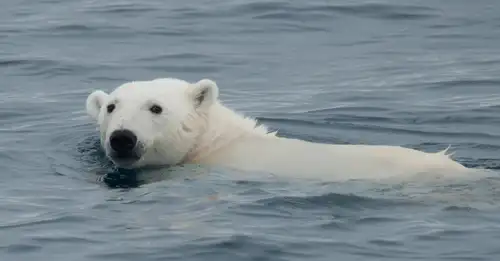
“The polar bear will still be there”

For several hours, we had been navigating the pack ice in search of polar bears. Despite numerous binoculars scanning the ice, no bears were visible, and only a few tracks were found. This suggested we might be in an area with fewer bears. Later that morning, we decided to head a few miles east, suspecting a higher bear population there.
Polar Bear Sets Impressive New Diving Record - Nexta Expeditions
Blog

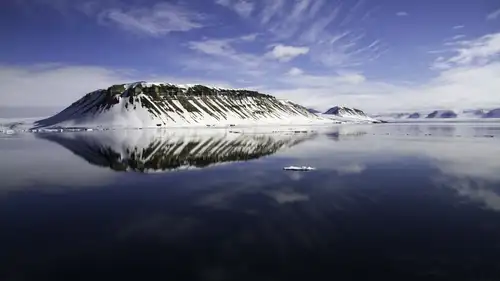
Polar Bear Sets Impressive New Diving Record

According to polar bear experts Rinie van Meurs and Dr. Ian Stirling, the new record for polar bear diving is an astounding three minutes and 10 seconds. Unless this particular polar bear has an unusually large lung capacity, we can now safely assume that these creatures have the ability to remain underwater for an extended period of time.
The Ice-Jewelled Geology of Spitsbergen - Nexta Expeditions
Blog

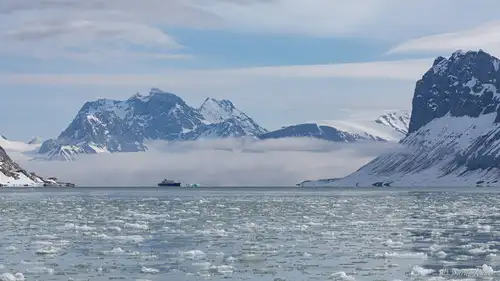
The Ice-Jewelled Geology of Spitsbergen

The Svalbard archipelago is located in the Arctic Ocean, roughly 660 km (410 miles) north of Norway's northernmost point. This region is a haven for geologists, boasting a rich geological history that spans from the Mesozoic era (65-245 million years ago) through the Cambrian era (570 million years ago) and back to the Archean era, over 3.5 billion years ago.
Svalbard vs. the Canadian Arctic - Nexta Expeditions
Blog

Svalbard vs. the Canadian Arctic

It’s easy to assume the Arctic is uniform, a vast expanse of northern freeze shaped by snow, ice, and endless darkness.
Puffins: Clown Birds of the Atlantic - Nexta Expeditions
Blog

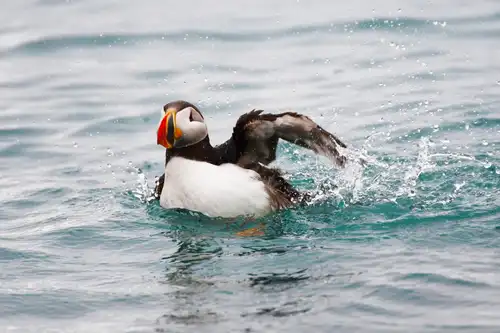
Puffins: Clown Birds of the Atlantic

Puffins are part of a family of 22 seabird species known as auks, which are pigeon-sized birds that thrive on a diet of small fish and crustaceans.
The Pack Ice and Polar Bears of North Spitsbergen - Nexta Expeditions
Blog

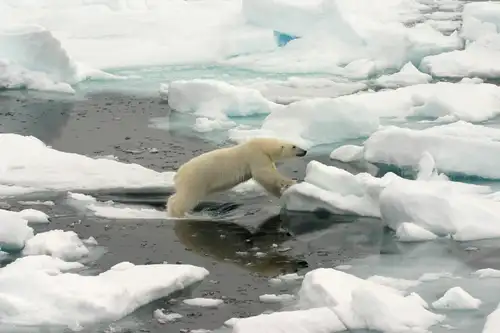
The Pack Ice and Polar Bears of North Spitsbergen

The Arctic archipelago of Svalbard is renowned for being one of the prime locations to observe polar bears. The largest island in this region, Spitsbergen, not only offers sightings of these majestic Arctic creatures but also provides a unique opportunity to experience the phenomenon of pack ice.
Spitsbergen: a true polar bear trip - Nexta Expeditions
Blog

Spitsbergen: a true polar bear trip

On the third day of our Svalbard cruise, we navigated through the sea ice north of Spitsbergen. The morning greeted us with fog and fragmented ice, but conditions gradually improved. A swarm of black-legged kittiwakes trailed behind us, as our ship stirred the waters, pushing aside ice floes to reveal the tiny dark polar cod beneath.
The Enchanting Islands of Svalbard - Nexta Expeditions
Blog

The Enchanting Islands of Svalbard

Svalbard is an Arctic archipelago situated between the North Pole and the Norwegian mainland, offering visitors some of the most stunning wildlife and landscapes in the world. Here we explore seven of the most visited Svalbard islands, highlighting the many wonders that draw people back year after year.
Spitsbergen: Alkefjellet magic - Nexta Expeditions
Blog

Spitsbergen: Alkefjellet magic

If they knew their way home, why not follow them? Equipped with GPS and compass, we approached the cliffs by zodiac. First, we heard the noise from the colony – the distinct calls of guillemots, kittiwakes, and Glaucous gulls. Then the cliffs gradually emerged from the mist.
The polar bear: king of the Arctic food chain - Nexta Expeditions
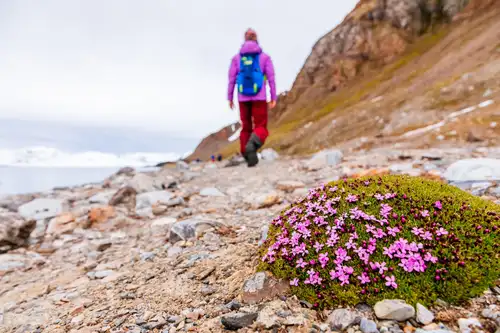
Blog

The polar bear: king of the Arctic food chain

As apex predators, polar bears reign supreme in the Arctic food chain. Only humans pose a threat to this massive and majestic species. But one look at these magnificent creatures explains why so many people embark on Arctic trips hoping to spot a polar bear in its natural habitat.
Seizing the Season: Spitsbergen’s Late Spring, Early Summer - Nexta Expeditions
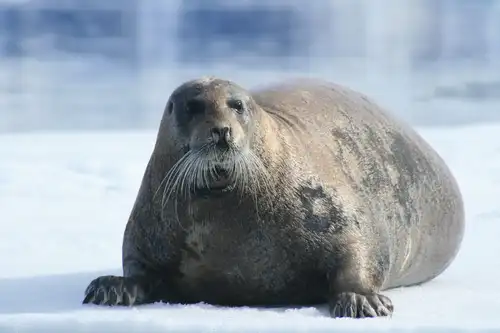
Blog

Seizing the Season: Spitsbergen’s Late Spring, Early Summer

Most Arctic expedition cruises can be categorized into two main types: those that operate during the autumn and winter, focusing on the northern lights, and those that sail during the high season (mid to late summer), concentrating on a broader range of experiences.
Arctic Seals - Nexta Expeditions
Blog

Arctic Seals

Owing to the large landmasses that populate the Northern Hemisphere, the Arctic boasts the most diverse wildlife among the planet’s polar regions. Some of the most captivating Arctic animals are the marine mammals found just offshore.
Polar Bear Primer: Eight Facts About the Arctic Wanderer - Nexta Expeditions
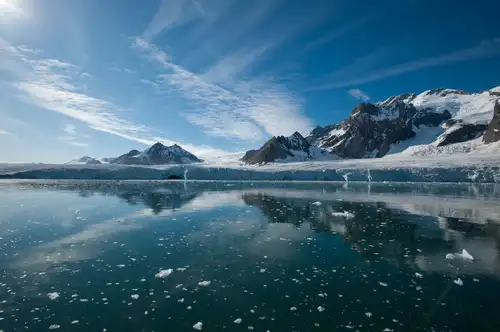
Blog

Polar Bear Primer: Eight Facts About the Arctic Wanderer

Polar bears inhabit the Arctic region across 19 subpopulations, including areas in Alaska, Canada, Greenland, Norway, and Russia. These majestic creatures prefer the edges of pack ice where currents and wind interact, creating a dynamic environment of melting and refreezing that forms ice patches and leads, which are open spaces in the sea between sea ice.
A Bug’s Life in Svalbard - Nexta Expeditions
Blog

A Bug’s Life in Svalbard

When you think about Svalbard wildlife, you might imagine reindeer, Arctic foxes, polar bears – the primary animal attractions that draw passengers to an Arctic cruise. But in fact, the Svalbard archipelago is a thriving location for over 1,000 species of terrestrial and freshwater invertebrates: animals that lack backbones. Despite this richness of life, however, these invertebrates are only found in the Isfjord and Kongsfjord areas of these wonderfully diverse islands.
Polar bear feast - Nexta Expeditions
Blog

Polar bear feast

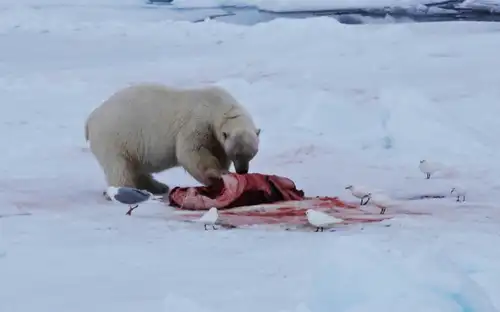
The polar bear was relishing his meal; the snow and his face were turning red from the blood. As we observed him eating, our own stomachs began to grumble. It was time for lunch.
Six Must-See Svalbard Sites - Nexta Expeditions
Blog

Six Must-See Svalbard Sites

It's home to humanity's last-ditch supply of crop seeds, the world's northernmost settlement of over 1,000 people, and it is one of the best places on Earth to spot a polar bear.
Six Seal Species You Might See On Your Greenland Cruise - Nexta Expeditions
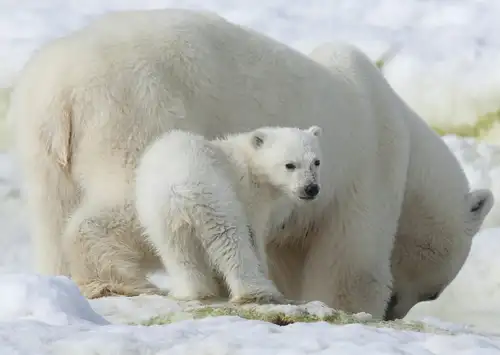
Blog

Six Seal Species You Might See On Your Greenland Cruise

If you spot a grand old whiskered man lounging in solitary splendor, there's a good chance you're looking at a bearded seal. Your Greenland cruise will take you to bays where these solitary fellows (except during breeding season) hunt for fish in the relatively shallow waters near the shores.
Arctic Icon: 10 Facts about the Polar Bear - Nexta Expeditions
Blog

Arctic Icon: 10 Facts about the Polar Bear

Polar bears are to the Arctic what penguins are to Antarctica.
Around Spitsbergen vs. North Spitsbergen - Nexta Expeditions

Blog

Around Spitsbergen vs. North Spitsbergen

Svalbard, particularly Spitsbergen, was the first polar expedition cruise destination. It's no surprise that there are numerous trip programs available in this region. Among the most unique are the Around Spitsbergen and North Spitsbergen cruises.
Solargraphy & Pin Hole photography in the Arctic - Nexta Expeditions
Blog

Solargraphy & Pin Hole photography in the Arctic