


Show More

Blog


Blog
Life migrating through the Polar Front
Since James Cook’s second voyage to Antarctica from 1772-1775, which provided the first descriptions of Antarctic animals, scientists have progressively uncovered the biodiversity of the Antarctic and sub-Antarctic regions. Numerous expeditions and research projects have since been undertaken to understand the unique ecosystems of this continent.
Blog
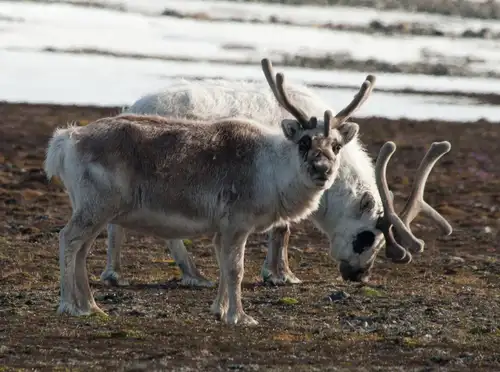
Amphibian, reptiles and herbivore mammals in the Arctic
Arctic ecosystems are relatively young in geological terms, having primarily developed over the past three million years. Generally, species richness is lower in the Arctic compared to more southerly regions, aligning with scientific observations that biodiversity decreases from the Equator to the poles.
Blog
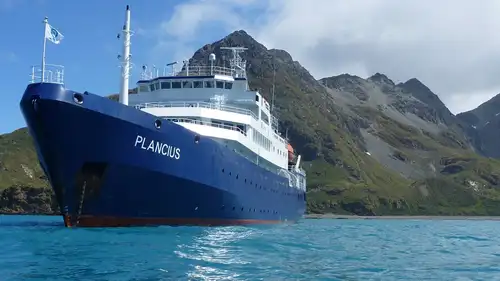
A Day on m/v Plancius
Stepping aboard this long-running expedition vessel, it’s easy to forget that she’s been making voyages to the polar regions since “Afternoon Delight” by Starland Vocal Band was on the Billboard Hot 100.
Blog
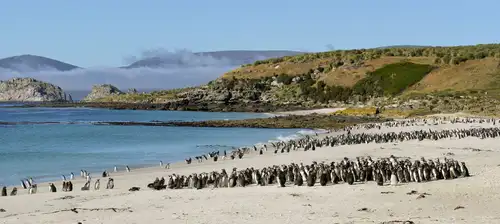
17 Reasons to Cruise the Falklands
Maybe you’ve already marveled at the colossal penguin colonies of South Georgia, sailed among the plunging seals of the Antarctic Peninsula, and watched whales in the Weddell Sea lunge among titanic tabular icebergs.
Blog
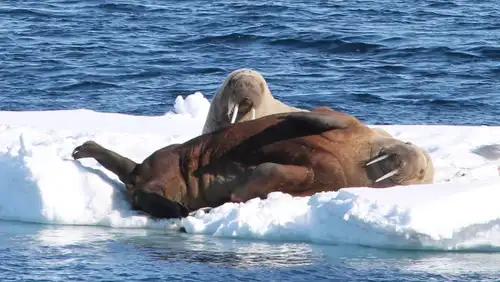
Svalbard’s 12 Most Iconic Animals
Each of our Arctic regions offers its own distinct and unforgettable features: Greenland boasts mountainous shorelines and record-setting fjords, Northern Norway is renowned for the aurora borealis and historic masted schooners, and Svalbard (especially Spitsbergen) is where you're most likely to encounter a variety of Arctic wildlife.
Blog
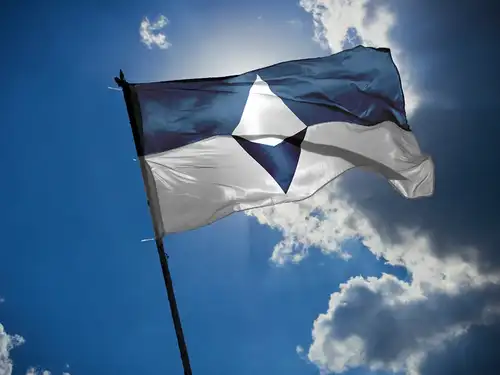
True South: A New Flag for a Global Antarctica
When Evan Townsend signed up to spend the winter of 2018 working at an Antarctic research station, he had no reason to expect he would end the season by designing a new flag for the continent. He had even less reason to expect the support it would receive.
Blog
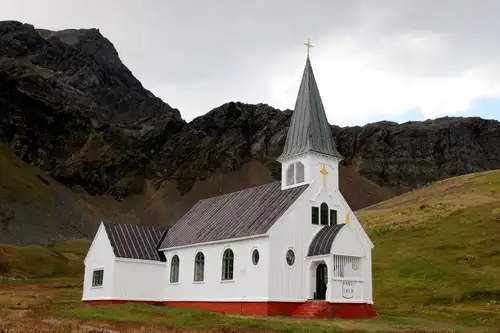
Churches in Antarctica
'Below 40 degrees South there is no law; below 50 degrees South, there is no God', goes the old adage. When faced with a storm in the turbulent and freezing waters of the Drake Passage, one might think so.
Blog
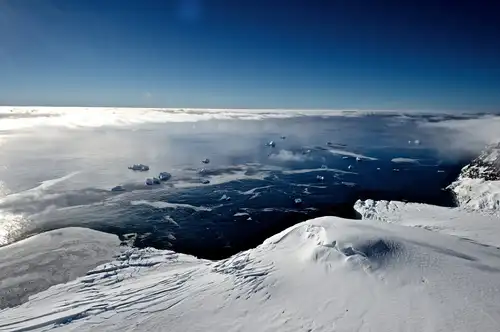
10 Weather-Fueled Facts about Antarctica
Most of us have at least a vague notion of what makes the North and South Poles so brutally, bone-chillingly cold: They receive less sunlight than the rest of the planet, what sunlight they do receive arrives at an angle, and they’re usually buried under endless mounds of ice and snow. This holds especially true for the South Pole and its centerpiece, Antarctica. Fewer people know, however, what drives Antarctic weather, or what results from it. Here are ten weather-related facts about the most southern continent that will put your polar meteorology ahead of the curve.
Blog
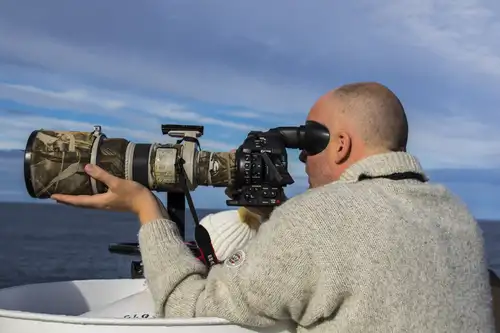
10 Tried-and-True Bird Photography Tips
It’s easy to understand our fascination with birds: they’re beautiful, graceful (usually), and most of them have the power of flight.
Blog
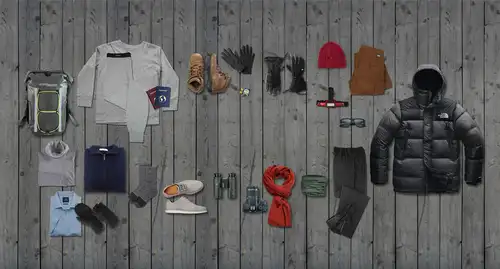
What to Pack for Your Expedition Cruise to the Arctic or Antarctica
It’s easy to get confused about what to pack for a polar cruise. Some items are provided and some are not, and it’s not always clear which is which. This article will make your polar pack list painstakingly clear. Promise.
Blog
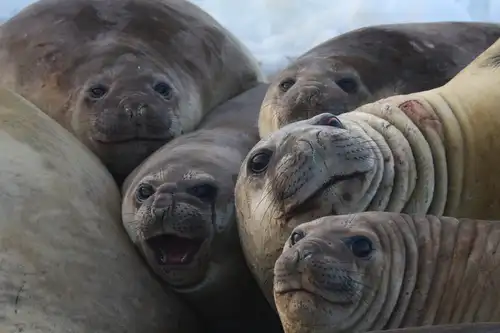
Large and in Charge: Antarctica’s Southern Elephant Seals
Southern elephant seals are the largest species of seal on the planet and a highlight among Antarctica cruise wildlife.
Blog
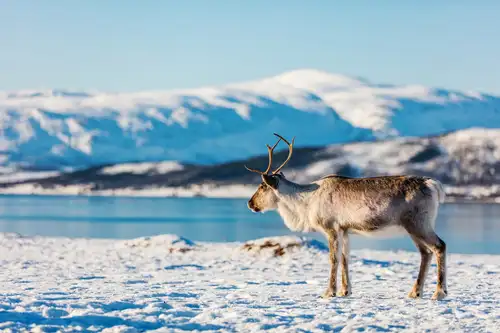
Eight Engaging Reindeer Facts
When we think about reindeer, we might also think of Saami herders or the holidays or teams of these beloved Arctic animals pulling a bell-covered sleigh across the nighttime sky. Only the first of these options, however, is something you're likely to encounter on an Arctic expedition cruise - and that's only in Northern Norway.
Blog
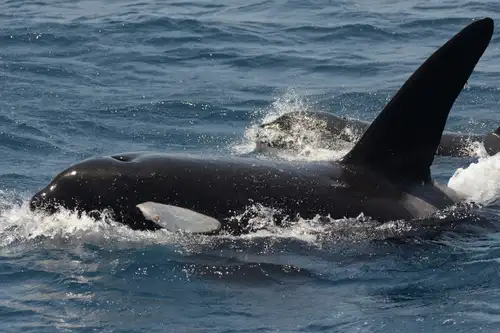
8 Whales You Might See During Your Antarctica Cruise
They're powerful, beautiful, and really, really big. Whales are a wonder of the natural world, and one of the best places to see them is Antarctica. In fact, whale watching is one of the most popular and rewarding activities you can enjoy on an Antarctic trip.
Blog
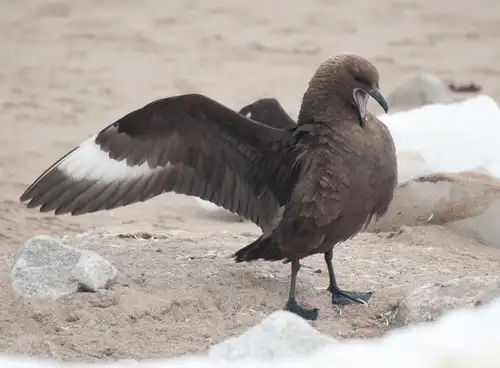
Fierce and Feathered: the Skuas of Antarctica
At first glance, the skuas you encounter in Antarctica may appear to be merely darker-feathered seagulls. But looks can be deceiving.
Blog
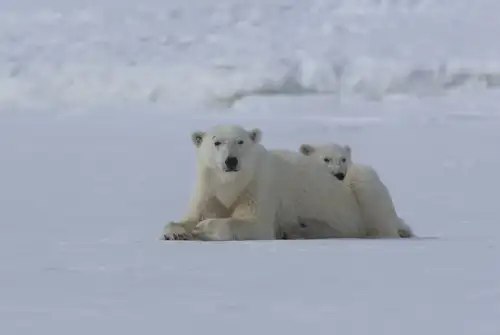
Polar Bears and Pack Ice: 22 Pics from North Spitsbergen
Last month, we explored one of the premier Arctic cruise destinations in our North Spitsbergen blog. That post not only detailed our itinerary in this breathtaking region but also highlighted some of the stunning locations where you might encounter polar bears, whales, walruses, seals, seabirds, and the mesmerizing ice formations of the far north.
Blog
Eight Ultimate Antarctica Adventures
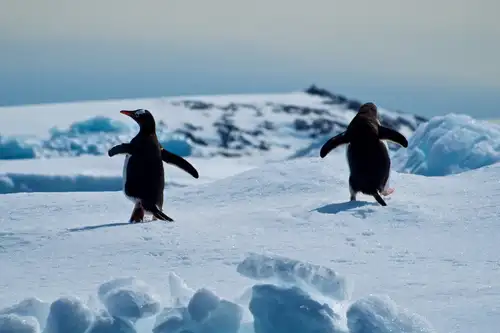
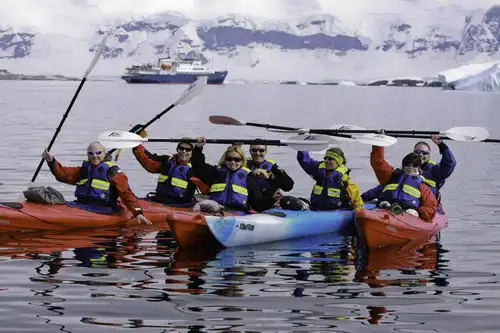
Antarctica has adventure in its bones. Long before most travelers even reach the continent, they have to cross the Drake Passage, an oft-tumultuous waterway considered by many a hallmark of high adventure in itself. Once you do reach the Antarctic shores, the variations of landscape and wildlife are as multiform as the activities you can pursue there. While not all of these activities can or should be shoehorned into a single article, this piece will give you a survey of the top eight. Like everything in the polar regions, these activities are subject to weather conditions – and your own threshold for adventure.
Blog
A Day of Basecamp in Antarctica – Paradise Harbour
After an early morning gathering of our camping group, we reached the entrance to Lemaire Channel. The snow and mist around the mountain peaks created a captivating atmosphere as we began our journey to Paradise Bay. The channel was dotted with impressive icebergs, and we even spotted a few sleeping humpback whales, providing ample photo opportunities.
Blog
Deep Sea Dwellers: 10 Facts about The Antarctic Giant Isopod
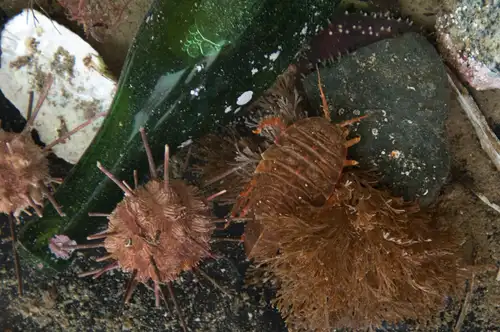
On average, the Giant Antarctic Isopod grows to 9cm (3.5in.) in length. This may not seem very large, but factors including low light levels, freezing cold water, and a lack of oxygen prevent these isopods from growing very large. Other species of isopods, including the Giant Isopod, have been known to grow up to 40 cm (16 inches) in length!

Blog
Arctic Mythology: Inuit, Saami, and the Ancient Greeks
The Arctic locations we visit aren’t merely made up of phenomenal landscapes, exotic wildlife, and more adventure than a Hardy Boys novel.
Blog
Day and night in Antarctica
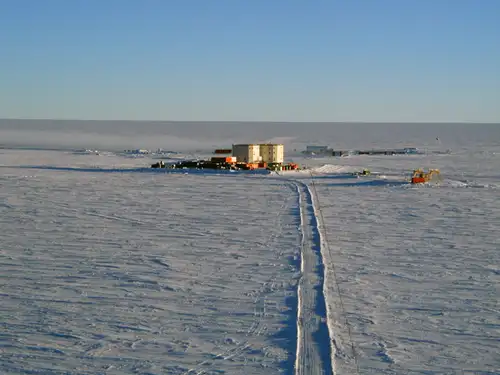
At the Concordia station, a French-Italian research facility situated 3,233 meters above sea level at Dome C on the Antarctic Plateau, European Space Agency (ESA) scientists are investigating the effects of extended space missions. The station is more isolated than the International Space Station, with the nearest humans located 600 kilometers away.