





 26 June 2026 - 03 Jul 2026
 8 Days/7 Nights
 Longyearbyen - Longyearbyen
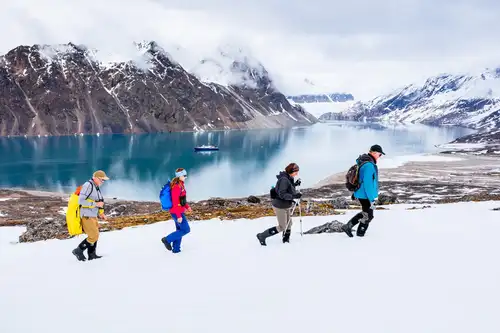
Long hikes are for groups of up to 24 people, with two armed guides and a Zodiac boat watching for polar bears. Participants should be ready to walk at least 15 km (9 miles) on semi-rough terrain, including shorelines, tundra, low hills, and river crossings. Walks last about six hours, including breaks. We walk at a steady pace without crossing alpine terrain. Those not joining the long walk will have a morning landing at the start point and an afternoon landing at the end point.
Cleaning the Shores
Want to help the environment? Join us in cleaning plastic and other waste from the shores. Ocean garbage like fishing gear and plastic harms animals. Supported by AECO and local authorities, we clean beaches with passengers. Guides assist, and collection bags are provided. About 50 people clean in the morning while others explore, then switch in the afternoon. If bears or other issues prevent cleaning, we'll find another area.
Arrival in Longyearbyen
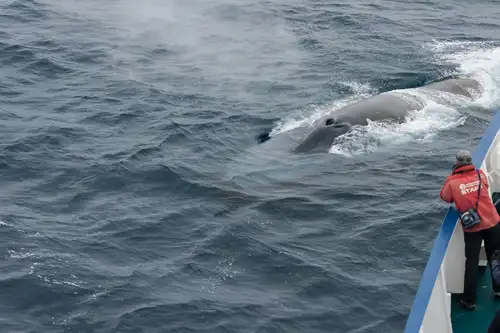
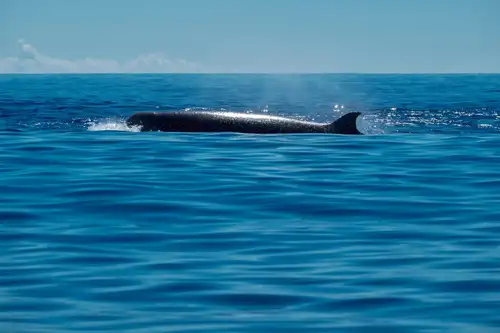
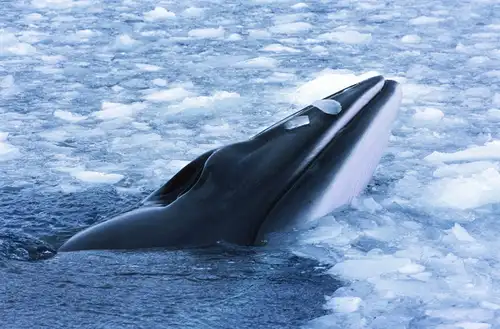
Arrive in Longyearbyen, the main town of the largest island in the Svalbard archipelago. Explore this former mining town with its church and museum. In the evening, the ship sails out of Isfjorden, where you might see a minke whale.
Exploring Hornsund
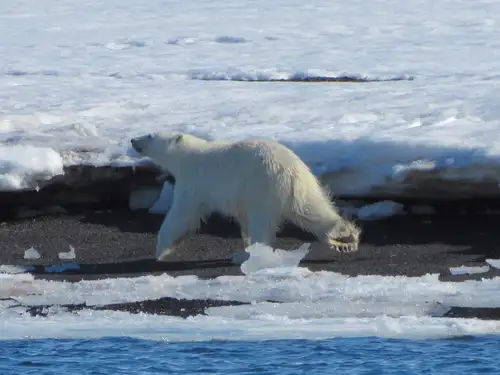
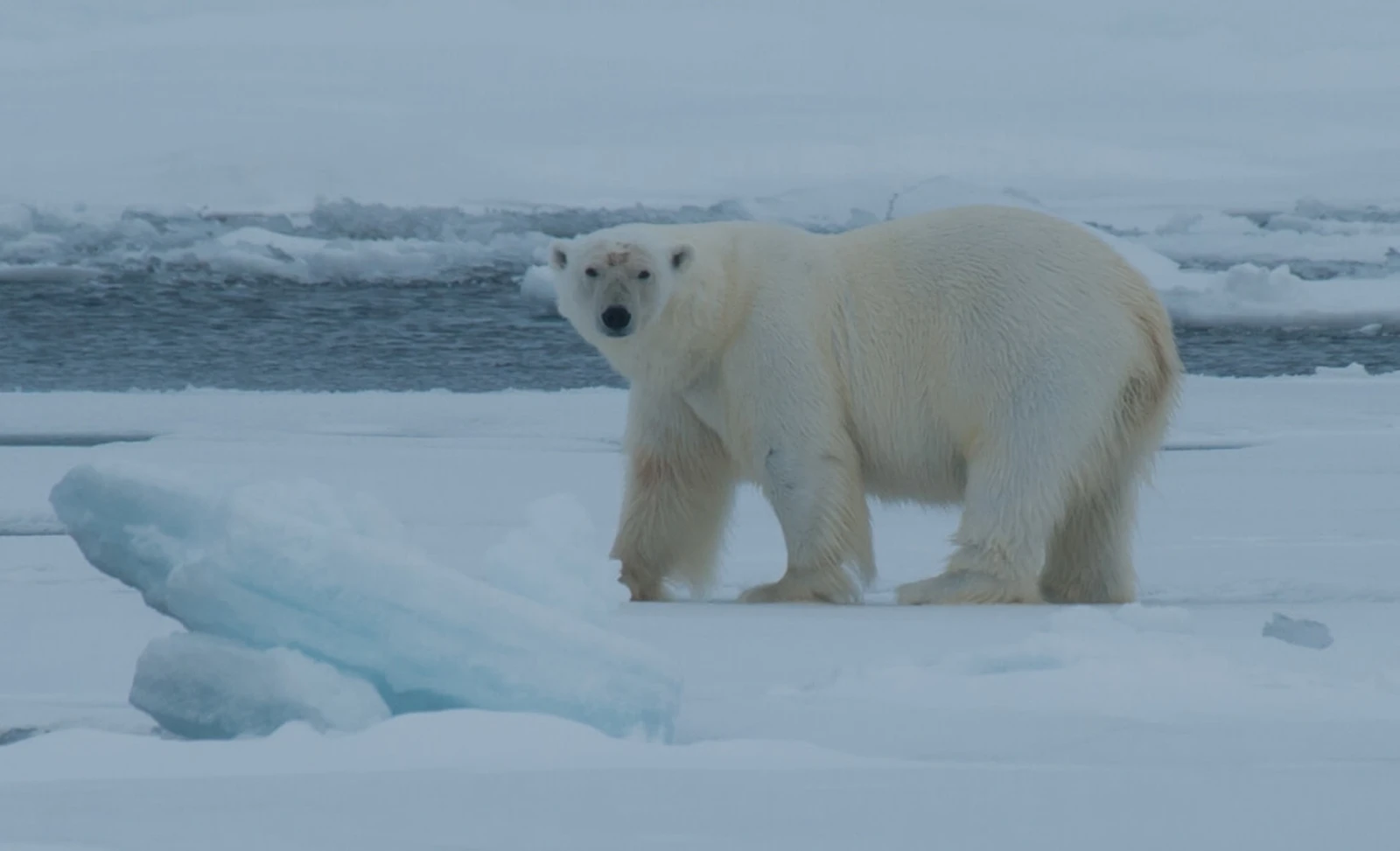
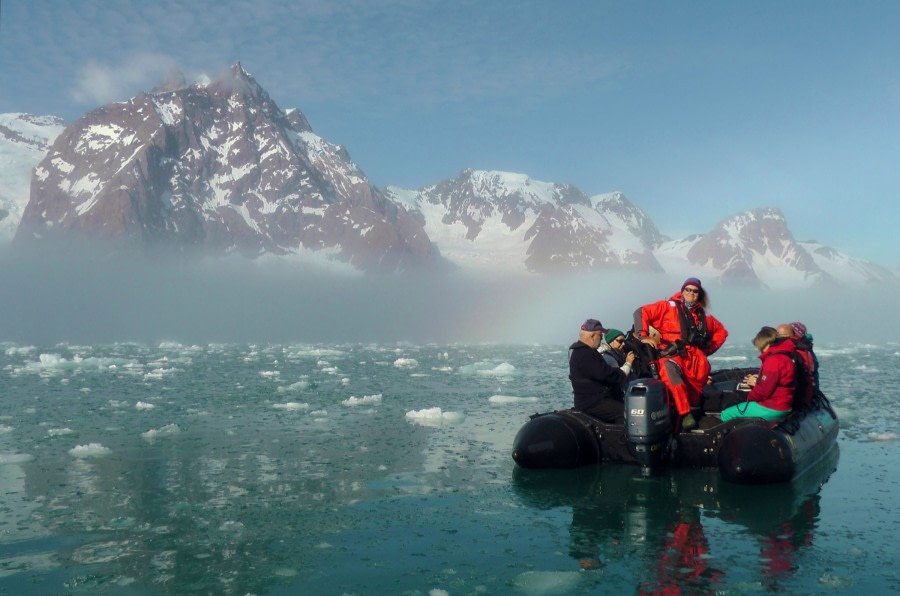
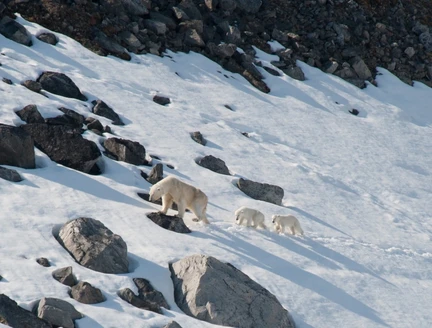
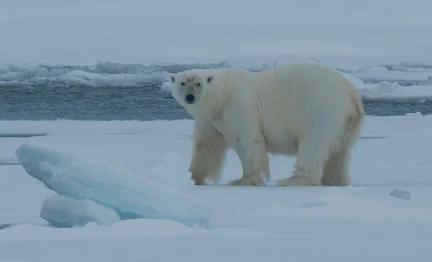
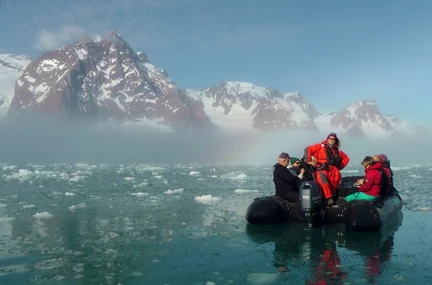
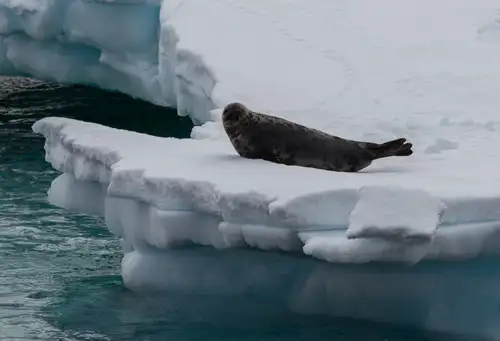
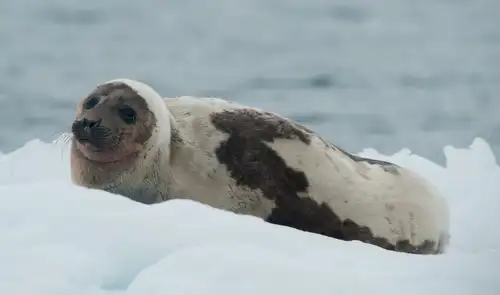
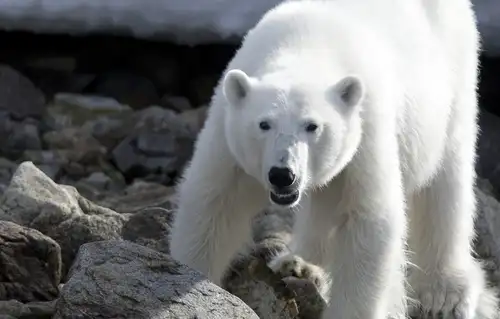
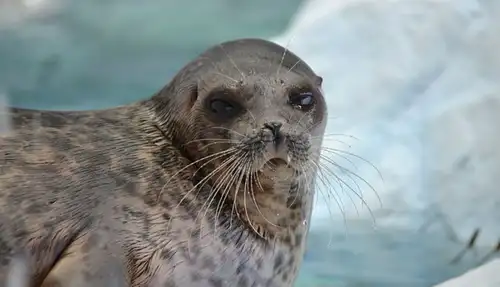
We cruise the side fjords of Hornsund in southern Spitsbergen, admiring the towering peaks. The area has 14 glaciers, and we might see seals and polar bears. Nearby cliffs host nesting birds. In the evening, we might see harp seals on ice floes.
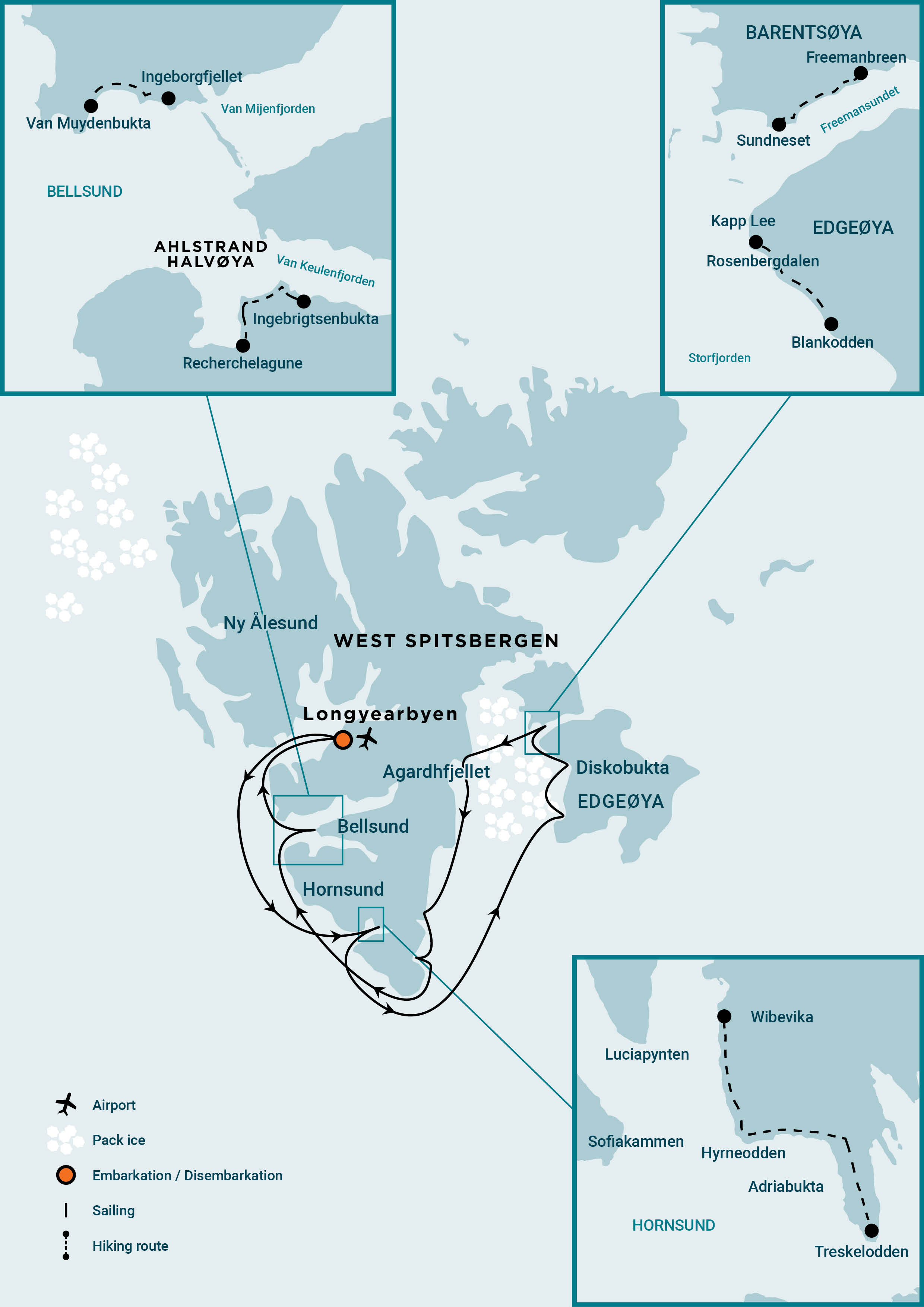
Long hike: If possible, we land at Treskelodden and walk to Adriabukta, then west to Hyrneodden and north to Wibewika glacier (16 km / 10 miles). Others will explore Brepollen and Luciakammen or Sofiakammen.
Diskobukta Adventure
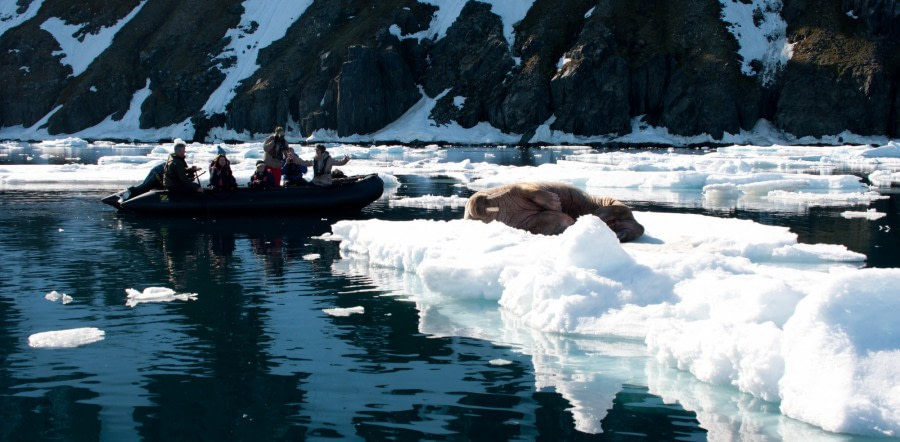
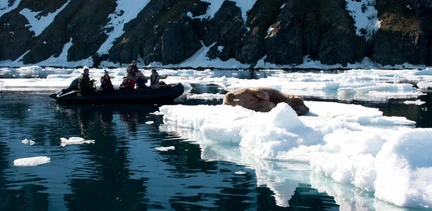
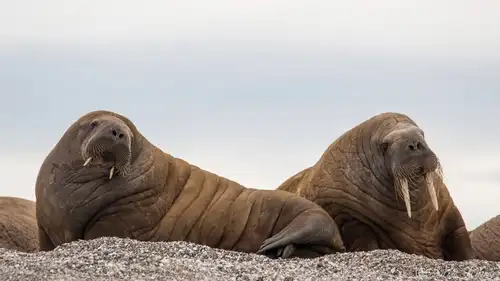
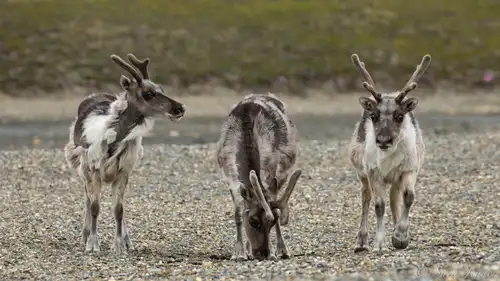
After navigating Storfjorden's drift ice, we land in northwest Edgeøya. Walk to Rosenbergdalen, home to reindeer, then visit a cliff with nesting birds and a beach with walruses. See remains of a Pomor house and walrus bones.
Long hike: If possible, land at Blankoddden and walk to Kapp Lee (20 km / 12.4 miles) or south of Rosenbergdalen (17 km / 10.6 miles). If not, an alternative hike may be offered.
Freemansundet History
In Freemansundet, we land at Sundneset on Barents Island. Visit a historic hut, walk the tundra for wildlife, and take a Zodiac cruise near Freeman Glacier. If ice blocks the way, we'll sail to Negribreen for a Zodiac cruise and land on Walrus Island.
Long hike: If possible, land on Barents Island and walk to Freemanbreen (20 km / 12.4 miles). This area is good for spotting polar bears.
Ivory Gulls at Agardhfjellet
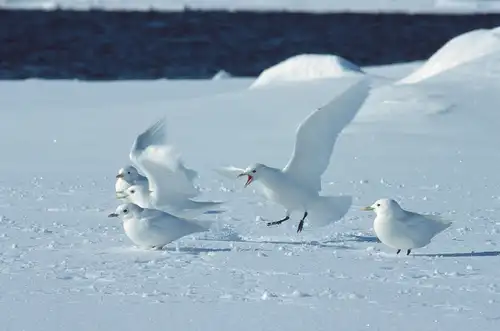
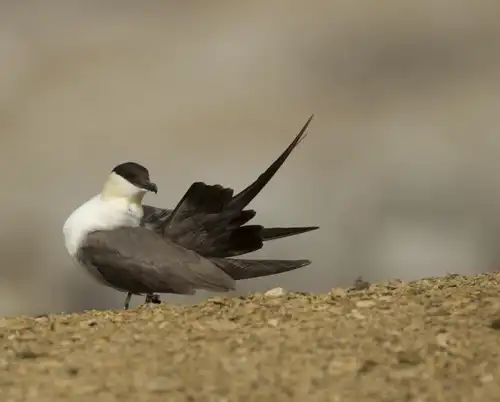
Sail to the east side of west Spitsbergen. Walk to ivory gull breeding sites at Agardhfjellet, where fossils are scattered.
South Spitsbergen
Land at Stellingfjellet, near a large bird colony, then explore the rarely visited south coast at Isbukta.
Bell Sund's Richness
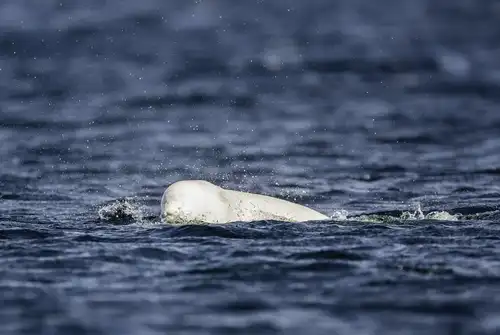
Explore Bell Sund, a large fjord system with lush vegetation. Visit Ahlstrandhalvøya to see beluga skeletons or explore tundra and bird breeding areas.
Long hike: If possible, land at Recherchelagune and walk to Ahlstrandhalvøya, or start at Ingeborgfjellet and walk to van Muydenbukta.
Return to Longyearbyen
Your adventure ends as you disembark in Longyearbyen, taking home unforgettable memories.


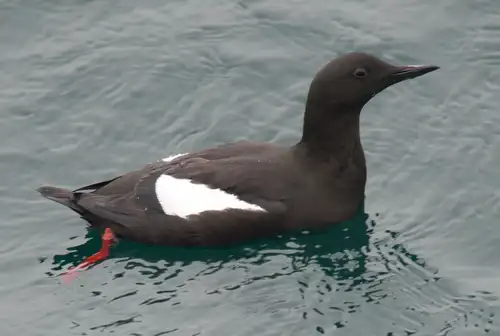
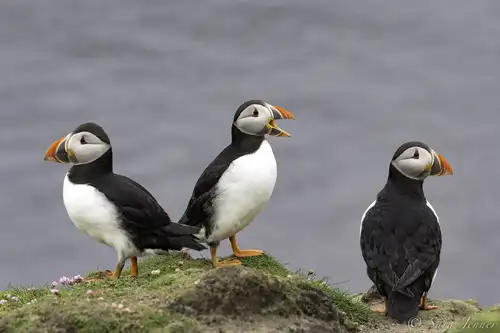
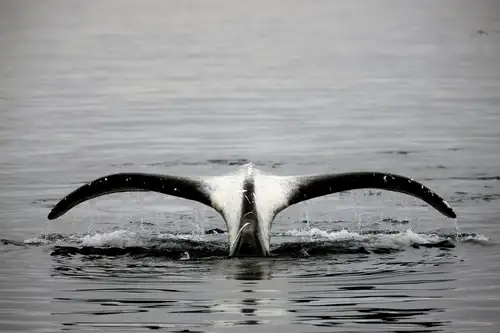
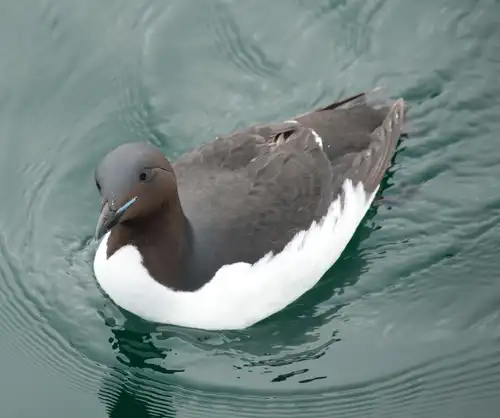
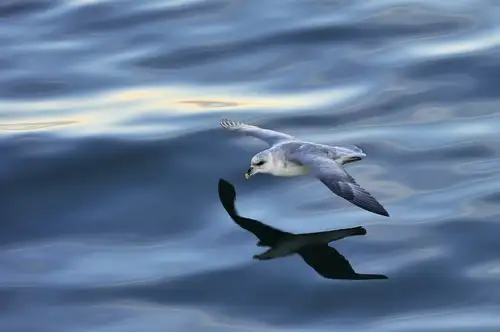
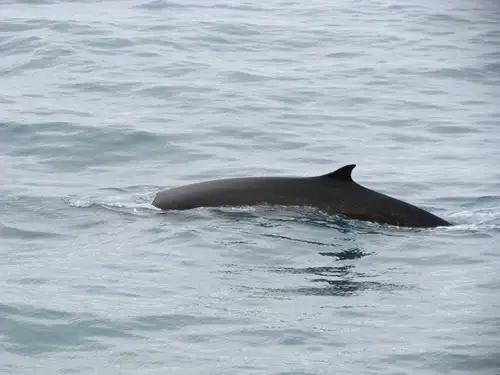
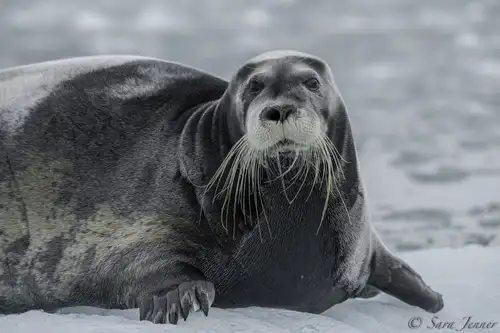
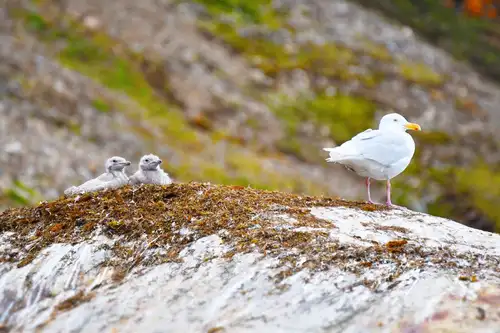
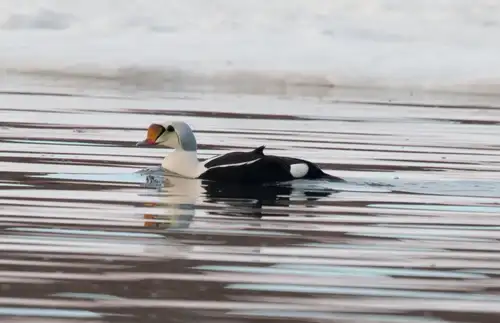
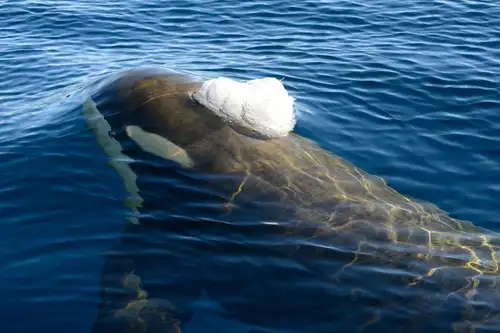
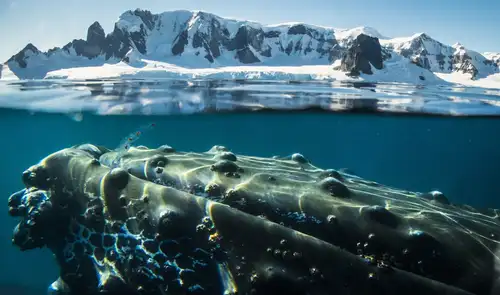
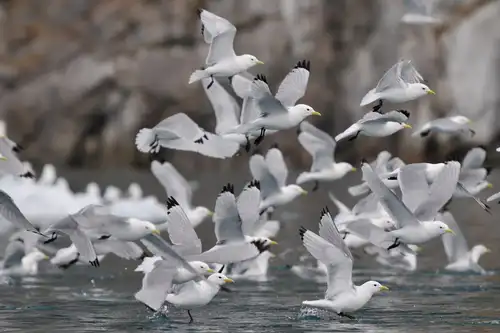


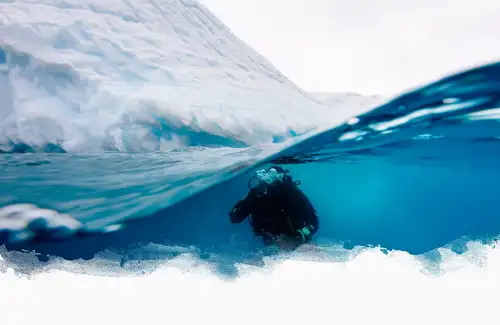
Scuba Diving Trips in Antarctica and the Arctic
Our polar voyages provide maximum firsthand contact with local wildlife and terrain, as well as unparalleled adventures below the waves.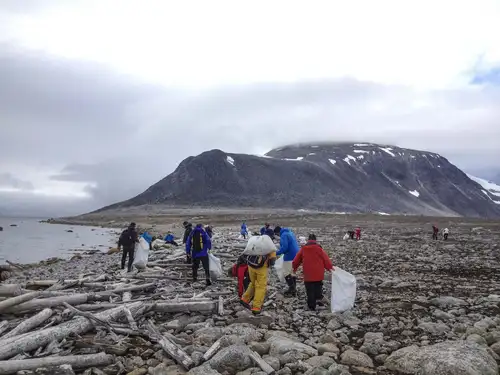
Contributing by Cleaning Up
Clean Up Svalbard is an initiative to remove coastal waste, launched by the governor of Svalbard in collaboration with AECO, the Association of Arctic Expedition Cruise Operators.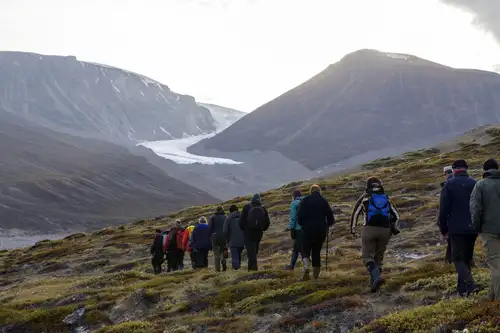
Leave the Vessel Behind on Our Long Hikes Activity
Immerse yourself in the vibrant surroundings of Greenland and Svalbard with our long hikes activity. Enjoy the Arctic summer far from the vessel as you embark on a full-day hike, crossing tundra, rivers, and rugged backcountry.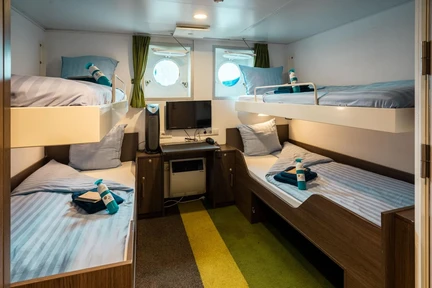


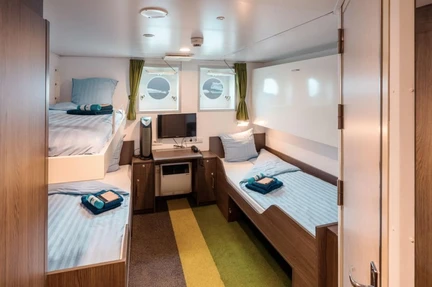

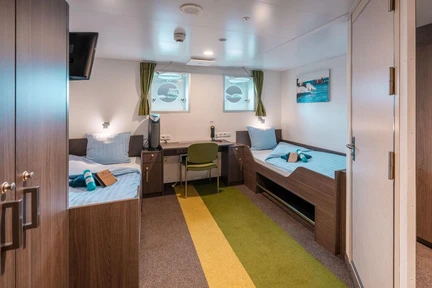
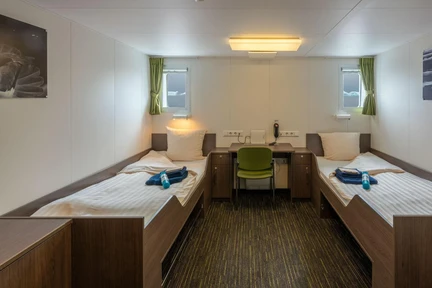


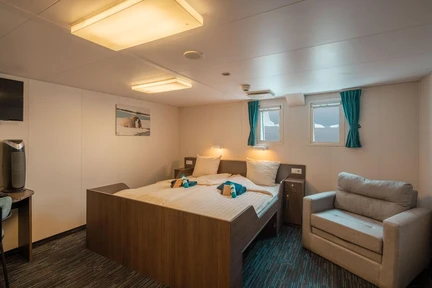
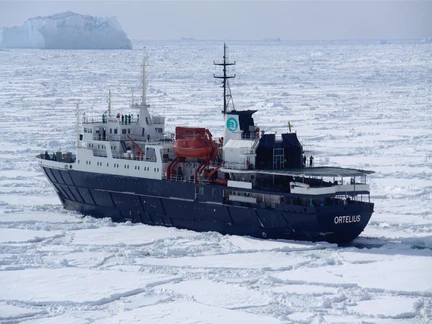
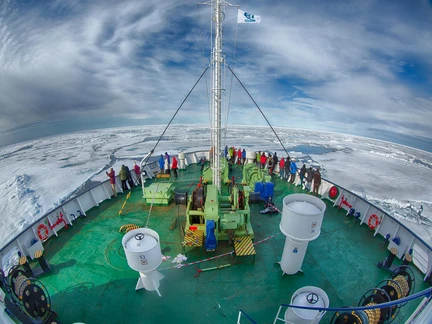
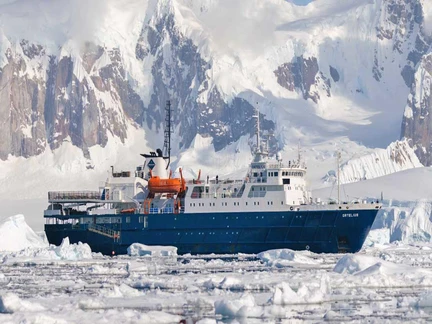
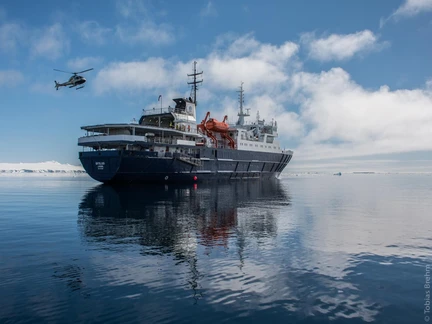
m/v Ortelius
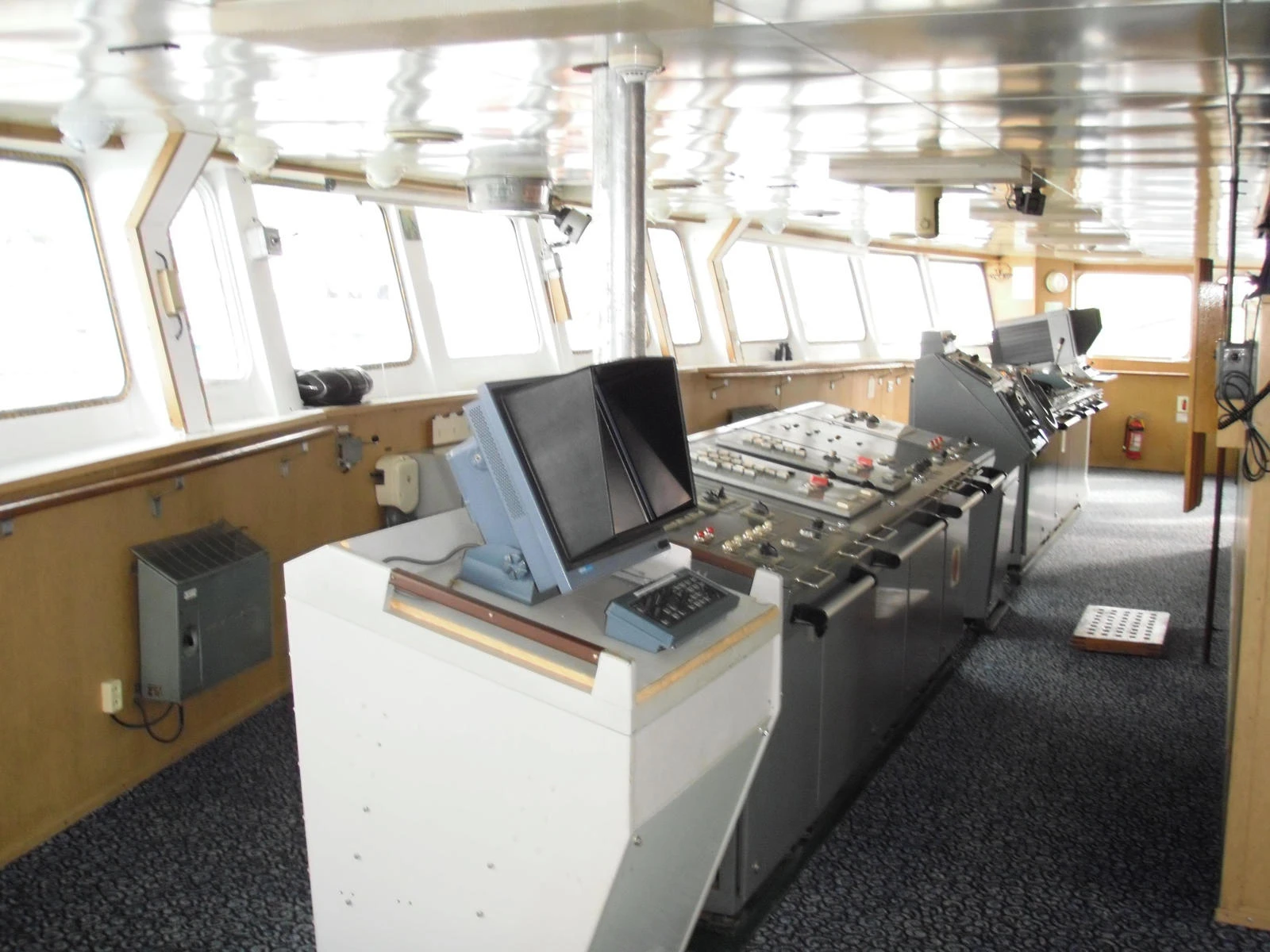
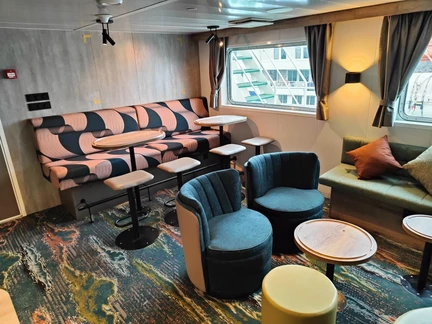
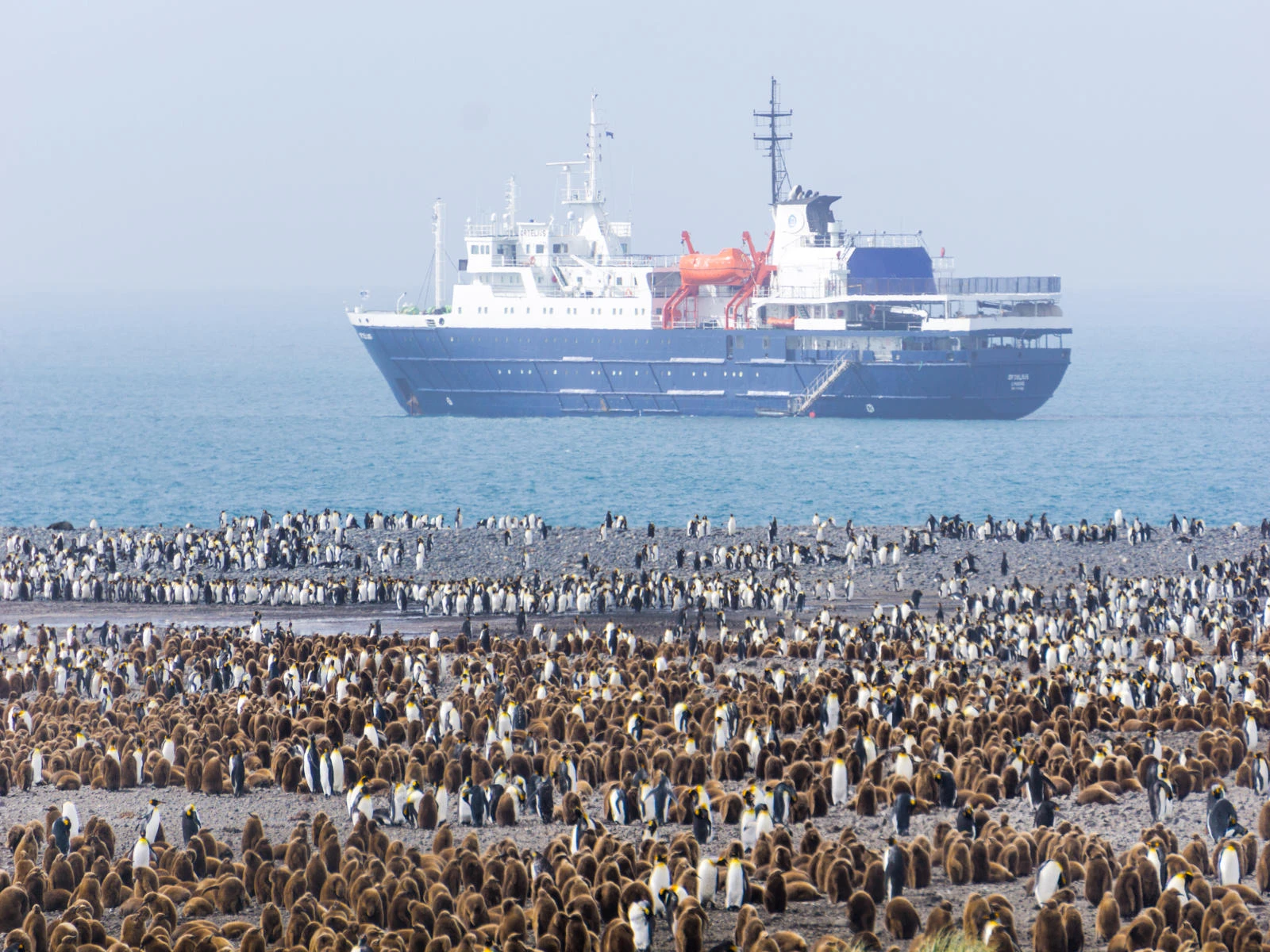
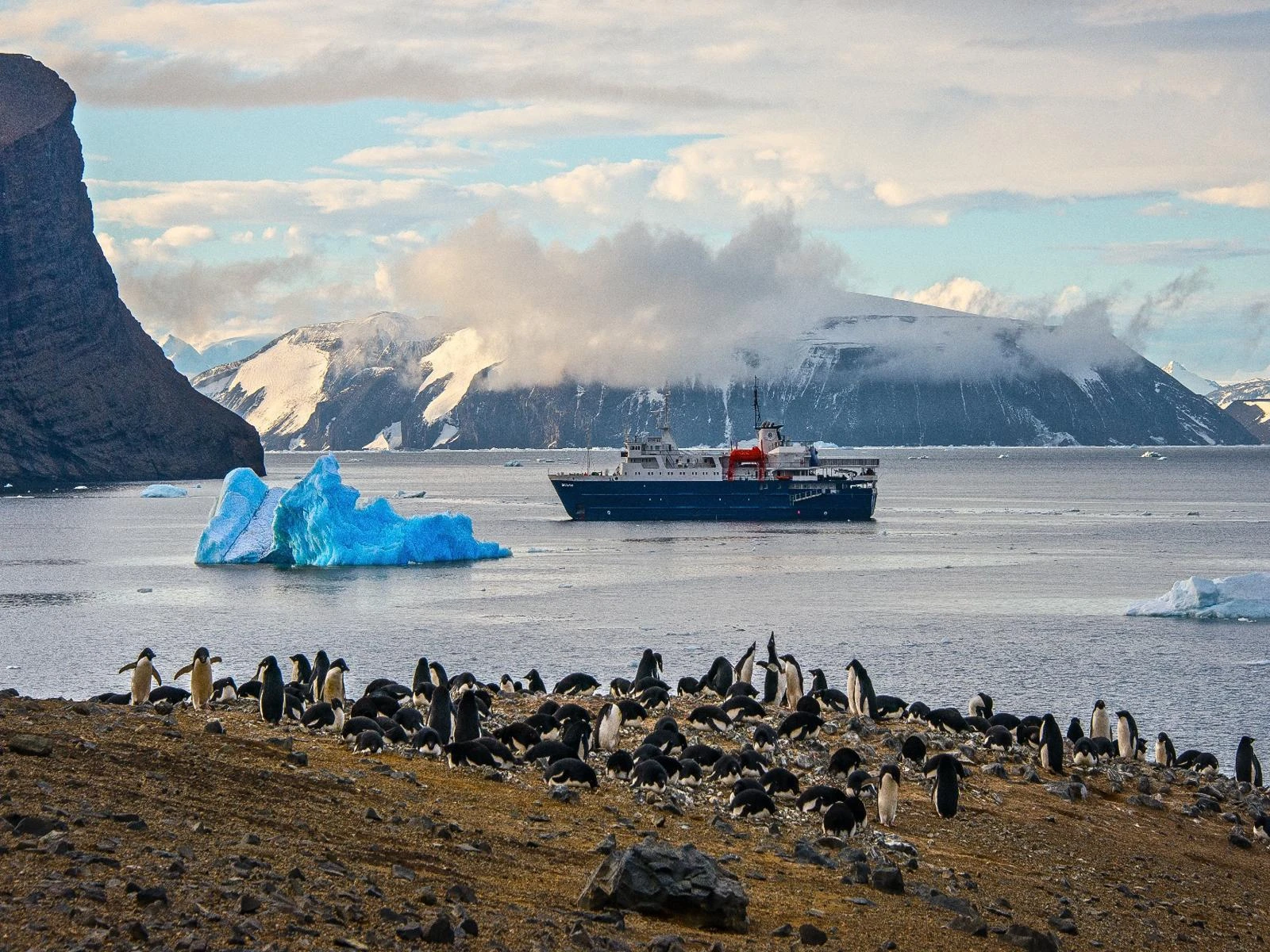
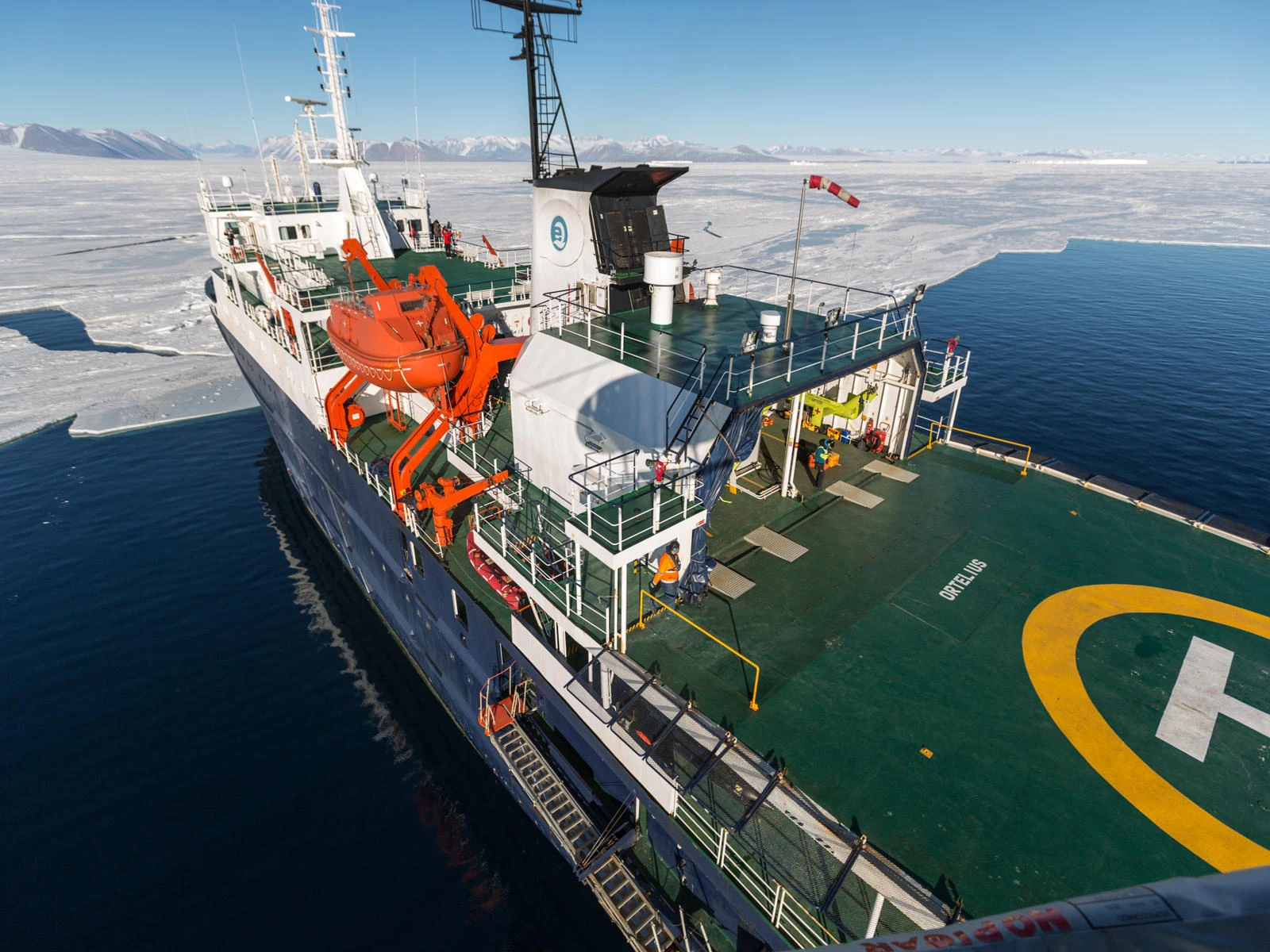
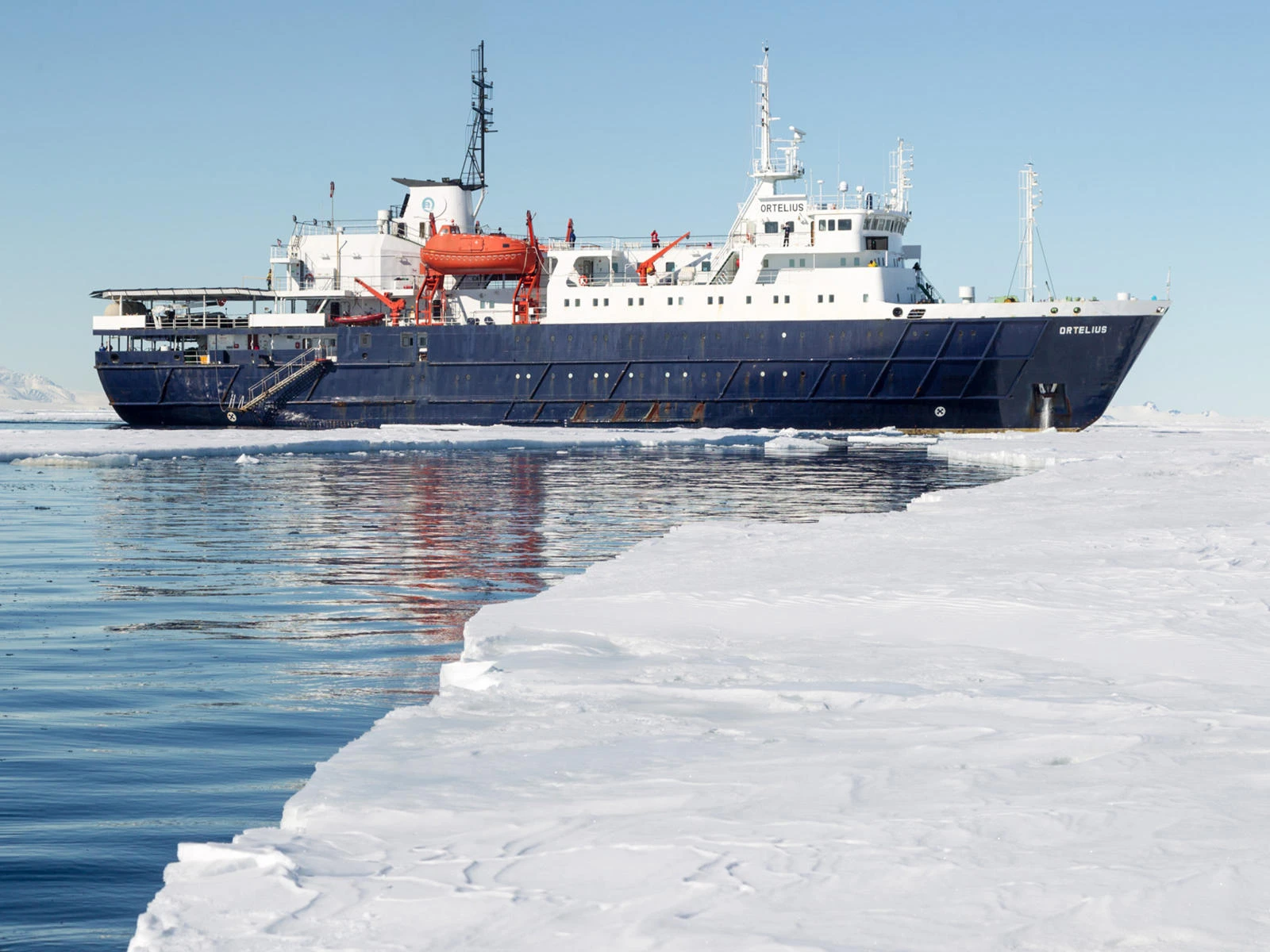
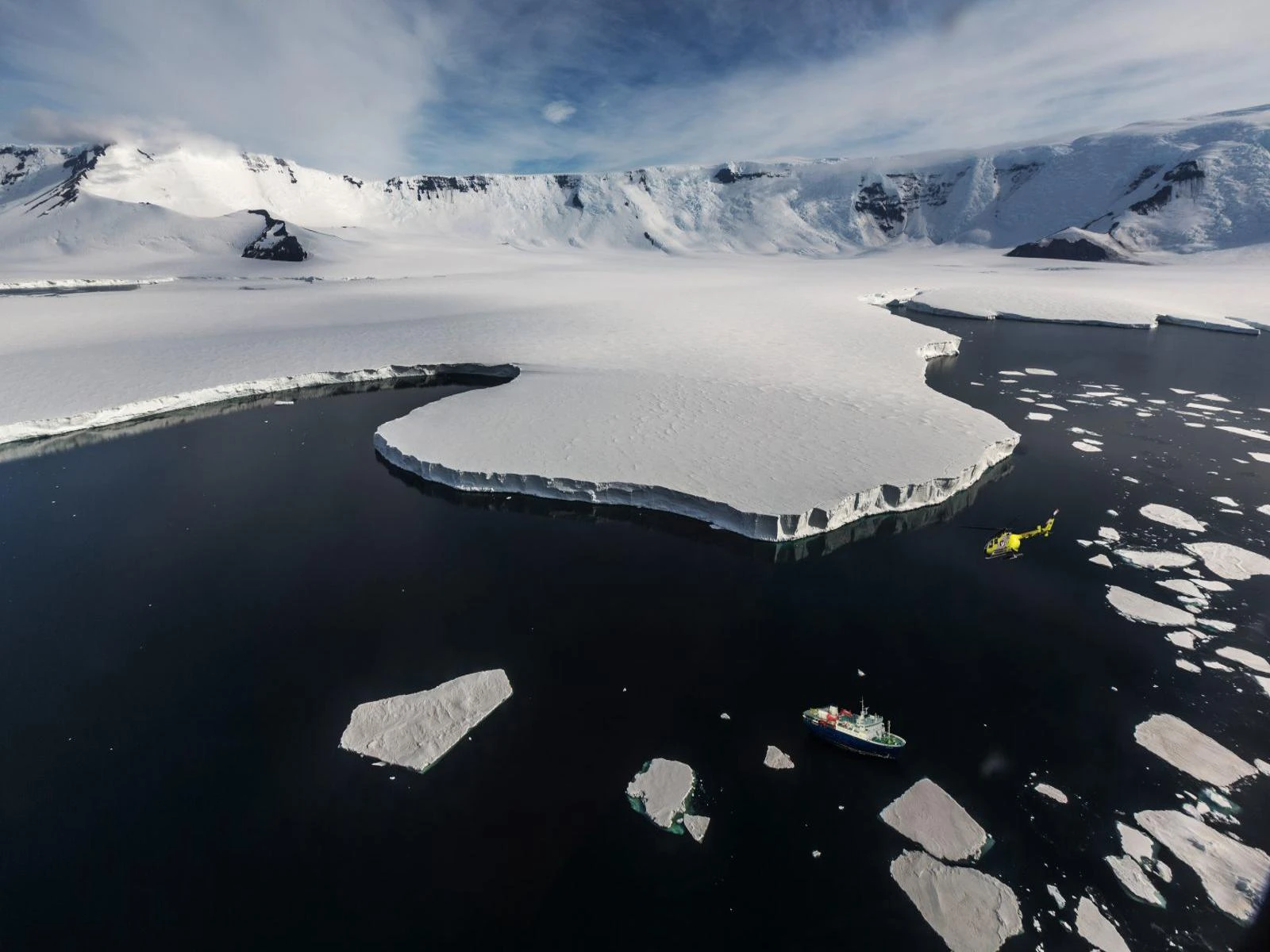
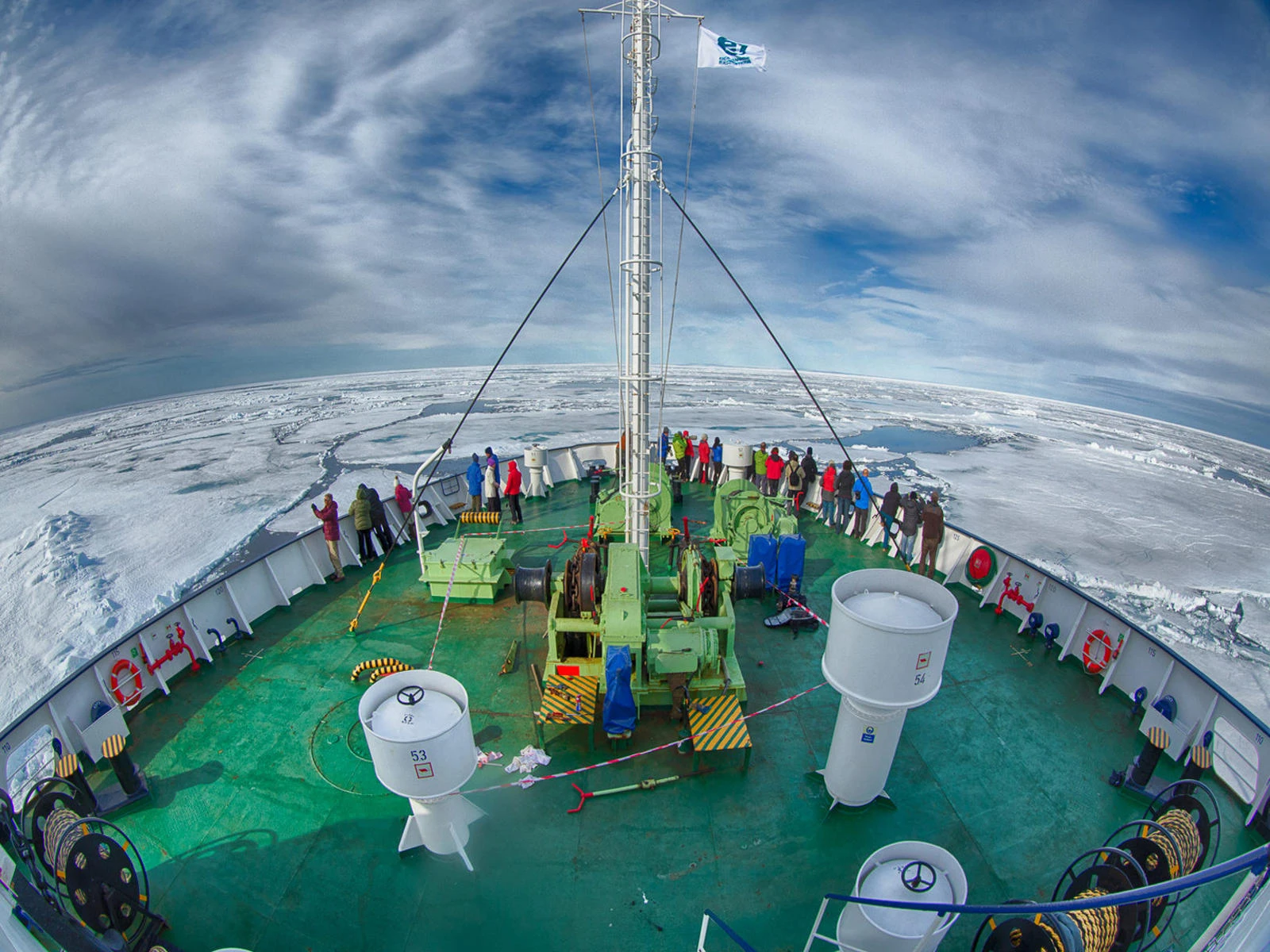
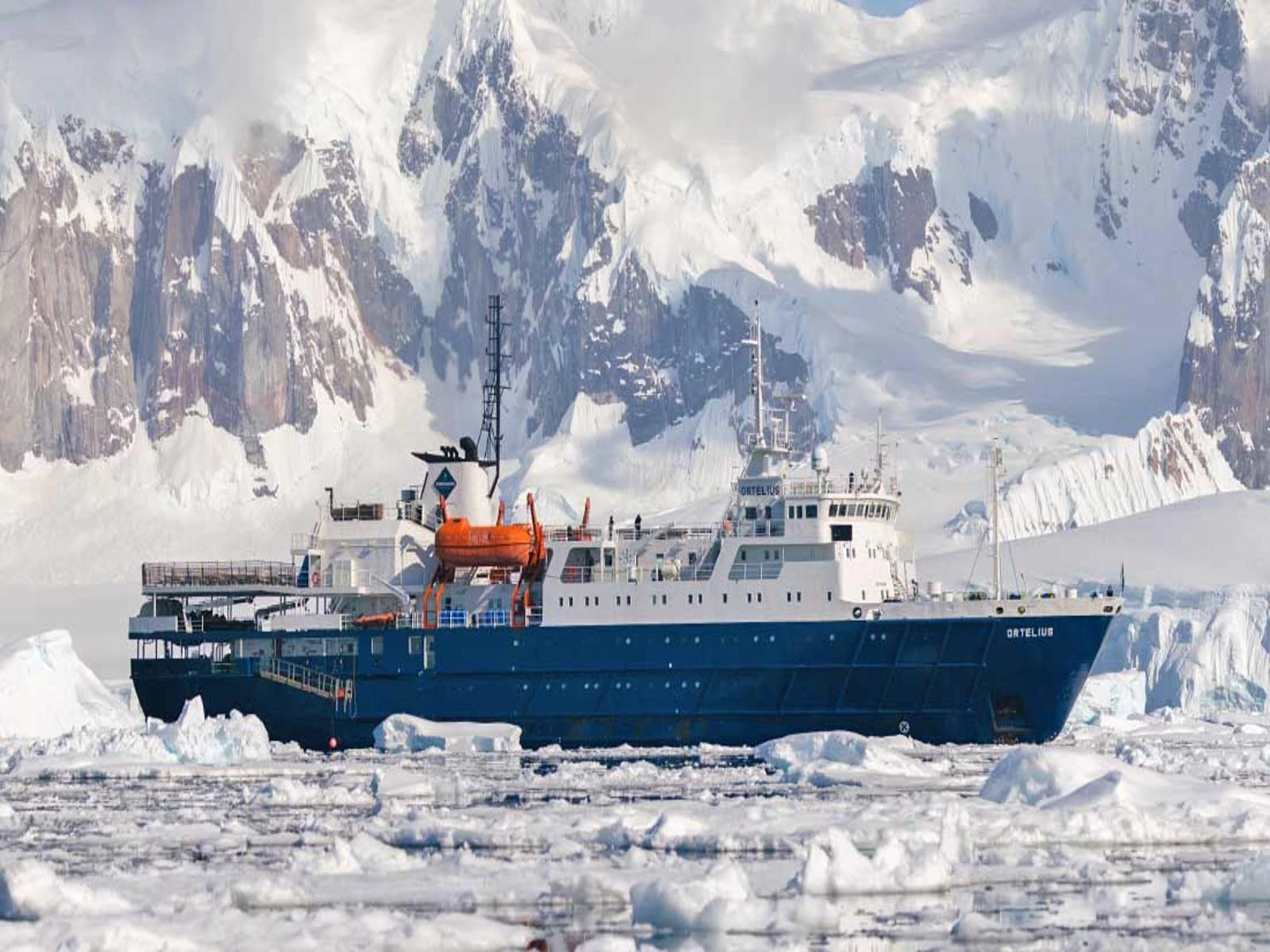
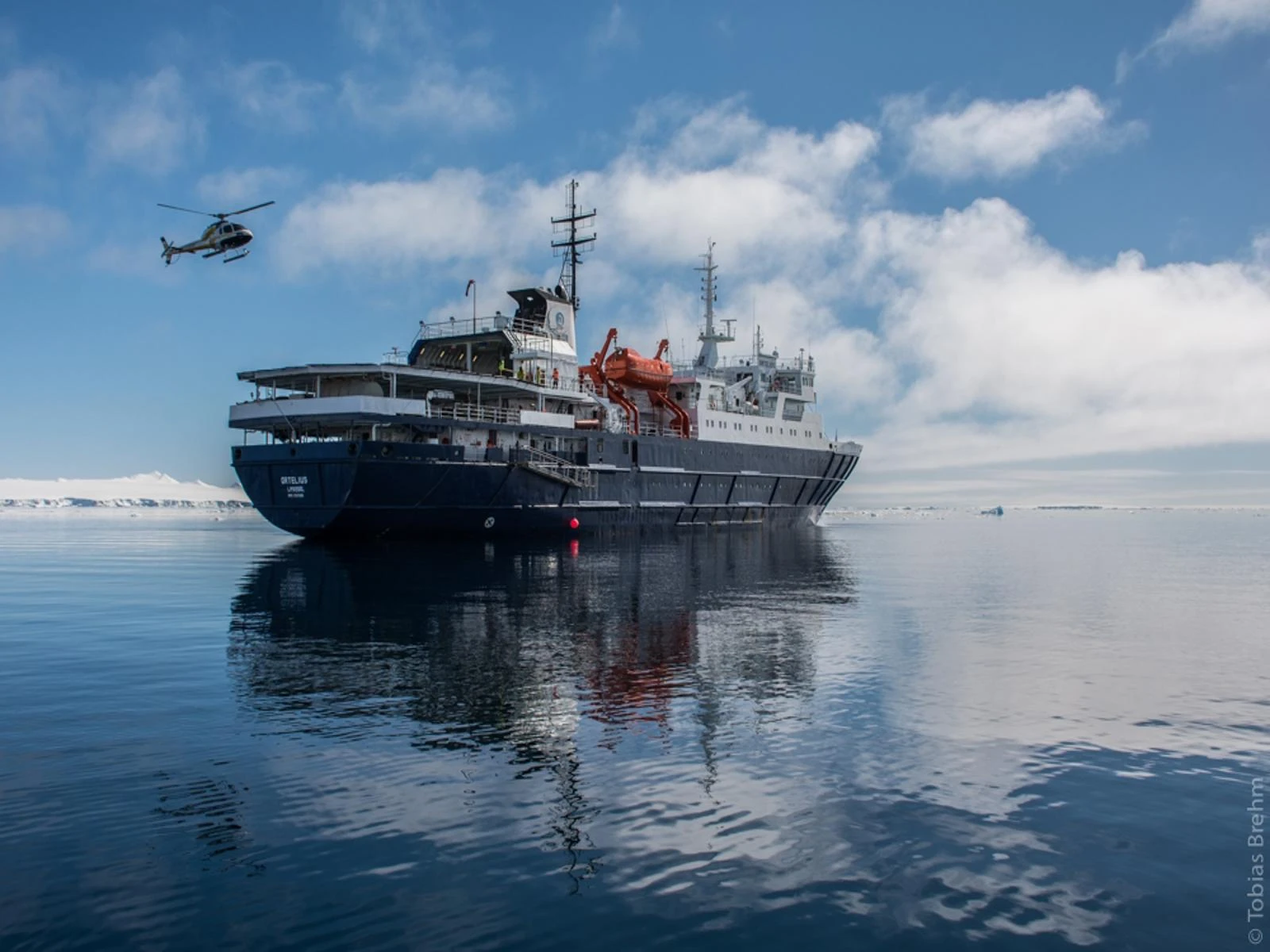
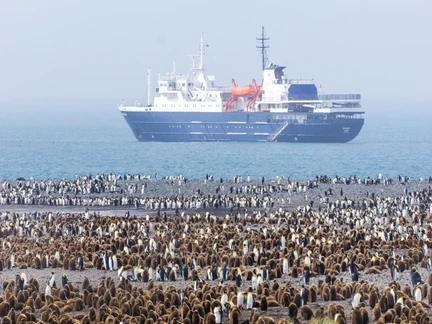
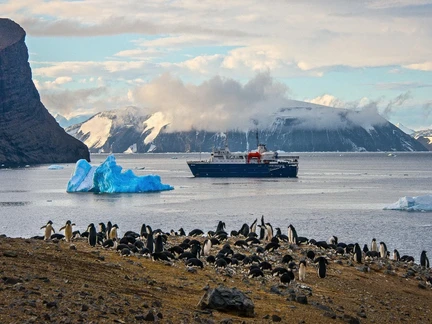
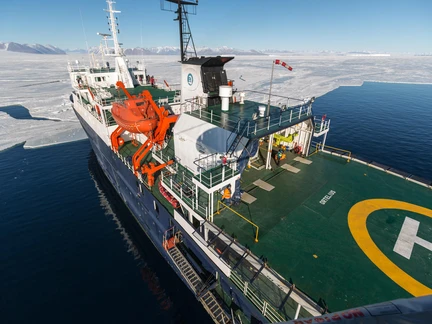
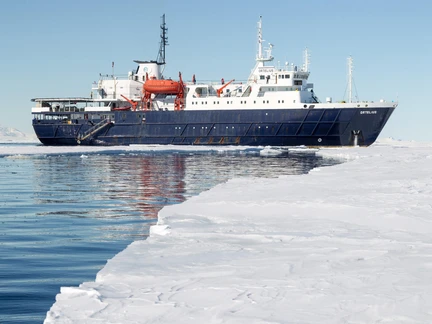
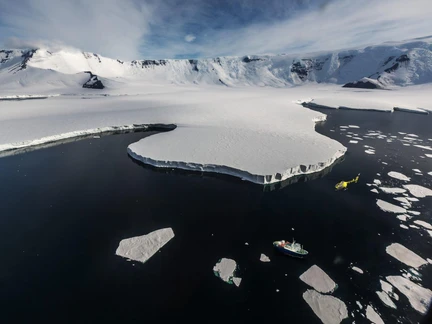
The ice-strengthened Ortelius is fully equipped for polar exploration and can accommodate helicopter flights when necessary.
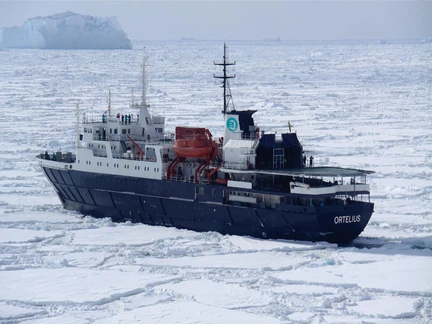
Specifications
| Passengers: | 108 passengers in 50 cabins |
| Staff & crew: | Crew 44 | Guides 8 | Doctor 1 |
| Length: | 90.95 meters |
| Breadth: | 17.20 meters |
| Draft: | 5.4 meters |
| Ice class: | UL1 (Equivalent to 1A) |
| Displacement: | 4090 tonnes |
| Propulsion: | 6 ZL 40/48 SULZER |
| Speed: | 10.5 knots average cruising speed |
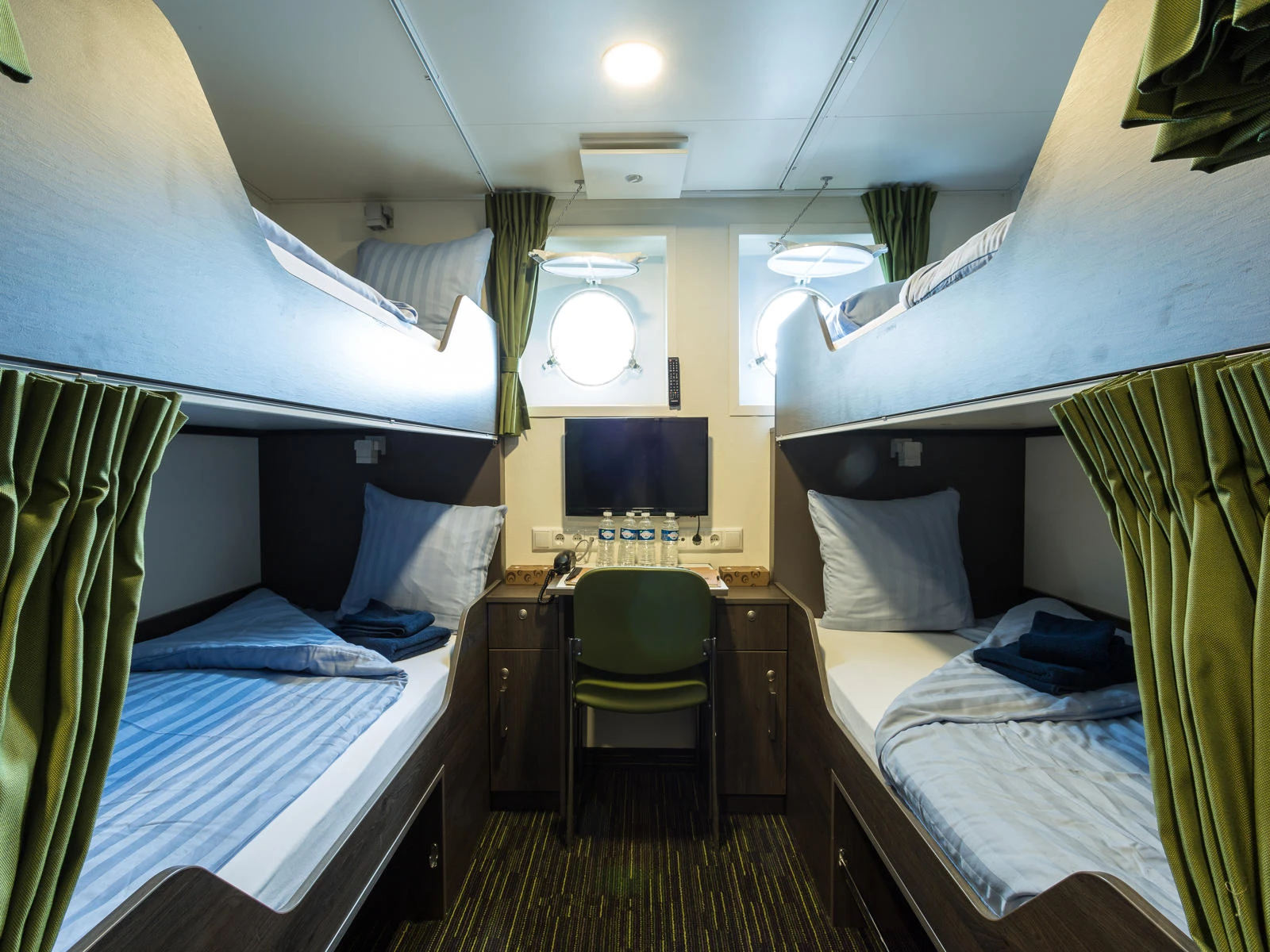
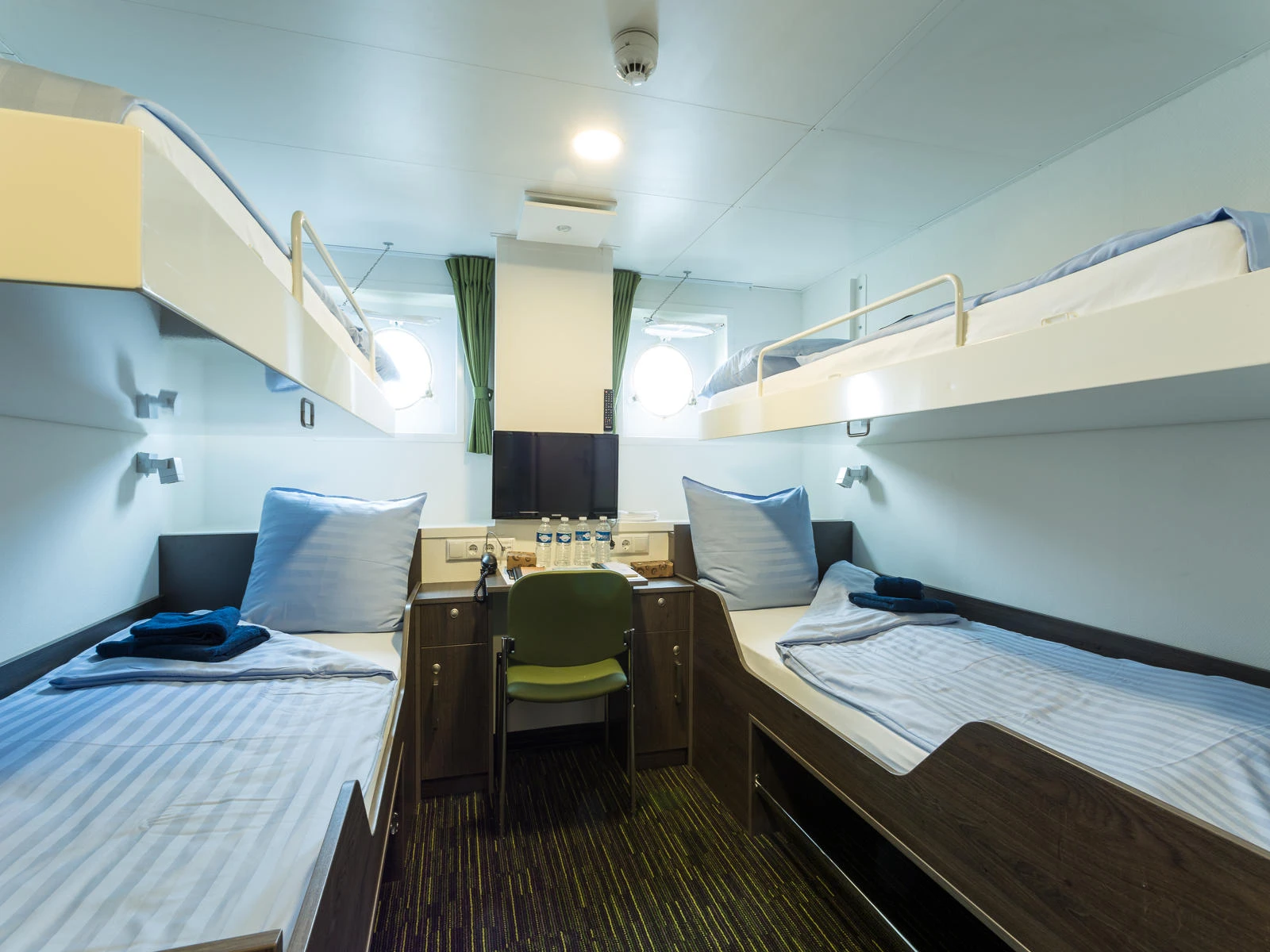
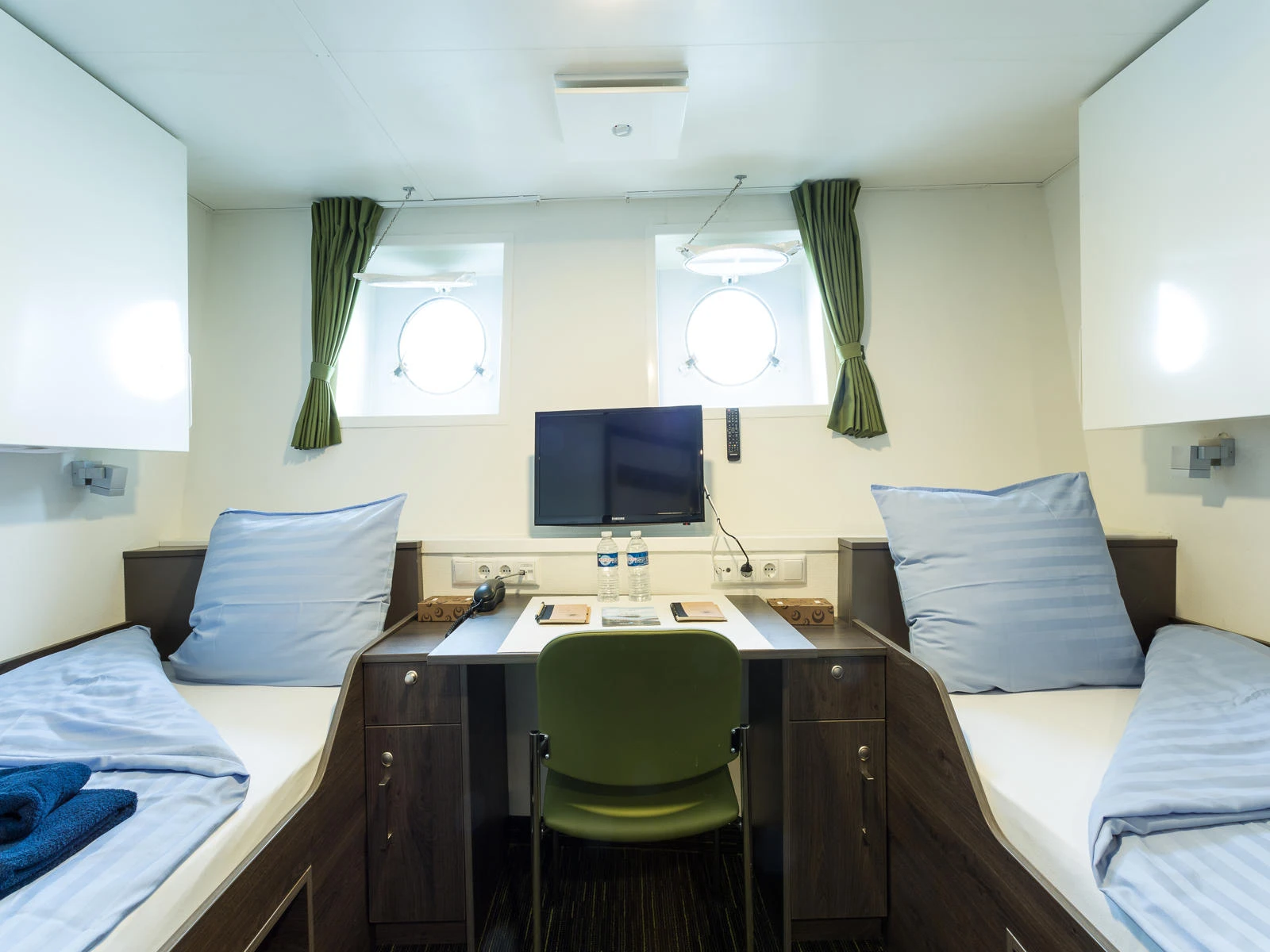
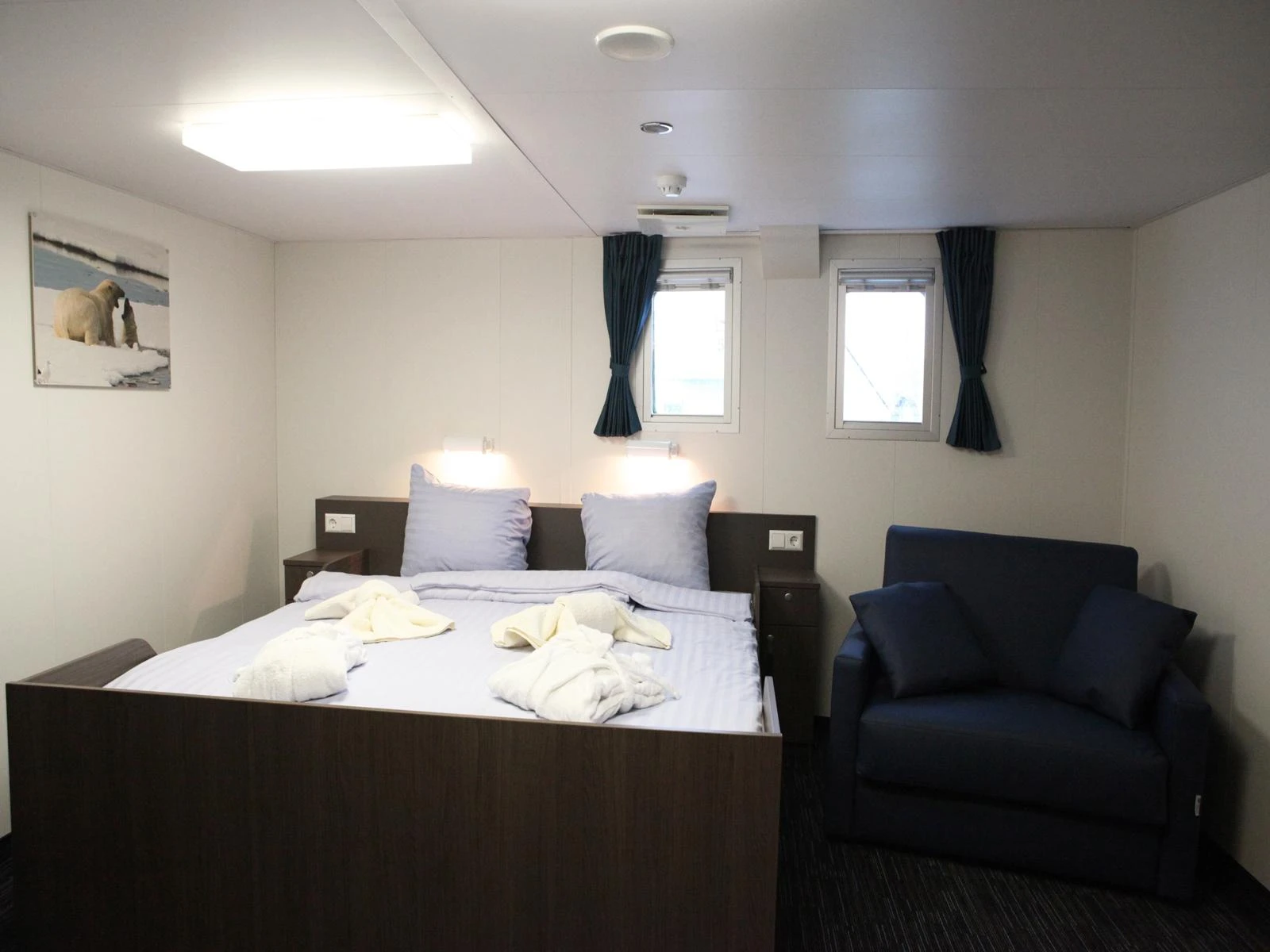
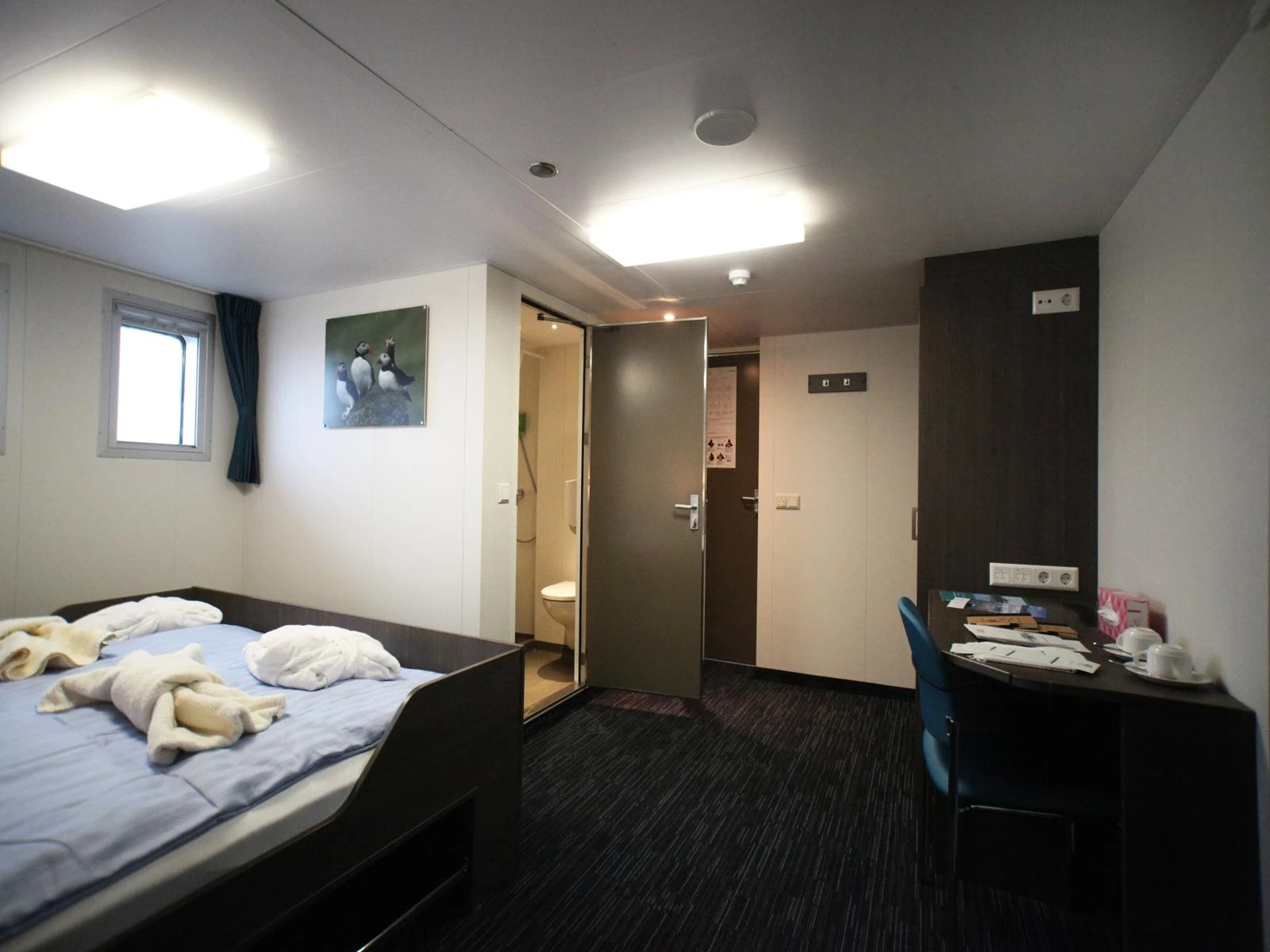
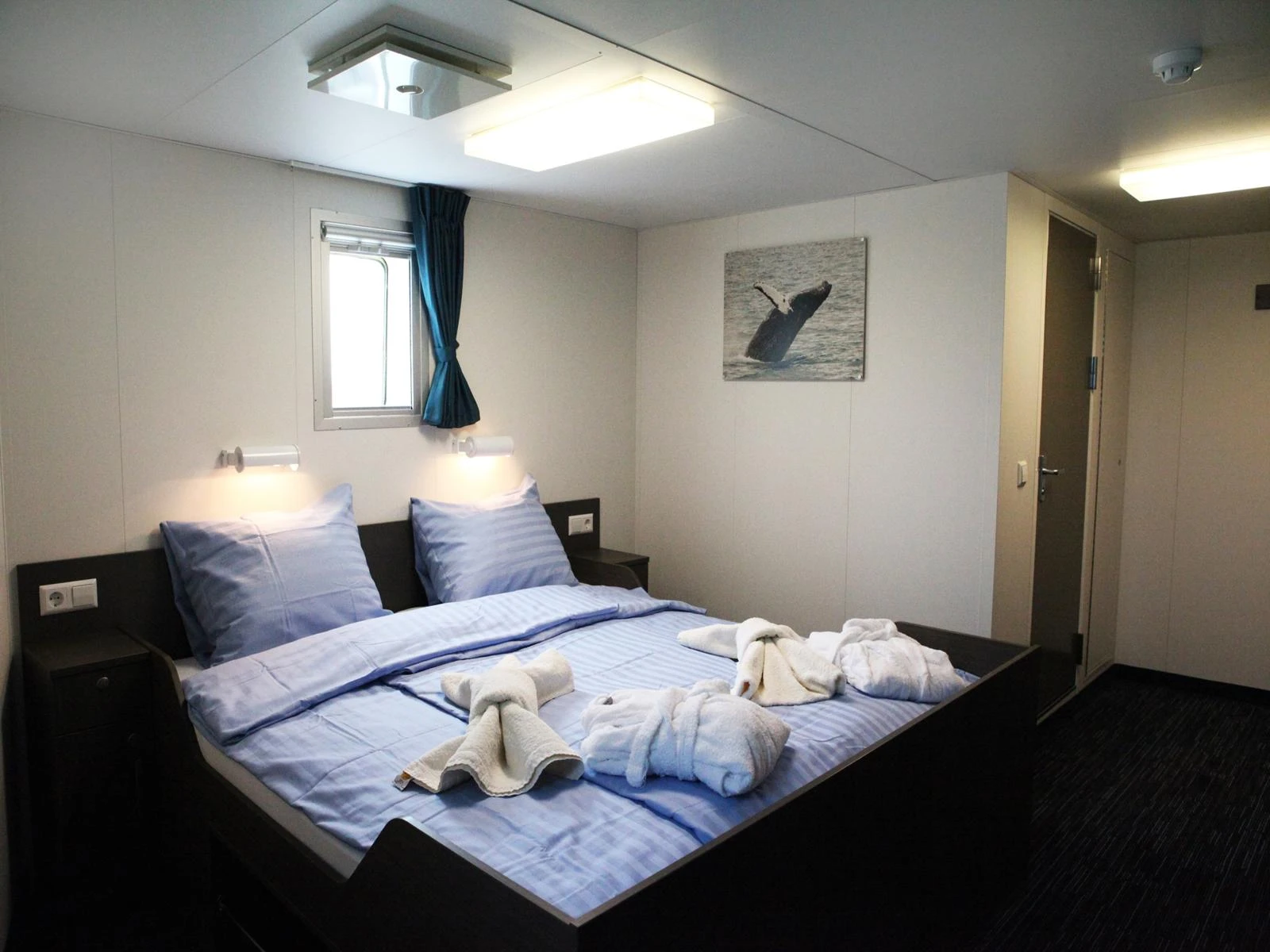
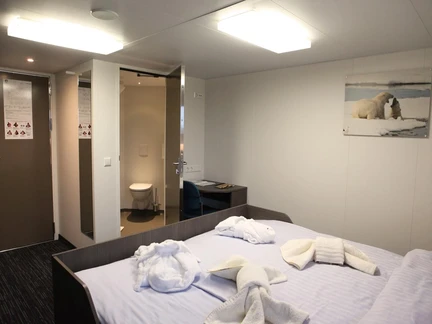
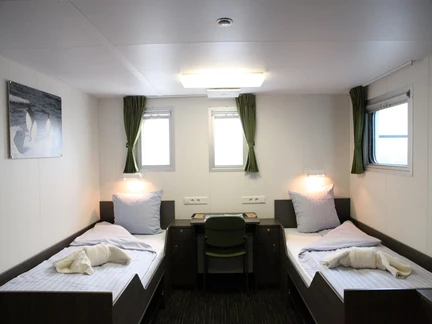
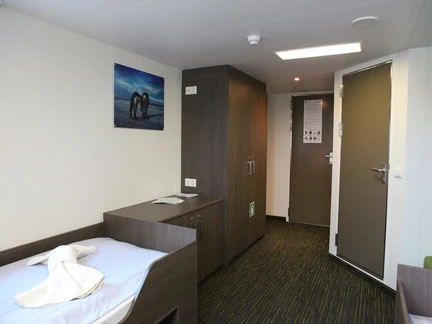
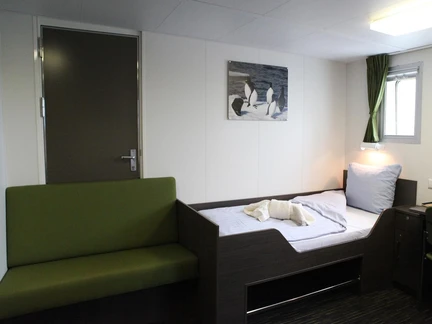
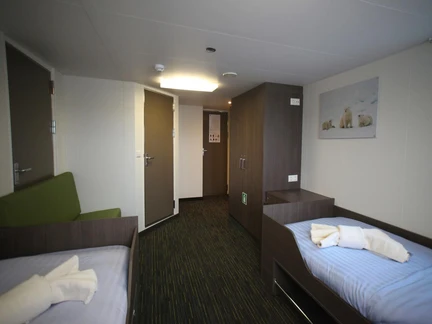
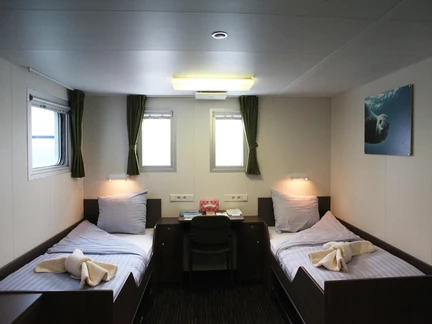
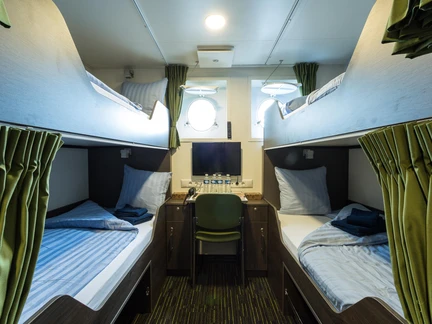
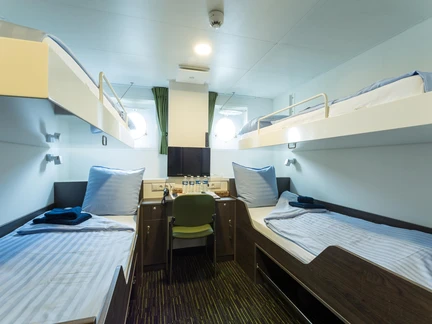
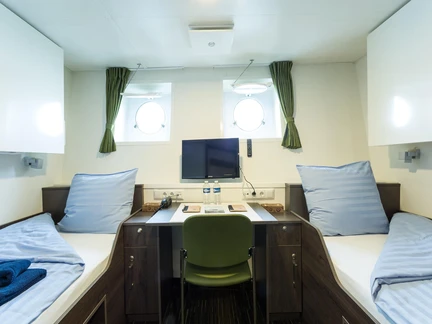
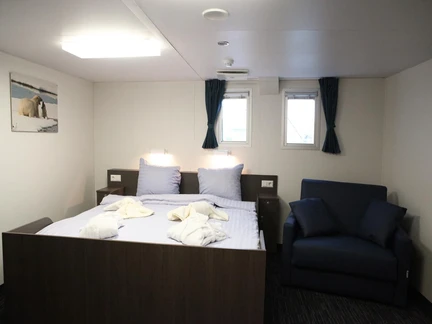
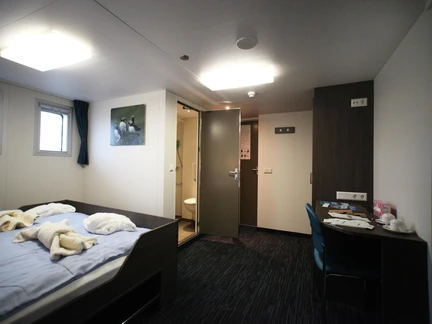
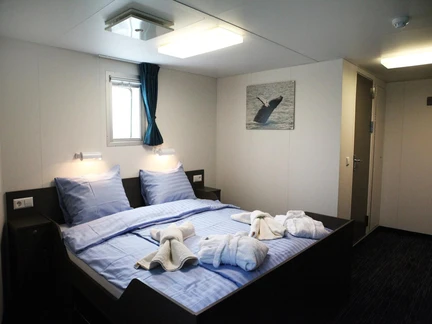
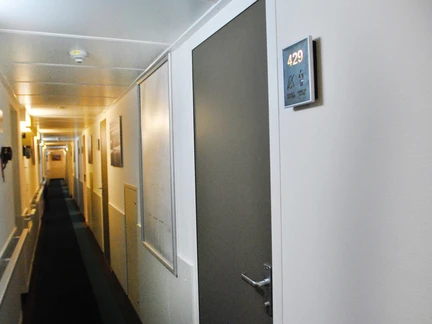
Cabins Gallery
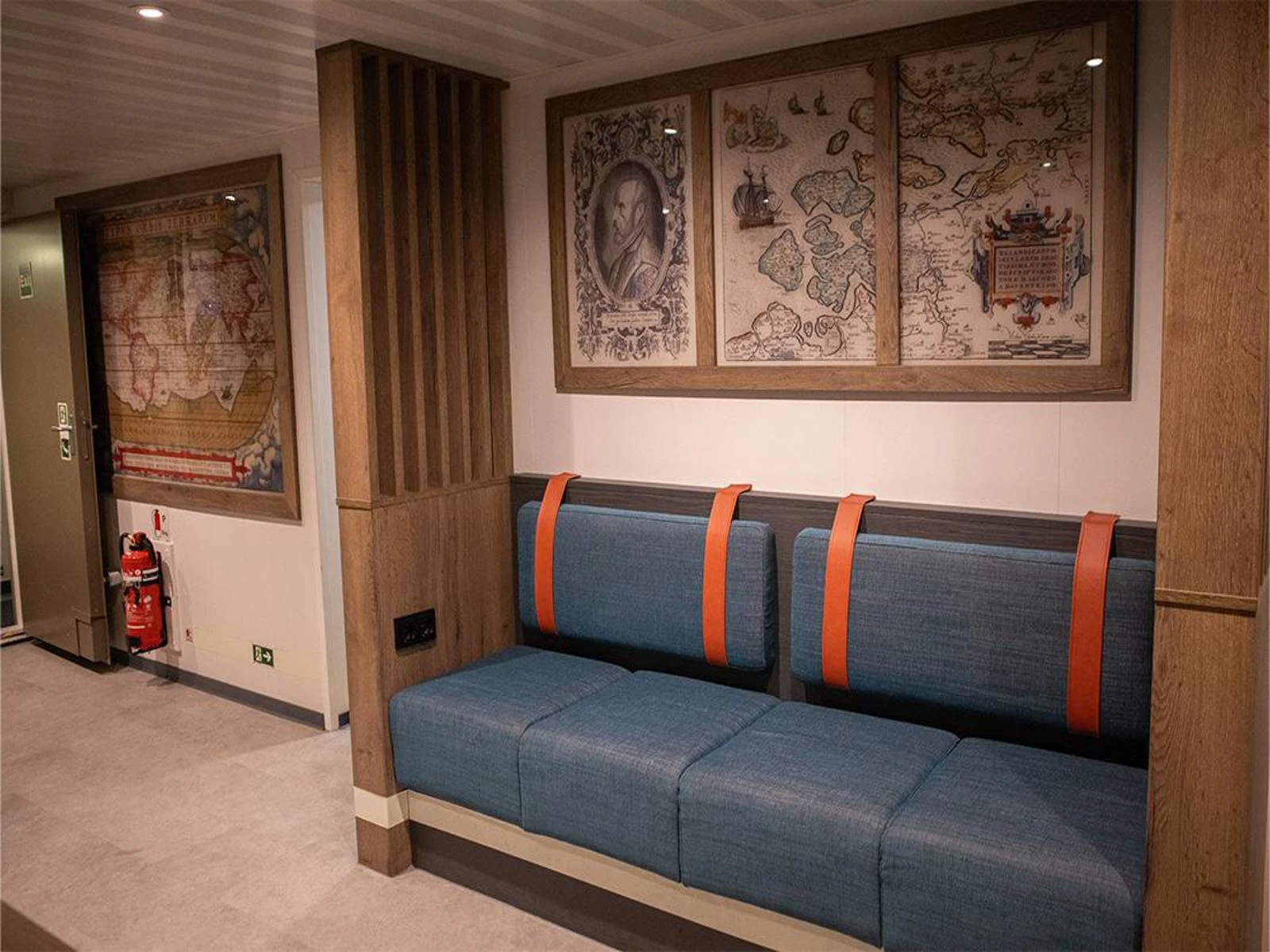
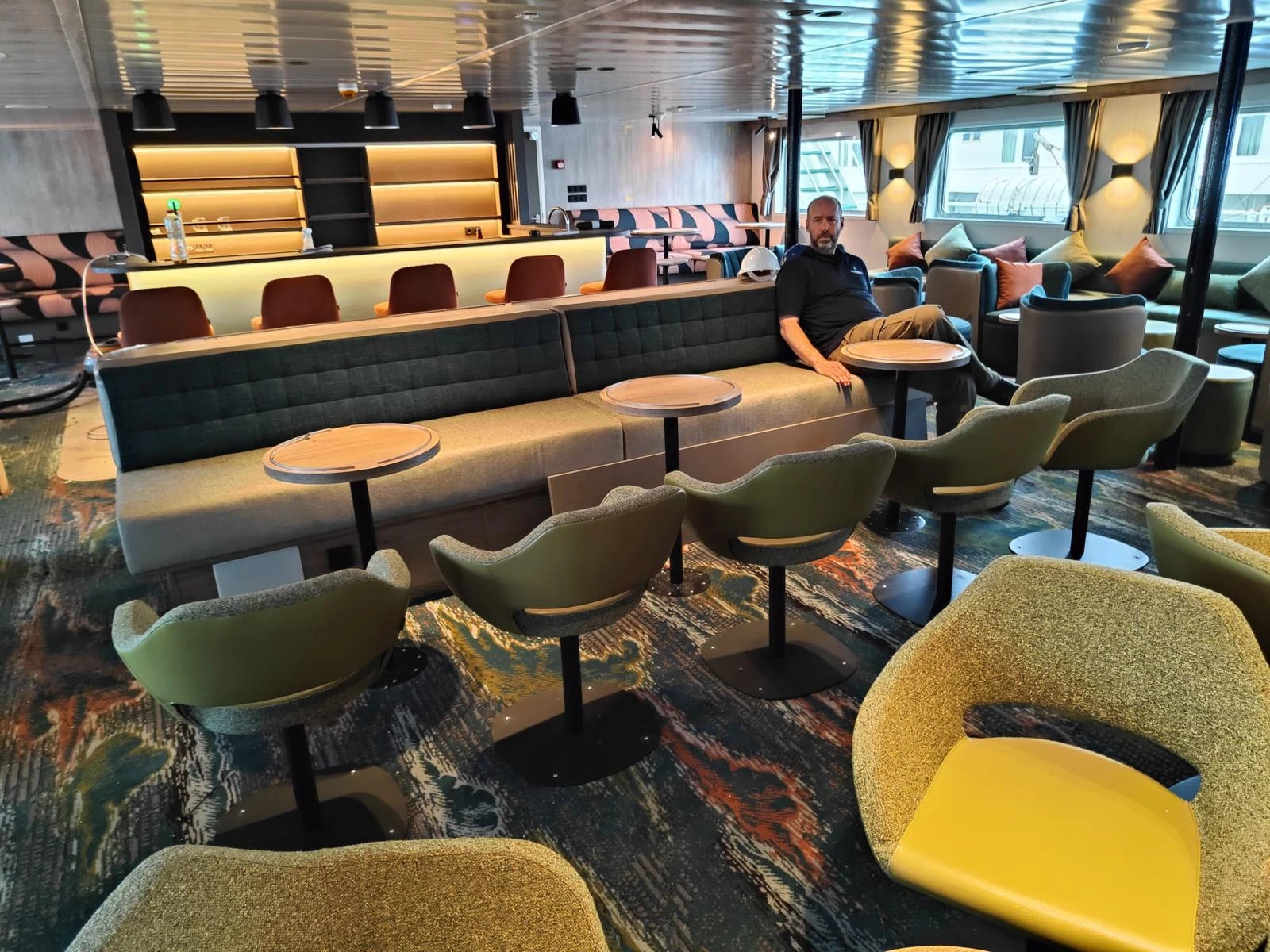
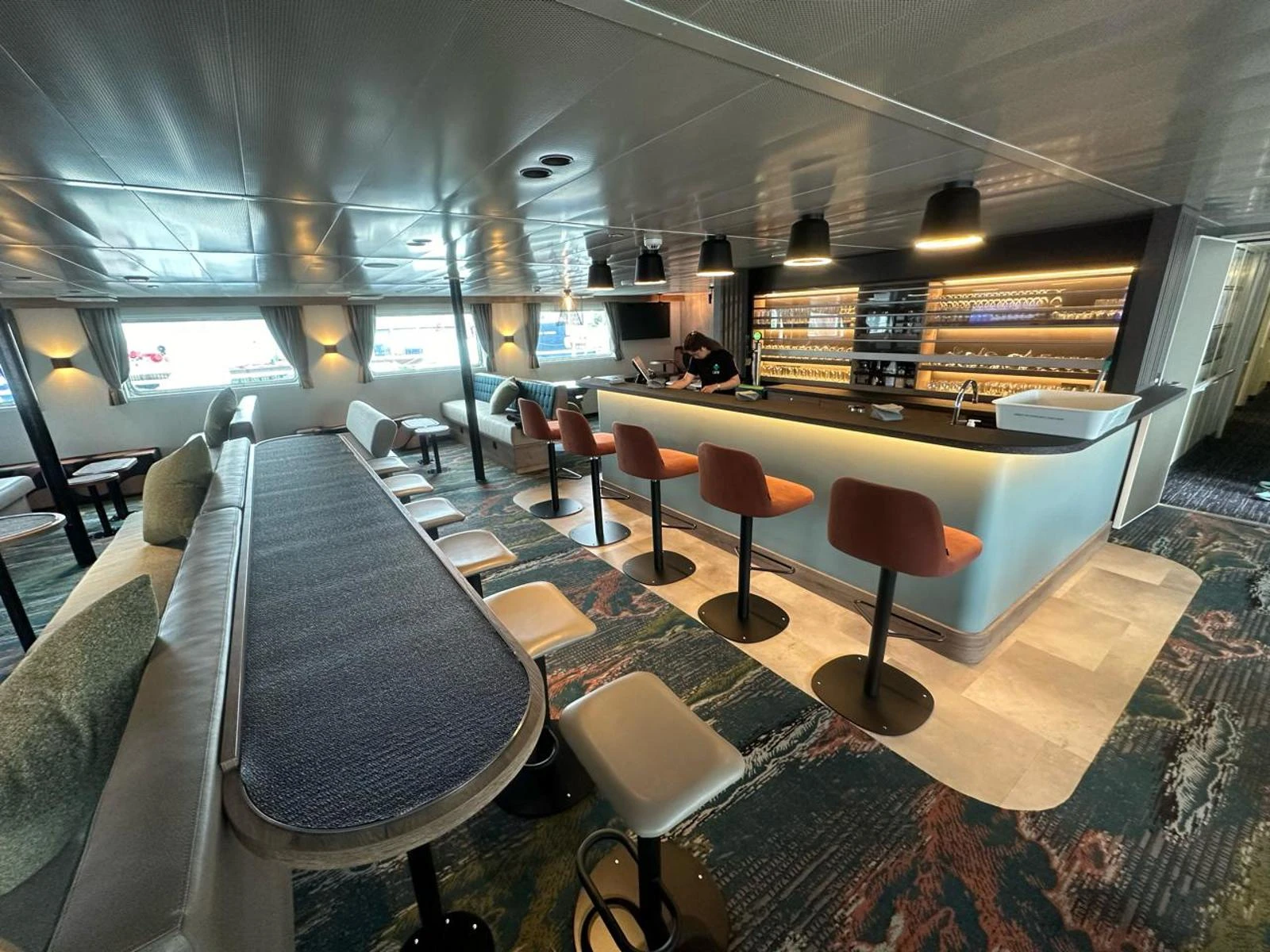
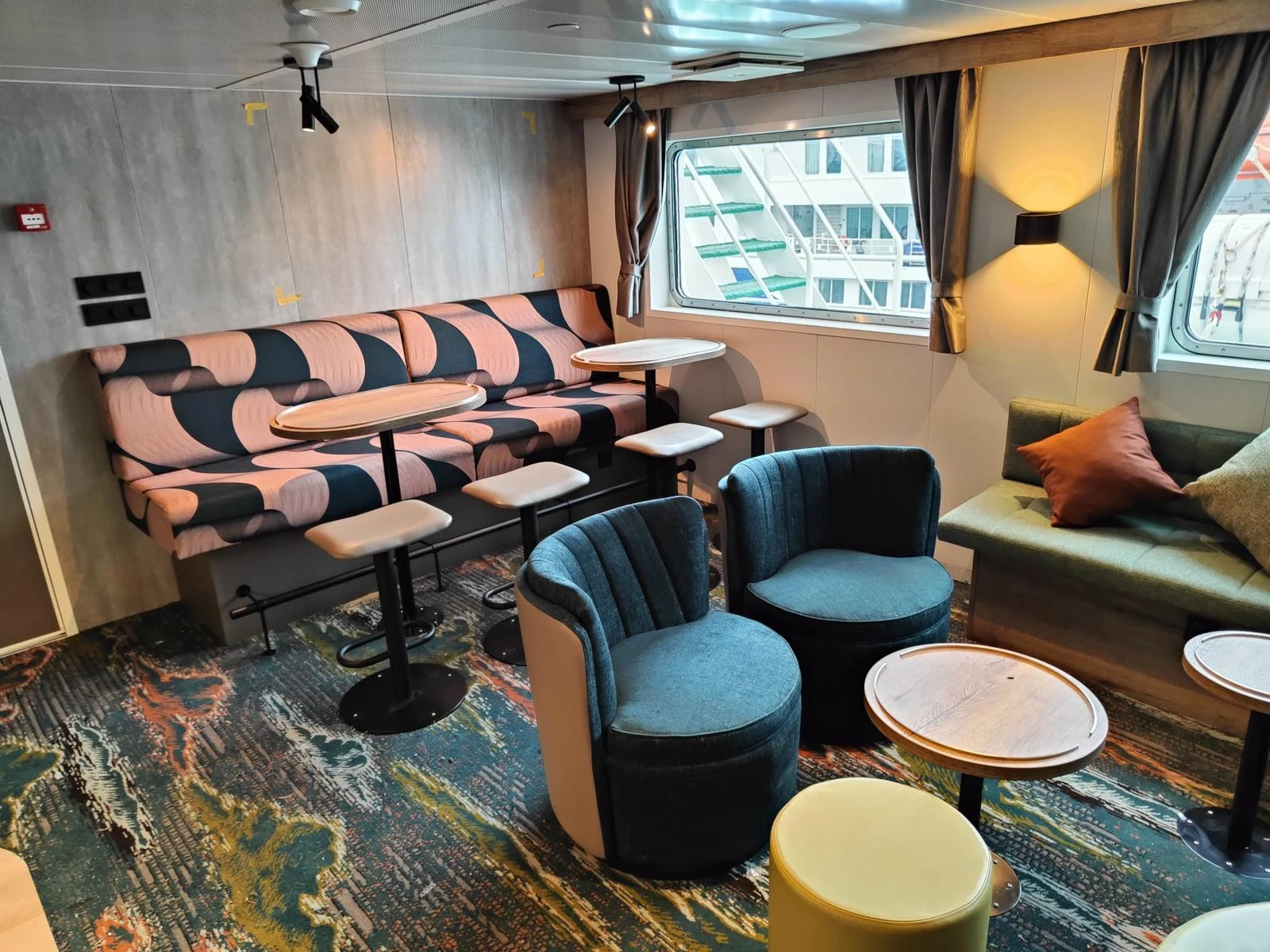
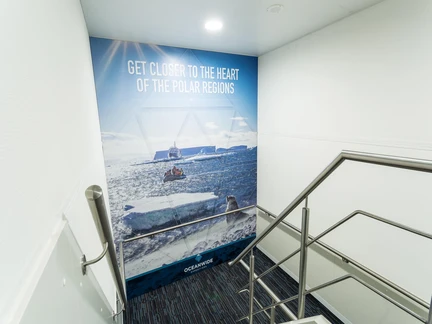
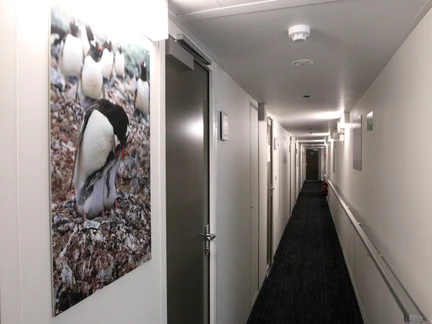
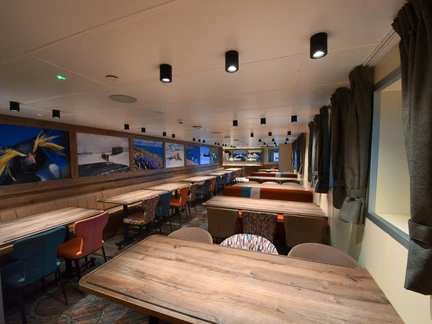
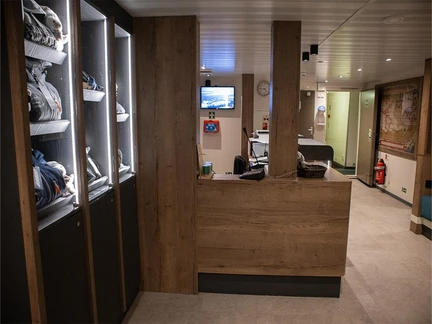
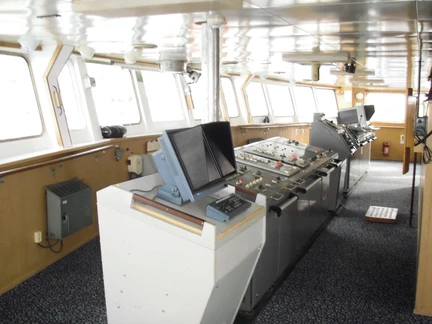
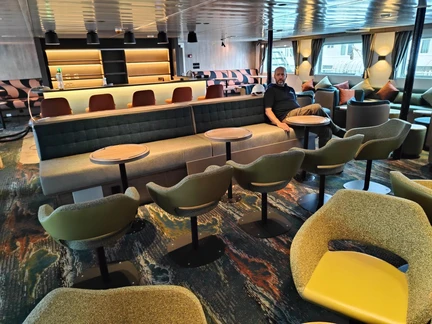
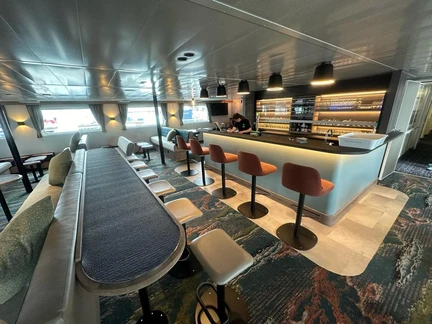
Ship Interior Gallery
Ship Exterior Gallery
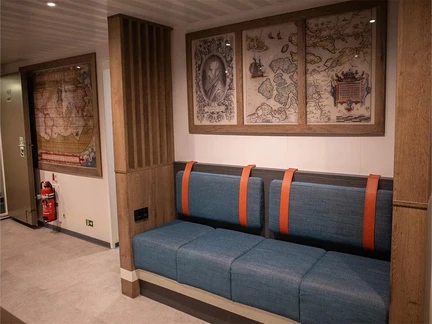
Ortelius was originally the Marina Svetaeva. Built in Gdynia, Poland in 1989, it served as a special-purpose vessel for the Russian Academy of Science. Later it was re-flagged and renamed after the Dutch/Flemish cartographer Abraham Ortelius (1527 – 1598), who in 1570 published the first modern world atlas: Theatrum Orbis Terrarum or Theater of the World. At that time his atlas was the most expensive book ever printed. Ortelius is classed by Lloyd’s Register in London and flies the Dutch flag.
Perfect for Any Expedition
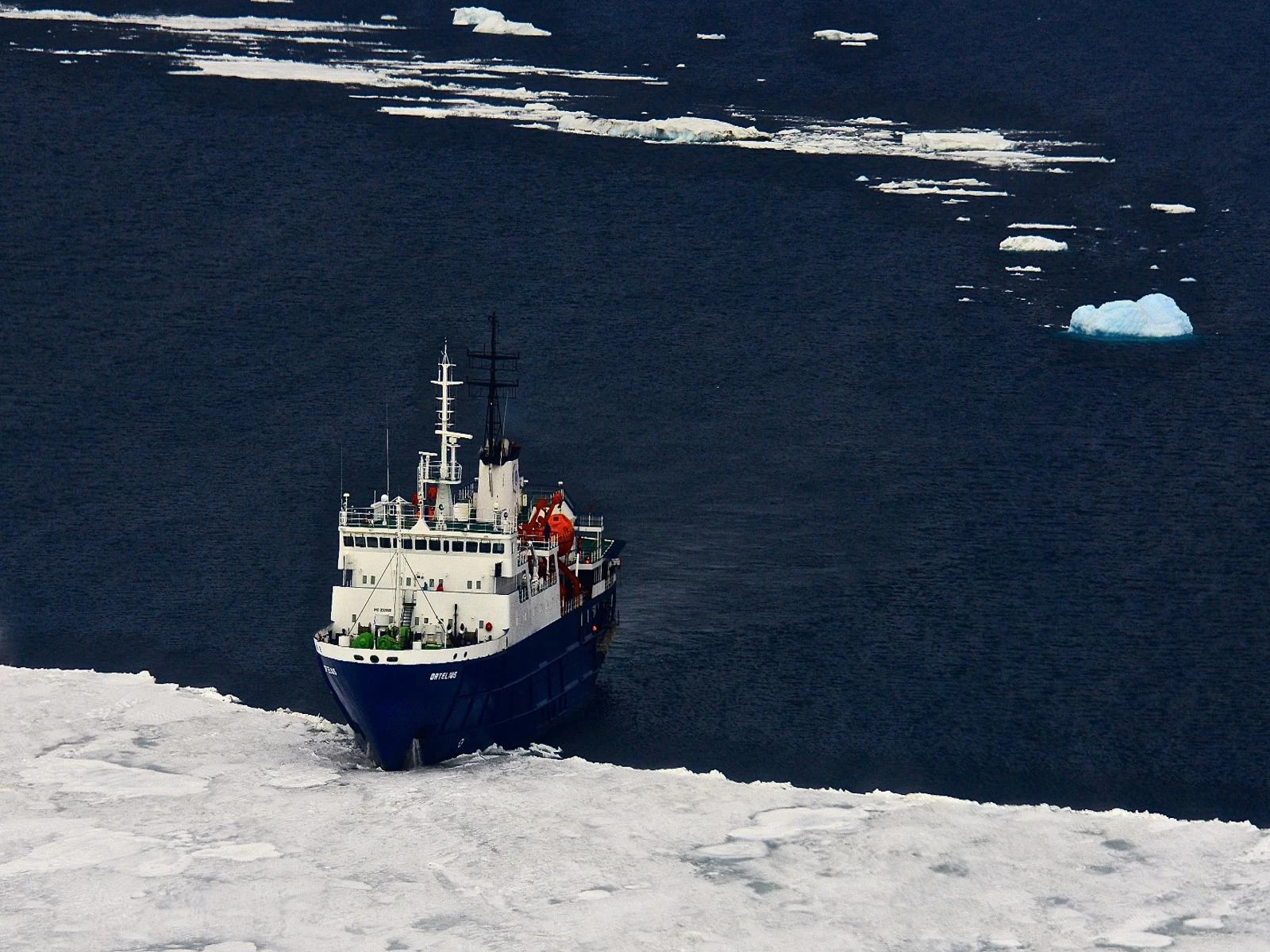
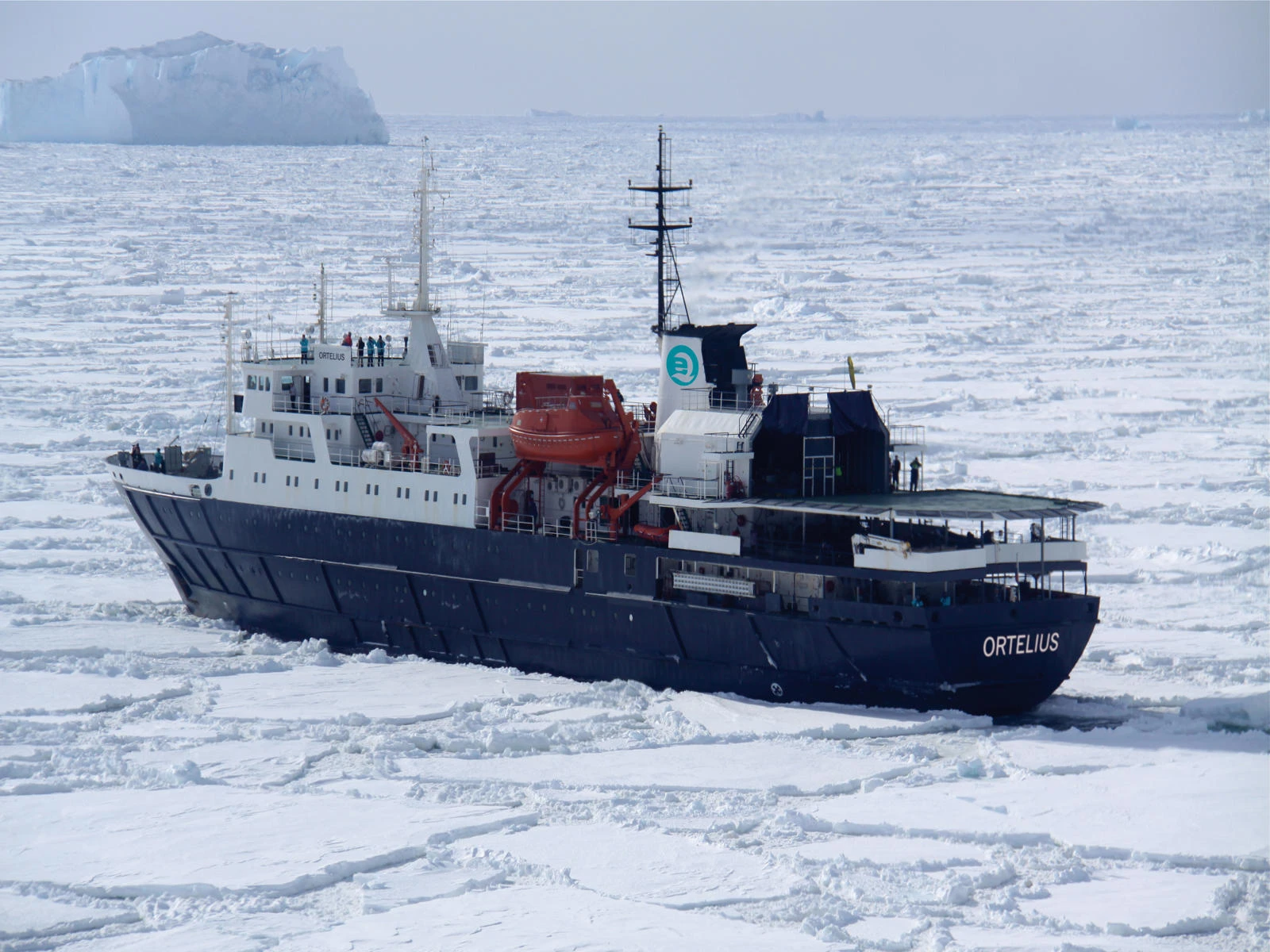
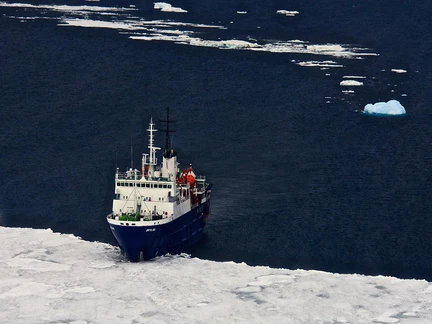
The vessel has the highest ice-class notation (UL1, equivalent to 1A) and is therefore suitable to navigate in solid one-year sea ice as well as loose multi-year pack ice. Ortelius can accommodate up to 108 passengers and has an abundance of open-deck spaces. It is manned by 24 highly experienced nautical crew members, 20 hotel staff, eight expedition specialists (one expedition leader, one assistant, and six lecturer-guides), and one doctor.
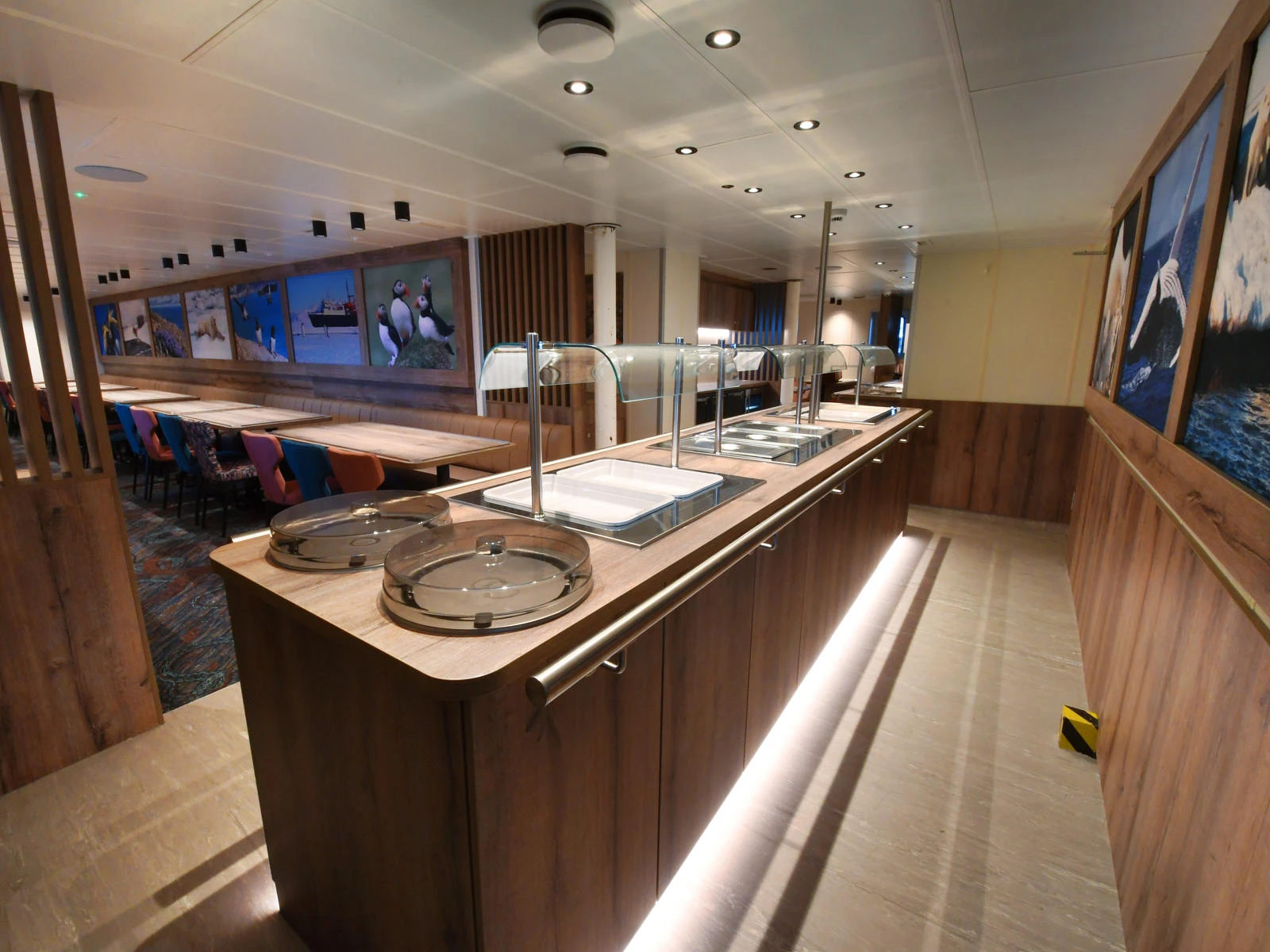
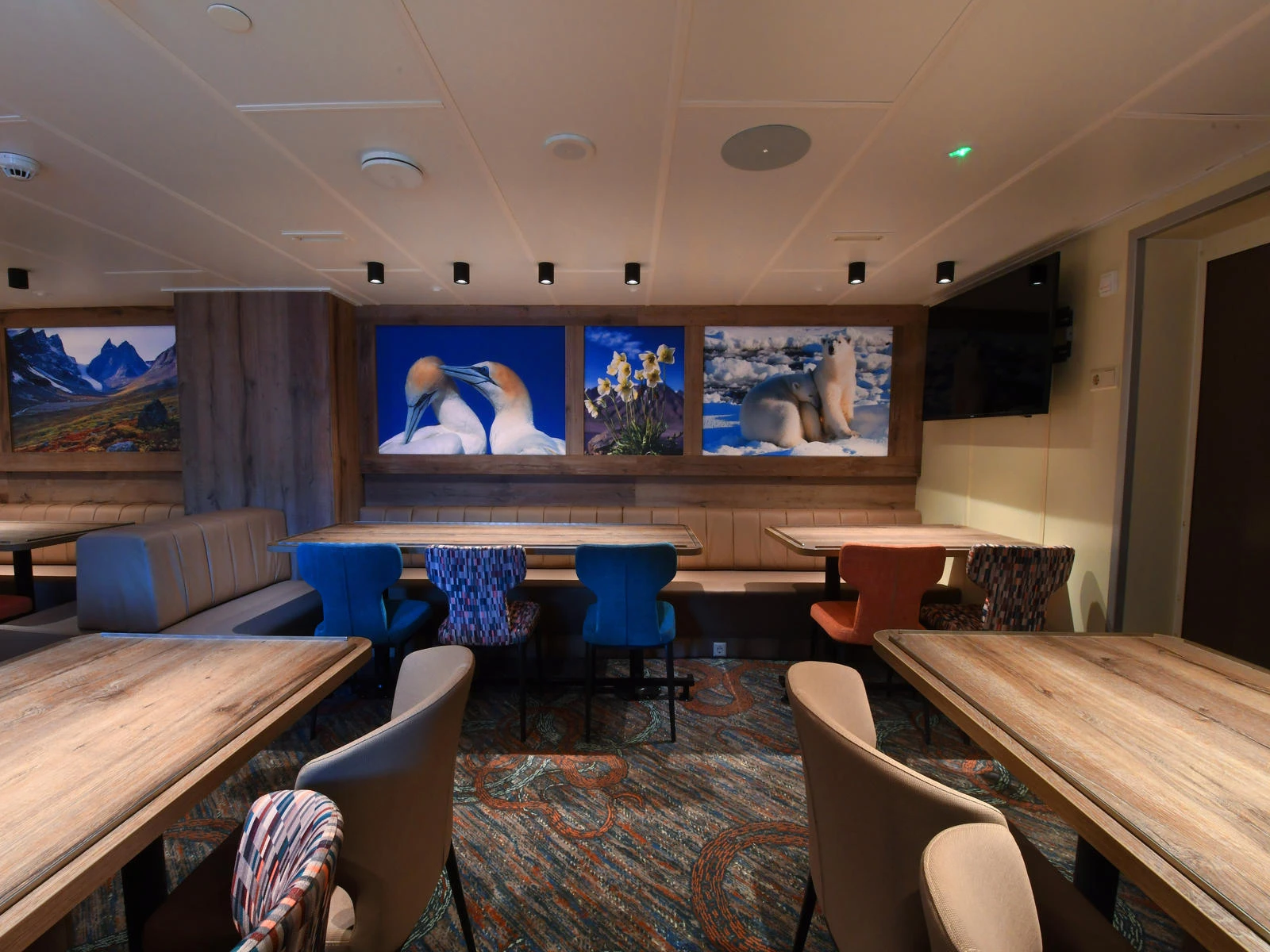
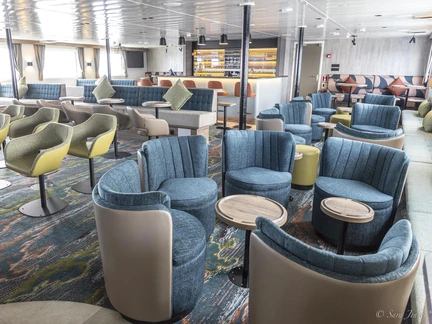
Ortelius: a Vessel with Comfort and Character
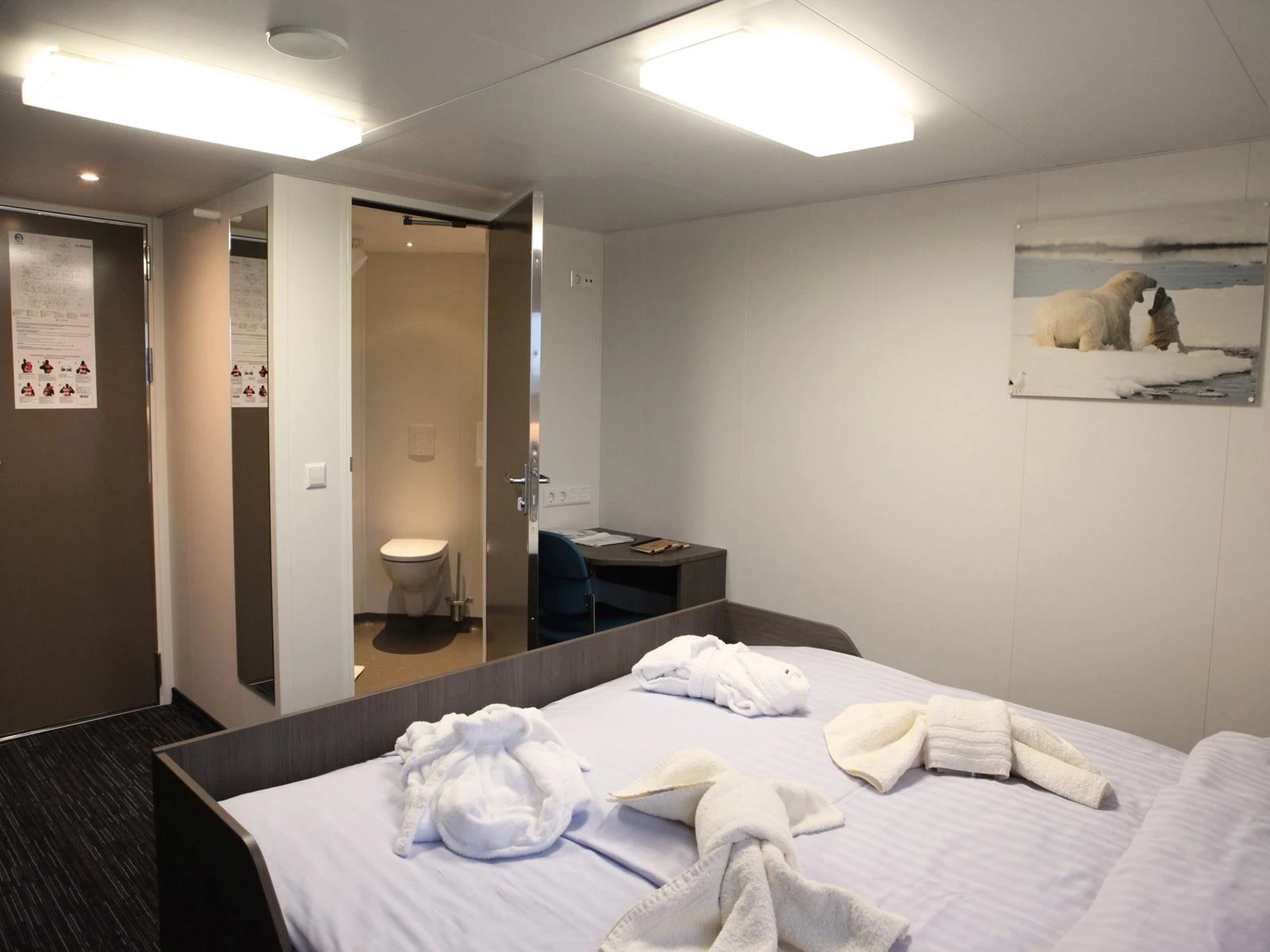
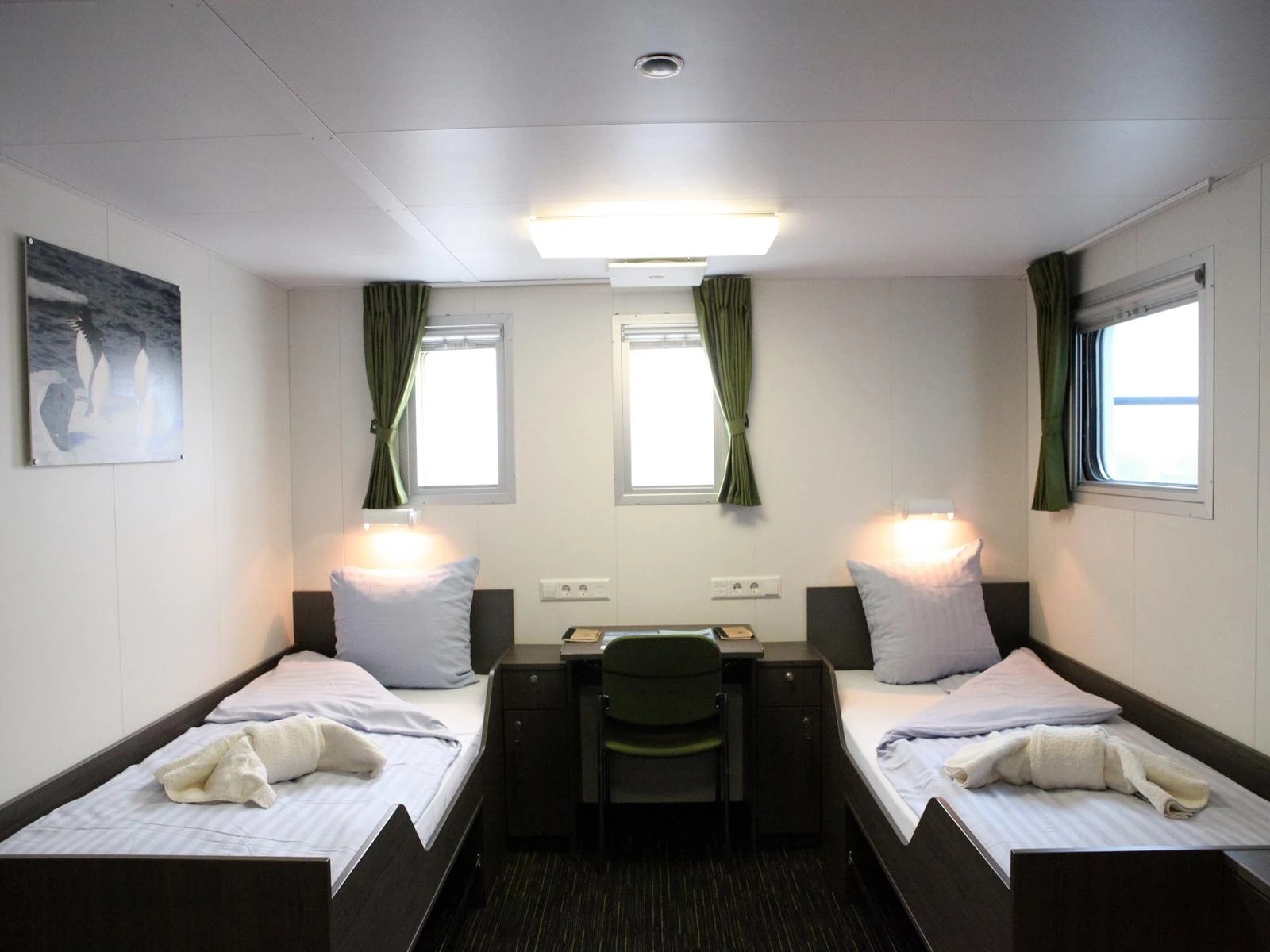
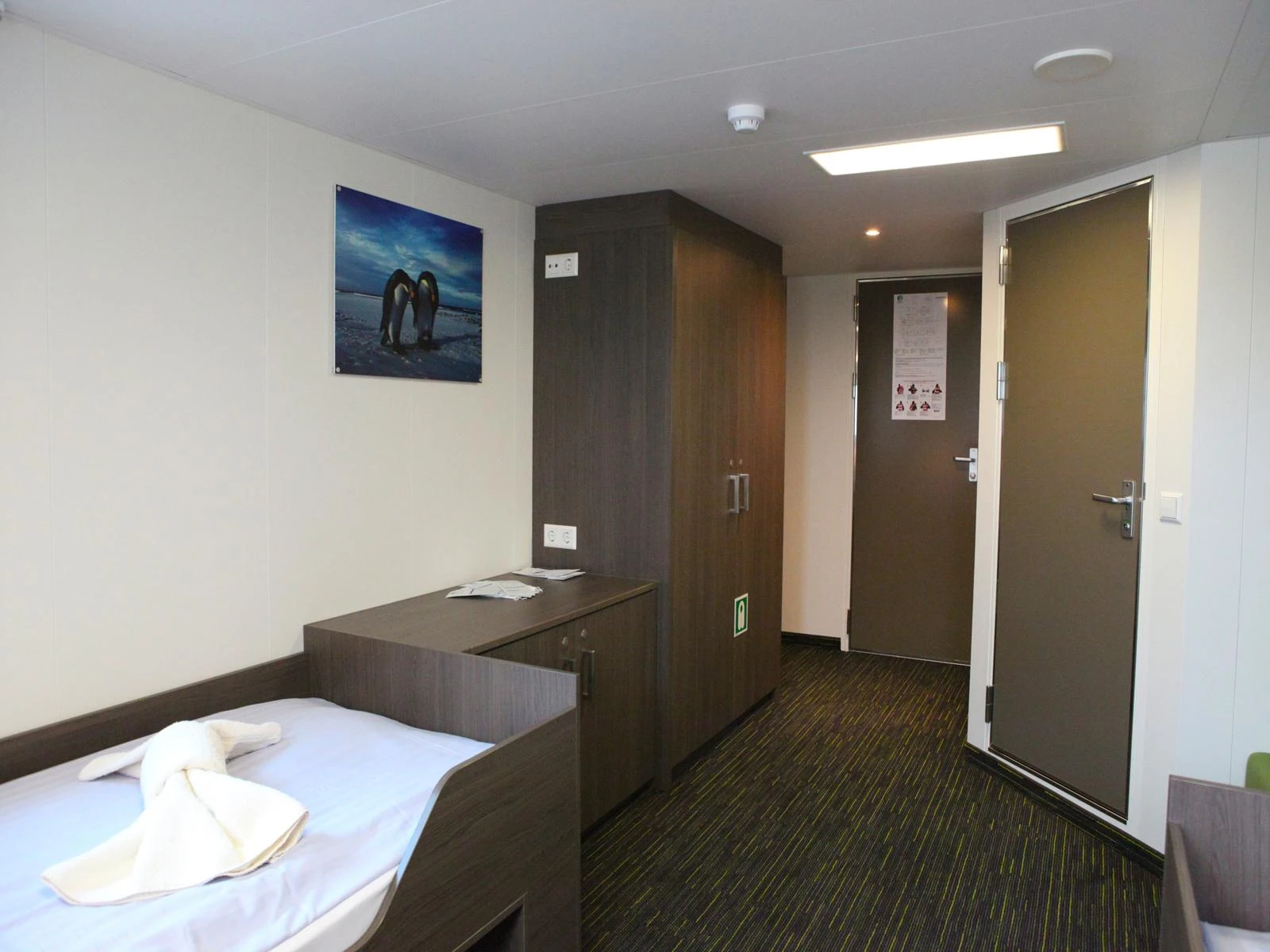
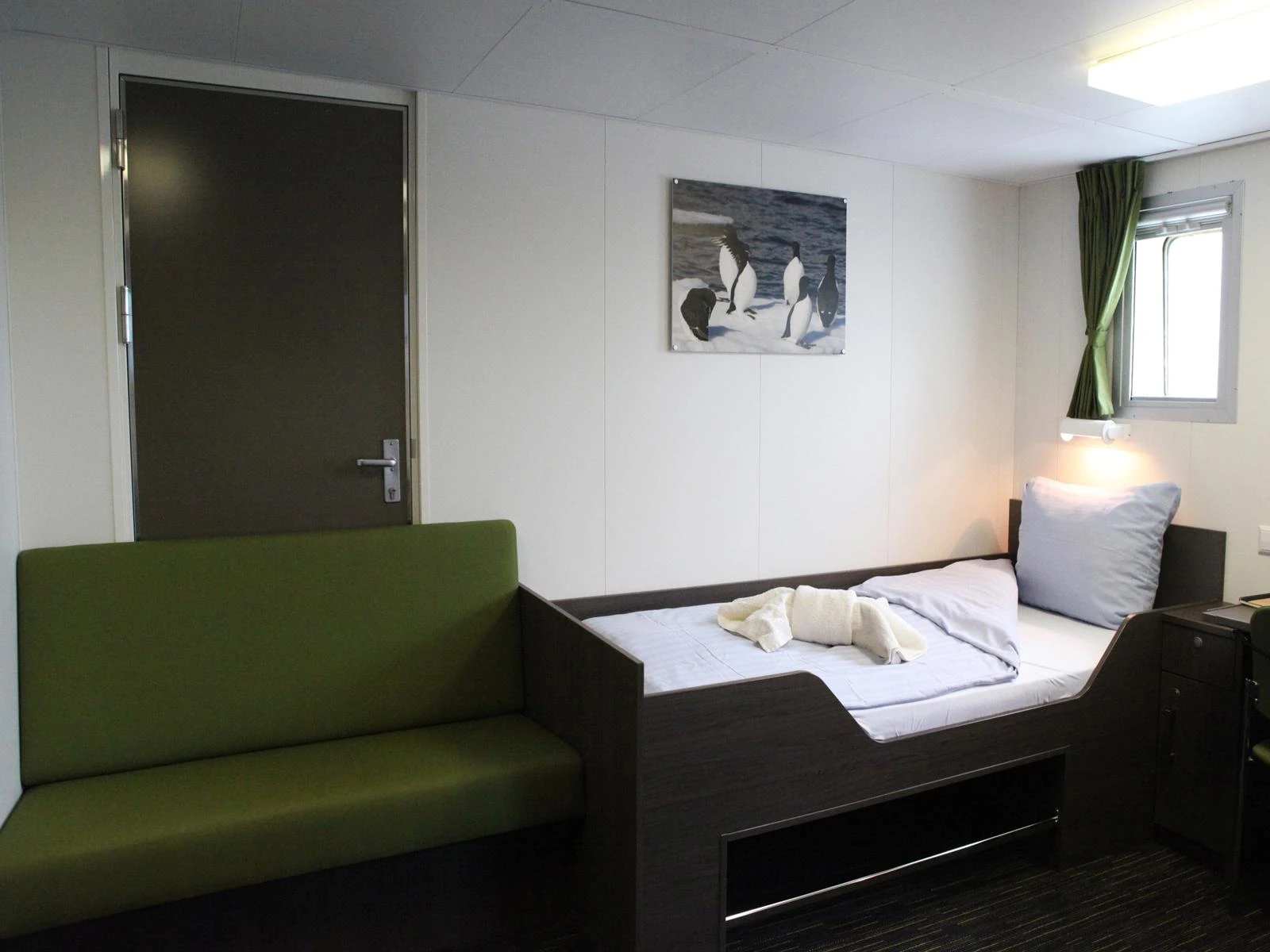
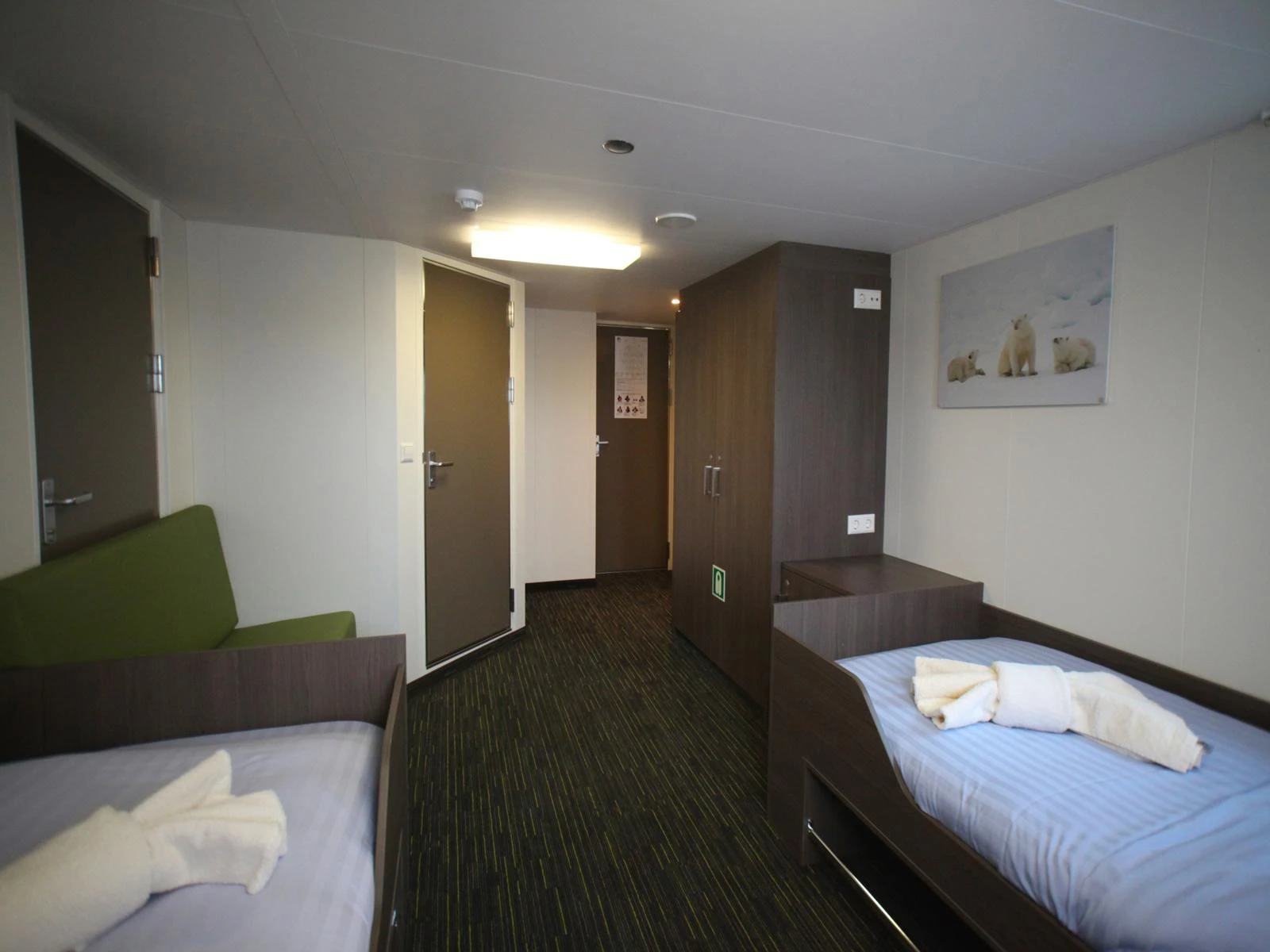
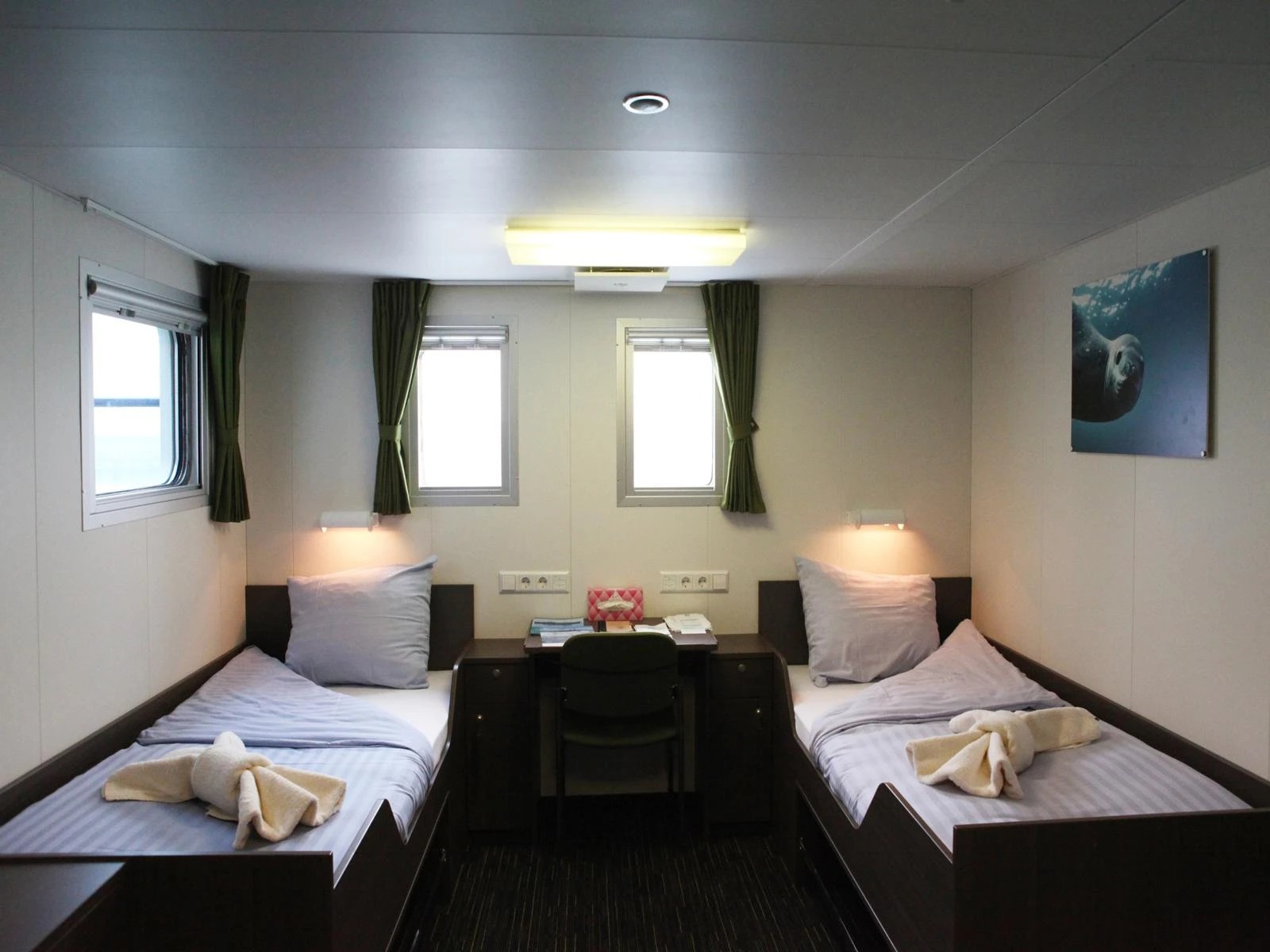
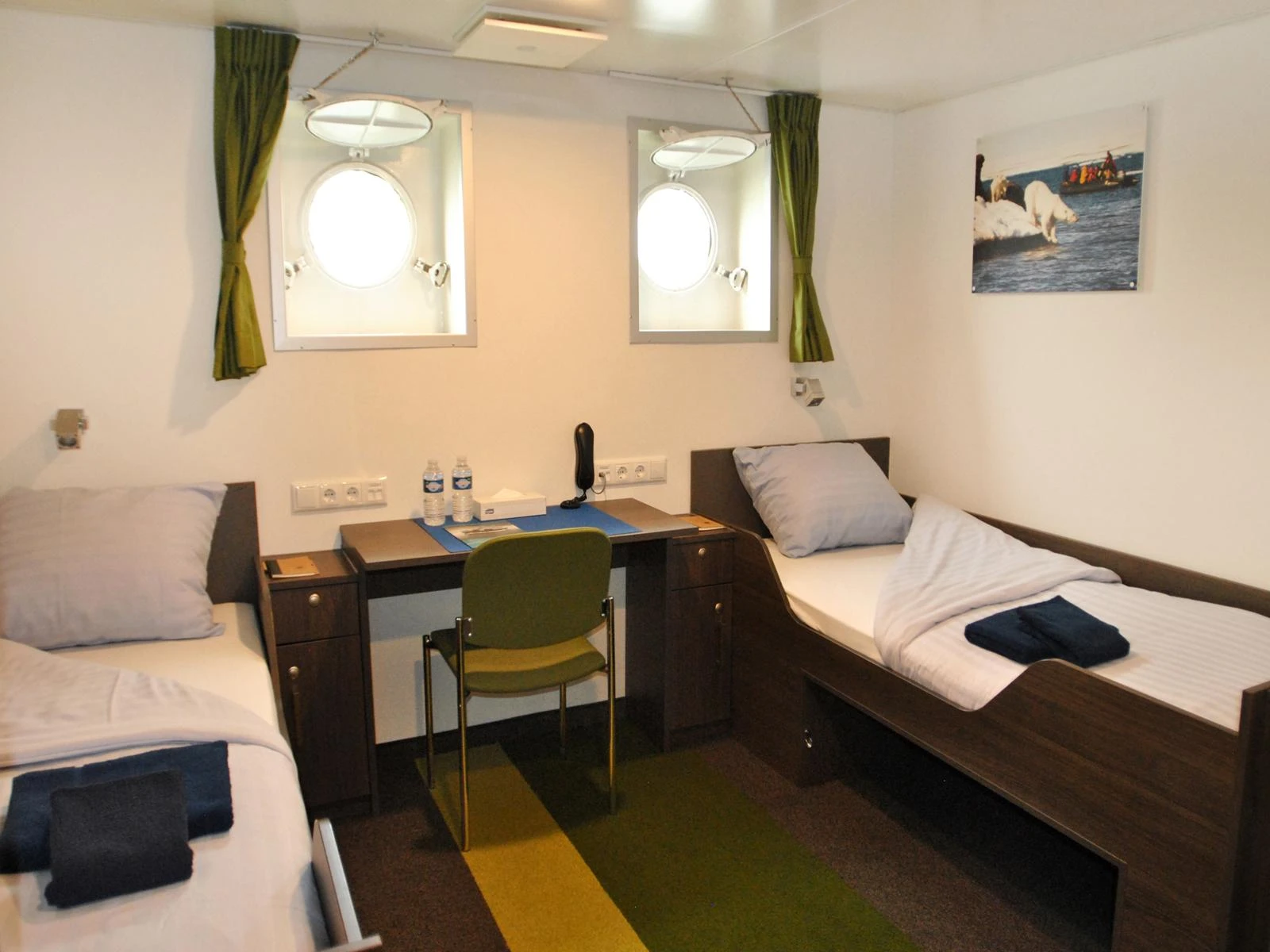
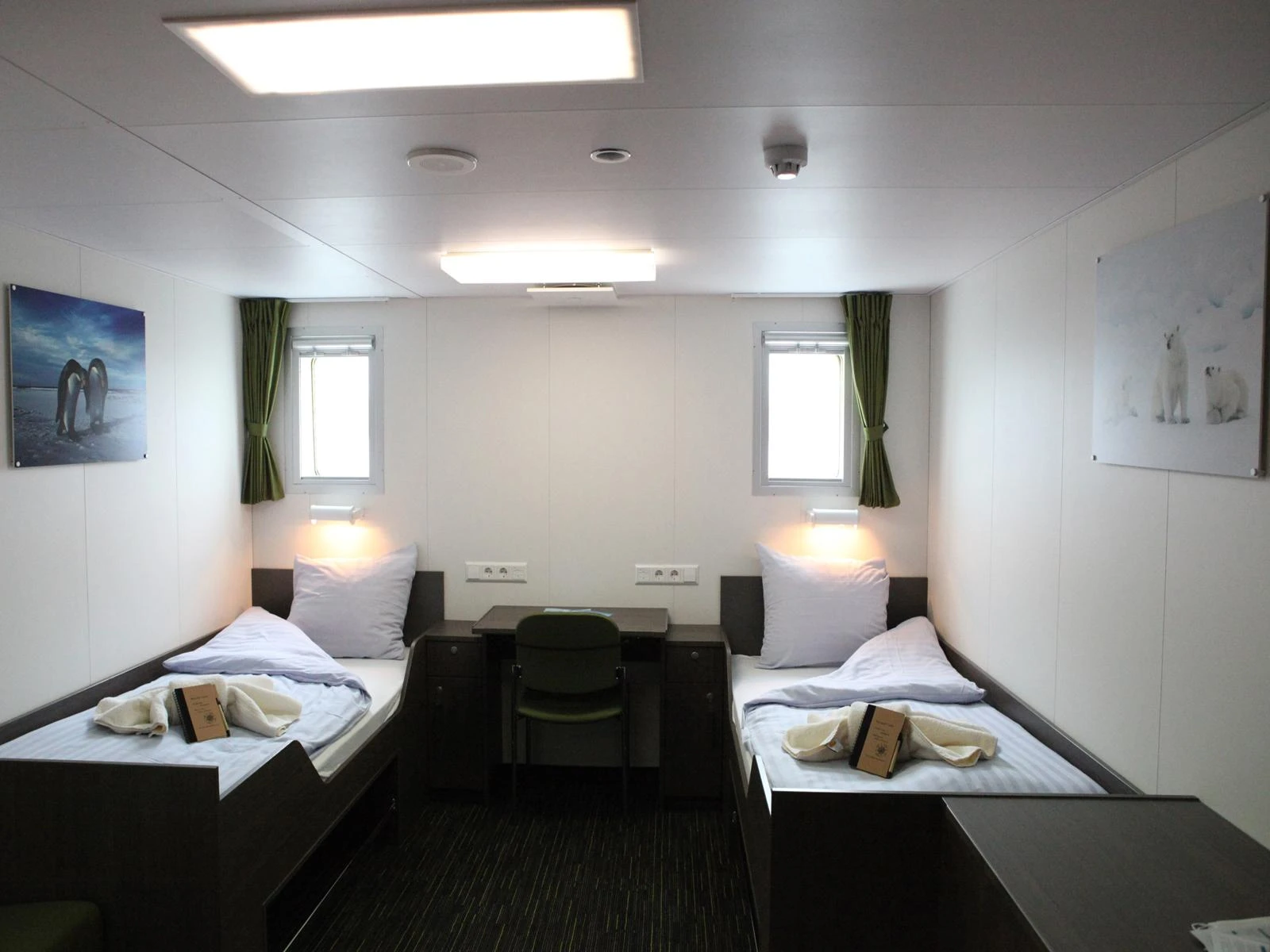
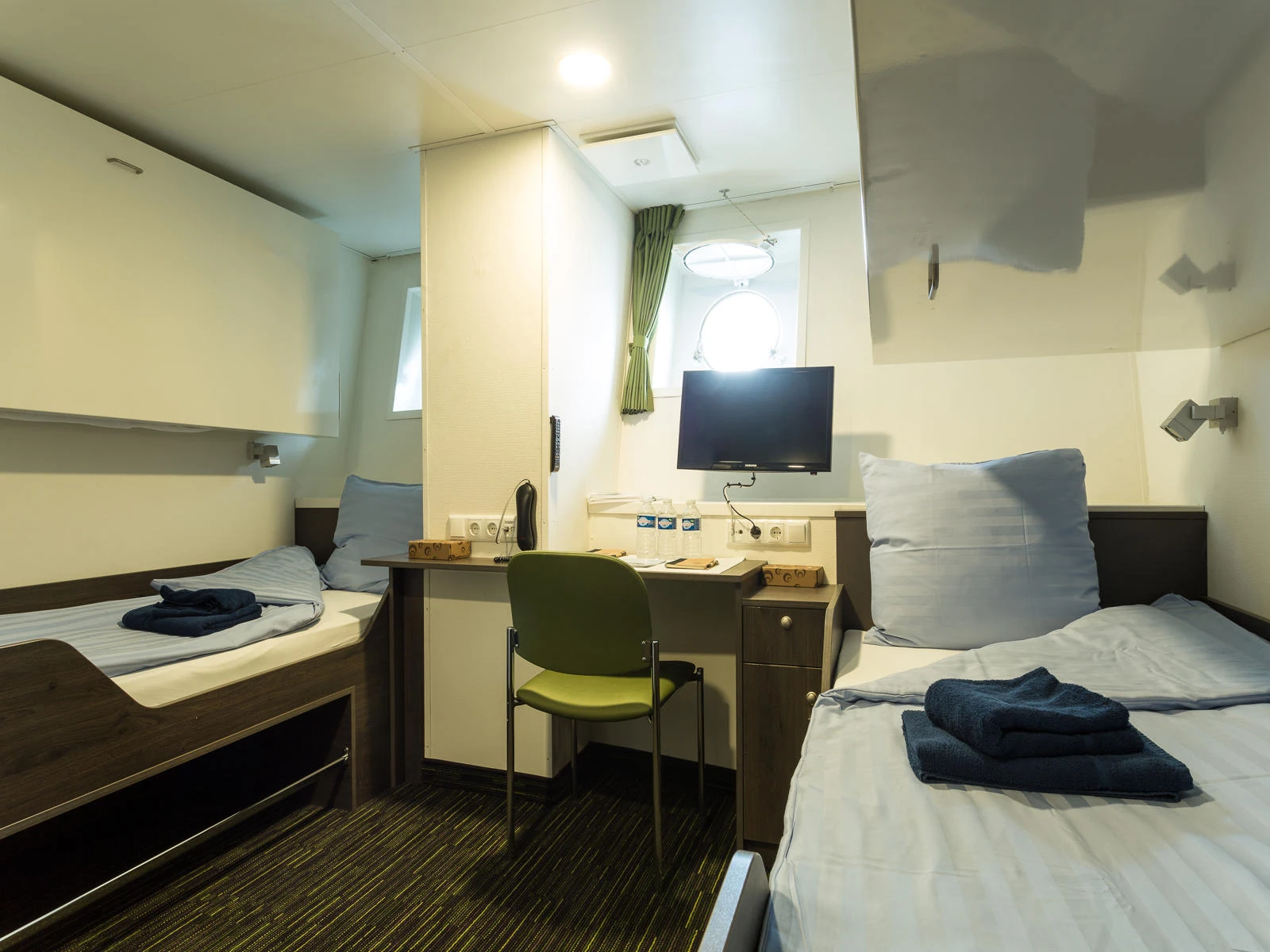
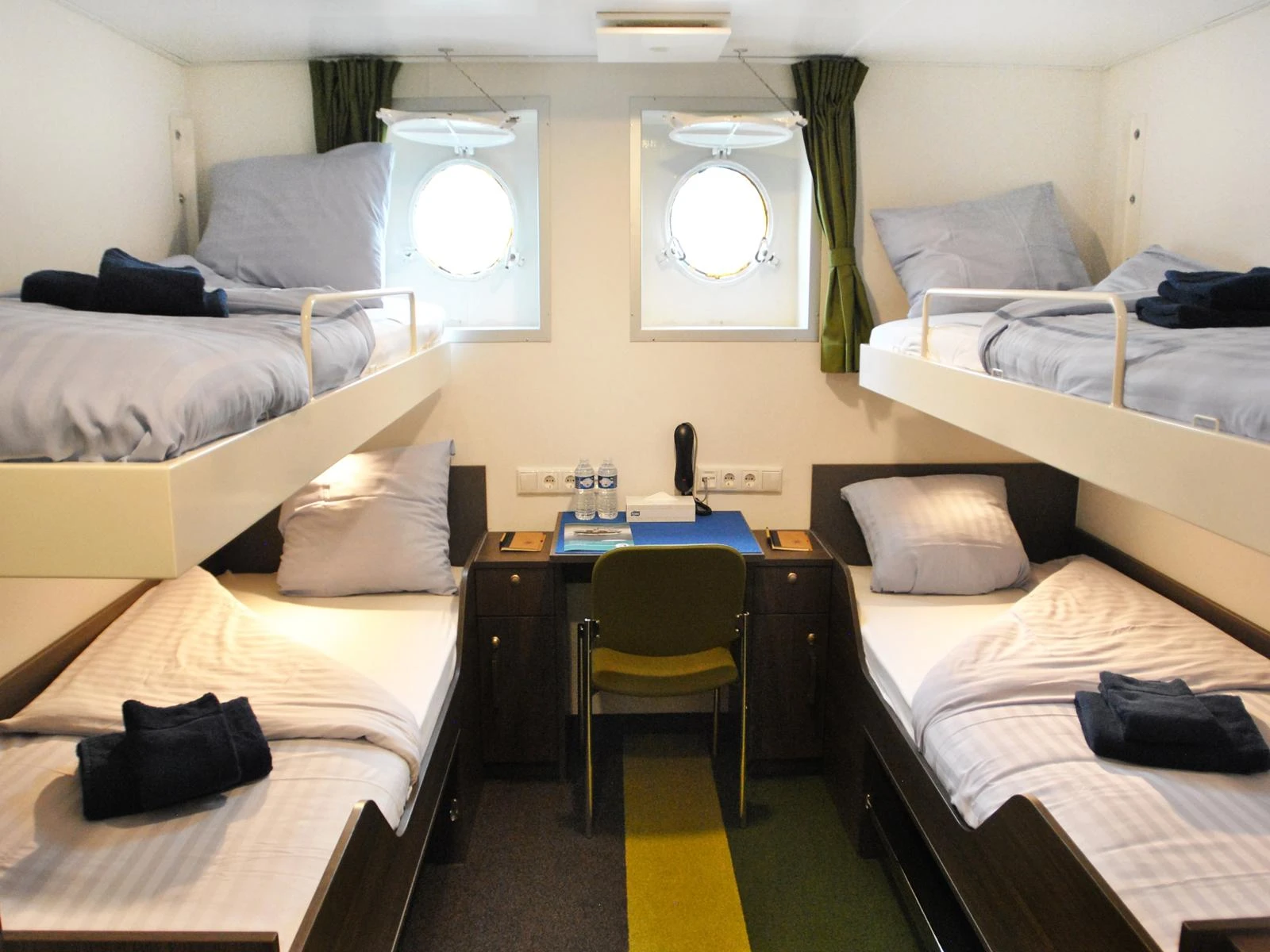
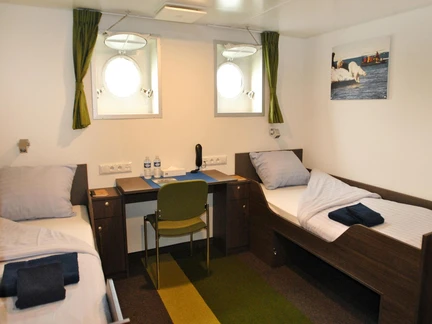
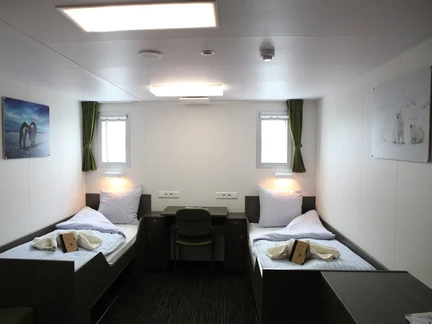
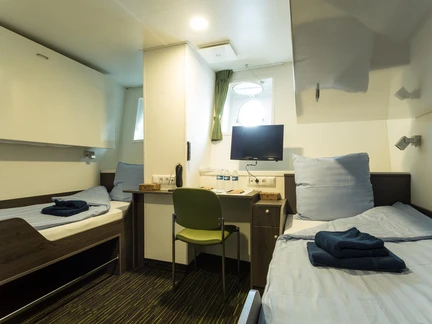
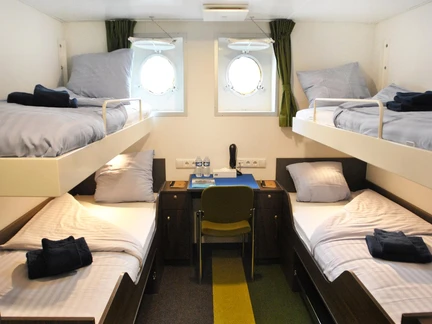
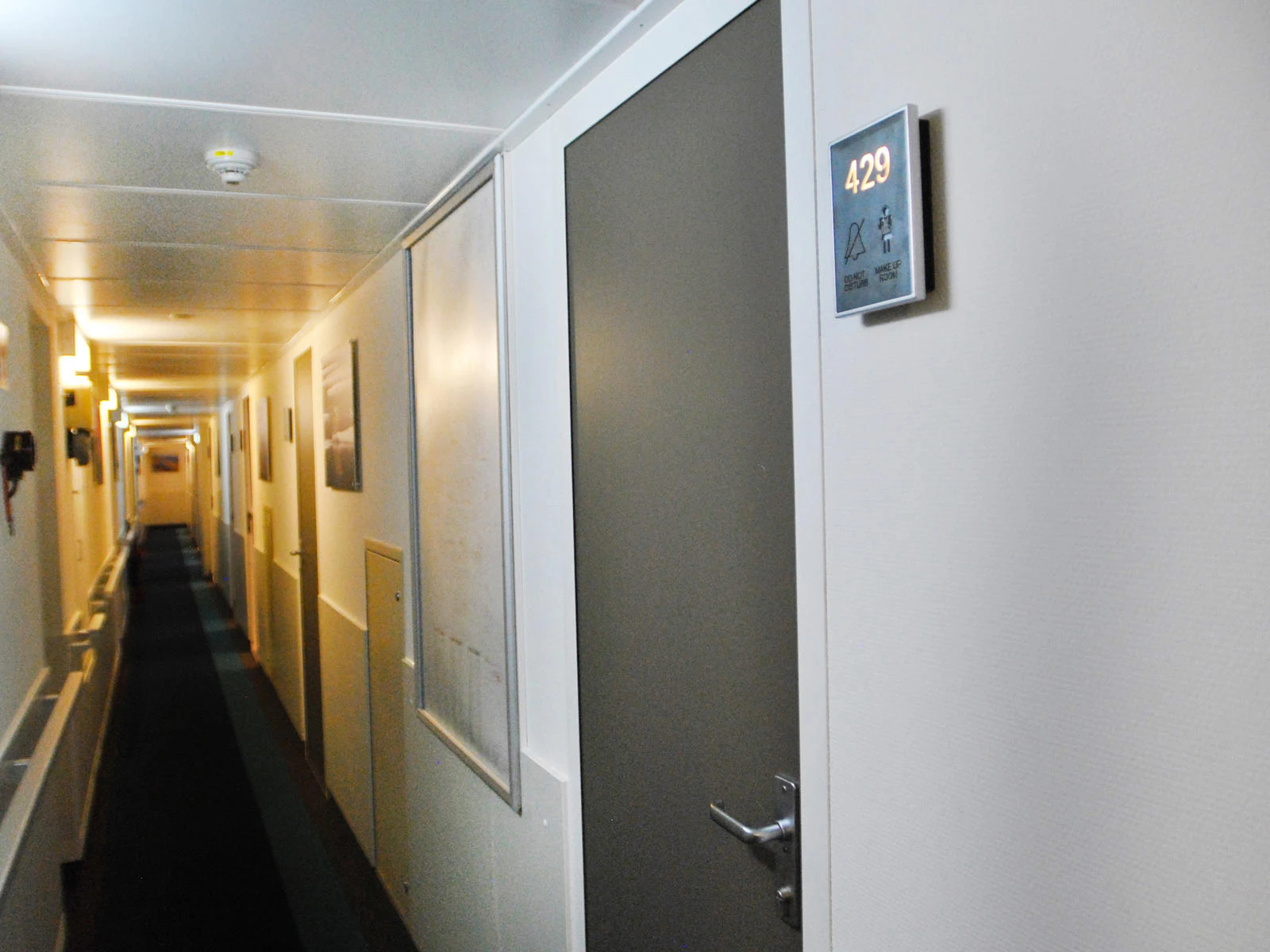
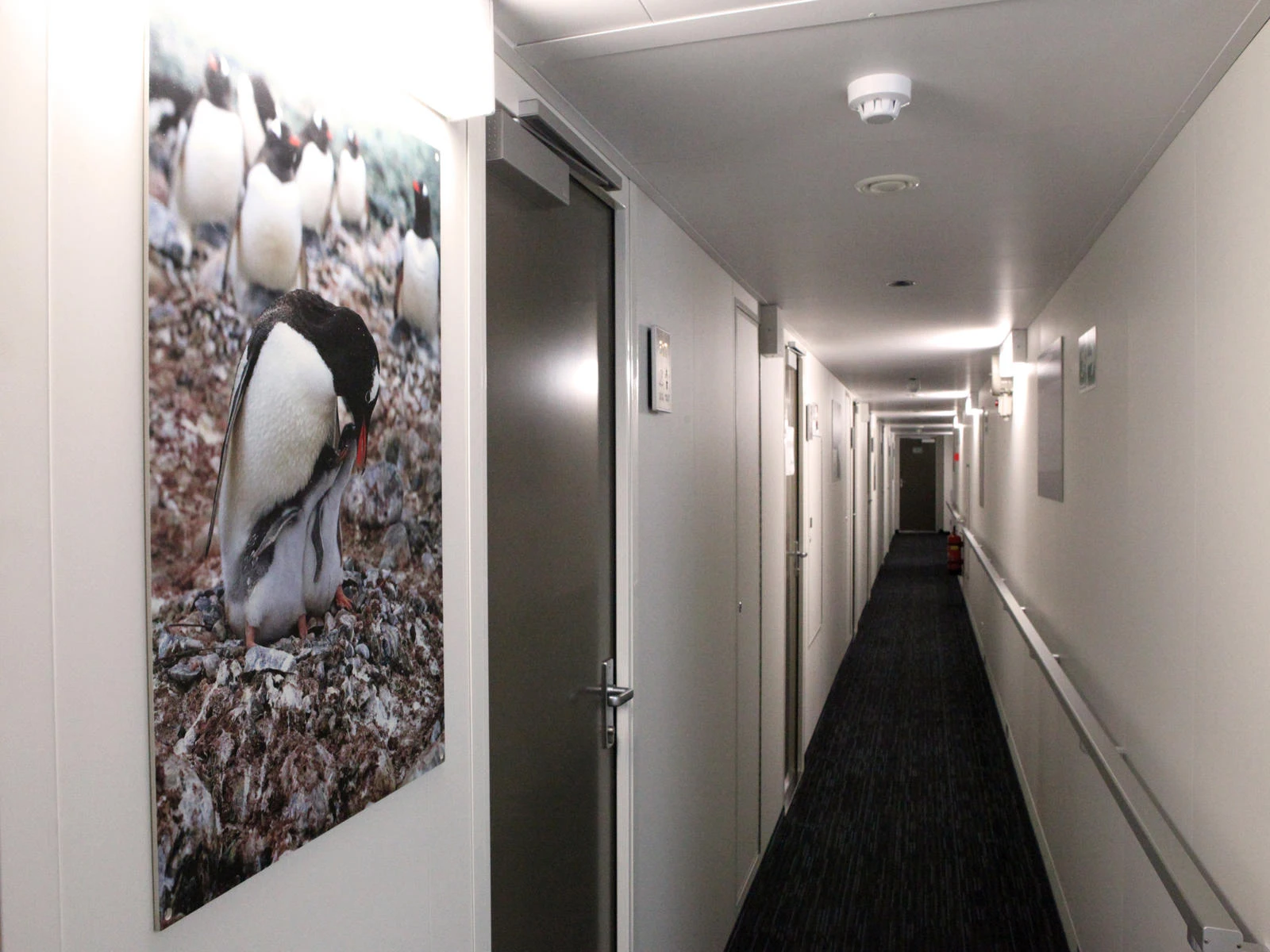
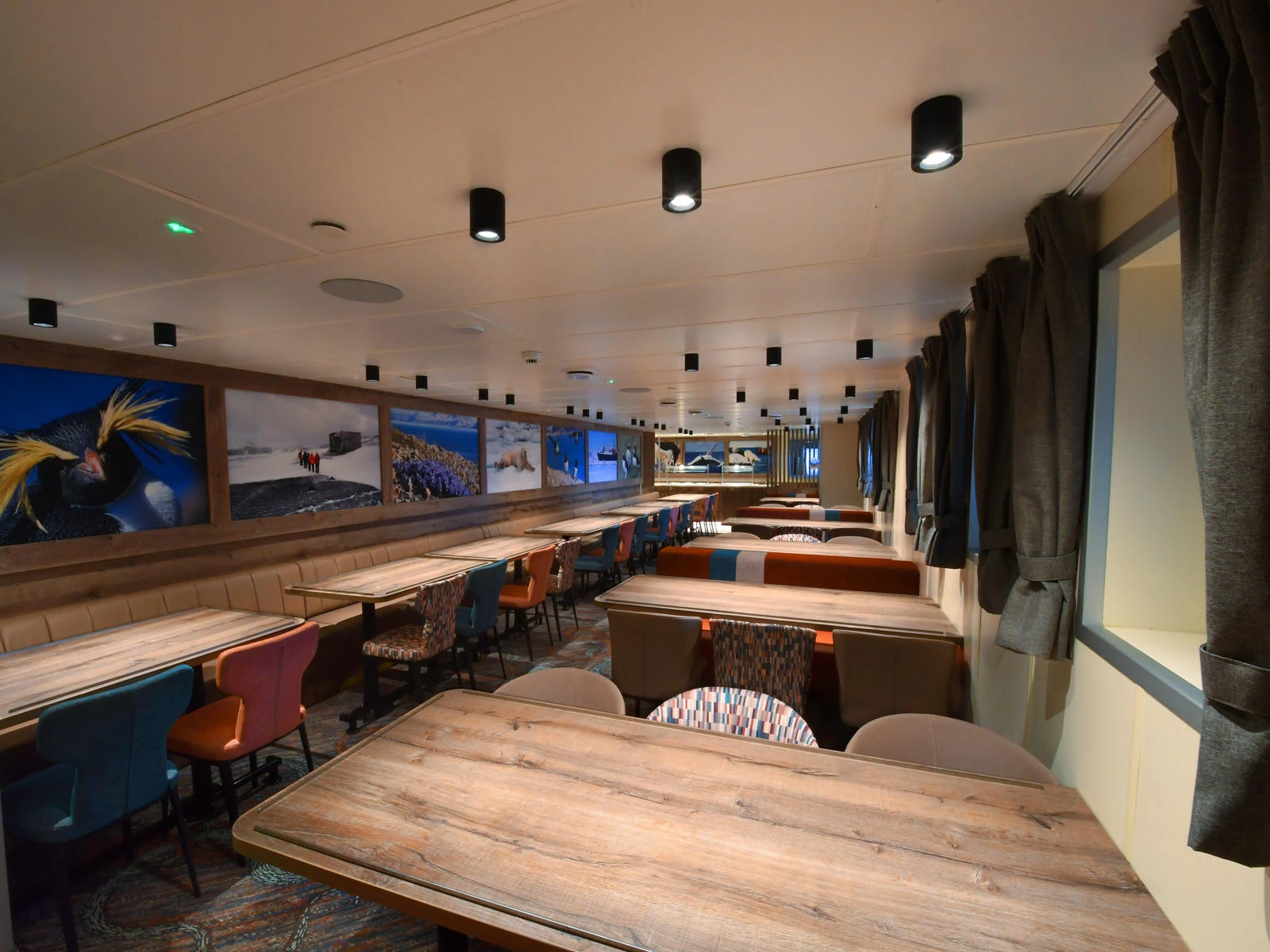
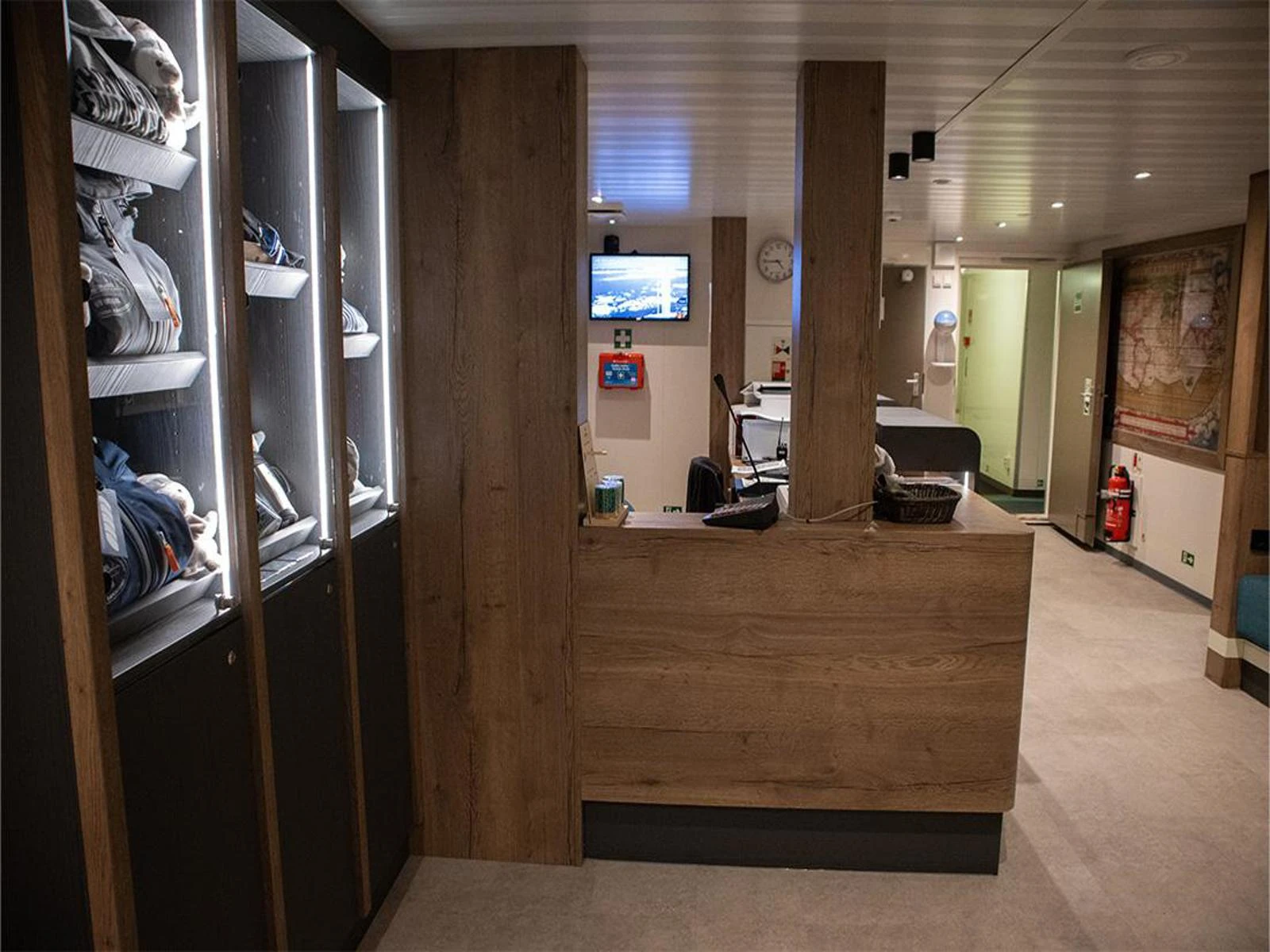
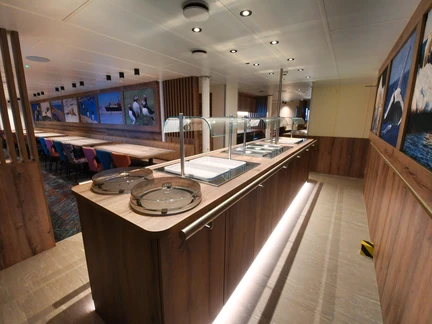
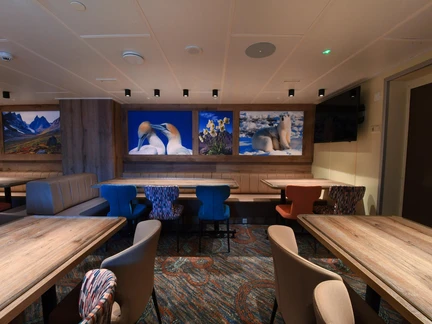
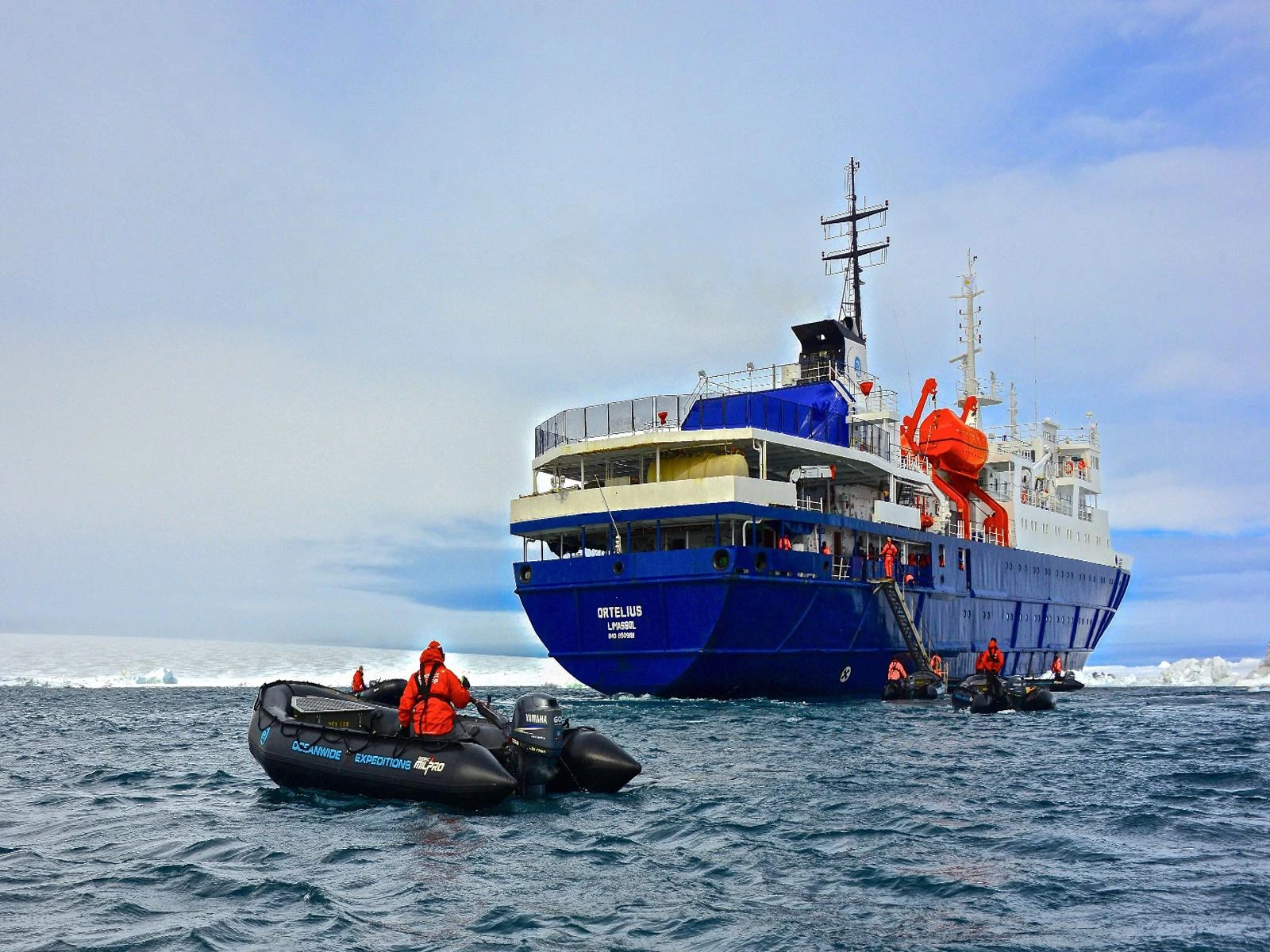
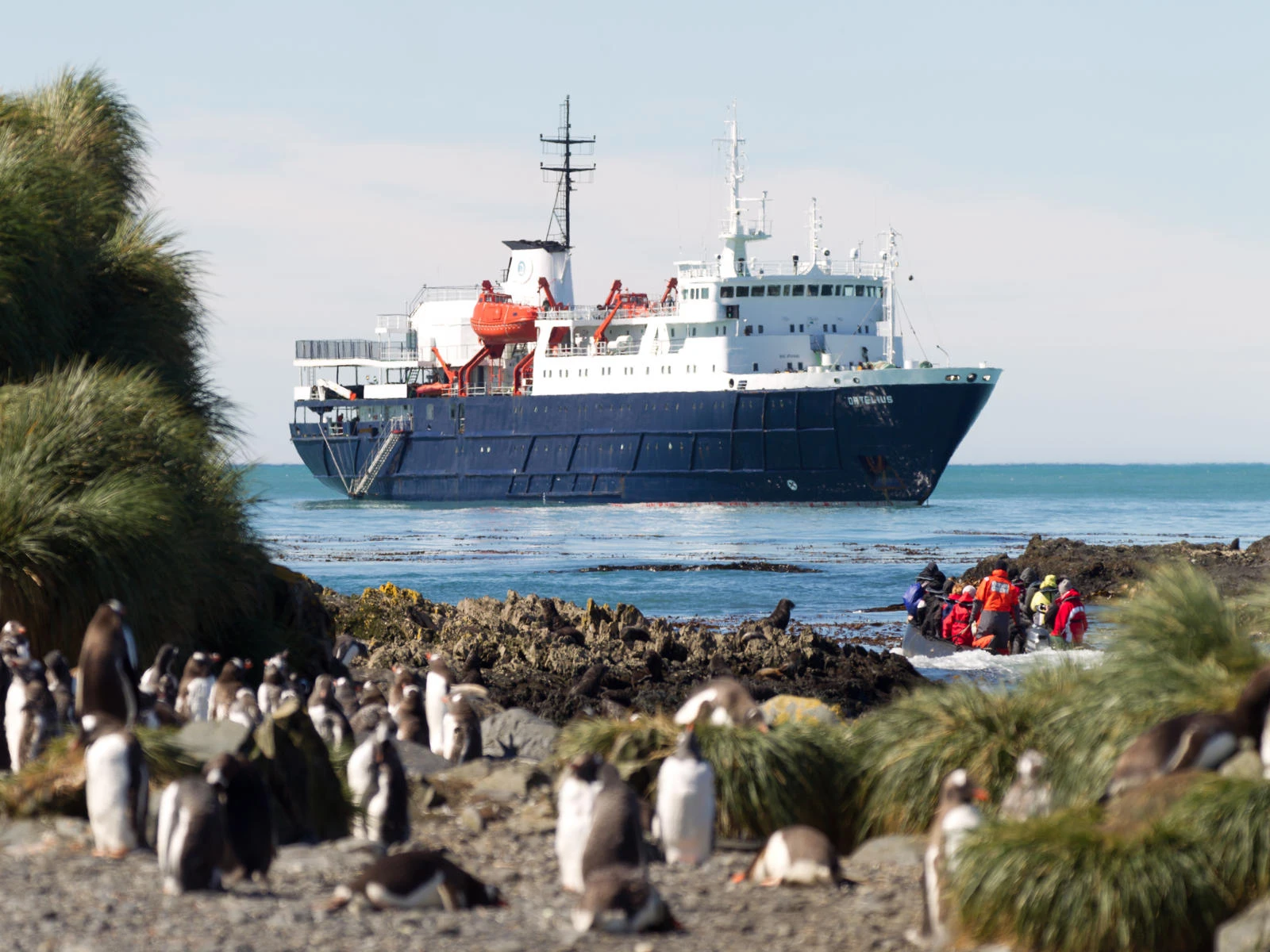
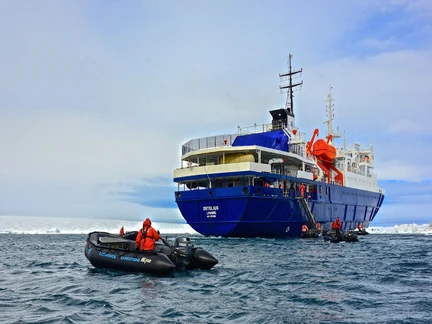
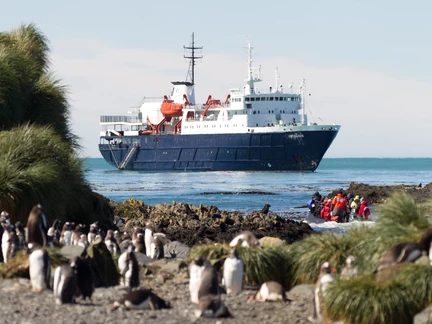
Please be aware that a small number of cabins may have a partially obstructed view due to the size of the windows and the design requirements of the ship. For example, some windows may be partly obstructed in the lower half by a gangway. The best view is always on the outer deck or the bridge. Though our voyages are primarily meant to offer our passengers an exploratory wildlife program with as much time ashore as possible, Ortelius offers all the comforts of a standard hotel ― along with a bar and lecture room. Flexibility assures maximum wildlife opportunities. As such, Ortelius carries 10 Zodiacs with 60hp Yamaha engines.
What to Wear
In keeping with the spirit of expedition, dress on board is informal. Bring casual and comfortable clothing for all activities, and keep in mind that much of the scenery can be appreciated from deck ― which can be slippery. Bring sturdy shoes with no-slip soles, and make sure your parka is never far away in case one of our crew shouts “Whales!” over the loudspeaker and you have to dash outside in a moment’s notice. Opt for layers, as it is comfortably warm aboard the ship though often cold on deck.
How to Pay
Refreshments and souvenirs will be charged to your cabin. The day before departure you can settle your bill with the hotel manager, paying by credit card (Visa or MasterCard) or cash (euro, or in some cases dollar). We cannot, however, accept checks. Though the prices and standard currency on board is in the euro, other currencies may be accepted at the discretion of the hotel manager, at prevailing rates.
Electric Current
The electrical supply aboard ship is 220v, 60Hz. Electrical outlets are standard European with two thick round pins, so some passengers may need a 220v/110v converter.
Gratuities
The customary gratuity to the ship’s service personnel is made as a blanket contribution at the end of the voyage and is divided among the crew. Tipping is a personal matter, and the amount you wish to give is at your sole discretion. As a generally accepted guideline, we suggest 8 ― 15 euros per passenger per day. It is better for the crew if you give cash.
Non-Smoking Policy
We have a non-smoking policy inside all our vessels, though you can smoke in certain designated areas. We ask that you please respect the wishes of non-smokers.
Your Physical Condition
You must be in good overall health and be able to walk several hours per day. The expedition is ship-based and physically not very demanding, but we spend as much time as possible on shore. You are, however, welcome to remain aboard the ship if you prefer. To join most excursions you must be able to get up and down the steep gangway ― from the ship to the water level ― to board the Zodiacs. Staff will assist you in and out of the boats, and boarding will become progressively easier with practice, but conditions on shore can be slippery and rocky. Remember, you will be traveling in remote areas without access to sophisticated medical facilities, so you must not join this expedition if you have a life-threatening condition or need daily medical treatment.
The average price for flights (round trip) to Longyearbyen
From Jakarta: $860
From Singapore: $976
From Kuala Lumpur: $886

- You need to be in good general health and able to walk several hours per day. Though our expeditions are ship-based, they can be physically demanding. You can choose to stay on the vessel if you prefer, but you will still need to be able to move safely around the ship even in bad weather. Assuming you choose to join landings, you will need to be able to get in and out of the Zodiacs. You must also be capable of getting up and down the gangway. This will become easier with practice, but the gangway is steep and moves with the rocking of the vessel. Conditions on shore can also be rocky, uneven, and slippery, and we will be in remote areas without access to sophisticated medical facilities. You must not join an expedition if you have a life-threatening condition or need daily medical treatment. Any major health problem or physical condition that requires emergency care must be brought to our attention prior to the voyage. Please fill out our Personal Information Form, which we will send at the time of booking. This form must be completed and returned within one month of your book date. Since we travel in such remote areas, medical evacuation by air is often impossible. We therefore reserve the right to refuse travel or participation in activities to anyone whose health concerns might pose a safety risk to our staff or other passengers.
- Children must be at least three years old to sail with us, however we advise against travelling with children under 8 years old. We do not have an upper age restriction, but all passengers must be mentally and physically capable of making the voyage.
- The currency used on all vessels is the Euro, but you can also pay with USD.
- No, you are not able to get cash advances on the vessel.
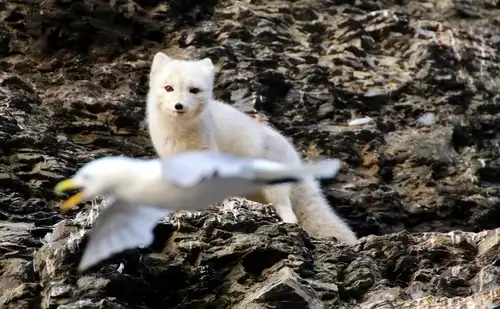
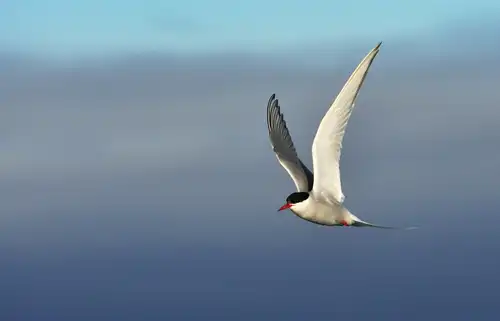
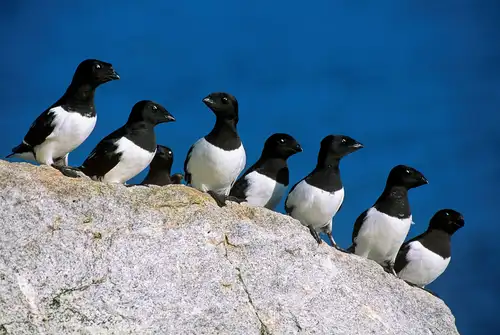
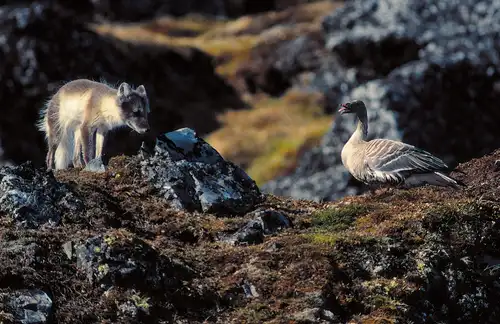
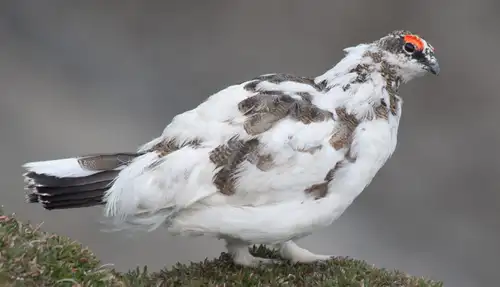
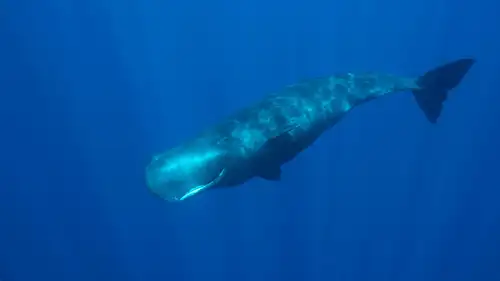
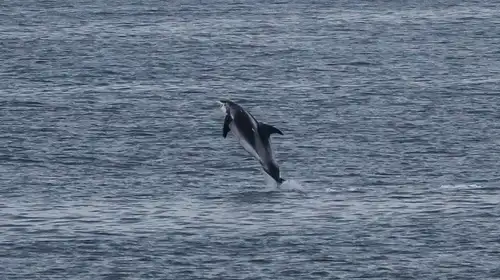
- Your cruise to Spitsbergen will come with an enormous amount of opportunity to spot wildlife. Polar bears are obviously the main attraction regarding wildlife. There are six national parks throughout Spitsbergen, and Svalbard alone is known to contain, Polar bears, reindeer, Arctic fox, numerous birds (such as guillemots and little auks) and several high Arctic seal species inhcluding the iconic Walrus. You might also encounter a variety of whales including the largest of them all: the Blue whale.
- Longyearbyen is the capital of Svalbard, and it also serves as the capital region for Jan Mayen. Longyearbyen is the largest Svalbard settlement, and it is utilized as the administrative center. There are more than 2,000 people living in Longyearbyen, which accounts for almost all of the residents within this particular region.
- The Ortelius was built in Poland in 1989 for the Russian Academy of Science.
- The number of passengers is limited to approximately 116 on the Ortelius. Furthermore the vessel is manned by 20 highly experienced international nautical crew, 19 international hotel crew, including stewardesses, 7 expedition staff in Antarctica (1 expedition leader and 6 guides/lecturers) and 1 doctor.

You May Also Like
Alpine Peaks of Spitsbergen, Ski & Sail
24 Apr 2026 - 01 May 2026 8 Days / 7 Nights
Arctic Ocean - Fair Isle, Jan Mayen, Ice Edge, Spitsbergen, Birding
27 May 2026 - 05 Jun 2026 10 Days / 9 Nights
North Spitsbergen - Arctic Spring , Hike & Sail
29 May 2026 - 05 Jun 2026 8 Days / 7 Nights
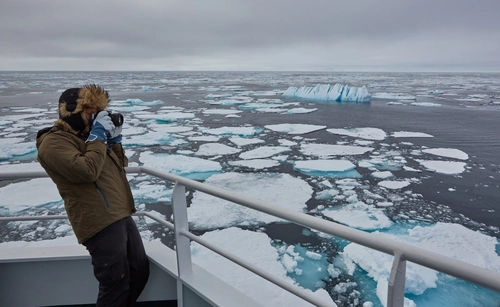
North Spitsbergen Explorer - Into the pack ice - Polar Bear Special
05 Jun 2026 - 12 Jun 2026 8 Days / 7 Nights

Arctic Ocean - Jan Mayen, Ice edge, Spitsbergen, Birding
05 Jun 2026 - 13 Jun 2026 9 Days / 8 Nights
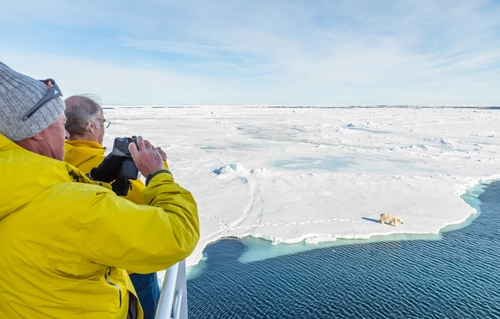
Arctic Ocean - Fair Isle, Jan Mayen, Ice edge, Spitsbergen, Birding - Summer Solstice
12 Jun 2026 - 21 Jun 2026 10 Days / 9 Nights
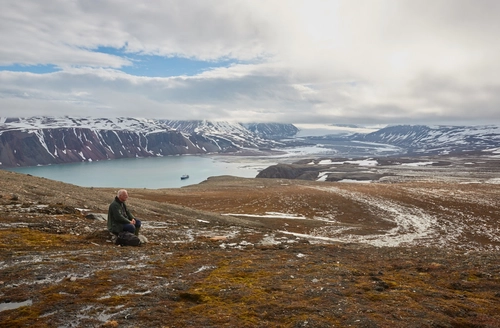
North Spitsbergen Explorer - Versatile landscapes, sea ice & wildlife
13 Jun 2026 - 20 Jun 2026 8 Days / 7 Nights
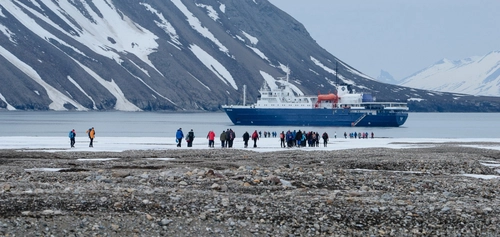
North Spitsbergen Basecamp – Summer Solstice - Free Kayaking, Hiking, Photo Workshop, Diving (supplemented)
19 Jun 2026 - 26 Jun 2026 8 Days / 7 Nights
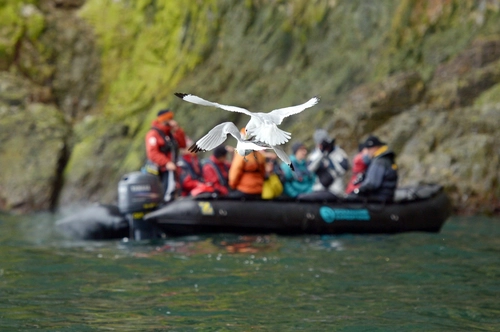
North Spitsbergen Explorer - Versatile landscapes, sea ice & wildlife - Summer Solstice
20 Jun 2026 - 27 Jun 2026 8 Days / 7 Nights
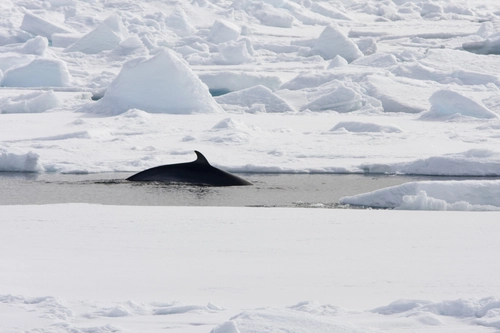
North Spitsbergen - Arctic Summer
25 Jun 2026 - 05 Jul 2026 11 Days / 10 Nights
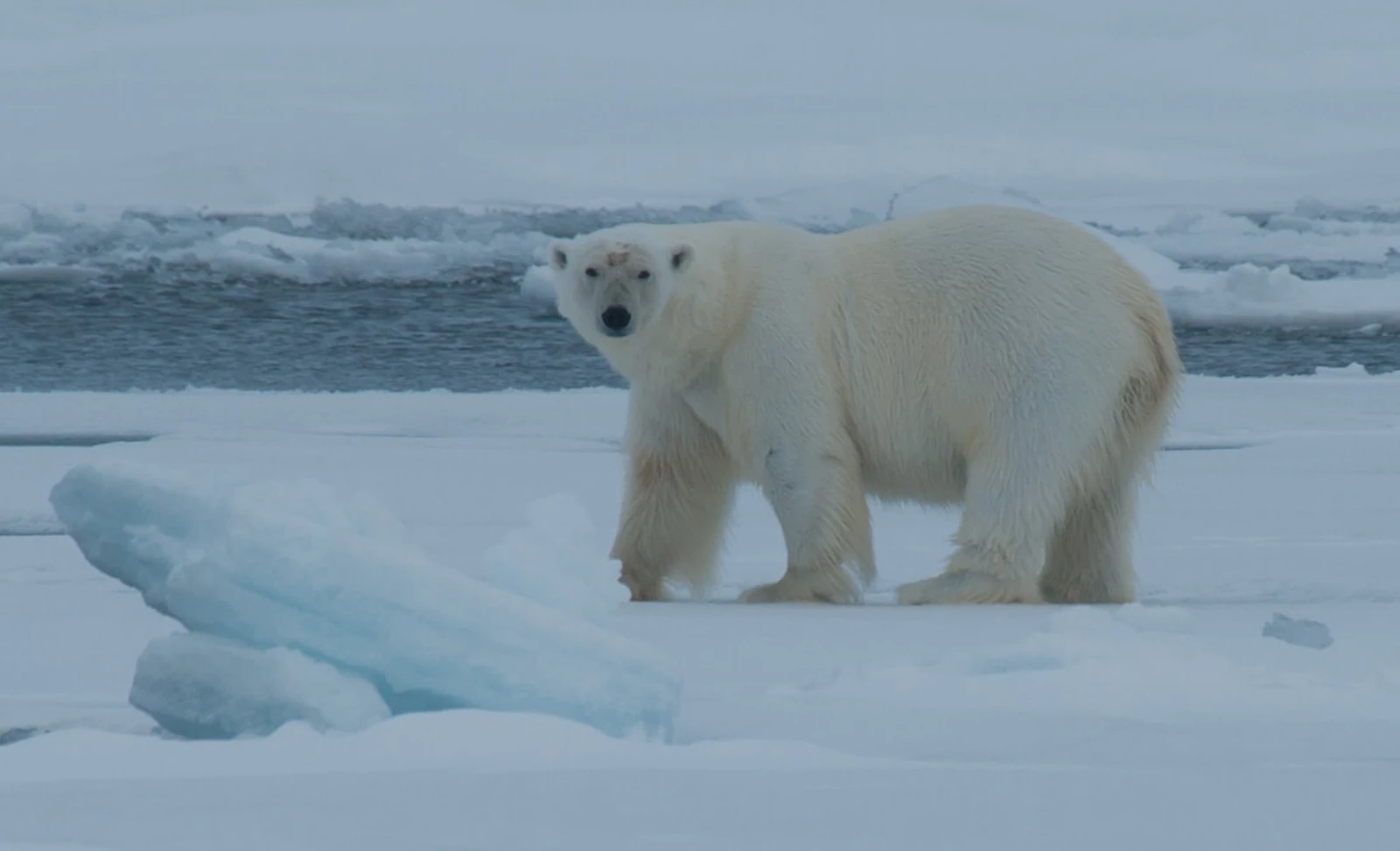
East Spitsbergen - Home of the Polar Bear, Including Long Hikes & Cleaning the Shores
26 Jun 2026 - 03 Jul 2026 8 Days / 7 Nights
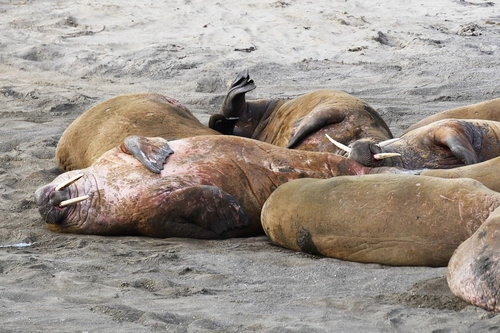
Around Spitsbergen, In the realm of Polar Bear & Ice
27 Jun 2026 - 06 Jul 2026 10 Days / 9 Nights
North Spitsbergen Explorer – Into the Pack Ice – Polar Bear & Whale Special
28 Jun 2026 - 07 Jul 2026 10 Days / 9 Nights
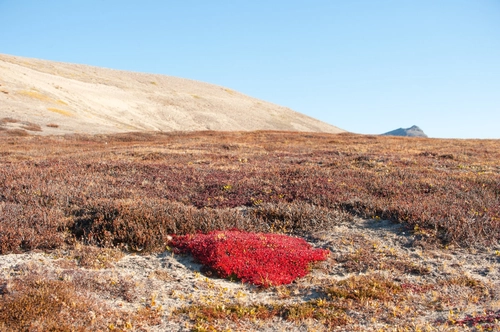
Northeast Greenland Solar Eclipse Explorer Voyage
02 Aug 2026 - 15 Aug 2026 14 Days / 13 Nights
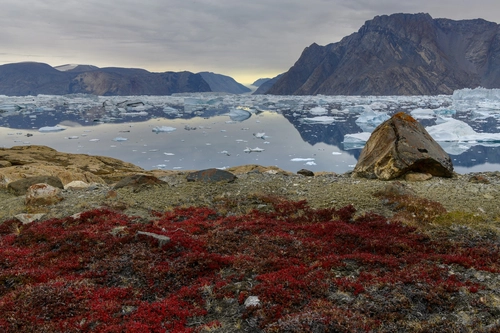
Spitsbergen - Northeast Greenland, Fly & Sail
12 Aug 2026 - 31 Aug 2026 20 Days / 19 Nights

Around Spitsbergen incl. Nordaustlandet
17 Aug 2026 - 26 Aug 2026 10 Days / 9 Nights
Alpine Peaks of Spitsbergen - Ski & Sail
07 May 2027 - 14 May 2027 8 Days / 7 Nights
Arctic Ocean - Fair Isle, Jan Mayen, Ice Edge, Spitsbergen, Birding Special
23 May 2027 - 01 Jun 2027 10 Days / 9 Nights
North Spitsbergen Explorer - Versatile Landscapes, Sea Ice & Wildlife
01 Jun 2027 - 08 Jun 2027 8 Days / 7 Nights
North Spitsbergen Explorer - Into the Pack Ice - Polar Bear Special
09 Jun 2027 - 16 Jun 2027 8 Days / 7 Nights
North Spitsbergen, Arctic Summer - Summer Solstice
14 Jun 2027 - 24 Jun 2027 11 Days / 10 Nights
North Spitsbergen Explorer - Versatile Landscapes, Sea Ice & Wildlife - Summer Solstice
15 Jun 2027 - 22 Jun 2027 8 Days / 7 Nights
North Spitsbergen Explorer - Into the Pack Ice - Polar Bear Special - Summer Solstice
16 Jun 2027 - 23 Jun 2027 8 Days / 7 Nights
Arctic Ocean - Spitsbergen: Jan Mayen, Ice Edge & Birding - Summer Solstice
21 Jun 2027 - 29 Jun 2027 9 Days / 8 Nights
North Spitsbergen Basecamp - Free kayaking, Hiking, Photo Workshop
23 Jun 2027 - 30 Jun 2027 8 Days / 7 Nights
North Spitsbergen, Arctic Summer
24 Jun 2027 - 04 Jul 2027 11 Days / 10 Nights
Around Spitsbergen, in the Icy Realm of the Polar Bear
29 Jun 2027 - 08 Jul 2027 10 Days / 9 Nights
A Taste of North Spitsbergen - Compact Arctic Adventure
30 Jun 2027 - 05 Jul 2027 6 Days / 5 Nights
South Spitsbergen Explorer - Bear Island - Diving (supplemented)
10 Jul 2027 - 19 Jul 2027 10 Days / 9 Nights
Around Spitsbergen - Arctic Summer
28 Jul 2027 - 11 Aug 2027 15 Days / 14 Nights
Around Spitsbergen and Nordaustlandet, In the Icy Realm of the Polar Bear
06 Aug 2027 - 15 Aug 2027 10 Days / 9 Nights
Spitsbergen, Northeast Greenland & Scoresby Sund, Including Long Hikes
20 Aug 2027 - 02 Sep 2027 14 Days / 13 Nights
South Spitsbergen, Bear Island & Mainland Norway - Aurora Borealis
17 Sep 2027 - 22 Sep 2027 6 Days / 5 Nights
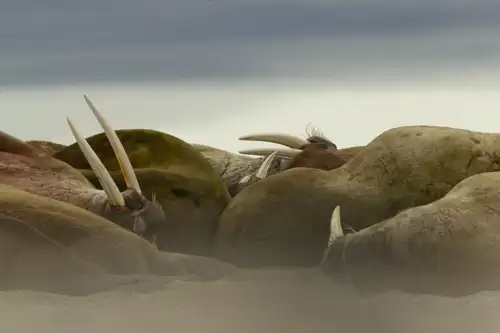
15 Toothy Facts About the Atlantic Walrus
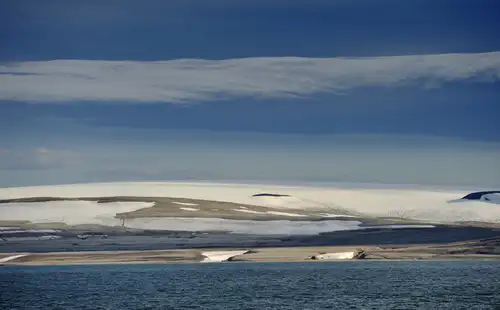
Six Must-See Svalbard Sites
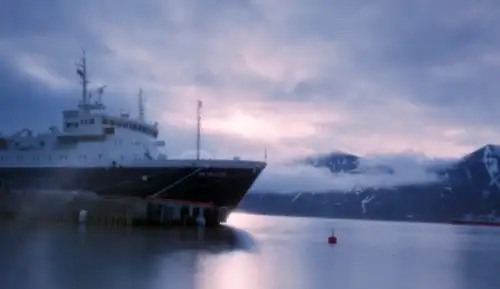
Solargraphy & Pin Hole photography in the Arctic
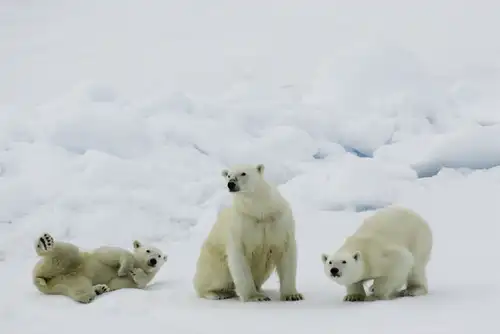
Polar bear encounter in Spitsbergen
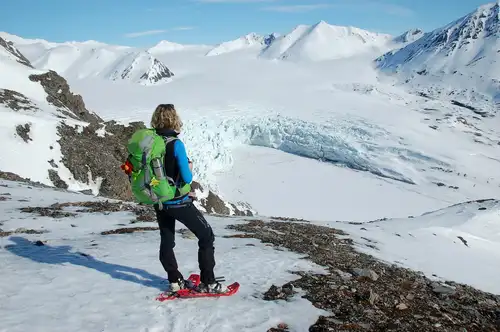
Arctic on Foot: Hiking and Snowshoeing the Far North
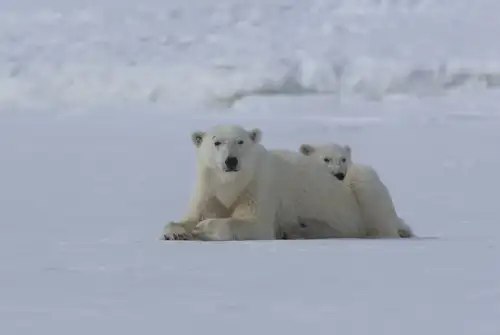
Polar Bears and Pack Ice: 22 Pics from North Spitsbergen
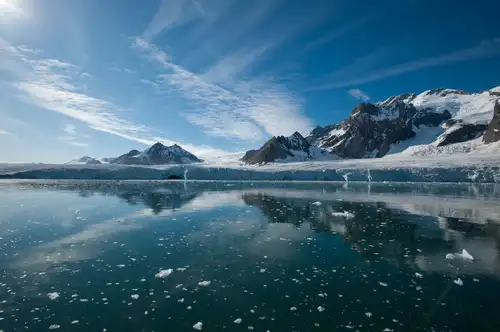
Around Spitsbergen vs. North Spitsbergen
A Bug’s Life in Svalbard
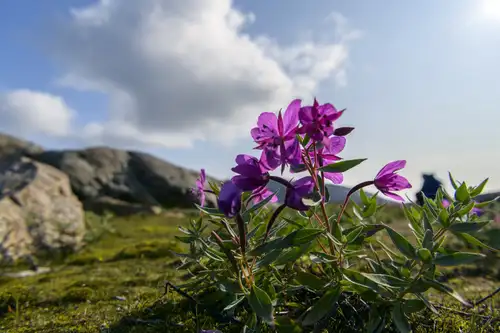
Arctic Flowers, Trees, and Other Plant Life
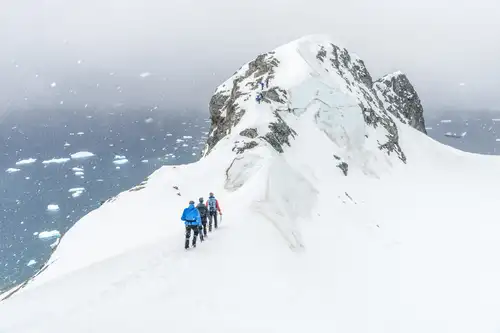
The Ins, Outs, and Ups of Polar Mountaineering & Ski Mountaineering
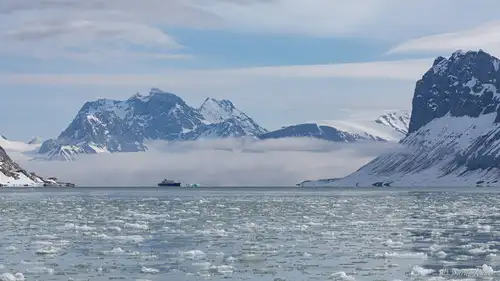
Svalbard vs. the Canadian Arctic
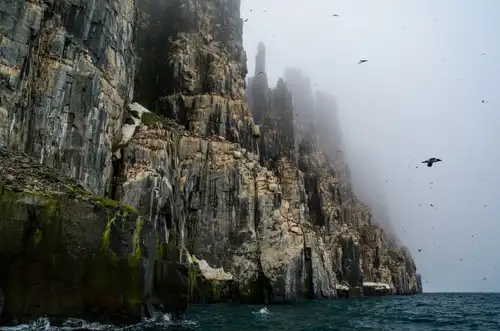
Spitsbergen: Alkefjellet magic
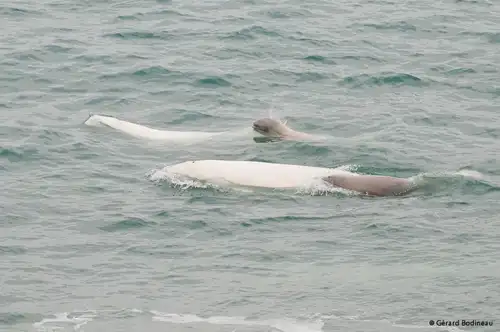
The Mysteries of the Beluga Whale
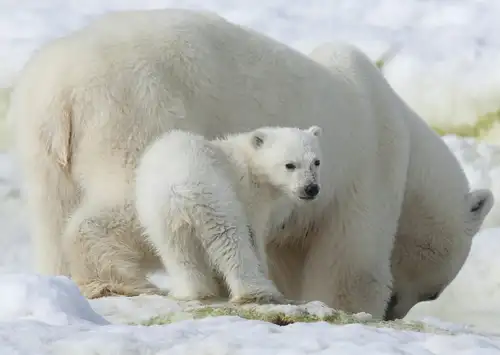
Arctic Icon: 10 Facts about the Polar Bear
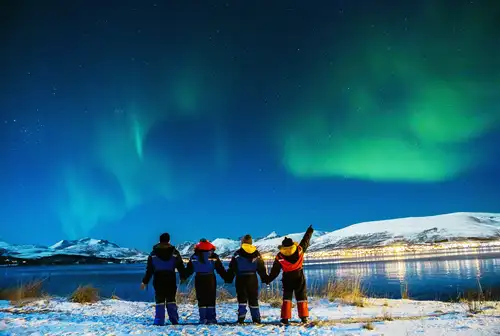
10 Tips for Photographing the Northern Lights
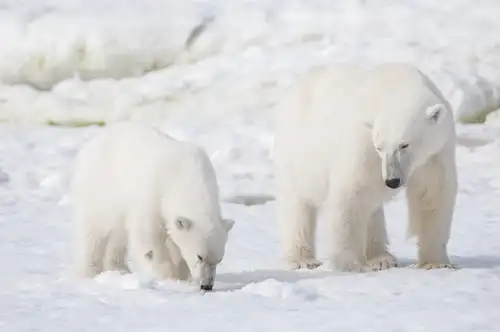
The polar bear: king of the Arctic food chain
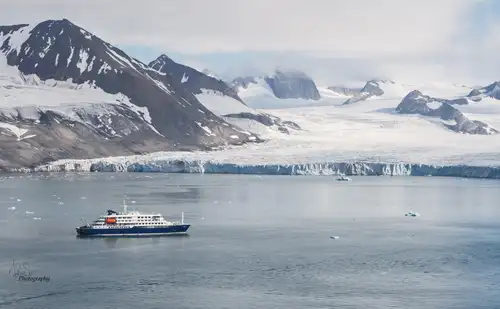
What’s so Special about East Spitsbergen?
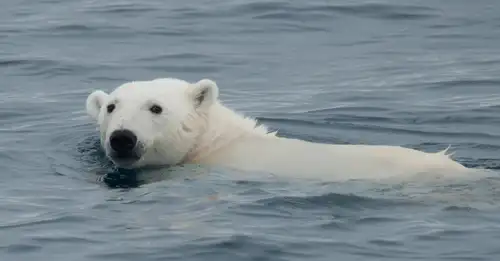
Polar Bear Sets Impressive New Diving Record
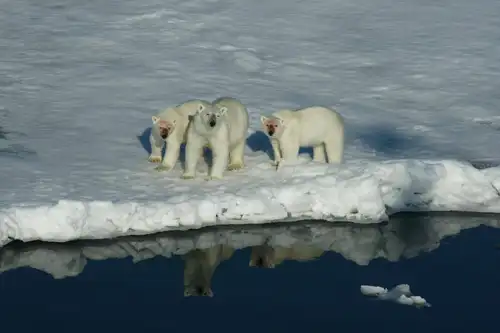
Polar Bear Primer: Eight Facts About the Arctic Wanderer