

Name: Ptarmigan, Rock Ptarmigan, Snow Chicken, RaichÅ, White Grouse, White Game (Lagopus muta)
Length: 35 centimetres
Weight: 450 to 640 grams
Location: Remote regions of Arctic and subarctic North America, Greenland, and mountains of the Pyrenees, Alps, Urals, Altay, Japan, and Scotland. Also introduced to South Georgia, New Zealand, and the Kerguelen and Crozet Islands.
Conservation status: Least Concern
Diet: Berries, leaves, buds, seeds, flowers. Juveniles also eat insects.
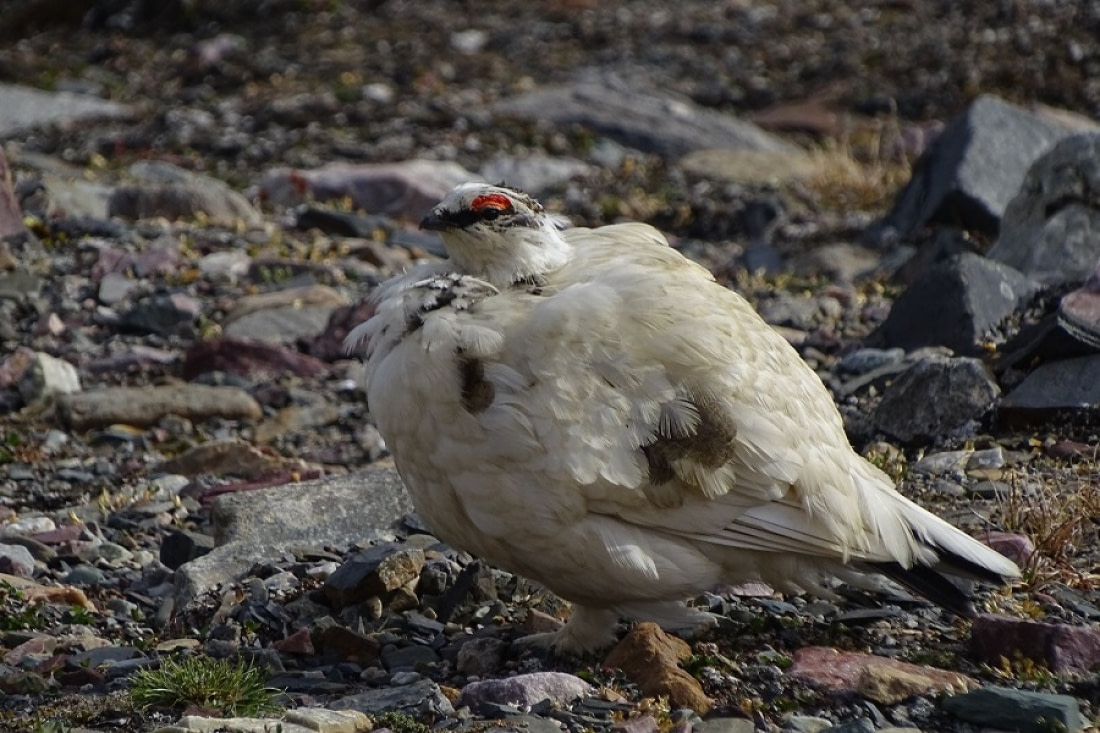
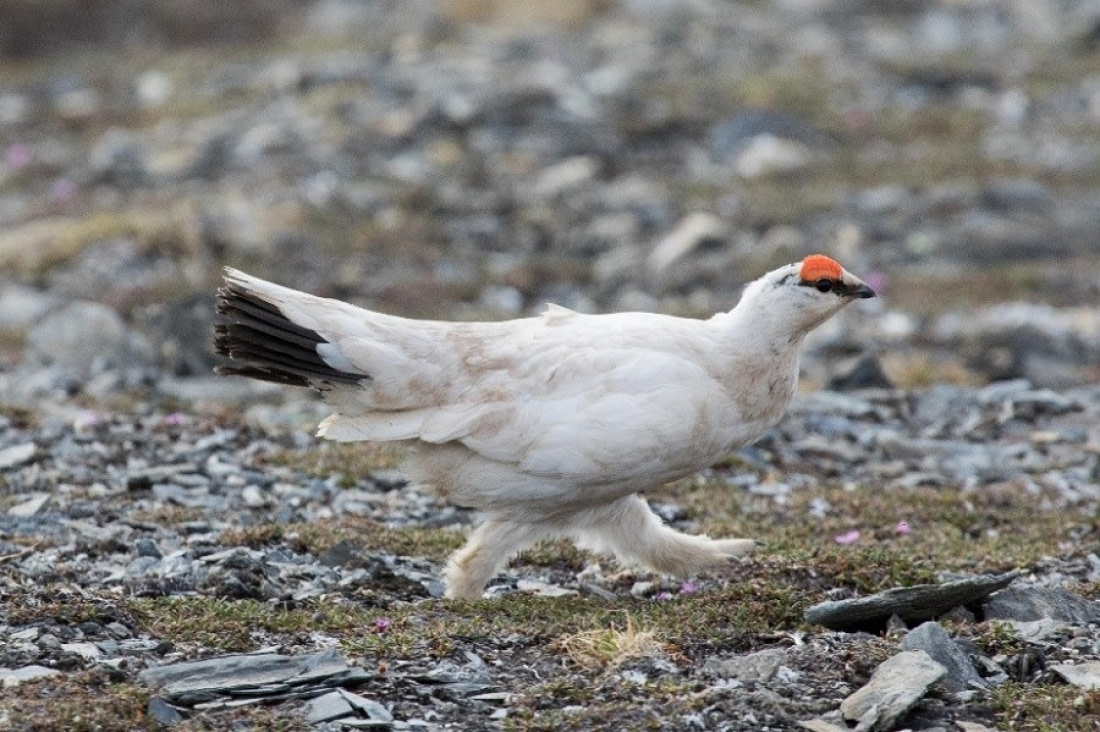
Appearance: Summer - brown with darker stripes. Winter - white
How do Ptarmigans feed?
Ptarmigans are ground feeders, similar to chickens.
Are Ptarmigans social?
Ptarmigan migration flocks can number in the hundreds. Outside of migration and breeding season, they live in flocks of dozens for protection, usually segregated by sex.
What are Ptarmigan birthing rituals like?
Ptarmigans become sexually mature at 6 months.
Males display for females and show aggression towards other males through their combs. The comb size affects mating success and monogamy.
Males remain winter white during mating season, making them visible against brown fields.
Nests are built on sparsely vegetated tundra, lined with feathers, grass, lichens, and leaves.
Up to 13 (average 6) chicks are born per clutch. Females moult to summer colors for camouflage during mating season, making nests hard to spot.
Chicks leave the nest within half a day after hatching.
How long do Ptarmigans live?
Ptarmigans live about 2 years in the wild.
How many Ptarmigans are there today?
The worldwide population is estimated at over 8 million individuals.
Do Ptarmigans have any natural predators?
Ptarmigans are prey to owls, foxes, and lynx.
7 Profound Ptarmigan Facts
1. The Ptarmigan is the official bird of Nunavut, Canada.
2. It's the official game bird of Labrador and Newfoundland.
3. The Japanese name RaichÅ means "thunder bird." Ptarmigans are protected in Japan and are the official bird of Toyama Prefecture.
4. Ptarmigans are part of the Grouse family.
5. The name Lagopus comes from Greek words meaning "hare" and "foot," referring to their feathered legs.
6. Muta is Latin for "mute," referring to the male's croaking call.
7. "Ptarmigan" is derived from the Scottish Gaelic word tà rmachan, meaning "croaker."
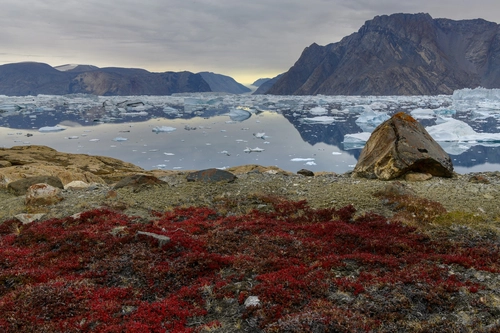
 12 Aug - 31 Aug 2026
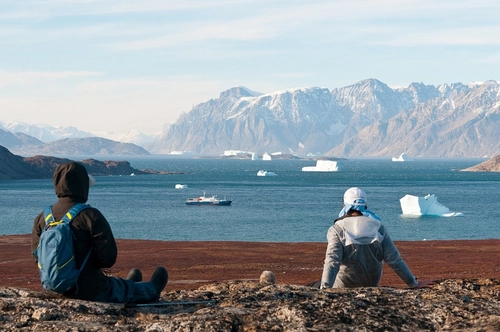 15 Aug - 28 Aug 2026
 16 Aug - 25 Aug 2026
 25 Aug - 07 Sep 2026
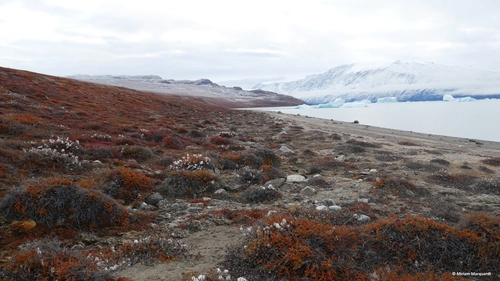 21 Sep - 01 Oct 2026
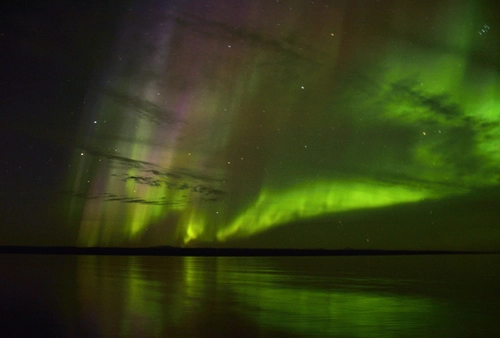 01 Oct - 12 Oct 2026
Related Trips


Spitsbergen - Northeast Greenland, Fly & Sail
12 Aug 2026 - 31 Aug 2026  20 Days / 19 Nights
Northeast Greenland Extreme
15 Aug 2026 - 28 Aug 2026 14 Days / 13 Nights
East Greenland, Scoresby Sund, Including Long Hikes
16 Aug 2026 - 25 Aug 2026 10 Days / 9 Nights
Northeast Greenland Extreme
25 Aug 2026 - 07 Sep 2026 14 Days / 13 Nights
East Greenland, Scoresby Sund - Aurora Borealis, Fly & Sail
21 Sep 2026 - 01 Oct 2026 11 Days / 10 Nights
East Greenland, Scoresby Sund - Iceland , Aurora Borealis, Fly & Sail
01 Oct 2026 - 12 Oct 2026 12 Days / 11 Nights

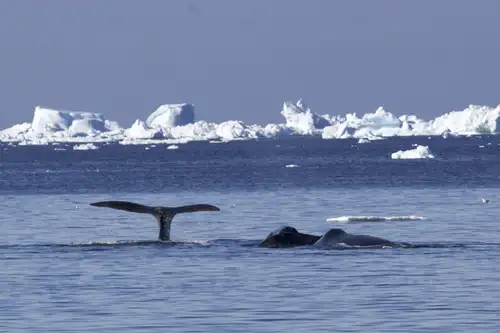
The bowhead whale, whaling about the Arctic
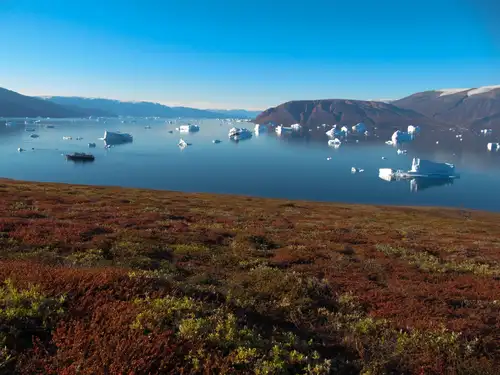
Northeast Greenland National Park
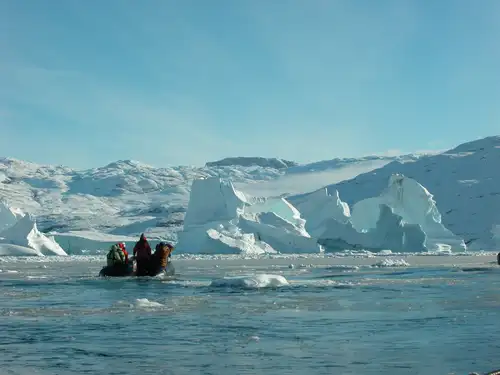
Discover the Scoresby Sund Fjord System in East Greenland
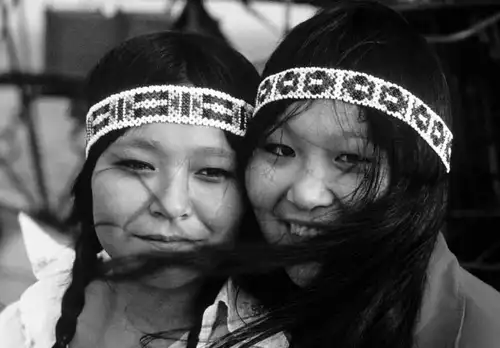
Traditional Lifestyles of the Inuit
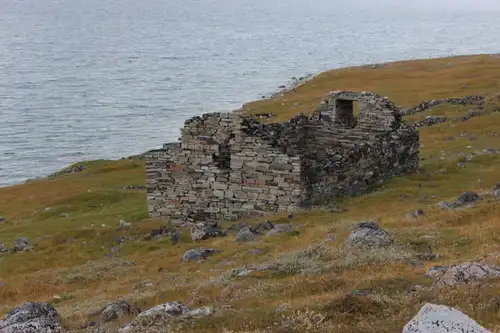
Greenland's History: When Vikings Ruled the Ice Age
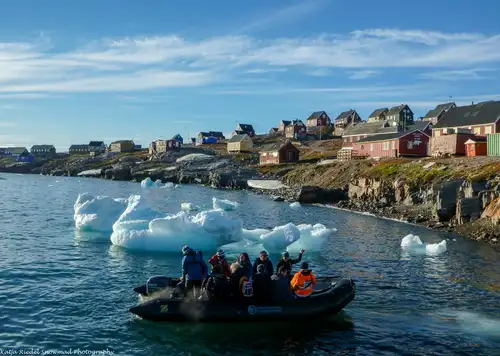
Scoresby Sund: the Greatest Greenland Adventure
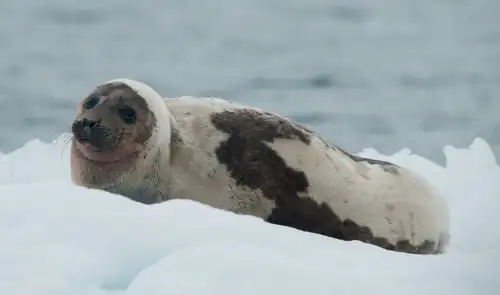
Harp seals harping on in Greenland
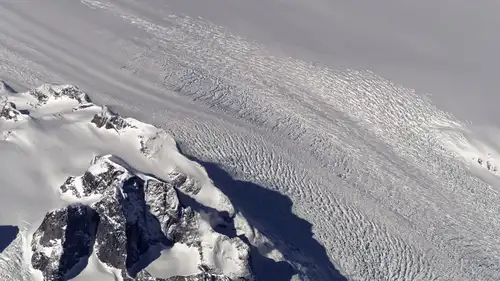
Ice streams and lakes under the Greenland Ice Sheet
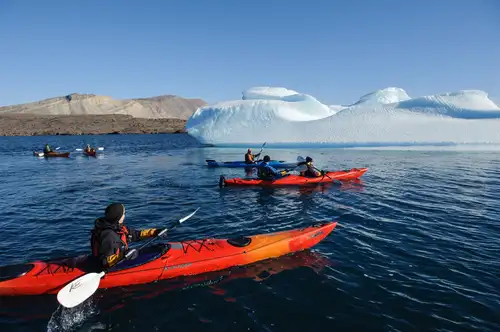
Greenland: Where the Kayak Was Invented
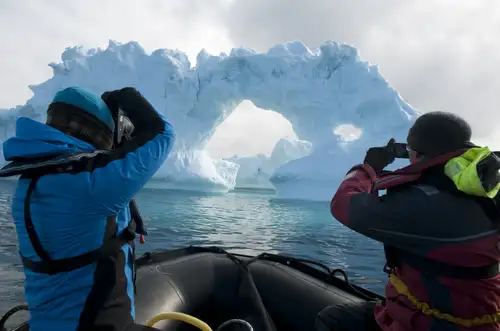
Under the Greenland Ice Sheet
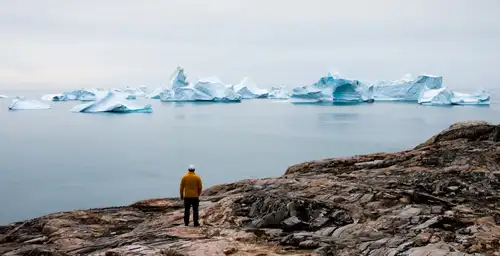
Tracking Greenland’s Wildlife from Space

The Arctic Hare: Easter Bunny
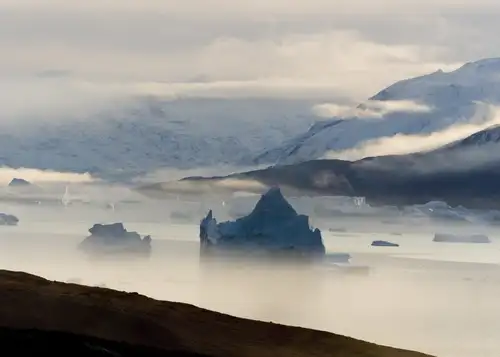
Peaks, Fjords, and Auroras: 14 East Greenland Attractions
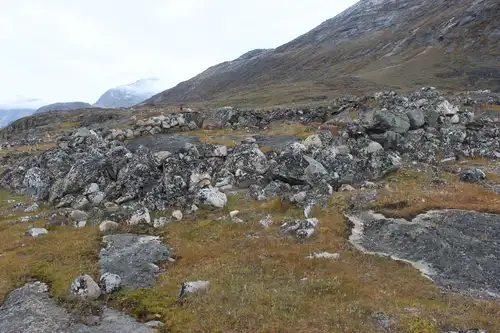
The Norse Settlement of Greenland
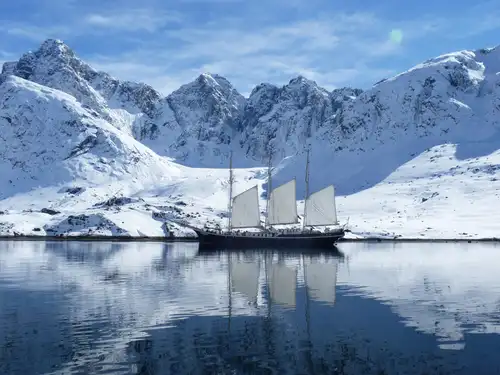
Why You Should Visit Greenland: 11 Things to See, Do, and Explore

The World Is Changing for Greenland's Native Inuit People
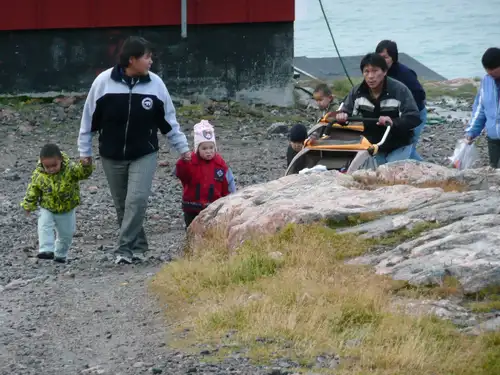
Greenlandic Inuit Beliefs
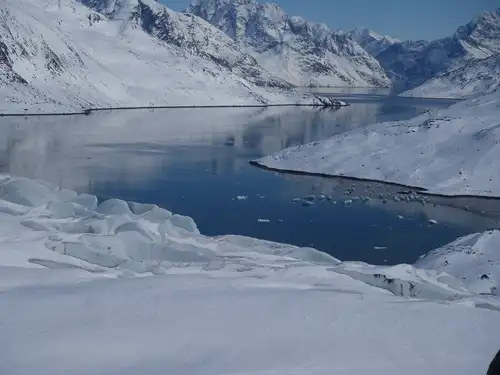
How and When Did Greenland Become Covered in Ice?
Five Birds You Might See on Your Greenland Cruise