10 Tips For Photographing The Northern Lights - Nexta Expeditions
10 Tips for Photographing the Northern Lights

10 Tips for Photographing the Northern Lights

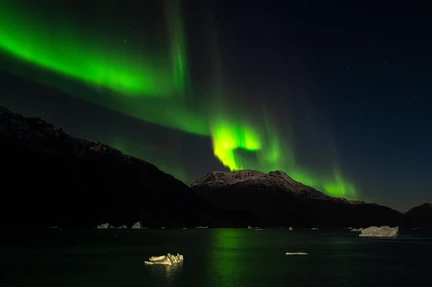
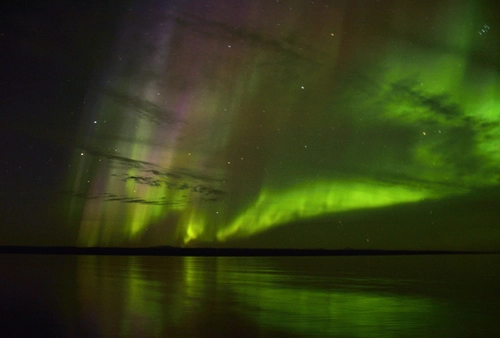
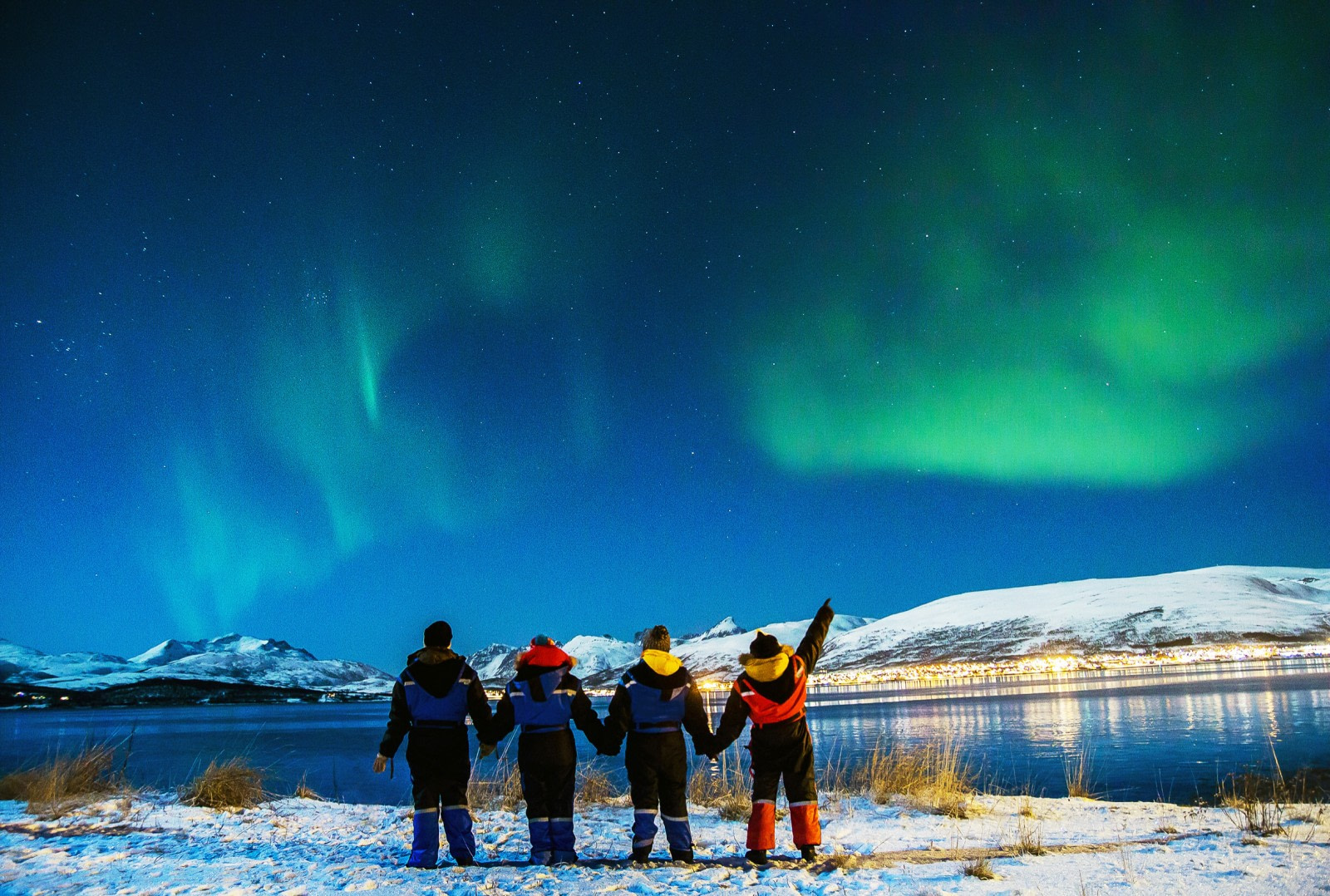
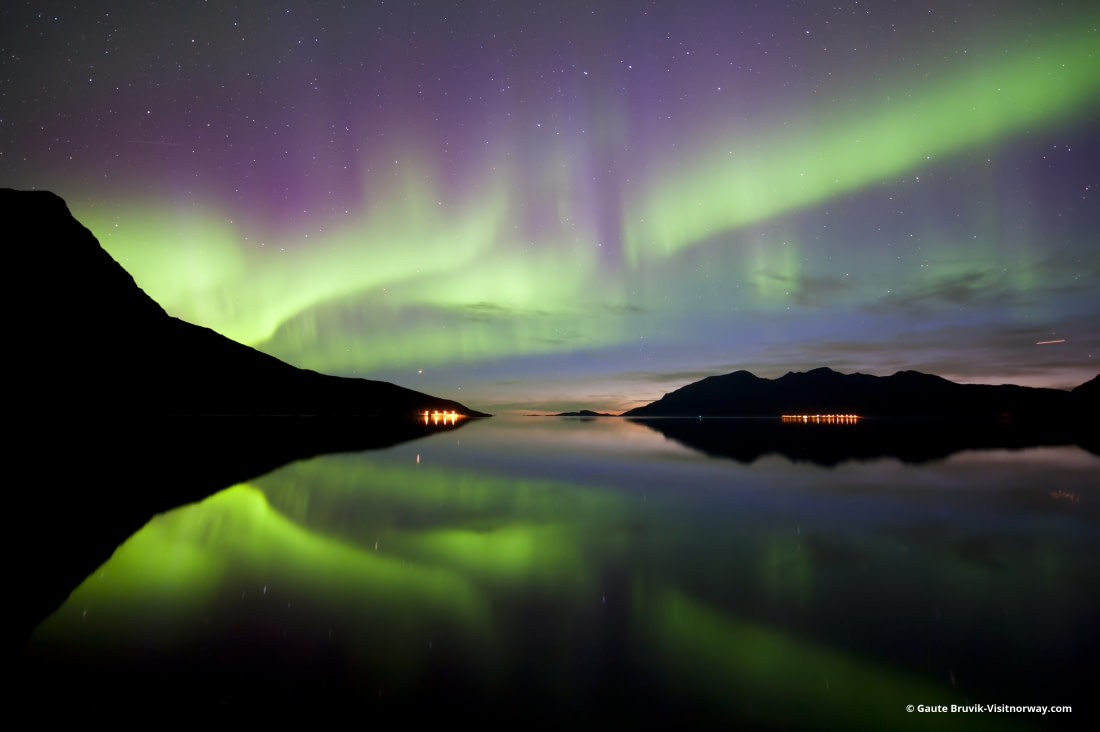
The northern lights, also known as the aurora borealis, offer some of the most breathtaking photographic opportunities in the Arctic. However, capturing this stunning phenomenon requires more than just luck. To take your best northern lights photos, it's helpful to understand some key aspects of aurora-specific photography.

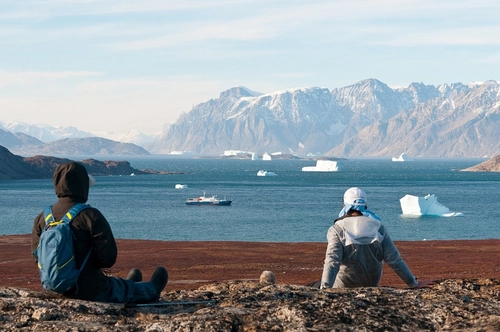
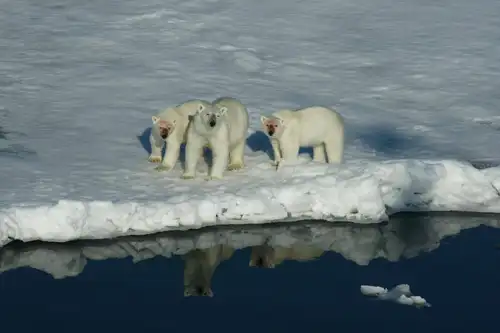
Here are ten of our top tips for photographing the northern lights, useful whether you're on a northern lights tour to Greenland, Northern Norway, or the polar-bear-filled shores of Svalbard.

While this article focuses on general tips for taking better aurora borealis photos, we also have a video (linked at the bottom) by an expert nature photographer that will give you additional tips specific to setting up your camera.
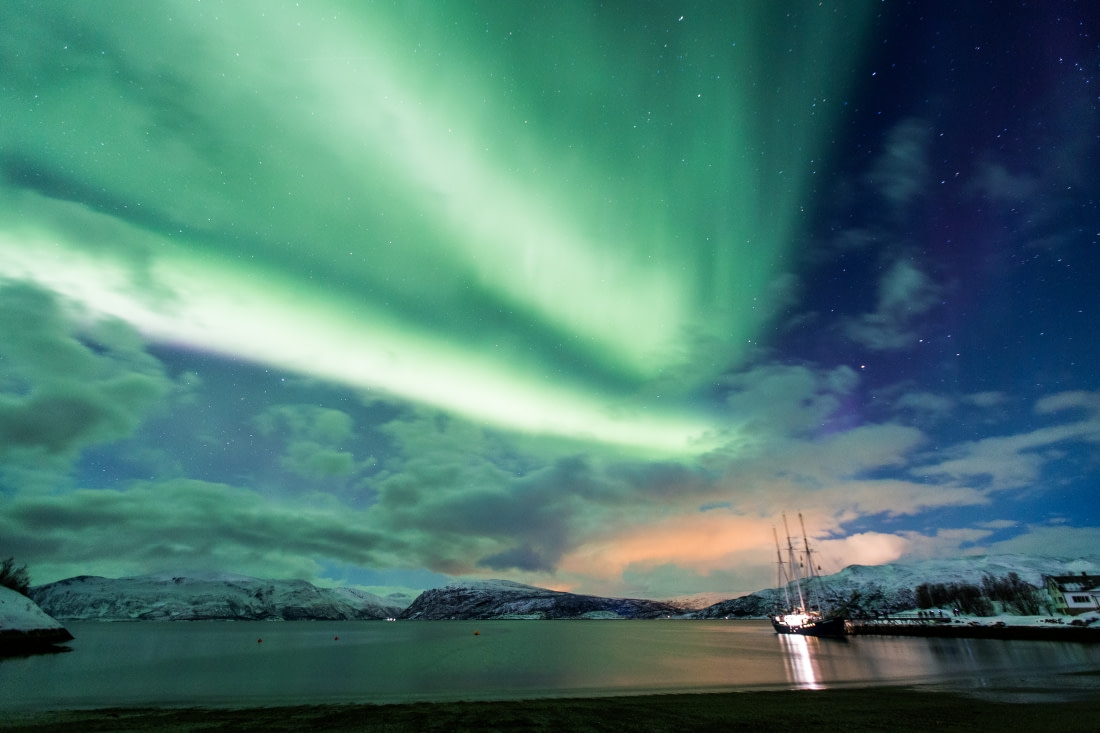
blog-image

1. Prepare for cold weather when capturing the northern lights

Sometimes travelers focus so much on packing their photography gear that they forget a crucial element: their own comfort.

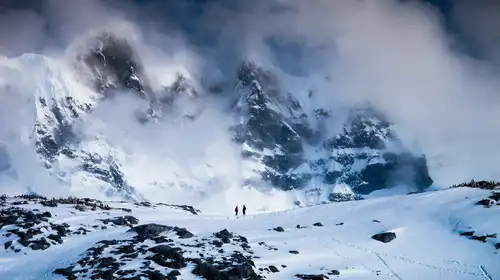
Photographing the northern lights often involves long periods outside, watching the sky and waiting for the perfect moment. The cold can be particularly biting during these sedentary waits, especially since northern lights tours occur during the coldest months of the Arctic year. Therefore, it's essential to prepare not just for long hours but also for the frigid Arctic night.

During Svalbard trips, temperatures can plummet to -40°C (-40°F). Ensure you have enough layers to stay warm, along with some coffee or hot chocolate—and a good deal of patience, as Arctic weather doesn't always provide clear skies.
blog-image

Best Deals

Related Trips

Spitsbergen - Northeast Greenland, Fly & Sail - Nexta Expeditions
The Arctic
Longyearbyen

Spitsbergen - Northeast Greenland, Fly & Sail

calendar12 Aug 2026 - 31 Aug 2026
clock20 Days / 19 Nights
From $ 9.500 per person
Northeast Greenland Extreme - Nexta Expeditions
The Arctic
Akureyri

Northeast Greenland Extreme

calendar15 Aug 2026 - 28 Aug 2026
clock14 Days / 13 Nights
From $ 8.650 per person
East Greenland, Scoresby Sund, Including Long Hikes - Nexta Expeditions
The Arctic
Akureyri

East Greenland, Scoresby Sund, Including Long Hikes

calendar16 Aug 2026 - 25 Aug 2026
clock10 Days / 9 Nights
From $ 6.000 per person
Northeast Greenland Extreme - Nexta Expeditions
The Arctic
Akureyri

Northeast Greenland Extreme

calendar25 Aug 2026 - 07 Sep 2026
clock14 Days / 13 Nights
From $ 7.850 per person
East Greenland, Scoresby Sund - Aurora Borealis, Fly & Sail - Nexta Expeditions
The Arctic
Constable Pynt

East Greenland, Scoresby Sund - Aurora Borealis, Fly & Sail

calendar21 Sep 2026 - 01 Oct 2026
clock11 Days / 10 Nights
From $ 6.250 per person
East Greenland, Scoresby Sund - Iceland , Aurora Borealis, Fly & Sail - Nexta Expeditions
The Arctic
Constable Pynt

East Greenland, Scoresby Sund - Iceland , Aurora Borealis, Fly & Sail

calendar01 Oct 2026 - 12 Oct 2026
clock12 Days / 11 Nights
From $ 6.300 per person

Blog
go-leftgo-right

Arctic vs. Antarctica: A Traveler’s Guide - Nexta Expeditions
Blog

Arctic vs. Antarctica: A Traveler’s Guide

Sunrises vs. sunsets, coffee vs. tea, Wonder Woman vs. Superman...
10 Tried-and-True Bird Photography Tips - Nexta Expeditions
Blog

10 Tried-and-True Bird Photography Tips

It’s easy to understand our fascination with birds: they’re beautiful, graceful (usually), and most of them have the power of flight.
Visa to Argentina for Antarctic Expedition Travelers (2025 Guide) - Nexta Expeditions
Blog

Visa to Argentina for Antarctic Expedition Travelers (2025 Guide)

Argentina is the main gateway for travelers heading to Antarctica, with most expedition cruises departing from the southern city of Ushuaia. Whether you’re flying in through Buenos Aires or connecting domestically, knowing Argentina’s visa requirements is critical for a smooth journey before and after your polar adventure.
Exploration of the Polar Regions - Nexta Expeditions
Blog

Exploration of the Polar Regions

From the Vikings via the first whale and seal hunters to Scott and Amundsen, from the maritime explorers Franklin and Nordenskiöld to present-day polar tourism, a quick tour through history reveals some of the aspects which motivated people to extend their horizons. Existential need, sheer curiosity, imperial greed, polar science, and a taste for adventure all converged in regions which pardon no mistakes.
Weddell Sea: the Original Antarctic Adventure - Nexta Expeditions
Blog

Weddell Sea: the Original Antarctic Adventure

According to historian Thomas R. Henry, visiting the Weddell Sea requires a brave heart. In his 1950 book, "The White Continent," he described sudden “flash freezes” that occur in the region. It was one of these flash freezes that trapped Ernest Shackleton’s ship, Endurance, in January 1915, forcing his crew to endure over a year in the harsh environment before they could escape.
The bio-richness of the Ross Sea - Nexta Expeditions
Blog

The bio-richness of the Ross Sea

The Ross Sea is one of the most stunning and untouched marine areas globally. This sea, which remains frozen for most of the year, spans 3.6 million square kilometers (1.4 million square miles) along the Antarctic coast south of New Zealand. Its waters harbor a biologically diverse ecosystem of species that have flourished, unchanged, for millennia.
Svalbard’s 12 Most Iconic Animals - Nexta Expeditions
Blog

Svalbard’s 12 Most Iconic Animals

Each of our Arctic regions offers its own distinct and unforgettable features: Greenland boasts mountainous shorelines and record-setting fjords, Northern Norway is renowned for the aurora borealis and historic masted schooners, and Svalbard (especially Spitsbergen) is where you're most likely to encounter a variety of Arctic wildlife.
Weddell seals: The data collectors scientists of Antarctica - Nexta Expeditions
Blog

Weddell seals: The data collectors scientists of Antarctica

Weddell seals inhabit some of the coldest and darkest waters deep within the Ross Sea ice, making them the southernmost naturally occurring mammals on Earth. During the winter and summer months, their movements are largely governed by the presence of sea ice and the availability of suitable breathing and exit holes.
Ice streams and lakes under the Greenland Ice Sheet - Nexta Expeditions
Blog

Ice streams and lakes under the Greenland Ice Sheet

The Greenland ice sheet is a dynamic mass of dense, flowing, and deforming ice. Snow deposited on the central parts of the ice sheet is gradually compressed into ice that slowly moves towards the ice margin. At the ice margin, the ice is removed by melting or by breaking off into icebergs.
Day and night in Antarctica - Nexta Expeditions
Blog

Day and night in Antarctica

At the Concordia station, a French-Italian research facility situated 3,233 meters above sea level at Dome C on the Antarctic Plateau, European Space Agency (ESA) scientists are investigating the effects of extended space missions. The station is more isolated than the International Space Station, with the nearest humans located 600 kilometers away.
Cheapest Antarctica Cruises: How to Save on Your Journey - Nexta Expeditions
Blog

Cheapest Antarctica Cruises: How to Save on Your Journey

Antarctica, the world’s most remote and pristine continent, is often seen as a destination reserved for luxury travelers. However, affordable options do exist, making this dream journey accessible to more adventurers. With careful planning and the right provider, like Nexta Expeditions, you can explore the icy wilderness without breaking the bank. This guide will show you how to save on your Antarctic cruise while still enjoying a high-quality experience.
Amphibian, reptiles and herbivore mammals in the Arctic - Nexta Expeditions
Blog

Amphibian, reptiles and herbivore mammals in the Arctic

Arctic ecosystems are relatively young in geological terms, having primarily developed over the past three million years. Generally, species richness is lower in the Arctic compared to more southerly regions, aligning with scientific observations that biodiversity decreases from the Equator to the poles.
The Classic Polar Cruise: Antarctic Peninsula Facts, Pics, and More - Nexta Expeditions
Blog

The Classic Polar Cruise: Antarctic Peninsula Facts, Pics, and More

When it comes to experiencing the vast wonders of Antarctica, the Antarctic Peninsula stands out as an unparalleled destination.
The Small Mammals of the Arctic and Antarctica - Nexta Expeditions
Blog

The Small Mammals of the Arctic and Antarctica

As Lillian Gish says in Night of the Hunter, “It’s a hard world for little things.”
Earth vs. Mars: Polar Regions Compared - Nexta Expeditions
Blog

Earth vs. Mars: Polar Regions Compared

It’s well-known that Mars, like Earth, has its own polar regions, often referred to as the Martian ice caps. These regions, similar to Earth's, are situated at the north and south poles and experience much lower temperatures compared to the areas in-between.
Solargraphy & Pin Hole photography in the Arctic - Nexta Expeditions
Blog

Solargraphy & Pin Hole photography in the Arctic

The Mysteries of the Beluga Whale - Nexta Expeditions
Blog

The Mysteries of the Beluga Whale

Beluga whales, also known as white whales, sea canaries, and sometimes melonheads, are a rare but cherished sight during Arctic cruises, thanks to their striking appearance. Despite the rarity of beluga sightings, a good amount is known about these friendly-faced cetaceans.
Top 10 Antarctic Attractions - Nexta Expeditions
Blog

Top 10 Antarctic Attractions

There’s a reason people go to such lengths to visit Antarctica, and its abundance of whales, seals, penguins, and seabirds are only part of the polar story.
Weddell Sea, Shackleton’s Endurance, and New Swabia - Nexta Expeditions
Blog

Weddell Sea, Shackleton’s Endurance, and New Swabia

Our Antarctica 2023-24 cruise program is packed with incredible expeditions, including a new itinerary that explores key locations such as South Georgia, the Weddell Sea, and the more easterly region of New Swabia (Neuschwabenland).
Flowers in Antarctica - Nexta Expeditions
Blog

Flowers in Antarctica

The polar regions are among the most inhospitable environments for plants and animals. Life here faces numerous challenges, including low temperatures, high winds, solar radiation, and cell freezing. The Antarctic continent experiences extreme conditions, with darkness during winter and continuous light during summer. Winter temperatures can drop to -60°C or lower.