The Ice Jewelled Geology Of Spitsbergen - Nexta Expeditions
The Ice-Jewelled Geology of Spitsbergen

The Ice-Jewelled Geology of Spitsbergen

The Svalbard archipelago is located in the Arctic Ocean, roughly 660 km (410 miles) north of Norway's northernmost point. This region is a haven for geologists, boasting a rich geological history that spans from the Mesozoic era (65-245 million years ago) through the Cambrian era (570 million years ago) and back to the Archean era, over 3.5 billion years ago.

The terrain of Svalbard is cold and desolate, with minimal vegetation and soil. Summer temperatures range from 3-7 °C (37.4 – 44.6 °F), while winter temperatures drop to between -13 °C and -20 °C (8.6 and -4 °F). Norway, Sweden, and Russia all have equal claims to the land under the Spitsbergen Treaty (signed in 1920). However, Svalbard is under Norwegian sovereignty and thus benefits from Norwegian environmental and cultural protections.

The specs of Spitsbergen, specifically

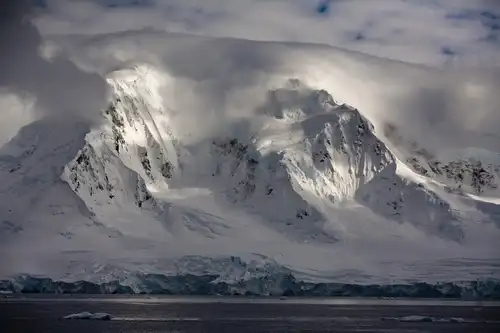
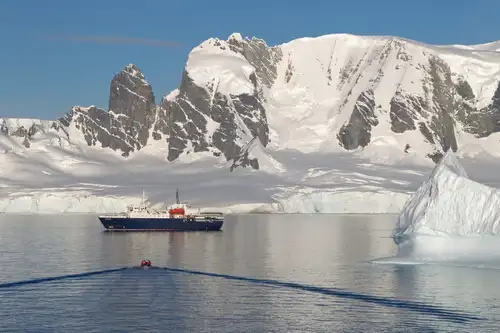
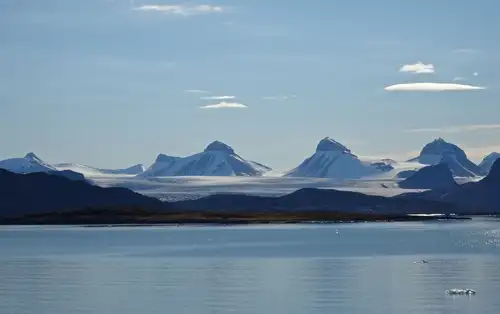
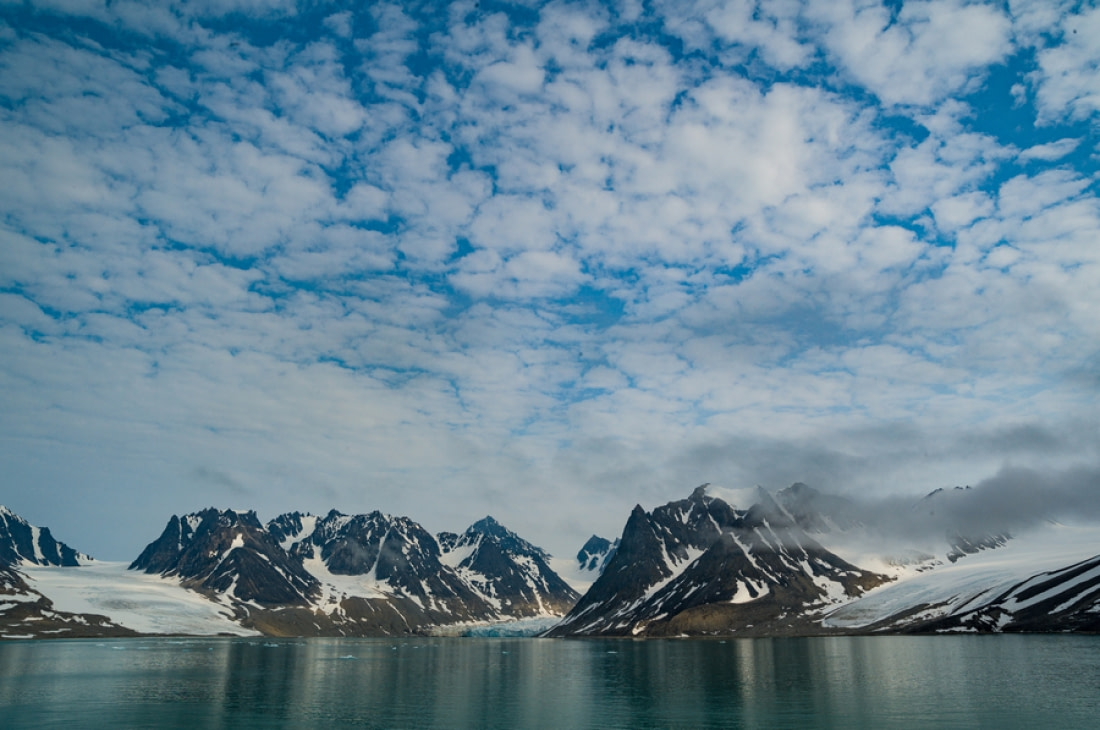
Spitsbergen is the largest island in the Svalbard archipelago, covering 39,500 square km (15,251 square miles) and making up more than half of Svalbard's total landmass. In the northeast of Spitsbergen lies Newtontoppen, the highest peak in the archipelago, standing at 1717 meters (5633.2 feet) above sea level. The mountain is largely hidden by heavy glaciation, making its full height less apparent. The landscape of Spitsbergen resembles the alpine regions of Europe. The name "Spitsbergen" comes from the Dutch words "spits," meaning "pointed," and "Bergen," meaning "mountain."
blog-image

The story of Spitsbergen’s rocks

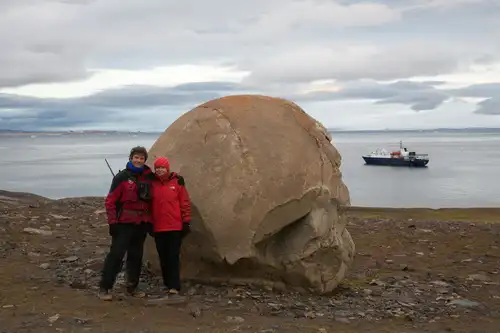
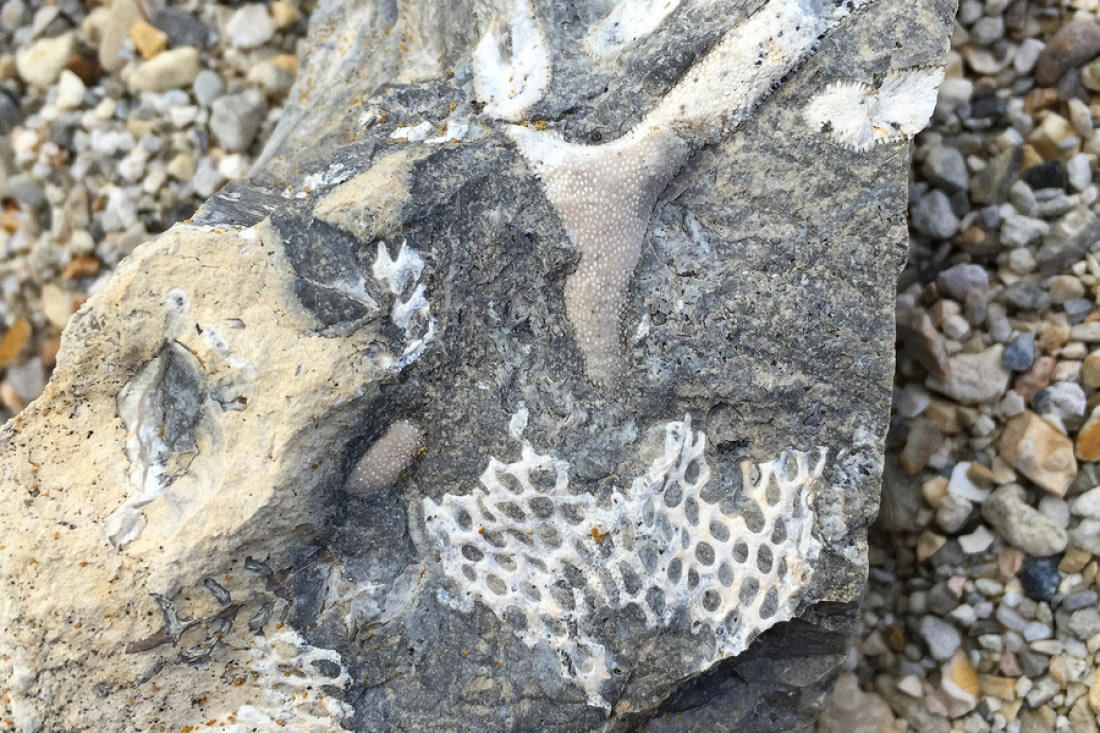
The geological history of Spitsbergen is fascinating. The rocks here were originally formed in the tropics and have gradually shifted northward to their current location. These rocks have witnessed the rise and fall of dinosaurs, several ice ages, and the entire history of humanity. Fossils are abundant in Spitsbergen, with fossilized plants from 60 million years ago found around the moraines of Longyearbyen.
blog-image

Spitsbergen is rich in coal, and mining began in 1899 by Norwegian Søren Zachariassen. In 2017, the Norwegian Prime Minister announced plans to cease mining activities across Svalbard and instead focus on tourism, research, and education.

Understanding the layers of Spitsbergen geology

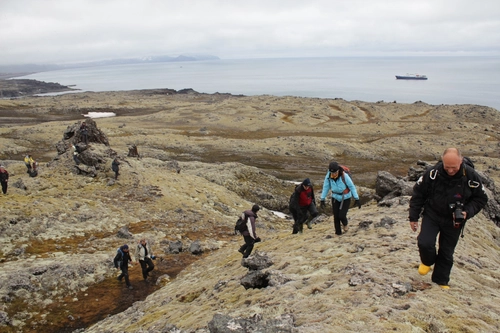
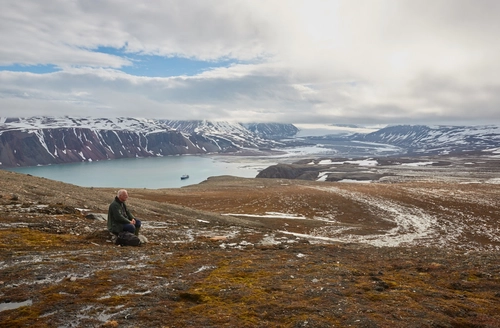
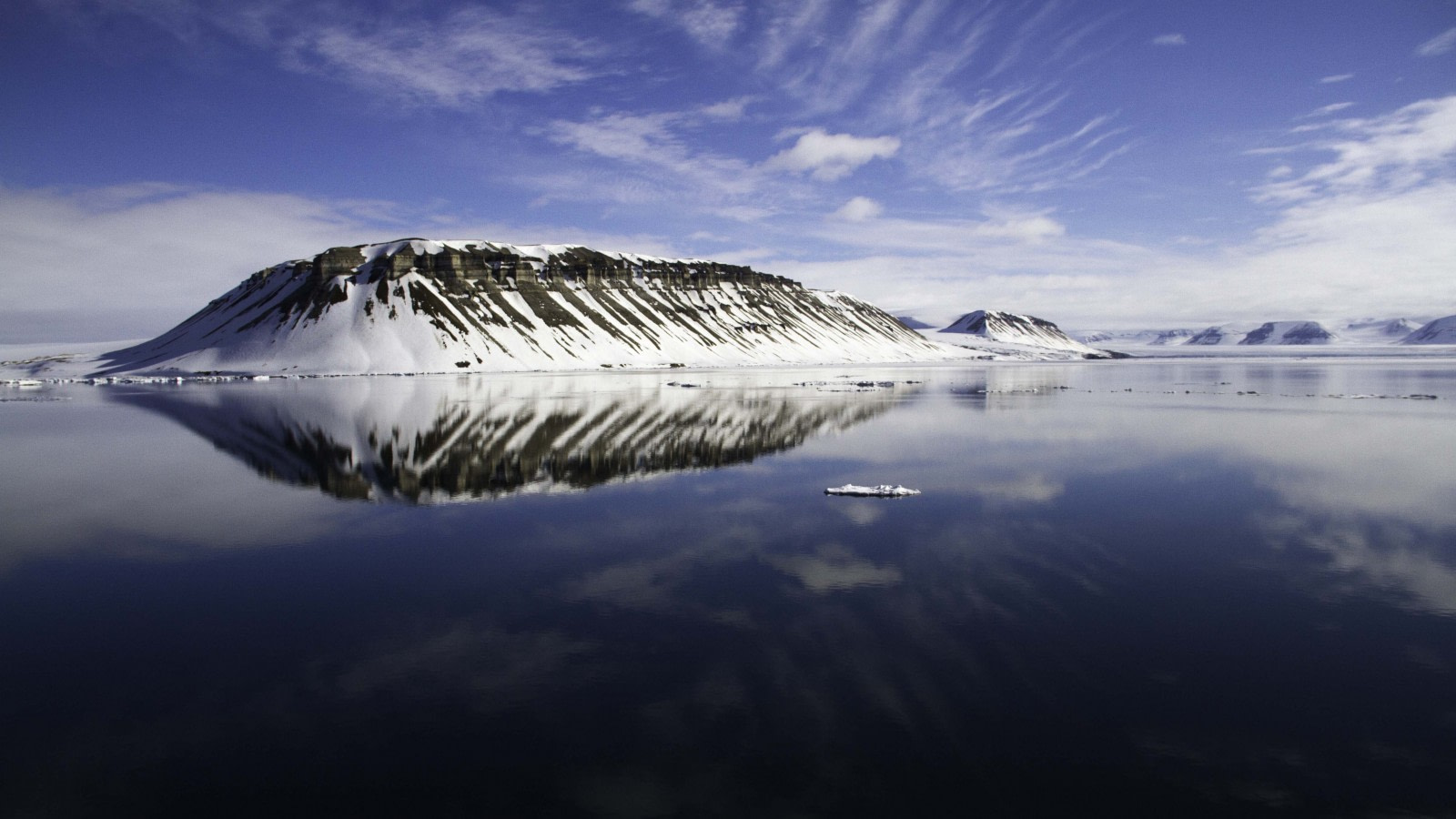
Fortunately, you don't need to be an expert geologist to appreciate Spitsbergen's intriguing landscape. The lack of soil and vegetation makes the rock layers clearly visible. The rock is divided into three main sections: basement, sedimentary cover rock, and unconsolidated deposits.

The Svalbard geological basement

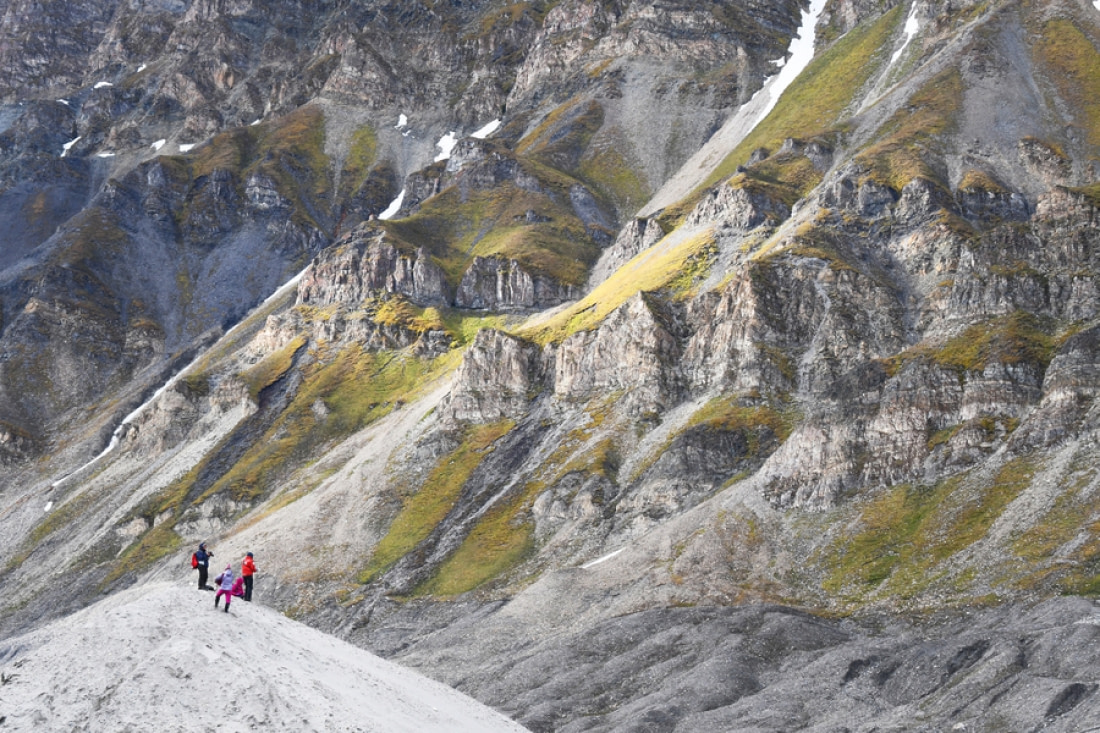
This is the oldest rock in the formation, consisting of a mix of igneous and metamorphic rock. The folding of the layers is clearly visible, especially in the northwest of Spitsbergen and along the north of Nordauslandet. Rock from the pre-Cambrian era is highly crystallized, with zircon crystal deposits in the northwest of Spitsbergen dating back over 3.2 billion years. Numerous areas on the island showcase the folding of the rock, a testament to the power of geological forces over time.
blog-image

Spitsbergen sedimentary cover rock

The bare mountains of Spitsbergen were formed during the Devonian era (approximately 360-410 million years ago) when sand, silt, and mud were deposited in riverbeds and shallow seas. Over millions of years, layers of sandstone-shale and limestone accumulated to create the impressive structures visible today.

During the Devonian period, a process called orogenesis occurred. Orogenesis happens when two of the Earth's plates push together, forcing one plate upwards, creating mountains. Due to harsh weather conditions, there is very little soil in these regions, exposing the underlying rock and making the layers easily visible.

The unconsolidated deposits of Svalbard

The youngest geological features date from the Quaternary era (approximately 2 million years ago). While volcanic activity has ceased, remnants of Svalbard's volcanic history can still be seen in active thermal springs. The geology of Spitsbergen has been significantly influenced by glaciation and the last ice age, with moraines, fluvial deposits, and scree found in many areas.

Seeing Spitsbergen for yourself – on an Arctic voyage

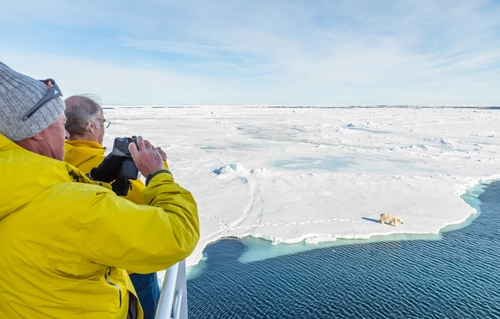
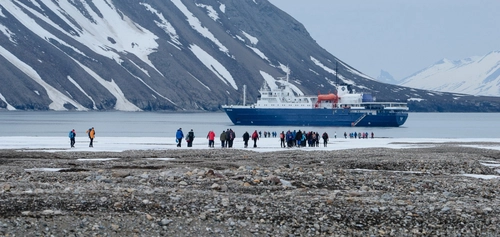
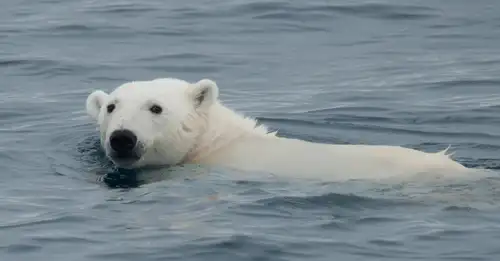
If you wish to explore Spitsbergen on an Arctic cruise, you can make arrangements before flying into Svalbard Airport in Longyearbyen. From there, a variety of tours are available to explore the archipelago by both land and sea. You'll not only embark on a geological adventure but also experience a visually stunning landscape where you might encounter several species of whales, polar bears, seals, walruses, and a unique species of reindeer endemic to Spitsbergen.
Best Deals

Related Trips

Alpine Peaks of Spitsbergen, Ski & Sail - Nexta Expeditions
The Arctic
Longyearbyen

Alpine Peaks of Spitsbergen, Ski & Sail

calendar24 Apr 2026 - 01 May 2026
clock8 Days / 7 Nights
From $ 3.950 per person
Alpine Peaks of Spitsbergen, Ski & Sail - Nexta Expeditions
The Arctic
Longyearbyen

Alpine Peaks of Spitsbergen, Ski & Sail

calendar01 May 2026 - 08 May 2026
clock8 Days / 7 Nights
From $ 3.950 per person
Arctic Ocean - Fair Isle, Jan Mayen, Ice Edge, Spitsbergen, Birding - Nexta Expeditions
The Arctic
Aberdeen

Arctic Ocean - Fair Isle, Jan Mayen, Ice Edge, Spitsbergen, Birding

calendar27 May 2026 - 05 Jun 2026
clock10 Days / 9 Nights
From $ 3.100 per person
North Spitsbergen - Arctic Spring ,  Hike & Sail - Nexta Expeditions
The Arctic
Longyearbyen

North Spitsbergen - Arctic Spring , Hike & Sail

calendar29 May 2026 - 05 Jun 2026
clock8 Days / 7 Nights
From $ 4.000 per person
North Spitsbergen Explorer - Into the pack ice - Polar Bear Special - Nexta Expeditions
The Arctic
Longyearbyen

North Spitsbergen Explorer - Into the pack ice - Polar Bear Special

calendar05 Jun 2026 - 12 Jun 2026
clock8 Days / 7 Nights
From $ 4.500 per person
Arctic Ocean - Jan Mayen, Ice edge, Spitsbergen, Birding - Nexta Expeditions
The Arctic
Akureyri

Arctic Ocean - Jan Mayen, Ice edge, Spitsbergen, Birding

calendar05 Jun 2026 - 13 Jun 2026
clock9 Days / 8 Nights
From $ 2.800 per person
Arctic Ocean - Fair Isle, Jan Mayen, Ice edge, Spitsbergen, Birding - Summer Solstice - Nexta Expeditions
The Arctic
Aberdeen

Arctic Ocean - Fair Isle, Jan Mayen, Ice edge, Spitsbergen, Birding - Summer Solstice

calendar12 Jun 2026 - 21 Jun 2026
clock10 Days / 9 Nights
From $ 3.100 per person
North Spitsbergen Explorer - Into the pack ice - Polar Bear Special - Nexta Expeditions
The Arctic
Longyearbyen

North Spitsbergen Explorer - Into the pack ice - Polar Bear Special

calendar12 Jun 2026 - 19 Jun 2026
clock8 Days / 7 Nights
From $ 4.500 per person
North Spitsbergen Explorer - Versatile landscapes, sea ice & wildlife - Nexta Expeditions
The Arctic
Longyearbyen

North Spitsbergen Explorer - Versatile landscapes, sea ice & wildlife

calendar13 Jun 2026 - 20 Jun 2026
clock8 Days / 7 Nights
From $ 4.500 per person
North Spitsbergen Basecamp – Summer Solstice - Free Kayaking, Hiking, Photo Workshop, Diving (supplemented) - Nexta Expeditions
The Arctic
Longyearbyen

North Spitsbergen Basecamp – Summer Solstice - Free Kayaking, Hiking, Photo Workshop, Diving (supplemented)

calendar19 Jun 2026 - 26 Jun 2026
clock8 Days / 7 Nights
From $ 4.500 per person
North Spitsbergen Explorer - Versatile landscapes, sea ice & wildlife - Summer Solstice - Nexta Expeditions
The Arctic
Longyearbyen

North Spitsbergen Explorer - Versatile landscapes, sea ice & wildlife - Summer Solstice

calendar20 Jun 2026 - 27 Jun 2026
clock8 Days / 7 Nights
From $ 4.500 per person
North Spitsbergen Explorer - Versatile landscapes, sea ice & wildlife - Summer Solstice - Nexta Expeditions
The Arctic
Longyearbyen

North Spitsbergen Explorer - Versatile landscapes, sea ice & wildlife - Summer Solstice

calendar21 Jun 2026 - 28 Jun 2026
clock8 Days / 7 Nights
From $ 4.500 per person

Blog
go-leftgo-right

The Overlooked Treasures of Ascension Island - Nexta Expeditions
Blog

The Overlooked Treasures of Ascension Island

If you know anything about Ascension Island, which is unlikely, it probably has to do with the green turtle breeding population that exists there.
First to the North Pole: Five Failed but Brave Expeditions - Nexta Expeditions
Blog

First to the North Pole: Five Failed but Brave Expeditions

Being first to reach the North Pole was seen by several nations as economically invaluable due to the open polar sea said to encircle it, but for the explorers themselves it was also a gloriously adventurous grab for immortality.
A Day of Basecamp in Antarctica – Paradise Harbour - Nexta Expeditions
Blog

A Day of Basecamp in Antarctica – Paradise Harbour

After an early morning gathering of our camping group, we reached the entrance to Lemaire Channel. The snow and mist around the mountain peaks created a captivating atmosphere as we began our journey to Paradise Bay. The channel was dotted with impressive icebergs, and we even spotted a few sleeping humpback whales, providing ample photo opportunities.
Eight Antarctic Misconceptions - Nexta Expeditions
Blog

Eight Antarctic Misconceptions

Antarctica has given rise to some pretty far-fetched rumors.
Day and night in Antarctica - Nexta Expeditions
Blog

Day and night in Antarctica

At the Concordia station, a French-Italian research facility situated 3,233 meters above sea level at Dome C on the Antarctic Plateau, European Space Agency (ESA) scientists are investigating the effects of extended space missions. The station is more isolated than the International Space Station, with the nearest humans located 600 kilometers away.
Port Lockroy: History, Post Office, and Resident Penguins - Nexta Expeditions
Blog

Port Lockroy: History, Post Office, and Resident Penguins

Sometimes it’s easy to get caught up in the stunning coastlines, fjords, and other natural wonders of Antarctica, overlooking the man-made attractions nestled in between.
Shackleton’s Long-Lost Endurance Discovered in Antarctica - Nexta Expeditions
Blog

Shackleton’s Long-Lost Endurance Discovered in Antarctica

A discovery expedition launched by the Falklands Maritime Heritage Trust achieved a long-awaited mission when it located Anglo-Irish explorer Ernest Shackleton’s lost ship Endurance last Saturday (March 5).
The Ancient Fossil Forests of Antarctica - Nexta Expeditions
Blog

The Ancient Fossil Forests of Antarctica

Over a hundred years ago, Robert Falcon Scott’s expedition to Antarctica discovered fossils of plants on the Beardmore Glacier, less than 500 km (310 miles) from the South Pole. Edward Wilson, who was the expedition’s chief scientist, recorded the findings in his diary, stating that “most of the bigger leaves were like beech leaves in shape and venation.”
South Georgia Whaling Stations - Nexta Expeditions
Blog

South Georgia Whaling Stations

South Georgia is a paradise for animal enthusiasts. It stands out as one of the most wildlife-abundant destinations in our polar expeditions, whether in the Northern or Southern Hemisphere.
Seven Frightfully Fun Polar Ghost Stories - Nexta Expeditions
Blog

Seven Frightfully Fun Polar Ghost Stories

The polar regions are unparalleled when it comes to ghost stories.
The bowhead whale, whaling about the Arctic - Nexta Expeditions
Blog

The bowhead whale, whaling about the Arctic

The bowhead whale typically resides near pack ice, often in shallow waters. These whales are commonly found north of Europe, between Canada and Greenland, in the Hudson Bay area, the Okhotsk Sea, and the Bering, Chukchi, and Beaufort seas. In these regions, they filter food through their large baleen plates. Bowheads are known to open their large mouths and graze along the surface, in the water column, or on the sea floor.
Why You Should Visit Greenland: 11 Things to See, Do, and Explore - Nexta Expeditions
Blog

Why You Should Visit Greenland: 11 Things to See, Do, and Explore

There's nothing quite like witnessing your first Greenland glacier, navigating into the island's largest fjord system (which also happens to be Earth's largest), or observing a humpback whale breach over the dark Greenland Sea.
Greenland's History: When Vikings Ruled the Ice Age - Nexta Expeditions
Blog

Greenland's History: When Vikings Ruled the Ice Age

A Greenland cruise offers a journey into a rich history filled with intriguing details that captivate polar expedition enthusiasts. Among the most fascinating historical aspects is the fact that Vikings once ruled this land. Anthropologists and climate scientists have long studied Greenland to pinpoint when and why the Vikings left. Recent findings have shed new light on this historical culture.
Traditional Lifestyles of the Inuit - Nexta Expeditions
Blog

Traditional Lifestyles of the Inuit

The Inuit are an indigenous Arctic people who speak the languages of the Eskaleutian family and reside in four countries surrounding the North Pole: Greenland, Canada, the United States, and Russia.
Circumnavigating Spitsbergen - Nexta Expeditions
Blog

Circumnavigating Spitsbergen

Many of our expedition cruises focus on specific areas of the Arctic or Antarctica, delving deep into local wildlife and other natural highlights. However, some programs aim to provide a broader survey, visiting a variety of sites to offer guests a wider perspective.
Antarctic krill: Antarctica's Superfood - Nexta Expeditions
Blog

Antarctic krill: Antarctica's Superfood

The size of a paper clip, pink, krill is a shrimp-like crustacean that does not look like much. Without them, though, the Earth's marine ecosystems would collapse completely.
Scoresby Sund: the Greatest Greenland Adventure - Nexta Expeditions
Blog

Scoresby Sund: the Greatest Greenland Adventure

In a land of expansive mountains, colossal glaciers, and majestic shorelines, few places are as expansive, colossal, or majestic as Scoresby Sund.
Seven Things to Do around Ushuaia - Nexta Expeditions
Blog

Seven Things to Do around Ushuaia

We often recommend arriving early to Ushuaia before embarking on an Antarctica cruise, and for good reason: Ushuaia, on top of being the southernmost city in the world, has in recent years developed into a decidedly charming tourist destination.
Birding Opportunities Abound in Spitsbergen - Nexta Expeditions
Blog

Birding Opportunities Abound in Spitsbergen

Seabirds are the most prevalent type of bird in Spitsbergen. Experts have estimated that there are 164 bird species that have been found throughout Spitsbergen at various points during recent history, but only 30 of them are known to turn to the Svalbard Islands as their primary breeding spot.
Humpback Whales: the Stars of the Western Antarctic Peninsula - Nexta Expeditions
Blog

Humpback Whales: the Stars of the Western Antarctic Peninsula

The marine ecosystem of the West Antarctic Peninsula (WAP) stretches from the Bellingshausen Sea to the northern tip of the peninsula. This region includes the Antarctic Sea Ice Zone, a highly productive area that supports large populations of marine mammals, birds, and Antarctic krill. One of the highlights of this region, which you can observe on a whale-spotting Antarctica cruise, is the humpback whale.