










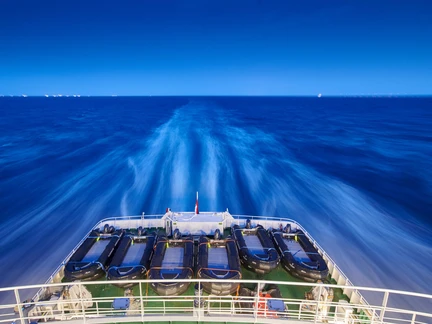
 15 August 2026 - 28 Aug 2026
 14 Days/13 Nights
 Akureyri - Longyearbyen

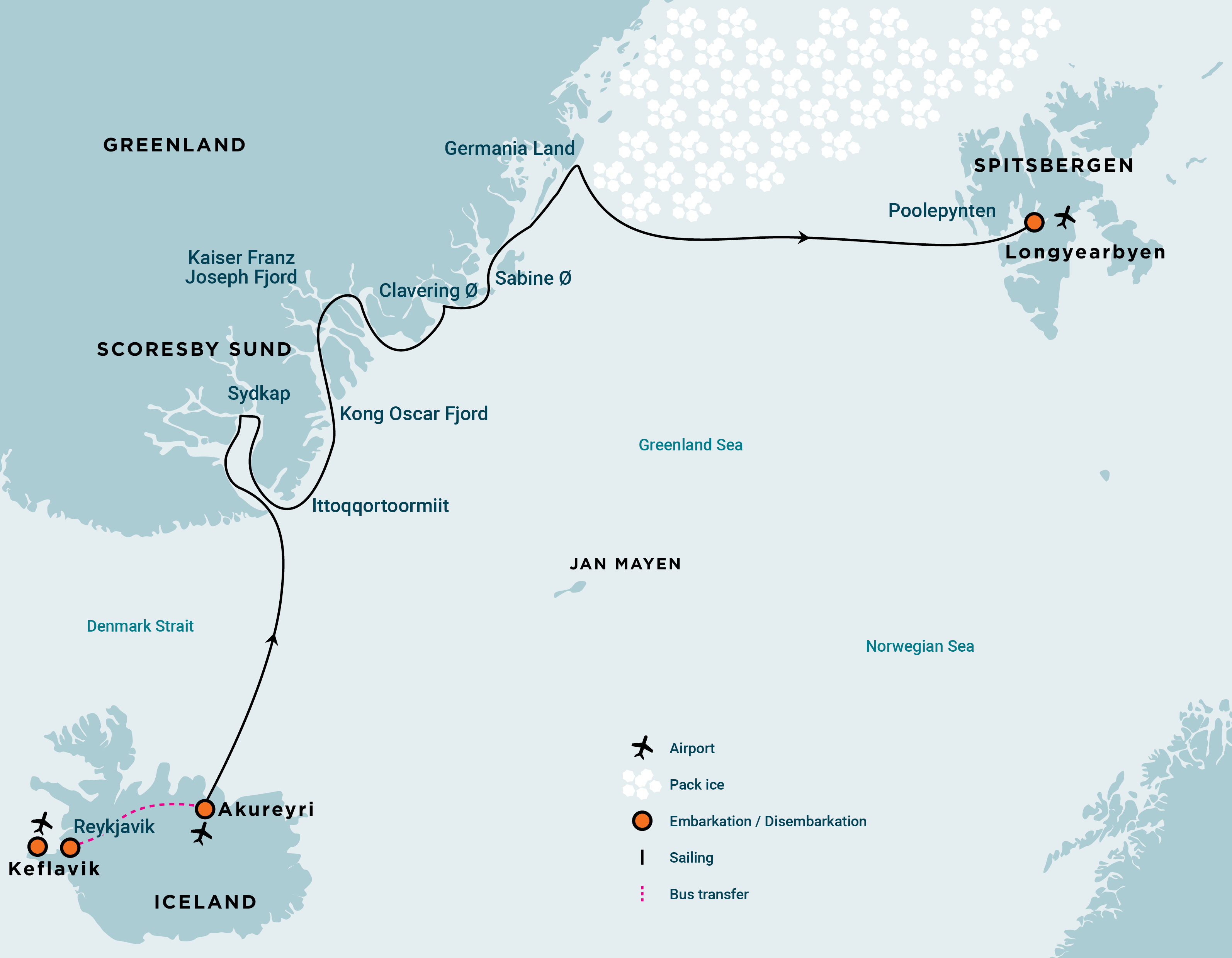
Your journey starts in the morning. You can take a bus from Reykjavik to the ship in Akureyri, arriving in the afternoon after a six-hour drive. This bus ride must be booked and paid for in advance.
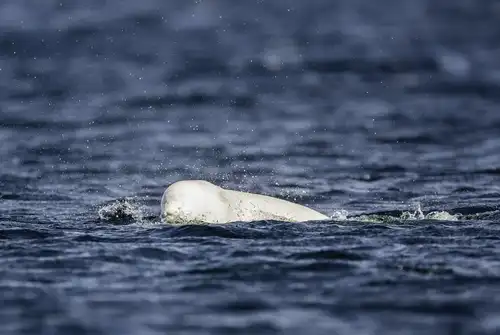
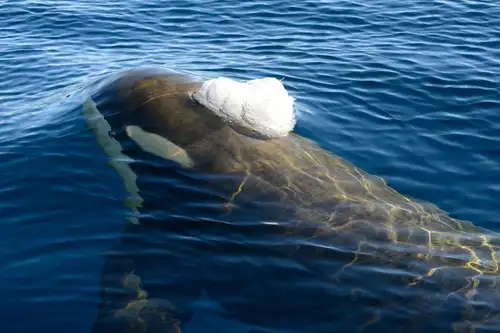
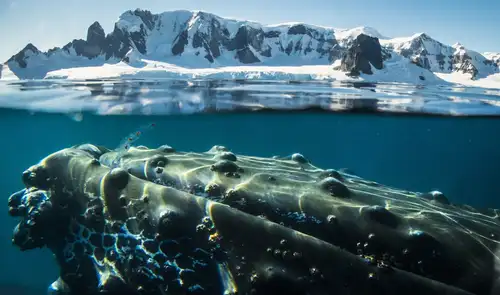
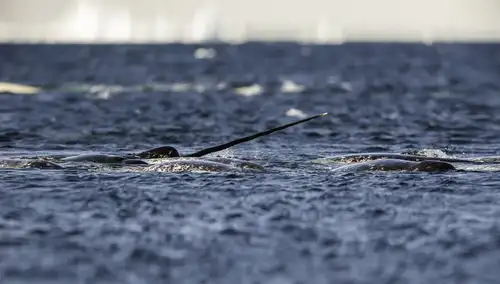
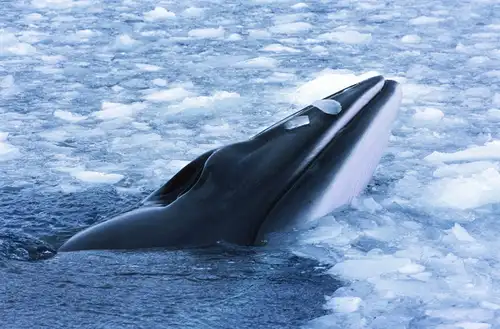
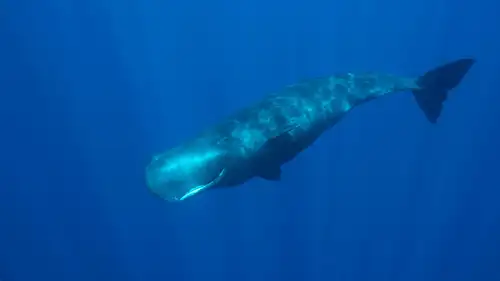
In the evening, the ship leaves Akureyri, and you might see whales at the fjord's mouth. At night, we cross the Arctic Circle.
Heading to East Greenland
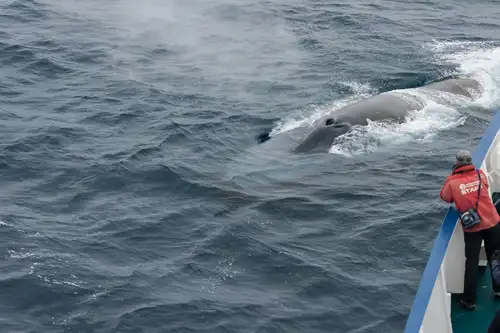
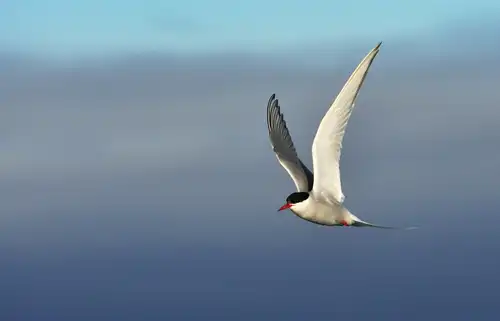
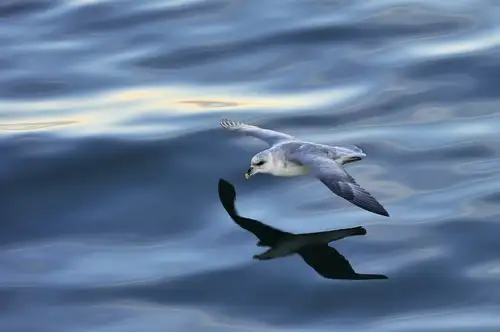
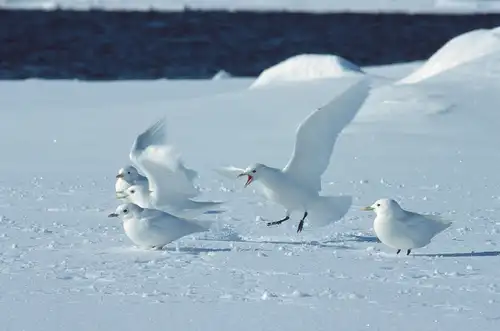
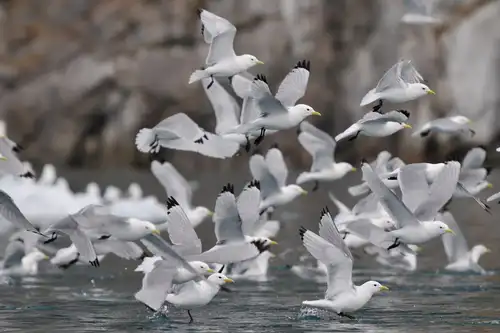
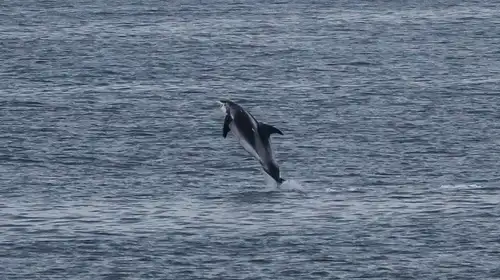
As we sail north, you might spot birds like fulmars and kittiwakes, and maybe even whales. By evening, icebergs appear as we near the east Greenland coast.
Reaching the World's Largest Fjord
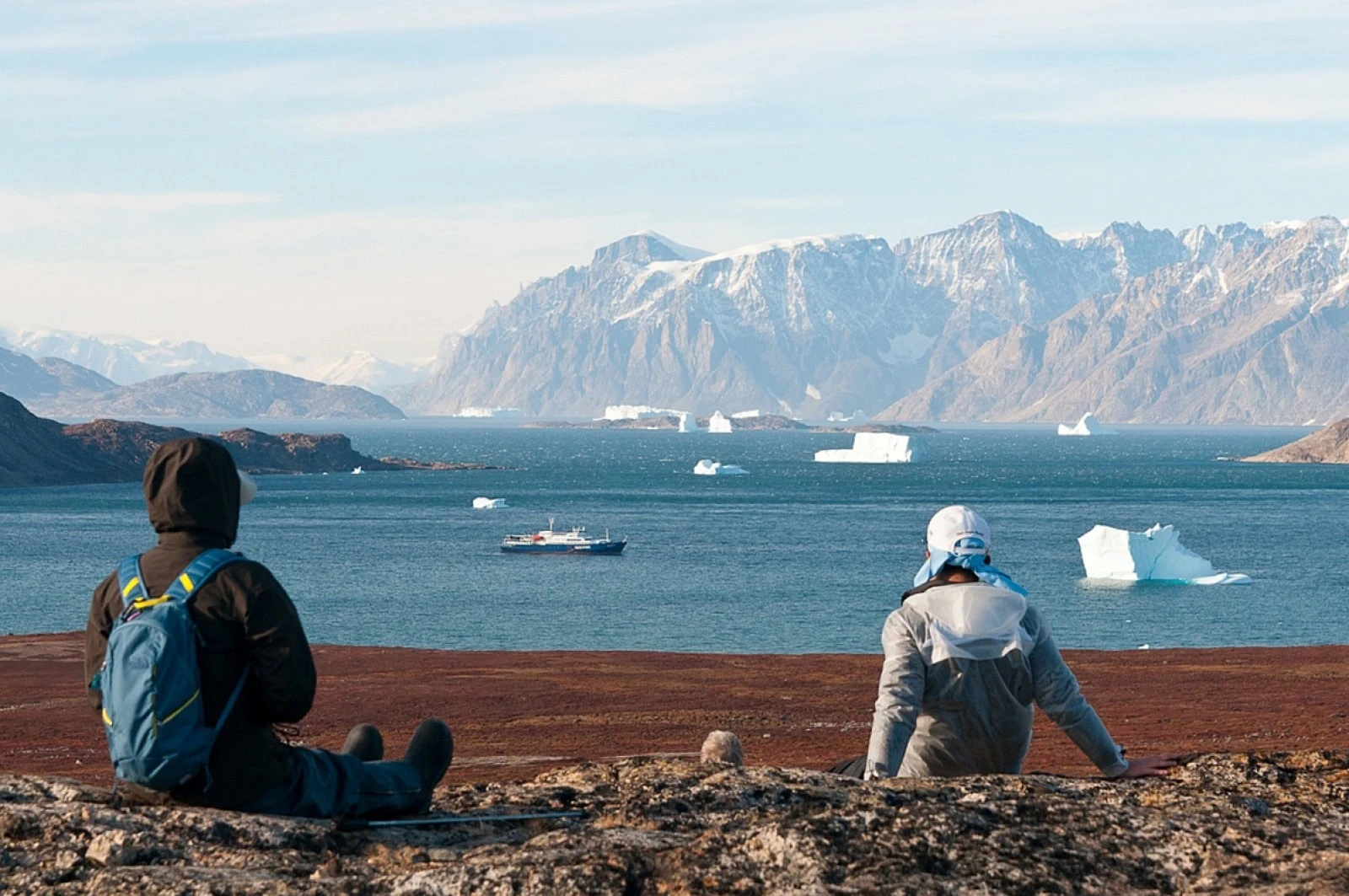
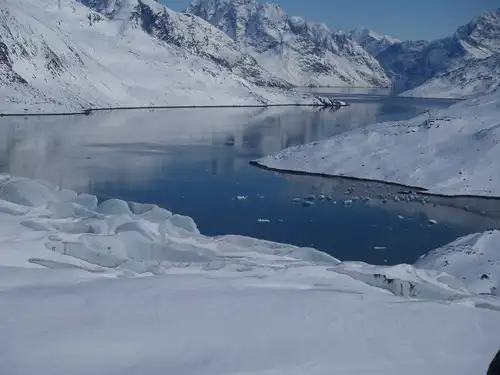
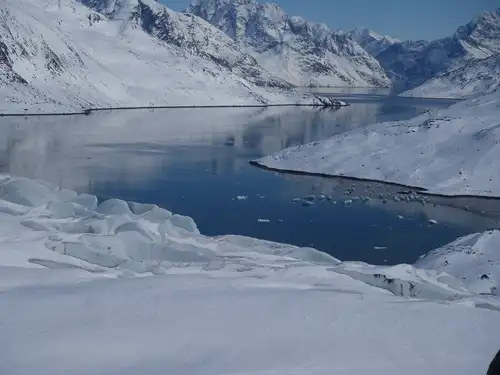
We arrive at Scoresby Sund, sailing along the icy coast. You might take a small boat ride past glaciers and see ice formations. In the afternoon, we sail among giant icebergs and may land at Charcot Havn to walk to the Charcot Glacier.
Huge Icebergs & Arctic Hares
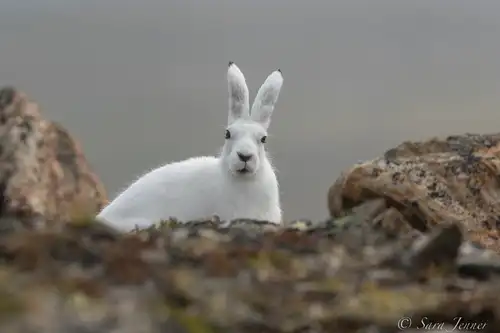
In the morning, you’ll see massive icebergs. We land near Sydkap, with views of Hall Bredning and a chance to see Arctic hares. A long walk is planned from Sydkap to Nordøstbugt, where you might see whale bones and old Thule houses.
Visit to Ittoqqortoormiit
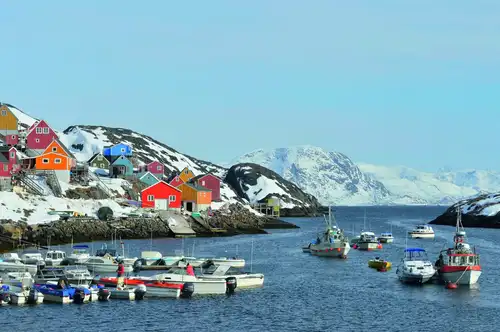
We stop at Ittoqqortoormiit, the only settlement in Scoresby Sund. You can buy stamps or explore the area. In the afternoon, we sail past Liverpool Land and into Kong Oscar Fjord at night.
Alpefjord's Peaks
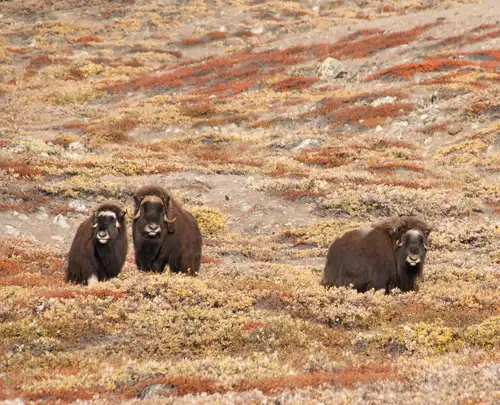
We enter Segelsällskapets Fjord, landing on the south shore to see ancient formations. A hike might reveal musk oxen and Arctic hares. Alternatively, we explore Alpefjord and cruise around Gully Glacier.
Islands of Antarctic Sound
We pass by Ruth, Maria, and Ella islands, then reach Teufelschloss, a mountain with unique geology. In the afternoon, we sail through Kaiser Franz Joseph Fjord.
Thule Culture Remains at Eskimonaes
We hope to land at Eskimonaes, where Thule culture people were once seen. Their remains are scattered across Greenland.
Islands with Polar History
We sail by islands where early polar expeditions landed, like Sabine Ø and Bass Rock. At night, we pass Shannon Ø.
Store Koldewey
This island was named by a German expedition. We aim to land at historical sites like Kap Alf Trolle. The landscape is less alpine, and we may encounter sea ice.
Germania Land
We might land at sites in Germania Land, home to musk oxen and sometimes wolves. Landings depend on conditions.
Through the Sea Ice
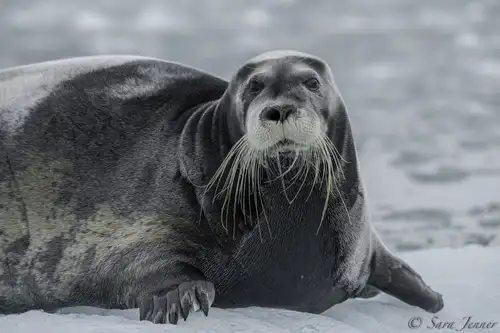
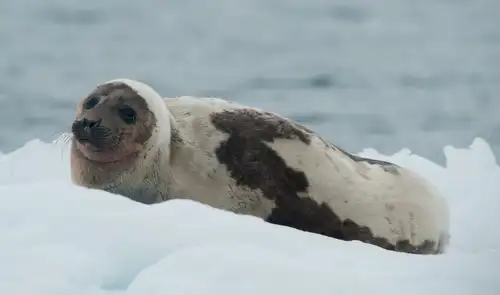
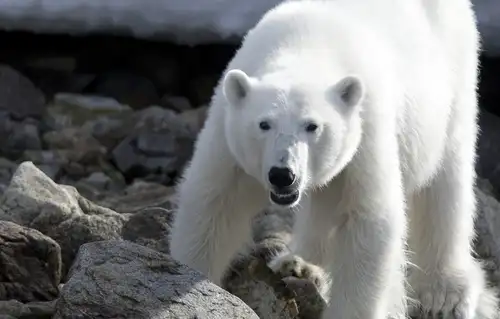
We sail eastward, watching for whales, seals, and polar bears. This area is a dynamic Arctic frontier.
Approaching Spitsbergen
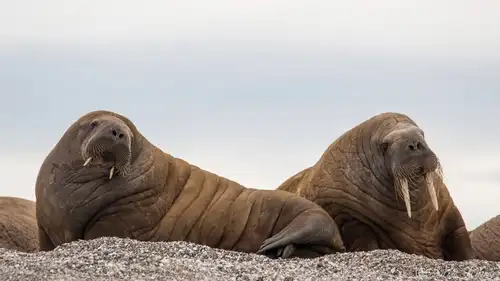
We sail eastward toward Spitsbergen. If time allows, we may land at Poolepynten to see walruses.
Longyearbyen
In Longyearbyen, you can explore this former mining town or catch a flight to Oslo for your next journey.




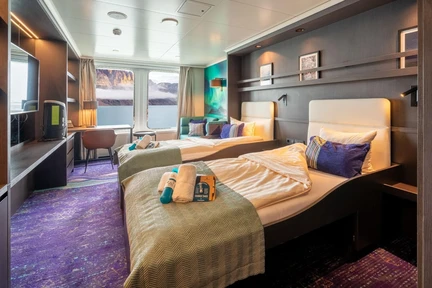


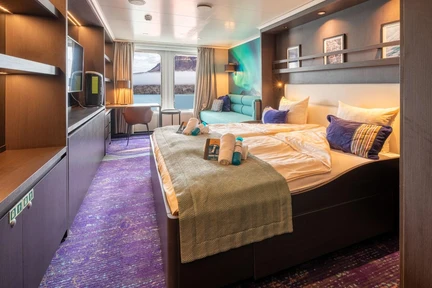
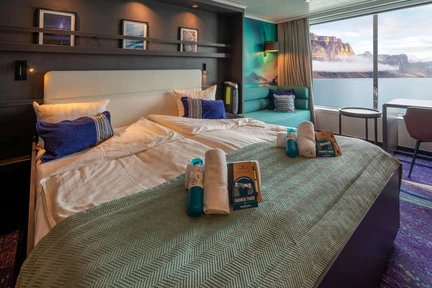
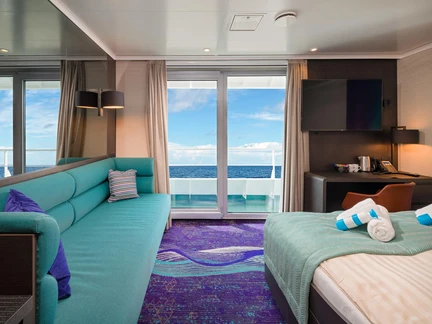
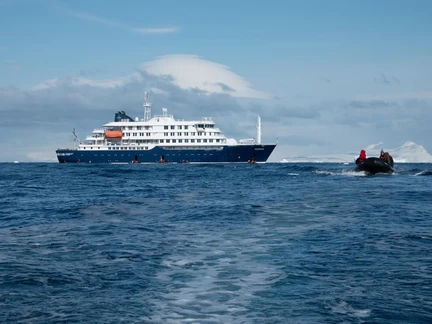
m/v Hondius
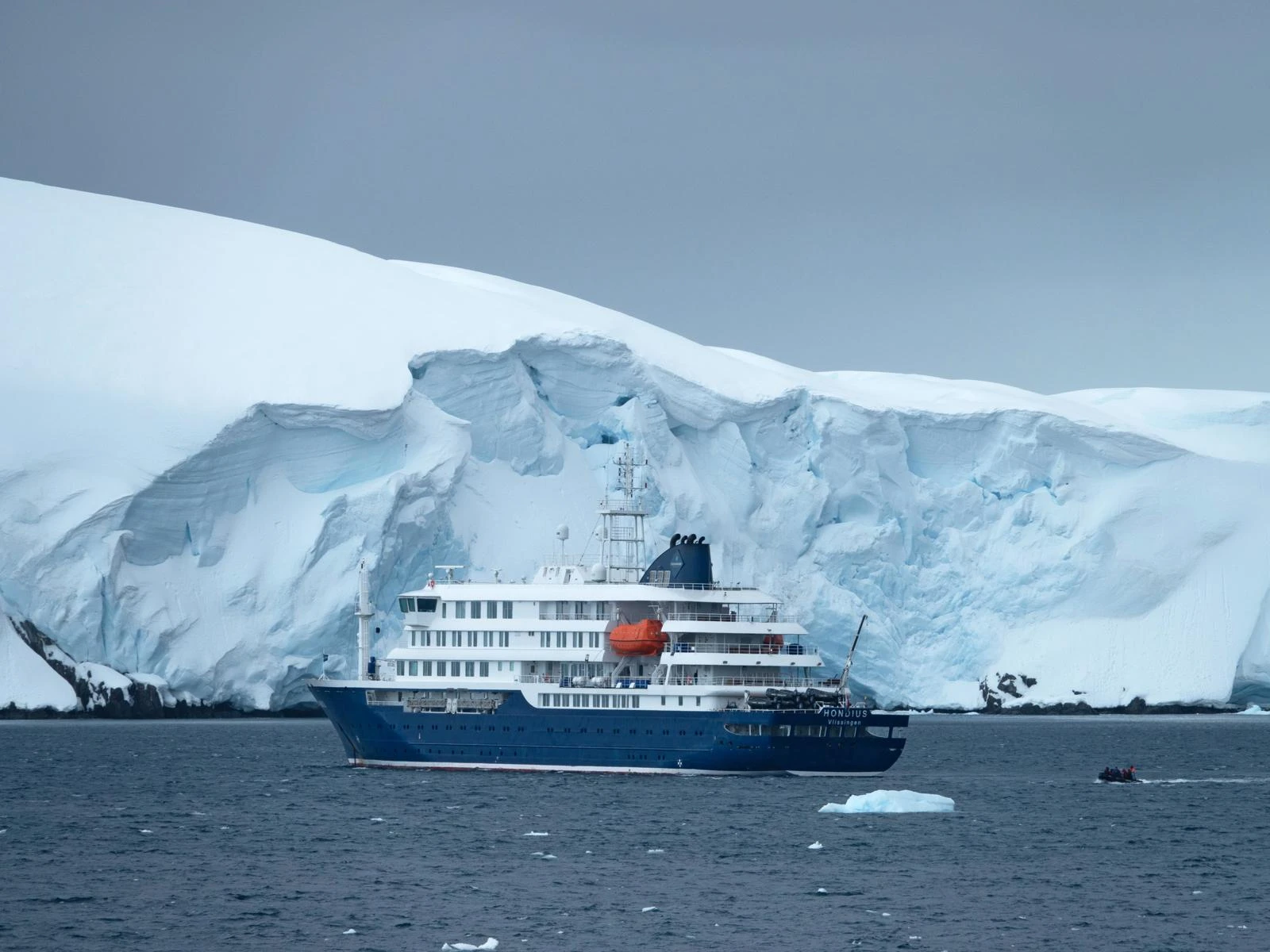
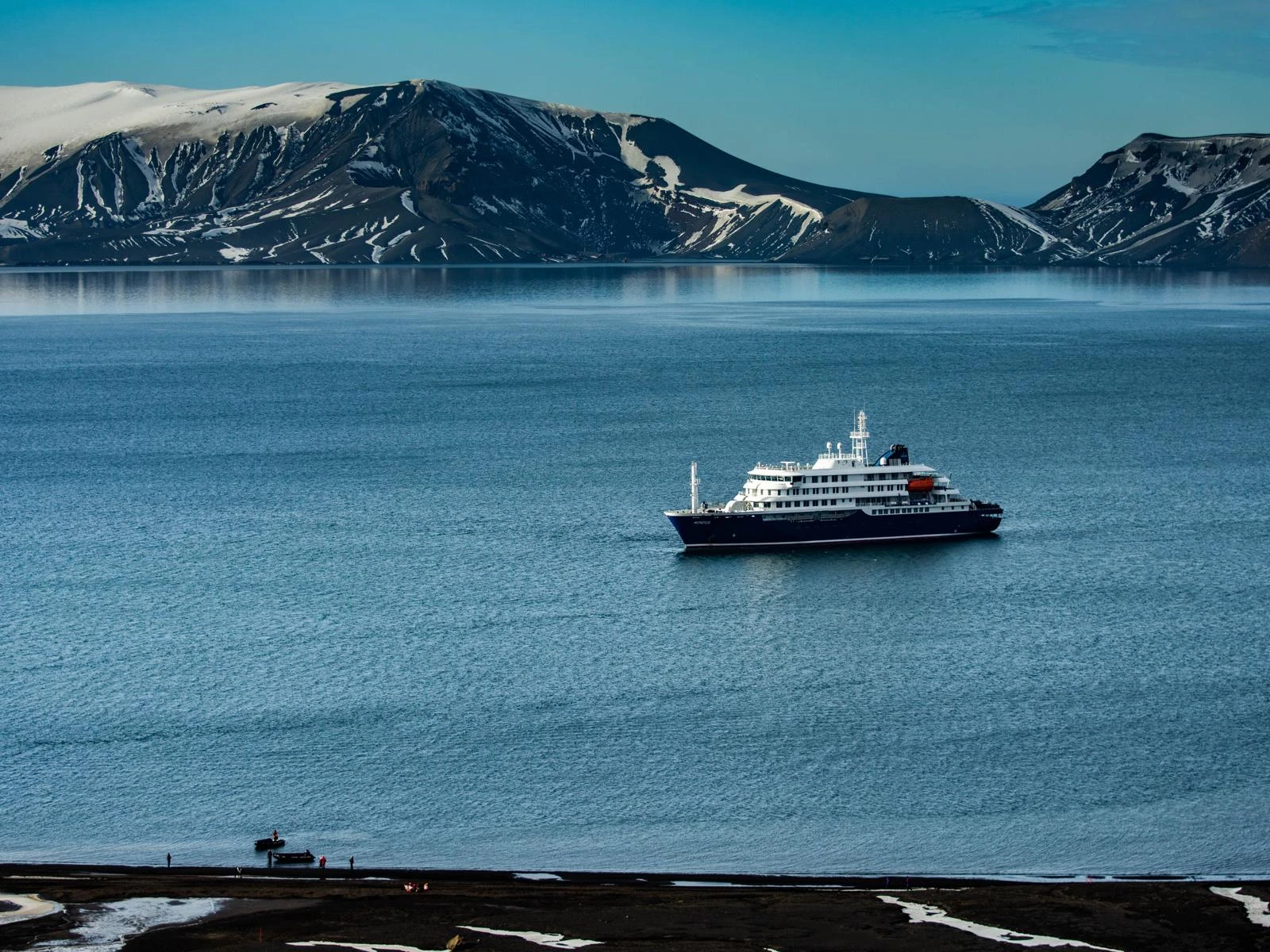
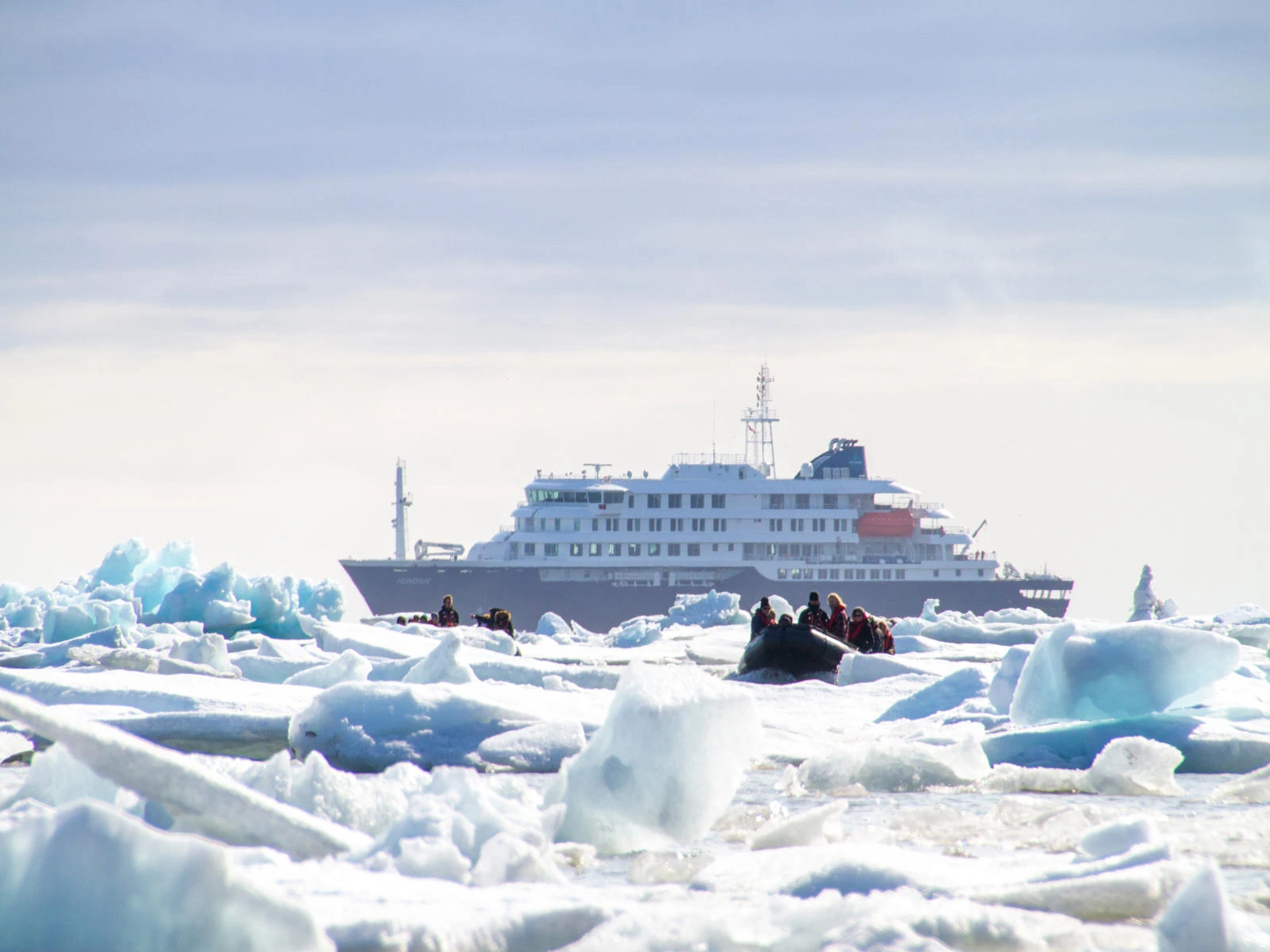
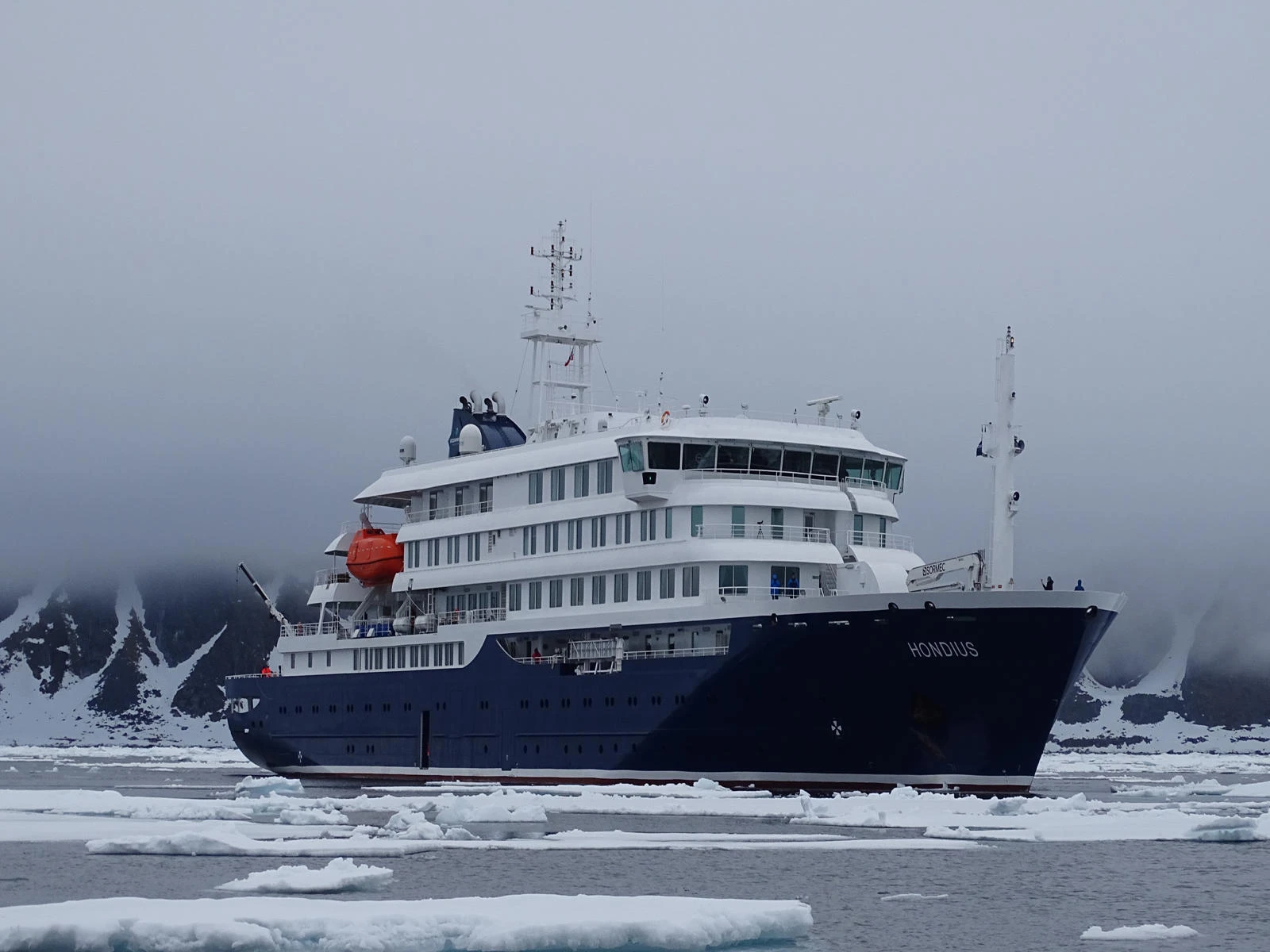
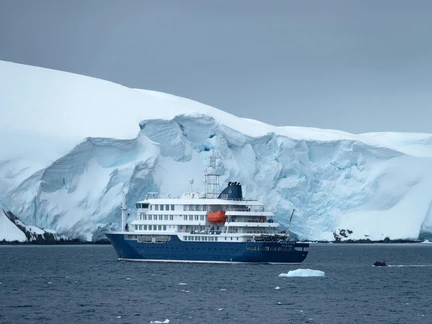
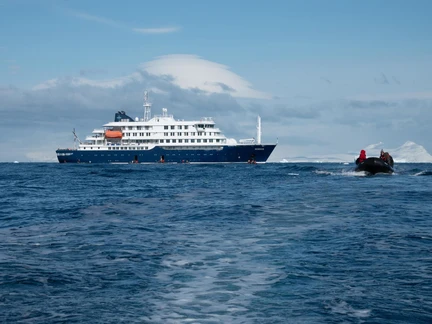
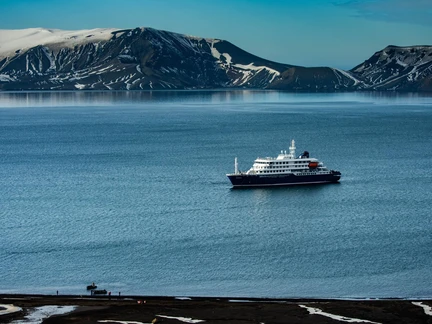
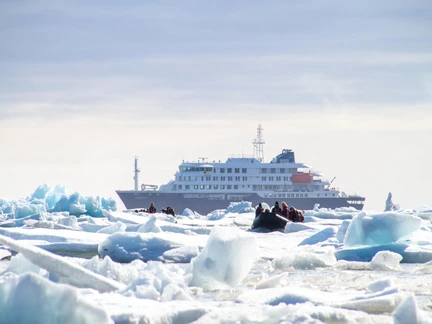
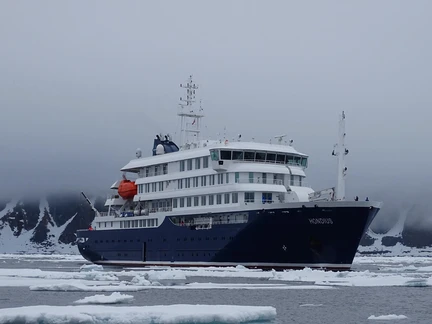
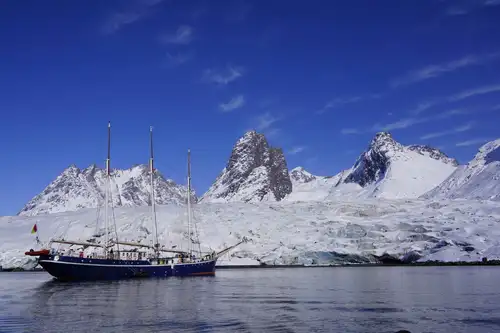
Hondius is the world’s first-registered Polar Class 6 vessel and was built from the ground up for expedition cruising.
Specifications
| Passengers: | 170 in 80 cabins |
| Staff & crew: | Crew 57 | Guides 13 | Doctor 1 |
| Length: | 107.6 meters |
| Breadth: | 17.6 meters |
| Draft: | 5.30 meters |
| Ice class: | Polar Class 6 (equivalent 1A-Super) |
| Displacement: | 5,590 tonnes |
| Propulsion: | 2 x ABC main engines; total 4,200 kW |
| Speed: | 15 knots |
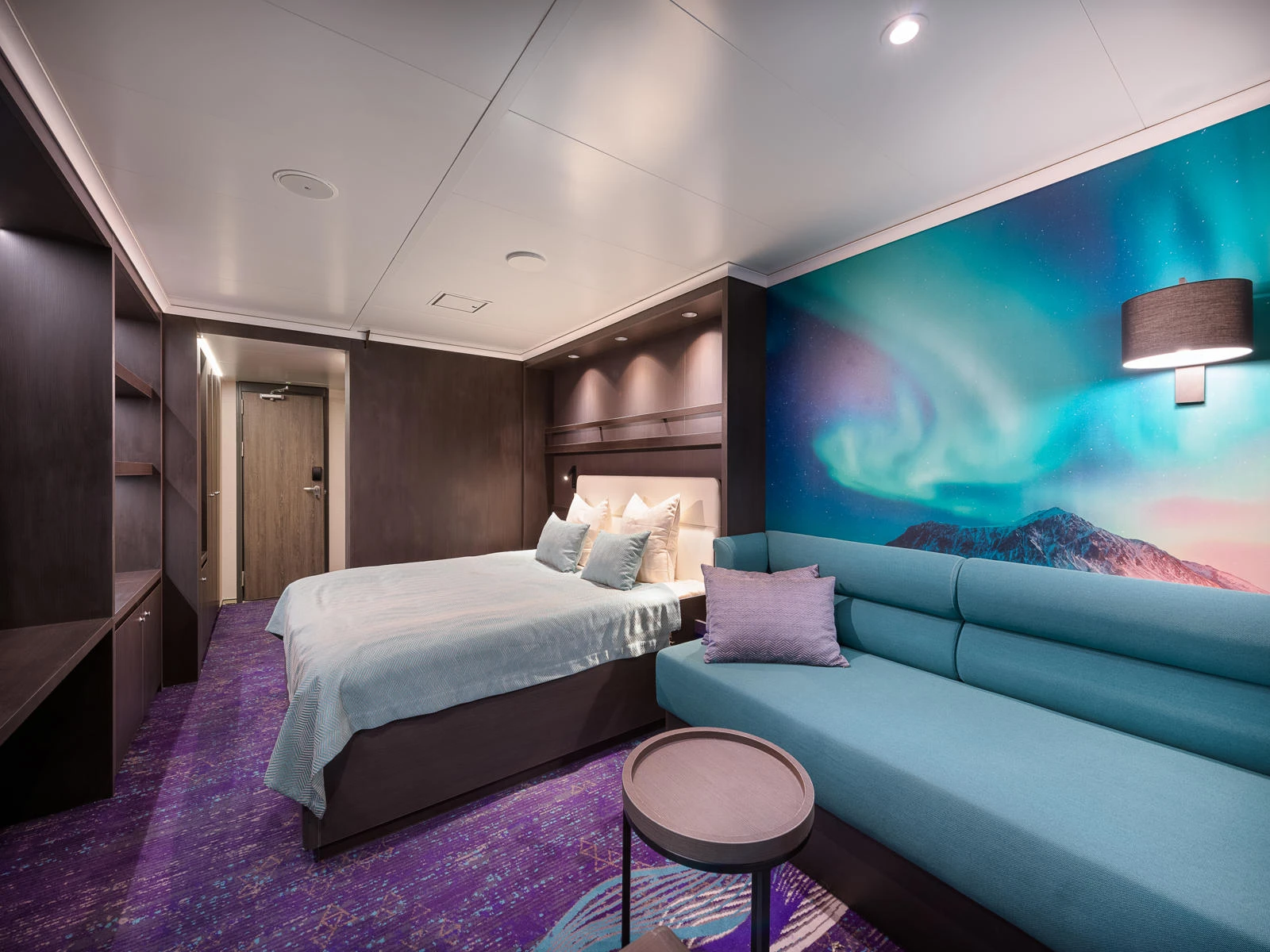
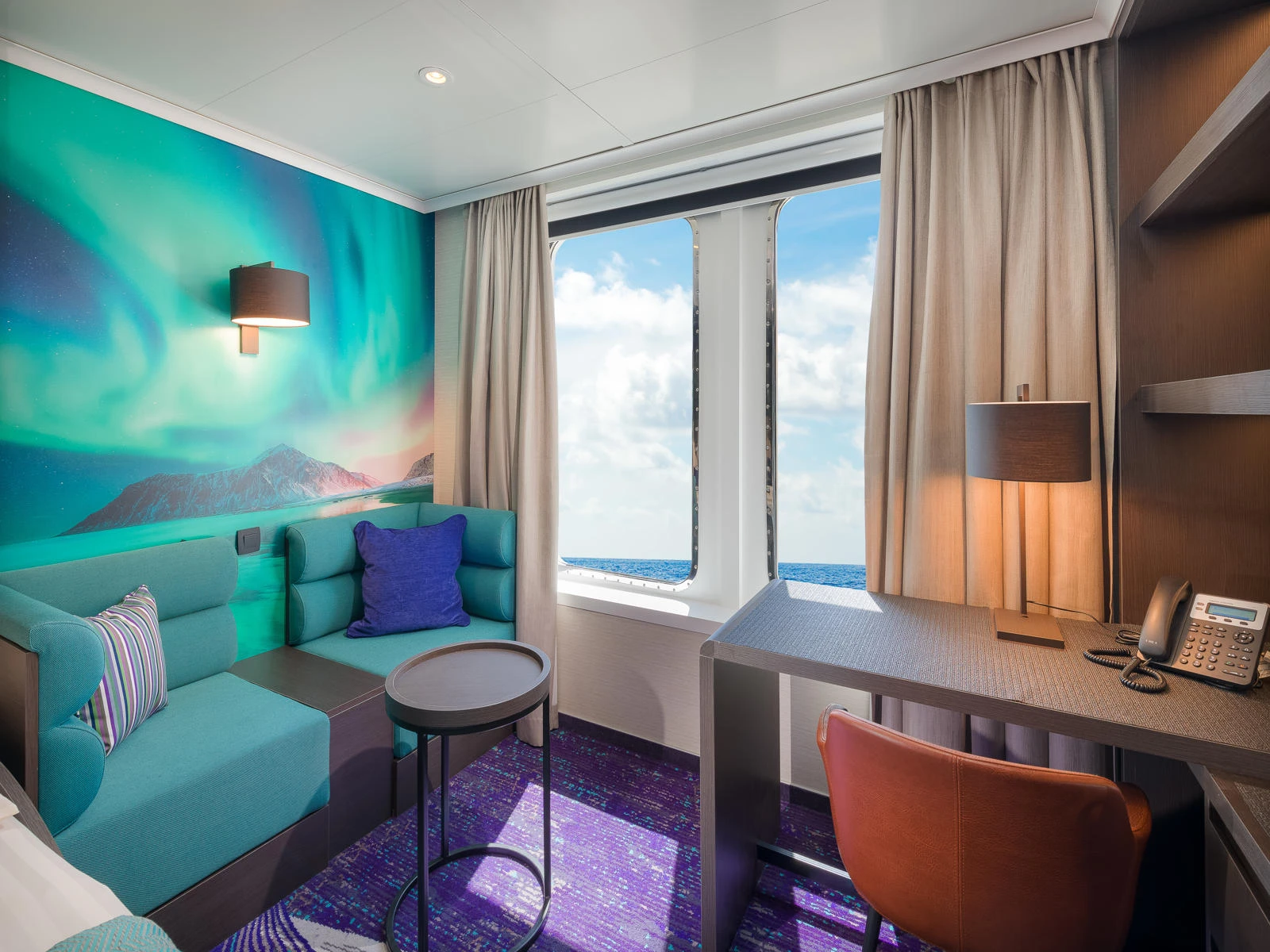
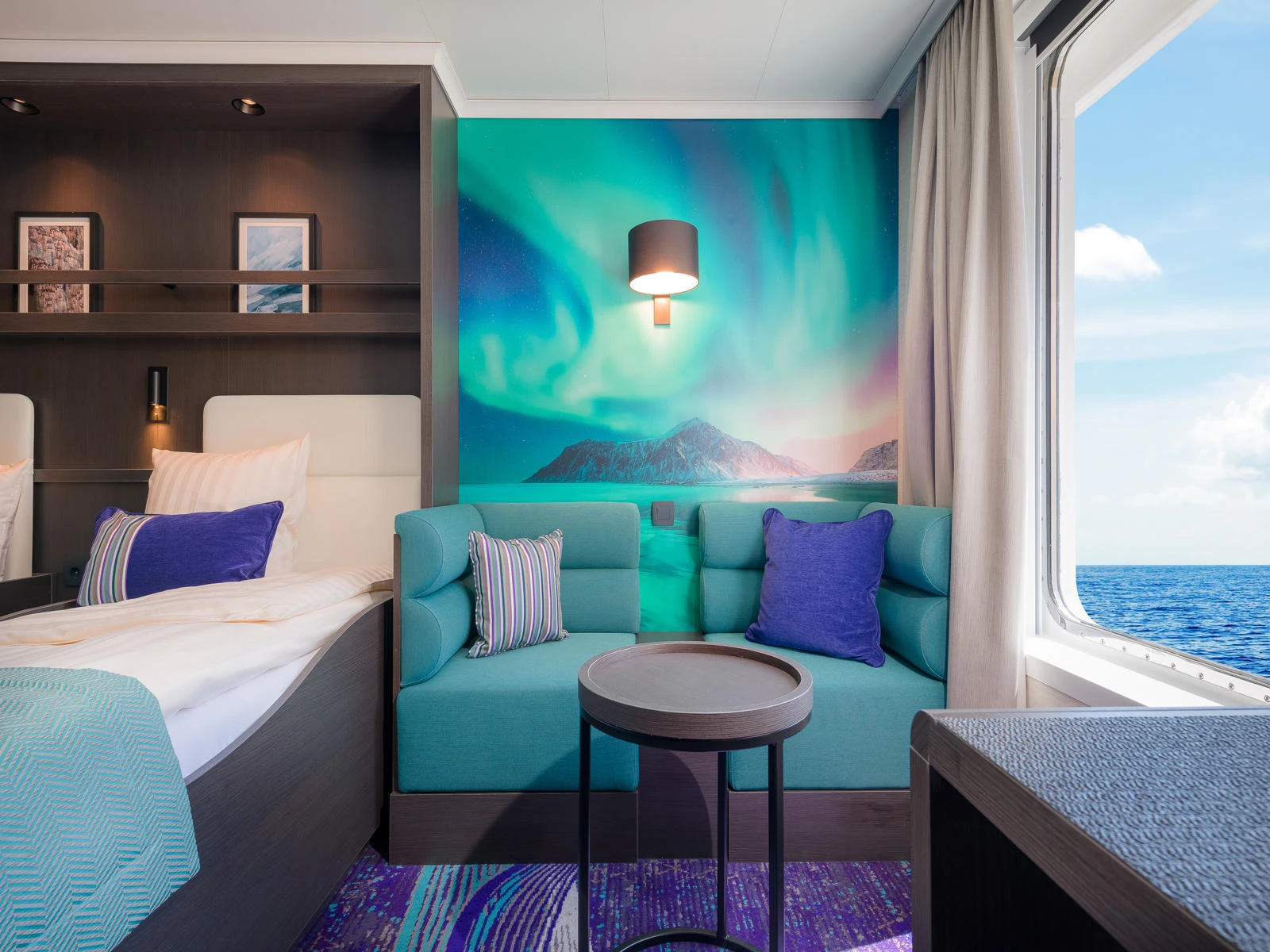
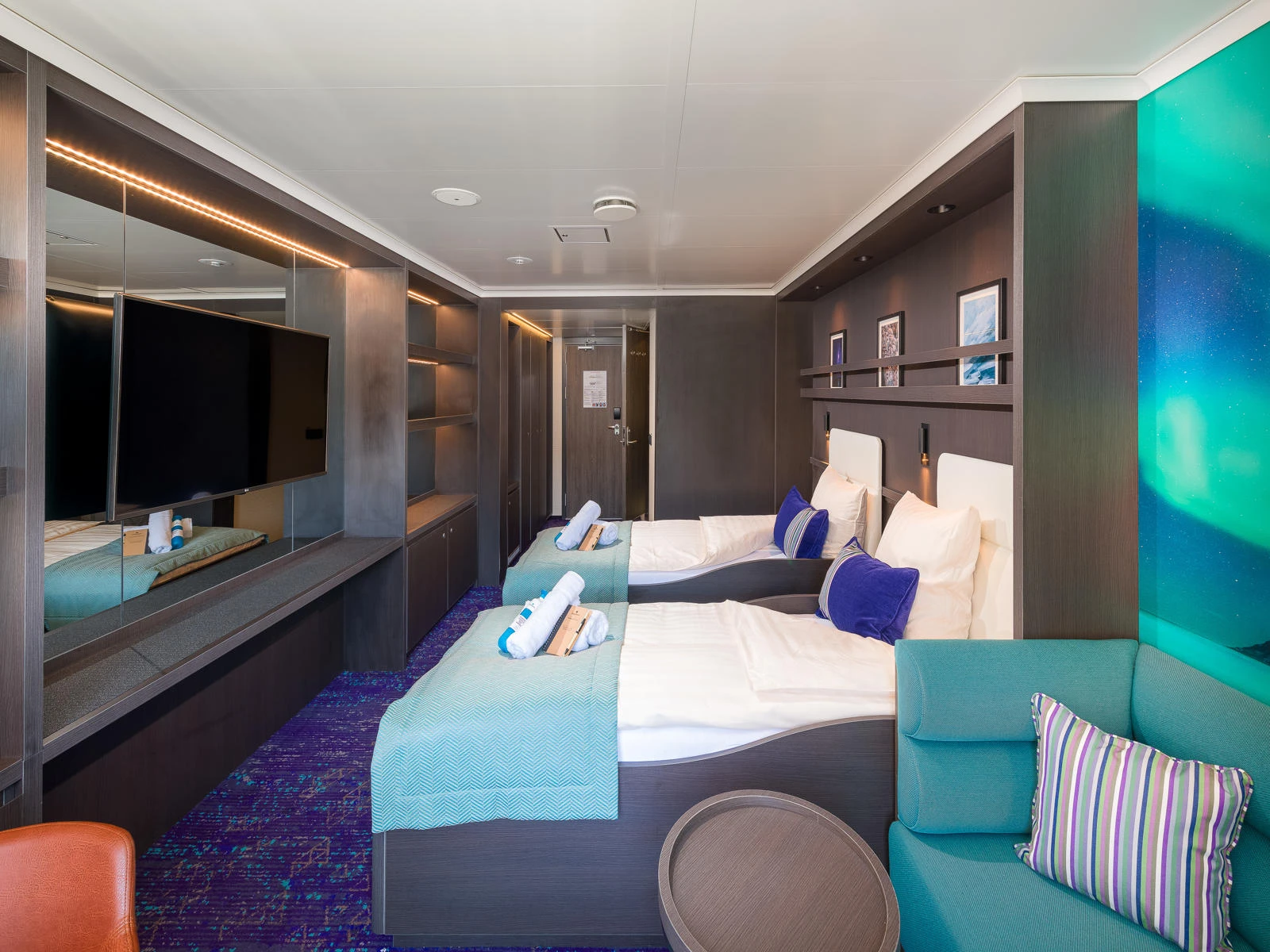
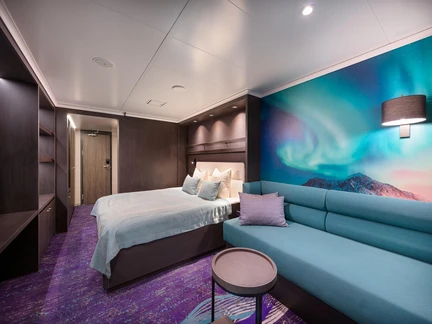
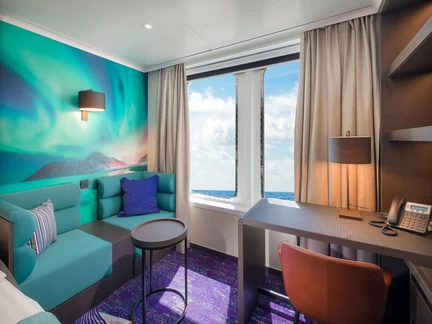
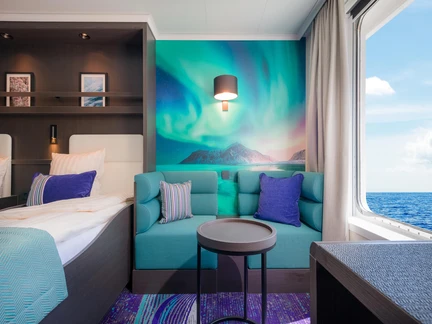
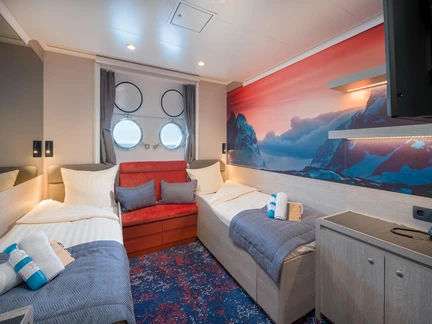
Cabins Gallery
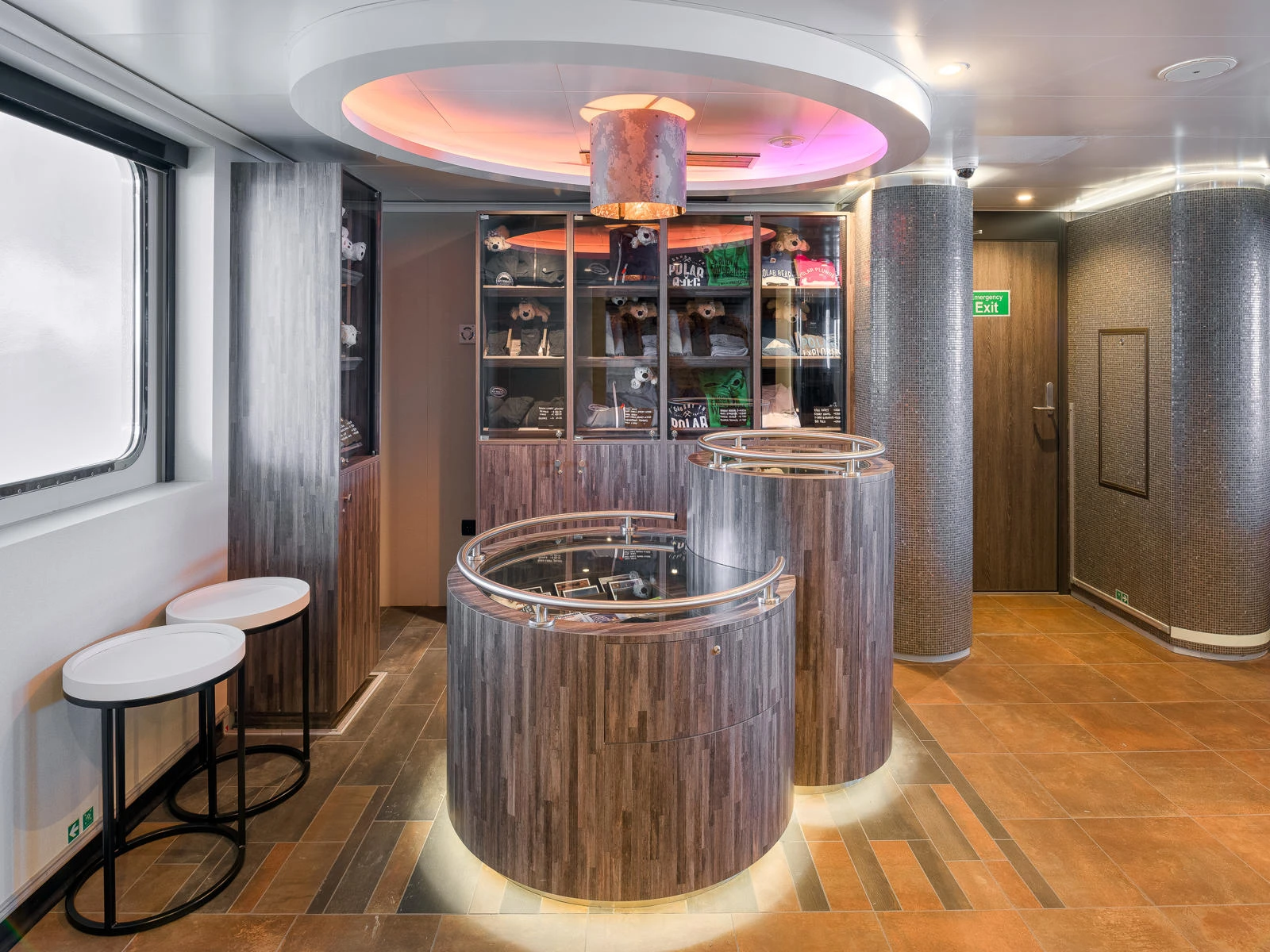
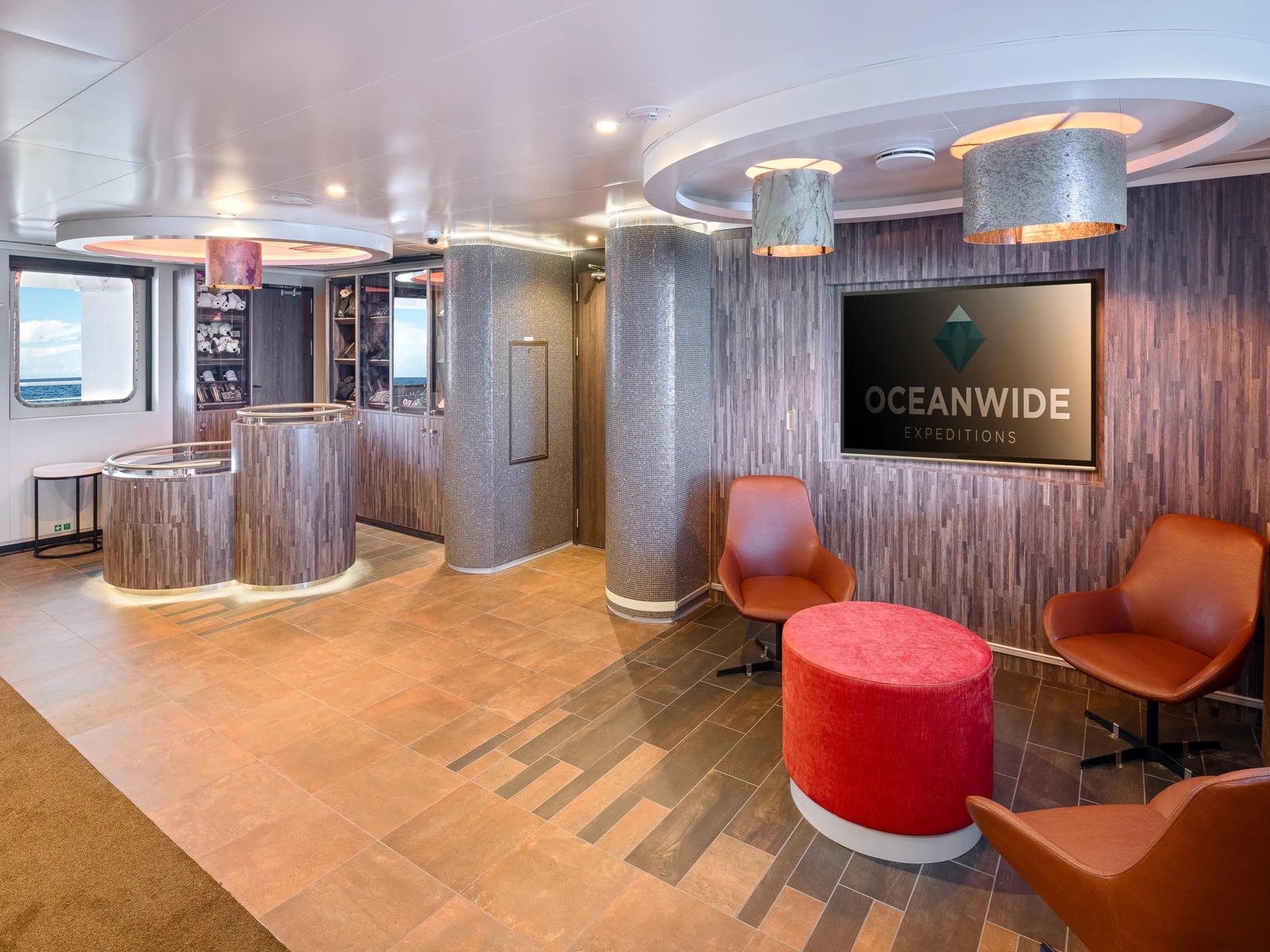
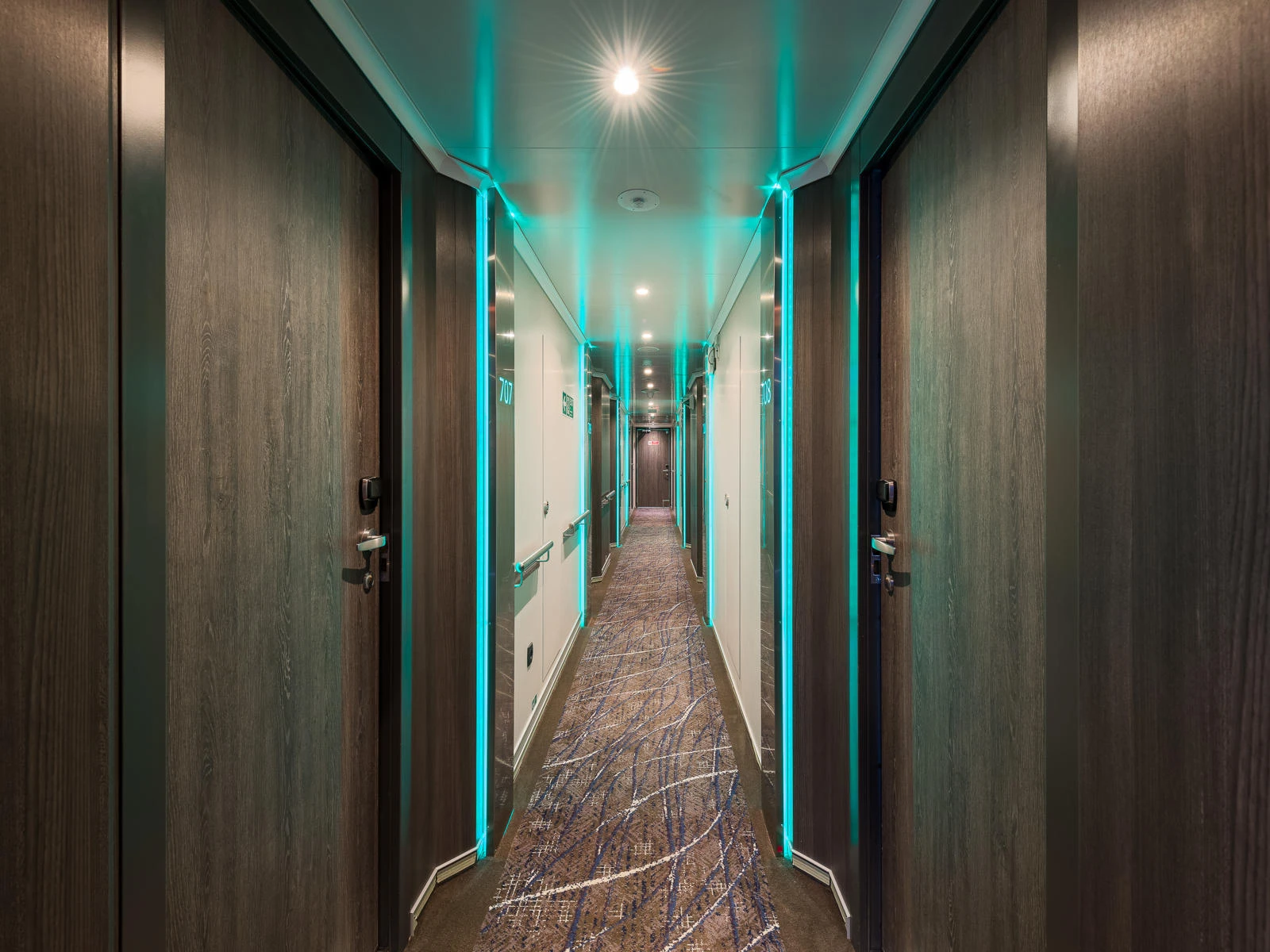
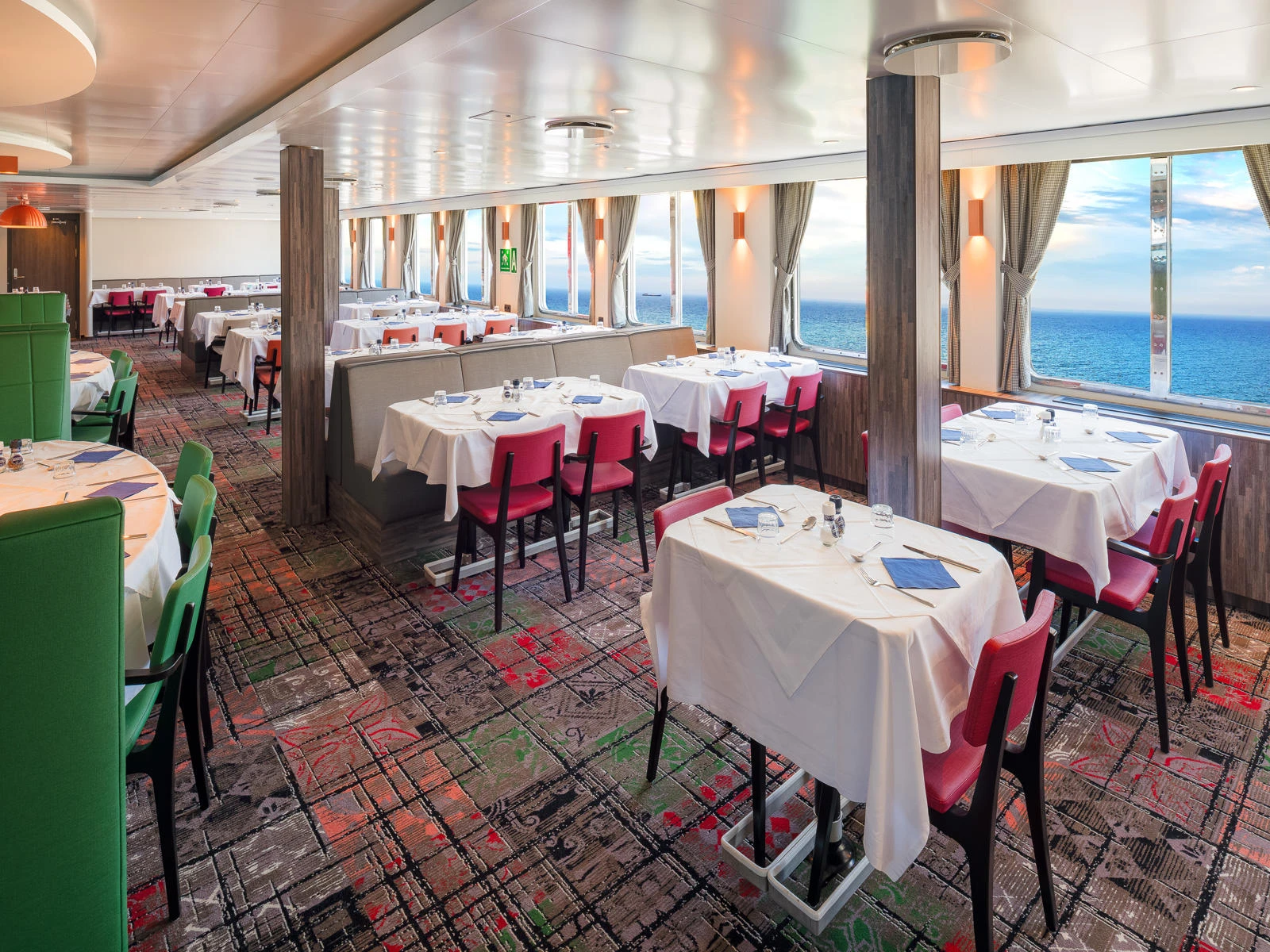
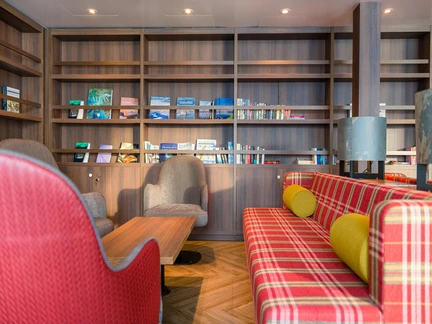
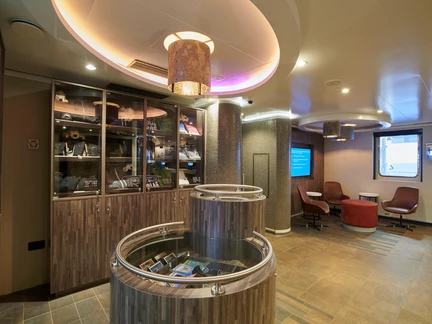
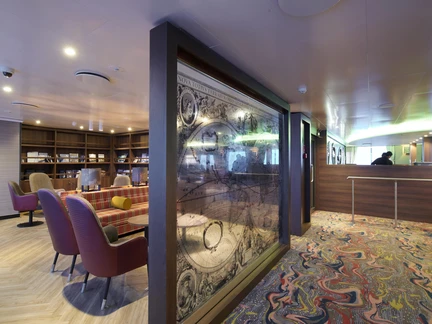
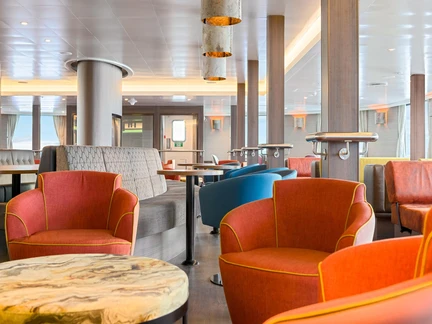
Ship Interior Gallery
Ship Exterior Gallery
Hondius is the first-registered Polar Class 6 vessel in the world, meeting the latest and highest Lloyd’s Register standards for ice-strengthened cruise ships. Surpassing the requirements of the Polar Code adopted by the International Maritime Organization (IMO), Hondius represents the most flexible, advanced, innovative touring vessel in the polar regions, thoroughly optimized for exploratory voyages that provide you the utmost first-hand contact with the Arctic and Antarctica.
Happier polar passengers, healthier polar environment
Not only will the numerous amenities and on-board entertainments help make your Hondius voyage truly memorable, this ship also gives you the peace of mind that comes with choosing one of the most environmentally friendly vessel on the polar seas.
Hondius uses LED lighting, steam heating, bio-degradable paints and lubricants, and state-of-the-art power management systems that keep fuel consumption and CO2 levels minimal. This means that when you sail aboard Hondius, you get to enjoy the exotic landscapes and wildlife as much as possible while impacting them as little as possible.
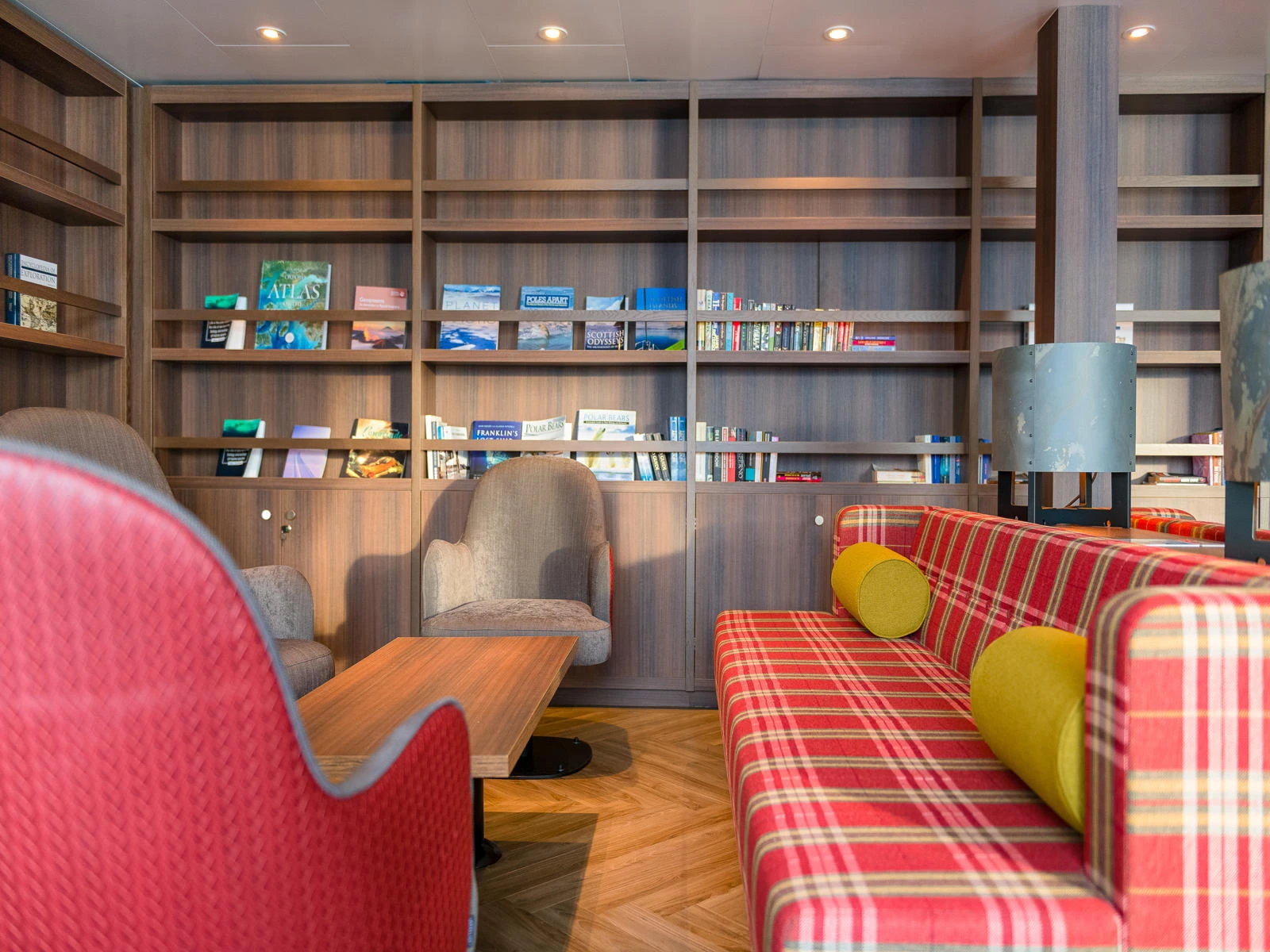
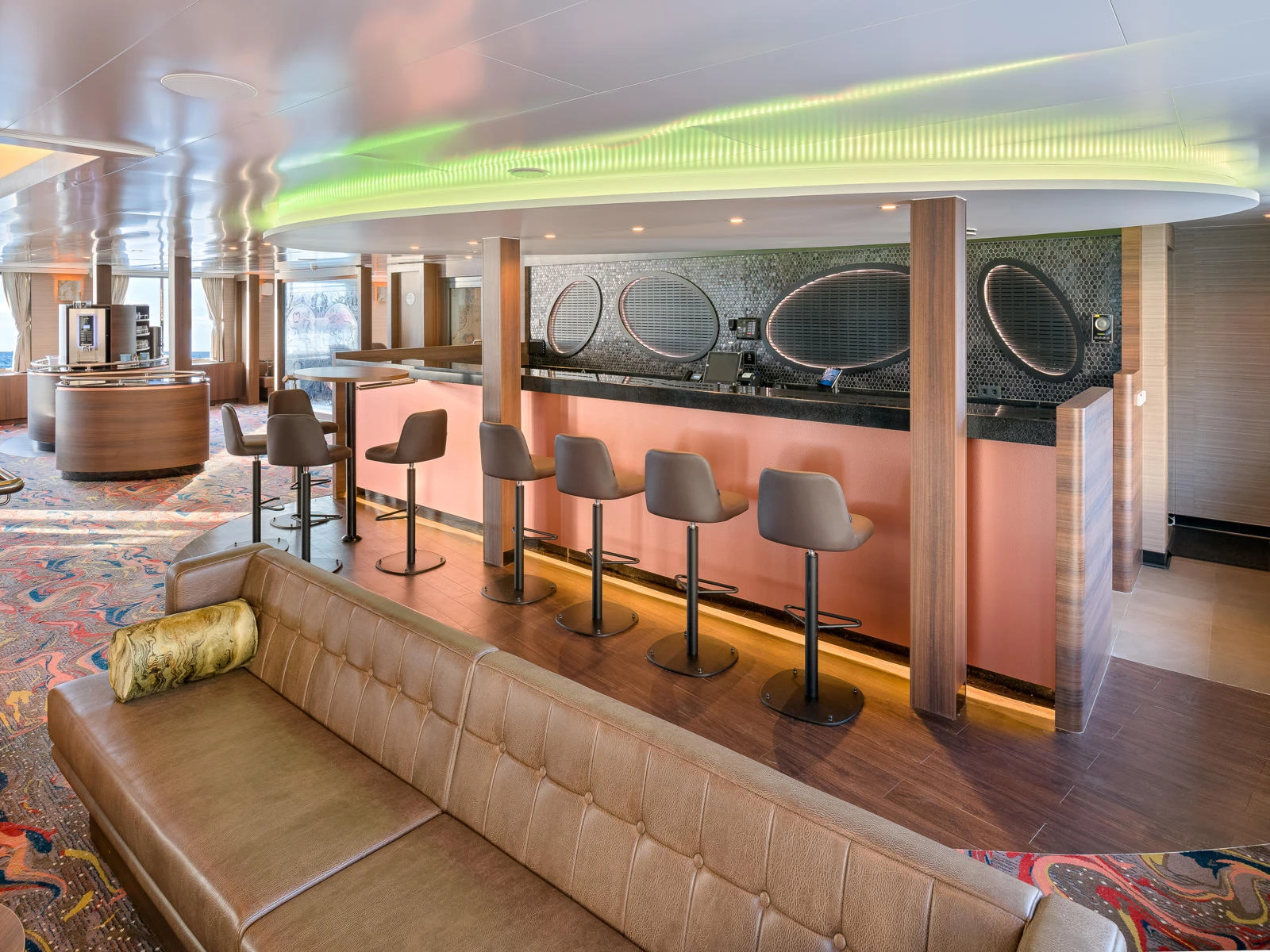
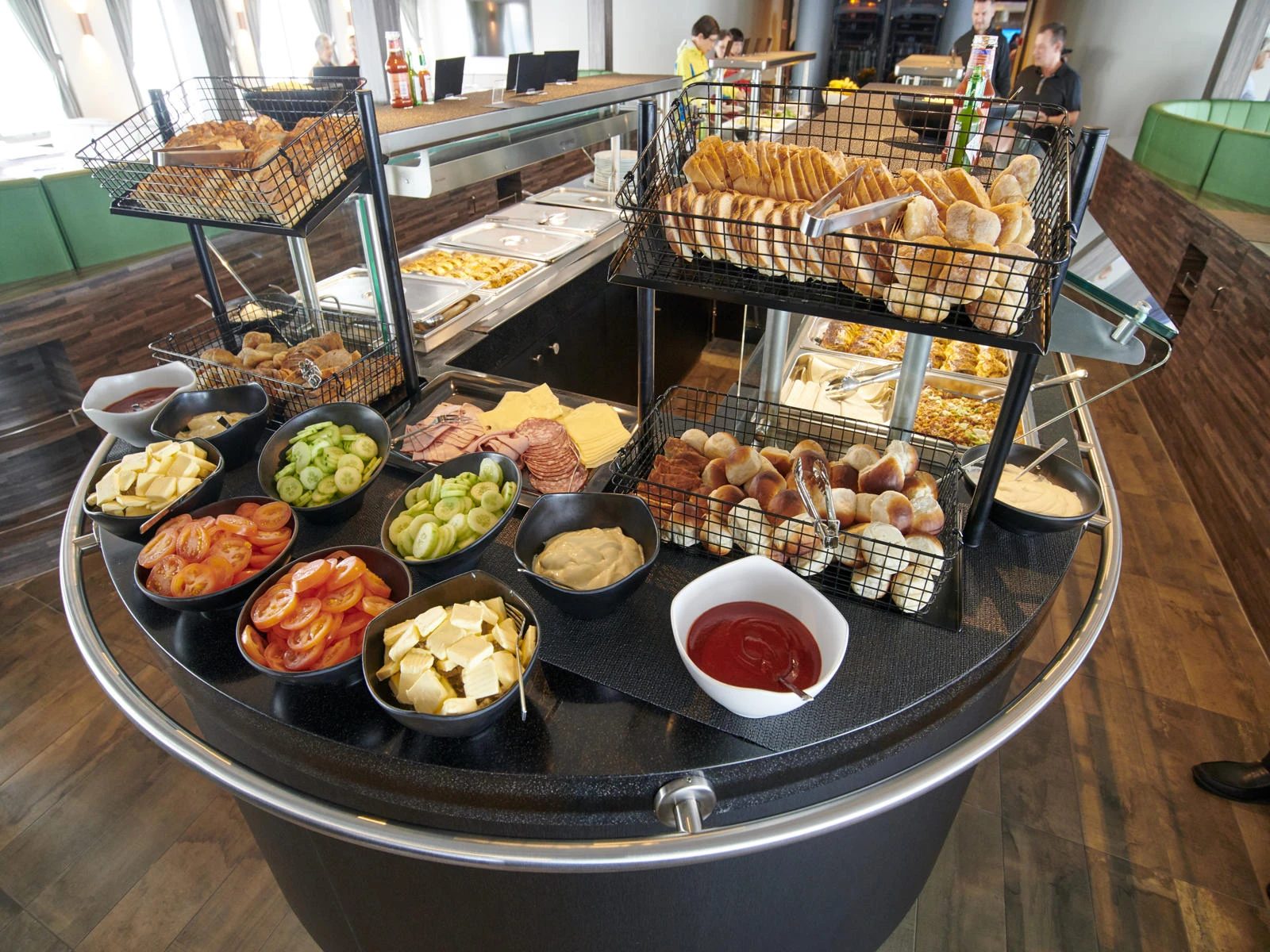
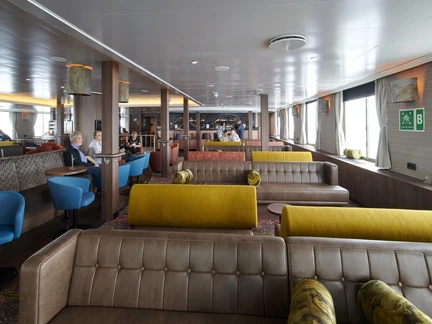
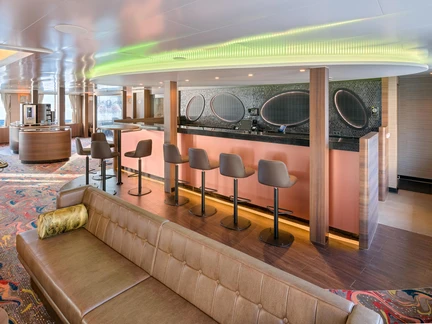
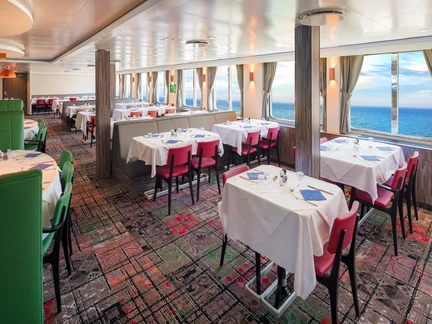
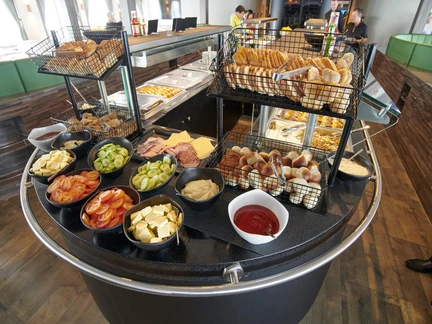
Hotel comfort, expedition class
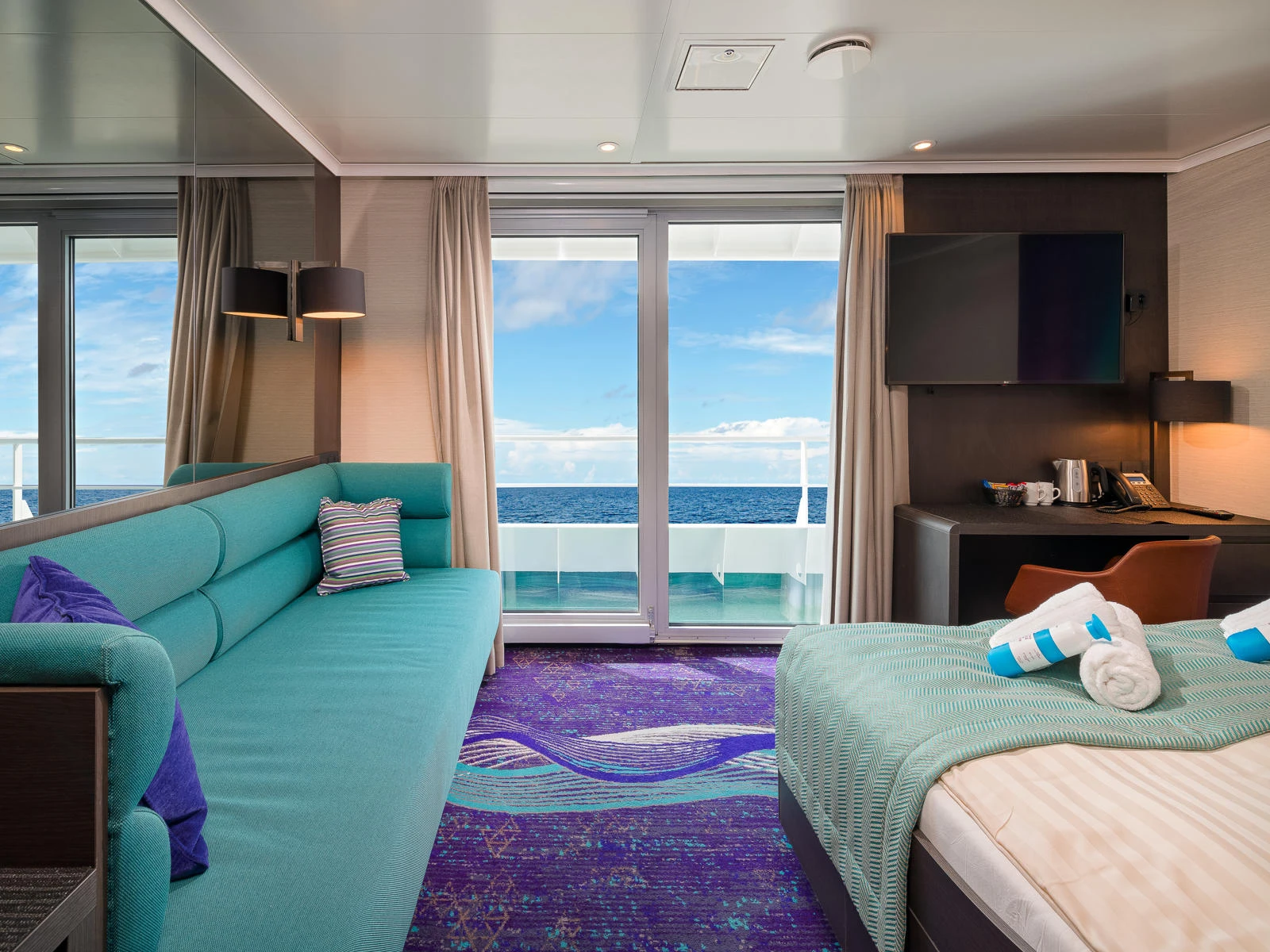
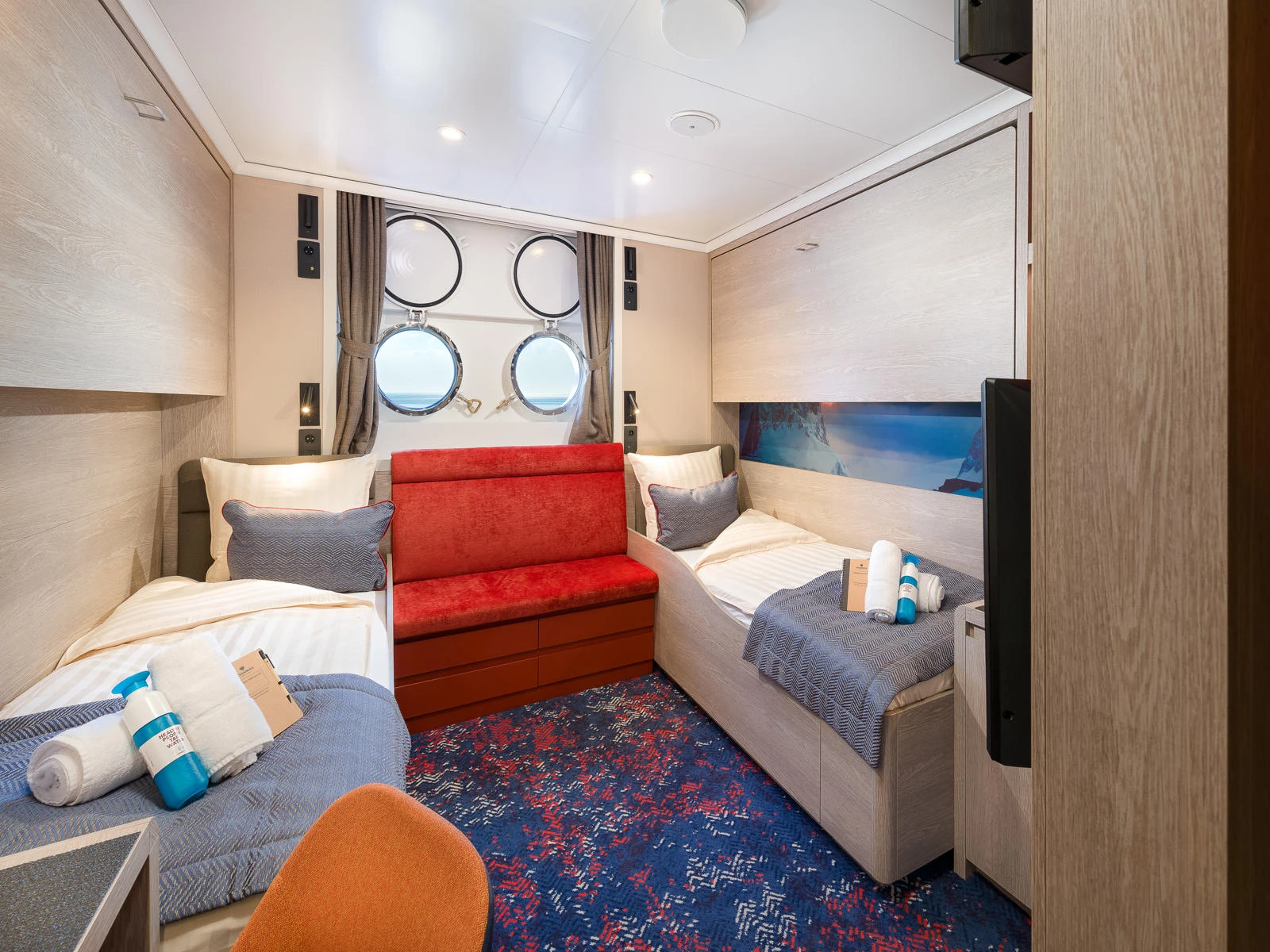
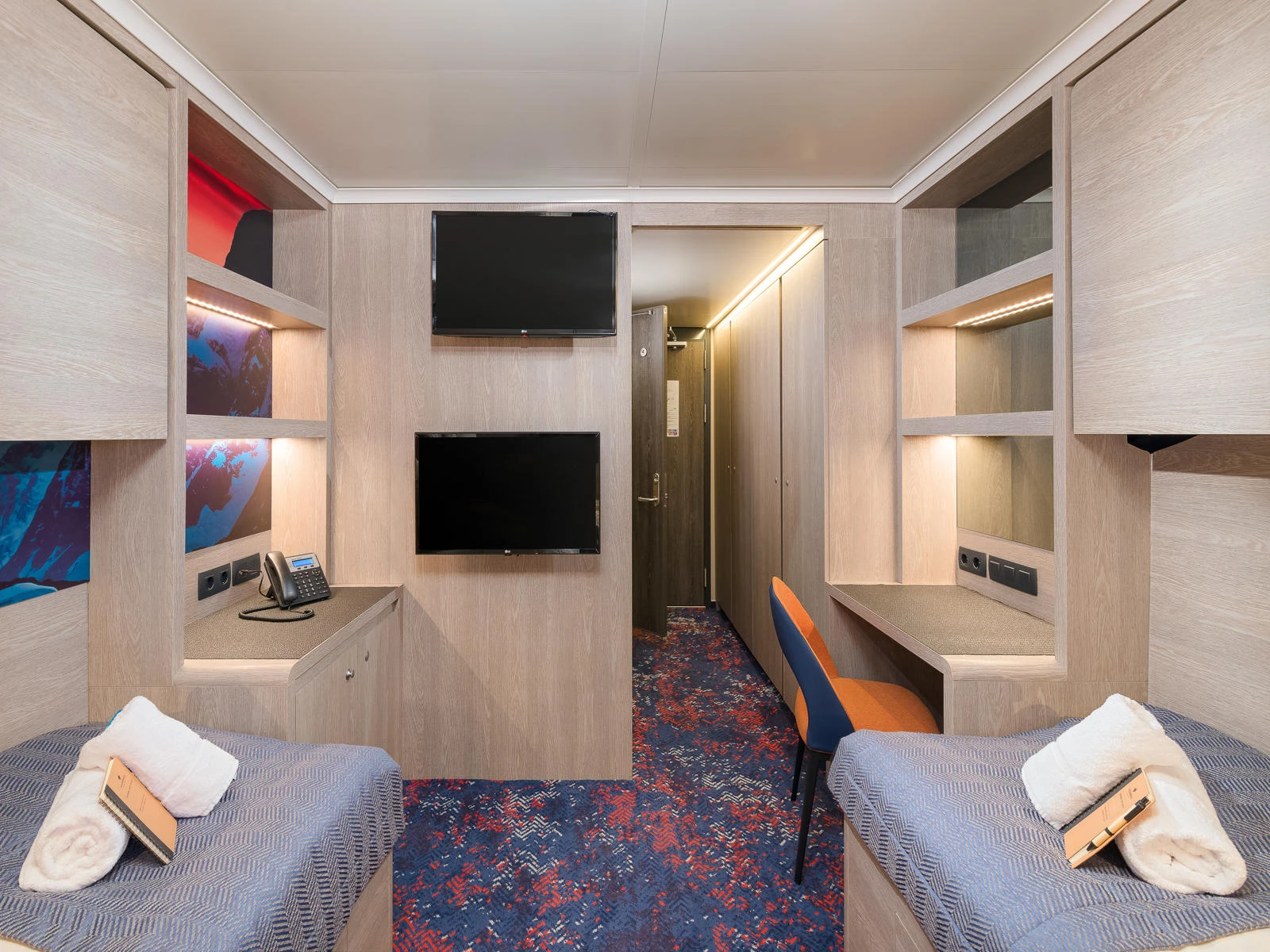
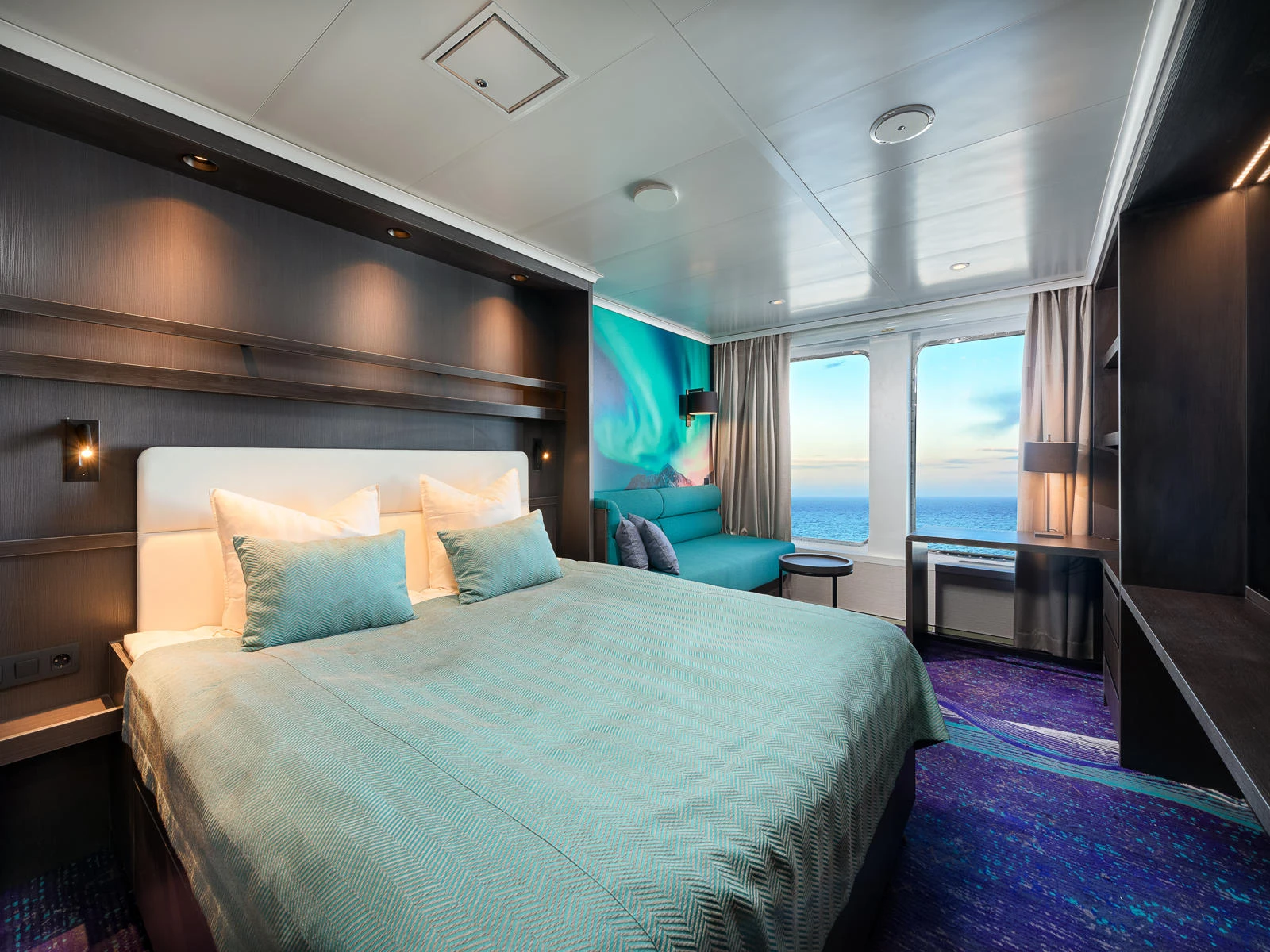
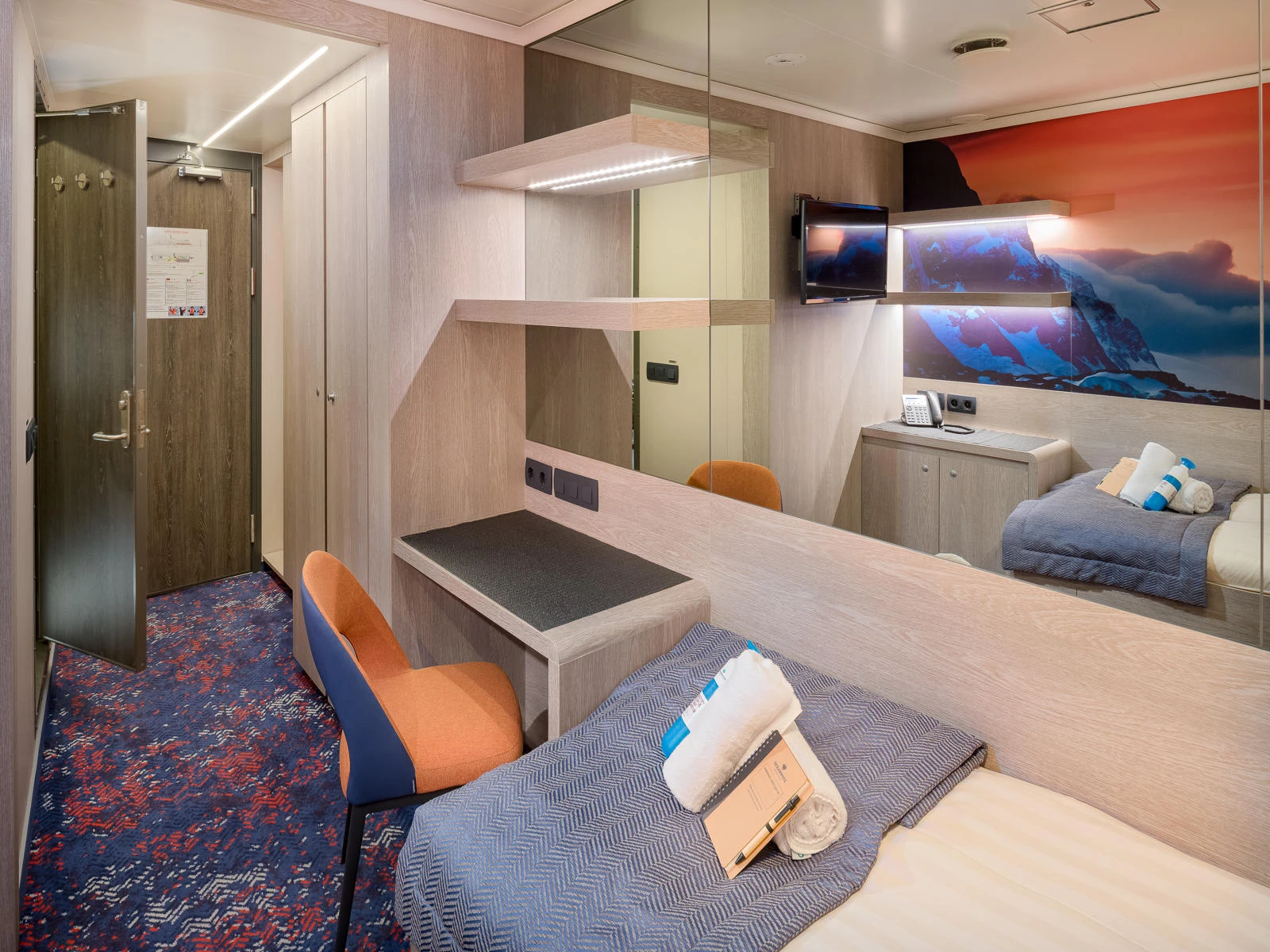
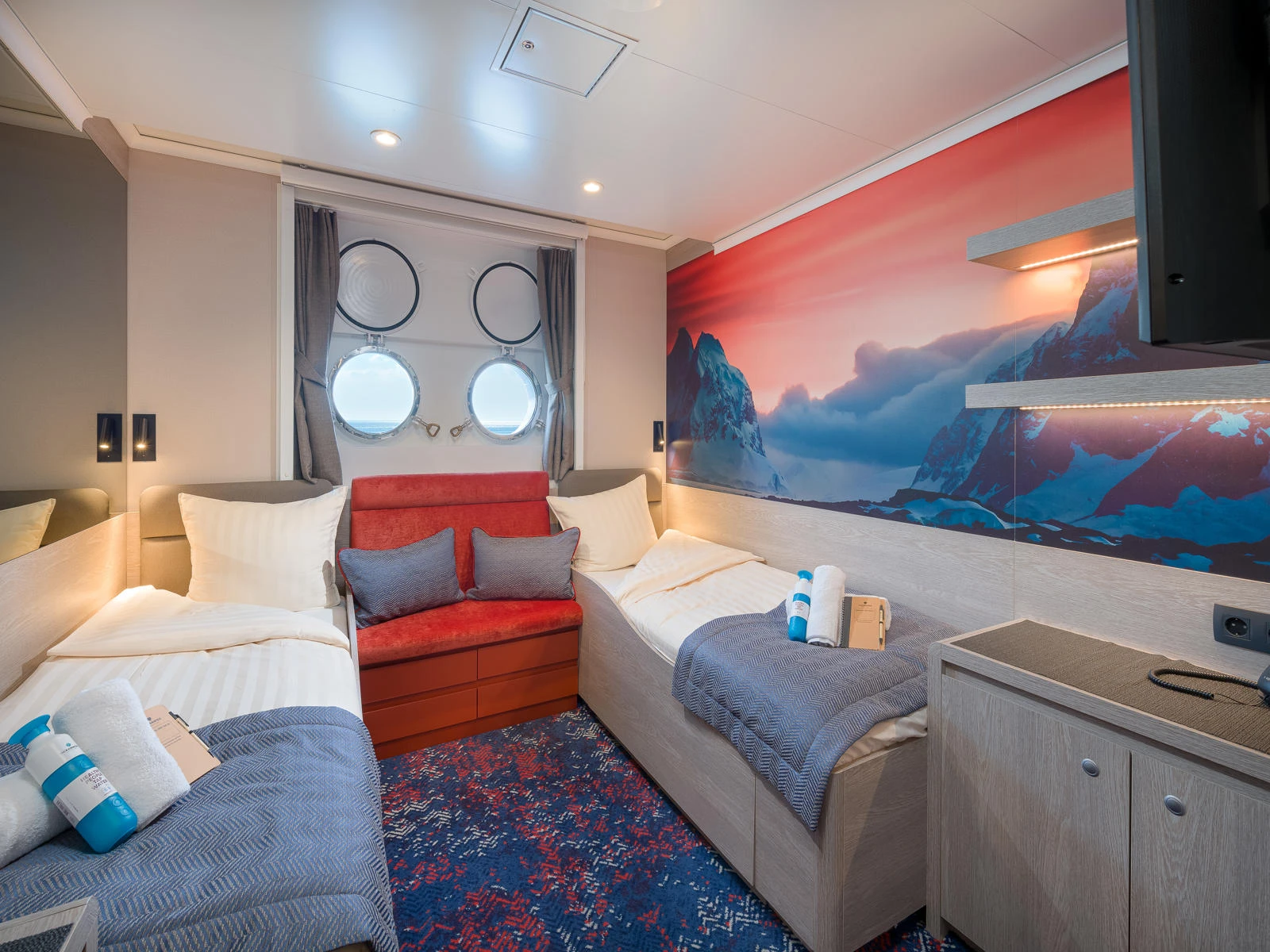
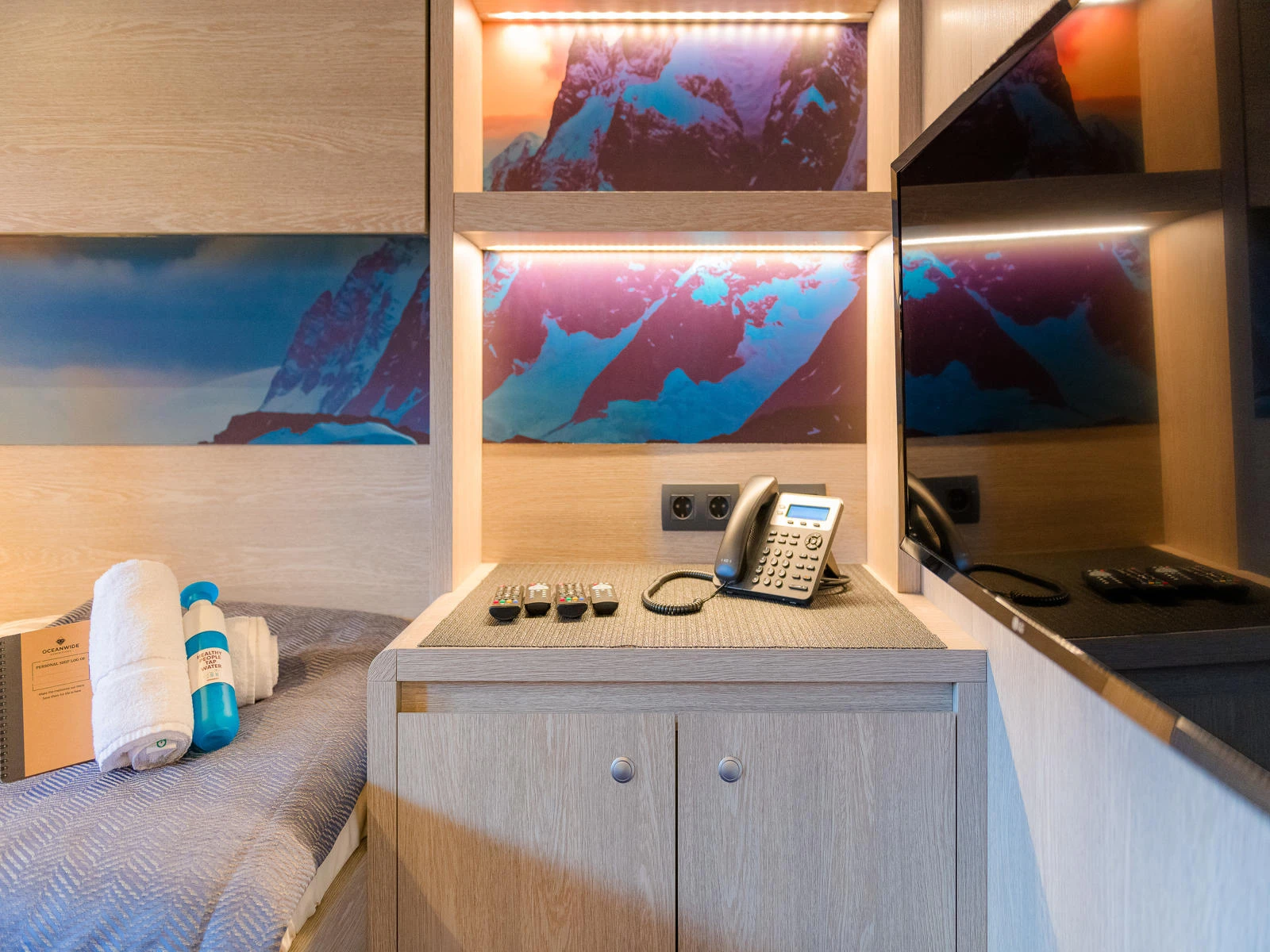
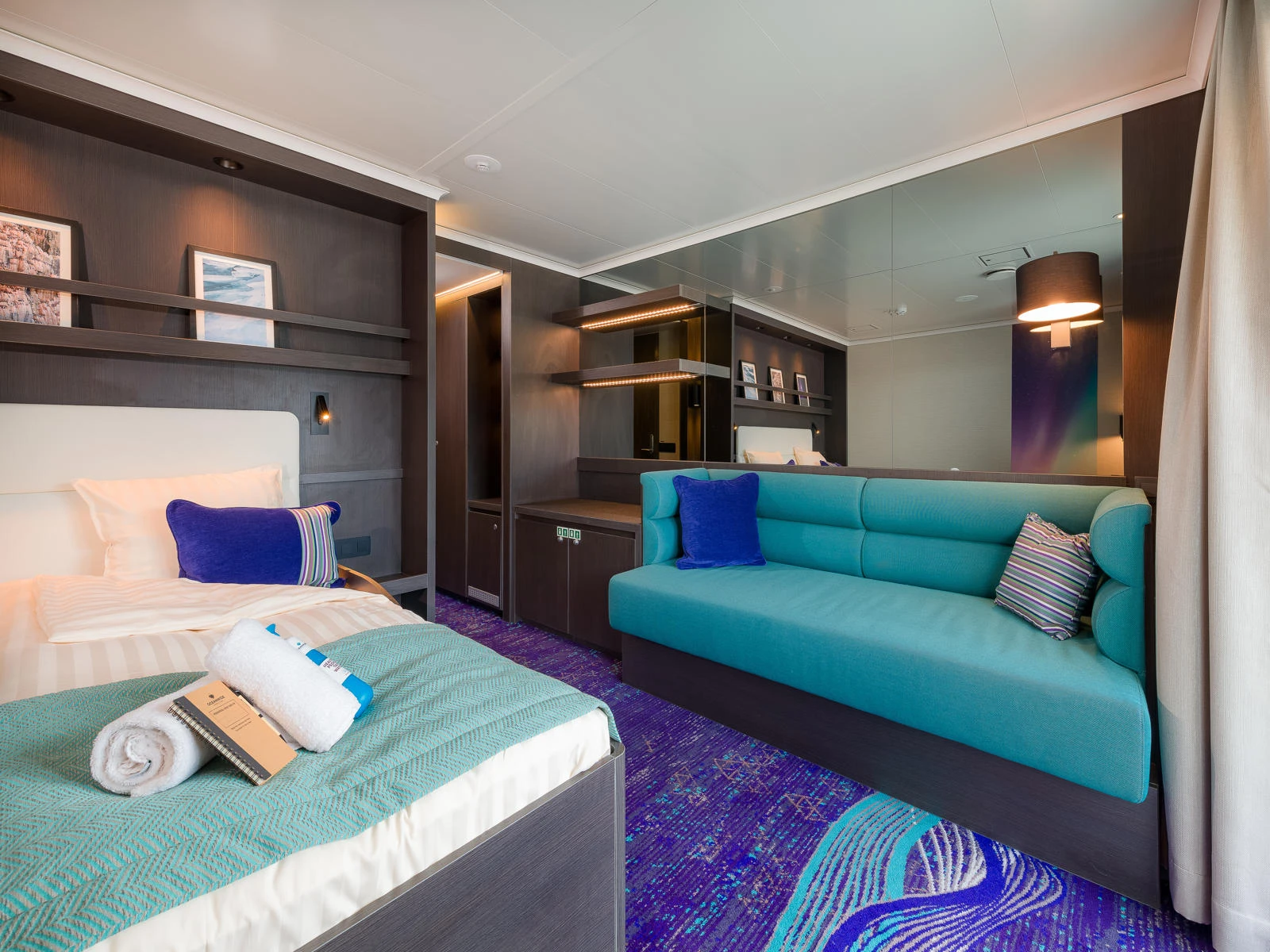
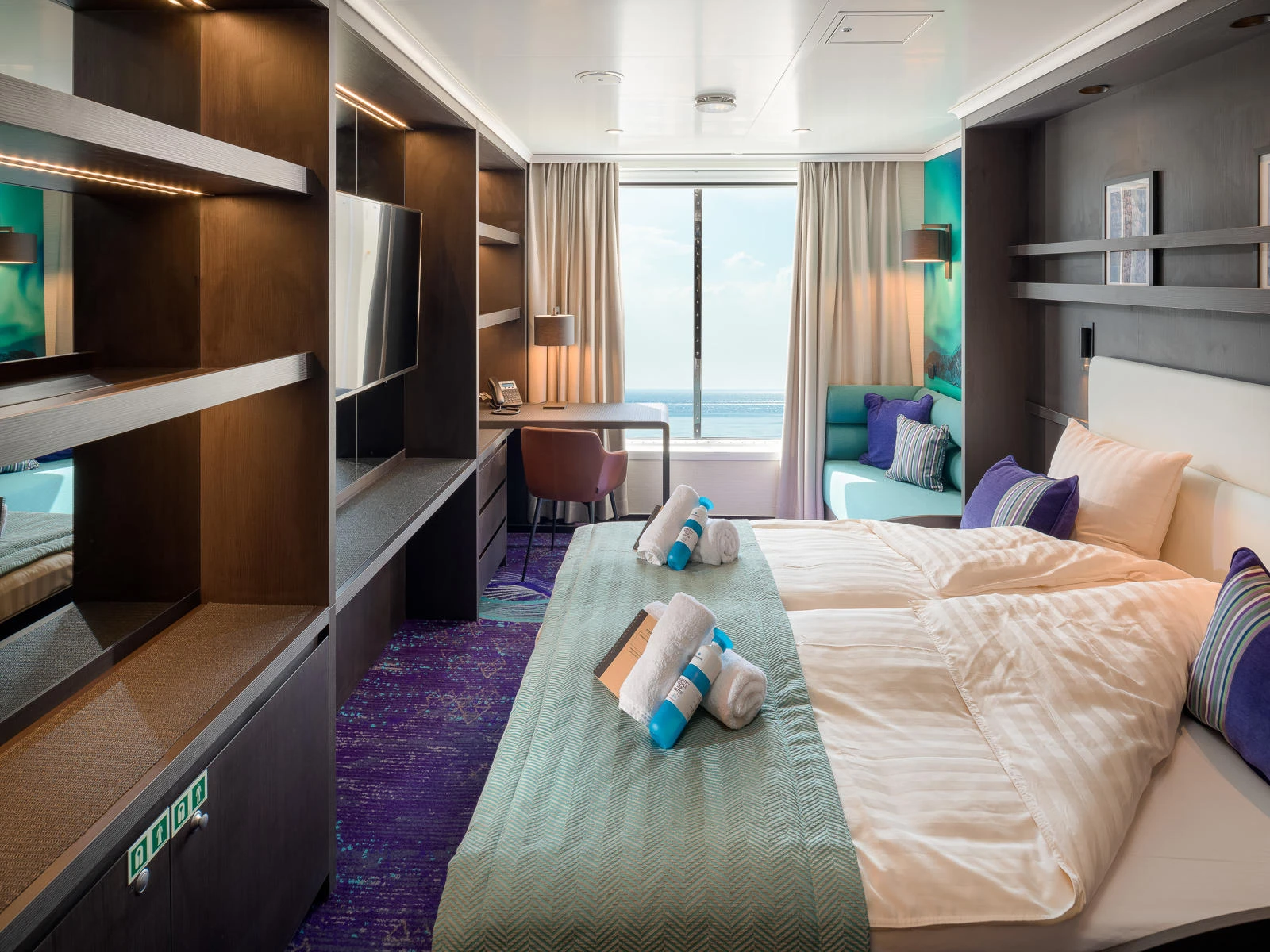
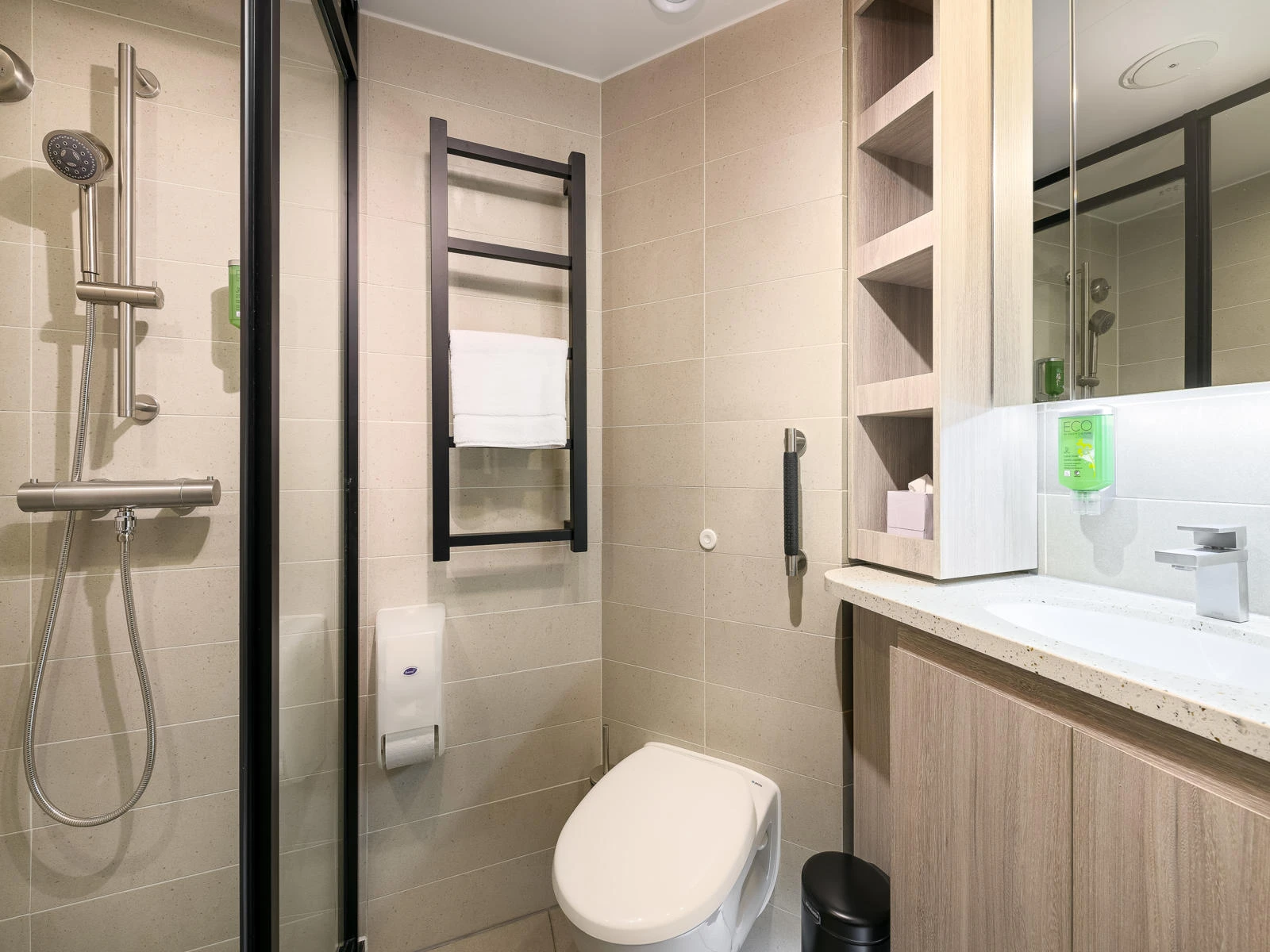
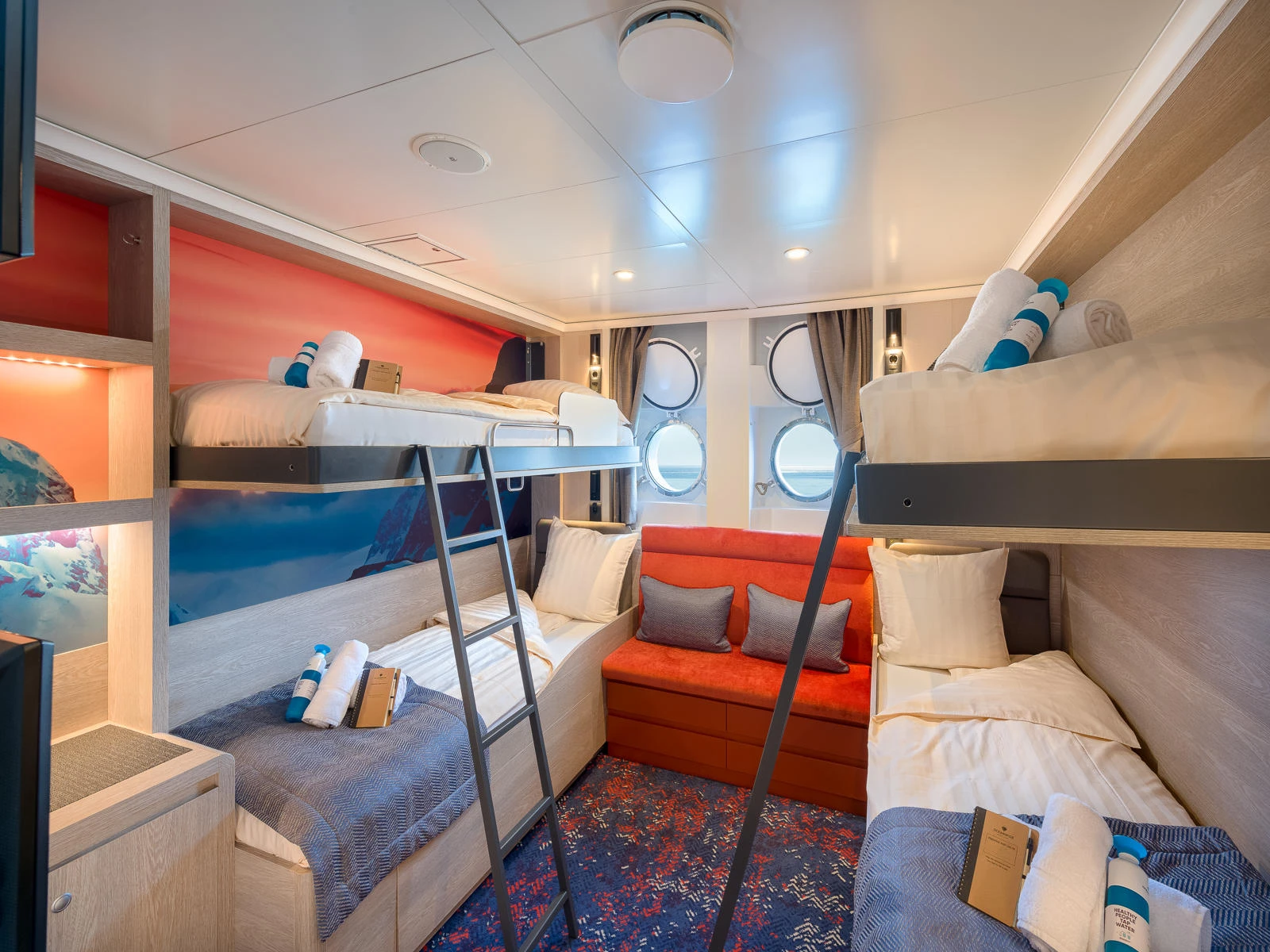
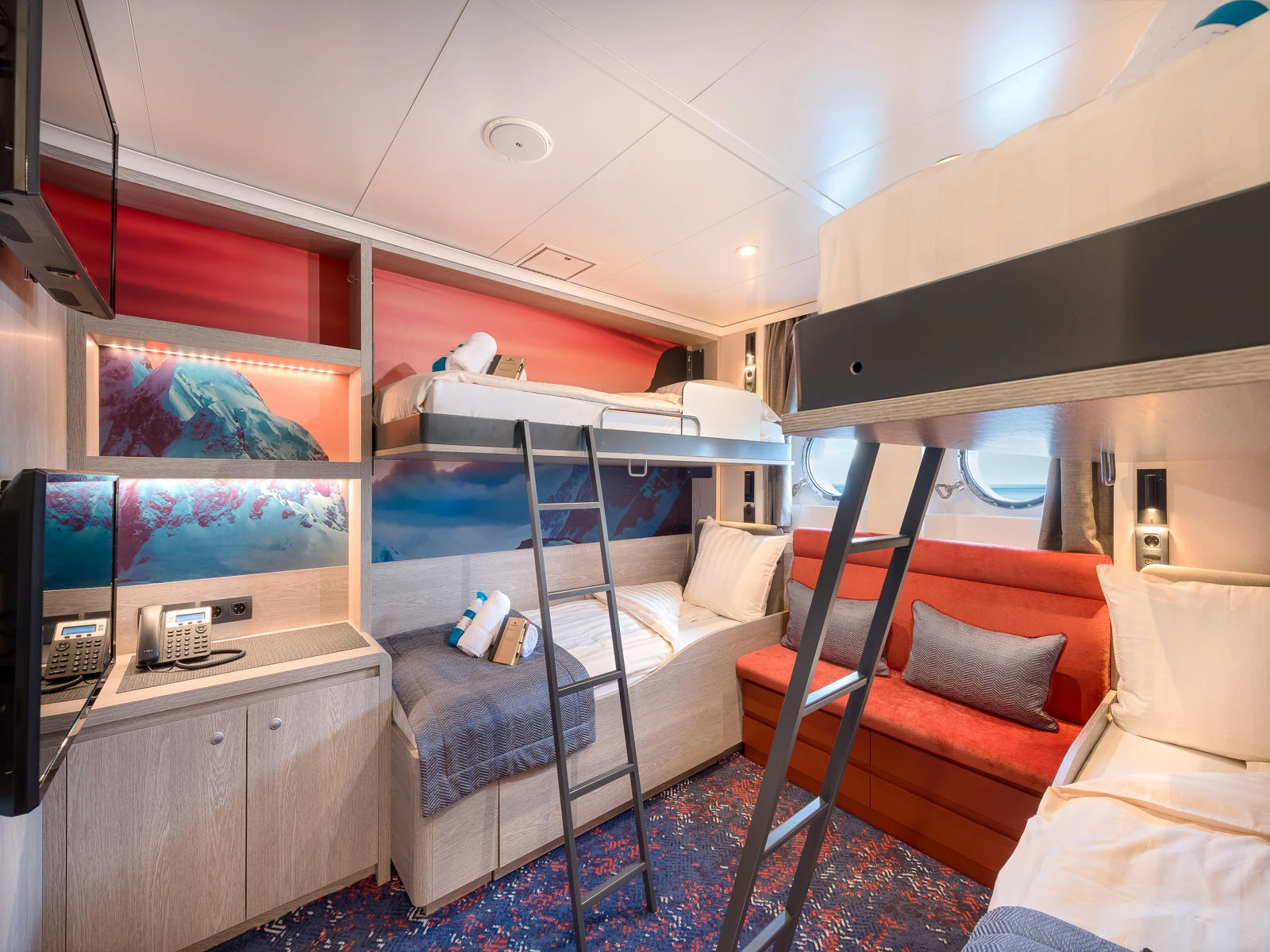
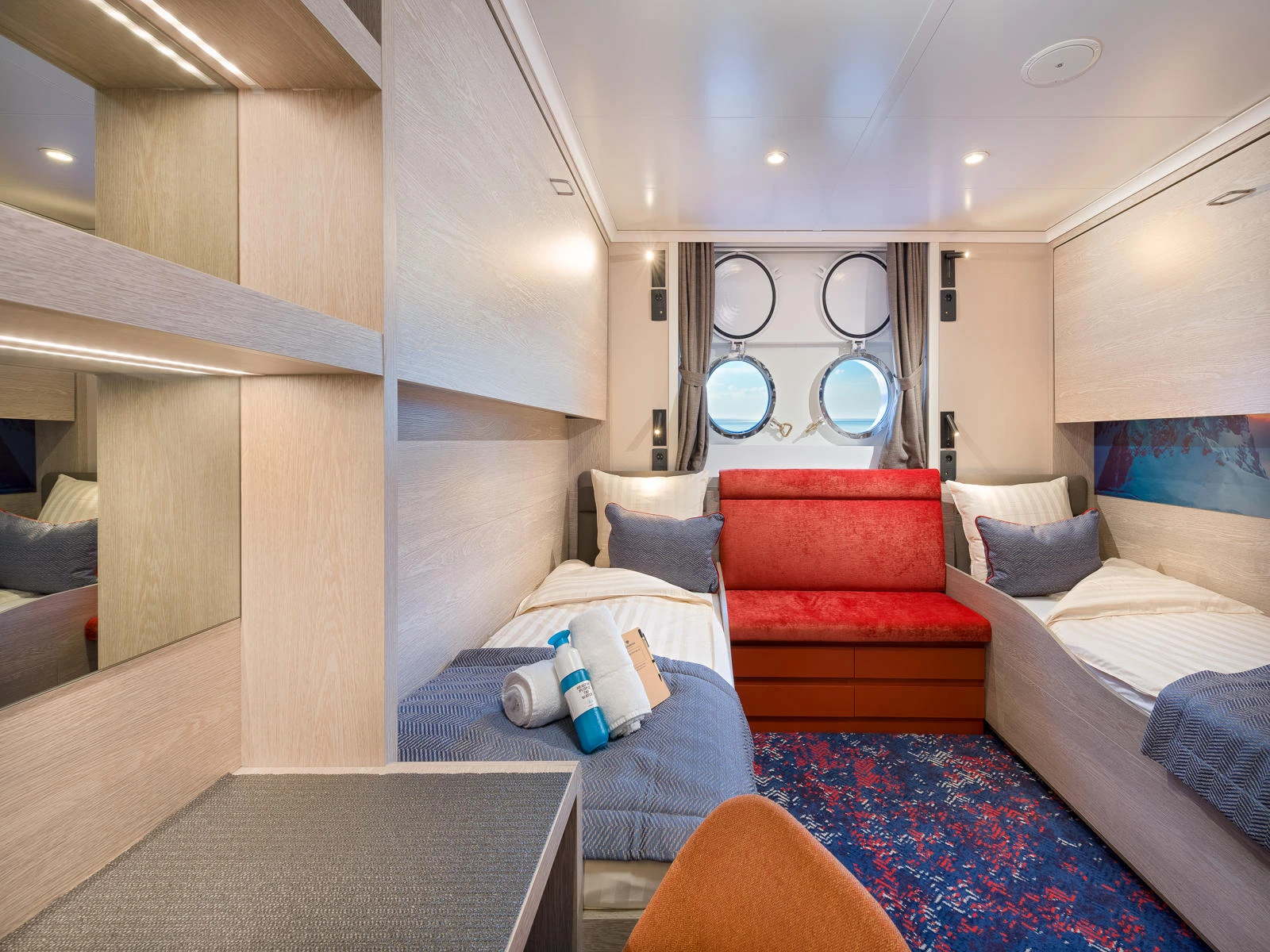
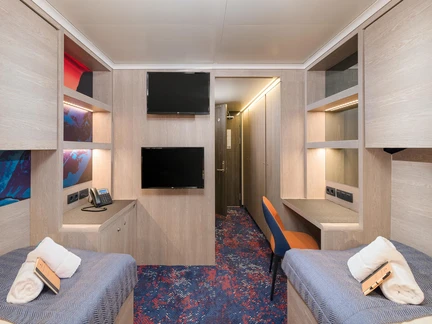
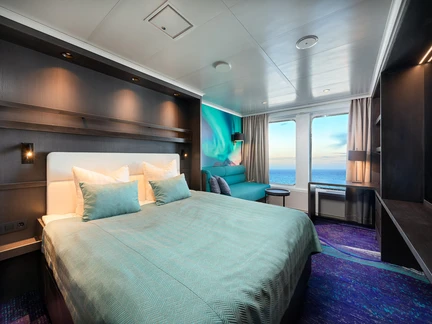
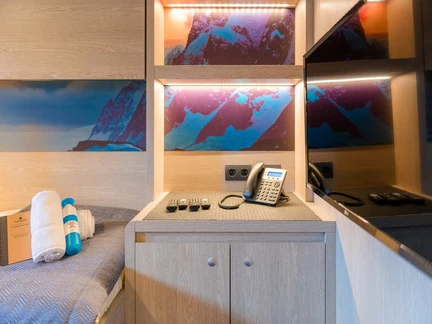
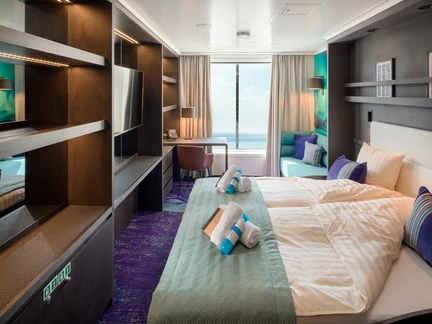
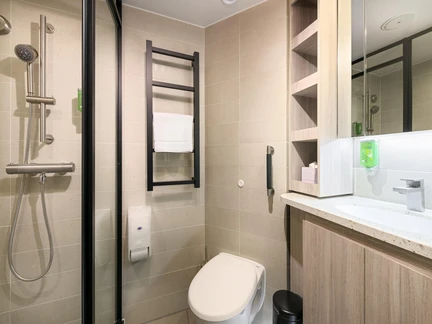
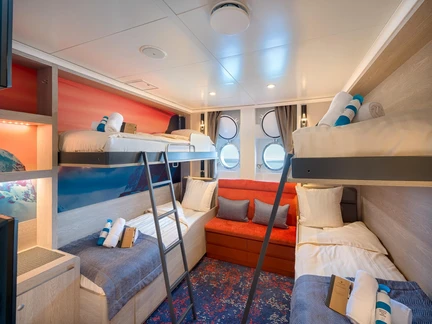
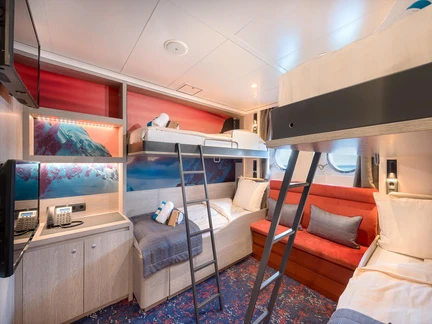
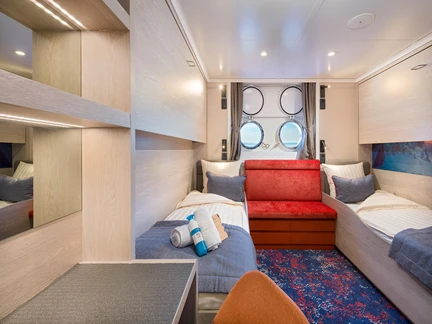
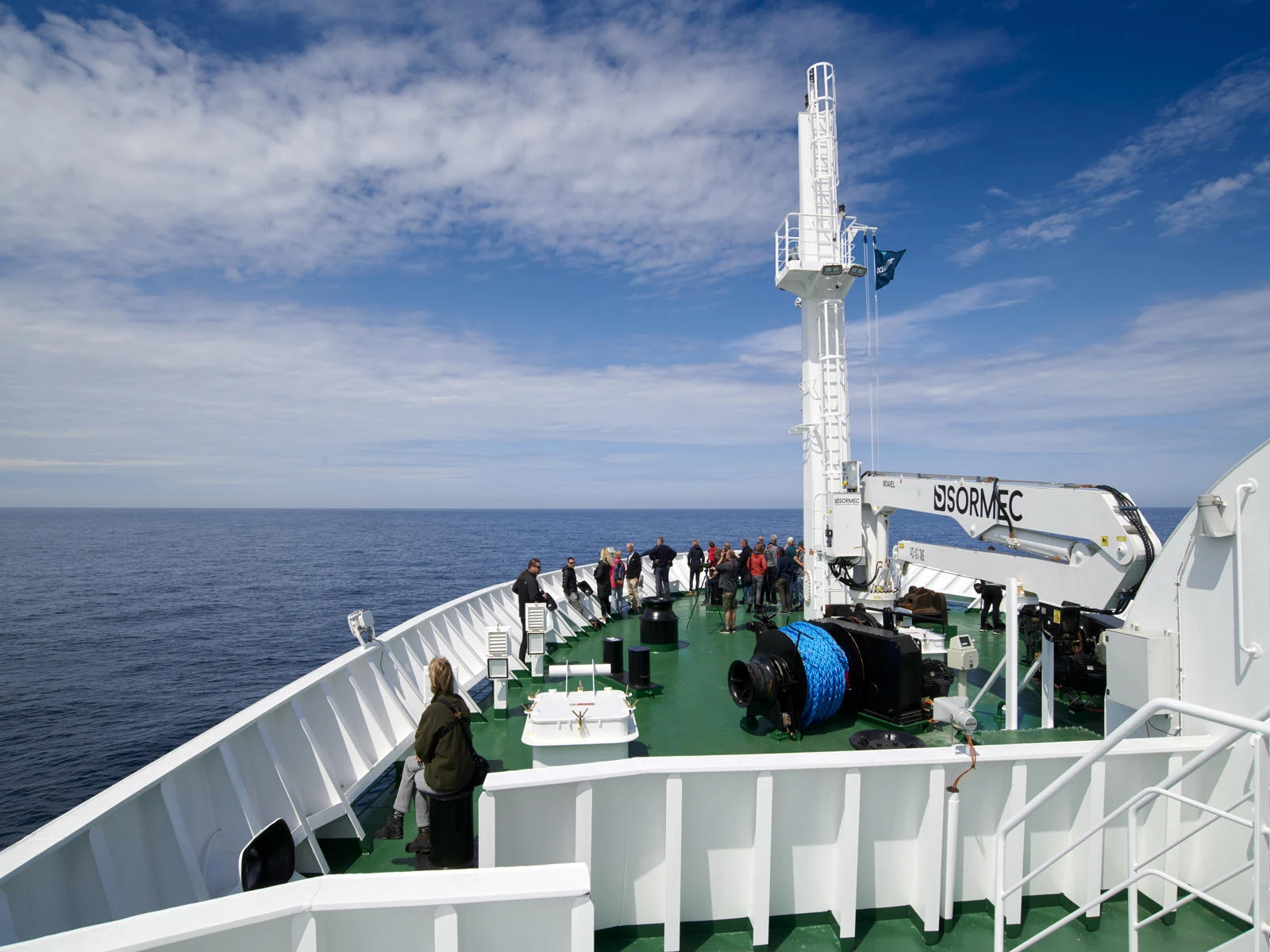
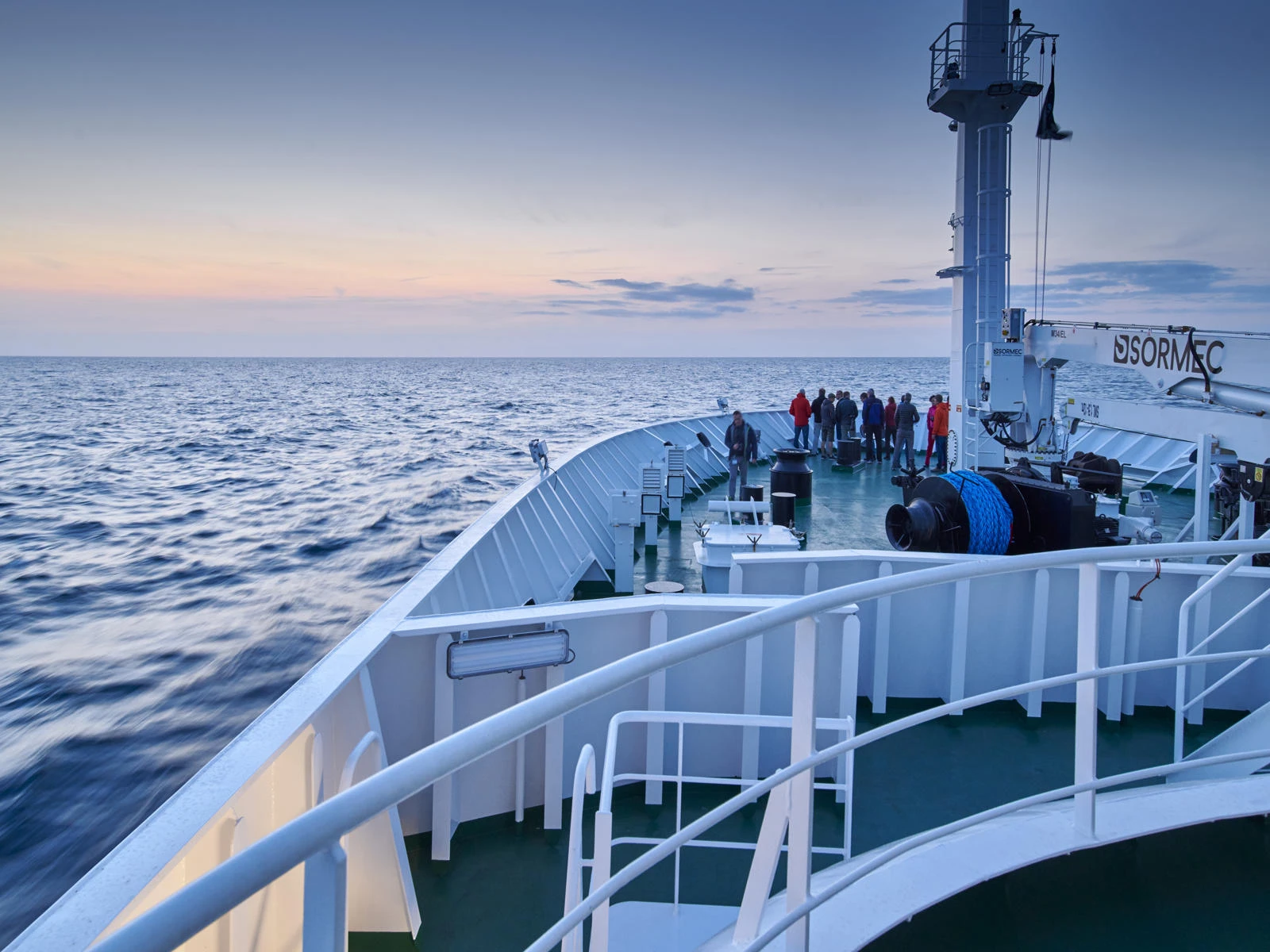
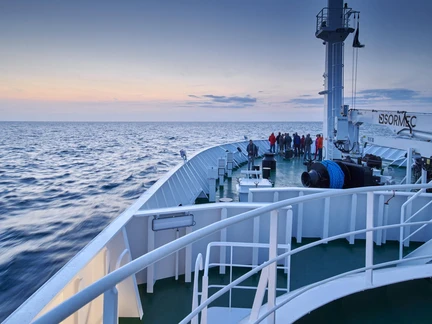
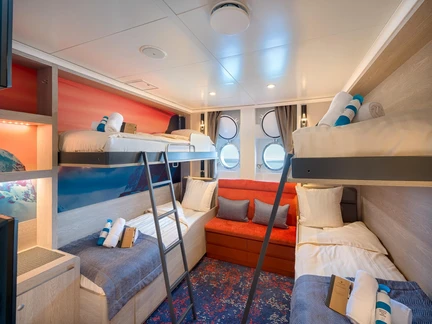
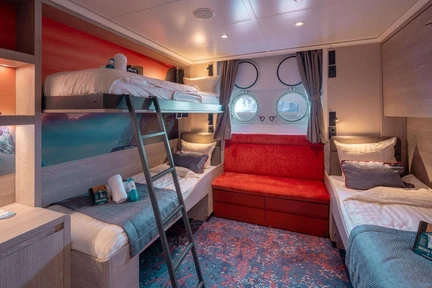
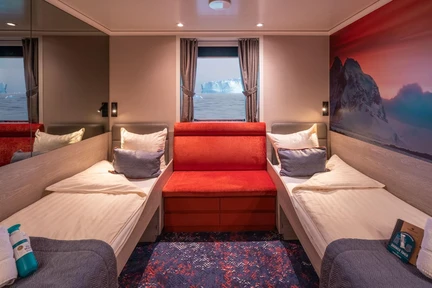
The best view is always on the outer deck or the bridge. Hondius offers high-quality accommodation for 170 passengers in six grand suites with balconies (27 square meters, 291 square feet), eight junior suites (19 to 20 square meters, 205 to 215 square feet), eight superior cabins (20 to 21 square meters, 215 to 226 square feet), 11 twin deluxe cabins, (19 to 21 square meters, 205 to 226 square feet), 14 twin window cabins (12 to 14 square meters, 129 to 151 square feet) as well as 27 twin porthole cabins, two triple porthole cabins, and four quadruple porthole cabins that vary in size from 12 to 18 square meters, or 129 to 194 square feet.
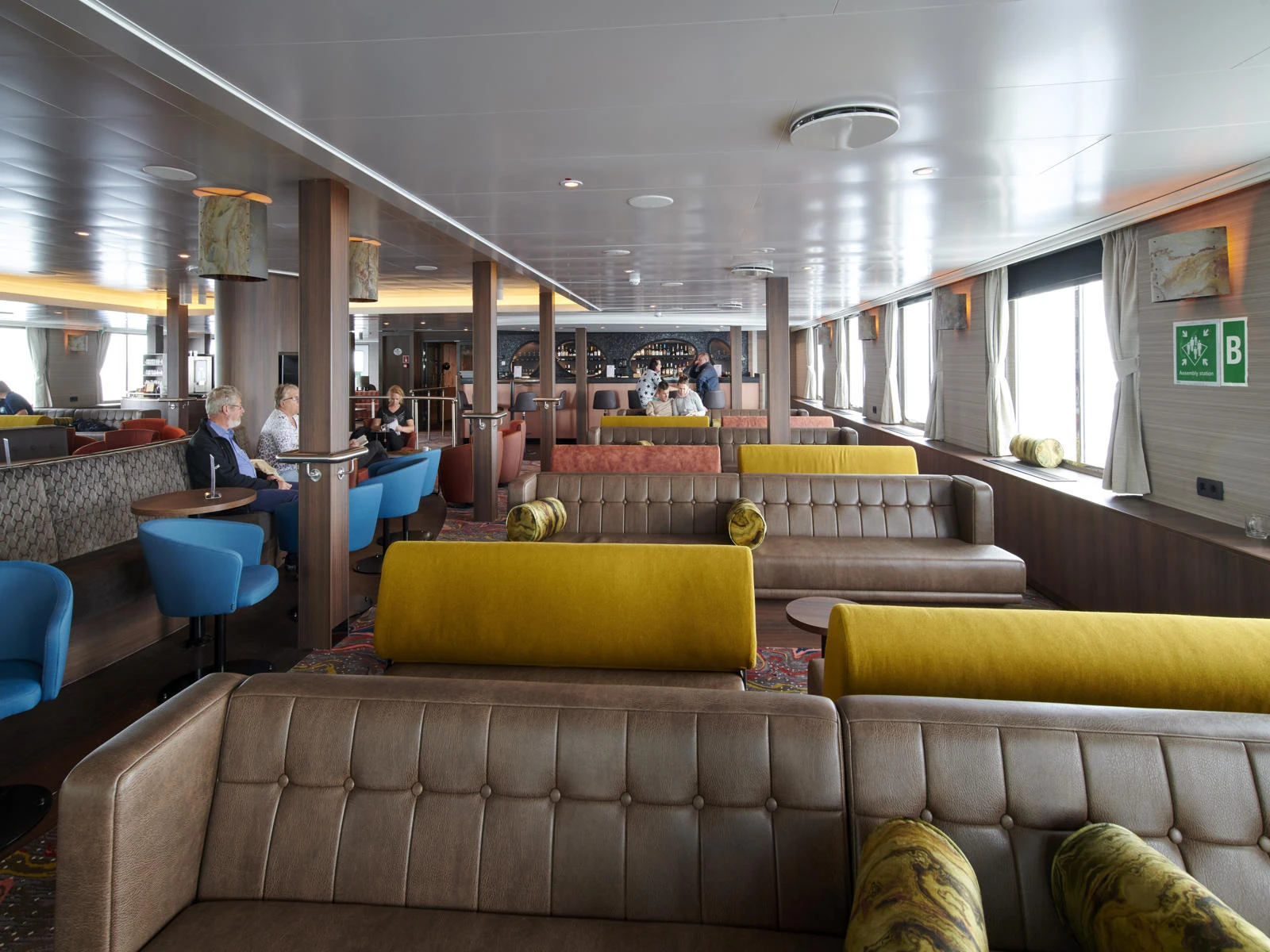
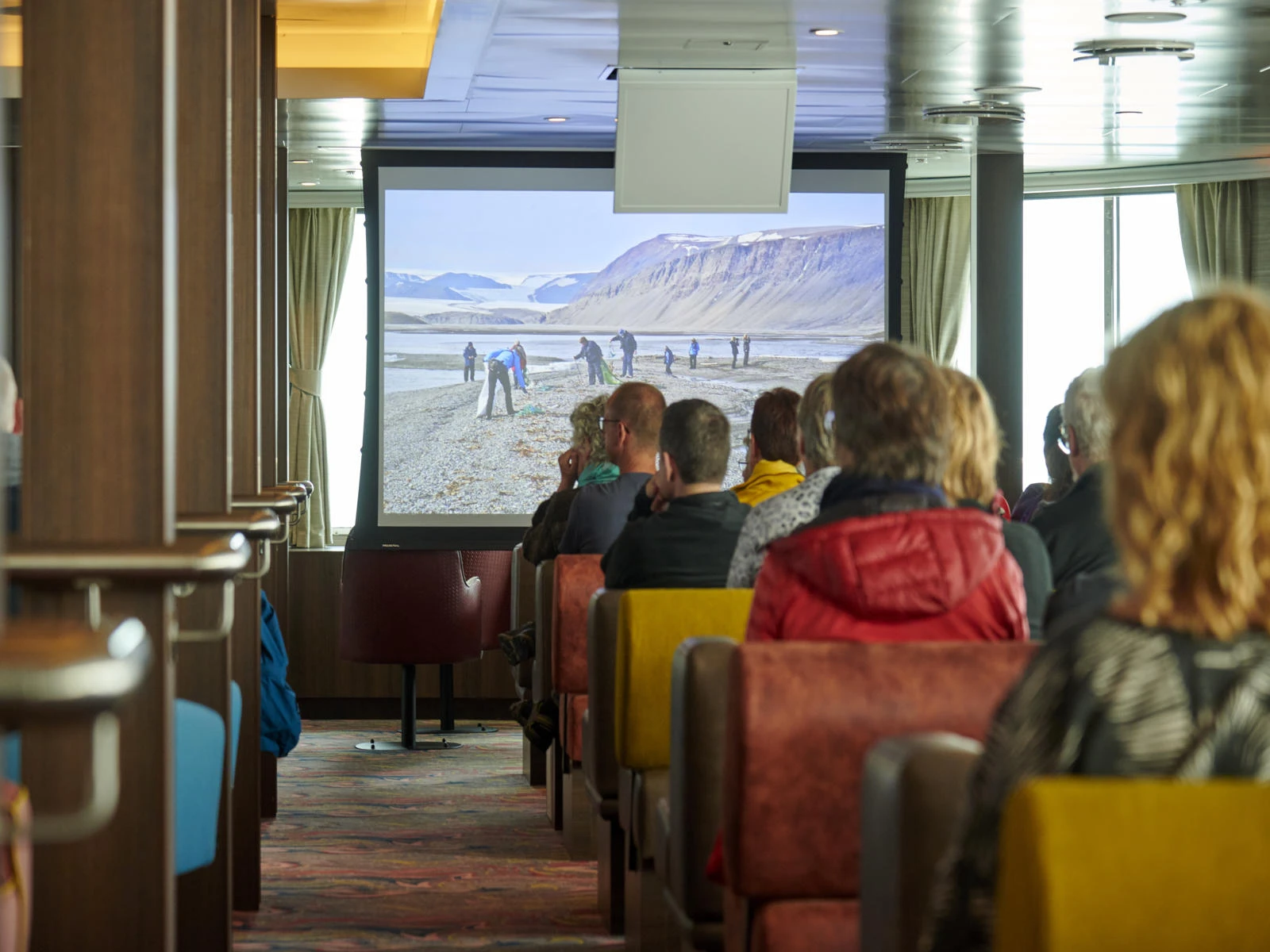
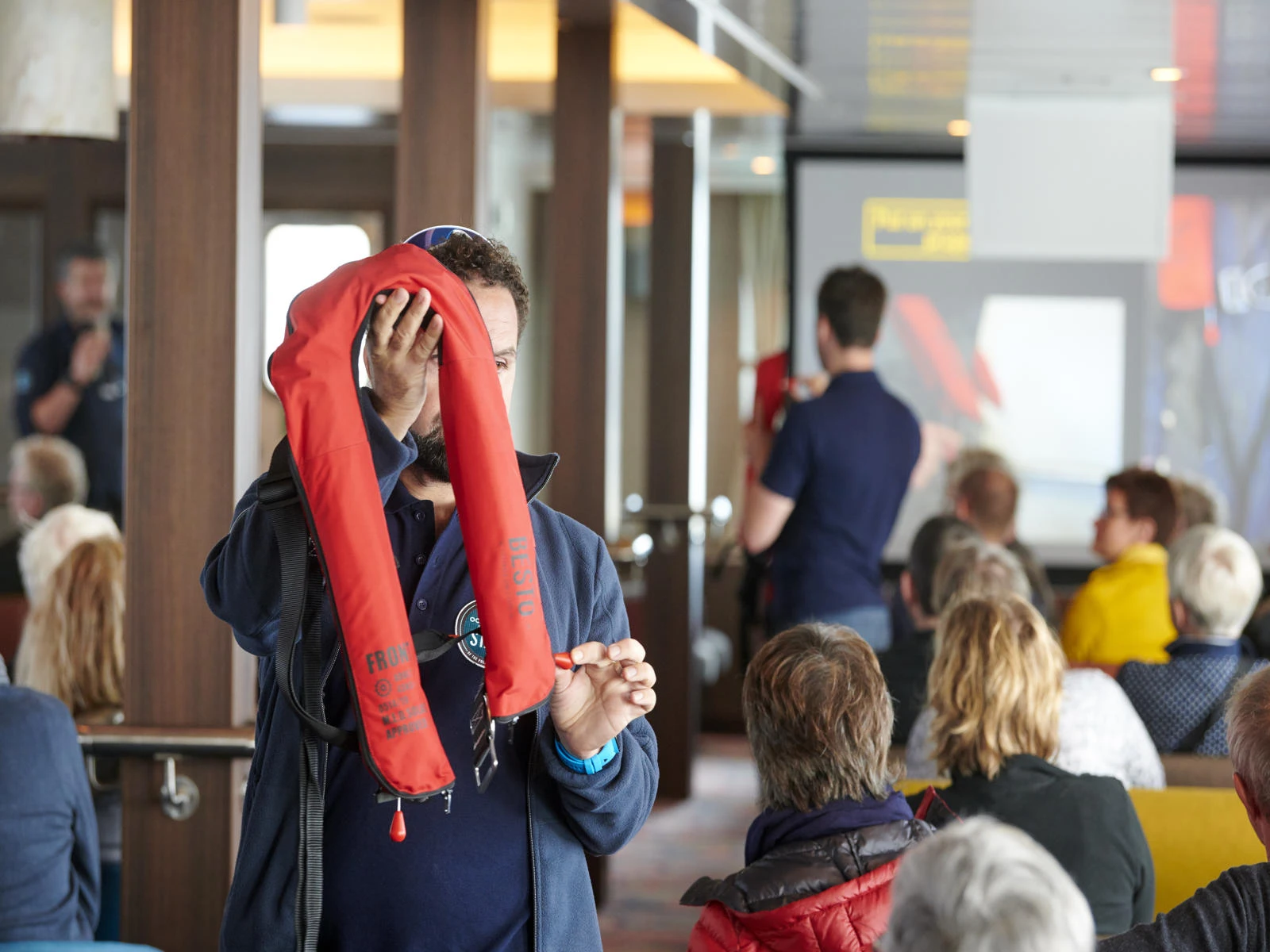
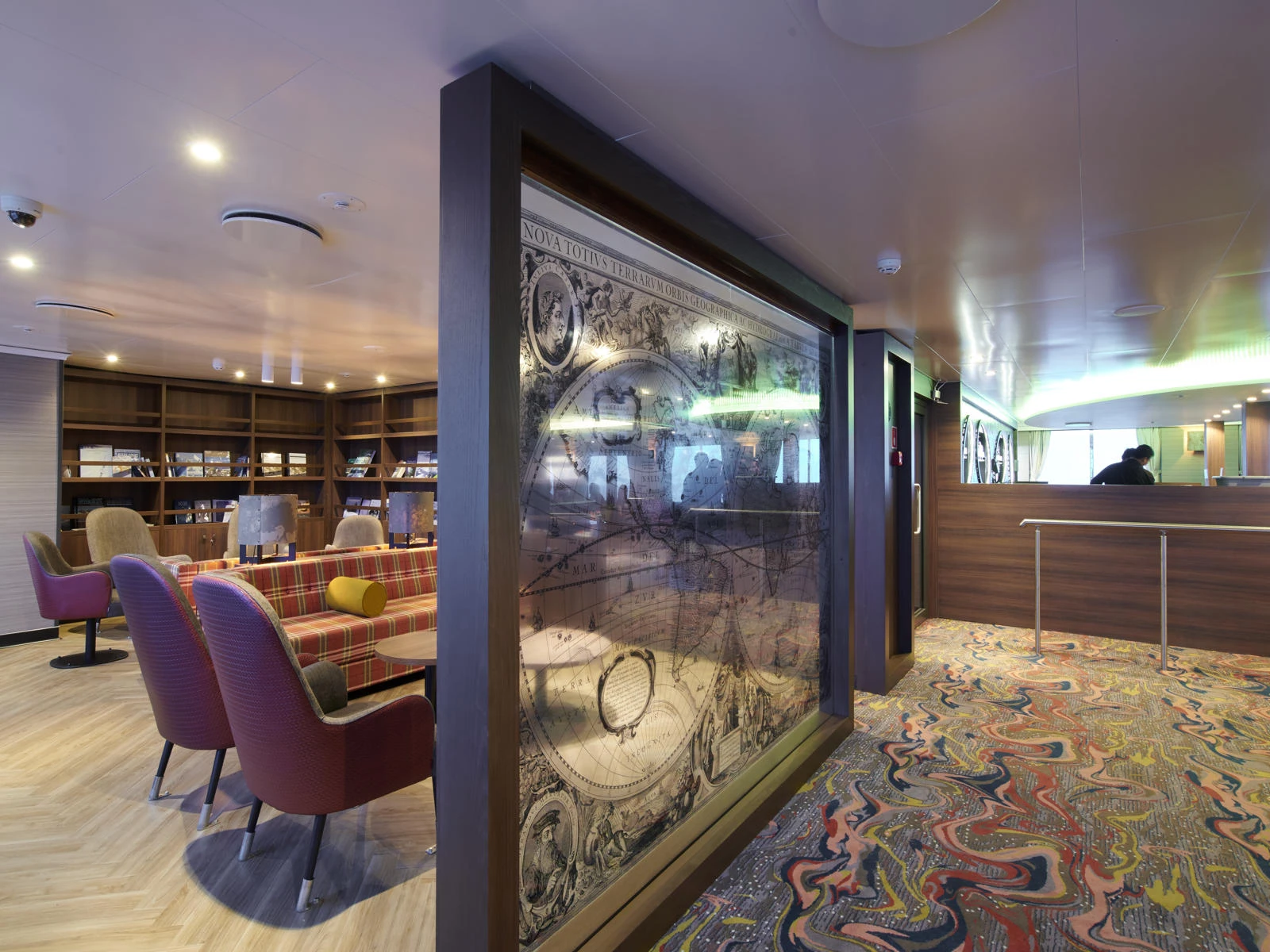
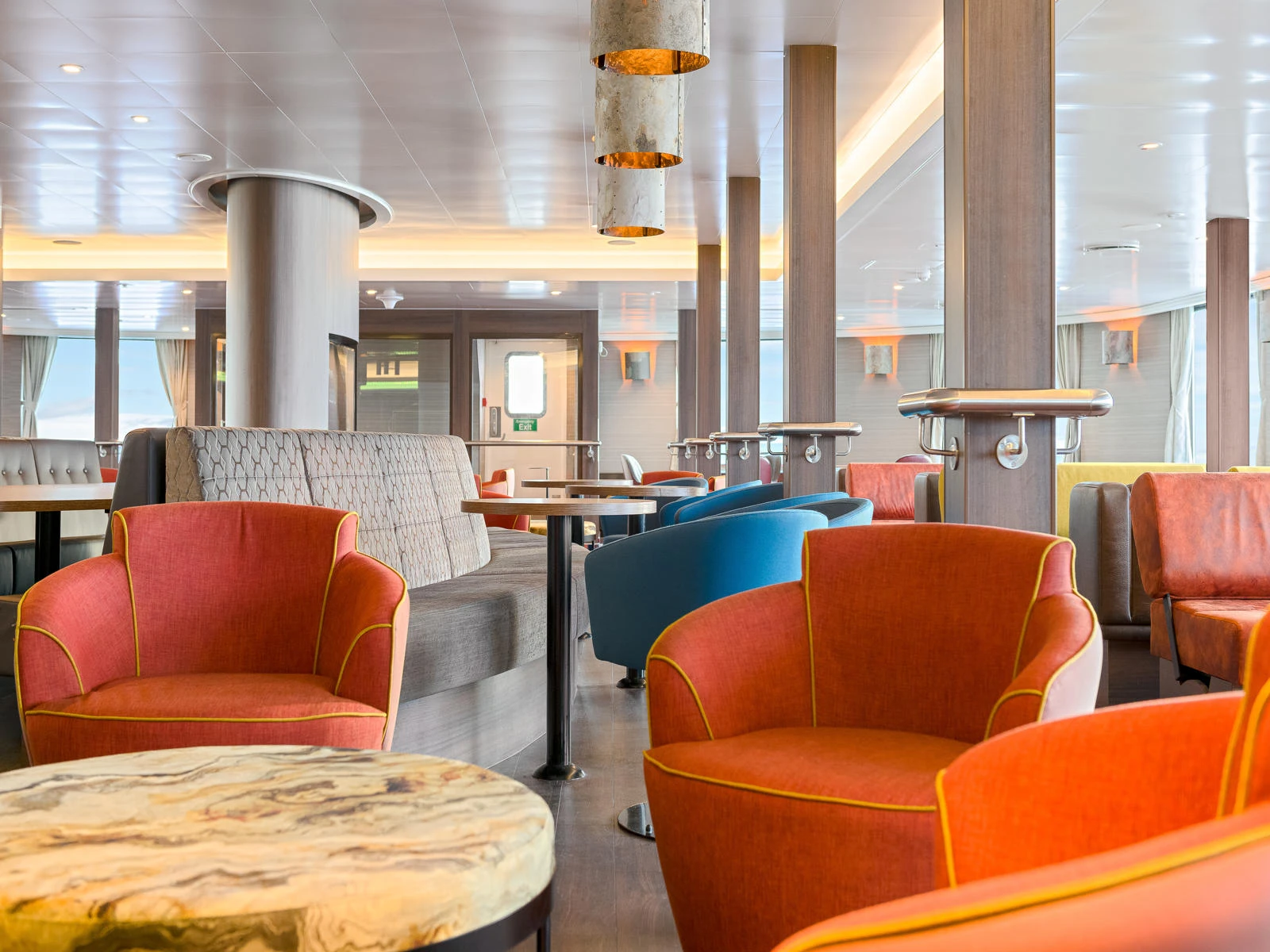
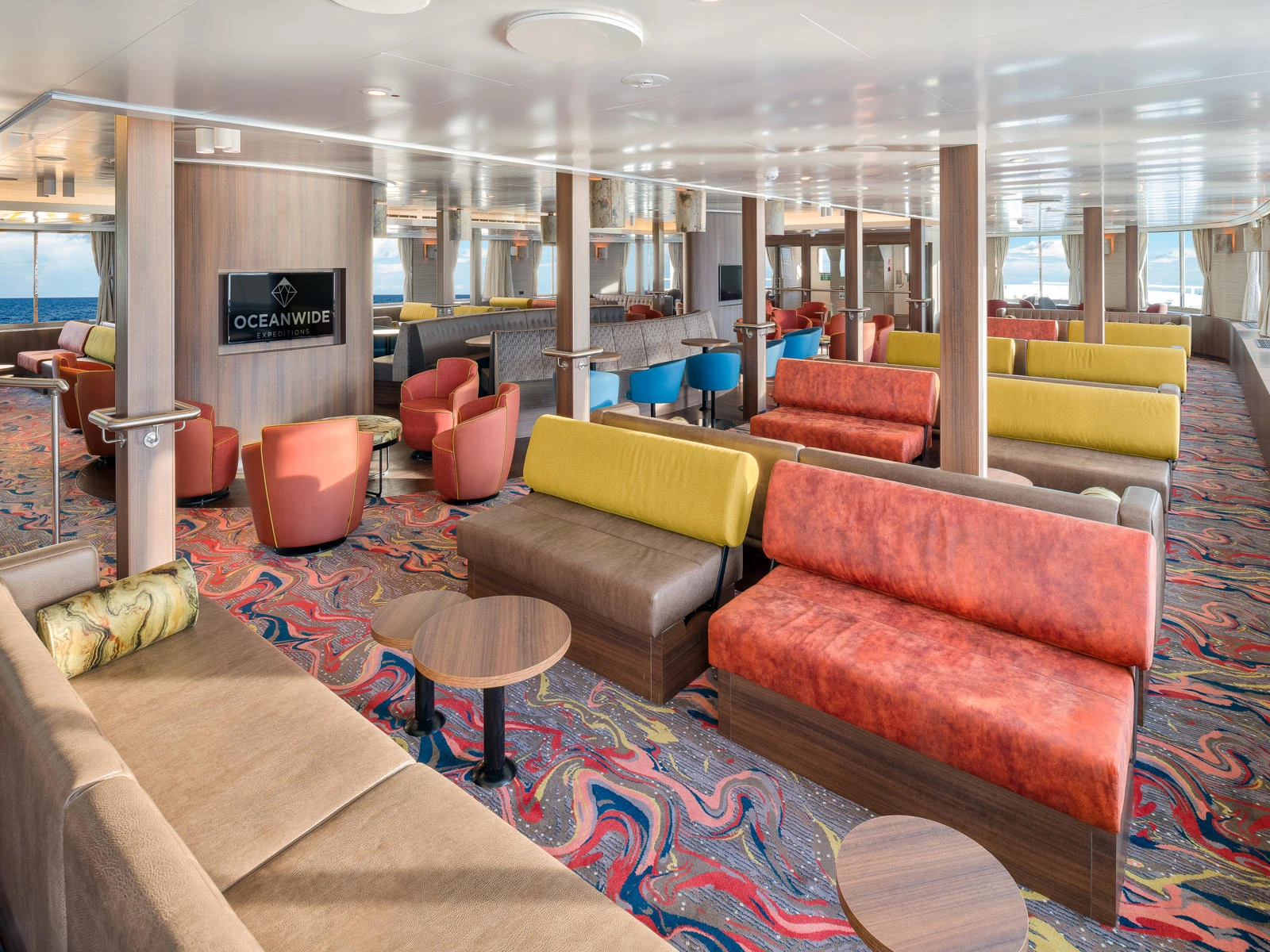
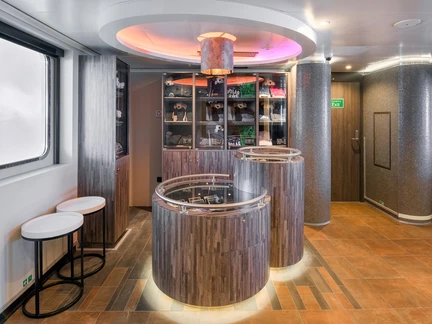
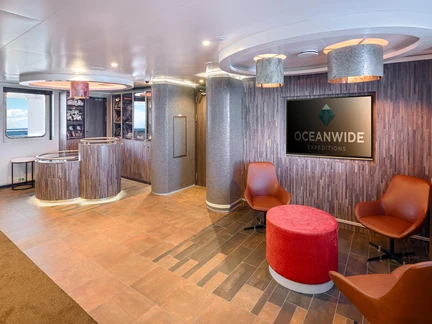
One deck consists of a large observation lounge and a separate lecture room, which are reserved for a wide variety of interactive workshops, exhibitions, and performances particular to Hondius.
Swift & safe ship-to-shore operations
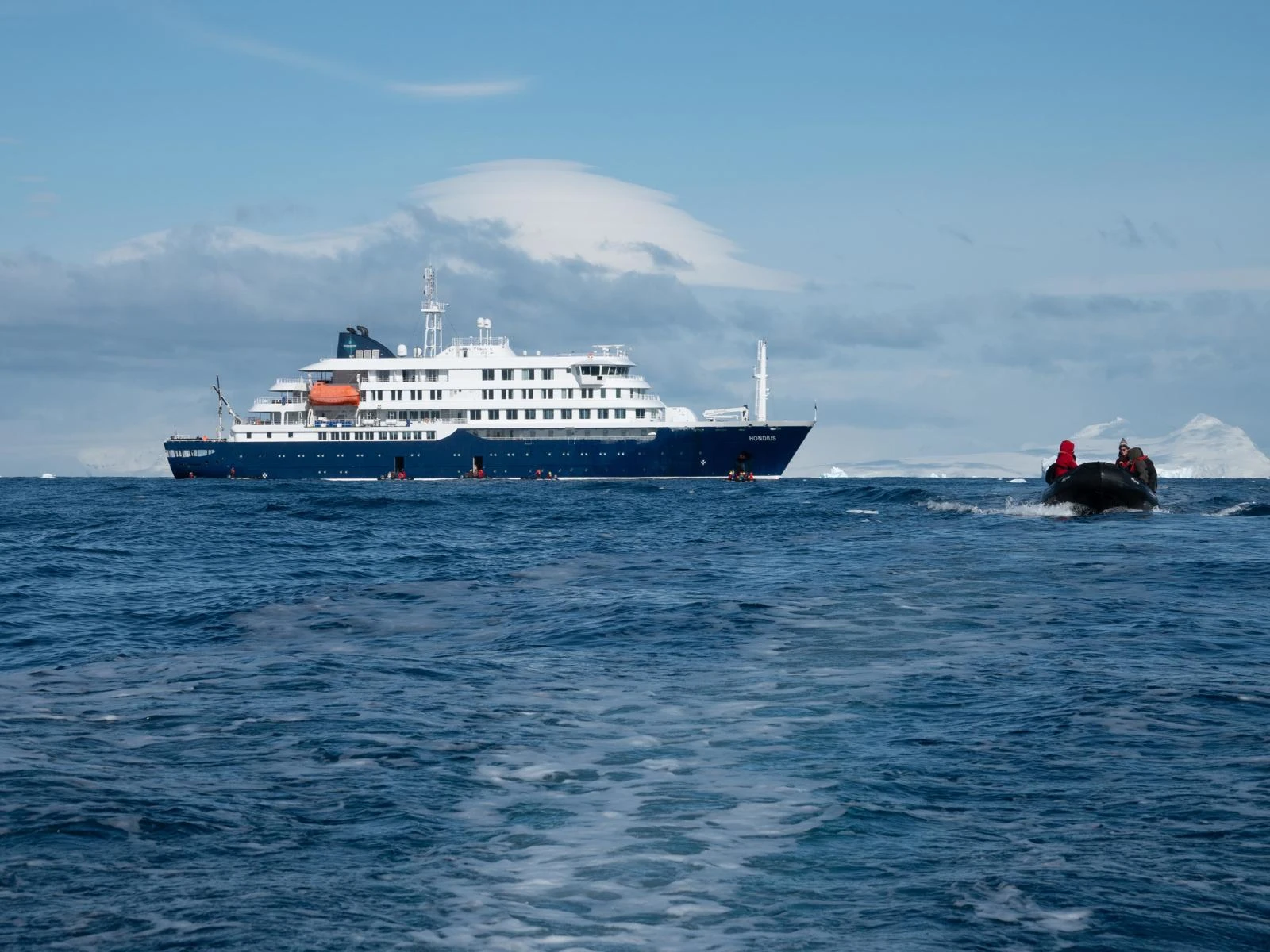
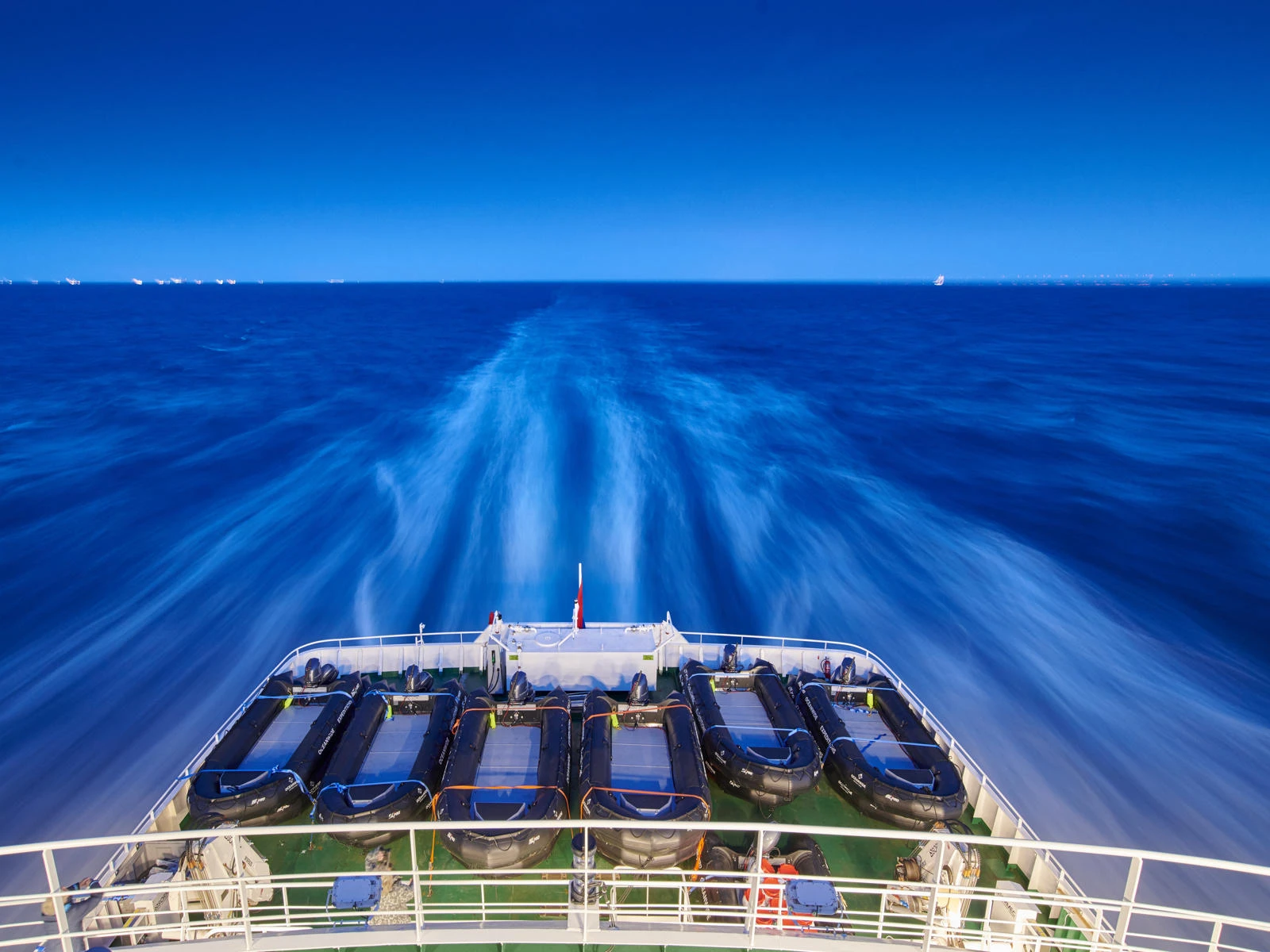
It is our philosophy to keep sea time short so that we can focus instead on fast, effective access to shore and near-shore activities. To give you the maximum contact with the nature and wildlife you traveled so far to see, we employ a tough fleet of rigid-hull inflatable Zodiac boats that guarantee swift and safe landing operations for the passengers. Hondius has two separate gangways and a sheltered indoor Zodiac boarding area that can also be used for special outdoor activities, such as kayaking.
What to wear
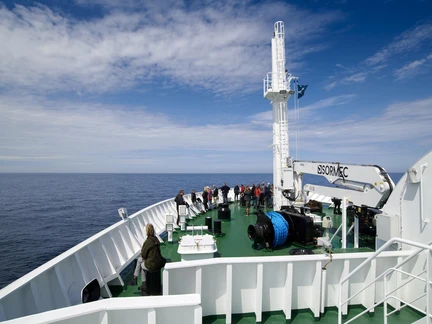
In keeping with the spirit of the expedition, dress on board is informal. Bring casual and comfortable clothing for all activities, and keep in mind that much of the scenery can be appreciated from the deck ― which can be slippery. Bring sturdy shoes with no-slip soles, and make sure your parka is never far away in case one of our crew shouts “Whales!” over the loudspeaker and you have to dash outside at a moment’s notice. Opt for layers, as it is comfortably warm aboard the ship though often cold on deck.
How to pay
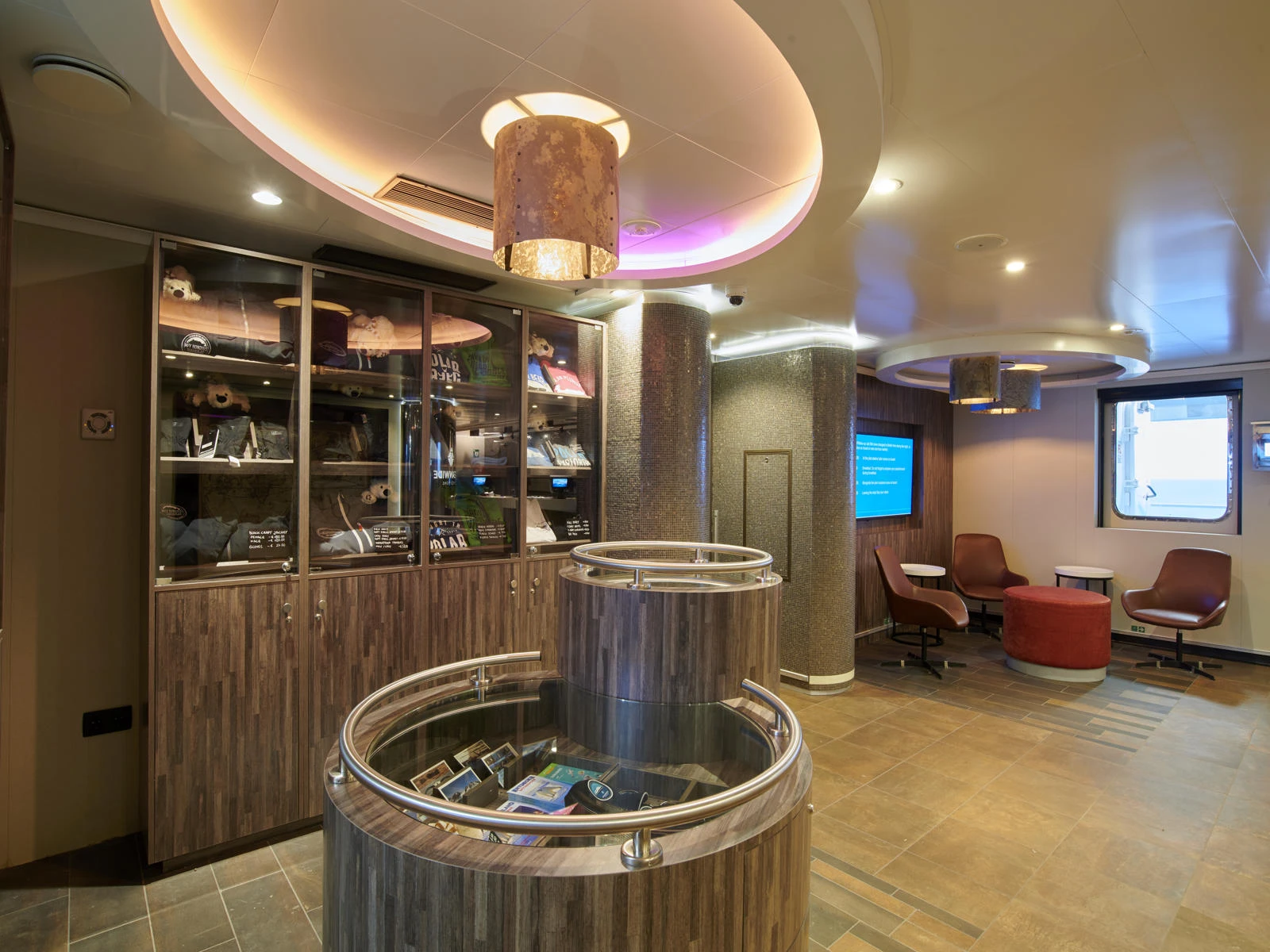
Refreshments and souvenirs will be charged to your cabin. The day before departure you can settle your bill with the hotel manager, paying by credit card (Visa or MasterCard) or cash (euro, or in some cases dollar). We cannot, however, accept checks. Though the prices and standard currency on board is in the euro, other currencies may be accepted at the discretion of the hotel manager, at prevailing rates.
Electric current
The electrical supply aboard ship is 220v, 60Hz. Electrical outlets are standard European with two thick round pins, so some passengers may need a 220v/110v converter.
Gratuities
The customary gratuity to the ship’s service personnel is made as a blanket contribution at the end of the voyage and is divided among the crew. Tipping is a personal matter, and the amount you wish to give is at your sole discretion. As a generally accepted guideline, we suggest 15 euros per passenger per day. It is better for the crew if you give cash.
Non-smoking policy
We have a non-smoking policy inside all our vessels, though you can smoke in certain designated areas. We ask that you please respect the wishes of non-smokers.
Your physical condition
You must be in good overall health and be able to walk several hours per day. The expedition is ship-based and physically not very demanding, but we spend as much time as possible on shore. You are, however, welcome to remain aboard the ship if you prefer. To join most excursions you must be able to get up and down the steep gangway ― from the ship to the water level ― to board the Zodiacs. Staff will assist you in and out of the boats, and boarding will become progressively easier with practice, but conditions on shore can be slippery and rocky. Remember, you will be traveling in remote areas without access to sophisticated medical facilities, so you must not join this expedition if you have a life-threatening condition or need daily medical treatment.

- You need to be in good general health and able to walk several hours per day. Though our expeditions are ship-based, they can be physically demanding. You can choose to stay on the vessel if you prefer, but you will still need to be able to move safely around the ship even in bad weather. Assuming you choose to join landings, you will need to be able to get in and out of the Zodiacs. You must also be capable of getting up and down the gangway. This will become easier with practice, but the gangway is steep and moves with the rocking of the vessel. Conditions on shore can also be rocky, uneven, and slippery, and we will be in remote areas without access to sophisticated medical facilities. You must not join an expedition if you have a life-threatening condition or need daily medical treatment. Any major health problem or physical condition that requires emergency care must be brought to our attention prior to the voyage. Please fill out our Personal Information Form, which we will send at the time of booking. This form must be completed and returned within one month of your book date. Since we travel in such remote areas, medical evacuation by air is often impossible. We therefore reserve the right to refuse travel or participation in activities to anyone whose health concerns might pose a safety risk to our staff or other passengers.
- All of our motor vessels have safe deposit boxes in the cabins. These small compartments (height 170mm x width 230mm x depth 170mm) are suitable for such items as phones, passports, keys, and jewelry but are not large enough to store larger items like laptops.
- The currency used on all vessels is the Euro, but you can also pay with USD.
- We accept payment via bank transfer, Wise or credit card (Mastercard and Visa). When paying with a credit card, we have to pass on a credit card fee.
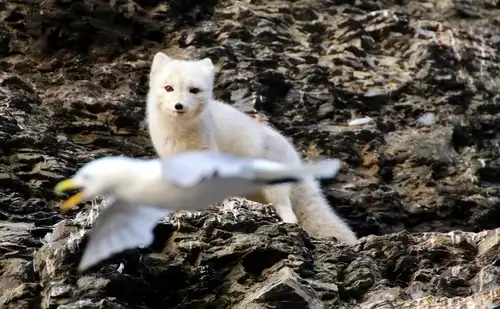
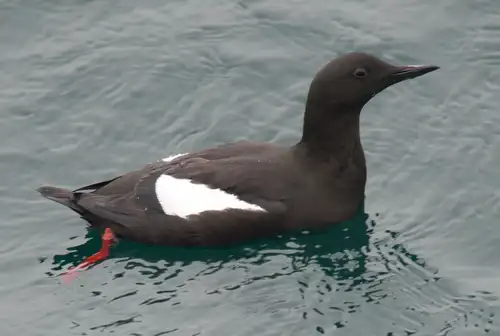
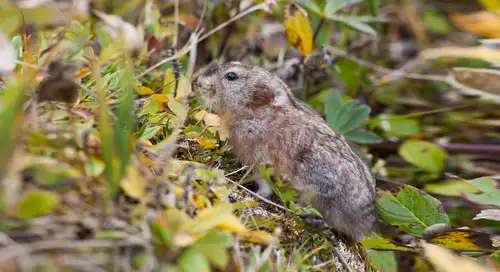
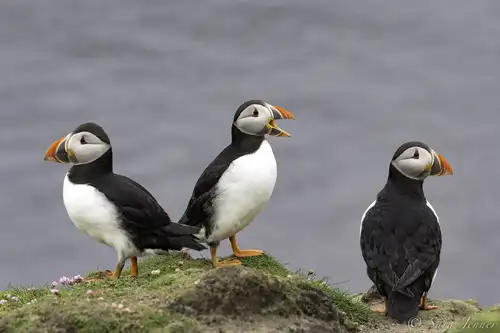
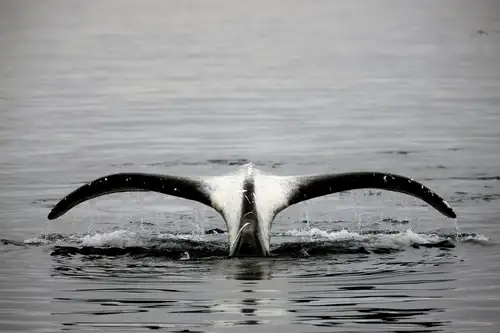
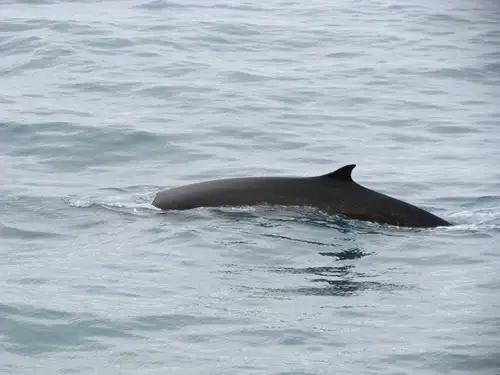
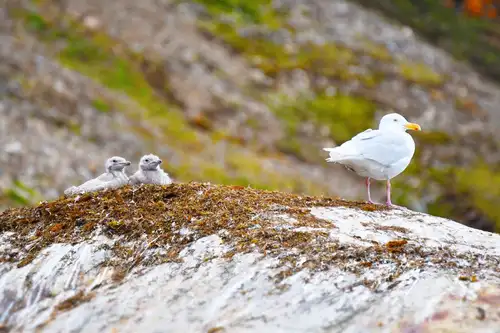
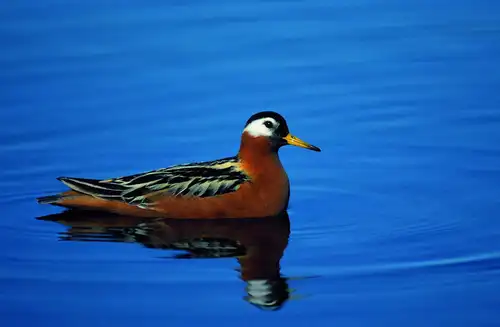
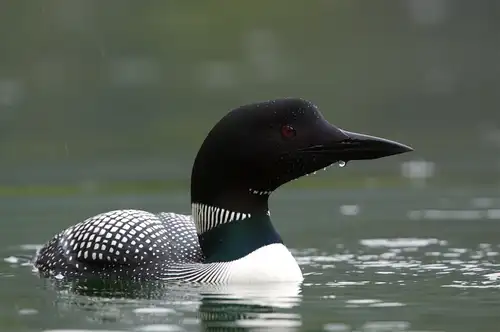
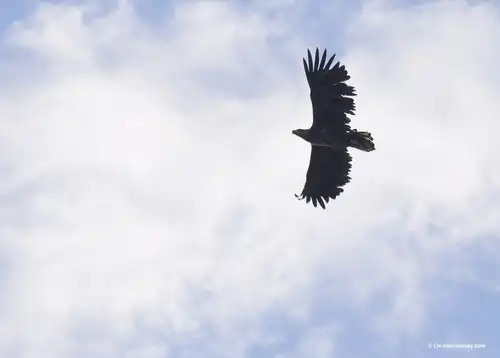
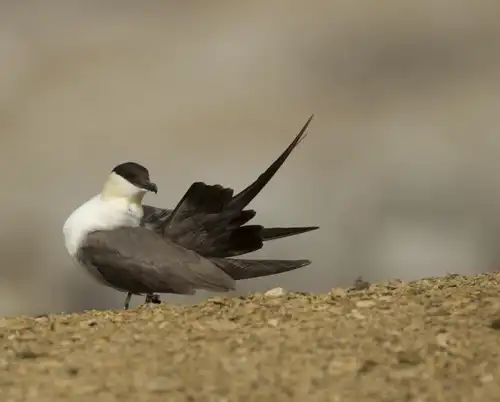
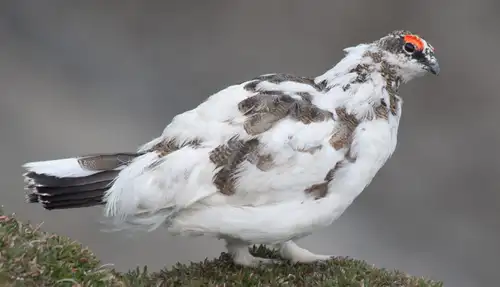
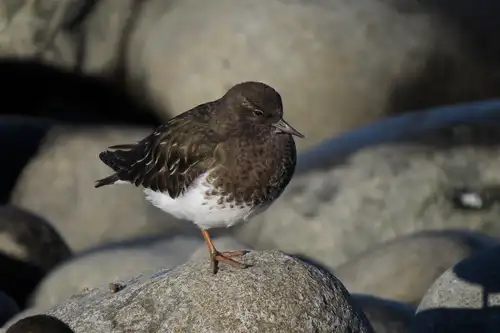
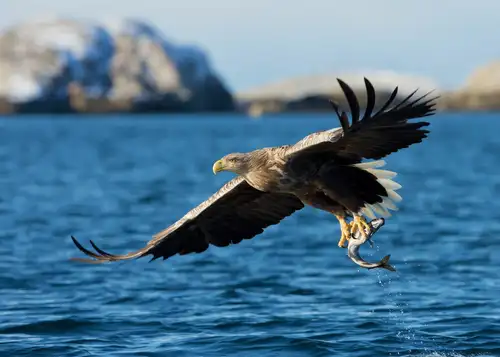
- A Greenland cruise may enable you to see a large variety of birds. There are about 52 bird species on the island. The number of land mammal species is relatively small, but it is still possible to see polar bears, Arctic hares, reindeer, musk oxen and Arctic foxes. Marine mammals such as Fin whale, Minke whale and Humpback whales are frequently seen. Blue Whales, Sperm Whales, and Pilot Whales are also seen occasionally. Greenland is home to more terrestrial mammal species than Spitsbergen: The extremely rare Arctic Wolves, Arctic Foxes, Ermines, Collared Lemmings, Muskoxen, and Arctic Hares. The Polar Bear is rarely seen on the west coast, but is regularly seen on the northern and north-eastern coasts.
- Greenland is part of the Kingdom of Denmark. However, the local population has been enabled to develop and run their own political system. The monarch of Denmark does have executive power, but she mostly serves in a ceremonial and representative capacity. Greenland offered a home to Paleo-Eskimo tribes as far back as 2500 B.C.E., but it became settled by Norwegians and Icelanders by 986 C.E. In the 14th Century Norway became a part of Denmark. The Treaty of Kiel gave Denmark final control of Greenland in 1814, but Norway claimed the eastern section of the country. This claim was successfully disputed in 1933, and Denmark has had control of Greenland ever since. The country was granted home rule by Denmark in 1979. Interestingly, the U.S. has shown a high level of interest in Greenland, including once offering to buy the nation for $100 million USD.
- The Hondius was built in Croatia in 2018 and delivered in 2019.
- The number of passengers is limited to 174 on the Hondius. Furthermore the vessel is manned by 24 highly experienced international nautical crew, 32-34 international hotel crew, 13 expedition staff (1 expedition leader, 2 assistant expedition leaders and 10 guides/lecturers) and 1 doctor.

You May Also Like


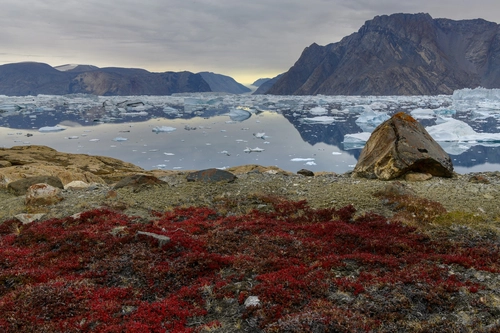
Spitsbergen - Northeast Greenland, Fly & Sail
12 Aug 2026 - 31 Aug 2026 20 Days / 19 Nights
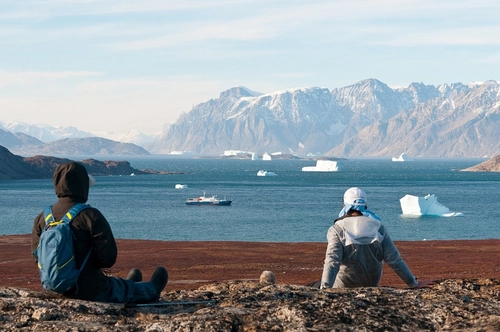
Northeast Greenland Extreme
15 Aug 2026 - 28 Aug 2026 14 Days / 13 Nights

East Greenland, Scoresby Sund, Including Long Hikes
16 Aug 2026 - 25 Aug 2026 10 Days / 9 Nights
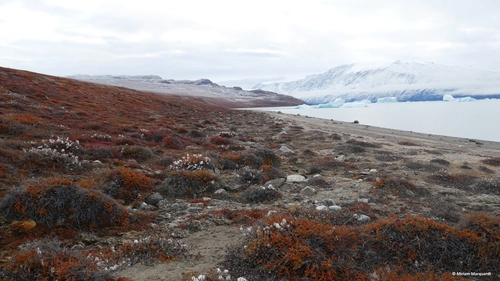
East Greenland, Scoresby Sund - Aurora Borealis, Fly & Sail
21 Sep 2026 - 01 Oct 2026 11 Days / 10 Nights
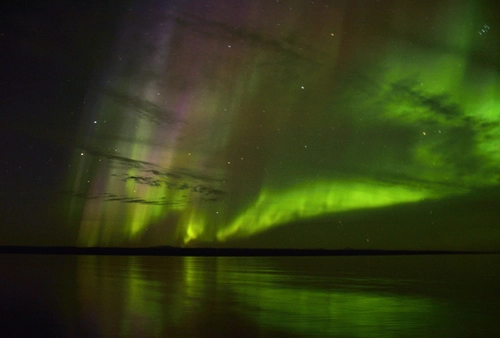
East Greenland, Scoresby Sund - Iceland , Aurora Borealis, Fly & Sail
01 Oct 2026 - 12 Oct 2026 12 Days / 11 Nights
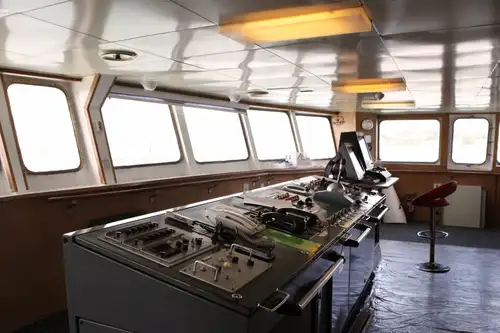
Navigating by touch through the sea ice
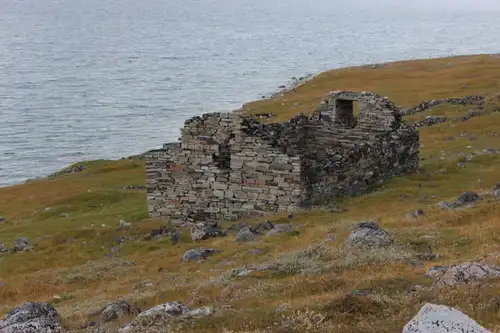
Greenland's History: When Vikings Ruled the Ice Age
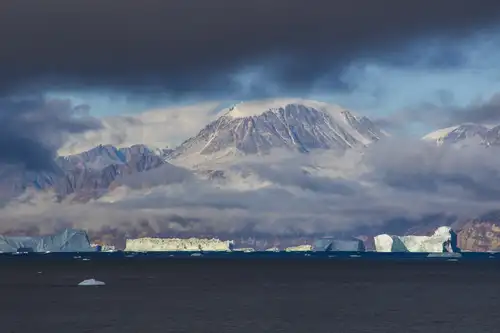
Greenland: East vs. West
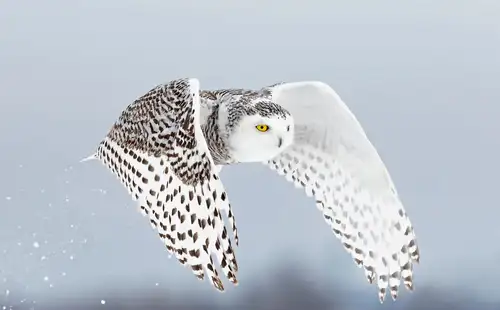
Secrets of the Snowy Owl: Habitat, Adaptations, and Other Facts
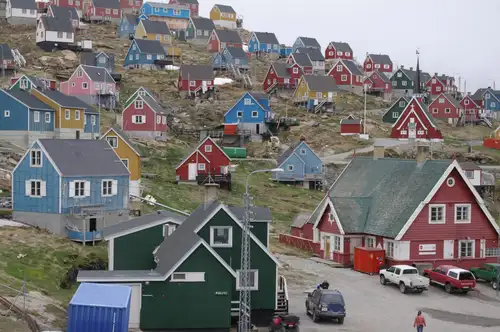
10 Traits of Post-Ice-Age Greenland
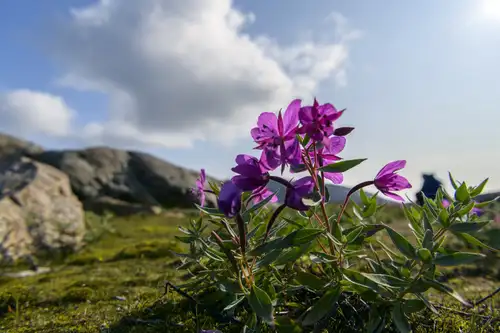
Arctic Flowers, Trees, and Other Plant Life
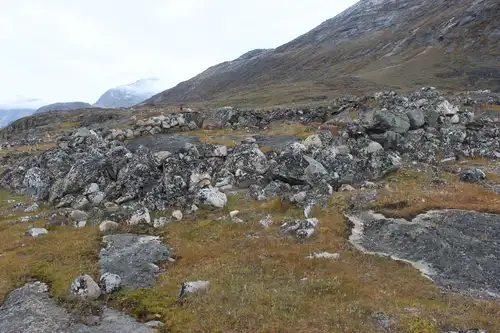
The Norse Settlement of Greenland
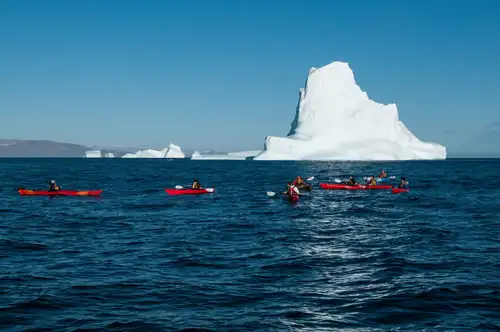
Kayaking In Greenland
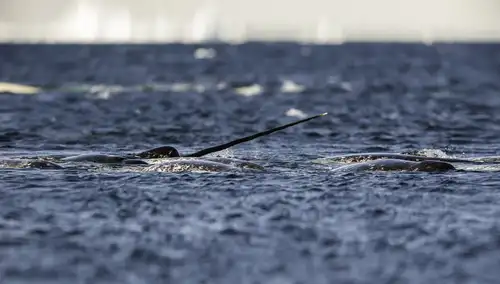
Narwhals: the Aquatic Unicorns of the Arctic
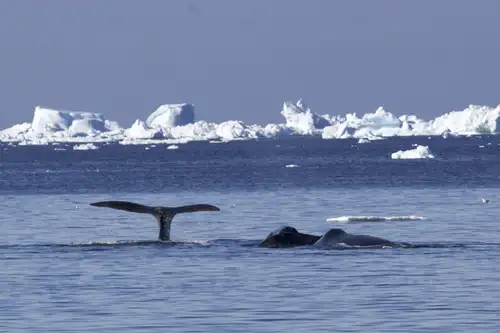
The bowhead whale, whaling about the Arctic
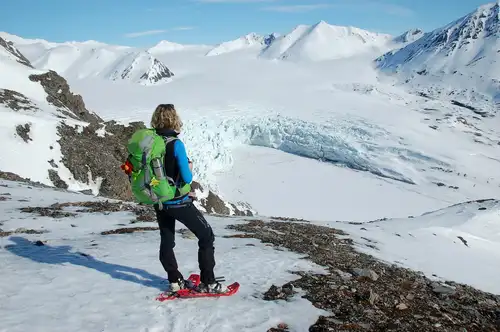
Arctic on Foot: Hiking and Snowshoeing the Far North
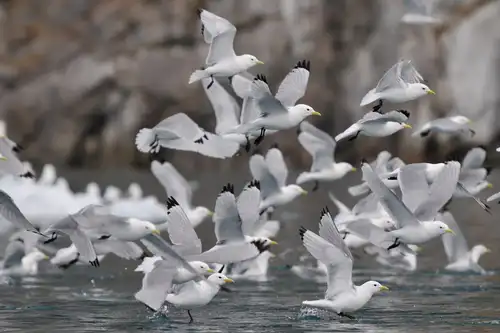
Five Birds You Might See on Your Greenland Cruise

Traditional Lifestyles of the Inuit
The Arctic Hare: Easter Bunny
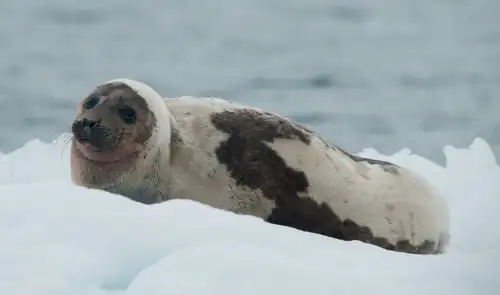
Harp seals harping on in Greenland
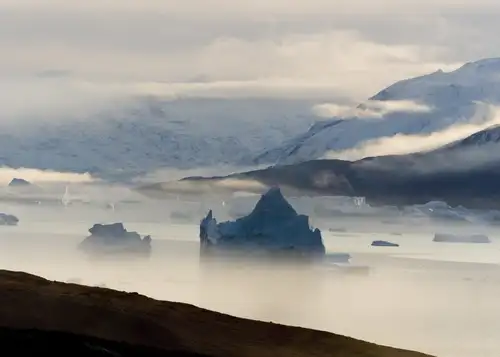
Peaks, Fjords, and Auroras: 14 East Greenland Attractions
8 Scientific Wonders of the Arctic
How and When Did Greenland Become Covered in Ice?
5 Misconceptions You Might Have About Greenland