
Think of Greenland and two images come to mind:
Ice – lots of it… and
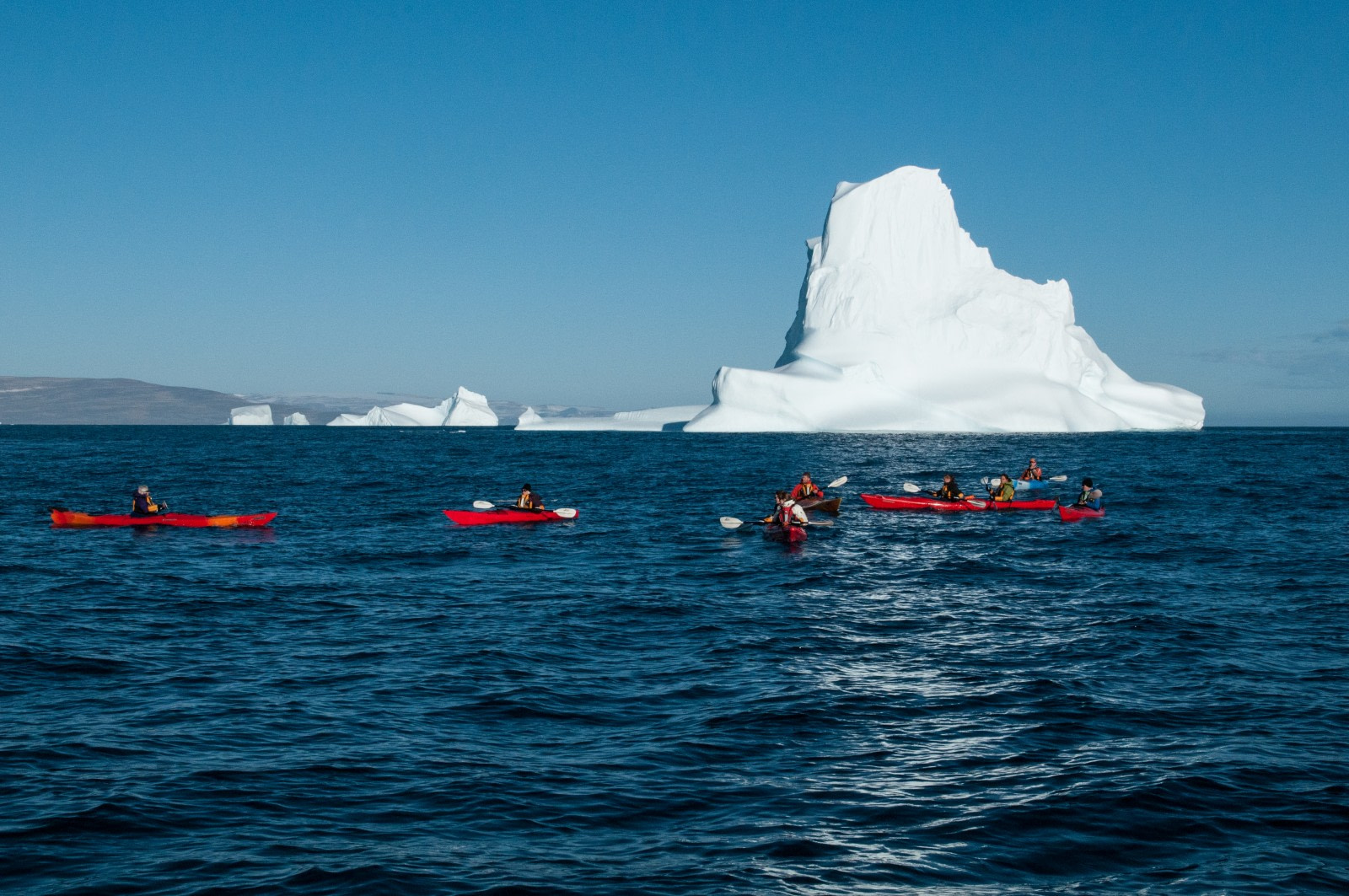
Kayaks – lots of them.
The kayak is a quick, agile boat, invented by the Inuit, the native people of Greenland. For centuries, perhaps thousands of years these skilled hunters and fishermen used this light, mobile platform to hunt their prey. They still do.
Sailing around the shores of Greenland, you can spot scores of colorful kayaks being used for exploration, exercise and just fun. Kayaking is a great way to get close to the ocean and make your own discoveries along Greenland’s coast. The best part is, you can have lots of adventure, even if you’re new to the sport.
The first kayaks
The word kayak literally means, “Hunter’s boat” and these nimble craft were used for just that purpose. They were essential for the Inuit’s survival.
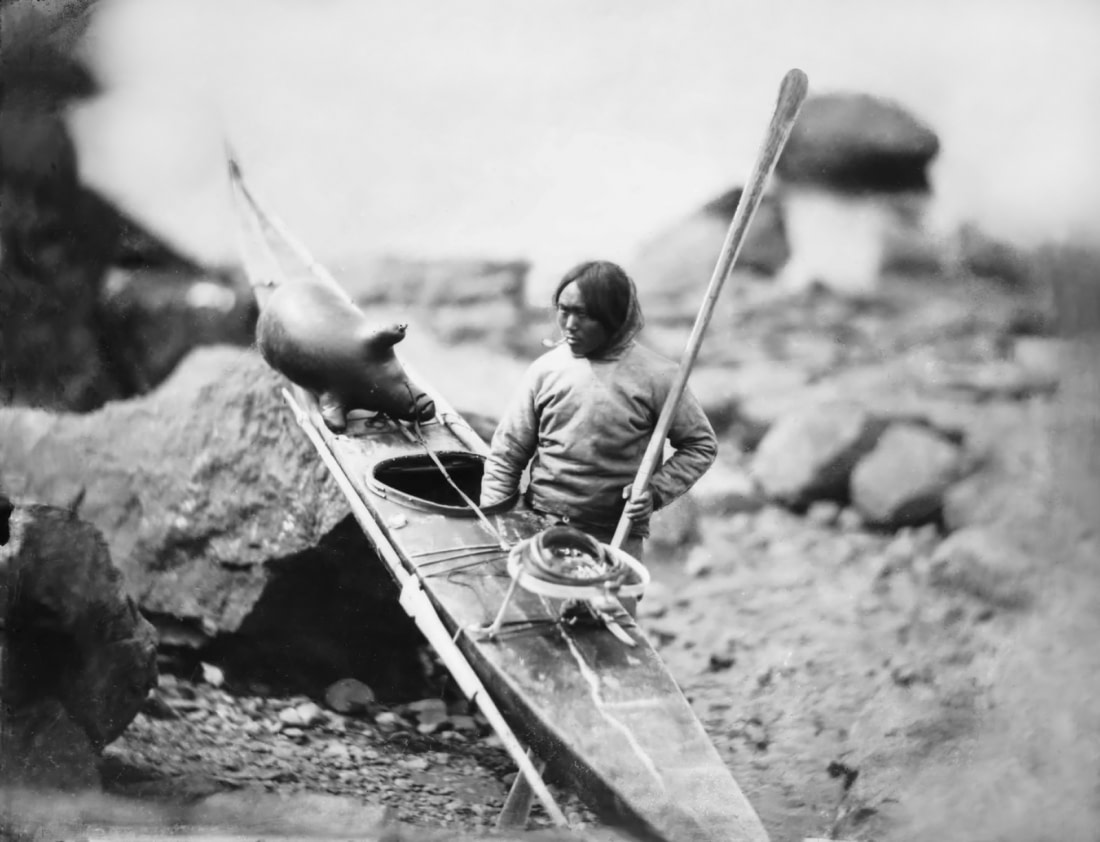
The Inuit hunters constructed the frame of their kayaks from driftwood or sometimes, they would even use the skeleton of a whale! Usually sealskin was used to cover this frame and whale fat was then applied to waterproof the boat.
To make the vessel more buoyant, the Inuit came up with the clever idea of inflating seal bladders with air and placing them in the fore and aft of the boat.
Sitting low on the water, a hunter could quietly sneak up behind his prey near the shoreline and with a spear or harpoon, disable or kill the animal.
The ancient kayaks were even built in two configurations – the single person style, that is quite familiar today and the larger umiaqs. These bigger boats could carry entire families and some were as long as 60 feet.
The kayak was so central to the lifestyle, culture and even survival of the Inuit that it became perhaps their most important possession and indeed, a major cultural symbol.
The kayak today
As mentioned, the kayak is ubiquitous throughout coastal Greenland. For some of the native Inuit today, it still very much used to continue their hunting life-style.
It is also used for both short and long haul transportation along the coast. There are many Greenland residents that use their kayaks to commute to work every day!
Kayaks are also very popular with younger people. Throughout the harbors of Greenland, kids play and practice their kayak roll - sometimes to the entertainment of passengers on Greenland cruises.
The ultimate kayak adventure
In the summer of 2016, two adventurers, Olly Hicks and George Bullard decided to give themselves a challenge. They had heard stories of Inuit who, hundreds of years ago, had paddled over 1,200 miles by kayak from Greenland to Scotland.
In the late 17th century in Scotland, there were reports of unusual visitors showing up near the shore in strange, little boats. In 1682 one was spotted off the Isle of Eda. The locals gathered to watch the stranger paddling about. However, when a group set off in a boat to get closer, the stranger swiftly paddled away. Two years later, a similar boatman was spotted. This time, he came ashore but none could understand the language he spoke.
Hicks and Bullard’s planned trip would mean kayaking past icebergs, dealing with strong currents, navigating choppy seas and paddling for long, long days. The route would take them from the Greenland’s east coast to Iceland, then around northern Iceland, to the Faroe Islands and finally south to Scotland.
The two men endured 17-hour days of paddling, hallucinations, waiting out storms, hunger and more. But finally, after several grueling weeks, the two exhausted explorers reached their destination. They wearily paddled up to the shores of Scotland! It was a rare and daring accomplishment, appreciated by kayakers around the world. Moreover, it confirmed the ancient tale of Greenlanders kayaking to the Scottish shores.
Kayaking in cold climates
Kayaking off the Greenland coast is a fun and inspiring adventure but care must be taken, as the waters there can be quite brisk. In the world of kayaking, cold-water conditions are where the water temperature is less than 60 degrees Fahrenheit (16 degrees Celsius).
In such an environment, one should not only be aware of the wind and the waves but also any sort of ice build-up. Ice can form on the deck from a splashing paddle. Additionally, if you use a sprayskirt, it is also susceptible to ice buildup making it stiff and inflexible. It is important to be vigilant about this accumulating ice and break it off as it forms.
One should also be aware of ice along the shoreline. This can create slippery conditions and also make it harder to land a kayak.
Finally, it is vital to stay warm and recognize the signs of hypothermia. Any change in your mental state or bodily shivers is a sign of danger. Be alert to these warning signs in yourself and others in your group.
Dressing for comfortable kayaking
While the cold is exhilarating (and keeps away the crowds!), one must dress properly to maintain body heat. The more comfortable you are, the more you will enjoy your kayak outing.
Here are recommended items to keep you safe, dry and warm:
- Wetsuit – this piece of gear will keep you warm in colder temperatures.
- Life vest – this one should be obvious but it also has the added benefit of keeping your mouth above the water line, should you be incapacitated due to cold shock.
- Neoprene hood - we can lose one third of our body heat from our face and scalp. A hood will hold in this heat and also help prevent shock should you accidently become immersed in the water.
- Neoprene gloves – these not only keep you warm, but they also keep out the water, preventing your hands and fingers from icing up. These items are sold in diving shops, kayak shops and surfing shops. No specialised kayak gear is necessary, surf gloves will do.
- Neoprene booties – first make sure that you are wearing wool socks. Wool holds in body heat even when it gets wet. Warm ankle high neoprene booties over your socks are a combination guaranteed to keep you warm, dry and comfortable.
Safety: Our kayak guides & support zodiac
Safety during outdoor activities is important to us. Our kayak guides are experienced and qualified instructors who will support you. The excursions will be tailored to the skill level of the group and the sea conditions encountered. A support Zodiac will be in the vicinity of the kayak group. Kayaking is subject to weather and prevailing ice conditions
Your adventure
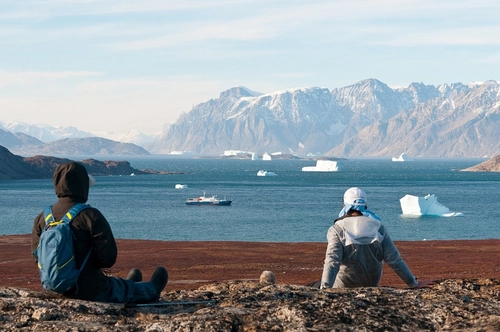
You don’t have to brave the elements for weeks in the open sea or confront icy conditions to have your kayak adventure. Nexta Expeditions offers optional kayak excursions in addition to the normal expedition program to explore the Greenland coast. Sidle up to an iceberg, take in the beautiful coast and brisk sea air. Along with your travel companions, you’ll have the chance to observe whales, seals, birds and small settlements along the way. As kayakers have done for centuries, you will experience the calm of the water, the quiet of the bay and the satisfying feeling that you are powering your craft and yourself, ever forward over the sea.
 12 Aug - 31 Aug 2026
 15 Aug - 28 Aug 2026
 16 Aug - 25 Aug 2026
 25 Aug - 07 Sep 2026
 21 Sep - 01 Oct 2026
Related Trips
Spitsbergen - Northeast Greenland, Fly & Sail
12 Aug 2026 - 31 Aug 2026  20 Days / 19 Nights
Northeast Greenland Extreme
15 Aug 2026 - 28 Aug 2026 14 Days / 13 Nights
East Greenland, Scoresby Sund, Including Long Hikes
16 Aug 2026 - 25 Aug 2026 10 Days / 9 Nights
Northeast Greenland Extreme
25 Aug 2026 - 07 Sep 2026 14 Days / 13 Nights
East Greenland, Scoresby Sund - Aurora Borealis, Fly & Sail
21 Sep 2026 - 01 Oct 2026 11 Days / 10 Nights
East Greenland, Scoresby Sund - Iceland , Aurora Borealis, Fly & Sail
01 Oct 2026 - 12 Oct 2026 12 Days / 11 Nights

Blog


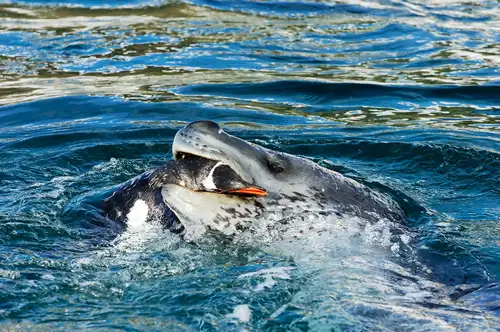
Danger Beneath the Water: 10 Facts About Leopard Seals
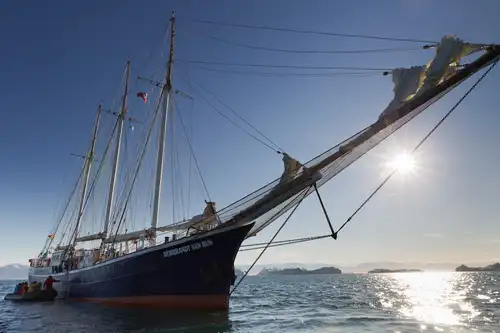
Ancient Arctic Exploration
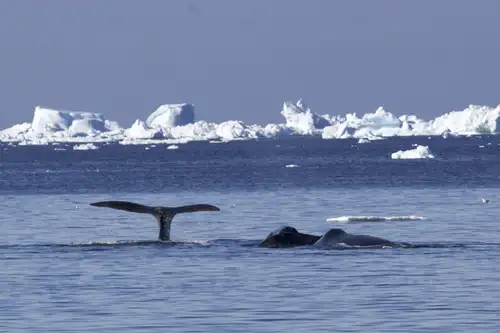
The bowhead whale, whaling about the Arctic
10 Books and Films To Prepare for your Antarctica cruise

Svalbard a Disneyland for geologists
Circumnavigating Spitsbergen
Where the Polar Bears Roam

Traditional Lifestyles of the Inuit
The Secret Life of Glaciers: How They Form, Move, and Melt
Eight Antarctic Misconceptions
The Research Stations of Antarctica and the sub-Antarctic
Why a Polar Diving Cruise Should be Your Next Great Decision

What to pack for your Atlantic Odyssey voyage?
The first race to the South Pole in 50 years
The Plants of Antarctica
Solargraphy & Pin Hole photography in the Arctic
Life migrating through the Polar Front
Arctic on Foot: Hiking and Snowshoeing the Far North
Navigating by touch through the sea ice