Traditional Lifestyles Of The Inuit - Nexta Expeditions
Traditional Lifestyles of the Inuit

Traditional Lifestyles of the Inuit

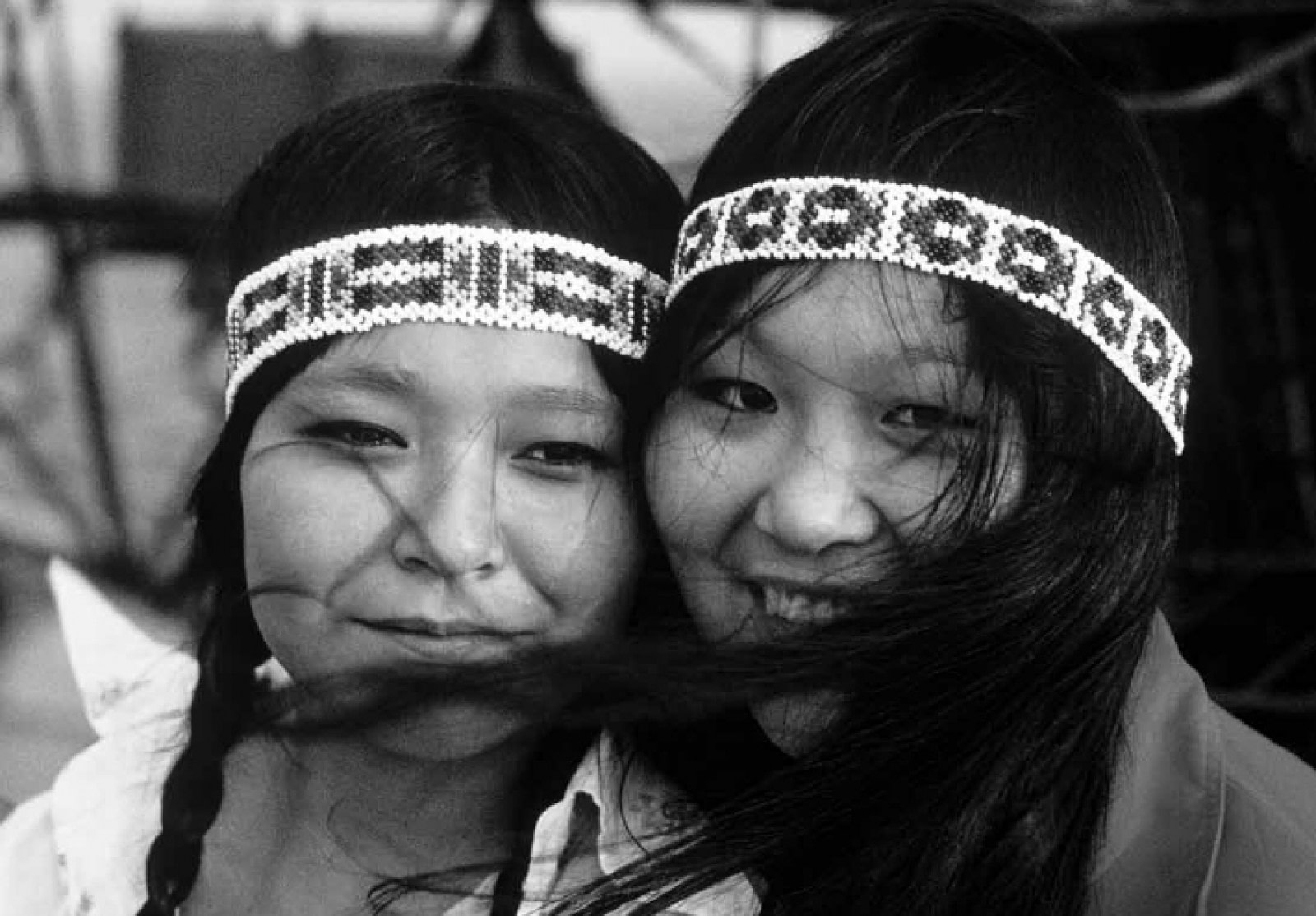
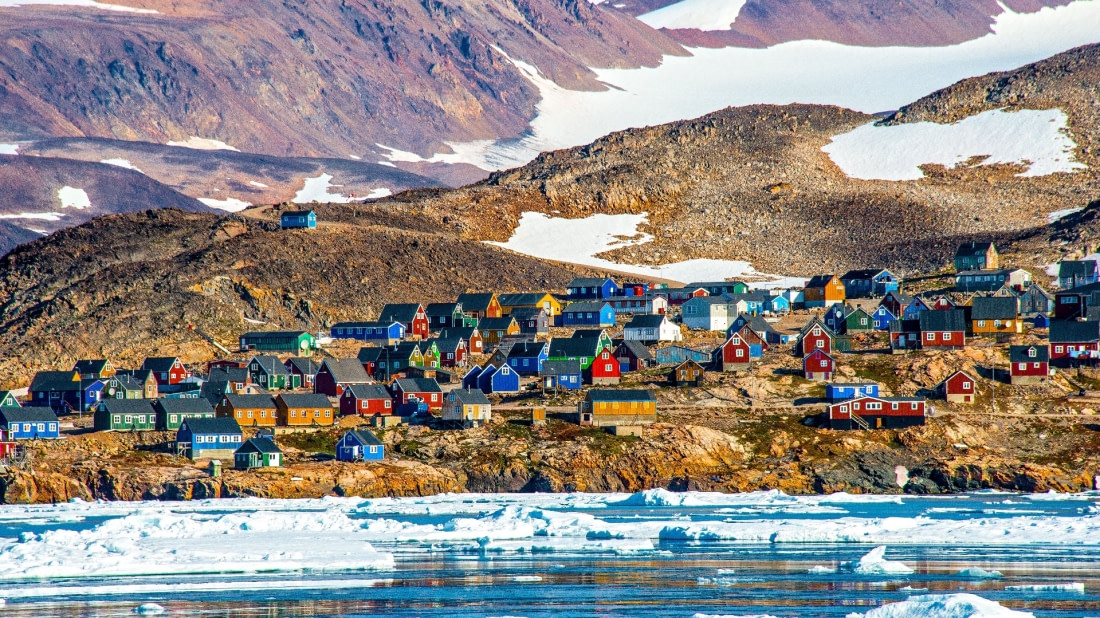
The Inuit are an indigenous Arctic people who speak the languages of the Eskaleutian family and reside in four countries surrounding the North Pole: Greenland, Canada, the United States, and Russia.

Though most Inuit have fully modernized, their ancestors are responsible for many innovations we take for granted today.
blog-image

Traditional cold-weather Inuit clothing

One of the most longstanding pieces of Inuit clothing is the parka, which enabled past Inuit populations to survive in some of the coldest environments on Earth. In addition to keeping the wearer warm, the Inuit parka also has thread patterns that communicate information about who the Inuit are.

Inuit pants, mittens, and footwear were made from caribou or sealskin that had numerous layers depending on the season.

The Inuit origins of the paleo diet

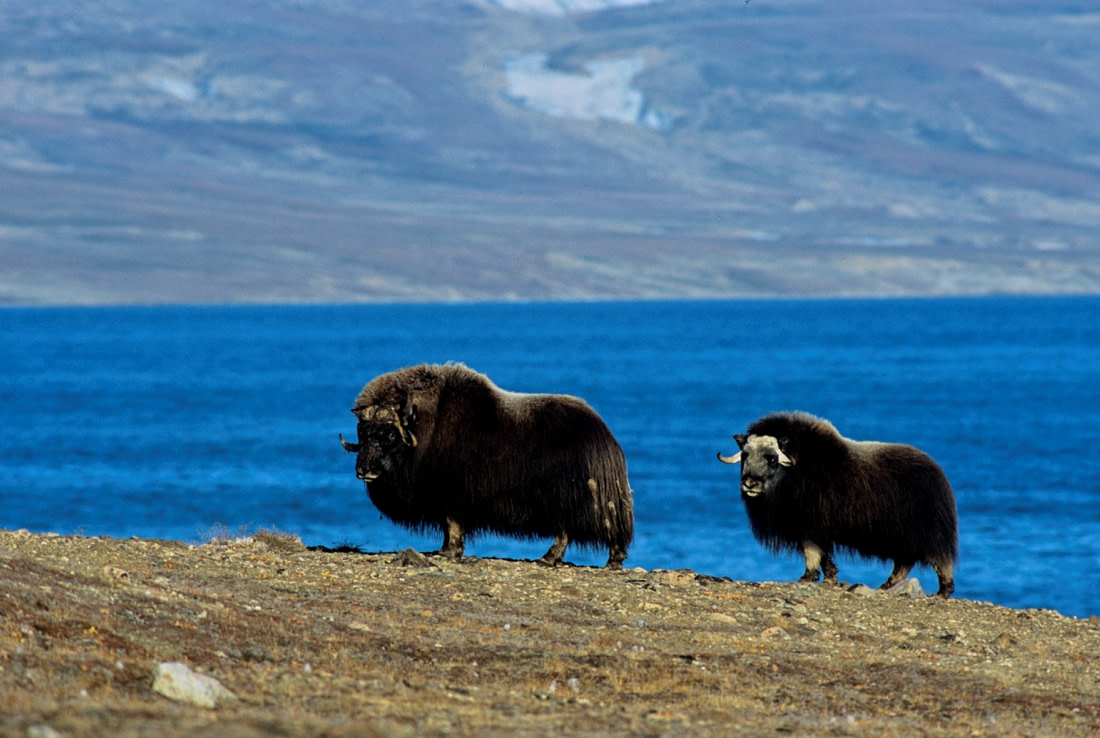
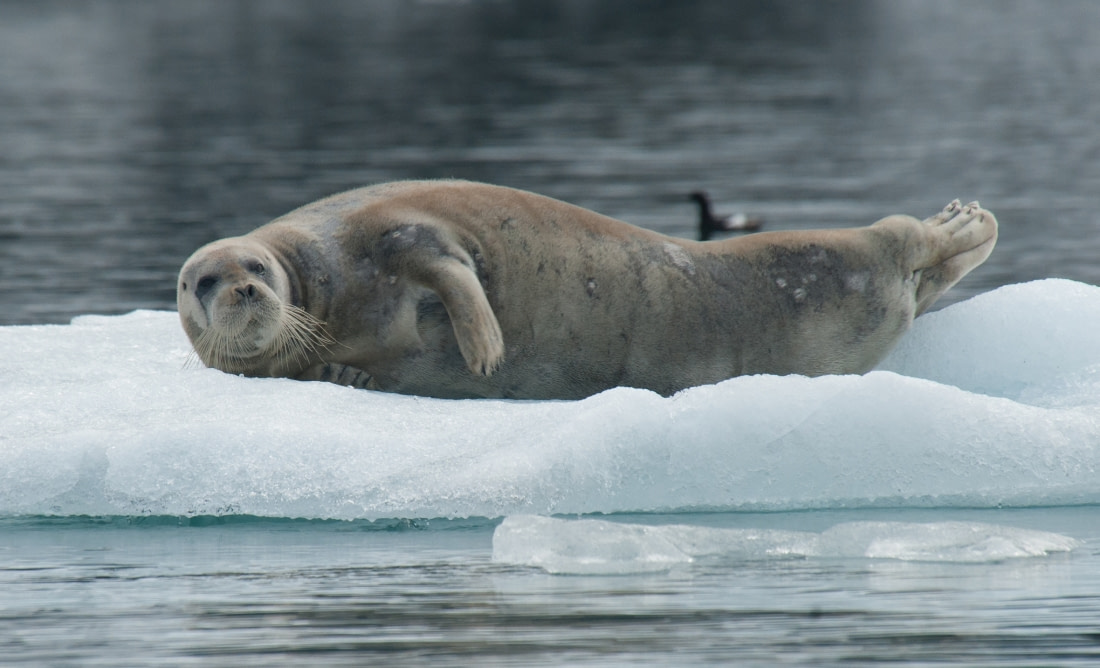
Some Inuit still have a diet consisting of fish and some land animals, with very little fruit or vegetables. In particular, reindeer, musk ox, Arctic hare, walrus, polar bear, seal, whale, ptarmigan, geese, ducks, and other birds are the typical diet of Inuit.
blog-image

Inuit igloos and related matters

Igloos were used as a temporary shelter on extended winter hunting trips, not as a permanent Inuit home.

Where the blocks don’t meet, snow was packed in to provide insulation, and a hole was cut at the top for ventilation. For studier construction, Inuit took the snow blocks from snowbanks that had formed in a snowstorm rather than from snowbanks that had accumulated over many snows, as those blocks were more fragile.

Inuit turf huts and summer tents

Turf huts, or Earth huts, were a common form of Inuit dwelling. They were robust and insulated enough to live in permanently.

A typical Inuit hut was low, with walls made of large stones and a roof supported by beams of driftwood. The dwellings were always located near the sea so that the Inuit could easily get to their kayaks when hunting for seals.

During the summer months, Inuit families left the turf huts and gathered berries, hunted reindeer, and caught fish, enabling them to stockpile enough provisions to carry them through the cold and dark winter months.

To avoid sleeping in the open, Inuit traveled with tents made of sealskin that were easy to carry and could be set up anywhere food was found. The tents were supported by a wooden frame made out of driftwood, with an outer sealskin cover.
blog-image

The Inuit hunter’s kayak

Another key part of Inuit life was the kayak, which means "hunters boat."

In addition to its use for hunting, the Inuit kayak also served as a means of transportation. It was propelled by a double-bladed paddle and was usually made of driftwood or whalebone to ensure a light frame.

Inuit kayaks were typically covered with stretched skins made watertight with whale fat and camouflaged with a white cloth draped over the front.

Sledging across the ice Inuit style

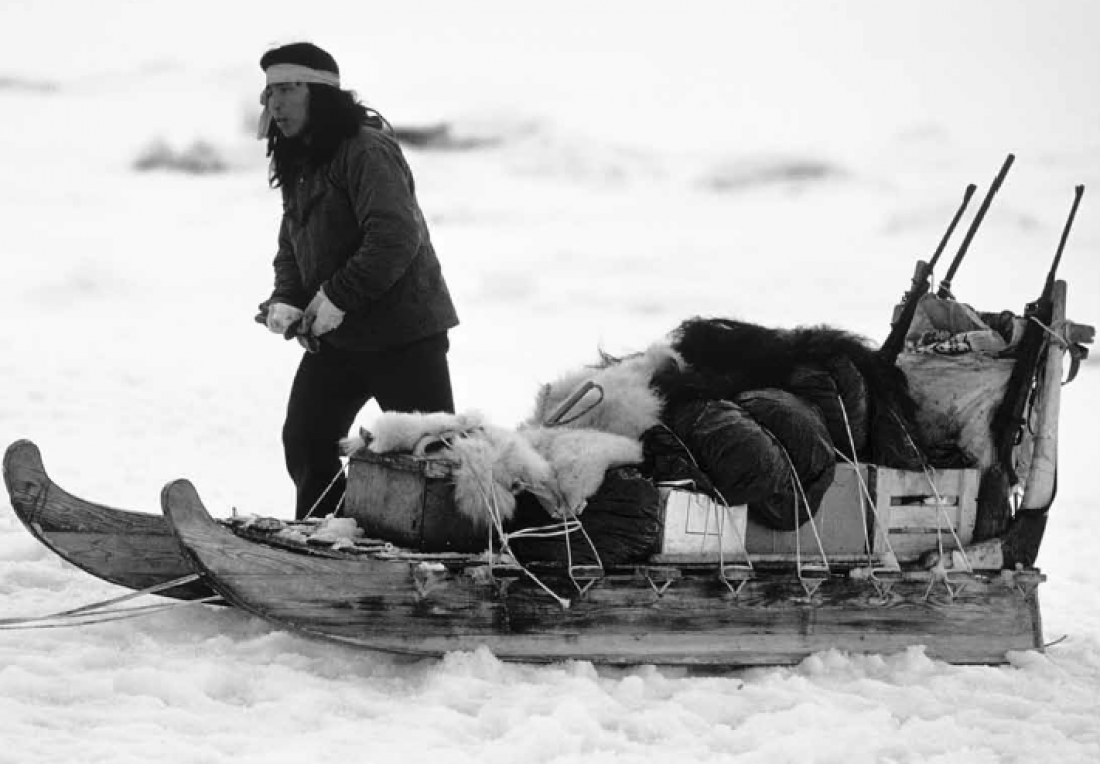
One of the most traditional ways for the Inuit to travel across the frozen ice of the Arctic is via the sledge, or qamutik, pulled by Qimmig – the Inuit name for dog.

The traditional Inuit sledge is composed of two wooden runners on which a platform is built. The bottom of the sledge is as smooth as possible to enable it to glide across the ice.

The sledges have cargo beds that are generally constructed in a basket-like style and are elevated above the runners by around 5-6 inches. At the front of the sledge is the brushbow, a piece of wood shaped as a crescent, to clear the way.

The sledge is made of wood as well as reindeer hide and even frozen salmon skin in areas where wood was not available. To steer the sledge the driver simply has handlebars that the sledder can hold on and learn into when turning the sledge.
blog-image

Pack dogs and Inuit sledges

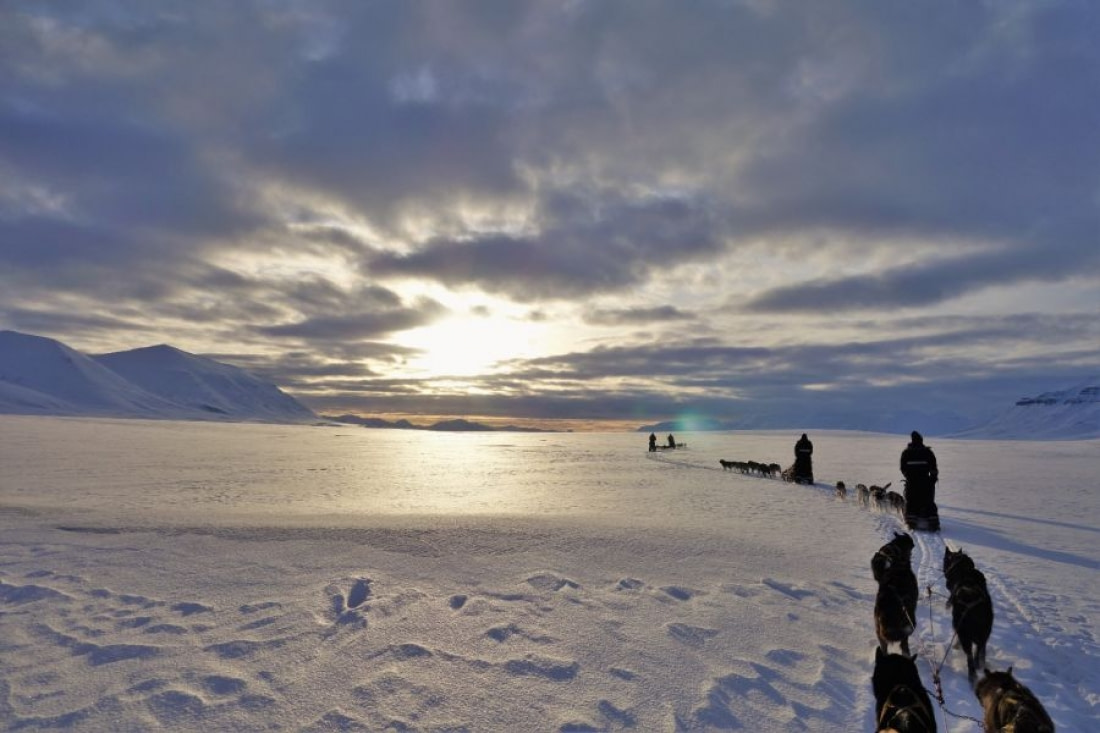
Huskies have been used to pull Inuit sledges since around 800 A.D. Prior to that, the Inuit used these dogs as hunting partners. They also acted as guard dogs, alerting the Inuit to approaching polar bears.

Huskies weren't bred to be racing dogs, but are powerful creatures able to pull up to twice their body weight.

To ensure the dogs are obedient, Inuit utilize a male "boss dog" to lead each pack. There may be two boss dogs that can work cooperatively. The boss dog is the owner’s most valuable asset, as he can rule the pack for many years with minimal bloodshed.

The boss dog prevents or stops fights among lower-ranking dogs and is usually the one that breeds with the females.
blog-image

Best Deals

Related Trips

Spitsbergen - Northeast Greenland, Fly & Sail - Nexta Expeditions
The Arctic
Longyearbyen

Spitsbergen - Northeast Greenland, Fly & Sail

calendar12 Aug 2026 - 31 Aug 2026
clock20 Days / 19 Nights
From $ 9.500 per person
Northeast Greenland Extreme - Nexta Expeditions
The Arctic
Akureyri

Northeast Greenland Extreme

calendar15 Aug 2026 - 28 Aug 2026
clock14 Days / 13 Nights
From $ 8.650 per person
East Greenland, Scoresby Sund, Including Long Hikes - Nexta Expeditions
The Arctic
Akureyri

East Greenland, Scoresby Sund, Including Long Hikes

calendar16 Aug 2026 - 25 Aug 2026
clock10 Days / 9 Nights
From $ 6.000 per person
Northeast Greenland Extreme - Nexta Expeditions
The Arctic
Akureyri

Northeast Greenland Extreme

calendar25 Aug 2026 - 07 Sep 2026
clock14 Days / 13 Nights
From $ 7.850 per person
East Greenland, Scoresby Sund - Aurora Borealis, Fly & Sail - Nexta Expeditions
The Arctic
Constable Pynt

East Greenland, Scoresby Sund - Aurora Borealis, Fly & Sail

calendar21 Sep 2026 - 01 Oct 2026
clock11 Days / 10 Nights
From $ 6.250 per person
East Greenland, Scoresby Sund - Iceland , Aurora Borealis, Fly & Sail - Nexta Expeditions
The Arctic
Constable Pynt

East Greenland, Scoresby Sund - Iceland , Aurora Borealis, Fly & Sail

calendar01 Oct 2026 - 12 Oct 2026
clock12 Days / 11 Nights
From $ 6.300 per person

Blog
go-leftgo-right

Birds of the South: 33 Antarctic Birds and Seabirds - Nexta Expeditions
Blog

Birds of the South: 33 Antarctic Birds and Seabirds

Of the many compelling reasons people travel to Antarctica and the sub-Antarctic, bird life is among the most beloved.
The Seasons of Antarctica: When to Visit and Why - Nexta Expeditions
Blog

The Seasons of Antarctica: When to Visit and Why

You’ve decided to book your dream trip – an adventurous Antarctica cruise that will give you a winning chance to see otherworldly environments, encounter exotic wildlife, and take part in activities that will spoil your inner explorer like nothing else.
12 photo tips to make better pictures on your Antarctica cruise - Nexta Expeditions
Blog

12 photo tips to make better pictures on your Antarctica cruise

During your trip in the Arctic or Antarctic cruise you and your camera equipment will be exposed to a variety of challenging conditions. Be careful with your equipment and protect it from the salty spray when in Zodiacs, on a beach, or on deck. Salt water and electronics is not a good mix!
The Giant Petrels of King George Island - Nexta Expeditions
Blog

The Giant Petrels of King George Island

Antarctica is undeniably one of the world’s premier birding destinations.
5 Misconceptions You Might Have About Greenland - Nexta Expeditions
Blog

5 Misconceptions You Might Have About Greenland

Going Green: Ascension Island Sea Turtles - Nexta Expeditions
Blog

Going Green: Ascension Island Sea Turtles

Gold beaches, green mountains - and greener turtles.
15 Fantastic Photos of Antarctica - Nexta Expeditions
Blog

15 Fantastic Photos of Antarctica

It is often said that it's impossible to take a bad picture in Antarctica.
Living the Antarctic Dream - Nexta Expeditions
Blog

Living the Antarctic Dream

From October to March, during the Austral summer, thousands of breeding gentoo, Adèlie, and chinstrap penguins flock to the Western Antarctic Peninsula to rear their chicks and feast on krill before the harsh winter arrives. Alongside the penguins, field biologists from around the world gather to study these habits for conservation research. Observing these animals is one thing, but residing in an Antarctic field station for an entire breeding season is another. One particular field camp on King George Island, managed by American scientists, has perfected this Antarctic lifestyle and has thrived for over 30 years.
Amazing Greenland - Nexta Expeditions
Blog

Amazing Greenland

If you ever get the chance to take a trip to Greenland, you will be amazed by its coastlines, fjords, ice-covered peaks, and great expanse of snow-covered land. You will also notice that Greenland is a rugged area with a rich diversity of life, making it a dream location for scientists as well.
Penguins, Albatrosses, Petrels: The Winged Wildlife of South Georgia - Nexta Expeditions
Blog

Penguins, Albatrosses, Petrels: The Winged Wildlife of South Georgia

South Georgia’s location south of the Antarctic Convergence gives the island a more Antarctic-like climate compared to other regions at the same latitude. The climate here is marked by cold, cloudy, wet, and windy conditions with highly variable weather.
Tracking Greenland’s Wildlife from Space - Nexta Expeditions
Blog

Tracking Greenland’s Wildlife from Space

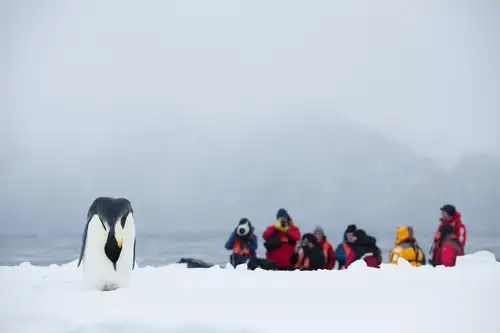
Despite Greenland’s harsh environment, life has found a way to thrive there. If you’re lucky enough to embark on a Greenland cruise, you stand the chance of encountering many species of cold-adapted mammals, birds, and fish.
Five Reasons You Should Cruise the Ross Sea Immediately - Nexta Expeditions
Blog

Five Reasons You Should Cruise the Ross Sea Immediately

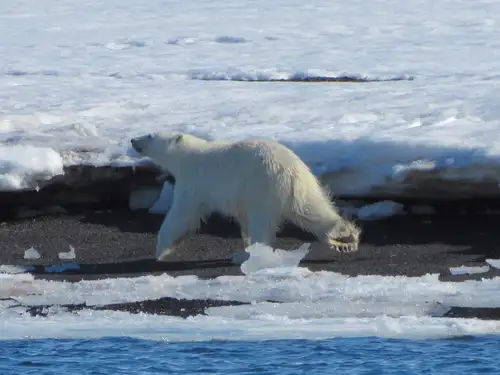
In our search for lesser-known holiday spots that still offer fully developed amenities like spas and gift shops, we often miss out on some of the planet's truly underrated treasures.
Polar bear feast - Nexta Expeditions
Blog

Polar bear feast

The polar bear was relishing his meal; the snow and his face were turning red from the blood. As we observed him eating, our own stomachs began to grumble. It was time for lunch.
Weddell seals: The data collectors scientists of Antarctica - Nexta Expeditions
Blog

Weddell seals: The data collectors scientists of Antarctica

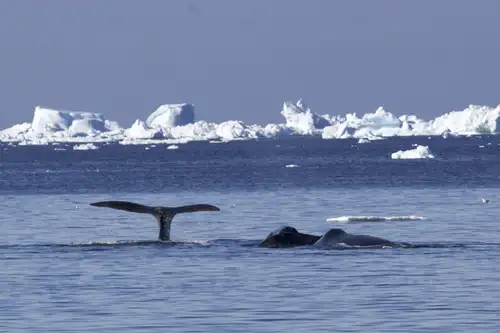
Weddell seals inhabit some of the coldest and darkest waters deep within the Ross Sea ice, making them the southernmost naturally occurring mammals on Earth. During the winter and summer months, their movements are largely governed by the presence of sea ice and the availability of suitable breathing and exit holes.
The bowhead whale, whaling about the Arctic - Nexta Expeditions
Blog

The bowhead whale, whaling about the Arctic

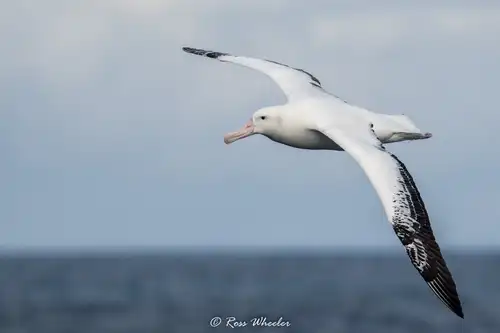
The bowhead whale typically resides near pack ice, often in shallow waters. These whales are commonly found north of Europe, between Canada and Greenland, in the Hudson Bay area, the Okhotsk Sea, and the Bering, Chukchi, and Beaufort seas. In these regions, they filter food through their large baleen plates. Bowheads are known to open their large mouths and graze along the surface, in the water column, or on the sea floor.
The Eight Albatrosses of Antarctica and the Sub-Antarctic - Nexta Expeditions

Blog

The Eight Albatrosses of Antarctica and the Sub-Antarctic

Our guests are typically wildlife enthusiasts, with a particular interest in bird life. While many bird lovers focus on the penguins we encounter, there's a smaller yet equally passionate group that favors the more airborne seabirds. Among this birdwatching subset, the albatross is a species that garners (and deserves) significant attention.
The World Is Changing for Greenland's Native Inuit People - Nexta Expeditions
Blog

The World Is Changing for Greenland's Native Inuit People

You may know them as Eskimos, but the people of the Arctic are officially called the Inuit. Historically, they were hunters in the truest sense. For hundreds of years, they survived the world’s harshest conditions, living off their prey of whales, seals, polar bears, musk oxen, birds, fish, and reindeer. This has always been their way of life.
Antarctic Explorer’s Voyage - Nexta Expeditions
Blog

Antarctic Explorer’s Voyage

There’s off the beaten track, and then there’s really off the beaten track.
8 Whales You Might See During Your Antarctica Cruise - Nexta Expeditions
Blog

8 Whales You Might See During Your Antarctica Cruise

They're powerful, beautiful, and really, really big. Whales are a wonder of the natural world, and one of the best places to see them is Antarctica. In fact, whale watching is one of the most popular and rewarding activities you can enjoy on an Antarctic trip.
A Day of Basecamp in Antarctica – Paradise Harbour - Nexta Expeditions
Blog

A Day of Basecamp in Antarctica – Paradise Harbour

After an early morning gathering of our camping group, we reached the entrance to Lemaire Channel. The snow and mist around the mountain peaks created a captivating atmosphere as we began our journey to Paradise Bay. The channel was dotted with impressive icebergs, and we even spotted a few sleeping humpback whales, providing ample photo opportunities.