


Harp seals are a moderately sized species, typically reaching about 1.6 meters in length and weighing around 130 kilograms. Both males and females are similar in size and weight, with males being only slightly larger. They possess a thick, robust body, a small broad and flat head, short narrow flippers, and a narrow muzzle.
Abundant numbers of harp seals
Harp seals are among the most abundant seal species in the northern hemisphere, with estimates suggesting a total population exceeding 9 million. There are three distinct populations of harp seals: one off the coast of eastern Canada, another off eastern Russia, and a third in eastern Greenland. Despite these groupings, harp seals are known for their long migrations, with adults traveling north of the breeding zone to molt before heading to their Arctic summer feeding grounds, a journey that can span up to 2,500 miles.
Notorious for milk-stealing
Harp seal courtship typically occurs on land, but mating often takes place in the water. Females reach maturity around five or six years of age and return to the ice annually to give birth to a single pup in February. The gestation period for a female harp seal is approximately 7.5 months.
When giving birth, the mother selects a stable spot on the ice, known as an icepack, to ensure the pup's survival, as newborns cannot swim or find food. The mother nurses the pup with milk that is about 50% fat for 12 days.
Interestingly, harp seal pups are known to be 'milk stealers,' sometimes suckling from an unrelated mother seal. This behavior can be detrimental to the unrelated mother's pup, as it may not receive sufficient nutrients.
The changing of the colours
Harp seals exhibit distinctive color changes as they age. Newborns, known as 'yellowcoats,' are born with thick yellow fur. After about three days, their fur bleaches and turns white, earning them the name 'whitecoats.' Around 12 days old, the pups begin shedding their white fur and are referred to as 'raggedy jackets.'
By the 18th day, the pups have lost all their white fur, revealing a silvery coat with small black spots along their sides and back, at which point they are called 'beaters.' After their first birthday, they are known as 'bedlamers' and start undergoing annual molts.
As they continue to age and molt, their spots enlarge and form horseshoe or 'harp'-shaped markings along their sides and back. Fully mature adult harp seals are light grey with a black face, often featuring a black chin, upper neck, and top of the head.
The harp seal has a buffet diet
Harp seals have a varied diet that depends on available prey. They consume a range of fish, including polar, Arctic, and Atlantic cod, herring, sculpin, and redfish, as well as crustaceans like shrimp, krill, and prawns. Harp seals often dive to depths of 100 meters to catch their meals. Their recorded diet includes 67 species of fish and 70 species of invertebrates. Pups and juveniles primarily feed on invertebrates, especially Euphausiids and pelagic Amphipods. Around Greenland, adult harp seals eat pelagic crustaceans and fish, while in the Barents Sea, they consume amphipods, shrimps, and small fish, including polar cod.
Working harder than the minke whale for food
Due to their high-quality diet, harp seals have a shorter digestive tract compared to herbivores, allowing them to efficiently absorb nutrients. However, their intestinal tract is longer than that of the minke whale, which has a similar diet. Scientists believe this is because harp seals must work harder to reach their prey, as they live both on land and in the sea, unlike whales. This additional effort may necessitate a larger intestinal tract to absorb more nutrients.
Harp seals’ life out to sea
Although harp seals do venture onto land, they spend most of their time in the waters of the northern Atlantic and Arctic oceans. As semi-aquatic marine mammals, they can remain submerged for around 15 minutes between breaths. This is possible because they can significantly lower their heart rate, sometimes by as much as 90%, ensuring that only their nervous system and sense organs receive the normal flow of blood.

Harp seals experts at deep diving
In the cold Arctic waters, harp seals excel at conserving body heat. They have a thick layer of blubber to retain warmth and can redirect blood circulation away from their body's surface to minimize heat loss. Their lungs can collapse completely during deep dives, thanks to an anti-adhesive system lining the lungs that allows them to reopen post-dive.
Eyes adapting to the bright light
Harp seals have eyes adapted for vision both above and below the water's surface. Their eyes are proportionately larger than those of other species, with large spherical lenses that enhance focus. To cope with the glare from the sun reflecting off the Arctic sea ice, harp seals have evolved mobile pupils. Additionally, they possess a membrane that covers their eyes, protecting them from the harsh Arctic environment.
Satellite data protecting harp seals
Since 2009, the Research and Development Center ScanEx has been monitoring ice conditions in the White Sea to facilitate ice-breaker and ship navigation around harp seals' whelping grounds. Satellite images help detect large groupings of harp seals by identifying indirect signatures such as holes in the ice and trails left by animals moving to these holes.
This satellite data aids in organizing ship traffic around the whelping groups. ScanEx shares its findings with the Ice Operations Headquarters of the Port of Archangelsk and the Northern Administration of the Hydrometeorological and Environmental Monitoring to route ships around these critical areas.

 12 Aug - 31 Aug 2026
 15 Aug - 28 Aug 2026
 16 Aug - 25 Aug 2026
 25 Aug - 07 Sep 2026
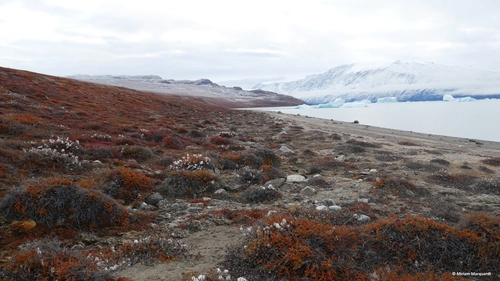 21 Sep - 01 Oct 2026
Related Trips
Spitsbergen - Northeast Greenland, Fly & Sail
12 Aug 2026 - 31 Aug 2026  20 Days / 19 Nights
Northeast Greenland Extreme
15 Aug 2026 - 28 Aug 2026 14 Days / 13 Nights
East Greenland, Scoresby Sund, Including Long Hikes
16 Aug 2026 - 25 Aug 2026 10 Days / 9 Nights
Northeast Greenland Extreme
25 Aug 2026 - 07 Sep 2026 14 Days / 13 Nights
East Greenland, Scoresby Sund - Aurora Borealis, Fly & Sail
21 Sep 2026 - 01 Oct 2026 11 Days / 10 Nights

East Greenland, Scoresby Sund - Iceland , Aurora Borealis, Fly & Sail
01 Oct 2026 - 12 Oct 2026 12 Days / 11 Nights

Blog



The History of Antarctica in Maps

What’s so Special about East Spitsbergen?

Arctic vs. Antarctica: A Traveler’s Guide
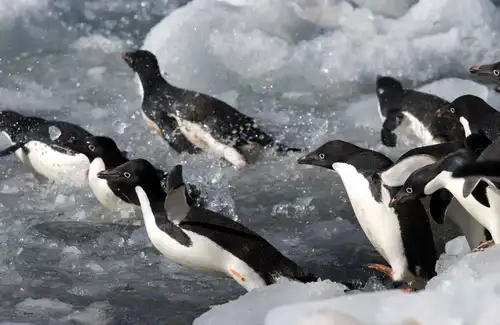
Adélie Penguins: the Little People of the Antarctic

How and When Did Greenland Become Covered in Ice?
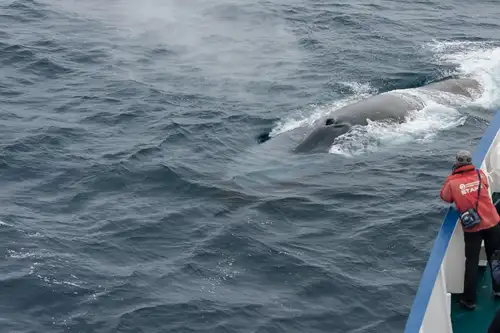
10 Bountiful Blue Whale Facts

Two for the Snow: Polar Cruises for Couples
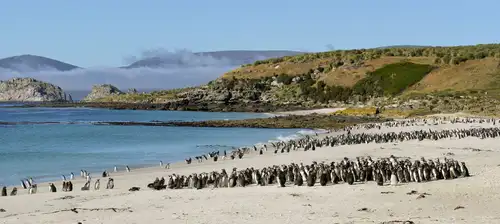
17 Reasons to Cruise the Falklands

Deception Island deceptively active
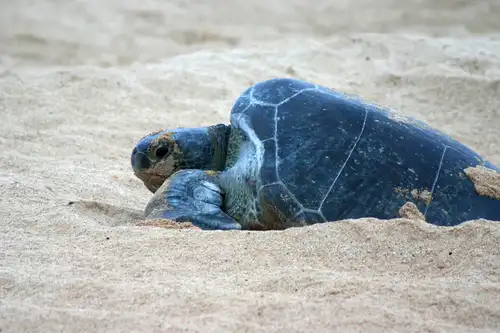
Going Green: Ascension Island Sea Turtles

Ancient Arctic Exploration

The disastrous expedition in the Arctic west
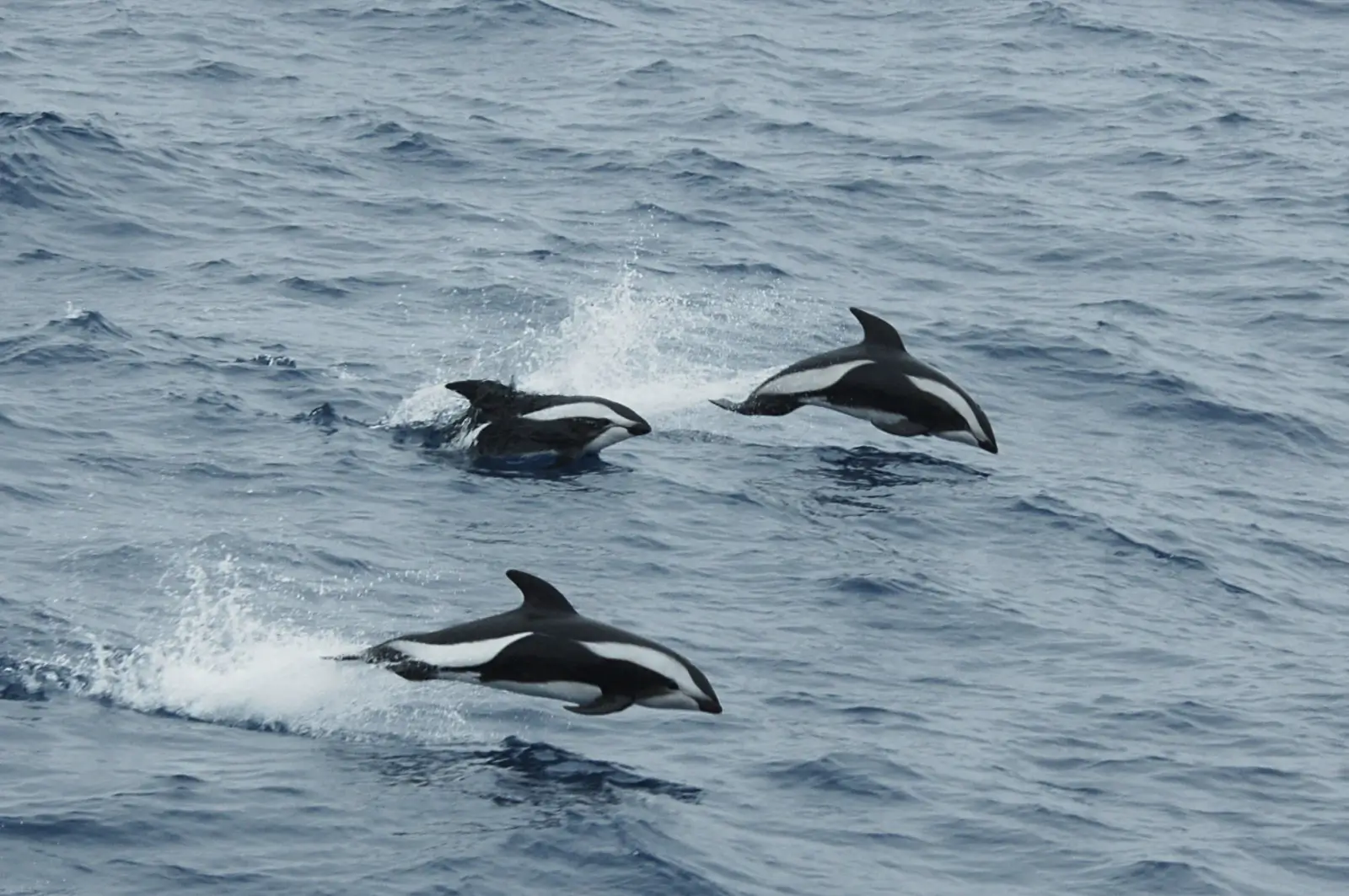
Antarctica’s Hourglass Dolphin
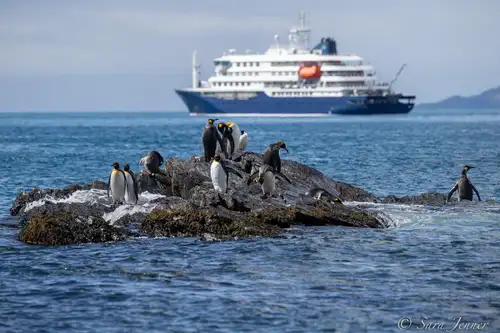
Weddell Sea, Shackleton’s Endurance, and New Swabia
Book Recommendations for Your Polar Cruise

Antarctica in Pictures: Photos from 2018

The South Georgia Seven: Hikes, Fjords, Whales, & Penguins

The Impact of Small vs. Large Cruise Ships

Gough Island: Seabird Capital of the South Atlantic