

Erik the Red is a significant and vibrant figure in the history of the Norse Vikings. His story is primarily documented in the Icelandic Sagas Huaksbók (14th Century) and Skalhóltsbók (15th Century). These accounts offer slightly different versions of events that occurred 3-400 years earlier. The original saga of Erik the Red is believed to have been written around 1200 A.D., with the Skalhóltsbók version considered closest to the original. Additionally, Flateyjarbók (13th Century), which includes the Saga of the Greenlanders, is a crucial source for understanding the settlement of Greenland and the discovery of Vinland – North America.
Erik the Red exploring new land
Erik the Red grew up in Norway, where he was implicated in several murder cases. He migrated to Iceland with his father, settling on the central west coast and marrying Thjodhild. However, Erik's involvement in further disputes and killings in Iceland led to his being declared an outlaw and sentenced to three years of banishment. Around 982 A.D., he left Iceland, heading for land to the west, previously spotted by a man named Gunnbjörn about 100 years earlier. Erik’s expedition took him further southwest and around Cape Farewell, the southern tip of Greenland. He then sailed north, exploring many fjords and discovering fertile green pastures more lush than those in Iceland. For at least two years, he investigated the new land, including areas now known as the Eastern Settlement and the Western Settlement.
Greenland settled by the Norse Vikings
After three years, Erik returned to Iceland and spoke about the new land he named Greenland, seeking people willing to establish a settlement there. Sources indicate this occurred around 985 A.D., 15 years before Christianity became law in Iceland. Erik successfully gathered a fleet of 25-30 ships with approximately 700 settlers, though only 14 ships arrived. The new settlements were named after their founders, such as Erik’s farm Brattahlid, deep inside Eriksfjord (nowadays Tunugdliarfik), across from modern-day Narsasuaq. Hundreds of archaeological finds, primarily in the southwest, suggest that these settlements lasted for over 500 years. However, they eventually disappeared, and the reasons remain unknown. The last documented event involving the Greenland settlers is a high-society wedding in Hvalsey Church in 1408 between Sigríð Björnsdóttir and Þorsteinn Ólafsson, who arrived in Iceland in 1410. The fate of the Norse settlers in Greenland remains a mystery, with theories suggesting a sudden climate change or new trade opportunities with dried cod from North America.

The Saga of the Greenlanders
After Erik the Red settled in Greenland, traffic between Norway, Iceland, and Greenland was established, leading to an accidental journey that may have been the first Viking contact with North America. Bjarni Herhjólfsson, the first Viking to discover North America, is mentioned only in the Saga of the Greenlanders. The story goes that he alternated his overwinterings with his father between Iceland and Norway. Upon arriving in Iceland one time, he found his father had migrated to Greenland and decided to follow him on this dangerous voyage. Bjarni’s ship encountered unfavorable weather with fog and north winds, causing him to lose his bearings. After several days, the weather improved, and Bjarni found himself near land with woods. Realizing this wasn’t Greenland, he did not land. He spotted land twice more, but these locations also did not match the description of Greenland, so he continued onward. Eventually, Bjarni reached Greenland and settled in Herjolfsnes in the southwest, near modern-day Narsaq Kujalleq. Herhjolfsnes became a major hub for trade between Greenland and Iceland and is the only settlement mentioned on the famous Skálholt Map from 1570 of the north Atlantic region as the Norse understood it. Bjarni’s exploits are only mentioned in the Saga of the Greenlanders and nowhere else. Just as with the different versions of Erik the Red’s Saga in Huaksbók, Bjarni’s story may have been edited by descendants of Erik the Red, whose son Leif Eriksson is later credited with the discovery of North America. This may have been a case of history being rewritten to enhance family members’ exploits.

According to the Saga of the Greenlanders, Leif Eriksson became intrigued by Bjarni’s story. He bought Bjarni’s ship, took advice from him, and then set sail westward from Herhjolfsnes. On this journey, Leif discovered new land on three separate occasions. First, he encountered a cold and icy land to the north, which he called Helluland or Stone-slab land, later interpreted as Baffin Island, Canada. He then sailed further south and found a forested landscape he named Markland, thought to be the Labrador coast dominated by Taiga forest. Finally, he landed at Vinland, now believed to be Newfoundland. Interestingly, it is not thought that vines and grapes could grow in Newfoundland at the time, making the name Vinland (“Wine land”) curious. However, the 11th Century monk Adam of Bremen also mentioned grapes and vines, suggesting that it may have been gooseberries, called Vínber or “Wine-berries” in the times of the Icelandic sagas, leading to the name.
Follow in the footsteps of the earlier Norse settlers
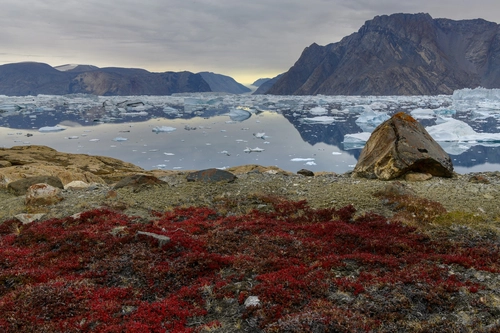
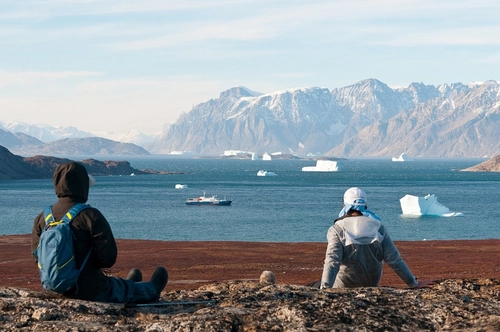
Join us on an expedition cruise to southwest Greenland and follow in the footsteps of the earlier Norse settlers. Experience Erik the Red’s farms, the remains of the famous settlement in Gardar, the Hvalsey Church ruin built around 1300 A.D, Herjolfsnes, and discover why Erik called the new land Greenland. The landscape is spectacular, and the history intriguing. Along the way, we have plenty of chances to see humpback whales as we sail these fabled waters.
 12 Aug - 31 Aug 2026
 15 Aug - 28 Aug 2026
 16 Aug - 25 Aug 2026
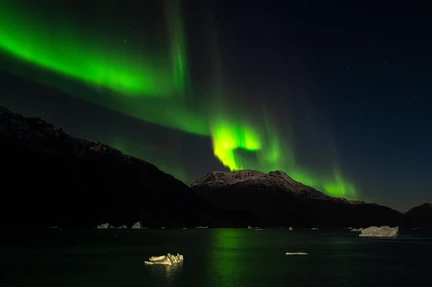 25 Aug - 07 Sep 2026
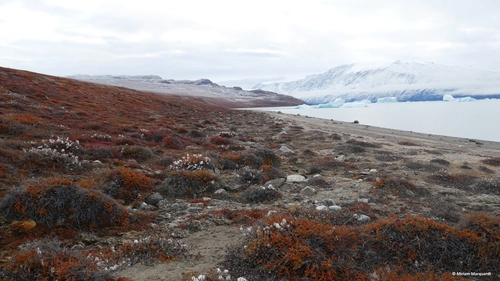 21 Sep - 01 Oct 2026
Related Trips
Spitsbergen - Northeast Greenland, Fly & Sail
12 Aug 2026 - 31 Aug 2026  20 Days / 19 Nights
Northeast Greenland Extreme
15 Aug 2026 - 28 Aug 2026 14 Days / 13 Nights
East Greenland, Scoresby Sund, Including Long Hikes
16 Aug 2026 - 25 Aug 2026 10 Days / 9 Nights
Northeast Greenland Extreme
25 Aug 2026 - 07 Sep 2026 14 Days / 13 Nights
East Greenland, Scoresby Sund - Aurora Borealis, Fly & Sail
21 Sep 2026 - 01 Oct 2026 11 Days / 10 Nights
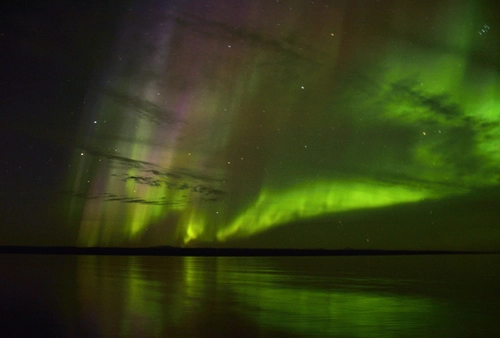
East Greenland, Scoresby Sund - Iceland , Aurora Borealis, Fly & Sail
01 Oct 2026 - 12 Oct 2026 12 Days / 11 Nights

Blog


15 Falkland Islands Bird Photos
The Wildlife of Antarctica’s Seas and Skies
An igneous paradise: Franklin Island
Tracking Greenland’s Wildlife from Space
The bio-richness of the Ross Sea
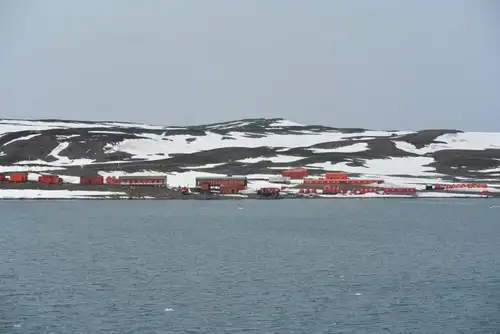
Living the Antarctic Dream
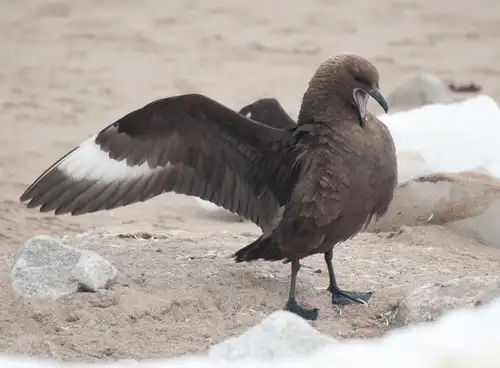
Fierce and Feathered: the Skuas of Antarctica
Arctic vs. Antarctica: A Traveler’s Guide
Top 10 Tips for Packing Your Polar Photography Equipment
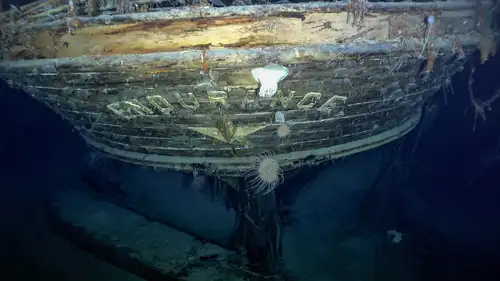
Shackleton’s Long-Lost Endurance Discovered in Antarctica
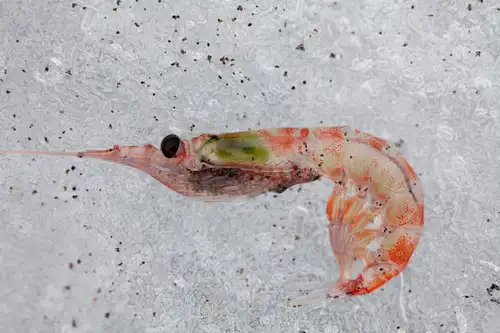
Antarctic krill: Antarctica's Superfood
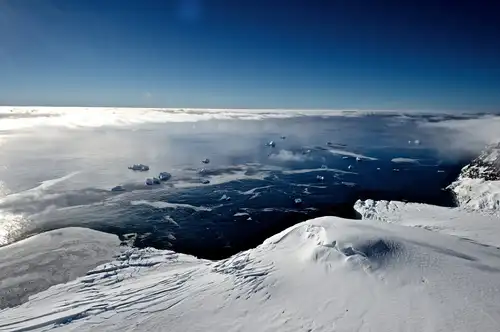
10 Weather-Fueled Facts about Antarctica
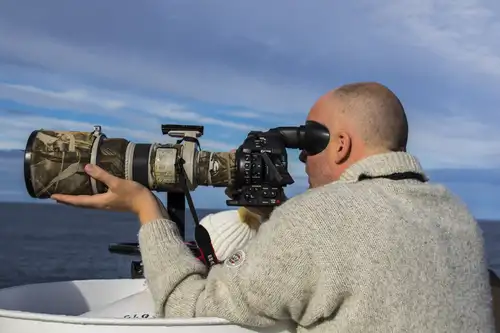
10 Tried-and-True Bird Photography Tips
The Giant Petrels of King George Island
The first race to the South Pole in 50 years
South Georgia Whaling Stations
Circumnavigating Spitsbergen
The Arctic Borderland of Kongsfjorden, Svalbard
10 Books and Films To Prepare for your Antarctica cruise