


 16 August 2026 - 25 Aug 2026
 10 Days/9 Nights
 Akureyri - Akureyri

All itineraries are for guidance only. Programs may vary depending on ice, weather, and wildlife conditions. Landings are subject to site availabilities, permissions, and environmental concerns per AECO regulations.
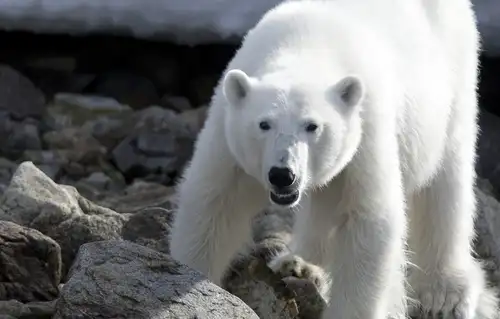
Long hikes are for groups of 50 passengers maximum, accompanied by two armed expedition staff and a Zodiac that will sail ahead to watch for polar bears along the shoreline. Passengers who join this activity should have the willingness and ability to walk at least 15 km (9 miles) in semi-rough terrain that includes shorelines, tundra, low hills, and river crossings. Walks will take around six hours from start to finish, rest times included. We will walk at a modest pace and not cross any alpine terrain. Passengers who do not take part in long walks will have a landing in the morning at the start point of the walk, then sail to the end point of the walk for their second landing in the afternoon.
Start: Iceland Adventure
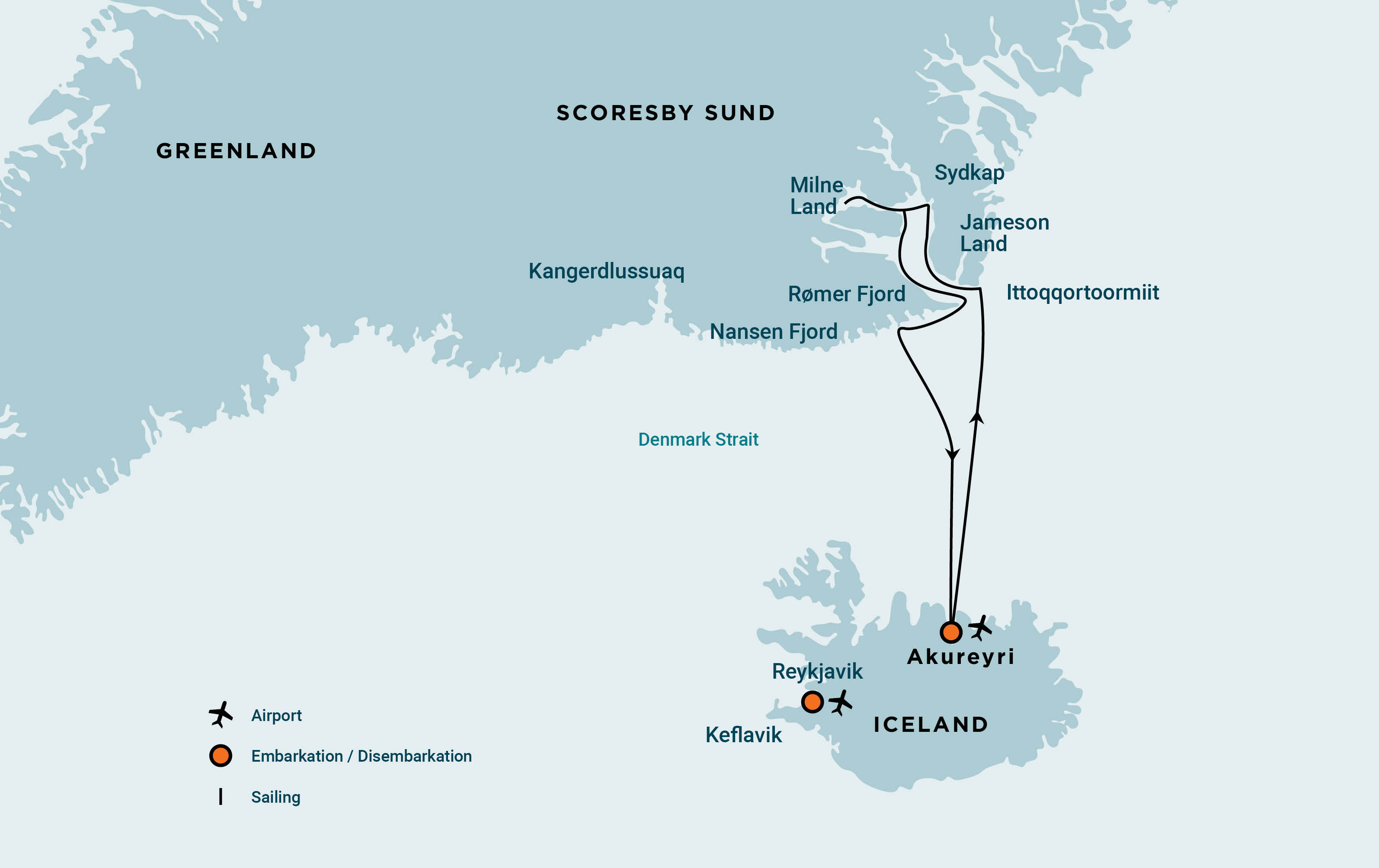
Your expedition kicks off in the morning. You can take a bus from Reykjavik to the ship in Akureyri, enjoying a scenic six-hour drive. The ship leaves Akureyri in the evening, heading north.
Heading to East Greenland
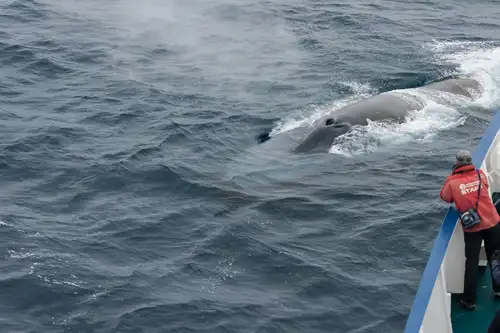
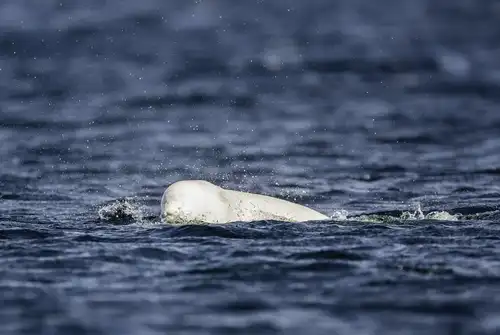
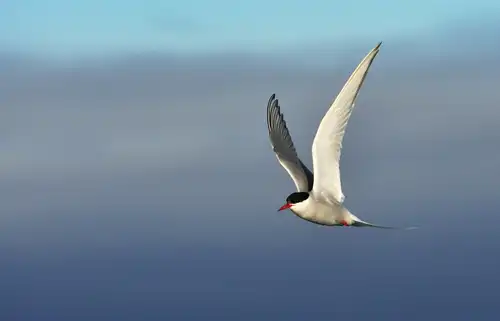
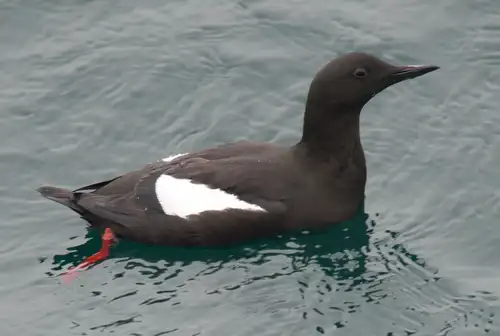
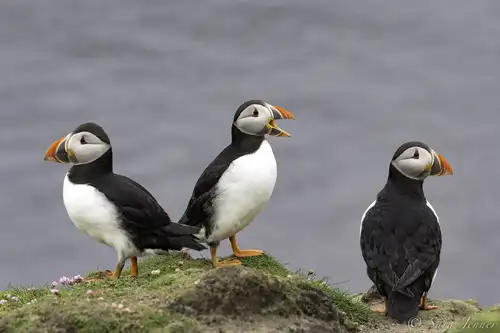
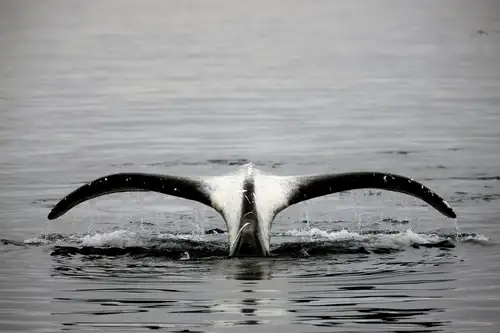
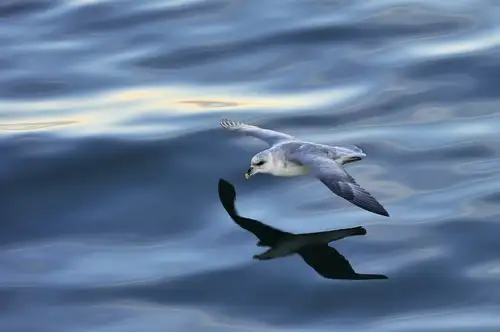
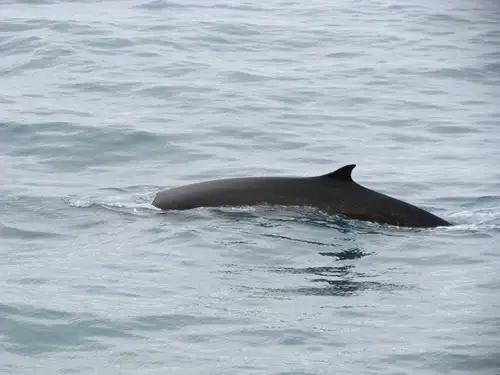
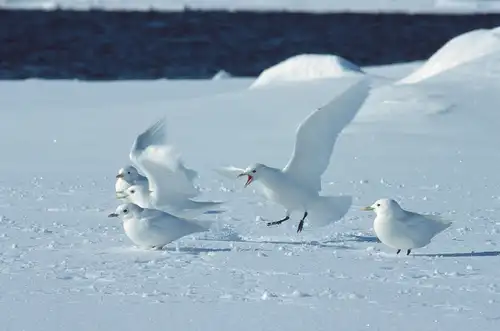
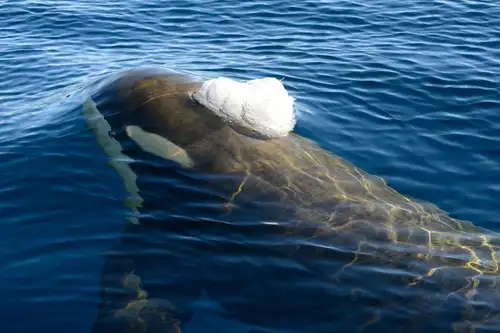
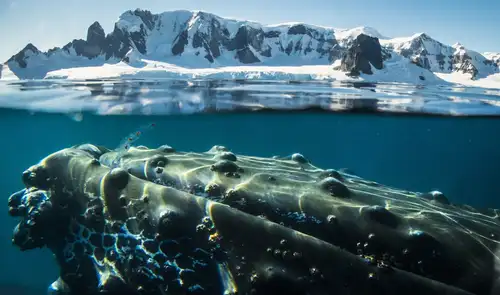
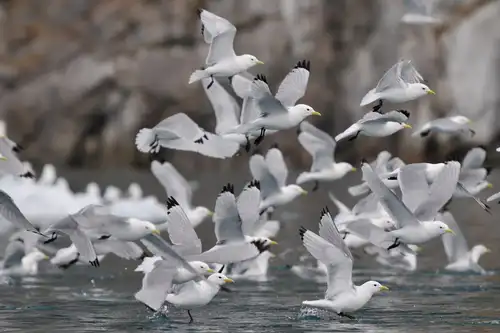
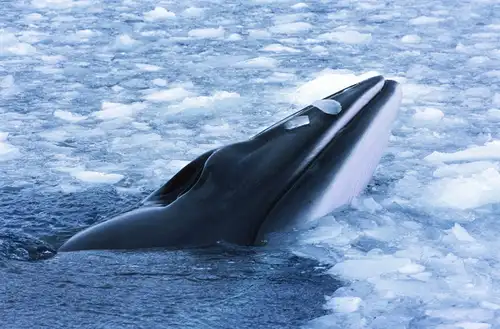
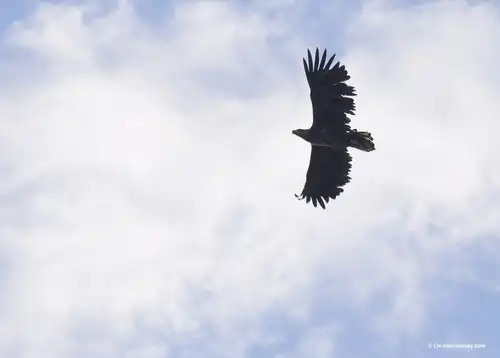
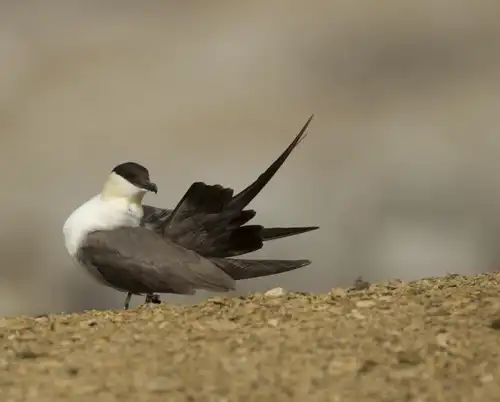
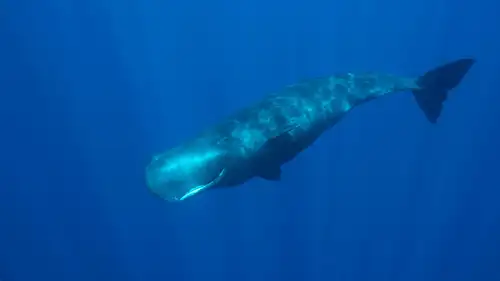
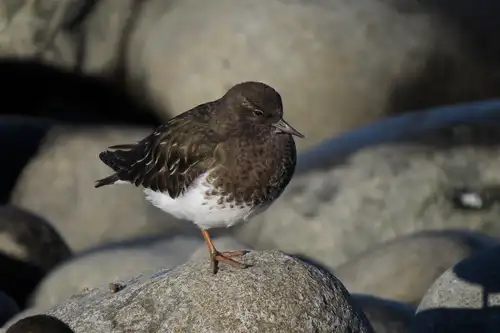
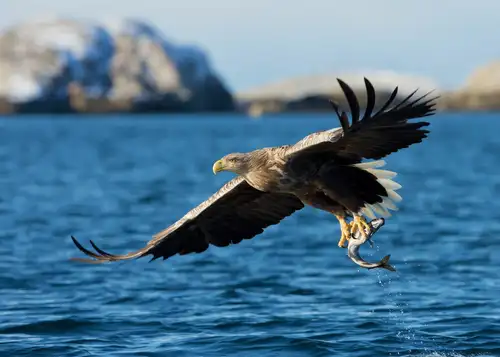
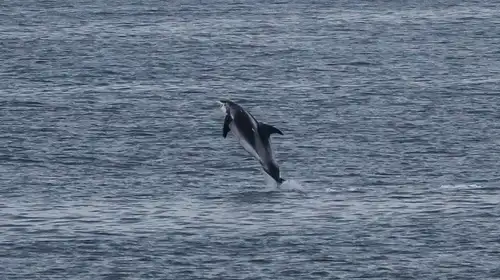
As you sail, watch for seabirds and maybe even whales. By evening, you might see your first icebergs near the Greenland coast.
Exploring the Largest Fjord
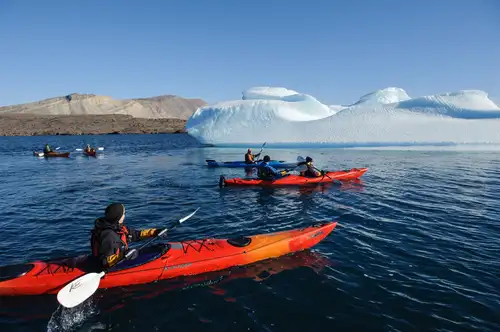
Arrive at Scoresbysund, cruising along icy shores. Enjoy a Zodiac ride near glaciers and see stunning ice formations. In the afternoon, sail among giant icebergs and possibly land at Charcot Havn for a glacier walk.
Colors of the Cape
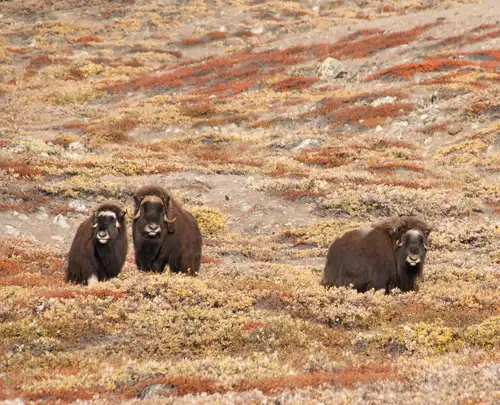
Take a Zodiac cruise near Sorte Island, surrounded by striking icebergs. Later, sail through Røde Fjord and Harefjord, with chances to see musk oxen and autumn colors.
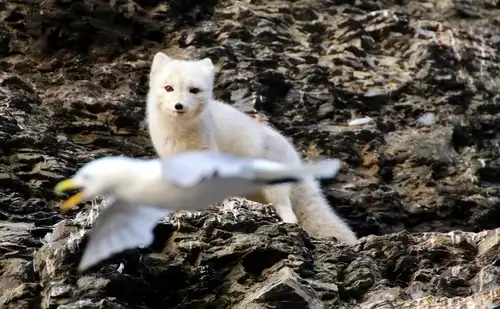
Massive Icebergs and Arctic Hares
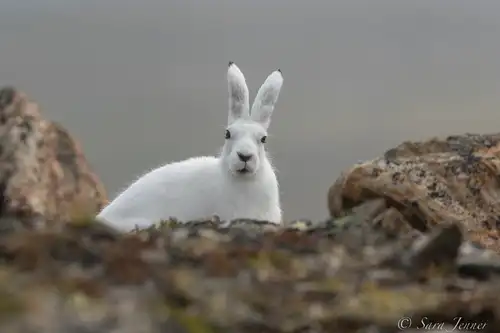
Encounter huge icebergs in the morning. Land near Sydkap for views of Hall Bredning and a chance to see Arctic hares. A long walk is planned, with an alternative landing for those not walking.
Scoresbysund Settlement
Land on Liverpool Land and visit Ittoqqortoormiit, the largest settlement in Scoresbysund. Explore the area and see local life before sailing south past beautiful landscapes.
Stewart Island
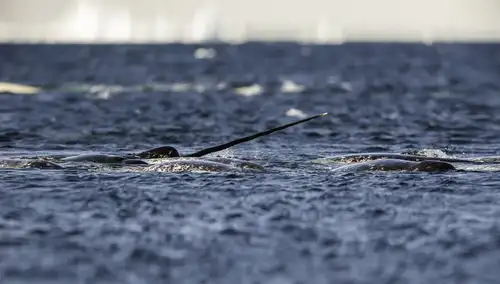
Visit Stewart Island, a key hunting area and a good spot to see polar bears, narwhals, and Thule house remains.
Remote Shores
Sail into Turner Sound and Rømer Fjord, where you might spot narwhals.
Sea Life
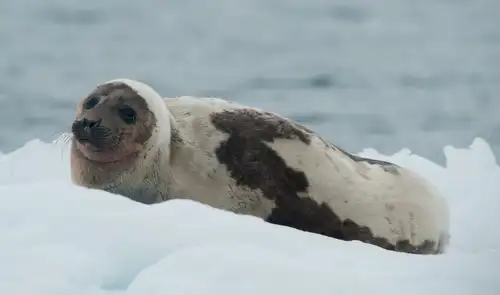
Spend a day at sea, watching for whales and seabirds.
End: Return to Akureyri
Your journey concludes in Akureyri. You can take a bus back to Reykjavik, carrying memories of your adventure.


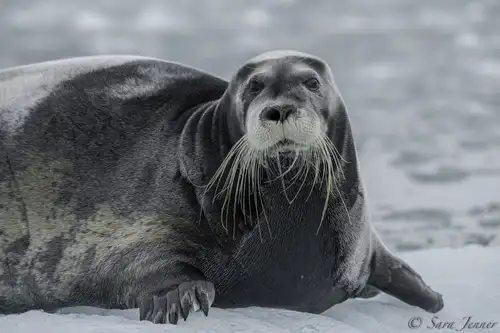
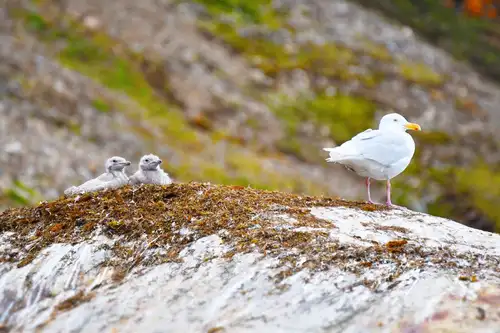
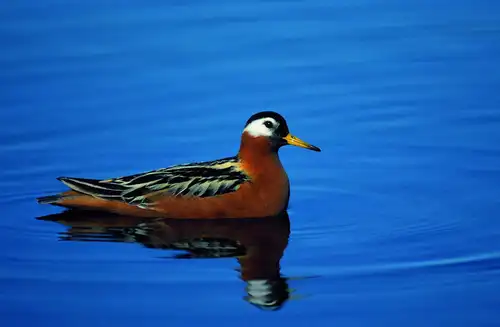
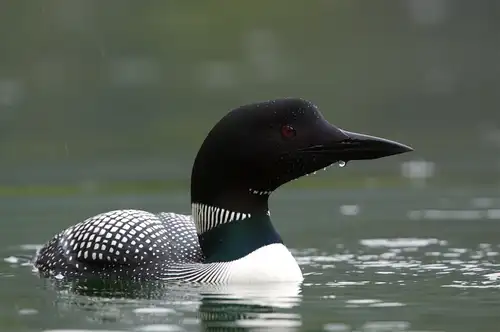


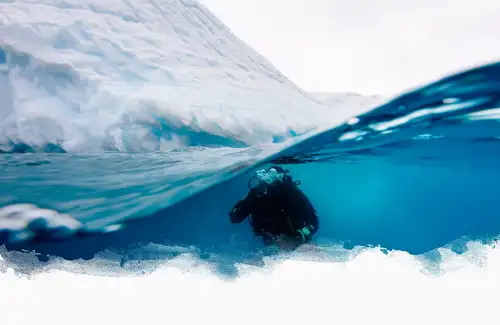
Scuba Diving Trips in Antarctica and the Arctic
Our polar voyages provide maximum firsthand contact with local wildlife and terrain, as well as unparalleled adventures below the waves.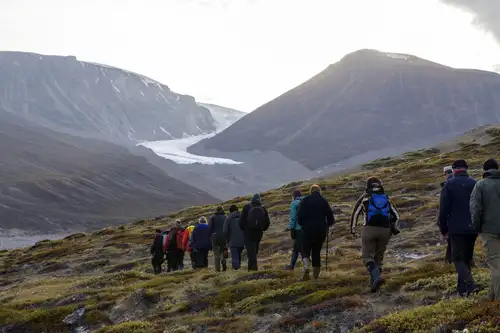
Leave the Vessel Behind on Our Long Hikes Activity
Immerse yourself in the vibrant surroundings of Greenland and Svalbard with our long hikes activity. Enjoy the Arctic summer far from the vessel as you embark on a full-day hike, crossing tundra, rivers, and rugged backcountry.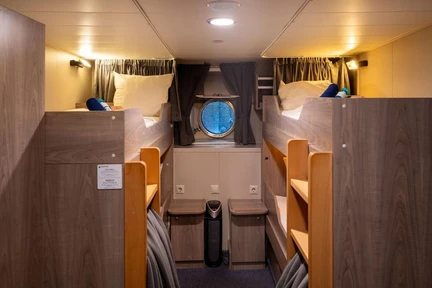


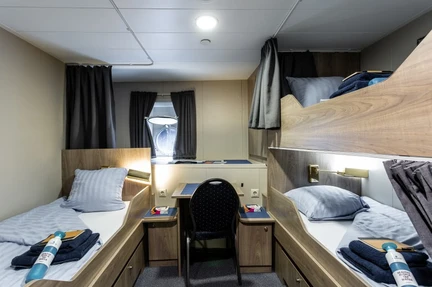

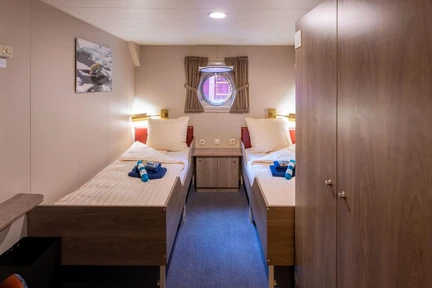
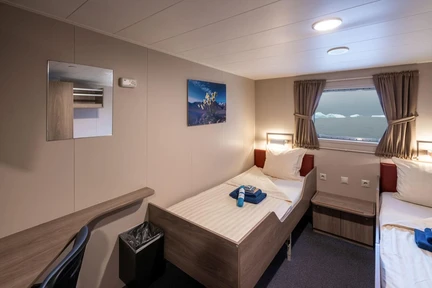
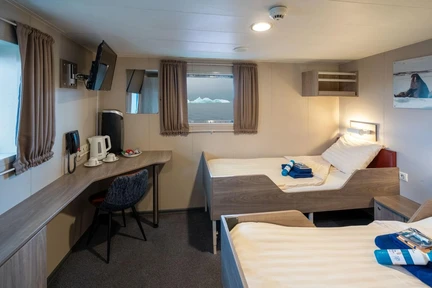
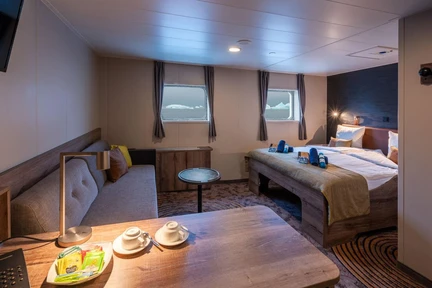


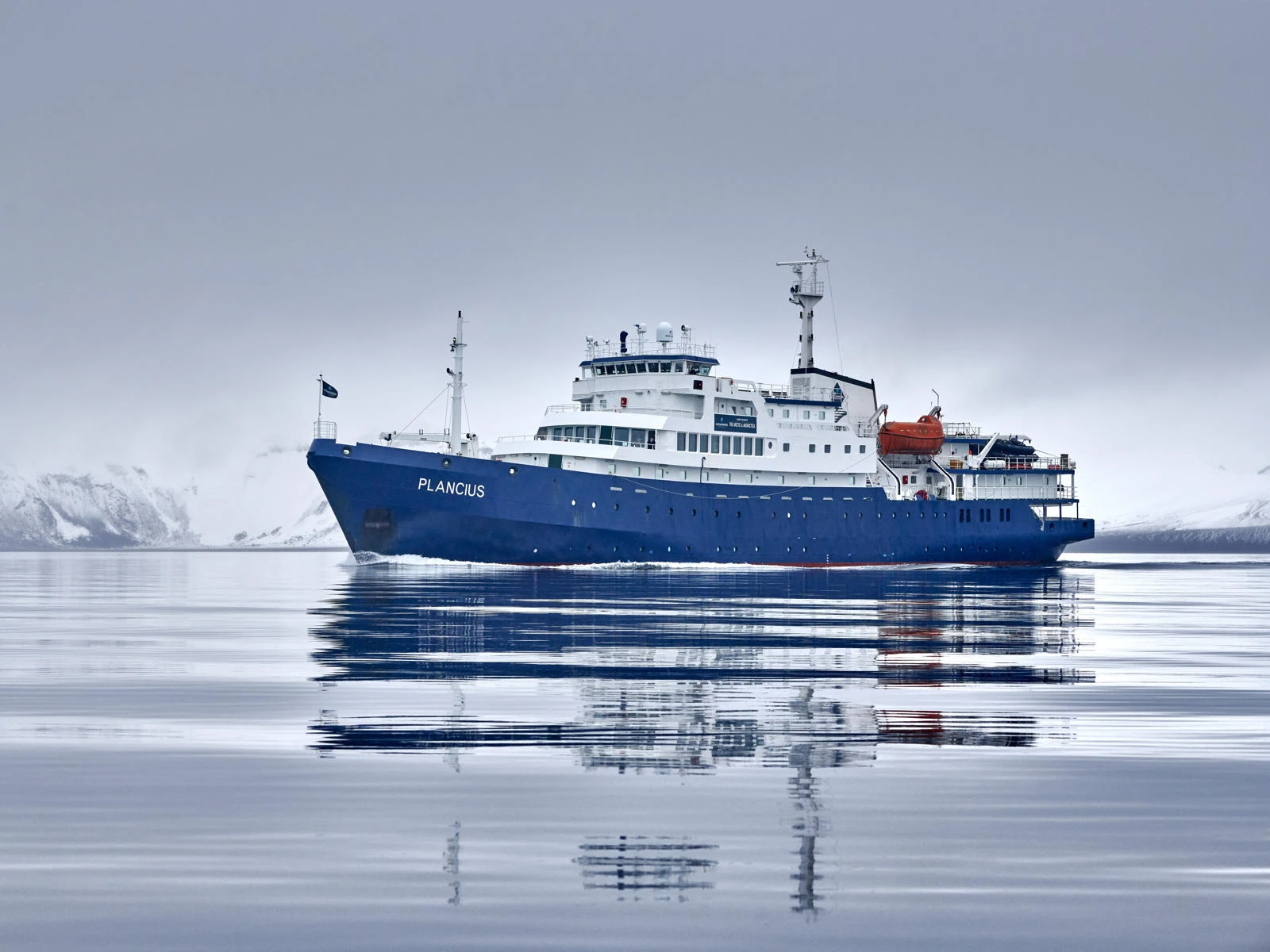
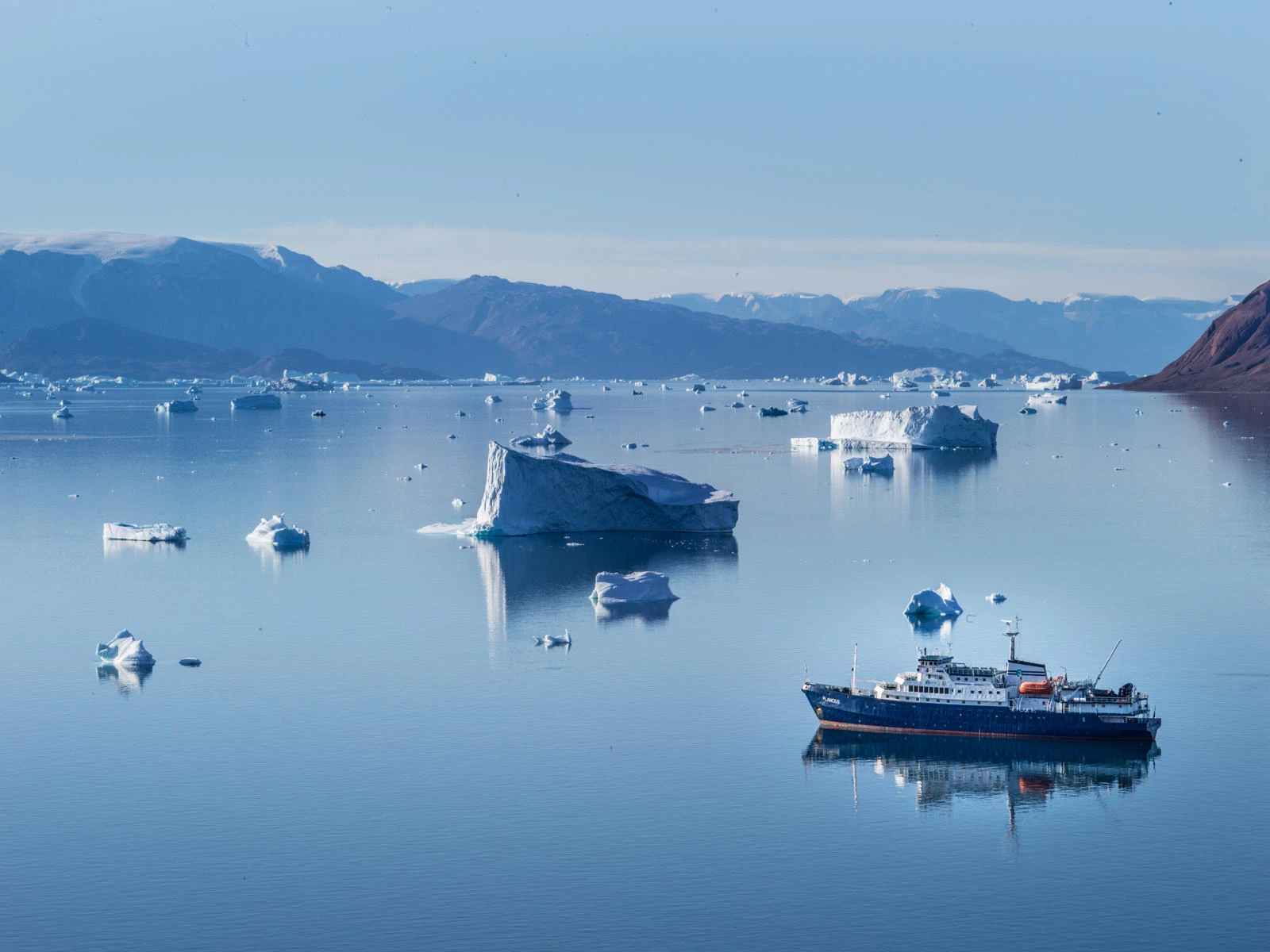
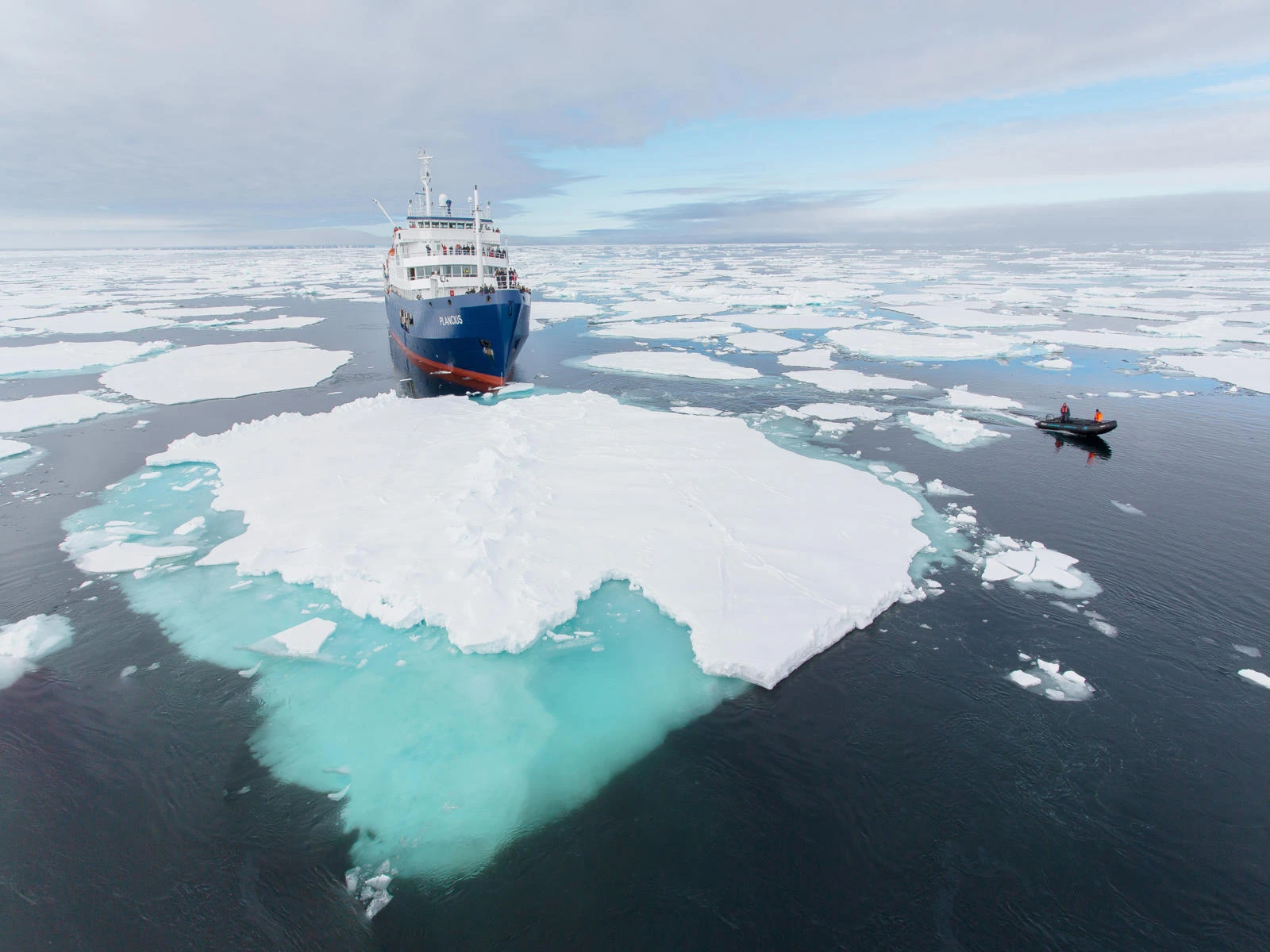
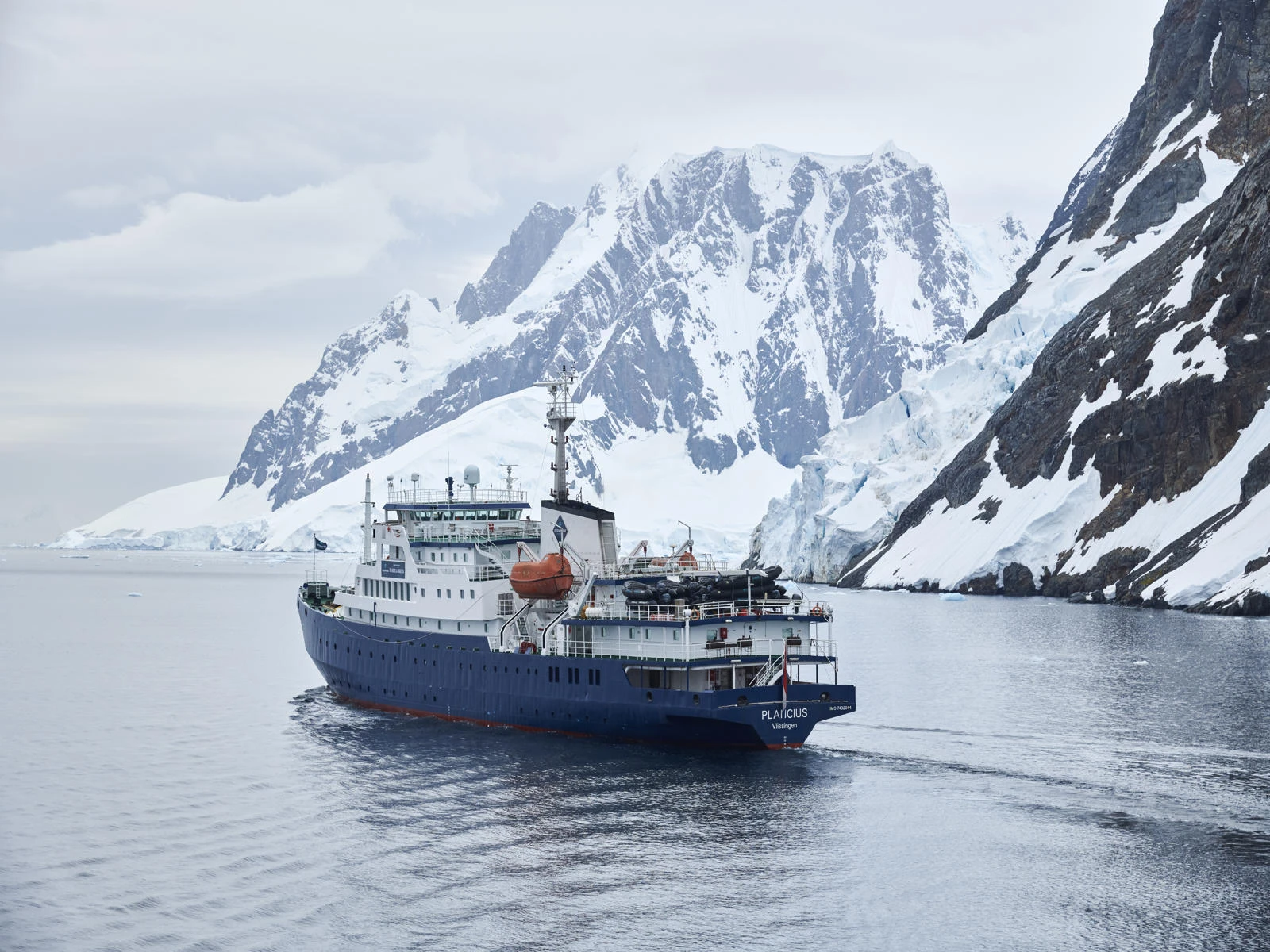
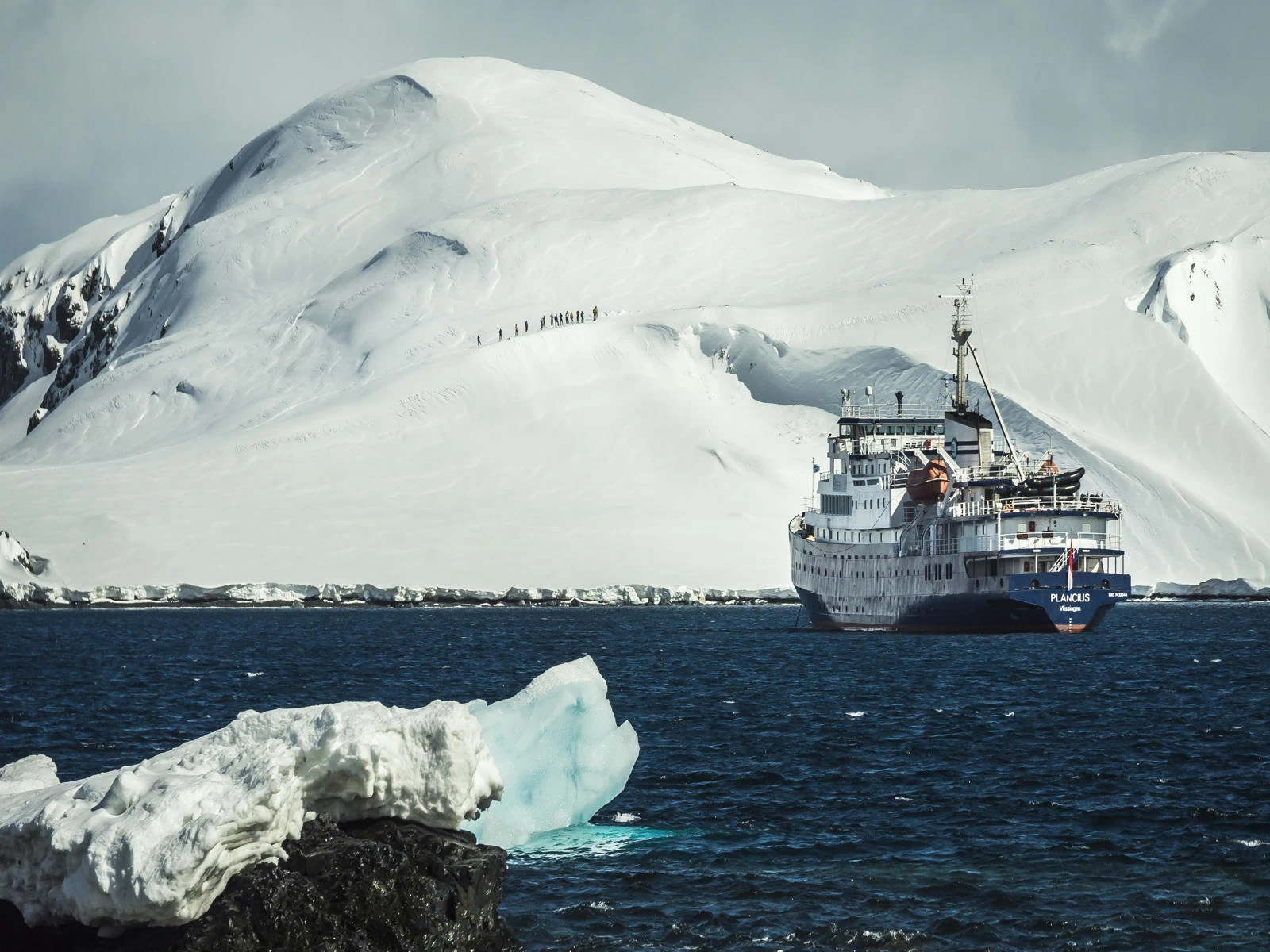
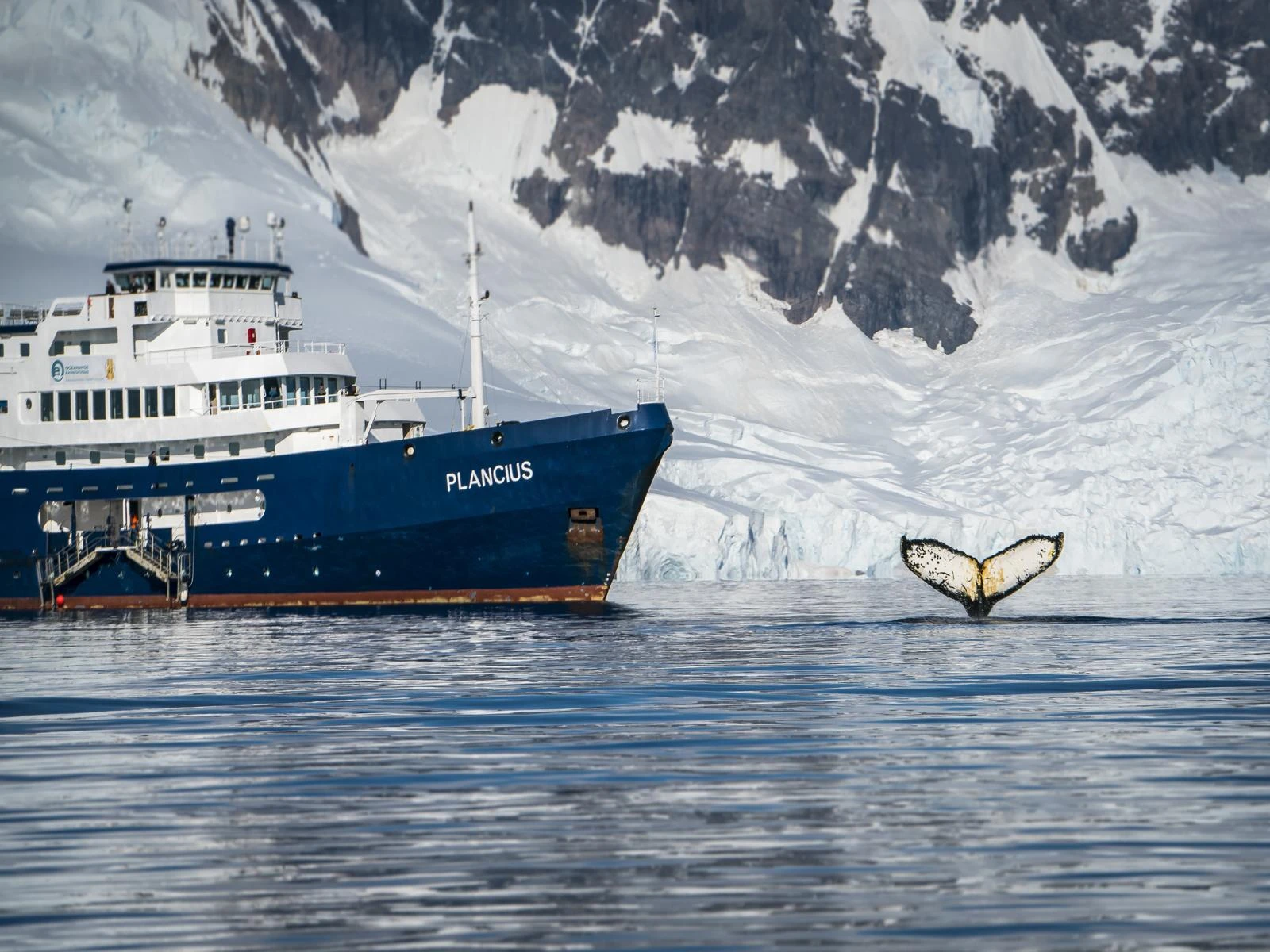
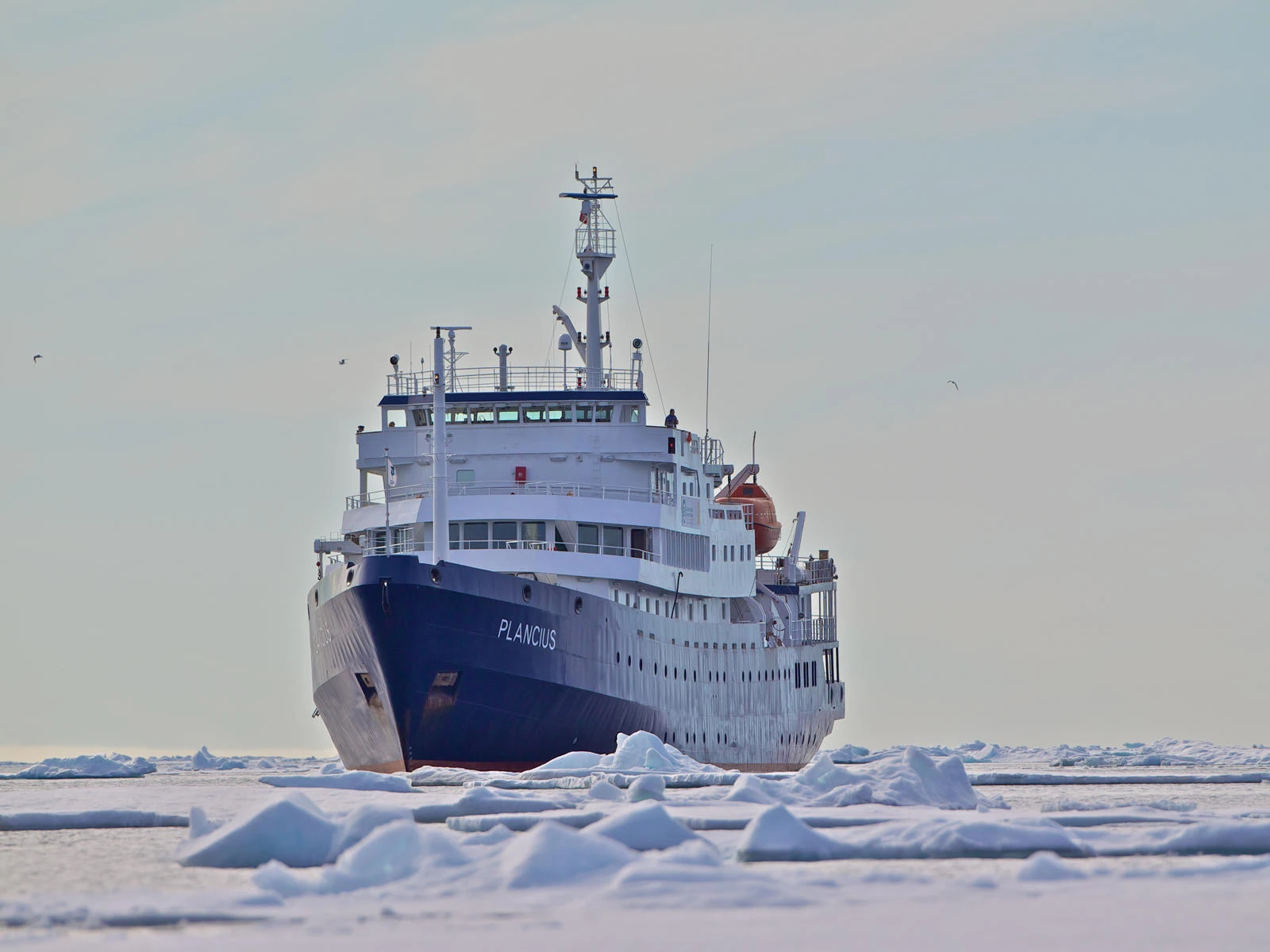
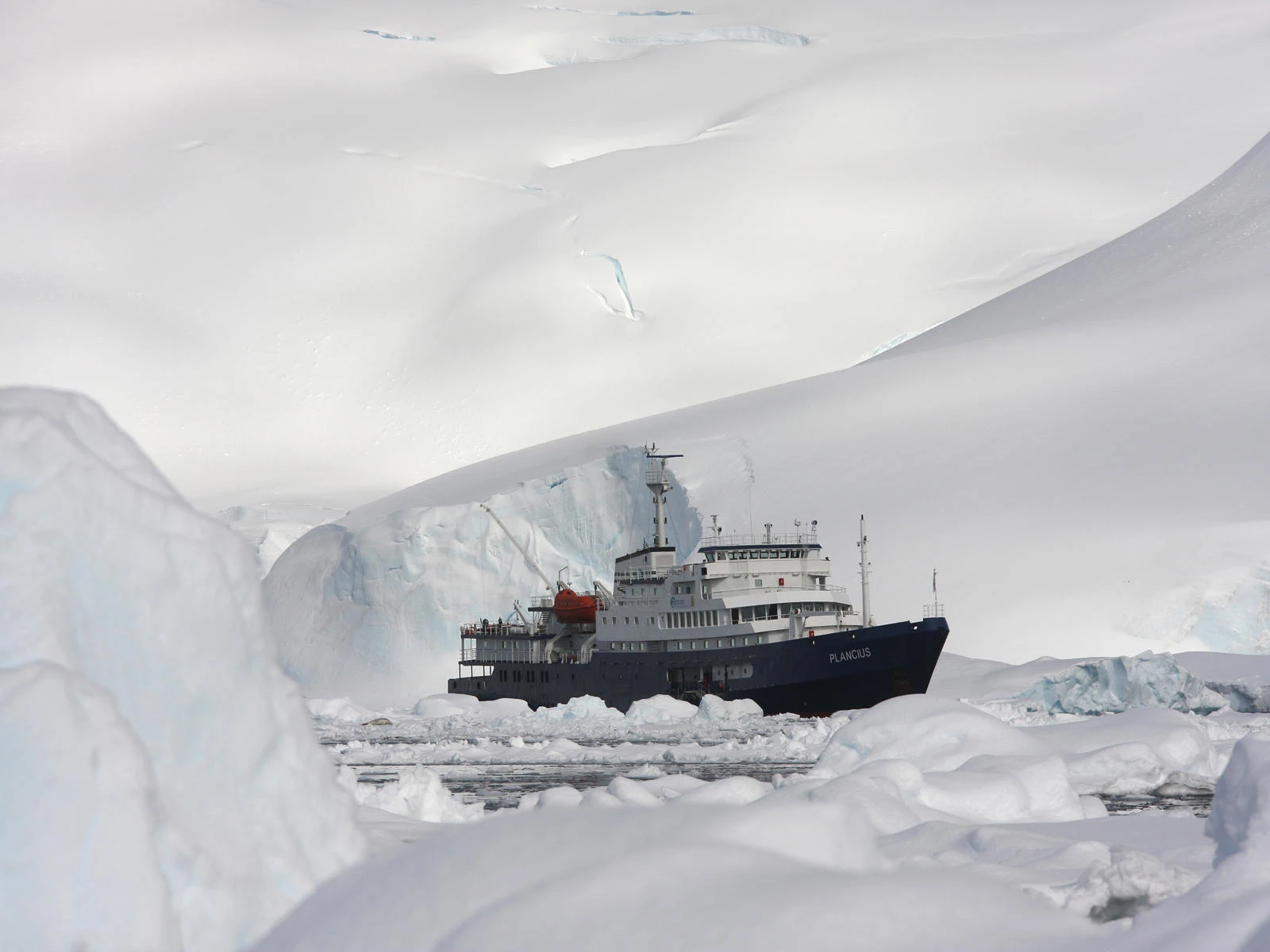
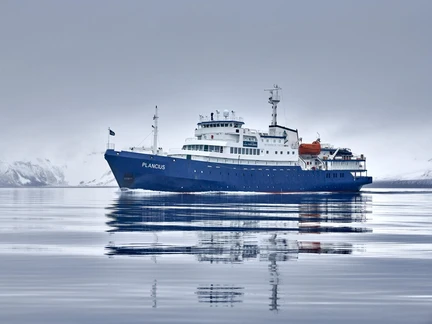
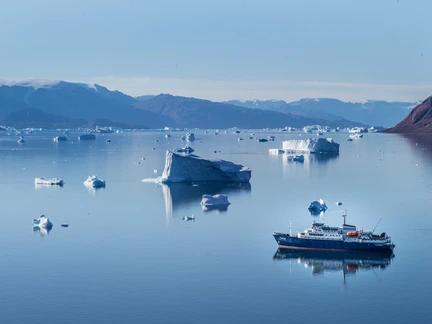
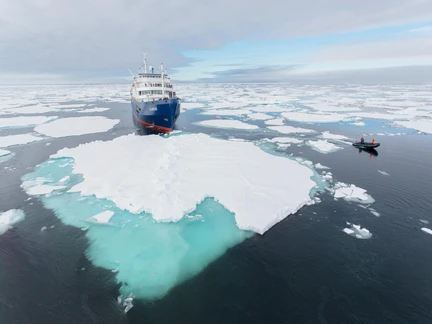
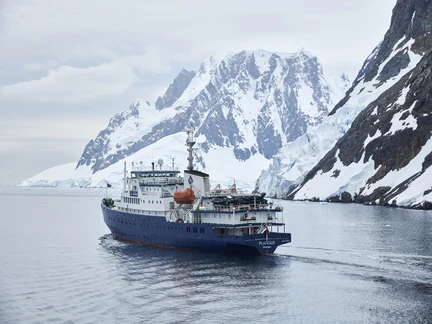
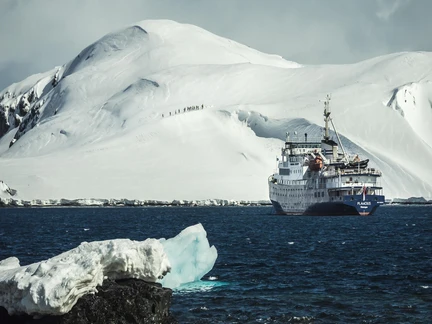
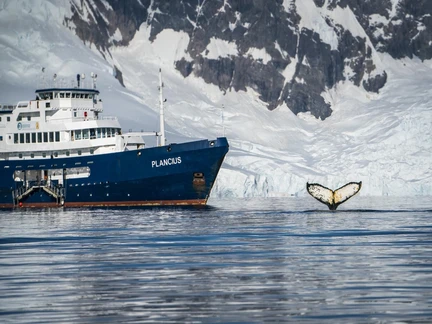
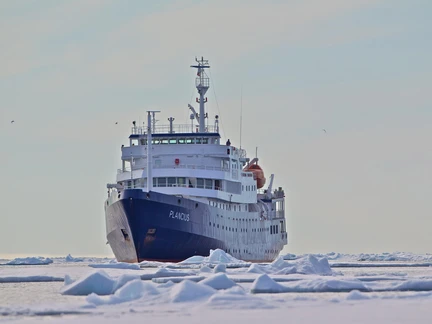
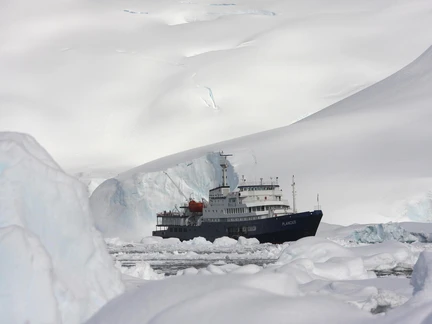
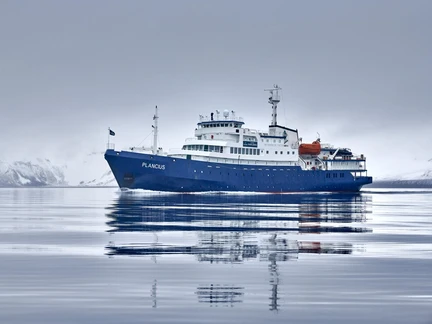
m/v Plancius
Our most longstanding vessel, Plancius, is a classic choice for many of our most popular polar voyages.
Specifications
| Passengers: | 108 passengers in 50 cabins |
| Staff & crew: | Crew 40 | Guides 8 | Doctor 1 |
| Length: | 89 meters (293 feet) |
| Breadth: | 14,5 meters (47 feet) |
| Draft: | 5 meters (16 feet) |
| Ice class: | 1D (Plancius has a Lloyds class notation 100A1 Passenger ship, Ice Class 1D at a draught of 5 meters) |
| Displacement: | 3211 tonnes |
| Propulsion: | 3x Diesel-Electric |
| Speed: | 10.5 knots average cruising speed |
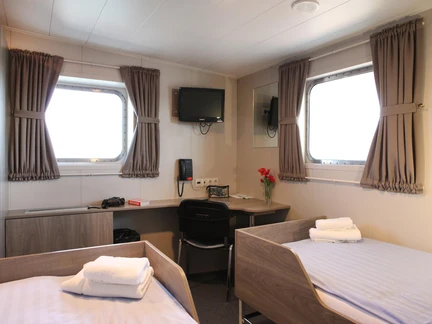
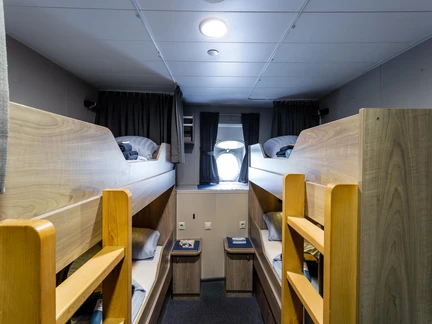
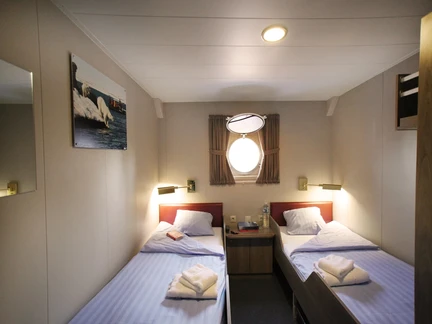
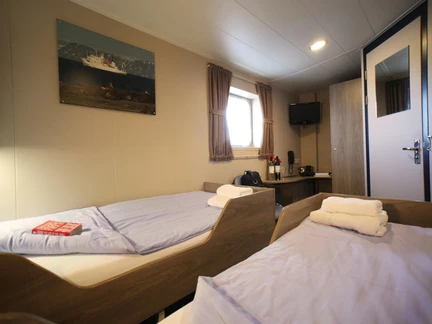
Cabins Gallery
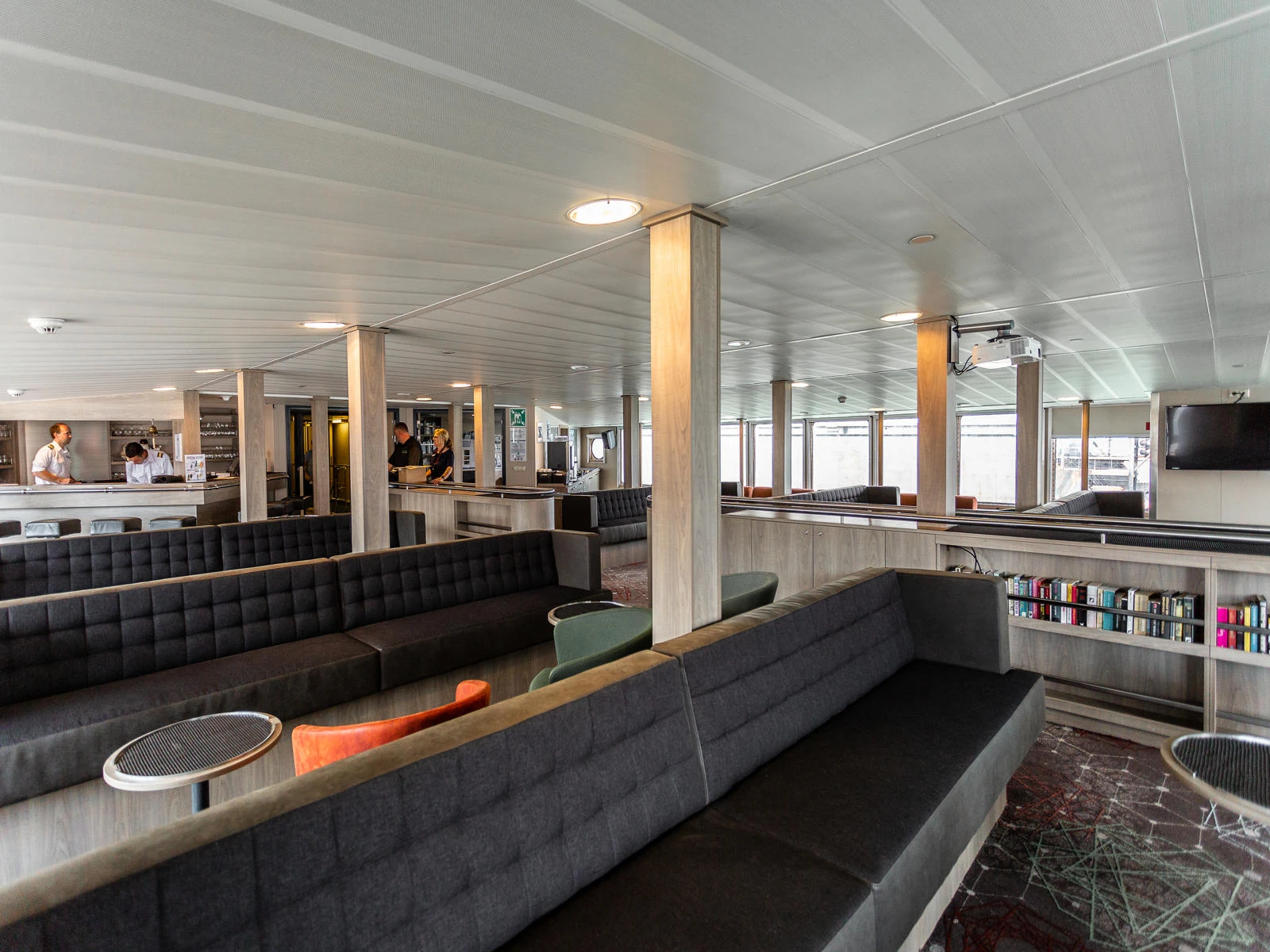
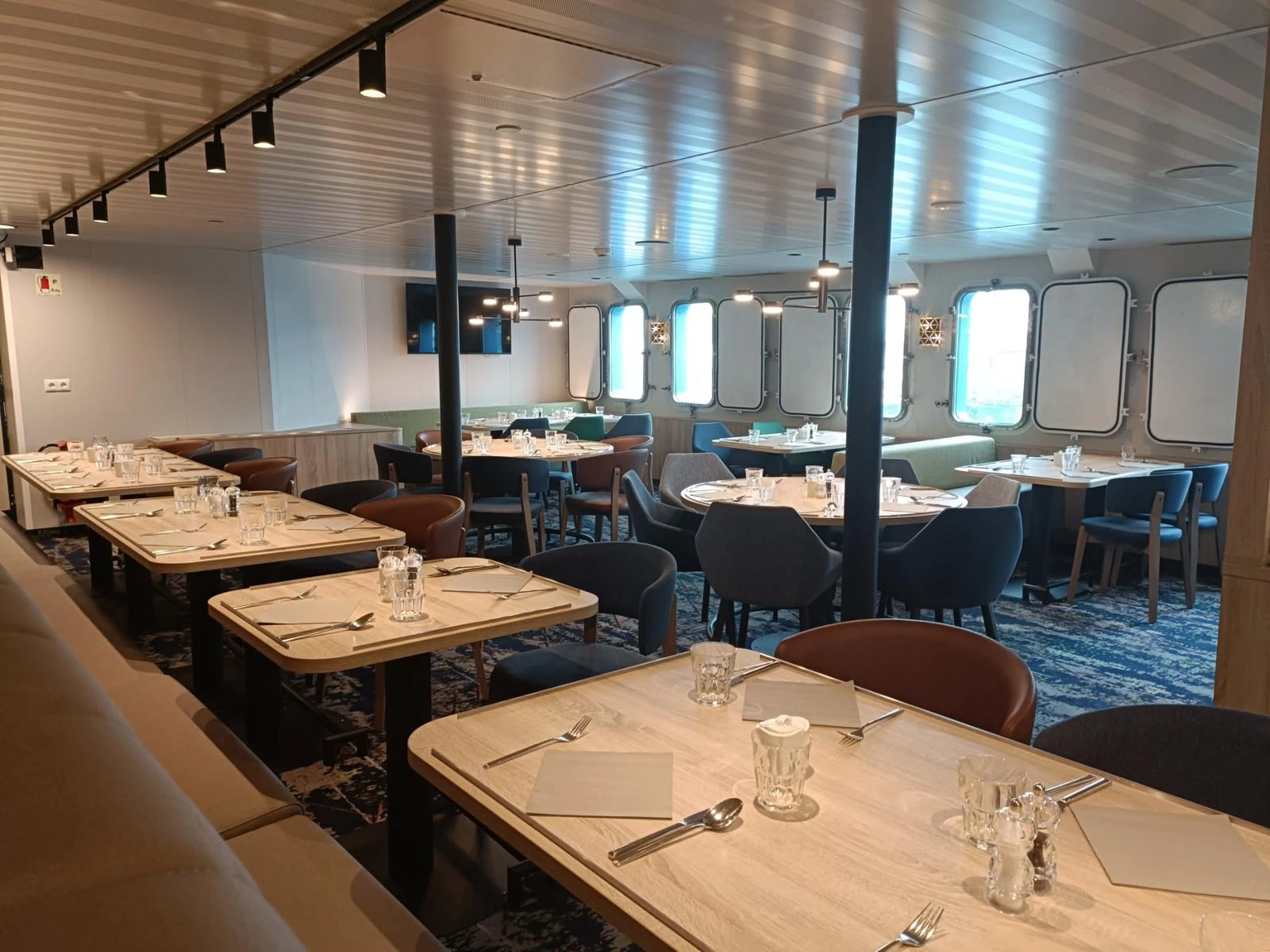
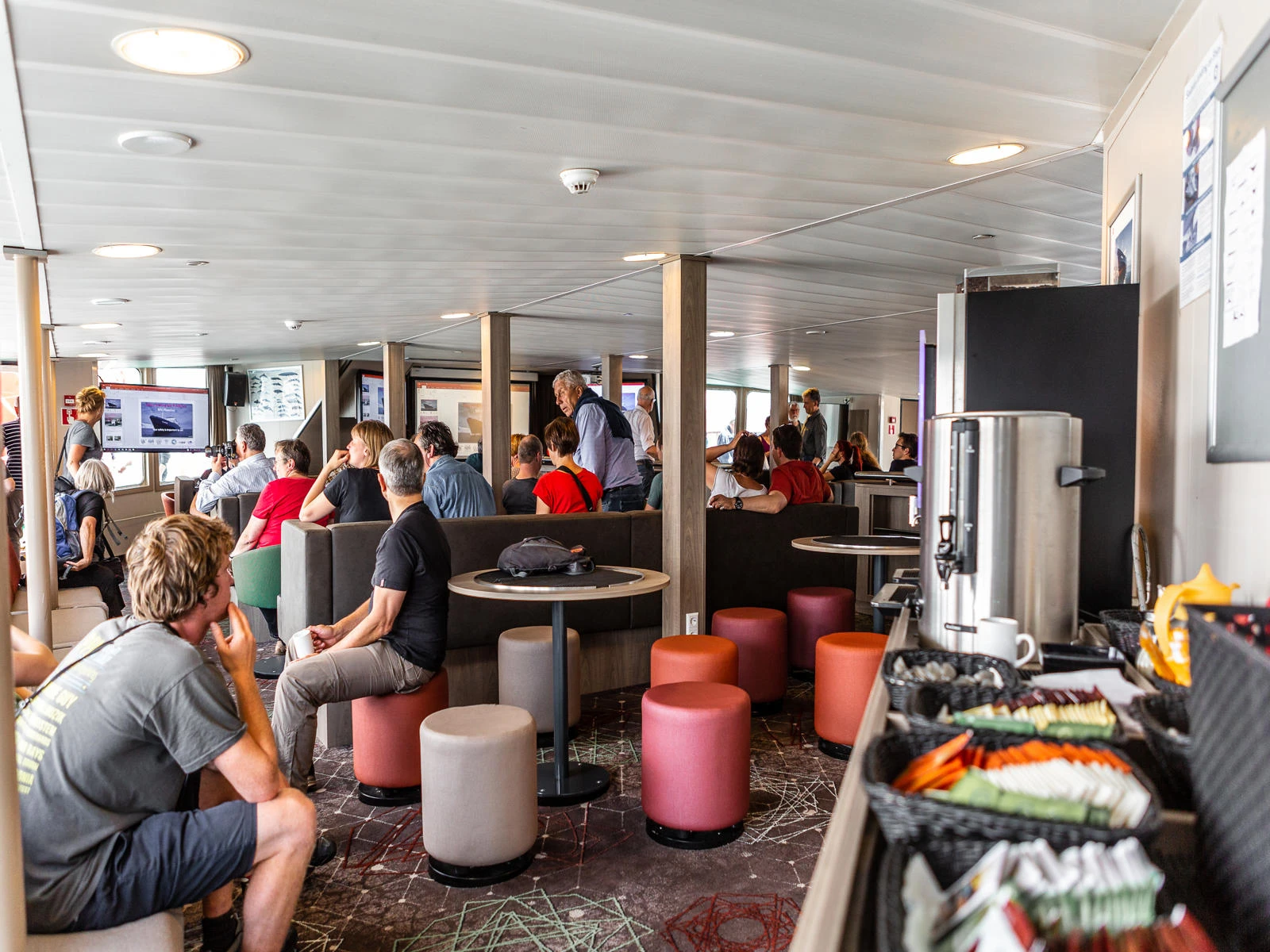
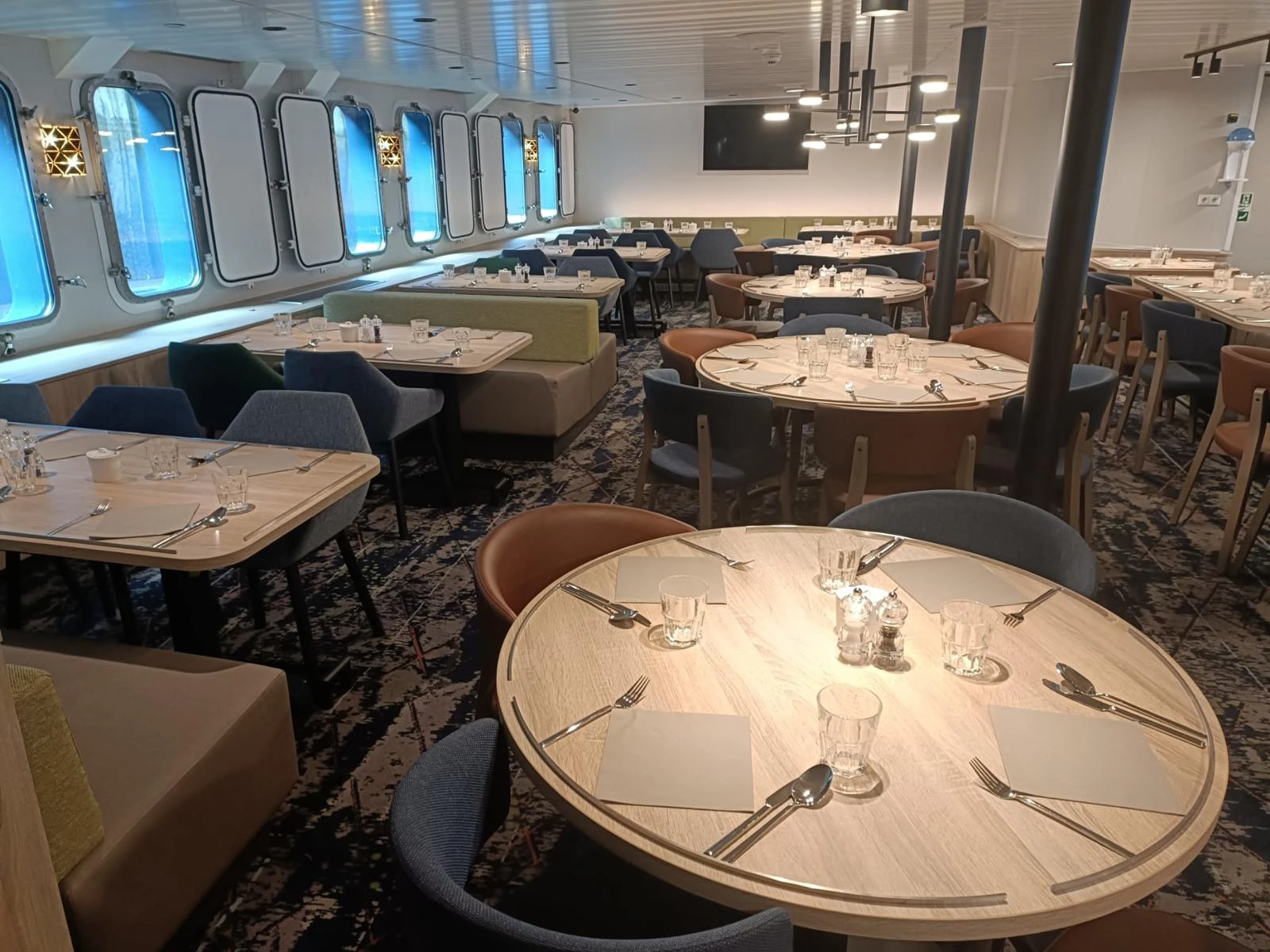
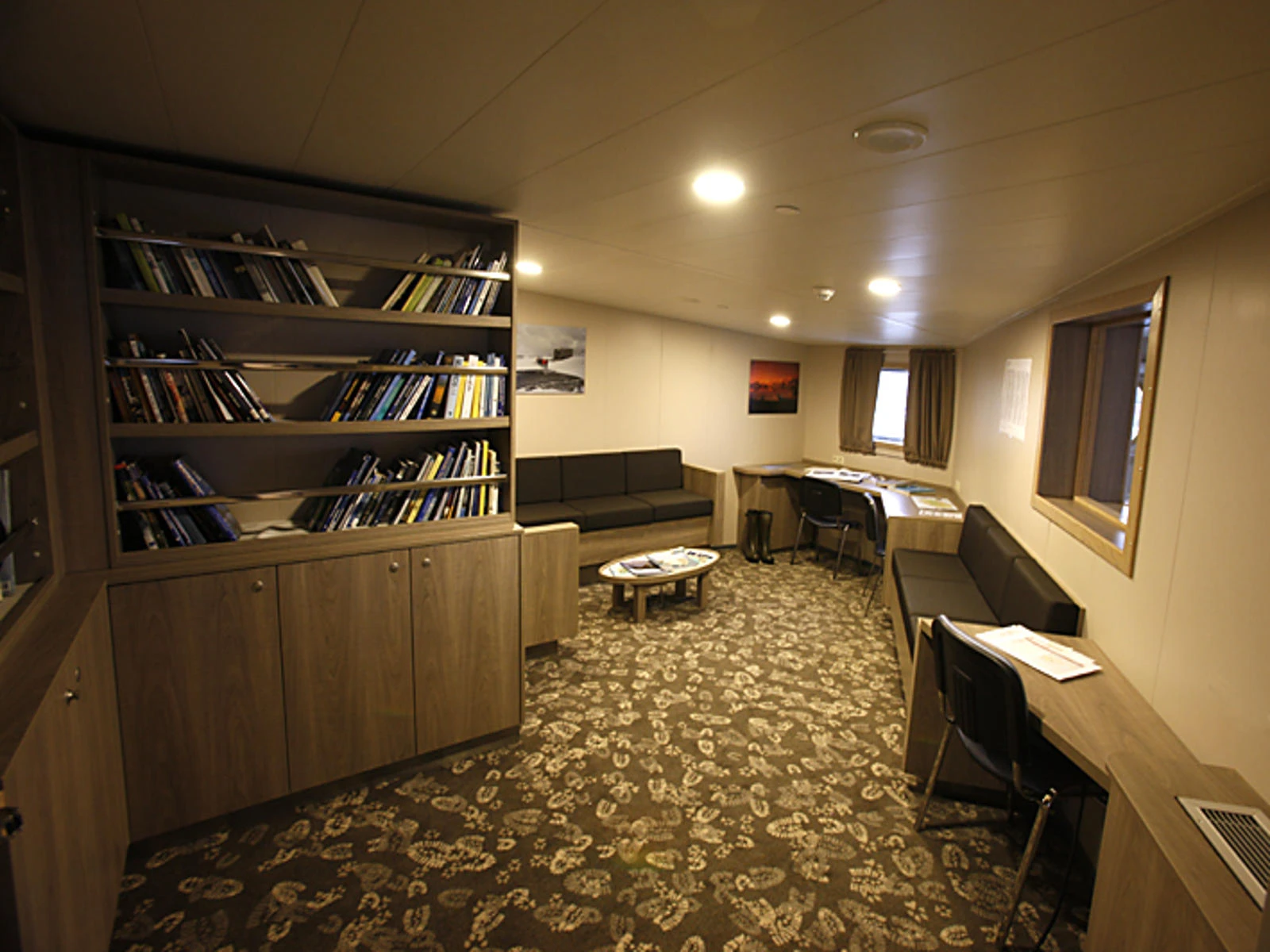
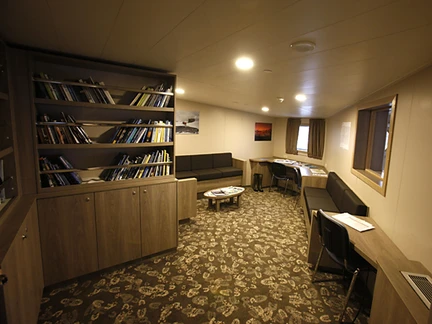
Ship Interior Gallery
Ship Exterior Gallery
M/v “Plancius” was built in 1976 as an oceanographic research vessel for the Royal Dutch Navy and was named “Hr. Ms. Tydeman”. The ship sailed for the Dutch Navy until June 2004 and was eventually purchased by the company. The vessel was completely rebuilt as a passenger vessel in 2009 and complies with the latest SOLAS-regulations (Safety Of Life At Sea). M/v “Plancius” is classed by Lloyd’s Register and flies the Dutch flag.
Perfect for any expedition
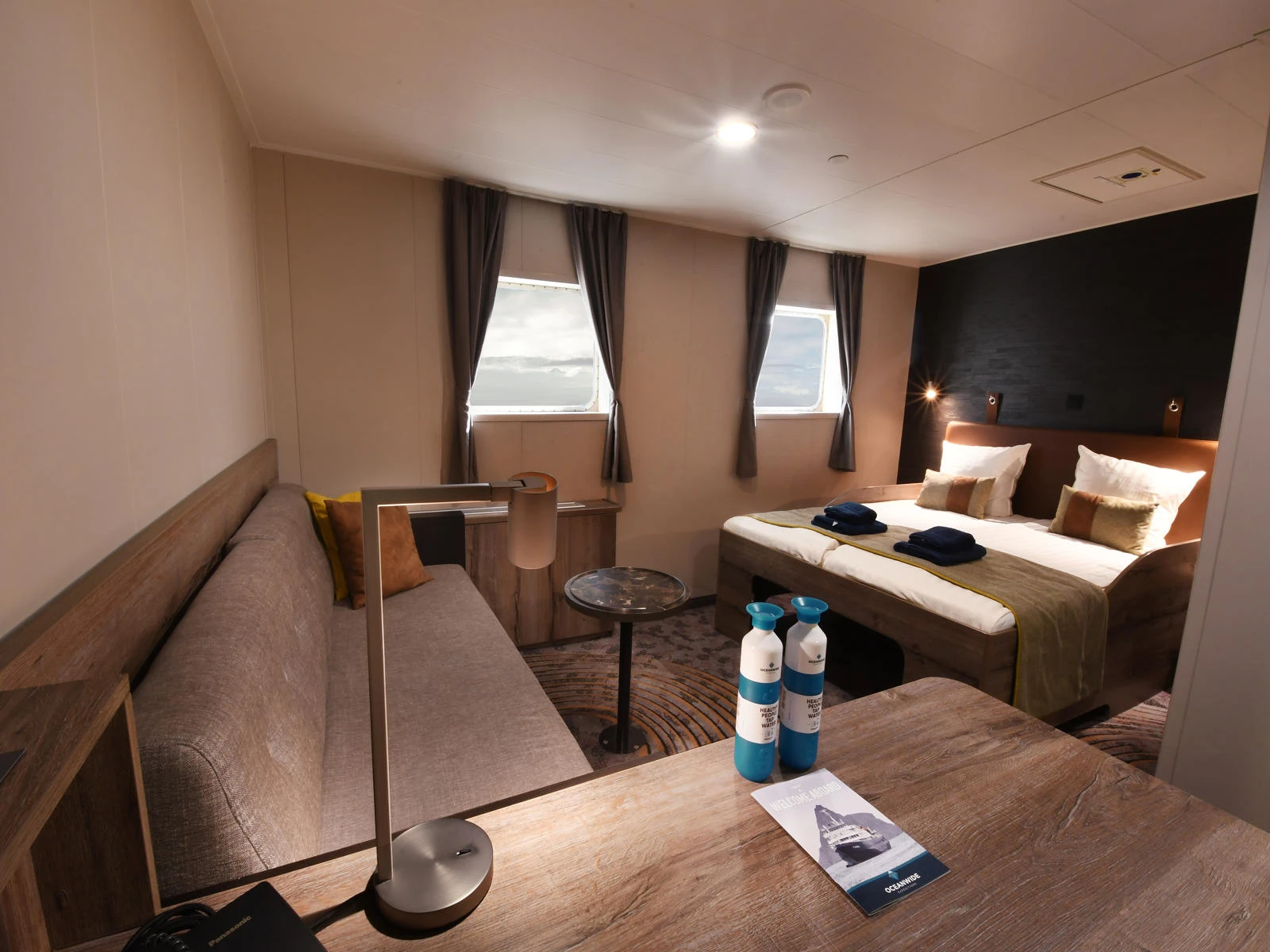
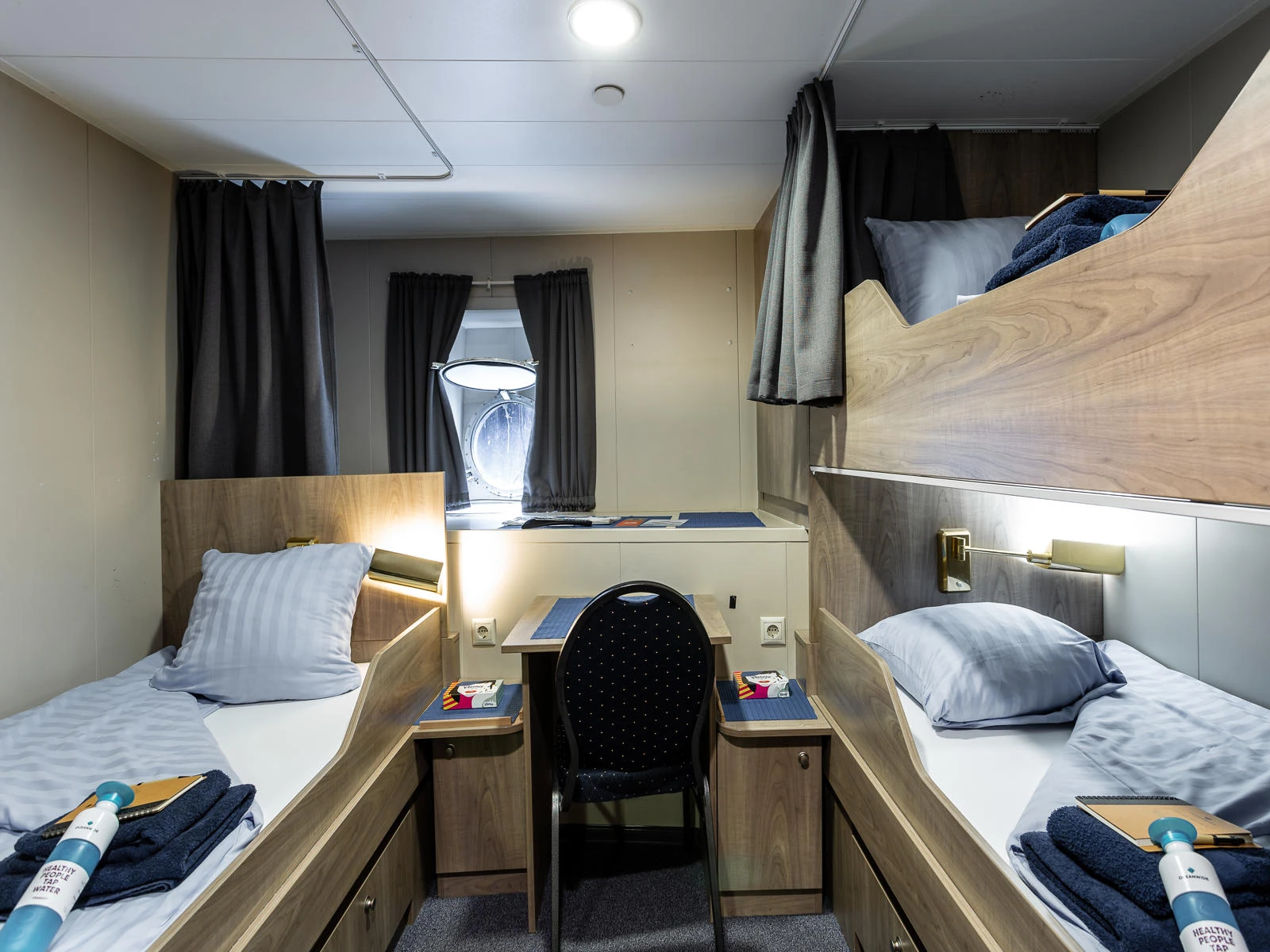
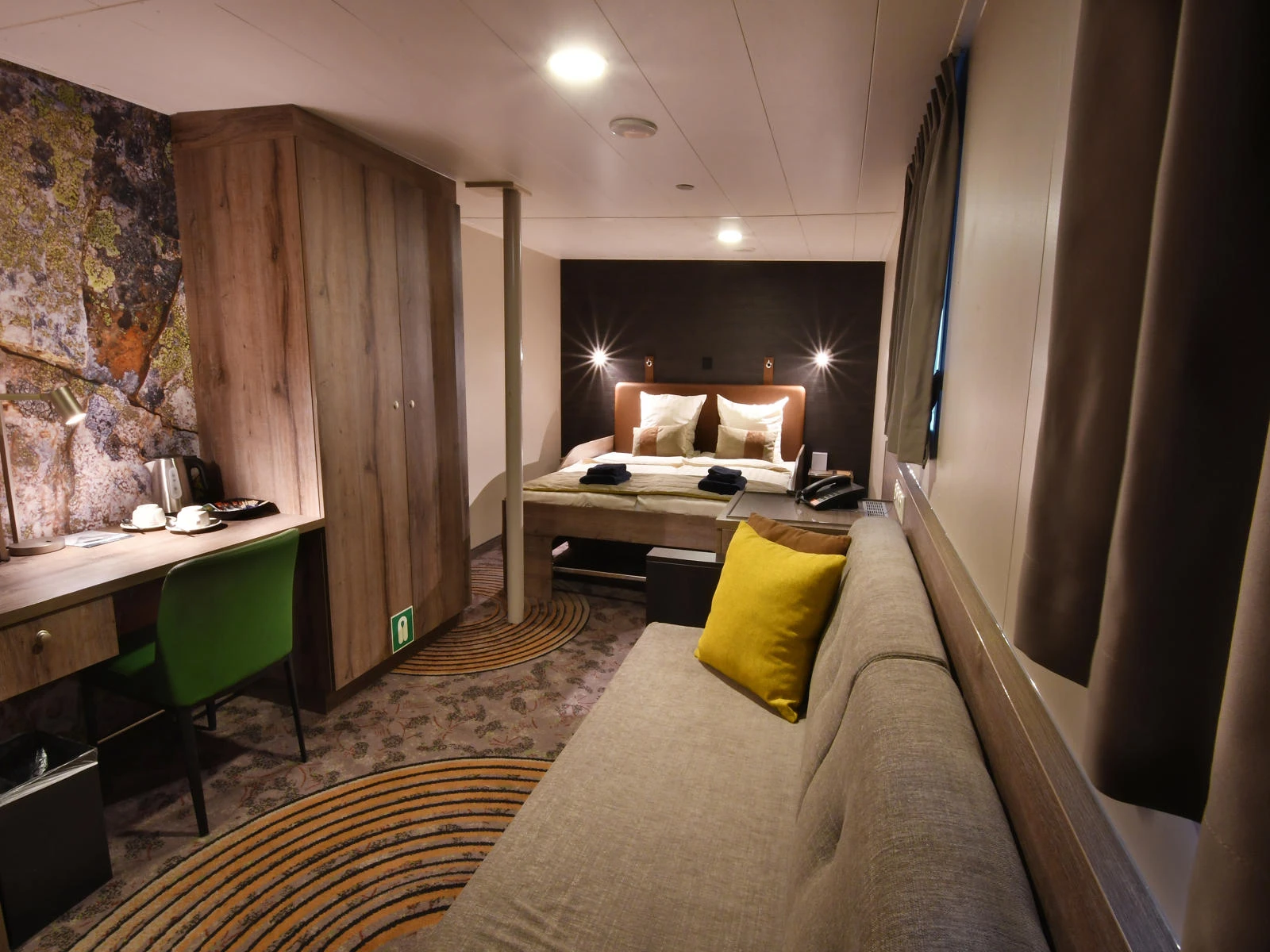
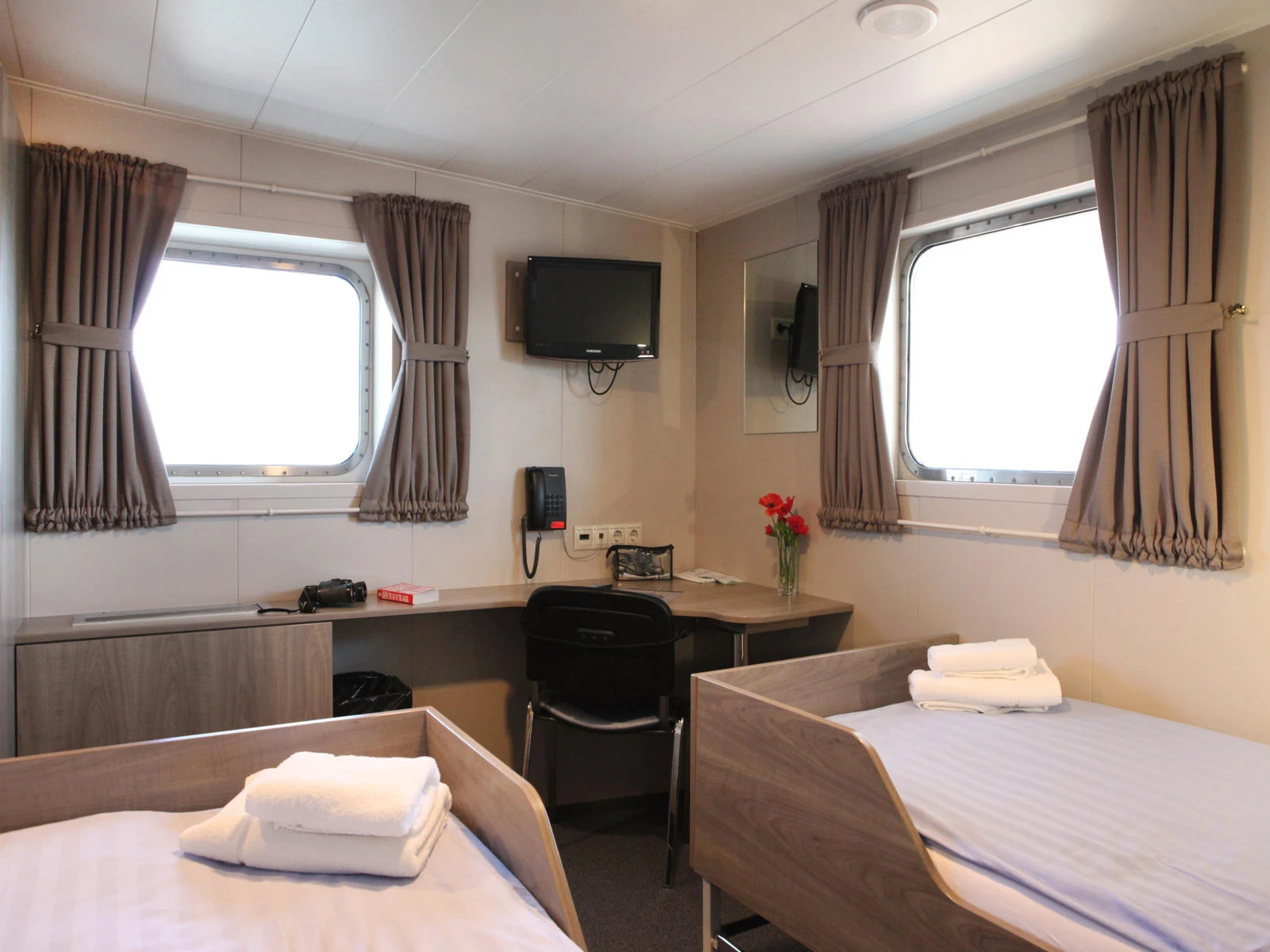
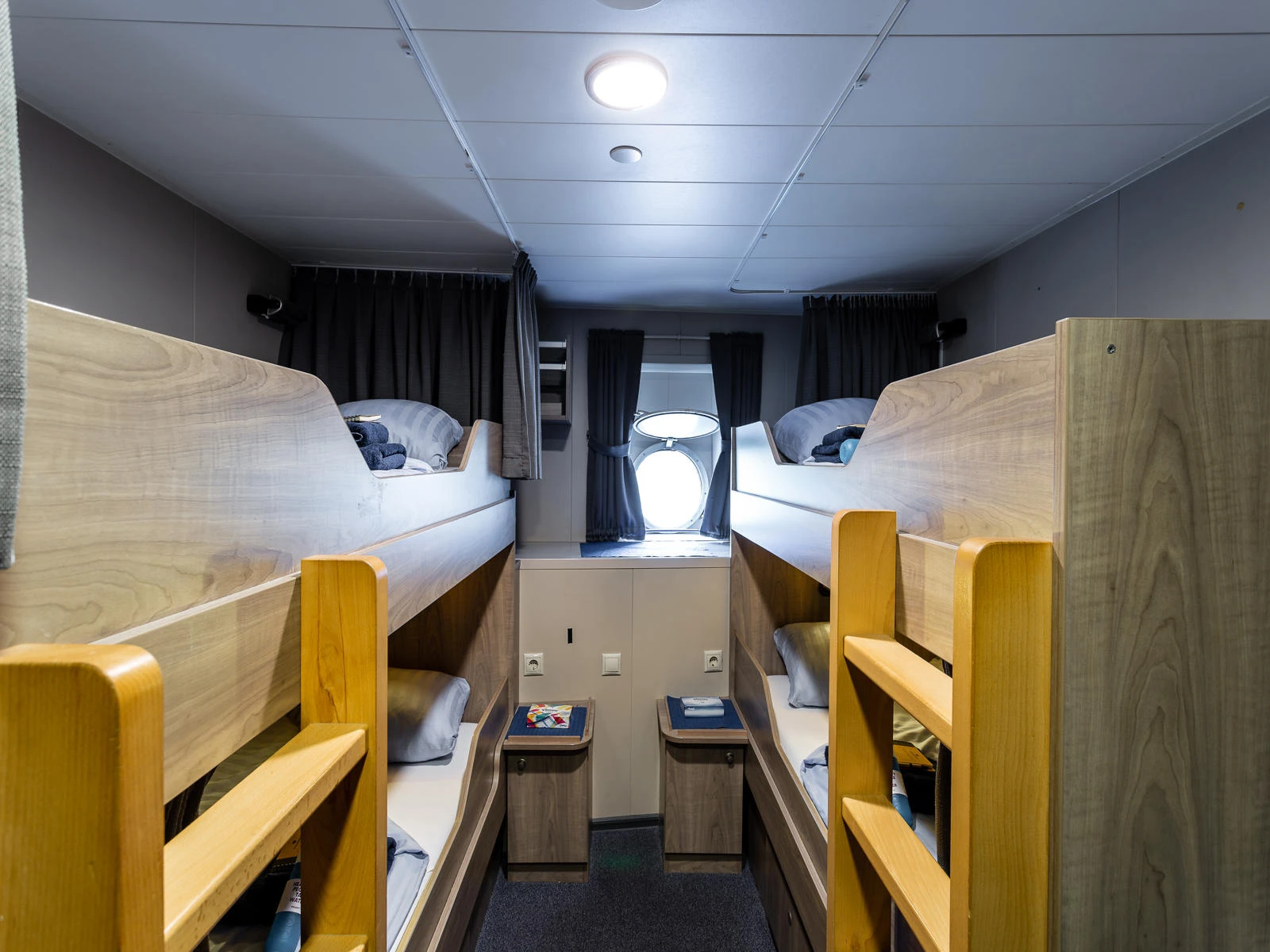
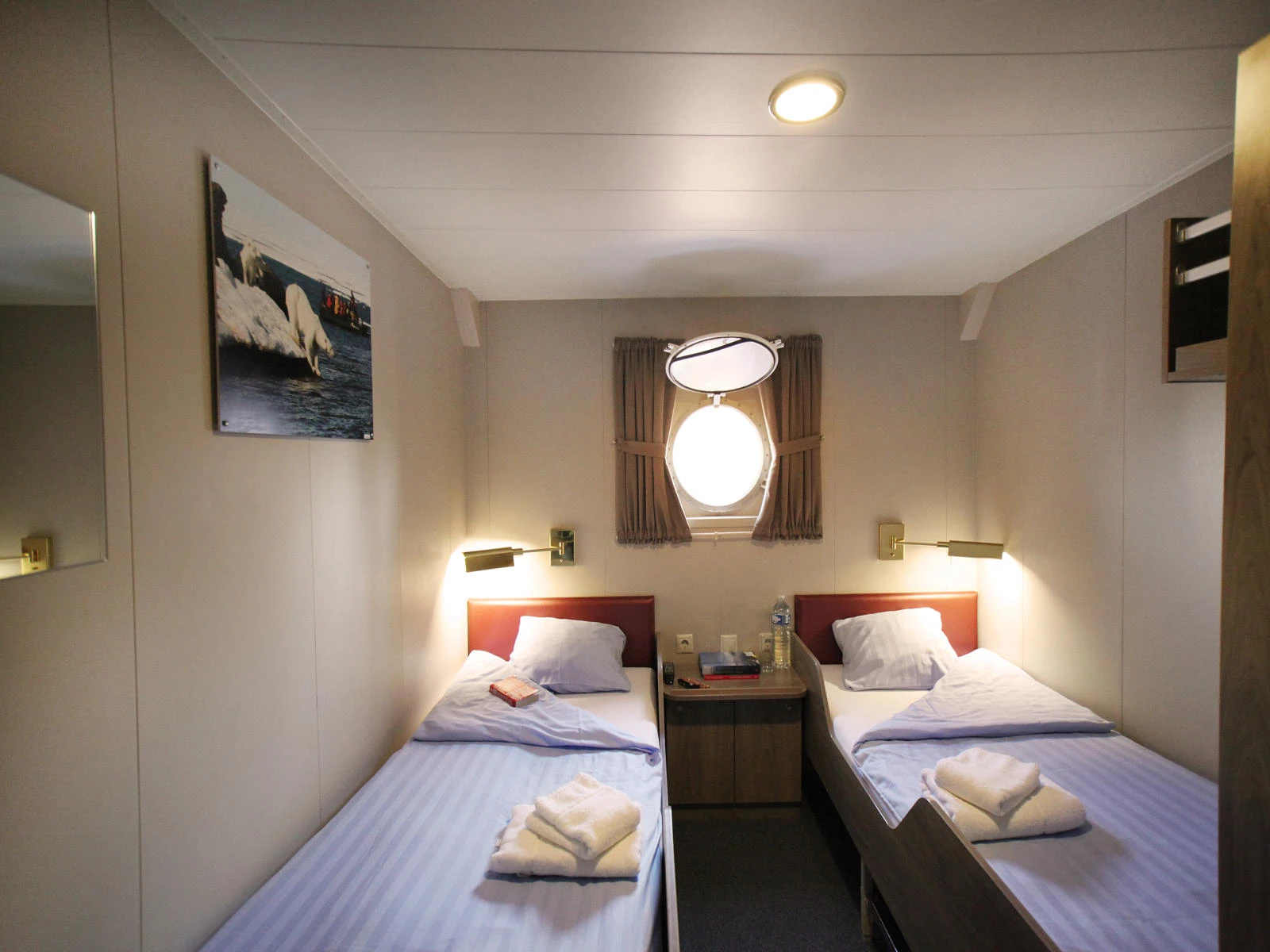
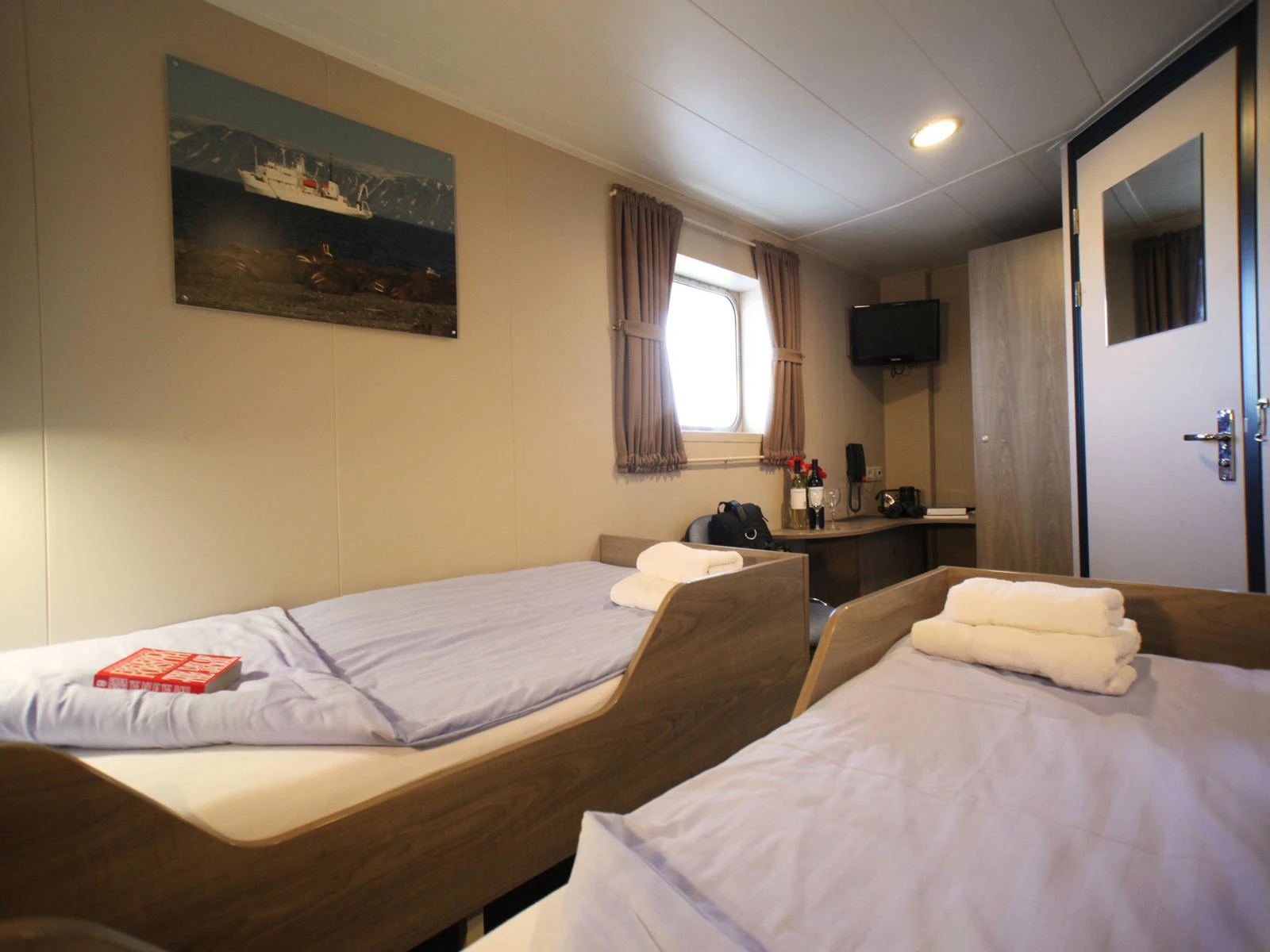
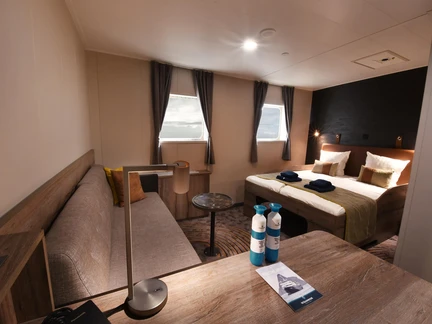
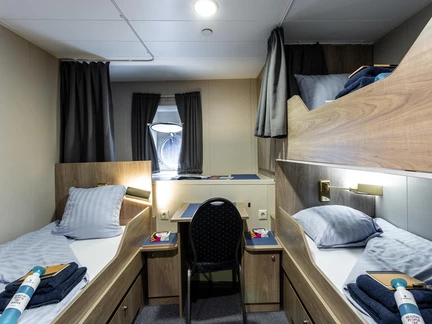
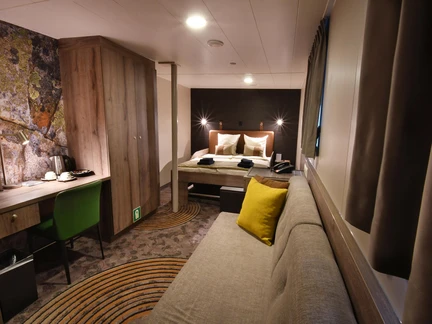
M/v “Plancius” accommodates 108 passengers with private toilets and shower in 4 quadruple porthole cabins, 9 twin porthole cabins, 25 twin cabins with windows and 2 twin deluxe cabins, all (ca. 12,5 square meters) and 10 twin superior cabins (ca. 21 square meters). All cabins offer lower berths (one queen-size bed in the superior cabins and two single beds in the twin cabins), except for the 4 quadruple cabins (for 4 persons in 2x upper and lower beds).
Plancius: a vessel with comfort and character
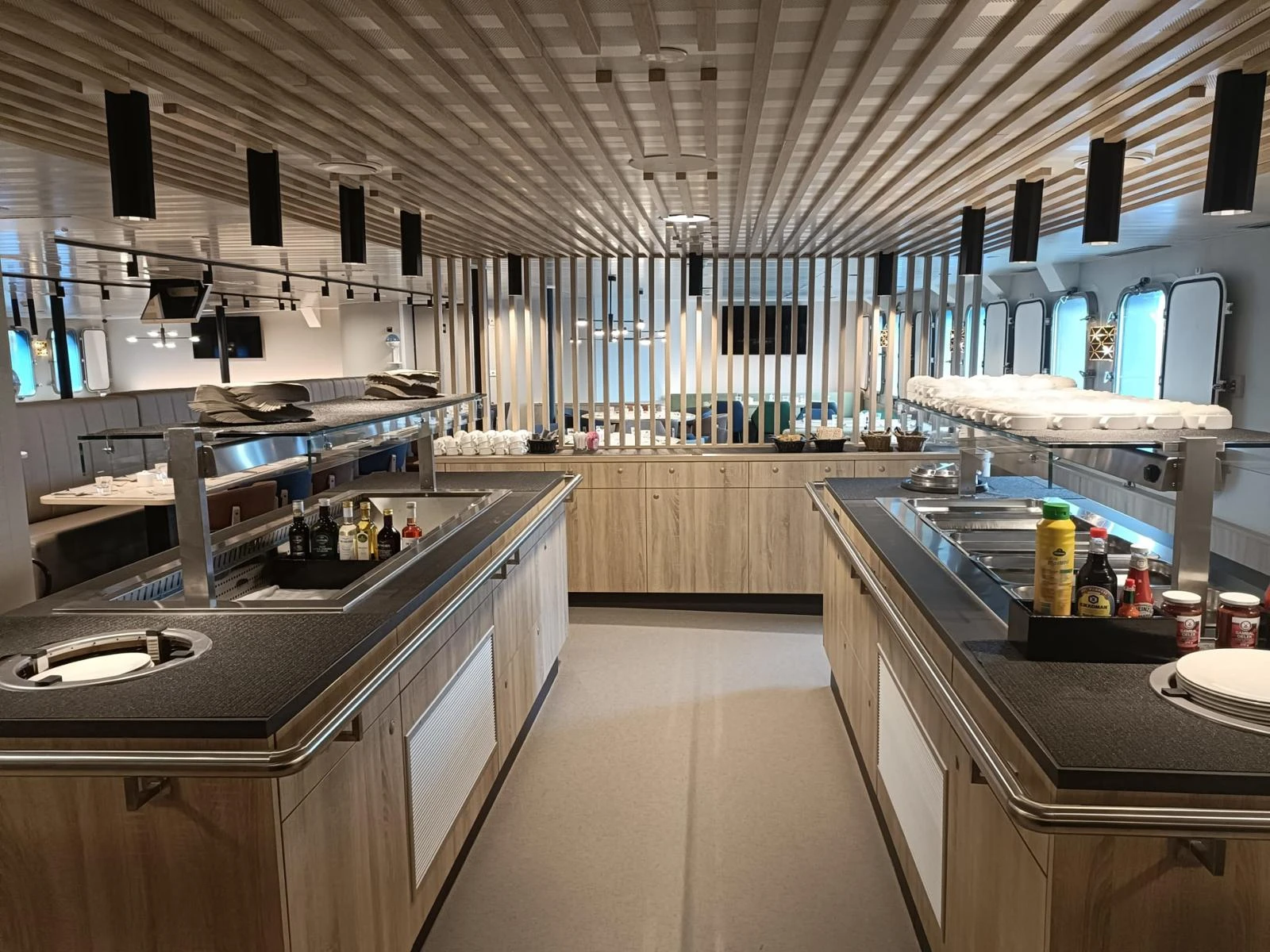
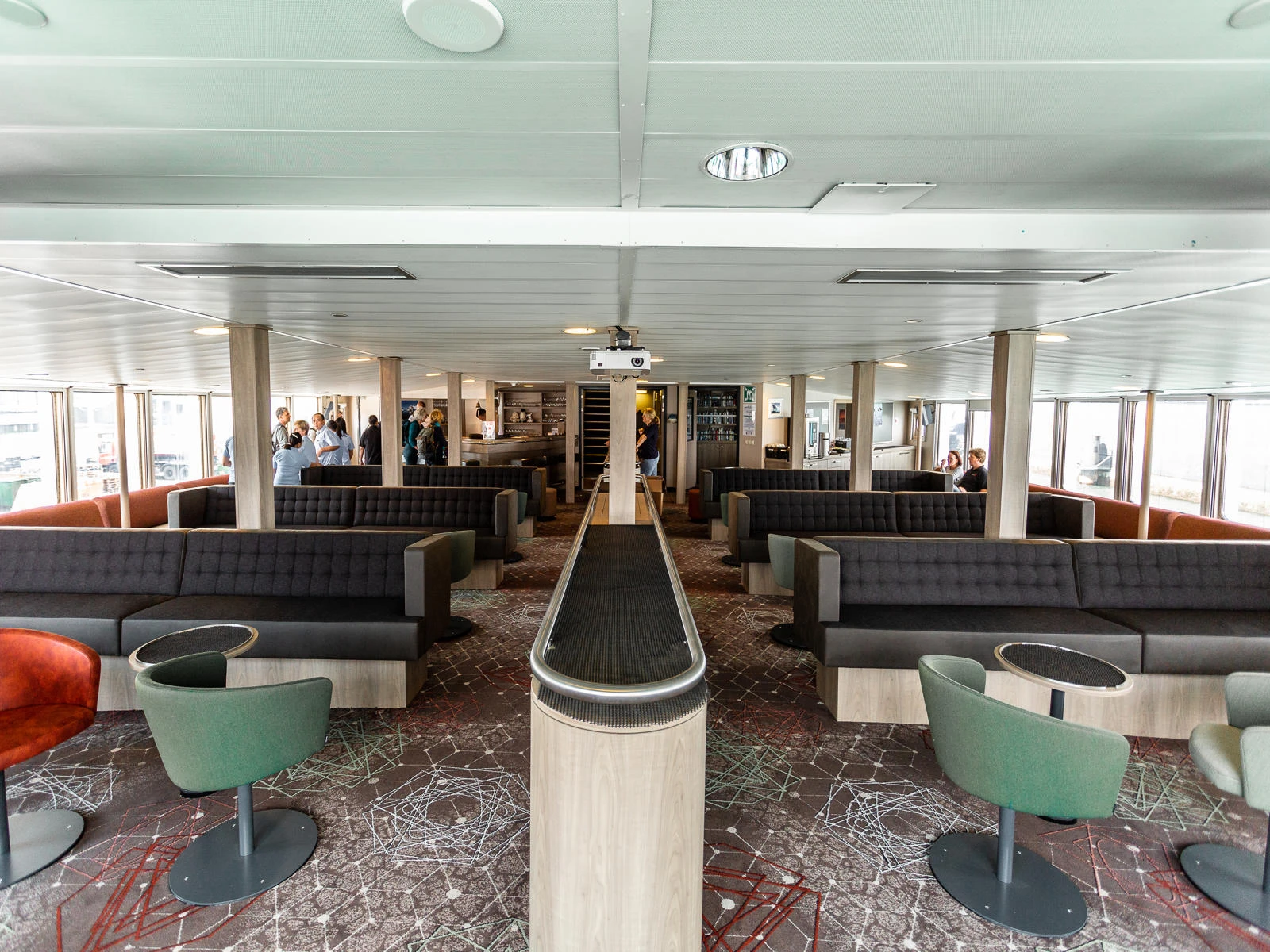
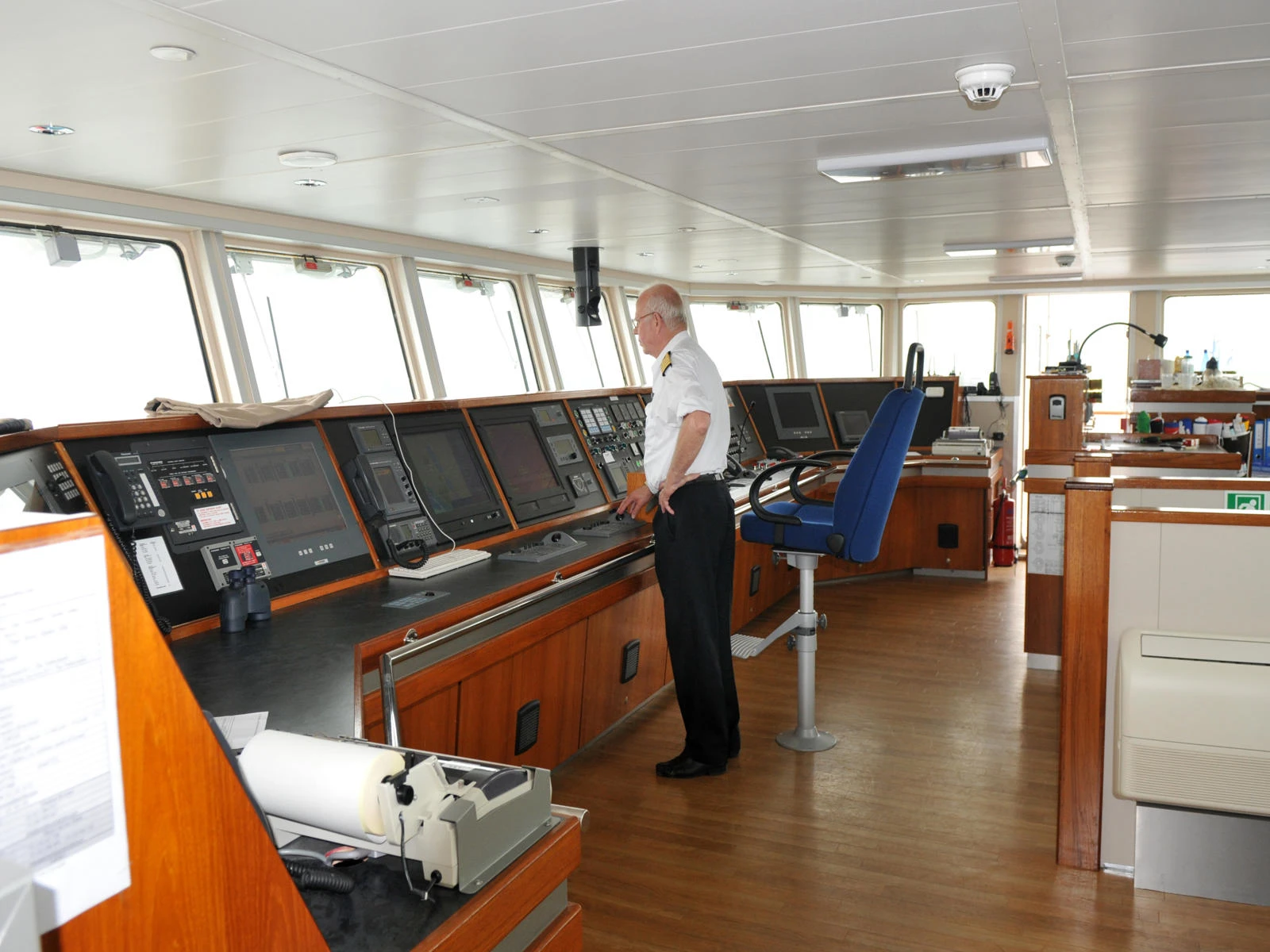
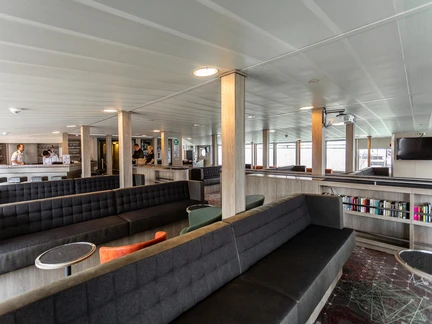
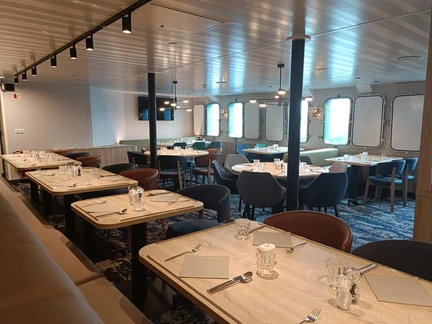
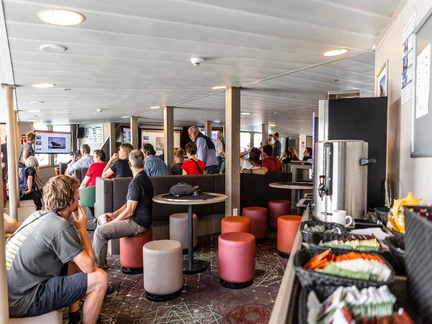
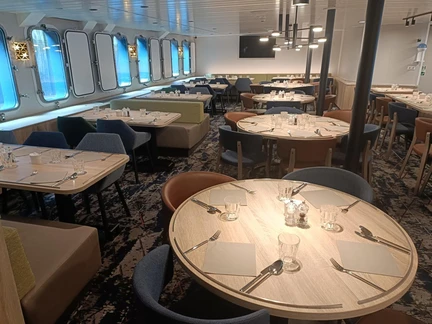
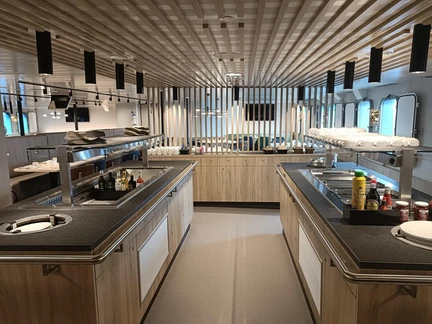
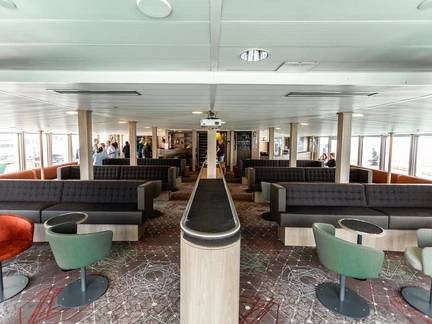
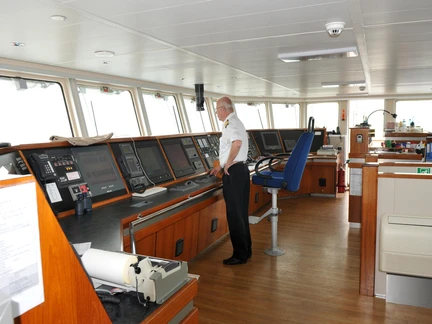
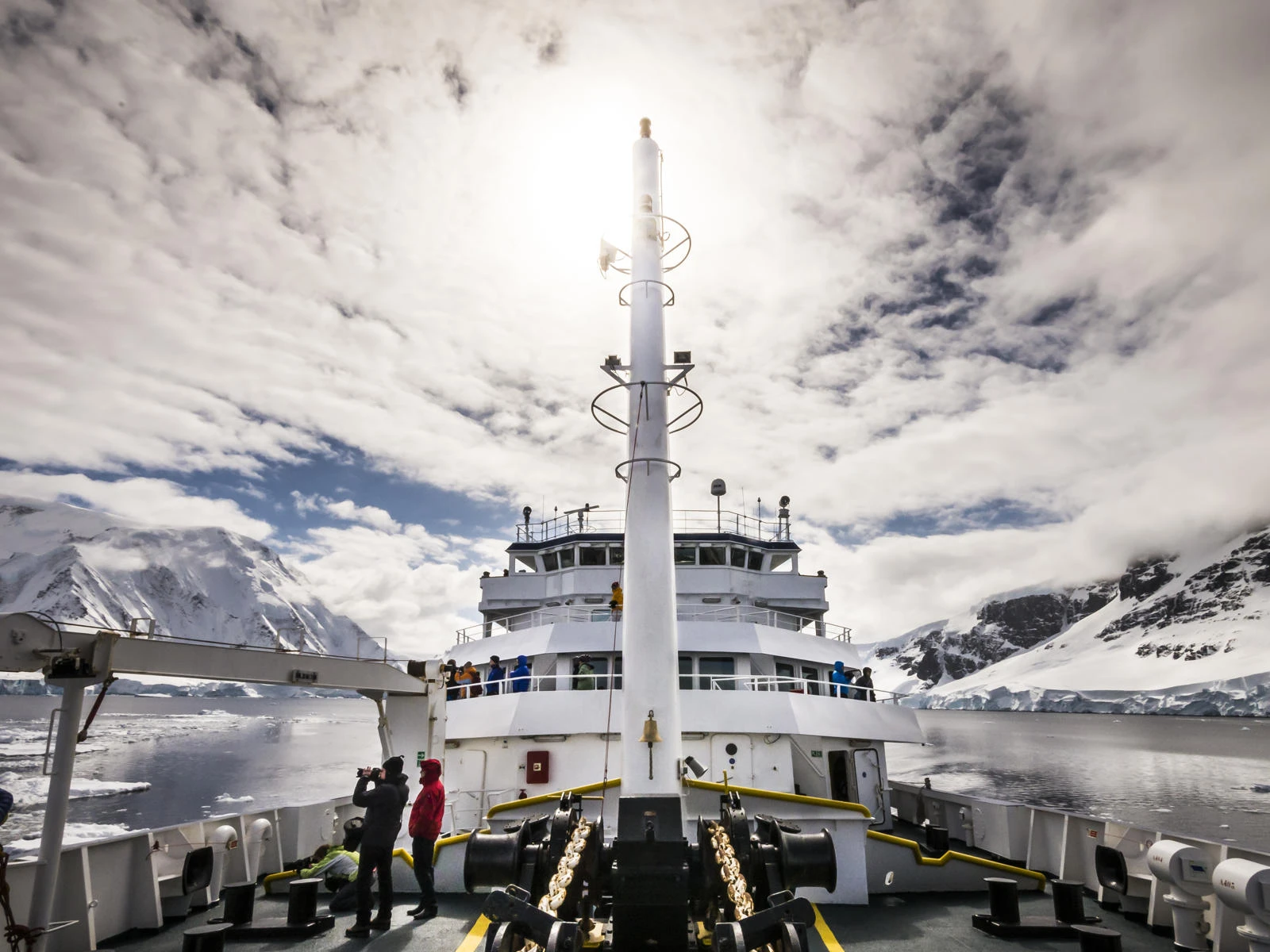
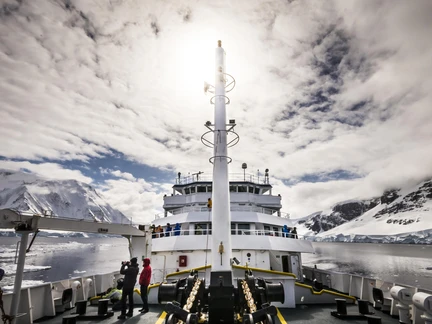
Please be aware that a small number of cabins may have a partially obstructed view due to the design requirements of the ship. The best view is always on the outer deck or the bridge. The vessel offers a restaurant/lecture room on deck 3 and a spacious observation lounge (with bar) on deck 5 with large windows, offering a full panorama view. M/v “Plancius” has large open deck spaces (with full walk-around possibilities on deck 4), giving excellent opportunities to enjoy the scenery and wildlife. She is furthermore equipped with 10 Mark V zodiacs, including 40 HP 4-stroke outboard engines and 2 gangways on the starboard side, guaranteeing a swift zodiac operation.
M/v “Plancius” is comfortable and nicely decorated, but is not a luxury vessel. Our voyages in the Arctic and Antarctic regions are primarily defined by an exploratory educational travel program, spending as much time ashore as possible. Plancius fully meets our demands to achieve this. The vessel is equipped with a diesel-electric propulsion system which reduces the noise and vibration of the vessel considerably. The 3 diesel engines generate 1.230 horsepower each, giving the vessel a speed of 10 - 12 knots. The vessel is ice-strengthened and was specially built for oceanographic voyages. M/v “Plancius” is manned by an international crew of 40 (20 nautical crew and 20 hotel crew), 8 expedition staff (1 expedition leader, 1 assistant expedition leader and 6 guides/lecturers), and 1 doctor.
Dress code
In keeping with our expedition atmosphere, dress on board is informal. Bring casual and comfortable clothing for all activities. Keep in mind that much of the spectacular scenery can be appreciated from deck, which can be slippery. Bring sturdy shoes with no-slip soles and make sure the parka is never far away in case of the call "Whales!" comes over the loudspeaker and you have to dash outside. Wear layers since it is comfortably warm aboard the ship - and often cold on deck.
Currency & payment
Refreshments from the bar and souvenirs will be charged to your cabin. The day before departure you can settle your bill with the Hotel Manager and pay by credit card (Visa or MasterCard) or cash (Euro or Dollar). We do not accept cheques of any kind. The price and standard currency on board our vessels is the Euro. Other currencies may be accepted at the discretion of the hotel manager at prevailing rates.
Electric current
The electrical supply aboard the ship is 220v, 60Hz. Electrical outlets are standard European with two thick round pins. You may need a 220v/110v converter.
Gratuities
The customary gratuity to the ship's service personnel is made as a blanket contribution at the end of the voyage which is divided among the crew. Tipping is a very personal matter and the amount you wish to give is at your discretion. As a generally accepted guideline, we suggest 8-15 Euro per person per day. It is better for the crew, if you can give them cash.
Non-smoking policy
On board our vessels we have a non-smoking policy. It is prohibited to smoke inside the ship. You can smoke in the designated smoking areas. Please respect the wishes of non-smokers.
Your physical condition
You must be in good general health and you should be able to walk several hours per day. The expedition is ship-based and physically not very demanding. Although we spend as much time as possible ashore, you are welcome to remain aboard the ship if you like. To join most excursions, you must be able to get up and down the steep gangway from the ship to the water level to board the Zodiacs. Staff will assist you in and out of the boats. This will become progressively easier with practice. Ashore it can be slippery and rocky. You are travelling in remote areas without access to sophisticated medical facilities, so you must not join this expedition if you have a life-threatening condition, or need daily medical treatment.

- You need to be in good general health and able to walk several hours per day. Though our expeditions are ship-based, they can be physically demanding. You can choose to stay on the vessel if you prefer, but you will still need to be able to move safely around the ship even in bad weather. Assuming you choose to join landings, you will need to be able to get in and out of the Zodiacs. You must also be capable of getting up and down the gangway. This will become easier with practice, but the gangway is steep and moves with the rocking of the vessel. Conditions on shore can also be rocky, uneven, and slippery, and we will be in remote areas without access to sophisticated medical facilities. You must not join an expedition if you have a life-threatening condition or need daily medical treatment. Any major health problem or physical condition that requires emergency care must be brought to our attention prior to the voyage. Please fill out our Personal Information Form, which we will send at the time of booking. This form must be completed and returned within one month of your book date. Since we travel in such remote areas, medical evacuation by air is often impossible. We therefore reserve the right to refuse travel or participation in activities to anyone whose health concerns might pose a safety risk to our staff or other passengers.
- That is hard to say. It depends on the weather and constraints of time and distance. Depending on the voyage, you may spend several days aboard the ship, followed by a series of landings, each several hours long. On some cruises, you land two or three times every day. During our time at the high latitudes, we will have almost continuous daylight, which means we may schedule excursions before breakfast, after dinner, or in the middle of the night. Often the light for photography is best at these times. We would like to show you as much as possible, but we also want to leave it up to you to skip an excursion.
- No, you are not able to get cash advances on the vessel.
- No, you are not able to change currency on board.
- The surface of Greenland is dramatic and spectacular. Heavily indented with numerous fjords, the coast is formed by spectacular high mountains, 2000 meters (6500 feet) high cliffs and innumerable glaciers. The large glaciers produce the huge cathedral-like icebergs that are abundant in the Greenlandic waters. Greenland and its surrounding waters are home to an impressive array of wildlife.
- Even though Greenland is the largest island in the world, it only has a population of just under 56,000 people. This lack of population is caused by the majority of Greenland being uninhabitable. Approximately 88 percent of the people living in Greenland are Inuit, with the rest being mostly a mixture of Danes and Europeans.
- There is place for 116 passengers aboard the Plancius. Furthermore there are 45 staff & crew on board : 17 nautical crew, 19 hotel staff (6 chefs, 1 hotel manager, 1 steward-barman and 11 stewards/cabin cleaners), 7 or 8 expedition staff and 1 doctor on board.
- The ship Plancius was built in 1976 as an oceanographic research vessel for the Royal Dutch Navy.

You May Also Like
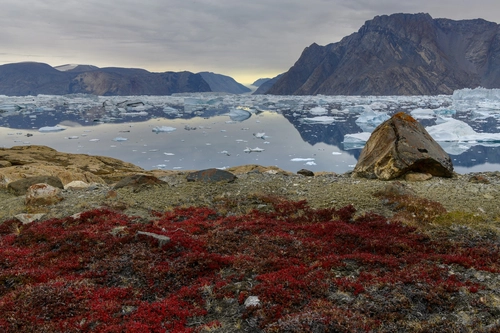
Spitsbergen - Northeast Greenland, Fly & Sail
12 Aug 2026 - 31 Aug 2026 20 Days / 19 Nights
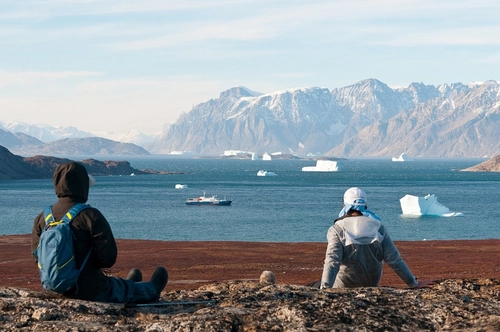
Northeast Greenland Extreme
15 Aug 2026 - 28 Aug 2026 14 Days / 13 Nights

East Greenland, Scoresby Sund, Including Long Hikes
16 Aug 2026 - 25 Aug 2026 10 Days / 9 Nights
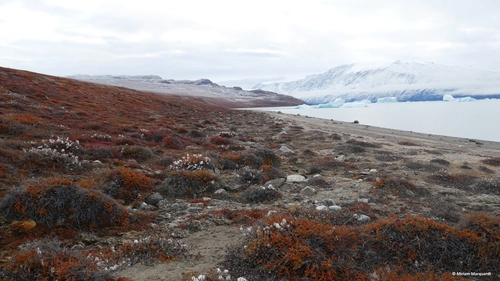
East Greenland, Scoresby Sund - Aurora Borealis, Fly & Sail
21 Sep 2026 - 01 Oct 2026 11 Days / 10 Nights
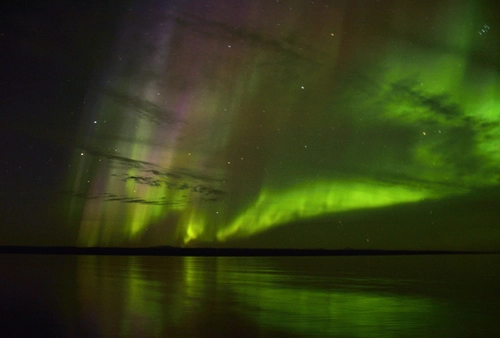
East Greenland, Scoresby Sund - Iceland , Aurora Borealis, Fly & Sail
01 Oct 2026 - 12 Oct 2026 12 Days / 11 Nights
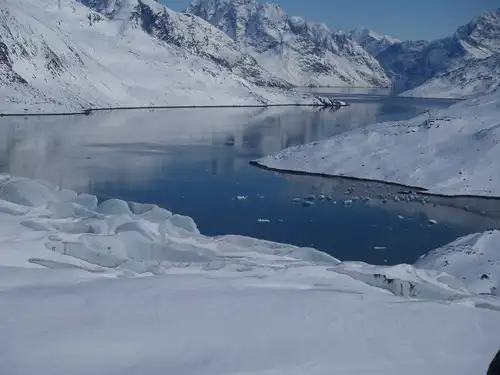
8 Scientific Wonders of the Arctic
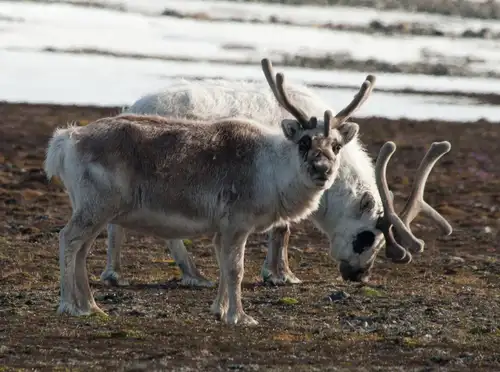
Amphibian, reptiles and herbivore mammals in the Arctic
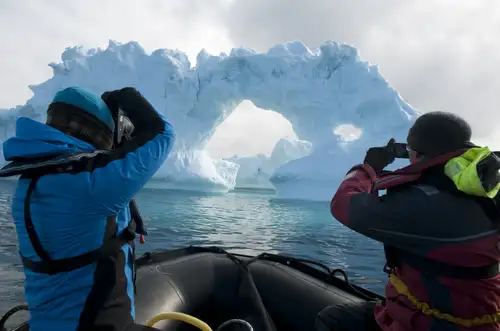
Under the Greenland Ice Sheet
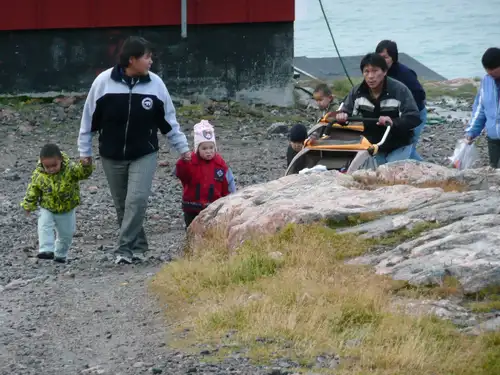
Greenlandic Inuit Beliefs
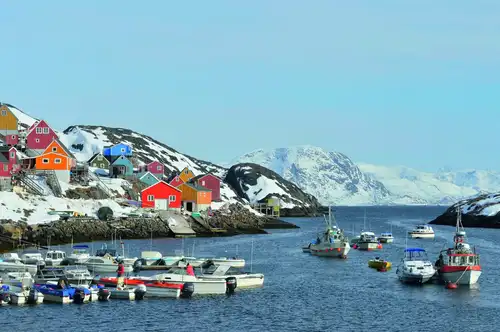
Amazing Greenland
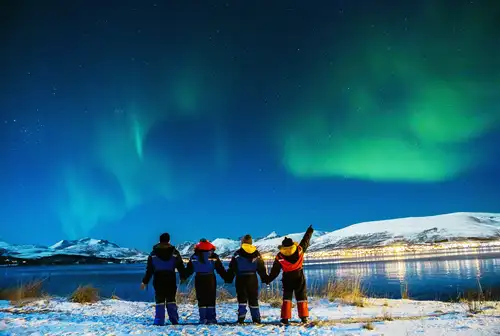
10 Tips for Photographing the Northern Lights
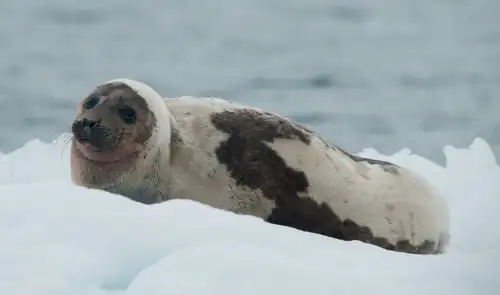
Harp seals harping on in Greenland
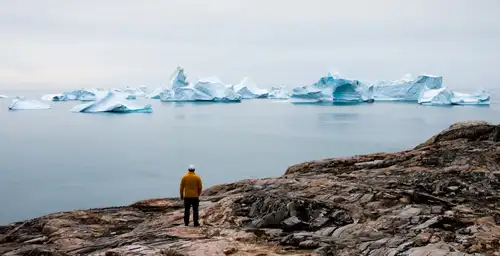
Tracking Greenland’s Wildlife from Space

The Arctic Hare: Easter Bunny
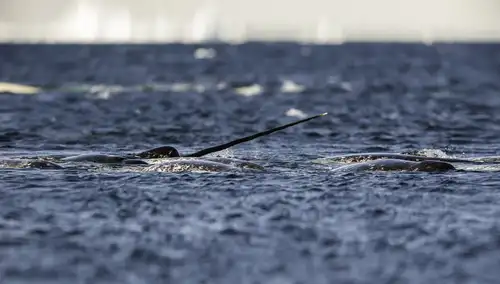
Narwhals: the Aquatic Unicorns of the Arctic
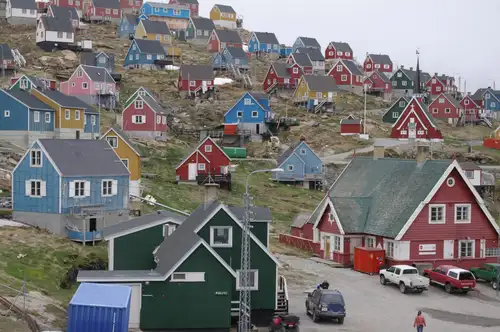
10 Traits of Post-Ice-Age Greenland
5 Misconceptions You Might Have About Greenland
The Arctic’s Most Phenomenal Fjords
The Mysteries of the Beluga Whale
Discover the Scoresby Sund Fjord System in East Greenland
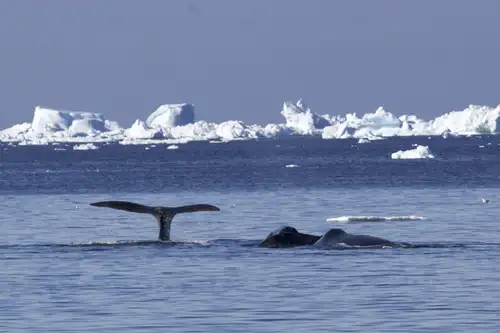
The bowhead whale, whaling about the Arctic
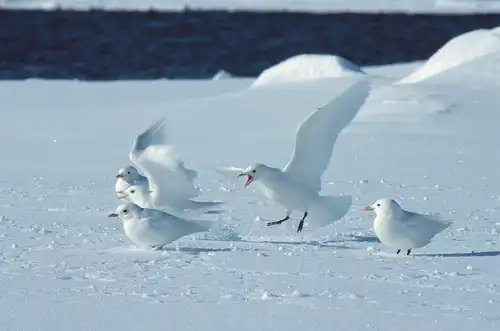
Birds of the North: 29 Arctic Birds and Seabirds
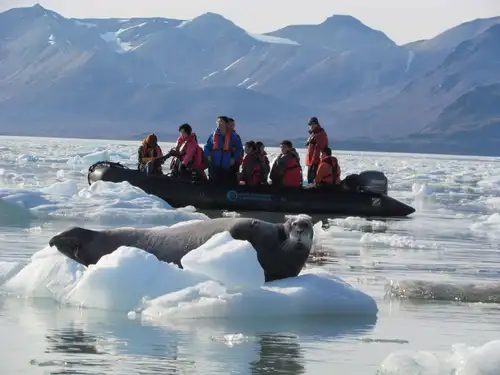
Six Seal Species You Might See On Your Greenland Cruise
9 Facts about the Greenland Shark