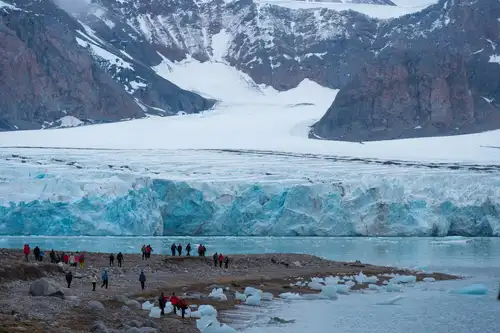

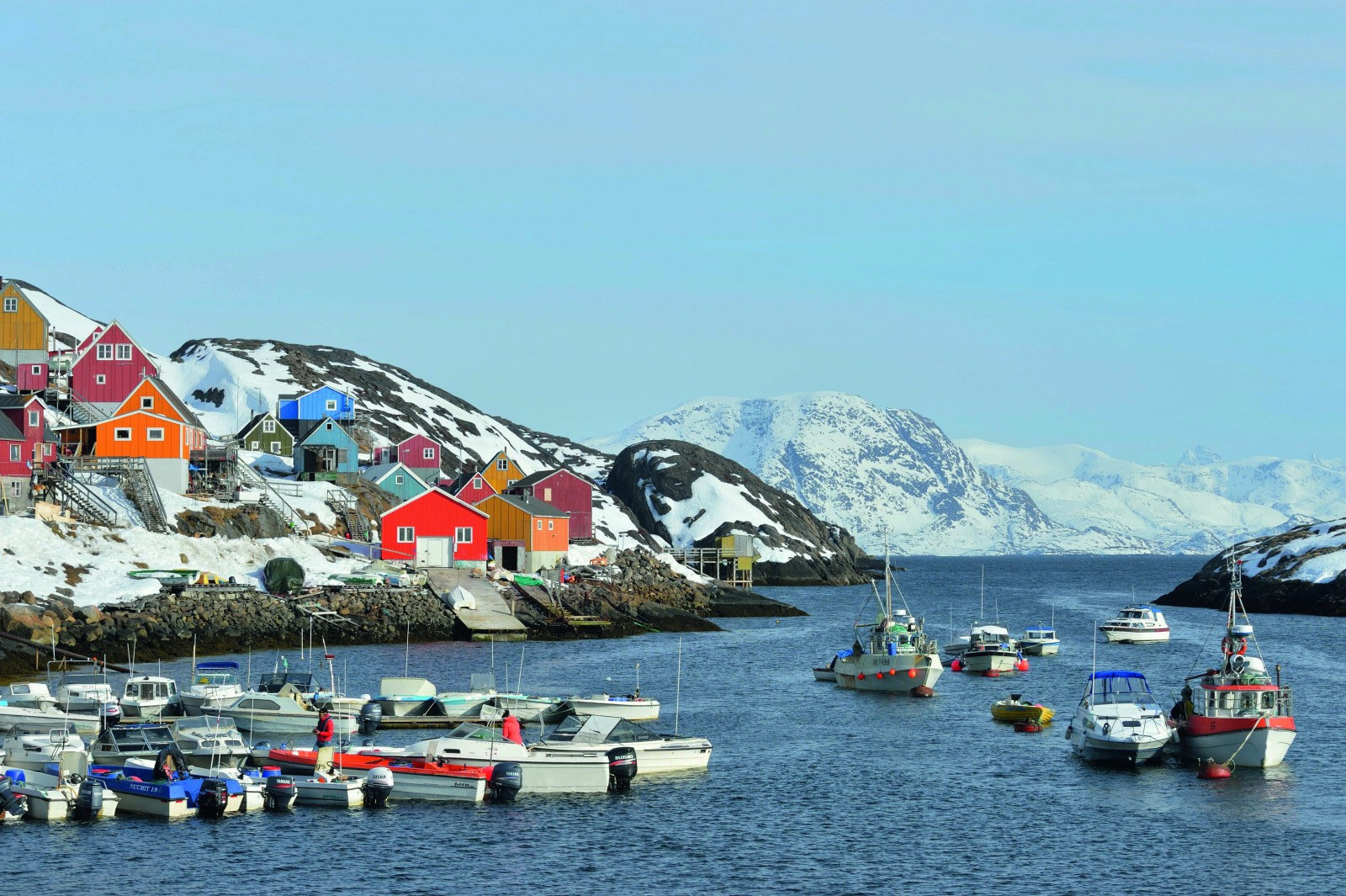
If you ever get the chance to take a trip to Greenland, you will be amazed by its coastlines, fjords, ice-covered peaks, and great expanse of snow-covered land. You will also notice that Greenland is a rugged area with a rich diversity of life, making it a dream location for scientists as well.
Hooking a Greenland fish
Scientists have for the first time found that Greenland’s glaciers are vital to sustaining the country’s fisheries, with one type of glacier – marine-terminating glaciers – supporting an entire food web. Glaciers that flow into the sea provide a supply of nutrients for the fjords, which are home to Greenland halibut.
When a glacier sits in a fjord, the meltwater flows out beneath the glacier, resulting in a density difference occurring between the fresh meltwater and the ocean water. This causes nutrient-rich water from the bottom of the fjord to rise towards the surface. This encourages the growth of phytoplankton in summer, which forms the basis of the food chain.
In turn, phytoplankton is eaten by zooplankton, which is then eaten by smaller fish, and so on. In contrast, researchers found land-terminating glaciers that drain into fjords through drainage rivers produce limited amounts of nutrients in surrounding surface waters, represented by lower halibut numbers.

Little auks fertilising the Greenland landscape
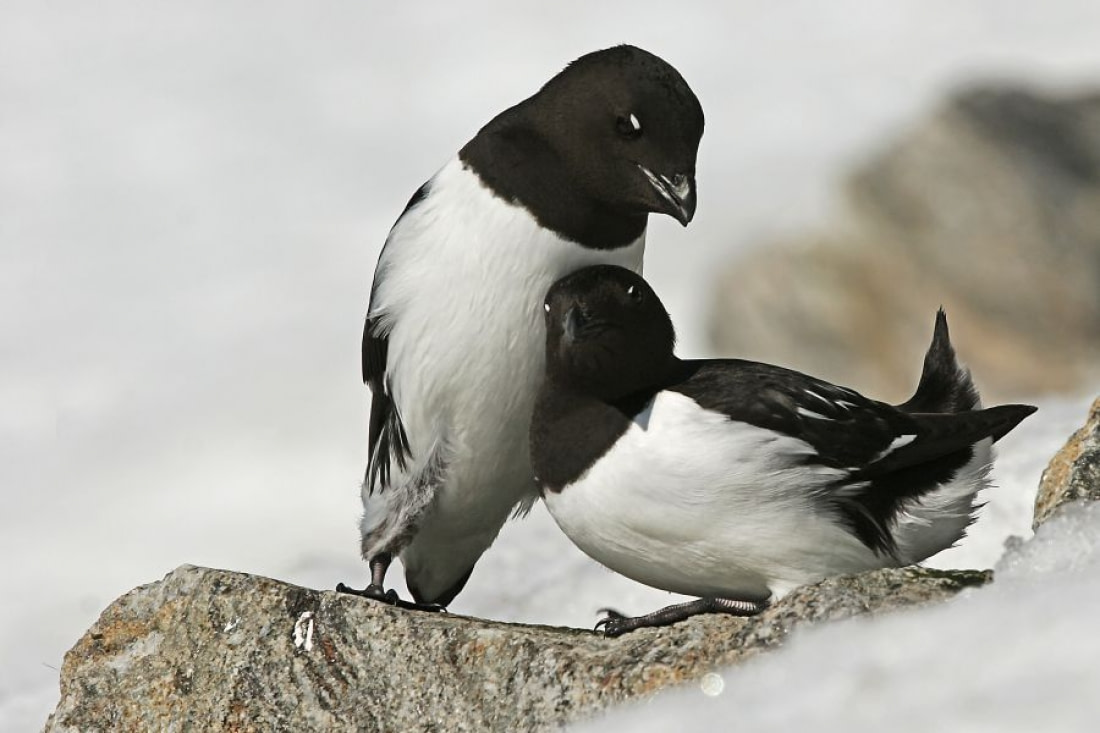
Scientists have discovered that the little auk, which you can see in abundance during a Svalbard trip, has a large impact on northwest Greenland’s landscape, with the bird’s faeces providing rich nutrients for grass and flowers to grow. Each summer around 60 million little auks arrive in northwest Greenland from Newfoundland.
On the way over, the birds feed on zooplankton, with the nutrients transported to their colonies. The large-scale nutrient cycle supports a variety of vegetation, providing a home for a rich diversity of plant and animal life, including musk oxen, reindeer, geese, and hares. Scientists have calculated that the birds, in fact, are responsible for up to 85 percent of biomass in the area.
Iron-rich sediments are important Greenland food sources
Researchers have used a specially-developed underwater camera to see how iron-rich sediments, which are an important source of food for marine algae, behave in the ocean. Previously it was believed that iron particles were deposited close to the coastline. Instead, it was found that iron particles were transported further into the fjord, away from the sea.
The reasoning for this remained a mystery until the footage revealed that, instead of iron particles sticking to sediment particles to form spherical flocs, individual iron particles stuck together to form irregular-shaped flocs. These irregular flocs were recreated in a laboratory, and tests showed that the irregular shapes of the flocs helped them stay afloat, which means they can be carried further away from the coast.
A freshwater reservoir under the Greenland ice
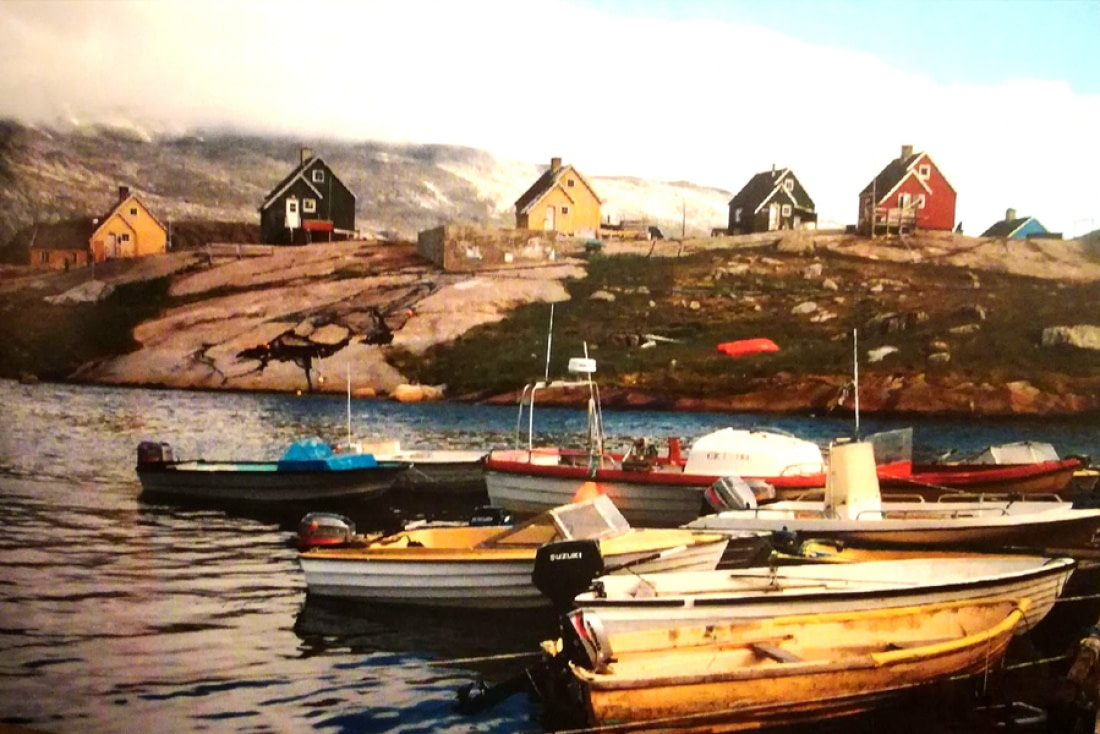
When taking a cruise to Greenland, you will be struck by how much land is covered by ice. But there is more than meets the eye: An amazing discovery was made by scientists when they accidently found a reservoir of meltwater within a Greenland ice sheet that covers an area of 70,000 square km (nearly 45,000 square miles).
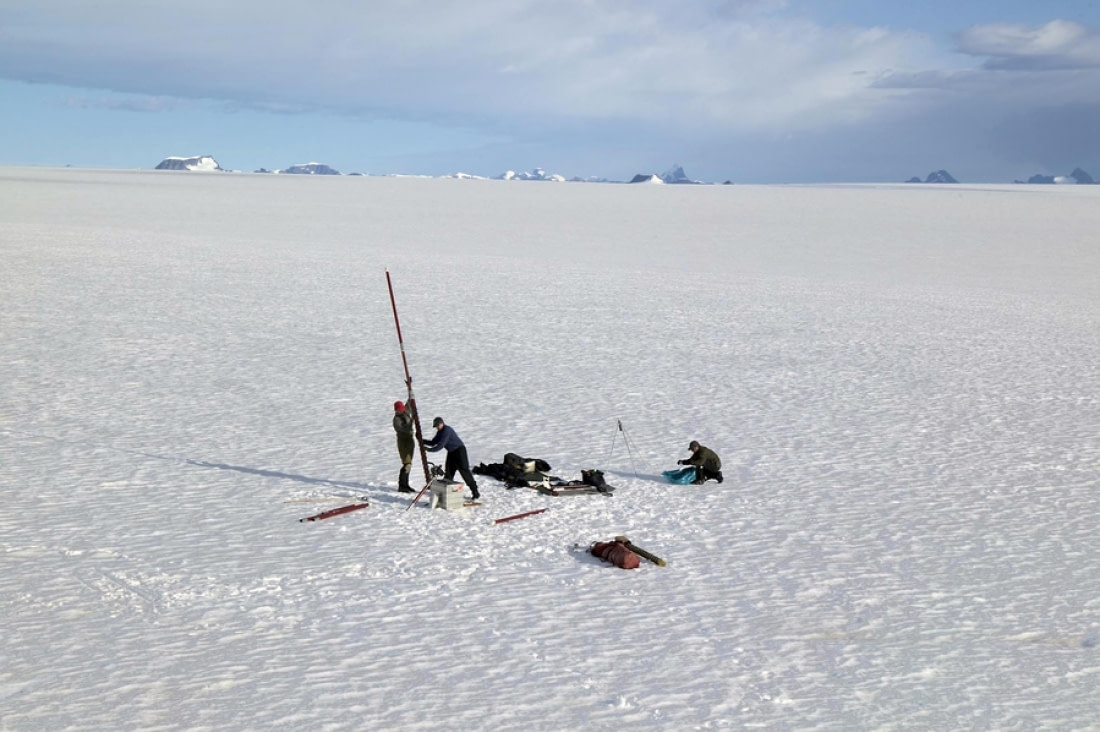
When researchers were drilling for ice core samples, they found liquid water pouring off the drill, a surprise given that air temperatures were well below freezing point at the time of drilling. When they moved their drilling equipment to another site, they again found liquid water. After studying radar images of the area, they discovered a clear outline of water reflected below the snow.
It turns out that the aquifer is between 5 – 50 metres (16 – 164 feet) thick, and the water inside is around 10 metres (32 feet) beneath the ice sheet’s surface. The discovery is a major advancement in glaciology, as previously scientists believed the inland ice consisted of ice and snow, but now see liquid water is also part of the equation.
Researchers believe that the aquifer came into being as a result of the melting of ice and snow in the summer, when temperatures are above freezing point. The meltwater then percolates through the dense snow over the summer months. During winter, when there are great amounts of snowfall in Greenland, the thick snow insulates the aquifer from the cold air temperatures, allowing the liquid water to exist throughout the year.
Scientists have yet to discover where the aquifer drains, since the runoff must be the same as the rate it is being filled. Otherwise, the water level would have risen faster than observed. So far, it’s speculated that the aquifer runs off through small channels in the ice that lead the water into low-lying areas, where it eventually makes its way out to sea.
An ancient Greenland shark
Researchers have found a Greenland shark that is the world’s oldest living vertebrate. The age is estimated to be between 272 and 512 years old, which means it was born sometime between the French Revolution, in 1789, and 1482, when Columbus landed in the Americas.
While the shark is one of the largest meat-eating sharks in the world, there is a great deal scientists have yet to learn about the species. To find out how old the shark is, scientists have used a technique that dates samples of crystalline proteins in the shark’s eye lens.
Usually scientists count the growth layers of ear-stones, which are calcium carbonate nodules found in the ear of fish, but sharks have a skeleton made of cartilage instead of bones and so don’t have these stones. As such, the scientists developed a radiocarbon-dating method to analyse the shark’s crystalline proteins, which are formed during the embryonic stage and don’t change over the animal’s life.
Greenland and the oldest fossil on Earth
In western Greenland, scientists found a 3.7-billion-year-old rock containing evidence of ancient life, making it the earliest sign of life on Earth. The lifeform looks like stromatolites and beats the previous record holder by around 200 million years, with the previous record of the earliest form of life held by 3.48 billion-year-old stromatolites in Australia.
Of interest is that the fossils show that life on Earth existed very shortly after asteroids pummelled the Earth. Previously, it was believed that the Earth was sterilised after an intense bombardment, but the discovery of life shortly afterward shows that life is not as fragile as once believed.
Alternatively, it is possible that one of the asteroids brought something basic to Earth, which over time advanced to form stromatolite. However, this is just one angle of the debate among geologists of how life formed.

The coral reefs of Greenland
A team of oceanographers in Greenland have found a type of coral, lophelia pertusa, which normally grows on coral reefs. Until recently, it was believed there were no coral reefs in Greenland. Since the researchers found the corals in an area with warm currents, they believe there are many more coral reefs located around Greenland.
The coral found appears to be a cross between the reefs found in Norway and those in California. What is known is that this type of coral lives in relatively warm waters and is carried north by ocean currents, including the Gulf Stream. It can live without sunlight, unlike its warm water relatives, which often rely on sun-loving algae.
As such, the scientists speculate that there is the possibility that the coral in Greenland is a stepping stone between the two populations in the Pacific and Atlantic oceans. To date, the scientists don’t know how long this coral has lived in Greenland for, but they do know that the Norwegian reefs are over 8,000 years old, which means they likely grew after the last ice age ended.

 12 Aug - 31 Aug 2026
 15 Aug - 28 Aug 2026
 16 Aug - 25 Aug 2026
 25 Aug - 07 Sep 2026
 21 Sep - 01 Oct 2026
Related Trips
Spitsbergen - Northeast Greenland, Fly & Sail
12 Aug 2026 - 31 Aug 2026  20 Days / 19 Nights
Northeast Greenland Extreme
15 Aug 2026 - 28 Aug 2026 14 Days / 13 Nights
East Greenland, Scoresby Sund, Including Long Hikes
16 Aug 2026 - 25 Aug 2026 10 Days / 9 Nights
Northeast Greenland Extreme
25 Aug 2026 - 07 Sep 2026 14 Days / 13 Nights
East Greenland, Scoresby Sund - Aurora Borealis, Fly & Sail
21 Sep 2026 - 01 Oct 2026 11 Days / 10 Nights
East Greenland, Scoresby Sund - Iceland , Aurora Borealis, Fly & Sail
01 Oct 2026 - 12 Oct 2026 12 Days / 11 Nights

Blog


Amphibian, reptiles and herbivore mammals in the Arctic

The World Is Changing for Greenland's Native Inuit People
8 Scientific Wonders of the Arctic
Birds of the South: 33 Antarctic Birds and Seabirds
Weddell Sea, Shackleton’s Endurance, and New Swabia
Eight Engaging Reindeer Facts
Living the Antarctic Dream
12 photo tips to make better pictures on your Antarctica cruise
The first race to the South Pole in 50 years
The Emperor Penguin of the Drake Passage
Svalbard a Disneyland for geologists
Adding Antarctica to Your Seven-Continents Bucket List
Gough Island: Seabird Capital of the South Atlantic
Under the Greenland Ice Sheet
Port Lockroy: History, Post Office, and Resident Penguins
Penguins, Albatrosses, Petrels: The Winged Wildlife of South Georgia
Tracking Greenland’s Wildlife from Space
Polar Bears and Pack Ice: 22 Pics from North Spitsbergen
The disastrous expedition in the Arctic west