North Norway Northern Lights And All The Pretty Whales - Nexta Expeditions
North Norway, Northern Lights, and All the Pretty Whales

North Norway, Northern Lights, and All the Pretty Whales

At first glance, visiting Northern Norway outside of a blazing-hot summer might seem daunting for the average traveler.

Legends abound of Norway’s months of unbroken darkness, its tracts of untamed wilderness, and its history of bone-chilling winters that could make even the most committed Viking consider a career change.

But don’t believe every legend you hear.

Not only is Northern Norway’s less-than-luxurious side vastly overestimated, but this is one Arctic location that would be well worth seeing even if it weren’t.

A little goes a long way: Northern Norway is an Arctic appetizer

If you’ve crunched the numbers and are still unsure about signing on for a full polar voyage, you couldn’t ask for a better sampler of the Arctic bill of fare than Northern Norway. And as true as that is for the warm season, it’s even truer for the cooler one.

From October to April, you’re getting the most of the Arctic milieu without having to endure the harrowing distances required of usual Arctic haunts like Greenland, Svalbard, and especially Siberia. Cruising Northern Norway sites like the island of Senja and around Tromsø, on the other hand, affords you a modest dose of Arctic weather with the lion’s share of Arctic landscape – and all without having to drag yourself to the other side of the globe to get it.
blog-image

Even the most veteran polar voyagers affirm that Northern Norway provides panoramas every bit as picturesque as the glacial slopes of east Greenland, Spitsbergen, and Iceland. But unlike some of those areas, Northern Norway has a more advanced infrastructure enlivened with vibrant Scandinavian culture.

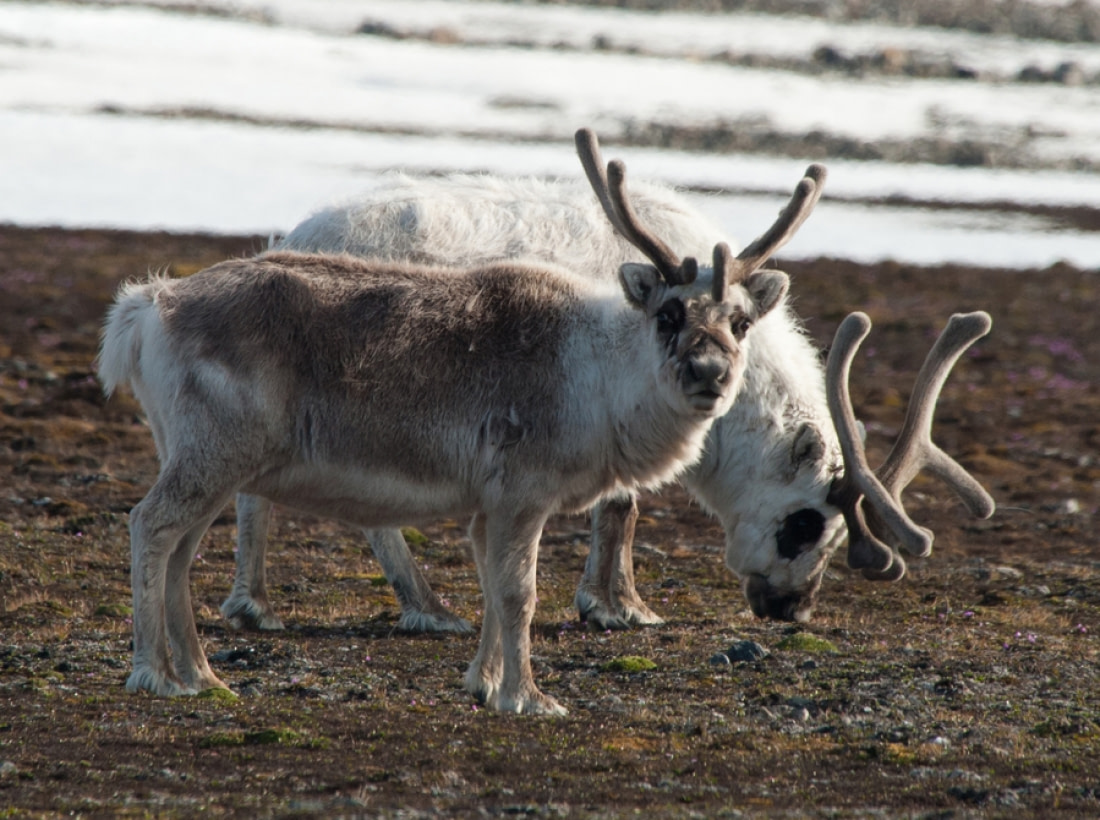
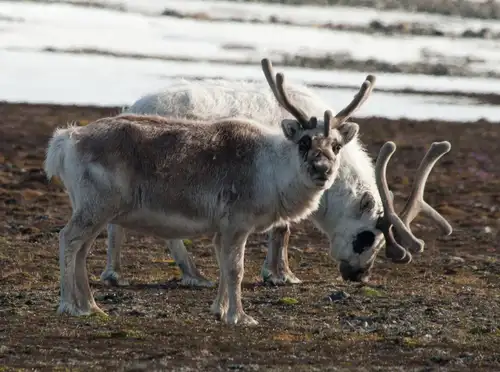
Plus, who doesn’t love reindeer?
blog-image

Overall, Northern Norway winters give you a touch of Arctic chill while still allowing you to feel your fingers, which will come in handy (so to speak) when you’re taking all those wonderful whale and northern lights pictures. But we’ll get to them in a second.
blog-image

You can sail our historic schooner like a true Arctic explorer

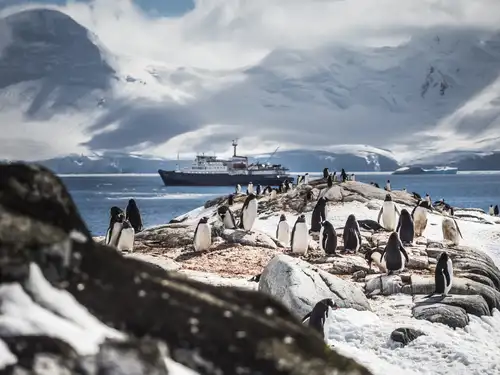
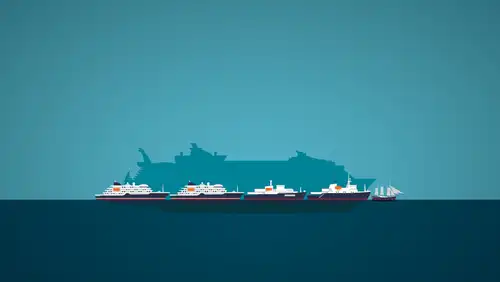
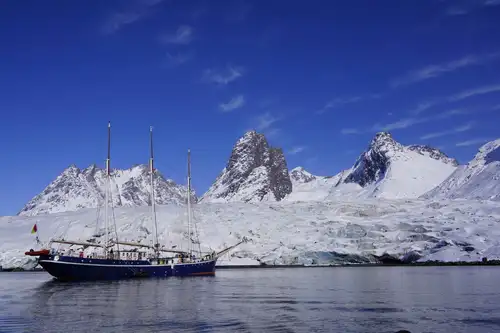
Most tours to the Arctic take place on large motorized vessels freighting about a hundred passengers. These are often renovated research ships that aren’t very nimble, are sometimes noisy, and can seldom explore some of the best fjords Norway has to offer. Not so with our Northern Norway schooner. You’ll think you’ve woken up in one of Ernest Shackleton’s dreams, minus all the hard work and frostbite.
blog-image

In Northern Norway we employ a traditional sailing vessel, Rembrandt van Rijn, built in the early nineteenth century but consummately updated for maximum comfort and safety. On top of imparting an authentic expedition experience, this smaller ship also carries fewer passengers: Rembrandt only takes 33 people.

This means that while you’re staring in amazement at the glittering Northern Norway fjord system (from a closer vantage than most vessels can offer), you’ll also be able to partake in traditional rope-and-mast sailing with a smaller group of snow lovers. And this means more fun divided among fewer people. We’re not mathematicians or anything, but we’re pretty sure that equals a good deal. And we haven’t even mentioned the northern lights yet.

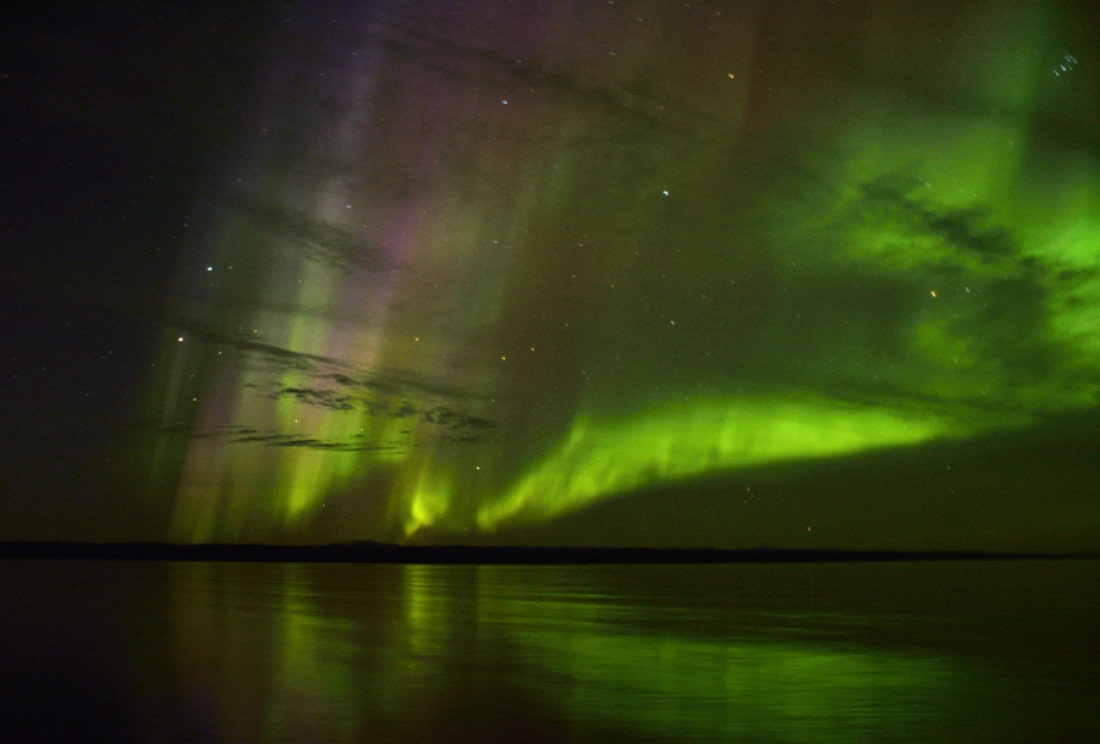
North Norway has some of the best lightshows on Earth

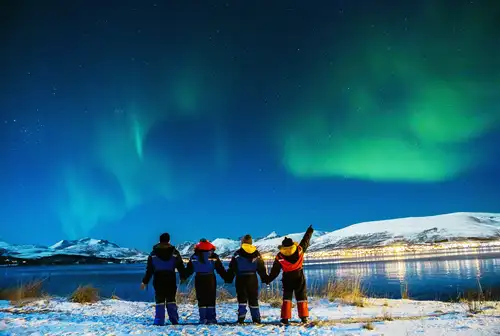
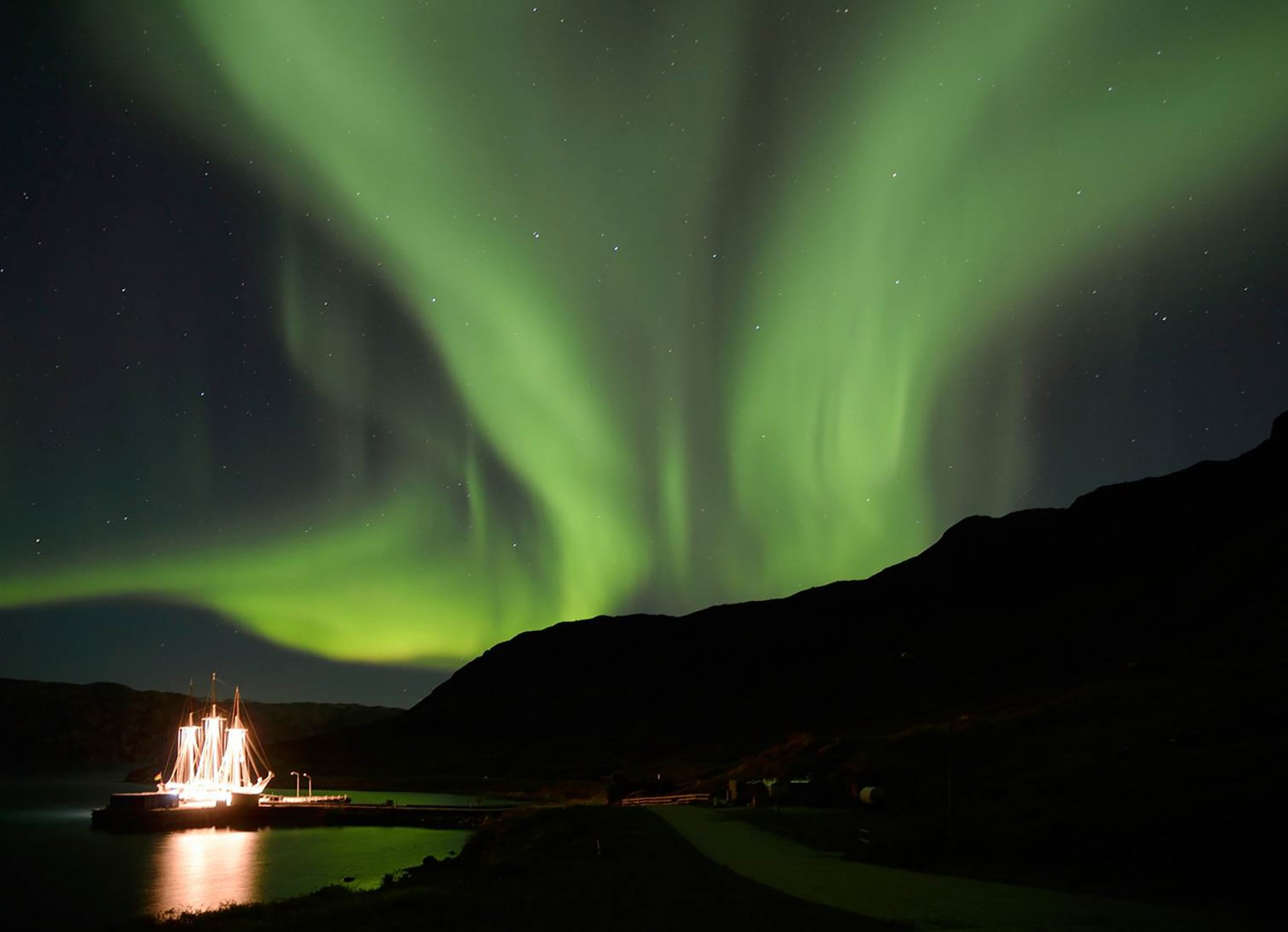
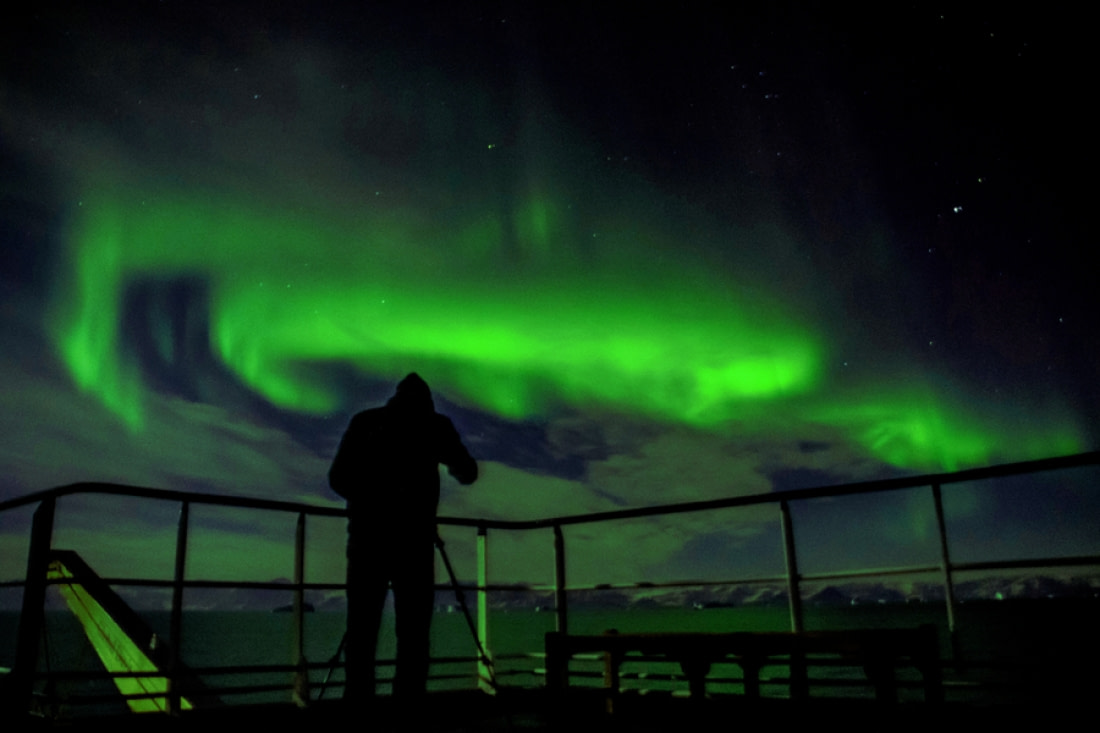
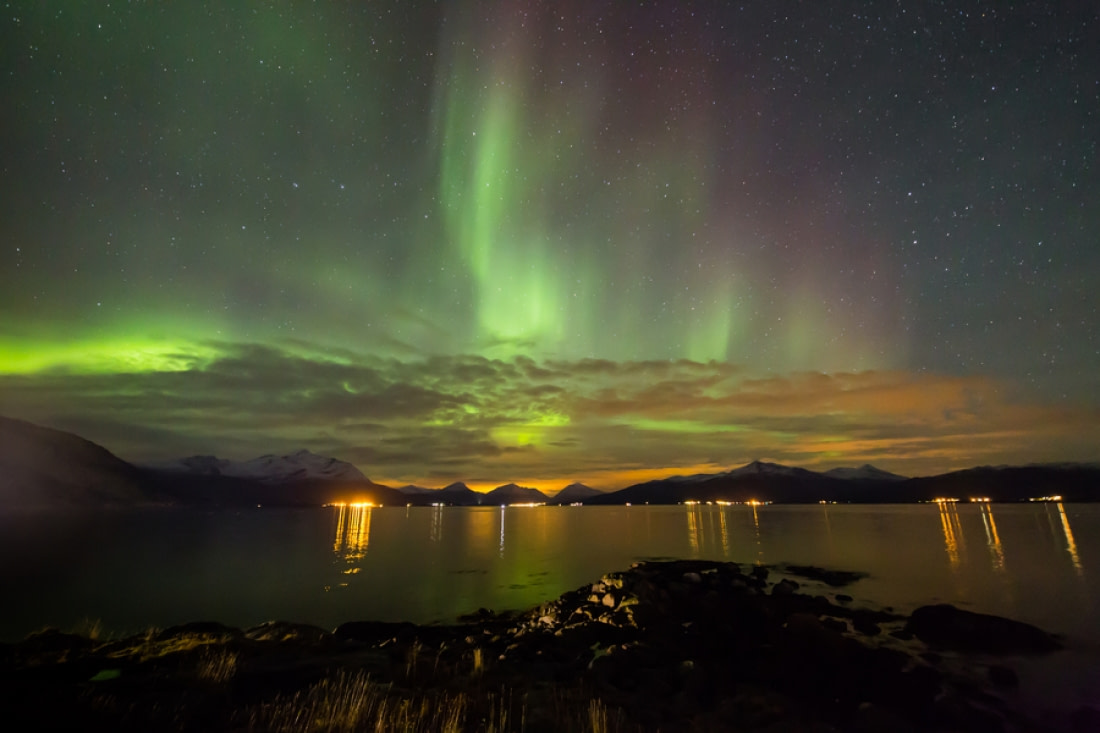
They’re bright, they’re beautiful, they grant you some of the best bragging rights on the planet. The northern lights, or aurora borealis to the Latinists, are reason enough to suffer any flight for just the chance of a shot at a glimpse. Come to Northern Norway in the colder months and you’ll have more than just a chance.

Granted the sky doesn’t stay overcast the whole time, you’ll wish you had a second camera and another set of eyes.

blog-image

We can’t help you with the eyes, but we can certainly give you something to use them on. North Norway offers visitors some of the best northern lights views to be found. This location has been consistently praised by such travel and nature authorities as National Geographic, the Travel Channel, and Travel + Leisure.

And harkening back to our earlier point about infrastructure, you can see these lovely light-works without having to pitch yourself headlong into Earth’s most isolated environs. So you can enjoy the old-fashioned quietude of a small-scale Arctic cruise without committing to all that goes along with a larger expedition. Oh, and also: whales.
blog-image

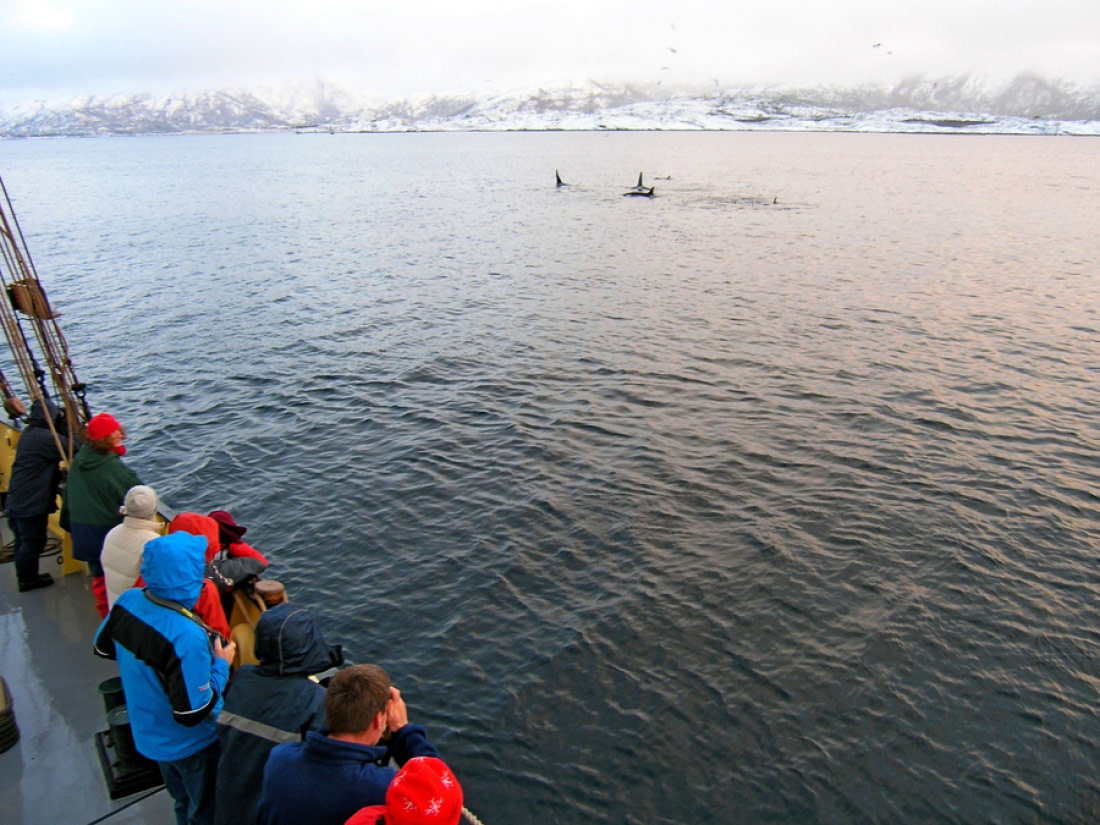
Did we mention the whales? Yeah, you can see them in Northern Norway too

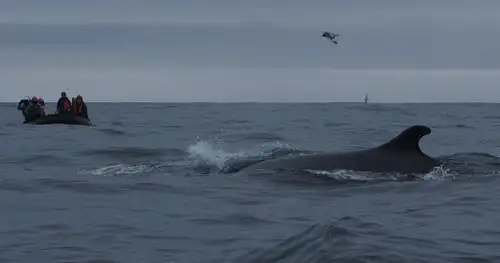
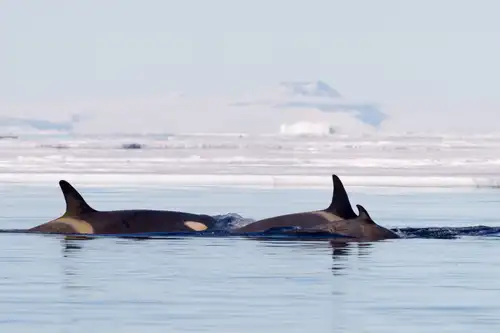
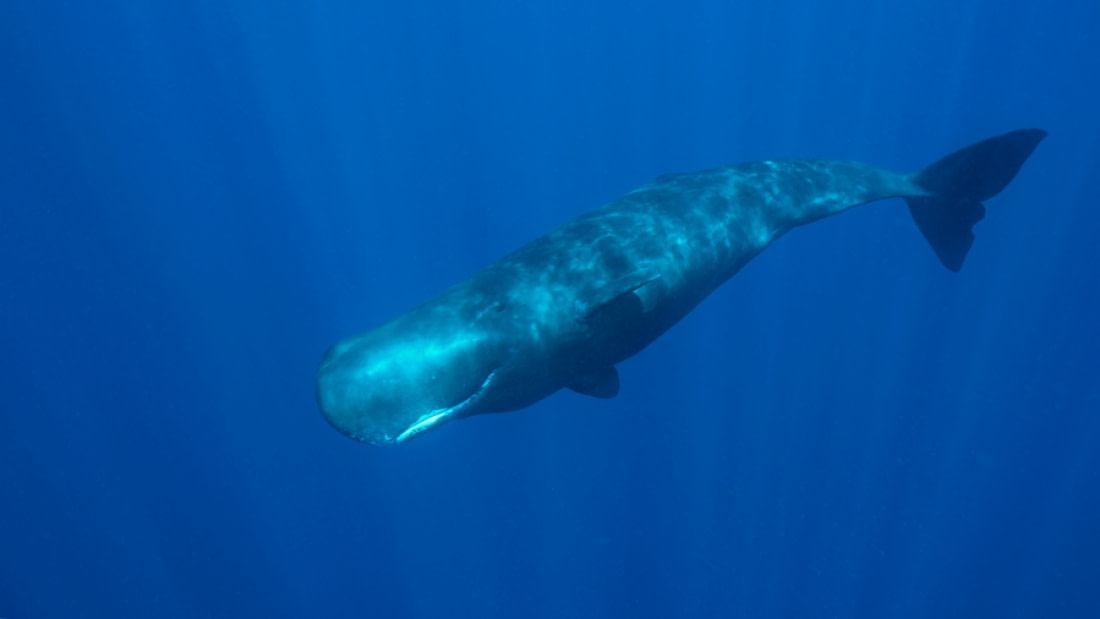
Seeing a whale from the edge of a 100-passenger vessel is no meager experience, but there’s just something about seeing whales from the creaking deck of a historic, hundred-year-old sailboat that’s slightly worthier of a song – or a Herman Melville novel. Our Northern Norway voyage gives you that opportunity. In fact, it’s as much a northern lights trip as it is a whale-watching cruise. And speaking of Melville, the most common whale we see on our Northern Norway itinerary is the sperm whale, the very species that inspired the white whale of Moby Dick.
blog-image

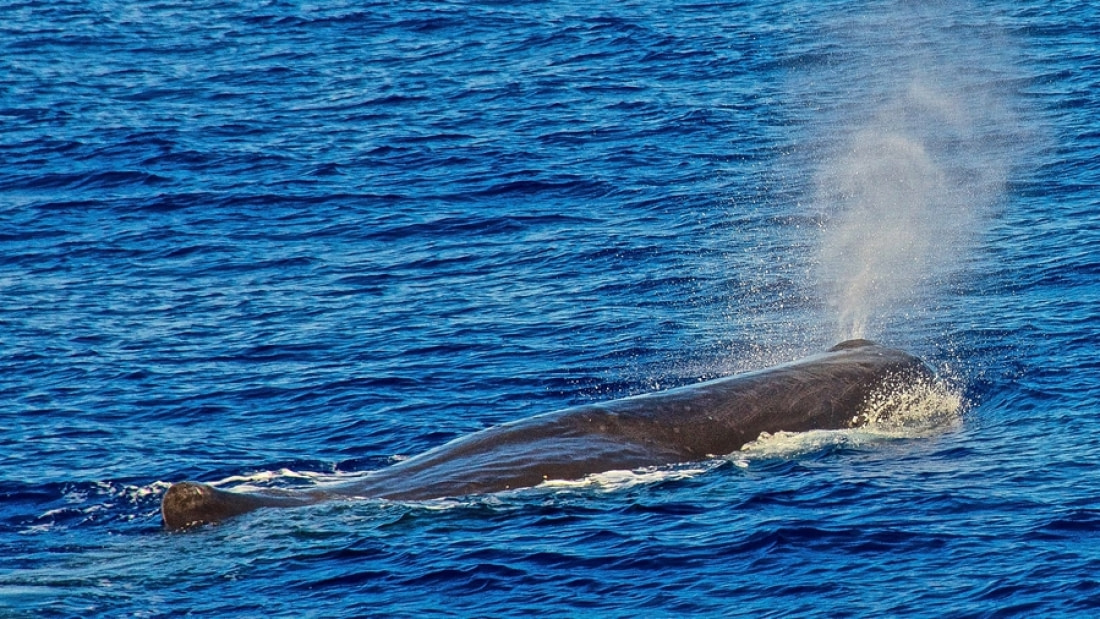
This was no random choice: Sperms whales have the biggest brains of any mammal on Earth (and likewise the biggest heads), lending to their reputation for intelligence. Sperm whales also have roughly the same lifespan as humans, living around 70 years, and they make the loudest sound of any living creature. But if your tranquil Northern Norway voyage has to be disturbed at all, you could do a lot worse than a whale blast by the species that inspired one of the world’s greatest literary achievements, right?
blog-image

North Norway: a short time ahead on a shoreline not so far away

The gentle rocking of a historic schooner, the wavelike grandeur of the northern lights, the seaward spout of surfacing sperm whales...

And all of it seen from the snow-swept splendor of the Northern Norway coastline, as steeped in ancient Scandinavian tradition as it is in iconic Arctic scenery. Whether you’re most primed to experience wildlife or landscapes, are traveling from distances great or small, or considering your first Arctic trip or your fifteenth, Northern Norway is indisputably a polar world beyond parallel.

Just ask the Vikings.

Blog
go-leftgo-right

Not Eskimos: 10 Enlightening Facts About the Inuit - Nexta Expeditions
Blog

Not Eskimos: 10 Enlightening Facts About the Inuit

If you are planning to join an Arctic cruise, you might be intrigued by the Inuit culture. To help you gain a deeper understanding of these people, especially if you are considering a trip to Greenland, here are 10 fascinating facts about the Inuit that everyone should know.
What to pack for your Atlantic Odyssey voyage? - Nexta Expeditions
Blog

What to pack for your Atlantic Odyssey voyage?

When packing, avoid burdening yourself with excessive clothing or gear. Opt for casual, practical attire that can be layered. Consider including the following:
The Eight Great Penguin Species of Antarctica - Nexta Expeditions
Blog

The Eight Great Penguin Species of Antarctica

There are 17 species of penguin on the planet, but the eight you’ll most likely recognize live in Antarctica, its nearby islands, and the sub-Antarctic archipelagos of South Georgia and the Falklands. These are the core species we tend to see on our expedition cruises.
Polar Amore: 14 Wildlife Pics to Warm up Your Valentine’s Day - Nexta Expeditions
Blog

Polar Amore: 14 Wildlife Pics to Warm up Your Valentine’s Day

There are 17 species of penguin on the planet, but the eight you’ll most likely recognize live in Antarctica, its nearby islands, and the sub-Antarctic archipelagos of South Georgia and the Falklands. These are the core species we tend to see on our expedition cruises.
Living the Antarctic Dream - Nexta Expeditions
Blog

Living the Antarctic Dream

From October to March, during the Austral summer, thousands of breeding gentoo, Adèlie, and chinstrap penguins flock to the Western Antarctic Peninsula to rear their chicks and feast on krill before the harsh winter arrives. Alongside the penguins, field biologists from around the world gather to study these habits for conservation research. Observing these animals is one thing, but residing in an Antarctic field station for an entire breeding season is another. One particular field camp on King George Island, managed by American scientists, has perfected this Antarctic lifestyle and has thrived for over 30 years.
10 Terrific Antarctic Bird Facts - Nexta Expeditions
Blog

10 Terrific Antarctic Bird Facts

Antarctica is a premier destination for birdwatching, boasting around 45 unique species. Describing them all would require an extensive article, so here we will focus on 10 fascinating facts about the birds you can encounter in Antarctica.
Freshwater ecosystems in the Arctic - Nexta Expeditions
Blog

Freshwater ecosystems in the Arctic

The Arctic, surprisingly, hosts a rich and varied array of freshwater ecosystems, including lakes, ponds, rivers, streams, deltas, and wetlands. Some of the world's largest rivers and deltas, such as the Lena, Ob, and Yenisei, are found in this region.
The History of Antarctica in Maps - Nexta Expeditions
Blog

The History of Antarctica in Maps

Long before human eyes ever beheld Antarctica, the ancients were convinced that it existed – or at least something like it.
True South: A New Flag for a Global Antarctica - Nexta Expeditions
Blog

True South: A New Flag for a Global Antarctica

When Evan Townsend signed up to spend the winter of 2018 working at an Antarctic research station, he had no reason to expect he would end the season by designing a new flag for the continent. He had even less reason to expect the support it would receive.
The secrets of Antarctic seals revealed - Nexta Expeditions
Blog

The secrets of Antarctic seals revealed

There are only six species of seals that inhabit the Antarctic: Southern elephant seals, Antarctic fur seals, crabeater seals, leopard seals, Ross seals, and Weddell seals. While we are familiar with these species, much about their lives remains a mystery.
Baleen Whales – The Gentle Giants of the Ocean - Nexta Expeditions
Blog

Baleen Whales – The Gentle Giants of the Ocean

They are the largest animals on Earth, yet they thrive on some of the tiniest creatures. These giants can reach lengths of 30 meters (90 feet), but it is the microscopic zooplankton, krill, and small fish that sustain them. These are the baleen whales. Unlike toothed whales, baleen whales lack teeth. Instead, they use plates of baleen in their mouths to trap and consume their tiny prey.
Wreck Diving in Antarctica - Nexta Expeditions
Blog

Wreck Diving in Antarctica

Scuba diving in Antarctica is an unparalleled adventure. Few places on Earth allow you to swim beneath icebergs and potentially encounter penguins or leopard seals. But the wonders of Antarctic diving don't end there.
The Impact of Small vs. Large Cruise Ships - Nexta Expeditions
Blog

The Impact of Small vs. Large Cruise Ships

The generalization that larger ships impact the environment more than smaller ships seems like such a no-brainer that if someone said it to you, you’d be easily forgiven for thinking you were being tricked.
Secrets of the Snowy Owl: Habitat, Adaptations, and Other Facts - Nexta Expeditions
Blog

Secrets of the Snowy Owl: Habitat, Adaptations, and Other Facts

The snowy owl (Bubo scandiacus), also known as the great white owl or Arctic owl, is one of the most distinctive bird species on the planet. While you won’t find them in all areas of the Arctic – they don’t exist in Svalbard due to the lack of lemmings – snowy owls are seen in the polar regions of Eurasia and North America and are a potential visitor during Greenland cruises. The binomial species name, “scandiacus,” is derived from Scandinavia, as this is where the bird was first discovered. The snowy owl is the official bird of Quebec, and they are a must-see for countless bird watchers and naturalists.
Arctic vs. Antarctica: A Traveler’s Guide - Nexta Expeditions
Blog

Arctic vs. Antarctica: A Traveler’s Guide

Sunrises vs. sunsets, coffee vs. tea, Wonder Woman vs. Superman...
Coming Back from the Brink: The Fur Seals of Antarctica - Nexta Expeditions
Blog

Coming Back from the Brink: The Fur Seals of Antarctica

Once hunted to the brink of extinction, the Antarctic fur seal is now one of the most populous and charismatic species of seal you’re likely to encounter during your Antarctica trips. Unlike other members of its large family, the fur seal has external ears, or pinnae, a short snout, and a thick coat of dark brown fur. Male seals tend to be larger than females, with weights ranging from 91 kg (200 lbs.) to 215 kg (474 lbs.).
Tracking Greenland’s Wildlife from Space - Nexta Expeditions
Blog

Tracking Greenland’s Wildlife from Space

Despite Greenland’s harsh environment, life has found a way to thrive there. If you’re lucky enough to embark on a Greenland cruise, you stand the chance of encountering many species of cold-adapted mammals, birds, and fish.
Arctic on Foot: Hiking and Snowshoeing the Far North - Nexta Expeditions
Blog

Arctic on Foot: Hiking and Snowshoeing the Far North

The focus of our voyages is always to get you off the ship and into the action as frequently as possible. While we travel from site to site on ice-strengthened vessels, our expeditions are crafted to provide you with the maximum firsthand experience of the polar regions and their unique wildlife.
How Arctic Wildlife Differs from Antarctic - Nexta Expeditions
Blog

How Arctic Wildlife Differs from Antarctic

While the north and south poles share certain characteristics, they are also remarkably distinct. Both regions are cold and dry, yet each has its own unique terrain and climate. The Antarctic is particularly harsh and inhospitable, with only two native vascular plant species, whereas the Arctic tundra supports a wider range of fauna due to its relatively warmer temperatures and greater plant diversity. Here are some of the animals you can find in the Arctic compared to the Antarctic.
The Best Arctic and Antarctic Trips for Families - Nexta Expeditions
Blog

The Best Arctic and Antarctic Trips for Families

Polar expedition cruises are often enjoyed by couples and an increasing number of solo travelers, but they can also be a fantastic adventure for families. If you have the budget to bring the whole family along, there are various polar trips that will make everyone equally excited about the ice.