Light In The Land Of The Midnight Sun - Nexta Expeditions
Light in the Land of the Midnight Sun

Light in the Land of the Midnight Sun

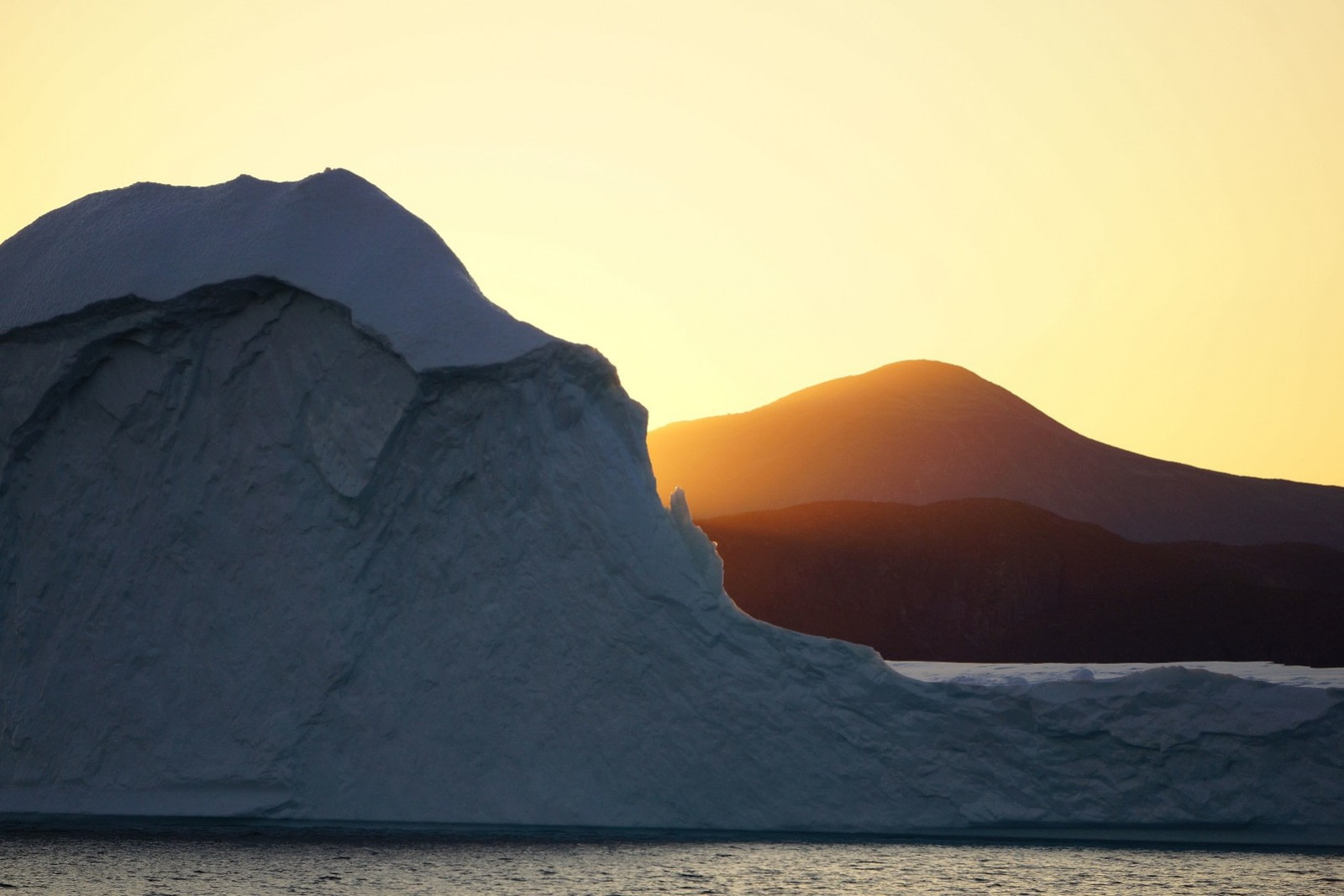
The midnight sun, also referred to as the polar day, is a fascinating natural event observed within the Arctic and Antarctic circles. During the polar summer, the sun remains above the horizon for 24 hours a day, resulting in continuous daylight without any sunrise or sunset. This phenomenon occurs due to the Earth's seasonal tilt towards the sun during the summer months in these regions.
blog-image

Seasons in Antarctica and the Arctic

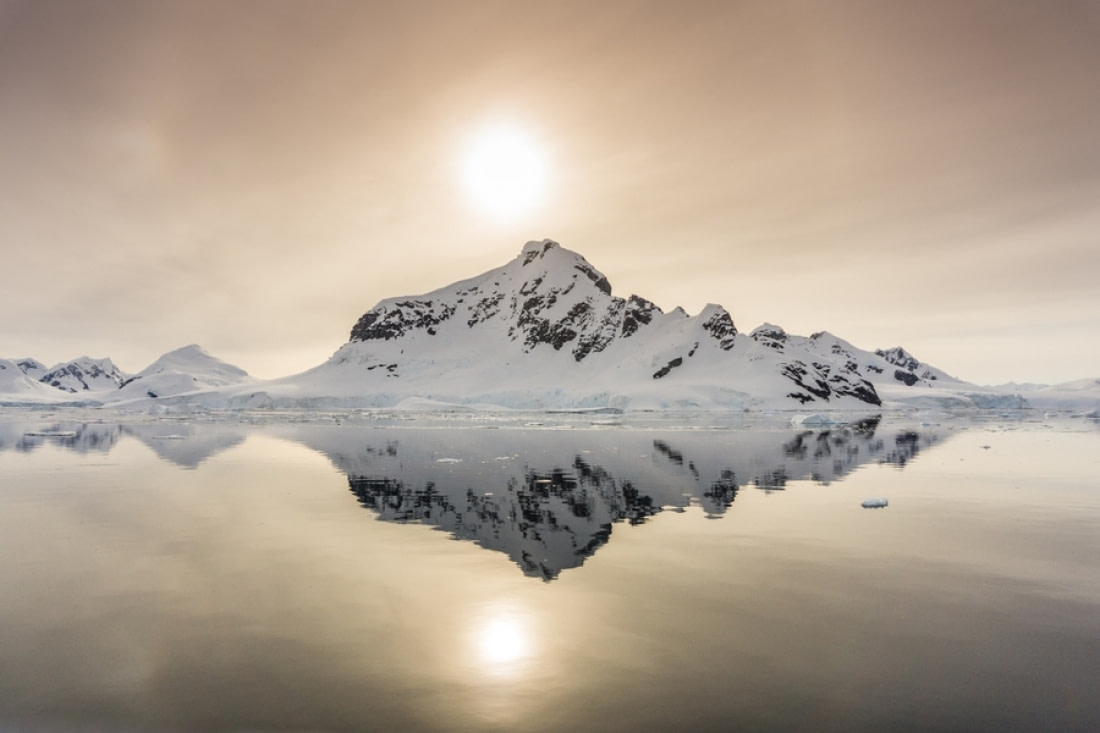
Seasonal variations are driven by the Earth's movement and its changing distance from the sun. While many regions experience four distinct seasons, this is not the case everywhere. In equatorial regions and at the poles, the year is often divided into two main seasons. At the equator, the year is split into the dry and rainy (monsoon) seasons. At the poles, winter and summer are the primary seasons, with spring and autumn being less defined compared to temperate regions.
blog-image

Planetary tilt = polar night or midnight sun

In polar regions, the midnight sun occurs due to the Earth's tilt during the polar summer. One pole is angled towards the sun, preventing the region from falling into shadow as the Earth rotates, resulting in continuous daylight. Conversely, the opposite pole experiences extended periods of darkness, known as the polar night.
blog-image

Arctic and Antarctic albedo

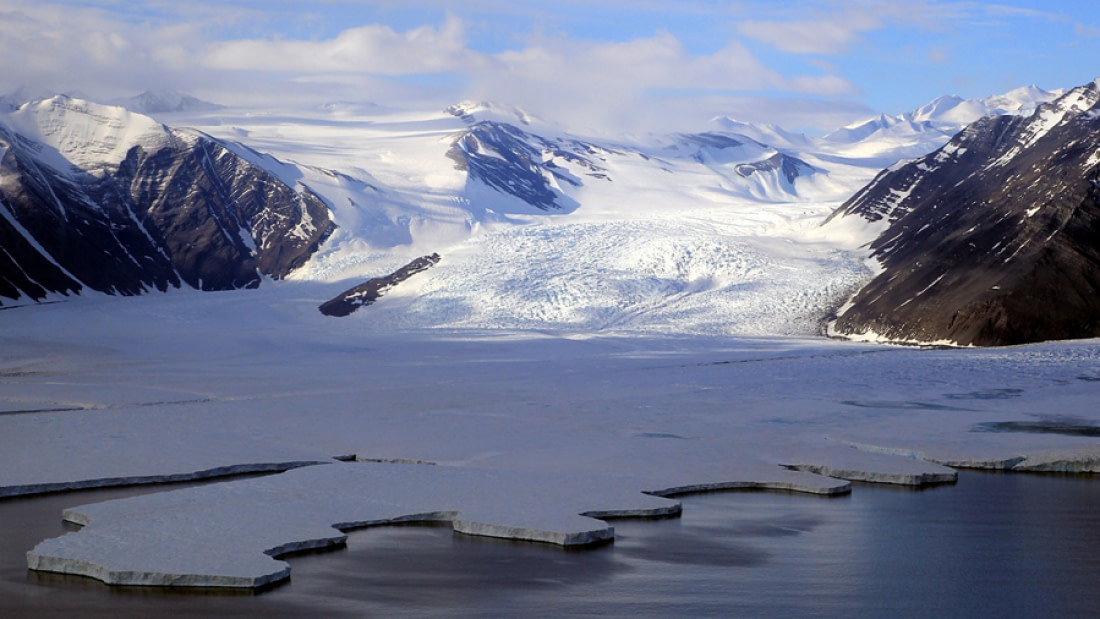
Albedo measures the amount of light reflected off a surface. The polar regions, covered in white snow and ice, have a high albedo, reflecting most of the sunlight back into the atmosphere. This reflection helps maintain the cold temperatures in these areas throughout the year.
blog-image

Experiencing the midnight sun

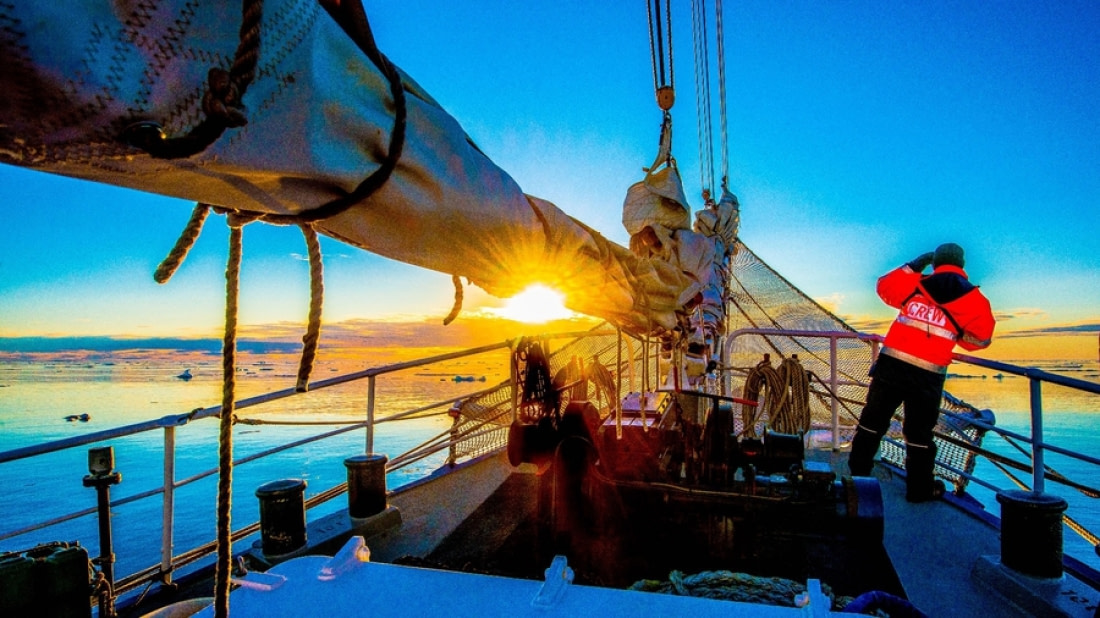
The experience of the midnight sun varies depending on your location within the polar regions. In lower latitudes, the sun rises and falls but remains above the horizon. Closer to the poles, the sun stays higher in the sky with minimal oscillation. One downside of visiting during the midnight sun season is the reduced likelihood of witnessing the aurora borealis or aurora australis due to the constant daylight.
blog-image

Arctic light, Antarctic darkness

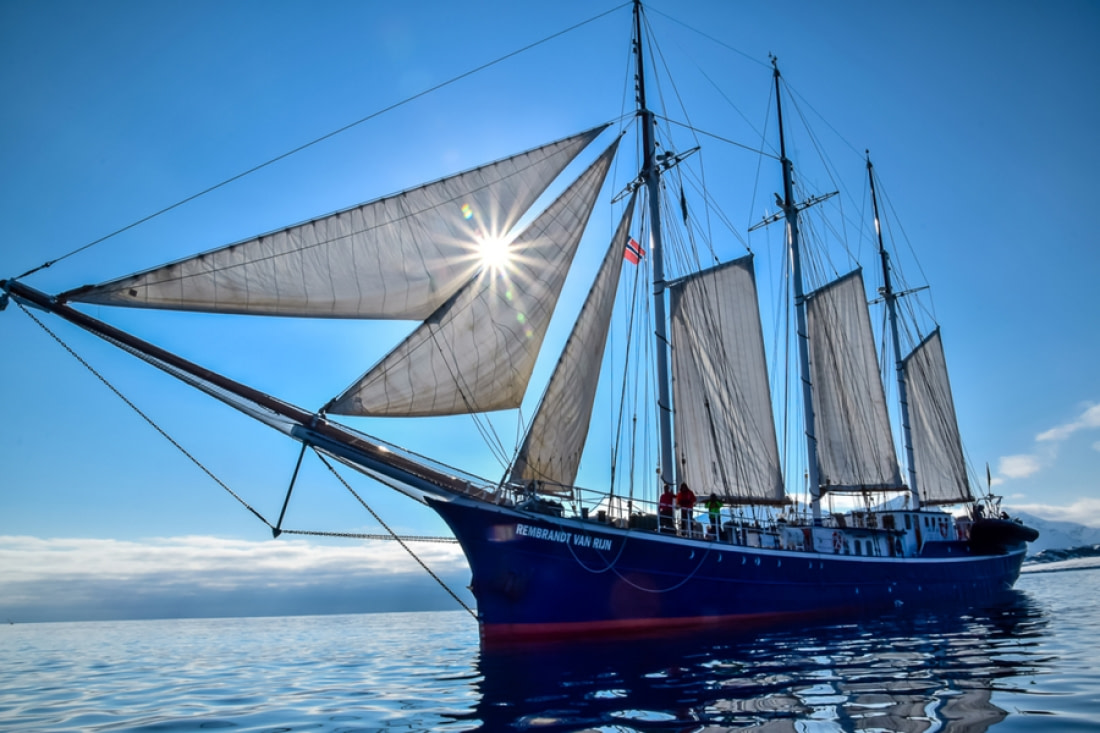
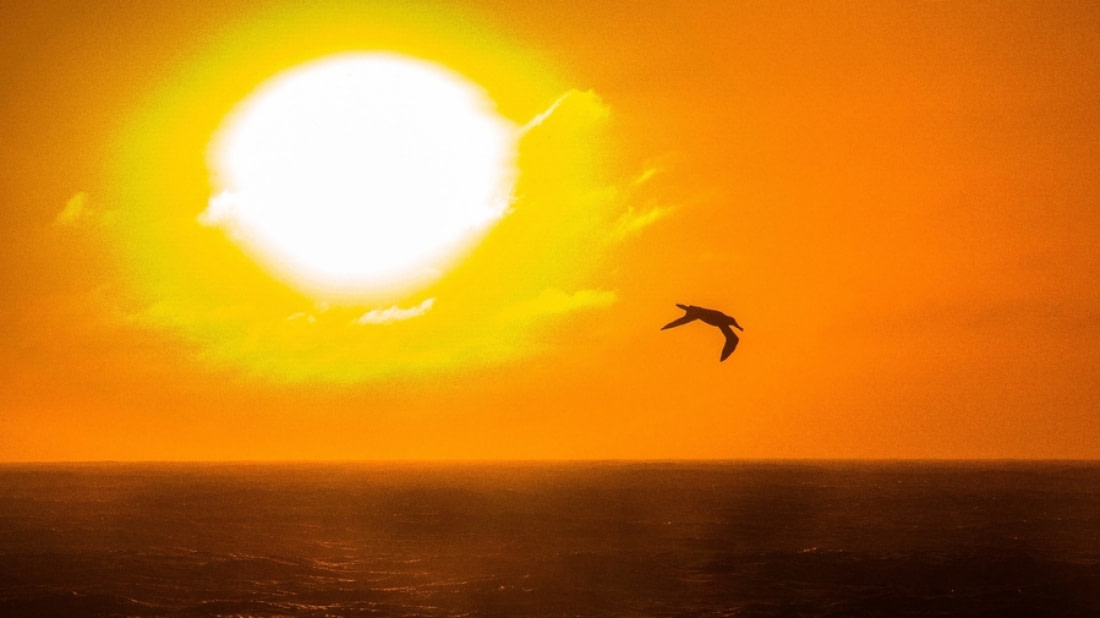
At the poles, the sun rises and sets only once a year, marking the summer and winter equinoxes. During the polar spring, the sun rises and continues to ascend until it peaks in summer. The polar autumn brings twilight, with the sun just below the horizon, creating a soft glow. Winter is characterized by complete darkness.
blog-image

How the midnight sun affects wildlife

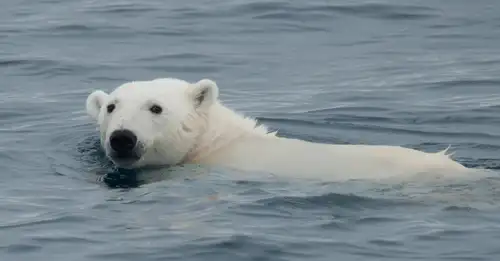
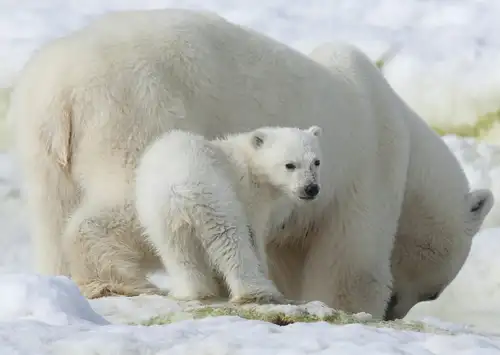
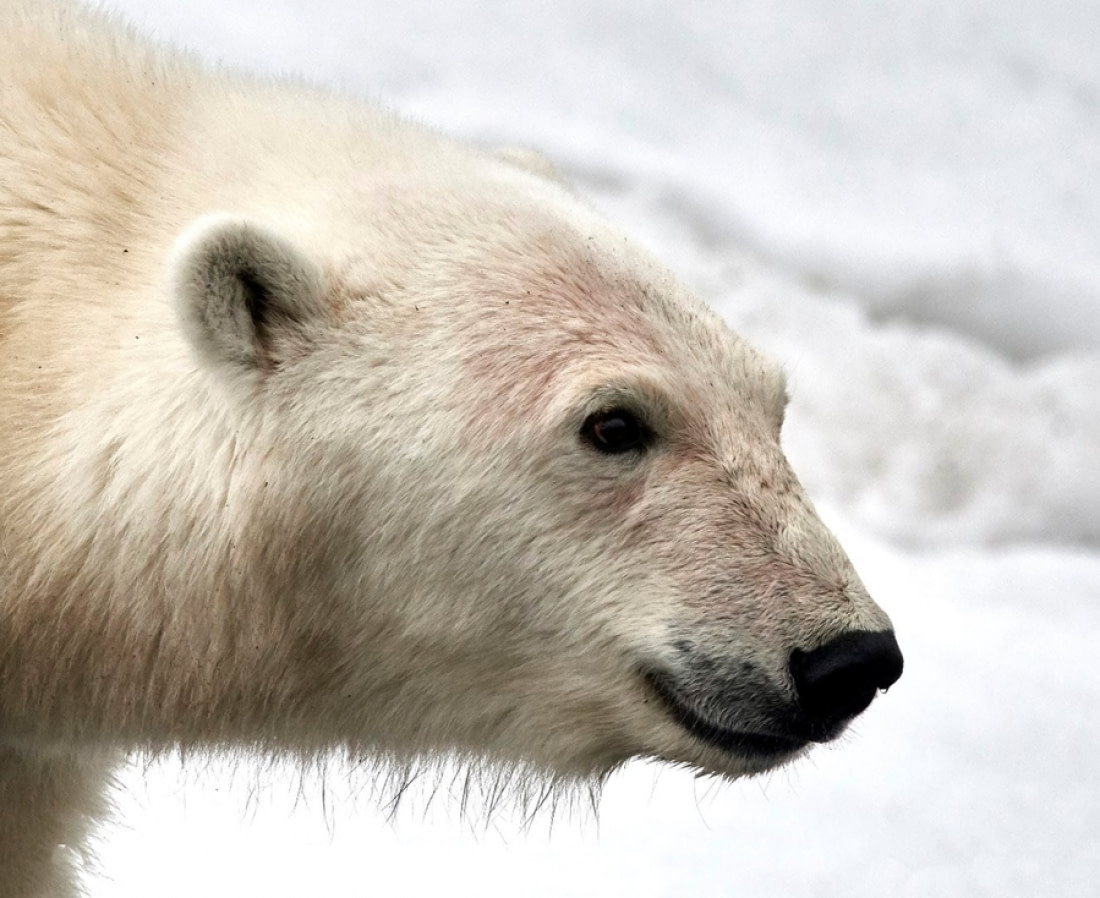
The midnight sun season is a bustling time for wildlife. In lower latitudes with vegetation, there is a surge in plant growth. Animals work to gain weight, and breeding seasons commence. Interestingly, polar animals do not hibernate during the polar night, as food availability remains constant. Only pregnant female polar bears hibernate, giving birth between November and January, and emerging with their cubs when the sun returns around late March or April.
blog-image

Norway, Iceland, Alaska, and other midnight sun locations

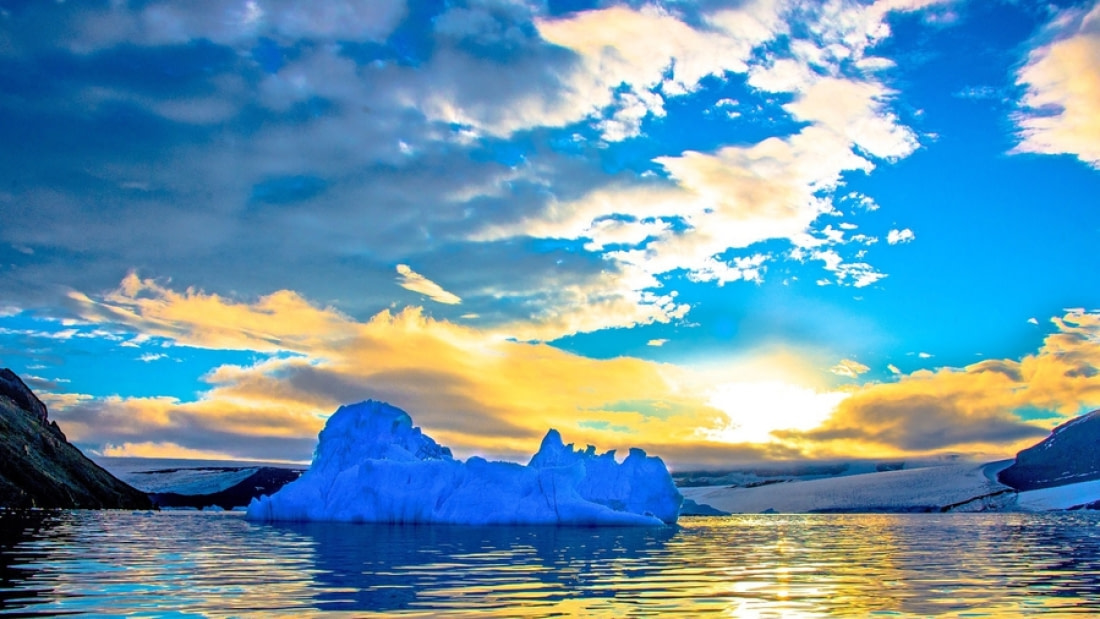
The midnight sun can be observed in both the Arctic and Antarctica, depending on the time of year. In the northern hemisphere, it lasts from mid-April to mid-August and can be seen in Greenland, Svalbard, Russia, Canada, Alaska, and Scandinavian countries. In Svalbard, the sun does not set for sixty days. During the southern hemisphere summer, adventurous voyages to Antarctica offer opportunities to witness the midnight sun.
blog-image

See the midnight sun outside the Arctic Circle

Eagle Summit in Alaska is one of the few places outside the Arctic Circle where you can experience the midnight sun. This is due to its altitude rather than its latitude. However, the summit's harsh winds and rain make it a less comfortable location to witness this phenomenon.


Blog
go-leftgo-right

Ice streams and lakes under the Greenland Ice Sheet - Nexta Expeditions
Blog

Ice streams and lakes under the Greenland Ice Sheet

The Greenland ice sheet is a dynamic mass of dense, flowing, and deforming ice. Snow deposited on the central parts of the ice sheet is gradually compressed into ice that slowly moves towards the ice margin. At the ice margin, the ice is removed by melting or by breaking off into icebergs.
10 Books and Films To Prepare for your Antarctica cruise - Nexta Expeditions
Blog

10 Books and Films To Prepare for your Antarctica cruise

The deep sea remains one of the most mysterious and least explored regions on our planet. With its vast, dark expanses and unique ecosystems, it continues to captivate scientists and adventurers alike.
15 Toothy Facts About the Atlantic Walrus - Nexta Expeditions
Blog

15 Toothy Facts About the Atlantic Walrus

The walrus is one of the most recognizable animals on the planet, and for good reason. Try sneaking into a cinema with those tusks!
The Ancient Fossil Forests of Antarctica - Nexta Expeditions
Blog

The Ancient Fossil Forests of Antarctica

Over a hundred years ago, Robert Falcon Scott’s expedition to Antarctica discovered fossils of plants on the Beardmore Glacier, less than 500 km (310 miles) from the South Pole. Edward Wilson, who was the expedition’s chief scientist, recorded the findings in his diary, stating that “most of the bigger leaves were like beech leaves in shape and venation.”
South Georgia in Spring - Nexta Expeditions
Blog

South Georgia in Spring

What a fantastic time to be in South Georgia! Perhaps the best time of the year! The wildlife is abundant, and the light is simply magical for photography. Kings, Gentoos, Chinstraps, and Macaronis are all present along the shorelines. Elephant and Fur seals are also plentiful! Wandering albatrosses are welcoming their newly hatched chicks, while the non-breeders are actively engaged in their courtship rituals, practicing a ceremonial dance. Light-mantled, Sooty, and Grey-headed albatrosses are still feeding their fluffy chicks, as are the Giant petrels. We've been fortunate with the weather, finding ourselves in the right place at the right time to succeed in all our landings and zodiac cruises so far.
Orcas of the Polar Seas - Nexta Expeditions
Blog

Orcas of the Polar Seas

The orca, also known as the killer whale, is the apex marine predator and possibly the most widespread vertebrate on the planet. While they are most numerous in colder regions like Antarctica, Norway, and Alaska, they also inhabit tropical and subtropical seas. Here, we’ll explore some essential orca facts you might want to know before encountering them in person, concluding with a fantastic video showcasing our top ten favorite killer whale facts.
10 Common Misconceptions About the Arctic - Nexta Expeditions
Blog

10 Common Misconceptions About the Arctic

The Arctic is a vast region. Truly immense.
Harp seals harping on in Greenland - Nexta Expeditions
Blog

Harp seals harping on in Greenland

Harp seals are a moderately sized species, typically reaching about 1.6 meters in length and weighing around 130 kilograms. Both males and females are similar in size and weight, with males being only slightly larger. They possess a thick, robust body, a small broad and flat head, short narrow flippers, and a narrow muzzle.
Penguin Wisdom: Life Lessons from Our Favorite Flightless Birds - Nexta Expeditions
Blog

Penguin Wisdom: Life Lessons from Our Favorite Flightless Birds

As enthusiasts of wildlife travel, we believe every creature has something valuable to impart - from the grand blue whale to the tiny cephalopod, the formidable polar bear to the elusive Arctic fox.
Five Reasons Why Snowshoeing is a Perfect Polar Activity - Nexta Expeditions
Blog

Five Reasons Why Snowshoeing is a Perfect Polar Activity

One of the most beloved polar sports is also one of the oldest. Snowshoeing has been the preferred means of foot travel in the Arctic since antiquity, and in the years since Antarctica was discovered, it has been highly popular among researchers and polar tourists alike.
The Pack Ice and Polar Bears of North Spitsbergen - Nexta Expeditions
Blog

The Pack Ice and Polar Bears of North Spitsbergen

The Arctic archipelago of Svalbard is renowned for being one of the prime locations to observe polar bears. The largest island in this region, Spitsbergen, not only offers sightings of these majestic Arctic creatures but also provides a unique opportunity to experience the phenomenon of pack ice.
What to Expect When Crossing the Drake Passage - Nexta Expeditions
Blog

What to Expect When Crossing the Drake Passage

Positioned between the southern tail of South America and the Antarctic Peninsula's north-sweeping arm is a lively little waterway known as the Drake Passage.
Antarctica Cities (and Five Other Things That Don’t Exist There) - Nexta Expeditions
Blog

Antarctica Cities (and Five Other Things That Don’t Exist There)

Why write about what you won't find in Antarctica? Most travel blogs highlight what a destination offers, but many polar tourists visit Antarctica to experience a new world and escape their old one.
The Return to Franz Josef Land - Nexta Expeditions
Blog

The Return to Franz Josef Land

As the possibility of international travel slowly returns, we are eagerly awaiting all the great locations, activities, and wildlife we might experience in the coming season. One of the things we’re most excited about is the return of our Franz Josef Land voyages.
Flowers in Antarctica - Nexta Expeditions
Blog

Flowers in Antarctica

The polar regions are among the most inhospitable environments for plants and animals. Life here faces numerous challenges, including low temperatures, high winds, solar radiation, and cell freezing. The Antarctic continent experiences extreme conditions, with darkness during winter and continuous light during summer. Winter temperatures can drop to -60°C or lower.
5 Misconceptions You Might Have About Greenland - Nexta Expeditions
Blog

5 Misconceptions You Might Have About Greenland

Keep It Green: Our Commitment to Sustainable Polar Travel - Nexta Expeditions
Blog

Keep It Green: Our Commitment to Sustainable Polar Travel

It doesn’t make much sense for expedition travel if every time we visit the polar regions we leave them worse than we found them. And that’s just considering things from a purely human perspective, which we don’t.
Diving in Antarctica: The Ultimate Underwater Experience - Nexta Expeditions
Blog

Diving in Antarctica: The Ultimate Underwater Experience

Ice diving offers an extraordinary experience on an Antarctica diving trip. The dive sites are teeming with a unique array of colorful marine life, including penguins and leopard seals, which are exclusive to this region.
Svalbard a Disneyland for geologists - Nexta Expeditions
Blog

Svalbard a Disneyland for geologists

Svalbard is situated in the north-western corner of the Eurasian plate. Historically, Svalbard was part of a vast continent that included North America, Greenland, and Eurasia. At one point, both Northeast Greenland and Svalbard were submerged under the ocean before resurfacing.
10 Bountiful Blue Whale Facts - Nexta Expeditions
Blog

10 Bountiful Blue Whale Facts

The umbrella term “whale” refers to a wide variety of large marine mammals. To zero in on blue whales, however, we’ll need to unpack this term a bit. The Latin word for whale, cetus, is the root of the whale infraorder, Cetacea, the largest parvorder of which is Mysticeti.