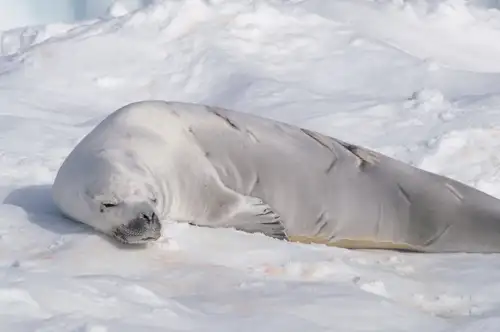

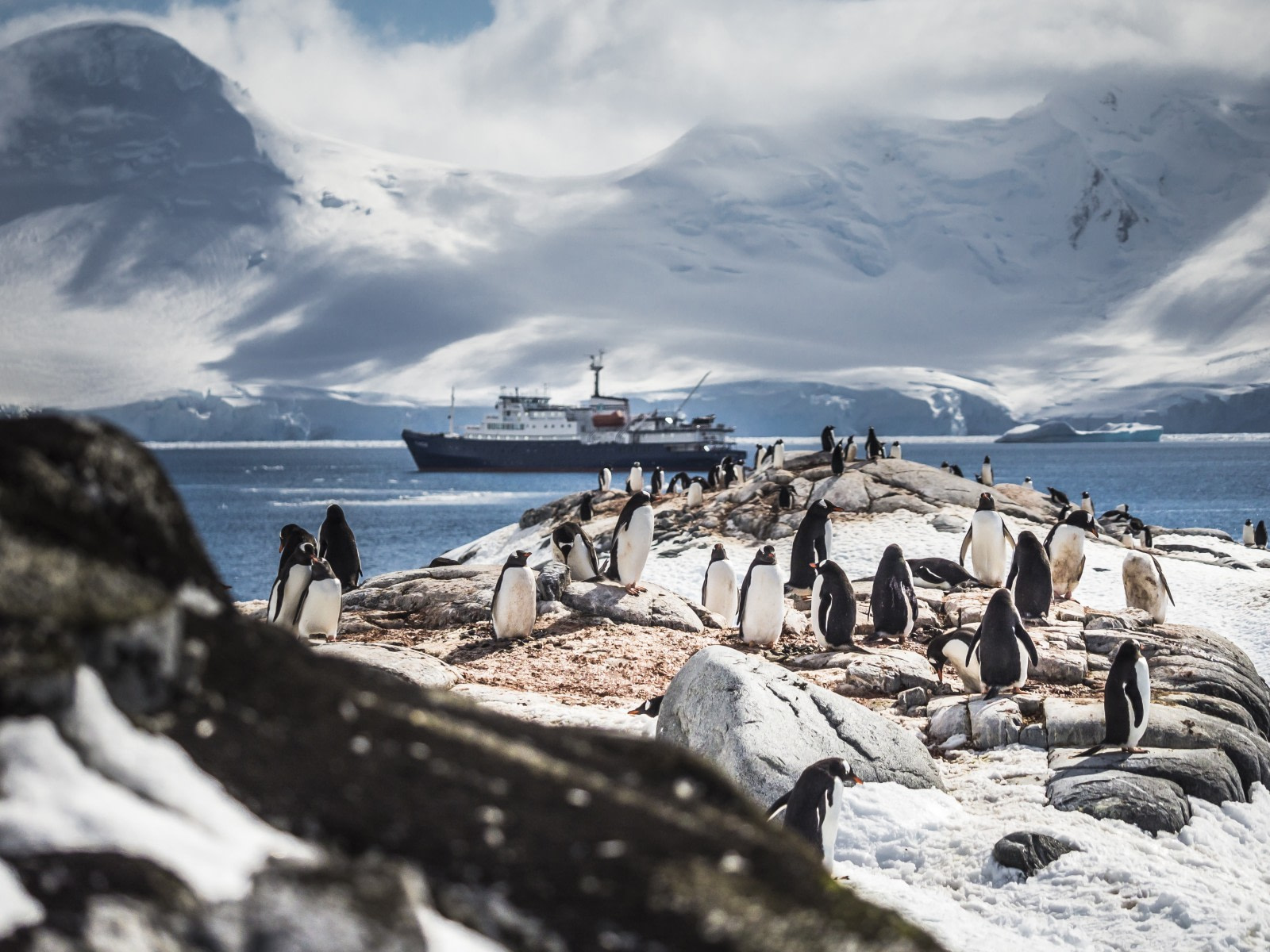
There’s a reason people go to such lengths to visit Antarctica, and its abundance of whales, seals, penguins, and seabirds are only part of the polar story.
Even setting aside its stunning wildlife, Antarctica is mythic in both scale and scenery: the largest glaciers and icebergs draw newcomers and those with a passion for snow.
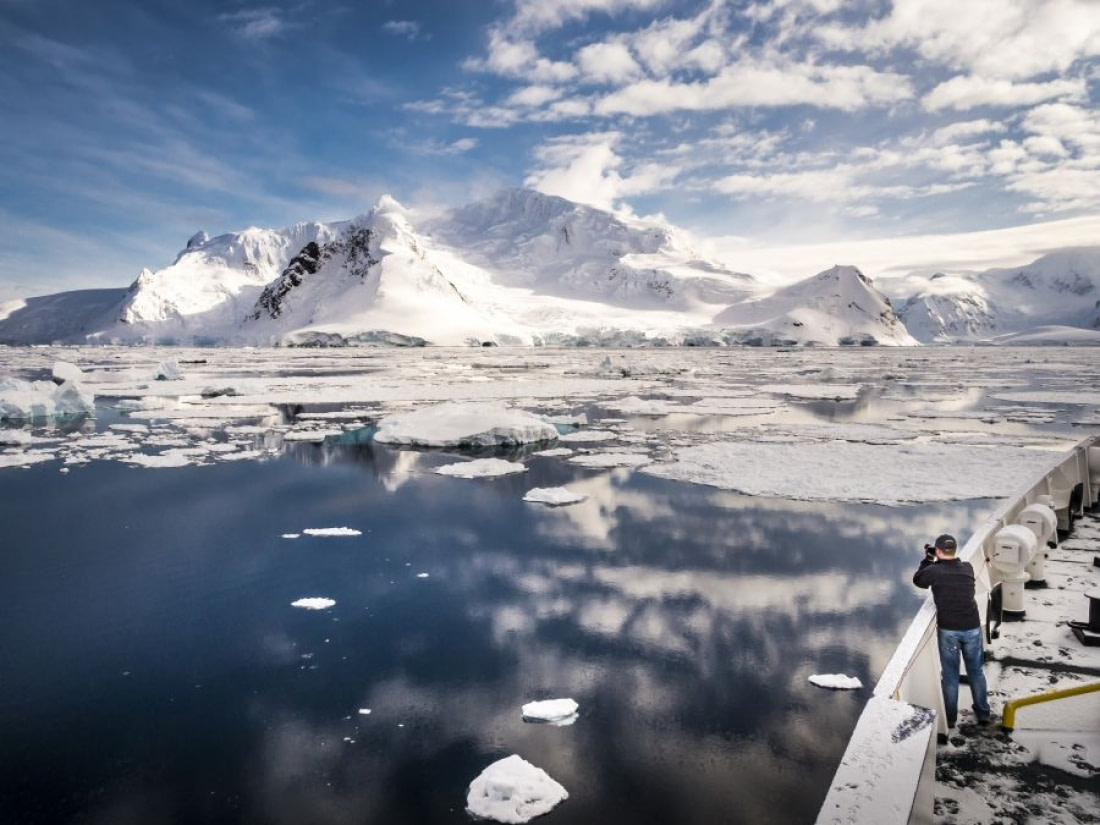
But beyond these incredible surroundings, there are numerous activities that make Antarctica worth the trip: kayaking, mountaineering, hiking, scuba diving, camping, and more.
Here we’ll cover some top Antarctic attractions, filling up your must-see list if you decide on an Antarctic cruise.
1. Observe penguins and vast colonies
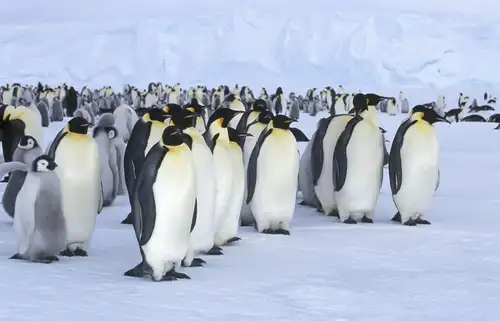
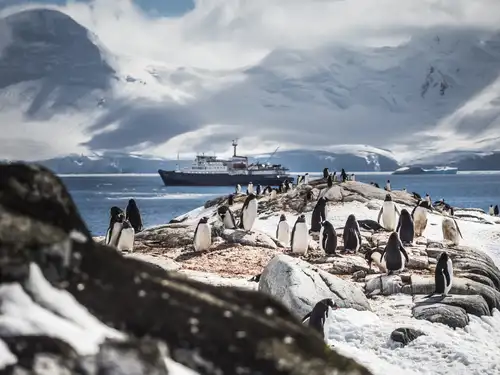
Penguins and their colonies are found in many places around Antarctica, but some locations are particularly notable. The emperor penguin colony at Snow Hill Island is one of the best.
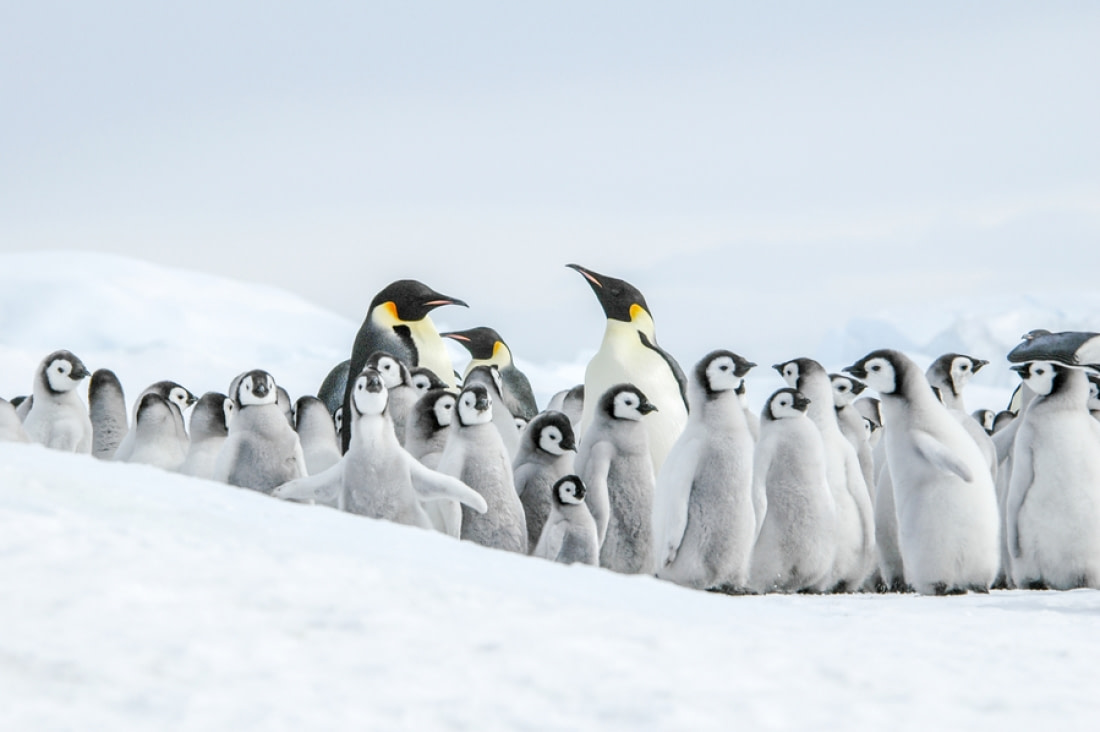
Snow Hill Island, located in the Weddell Sea, is often locked in ice, making it difficult to approach. However, other means of access can be used, which we’ll cover later.
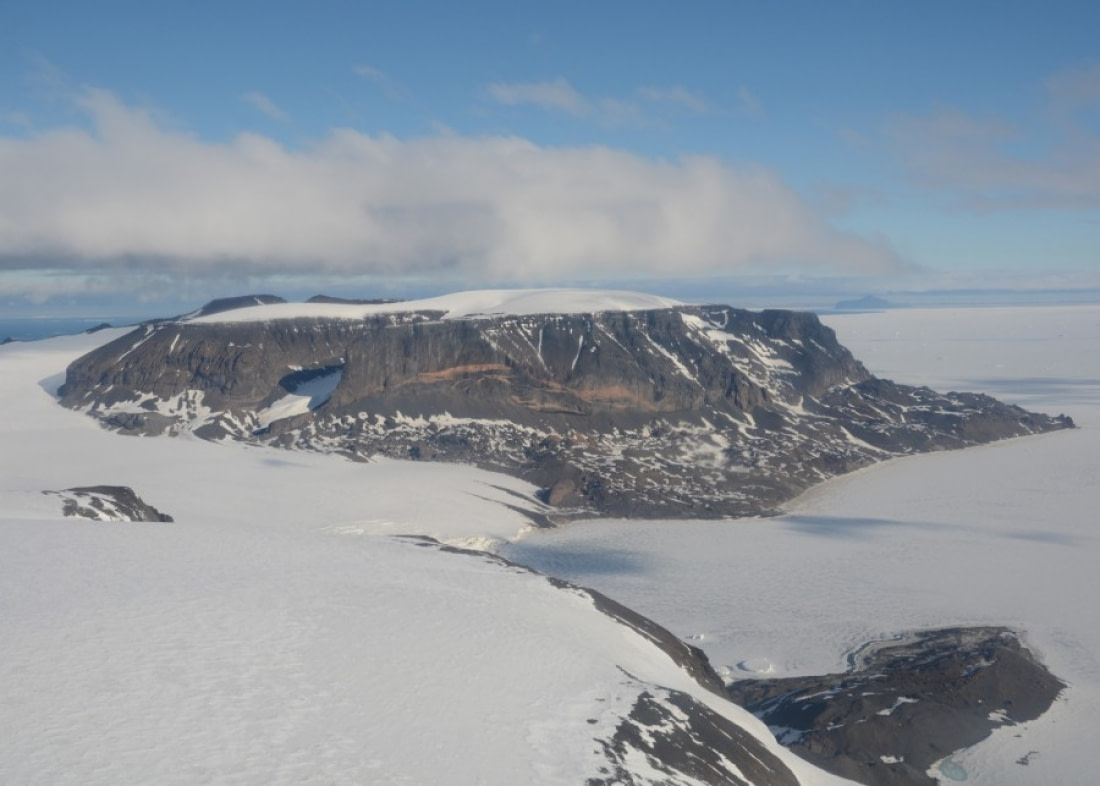
The Antarctic Peninsula is also great for spotting penguins, especially Adélies, gentoos, and chinstraps. Adélies only live in Antarctica, unlike other penguin species.
Other great penguin colonies are found farther north, in the sub-Antarctic islands of South Georgia.
2. Kayak around sea ice or scuba dive beneath it
Kayaking lets you escape the noise of motorized vessels and enjoy the scenery purely, powered only by your paddles.

Neumayer Channel’s Wiencke Island is a fantastic spot for this. Port Lockroy and Jougla Point also offer kayaking and the chance to meet gentoo penguins and blue-eyed shags.
Pléneau Island and Petermann Island are equally prized for kayaking, with opportunities to see Adélie penguins, blue-eyed shags, humpback whales, minkes, and leopard seals.
If you prefer underwater adventures, consider polar scuba diving. Extensive cold-water dive experience is required, but it offers a unique immersion in Antarctic sea life.
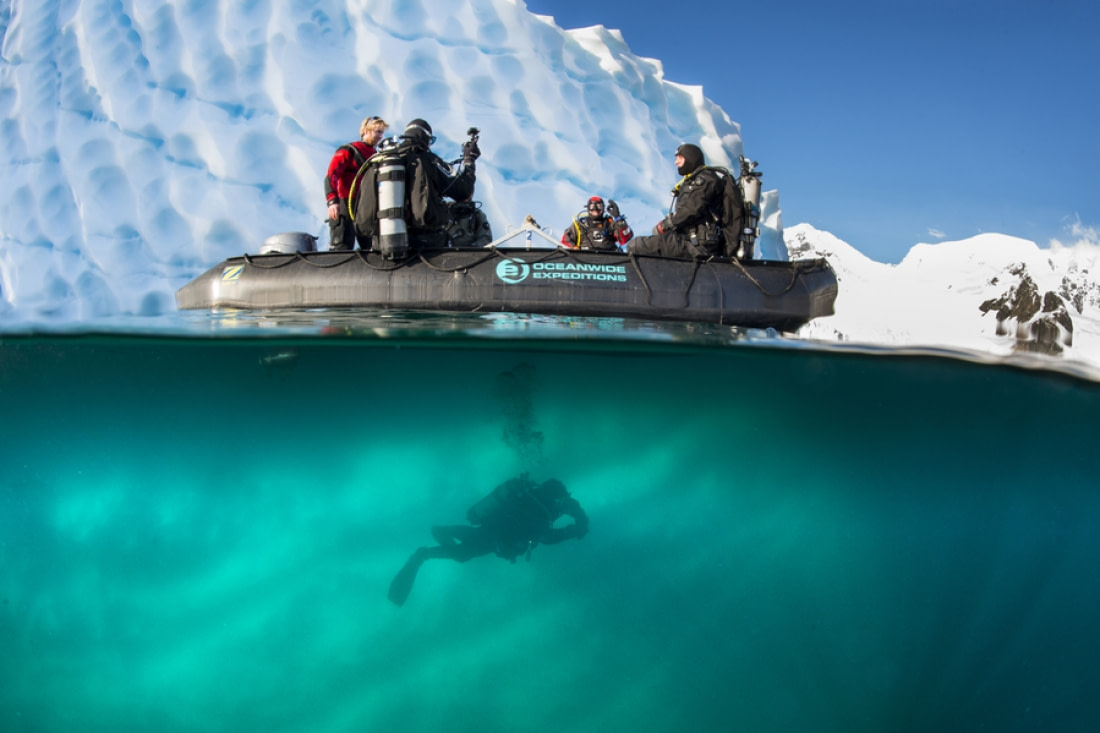
The Melchior Islands are excellent for both kayaking and scuba diving, with stunning landscapes and a variety of wildlife, including icebergs, leopard seals, crabeater seals, and whales.
3. Cruise and helicopter the spectacular Ross Sea
Traveling the Ross Sea offers some of Antarctica’s finest and least-visited attractions.
Pendleton Strait, if accessible, allows visits to the southern tip of Renaud Island, home to Adélie penguins and dazzling blue-white icebergs.
The Amundsen Sea features emperor penguins, seals on ice floes, orcas, minke whales, and different species of fulmarine petrels.
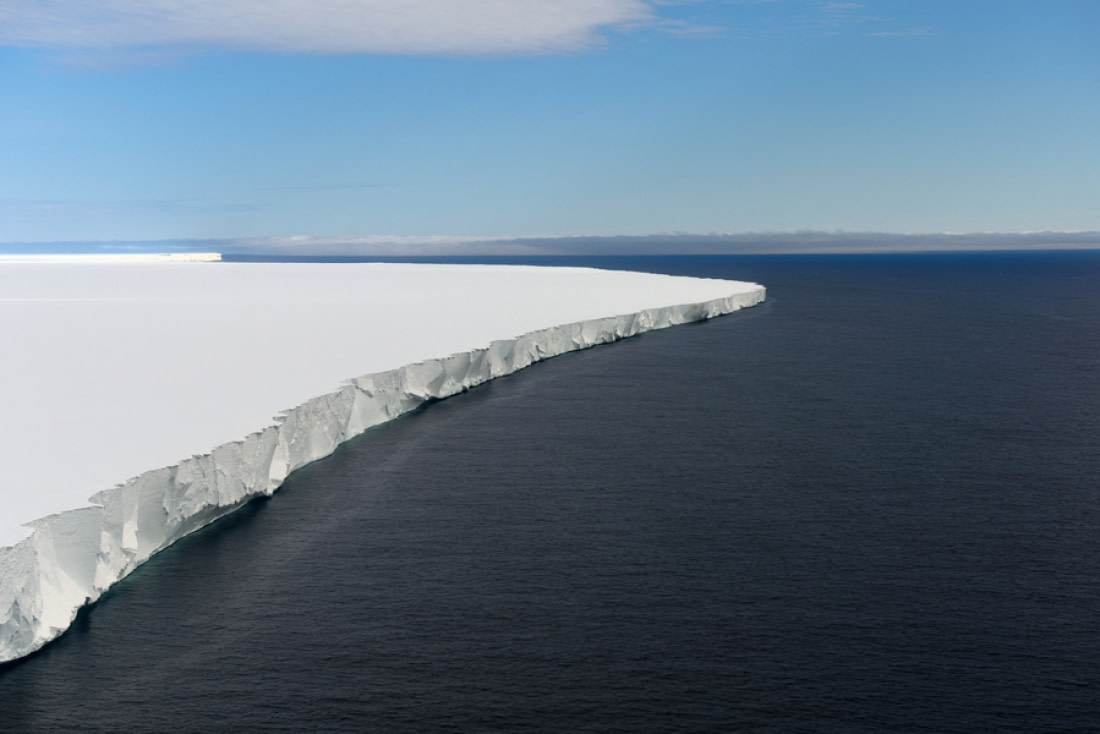
The Ross Ice Shelf is a highlight by itself.
The satellite islands around Campbell Island offer sights of albatrosses and penguins, including wandering, Campbell, grey-headed, black-browed, and light-mantled albatrosses, as well as eastern rockhopper, erect-crested, and yellow-eyed penguins.
Because the Ross Sea is often ice-filled and a large conservation area, expedition cruises there are infrequent. If you see a Ross Sea voyage available, book it quickly!
4. Whale-watch on a cruise
Whales are a major attraction in Antarctica.
Top whale-watching spots include Cuverville Island, Danco Island, Petermann Island, and Pléneau Island, which are also good for gentoo penguins, seals, and skuas.
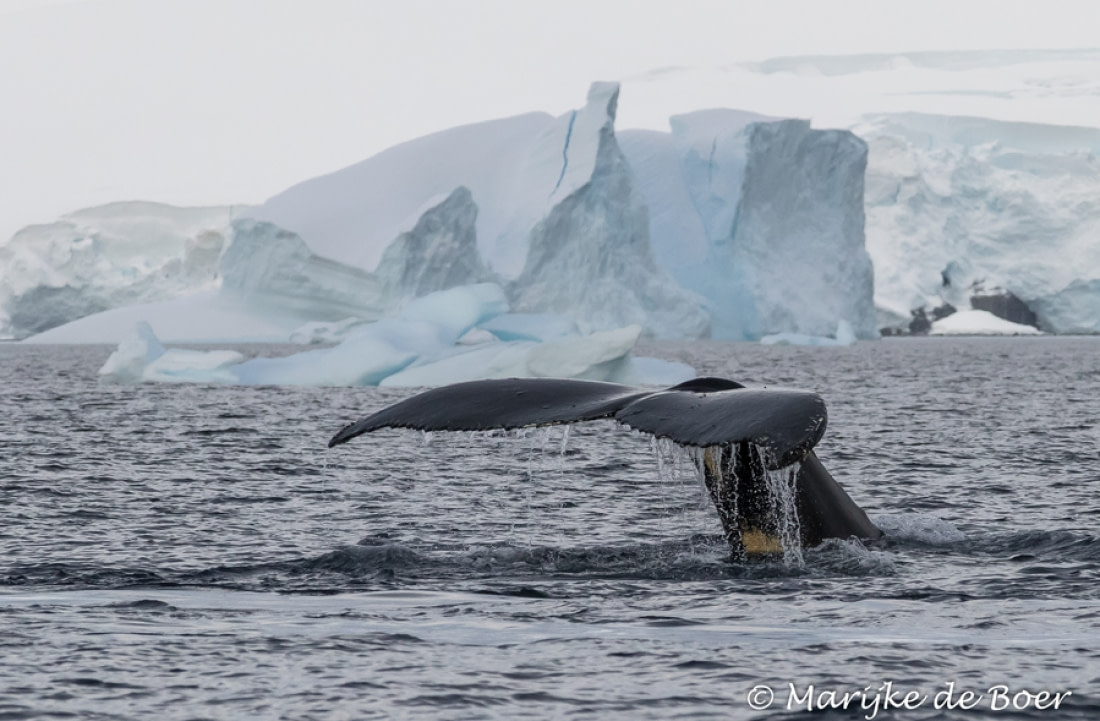
Neko Harbour and Paradise Harbour are iconic spots for humpbacks and minkes, along with massive glaciers.
Wilhelmina Bay offers humpback sightings and a Zodiac cruise to the wreck of the Guvernøren, a whaling vessel that caught fire in 1915. Around the Melchior Islands, you might encounter more whales, leopard seals, and crabeater seals.
5. Explore the Weddell Sea by cruise and helicopter
The Weddell Sea offers many prime Antarctic attractions and is often preferred for shorter trips (about 11 days).
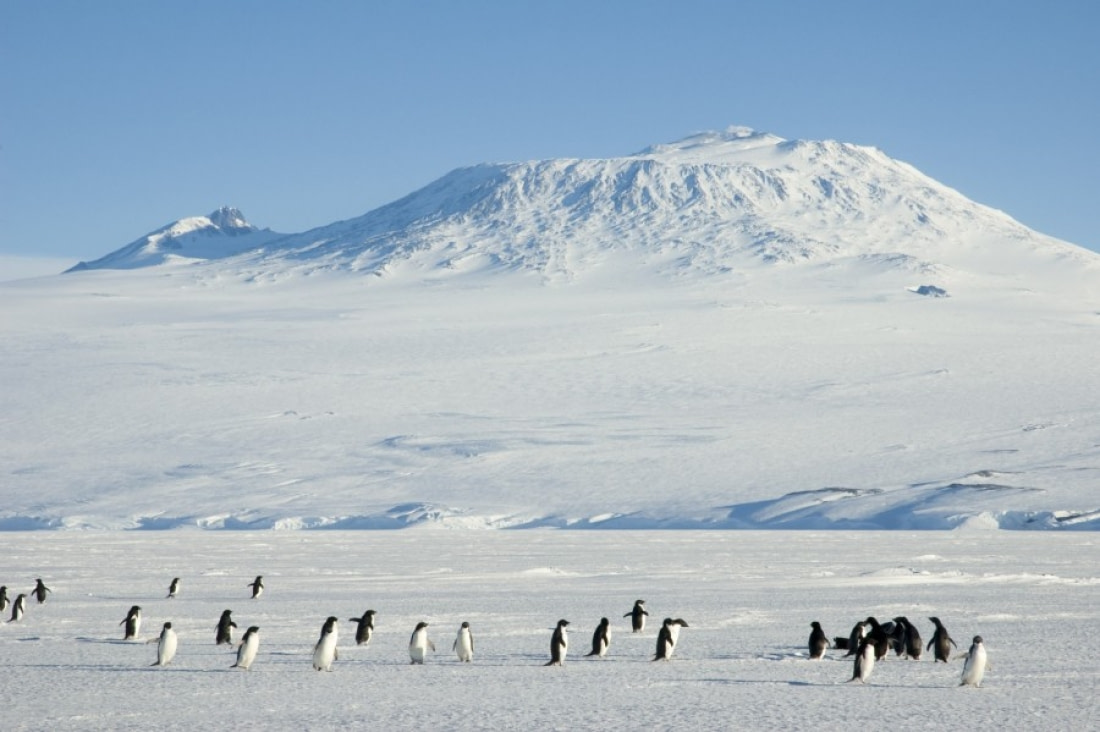
The west slopes of the Antarctic Sound, with their layered sandstones, lava flows, glaciers, and various wildlife, are ideal for helicopter flights.
Duse Bay offers helicopter flights that may land you on a rocky hillock near an old refuge hut with charming views.
Seymour Island is known for sedimentary rock, fossils, and vast Antarctic views.
You might also visit Devil Island, Brown Bluff, and Gourdin Island, home to large Adélie colonies and stunning scenery.
6. Camp under the Southern Hemisphere skies
Camping in Antarctica offers a true explorer experience. Paradise Bay, Port Lockroy, and Errera Channel are prime spots.
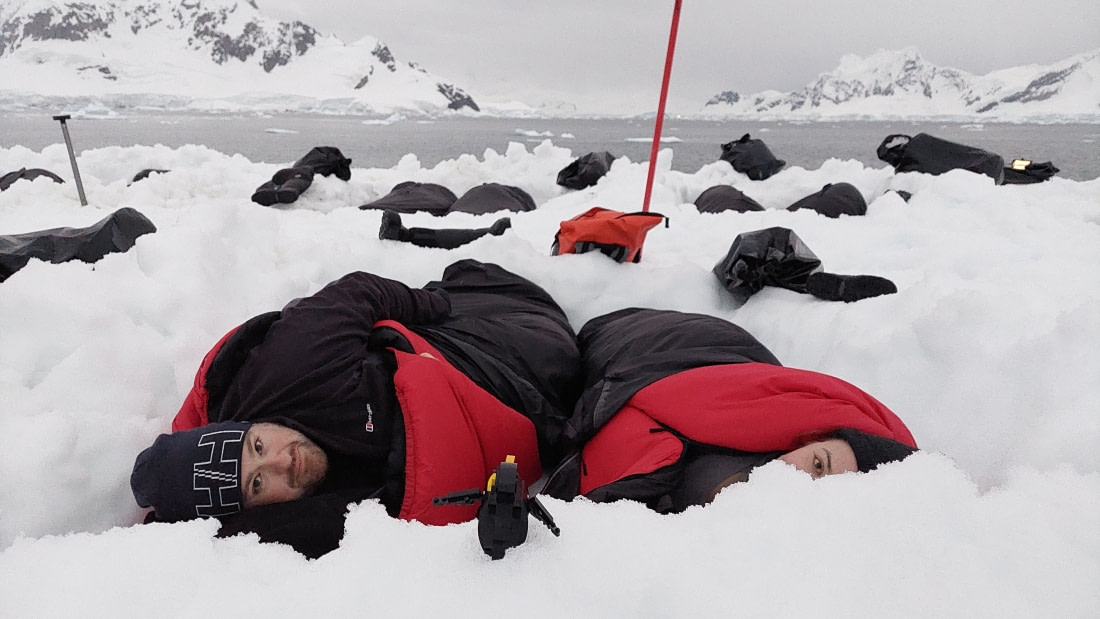
Paradise Bay is one of the most beautiful places in Antarctica, with glaciers, icebergs, and abundant wildlife.
Port Lockroy offers camping at Damoy Point in Dorian Bay, alongside the opportunity to mail a letter from the southernmost post office on Earth.
7. Mail a letter from Earth’s southernmost post office
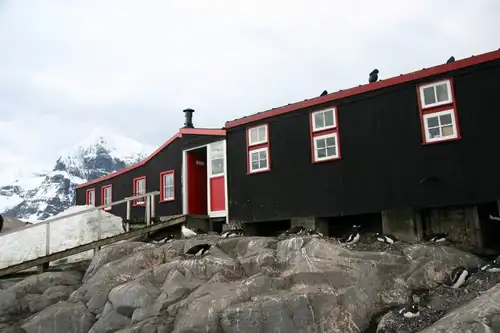
Port Lockroy, now known as the Penguin Post Office, is the southernmost mailing depot on Earth.
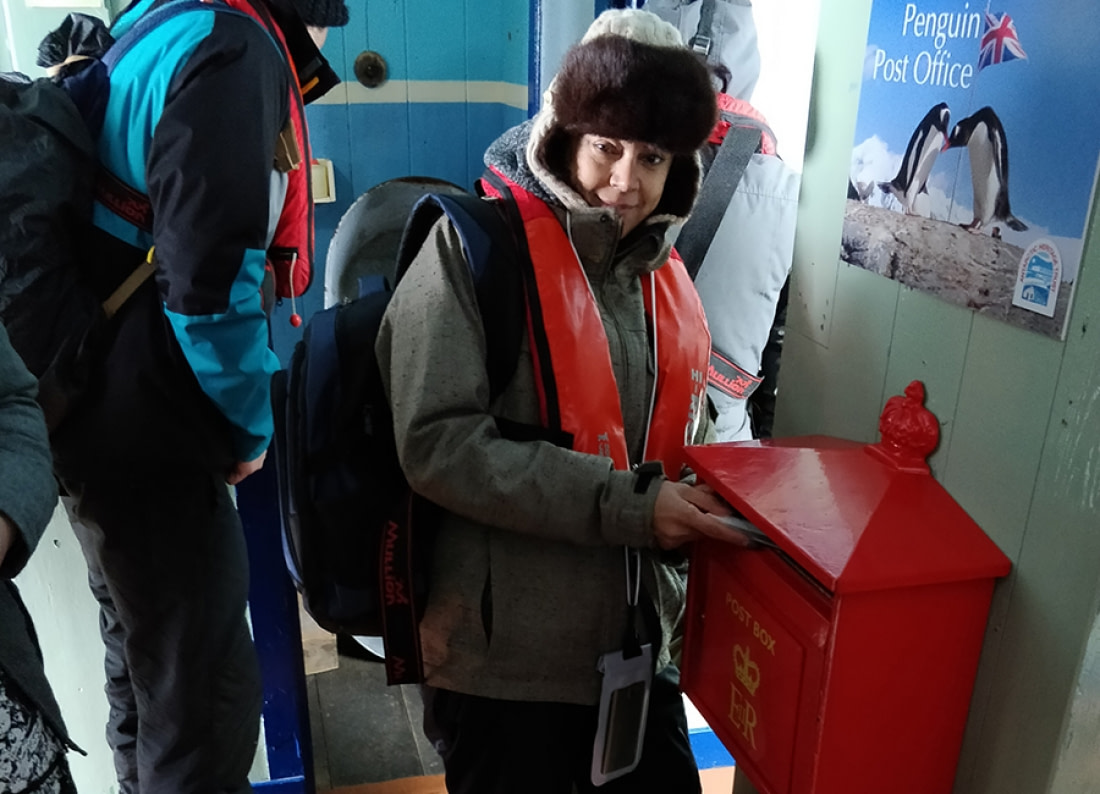
Write a letter to make your friends jealous the old-fashioned way, with paper and pen, while surrounded by curious gentoo penguins.
8. Go birdwatching in Antarctica
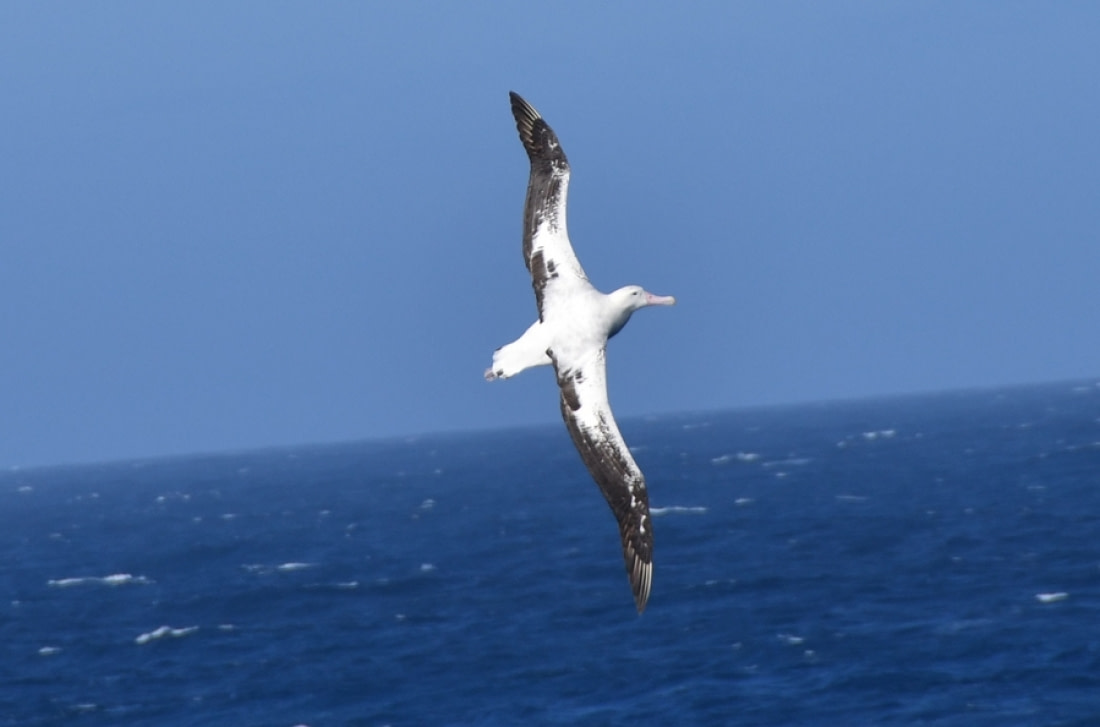
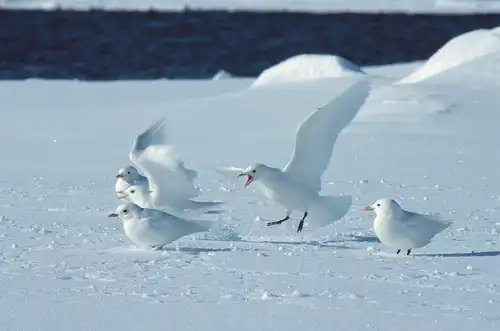
Birds are a major attraction in Antarctica, with numerous species to see, including albatrosses, gulls, terns, skuas, petrels, shearwaters, cormorants, and sheathbills.
Wandering albatrosses and Antarctic terns are particularly popular.
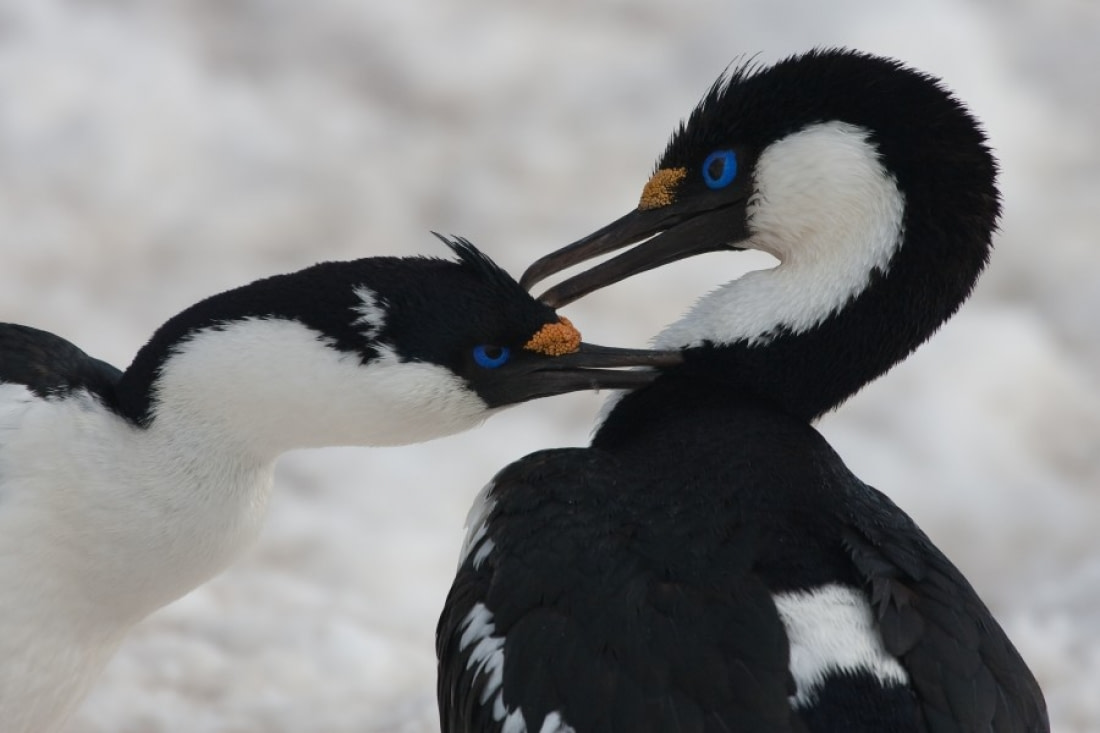
Antarctic shags are also noteworthy.
9. Experience the Antarctic Basecamp
The Basecamp cruise offers a range of activities: mountaineering, snowshoeing, kayaking, camping, and photography workshops.
Mountaineering options inland of Neumayer Channel and on Pléneau & Petermann Islands are popular.
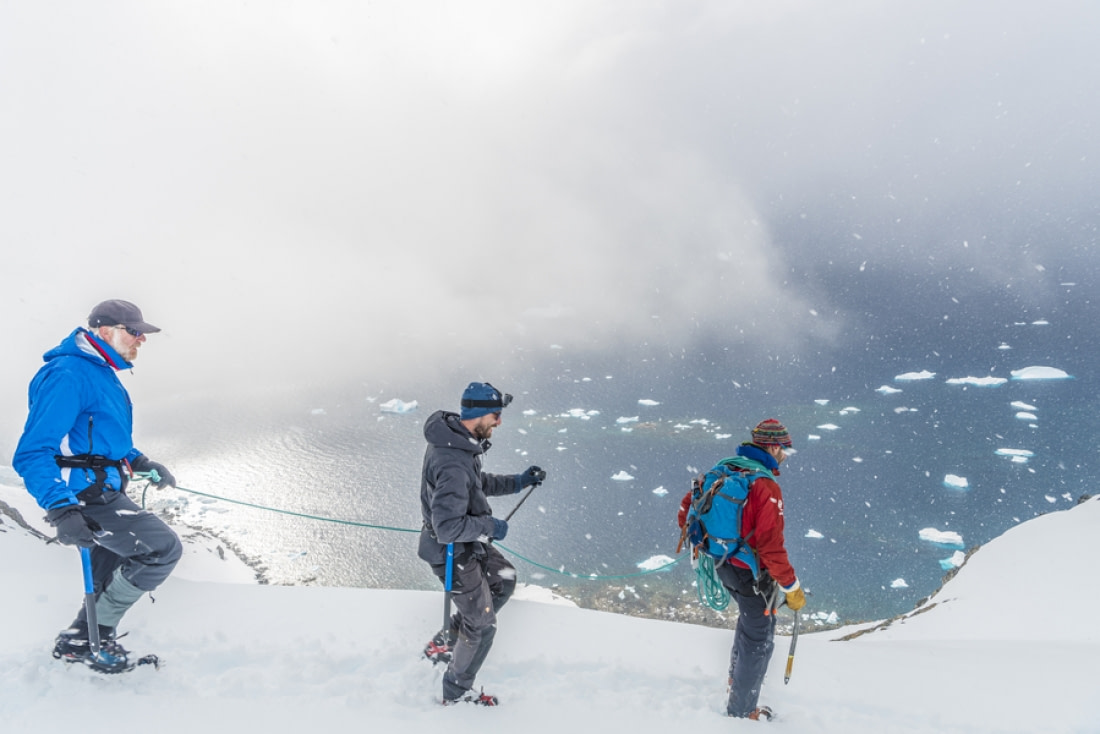
Snowshoeing along the Antarctic shoreline is another option.
Photo workshops are led by professional photographers.
And kayaking is also included.
Camping completes the Basecamp experience, making it an all-in-one Antarctic adventure.
10. Explore sub-Antarctic attractions
Sub-Antarctic islands like South Georgia and the Falklands are highly popular among polar travelers.
The islands northeast of the Antarctic Peninsula are great for sea life and birdwatching, especially the Falklands, which are rich with birds.
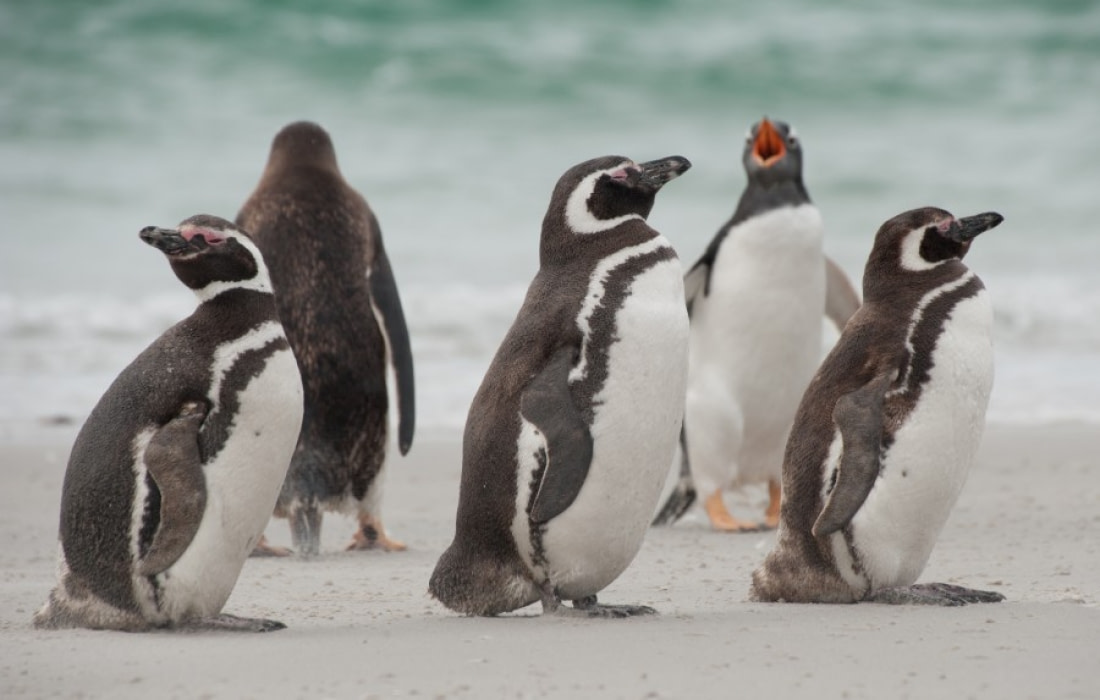
The Falklands have many designated Important Bird Areas, including the endemic striated caracara and Cobb’s wren.
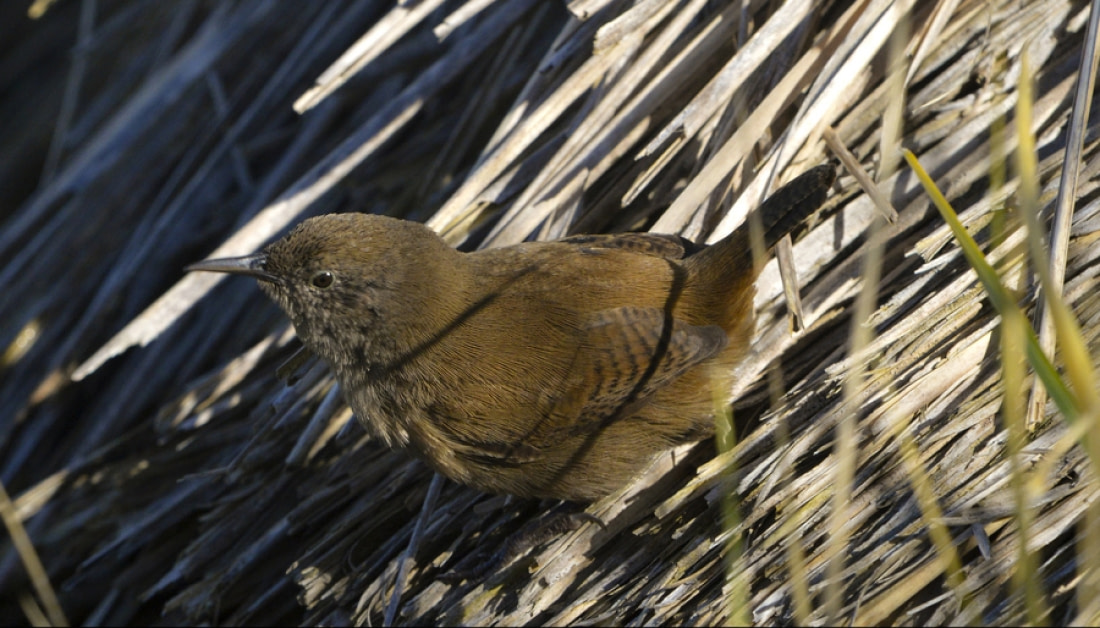
South Georgia is another picturesque archipelago with large penguin colonies and abundant wildlife.
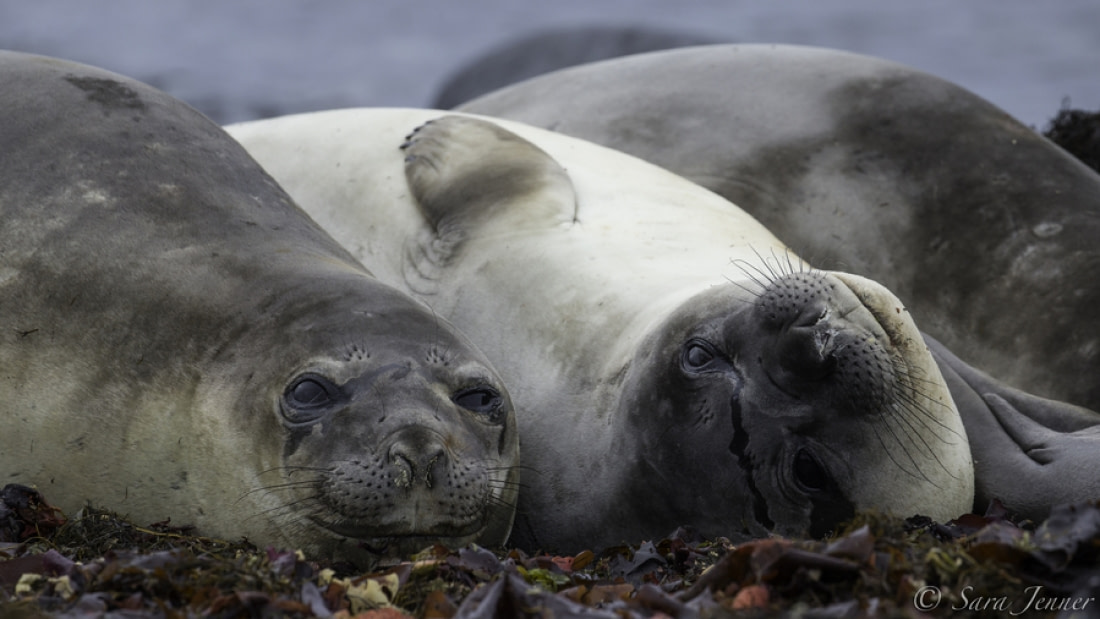
St. Andrews Bay, with the largest king penguin colony on Earth, is home to 150,000 breeding pairs, as well as fur seals and elephant seals.
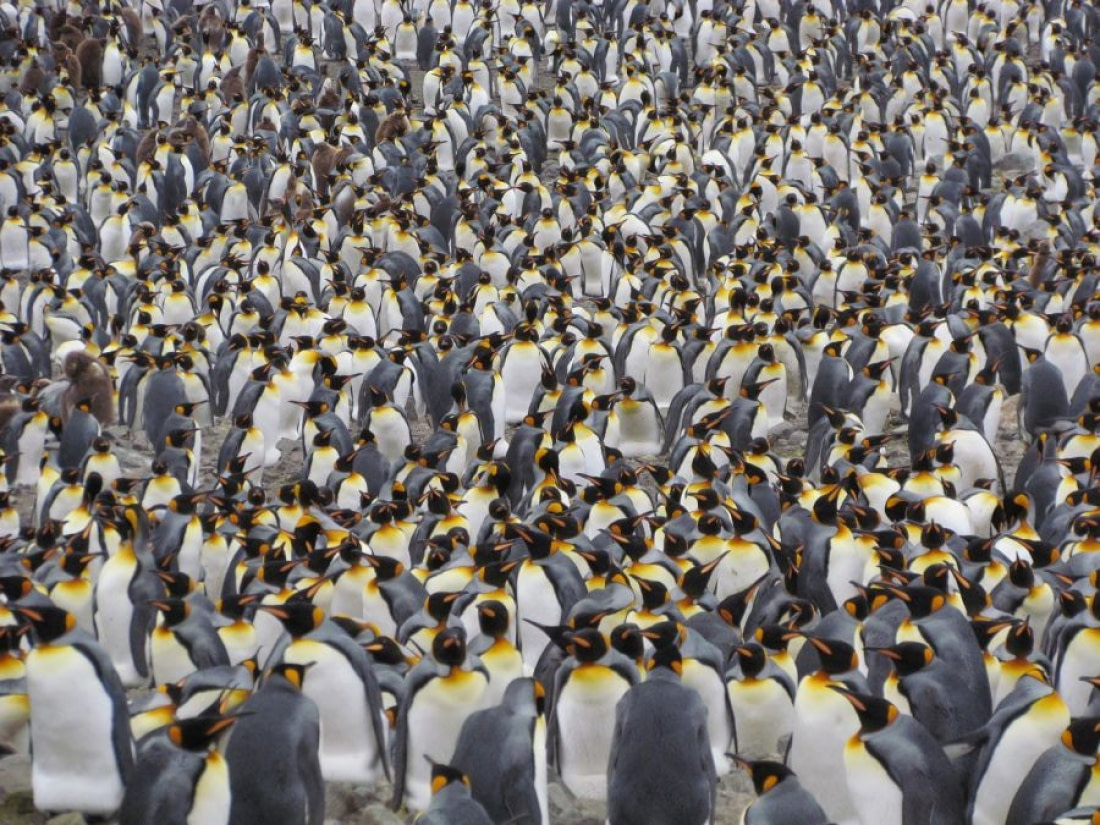
St. Andrews, Salisbury Plain, and Gold Harbour are the three largest king penguin colonies in South Georgia, also serving as major breeding beaches for southern elephant seals.


Blog


Earth vs. Mars: Polar Regions Compared
16 Conversation-Starting Svalbard Facts
Arctic Seals
Port Lockroy: History, Post Office, and Resident Penguins
Coming Back from the Brink: The Fur Seals of Antarctica
Circumnavigating Spitsbergen
Penguin Wisdom: Life Lessons from Our Favorite Flightless Birds
Imperial Antarctica: the Snow Hill Emperor Penguins
Where the Polar Bears Roam
Arctic Icon: 10 Facts about the Polar Bear
The Eight Great Penguin Species of Antarctica
Orcas of the Polar Seas
Top 10 Antarctic Attractions

Seizing the Season: Spitsbergen’s Late Spring, Early Summer
Inside the Svalbard Global Seed Vault
Penguins, Albatrosses, Petrels: The Winged Wildlife of South Georgia
The Enchanting Islands of Svalbard
The Dirty Details of Antarctica's Dry Valleys
Birds of the North: 29 Arctic Birds and Seabirds