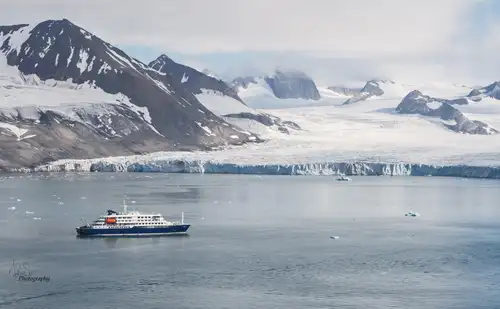

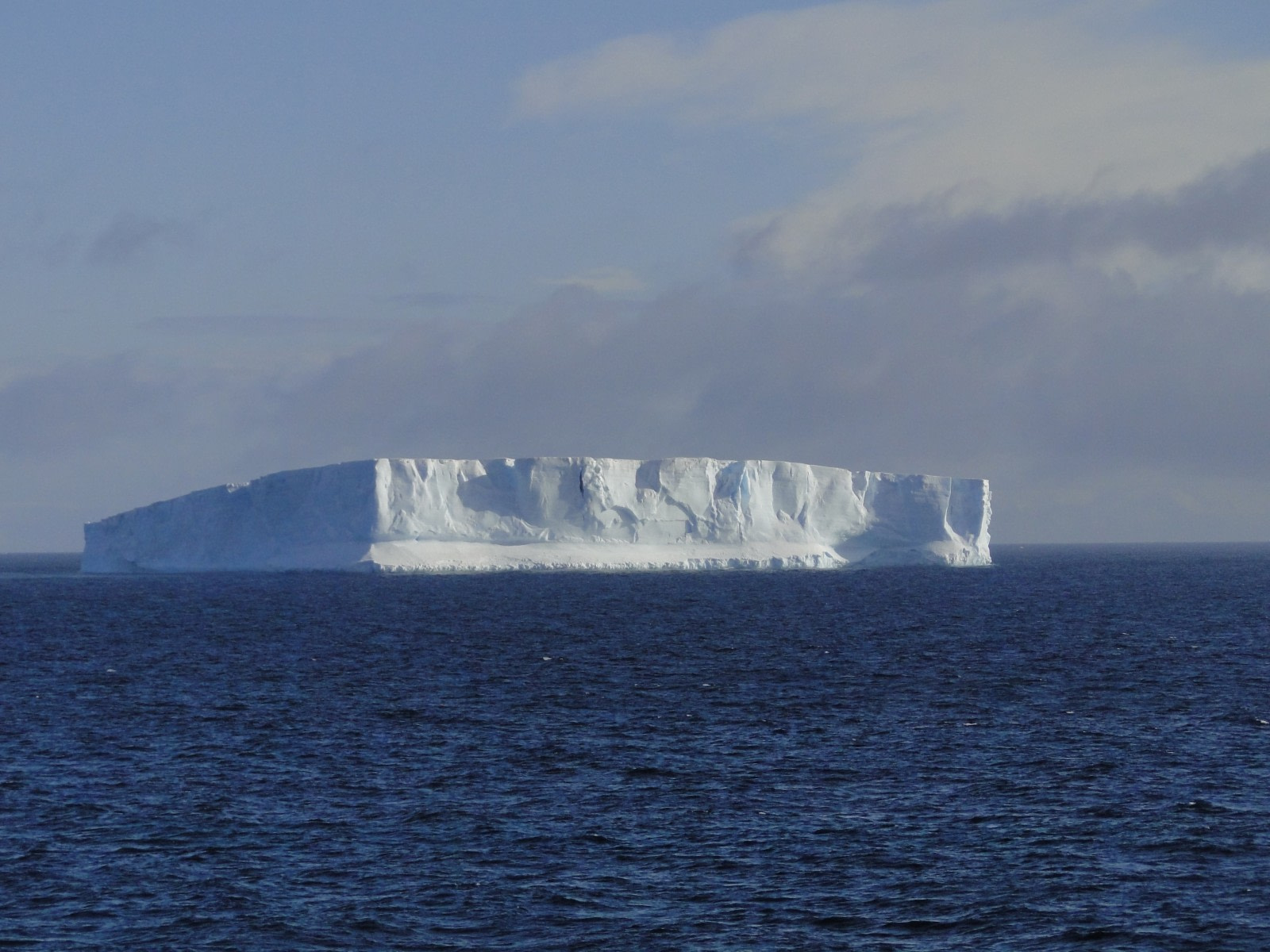
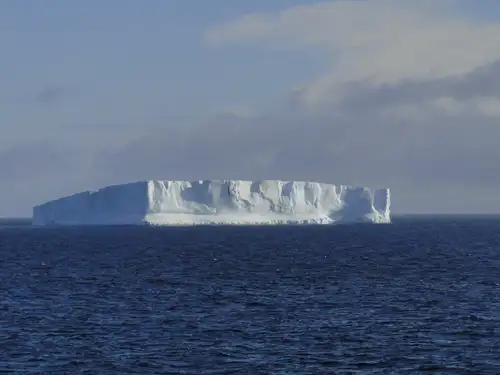
According to historian Thomas R. Henry, visiting the Weddell Sea requires a brave heart. In his 1950 book, "The White Continent," he described sudden “flash freezes” that occur in the region. It was one of these flash freezes that trapped Ernest Shackleton’s ship, Endurance, in January 1915, forcing his crew to endure over a year in the harsh environment before they could escape.
Test your taste for adventure
“The Weddell Sea is, according to the testimony of all who have sailed through its berg-filled waters, the most treacherous and dismal region on earth,” Henry wrote. He also mentioned myths about green-haired mermen inhabiting the area.
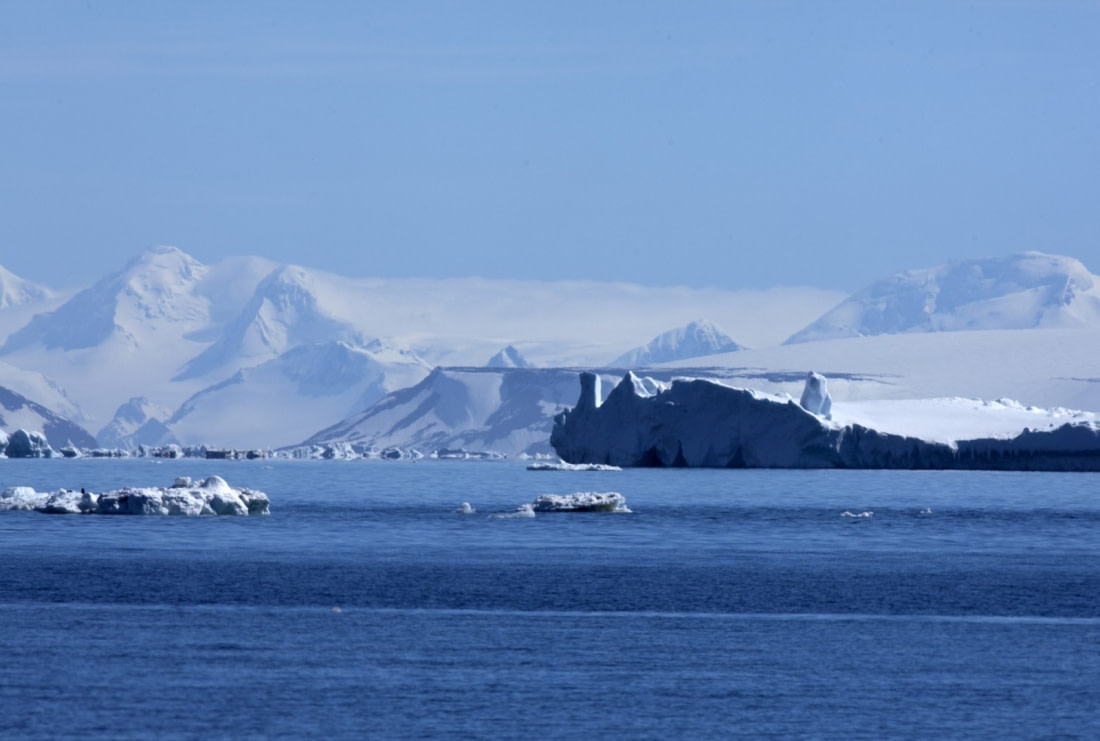
If you’re seeking adventure, a visit to the Weddell Sea is essential. But rest assured, a Shackleton-like near-death experience is not on the agenda. Modern ships are ice-strengthened and designed to avoid being trapped in sudden flash freezes, ensuring a safe return home.
Where myth and real life meet
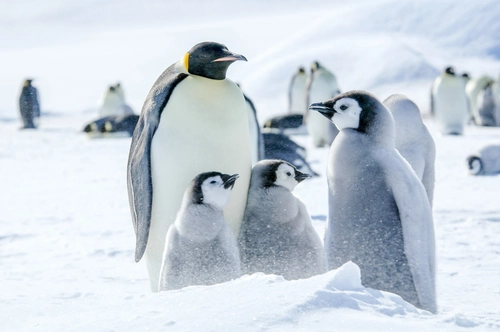
What about those green-haired mermen? While I didn’t encounter them during my Weddell Sea voyage, I did see some equally fascinating species, such as the Emperor penguins of Snowhill Island.
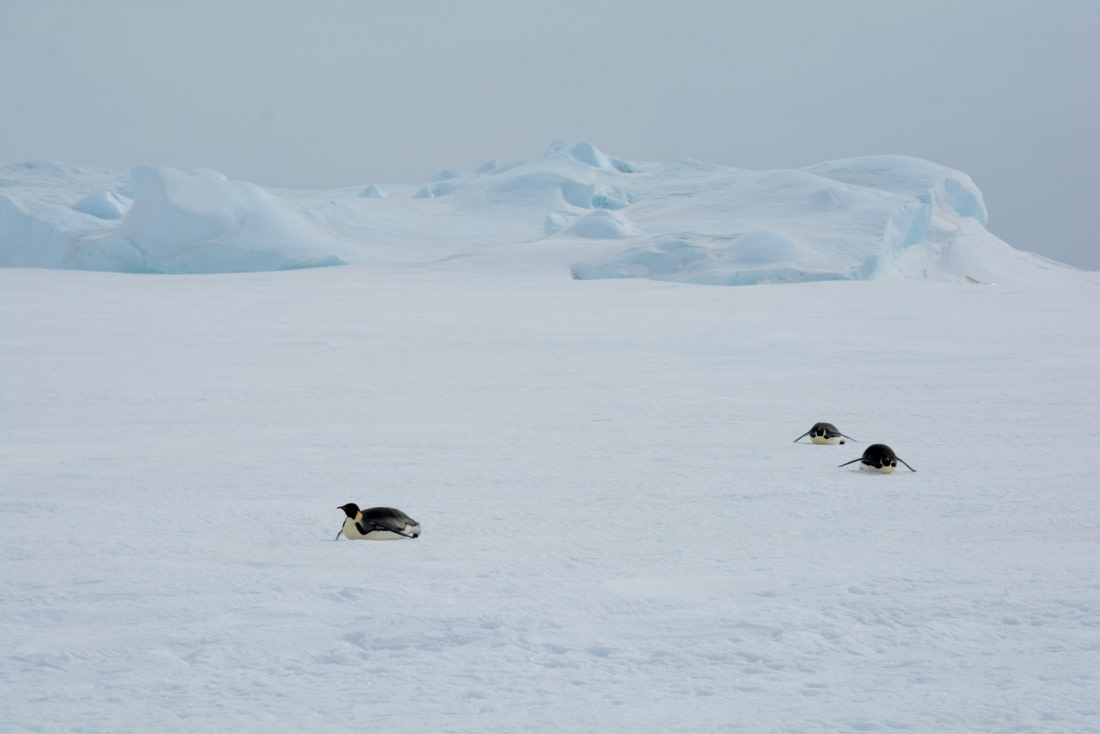
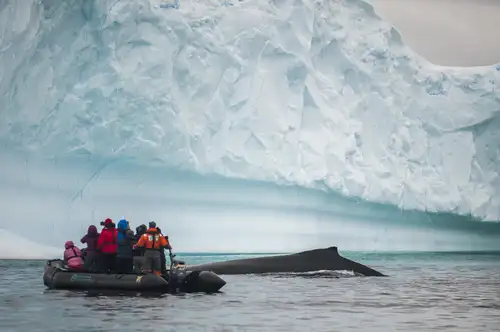
I also had close encounters with humpback whales, chinstrap penguins, and Weddell seals. One of the guides explained that these seals can dive up to 700 meters deep (almost 3,000 feet) and hold their breath for nearly 1.5 hours. They live further south than any other mammal.
An ecosystem entire unto itself
According to the World Wildlife Fund, the Antarctic Peninsula and Weddell Sea form the most diverse and productive Antarctic marine ecosystem. This is partly due to the large ice-free areas on the peninsula, which provide breeding grounds for numerous seabirds and seals.
Boundaries, borders, and Arctic Convergence
The Weddell Sea is part of the Southern Ocean, which includes the southern portions of the Pacific, Atlantic, and Indian Oceans, as well as their tributary seas surrounding Antarctica. Partly overlapping with the boundaries of the Southern Ocean is the Antarctic Convergence, a zone where cold north-flowing Antarctic waters meet relatively warmer Subantarctic waters. This mixing and upwelling create significant marine productivity, making the Convergence known for its high concentration of Antarctic krill, which attracts many other animals that feed on these shrimp-like creatures.
The Weddell Sea lesson in clarity
The Weddell Sea spans approximately 2,000 kilometers (1,243 miles) at its widest point and covers a total surface area of around 2.8 million square kilometers (1.08 million square miles). The southern part remains frozen year-round. In 1986, a group of Dutch scientists from the German Alfred Wegener Institute analyzed the water clarity and declared it the clearest of any sea in the world, with visibility reaching as deep as 79.86 meters (262 feet) below the surface. Distilled water has almost equal clarity.
The cold – but colorful – history of Weddell Sea
The Weddell Sea was named in 1900, though it was discovered earlier, in 1823, by British sailor James Weddell. He initially named the sea after King George IV, but it was renamed in his honor after his death.
In 1901, Swedish explorer Otto Nordenskiöld and his team experienced one of the Weddell Sea’s infamous flash freezes. When their ship was crushed in the ice, they had to spend a winter on Snow Hill Island. They then traveled on foot over the ice to Paulet Island, a volcanic island now home to a large colony of Adélie penguins, where they wintered in a wooden hut they built themselves.
Nordenskiöld and his crew were rescued by the Argentine navy vessel Uruguay, which is still on display in Buenos Aires. However, since Sweden also sent out a rescue team, Nordenskiöld returned home to find that he had to repay the Swedish government for the costly operation, leaving him in debt for the rest of his life.
As mentioned earlier, Shackleton had a similar experience in 1915. He turned out to be a gifted poet, as Jim Mayer described in his book, "Shackleton: A Life in Poetry." One of Shackleton’s most famous poems is "l'Envoi," which he wrote about his first Antarctic expedition, the Discovery Expedition of 1901–1904:
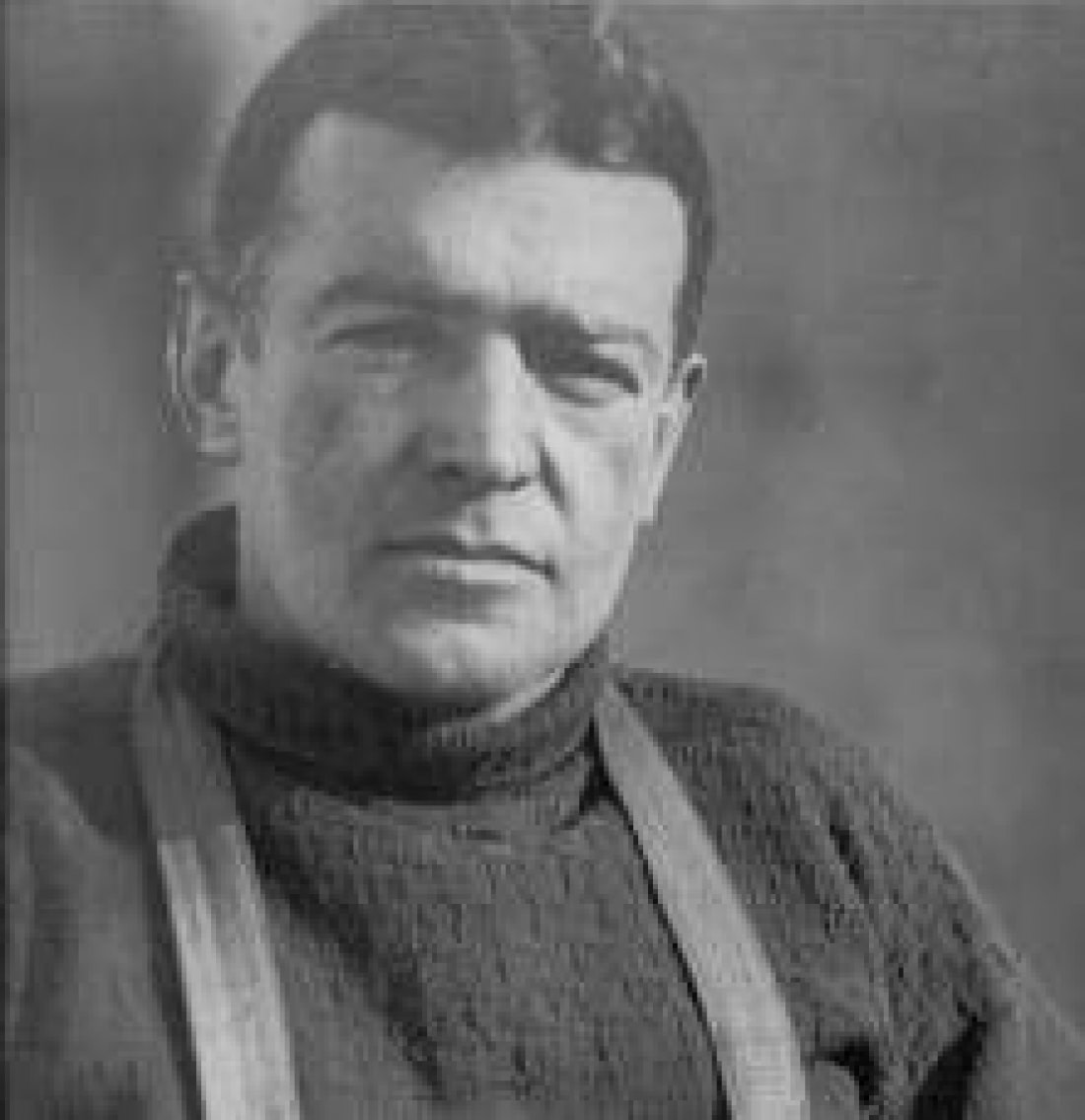
We shall dream of those months of sledging through soft and yielding snow; The chafe of the strap on the shoulder; the whine of the dogs as they go. Our rest in the tent after marching; our sleep in the biting cold; The Heavens now grey with the snow cloud, anon to be burnished gold; The threshing drift on the tent exposed to the blizzard's might; The wind-blown furrows and snow drifts; the crystal's play in the light…
During the same expedition, he also wrote another poem:
We leave our pleasant homelands, for the roaring south east winds, all words of love and friendship, for yearning hearts and minds, for clasps of loving fingers, dreams must alone
After being rescued from the Endurance Expedition in July 1916, Shackleton wrote a lesser-known poem in a visitor’s book in the Chilean village of Punta Arenas, reflecting on the journey in the Weddell Sea:
We were the fools who could not rest In the dull earth we left behind But burned with passion for the South And drank strange frenzy from its wind The world where wise men sit at ease Fades from our unregretful eyes And thus across unchartered seas We stagger on our enterprise
 22 Jan - 18 Feb 2026
 09 Mar - 23 Mar 2026
 17 Mar - 29 Mar 2026
 15 Nov - 25 Nov 2026
25 Nov - 05 Dec 2026
15 Nov - 25 Nov 2026
25 Nov - 05 Dec 2026
Related Trips
Remote Weddell Sea Explorer incl. South Georgia - South Sandwich Islands - Neuschwabenland - Larsen Ice Shelf - Paulet and Devil Island - Elephant Island, incl. helicopters
22 Jan 2026 - 18 Feb 2026  28 Days / 27 Nights
Antarctica - Elephant Island - Weddell Sea - Polar Circle - Aurora Australis / Southern Lights
09 Mar 2026 - 23 Mar 2026 15 Days / 14 Nights
Antarctica - Weddell Sea Explorer Basecamp - free polar activities (kayaking, hiking, photo workshop, snorkeling)
17 Mar 2026 - 29 Mar 2026 13 Days / 12 Nights
Weddell Sea – In search of the Emperor Penguin, incl. helicopters
15 Nov 2026 - 25 Nov 2026 11 Days / 10 Nights
Weddell Sea – In search of the Emperor Penguin, incl. helicopters
25 Nov 2026 - 05 Dec 2026 11 Days / 10 Nights

Weddell Sea - Basecamp
05 Dec 2026 - 17 Dec 2026 13 Days / 12 Nights
Weddell Sea – In search of the Emperor Penguin, incl. helicopters
05 Dec 2026 - 15 Dec 2026 11 Days / 10 Nights

Remote Weddell Sea Explorer - incl. helicopters
07 Feb 2027 - 06 Mar 2027 28 Days / 27 Nights

Antarctica - Weddell Sea Explorer
02 Mar 2027 - 12 Mar 2027 11 Days / 10 Nights
Antarctica - Elephant Island - Weddell Sea - Polar Circle
12 Mar 2027 - 26 Mar 2027 15 Days / 14 Nights

Blog


10 Illuminating Facts about the Northern Lights
Polar Bear Sets Impressive New Diving Record
Taking the Polar Plunge
Freshwater ecosystems in the Arctic
The Arctic’s Most Phenomenal Fjords
Everything you need to know about Antarctic icebergs

The Arctic Hare: Easter Bunny
8 Whales You Might See During Your Antarctica Cruise
Weddell Sea: the Original Antarctic Adventure
Arctic vs. Antarctica: A Traveler’s Guide
Eight Ultimate Antarctica Adventures
17 Reasons to Cruise the Falklands

Polar Cuisine in Pictures
Birds of the North: 29 Arctic Birds and Seabirds
Port Pastimes: 7 Fun Things to Do in Longyearbyen
North Norway, Northern Lights, and All the Pretty Whales
Deep Sea Dwellers: 10 Facts about The Antarctic Giant Isopod
A Day of Whale Watching in Antarctica
Life migrating through the Polar Front