Visiting The Nearly Unknown New Zealands Campbell Island - Nexta Expeditions
Visiting the Nearly Unknown: New Zealand’s Campbell Island

Visiting the Nearly Unknown: New Zealand’s Campbell Island

New Zealand is a renowned destination globally, and for good reason: It’s absolutely stunning. Almost every corner is filled with unparalleled beauty. But did you know that New Zealand includes several sub-Antarctic Islands that are almost completely unknown?

Background on a sub-Antarctic paradise

New Zealand is home to five sub-Antarctic island groups:

  • Campbell Islands (Motu Ihupuku)
  • Auckland Islands (Motu Maha)
  • Snares (Tini Heke)
  • Bounty Islands
  • Antipodes Islands.

The Campbell Islands are New Zealand’s southernmost island group. They comprise the main and largest island, Campbell Island, with Dent and Jacquemart islands being the next largest. Campbell Island was discovered on 4 January, 1810, by Frederick Hasselburgh, captain of the Perseverance, and declared a nature reserve in 1954.

The Campbell Island group is best known for its flora and fauna, much of which is endemic to Campbell Island and other sub-Antarctic Islands. Sheep (for farming) and rats (on accident) were introduced to the Campbell Islands long ago but have since been eradicated due to extensive efforts by New Zealand’s Department of Conservation.

In the following years, however, New Zealand has allowed the native flora and fauna to bounce back.
blog-image

Cruising to Campbell Island

Campbell Island is located nearly 700 kilometers (435 miles) south of Bluff, New Zealand, where 100 Antarctica cruise passengers (myself included) boarded m/v Ortelius for our spectacular Ross Sea adventure.

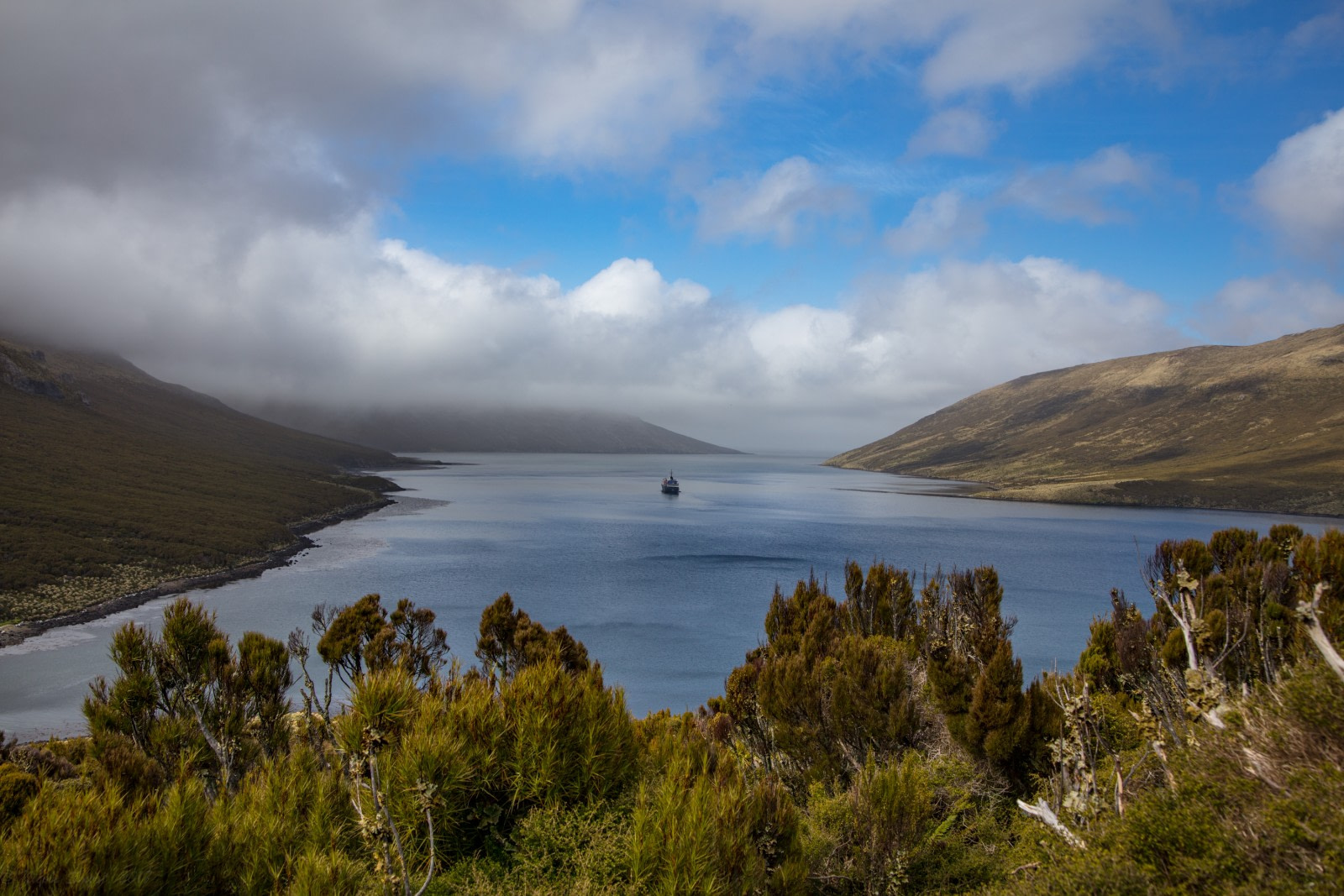
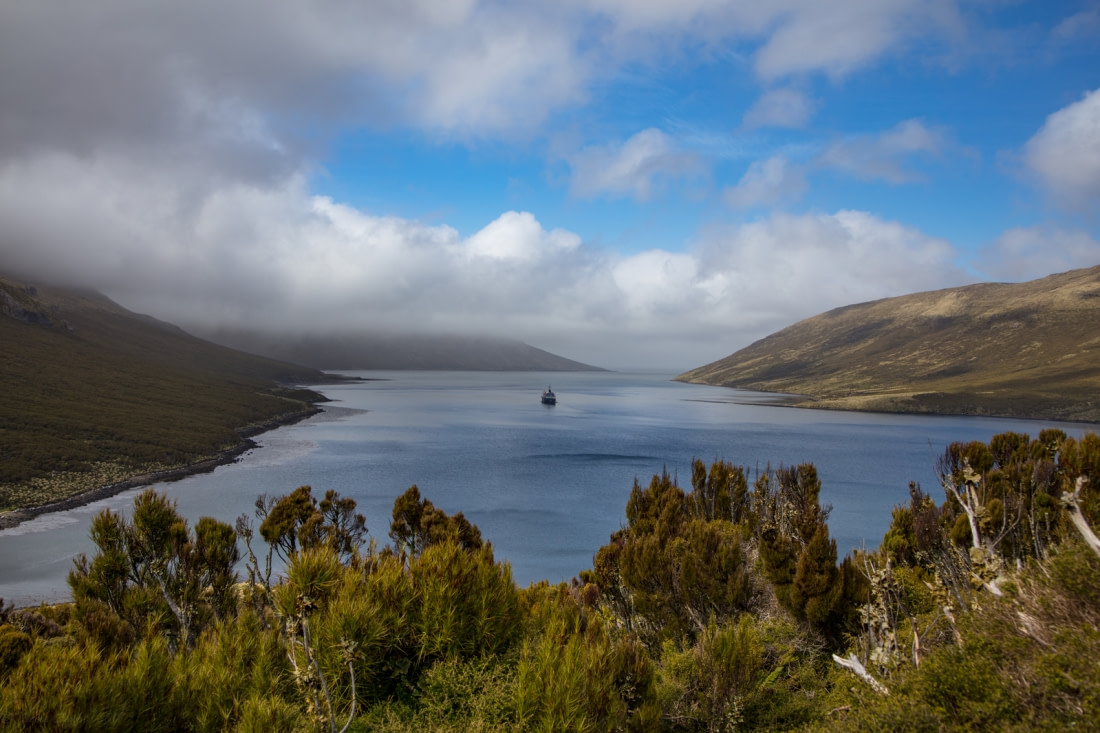
After almost 40 hours at sea, we arrived just offshore in Campbell Island’s Perseverance Harbor. It was here that we boarded Zodiacs for the first landing of our 32-day journey.
blog-image

Our first encounter: an erect-crested penguin

As we approached the greenest patch of land we would see for the next month, the sun began to break through the tight lock of cloud cover. The hills and tussock grasses of Campbell Island, which sees precipitation roughly 300 days out of the year, were bathed in golden light.

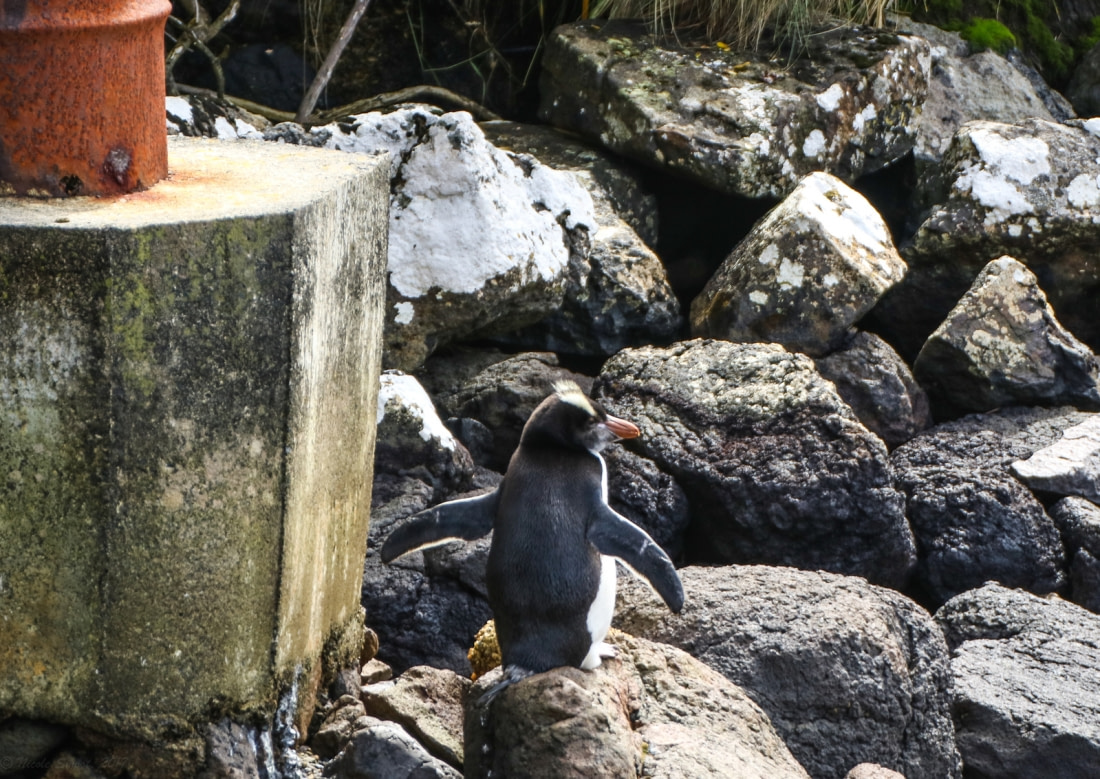
As soon as we stepped off the Zodiacs and onto the island itself, we came across an erect-crested penguin sunning himself on the rocky beach. Soon after that, as we continued along the waterfront to the boardwalk, we were greeted by Campbell Island shags and Campbell Island pipits.
blog-image

An island in the sun

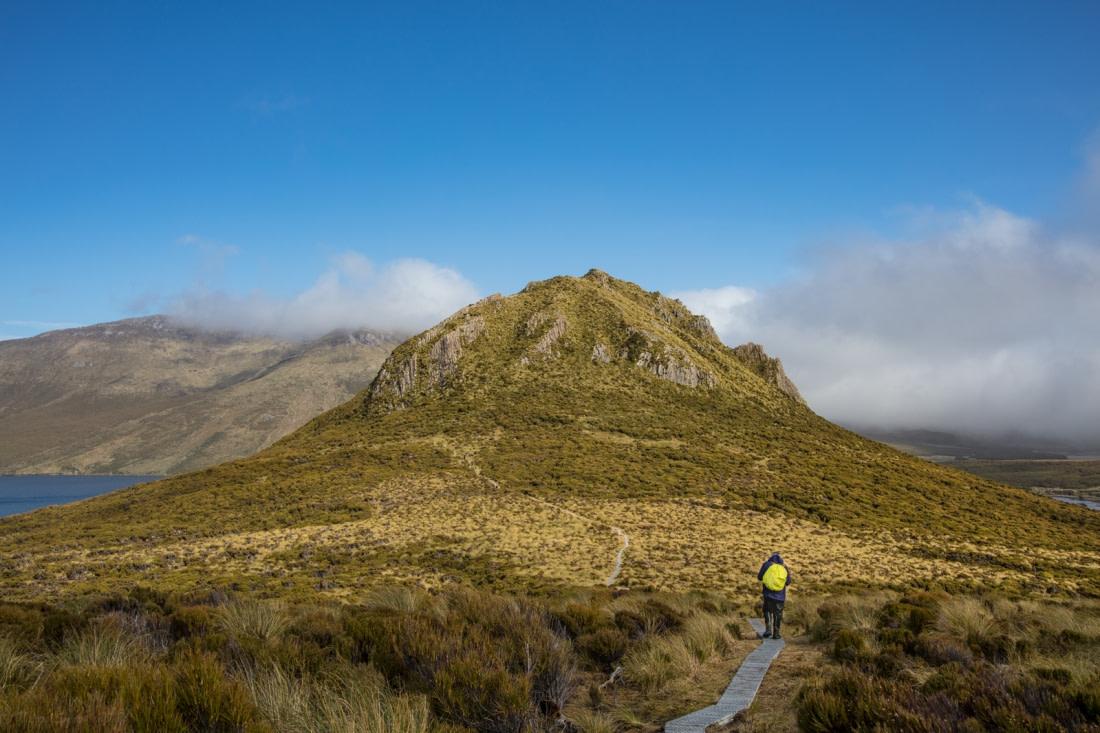
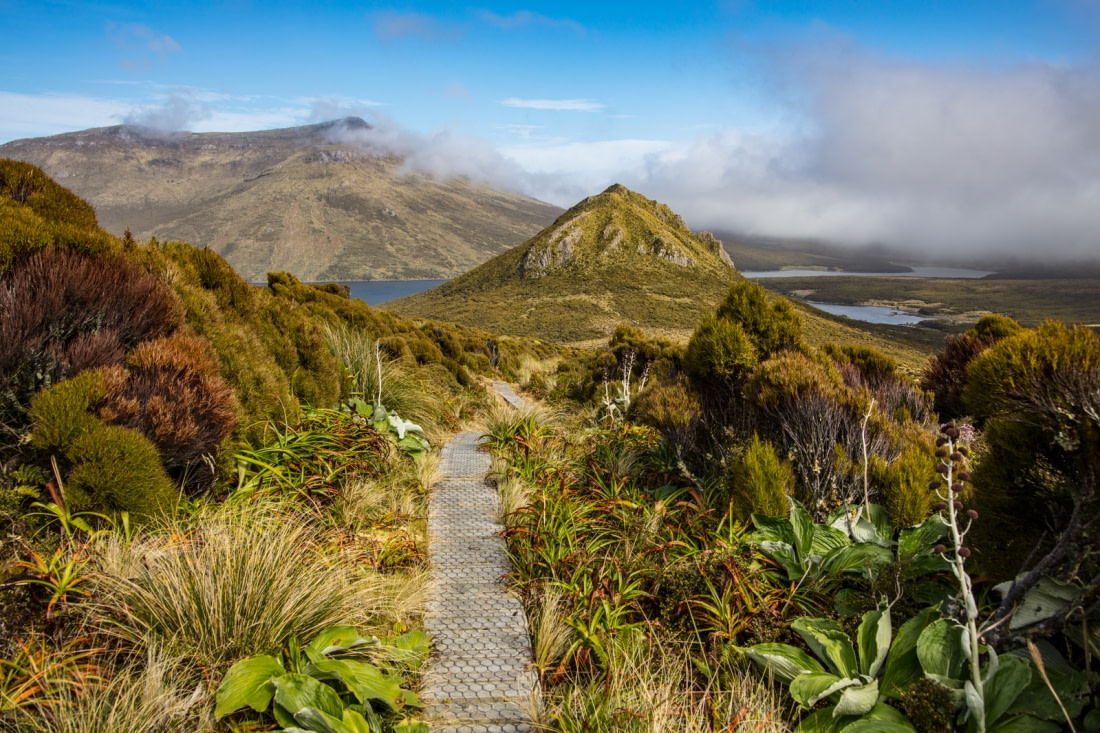
Continuing onto the boardwalk that skirts the edge of the picturesque Beeman Hill, the sun broke through even further. By this point, Campbell Island felt just like home (mine being Alaska) on a warm fall day.

The only difference was the unique megaherbs crowding the edges of the boardwalk. The strange Campbell Island daisy, Campbell Island carrot, and giant silver-leaf daisy nearly towered over me, making the landscape feel straight from the movie Avatar.
blog-image

Into the clouds we go

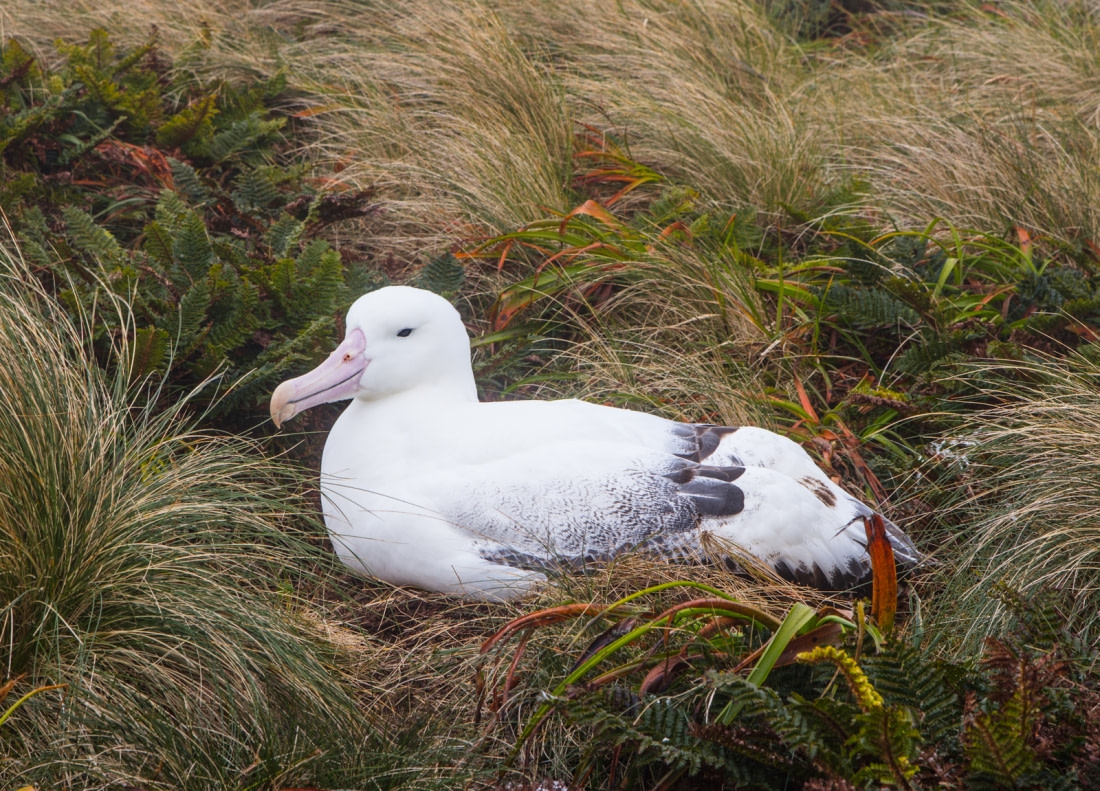
As we approached the 450-meter (1,475 feet) summit, the clouds formed a shroud over the small mountaintop. Soon the ocean, as well as Ortelius in Perseverance Harbor below, disappeared completely. Then out of the fog we saw the giant royal albatrosses emerge.

Avatar meets Jurassic Park

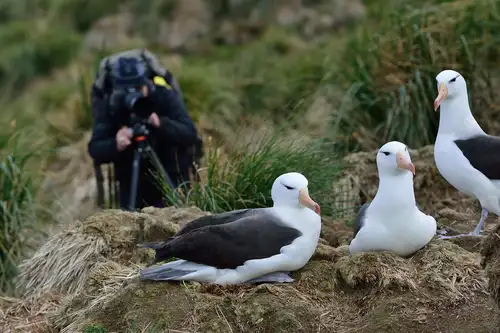
Never in my life had I stood next to birds that could nearly look me in the eye while standing up, birds that would make a great Dane blush. To top it all off, the albatrosses were nesting right off the boardwalk, some so close you needed to step off the other side of the path to make sure to give them enough room. Being shrouded in the mist at Campbell Island made for a more surreal experience with the birds.
blog-image

Back down to a clear, sunny day

The farther down we descended, the clearer our views got. I felt right at home with the inlet and green hillsides in sight, with all the contending sunshine and mist and rain.

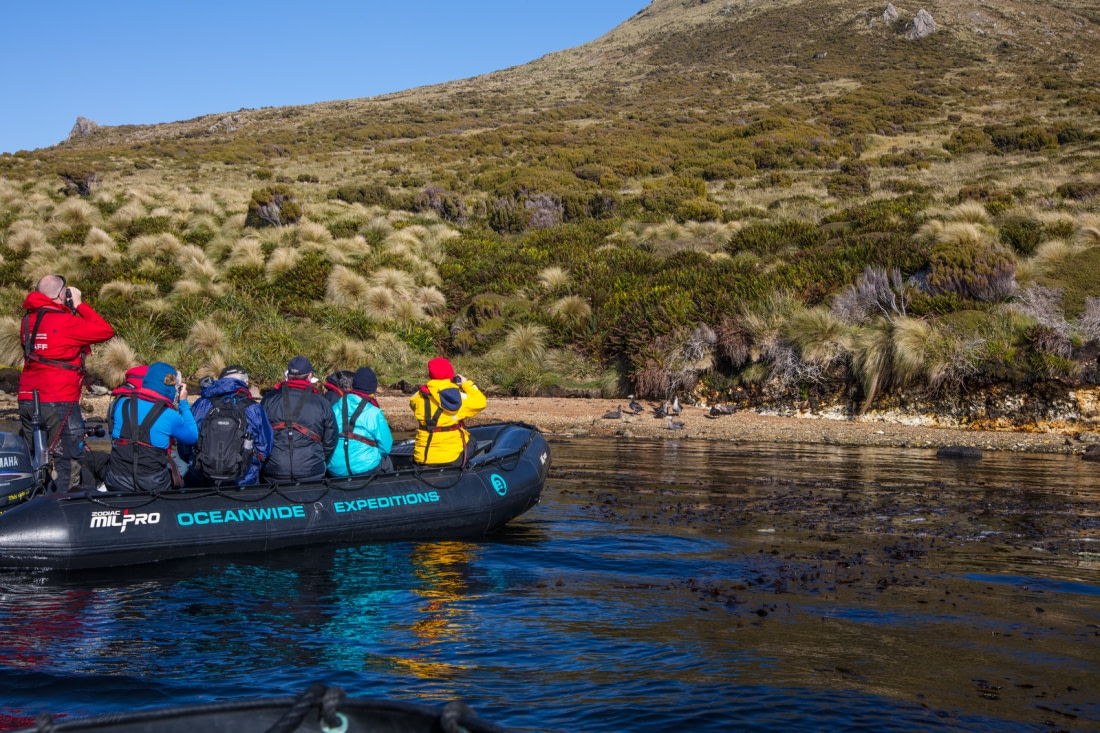
Zodiac cruising the Campbell Island coast

Being blessed with such nice weather, naturally we had to take advantage of it. We cruised the shores in search of skuas, Campbell Island shags, New Zealand sea lions, Campbell Island teals, and yellow-eyed penguins.
blog-image

Saying goodbye to green for over a month

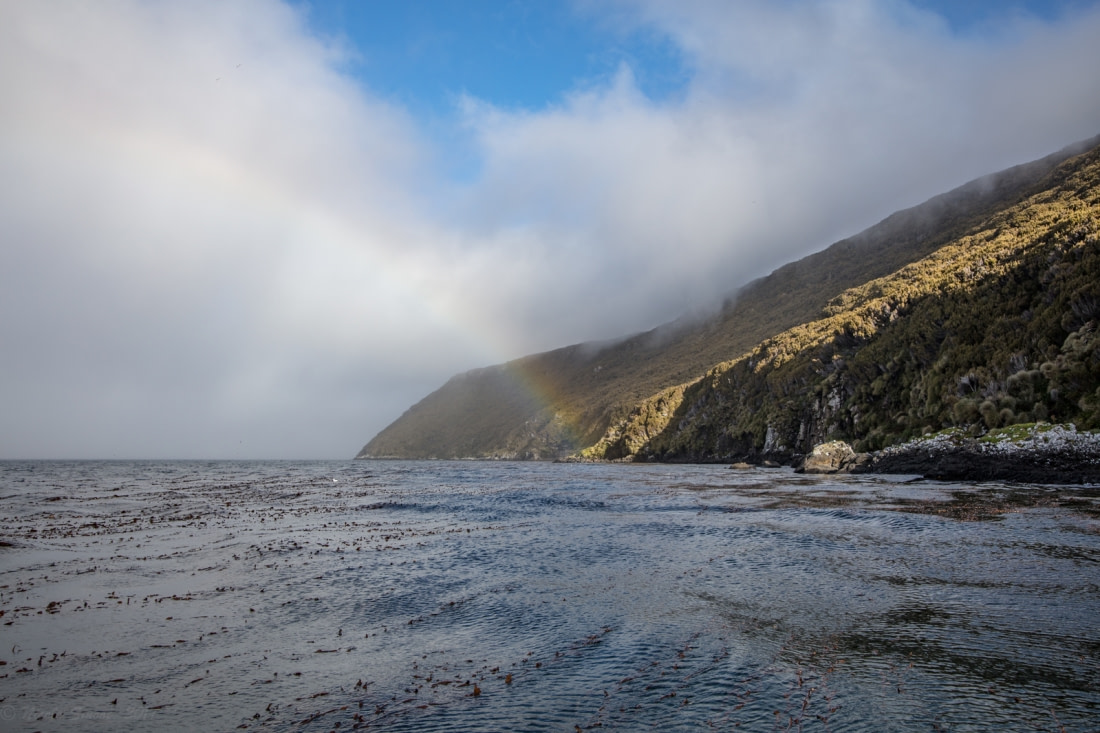
As we bobbed along the coast of Campbell Island and back to Ortelius, a rainbow emerged from the clouds. We headed back to our home away from home for the next month. Never had I heard of Campbell Island before I began researching this trip, but what a rewarding experience it was to set foot on so rarely visited a gem!

blog-image

Blog
go-leftgo-right

A Day of Basecamp in Antarctica – Paradise Harbour - Nexta Expeditions
Blog

A Day of Basecamp in Antarctica – Paradise Harbour

After an early morning gathering of our camping group, we reached the entrance to Lemaire Channel. The snow and mist around the mountain peaks created a captivating atmosphere as we began our journey to Paradise Bay. The channel was dotted with impressive icebergs, and we even spotted a few sleeping humpback whales, providing ample photo opportunities.
The Mysteries of the Beluga Whale - Nexta Expeditions
Blog

The Mysteries of the Beluga Whale

Beluga whales, also known as white whales, sea canaries, and sometimes melonheads, are a rare but cherished sight during Arctic cruises, thanks to their striking appearance. Despite the rarity of beluga sightings, a good amount is known about these friendly-faced cetaceans.
15 Falkland Islands Bird Photos - Nexta Expeditions
Blog

15 Falkland Islands Bird Photos

The remote sub-Antarctic archipelago of the Falkland Islands is a haven for bird enthusiasts, offering a unique and abundant selection of birds, especially seabirds.
Under the Greenland Ice Sheet - Nexta Expeditions
Blog

Under the Greenland Ice Sheet

Anyone who ventures to the right part of the globe can encounter vast amounts of ice, but a Greenland cruise offers something truly unique: ice sculptures hidden beneath the northern ice sheet. Scientists once thought these sculptures were rocky hills buried in ice, similar to the Ghost Mountains in Antarctica. However, it turns out that Mother Nature has crafted one of the most exclusive art exhibits in the world. These sculptures are not visible from the surface, but some scientists have managed to get a sneak peek using radar equipment.
Navigating by touch through the sea ice - Nexta Expeditions
Blog

Navigating by touch through the sea ice

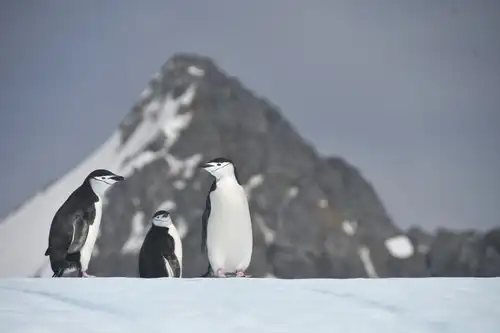
Ships are meant to glide effortlessly through calm waters, but our Greenland expedition vessel Ortelius is shuddering and wiggling as it navigates through the calm yet frozen waters between Svalbard and the islands. We’re on the North Atlantic Odyssey, a journey that starts in continental Europe and concludes near the North Pole in Svalbard. Onboard are 115 enthusiastic passengers. Most of them are currently on the outer decks, cameras in hand, captivated by the sea ice.
11 South Orkney Animals: Whales, Seabirds, and Penguins Aplenty - Nexta Expeditions
Blog

11 South Orkney Animals: Whales, Seabirds, and Penguins Aplenty

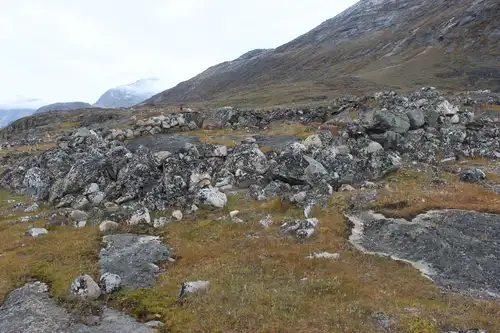
The South Orkney Islands are often overlooked as a destination for Antarctic travel.
The Norse Settlement of Greenland - Nexta Expeditions
Blog

The Norse Settlement of Greenland

Erik the Red is a significant and vibrant figure in the history of the Norse Vikings. His story is primarily documented in the Icelandic Sagas Huaksbók (14th Century) and Skalhóltsbók (15th Century). These accounts offer slightly different versions of events that occurred 3-400 years earlier. The original saga of Erik the Red is believed to have been written around 1200 A.D., with the Skalhóltsbók version considered closest to the original. Additionally, Flateyjarbók (13th Century), which includes the Saga of the Greenlanders, is a crucial source for understanding the settlement of Greenland and the discovery of Vinland – North America.
The Secret Life of Glaciers: How They Form, Move, and Melt - Nexta Expeditions
Blog

The Secret Life of Glaciers: How They Form, Move, and Melt

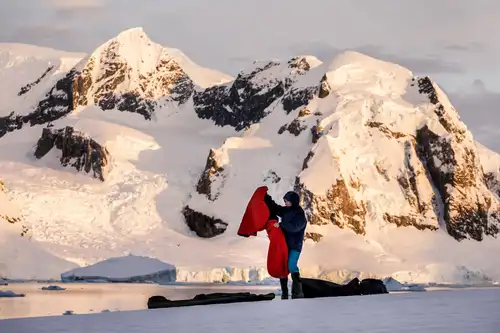
One of the most awe-inspiring natural wonders you can witness on an Arctic or Antarctic expedition is glaciers. These immense ice formations have been gradually moving from the mountains to the oceans for countless years, acting as both time capsules and indicators of our rapidly changing environment.
Camping in Antarctica: a True Expedition Experience - Nexta Expeditions
Blog

Camping in Antarctica: a True Expedition Experience

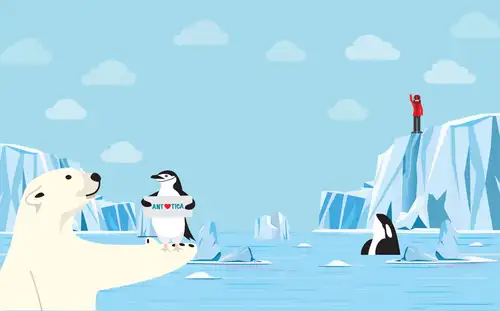
We often think of camping as a summer activity, filled with warm nights, campfire dinners, and serene mountain lakes. However, there's a whole other world of camping to explore.
Arctic vs. Antarctica: A Traveler’s Guide - Nexta Expeditions
Blog

Arctic vs. Antarctica: A Traveler’s Guide

Sunrises vs. sunsets, coffee vs. tea, Wonder Woman vs. Superman...
Antarctica’s first Marine Protected Area - Nexta Expeditions
Blog

Antarctica’s first Marine Protected Area

In October of this year, the Commission for the Conservation of Antarctic Marine Living Resources, which includes 24 countries such as the United States, the European Union, Australia, and New Zealand, reached a consensus on a New Zealand/United States proposal to establish a large-scale Marine Protected Area (MPA) in the Ross Sea region.
Antarctica: When to Visit, How to Plan, What to Expect - Nexta Expeditions
Blog

Antarctica: When to Visit, How to Plan, What to Expect

Antarctica is an astonishing location loved in equal measure by ice enthusiasts and continent hoppers, but it also asks a lot in return for its prestigious polar status.
Port Pastimes: 7 Fun Things to Do in Longyearbyen - Nexta Expeditions
Blog

Port Pastimes: 7 Fun Things to Do in Longyearbyen

Waiting in port for an Arctic expedition cruise to begin might seem a little like waiting for water to boil or coffee to brew or a Seinfeld reunion to materialize: Time seems to defy its own laws, life slows to a crawl, and you begin to wonder if it’s really going to be worth it.
Five Birds You Might See on Your Greenland Cruise - Nexta Expeditions
Blog

Five Birds You Might See on Your Greenland Cruise

A Greenland expedition cruise offers birdwatchers a unique opportunity to capture stunning avian photographs. With over 230 bird species, Greenland boasts both spectacular landscapes and diverse winged wildlife.
Birds of the South: 33 Antarctic Birds and Seabirds - Nexta Expeditions
Blog

Birds of the South: 33 Antarctic Birds and Seabirds

Of the many compelling reasons people travel to Antarctica and the sub-Antarctic, bird life is among the most beloved.
Antarctic krill: Antarctica's Superfood - Nexta Expeditions
Blog

Antarctic krill: Antarctica's Superfood

The size of a paper clip, pink, krill is a shrimp-like crustacean that does not look like much. Without them, though, the Earth's marine ecosystems would collapse completely.
10 Popular Bird Watching Binoculars - Nexta Expeditions
Blog

10 Popular Bird Watching Binoculars

Binoculars are a staple for outdoor enthusiasts, often packed with minimal thought alongside essentials like bug spray, sunblock, and waterproof matches. However, for certain groups, binoculars are indispensable, particularly for bird watchers. If you're part of this technical hobbyist community, here are 10 birding binoculars you should know about.
Polar Cruises: The Ultimate Icebreaker - Nexta Expeditions
Blog

Polar Cruises: The Ultimate Icebreaker

Travel is one of life’s great eye openers. It brings you into contact with new people and perspectives, challenges old assumptions you haven’t held to the light in years, and invites you to make unexpected discoveries about the world around you – and most of all, yourself. Added to which, you get to visit places you never knew you loved until you saw them.
The bio-richness of the Ross Sea - Nexta Expeditions
Blog

The bio-richness of the Ross Sea

The Ross Sea is one of the most stunning and untouched marine areas globally. This sea, which remains frozen for most of the year, spans 3.6 million square kilometers (1.4 million square miles) along the Antarctic coast south of New Zealand. Its waters harbor a biologically diverse ecosystem of species that have flourished, unchanged, for millennia.
Bouvet Island: The Most Remote Island in the World - Nexta Expeditions
Blog

Bouvet Island: The Most Remote Island in the World

On January 1, 1739, French Commander Jean-Baptiste Charles Bouvet de Lozier made an extraordinary discovery: a volcanic island so remote that it lies 2,600 km (1,600 miles) from the nearest inhabited land.