
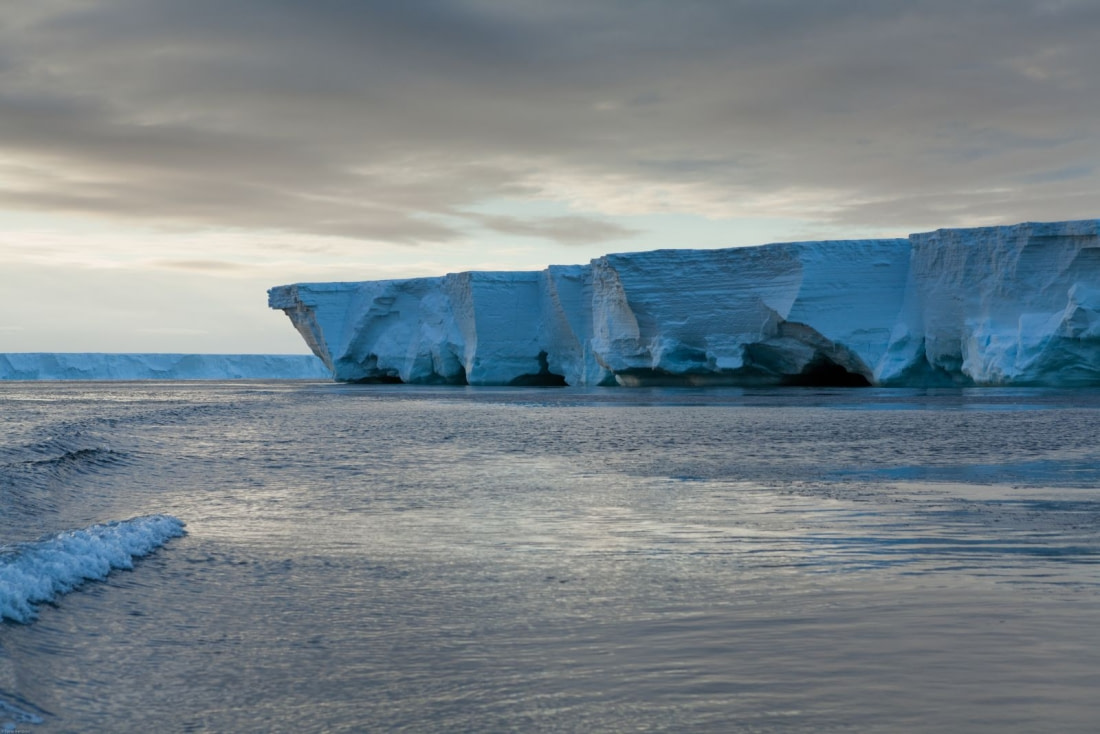
In October of this year, the Commission for the Conservation of Antarctic Marine Living Resources, which includes 24 countries such as the United States, the European Union, Australia, and New Zealand, reached a consensus on a New Zealand/United States proposal to establish a large-scale Marine Protected Area (MPA) in the Ross Sea region.
The Agreement will come into effect on December 1, 2017, covering an area of 1.55 million square kilometers, of which 1.12 million square kilometers – 72% – is fully protected (no fishing allowed). This will be the world’s largest MPA.
Commission for the Conservation of Antarctic Marine Living Resources
The Commission was established in 1982 with the goal of conserving Antarctic marine life. This was in response to growing commercial fishery interests in Antarctic krill, a key component of the Antarctic ecosystem. The Commission's primary principle is to practice an ecosystem approach to managing living resources in Antarctica by ensuring sustainable harvesting and considering the effects of fishing on other ecosystem components.
A key component of the Commission is its Scientific Committee, which provides the best available scientific information on harvesting levels and other relevant management issues. The Commission is obligated to fully consider the recommendations and advice of the Scientific Committee in its decisions. Additionally, the Commission has established various programs to collect data required to effectively manage the Southern Ocean, including fisheries monitoring, scientific observers on fishing vessels, ecosystem monitoring, and a marine debris program. The Scientific Committee has also established several working groups that meet throughout the year to assist in formulating scientific advice on key areas.
Regarding the management of commercial harvesting in Antarctica, the Commission established the CCAMLR Ecosystem Monitoring Program. This program has two aims:
- To detect and record significant changes in critical components of the marine ecosystem, which serves as the basis for the conservation of Antarctic marine living resources;
- To distinguish between changes due to the harvesting of commercial species and changes due to environmental variability, both physical and biological.
The Ross Sea’s MPA Preserving Biodiversity
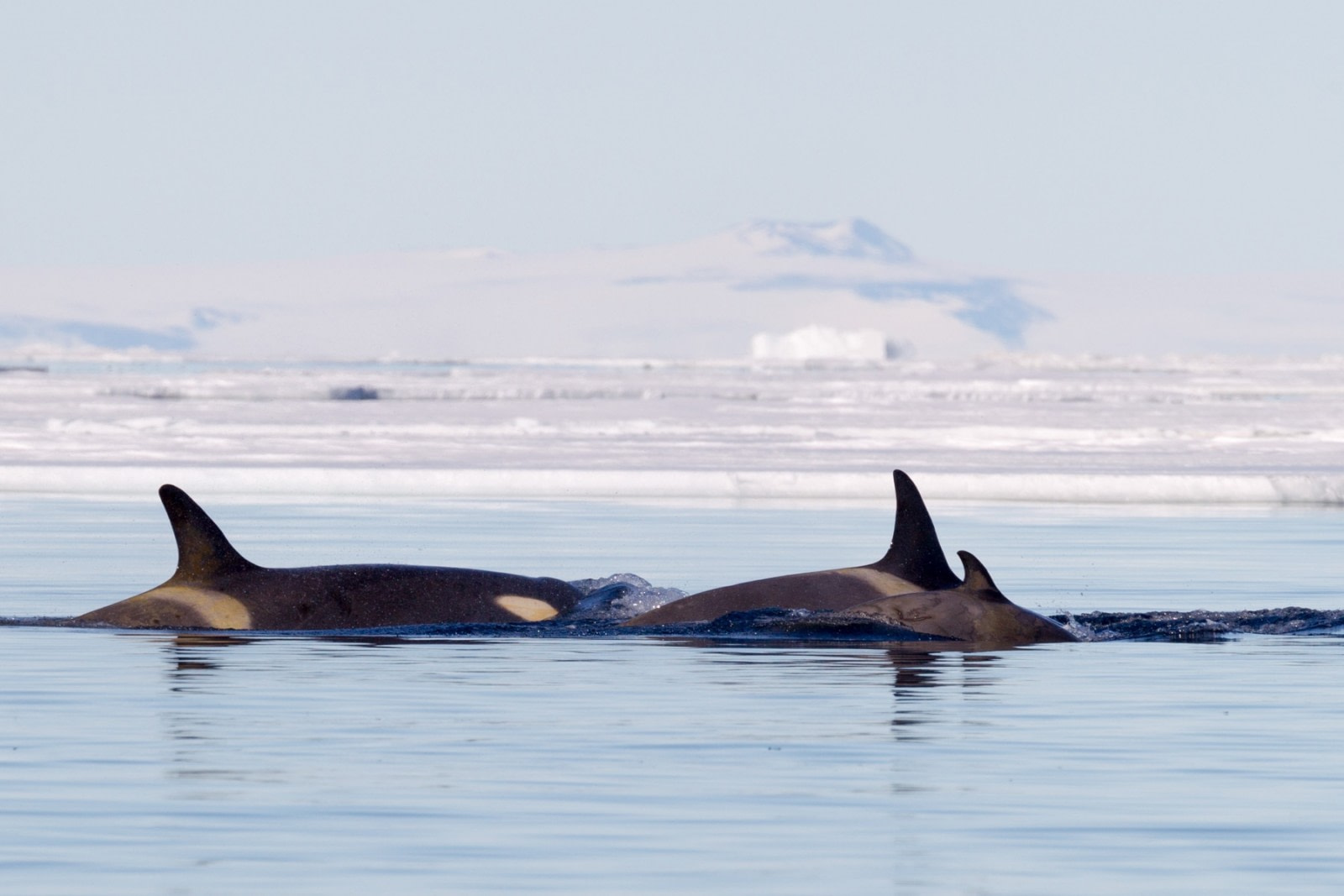
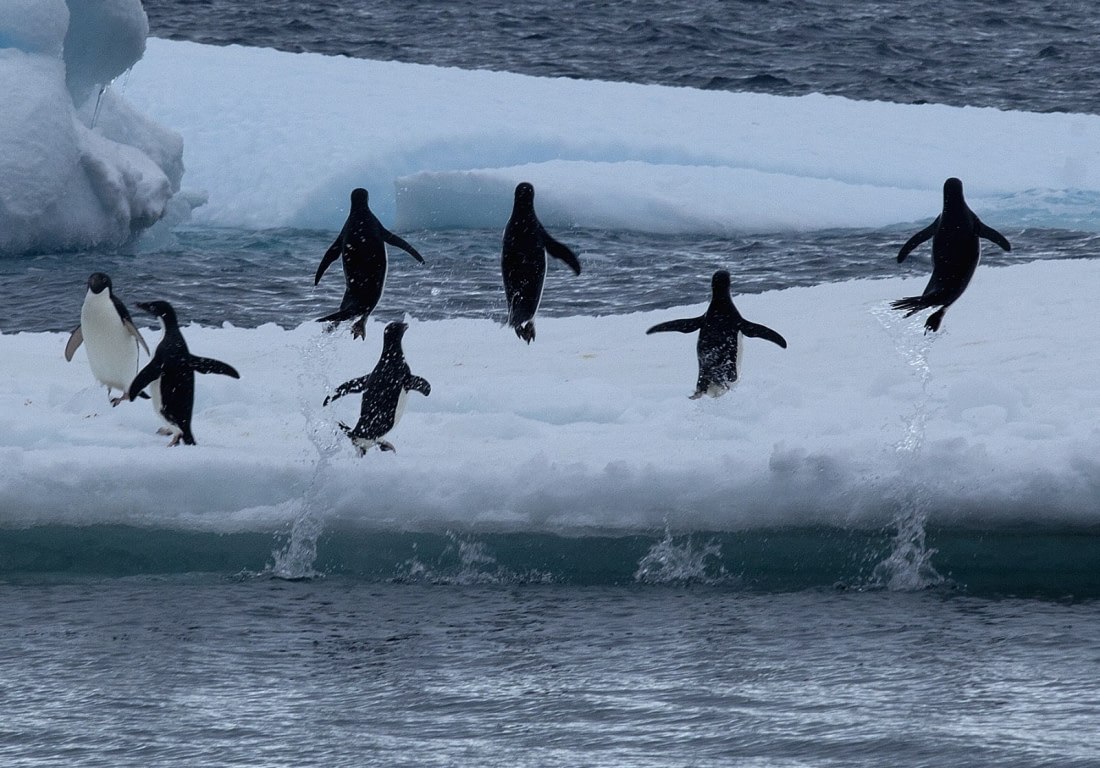
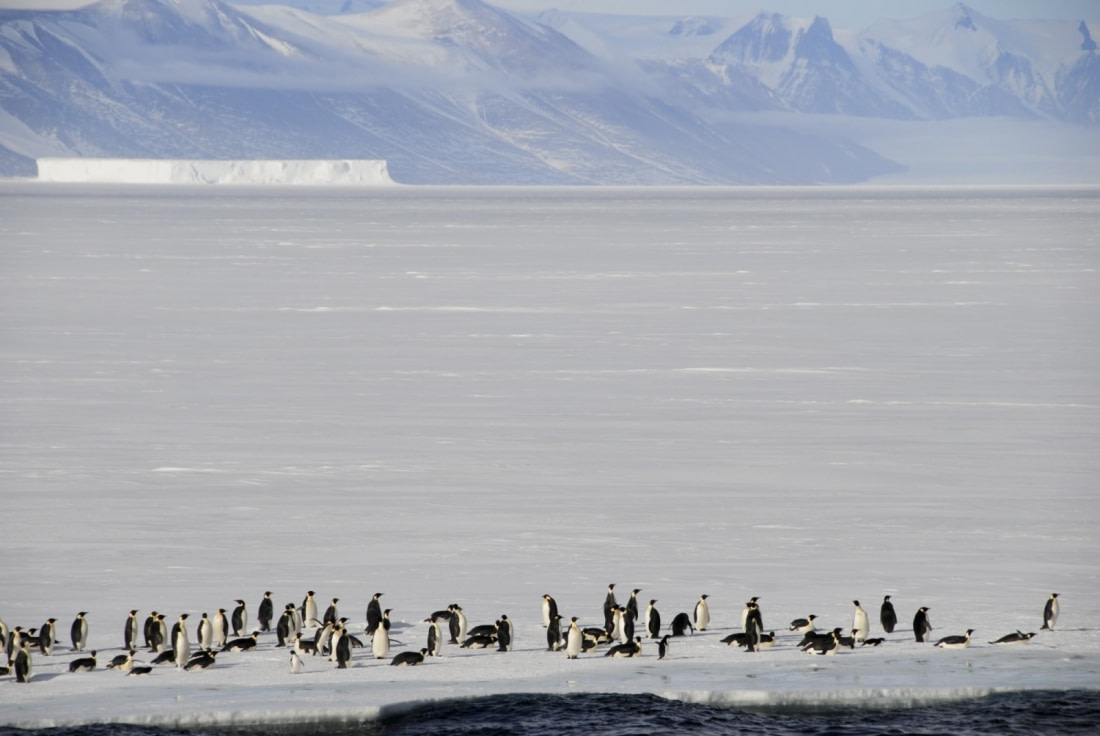
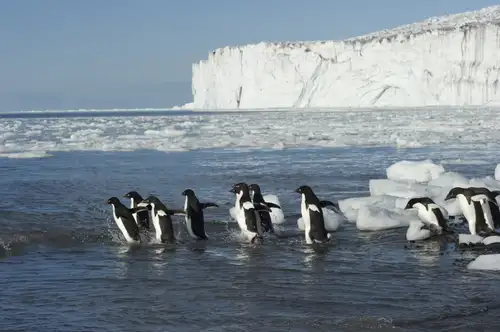
The Ross Sea region is one of the most pristine environments in the world, with an unbroken food chain and a full range of top-level predators in its waters. The region also includes one of the most thriving areas of the Southern Ocean: The Ross Ice Shelf. At different times of the year, the Ross Sea Shelf is home to 32% of the world’s Adélie penguins, 26% of Emperor penguins, 30% of Antarctic petrels, and around 50% of Ross Sea orcas. Between 50-72% of South Pacific Weddell seals live there throughout the year. The MPA agreement is designed to balance marine protection, sustainable fishing, and scientific interests, protecting important habitats and foraging areas of marine mammals, birds, fish, and invertebrates.
In fact, over 16,000 species are thought to call the Ross Sea home, with many uniquely adapted to thrive in the cold, harsh environment. A 2011 study described the area as the “least altered marine ecosystem on Earth” due to its intact communities of Emperor and Adélie penguins, crabeater seals, orcas, and minke whales.
What is a Marine Protected Area?
A marine protected area is a region of the ocean where human activities are more strictly regulated than in surrounding waters. It is similar to a national park on land, designated and managed through legal means with the goals of achieving long-term conservation of habitat, providing refuge for different species, and even offering safe havens for cultural and historical sites.
MPAs play a crucial role in wildlife conservation by protecting biodiversity, buffering habitats from human impacts, and allowing impacted areas to recover. For instance, fish stocks can recover in population size by allowing fish to safely spawn and grow to adulthood. MPAs also provide important opportunities for scientists to monitor the health of species.
Not All Marine Protected Areas Are Created Equal
However, not all MPAs are created equal. There are several types of MPAs. First, there is the strict no-take MPA that prohibits any type of take from the designated area. These areas are also called Marine Reserves. Other types of MPAs allow varying levels of fishing with restrictions on equipment used, quotas on takes, and the requirement of a license or permit.
Antarctica’s Marine Protected Area’s Various Features
The marine protected area created by the Commission on the Conservation of Antarctic Marine Living Resources has various features. Firstly, there is a ‘no take’ General Protection Zone, a fully protected area where no fishing is permitted. This area includes the Ross Sea shelf and slope, the Balleny Islands, and representative protection of areas that provide good samples of special habitats, including the Scott Seamount, an underwater mountain range. Secondly, a Special Research Zone will be created that allows for limited research fishing for krill and toothfish. Thirdly, a Krill Research Zone allows for controlled research fishing for krill.
The duration of the marine protected area has been set at 35 years for the General Protection Zone, with a consensus decision required by the Convention’s members to continue the MPA beyond this period. A shortened period of duration was agreed upon for the management of the Special Research Zone, with restrictions on fishing expiring after 30 years. The Scientific Committee will then consider whether other measures are required to meet agreed science and protection objectives.
It was agreed upon by the members that the catch limit for Antarctic toothfish in the Special Research Zone be limited to 15% of the total allowable catch for the Ross Sea fish industry, where the catch limit meets the scientific research and protection objectives of the area. A clause was made that if the Special Research Zone expires after 30 years, the catch limit will not exceed 20% of the total allowable catch set for the area.
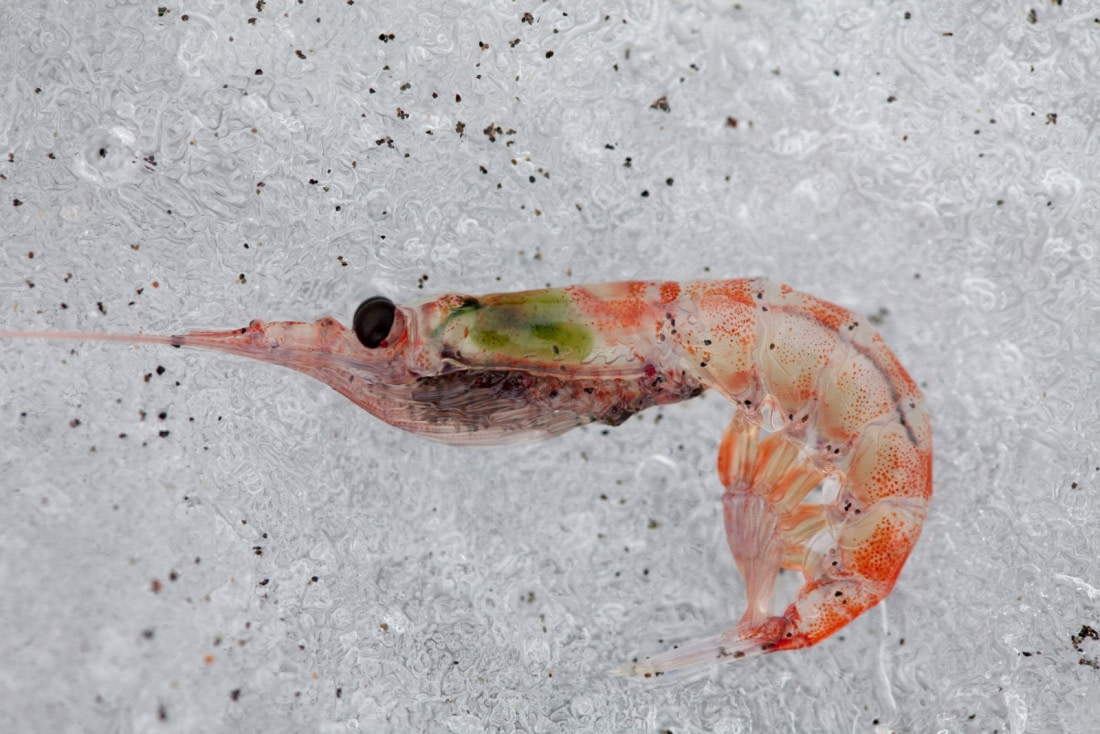
The fisheries in the Convention’s area mainly target Patagonian toothfish, Antarctic toothfish, mackerel icefish, and Antarctic krill. These fisheries are managed using an ecosystem-based and precautionary approach with management objectives to balance conservation and rational use of living resources and maintain existing ecological relationships.
There are five types of fisheries, each reflecting the stage of development and level of information available to make management decisions, with each having a catch limit based on agreed rules that ensure the long-term sustainability of the fishery. These limits determine when, how, and where fisheries are conducted to manage potential impacts on the ecosystem. The regulations are usually specific to a fishing season, and monitoring is performed using information reported to the Secretariat in real-time and other short intervals during the fishing season.
Additionally, member countries maintain their own complementary management strategies in these areas under their jurisdiction in the Convention Area. For instance, South Africa maintains a strategy in waters adjacent to Prince Edward and Marion Islands, and France with Crozet and Kerguelen Islands.


Blog


All things ice in the Antarctic
Why You Should Visit Greenland: 11 Things to See, Do, and Explore
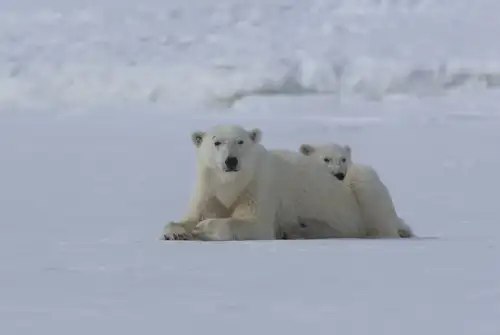
Polar Bears and Pack Ice: 22 Pics from North Spitsbergen
The first race to the South Pole in 50 years
What the ice reveals about Antarctica
The Mysteries of the Beluga Whale
The Research Stations of Antarctica and the sub-Antarctic
The bio-richness of the Ross Sea
Adding Antarctica to Your Seven-Continents Bucket List
Five Reasons to Love St. Helena
Weddell Sea, Shackleton’s Endurance, and New Swabia
8 Scientific Wonders of the Arctic
Experience King Penguins, Seals and More in South Georgia
Discover the Scoresby Sund Fjord System in East Greenland
Birding Opportunities Abound in Spitsbergen

Seizing the Season: Spitsbergen’s Late Spring, Early Summer
Greenland: East vs. West
Eight Antarctic Misconceptions
How and When Did Greenland Become Covered in Ice?