
In 1902, William S. Bruce, along with a team of naturalists, explorers, and sailors, embarked on the first Scottish expedition to Antarctica’s South Pole aboard the Scotia. The Scottish National Antarctic Expedition (SNAE) aimed to establish the continent's first meteorological station and explore its largely undocumented biological, topographic, and meteorological features.
Early in the expedition, which took place in January, the ship encountered extensive fields of pack ice, forcing the crew to seek refuge in the South Orkney Islands. Laurie Island, the easternmost island of the South Orkneys, provided the best protection for their battered ship and exhausted crew. Upon landing, the crew immediately began constructing a hut from materials found on the island. The resulting structure was named “Omond House” after Robert Omond, the director of the Edinburgh Observatory.
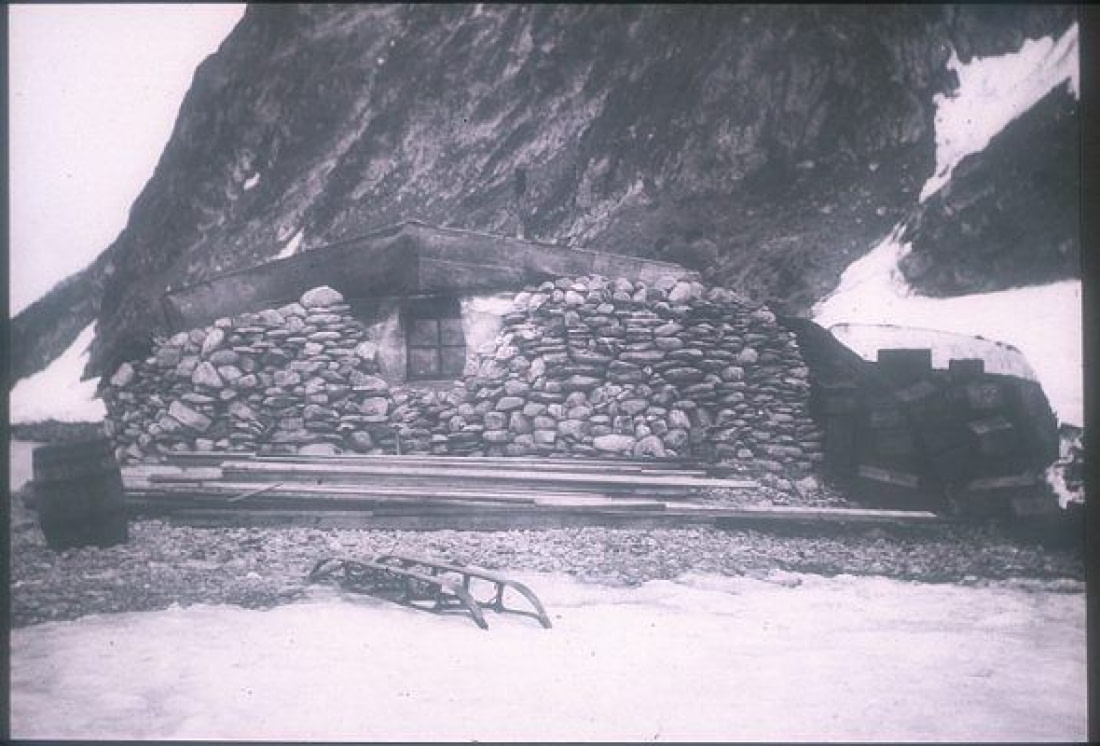
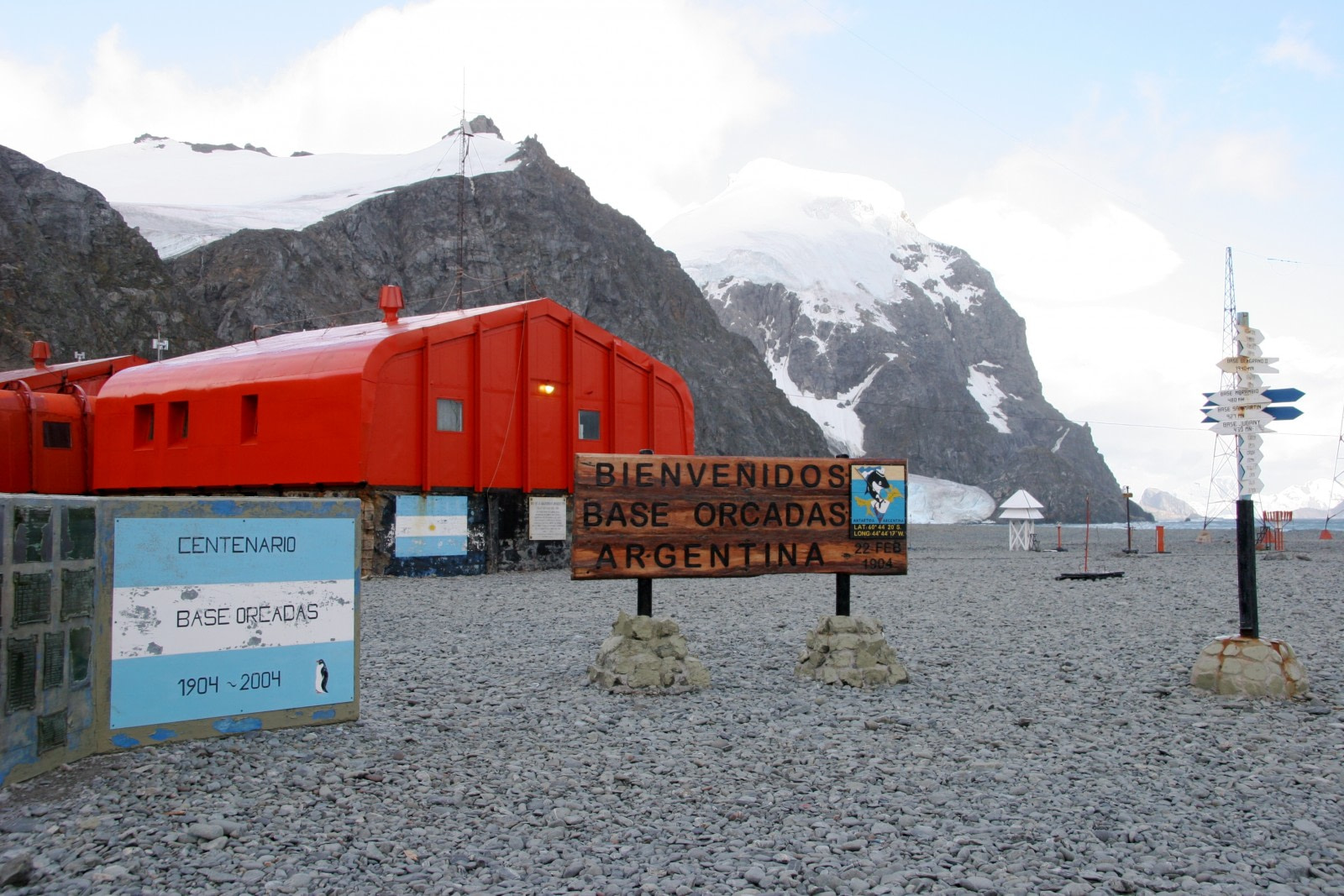
Some time later, Bruce negotiated with the Argentinean government to maintain Omond House as a meteorological station in exchange for the structure itself. Thanks to the skillful craftsmanship of the Scottish National Antarctic Expedition crew, Omond House still stands today and is maintained as a designated meteorological station by the Argentinean government. The name has since changed to “Casa Moneta” in honor of Argentinean explorer Jose Manuel Moneta.
Nearly 112 years later, permanent bases are still being established in Antarctica. Most recently, the Korean Antarctic Program opened the Jang Bogo Station in Terra Nova Bay. Unlike its predecessor, it can house up to 60 people and most likely has Wi-Fi!
Operation Tabarin
Following the heroic feats of the Scottish National Antarctic Expedition, numerous expeditions to the continent were launched by countries worldwide. However, very few of these expeditions resulted in the establishment of any permanent base. In 1943, the British government initiated “Operation Tabarin,” a military effort to establish a permanent and official British presence in Antarctica. Between 1944 and 1945, permanent bases were constructed at Port Lockroy, Deception Island, and Hope Bay. These were the first mainland bases established within Antarctica. Unfortunately, much like Omond House, the Hope Bay station was established as a result of a failed mission.
The British desire to claim land in Antarctica resonated globally, prompting other nations to explore the mysterious continent. In response to the British settlement, the Chilean government launched an expedition to establish a permanent base. In 1947, the first Chilean base, González Videla Antarctic Base, opened, followed shortly by Australia’s Mawson Station in 1954. Antarctica experienced a surge of station openings in 1956, including the United States’ McMurdo Station, the Soviet Union’s Mirny Station, and France’s Dumont D’Urville Station.
The Antarctic Treaty & Research Stations
In 1959, the Antarctic Treaty, which set regulations for the signatories, became the official law of the land. Even in a place with no official government, it’s crucial to ensure that all operations conducted below 60° South latitude are carried out with strict environmental responsibility, safety, and respect. The ultimate goals of the Treaty are to maintain the continent’s untouched, wild state for future generations to experience and enjoy, and to practice international cooperation.
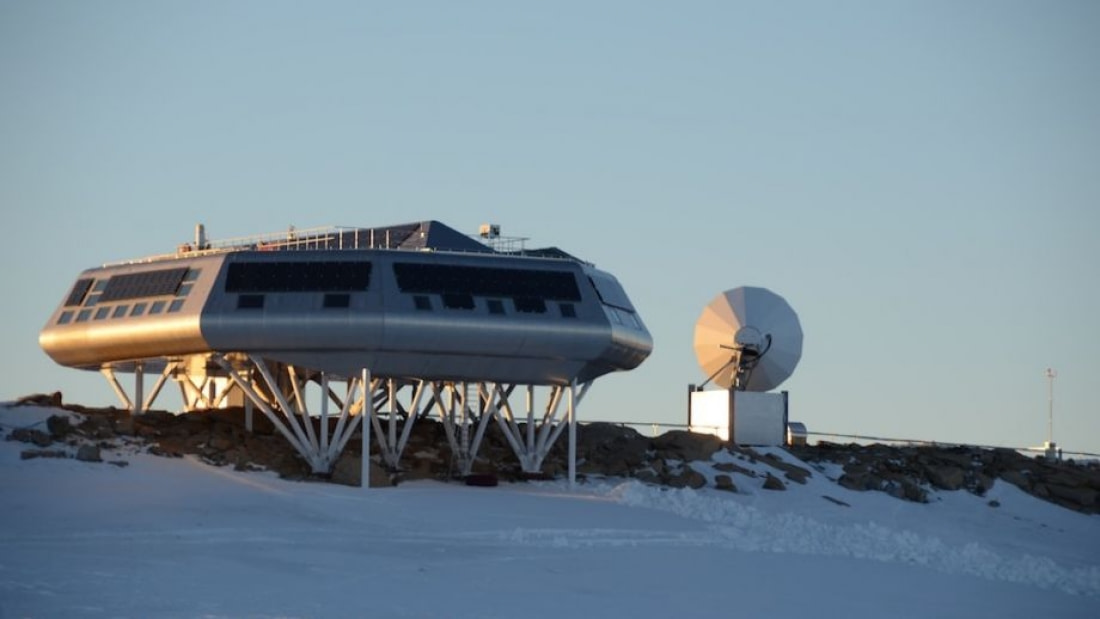
Since the passing of the Antarctic Treaty, over 50 permanent research stations have been established across the continent. Each country has its unique take on its station’s architecture and interior design. Vibrant colors, meant to stand out against the monochromatic landscape, adorn the many oddly shaped buildings. As long as the structures protect those inside, there’s no need for them to look pretty on the outside! Some stations, including Belgium’s Princess Elizabeth Station, have adopted eco-friendly design techniques to significantly reduce their environmental impact on the continent.
Why Seasonal Stations?
During the Antarctic summer (October to March), the continent springs to life. Pelagic seabirds, including penguins, albatross, and various petrels, come to shore to lay their eggs and raise their young. Marine mammals like the crabeater seal, humpback whale, and Antarctic fur seal trawl the waters for massive clouds of tasty krill to feed on. The sheer abundance of wildlife is spectacular!
Since there’s been no substantial human colonization in Antarctica, the continent maintains a particularly pristine ecosystem that is in a constant state of flux as the climate changes. Researchers aiming to answer questions regarding these seasonally breeding animals and how man-made climate change is affecting them have an exceptionally small window in which they can conduct their research. There’s no point in opening and maintaining a year-round station when you’ll only be there for five months! Instead, many countries have opened smaller stations, usually the size of a shack or a large shed. It’s typically just enough room for a few people to squeeze into, and it can be a bit cozy at times. There are currently 35 of these seasonal stations or “field camps” that operate in Antarctica during the summer months.
What Happens to Old Stations?
The Antarctic Treaty states that any country wishing to discontinue their presence in Antarctica must officially remove all structures from their designated territories and return the land to its original conditions. Many of these stations have been well established in Antarctica for many years, making their complete removal extremely expensive and logistically difficult. Instead of permanently closing their doors and tearing down their structures, most countries choose to keep their stations open but substantially cut their staff back. With only a few other people around to keep you company, winters in Antarctica can be particularly lonely in some of these stations.


Blog


What to pack for your Atlantic Odyssey voyage?
Five Birds You Might See on Your Greenland Cruise
Islands of the Blessed: Things to Do Around Cape Verde
Seizing the Season: Spitsbergen’s Late Spring, Early Summer
The Return to Franz Josef Land
Harp seals harping on in Greenland
Penguin Wisdom: Life Lessons from Our Favorite Flightless Birds
10 Books and Films To Prepare for your Antarctica cruise
The First Buildings in Antarctica: Borchgrevink’s Historic Huts
Antarctic Icon: 44 Facts About the Emperor Penguin
Birds of the South: 33 Antarctic Birds and Seabirds
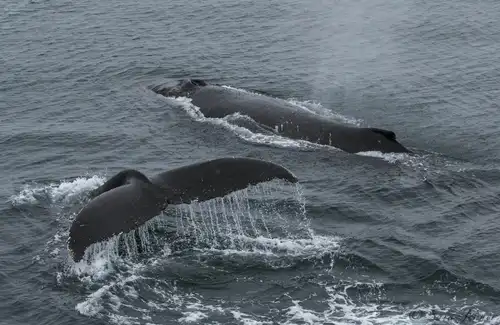
Polar Marine Visitors: the Whales of Antarctica and the Arctic
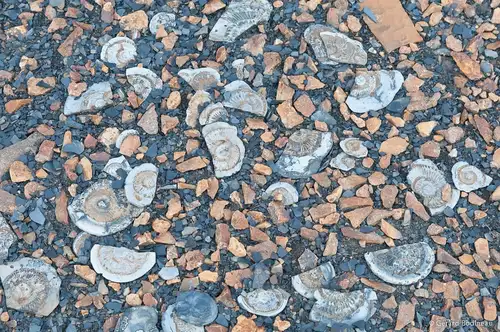
Svalbard a Disneyland for geologists
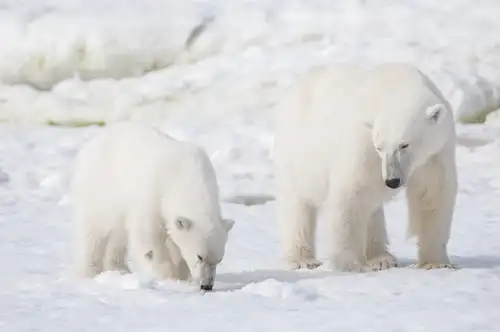
The polar bear: king of the Arctic food chain
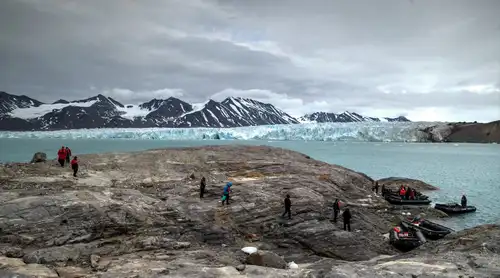
The Enchanting Islands of Svalbard
The Eight Great Penguin Species of Antarctica
11 South Orkney Animals: Whales, Seabirds, and Penguins Aplenty
15 Toothy Facts About the Atlantic Walrus
The History of Antarctica in Maps