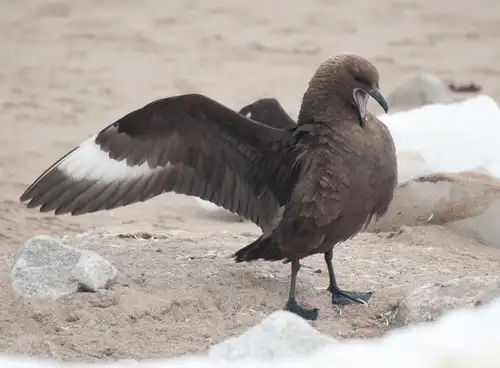


Polar cruises are easy to enjoy, but there’s an art to getting the most out of them.
One cruise you consider bland, poor, even disastrous, might be the trip another traveler calls the voyage of a lifetime. And this might have been completely different with a little more planning, preparation, or slightly better boots.
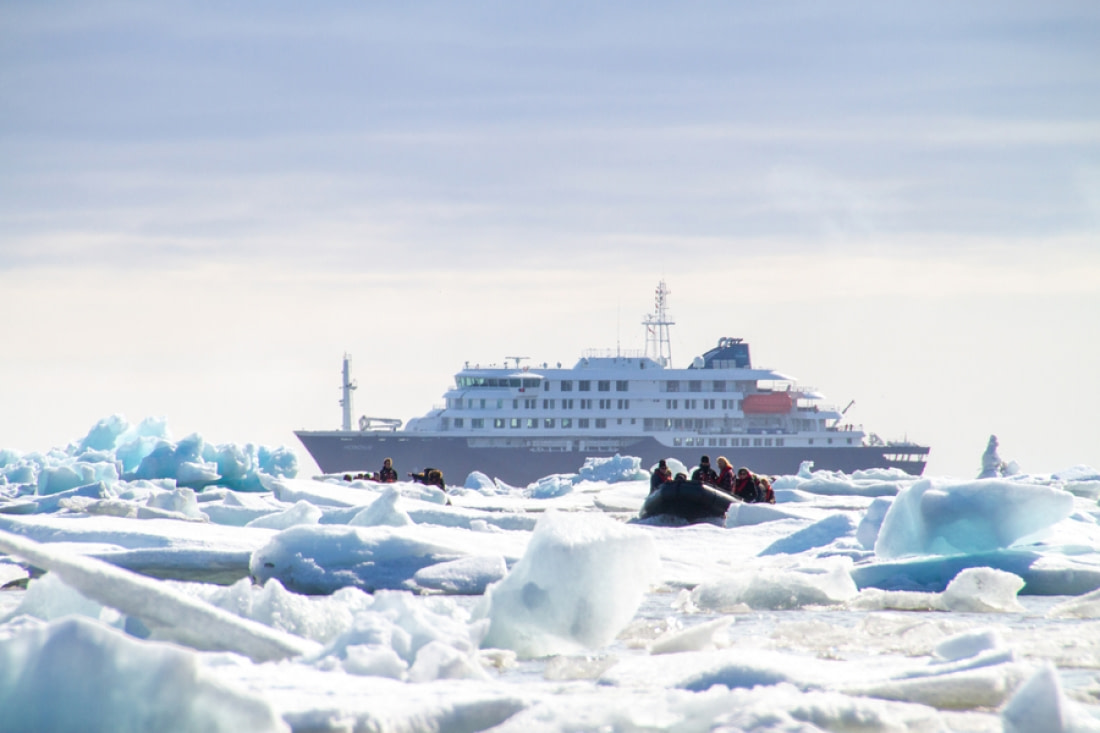
True, Arctic and Antarctica cruises seldom hang on so thin a thread. But when it comes to such major getaways, you want everything to be as perfect as possible.
Here are seven short-and-sweet tips to get your polar cruise experience closer to that perfection. Not to be confused with our more detailed A – Z cruise guide, this rather is a list of little things you can do to tilt your expedition cruise experience in your favor.
While these tips obviously can’t guarantee a great voyage – in fact, not expecting guarantees is probably the most important tip on this list – they will nonetheless help align your approach with the realities of polar expedition cruising.
1. Hit the books before you book
Not surprisingly, your enjoyment of an expedition cruise will depend largely on which cruise you book.
Do you prefer an Antarctic or Arctic trip? Do you want a primarily bird-watching, whale-watching, or bear-watching cruise – or none of the above? Are you happy simply going on Zodiac cruises and leisurely shoreline walks, or do you want to engage in more adventurous (and physically demanding) activities like mountaineering, scuba diving, or skiing?
If the choices get overwhelming, it can help to figure out what animals and activities you’re interested in, then let those choices determine your destination.
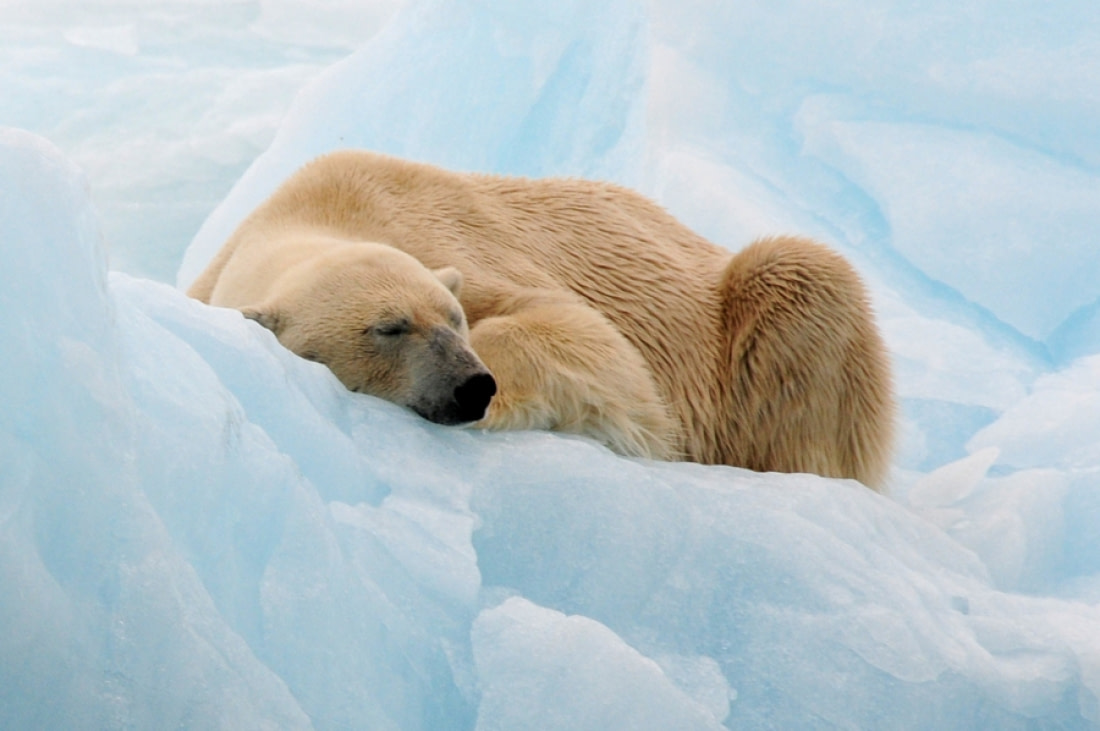
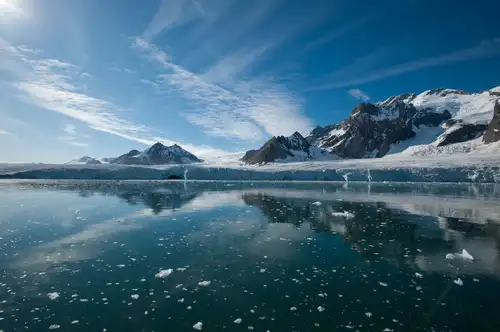
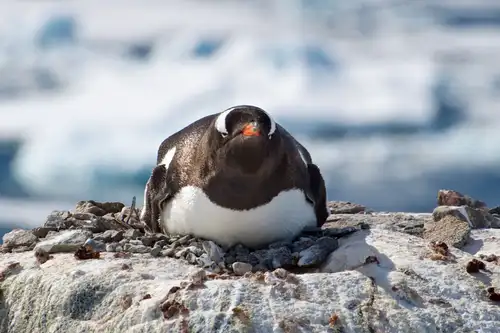
Also, many locations offer a wide range of wildlife, so don’t worry about having to forfeit one species in favor of another. In Svalbard you can see bears, whales, and birds; along the Antarctic Peninsula, you can spot whales, seals, and penguins.
These are the polar regions. Animals love them.
2. When it comes to polar packing, think layers
Clothing is a very personal choice, and so much of it depends on what you know about your comfort preferences and tolerance of cold and heat. Even so, one abiding clothing recommendation is still universally embraced by seasoned polar travelers…
Dress in layers.
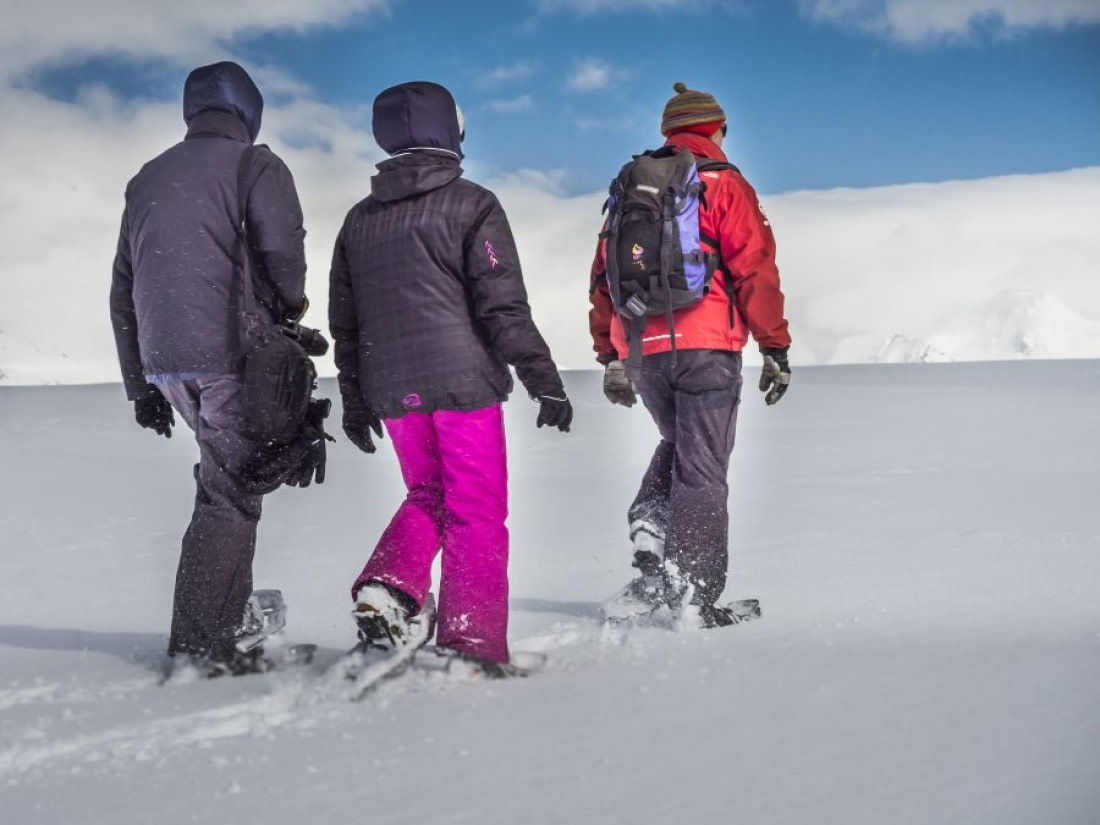
Better than one thick, impenetrable deep-sea jacket are a few simple shirts, a few decent sweaters, and a quality waterproof coat.
Because warm air gets trapped between clothing layers and acts as an extra insulator, multiple layers of medium-warmth clothing provide more insulation than a single heavier article. Go for wool, silk, and new synthetic fibers, all of which retain heat well.
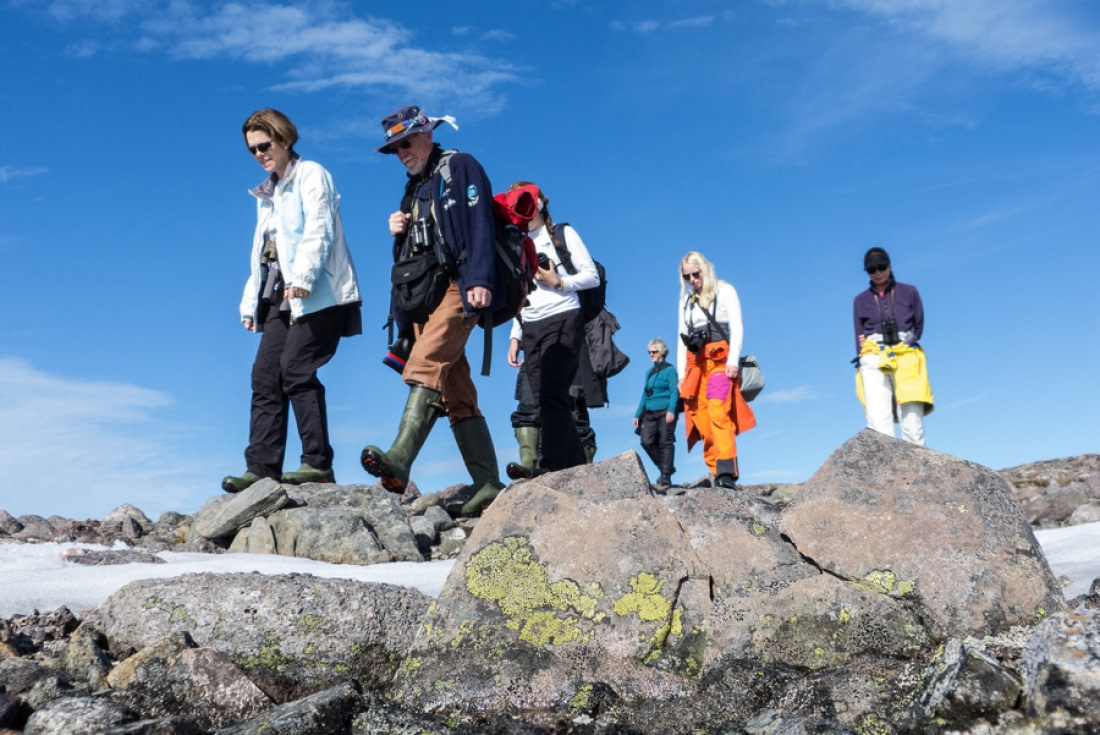
Layers also let you control your temperature easily, as you can take off or add on as you need.
For more tips, we have a detailed cruise packing guide that’s specific to Antarctica cruises but equally applicable to Arctic voyages.
3. Consider booking a cruise photo workshop
We gently suggest that between pictures you occasionally put the camera away and simply take in the surroundings. After all, there’s a sad irony in focusing on pictures so much you don’t fully experience the thing you’re trying to take pictures of.
But when you do take them, and you will quite often, it helps to know tips for that too.
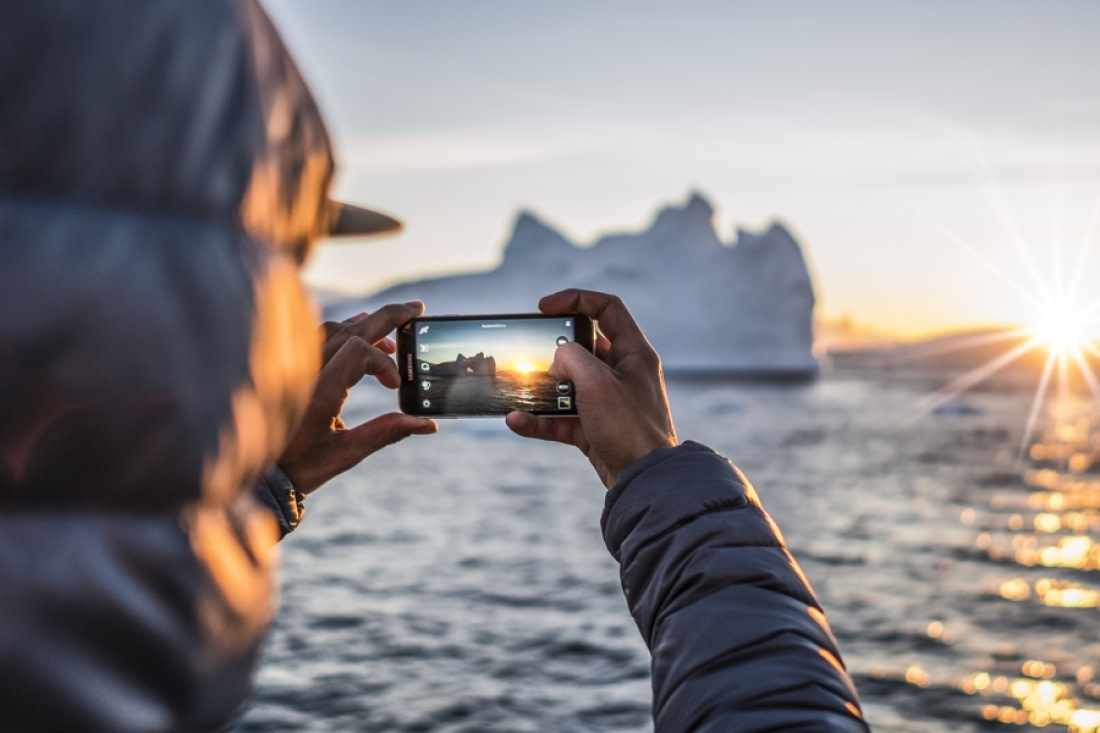
For these tips, we can’t recommend our onboard professional photographers highly enough. If you book a polar cruise with a photo workshop supplement, these experienced instructors can help you sharpen your picture-taking prowess to a razor’s edge.
In addition to the photography entries on our blog page, we also have a photography packing guide that may help you decide which lenses to use while you’re packing your clothing layers.
4. Follow all safety and environmental guidelines
A no-brainer, we know, but this cruise tip bears emphasizing – especially in bear country.
For your safety as well as the health of the wildlife and terrain, we follow a number of guidelines we’ve helped establish with the International Association of Antarctica Tour Operators (IAATO) and the Association of Arctic Expedition Cruise Operators (AECO).
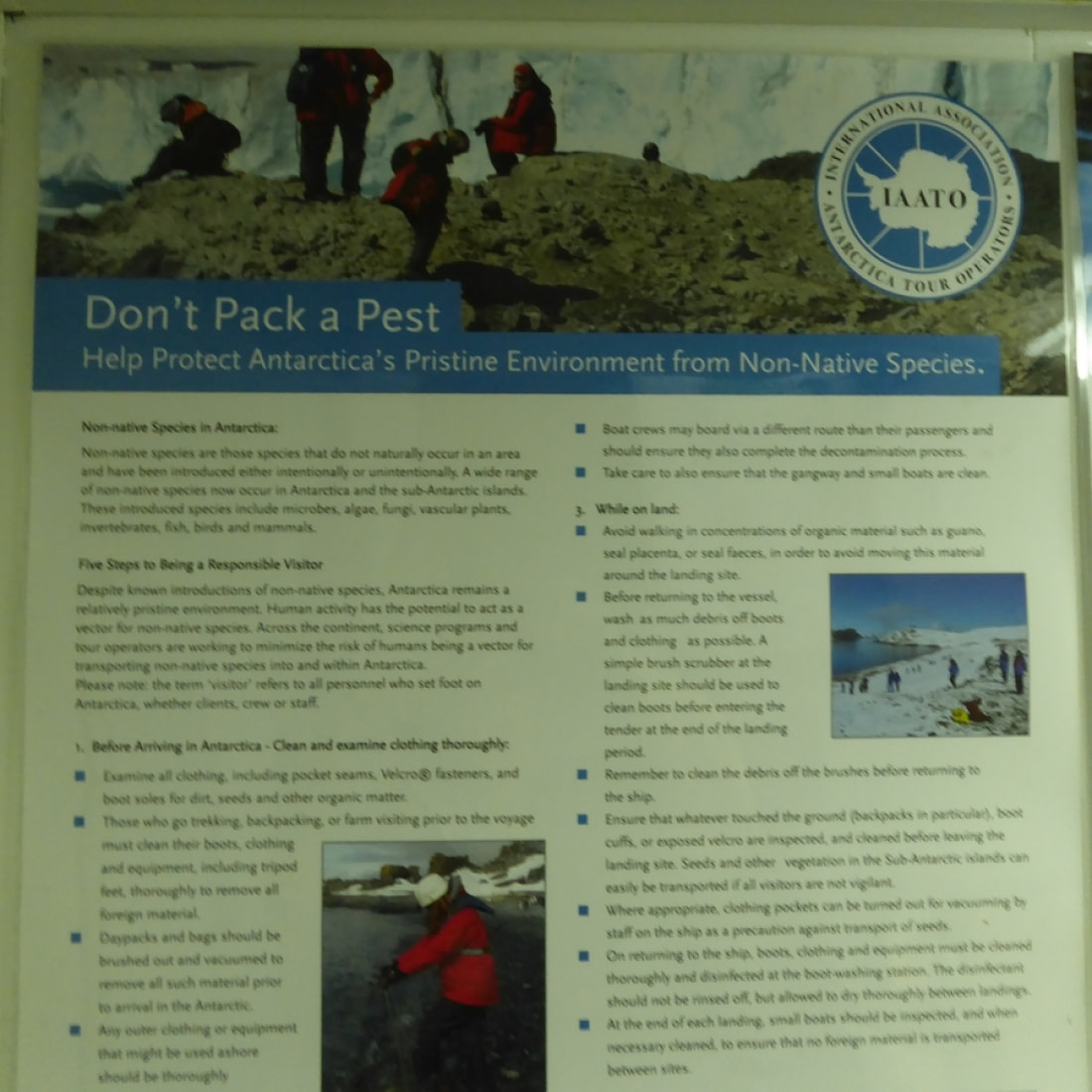
These guidelines include such things as minimum distances we’re expected to keep from penguin colonies, walrus herds, and glacier fronts.
Your expedition staff will keep you apprised of these guidelines, along with the safety protocol we require on our vessels. Please, for everyone involved, follow them as stated. They exist for your safety and the preservation of the polar ecosystem.
5. Prepare for the chance of seasickness
Even if you’re not someone who typically gets motion sick, there are certain areas we sail that are bumpy enough to give almost everyone a touch of green around the gills.
The Drake Passage between Argentina and Antarctica is a prime example.

There are a number of highly effective motion sickness meds out there with only minimal side effects, and we sell a few of these on board our ships. There are also a number of natural seasickness remedies we can recommend, if you want to avoid drugs.
Some people prefer acupressure bands, some like ginger tea and crackers. The bottom line is to do whatever makes you feel better. As long as it’s legal.
And because we get so many questions about seasickness, we decided to make a little video about it. Here our veteran ship doctor Ninette van Es provides her top seasickness tips. Some involve natural remedies sailors have used for centuries, others make use of more modern methods, but at least one of these seasickness treatments is sure to work for you.
6. Read up on what you may see during your cruise
There’s no substitute for seeing a penguin in person, but the experience can be much enriched when you know a little about them. The same goes for the otherworldly polar landscapes.
We provide itineraries that are informative without being overly detailed. These give you a rough idea what to expect, but we still recommend supplementing their basic info with some additional research on the topics that interest you.
Especially with regard to the historical sites we visit, this research can only deepen your appreciation for the human labor and innovation that went into old-school polar life.
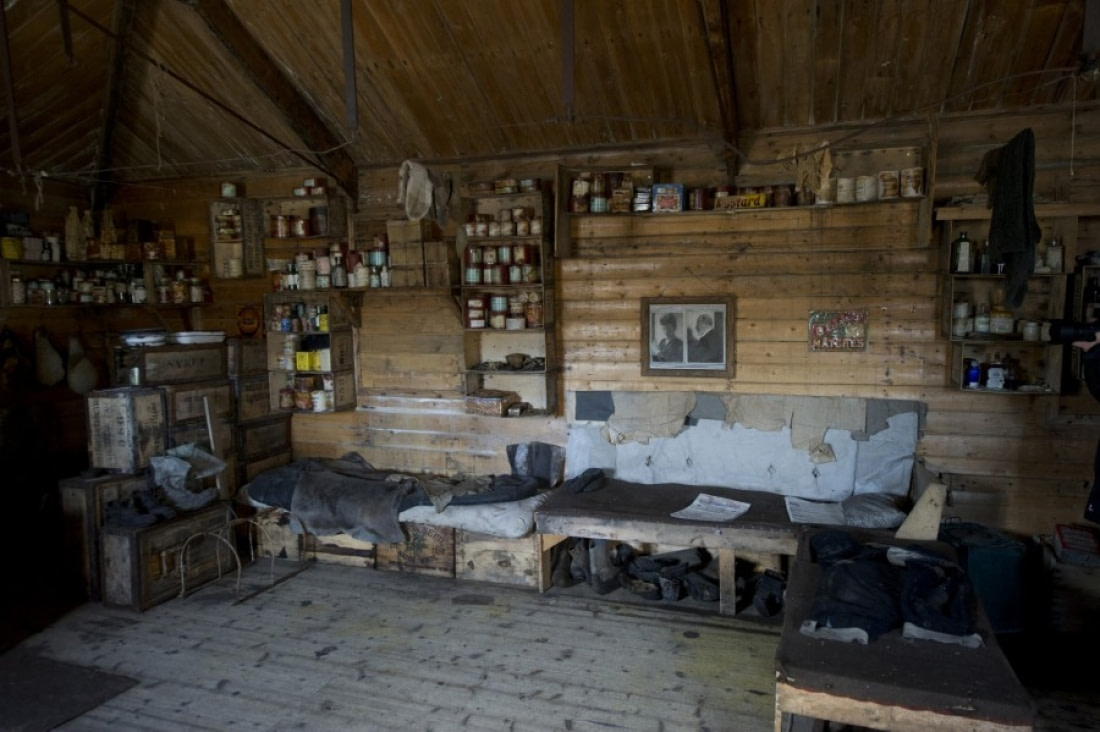
But please remember, our itineraries describe only intended routes and hoped-for animal sightings. In the event of unsafe conditions, we must always resort to alternate plans. And obviously, we can’t guarantee wildlife sightings.
If only.
7. Roll with the polar cruise punches
The polar regions are full of surprises. And as stated above, we can’t make bulletproof promises about the animals we’ll see, activities we’ll do, or sites we’ll visit.
In the Arctic and Antarctica, the shots are called by the weather, ice, and local wildlife. All we can do is cooperate with these variables as best we can. But that’s all part of what makes these wild environments so endlessly exploration-worthy.
Our final and most important cruise tip, then, is to embrace the wild in the polar wilderness.
John Milton once wrote, “The mind is its own place, and in itself can make a heaven of hell, a hell of heaven.”
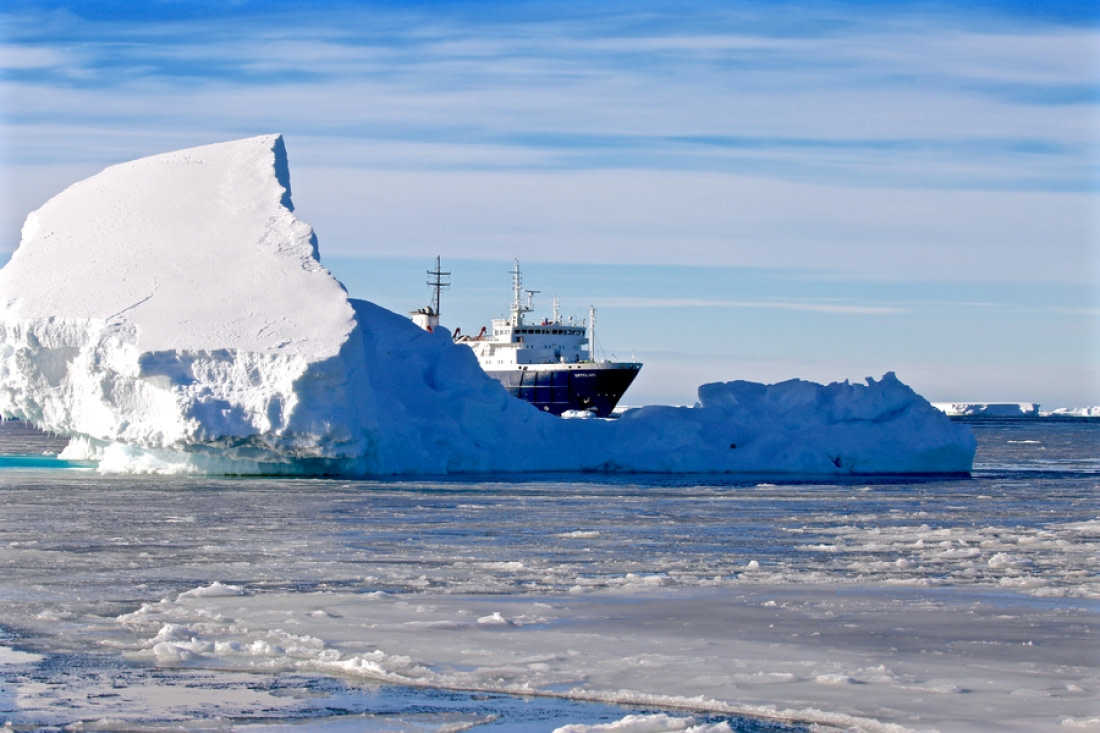
Though this is an undeniably profound quote and perhaps too lofty for polar travel, it’s still an important truism with regard to our ability to determine our own happiness with the right or wrong mindset.
The wrong mindset perceives even the best voyage as a letdown. Maybe expectations are too high, tolerance for discomfort too low, or any number of possibilities.
Similarly, an open and affirmative attitude goes far in making even tough journeys far better.
So that’s our final suggestion: Opt for the latter. Be as flexible and positive as you can. Embrace the polar regions for the beautifully unpredictable places they are. Demand that they meet a list of rigid expectations and you’re sure to fail, but explore them with an open heart and they won’t fail to enchant you.


Blog


Imperial Antarctica: the Snow Hill Emperor Penguins
Seven Things to Do around Ushuaia
Eight Antarctic Misconceptions
A Bug’s Life in Svalbard
Life in a Penguin Colony
Deception Island deceptively active
Greenlandic Inuit Beliefs
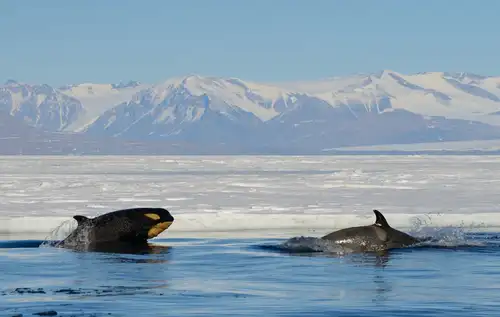
Orcas (aka Killer Whales) of Antarctica and the sub-Antarctic
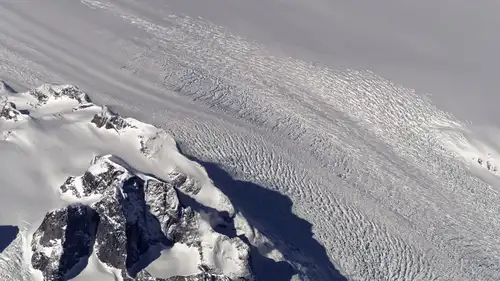
Ice streams and lakes under the Greenland Ice Sheet
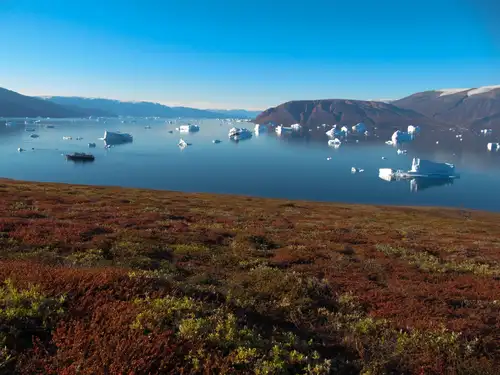
Northeast Greenland National Park
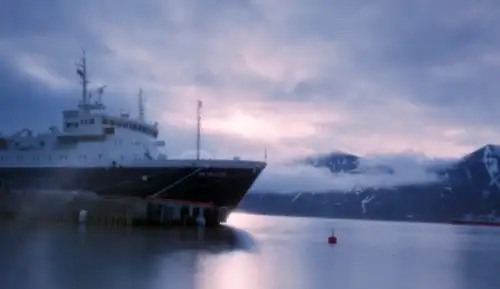
Solargraphy & Pin Hole photography in the Arctic
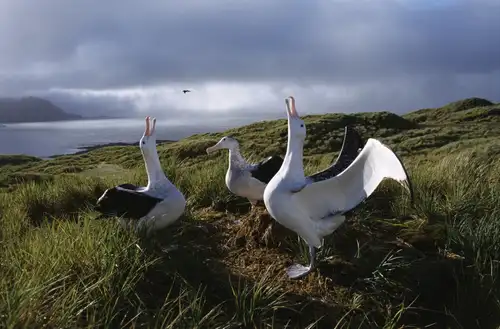
Albatross, penguin and krill research in Antarctica
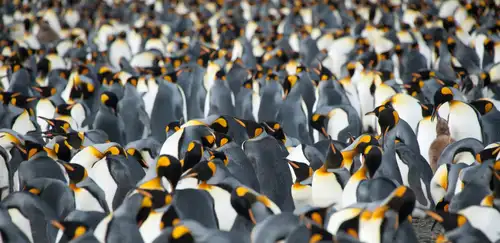
Experience King Penguins, Seals and More in South Georgia
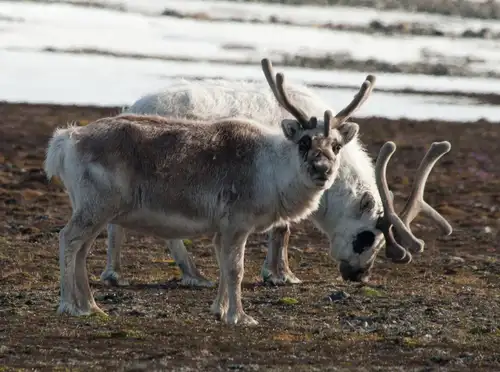
Amphibian, reptiles and herbivore mammals in the Arctic

The Arctic Hare: Easter Bunny
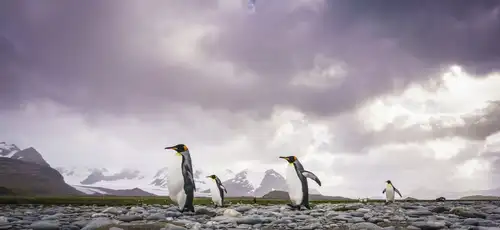
Penguins, Albatrosses, Petrels: The Winged Wildlife of South Georgia
Birding Opportunities Abound in Spitsbergen
All things ice in the Antarctic
Antarctica’s first Marine Protected Area