The Impact Of Small Vs Large Cruise Ships - Nexta Expeditions
The Impact of Small vs. Large Cruise Ships

The Impact of Small vs. Large Cruise Ships

The generalization that larger ships impact the environment more than smaller ships seems like such a no-brainer that if someone said it to you, you’d be easily forgiven for thinking you were being tricked.

Well, you’re not.

Larger ships do tend to impact the environment more than smaller ships, especially passenger-packed cruise ships – though obviously there are many exceptions, which we’ll address later.

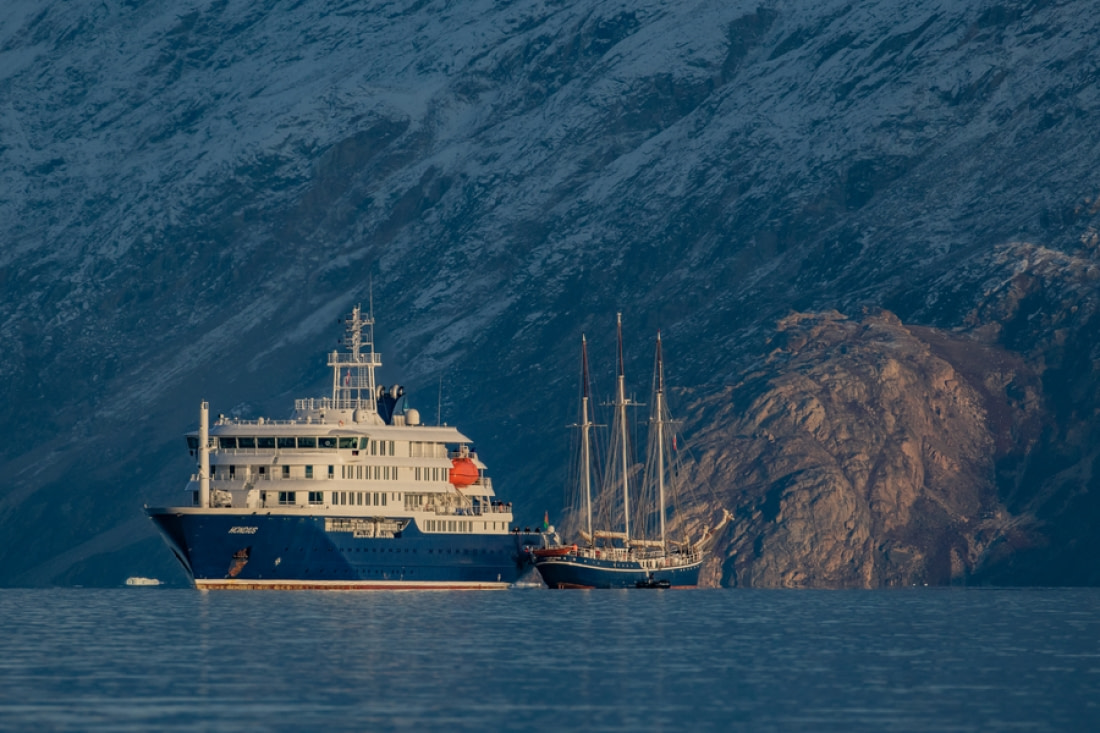
Here a few ways larger cruise ships (thousands of passengers) impact the environment more than smaller ones (100 – 200 passengers), followed by a few ways they don’t.
blog-image

Fewer passengers per cruise ship

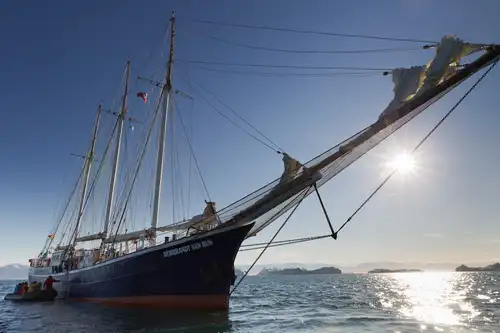
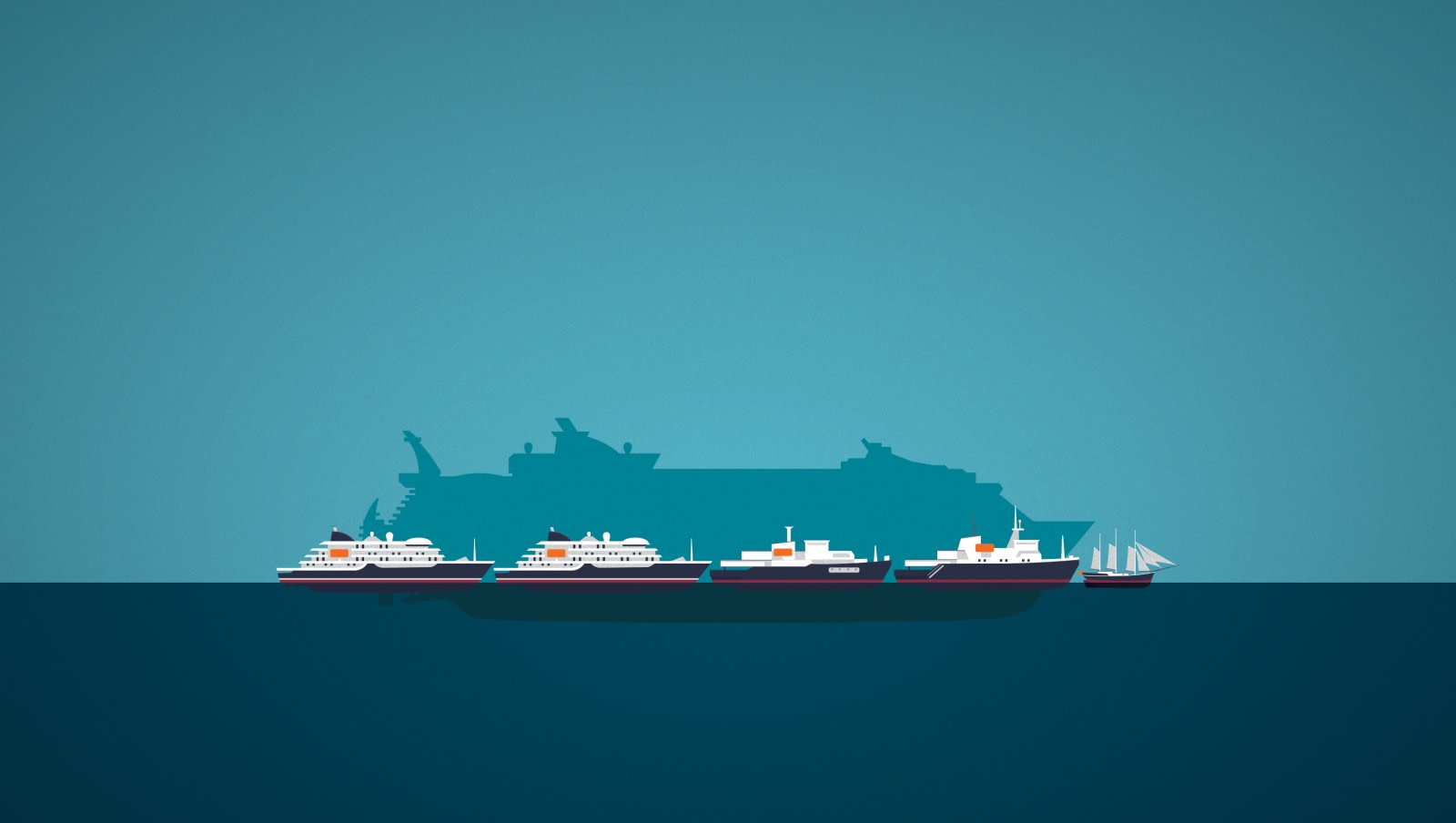
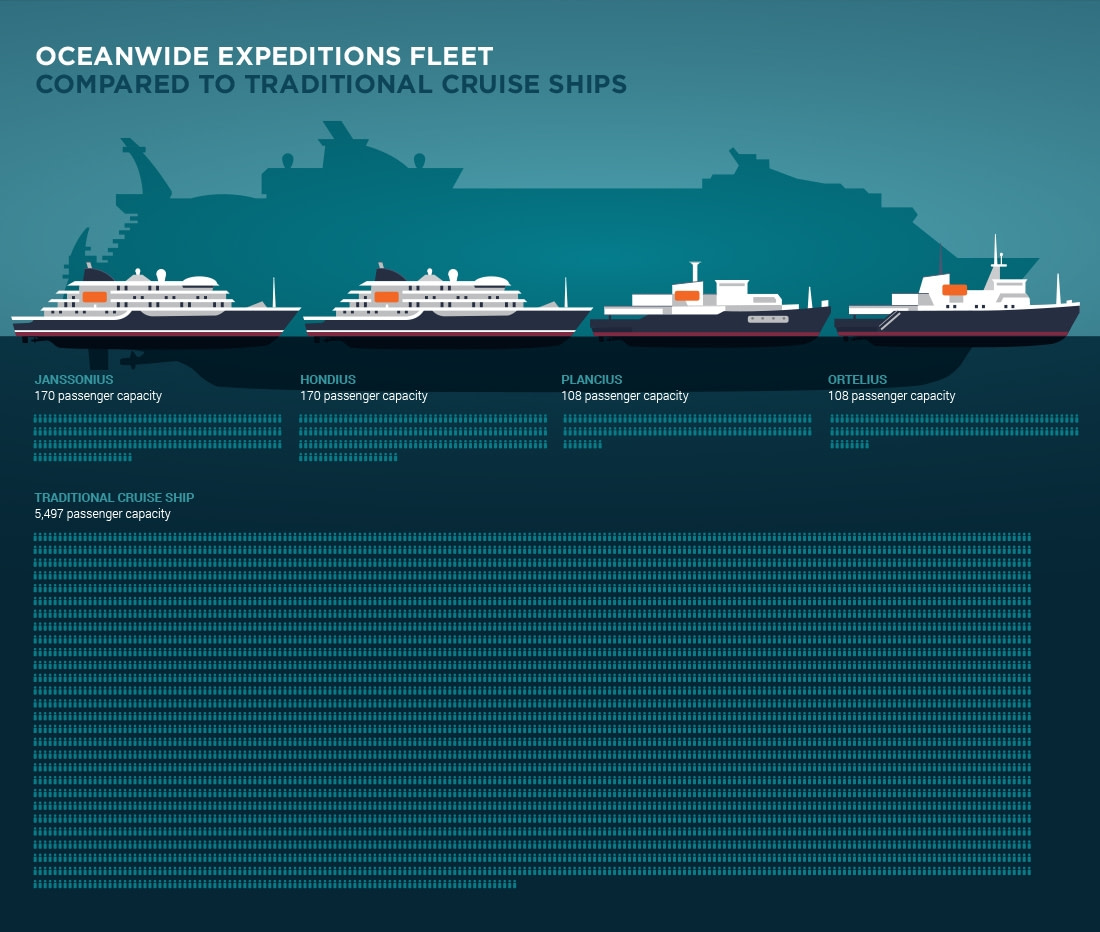
The largest of our ships, m/v Hondius, carries 174 passengers. The smallest, s/v Rembrandt van Rijn, carries only 33.

Compare that to traditional cruise ships, the largest of which carry well over 5,000 passengers, not including entertainment staff and crew.

You don’t have to be a mathematician to see that such a large passenger load will by necessity generate far more environmental impact than several smaller ships ever could, assuming they are of equivalent technological sustainability.
blog-image

Cruise ship fuel consumption

You also don’t have to be an engineer to see that hauling thousands of people requires more fuel than carrying fewer than two hundred. Some estimates put the larger cruise ships at up to 250 tons of fuel burned per day (roughly 80,000 gallons).

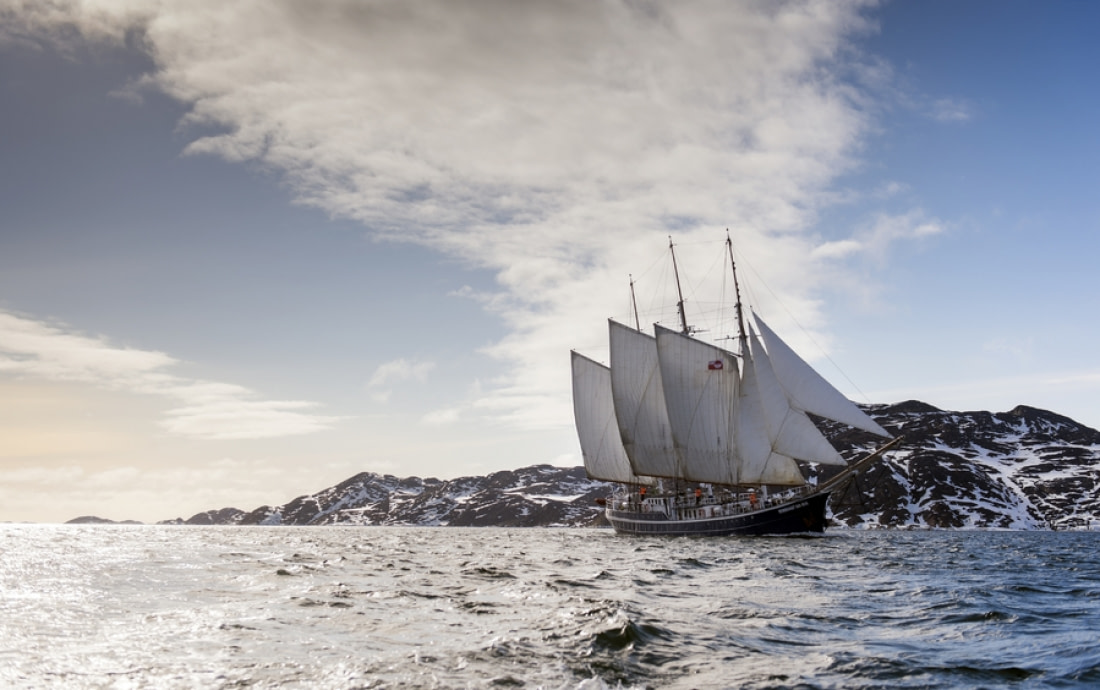
Meanwhile, our schooner Rembrandt van Rijn can sometimes sail by wind power during parts of its voyages, if the weather cooperates.
blog-image

Assisting with climate science on cruise ships

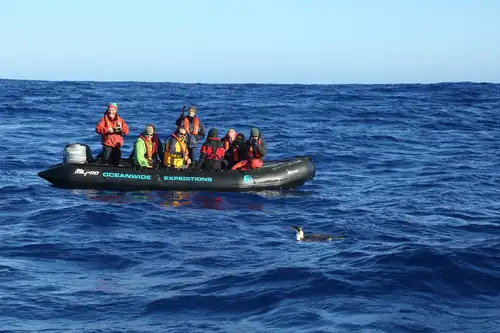
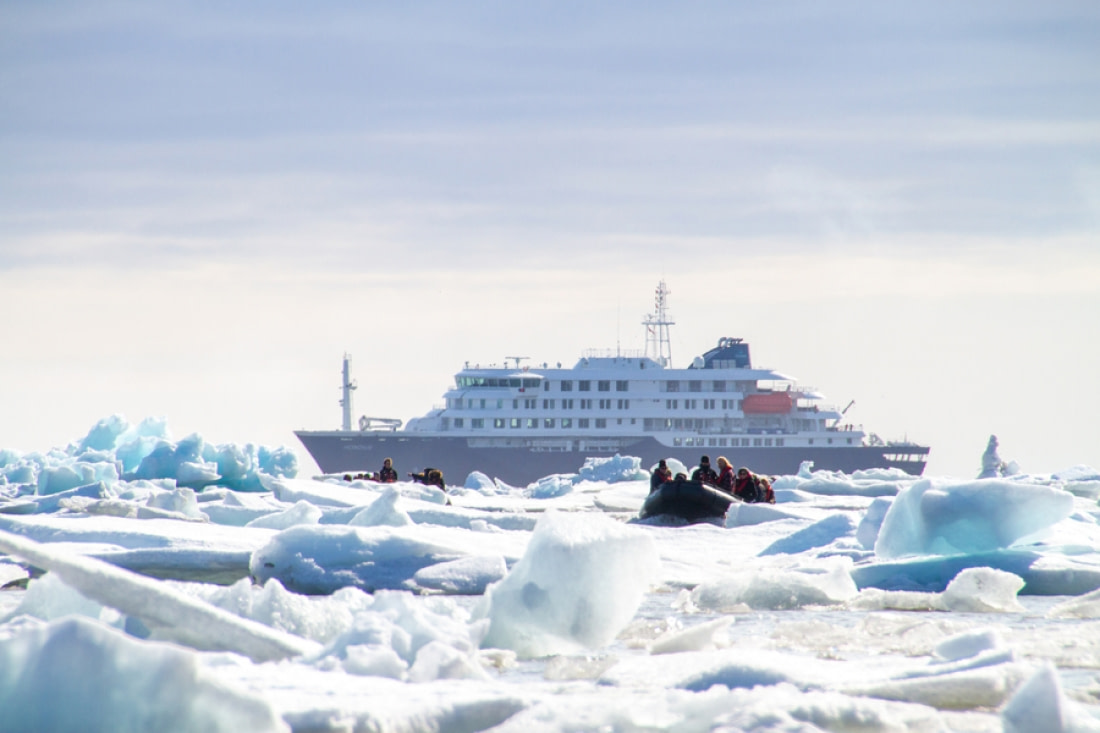
Lastly, one of the side benefits of polar expedition cruise ships is that they’re often refurbished research vessels. This means they can easily be used again for such purposes in a limited way, such as when scientists need to do small-scale polar work.

We often have researchers on board who are experts in such fields as glaciology, meteorology, and other climate-related sciences. Indeed, our guides often have backgrounds in these fields.

Two of the specific projects we have assisted with recently include the placement of Argo weather profilers and the study of invasive species.
blog-image

We’re also devoted participants of waste removal efforts like Clean Up Svalbard and the Clean Seas campaign. And we are proud, active, longtime members of both AECO and IAATO, with many of our principal colleagues serving in chief positions within these organizations.

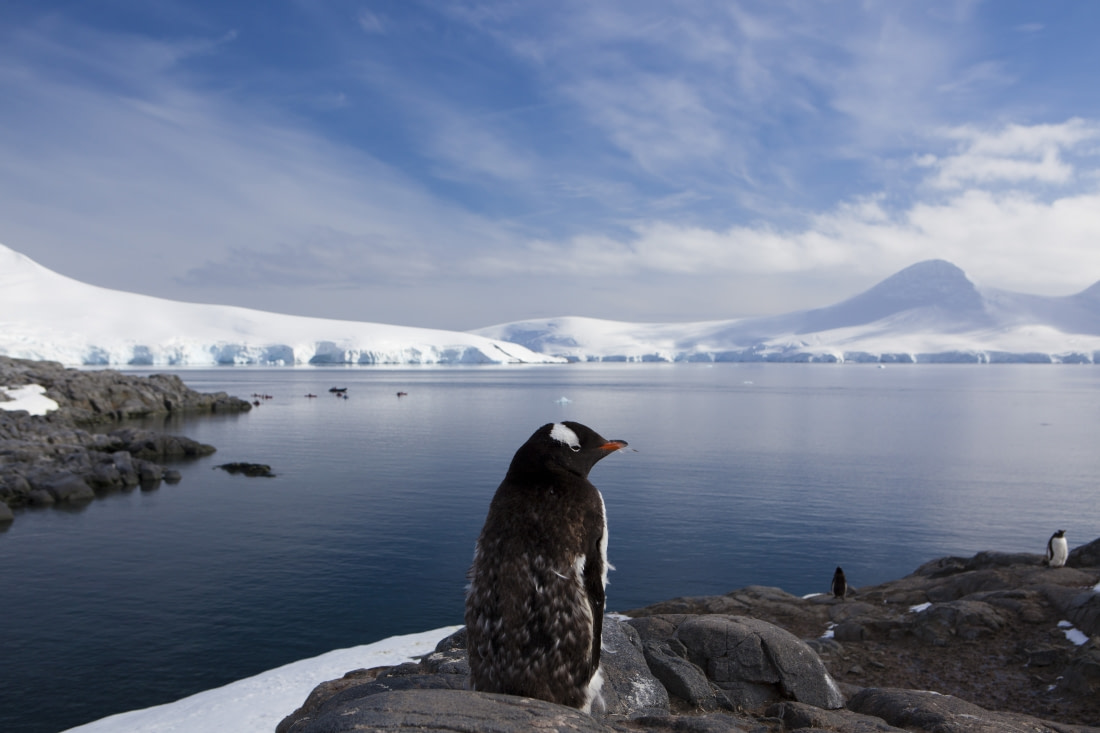
So if you’re considering either an Arctic or Antarctica cruise, thinking small can (in most cases) help us keep the polar regions closer to how they were before we ever set foot in them.

Why cruise ships aren’t always better when smaller

This is as much a no-brainer as our main premise, because clearly there are multiple reasons smaller ships are better for the environment.

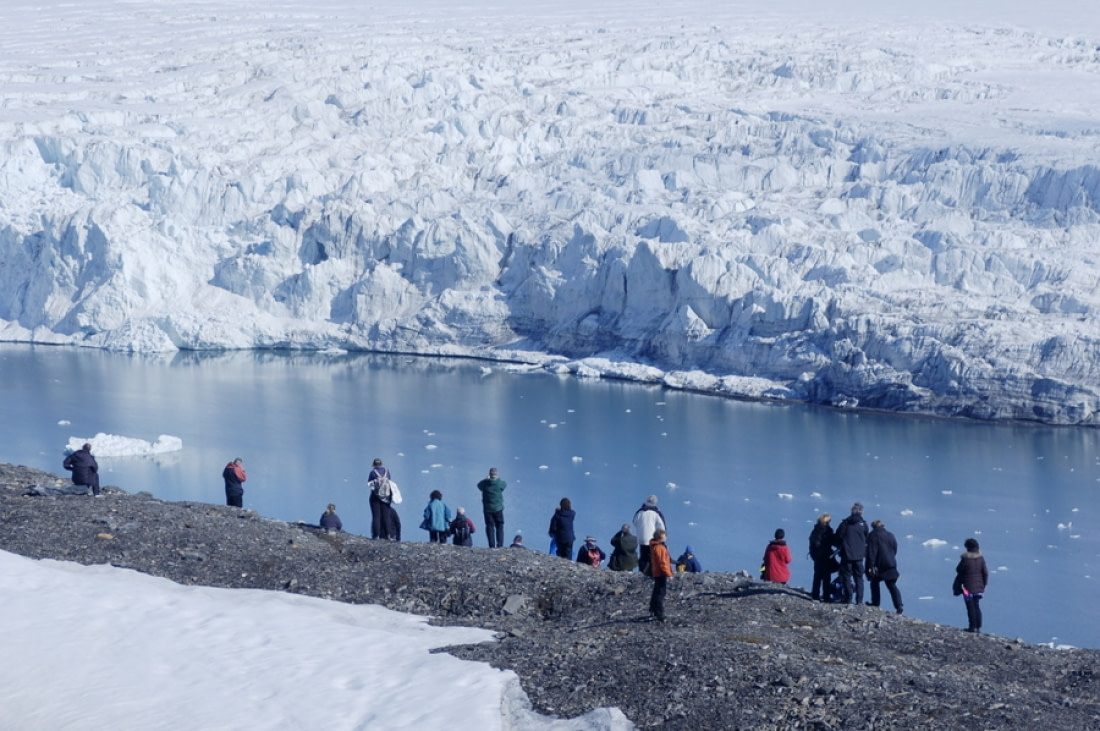
Indeed, carbon emissions per passenger usually drop with larger cruise ships compared to smaller ones. But much of our impact in the polar regions comes from our landing groups, and in this regard larger cruise ships (thousands of passengers) are not really applicable, since they wouldn’t be able to make landings there anyway.

This is because there is a rule of AECO and IAATO that states there can be no more than 100 guests on shore at any one time, regardless of whether your ship holds 100 or 500 – the current limit that a ship can be classified as an expedition cruise vessel.

So clearly, it’s not so black and white as simply “small vs. large.”
blog-image

Sure, we come out favorably if we compare our ships with those that hold 5,000 people or more. But if you take 5,000 people to Antarctica or the Arctic on one of our ships and compare the impact in CO2 emissions and landings, it’s likely we would have the greater impact.

The issue, then, becomes more about sustainable technology and the reduction of non-degradable waste than ship size, which is why we’re currently in the process of reducing single-use plastics on our ships, among other sustainability efforts.

However you measure it, impact is a complex and systemic issue that requires equally systemic and complex solutions.

blog-image

Blog
go-leftgo-right

Weddell Sea: the Original Antarctic Adventure - Nexta Expeditions
Blog

Weddell Sea: the Original Antarctic Adventure

According to historian Thomas R. Henry, visiting the Weddell Sea requires a brave heart. In his 1950 book, "The White Continent," he described sudden “flash freezes” that occur in the region. It was one of these flash freezes that trapped Ernest Shackleton’s ship, Endurance, in January 1915, forcing his crew to endure over a year in the harsh environment before they could escape.
Kayaking In Greenland - Nexta Expeditions
Blog

Kayaking In Greenland

Think of Greenland and two images come to mind:
Harp seals harping on in Greenland - Nexta Expeditions
Blog

Harp seals harping on in Greenland

Harp seals are a moderately sized species, typically reaching about 1.6 meters in length and weighing around 130 kilograms. Both males and females are similar in size and weight, with males being only slightly larger. They possess a thick, robust body, a small broad and flat head, short narrow flippers, and a narrow muzzle.
Islands of the Blessed: Things to Do Around Cape Verde - Nexta Expeditions
Blog

Islands of the Blessed: Things to Do Around Cape Verde

We visit Cape Verde and its capital city of Praia during our occasional St. Helena to Cape Verde voyages. Characterized by peaceful days at sea, these trips allow you to see some of the lesser-known gems of the Atlantic.
Birding Opportunities Abound in Spitsbergen - Nexta Expeditions
Blog

Birding Opportunities Abound in Spitsbergen

Seabirds are the most prevalent type of bird in Spitsbergen. Experts have estimated that there are 164 bird species that have been found throughout Spitsbergen at various points during recent history, but only 30 of them are known to turn to the Svalbard Islands as their primary breeding spot.
Narwhals: the Aquatic Unicorns of the Arctic - Nexta Expeditions
Blog

Narwhals: the Aquatic Unicorns of the Arctic

Though narwhals are among the rarest whale species encountered during our Arctic expeditions, a journey to the Arctic regions of Greenland and Svalbard always holds the potential for spotting these elusive creatures.
The polar bear: king of the Arctic food chain - Nexta Expeditions
Blog

The polar bear: king of the Arctic food chain

As apex predators, polar bears reign supreme in the Arctic food chain. Only humans pose a threat to this massive and majestic species. But one look at these magnificent creatures explains why so many people embark on Arctic trips hoping to spot a polar bear in its natural habitat.
Greenlandic Inuit Beliefs - Nexta Expeditions
Blog

Greenlandic Inuit Beliefs

Greenland is the world’s largest island and with the northern tip around 740 kilometres from the North Pole it is the northernmost country on Earth. The island is around 2,670 kilometres long and is about 650 kilometres across at its widest point.
The Arctic Borderland of Kongsfjorden, Svalbard - Nexta Expeditions
Blog

The Arctic Borderland of Kongsfjorden, Svalbard

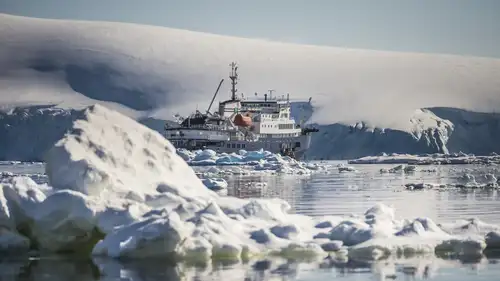
Kongsfjorden is a glacial fjord in Svalbard that hosts a diverse array of flora and fauna.
Shackleton’s Long-Lost Endurance Discovered in Antarctica - Nexta Expeditions
Blog

Shackleton’s Long-Lost Endurance Discovered in Antarctica

A discovery expedition launched by the Falklands Maritime Heritage Trust achieved a long-awaited mission when it located Anglo-Irish explorer Ernest Shackleton’s lost ship Endurance last Saturday (March 5).
Taking the Polar Plunge - Nexta Expeditions
Blog

Taking the Polar Plunge

There are some human activities that for many people simply defy understanding: We juggle chainsaws, we breathe fire, we fling ourselves out of perfectly good airplanes.
Penguin Wisdom: Life Lessons from Our Favorite Flightless Birds - Nexta Expeditions
Blog

Penguin Wisdom: Life Lessons from Our Favorite Flightless Birds

As enthusiasts of wildlife travel, we believe every creature has something valuable to impart - from the grand blue whale to the tiny cephalopod, the formidable polar bear to the elusive Arctic fox.
What to Expect When Crossing the Drake Passage - Nexta Expeditions
Blog

What to Expect When Crossing the Drake Passage

Positioned between the southern tail of South America and the Antarctic Peninsula's north-sweeping arm is a lively little waterway known as the Drake Passage.
What the ice reveals about Antarctica - Nexta Expeditions
Blog

What the ice reveals about Antarctica

The continent you'll explore during your Antarctica cruise is far more than just an ice-covered land with penguins, whales, and seals. Beneath the thick ice lie hidden freshwater lakes teeming with thousands of microbes, hinting at a diverse array of life. In 2013, a team of researchers obtained the first uncontaminated water sample ever retrieved directly from an Antarctic lake.
Life in a Penguin Colony - Nexta Expeditions
Blog

Life in a Penguin Colony

Captain Pieter J. Lenie Base, also known as Base Copacabana or simply Copa Base, is situated on King George Island off the western shores of the Antarctic Peninsula. This American research station has been home to scientists studying Adélie, gentoo, and chinstrap penguins for over three decades, aiming to understand how to best conserve these cherished species.
The Impact of Small vs. Large Cruise Ships - Nexta Expeditions
Blog

The Impact of Small vs. Large Cruise Ships

The generalization that larger ships impact the environment more than smaller ships seems like such a no-brainer that if someone said it to you, you’d be easily forgiven for thinking you were being tricked.
Day and night in Antarctica - Nexta Expeditions
Blog

Day and night in Antarctica

At the Concordia station, a French-Italian research facility situated 3,233 meters above sea level at Dome C on the Antarctic Plateau, European Space Agency (ESA) scientists are investigating the effects of extended space missions. The station is more isolated than the International Space Station, with the nearest humans located 600 kilometers away.
The Ultimate Traveler’s Guide to the Arctic and Antarctica - Nexta Expeditions
Blog

The Ultimate Traveler’s Guide to the Arctic and Antarctica

Sunrises or sunsets? Coffee or tea? Polar bears or penguins?
Adding Antarctica to Your Seven-Continents Bucket List - Nexta Expeditions
Blog

Adding Antarctica to Your Seven-Continents Bucket List

Many travelers aspire to visit all seven continents, a goal that fits naturally with the concept of a "bucket list," a term popularized by the 2007 movie.
The Norse Settlement of Greenland - Nexta Expeditions
Blog

The Norse Settlement of Greenland

Erik the Red is a significant and vibrant figure in the history of the Norse Vikings. His story is primarily documented in the Icelandic Sagas Huaksbók (14th Century) and Skalhóltsbók (15th Century). These accounts offer slightly different versions of events that occurred 3-400 years earlier. The original saga of Erik the Red is believed to have been written around 1200 A.D., with the Skalhóltsbók version considered closest to the original. Additionally, Flateyjarbók (13th Century), which includes the Saga of the Greenlanders, is a crucial source for understanding the settlement of Greenland and the discovery of Vinland – North America.