
Of the many compelling reasons people travel to Antarctica and the sub-Antarctic, bird life is among the most beloved.
Even excluding penguins, these wildlife-rich regions offer some of the best birdwatching spots on the planet, supporting a diverse array of endemic and non-native birds.
This article complements our entry on Arctic birds and serves as a survey of common bird and seabird species encountered in Antarctica. To keep the number manageable, we won’t detail the eight penguin species you might see on an Antarctica cruise. Here, we'll focus on birds that can fly.
Sorry, penguins. We still love you.
1. Wandering albatross
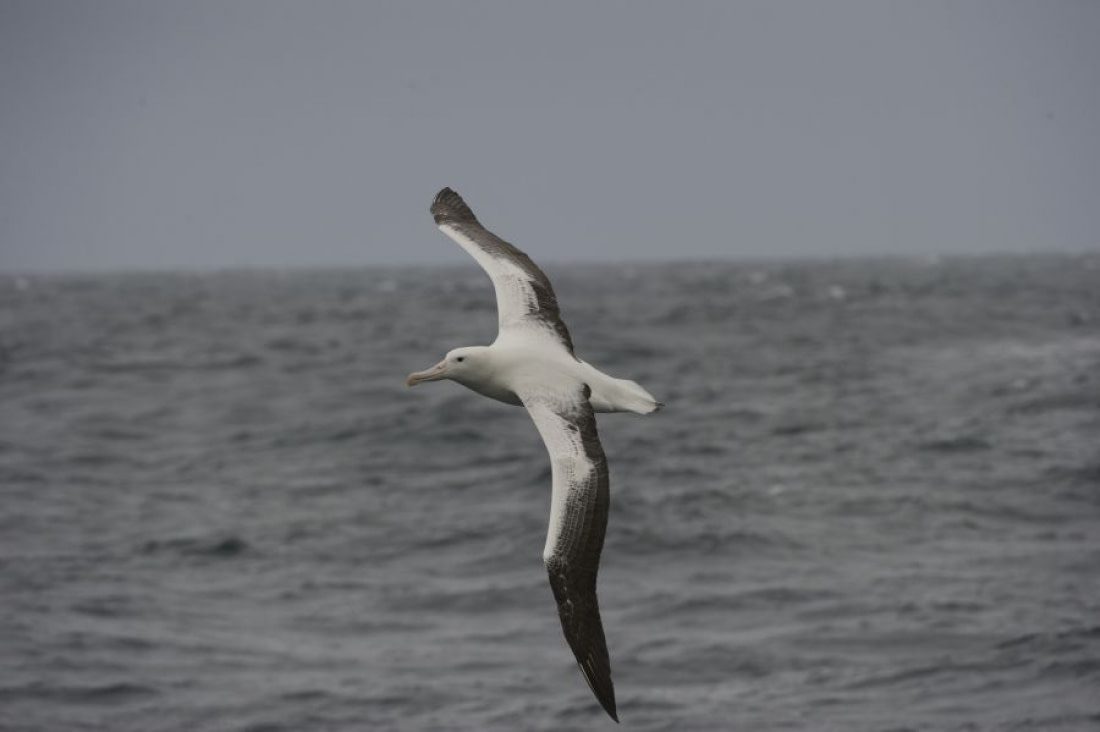
With the largest wingspan of any bird, reaching 3.5 meters (11.5 feet), wandering albatrosses can soar long distances without flapping their wings, using less energy in flight than at rest.
2. Southern royal albatross
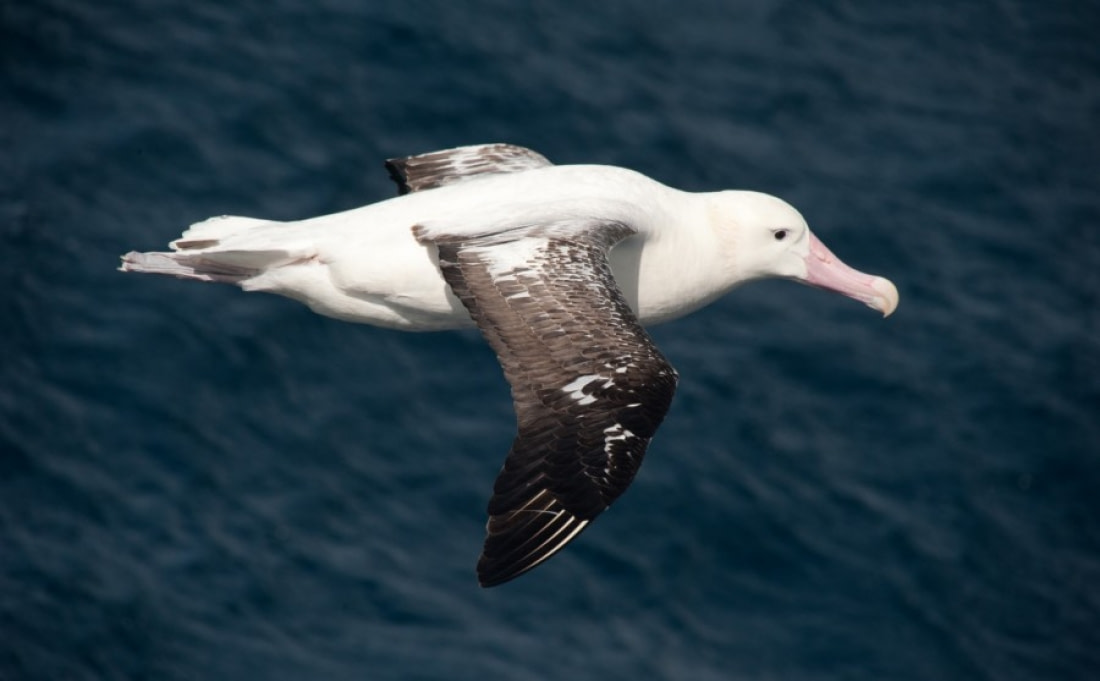
These majestic seabirds have wingspans up to three meters (9.8 feet) and are often seen around Campbell Island during Ross Sea voyages.
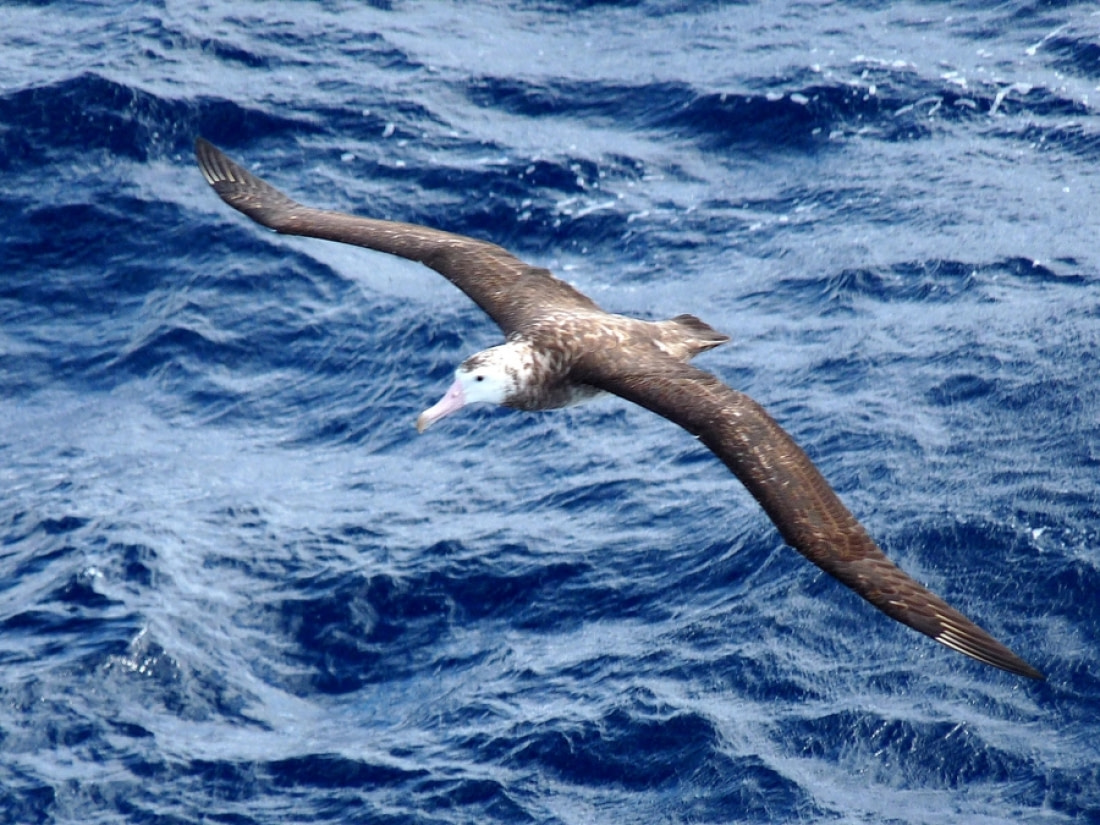
3. Tristan albatross
Similar to wandering albatrosses, Tristan albatrosses have a slightly darker back and are smaller. They are endemic to the Tristan da Cunha archipelago.
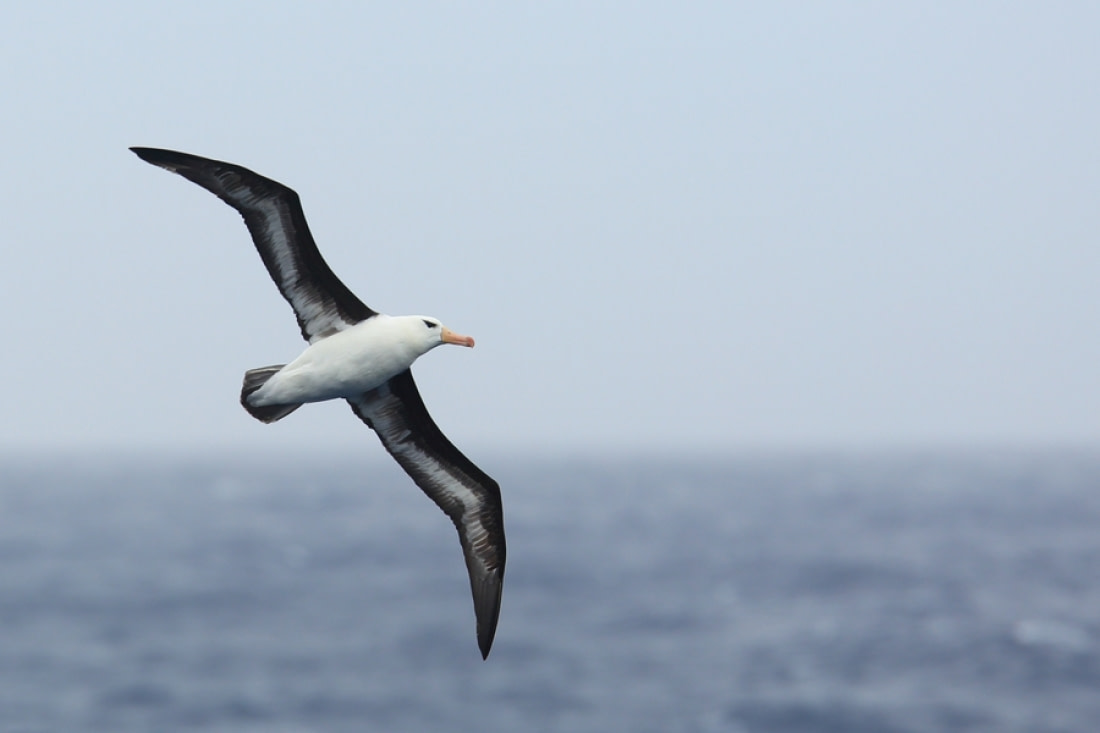
4. Black-browed albatross
Known for their distinct dark eyes, black-browed albatrosses are mostly found in South Georgia and the Falklands. They use little energy in flight, similar to wandering albatrosses.
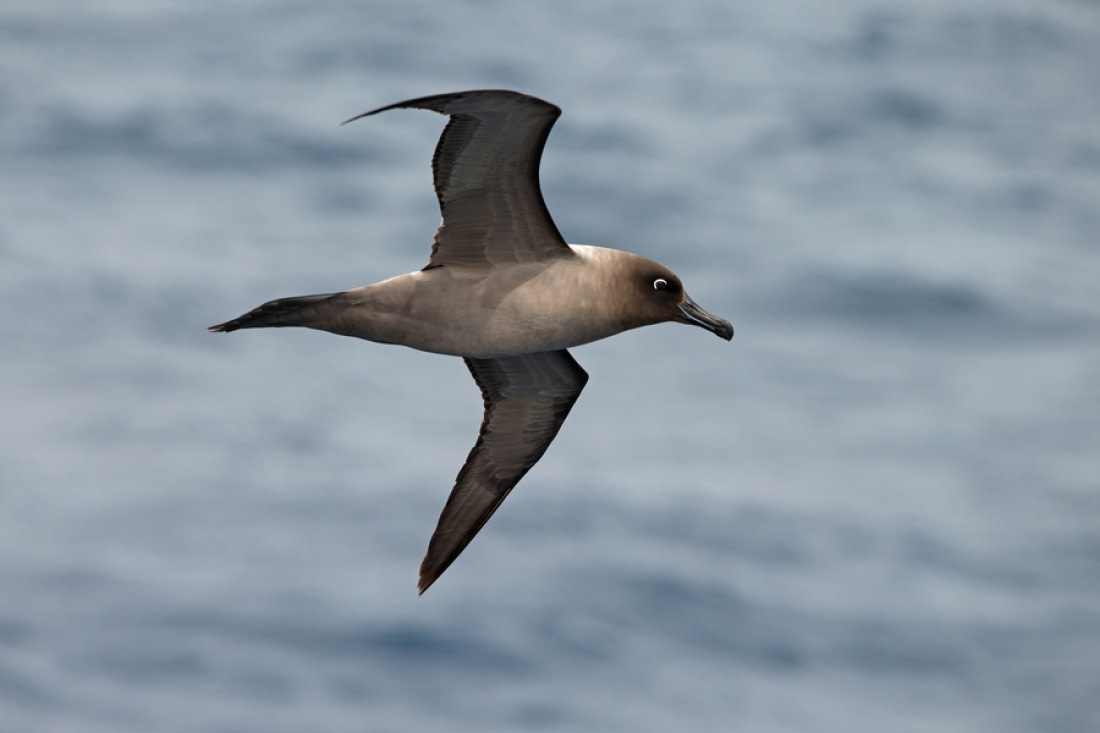
5. Light-mantled albatross
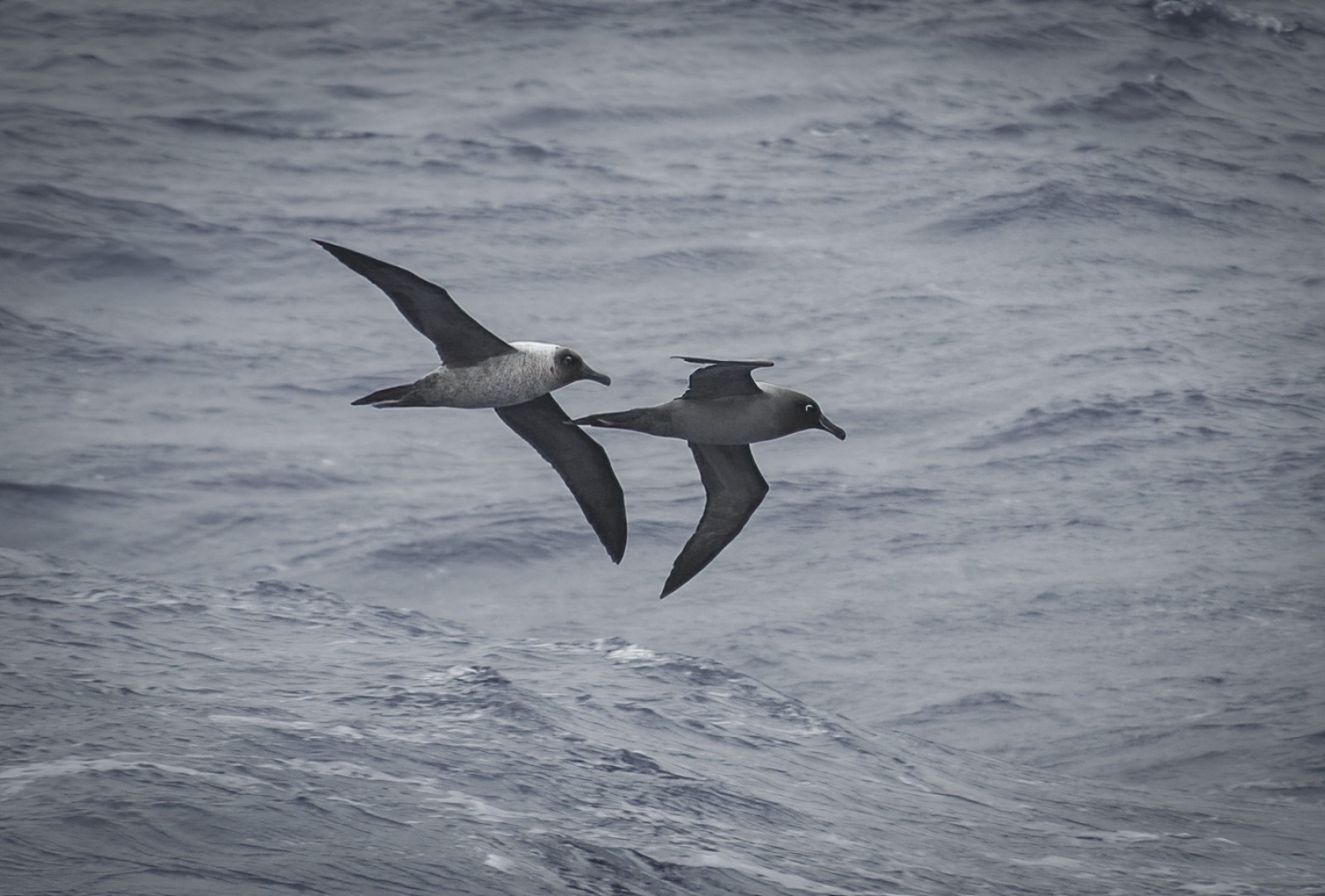
These albatrosses are efficient fliers and have glands that produce a saline solution to expel excess sea salt taken in while feeding.
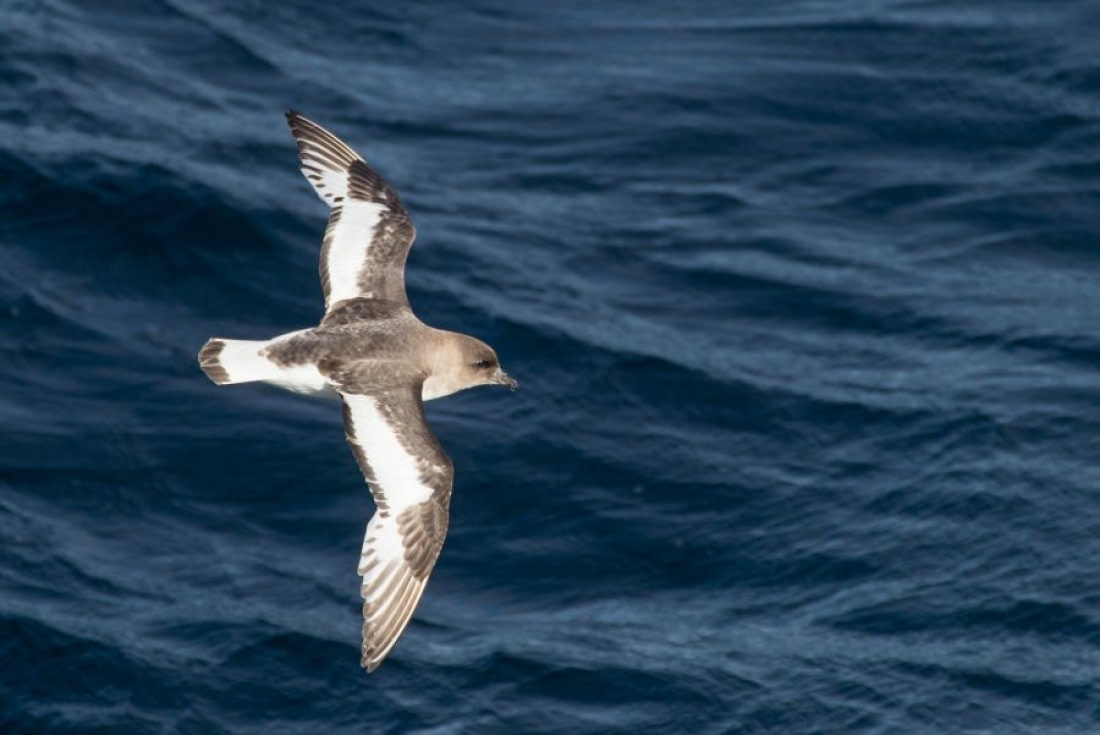
6. Antarctic petrel
The southernmost breeding bird, Antarctic petrels can be seen as far north as New Zealand and Australia during winter. Their name alludes to Saint Peter, as they appear to run over the water before flight.
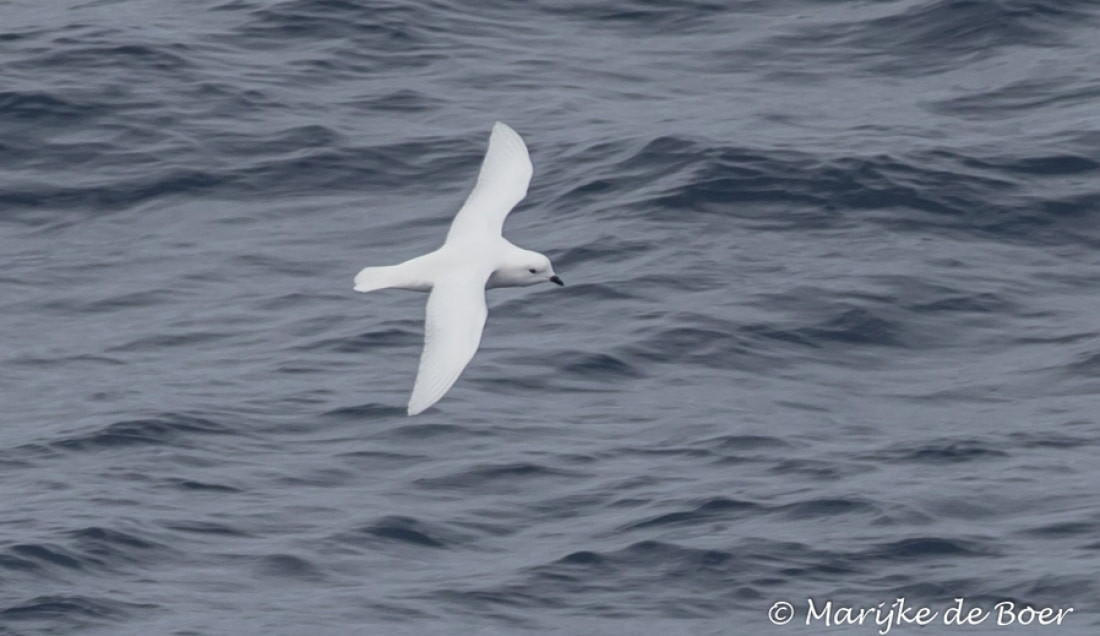
7. Snow petrel
One of the only three birds that nest on Antarctica and its nearby islands, snow petrels are the second southernmost breeding bird in the world.
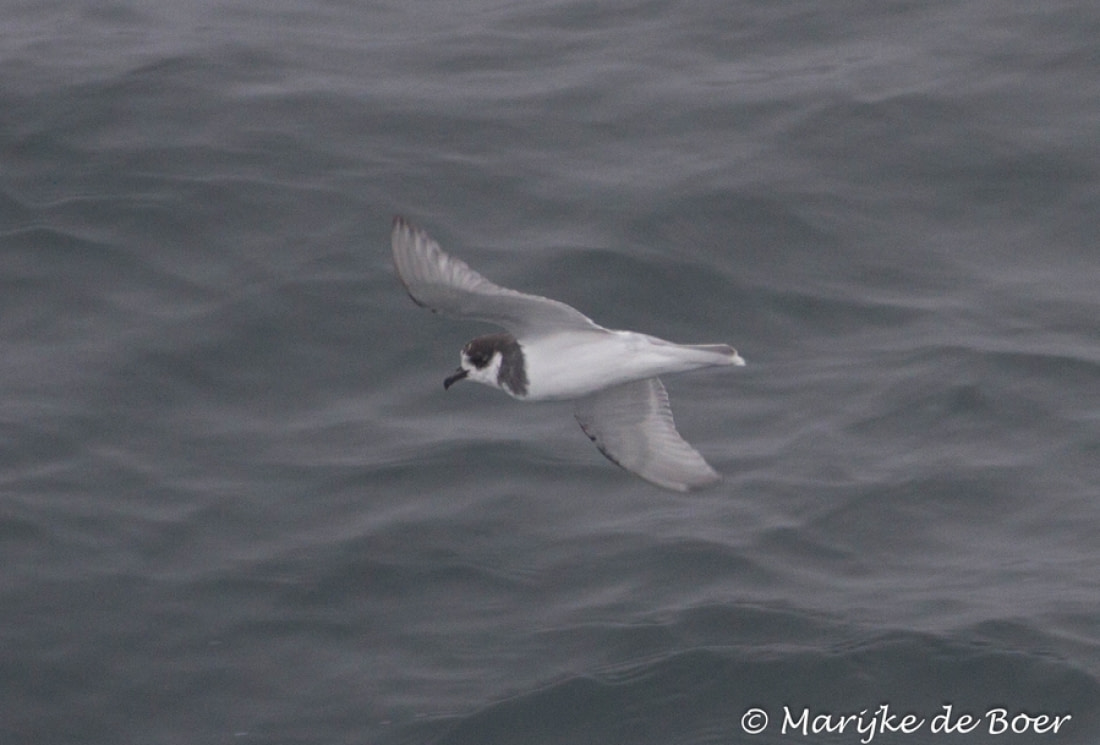
8. Blue petrel
Blue petrels are pelagic birds, staying at sea for most of their lives and coming to shore only to breed. They are often seen in the Drake Passage and the Scotia Sea.
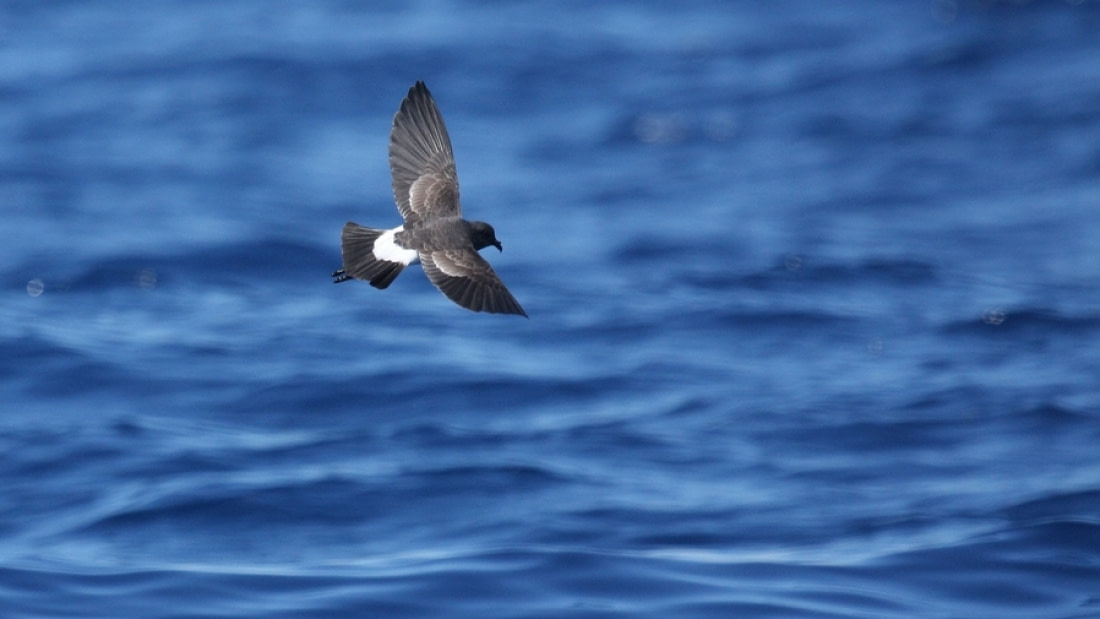
9. Black-bellied storm petrel
Historically thought to predict storms, black-bellied storm petrels are commonly seen around South Georgia.
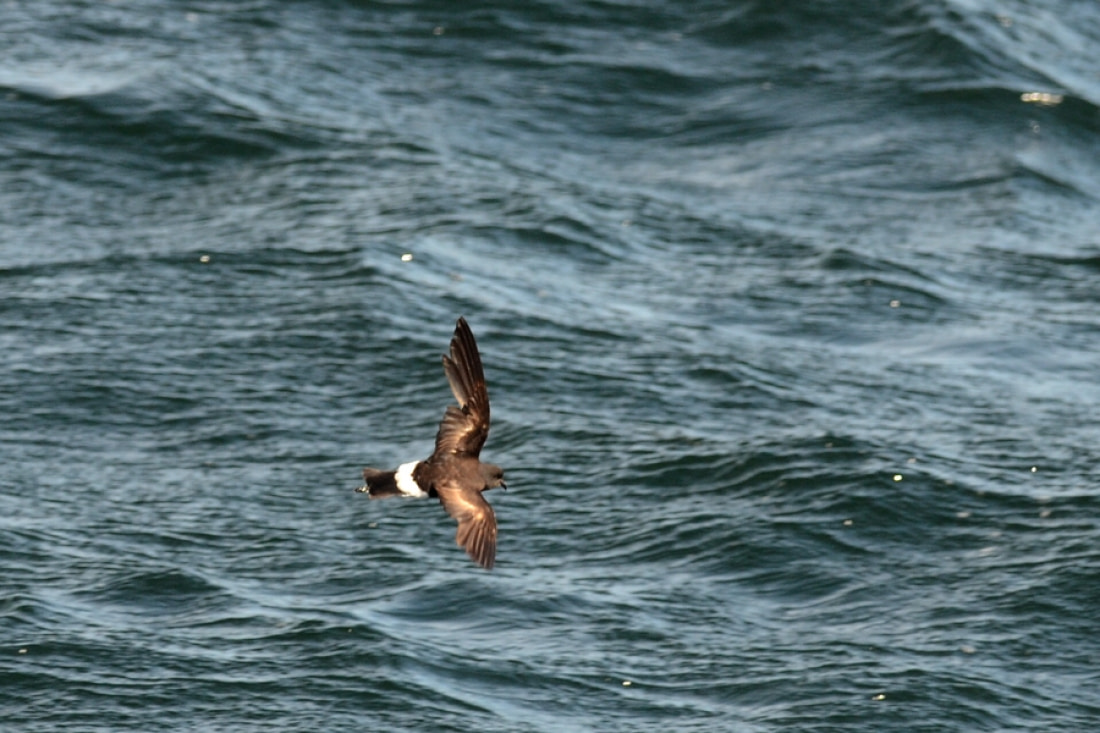
10. Wilson’s storm petrel
Wilson’s storm petrels avoid storm winds by flying in wave troughs. They are named after Alexander Wilson, the “Father of American Ornithology.”
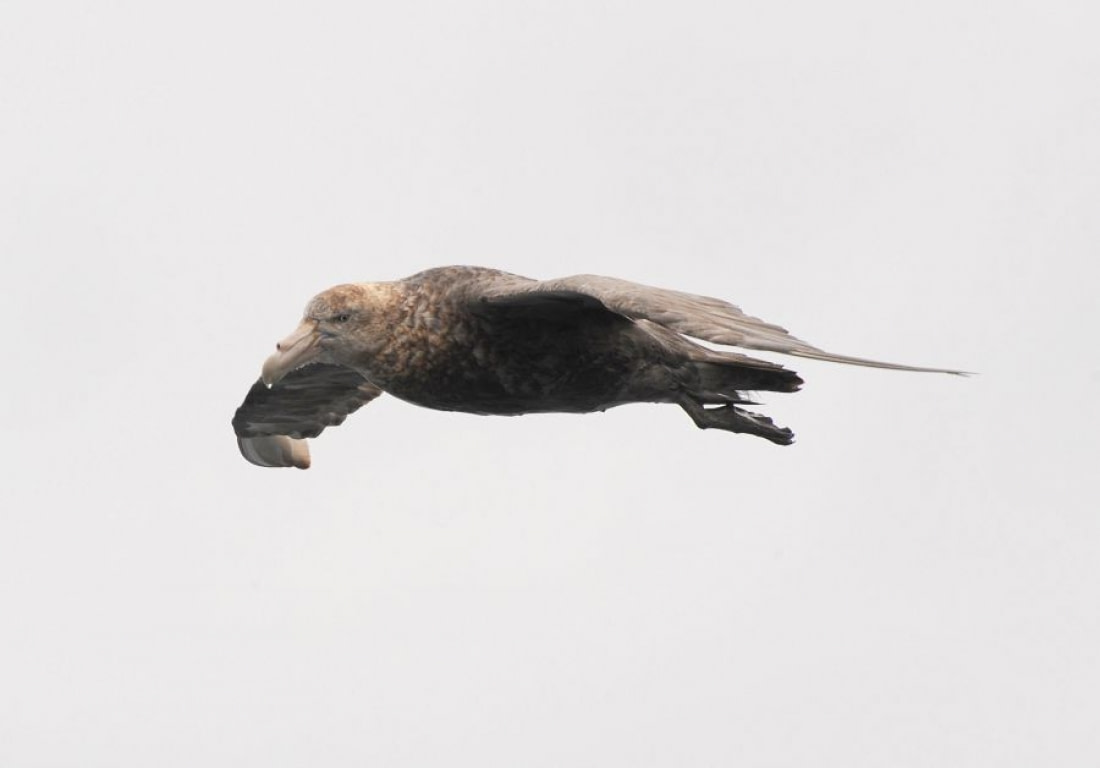
11. Giant petrel
Giant petrels are the only members of their family with strong enough legs to walk on land. Southern giant petrels have pale green beaks, while northern giant petrels have reddish-pink beaks.
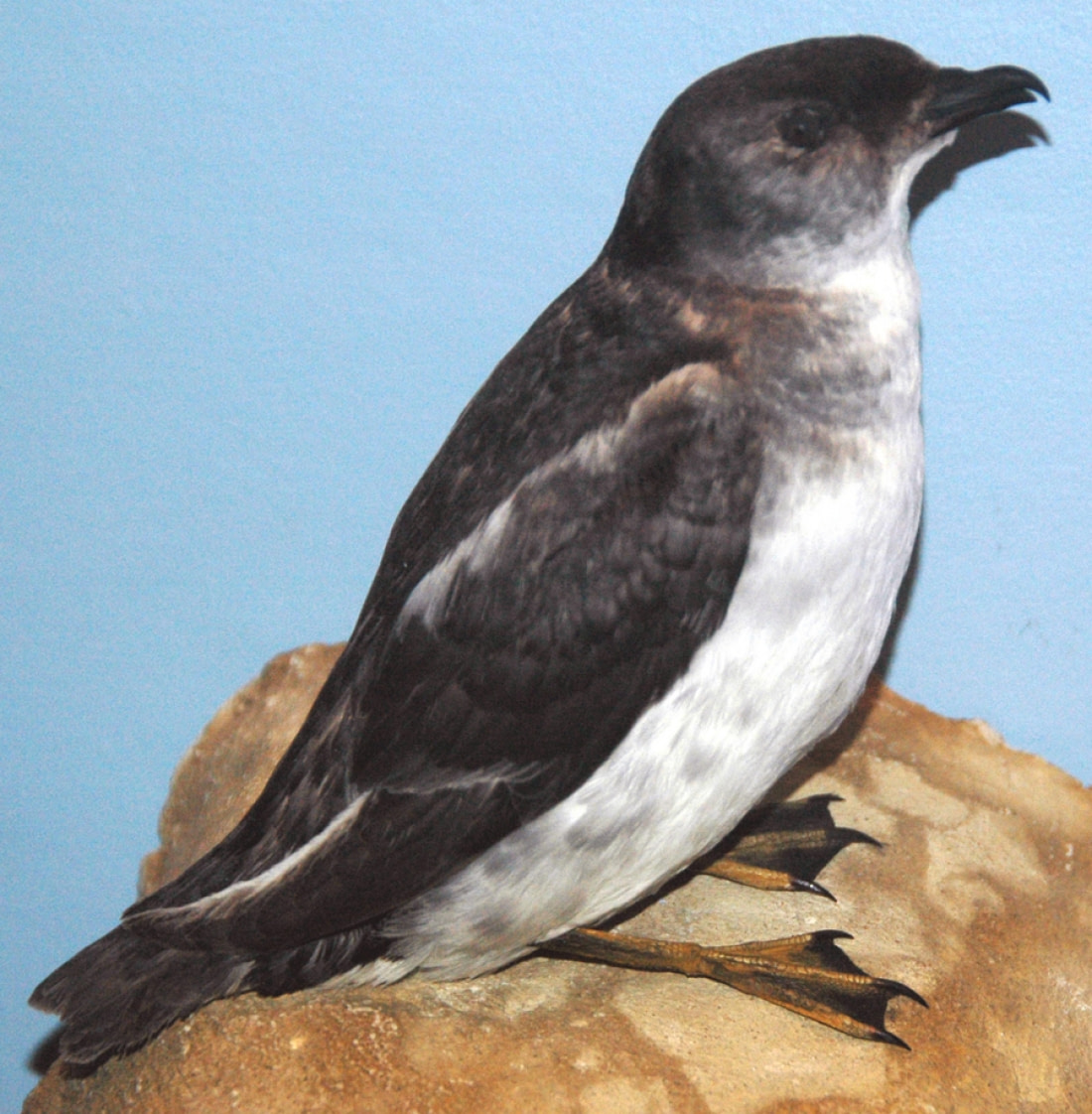
12. South Georgia diving petrel
Commonly seen around South Georgia, these small, auk-like seabirds are also recorded as vagrants in the Falklands.
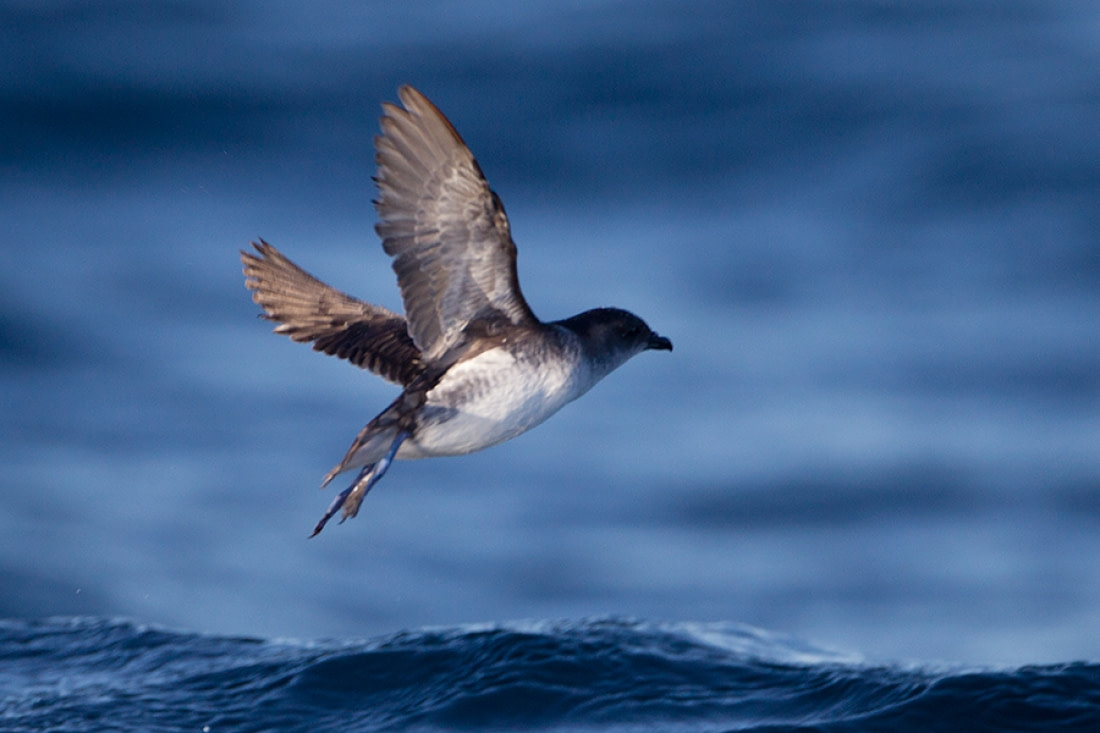
13. Common diving petrel
Almost identical to South Georgia diving petrels, common diving petrels have brown inner web primary feathers. They are seen in South Georgia and sometimes south of New Zealand.
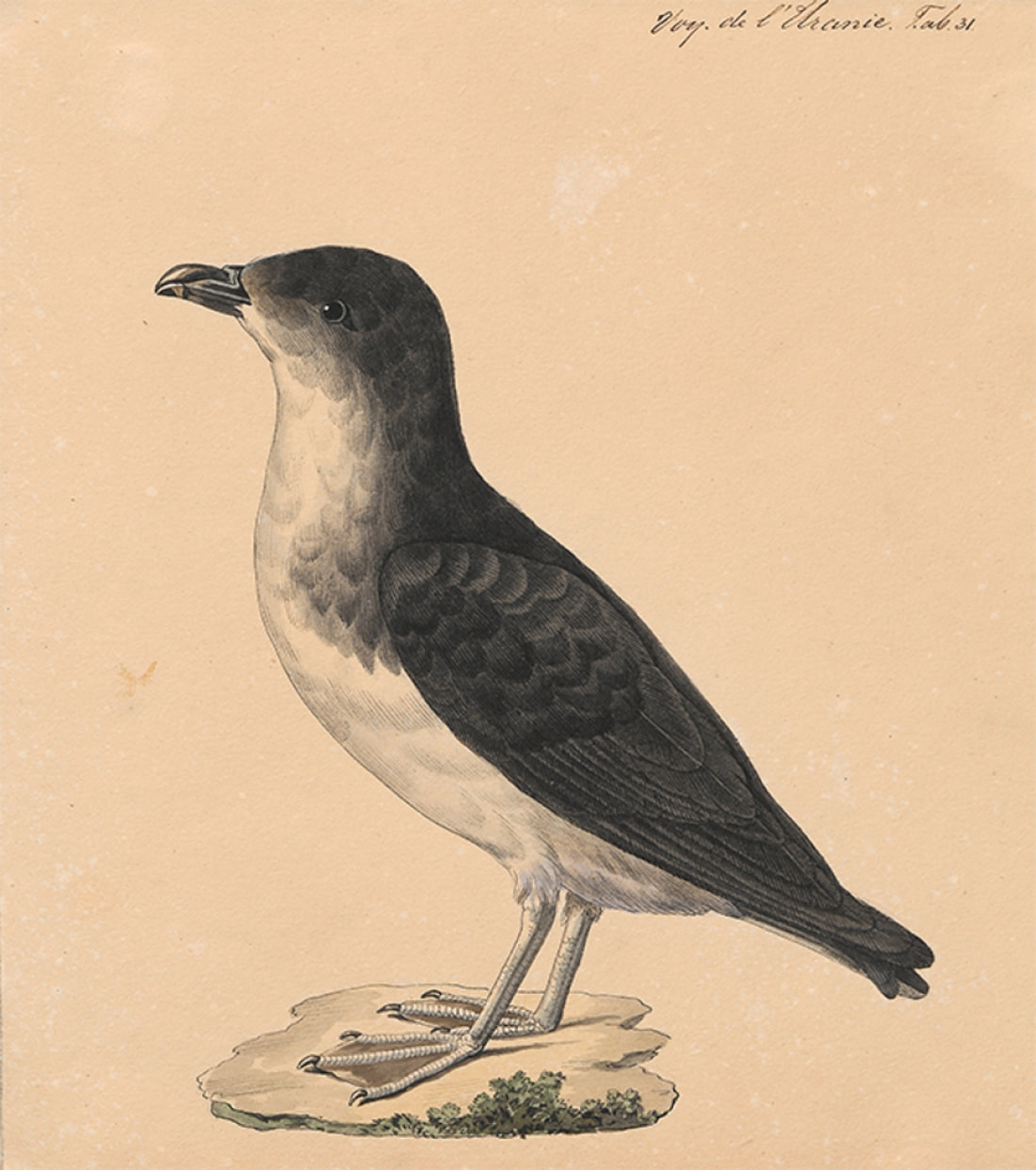
14. Magellanic diving petrel
Magellanic diving petrels are black above, white below, and have sharp facial patterns with white fringes along their uppermost feathers. They measure about 20 cm (7.9 inches) long.
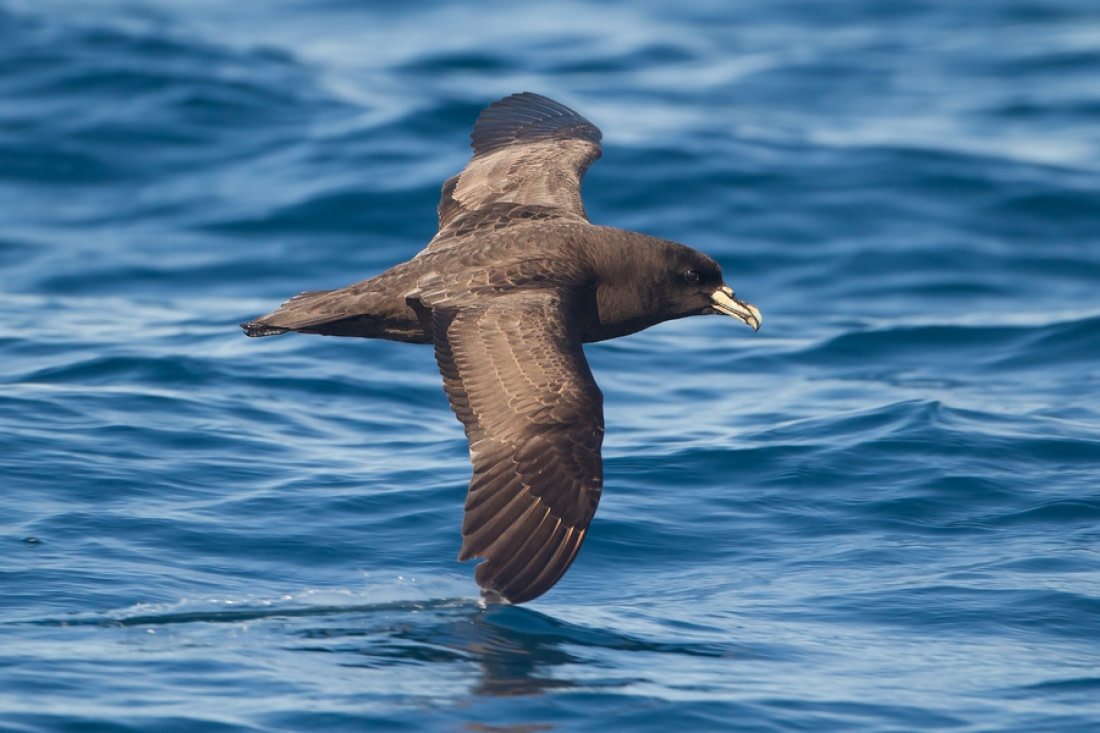
15. White-chinned petrel
These large, light-billed shearwaters are also known as Cape hens and breed in South Georgia, Campbell Island, and the Falklands. They produce stomach oil to defend against predators.
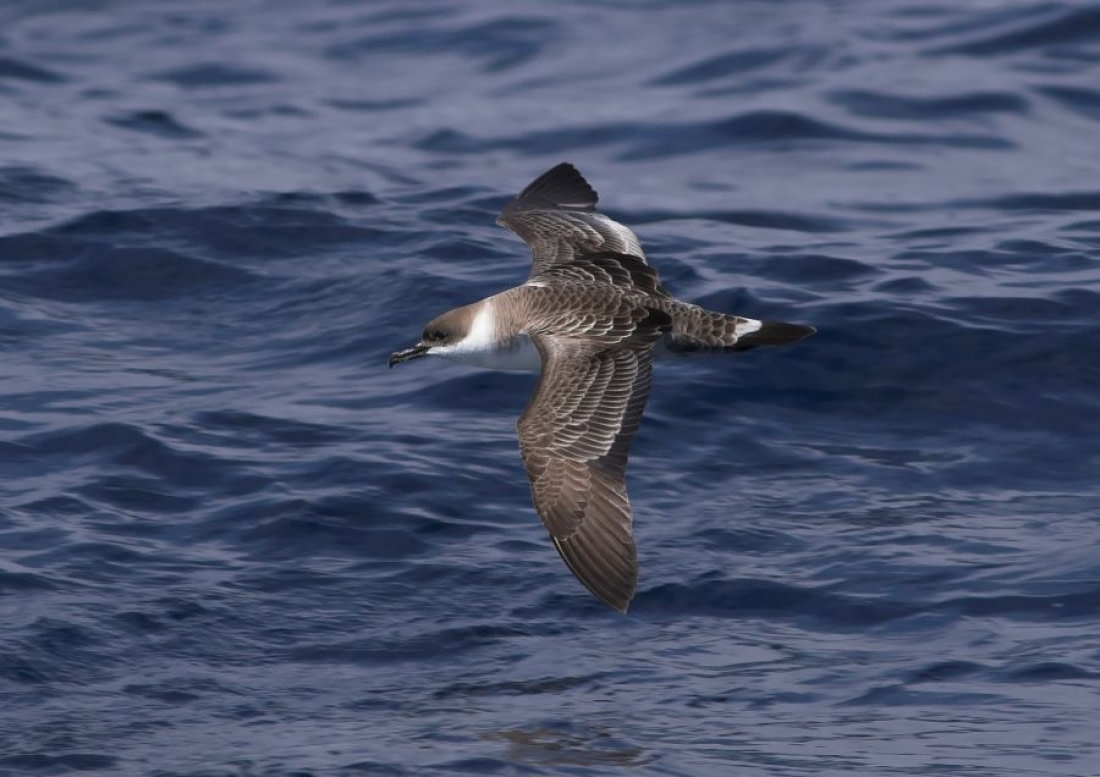
16. Great shearwater
Often seen around the Tristan da Cunha chain, great shearwaters eat squid and fish and are known to be very talkative.
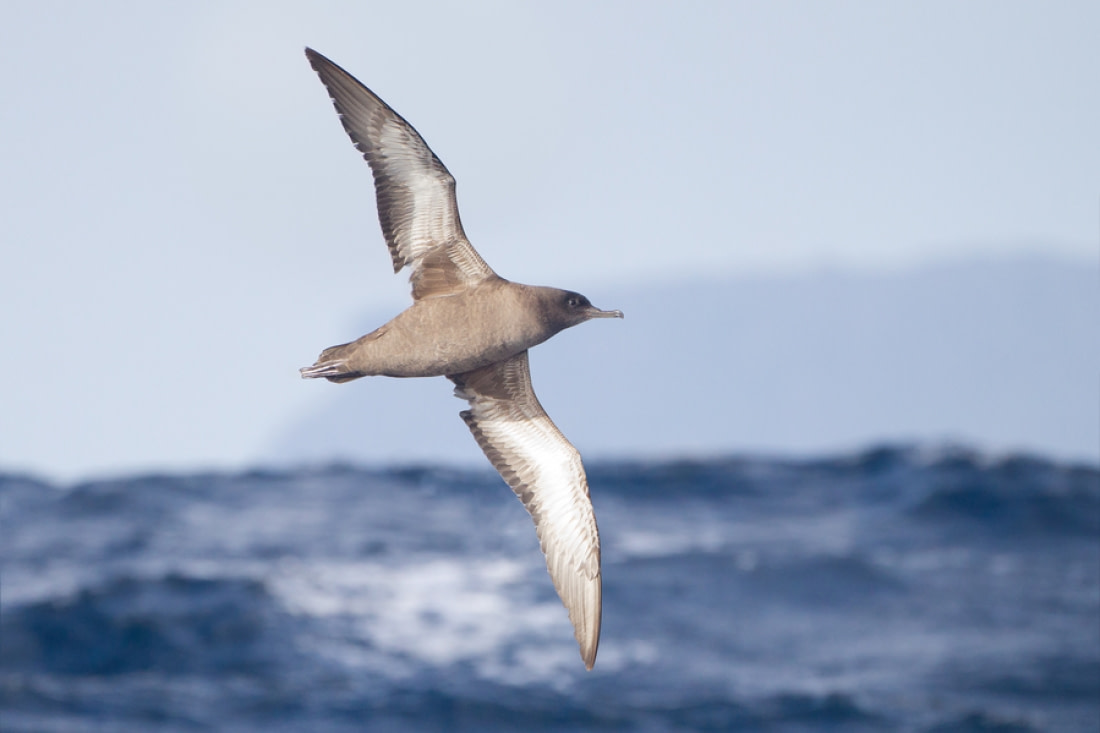
17. Sooty shearwater
Smaller than great shearwaters, sooty shearwaters are often spotted in the Falklands and around Tierra del Fuego. They inspired the story and film "The Birds" by Daphne du Maurier and Alfred Hitchcock.
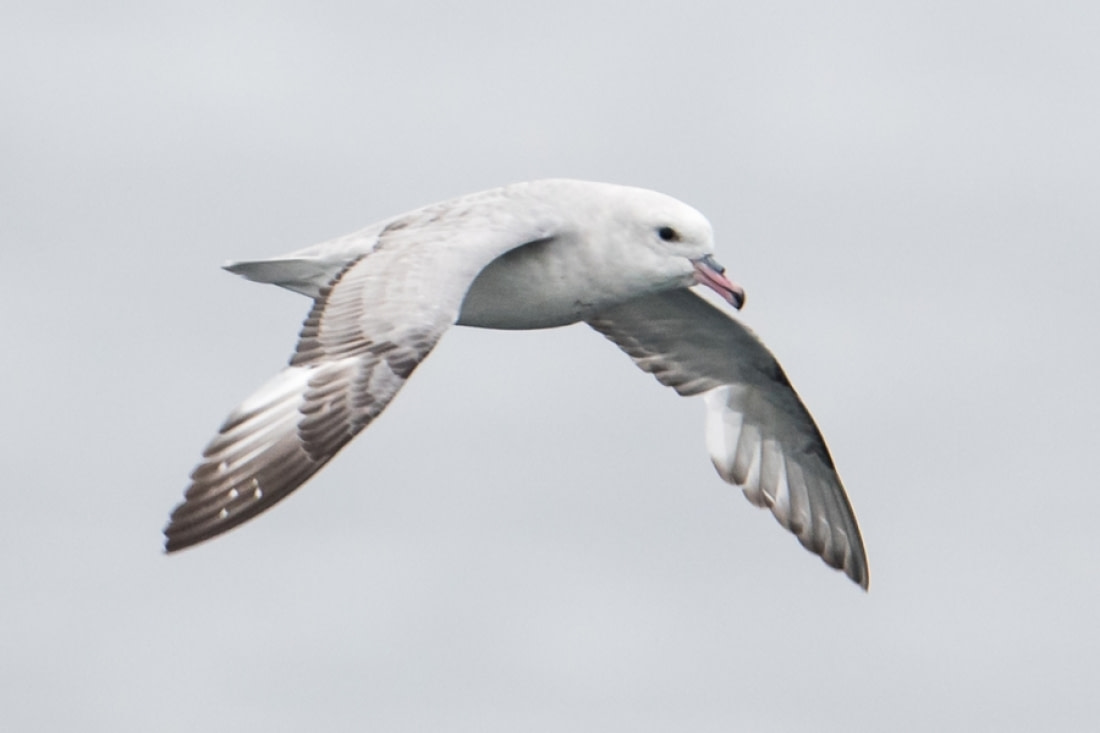
18. Southern fulmar
Also known as Antarctic fulmar and silver-grey fulmar, these cliff-nesting birds are found around the South Sandwich Islands, South Shetlands, South Orkneys, and other nearby Antarctic islands.
19. Antarctic prion
Antarctic prions are the largest birds of the prion species, also called whale birds. They sift the water for tiny crustaceans after the habit of baleen whales.
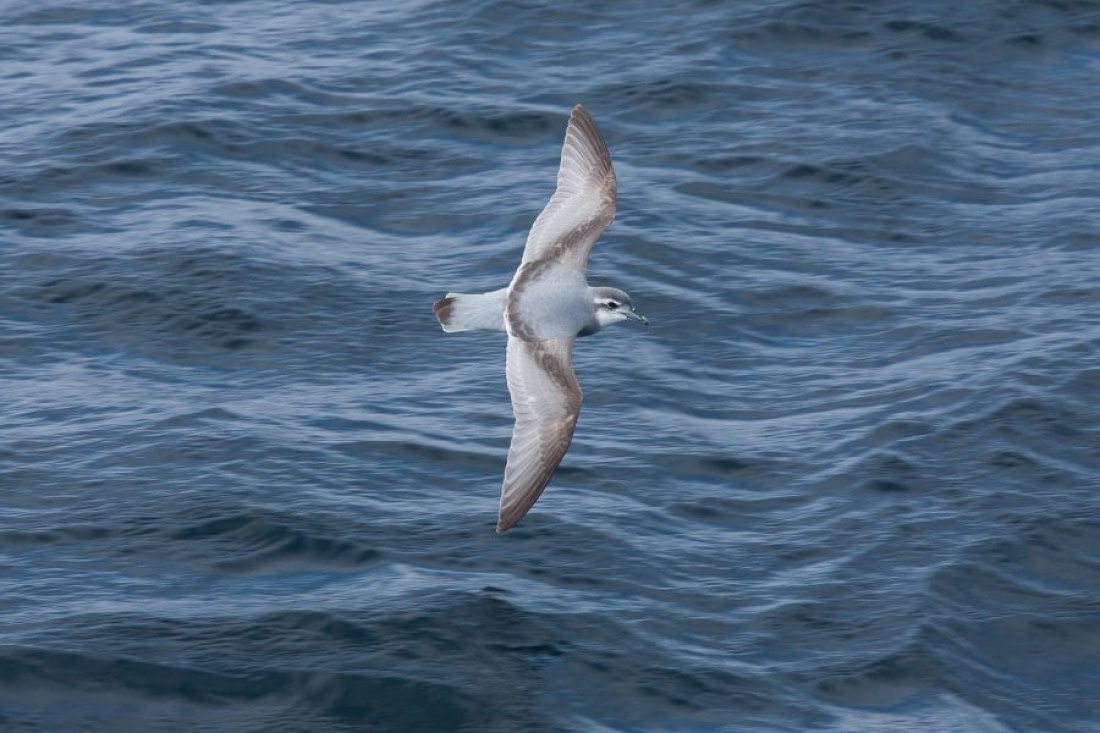
20. Slender-billed prion
Slender-billed prions, or thin-billed prions, filter zooplankton through their "saw-like" bill. Their population is estimated to be around seven million.
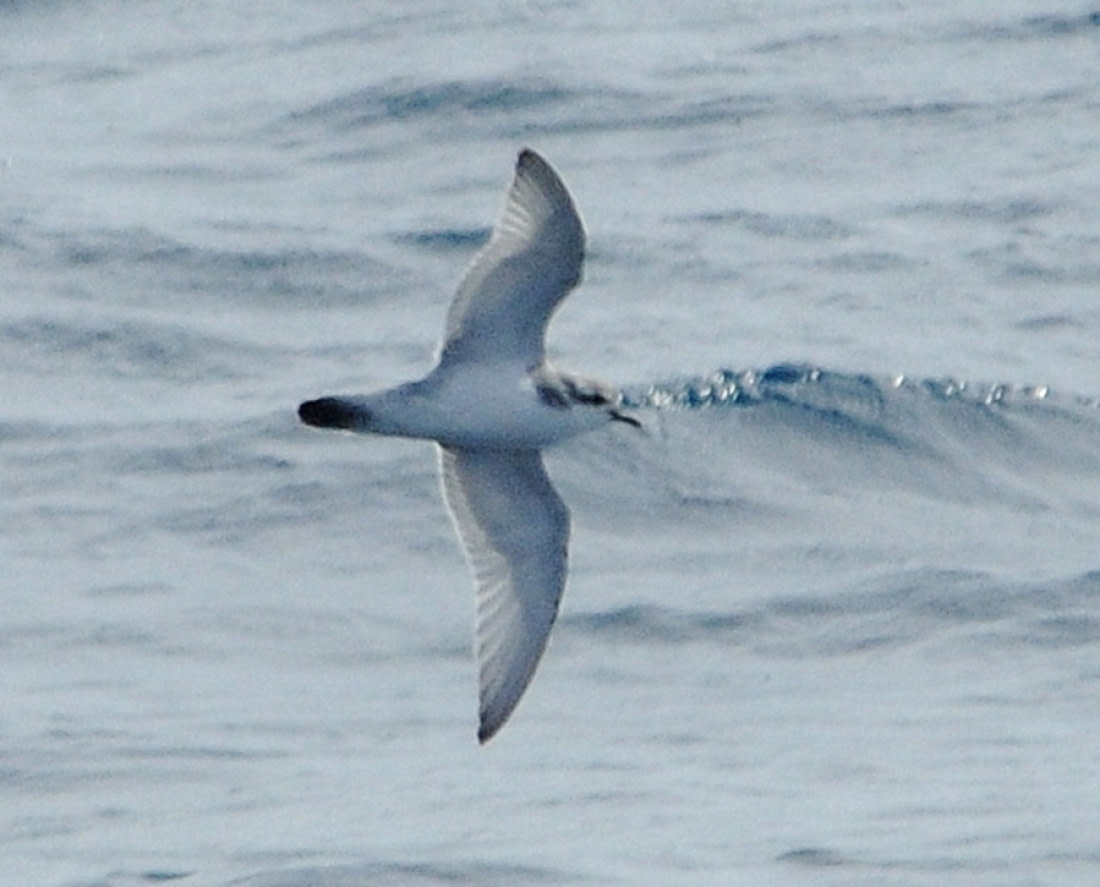
21. Fairy prion
Fairy prions are seen throughout the Southern Hemisphere and are known for their habit of cooing softly for their mates when returning to their nests at night.
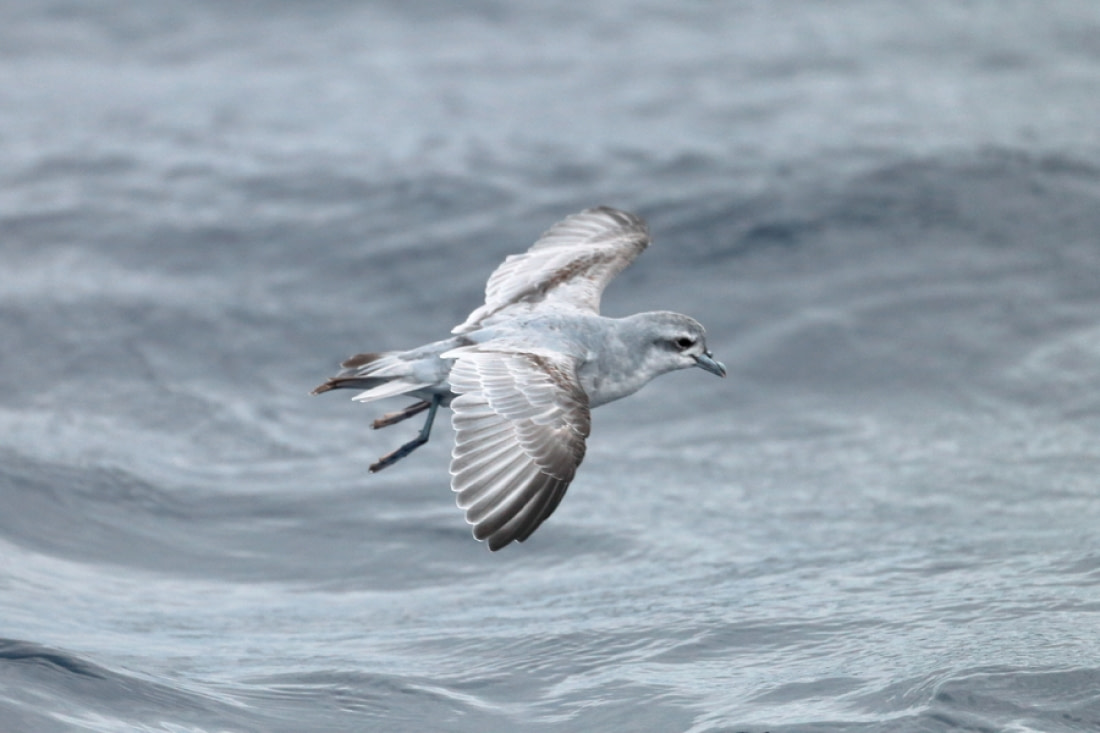
22. Rock shag
Also known as cormorants, rock shags are seen around the Falklands and Tierra del Fuego. They like to nest on cliffs or steep, rocky places.
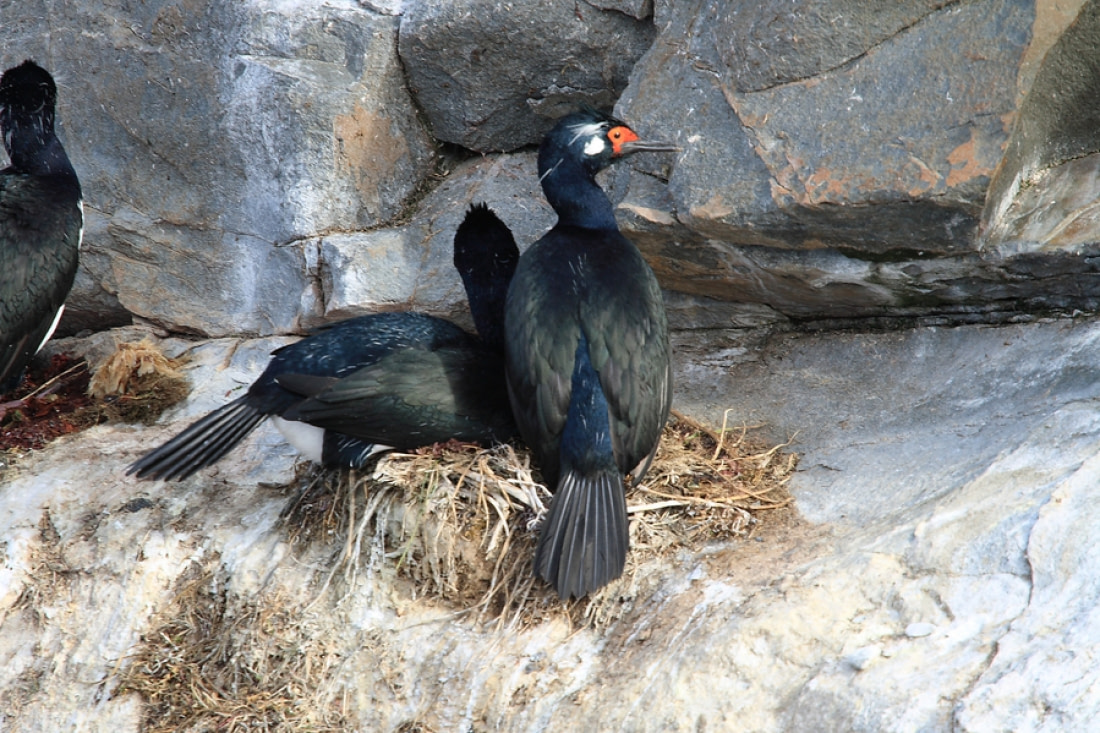
23. Blue-eyed shag
Blue-eyed shags nest year-round in Antarctica and are the only species to do so there. They don't travel far from their nests, making them a welcome sight for sailors.
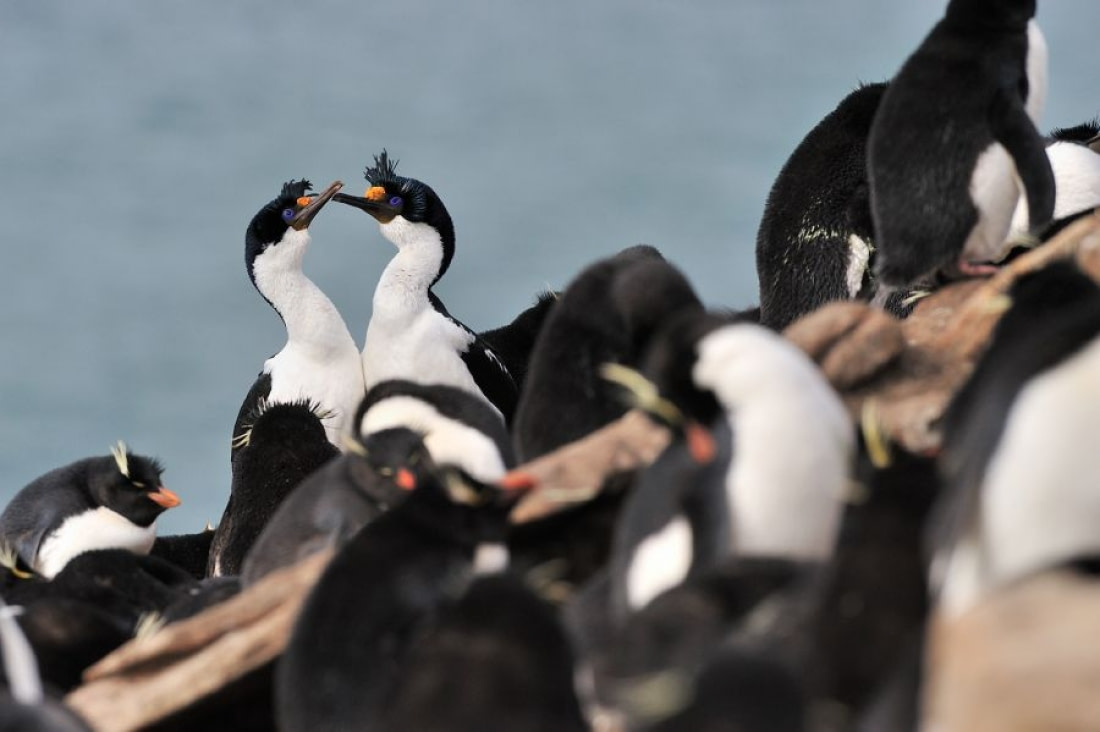
24. Brown skua
Brown skuas feed on eggs, carrion, fish, penguins, and other seabirds. Their taxonomy is complex, with some splitting them into subantarctic skua, Antarctic skua, Falklands skua, and Tristan skua.
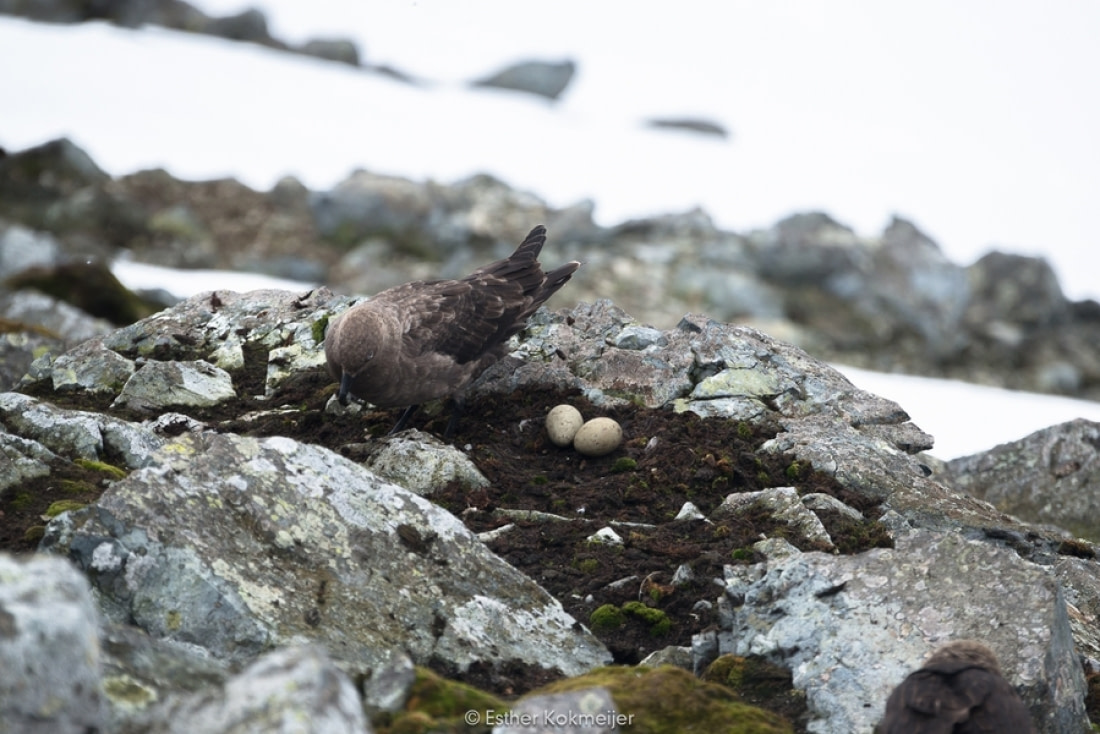
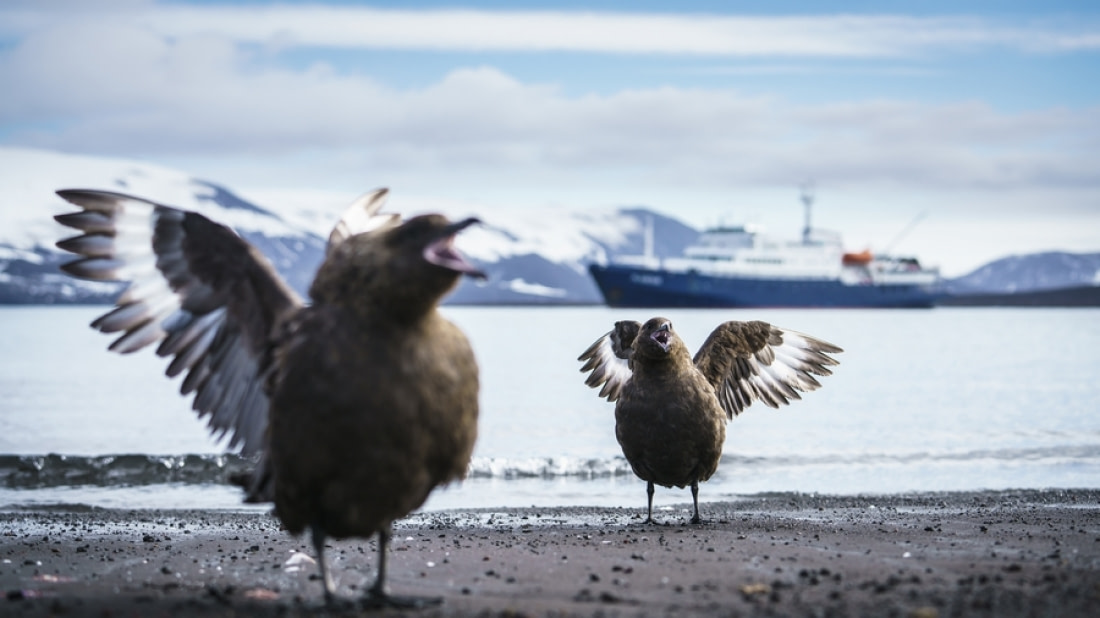
25. South polar skua
Known to attack humans who venture too close to their nests, south polar skuas are rarely seen on land when not breeding. They live entirely at sea.
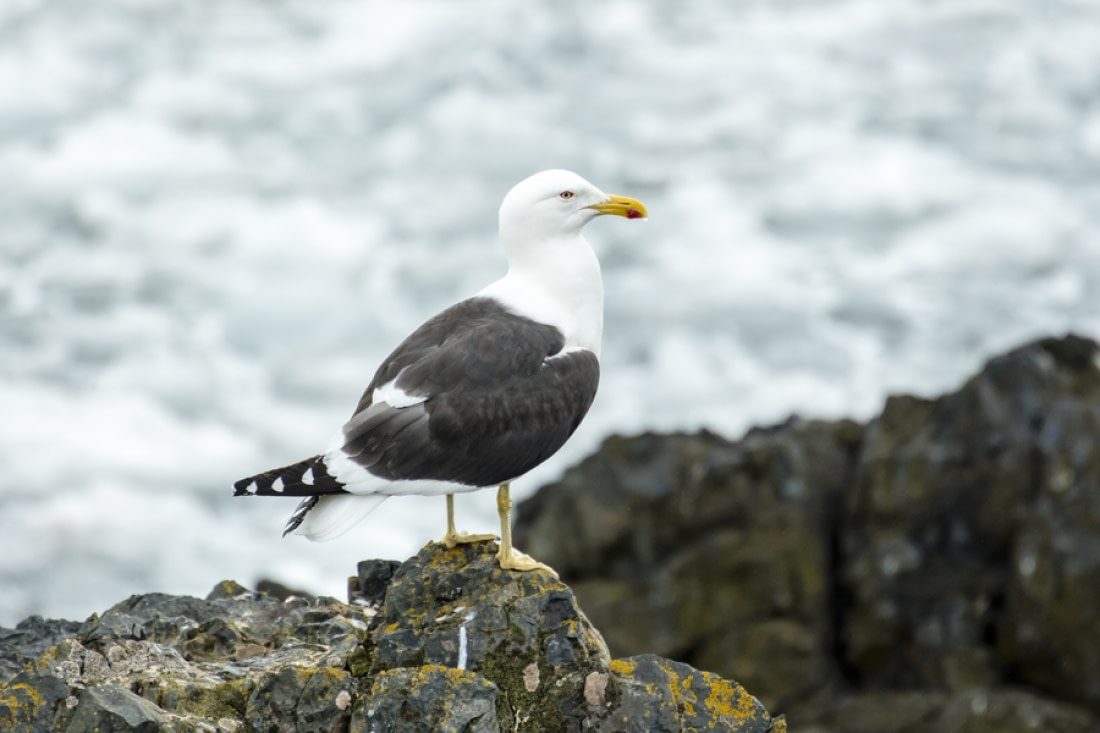
26. Kelp gull
Kelp gulls, also known as Cape gulls or Dominican gulls, are omnivorous scavengers. Their black-and-white plumage resembles that of Dominican friars.
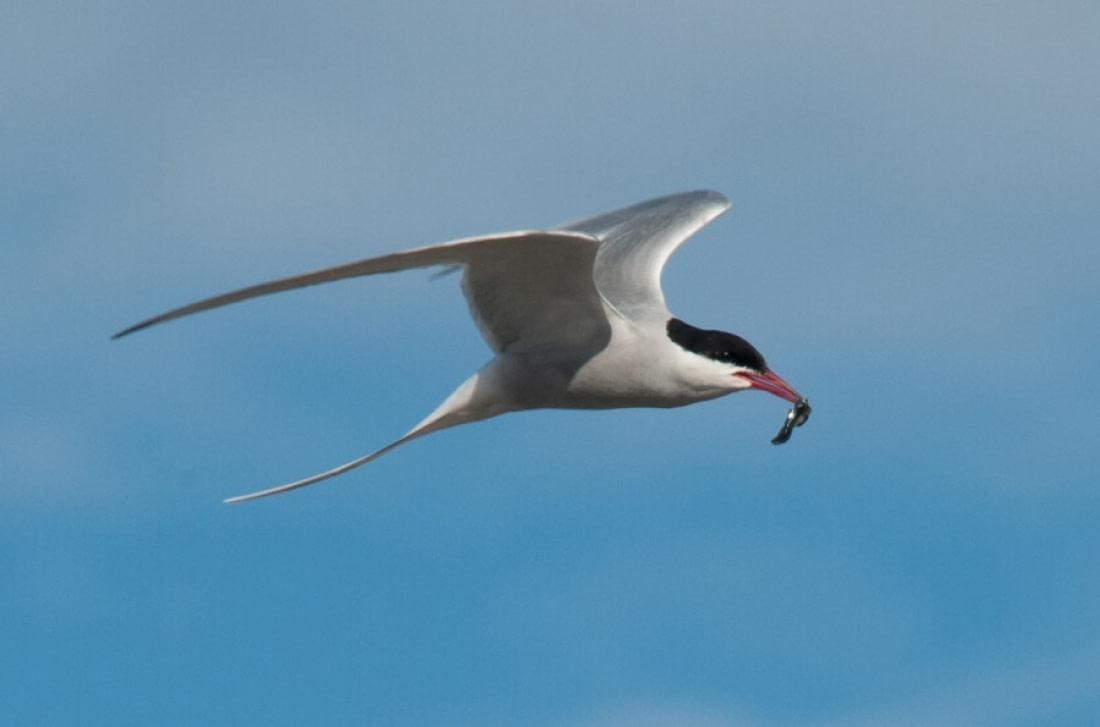
27. Arctic tern
Arctic terns experience both the Northern and Southern Hemisphere summers, traveling up to 2.4 million km (1.49 million miles) over their lives. They get more sunlight than any other animal on the planet.
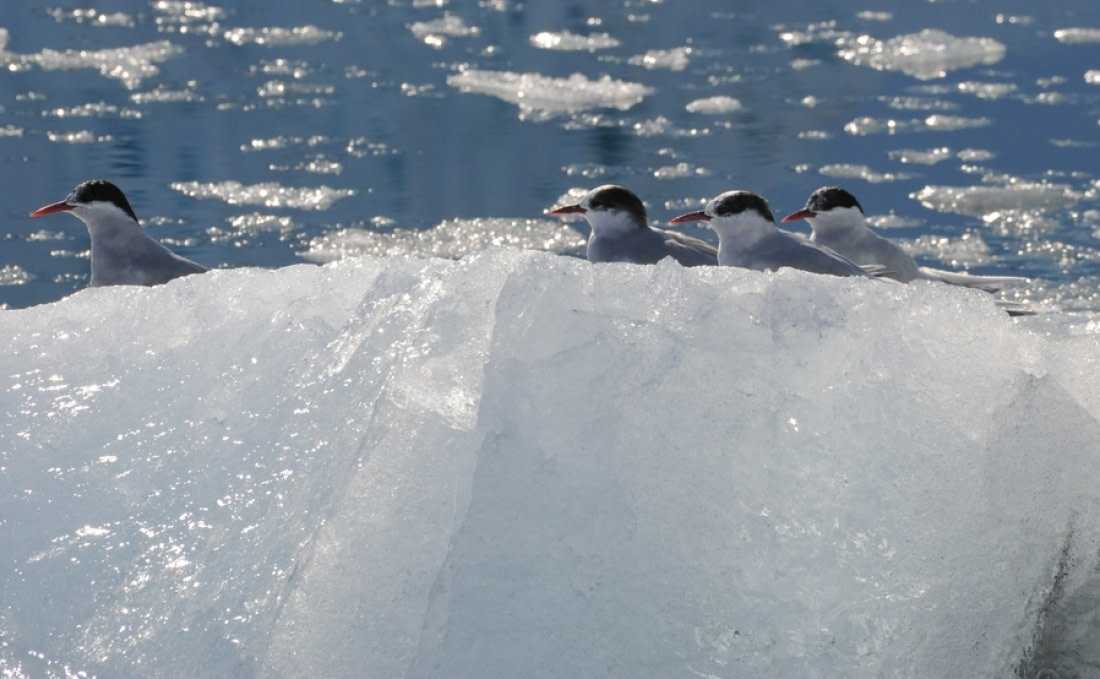
28. Antarctic tern
Antarctic terns are similar to Arctic terns but have gray wingtips and are stockier in build. They are small, measuring only 31 – 38 cm (12 – 15 inches) long.
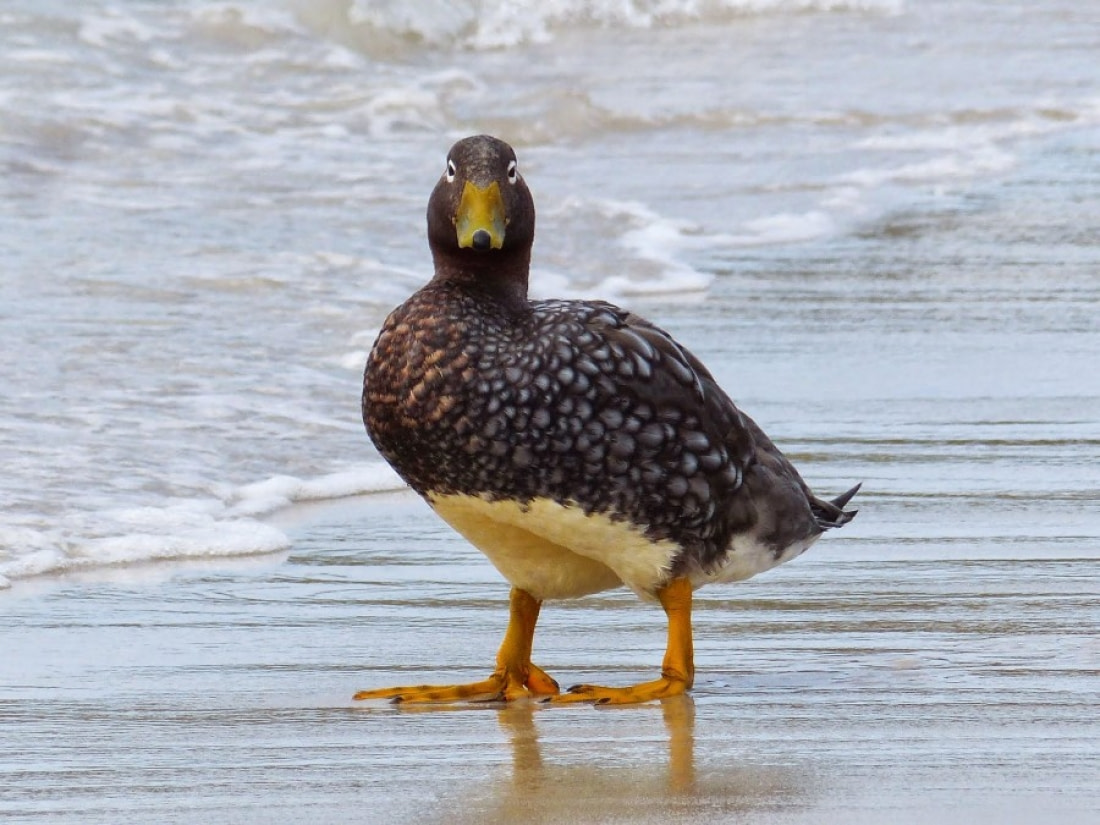
29. Falkland steamer duck
Endemic to the Falkland Islands, these ducks don't fly and are often confused with flying steamer ducks. Charles Darwin described them as "clumsy, loggerheaded ducks."
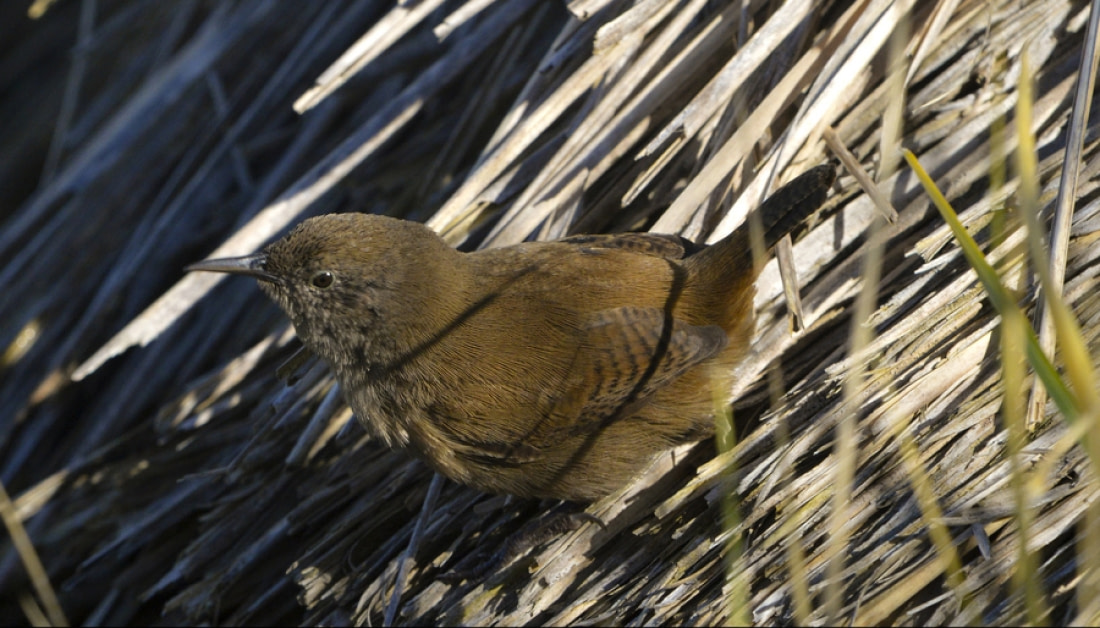
30. Cobb’s wren
Native to the Falklands, Cobb’s wrens were named after Arthur Cobb. They often inbreed due to the small population, sometimes resulting in albinism.
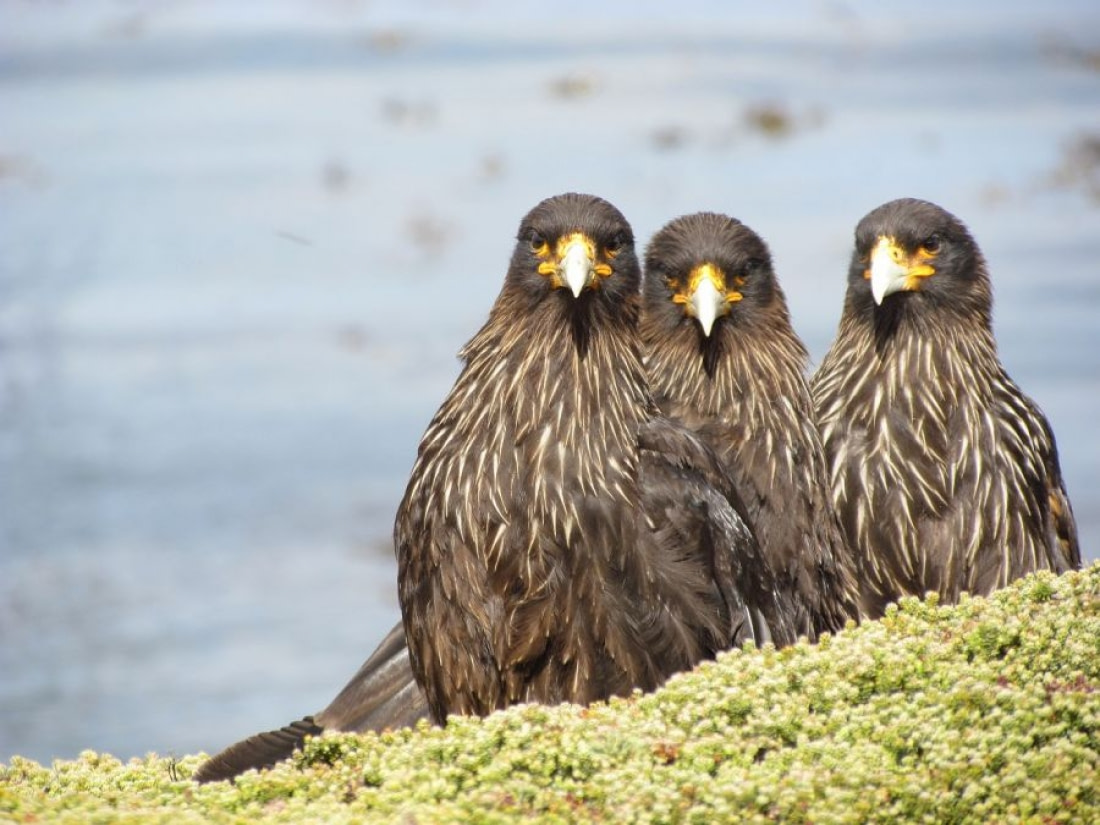
31. Striated caracara
These raptors, also called Johnny rooks, are curious and often approach humans. They are the southernmost breeding bird of prey and a striking resident of the Falklands and Tierra del Fuego.
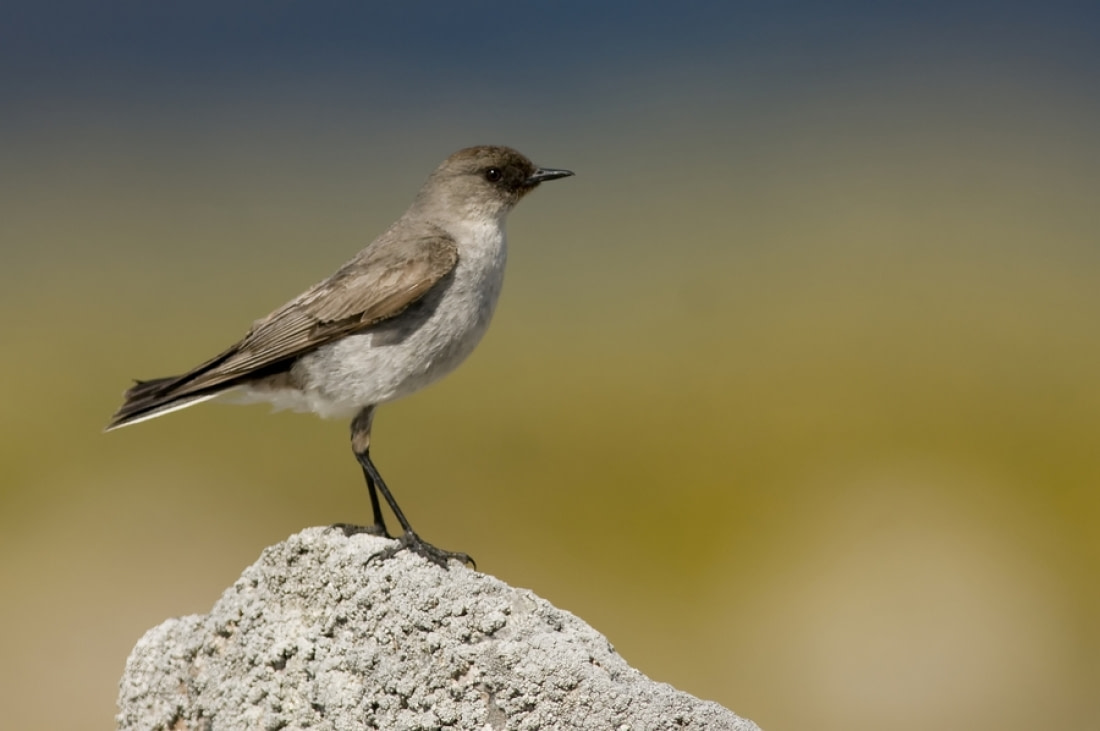
32. Dark-faced ground tyrant
Native to the Falklands, dark-faced ground tyrants are members of Tyrannidae, the largest bird family in the Americas. They are known for their habit of hopping up to other birds as if to relay news.
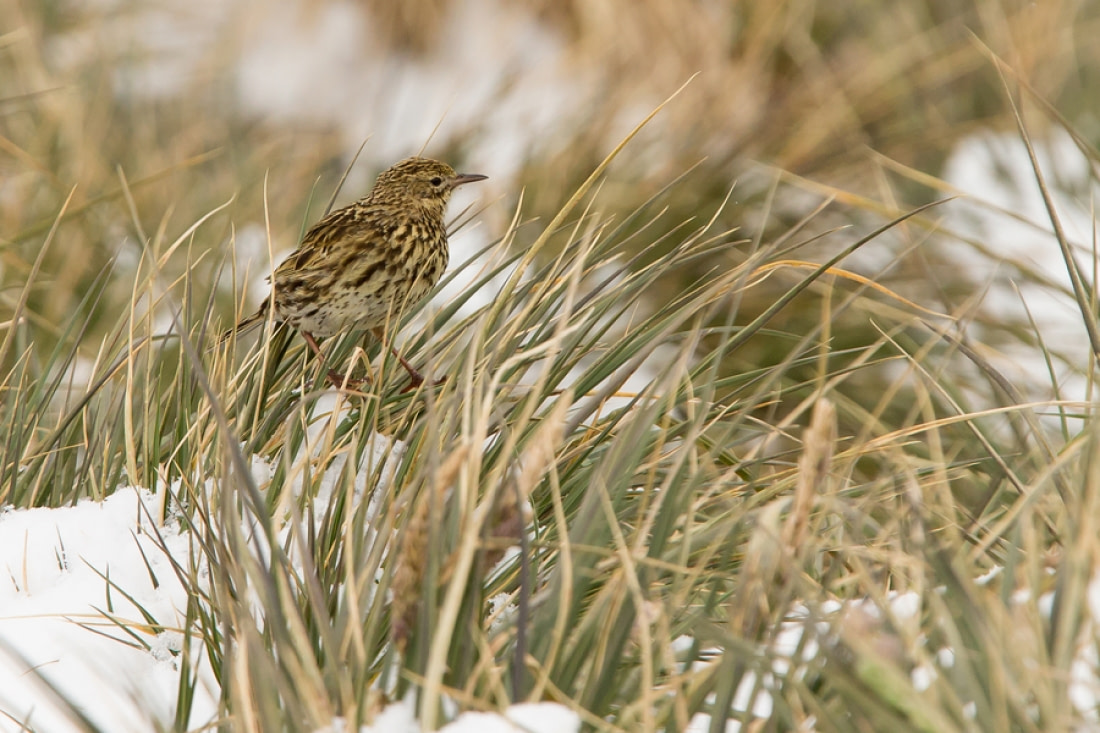
33. South Georgia pipit
South Georgia pipits are the only Antarctic songbird, seen around South Georgia where they build nests out of dried tussac grass. They are the island chain’s only perching bird.
Antarctic birdwatching tours for bird lovers
These are just a few of the birds and seabirds you may encounter in Antarctica. We encourage you to come see these and many other exotic polar birds for yourself on an Antarctic bird-watching tour.


Blog


Weddell Sea, Shackleton’s Endurance, and New Swabia

Baleen Whales – The Gentle Giants of the Ocean
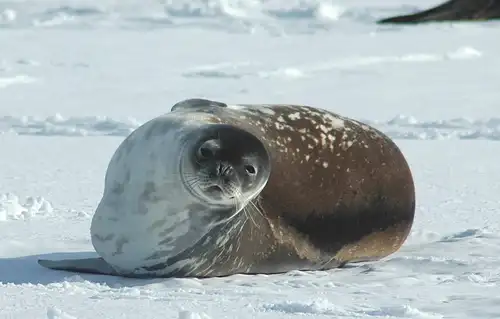
Weddell seals: The data collectors scientists of Antarctica
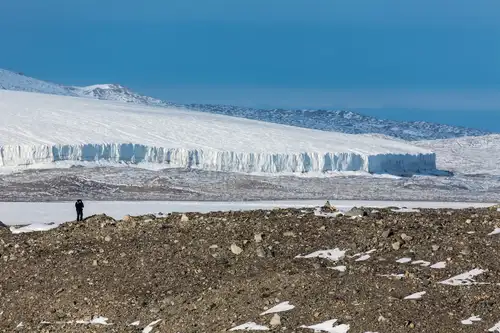
The Secret Life of Glaciers: How They Form, Move, and Melt

10 Tips for Photographing the Northern Lights
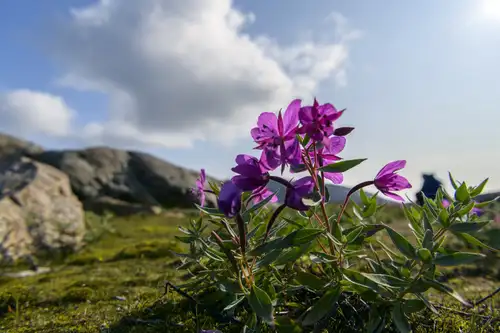
Arctic Flowers, Trees, and Other Plant Life

Svalbard vs. the Canadian Arctic
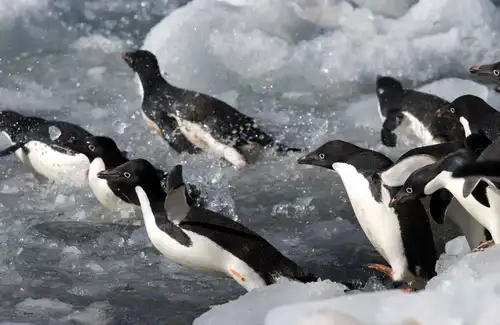
Adélie Penguins: the Little People of the Antarctic
International Polar Bear Day
The Most Enchanting Antarctica Cruise Islands

The Seasons of Antarctica: When to Visit and Why
Visa to Argentina for Antarctic Expedition Travelers (2025 Guide)

Port Lockroy: History, Post Office, and Resident Penguins
Spitsbergen: Alkefjellet magic
The First Buildings in Antarctica: Borchgrevink’s Historic Huts

Everything you need to know about Antarctic icebergs
The Giant Petrels of King George Island
15 Toothy Facts About the Atlantic Walrus
Five Birds You Might See on Your Greenland Cruise