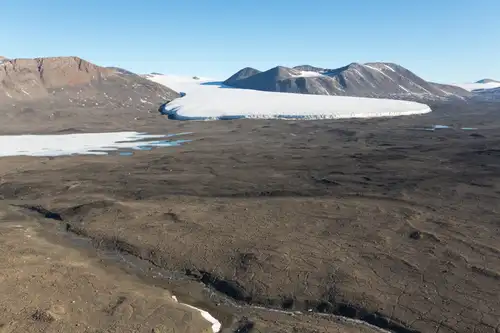

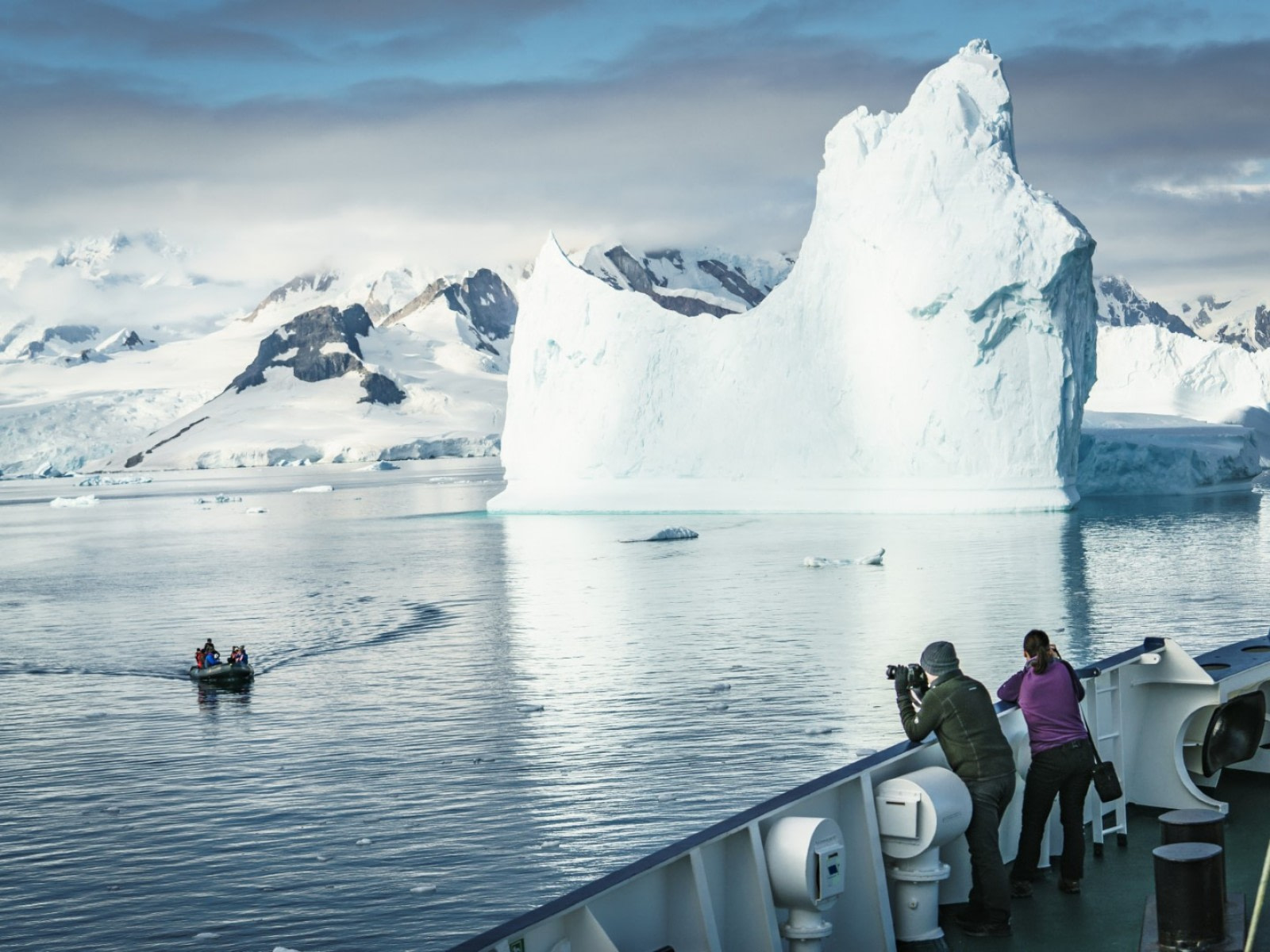
When it comes to experiencing the vast wonders of Antarctica, the Antarctic Peninsula stands out as an unparalleled destination.
This stunning 1,300-km-long (810 miles) stretch of polar landscape offers the opportunity to encounter a variety of penguins, whales, seals, and seabirds. Additionally, it boasts rugged coastlines, rocky mountains, massive glaciers, sparkling bays, and numerous other extraordinary locations perfect for adventurous outdoor activities.
In essence, the Antarctic Peninsula has it all.
Here, we will highlight some of the many attractions (wildlife, locations, and activities) that captivate visitors to this incredible destination. While not exhaustive, this overview will give you a glimpse of the once-in-a-lifetime experiences awaiting you on the Antarctic Peninsula.
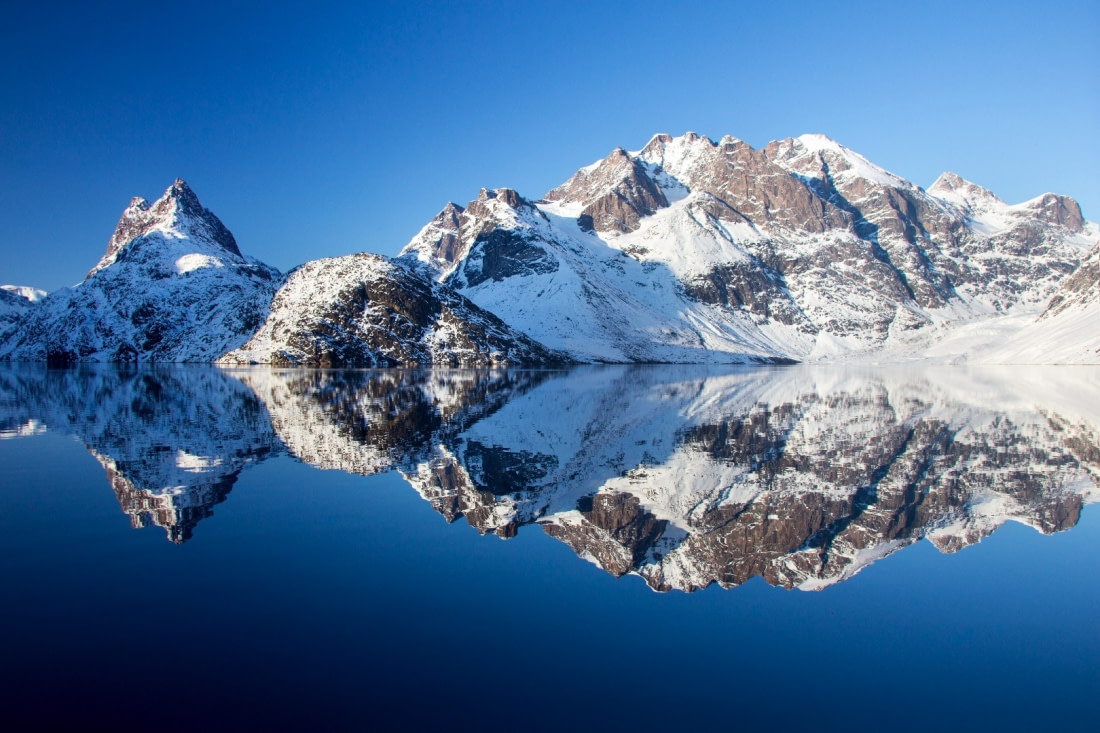
Antarctic Peninsula Animals
Exotic wildlife is a major draw for travelers to the polar regions. On the Antarctic Peninsula, you have a good chance of seeing two core penguin species, as well as various seals, whales, and seabirds. Here are some of the notable animals you might encounter.
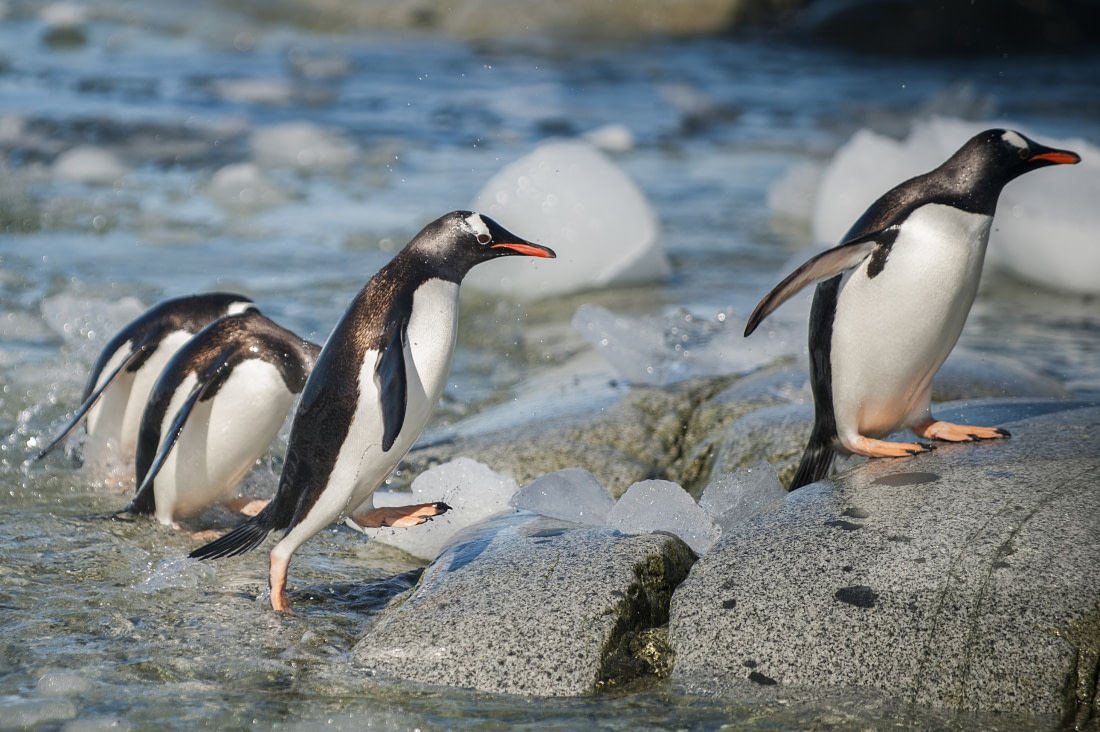
Gentoo Penguin
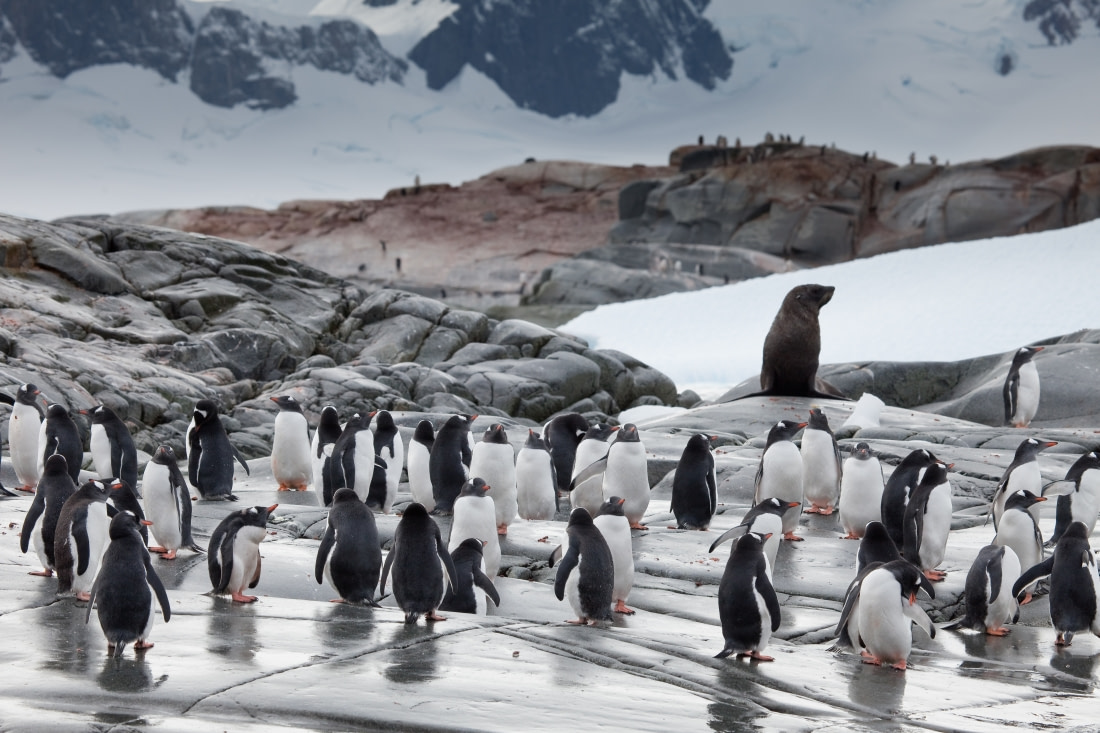
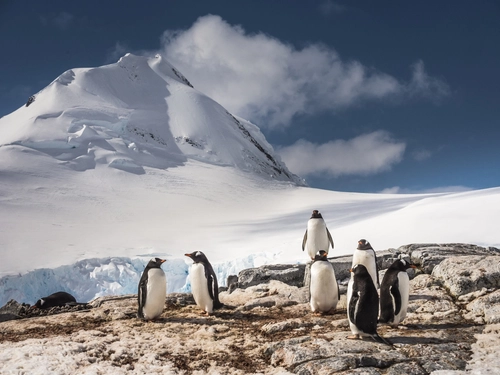
The gentoo penguin is the only penguin species currently increasing in both population size and distribution, making them a relatively common sight along the Antarctic Peninsula.
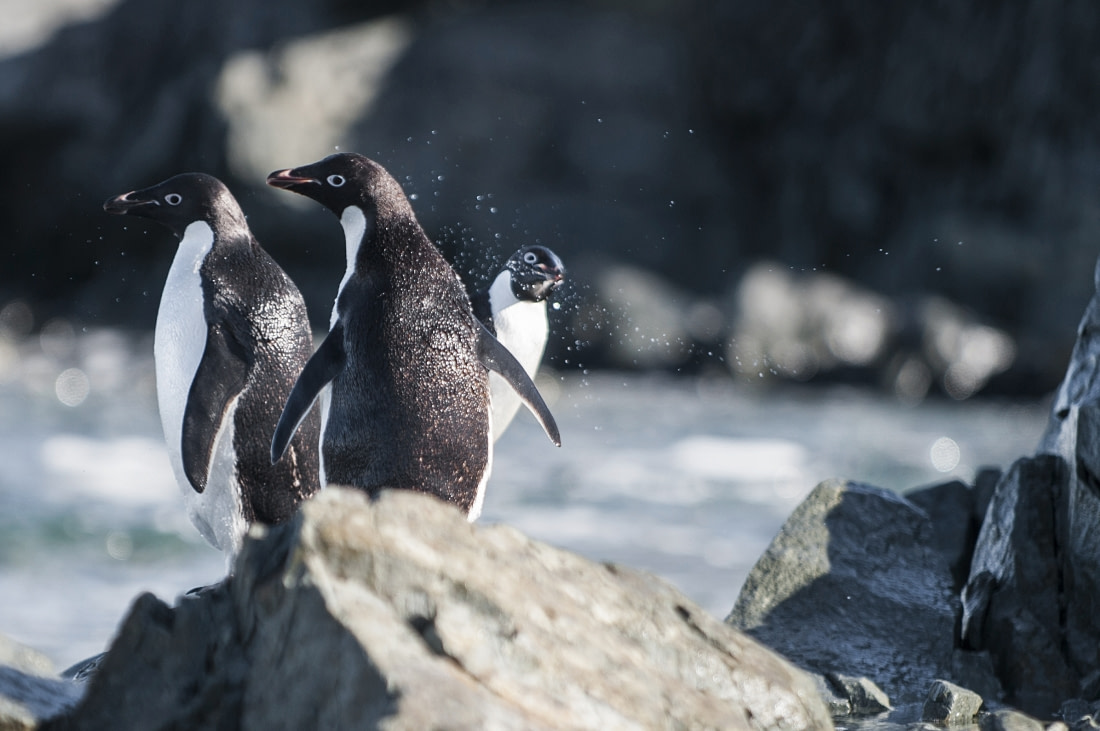
Adélie Penguin
Adélie penguins are easily identifiable by their unique eyes. They are not only found on the Antarctic Peninsula but also across the continent, being one of only two penguin species that are permanent residents of Antarctica—the other being emperor penguins.
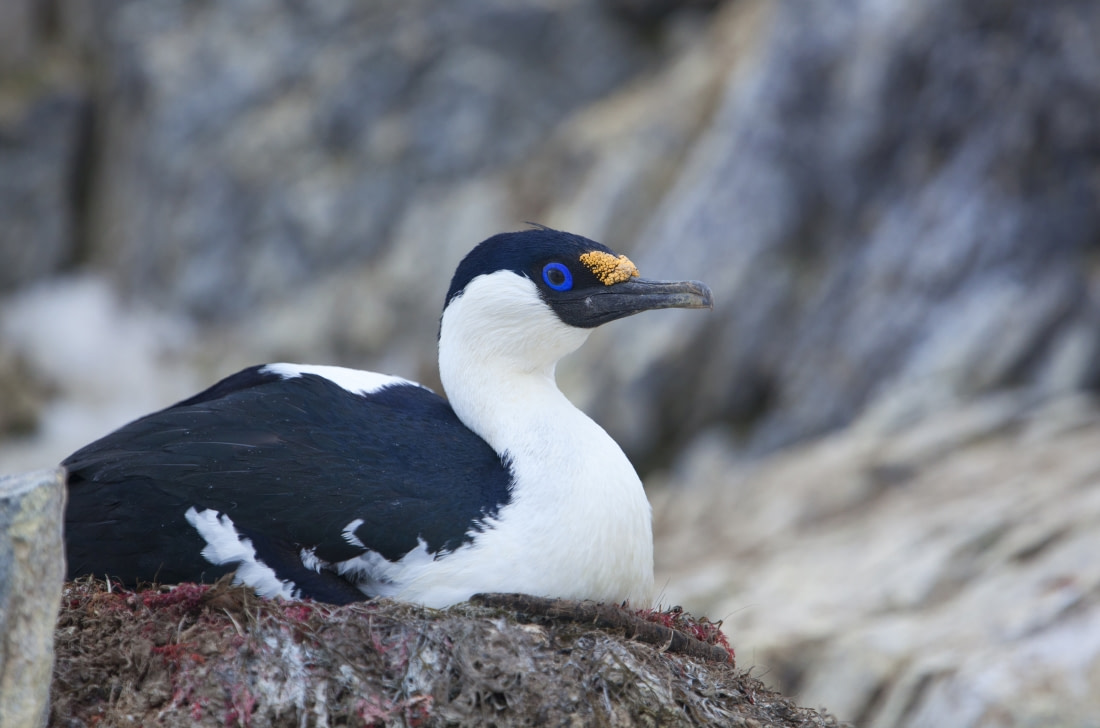
Antarctic Shag
Also known as blue-eyed shags, these are the only Antarctic seabirds to maintain year-round nests when ice conditions permit. They are frequently seen on the Antarctic Peninsula.
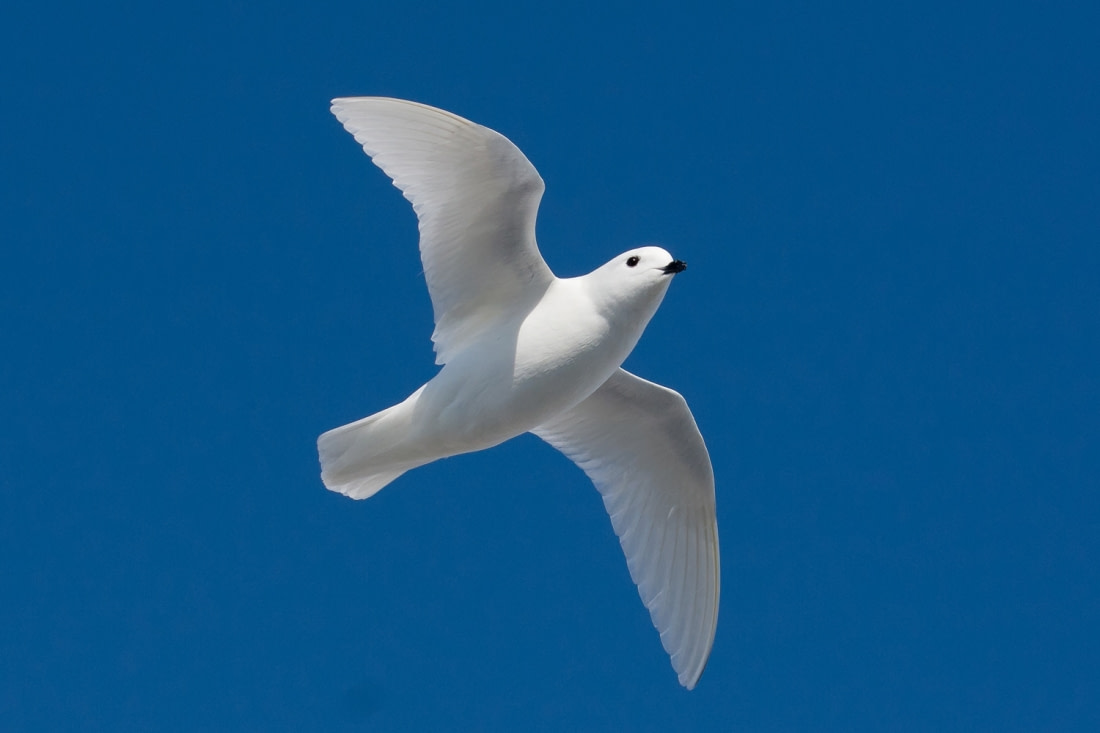
Snow Petrel
The pristinely white snow petrel is one of only three seabird species that breed exclusively in Antarctica and is a frequent visitor to the Antarctic Peninsula.
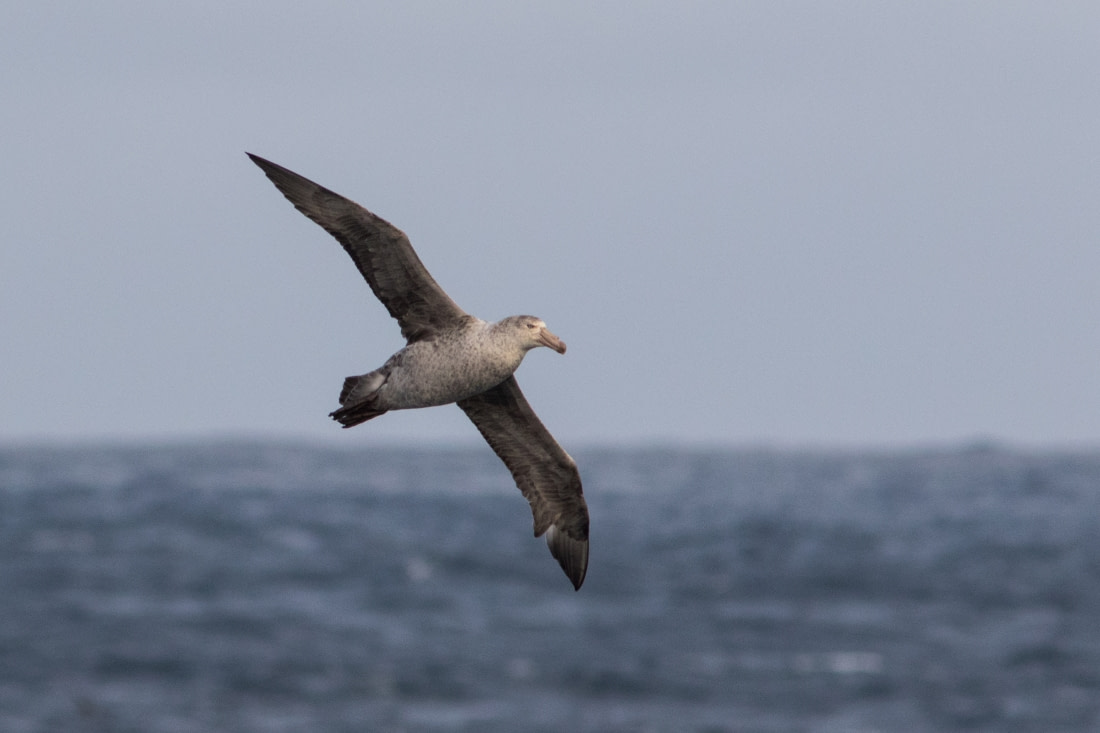
Giant Petrel
Known as “long swimmers” in Greek, giant petrels are the only members of the Procellariidae family (which includes petrels, prions, and shearwaters) with legs strong enough to support walking.
Weddell Seal
These large seals live farther south than any other seal and are known for their singing. Weddell seals can also be identified by their uniquely mottled fur.
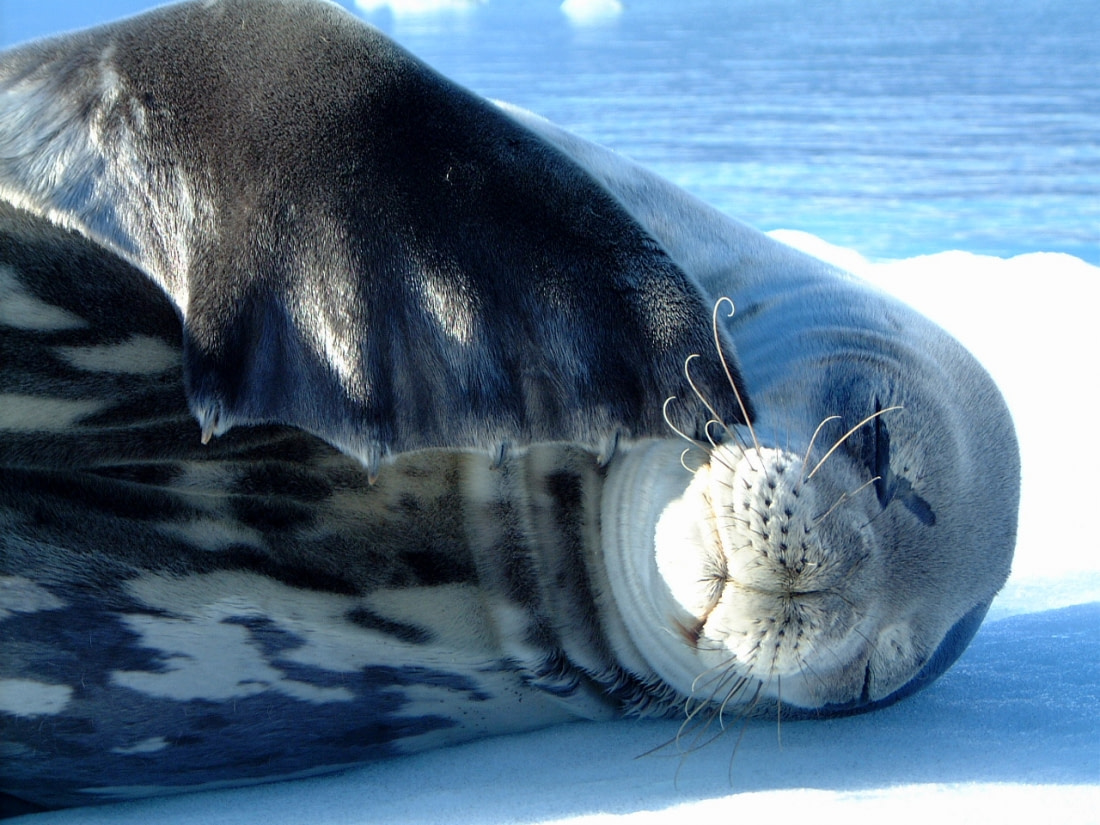
Leopard Seal
The only seal species to eat other seals, leopard seals are Antarctica’s top predator. They are sometimes seen lounging on ice floes, though they spend much of their lives underwater.

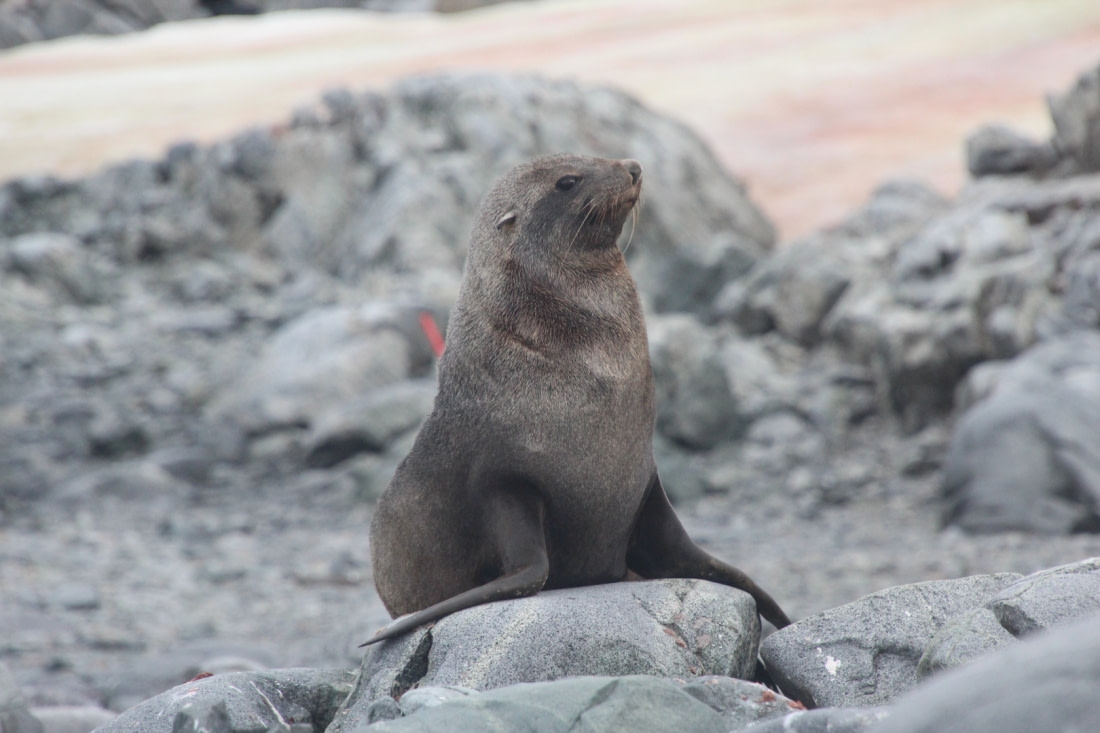
Antarctic Fur Seal
These common residents of the Antarctic Peninsula resemble sea lions and can even sit up and use their flippers to walk. Once nearly hunted to extinction, Antarctic fur seals are now recovering and have a healthy population.
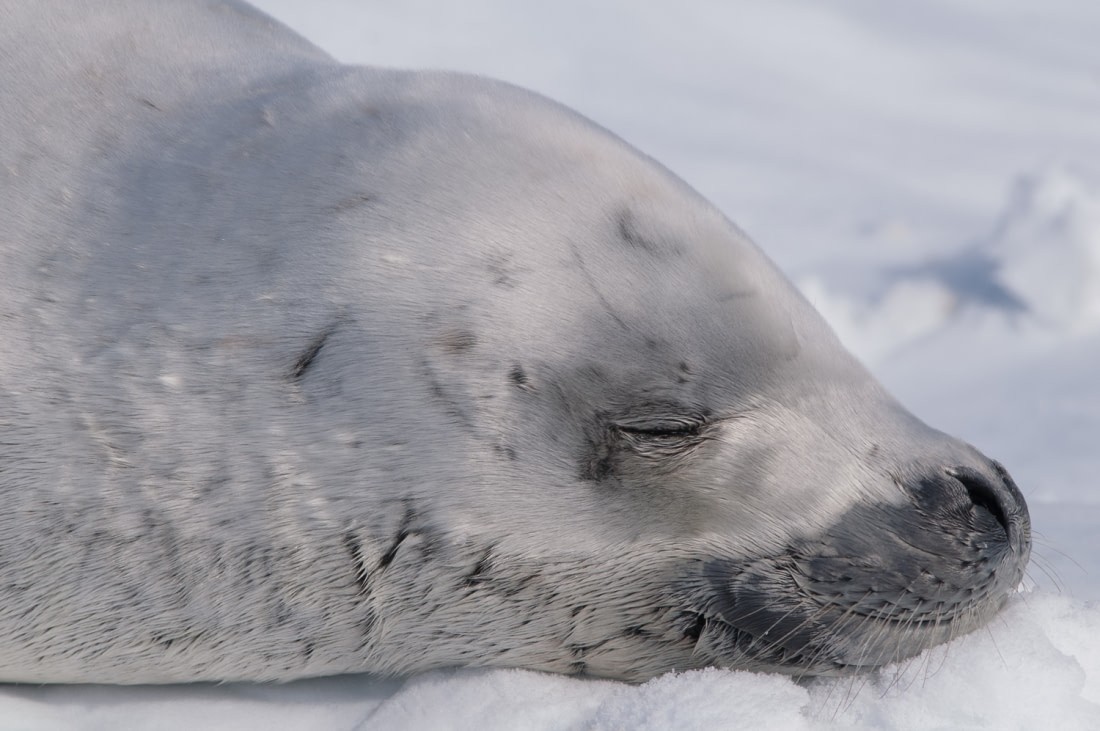
Crabeater Seal
The Antarctic Peninsula is home to many crabeater seals, the most abundant large mammal in the world. Perhaps this is why they sleep so peacefully...
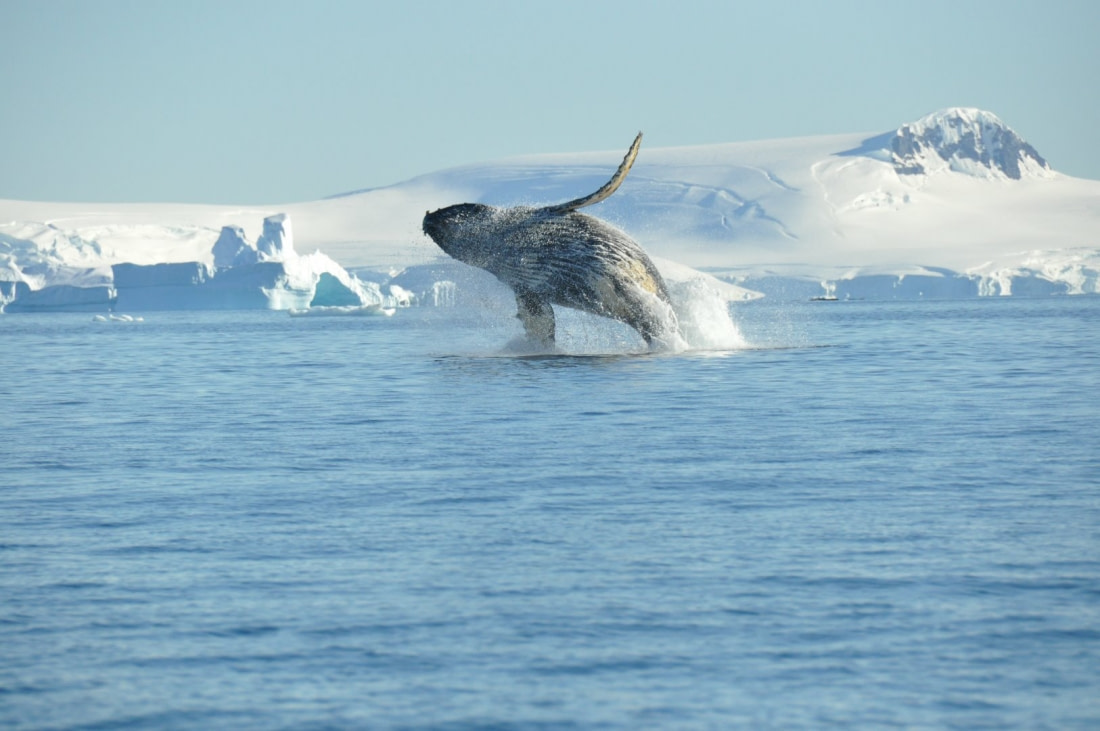
Humpback Whale
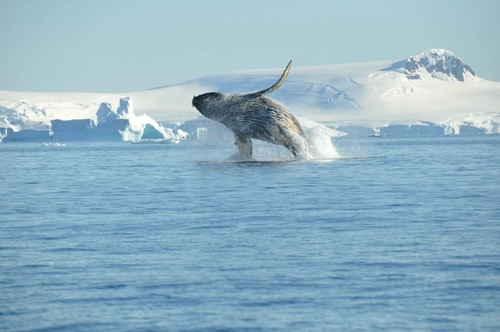
Humpback whales are a favorite among whale enthusiasts, named for how they bend their backs before diving. Their lunges make for some great photos, too.
Minke Whale
Minke whales are a type of fin whale, capable of projecting a cry as loud as an airplane take-off. You have a good chance of seeing them along the Antarctic Peninsula.
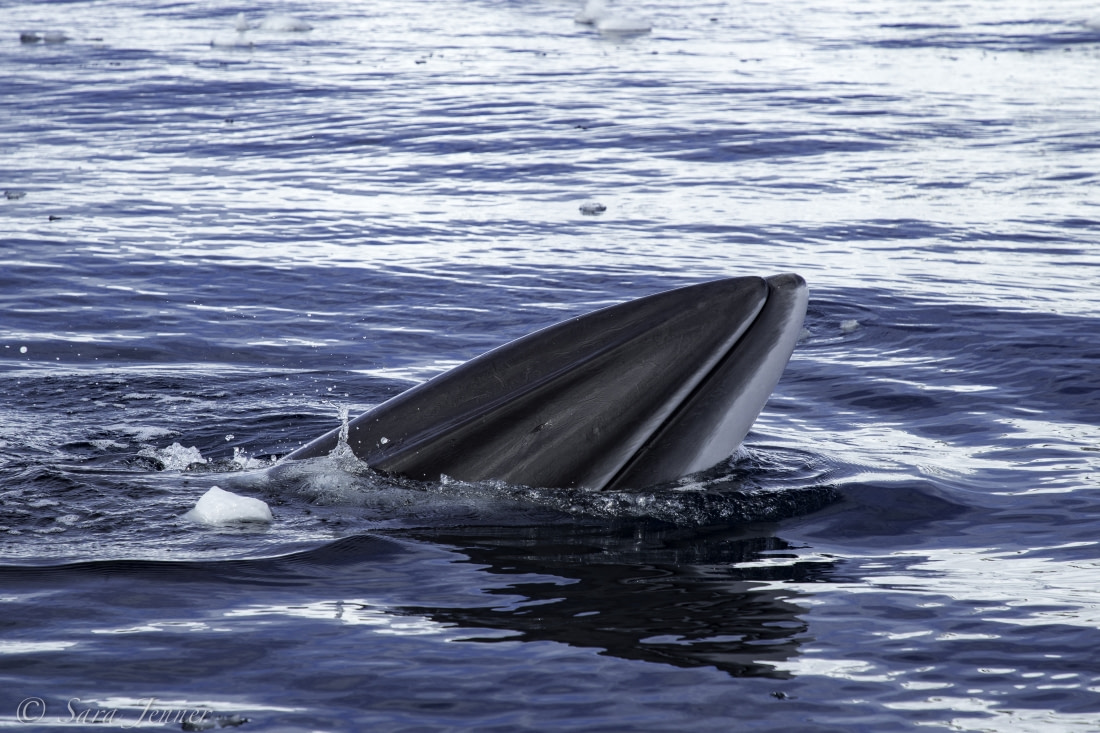
Fin Whale
Also known as “razorbacks,” fin whales have a distinctive facial coloration that aids them in hunting.
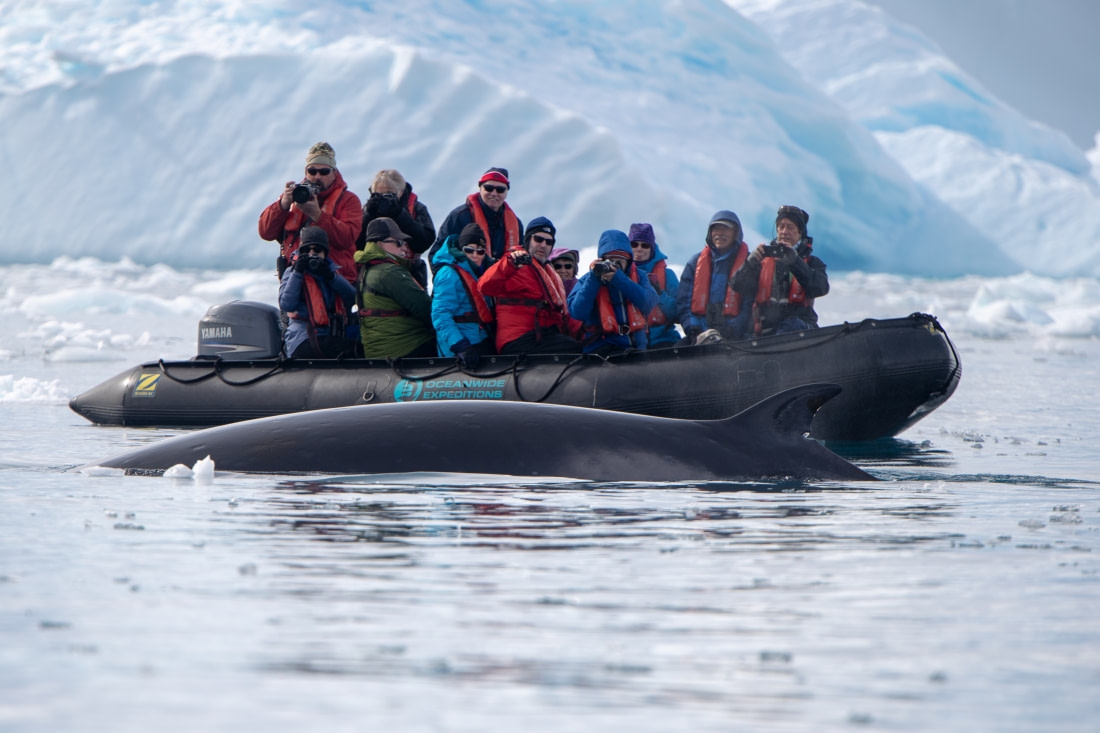
Antarctic Peninsula Areas
The Antarctic Peninsula is a vast region with too many fantastic sites to see in a single voyage. However, we strive to show you the best places that time and local conditions allow. Below are just a few of the unforgettable areas you could visit.
Danco Island
Gentoo penguins, Weddell seals, and crabeater seals can all be encountered at Danco Island, a core part of our Antarctic Peninsula route.
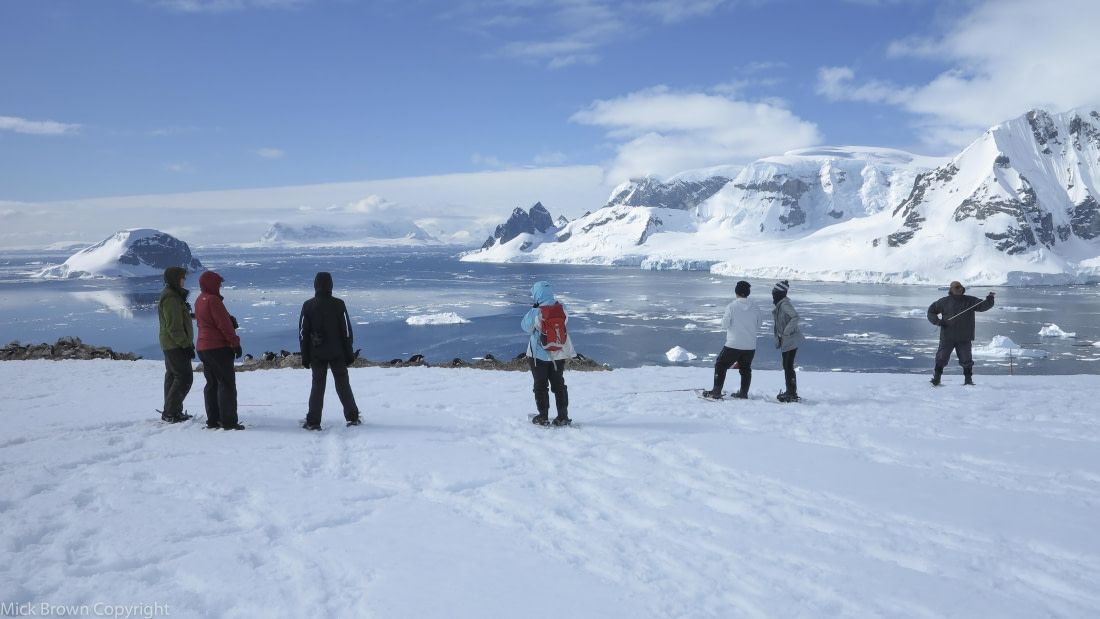
Neumayer Channel
The glacier-bordered waterway of Neumayer Channel, which separates Wiencke Island from Anvers Island, is a good place to spot whales.
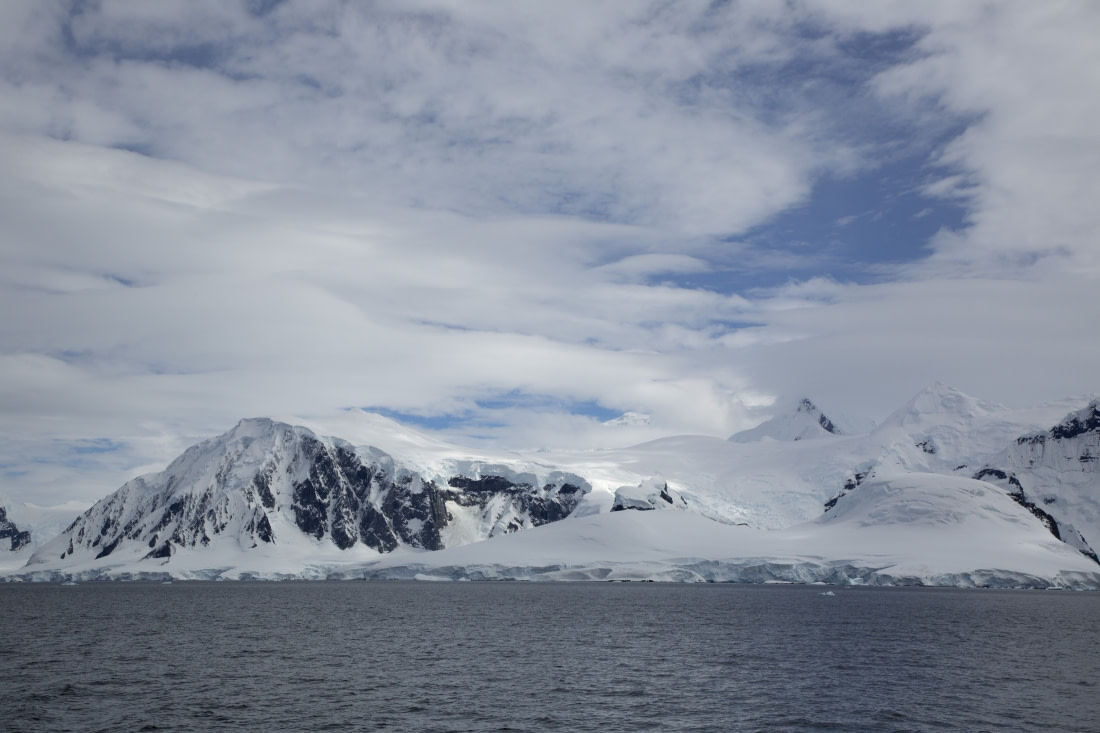
Neko Harbour
A favorite among Antarctic Peninsula sites, Neko Harbour is a mountainous landscape of mammoth glaciers and endless wind-carved snow.
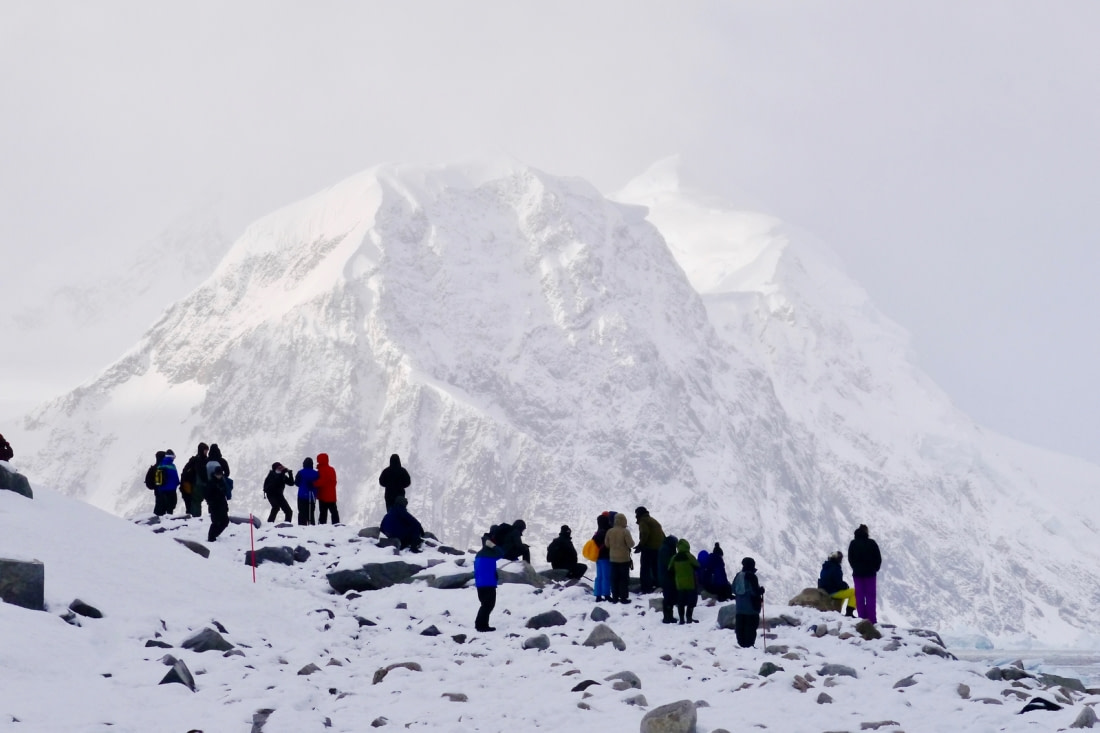
Anvers Island (rarely a landing here)
The mountainous Anvers Island offers spectacular views and panoramic photos, though it is not always included in our Antarctic Peninsula trips.
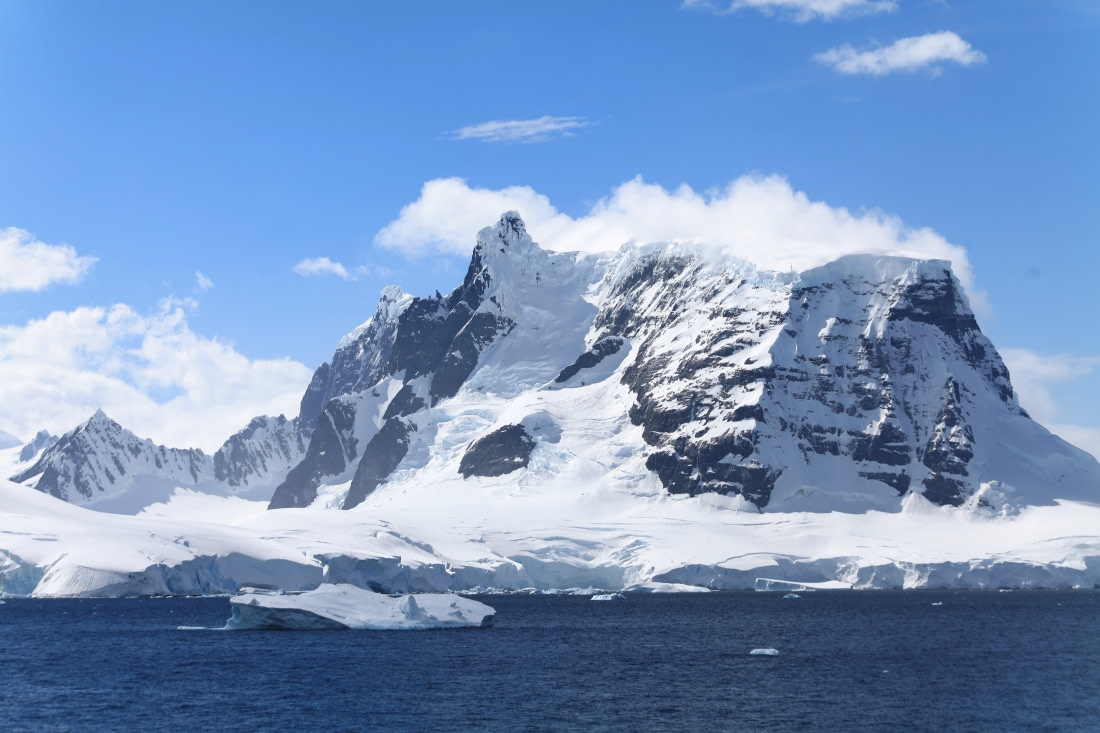
Paradise Bay
Another Antarctic Peninsula favorite, Paradise Bay is an absolute gem. Gentoo penguins, crabeater seals, colossal glaciers, dazzling icebergs, and rolling fields of snow characterize this prized peninsula site.
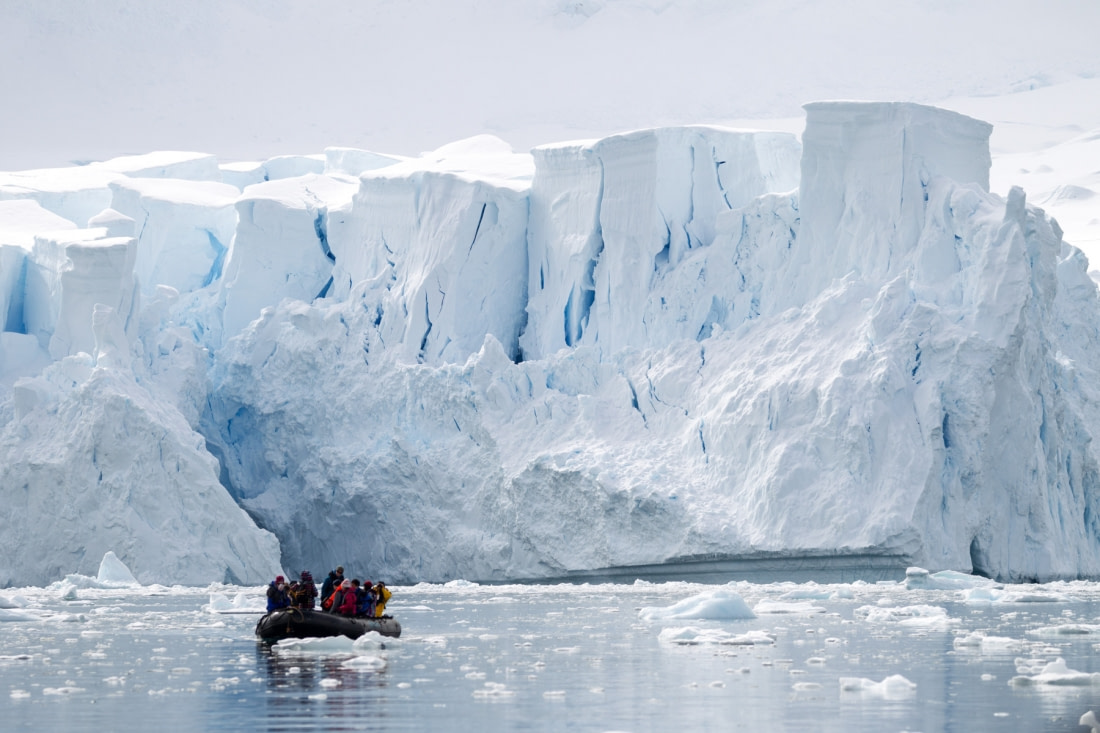
Pléneau & Petermann Islands
Adélies, gentoos, blue-eyed shags, leopard seals, and humpback whales can be seen around these Lemaire Channel islands, making both Petermann and Pléneau (which we often see close together) excellent Antarctic Peninsula spots.
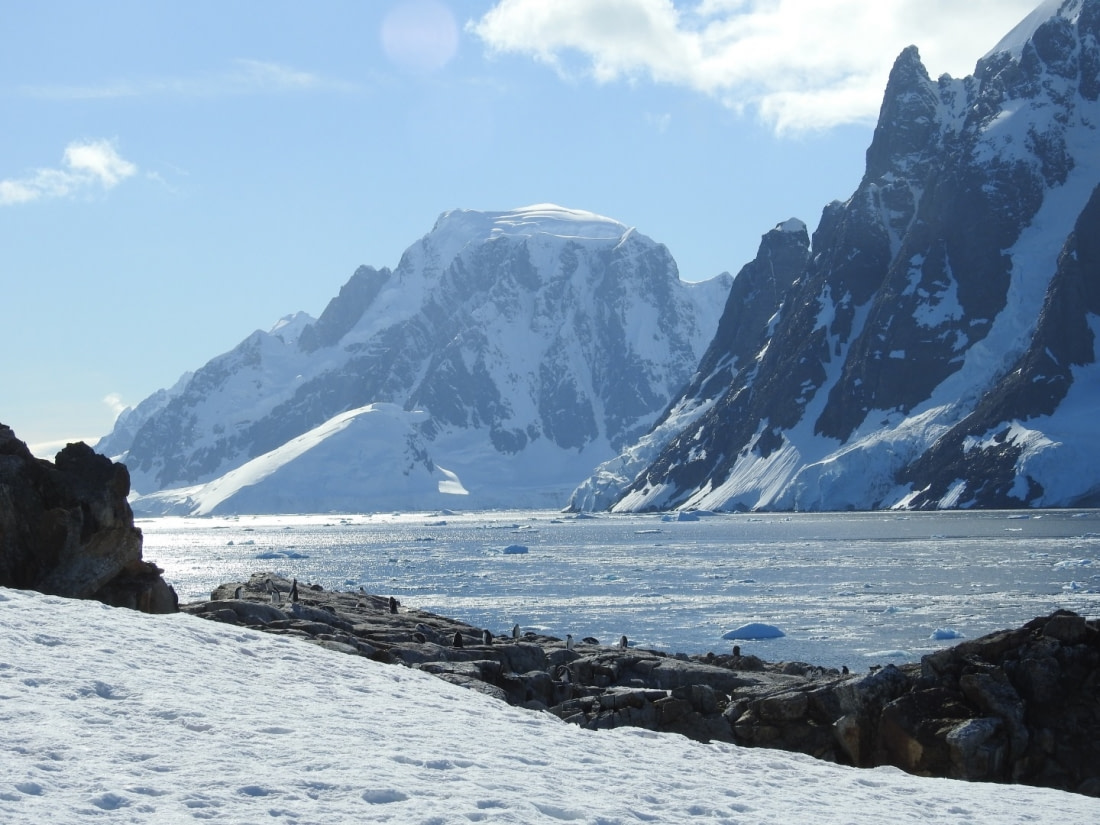
Port Lockroy
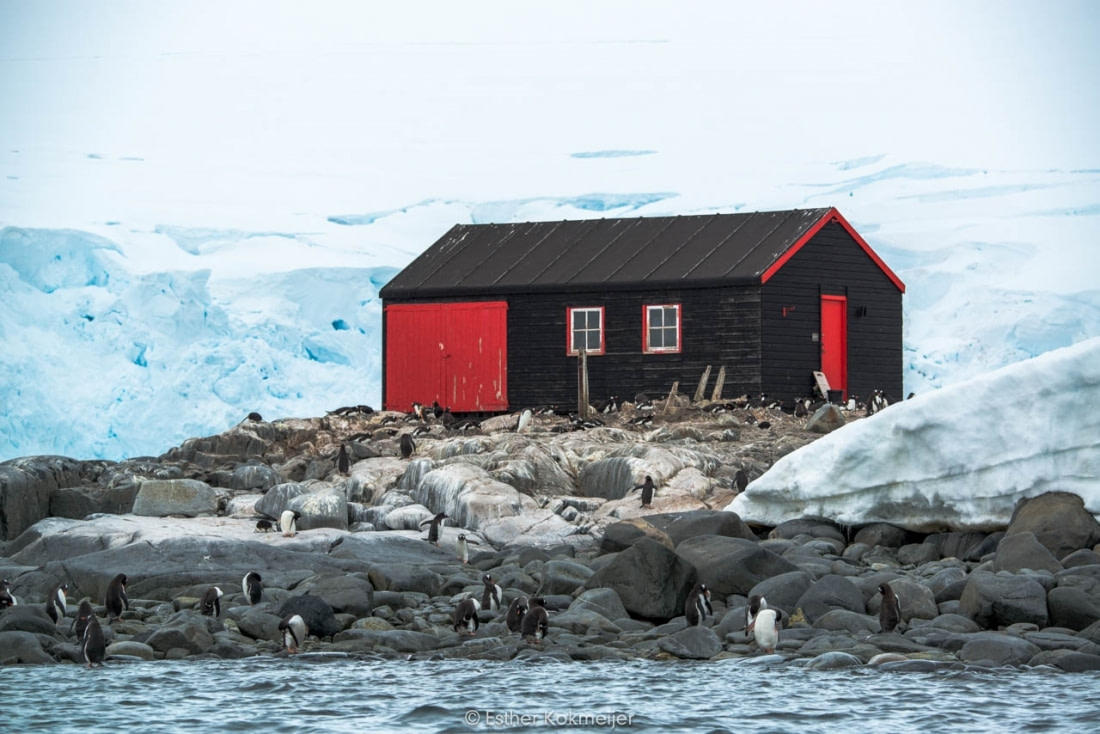
Located on Goudier Island, Port Lockroy is a former research station and currently the planet’s southernmost post office. The penguins are fond of it, too.
Wilhelmina Bay & Guvernøren
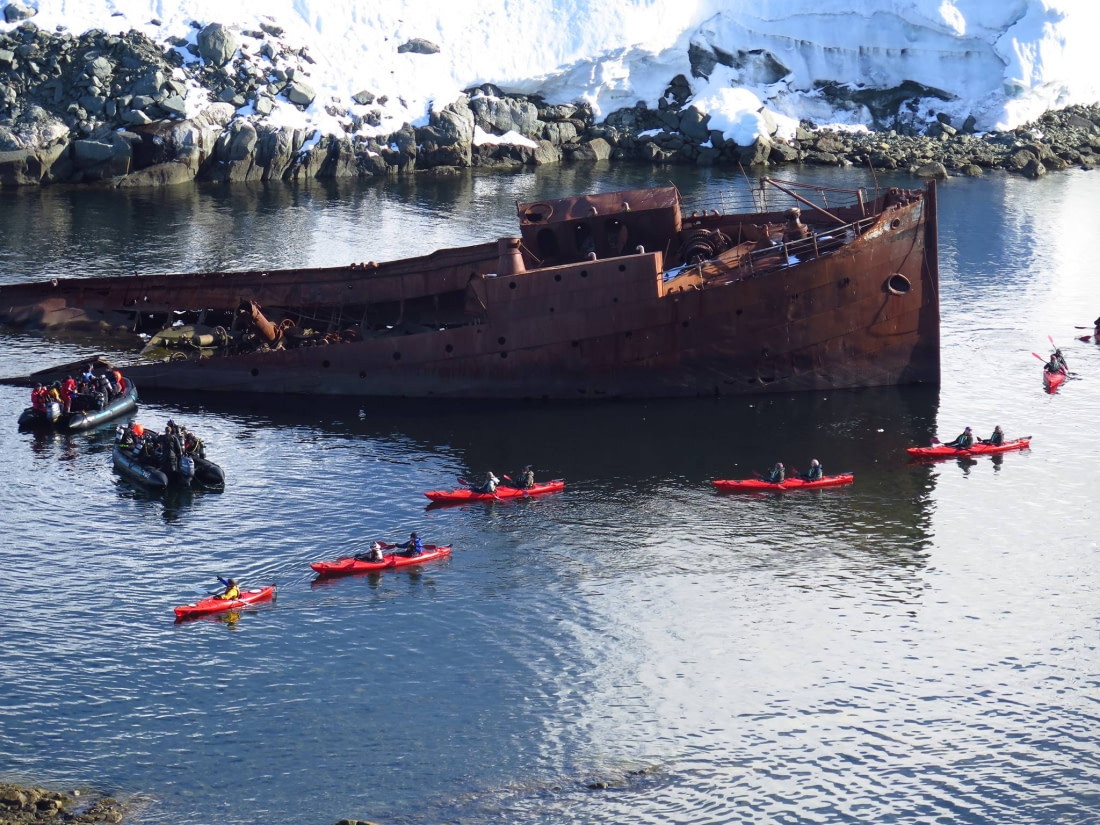
Wilhelmina Bay is among the best places to spot whales along the Antarctic Peninsula, and nearby Foyn Harbour will also give history lovers (and scuba divers) a rare treat: The wreck of the Guvernøren, a factory ship that ran aground in 1915, can be seen near Enterprise Island.
Antarctic Peninsula Activities
The Antarctic Peninsula offers a wide range of activities. You can book the following activities on select voyages or join one of our Basecamp cruises, which include multiple activities in the price of the trip.
Snowshoeing
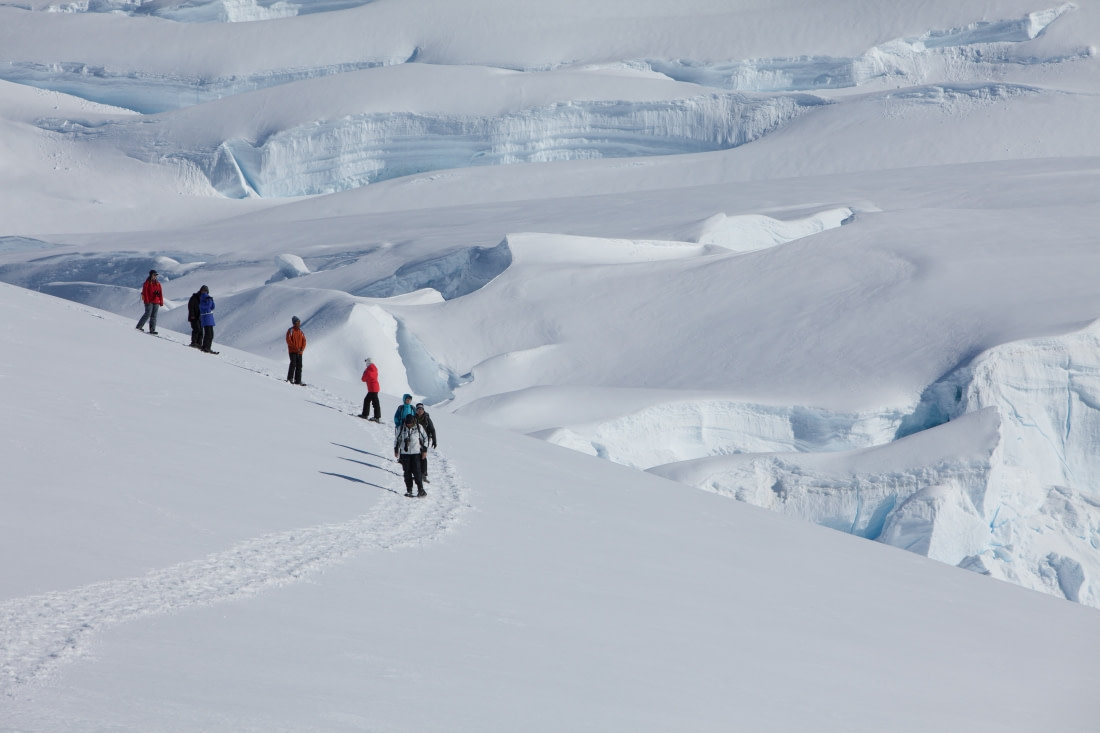
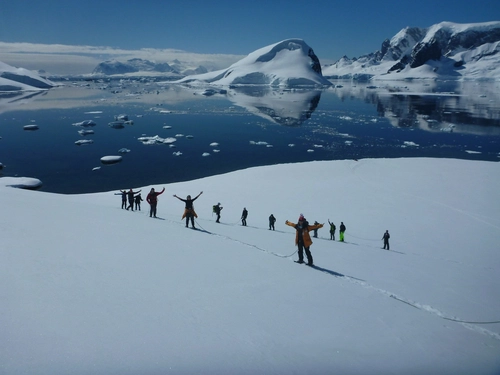
This is an activity everyone can enjoy, requiring no prior experience or athletic ability beyond basic fitness. Snowshoeing is one of the best ways to experience the starkly beautiful shorelines of the polar regions.
Camping
What better way to feel like a real polar explorer than camping under the Antarctic sky in a snow dugout you’ve made with your own steam? (We promise, our sleeping gear is warm and comfortable.)
Kayaking
The Antarctic Peninsula is one of the most ideal places to kayak in the polar regions, lending itself perfectly to this peaceful low-impact activity.
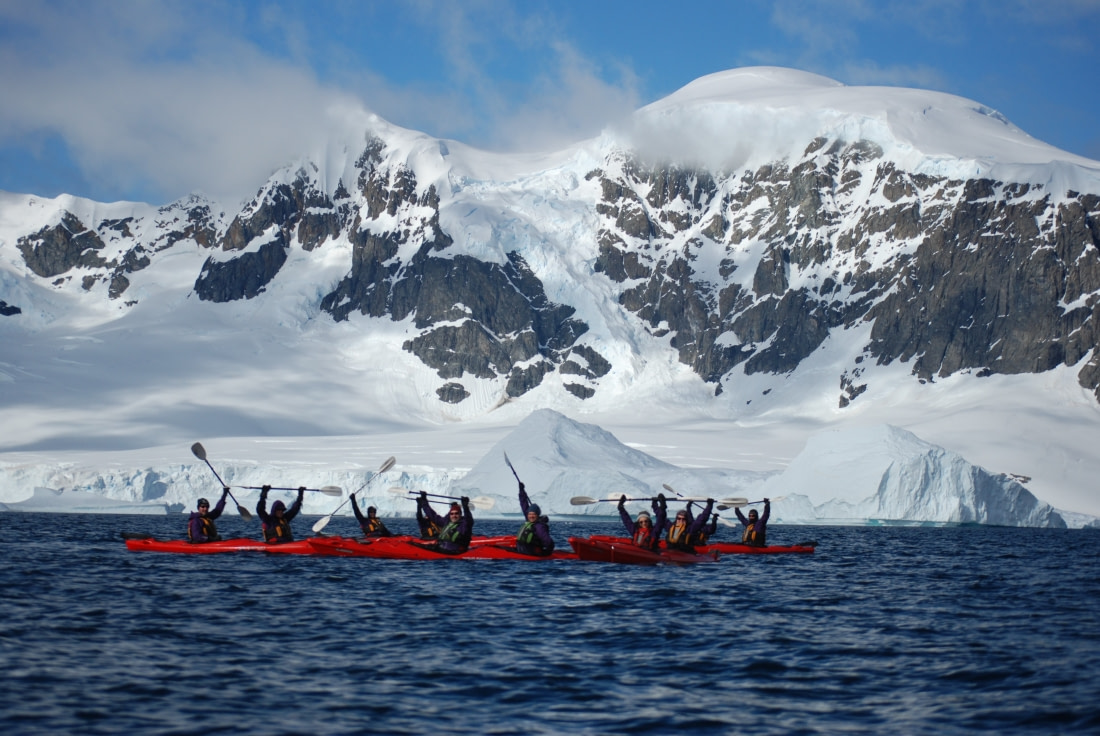
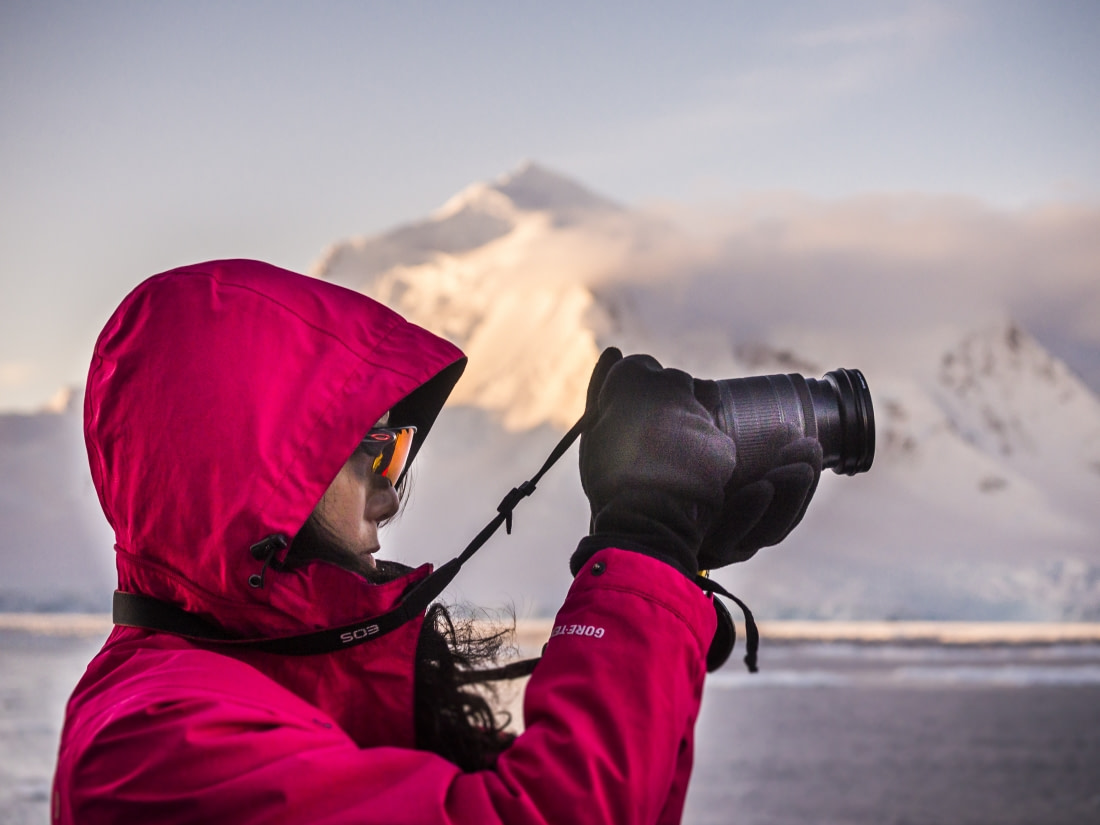
Photo Workshops
You can also practice your picture-taking skills in the Antarctic Peninsula, learning from expert nature photographers who will help you get the most out of your camera.
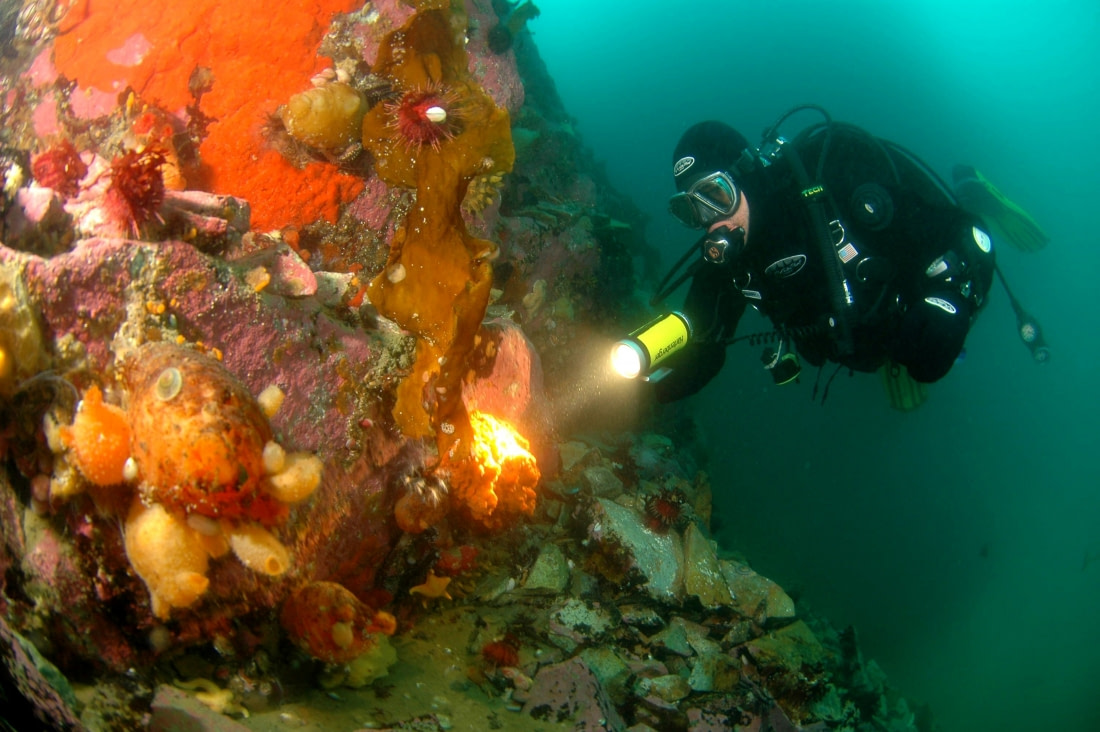
Scuba Diving
If you’ve got sufficient cold-water dive experience, you can also explore the underbelly of Antarctica’s icebergs and sea life by going polar scuba diving. This is obviously a less common activity available only to veteran divers, but those who can partake will be dazzled by the glimpse of a rarely seen ecosystem.
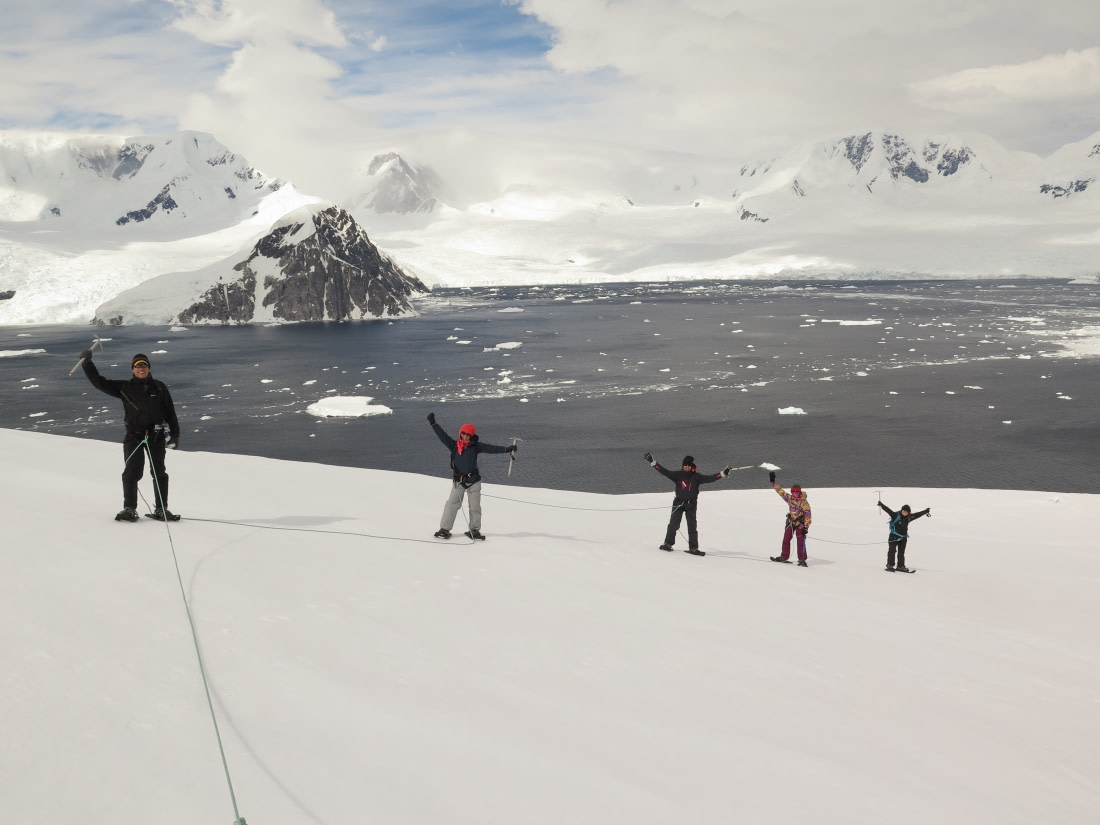
Mountaineering
If you are more into heights than waves, check out the Antarctic Peninsula from some of its loftier viewpoints on a mountaineering excursion. While you will need to be in better physical shape for this activity than for most others, mountaineering is open to all passengers interested in giving it a try.
Special Activities on Hondius and Janssonius
On our newest Polar Class 6 vessels, Hondius and Janssonius, we offer a number of special interactive workshops that explore various scientific topics. The goal of these workshops is to entertain, inform, and fully immerse you in the surreal Antarctic environment. Topics may include weather, geology, wildlife acoustics, plastic pollution, and videography. All workshops are led by expert guides or guest speakers.
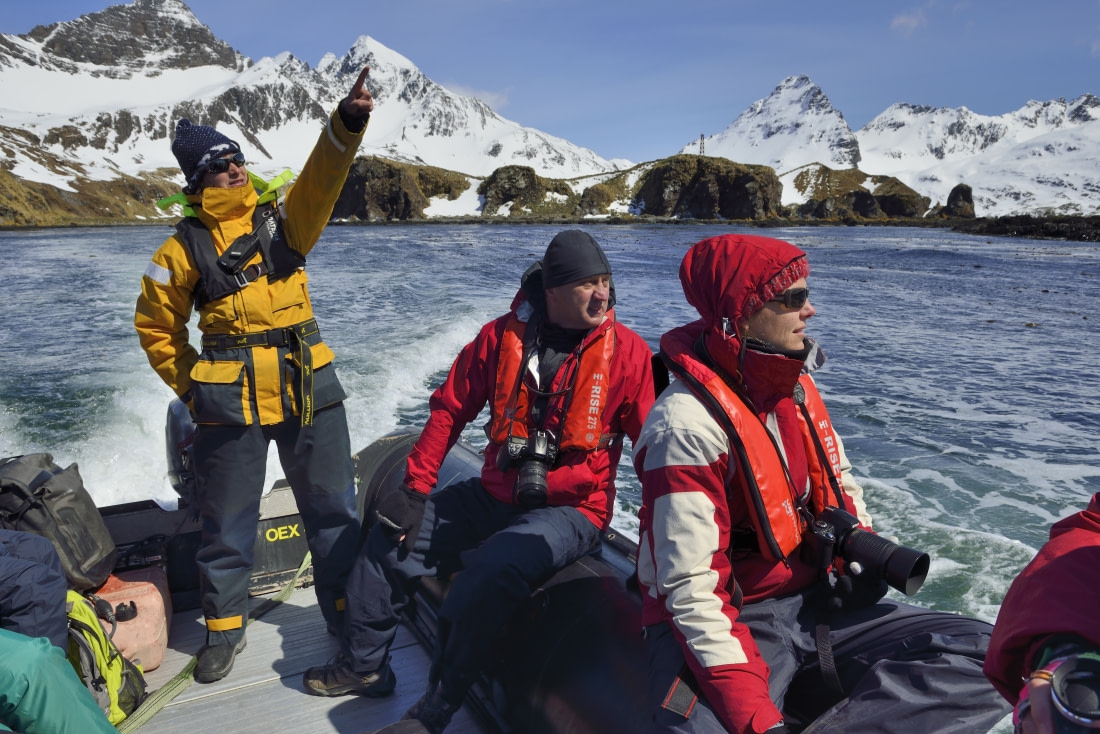
Antarctic Peninsula Basecamp Cruises
For adventure seekers looking for a truly activity-oriented Antarctic Peninsula voyage, our previously mentioned Basecamp trips are exactly what you’re looking for. Get a sample of what this experience has to offer via the video below. You’ll not only see some of the exciting activities you can enjoy but also hear the reactions of our passengers.
Time Zone, Weather, and Other Antarctic Peninsula Facts
- The Antarctic Peninsula follows Coordinated Universal Time -3 (UTC -3). This means that if it is 18:00 UTC-3 (6 pm) during your expedition cruise trip to the Antarctic Peninsula, it would be 17:00 (5 pm) in New York City.
- Antarctic Peninsula climate is milder than most people expect, because it’s located near the most northerly part of Antarctica. If you travel to the Antarctic Peninsula in January, which is summertime in the Southern Hemisphere, you can expect an average temperature of 1 to 2°C (33.8 to 35.6°F). June is the coldest part of the year, with a temperature range of typically -20 to -15°C (-4 to 5°F).
- The peninsula is the only part of Antarctica that extends beyond the border of the Antarctic Circle.
- The only flowering plants on the continent of Antarctica (the Antarctic pearlwort and the Antarctic hair grass) are found on the Antarctic Peninsula.
- The Antarctic Peninsula was originally named Palmer Peninsula, after an American explorer who journeyed there in November of 1820. Other countries later gave it different names: Graham Land and Trinity Peninsula (Britain, 1832), San Martin Land (Argentina, 1940), and O’Higgins Land (Chile, 1942). It was not called the Antarctic Peninsula until 1964, when an international agreement was reached.
- The Antarctic Peninsula is regulated under the international Antarctic Treaty System, which promotes use of the area for scientific study.
- The peninsula is a continuation of the Andes Mountains, which run down almost the entire west coast of South America.
- There are 28 countries (and research bases) currently contributing to the scientific research conducted on the Antarctic Peninsula.
Title image by Dietmar Denger
 21 Dec - 08 Jan 2026
 28 Dec - 09 Jan 2026
 29 Dec - 10 Jan 2026
 08 Jan - 18 Jan 2026
 09 Jan - 19 Jan 2026
Related Trips
Falkland Islands - South Georgia - Antarctica
21 Dec 2025 - 08 Jan 2026  19 Days / 18 Nights
Antarctica - Basecamp - free camping, kayaking, snowshoe/hiking, mountaineering, photo workshop
28 Dec 2025 - 09 Jan 2026 13 Days / 12 Nights
Antarctica - Basecamp - free camping, kayaking, snowshoe/hiking, mountaineering, photo workshop
29 Dec 2025 - 10 Jan 2026 13 Days / 12 Nights
Antarctica - Discovery and learning voyage
08 Jan 2026 - 18 Jan 2026 11 Days / 10 Nights
Antarctica - Discovery and learning voyage
09 Jan 2026 - 19 Jan 2026 11 Days / 10 Nights
Antarctica - Discovery and learning voyage
18 Jan 2026 - 28 Jan 2026 11 Days / 10 Nights
Falkland Islands - South Georgia - Antarctica
19 Jan 2026 - 06 Feb 2026 19 Days / 18 Nights
Falkland Islands - South Georgia - Antarctica
28 Jan 2026 - 16 Feb 2026 20 Days / 19 Nights
Antarctica - Discovery and learning voyage
06 Feb 2026 - 16 Feb 2026 11 Days / 10 Nights
Falkland Islands - South Georgia - Elephant Island - Antarctica - Polar Circle
16 Feb 2026 - 10 Mar 2026 23 Days / 22 Nights
Antarctica – Uncharted islands of the Deep South
18 Feb 2026 - 04 Mar 2026 15 Days / 14 Nights
Deep South Basecamp experience
04 Mar 2026 - 17 Mar 2026 14 Days / 13 Nights

Blog



The World Is Changing for Greenland's Native Inuit People
The Best Arctic and Antarctic Trips for Families
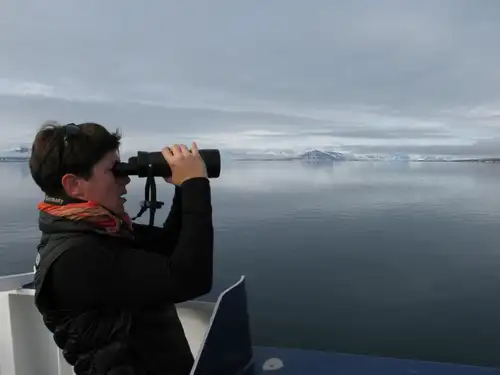
10 Popular Bird Watching Binoculars
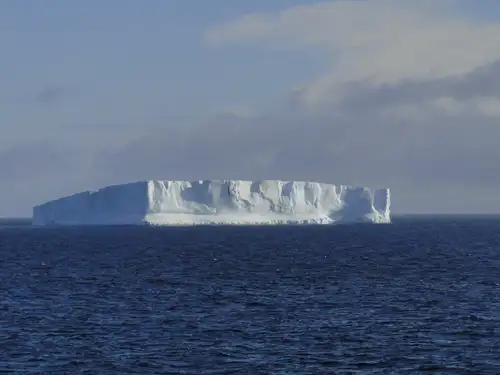
Weddell Sea: the Original Antarctic Adventure
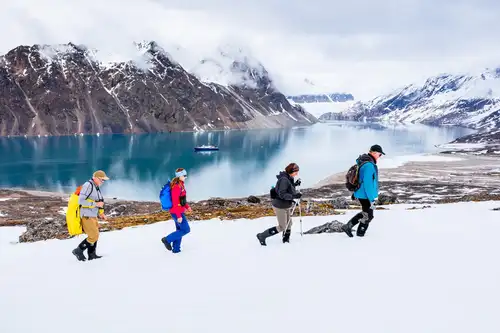
Around Spitsbergen vs. North Spitsbergen
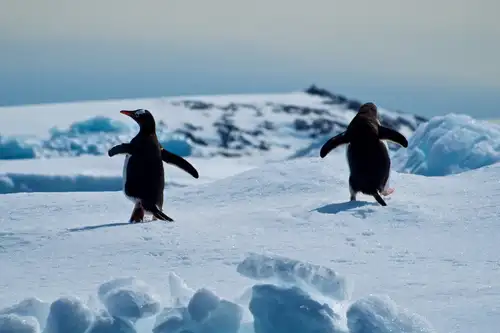
Eight Ultimate Antarctica Adventures
Ice streams and lakes under the Greenland Ice Sheet
Life migrating through the Polar Front
10 Tips for Photographing the Northern Lights
Islands of the Blessed: Things to Do Around Cape Verde
Science of the Ross Ice Shelf
Orcas of the Polar Seas
Arctic Flowers, Trees, and Other Plant Life
What to Pack for Your Expedition Cruise to the Arctic or Antarctica
North Norway, Northern Lights, and All the Pretty Whales
The Giant Petrels of King George Island
Explore Antarctica Without Leaving Your Couch
16 Conversation-Starting Svalbard Facts
Earth vs. Mars: Polar Regions Compared