Islands Of The Blessed Things To Do Around Cape Verde - Nexta Expeditions
Islands of the Blessed: Things to Do Around Cape Verde

Islands of the Blessed: Things to Do Around Cape Verde

We visit Cape Verde and its capital city of Praia during our occasional St. Helena to Cape Verde voyages. Characterized by peaceful days at sea, these trips allow you to see some of the lesser-known gems of the Atlantic.

Among the best of these is Cape Verde, once known as the Islands of the Blessed, a volcanic island chain inhabited since the middle of the fifteenth century. Located off the northwestern coast of Africa, about 570 km (350 miles) west of Senegal, Cape Verde is made up of 10 volcanic islands covering roughly 4,000 square km (1,500 square miles)

Since the 1990s, Cape Verde has emerged as one of Africa’s most democratic and developed countries, and indeed its former capital of Cidade Velha became a UNESCO World Heritage Site in 2009. When you visit Cape Verde, you're experiencing the birthplace of Creole culture, a 400-year-old blend of African and European traditions prized for its unique cuisine, literature, and especially its music.

Here are a few of our tried-and-true recommendations for things to do in Cape Verde.
blog-image

1. Visit the market in the Praia town center

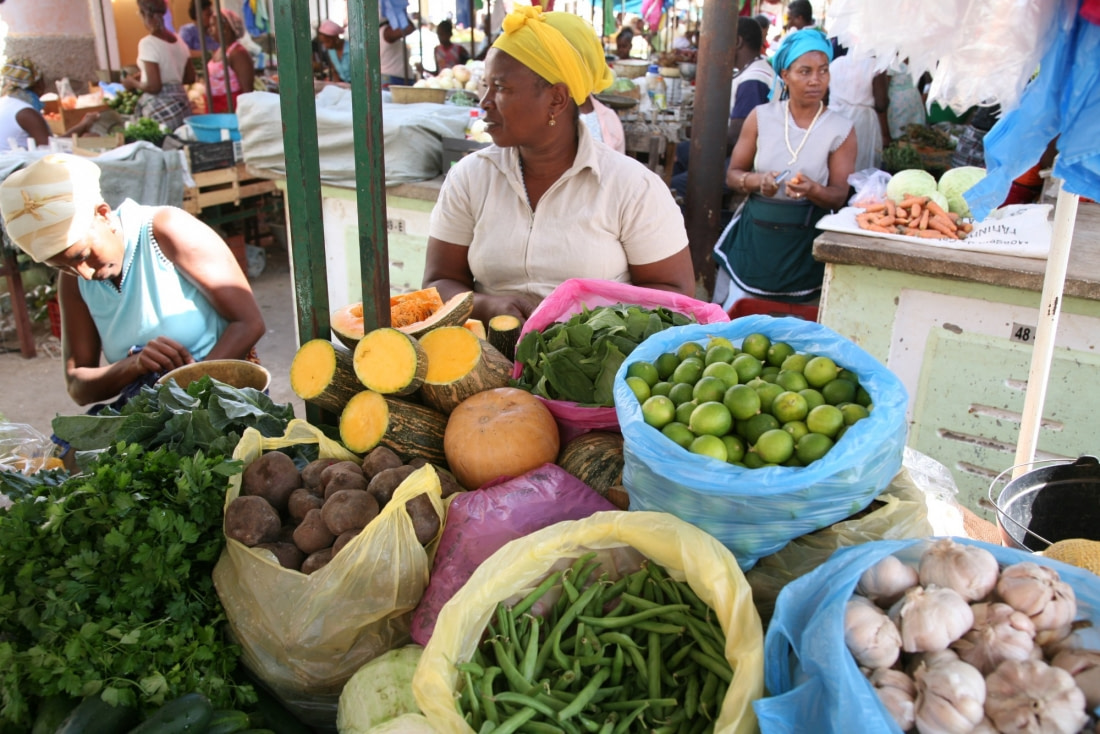
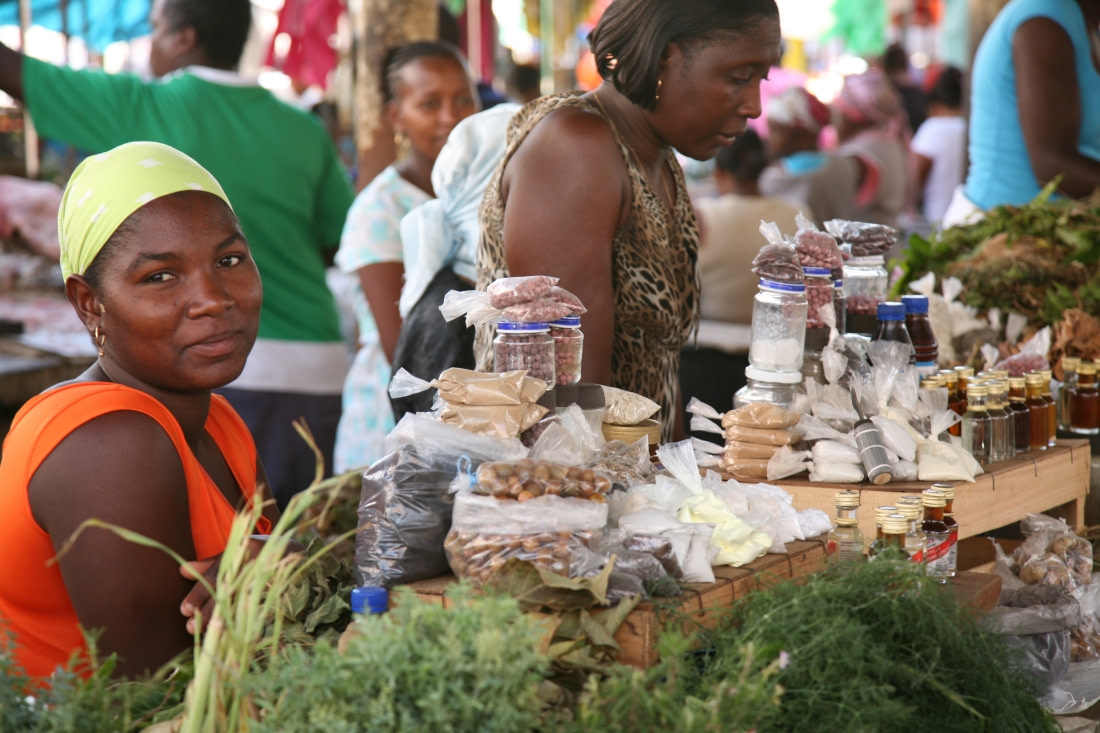
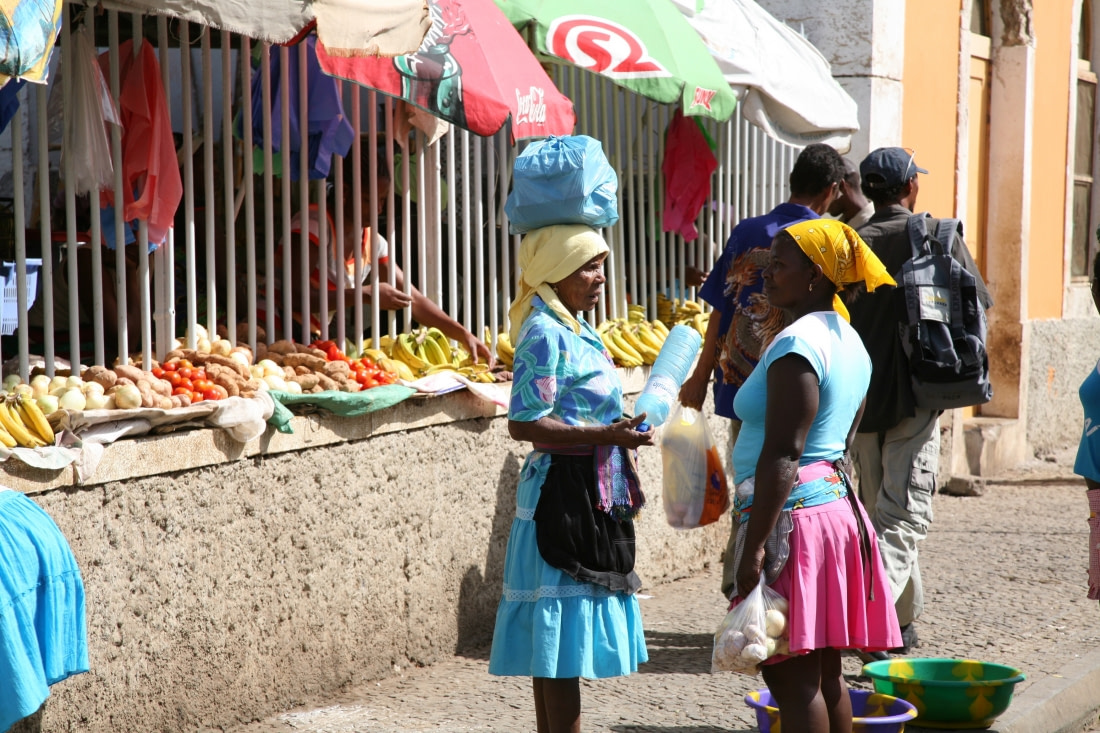
One of the best ways to get a feel for local culture when you visit Cape Verde culture is to check out its thriving marketplace, located in the town center of Praia. There you'll find a number of healthy and delicious fruits and vegetables, along with souvenirs you can take back home.
blog-image

In the markets of Cape Verde, goods are often delivered, bought, and sold much as they would have been in previous centuries.
blog-image

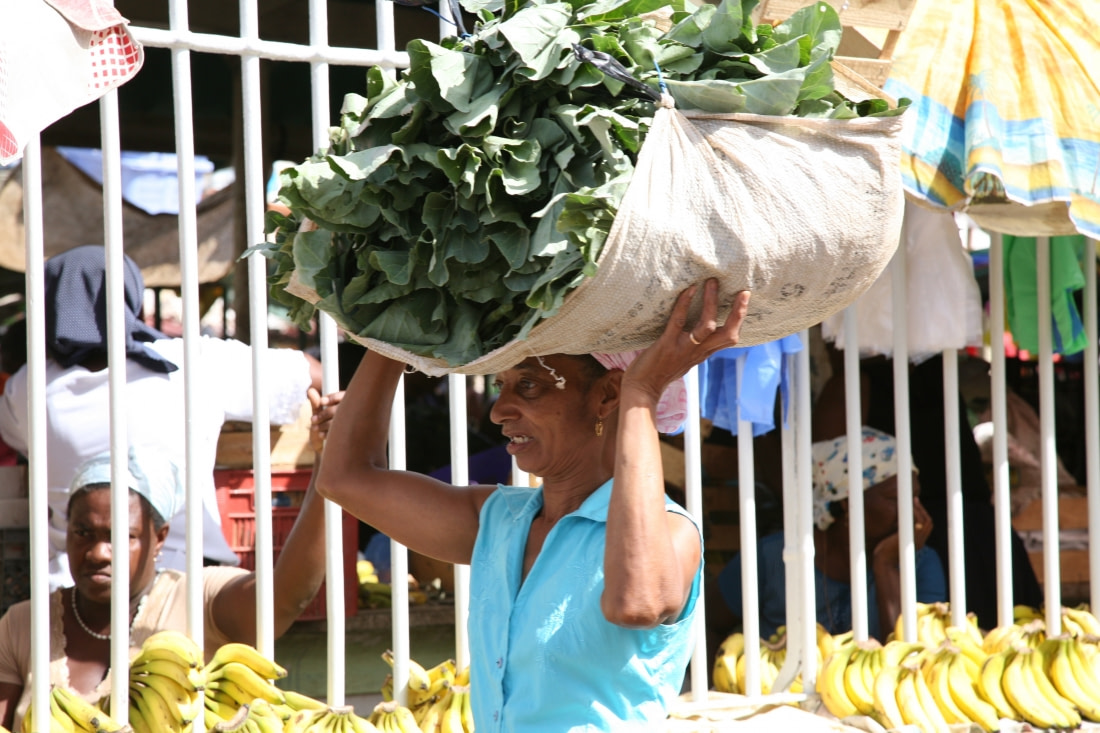
And since tourism is a major source of Cape Verde's economy, local citizens are happy to welcome foreigners to their market stalls and stores.
blog-image

2. See Cidade Velha and the fortress of Forte Real de São Filipe

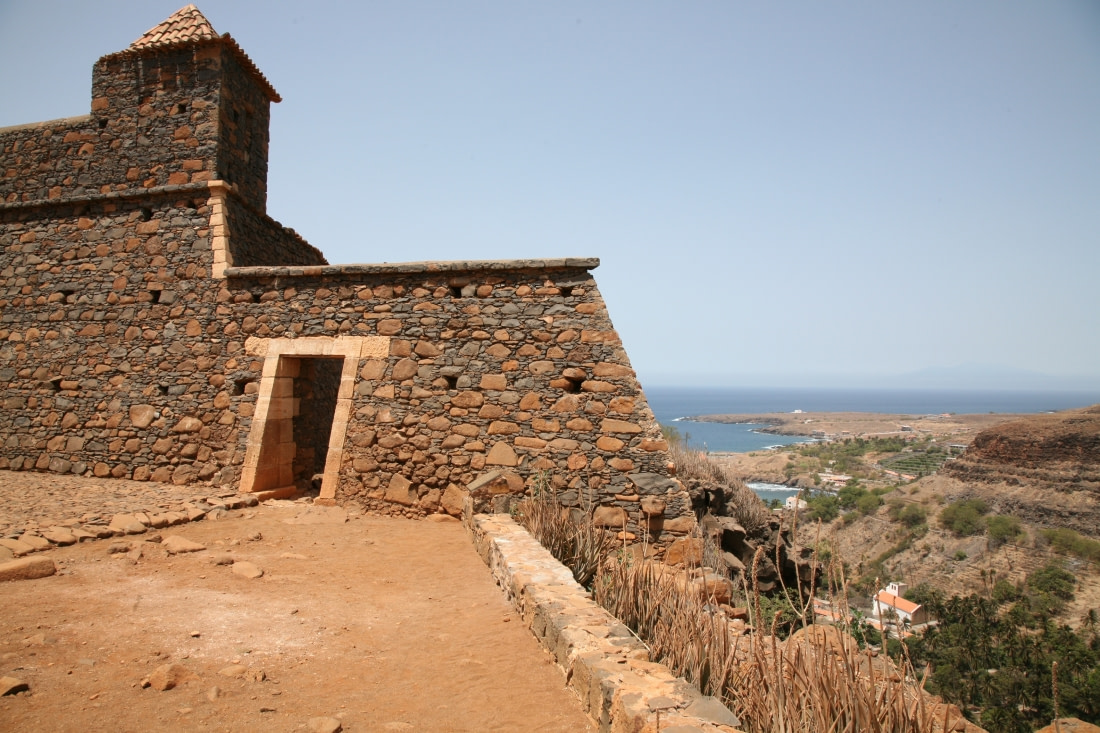
Cidade Velha is high on our list of what to do in Cape Verde. The former capital-turned-historic-settlement of Cape Verde, Cidade Velha was founded in 1462 and was the first European colonial settlement in the tropics. It served as a critical waypoint for Portuguese trade, especially slave trade, the history of which can still be seen there.
blog-image

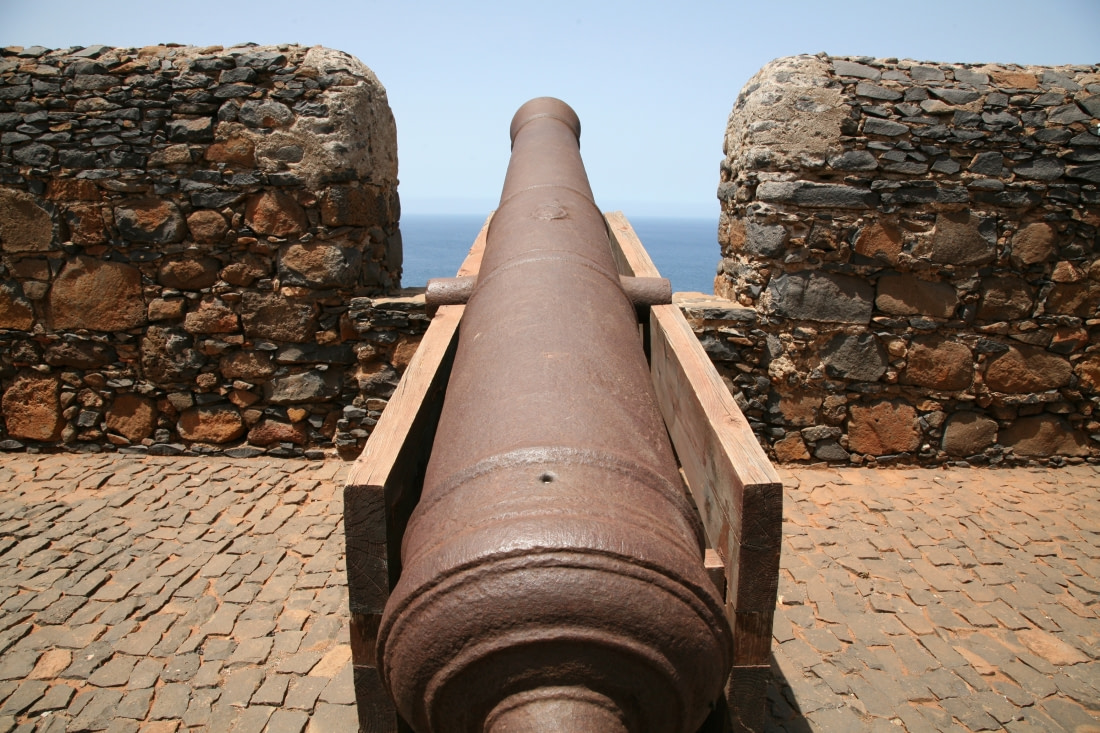
The telling remains of Forte Real de São Filipe's active days are well-preserved in its bastions and canons, the remains of an ancient and barbaric commerce.
blog-image

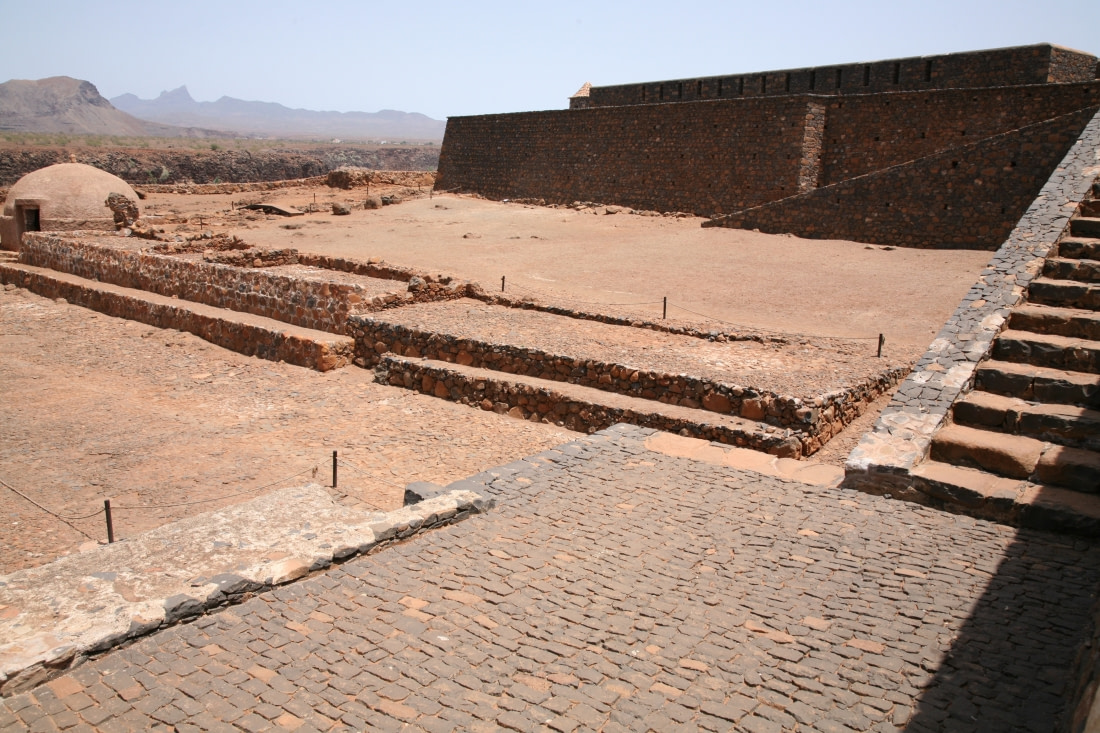
The Forte Real de São Filipe was completed a few years after Sir Francis Drake's 1585 raid of Santiago and restored in 2001. Once the prime defense of Cape Verde, it includes military storage facilities, a brick cistern, and a chapel, among other things.
blog-image

3. Enjoy the music, shops, and sights of Praia

Most of the Cape Verde cultural activity is concentrated around the markets, but that doesn't mean a casual walk through the streets won't yield some interesting sights.
blog-image

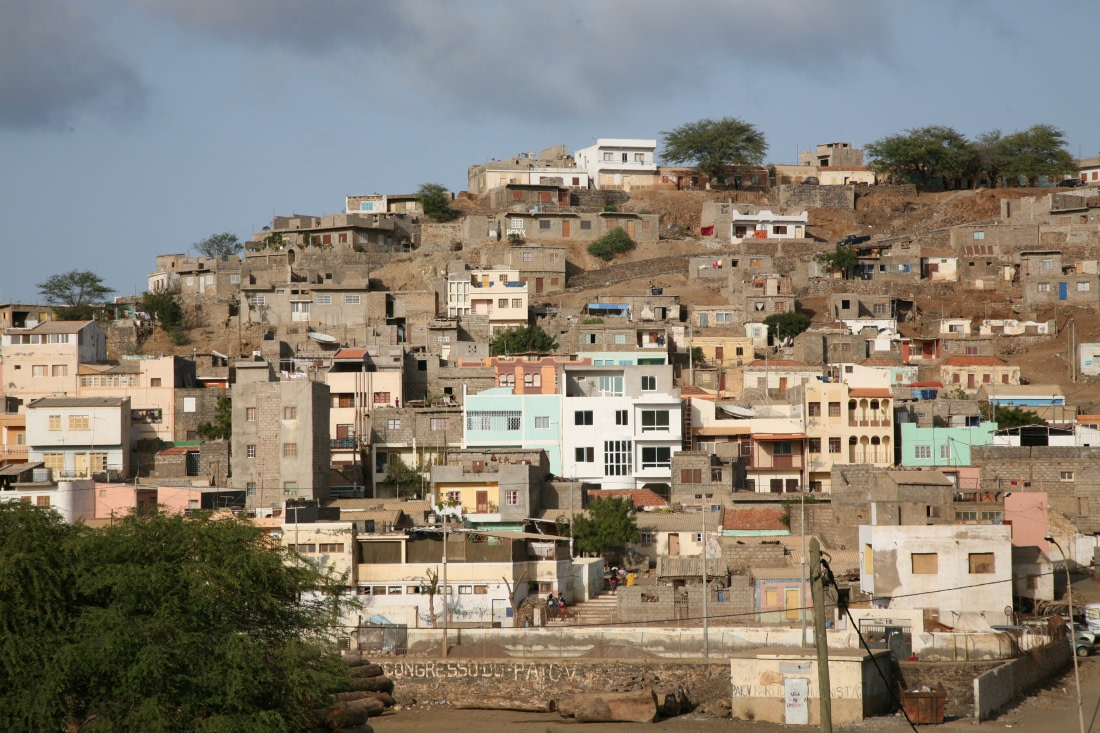
You can, for instance, check out the Achada de Santo António neighborhood, the Farol de D. Maria Pia lighthouse, and any of the churches or museums in the area.
blog-image

While walking the streets of Praia, Cidade Velha, or any of the other towns, you're sure to see many local people of Cape Verde doing business.

blog-image

4. Watch for wildlife on the approach to Cape Verde

If you visit Cape Verde, chances are wildlife is high on your list of must-sees. Well, you probably won't be disappointed.

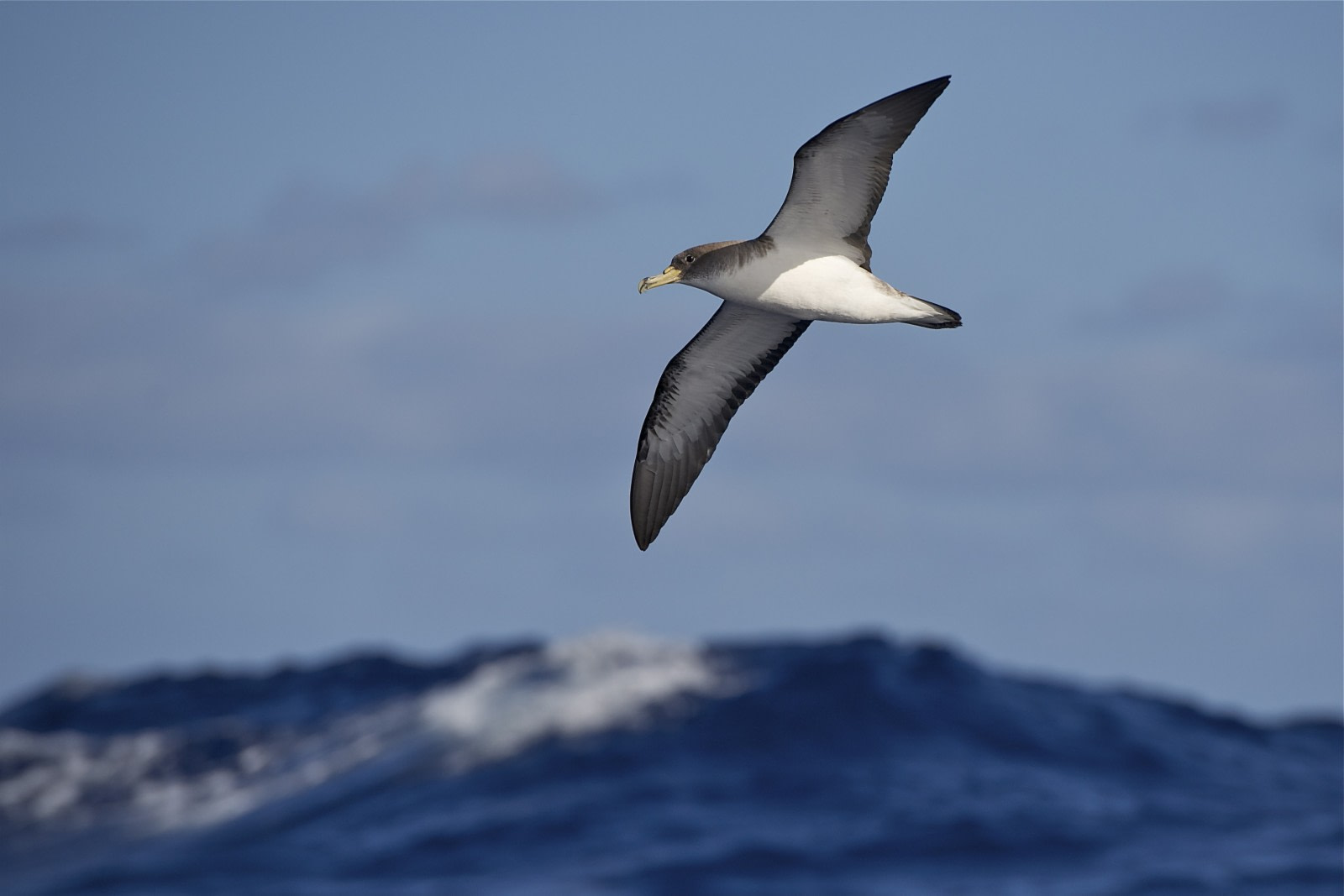
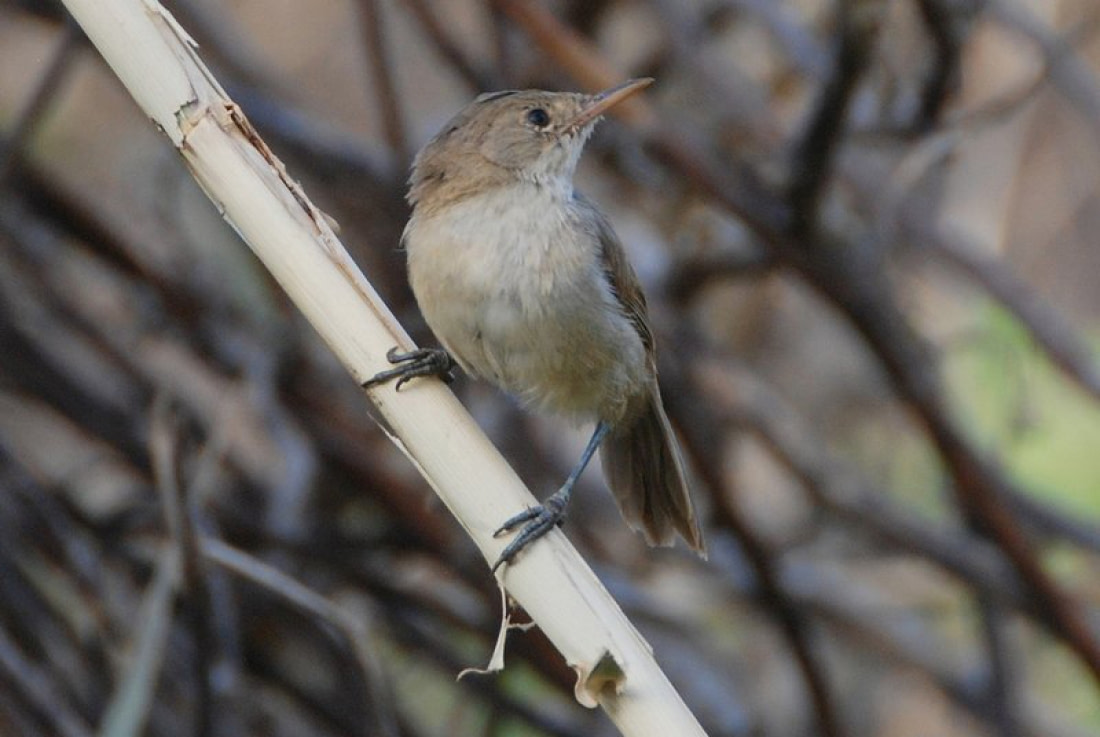
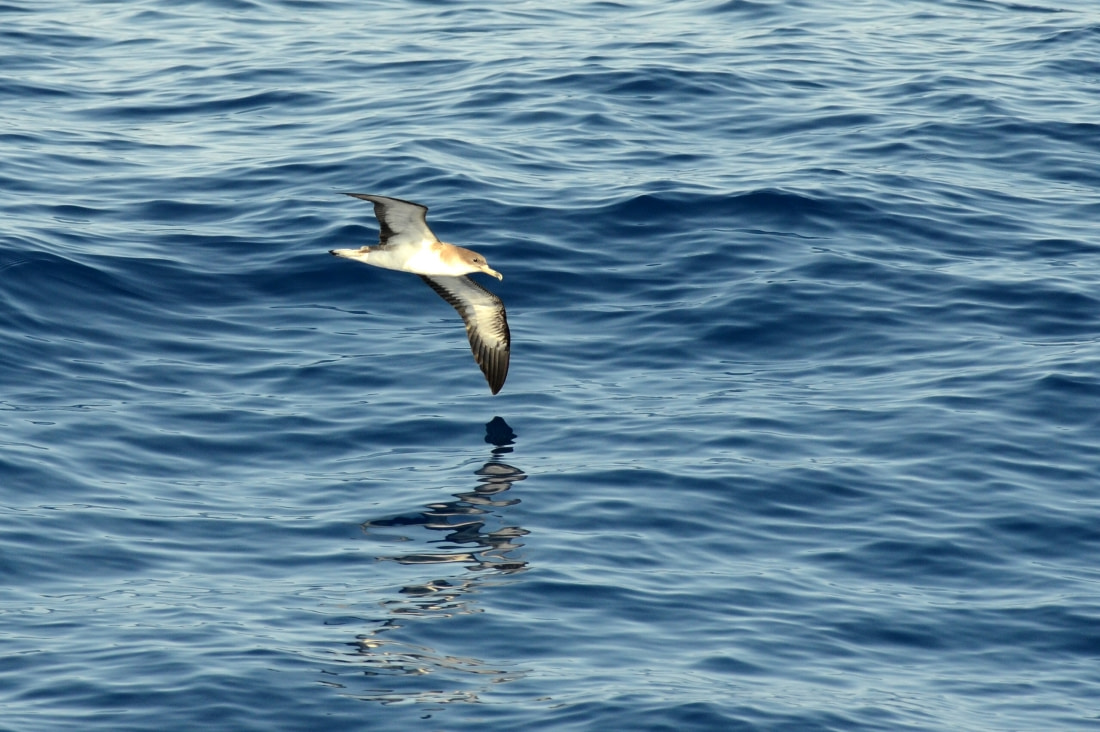
There are many gorgeous beaches around Cape Verde, even around the busy city of Praia, but it is on the approach to these islands that you'll see the majority of their wildlife. At sea you have the chance to spot marine life and some rare seabirds, such as the Cory's shearwater shown in the title picture, and the Cape Verde shearwater seen below.
blog-image

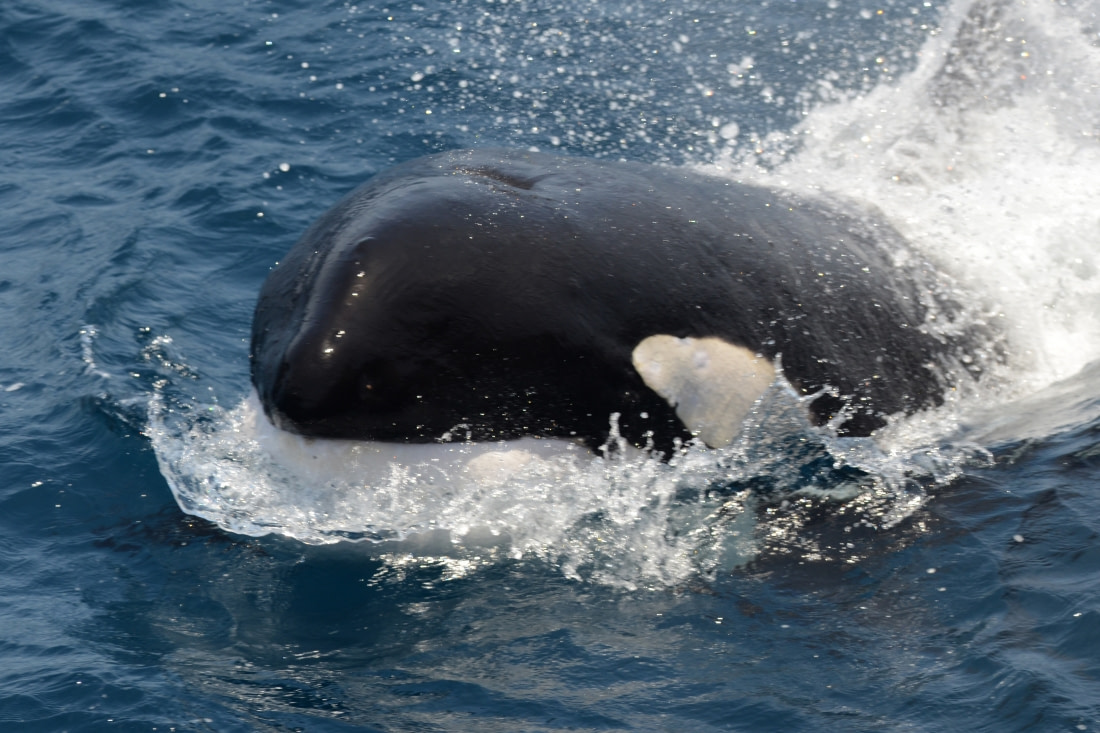
The waters around Cape Verde might also yield you a glimpse of a dolphin, humpback whale, or on rare occasions, an orca (killer whale) as seen here.
blog-image

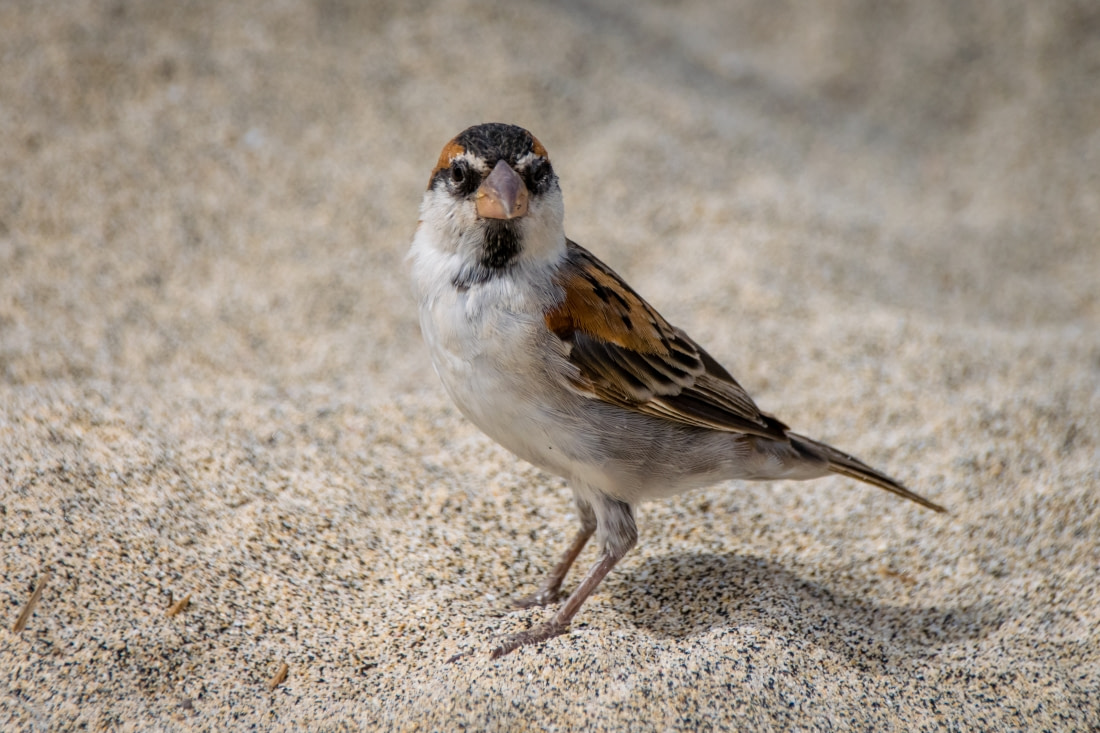
And let's not forget the endemic Iago sparrow, also known as the Cape Verde sparrow or rufous-backed sparrow, one of five birds native to Cape Verde.
blog-image

Taking home memories of Cape Verde

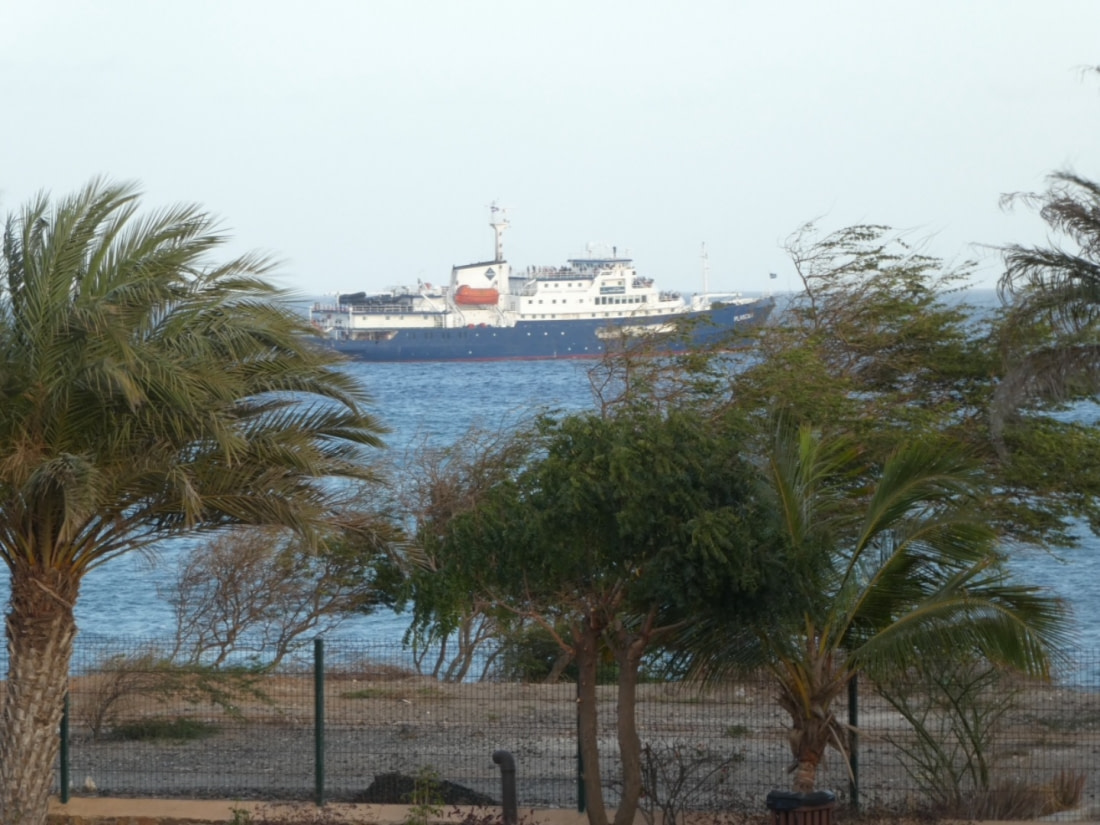
By the time you fly out of Praia, Cape Verde will have given you numerous experiences you'll enjoy sharing with your friends and family back home. Among the most-overlooked islands of the Atlantic, Cape Verde is coming into its own as a highly desirable travel destination.

blog-image

Blog
go-leftgo-right

The secrets of Antarctic seals revealed - Nexta Expeditions
Blog

The secrets of Antarctic seals revealed

There are only six species of seals that inhabit the Antarctic: Southern elephant seals, Antarctic fur seals, crabeater seals, leopard seals, Ross seals, and Weddell seals. While we are familiar with these species, much about their lives remains a mystery.
Of Treacherous Rocks & Audacious Fin Whales - Nexta Expeditions
Blog

Of Treacherous Rocks & Audacious Fin Whales

Soon large blows filled our view; small groups of fin whales sped by heading north all the while feeding on concentrations of krill & small fish. Group after group was seen, with many simply feeding in the general area and not heading anywhere in particular. Soon it became evident that we were not simply seeing a few random groups of fins, but a very large concentration spread out over a large area of sea just north and around the islands north of the South Shetlands. Dozens upon dozens of fin whales were feeding, diving around the ship and on the horizon in massive numbers; we must have seen well over fifty fin whales in the general area of Elephant Island, something many of the guides had never seen before.
The Overlooked Treasures of Ascension Island - Nexta Expeditions
Blog

The Overlooked Treasures of Ascension Island

If you know anything about Ascension Island, which is unlikely, it probably has to do with the green turtle breeding population that exists there.
The Return to Franz Josef Land - Nexta Expeditions
Blog

The Return to Franz Josef Land

As the possibility of international travel slowly returns, we are eagerly awaiting all the great locations, activities, and wildlife we might experience in the coming season. One of the things we’re most excited about is the return of our Franz Josef Land voyages.
International Polar Bear Day - Nexta Expeditions
Blog

International Polar Bear Day

It will come as no surprise to you that we're crazy about polar bears. We have multiple blogs about where to find polar bears, we offer dozens of polar bear trips, and we've even written a short story from a polar bear's point of view. (Yes, we actually did that.) So if you were to say that our love of polar bears borders on obsession, you wouldn't be far off.
10 Popular Bird Watching Binoculars - Nexta Expeditions
Blog

10 Popular Bird Watching Binoculars

Binoculars are a staple for outdoor enthusiasts, often packed with minimal thought alongside essentials like bug spray, sunblock, and waterproof matches. However, for certain groups, binoculars are indispensable, particularly for bird watchers. If you're part of this technical hobbyist community, here are 10 birding binoculars you should know about.
Experience King Penguins, Seals and More in South Georgia - Nexta Expeditions
Blog

Experience King Penguins, Seals and More in South Georgia

One of the most remarkable aspects of South Georgia Island is its immense population of King penguins. This island serves as a significant breeding ground, and breathtaking aerial photos have captured the sight of hundreds of thousands of King penguins gathered together. This colony is known as the largest crèche in the world, making it one of the top destinations globally for observing King penguins.
Deception Island deceptively active - Nexta Expeditions
Blog

Deception Island deceptively active

In Antarctica, the South Shetland archipelago is home to Deception Island, a volcanic-rounded island that is 15 km in diameter with a shield volcano. The volcano is mainly basalt-andesite and was one of the first parts of Antarctica to be discovered, probably around 1820 by UK and USA sealers.
Exploration of the Polar Regions - Nexta Expeditions
Blog

Exploration of the Polar Regions

From the Vikings via the first whale and seal hunters to Scott and Amundsen, from the maritime explorers Franklin and Nordenskiöld to present-day polar tourism, a quick tour through history reveals some of the aspects which motivated people to extend their horizons. Existential need, sheer curiosity, imperial greed, polar science, and a taste for adventure all converged in regions which pardon no mistakes.
Antarctic Icon: 44 Facts About the Emperor Penguin - Nexta Expeditions
Blog

Antarctic Icon: 44 Facts About the Emperor Penguin

What polar bears are for the Arctic, emperor penguins are for Antarctica. These flightless aquatic birds are probably the most recognizable animals in the southern polar regions and certainly among the most popular wildlife attractions for our passengers.
Fierce and Feathered: the Skuas of Antarctica - Nexta Expeditions
Blog

Fierce and Feathered: the Skuas of Antarctica

At first glance, the skuas you encounter in Antarctica may appear to be merely darker-feathered seagulls. But looks can be deceiving.
Get to Know Your Ice - Nexta Expeditions
Blog

Get to Know Your Ice

Ice plays a crucial role in everything from cooling your drink to regulating the planet's temperature. Let's explore the various forms of ice you might encounter during an Arctic or Antarctic adventure.
Science of the Ross Ice Shelf - Nexta Expeditions
Blog

Science of the Ross Ice Shelf

Antarctica’s Ross Ice Shelf is vast, spanning 487,000 sq. km – comparable to the size of France – with a thickness that varies from a few hundred meters near the sea to over 1,200 meters away from the floating edge. The edge along the Ross Sea forms a towering ice wall, rising up to 50 meters above the water, with most of the ice submerged below the waterline.
The ozone layer in Antarctica - Nexta Expeditions
Blog

The ozone layer in Antarctica

An ozone molecule is composed of three oxygen atoms rather than the usual two. It exists in the atmosphere in trace amounts. Ozone molecules are created through the interaction of ultraviolet (UV) radiation from the sun with oxygen molecules: When an O2 molecule is split, the two free oxygen atoms bond with other O2 molecules to form O3 molecules.
Arctic Flowers, Trees, and Other Plant Life - Nexta Expeditions
Blog

Arctic Flowers, Trees, and Other Plant Life

When many people think of the Arctic, they probably imagine a stark white wasteland devoid of anything except snow, glaciers, and the occasional far-wandering polar bear.
The Arctic Hare: Easter Bunny - Nexta Expeditions
Blog

The Arctic Hare: Easter Bunny

Although the Arctic hare’s stern expression might make it seem like the least amused member of a serious tribunal, this polar animal is actually one of the most charming creatures on the planet – especially when Easter Sunday comes around.
Coming Back from the Brink: The Fur Seals of Antarctica - Nexta Expeditions
Blog

Coming Back from the Brink: The Fur Seals of Antarctica

Once hunted to the brink of extinction, the Antarctic fur seal is now one of the most populous and charismatic species of seal you’re likely to encounter during your Antarctica trips. Unlike other members of its large family, the fur seal has external ears, or pinnae, a short snout, and a thick coat of dark brown fur. Male seals tend to be larger than females, with weights ranging from 91 kg (200 lbs.) to 215 kg (474 lbs.).
Seven Facts About Antarctic and Sub-Antarctic Penguins - Nexta Expeditions
Blog

Seven Facts About Antarctic and Sub-Antarctic Penguins

Approximately 50 million years ago, Antarctica was detaching from the vast supercontinent of Gondwana, and penguins were emerging as a distinct species. Initially native to warmer regions, they gradually adapted to the cooling climate of Antarctica as they ventured further south.
Circumnavigating Spitsbergen - Nexta Expeditions
Blog

Circumnavigating Spitsbergen

Many of our expedition cruises focus on specific areas of the Arctic or Antarctica, delving deep into local wildlife and other natural highlights. However, some programs aim to provide a broader survey, visiting a variety of sites to offer guests a wider perspective.
Albatross, penguin and krill research in Antarctica - Nexta Expeditions
Blog

Albatross, penguin and krill research in Antarctica

In the Antarctic region, extensive research is being conducted by national Antarctic programmes from countries like the UK, Australia, and Japan. These studies aim to understand species in the air, on the ground, and in the sea, and how these species are interconnected without variables such as human impacts and climate change.