Explore Antarctica Without Leaving Your Couch - Nexta Expeditions
Explore Antarctica Without Leaving Your Couch

Explore Antarctica Without Leaving Your Couch

There are numerous ways to embark on an Antarctica expedition from the comfort of your home. Explore these fantastic resources to experience the White Continent without leaving your couch.

Visit the expedition huts on Cape Evans, Ross Island

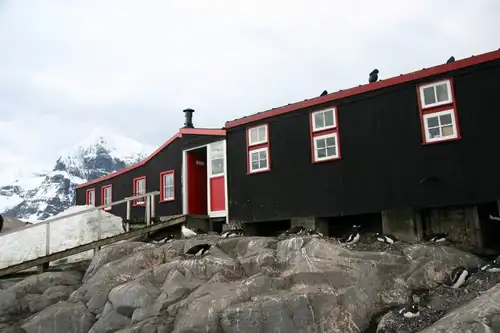
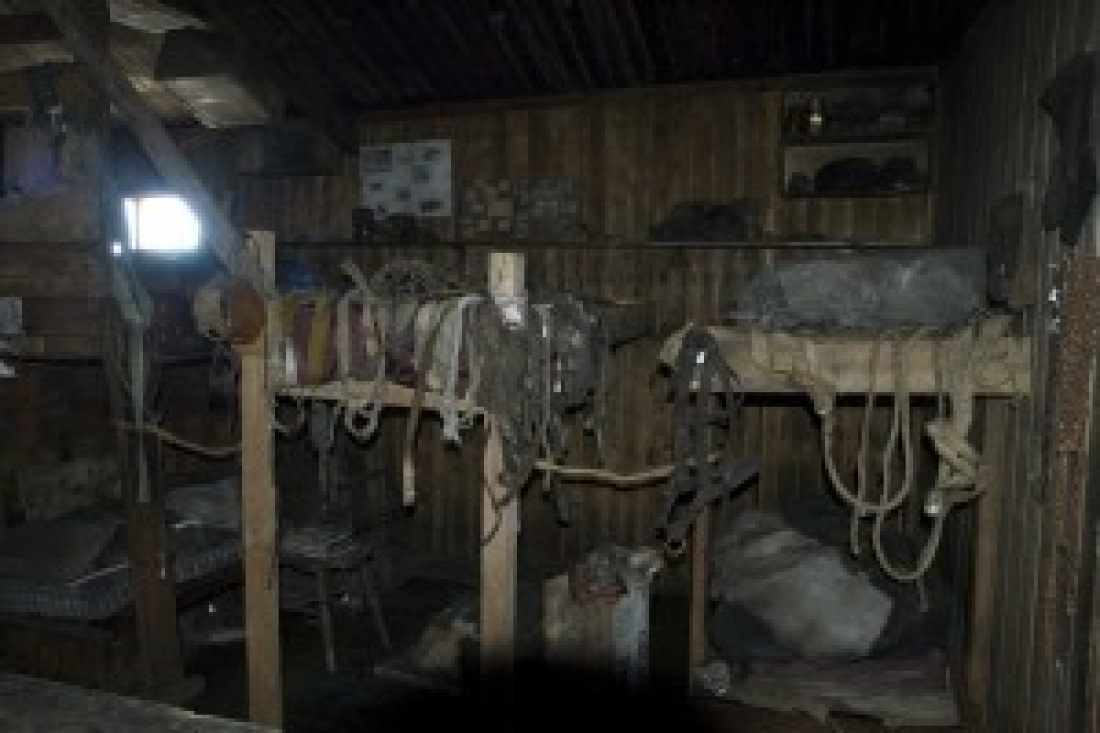
Take a virtual tour inside Scott's hut and explore the surrounding area with Google Street View. These small prefabricated wooden cabins, standing for over a century, offer a glimpse into how explorers lived and worked in the harsh Antarctic environment.

Visit Scott’s hut
blog-image

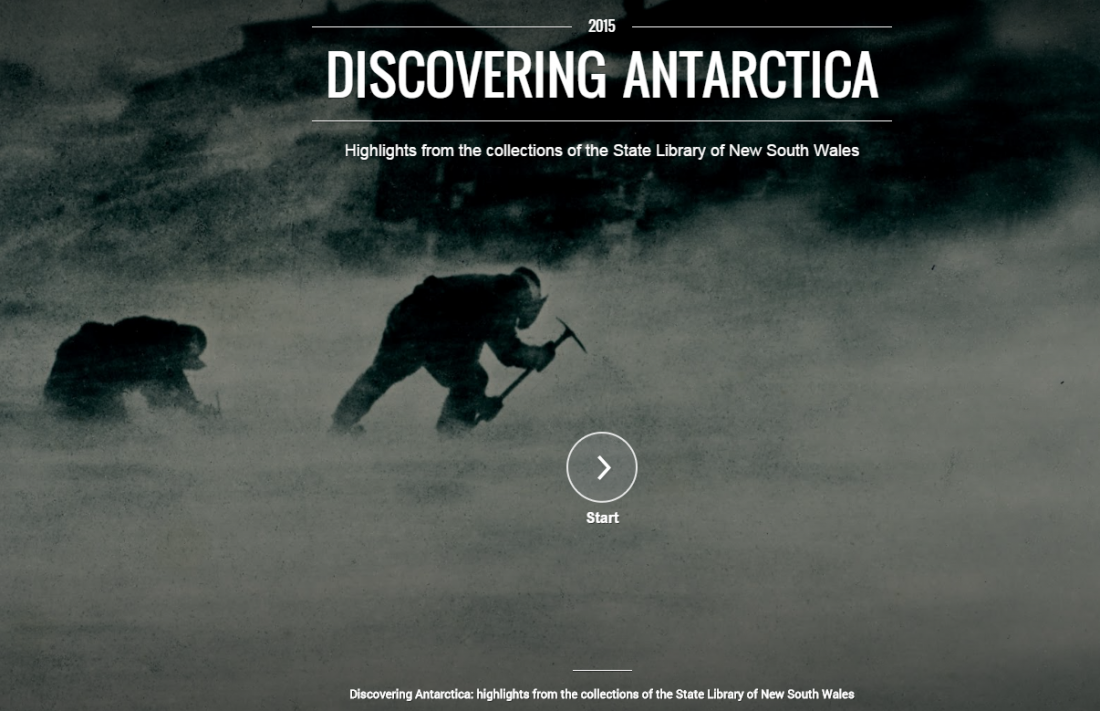
Explore the highlights of the State Library of New South Wales' Antarctic collections

Delve into fascinating old maps, view paintings of Captain Cook's voyages, and admire photographs taken by explorers. Some personal favorites include: "Hauling the dogs up the flying-fox at 'The Grottoes'" by Andrew D. Watson; "Ice-caked Adelie penguins after a blizzard"; and "Cape Denison and Australian Antarctic Expedition Members: scenes inside living quarters, 1911-1915" by Frank Hurley.

Discovering Antarctica
blog-image

Antarctic and Subantarctic Webcams

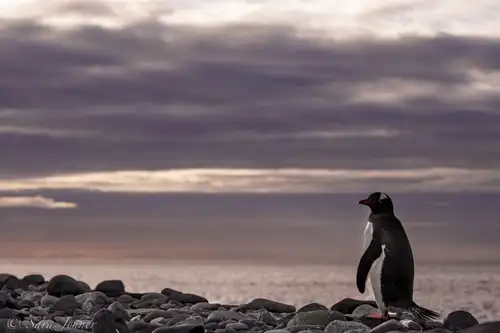
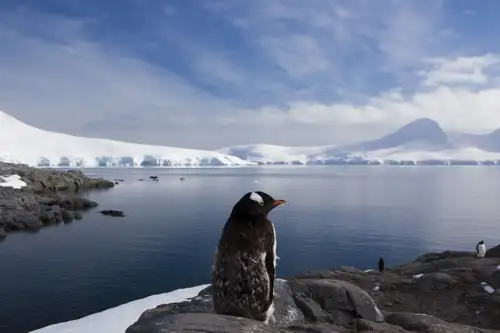
Penguin webcam at O'Higgins station Enjoy watching gentoo penguins in their natural habitat through webcams set up at a breeding colony at the German Antarctic Receiving Station (GARS) O'Higgins, located in the northern Antarctic Peninsula. The project, initiated by Martin Grund in 2004, continues to produce photographs. The site is primarily in German, but information is also available in English and Spanish.

Visit website Australian Antarctic Division View images from six webcams operated by the Australian Antarctic Division. Four are located at permanent stations: three on the Antarctic continent at Mawson, Casey, and Davis, and one at sub-Antarctic Macquarie Island. A favorite is the webcam on the Nuyina, Australia’s icebreaker, which offers time-lapse movies from recent voyages and views from bow, stern, and port cameras. Additionally, the krill camera provides videos (updated every 15 minutes) of the marine research aquarium where scientists study krill. United States Antarctic Program Every 30 seconds, cameras at U.S. Antarctic stations capture live outdoor images. There are two cameras at McMurdo Station on Ross Island, two at Amundsen-Scott South Pole Station, and one at Palmer Station on the peninsula side of the continent. British Antarctic Survey Webcams are set up at several British stations and even on ships! The Bird Island Research Station webcam at Bird Island, South Georgia, shows a beach that serves as a fur seal breeding colony in summer, is visited by leopard seals in winter, and sees large male elephant seals in spring, with gentoo penguins present year-round.

Two cameras are located at King Edward Point in South Georgia: one in Larsen House and another on a weather mast. Webcams are also at the Rothera Research Station on Adelaide Island, west of the Antarctic Peninsula, and at the Halley VI Research Station, built on a floating ice shelf in the southeast Weddell Sea.

Two particularly interesting cameras are on British research vessels. One on the conning tower of the RRS Ernest Shackleton captures stunning scenery during the Antarctic summer (the ship heads north to the Arctic in winter), and another on the port side of the bridge of the RRS James Clark Ross provides breathtaking imagery while navigating Antarctic waters.


Blog
go-leftgo-right

Polar Amore: 14 Wildlife Pics to Warm up Your Valentine’s Day - Nexta Expeditions
Blog

Polar Amore: 14 Wildlife Pics to Warm up Your Valentine’s Day

Imperial Antarctica: the Snow Hill Emperor Penguins - Nexta Expeditions
Blog

Imperial Antarctica: the Snow Hill Emperor Penguins

Recently, a rare achievement was made by visiting Antarctica’s northernmost emperor penguin colony on Snow Hill Island. Typically surrounded by impassable pack ice, Snow Hill is a notoriously difficult destination in the Weddell Sea cruise itinerary, only accessible using helicopters carried especially for this purpose.
Arctic and Antarctic Basecamp Cruises – Choose Your Own Adventure - Nexta Expeditions
Blog

Arctic and Antarctic Basecamp Cruises – Choose Your Own Adventure

There’s an astonishing variety of activities to choose from when planning an Arctic trip or Antarctic cruise, which can be a bit overwhelming. How do you choose just one voyage over another when you want to experience everything? Happily, you don’t have to give up one activity for another. Basecamp cruises have you covered.
Orcas (aka Killer Whales) of Antarctica and the sub-Antarctic - Nexta Expeditions
Blog

Orcas (aka Killer Whales) of Antarctica and the sub-Antarctic

Orcas are highly social and intelligent members of the dolphin family Delphinidae. They are sometimes referred to as killer whales, though this name has somewhat fallen out of fashion due to inaccurately characterizing orcas as ferocious predators.
The Pack Ice and Polar Bears of North Spitsbergen - Nexta Expeditions
Blog

The Pack Ice and Polar Bears of North Spitsbergen

The Arctic archipelago of Svalbard is renowned for being one of the prime locations to observe polar bears. The largest island in this region, Spitsbergen, not only offers sightings of these majestic Arctic creatures but also provides a unique opportunity to experience the phenomenon of pack ice.
Science of the Ross Ice Shelf - Nexta Expeditions
Blog

Science of the Ross Ice Shelf

Antarctica’s Ross Ice Shelf is vast, spanning 487,000 sq. km – comparable to the size of France – with a thickness that varies from a few hundred meters near the sea to over 1,200 meters away from the floating edge. The edge along the Ross Sea forms a towering ice wall, rising up to 50 meters above the water, with most of the ice submerged below the waterline.
Around Spitsbergen vs. North Spitsbergen - Nexta Expeditions
Blog

Around Spitsbergen vs. North Spitsbergen

Svalbard, particularly Spitsbergen, was the first polar expedition cruise destination. It's no surprise that there are numerous trip programs available in this region. Among the most unique are the Around Spitsbergen and North Spitsbergen cruises.
Spitsbergen: Alkefjellet magic - Nexta Expeditions
Blog

Spitsbergen: Alkefjellet magic

If they knew their way home, why not follow them? Equipped with GPS and compass, we approached the cliffs by zodiac. First, we heard the noise from the colony – the distinct calls of guillemots, kittiwakes, and Glaucous gulls. Then the cliffs gradually emerged from the mist.
15 Toothy Facts About the Atlantic Walrus - Nexta Expeditions
Blog

15 Toothy Facts About the Atlantic Walrus

The walrus is one of the most recognizable animals on the planet, and for good reason. Try sneaking into a cinema with those tusks!
Fierce and Feathered: the Skuas of Antarctica - Nexta Expeditions
Blog

Fierce and Feathered: the Skuas of Antarctica

At first glance, the skuas you encounter in Antarctica may appear to be merely darker-feathered seagulls. But looks can be deceiving.
First to the North Pole: Five Failed but Brave Expeditions - Nexta Expeditions
Blog

First to the North Pole: Five Failed but Brave Expeditions

Being first to reach the North Pole was seen by several nations as economically invaluable due to the open polar sea said to encircle it, but for the explorers themselves it was also a gloriously adventurous grab for immortality.
10 Traits of Post-Ice-Age Greenland - Nexta Expeditions
Blog

10 Traits of Post-Ice-Age Greenland

Grasses, sedges, and other species of heath were the first arrivals, and are still commonly found in Greenland. Scientists have been able to work out how plants colonised Greenland by examining ancient pollen samples found in deposits at the bottom of lakes: Dwarf birch came to western Greenland around 9,000 years ago, and around 4,500 years ago – roughly the same time humans were first boating onto Greenland shores – green alders were taking up residence there.
Discover the Scoresby Sund Fjord System in East Greenland - Nexta Expeditions
Blog

Discover the Scoresby Sund Fjord System in East Greenland

Are you considering a trip to Greenland? One destination you absolutely must visit is the world's largest fjord with stunning landscapes: Scoresby Sund.
Where the Polar Bears Roam - Nexta Expeditions
Blog

Where the Polar Bears Roam

Going to the Arctic without clapping eyes on a wild polar bear can be reasonably compared to visiting Africa without seeing a giraffe or a zebra or, most analogously, a lion.
Five Reasons Why Snowshoeing is a Perfect Polar Activity - Nexta Expeditions
Blog

Five Reasons Why Snowshoeing is a Perfect Polar Activity

One of the most beloved polar sports is also one of the oldest. Snowshoeing has been the preferred means of foot travel in the Arctic since antiquity, and in the years since Antarctica was discovered, it has been highly popular among researchers and polar tourists alike.
What to Expect When Crossing the Drake Passage - Nexta Expeditions
Blog

What to Expect When Crossing the Drake Passage

Positioned between the southern tail of South America and the Antarctic Peninsula's north-sweeping arm is a lively little waterway known as the Drake Passage.
Circumnavigating Spitsbergen - Nexta Expeditions
Blog

Circumnavigating Spitsbergen

Many of our expedition cruises focus on specific areas of the Arctic or Antarctica, delving deep into local wildlife and other natural highlights. However, some programs aim to provide a broader survey, visiting a variety of sites to offer guests a wider perspective.
Seven Facts About Antarctic and Sub-Antarctic Penguins - Nexta Expeditions
Blog

Seven Facts About Antarctic and Sub-Antarctic Penguins

Approximately 50 million years ago, Antarctica was detaching from the vast supercontinent of Gondwana, and penguins were emerging as a distinct species. Initially native to warmer regions, they gradually adapted to the cooling climate of Antarctica as they ventured further south.
International Polar Bear Day - Nexta Expeditions
Blog

International Polar Bear Day

It will come as no surprise to you that we're crazy about polar bears. We have multiple blogs about where to find polar bears, we offer dozens of polar bear trips, and we've even written a short story from a polar bear's point of view. (Yes, we actually did that.) So if you were to say that our love of polar bears borders on obsession, you wouldn't be far off.
Secrets of the Snowy Owl: Habitat, Adaptations, and Other Facts - Nexta Expeditions
Blog

Secrets of the Snowy Owl: Habitat, Adaptations, and Other Facts

The snowy owl (Bubo scandiacus), also known as the great white owl or Arctic owl, is one of the most distinctive bird species on the planet. While you won’t find them in all areas of the Arctic – they don’t exist in Svalbard due to the lack of lemmings – snowy owls are seen in the polar regions of Eurasia and North America and are a potential visitor during Greenland cruises. The binomial species name, “scandiacus,” is derived from Scandinavia, as this is where the bird was first discovered. The snowy owl is the official bird of Quebec, and they are a must-see for countless bird watchers and naturalists.