

It’s easy to get confused about what to pack for a polar cruise. Some items are provided and some are not, and it’s not always clear which is which. This article will make your polar pack list painstakingly clear. Promise.
PLEASE NOTE: We require all passengers to bring a waterproof jacket and pants (minimum 15,000mm rating) for our Zodiac cruises to shore, as these can be quite wet. You will also need high rubber boots for landings during trips on Rembrandt van Rijn, though we provide such boots on our larger motor vessels.
Apart from that, what you pack is largely a matter of personal preference. Here are our recommendations for documents, gadgets, and clothing...

Required identification and travel documents
We know this seems a bit like we’re insulting your intelligence, but it bears noting that some of the most obvious travel items get overlooked in the rush for jackets and boots.
Wherever you’re joining us from, you will first need a valid passport. We recommend that your passport be valid for at least six months after your trip ends, in fact, though this is not a make-or-break requirement to go on our voyages.
You should also bring your other identification, debit cards, credit cards, and cash in either the euro or US dollar. And please check with your nearest embassy in case you need a visa.

Clothing for your Arctic or Antarctic trip
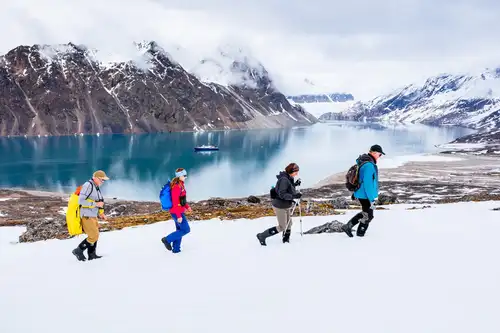
After travel documents, proper clothing is the most important thing to pack on your cruise. It’s no secret that the polar regions get really, really cold. Antarctica in particular can chill the bones even in summer, but the clothes listed below will also serve for an Arctic trip.
FOOTWEAR (SHOES AND SOCKS) We will loan you knee-high waterproof muck boots for outings when you’re booked on our large motor vessels, Hondius, Plancius, and Ortelius. We do not provide these boots when you’re sailing on the smaller vessel, Rembrandt van Rijn.
You will, however, want to bring sturdy shoes with quality grip soles for walking around the ship. Decks can get slippery and the ship is prone to rocking, so please do not bring flipflops, sandals, or any kind of open-heeled footwear.
Also, pack ample pairs of warm socks. We recommend thick Merinos or similar, and it’s not a bad idea to include thin inner socks for additional warmth and dryness.

BASE LAYER (THERMALS AND UNDERGARMENTS) We strongly recommend dressing in layers, because temperatures can change rapidly in the polar regions. But it’s equally likely that your nature walks and other outdoor activities will heat you up even in cool weather.
Start with a good base, then. Breathable thermal underwear is useful, since it helps keep you warm even if you end up stripping off outer layers.

MIDDLE LAYER (T-SHIRTS, SWEATERS, AND PANTS) Pack casual clothes you can wear inside the ship or over your undergarments when you’re outdoors. Your waterproof outer layer can go over these clothes and be removed if you get hot, which is likely to happen during more rigorous outdoor activities.
Our vessels are designed for exploration, not luxury, so don’t worry about packing your gala gown or tux. Comfortable clothes you can wear in the observation lounge, having a drink at the bar, and trekking around polar coastlines are ideal.
A warm sweater is a good idea, and we recommend thin inner gloves to wear inside thicker outer gloves (which we’ll discuss later) during excursions and landings.
Packing a scarf, neck gaiter, or some kind of neck-warming shirt is also useful. Some people like turtlenecks, others prefer scarves. It doesn’t really matter what you pack as long as it keeps your neck warm and can be removed. This goes double for an Antarctica cruise, where it can be windier than in the Arctic.
Pack a good cap or hat as well, and make sure it is able to cover your ears. And as always, make sure it is something you can quickly take off if it gets sunny and hot.

OUTER LAYER (JACKETS, SCARVES, AND OUTER GLOVES) This may be the most self-evident layer of the lot. You’ll want a quality jacket that is waterproof and windproof, and it can also be valuable to have a hood attached. The outer layer should at least have a 15000 mm water resistance and ideally have a highly visible red or yellow colour.
The same goes for your outer pants and gloves. Trousers should fit over muck boots or your own personal footwear, and both pants and gloves should be waterproof and able to be easily removed on hot days or during activities that make you sweat.
Remember, though, you’ll be using your camera a lot. Your thick outer gloves, like your thin inner gloves, should allow you to easily use your buttons and/or screen.
But to return to the topic of sweat for a moment…
You will probably sweat often during your landings, and this can make you colder than usual if the weather changes or you stop moving. So to repeat, pack breathable layers that are not too tight and can be easily removed and stored in a small day pack.

Cruise toiletries and related products
Sunscreen is one of the most important items to pack for polar travel, as it is our goal that you will spend most of your time outside. Sunlight reflecting off the snow can quickly cause a burn. You may also want a general moisturizing lotion and lip balm, as the air can be quite dry.
Motion sickness mediation is handy, especially if you’re crossing often-rough waterways like the Drake Passage. But you can purchase this from us if you forget to bring your own. There are also a number of natural seasickness remedies you can pack.
A small, personal medical kit is also a good idea. Our ships have basic first-aid equipment in case of minor injuries, but it never hurts to bring some of your own bandages and meds.

Additional but essential expedition items
Sunglasses are a must. It gets bright in the polar regions, especially on clear days in snowy areas. Keep your eyes safe with a quality pair of UV-protectant sunglasses.

Pack a small or medium-sized waterproof backpack that you can wear during excursions. You can use this to store lightweight but useful things like the clothes you take off, a water bottle, binoculars, or spare batteries for your camera.
Binoculars are key, because you’ll be marveling at a lot of landscapes and wildlife.

And again, a good camera is critical.
Cameras are indeed so vital that we even have a dedicated photography packing guide especially for them. Pack memory cards and spare power options, too. But as always, remember to put the camera down on occasion and simply enjoy the surroundings.

Earplugs are nice to have if your cabin mate is loud or you are sensitive to noise while sleeping. An eye mask can also be pleasant, though our cabins are typically easy to keep dark.
If you’re not from Europe, you will probably need an outlet converter. Our sockets on board use the traditional EU slot with two large pins.
A headlamp is a good idea, though this is mostly the case only on Northern Norway trips that sail during the darker months of autumn through spring. And you could also pack a journal and writing tools, but we often provide these in your cabin.

One last word about luggage
Luggage is mostly a matter of personal taste, but you will want luggage you can carry easily and that is waterproof. There will be a few occasions in which you will have to deliver your luggage to and from your cabin and also the Zodiacs, where we may encounter sea spray.
Download checklist >

Blog


Kayaking In Greenland
15 Fantastic Photos of Antarctica
Why a Polar Diving Cruise Should be Your Next Great Decision
Freshwater ecosystems in the Arctic
Orcas of the Polar Seas
The Plants of Antarctica
“The polar bear will still be there”
10 Bountiful Blue Whale Facts
Port Pastimes: 7 Fun Things to Do in Longyearbyen
Two for the Snow: Polar Cruises for Couples
Everything you need to know about Antarctic icebergs
16 Conversation-Starting Svalbard Facts
Tracking Greenland’s Wildlife from Space
The Research Stations of Antarctica and the sub-Antarctic
The Norse Settlement of Greenland
Around Spitsbergen vs. North Spitsbergen
Antarctic Icon: 44 Facts About the Emperor Penguin
Polar bear feast
Antarctica’s first Marine Protected Area