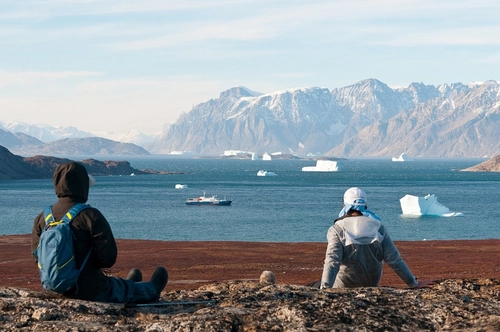

The World Is Changing For Greenlands Native Inuit People - Nexta Expeditions
The World Is Changing for Greenland's Native Inuit People

The World Is Changing for Greenland's Native Inuit People

You may know them as Eskimos, but the people of the Arctic are officially called the Inuit. Historically, they were hunters in the truest sense. For hundreds of years, they survived the world’s harshest conditions, living off their prey of whales, seals, polar bears, musk oxen, birds, fish, and reindeer. This has always been their way of life.

One that is now changing. The Inuit, or “the people” in their native language, were mostly isolated for millennia until modern times. Now they are adapting, but their lives are affected by a contemporary world that is placing limits on how they can hunt and a changing climate that is affecting their environment. There is an element of uncertainty to their culture.

An ancient people

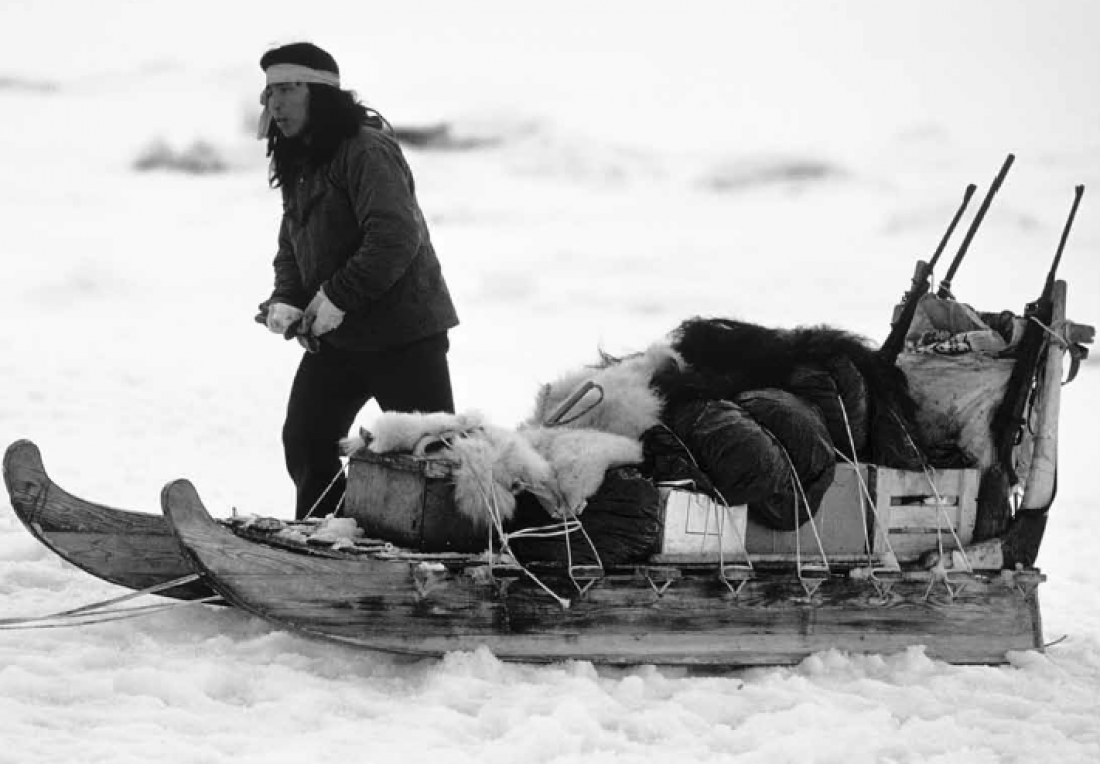
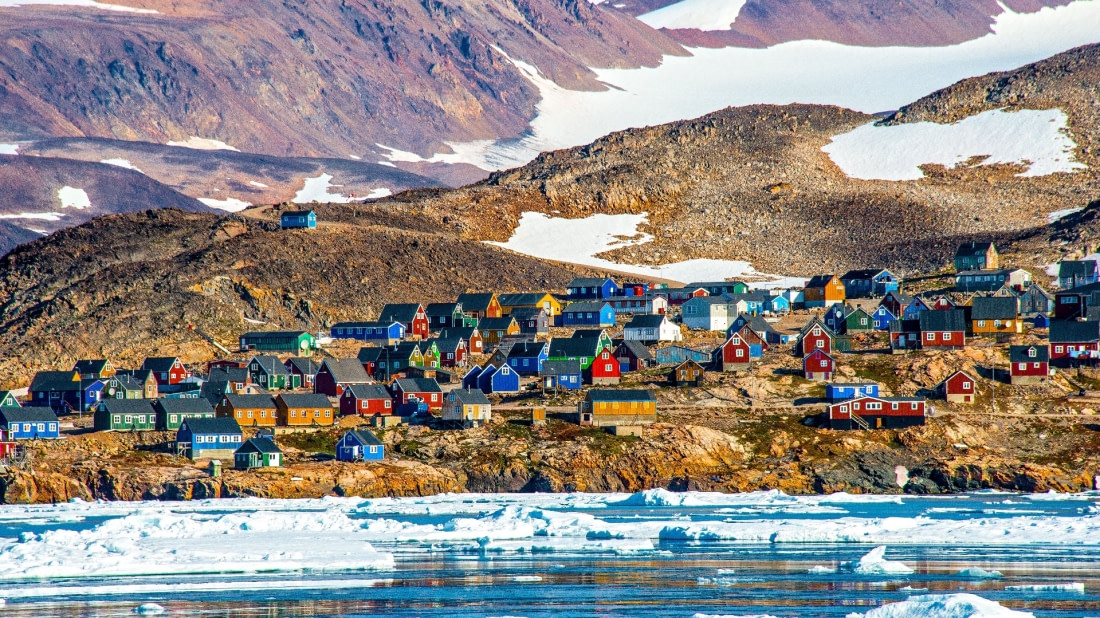
The Inuit originally migrated from Siberia to Alaska, through North America, and finally arrived at the shores of Greenland in the 13th century. They were sophisticated navigators, using stars to guide their way. Because Greenland is literally covered with a sheet of ice, the Inuit settled around the coastal areas so they could hunt and fish.
blog-image

Surviving in such a harsh environment required a strong sense of family and community. The Inuit followed a moral code based on ancient myths and legends, which were absolute. Some of these beliefs were expressed in their art as carvings called tupilaq, or “evil spirit objects”.

The hunting culture

The Inuit traditionally hunted from small, sealskin boats, which were quick and maneuverable. You may recognize today’s version of this boat that is still called by the Inuit name, kayak.

Hunting has always been at the heart of the Inuit culture. Until about fifty years ago, these native people lived completely off the land and sea. Today the economy has shifted, and Greenland is not primarily a hunting society.

Most Inuit have transitioned to traditional wage-earning work to earn money for electricity and other modern comforts. However, the hunting culture, skills, and diet are still very much a part of their lives and their identity.

The Inuit continue to eat their traditional regime of seal, walrus, and reindeer. In constructing their clothing and boots, some traditionalists eschew contemporary materials and continue to utilize the spoils from their hunt – polar bear and reindeer skins, just as they’ve always done.

Some of the men still excel at time-honored hunting skills such as harpoon throwing and kayaking.

This world of hunting for the Inuit is deeply embedded in their myths, their communal structure, their identity, even their DNA. For instance, they consume a high protein, high-fat diet. It has been shown they metabolize fats with greater efficiency than Europeans do.

Pressure from conservation groups

However, the Inuit’s ancient culture has recently come under pressure from well-meaning people. Various environmental groups, even from within Greenland’s government, have begun to set limits on many of the species that were at one time essential to this hunting culture.

For the small groups of hunters who still hunt off the land, the claim is that these new quotas will make their lives more difficult. Though well-intentioned, these animal rights campaigns coming from the outside world conflict directly with ancient Inuit values. This is truly a clash of cultures that may threaten a way of life for one of the world’s last aboriginal people.

There are, however, some measures being considered to help this situation. UNESCO’s World Heritage List is considering adding protections for caribou hunting as it is an important aspect of the Inuit’s and other native groups’ livelihoods.
blog-image

The ice is changing

For centuries, the Inuit have lived out in the roughest environments. They know the weather patterns that allow them to travel safely on the sea ice for their hunting expeditions. For some of these indigenous people, hunting isn’t sport – it has been their means of providing food. When they need to eat, they go to the sea for their sustenance.

However, a major study on the effects of Arctic warming reports that temperatures have increased by 2 to 5 degrees Celsius over the last 50 years and may rise by yet another 10 degrees. This change is impacting the wildlife and the environment of the Arctic.

Throughout Greenland, Inuit hunters say the weather is increasingly unpredictable. They report that the land and the sea ice are changing. What was once familiar territory has become unstable, making navigating and travel dangerous. Glaciers are melting more in summer than previously, and the routes to traditional hunting spots have become precarious. Even some experienced hunters have disappeared through the ice.

They are now hunting more in the fjords rather than on the sea ice, as it is safer and more productive with the changing environment.

The culture is changing

As hunting has become more difficult for the hardcore traditionalists, more family members are working in contemporary roles to help their family’s economy. Women are taking salaried jobs to earn currency for store-bought products. This allows some of the men to continue in their traditional role as hunters. However, one side effect is that the women are starting to lose their knowledge of traditional skills such as sewing animal skins.

The future

The good news is there is increasing awareness of the rights of aboriginal people like the Inuit to preserve their centuries-old way of life. There are an increasing number of advocates speaking out for the continued culture of these long-surviving people.

The United Nations Environment Programme has called for increased environmental monitoring in the Arctic regions. It seems that what is happening in the Arctic is the front line for what will occur in the rest of the world.

Ultimately, it is being acknowledged that awareness of the Inuit culture and their environment will not only benefit their survival, it will in the long run help us all.

Experience, share, and enjoy this ancient culture with us on Greenland cruise(s).
Best Deals

Related Trips

Spitsbergen - Northeast Greenland, Fly & Sail - Nexta Expeditions
The Arctic
Longyearbyen

Spitsbergen - Northeast Greenland, Fly & Sail

calendar12 Aug 2026 - 31 Aug 2026
clock20 Days / 19 Nights
From $ 9.500 per person
Northeast Greenland Extreme - Nexta Expeditions
The Arctic
Akureyri

Northeast Greenland Extreme

calendar15 Aug 2026 - 28 Aug 2026
clock14 Days / 13 Nights
From $ 8.650 per person
East Greenland, Scoresby Sund, Including Long Hikes - Nexta Expeditions
The Arctic
Akureyri

East Greenland, Scoresby Sund, Including Long Hikes

calendar16 Aug 2026 - 25 Aug 2026
clock10 Days / 9 Nights
From $ 6.000 per person
Northeast Greenland Extreme - Nexta Expeditions
The Arctic
Akureyri

Northeast Greenland Extreme

calendar25 Aug 2026 - 07 Sep 2026
clock14 Days / 13 Nights
From $ 7.850 per person
East Greenland, Scoresby Sund - Aurora Borealis, Fly & Sail - Nexta Expeditions
The Arctic
Constable Pynt

East Greenland, Scoresby Sund - Aurora Borealis, Fly & Sail

calendar21 Sep 2026 - 01 Oct 2026
clock11 Days / 10 Nights
From $ 6.250 per person
East Greenland, Scoresby Sund - Iceland , Aurora Borealis, Fly & Sail - Nexta Expeditions
The Arctic
Constable Pynt

East Greenland, Scoresby Sund - Iceland , Aurora Borealis, Fly & Sail

calendar01 Oct 2026 - 12 Oct 2026
clock12 Days / 11 Nights
From $ 6.300 per person

Blog
go-leftgo-right

Visiting the Nearly Unknown: New Zealand’s Campbell Island - Nexta Expeditions
Blog

Visiting the Nearly Unknown: New Zealand’s Campbell Island

New Zealand is a renowned destination globally, and for good reason: It’s absolutely stunning. Almost every corner is filled with unparalleled beauty. But did you know that New Zealand includes several sub-Antarctic Islands that are almost completely unknown?
The Northern Lights dancing across the skies - Nexta Expeditions
Blog

The Northern Lights dancing across the skies

The Northern Lights typically manifest in a belt with a radius of 2,500 kilometers centered on the magnetic North Pole. This auroral zone spans northern Scandinavia, Iceland, the southern tip of Greenland, and continues over northern Canada, Alaska, and along the northern coast of Siberia.
Hondius Photography and Video Workshops - Nexta Expeditions
Blog

Hondius Photography and Video Workshops

There’s no shortage of great things to say about a Hondius expedition cruise, but among the best are the free video and photography workshops offered during some of this ship’s voyages. These informative, interactive, highly useful supplements allow you to not only capture your memories in the best way possible but also make your friends back home maddeningly jealous.
9 Facts about the Greenland Shark - Nexta Expeditions
Blog

9 Facts about the Greenland Shark

The Greenland shark, or Somniosus microcephalus, is one of many fish that inhabit the waters around Greenland, though this is not the only area in which the shark resides. These sharks, sometimes referred to as “gray sharks” or “gurry sharks,” can also be found in the north Atlantic Ocean near Iceland, Norway, and Canada.
Secrets of the Snowy Owl: Habitat, Adaptations, and Other Facts - Nexta Expeditions
Blog

Secrets of the Snowy Owl: Habitat, Adaptations, and Other Facts

The snowy owl (Bubo scandiacus), also known as the great white owl or Arctic owl, is one of the most distinctive bird species on the planet. While you won’t find them in all areas of the Arctic – they don’t exist in Svalbard due to the lack of lemmings – snowy owls are seen in the polar regions of Eurasia and North America and are a potential visitor during Greenland cruises. The binomial species name, “scandiacus,” is derived from Scandinavia, as this is where the bird was first discovered. The snowy owl is the official bird of Quebec, and they are a must-see for countless bird watchers and naturalists.
First to the North Pole: Five Failed but Brave Expeditions - Nexta Expeditions
Blog

First to the North Pole: Five Failed but Brave Expeditions

Being first to reach the North Pole was seen by several nations as economically invaluable due to the open polar sea said to encircle it, but for the explorers themselves it was also a gloriously adventurous grab for immortality.
Of Treacherous Rocks & Audacious Fin Whales - Nexta Expeditions
Blog

Of Treacherous Rocks & Audacious Fin Whales

Soon large blows filled our view; small groups of fin whales sped by heading north all the while feeding on concentrations of krill & small fish. Group after group was seen, with many simply feeding in the general area and not heading anywhere in particular. Soon it became evident that we were not simply seeing a few random groups of fins, but a very large concentration spread out over a large area of sea just north and around the islands north of the South Shetlands. Dozens upon dozens of fin whales were feeding, diving around the ship and on the horizon in massive numbers; we must have seen well over fifty fin whales in the general area of Elephant Island, something many of the guides had never seen before.
Peaks, Fjords, and Auroras: 14 East Greenland Attractions - Nexta Expeditions
Blog

Peaks, Fjords, and Auroras: 14 East Greenland Attractions

There really aren’t enough superlatives for East Greenland.
The Wildlife of Antarctica’s Seas and Skies - Nexta Expeditions
Blog

The Wildlife of Antarctica’s Seas and Skies

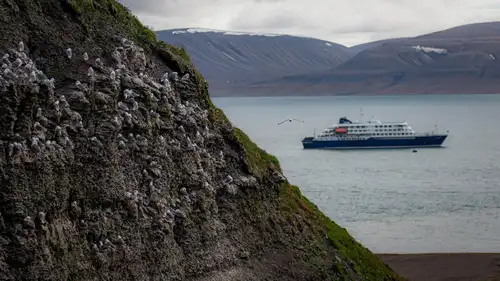
Antarctica is one of the most pristine environments on Earth, home to whales, penguins, seals, and birds, providing nature lovers with a treasure trove of wildlife memories to take back home.
Wreck Diving in Antarctica - Nexta Expeditions
Blog

Wreck Diving in Antarctica

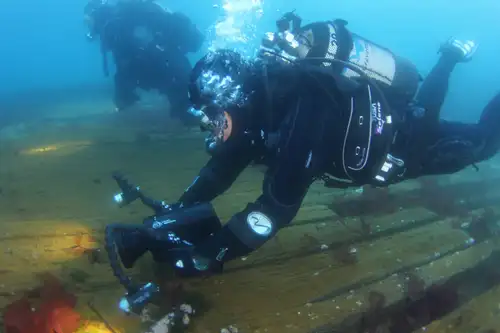
Scuba diving in Antarctica is an unparalleled adventure. Few places on Earth allow you to swim beneath icebergs and potentially encounter penguins or leopard seals. But the wonders of Antarctic diving don't end there.
Penguin Wisdom: Life Lessons from Our Favorite Flightless Birds - Nexta Expeditions
Blog

Penguin Wisdom: Life Lessons from Our Favorite Flightless Birds

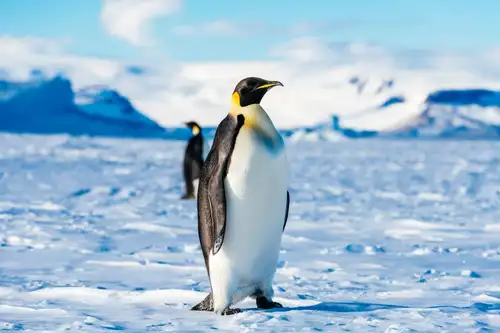
As enthusiasts of wildlife travel, we believe every creature has something valuable to impart - from the grand blue whale to the tiny cephalopod, the formidable polar bear to the elusive Arctic fox.
Circumnavigating Spitsbergen - Nexta Expeditions
Blog

Circumnavigating Spitsbergen

Many of our expedition cruises focus on specific areas of the Arctic or Antarctica, delving deep into local wildlife and other natural highlights. However, some programs aim to provide a broader survey, visiting a variety of sites to offer guests a wider perspective.
North Norway, Northern Lights, and All the Pretty Whales - Nexta Expeditions

Blog

North Norway, Northern Lights, and All the Pretty Whales

At first glance, visiting Northern Norway outside of a blazing-hot summer might seem daunting for the average traveler.
Visa to Argentina for Antarctic Expedition Travelers (2025 Guide) - Nexta Expeditions
Blog

Visa to Argentina for Antarctic Expedition Travelers (2025 Guide)

Argentina is the main gateway for travelers heading to Antarctica, with most expedition cruises departing from the southern city of Ushuaia. Whether you’re flying in through Buenos Aires or connecting domestically, knowing Argentina’s visa requirements is critical for a smooth journey before and after your polar adventure.
Penguins, Petrels, and Prions: Top Antarctica Bird Tour Spots - Nexta Expeditions
Blog

Penguins, Petrels, and Prions: Top Antarctica Bird Tour Spots

If anyone tells you Antarctica is for the birds, they’re right.
Greenland's History: When Vikings Ruled the Ice Age - Nexta Expeditions
Blog

Greenland's History: When Vikings Ruled the Ice Age

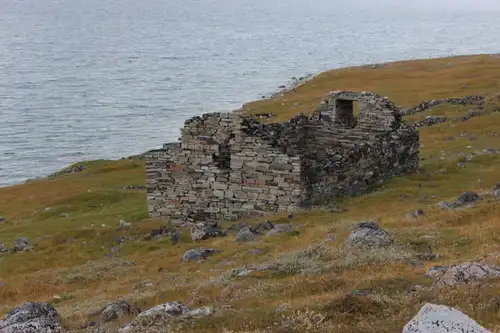
A Greenland cruise offers a journey into a rich history filled with intriguing details that captivate polar expedition enthusiasts. Among the most fascinating historical aspects is the fact that Vikings once ruled this land. Anthropologists and climate scientists have long studied Greenland to pinpoint when and why the Vikings left. Recent findings have shed new light on this historical culture.
The polar bear: king of the Arctic food chain - Nexta Expeditions

Blog

The polar bear: king of the Arctic food chain

As apex predators, polar bears reign supreme in the Arctic food chain. Only humans pose a threat to this massive and majestic species. But one look at these magnificent creatures explains why so many people embark on Arctic trips hoping to spot a polar bear in its natural habitat.
Svalbard a Disneyland for geologists - Nexta Expeditions
Blog

Svalbard a Disneyland for geologists

Svalbard is situated in the north-western corner of the Eurasian plate. Historically, Svalbard was part of a vast continent that included North America, Greenland, and Eurasia. At one point, both Northeast Greenland and Svalbard were submerged under the ocean before resurfacing.
Life in a Penguin Colony - Nexta Expeditions
Blog

Life in a Penguin Colony

Captain Pieter J. Lenie Base, also known as Base Copacabana or simply Copa Base, is situated on King George Island off the western shores of the Antarctic Peninsula. This American research station has been home to scientists studying Adélie, gentoo, and chinstrap penguins for over three decades, aiming to understand how to best conserve these cherished species.
5 Misconceptions You Might Have About Greenland - Nexta Expeditions
Blog

5 Misconceptions You Might Have About Greenland