The Best Arctic And Antarctic Trips For Families - Nexta Expeditions
The Best Arctic and Antarctic Trips for Families

The Best Arctic and Antarctic Trips for Families

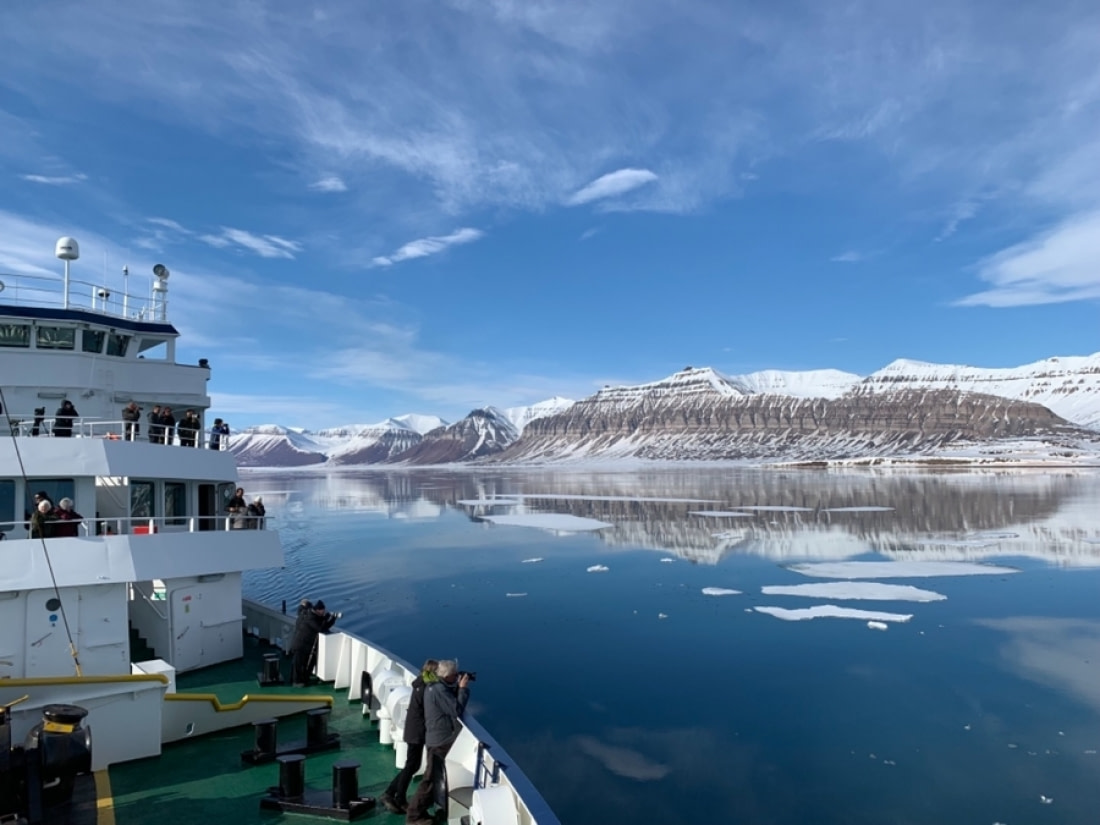
Polar expedition cruises are often enjoyed by couples and an increasing number of solo travelers, but they can also be a fantastic adventure for families. If you have the budget to bring the whole family along, there are various polar trips that will make everyone equally excited about the ice.
blog-image

That said, polar expedition cruises are generally not suitable for children younger than 10, and it is not recommended to book for anyone below their teens. However, if you have older children, teenagers, or young adults who are mature and love nature, read on.

Below are some family-friendly voyages divided by Arctic and Antarctic regions. All are relatively short, considering the shorter attention spans of younger travelers. When issues like seasickness or polar bears are relevant, we provide information to ease your mind. As with all our expeditions, these trips are safe, comfortable, and most importantly, fun.
blog-image

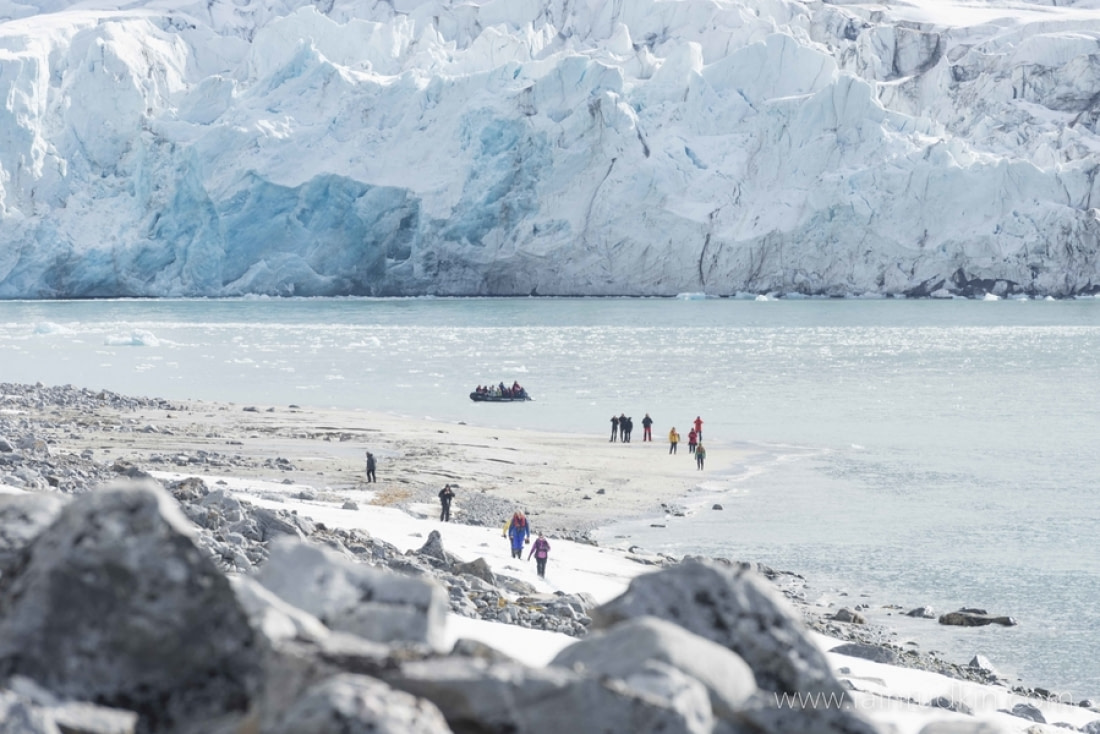
Arctic cruises for families

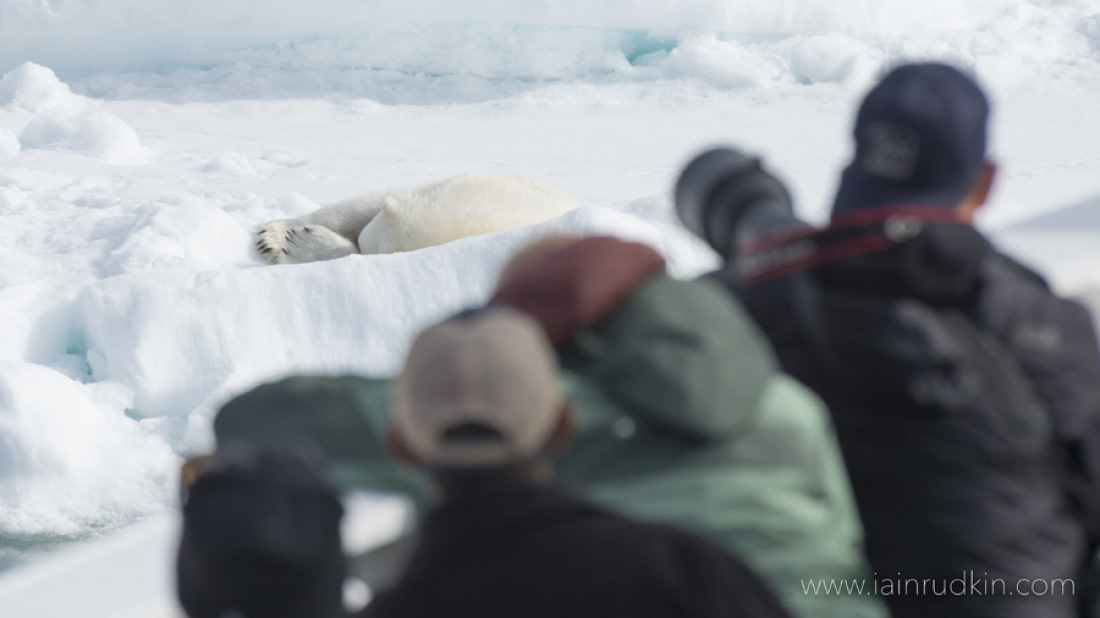
Polar bears, walruses, seals, and skies filled with seabirds – who can resist? Certainly not the outdoor enthusiasts among you, especially if you’re fortunate enough to spot a polar bear.
blog-image

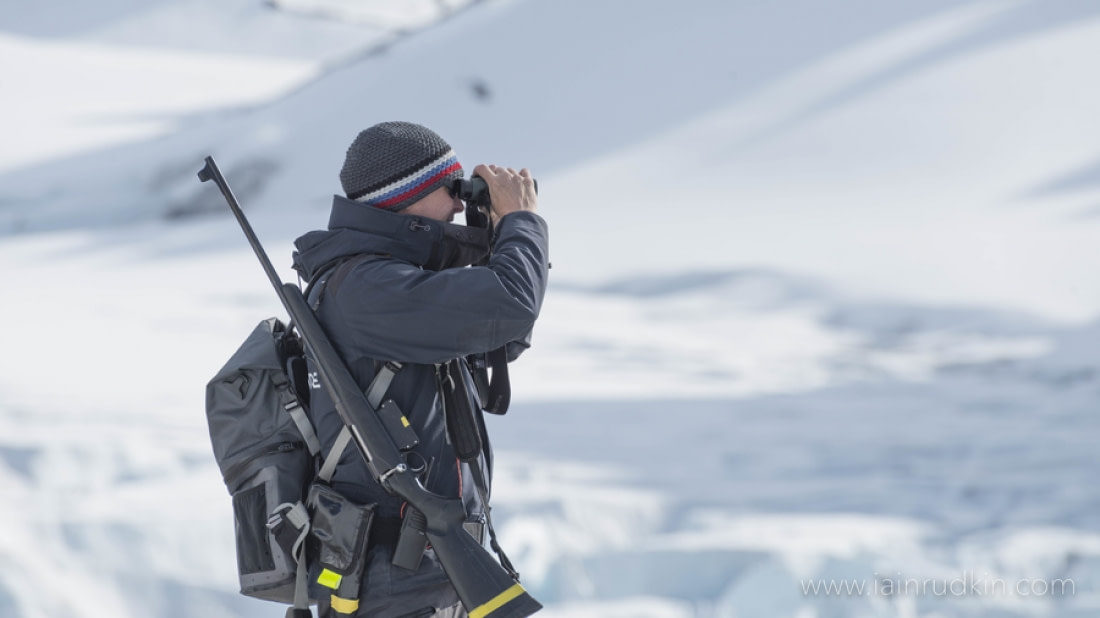
Don’t worry about your family’s safety around these apex predators. Landing sites are pre-scanned by our crew well in advance of each shore excursion, and all guides are trained and equipped with bear rifles.
blog-image

Two popular Arctic expeditions are as follows:

North Spitsbergen, in search of the polar bear and pack ice

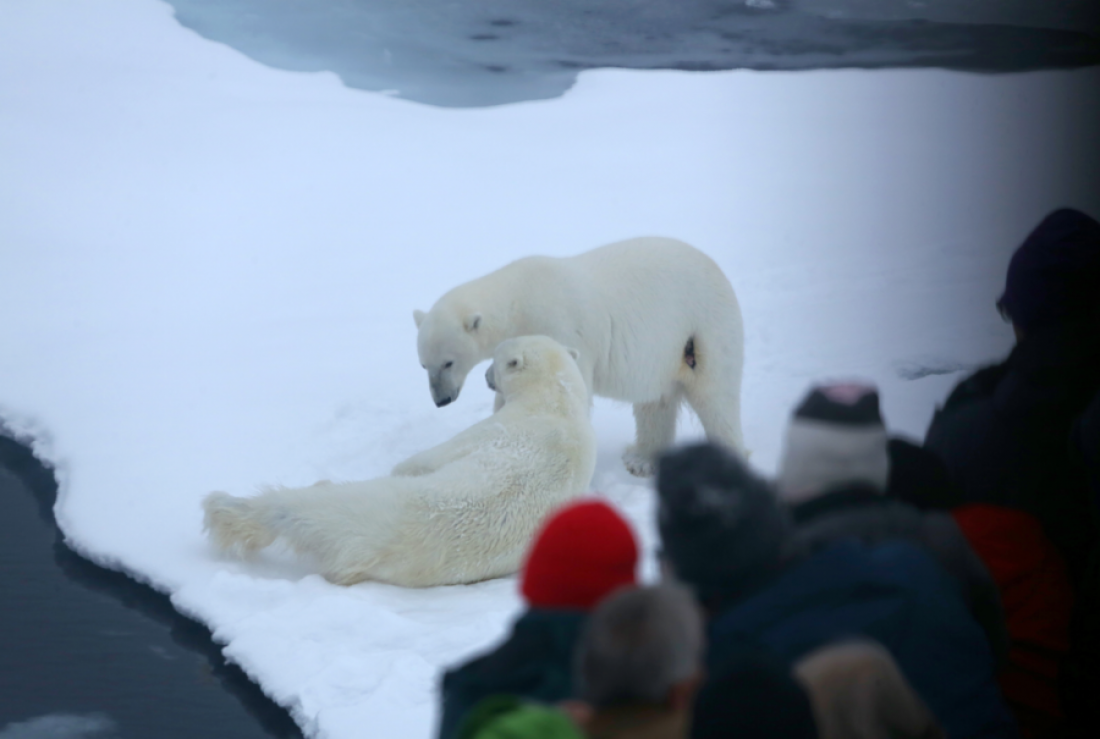
This cruise explores the Arctic archipelago of Svalbard, focusing on the largest island, Spitsbergen, with a few stops at Nordaustlandet. The main goal is to spot polar bears.
blog-image

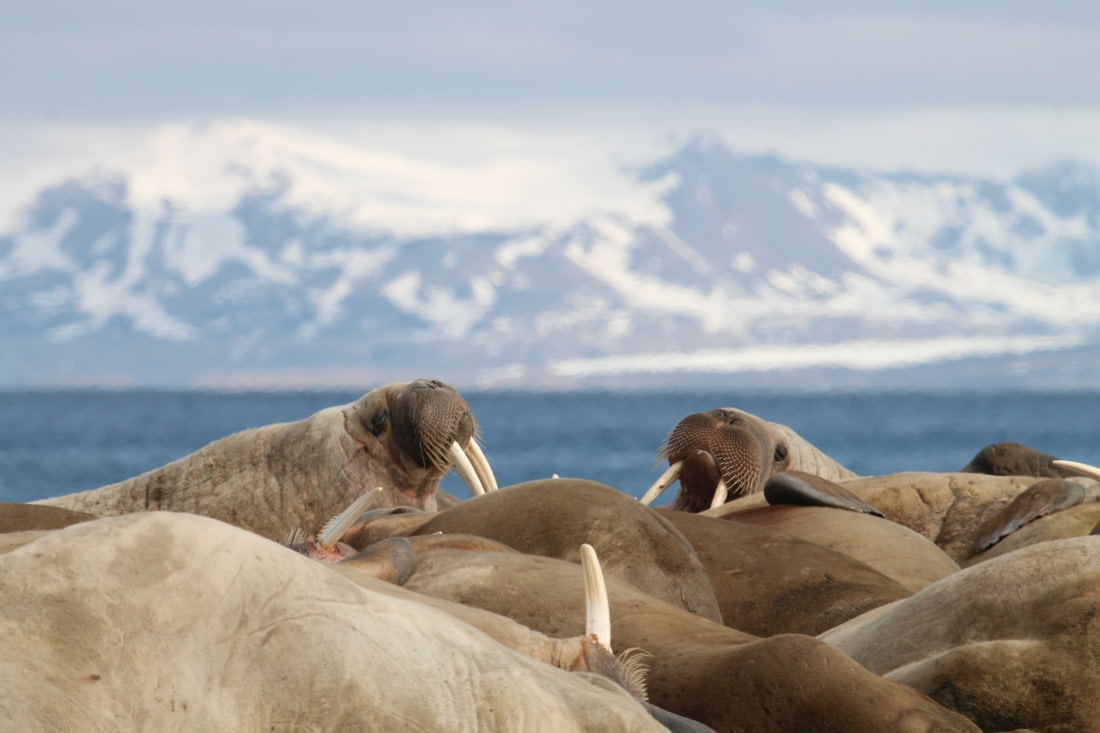
The voyage lasts seven nights and visits key locations around these islands, including scenic fjords and bays that offer excellent walking opportunities. You might see polar bears, reindeer, Arctic foxes, walruses, seals (ringed and bearded), whales (minke, fin, blue, bowhead), and seabirds (kittiwake, little auk, guillemot, and many more).
blog-image

Around Spitsbergen, in the realm of the polar bear and ice

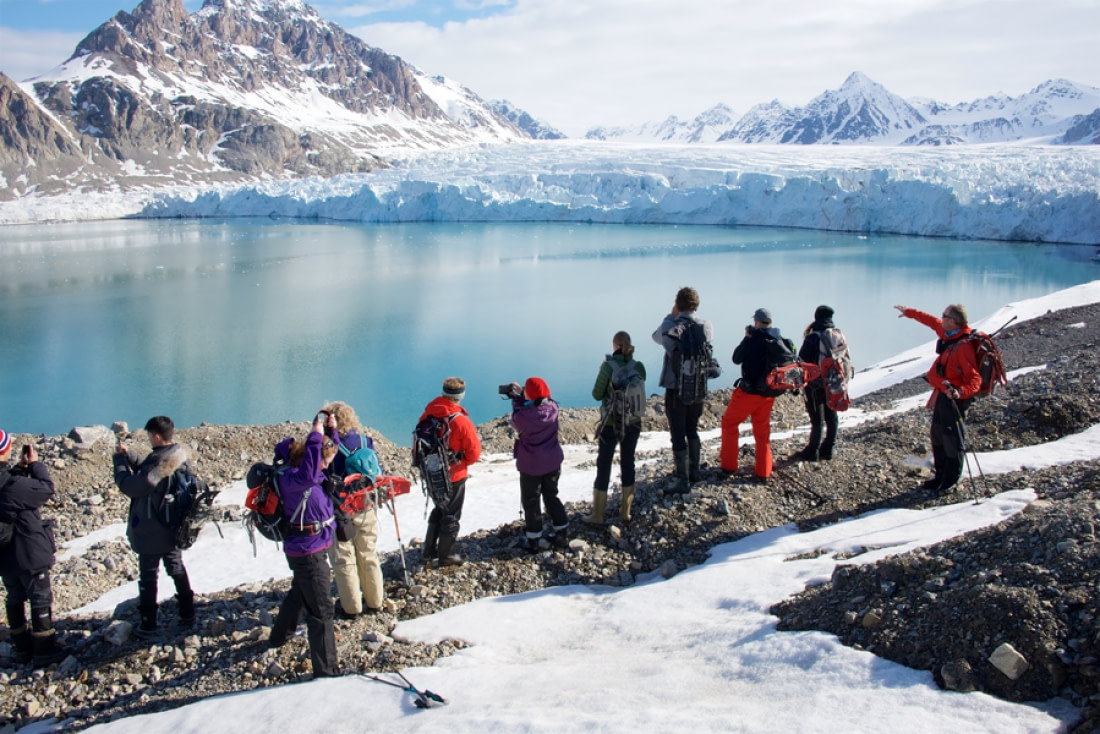
While the previously mentioned trip focuses on finding bears, the nine-night Around Spitsbergen voyage also explores more of the stunning landscapes this island chain offers.
blog-image

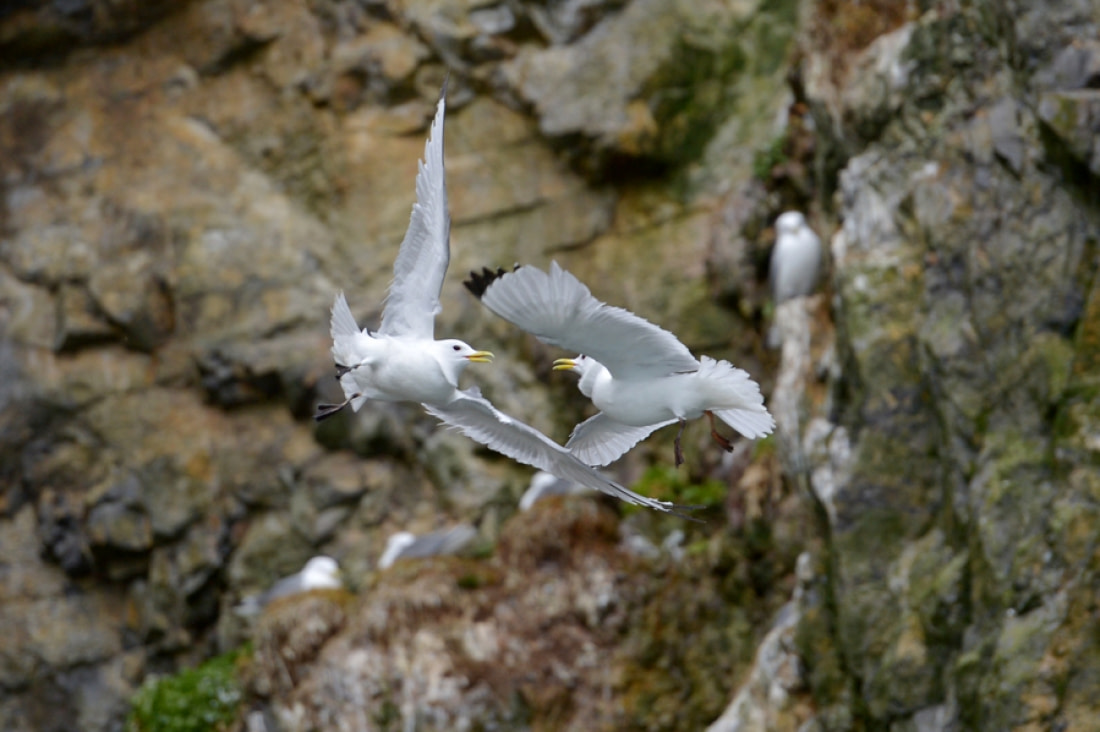
Additional landings are made around southern Spitsbergen and the southeastern islands of Barentsøya and Edgeøya, both of which offer great wildlife and hiking opportunities: a kittiwake colony, walrus haul-out, trapper’s hut, and tundra walk are all possible. You might also sail along the 5-km long (3 miles) Monaco Glacier and Bell Sund, where you might see beluga whales.
blog-image

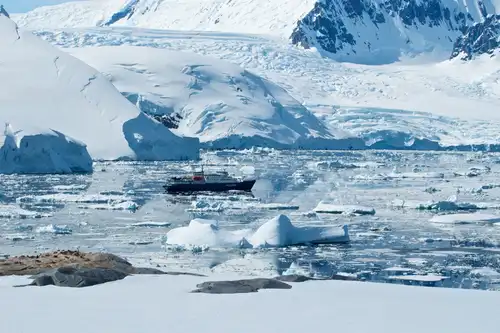
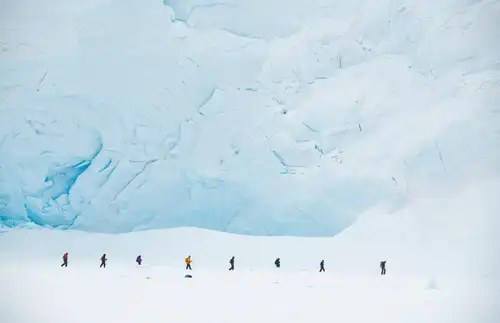
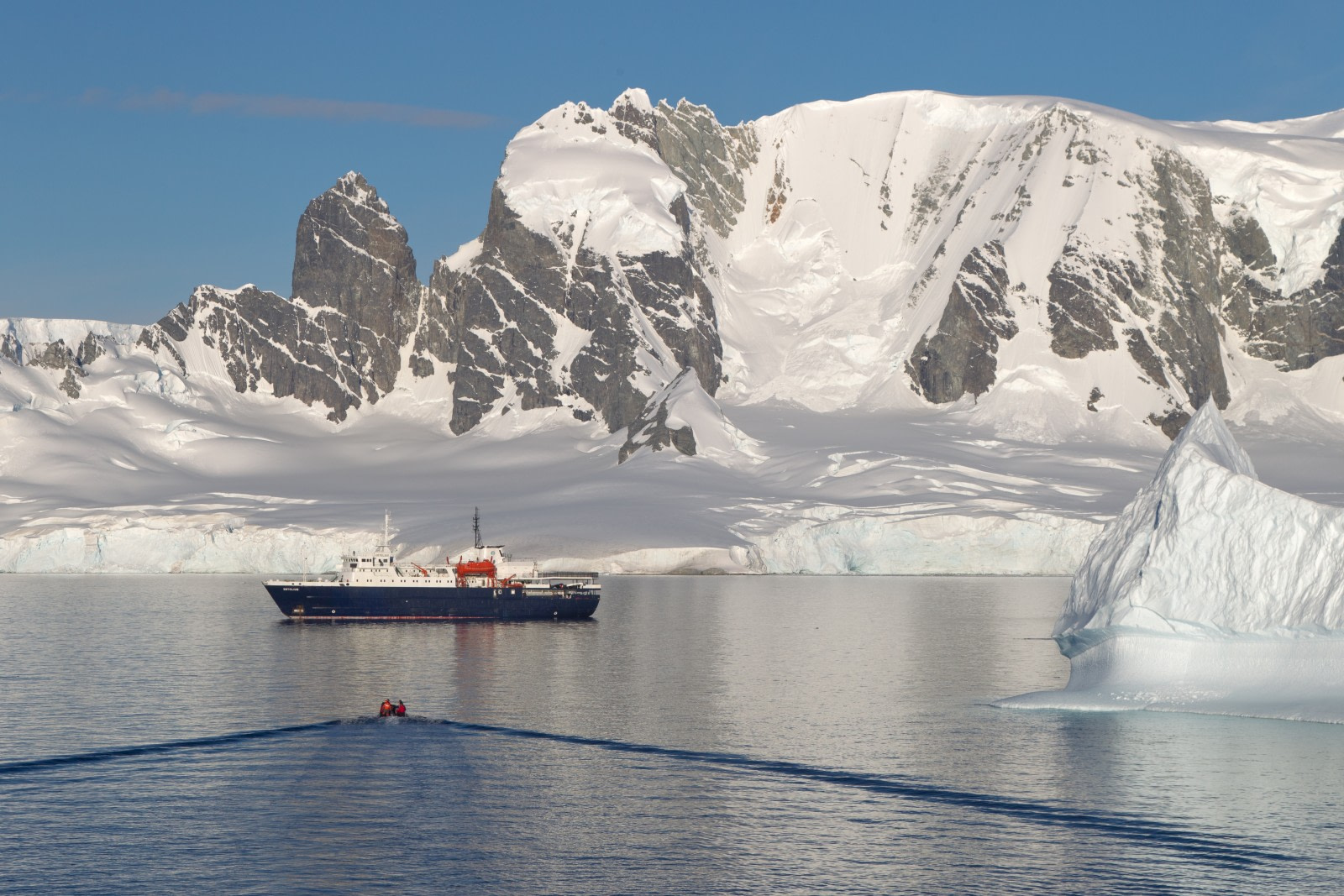
Antarctica cruises for families

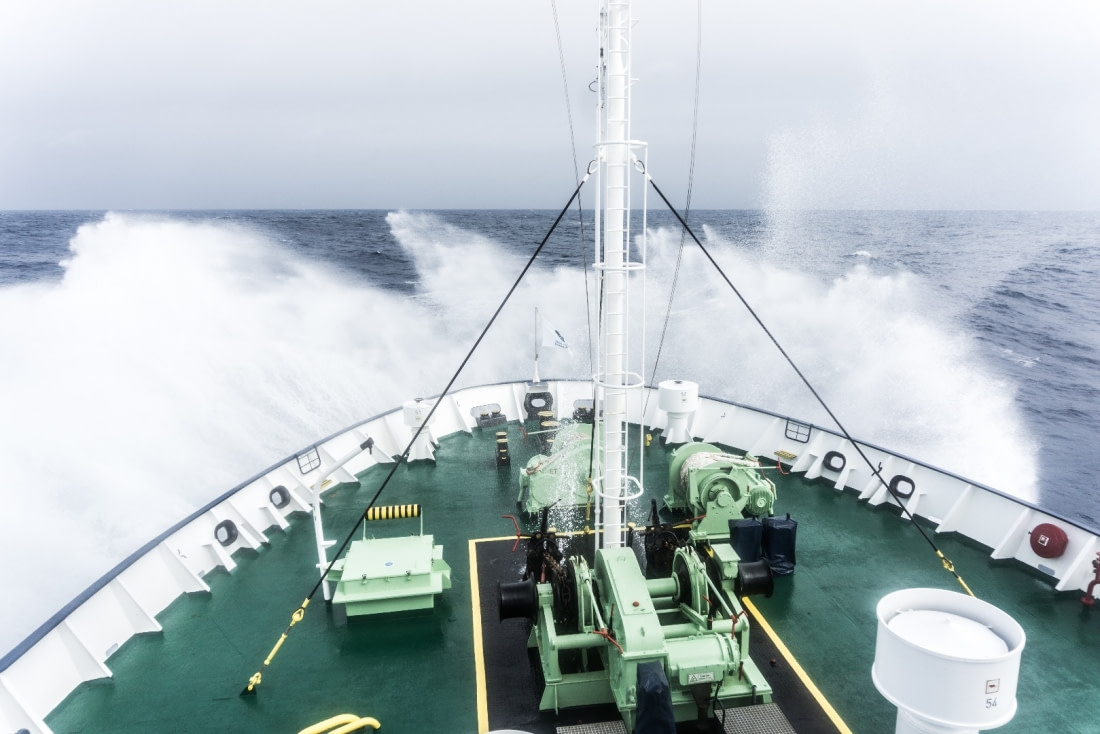
One thing to keep in mind for Antarctica is that it requires crossing the Drake Passage, which can sometimes be a bumpy ride. If anyone in your family is prone to motion sickness, this is something to consider before booking.
blog-image

However, seasickness medication is usually quite effective. And even if you forget to pack some, we offer onboard medication at a reasonable price. Antarctica is more than worth it, we promise.
blog-image

Here are two exceptional voyages your family will love:

Weddell Sea, in search of the emperor penguin (with helicopters)

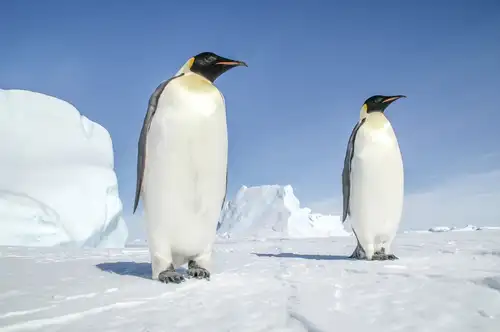
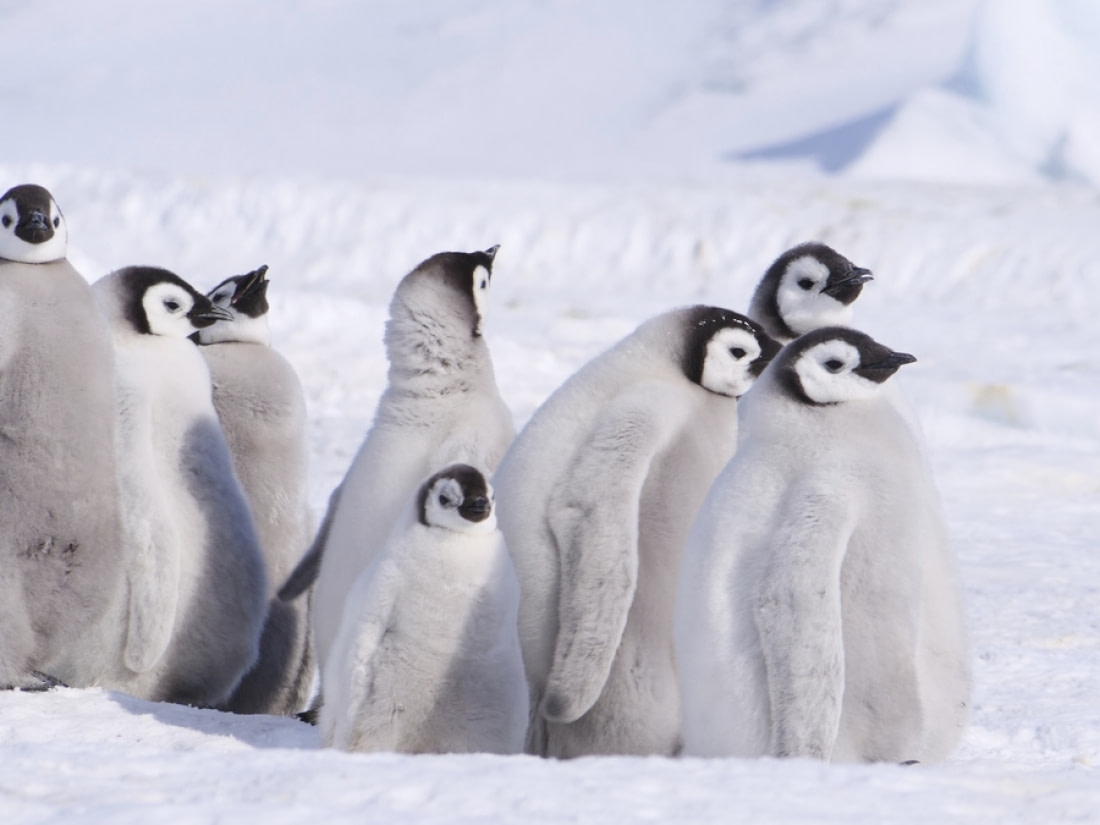
This voyage focuses on one of the most beloved seabirds in all of Antarctica: the emperor penguin. Only seen in a few key locations, the emperor penguin is probably the most recognizable penguin species in the world.
blog-image

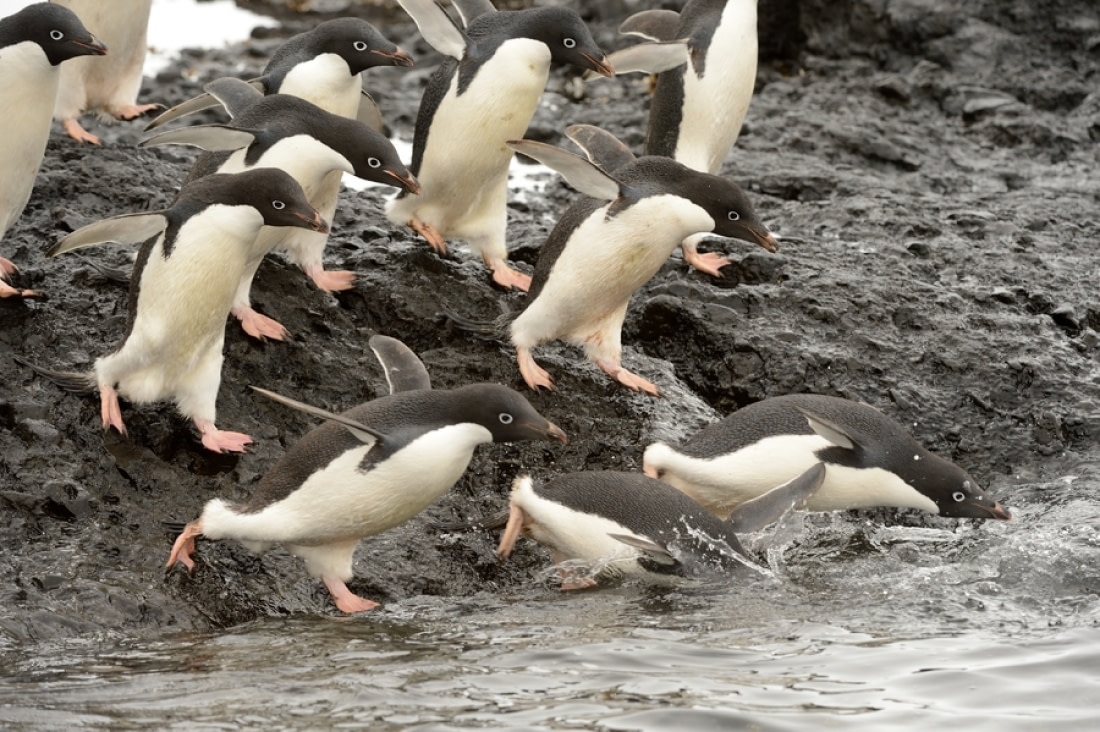
The Weddell Sea itself is particularly abundant with Antarctic species, which you stand a good chance to see on this 10-night voyage. Visits are planned (though not guaranteed, if conditions are unsafe) for the western Antarctic Sound, Devil Island, Brown Bluff, and Deception Island. Mountain hiking, a research base, and penguin rookeries are all possibilities on this trip.
blog-image

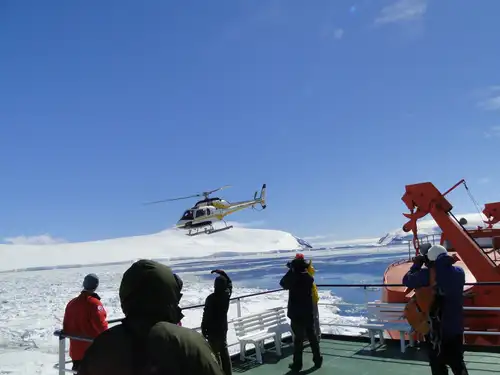
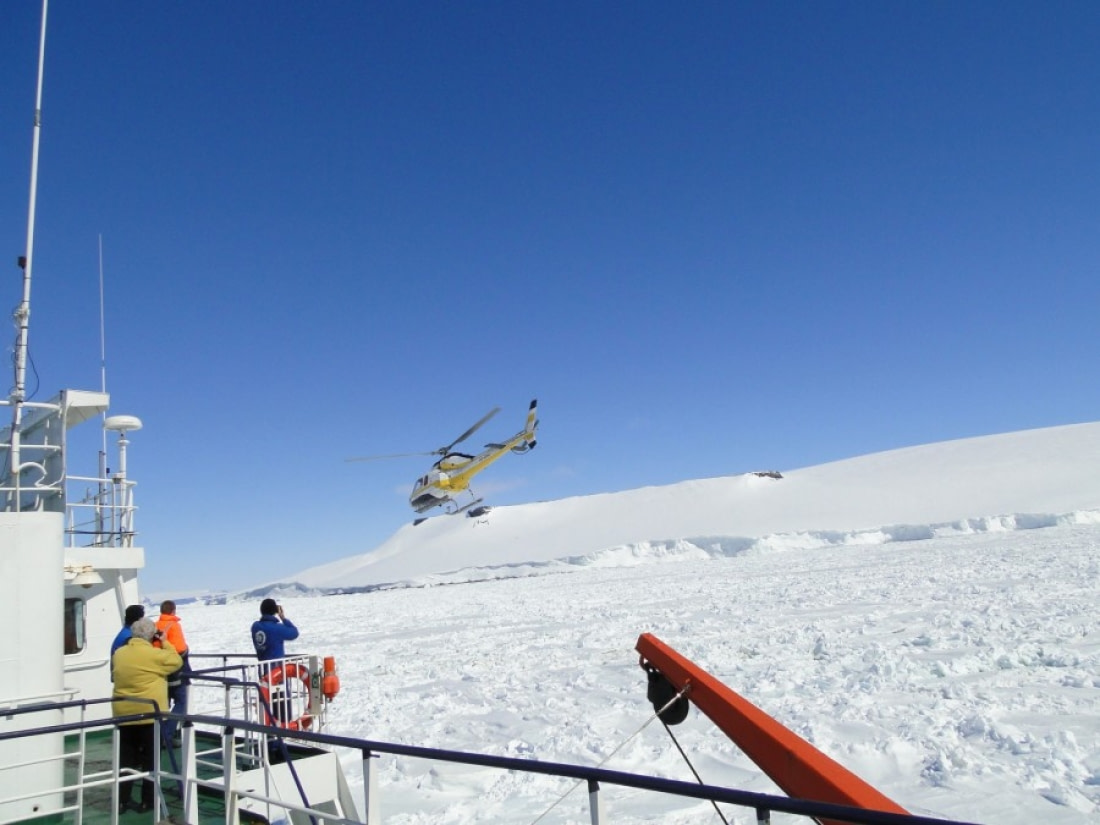
But most thrilling will perhaps be the helicopter flights that can take you to locations inaccessible by any other means. One such landing you might make is Snow Hill Island, which for the past two years we’ve successfully done, bringing guests to the rarely seen emperor penguin rookery there.
blog-image

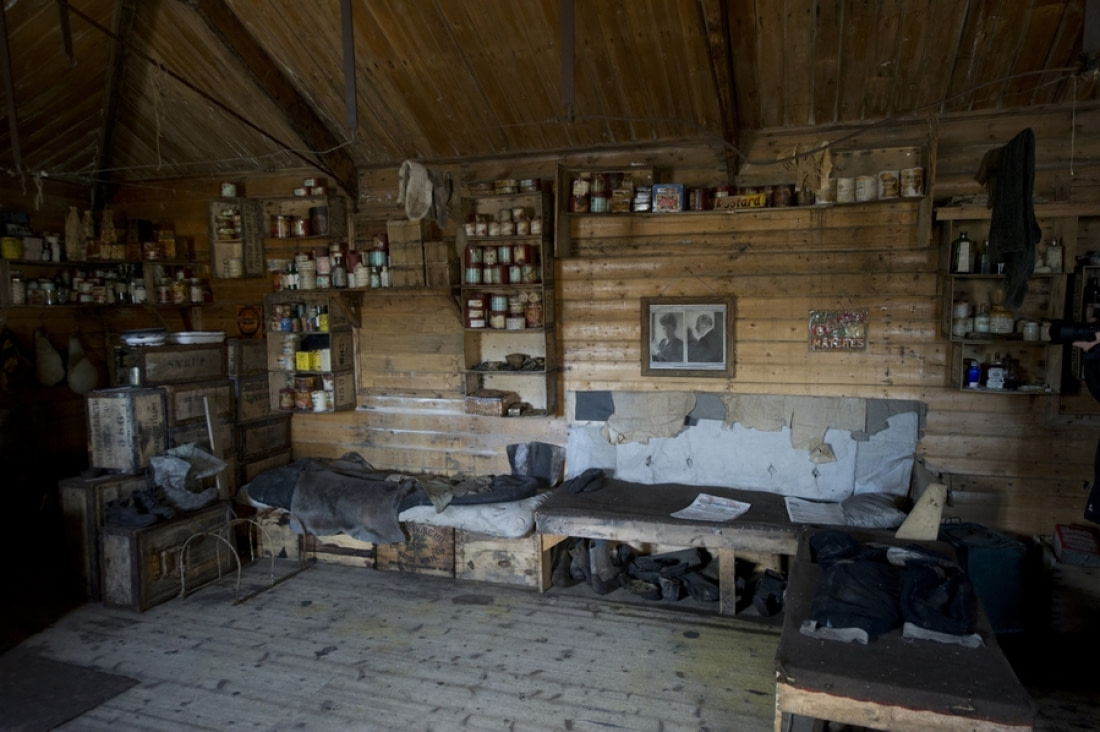
We also offer a voyage that includes helicopters in the Ross Sea, though this is a 31-night extravaganza exploring this seldom-visited region’s most wildlife-rich, history-steeped sites. (This cruise in particular is better suited for older family members.)
blog-image

HDS32-20 - Antarctica - Whale watching discovery and learning voyage

The Antarctic Peninsula is among Antarctica’s most biodiverse areas, representing a highly comprehensive survey of the continent’s prime landscapes and wildlife.
blog-image

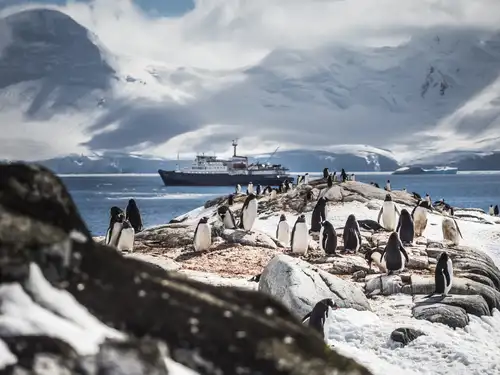
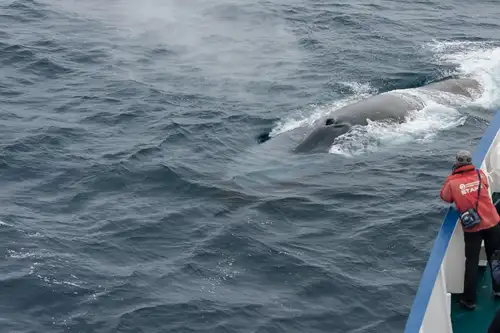
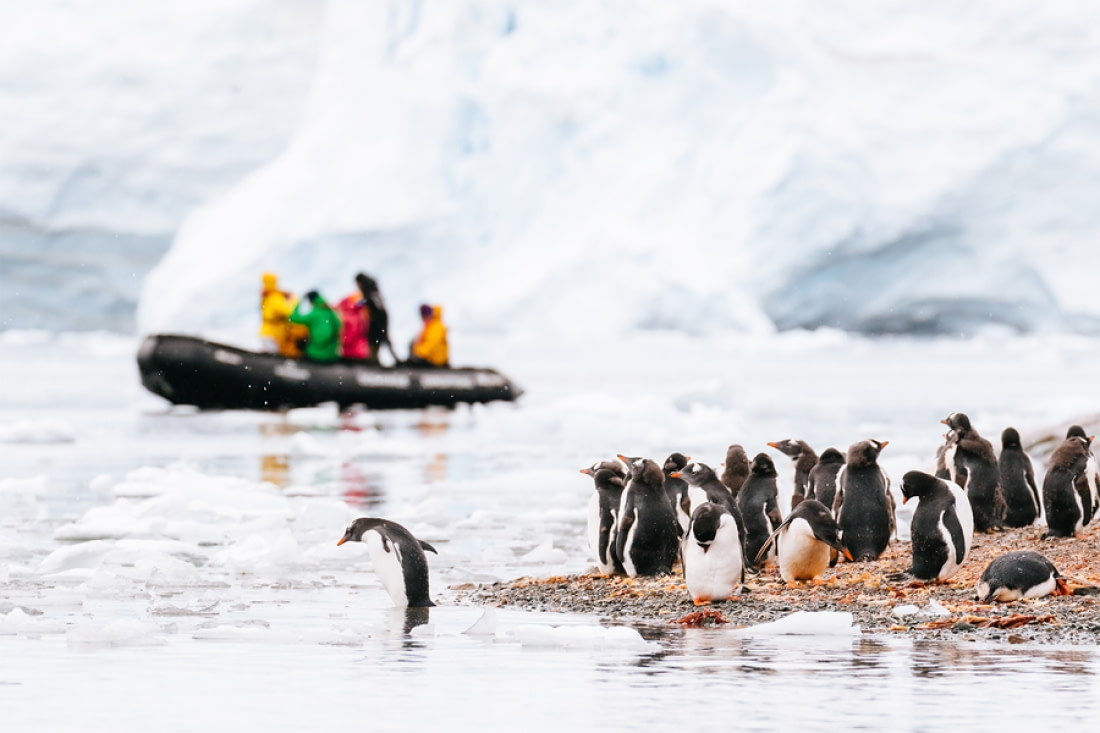
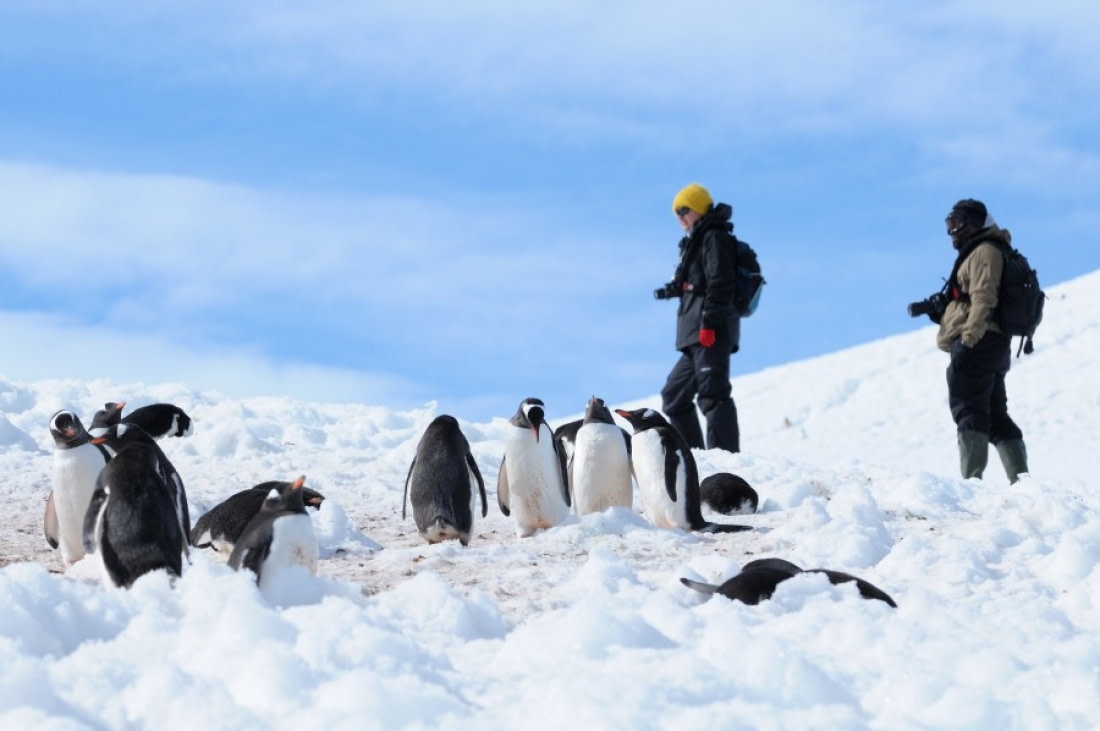
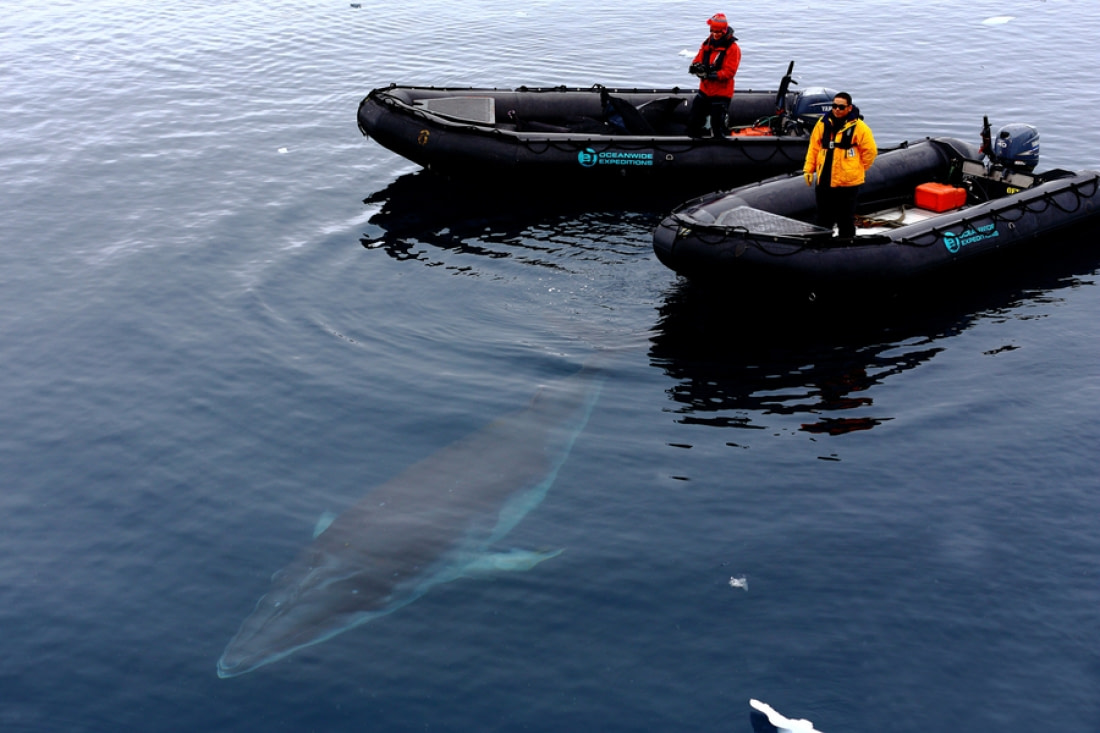
Spanning 13 nights, this expedition cruise takes in as much of these features as possible. In this trip, we try to visit many iconic spots along the western Antarctic Peninsula, including Neko Harbour, Paradise Bay, Crystal Sound, and the islands of Petermann and Pléneau, all great locations to see seabirds (gentoo and Adélie penguins) and whales (minkes, fins, and humpbacks).

blog-image

Blog
go-leftgo-right

North Norway, Northern Lights, and All the Pretty Whales - Nexta Expeditions
Blog

North Norway, Northern Lights, and All the Pretty Whales

At first glance, visiting Northern Norway outside of a blazing-hot summer might seem daunting for the average traveler.
15 Fantastic Photos of Antarctica - Nexta Expeditions
Blog

15 Fantastic Photos of Antarctica

It is often said that it's impossible to take a bad picture in Antarctica.
Five Reasons to Love St. Helena - Nexta Expeditions
Blog

Five Reasons to Love St. Helena

Being one of the most remote islands on Earth gives St. Helena a unique allure. Named after a Roman empress and the mother of Constantine the Great, this island also holds the distinction of being Napoleon’s final place of exile, making it a fascinating topic of conversation.
Science of the Ross Ice Shelf - Nexta Expeditions
Blog

Science of the Ross Ice Shelf

Antarctica’s Ross Ice Shelf is vast, spanning 487,000 sq. km – comparable to the size of France – with a thickness that varies from a few hundred meters near the sea to over 1,200 meters away from the floating edge. The edge along the Ross Sea forms a towering ice wall, rising up to 50 meters above the water, with most of the ice submerged below the waterline.
Eight Ultimate Antarctica Adventures - Nexta Expeditions
Blog

Eight Ultimate Antarctica Adventures

Antarctica has adventure in its bones. Long before most travelers even reach the continent, they have to cross the Drake Passage, an oft-tumultuous waterway considered by many a hallmark of high adventure in itself. Once you do reach the Antarctic shores, the variations of landscape and wildlife are as multiform as the activities you can pursue there. While not all of these activities can or should be shoehorned into a single article, this piece will give you a survey of the top eight. Like everything in the polar regions, these activities are subject to weather conditions – and your own threshold for adventure.
Two for the Snow: Polar Cruises for Couples - Nexta Expeditions
Blog

Two for the Snow: Polar Cruises for Couples

Do you know the old saying, “Cold hands, warm heart”? In our opinion, that bodes well for couples who visit the polar regions.
Birds of the North: 29 Arctic Birds and Seabirds - Nexta Expeditions
Blog

Birds of the North: 29 Arctic Birds and Seabirds

The Arctic is home to some of the world’s most majestic mammals, both on land and sea. However, the bird life in this region is equally remarkable, showcasing numerous exotic species that are highly prized by bird enthusiasts worldwide.
Birds of the South: 33 Antarctic Birds and Seabirds - Nexta Expeditions
Blog

Birds of the South: 33 Antarctic Birds and Seabirds

Of the many compelling reasons people travel to Antarctica and the sub-Antarctic, bird life is among the most beloved.
10 Traits of Post-Ice-Age Greenland - Nexta Expeditions
Blog

10 Traits of Post-Ice-Age Greenland

Grasses, sedges, and other species of heath were the first arrivals, and are still commonly found in Greenland. Scientists have been able to work out how plants colonised Greenland by examining ancient pollen samples found in deposits at the bottom of lakes: Dwarf birch came to western Greenland around 9,000 years ago, and around 4,500 years ago – roughly the same time humans were first boating onto Greenland shores – green alders were taking up residence there.
The Mysteries of the Beluga Whale - Nexta Expeditions
Blog

The Mysteries of the Beluga Whale

Beluga whales, also known as white whales, sea canaries, and sometimes melonheads, are a rare but cherished sight during Arctic cruises, thanks to their striking appearance. Despite the rarity of beluga sightings, a good amount is known about these friendly-faced cetaceans.
Inside the Svalbard Global Seed Vault - Nexta Expeditions
Blog

Inside the Svalbard Global Seed Vault

Literature, cinema, and even video games often present us with various global disaster scenarios. These typically involve devastating wars, catastrophic natural events, or widespread pandemics that leave survivors scavenging for food and supplies amidst hordes of zombies.
South Georgia in Spring - Nexta Expeditions
Blog

South Georgia in Spring

What a fantastic time to be in South Georgia! Perhaps the best time of the year! The wildlife is abundant, and the light is simply magical for photography. Kings, Gentoos, Chinstraps, and Macaronis are all present along the shorelines. Elephant and Fur seals are also plentiful! Wandering albatrosses are welcoming their newly hatched chicks, while the non-breeders are actively engaged in their courtship rituals, practicing a ceremonial dance. Light-mantled, Sooty, and Grey-headed albatrosses are still feeding their fluffy chicks, as are the Giant petrels. We've been fortunate with the weather, finding ourselves in the right place at the right time to succeed in all our landings and zodiac cruises so far.
Book Recommendations for Your Polar Cruise - Nexta Expeditions
Blog

Book Recommendations for Your Polar Cruise

Though books can't replace the experience of visiting the polar regions, they make excellent companions for your journey. We reached out to our social media followers, many of whom are past or future travelers, to gather their recommendations for polar-related books. The results were impressive, and we've compiled them below in no particular order.
12 Tips to Help Keep Birds Safe During an Antarctic Cruise - Nexta Expeditions
Blog

12 Tips to Help Keep Birds Safe During an Antarctic Cruise

One of the most incredible experiences on an Antarctic cruise is observing the numerous penguins in their natural environment. Naturally, passengers often worry about the potential of disturbing the penguins and other Antarctic birds, which could disrupt their breeding and nesting patterns.
Greenland: Where the Kayak Was Invented - Nexta Expeditions
Blog

Greenland: Where the Kayak Was Invented

If you've ever enjoyed kayaking, you owe a debt of gratitude to the ancient Greenlandic Inuit who originally designed them for hunting. The thrilling adventures people now have navigating some of the world's most challenging rapids wouldn't be possible without the Inuit's need for a nimble form of water transportation. While travelers still use kayaks in this region, they are typically not fishing, whaling, or sealing. Consequently, recreational kayaks have been adapted to fit their new role.
Polar Cruises: The Ultimate Icebreaker - Nexta Expeditions
Blog

Polar Cruises: The Ultimate Icebreaker

Travel is one of life’s great eye openers. It brings you into contact with new people and perspectives, challenges old assumptions you haven’t held to the light in years, and invites you to make unexpected discoveries about the world around you – and most of all, yourself. Added to which, you get to visit places you never knew you loved until you saw them.
What the ice reveals about Antarctica - Nexta Expeditions
Blog

What the ice reveals about Antarctica

The continent you'll explore during your Antarctica cruise is far more than just an ice-covered land with penguins, whales, and seals. Beneath the thick ice lie hidden freshwater lakes teeming with thousands of microbes, hinting at a diverse array of life. In 2013, a team of researchers obtained the first uncontaminated water sample ever retrieved directly from an Antarctic lake.
Polar bear encounter in Spitsbergen - Nexta Expeditions
Blog

Polar bear encounter in Spitsbergen

I watch the sea ice from the bridge of a ship in one of the fjords of Spitsbergen, an archipelago north of Norway. I observe a perfectly adapted animal moving on the ice, the results of hundreds of thousands of years of ecological fine-tuning. Snowshoe-sized paws distribute weight, fur handles the cold and sunlight to perfection, and an incredible sense of smell samples this monochromatic realm.
Baleen Whales – The Gentle Giants of the Ocean - Nexta Expeditions
Blog

Baleen Whales – The Gentle Giants of the Ocean

They are the largest animals on Earth, yet they thrive on some of the tiniest creatures. These giants can reach lengths of 30 meters (90 feet), but it is the microscopic zooplankton, krill, and small fish that sustain them. These are the baleen whales. Unlike toothed whales, baleen whales lack teeth. Instead, they use plates of baleen in their mouths to trap and consume their tiny prey.
Ice streams and lakes under the Greenland Ice Sheet - Nexta Expeditions
Blog

Ice streams and lakes under the Greenland Ice Sheet

The Greenland ice sheet is a dynamic mass of dense, flowing, and deforming ice. Snow deposited on the central parts of the ice sheet is gradually compressed into ice that slowly moves towards the ice margin. At the ice margin, the ice is removed by melting or by breaking off into icebergs.