10 Popular Bird Watching Binoculars - Nexta Expeditions
10 Popular Bird Watching Binoculars

10 Popular Bird Watching Binoculars

Binoculars are a staple for outdoor enthusiasts, often packed with minimal thought alongside essentials like bug spray, sunblock, and waterproof matches. However, for certain groups, binoculars are indispensable, particularly for bird watchers. If you're part of this technical hobbyist community, here are 10 birding binoculars you should know about.

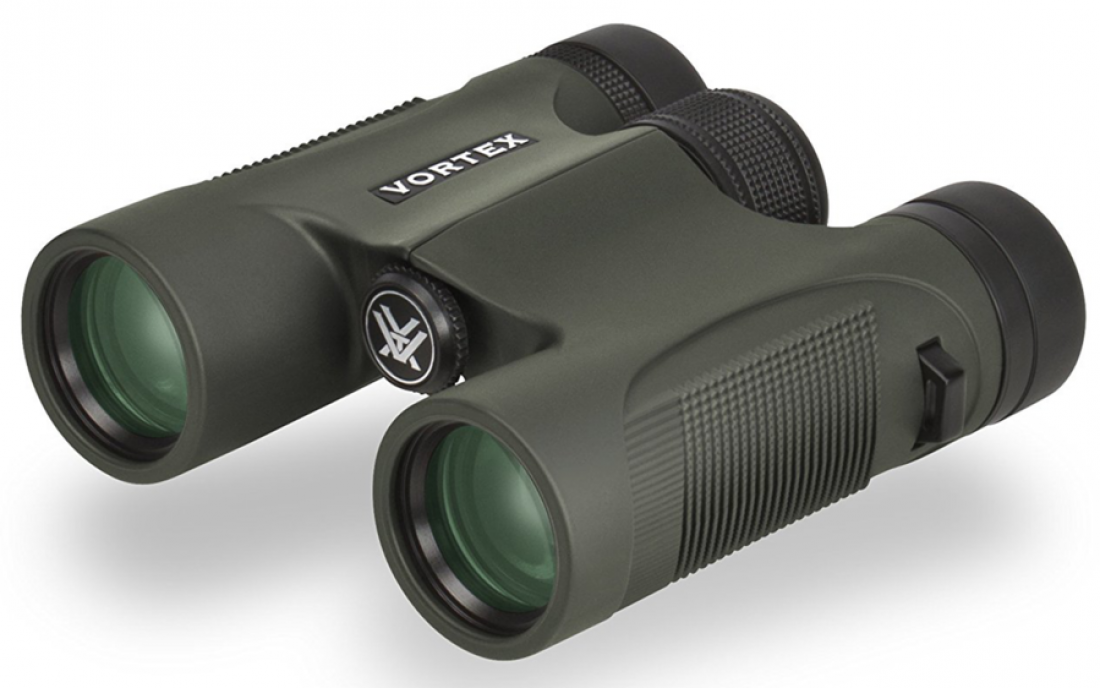
1. Vortex Diamondback 8x28

$175 – 225
blog-image

This compact roof prism model is a great bargain for birders seeking a lightweight binocular that fits in any pocket or pack. Argon-filled with multi-coated lenses and phase-correction dielectric coating, the Diamondback is valued for its close focus (2 meters) and macro clarity. It's perfect for both distant albatrosses and nearby little auks.

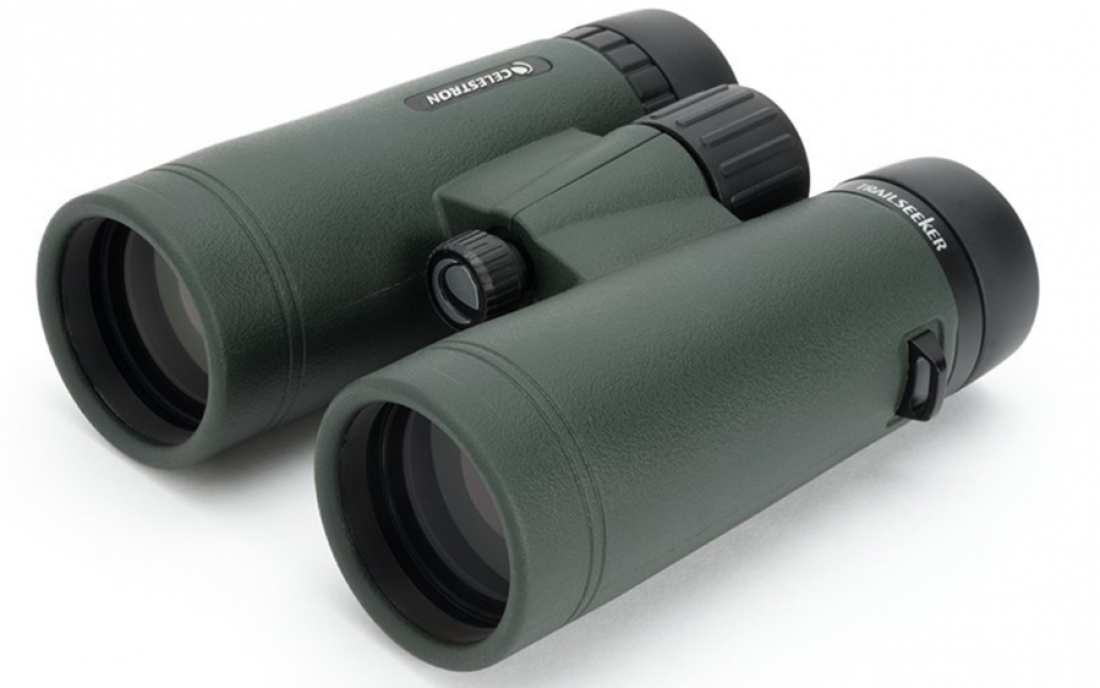
2. Celestron 71404 TrailSeeker 8x42 Binoculars

$175 – 225
blog-image

Featuring a wide field of view, BAK-4 prisms with phase and dielectric coatings, two-meter close focus, magnesium alloy body, and fully multi-coated optics, this binocular is lightweight, durable, and sharp at both short and long ranges. Its wide view is excellent for birders, requiring less movement to keep an eye on avian wildlife.

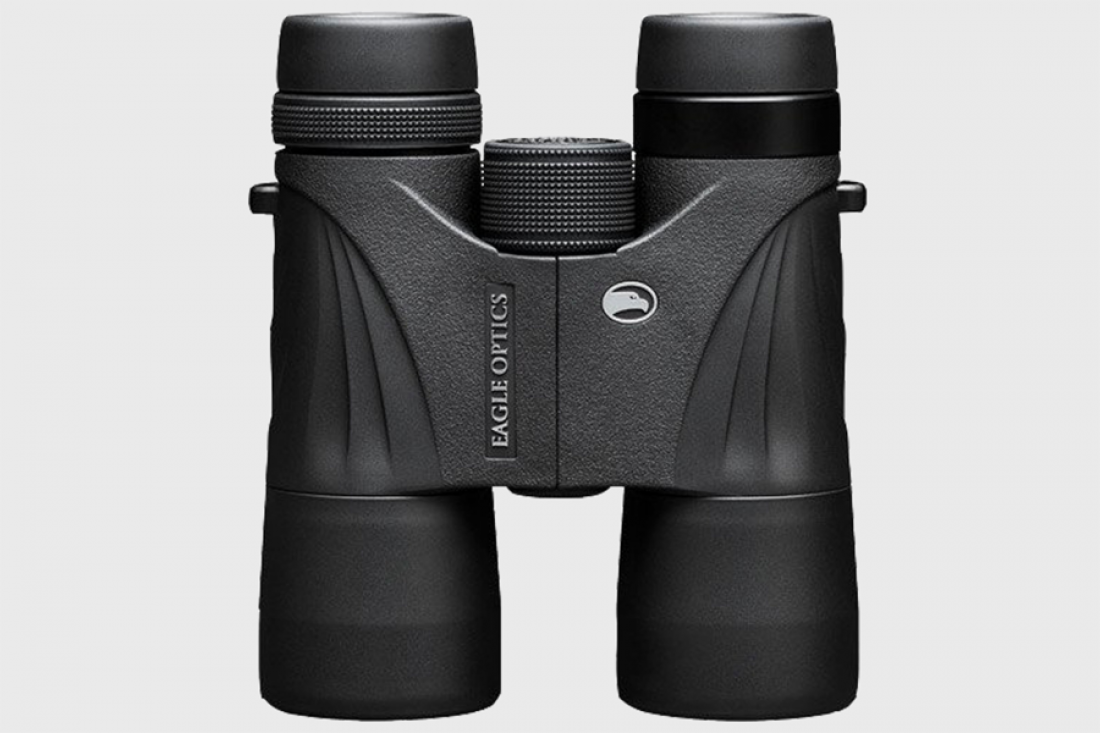
3. Eagle Optics Ranger ED 8x42

$300 – 350
blog-image

Praised for its rubberized waterproof design and supple focus knob, this model is ideal for tracking birds in various weather conditions. While it may be slightly large for long-distance backpacking, its image quality is top-notch, making it perfect for trips with minimal hiking.

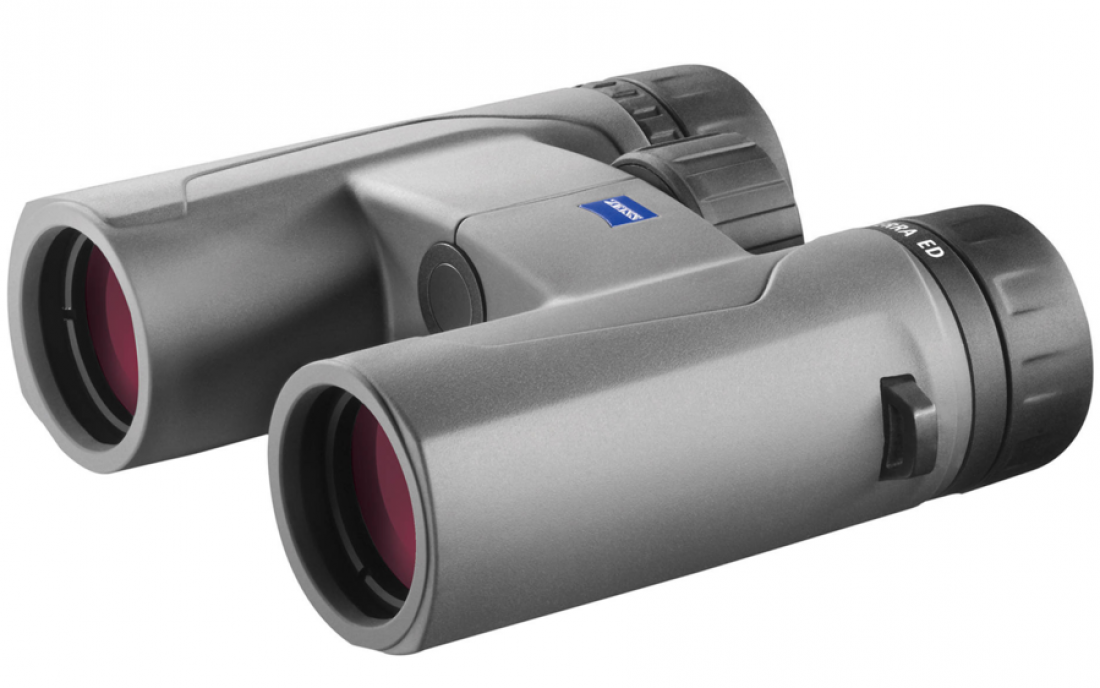
4. Zeiss Terra ED 8x32

$425 – 475
blog-image

Zeiss, founded in Germany in 1846, is renowned for its optics. The Terra ED is noted for its impressive field of view, making it an ideal companion for nature adventures and birdwatching. It comes with an under-armor harness, plastic storage case, and a velvet bag.

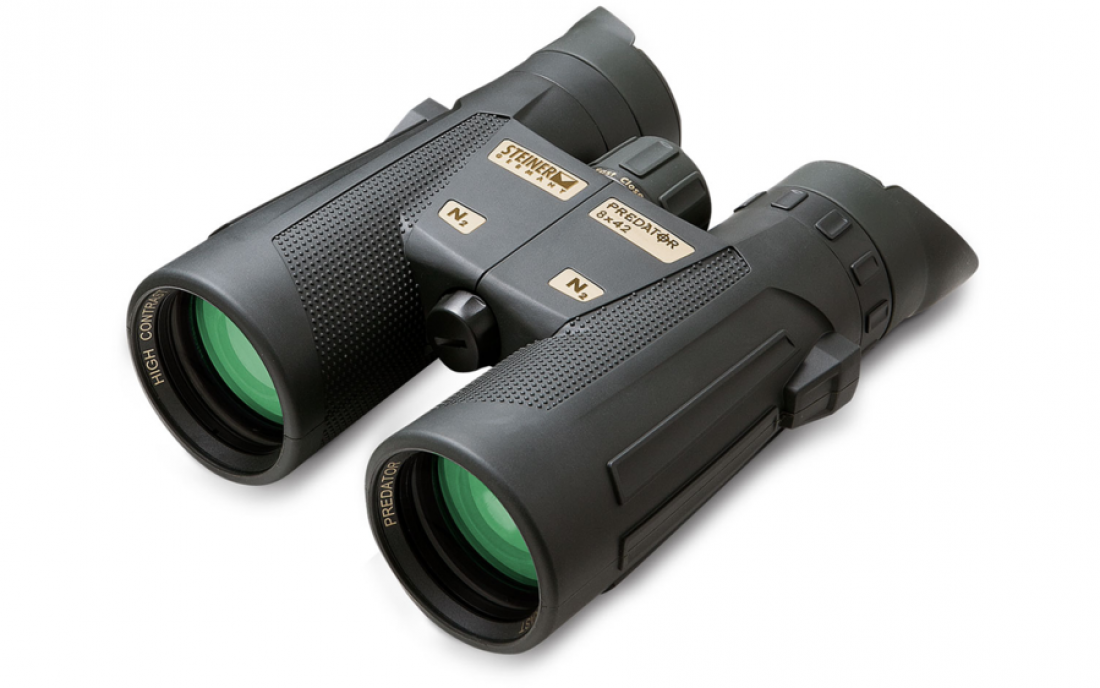
5. Steiner Predator 8x42

$425 – 475
blog-image

Steiner, another German optics company, field-tests every lens it produces. The Predator Pro offers good mobility, a bright picture, and ease of use. Its color-adjusted transmission coating increases contrast and light transmission, making wildlife easier to see. The magnesium alloy chassis is durable and lightweight.

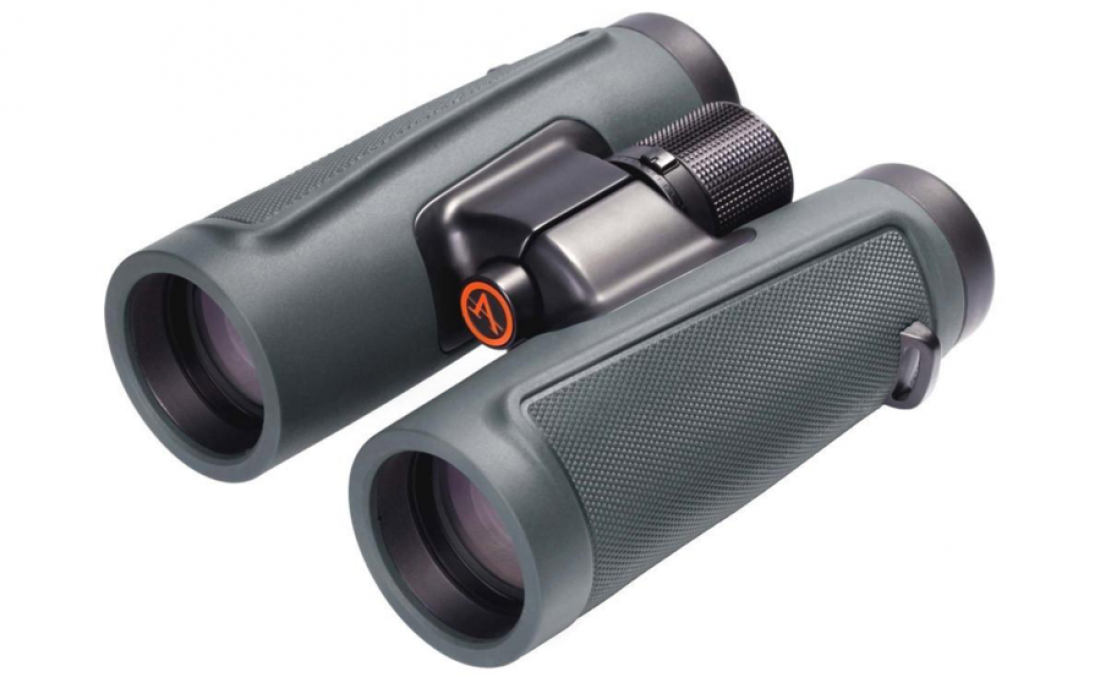
6. Athlon Cronus 10×42

$475 – 525
blog-image

Ideal for birders prioritizing high-quality glass at a reasonable price, the Cronus is Athlon’s flagship model. The ESP dielectric coating ensures excellent light transmission and clarity. Reviewers praise its minimum focus distance (two meters) and detail at ranges around 300 meters. It performs well even at several miles, comparable to more expensive brands like Zeiss and Swarovski.

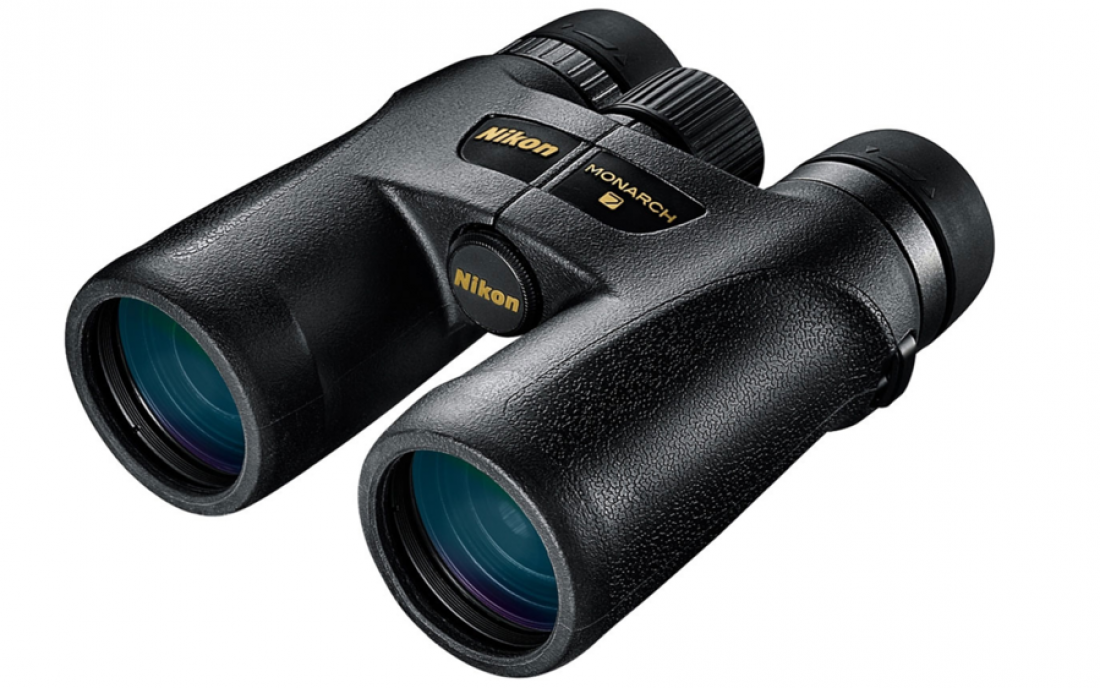
7. Nikon Monarch 7 ATB 10x42

$475 – 525
blog-image

The Monarch line is Nikon’s best-selling binocular product, beloved by birders worldwide. The 7 is its top-performing model, offering a quarter of the cost of similar bins like the Zeiss Victory. It is among the lightest and smallest in the Monarch family, with a lens coating that sets it above the 5 and 3 models.

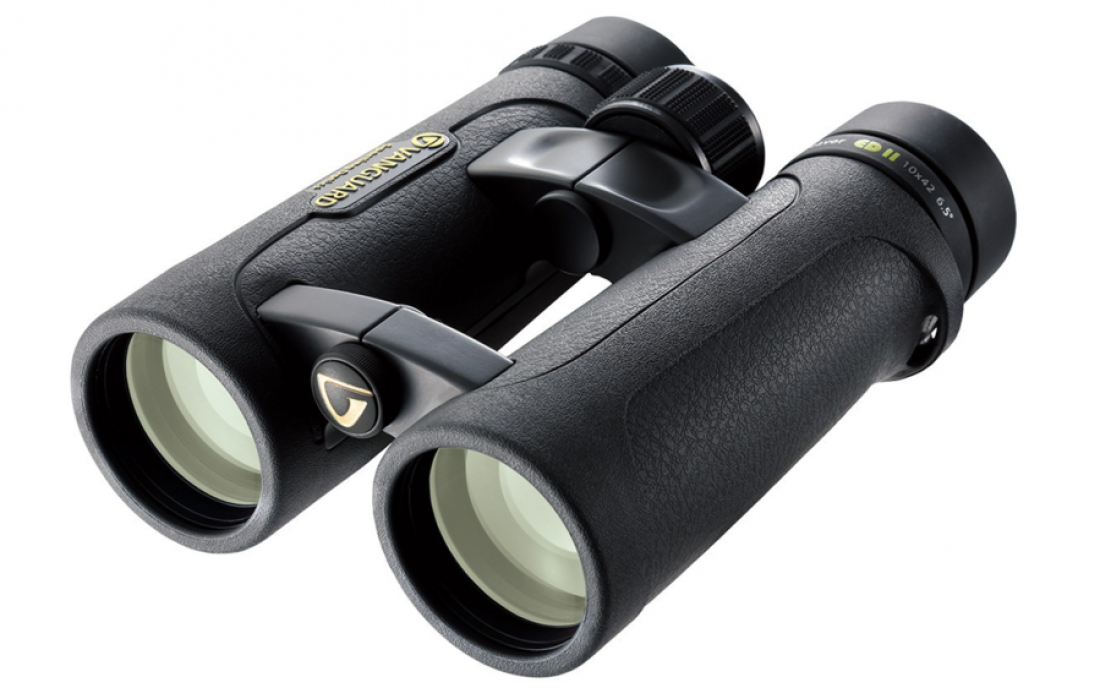
8. Vanguard Endeavor ED II 10x42

$475 – 525
blog-image

Building on the success of the award-winning Endeavor ED, the ED II offers resolution-enhancing BAK4 roof prisms with phase coatings, extra-low dispersion glass, a close focus of two meters, fully multi-coated optics, 19.5mm of eye relief, and a fog and water-proof magnesium body. Vanguard uses high-end Hoya optics from Japan for optimum clarity.

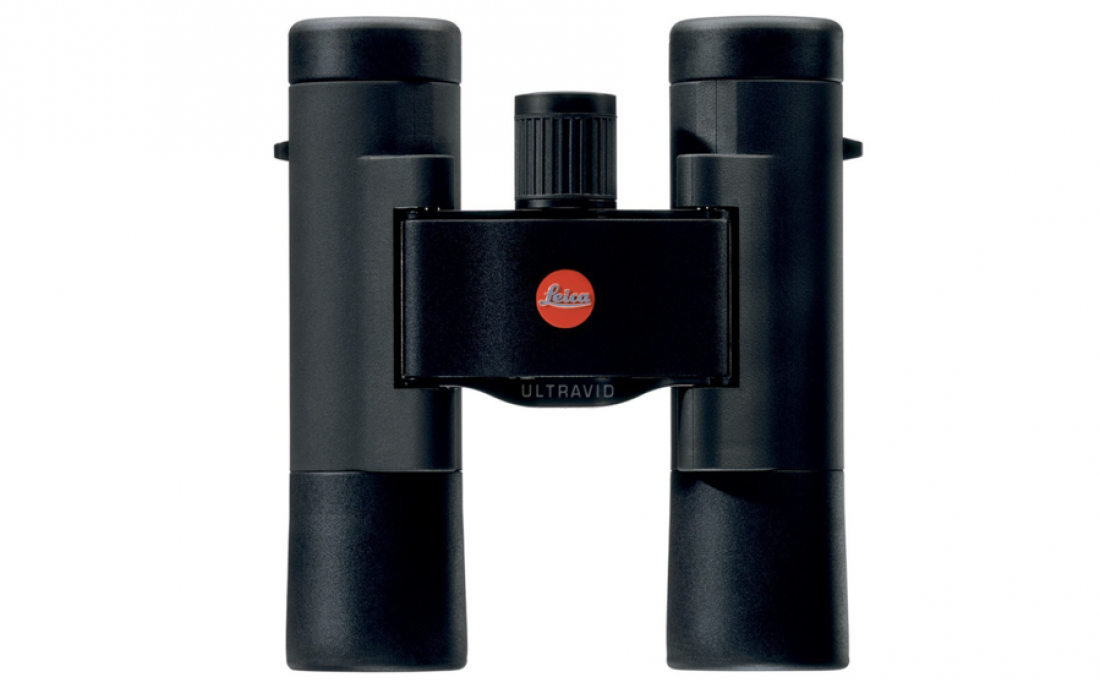
9. Leica 10x25 Ultravid BCR

$725 – 775
blog-image

The Leica-proclaimed “reference standard,” these compact binoculars are compared to nearly every other compact model available. Despite their small size, they feature multi-coating on every air-to-glass surface, phase-coated roof prisms, nitrogen-purged waterproof housing, and internal focusing. Perfect for bird watchers who enjoy hiking.

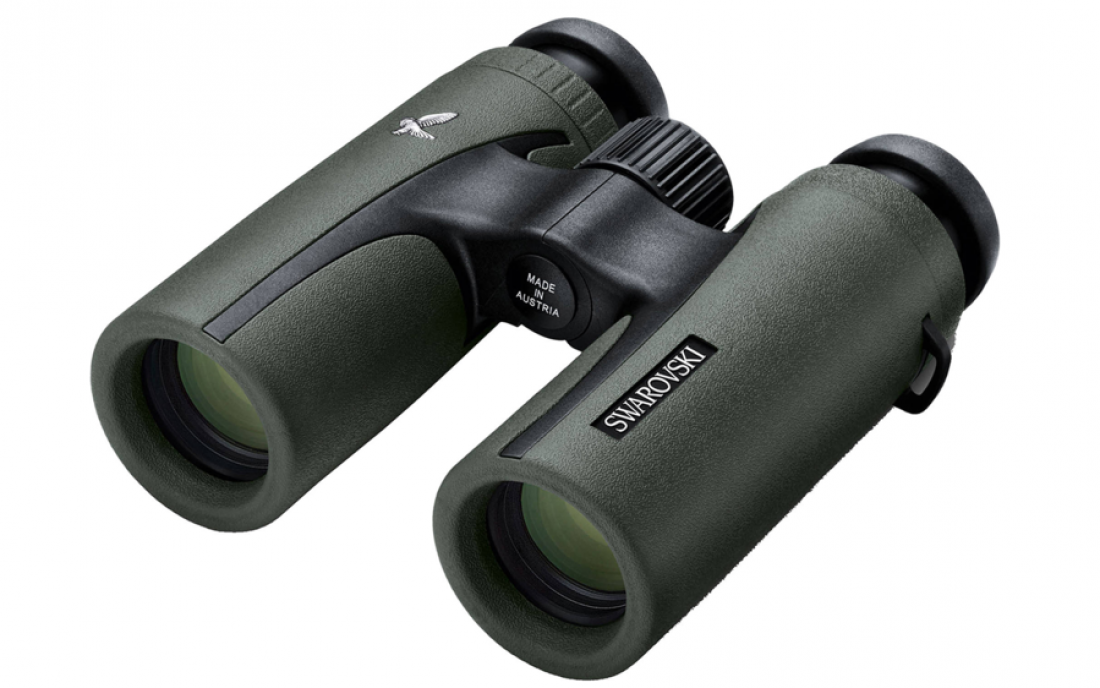
10. CL Companion Polaris 8x30 B

$1,325 – 1,375
blog-image

Swarovski is known for superior quality glass. The CL Companion Polaris is a great choice for bird watching hikes and trips requiring minimal foot traffic, like Arctic or Antarctic bird watching cruises. With a 124-meter field of view and 8x magnification, it weighs 17.6 ounces and has a comfortable ergonomic design, making it easy to pack for any occasion.


Blog
go-leftgo-right

Seven Sublime Antarctic Bays - Nexta Expeditions
Blog

Seven Sublime Antarctic Bays
Antarctica is renowned for its glaciers, icebergs, and panoramic colonies of penguins. However, less known are the stunning crystal-clear bays that dot the Great White Continent, many of which are explored on our Antarctica cruise routes.
Polar Amore: 14 Wildlife Pics to Warm up Your Valentine’s Day - Nexta Expeditions
Blog

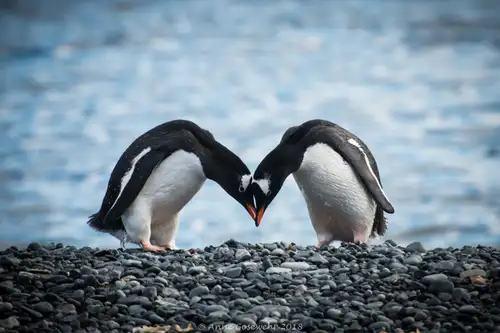
Polar Amore: 14 Wildlife Pics to Warm up Your Valentine’s Day

Antarctica is renowned for its glaciers, icebergs, and panoramic colonies of penguins. However, less known are the stunning crystal-clear bays that dot the Great White Continent, many of which are explored on our Antarctica cruise routes.
Science of the Ross Ice Shelf - Nexta Expeditions
Blog

Science of the Ross Ice Shelf

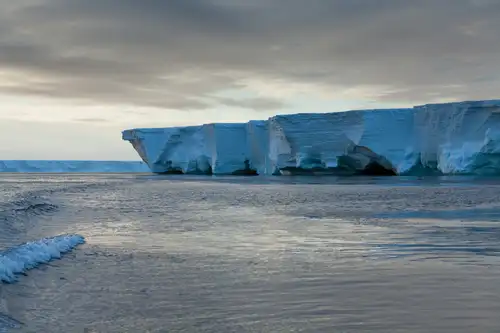
Antarctica’s Ross Ice Shelf is vast, spanning 487,000 sq. km – comparable to the size of France – with a thickness that varies from a few hundred meters near the sea to over 1,200 meters away from the floating edge. The edge along the Ross Sea forms a towering ice wall, rising up to 50 meters above the water, with most of the ice submerged below the waterline.
Taking a polar expedition cruise delivers no shortage of show-stopping highlights, but one of the most exhilarating is lifting off from the ship in a helicopter and taking flight over the incomparable Antarctic wilderness. - Nexta Expeditions
Blog

Taking a polar expedition cruise delivers no shortage of show-stopping highlights, but one of the most exhilarating is lifting off from the ship in a helicopter and taking flight over the incomparable Antarctic wilderness.
Embarking on a polar expedition cruise offers a plethora of breathtaking experiences, but one of the most thrilling is taking off from the ship in a helicopter and soaring over the stunning Antarctic wilderness.
The Eight Albatrosses of Antarctica and the Sub-Antarctic - Nexta Expeditions
Blog

The Eight Albatrosses of Antarctica and the Sub-Antarctic

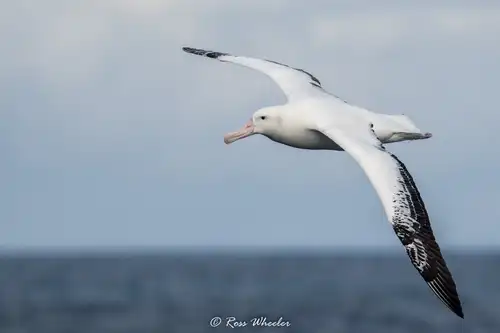
Our guests are typically wildlife enthusiasts, with a particular interest in bird life. While many bird lovers focus on the penguins we encounter, there's a smaller yet equally passionate group that favors the more airborne seabirds. Among this birdwatching subset, the albatross is a species that garners (and deserves) significant attention.
Camping in Antarctica: a True Expedition Experience - Nexta Expeditions
Blog

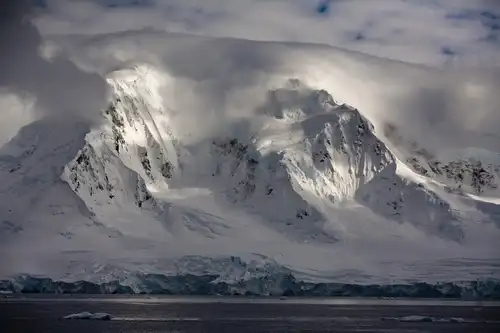
Camping in Antarctica: a True Expedition Experience

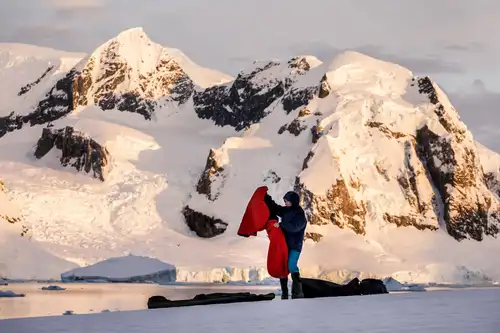
We often think of camping as a summer activity, filled with warm nights, campfire dinners, and serene mountain lakes. However, there's a whole other world of camping to explore.
The Ancient Fossil Forests of Antarctica - Nexta Expeditions
Blog

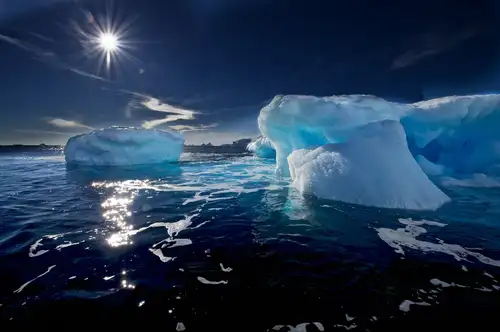
The Ancient Fossil Forests of Antarctica

Over a hundred years ago, Robert Falcon Scott’s expedition to Antarctica discovered fossils of plants on the Beardmore Glacier, less than 500 km (310 miles) from the South Pole. Edward Wilson, who was the expedition’s chief scientist, recorded the findings in his diary, stating that “most of the bigger leaves were like beech leaves in shape and venation.”
Everything you need to know about Antarctic icebergs - Nexta Expeditions
Blog

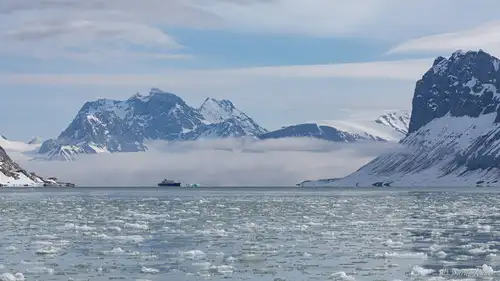
Everything you need to know about Antarctic icebergs

The ice in Antarctica might seem static, but it is constantly moving. Pieces of ice are continuously breaking off from ice shelves, glaciers, or other icebergs. They float freely along with the Antarctic currents, with about 90 percent of their mass below the surface of the water. This fact is actually what gave rise to the nowadays popular phrase “the tip of the iceberg”. Regardless, the sighting of the first iceberg is always a moment to celebrate in any and all Antarctic expeditions. So that you may appropriately ready yourself for that joyous moment, in this article you will find everything you need to know about Antarctic icebergs.
Svalbard vs. the Canadian Arctic - Nexta Expeditions
Blog

Svalbard vs. the Canadian Arctic

It’s easy to assume the Arctic is uniform, a vast expanse of northern freeze shaped by snow, ice, and endless darkness.
What the ice reveals about Antarctica - Nexta Expeditions

Blog

What the ice reveals about Antarctica

The continent you'll explore during your Antarctica cruise is far more than just an ice-covered land with penguins, whales, and seals. Beneath the thick ice lie hidden freshwater lakes teeming with thousands of microbes, hinting at a diverse array of life. In 2013, a team of researchers obtained the first uncontaminated water sample ever retrieved directly from an Antarctic lake.
Amphibian, reptiles and herbivore mammals in the Arctic - Nexta Expeditions
Blog

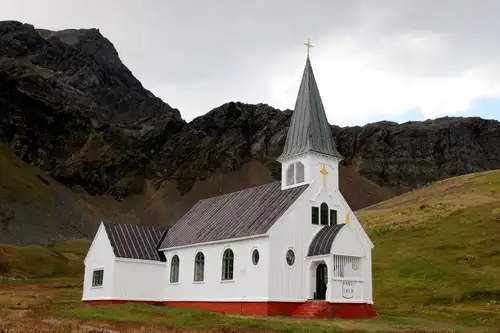
Amphibian, reptiles and herbivore mammals in the Arctic

Arctic ecosystems are relatively young in geological terms, having primarily developed over the past three million years. Generally, species richness is lower in the Arctic compared to more southerly regions, aligning with scientific observations that biodiversity decreases from the Equator to the poles.
Churches in Antarctica - Nexta Expeditions
Blog

Churches in Antarctica

'Below 40 degrees South there is no law; below 50 degrees South, there is no God', goes the old adage. When faced with a storm in the turbulent and freezing waters of the Drake Passage, one might think so.
Why a Polar Diving Cruise Should be Your Next Great Decision - Nexta Expeditions
Blog

Why a Polar Diving Cruise Should be Your Next Great Decision

Not so very long ago, all you had to do to qualify as a thrill-seeker was hop a ship to the polar regions and make it back with all your fingers – or your life, if you weren’t picky.
The Wonderful Weddell Sea: Places, Pics, and Impressions - Nexta Expeditions
Blog

The Wonderful Weddell Sea: Places, Pics, and Impressions

When we talk about Antarctica, it’s easy to slip into familiar words: amazing, astounding, extraordinary, exceptional. And though most Antarctic locations more than deserve these descriptions, some deserve them more than others.
The Dirty Details of Antarctica's Dry Valleys - Nexta Expeditions
Blog

The Dirty Details of Antarctica's Dry Valleys

Situated on the western coast of McMurdo Sound, the McMurdo Dry Valleys represent the largest ice-free region in Antarctica.
Antarctic Explorer’s Voyage - Nexta Expeditions
Blog

Antarctic Explorer’s Voyage

There’s off the beaten track, and then there’s really off the beaten track.
The Small Mammals of the Arctic and Antarctica - Nexta Expeditions
Blog

The Small Mammals of the Arctic and Antarctica

As Lillian Gish says in Night of the Hunter, “It’s a hard world for little things.”
Graham Land: A landscape dominated by volcanoes - Nexta Expeditions
Blog

Graham Land: A landscape dominated by volcanoes

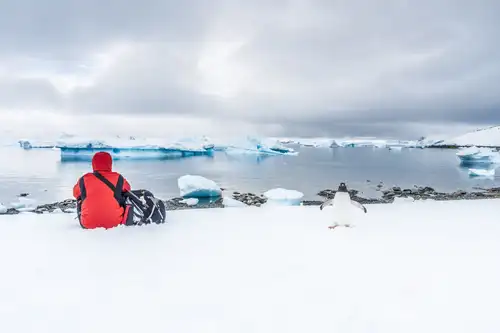
An Antarctic cruise may explore the upper tip of the Antarctic Peninsula where one finds Graham Land, a jagged, glaciated part of Antarctica with a landscape dominated by volcanoes. Despite the volcanoes being over 200 million years old they are far from extinct with volcanic activity occurring today. Graham Land is connected to Palmer Land at the point where the Antarctic Peninsula widens from around 75 km to around 200 km south of Marguerite Bay.
Adding Antarctica to Your Seven-Continents Bucket List - Nexta Expeditions
Blog

Adding Antarctica to Your Seven-Continents Bucket List

Many travelers aspire to visit all seven continents, a goal that fits naturally with the concept of a "bucket list," a term popularized by the 2007 movie.
Greenland's History: When Vikings Ruled the Ice Age - Nexta Expeditions
Blog

Greenland's History: When Vikings Ruled the Ice Age

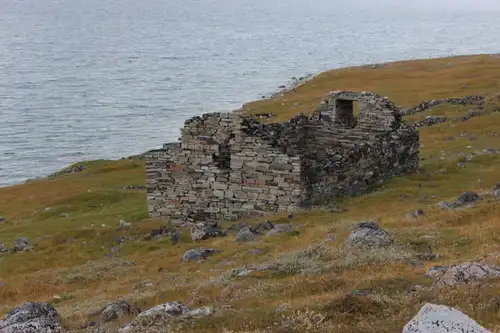
A Greenland cruise offers a journey into a rich history filled with intriguing details that captivate polar expedition enthusiasts. Among the most fascinating historical aspects is the fact that Vikings once ruled this land. Anthropologists and climate scientists have long studied Greenland to pinpoint when and why the Vikings left. Recent findings have shed new light on this historical culture.