Day And Night In Antarctica - Nexta Expeditions
Day and night in Antarctica

Day and night in Antarctica

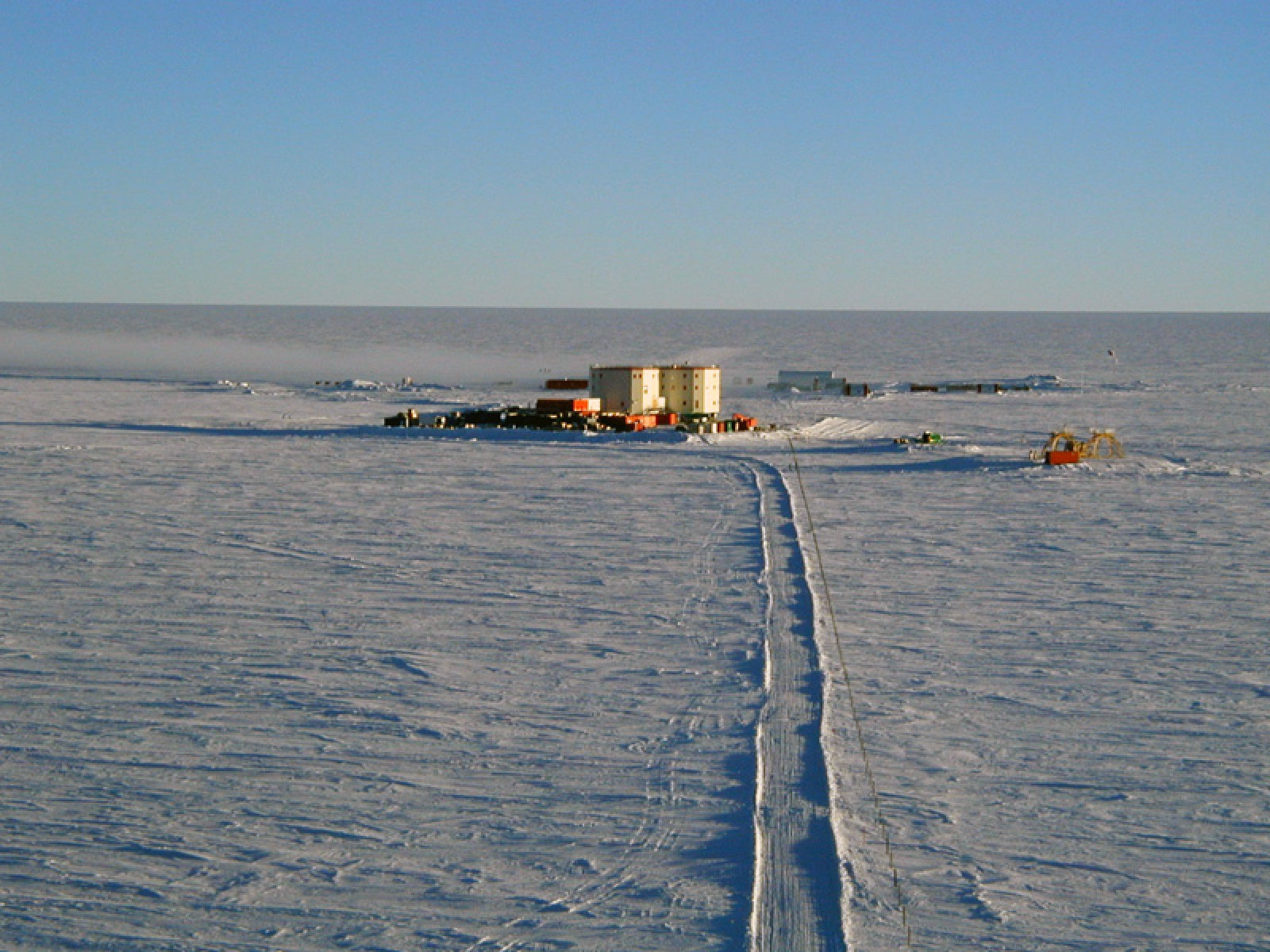
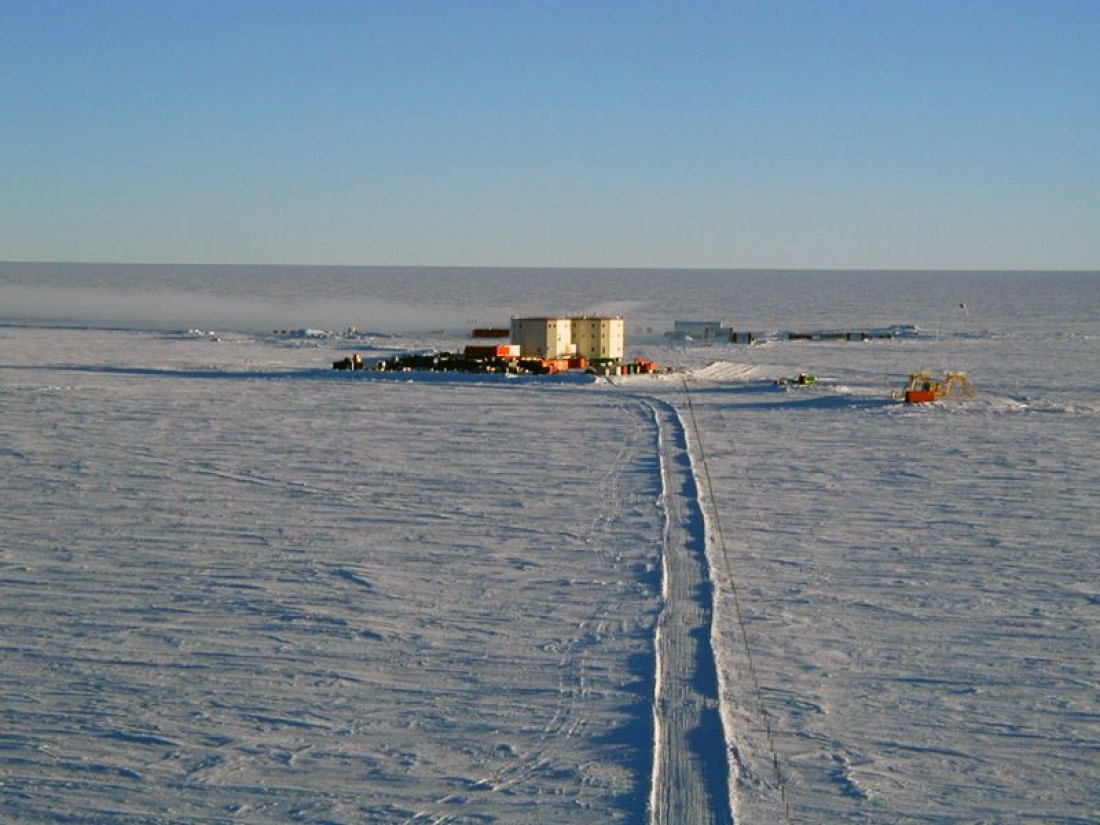
At the Concordia station, a French-Italian research facility situated 3,233 meters above sea level at Dome C on the Antarctic Plateau, European Space Agency (ESA) scientists are investigating the effects of extended space missions. The station is more isolated than the International Space Station, with the nearest humans located 600 kilometers away.
blog-image

Isolation, confinement, very dry air, no access to supplies, danger, extreme weather conditions, and the monotony of everyday life. Except for the lack of gravity, living in Antarctica closely resembles a long journey to Mars. The abnormal day and light cycles have a significant impact on humans, and scientists are using Antarctica to study these effects and how to mitigate them.

All night/day long

During the Antarctic summer, the sky never darkens. Around the summer solstice, weather permitting, the sun remains visible 24 hours a day. In the winter months, the opposite occurs. The lack of darkness and prolonged night affect human circadian rhythms, which are physical, mental, and behavioral changes following a roughly 24-hour cycle. Hormones can become imbalanced without the usual day/night cues.

Only a small number of subjects have been studied intensively in polar regions, as there is no native population in Antarctica for long-term studies. However, many papers focus on the civilian and military personnel who spend their winters below the Antarctic circle. Initially, research focused on adapting to the cold environment, but scientists later discovered that the lack of natural sunlight in winter and the excess of it in summer were likely of greater importance.

How to reduce the impact of abnormal light cycles

In the summer, it is easy to stay awake and alert for 24 hours, often forgetting to sleep. In winter, seasonal affective disorder can set in. Gradually, exhaustion dulls the senses and slows reactions. In an extreme environment like Antarctica, this is not an option.

So, what can people do to prevent this?

  • Keep warm: This might seem obvious, but using adequate protective clothing reduces exposure to extreme cold and prevents sudden temperature changes.
  • Eat your (frozen) veggies: Meals punctuate the day, providing not only essential nutrition but also opportunities to meet others and socialize. The cook is likely one of the most important people in a station.
  • Stick to the schedule: On British Antarctic bases, a structured day with set periods for eating, working, and sleeping is mandatory. This is also true for most bases and research stations, and even on ships. Doctors and expedition leaders encourage passengers to maintain a routine to prevent sleep issues and other health problems.
  • Time zones: Since Antarctica has no set time zones and they can be changed for convenience, switching between vastly different time zones in minutes can be confusing for the mind and body. Vessels usually keep the time zone from their departure point on the continent to avoid this.
  • Below the Antarctic circle, nature takes over, and humans must surrender and follow its lead.
    Best Deals

    Related Trips

    Falkland Islands - South Georgia - Elephant Island - Antarctica - Polar Circle - Nexta Expeditions
    Antarctica
    Ushuaia

    Falkland Islands - South Georgia - Elephant Island - Antarctica - Polar Circle

    calendar16 Feb 2026 - 10 Mar 2026
    clock23 Days / 22 Nights
    From $ 17.800 per person
    Antarctica – Uncharted islands of the Deep South - Nexta Expeditions
    Antarctica
    Ushuaia

    Antarctica – Uncharted islands of the Deep South

    calendar18 Feb 2026 - 04 Mar 2026
    clock15 Days / 14 Nights
    From $ 12.100 per person
    Deep South Basecamp experience - Nexta Expeditions
    Antarctica
    Ushuaia

    Deep South Basecamp experience

    calendar04 Mar 2026 - 17 Mar 2026
    clock14 Days / 13 Nights
    From $ 11.200 per person
    Antarctica - Elephant Island - Weddell Sea - Polar Circle - Aurora Australis / Southern Lights - Nexta Expeditions
    Antarctica
    Ushuaia

    Antarctica - Elephant Island - Weddell Sea - Polar Circle - Aurora Australis / Southern Lights

    calendar09 Mar 2026 - 23 Mar 2026
    clock15 Days / 14 Nights
    From $ 11.200 per person
    Antarctica - Beyond the Polar Circle - whale watching - Aurora Australis / Southern Lights - Nexta Expeditions
    Antarctica
    Ushuaia

    Antarctica - Beyond the Polar Circle - whale watching - Aurora Australis / Southern Lights

    calendar20 Mar 2026 - 31 Mar 2026
    clock12 Days / 11 Nights
    From $ 8.200 per person
    Bellingshausen Sea / Peter I Island + Ellsworth Land - incl. helicopters - Nexta Expeditions
    Antarctica
    Ushuaia

    Bellingshausen Sea / Peter I Island + Ellsworth Land - incl. helicopters

    calendar14 Jan 2027 - 07 Feb 2027
    clock25 Days / 24 Nights
    From $ 24.600 per person
    Falkland Islands - South Georgia - Elephant Island - Antarctica - Polar Circle - Nexta Expeditions
    Antarctica
    Ushuaia

    Falkland Islands - South Georgia - Elephant Island - Antarctica - Polar Circle

    calendar13 Feb 2027 - 07 Mar 2027
    clock23 Days / 22 Nights
    From $ 17.050 per person
    Antarctica - Polar Circle - Deep South Discovery voyage - Aurora Australis / Southern Lights - Nexta Expeditions
    Antarctica
    Ushuaia

    Antarctica - Polar Circle - Deep South Discovery voyage - Aurora Australis / Southern Lights

    calendar06 Mar 2027 - 18 Mar 2027
    clock13 Days / 12 Nights
    From $ 11.000 per person
    Antarctica - Elephant Island - Weddell Sea - Polar Circle - Nexta Expeditions
    Antarctica
    Ushuaia

    Antarctica - Elephant Island - Weddell Sea - Polar Circle

    calendar12 Mar 2027 - 26 Mar 2027
    clock15 Days / 14 Nights
    From $ 11.700 per person

    Blog
    go-leftgo-right

    Arctic Seals - Nexta Expeditions
    Blog

    Arctic Seals

    Owing to the large landmasses that populate the Northern Hemisphere, the Arctic boasts the most diverse wildlife among the planet’s polar regions. Some of the most captivating Arctic animals are the marine mammals found just offshore.
    Albatross, penguin and krill research in Antarctica - Nexta Expeditions
    Blog

    Albatross, penguin and krill research in Antarctica

    In the Antarctic region, extensive research is being conducted by national Antarctic programmes from countries like the UK, Australia, and Japan. These studies aim to understand species in the air, on the ground, and in the sea, and how these species are interconnected without variables such as human impacts and climate change.
    Tracking Greenland’s Wildlife from Space - Nexta Expeditions
    Blog

    Tracking Greenland’s Wildlife from Space

    Despite Greenland’s harsh environment, life has found a way to thrive there. If you’re lucky enough to embark on a Greenland cruise, you stand the chance of encountering many species of cold-adapted mammals, birds, and fish.
    Coming Back from the Brink: The Fur Seals of Antarctica - Nexta Expeditions
    Blog

    Coming Back from the Brink: The Fur Seals of Antarctica

    Once hunted to the brink of extinction, the Antarctic fur seal is now one of the most populous and charismatic species of seal you’re likely to encounter during your Antarctica trips. Unlike other members of its large family, the fur seal has external ears, or pinnae, a short snout, and a thick coat of dark brown fur. Male seals tend to be larger than females, with weights ranging from 91 kg (200 lbs.) to 215 kg (474 lbs.).
    Top 10 Antarctic Attractions - Nexta Expeditions
    Blog

    Top 10 Antarctic Attractions

    There’s a reason people go to such lengths to visit Antarctica, and its abundance of whales, seals, penguins, and seabirds are only part of the polar story.
    Svalbard a Disneyland for geologists - Nexta Expeditions
    Blog

    Svalbard a Disneyland for geologists

    Svalbard is situated in the north-western corner of the Eurasian plate. Historically, Svalbard was part of a vast continent that included North America, Greenland, and Eurasia. At one point, both Northeast Greenland and Svalbard were submerged under the ocean before resurfacing.
    Discover the Scoresby Sund Fjord System in East Greenland - Nexta Expeditions
    Blog

    Discover the Scoresby Sund Fjord System in East Greenland

    Are you considering a trip to Greenland? One destination you absolutely must visit is the world's largest fjord with stunning landscapes: Scoresby Sund.
    Birds of the North: 29 Arctic Birds and Seabirds - Nexta Expeditions
    Blog

    Birds of the North: 29 Arctic Birds and Seabirds

    The Arctic is home to some of the world’s most majestic mammals, both on land and sea. However, the bird life in this region is equally remarkable, showcasing numerous exotic species that are highly prized by bird enthusiasts worldwide.
    The polar bear: king of the Arctic food chain - Nexta Expeditions
    Blog

    The polar bear: king of the Arctic food chain

    As apex predators, polar bears reign supreme in the Arctic food chain. Only humans pose a threat to this massive and majestic species. But one look at these magnificent creatures explains why so many people embark on Arctic trips hoping to spot a polar bear in its natural habitat.
    Eight Engaging Reindeer Facts - Nexta Expeditions
    Blog

    Eight Engaging Reindeer Facts

    When we think about reindeer, we might also think of Saami herders or the holidays or teams of these beloved Arctic animals pulling a bell-covered sleigh across the nighttime sky. Only the first of these options, however, is something you're likely to encounter on an Arctic expedition cruise - and that's only in Northern Norway.
    Two for the Snow: Polar Cruises for Couples - Nexta Expeditions
    Blog

    Two for the Snow: Polar Cruises for Couples

    Do you know the old saying, “Cold hands, warm heart”? In our opinion, that bodes well for couples who visit the polar regions.
    Five Birds You Might See on Your Greenland Cruise - Nexta Expeditions
    Blog

    Five Birds You Might See on Your Greenland Cruise

    A Greenland expedition cruise offers birdwatchers a unique opportunity to capture stunning avian photographs. With over 230 bird species, Greenland boasts both spectacular landscapes and diverse winged wildlife.
    Weddell seals: The data collectors scientists of Antarctica - Nexta Expeditions
    Blog

    Weddell seals: The data collectors scientists of Antarctica

    Weddell seals inhabit some of the coldest and darkest waters deep within the Ross Sea ice, making them the southernmost naturally occurring mammals on Earth. During the winter and summer months, their movements are largely governed by the presence of sea ice and the availability of suitable breathing and exit holes.
    Greenland's History: When Vikings Ruled the Ice Age - Nexta Expeditions
    Blog

    Greenland's History: When Vikings Ruled the Ice Age

    A Greenland cruise offers a journey into a rich history filled with intriguing details that captivate polar expedition enthusiasts. Among the most fascinating historical aspects is the fact that Vikings once ruled this land. Anthropologists and climate scientists have long studied Greenland to pinpoint when and why the Vikings left. Recent findings have shed new light on this historical culture.
    True South: A New Flag for a Global Antarctica - Nexta Expeditions
    Blog

    True South: A New Flag for a Global Antarctica

    When Evan Townsend signed up to spend the winter of 2018 working at an Antarctic research station, he had no reason to expect he would end the season by designing a new flag for the continent. He had even less reason to expect the support it would receive.
    The Secret Life of Glaciers: How They Form, Move, and Melt - Nexta Expeditions

    Blog

    The Secret Life of Glaciers: How They Form, Move, and Melt

    One of the most awe-inspiring natural wonders you can witness on an Arctic or Antarctic expedition is glaciers. These immense ice formations have been gradually moving from the mountains to the oceans for countless years, acting as both time capsules and indicators of our rapidly changing environment.
    South Georgia Whaling Stations - Nexta Expeditions
    Blog

    South Georgia Whaling Stations

    South Georgia is a paradise for animal enthusiasts. It stands out as one of the most wildlife-abundant destinations in our polar expeditions, whether in the Northern or Southern Hemisphere.
    The bio-richness of the Ross Sea - Nexta Expeditions
    Blog

    The bio-richness of the Ross Sea

    The Ross Sea is one of the most stunning and untouched marine areas globally. This sea, which remains frozen for most of the year, spans 3.6 million square kilometers (1.4 million square miles) along the Antarctic coast south of New Zealand. Its waters harbor a biologically diverse ecosystem of species that have flourished, unchanged, for millennia.
    Explore Antarctica Without Leaving Your Couch - Nexta Expeditions
    Blog

    Explore Antarctica Without Leaving Your Couch

    There are numerous ways to embark on an Antarctica expedition from the comfort of your home. Explore these fantastic resources to experience the White Continent without leaving your couch.
    Spitsbergen: a true polar bear trip - Nexta Expeditions
    Blog

    Spitsbergen: a true polar bear trip

    On the third day of our Svalbard cruise, we navigated through the sea ice north of Spitsbergen. The morning greeted us with fog and fragmented ice, but conditions gradually improved. A swarm of black-legged kittiwakes trailed behind us, as our ship stirred the waters, pushing aside ice floes to reveal the tiny dark polar cod beneath.