Deep Sea Dwellers 10 Facts About The Antarctic Giant Isopod - Nexta Expeditions
Deep Sea Dwellers: 10 Facts about The Antarctic Giant Isopod

Deep Sea Dwellers: 10 Facts about The Antarctic Giant Isopod

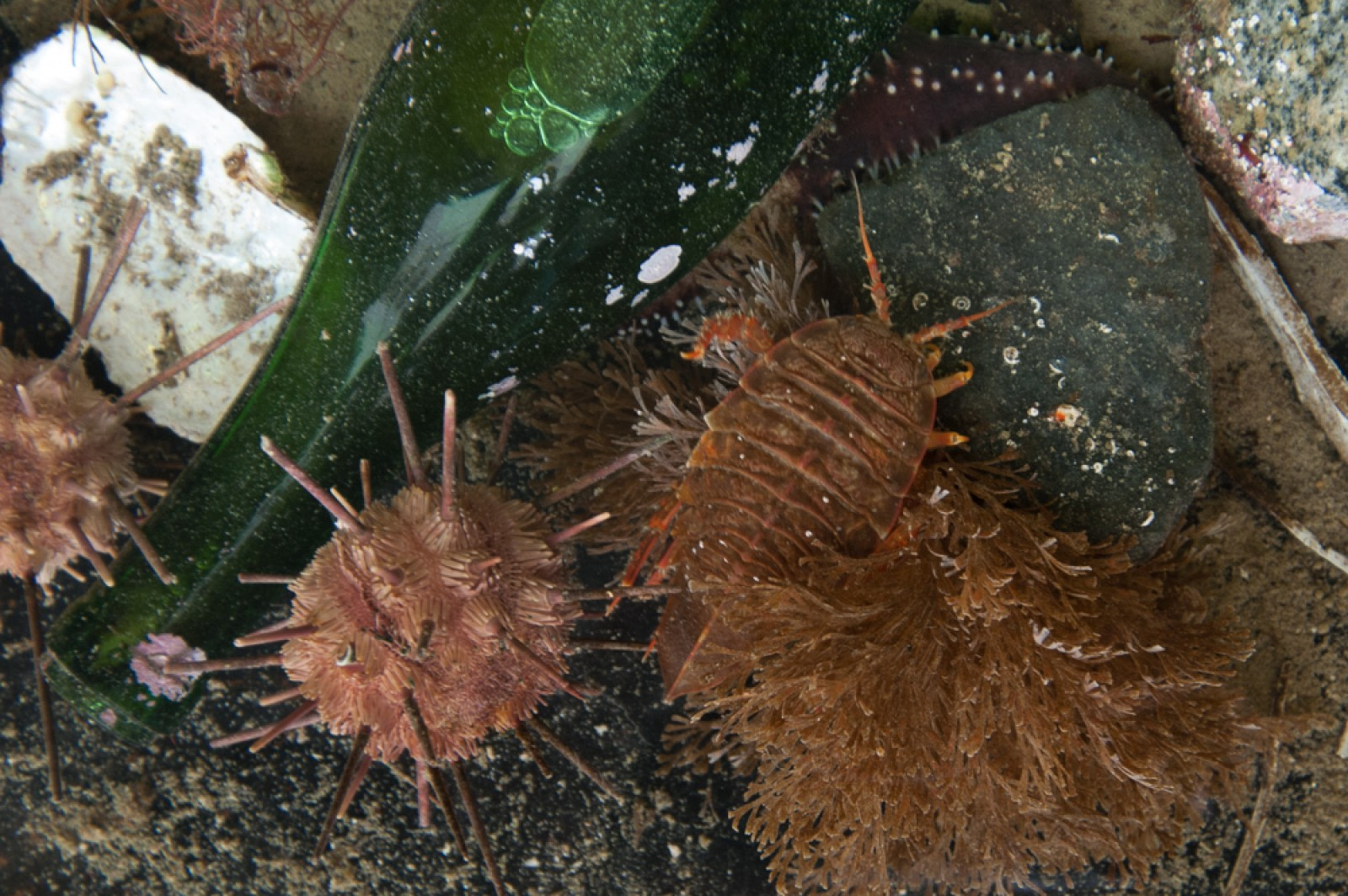
On average, the Giant Antarctic Isopod grows to 9cm (3.5in.) in length. This may not seem very large, but factors including low light levels, freezing cold water, and a lack of oxygen prevent these isopods from growing very large. Other species of isopods, including the Giant Isopod, have been known to grow up to 40 cm (16 inches) in length!

Giant Antarctic isopods almost exclusively eat carrion

Isopods are opportunistic scavengers, meaning that they’ll eat just about anything that crosses their path, no matter how long it’s been dead. Anything that makes its way down to their part of the neighborhood in the benthic zone is fair game, and makes for a reliable source of food, as long as there’s no competition. While food is available, isopods will gorge themselves to ensure they have enough to survive until their next meal. As a bottom feeder and a scavenger, you may have to wait a while until something ends up that far down in the ocean. Besides carrion, isopods have also been observed to feast on small, marine prey items such as young sponges and small fish.

Their metabolism is extremely slow

Living 600 meters (2,000 feet) down in the ocean has its drawbacks. Since food can be scarce at times this deep down, isopods rely on their impressively slow metabolism to keep them going. This means limiting their bodily movements as much as possible, and not really exerting any energy unless they encounter a meal or a predator. A slow metabolism can really come in handy when food is scarce, and isopods have been observed to go a whole eight weeks without any need for food.

No bugs here!

Don’t let appearance fool you. Isopods may look like a common garden insect, but they belong to the extremely diverse group of organisms called ‘crustaceans’, and are more closely related to crabs, shrimp, and pill bugs than they are to any true insect.

Antarctic giant isopods are skillful swimmers

In addition to swimming upright and straightforward like a normal sea creature, the Giant Antarctic Isopod can also swim upside down, and does so with great gusto! Scientists are unsure why they exhibit this behavior, but it is very well documented.

Antennae lead the way

To help guide them around the murky depths of the ocean, giant isopods rely on two sets of antennae. Additionally they have two large, fixed, compound eyes, much like an insect’s, to further help them find their way throughout their dark environment. These eyes, however, have been found to be more ornamental than anything, and don’t necessarily assist in the ways of vision, according to researchers. Even with these highly specialized eyes, their vision is very poor, thanks to their lightless environment.

Even with poor vision, their eyes glow

If any light happens to shine on their eyes, a part of their eye called the tapetum, which is located at the back of the retina, reflects any visible light back through the retina, creating a glowing effect. The tapetum has evolved in many different species of animals, and serves to assist with vision in low light conditions.

To deter predators, Antarctic giant isopods will roll into a ball

Just like their cousins, the pill bugs, isopods will roll up into a tight ball when faced with a predator. Only when they’re certain that the predator has moved on will they unroll. If their hard, external segments don’t protect them from predation, they can always rely on their four pairs of sharp jaws, which are meant for ripping prey apart, to help them out. Considering their size, number of jaws and overall diet, the isopod doesn’t seem like a very attractive prey item.

…Or they warn with their legs

It can be difficult to maneuver three pairs of small legs, and four pairs of large, spiny legs. The only time having this many legs comes in handy is when a predator presents itself. In this case, the isopod will raise its legs up in the air and try to make itself appear as large and as dangerous as possible. Hopefully this display makes a potential predator rethink its decision.

Females protect the eggs

Not only do isopods have the largest eggs of any marine invertebrate at 1.3cm in length, but the female will carry them with her in a special ‘brood pouch’ until the babies are ready to hatch. To minimize threats from predators, females will bury themselves in the soft, sandy bottoms of the ocean and sit with her eggs until they are fully developed. This is a time when having a slow metabolism definitely comes in handy.


Blog
go-leftgo-right

9 Facts about the Greenland Shark - Nexta Expeditions
Blog

9 Facts about the Greenland Shark
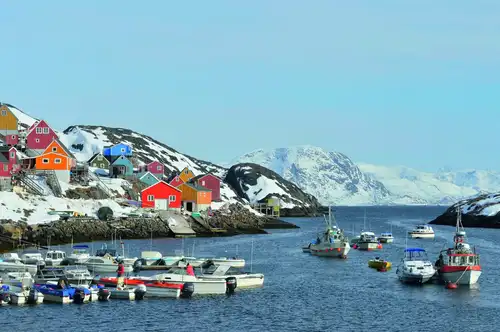
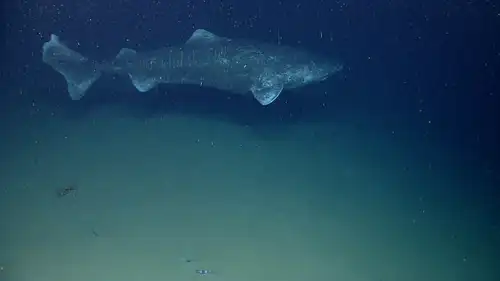
The Greenland shark, or Somniosus microcephalus, is one of many fish that inhabit the waters around Greenland, though this is not the only area in which the shark resides. These sharks, sometimes referred to as “gray sharks” or “gurry sharks,” can also be found in the north Atlantic Ocean near Iceland, Norway, and Canada.
Amazing Greenland - Nexta Expeditions
Blog

Amazing Greenland

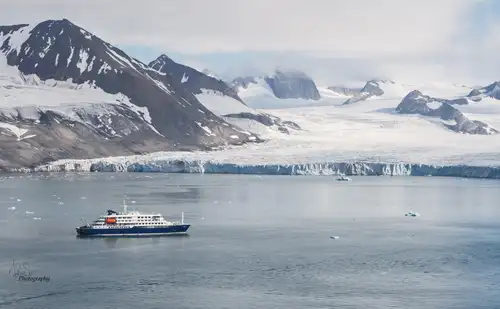
If you ever get the chance to take a trip to Greenland, you will be amazed by its coastlines, fjords, ice-covered peaks, and great expanse of snow-covered land. You will also notice that Greenland is a rugged area with a rich diversity of life, making it a dream location for scientists as well.
What’s so Special about East Spitsbergen? - Nexta Expeditions
Blog

What’s so Special about East Spitsbergen?

We’ve previously discussed our north Spitsbergen journeys and Spitsbergen circumnavigations, but the eastern parts of this incredible island have not received the attention they deserve. Despite the name, our east Spitsbergen voyages explore much more than just the eastern side of Spitsbergen.
True South: A New Flag for a Global Antarctica - Nexta Expeditions
Blog

True South: A New Flag for a Global Antarctica

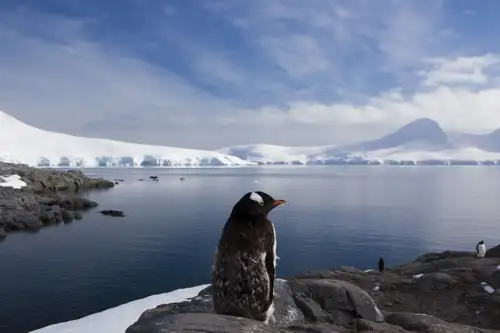
When Evan Townsend signed up to spend the winter of 2018 working at an Antarctic research station, he had no reason to expect he would end the season by designing a new flag for the continent. He had even less reason to expect the support it would receive.
Guidelines for visitors to Antarctica - Nexta Expeditions
Blog

Guidelines for visitors to Antarctica

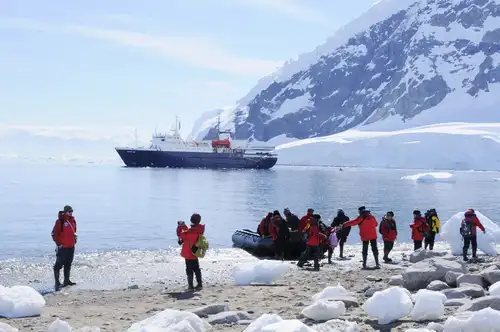
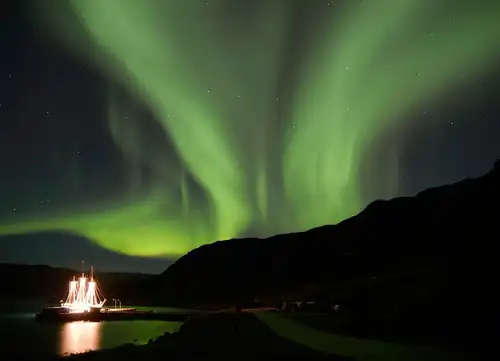
Activities in the Antarctic are governed by the Antarctic Treaty of 1959 and associated agreements, collectively known as the Antarctic Treaty System. The Treaty established Antarctica as a zone dedicated to peace and science. In 1991, the Antarctic Treaty Consultative Parties adopted the Protocol on Environmental Protection to the Antarctic Treaty, designating the Antarctic as a natural reserve.
North Norway, Northern Lights, and All the Pretty Whales - Nexta Expeditions
Blog

North Norway, Northern Lights, and All the Pretty Whales

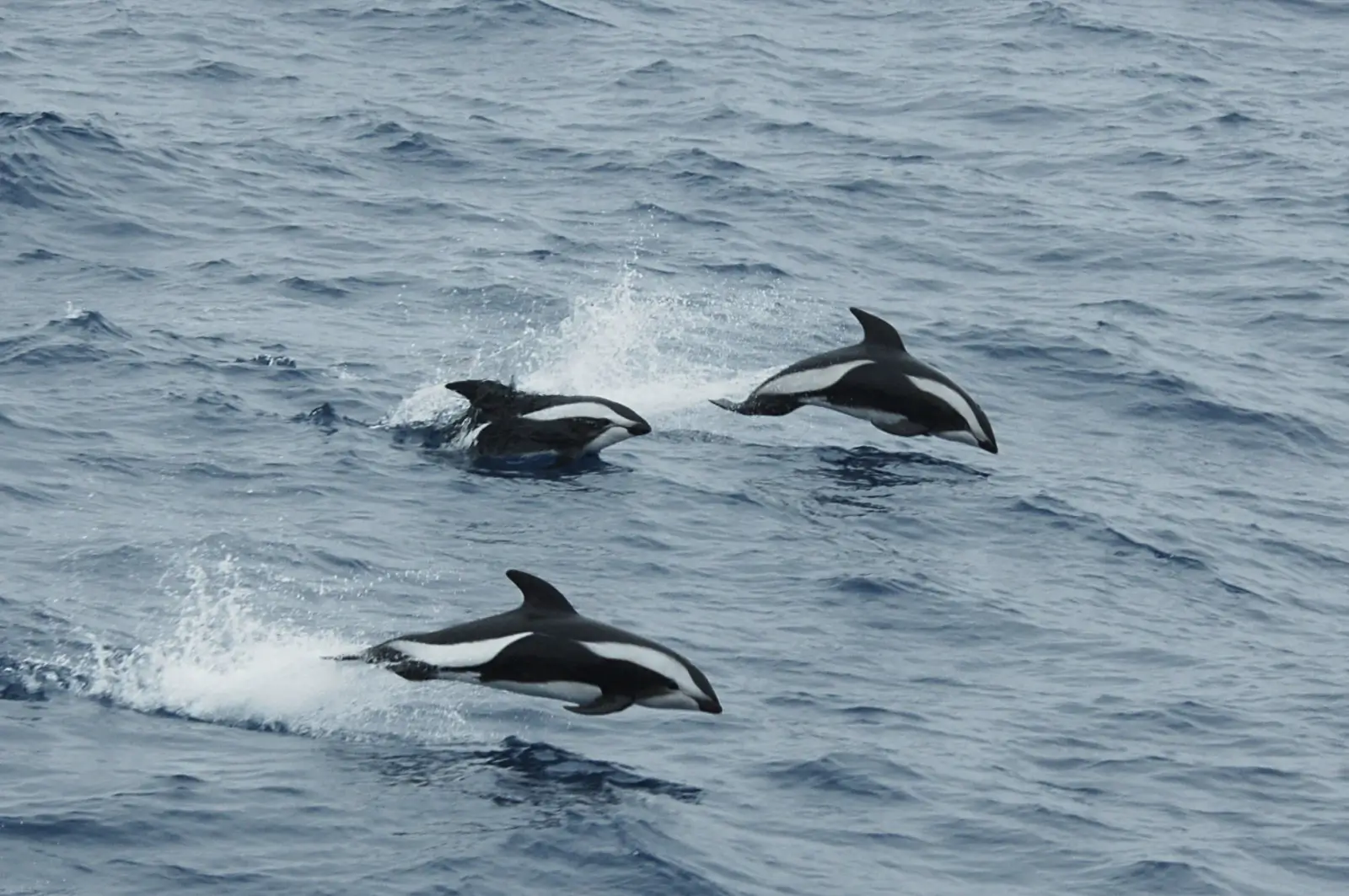
At first glance, visiting Northern Norway outside of a blazing-hot summer might seem daunting for the average traveler.
Antarctica’s Hourglass Dolphin - Nexta Expeditions
Blog

Antarctica’s Hourglass Dolphin

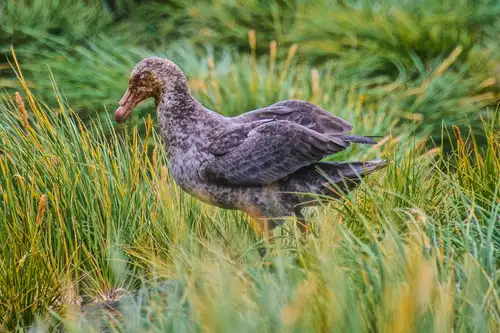
Though hourglass dolphins are especially rare, they’re actually not a threatened or endangered species.
The Seven Best Things to Do in Antarctica - Nexta Expeditions
Blog

The Seven Best Things to Do in Antarctica

Unless you’re a scientist, there’s no such thing as a means-to-an-end trip to Antarctica.
The Giant Petrels of King George Island - Nexta Expeditions
Blog

The Giant Petrels of King George Island

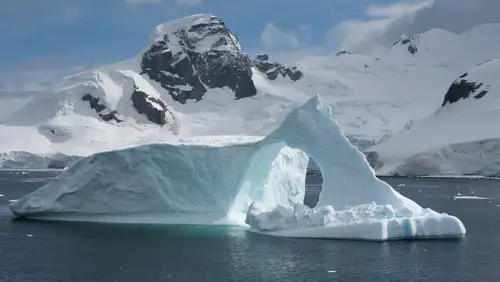
Antarctica is undeniably one of the world’s premier birding destinations.
All things ice in the Antarctic - Nexta Expeditions
Blog

All things ice in the Antarctic

The first documented sighting of an iceberg in Antarctica occurred on February 1, 1700, when Edmond Halley was on an expedition to measure the Earth's magnetic field. He noted in his diary that he encountered "great Islands of Ice, of Soe Incredible a hight and Magnitude that I scare dare to write my thoughts on it."
The Emperor Penguin of the Drake Passage - Nexta Expeditions
Blog

The Emperor Penguin of the Drake Passage

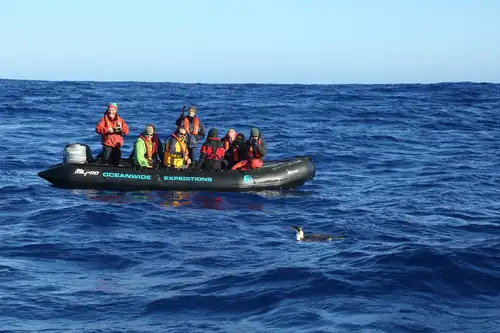
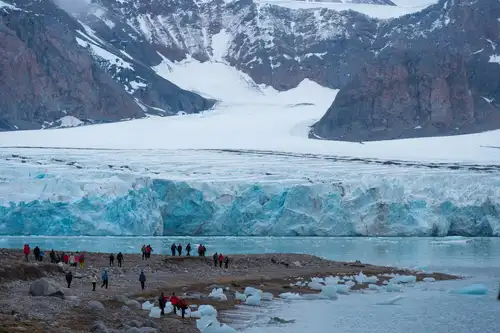
There are certain moments in life when a series of events combine to create an experience that is both unexpected and unforgettable. These are the times when you are reminded how fortunate you are to be a part of something that few people will ever have the opportunity to experience. This trip to Antarctica was full of these moments for me.
16 Conversation-Starting Svalbard Facts - Nexta Expeditions
Blog

16 Conversation-Starting Svalbard Facts

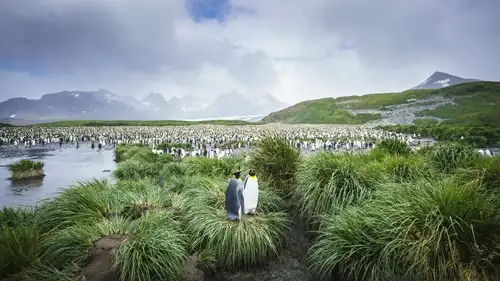
It might seem odd that an icy, snowy, bear-packed cluster of islands at the edge of the world could be such a hotspot (so to speak) of outdoor tourism.
The South Georgia Seven: Hikes, Fjords, Whales, & Penguins - Nexta Expeditions
Blog

The South Georgia Seven: Hikes, Fjords, Whales, & Penguins

Few places encapsulate such a staggeringly rich assortment of sub-Antarctic scenery, wildlife, and outing opportunities as South Georgia.
Svalbard’s 12 Most Iconic Animals - Nexta Expeditions
Blog

Svalbard’s 12 Most Iconic Animals

Each of our Arctic regions offers its own distinct and unforgettable features: Greenland boasts mountainous shorelines and record-setting fjords, Northern Norway is renowned for the aurora borealis and historic masted schooners, and Svalbard (especially Spitsbergen) is where you're most likely to encounter a variety of Arctic wildlife.
The Overlooked Treasures of Ascension Island - Nexta Expeditions

Blog

The Overlooked Treasures of Ascension Island

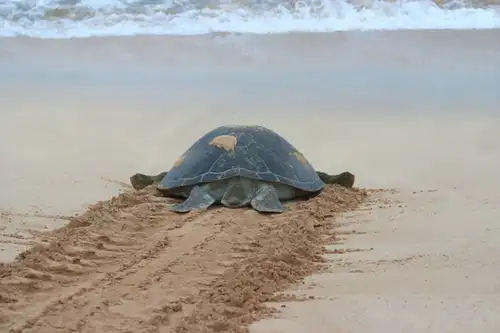
If you know anything about Ascension Island, which is unlikely, it probably has to do with the green turtle breeding population that exists there.
Exploration of the Polar Regions - Nexta Expeditions
Blog

Exploration of the Polar Regions

From the Vikings via the first whale and seal hunters to Scott and Amundsen, from the maritime explorers Franklin and Nordenskiöld to present-day polar tourism, a quick tour through history reveals some of the aspects which motivated people to extend their horizons. Existential need, sheer curiosity, imperial greed, polar science, and a taste for adventure all converged in regions which pardon no mistakes.
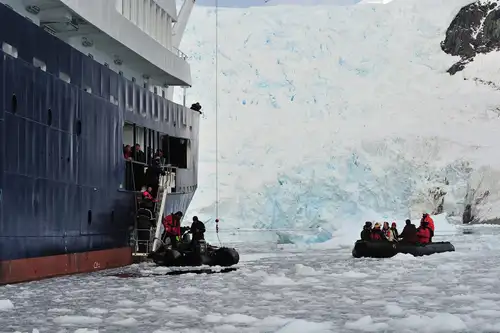
Seven Sublime Antarctic Bays - Nexta Expeditions
Blog

Seven Sublime Antarctic Bays

Antarctica is renowned for its glaciers, icebergs, and panoramic colonies of penguins. However, less known are the stunning crystal-clear bays that dot the Great White Continent, many of which are explored on our Antarctica cruise routes.
Seven Things to Do around Ushuaia - Nexta Expeditions
Blog

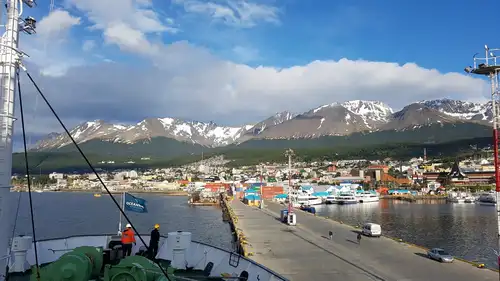
Seven Things to Do around Ushuaia

We often recommend arriving early to Ushuaia before embarking on an Antarctica cruise, and for good reason: Ushuaia, on top of being the southernmost city in the world, has in recent years developed into a decidedly charming tourist destination.
The First Buildings in Antarctica: Borchgrevink’s Historic Huts - Nexta Expeditions
Blog

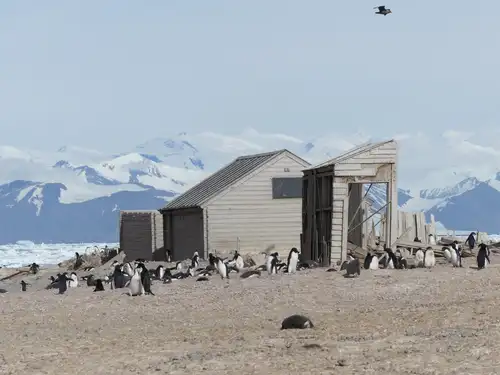
The First Buildings in Antarctica: Borchgrevink’s Historic Huts

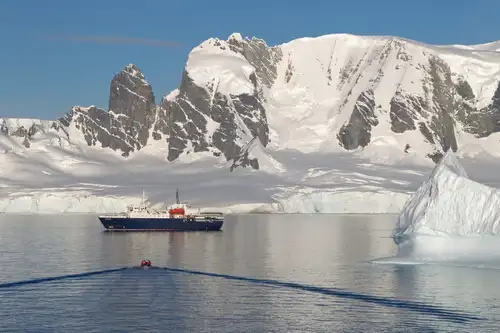
Borchgrevink’s huts at Cape Adare hold a significant place in Antarctic history, being the first structures ever built on the continent.
The Best Arctic and Antarctic Trips for Families - Nexta Expeditions
Blog

The Best Arctic and Antarctic Trips for Families

Polar expedition cruises are often enjoyed by couples and an increasing number of solo travelers, but they can also be a fantastic adventure for families. If you have the budget to bring the whole family along, there are various polar trips that will make everyone equally excited about the ice.