
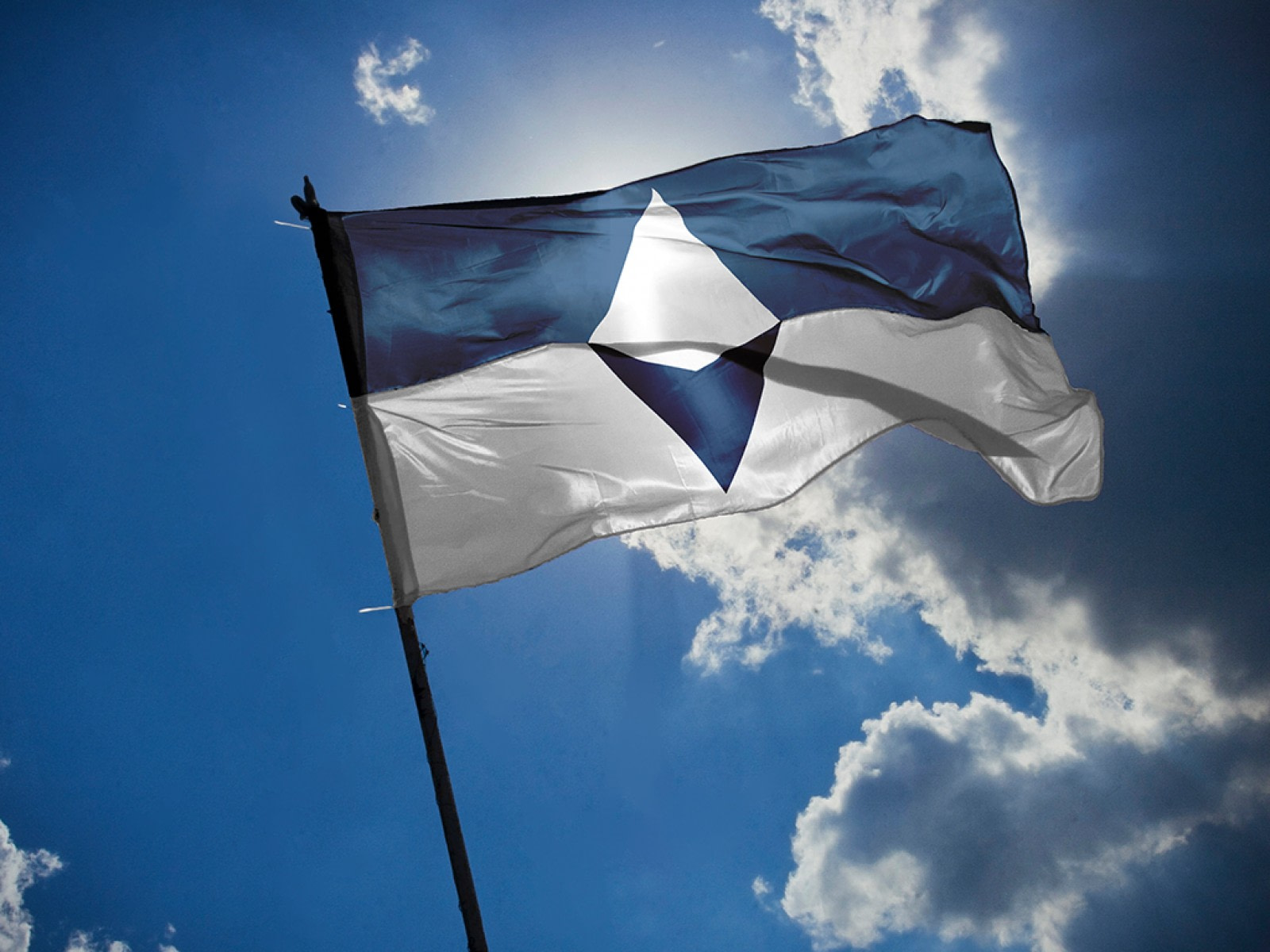
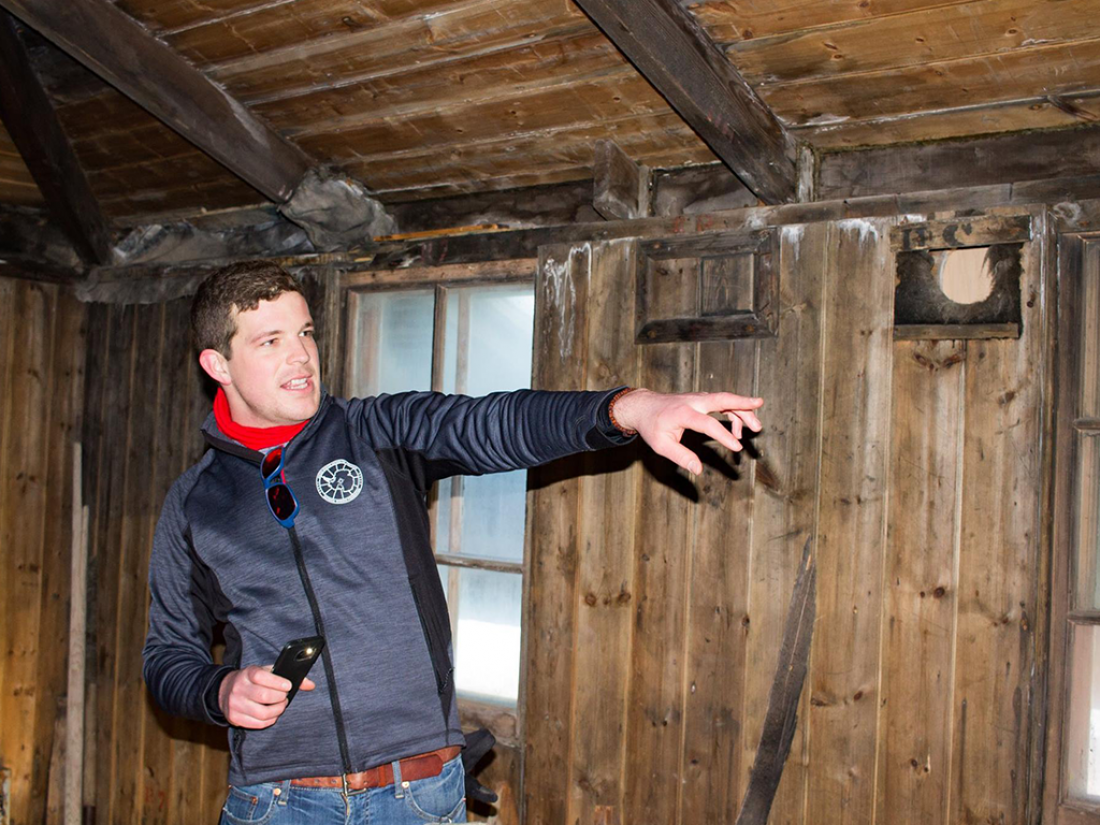
When Evan Townsend signed up to spend the winter of 2018 working at an Antarctic research station, he had no reason to expect he would end the season by designing a new flag for the continent. He had even less reason to expect the support it would receive.
A teacher from Boston originally from Missouri, Townsend is much like the other people who travel to Antarctica: He comes from virtually the opposite side of the planet. This is a common feature among Antarctic visitors, since the Great White Continent has no indigenous or permanent human population. Everyone who’s ever been there has come from a different part of the world, often considerably far away, and it is this defining feature that in part motivated Townsend to create the True South flag.
We spent some time talking with Townsend about the True South project, how the idea took shape, and the message he and his team hope their flag will communicate.
Before getting into the details of the flag itself, tell us a little bit about how this project first came to be.
As an avid traveler, one of the things I like about flags is that they make easy and portable decoration. I can pack them in my suitcase, then hang them on my wall once I reach my destination. So it might be possible that the whole True South project may never have begun without my initial love for flags.
In January of 2018, I was starting my second season as a support contractor at McMurdo Station, one of the American research stations in Antarctica. A support contractor is really just a catch-all term for anybody who isn’t a researcher.
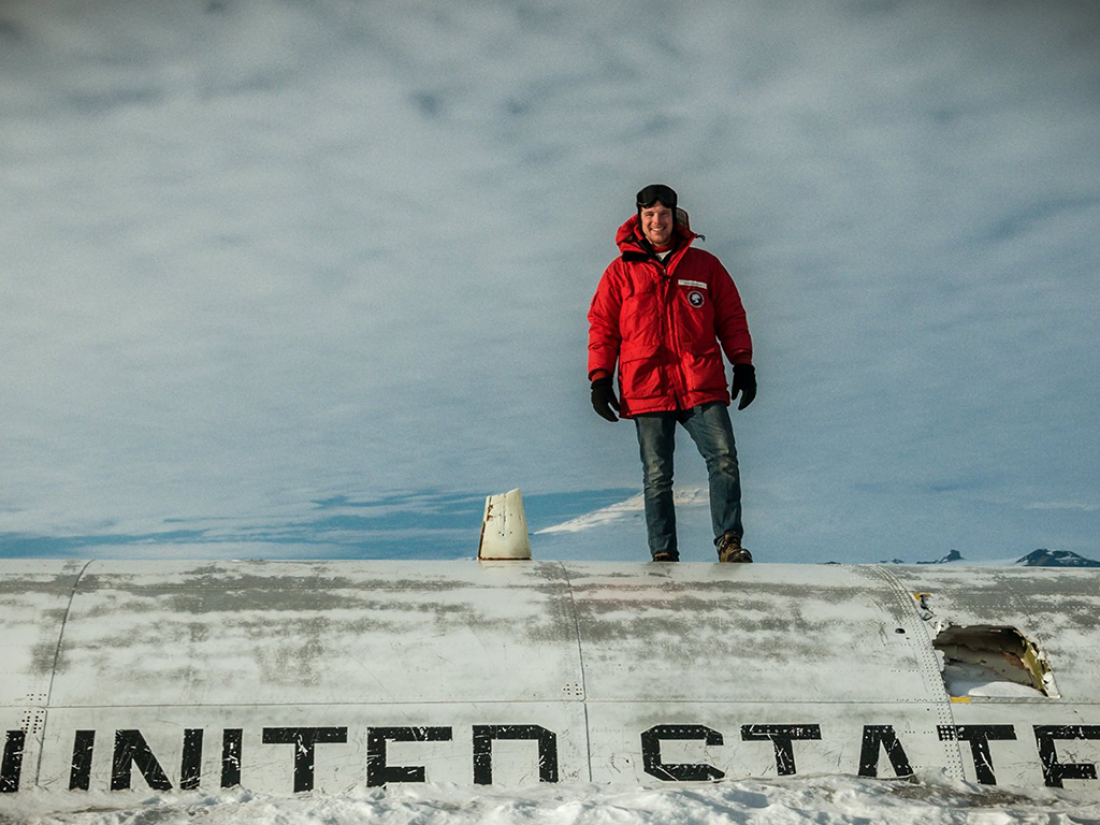
Specifically, I worked as a steward, which entails a lot of dishwashing and food service. I was also a bartender and ran McMurdo’s craft room. That’s where I made the first version of the True South flag on my computer. But the idea actually started before that.
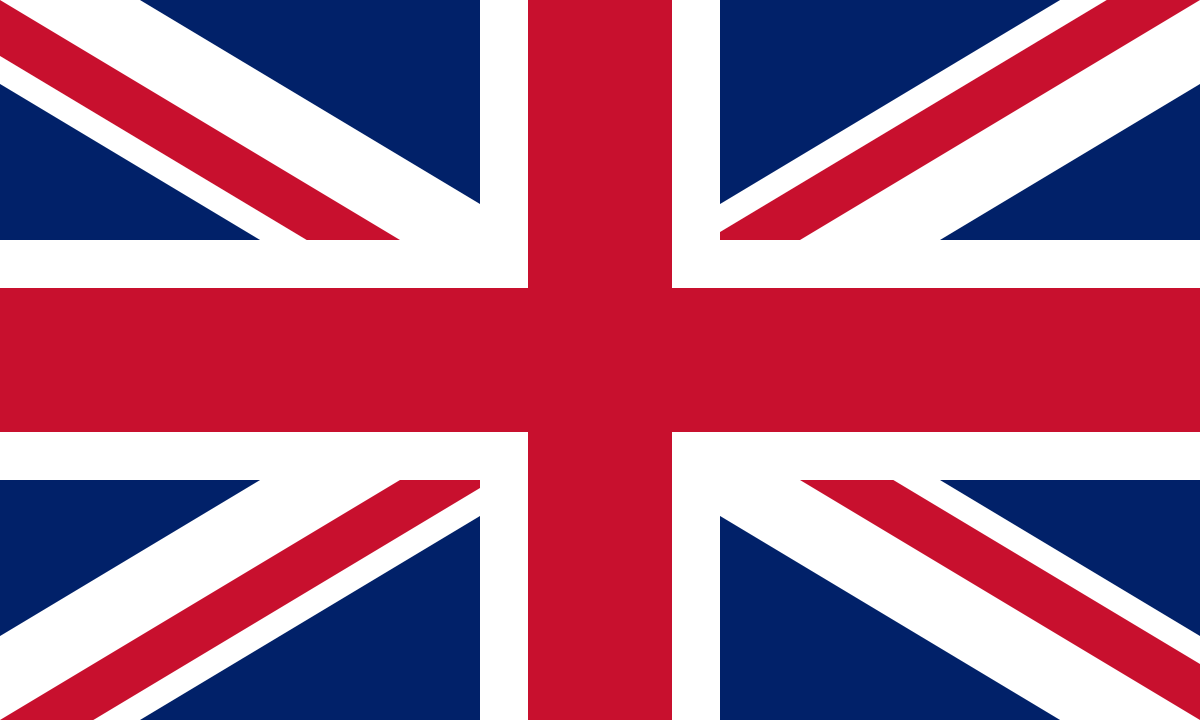
When I flew down to Antarctica for my second season at McMurdo, I brought a few flags with me, and one of them was the LGBTQ pride flag. A co-worker saw it and said it would be really cool if we took a photo with the flag in Antarctica. So I was like, sure, why not?
I didn’t think much would come of it. But then my coworker sent an email of the image to his friend, who worked for an LGBTQ online magazine. Pretty soon the picture was getting featured in National Geographic and Vogue and other publications all over the world.
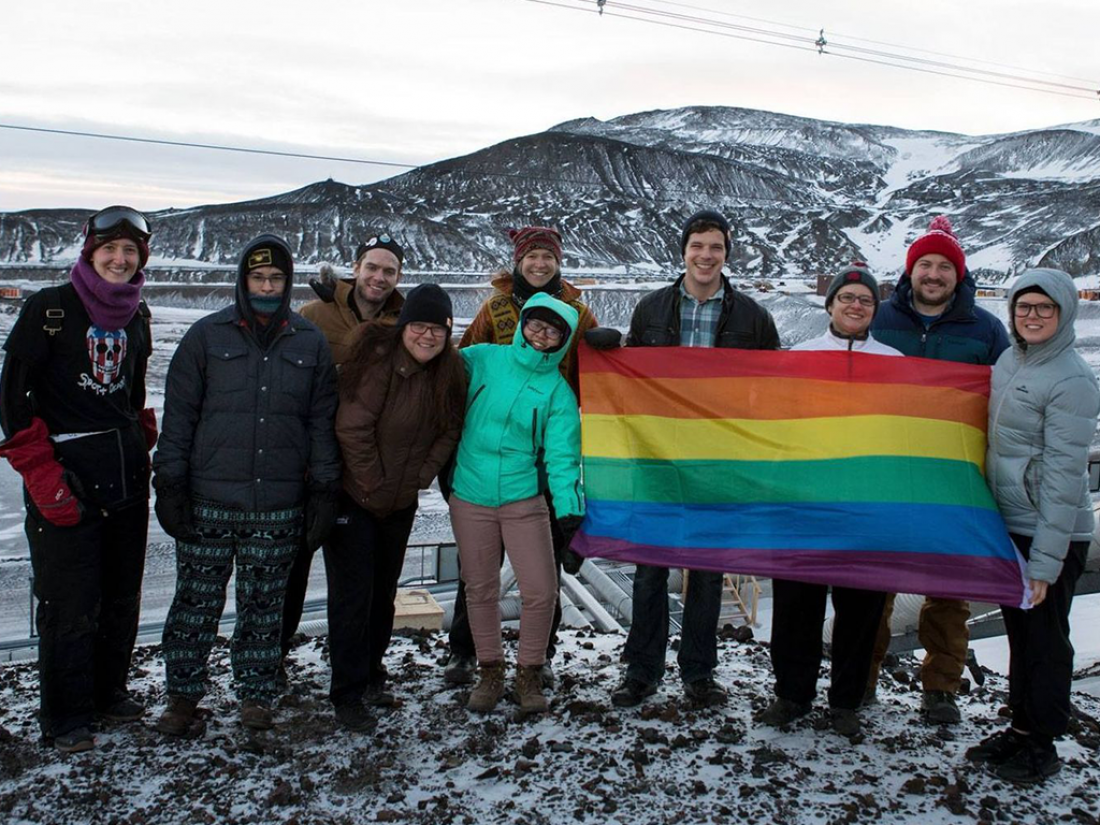
People began finding me on Instagram and LinkedIn and telling me how much it meant to see that flag in Antarctica. We knew people had flown pride flags there before, but a lot of news outlets were calling it the first “pride celebration” in Antarctica.
When that happened, it made me reexamine my appreciation for flags. I had always liked them, but I had never experienced firsthand how powerful they can be in forming a community. I had also never experienced how much the internet can accelerate that power.
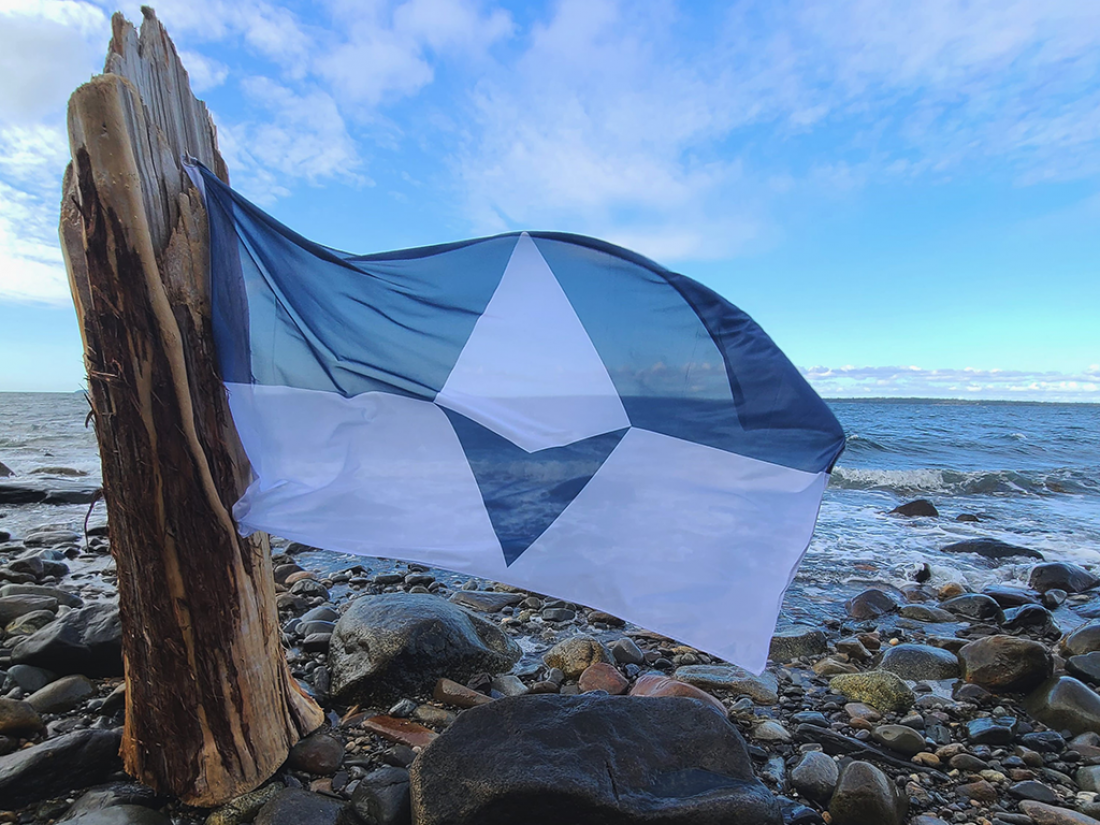
So in the following weeks, I made the first True South flag in the craft room at McMurdo, and last July we launched the True South website. Since then we’ve been reaching out to different Antarctic organizations to see who’s interested in participating.

Who is the “we” of this project? Do you have a formal team?
We have a team, but it’s not really formal. There are a few people helping create social media posts and sending emails and reaching out to their own networks, but there’s no organizational structure to our team. The message is what’s important.
Did you draw on any particular educational or professional background to design the flag, or were you learning everything along the way?
I’ve never done anything quite like this, but it wasn’t completely out of the blue for me. I work in communication and education, and this project has a lot of overlap with those fields. I also studied journalism and worked in information graphics and strategic communication, so I think a lot about visual communication.
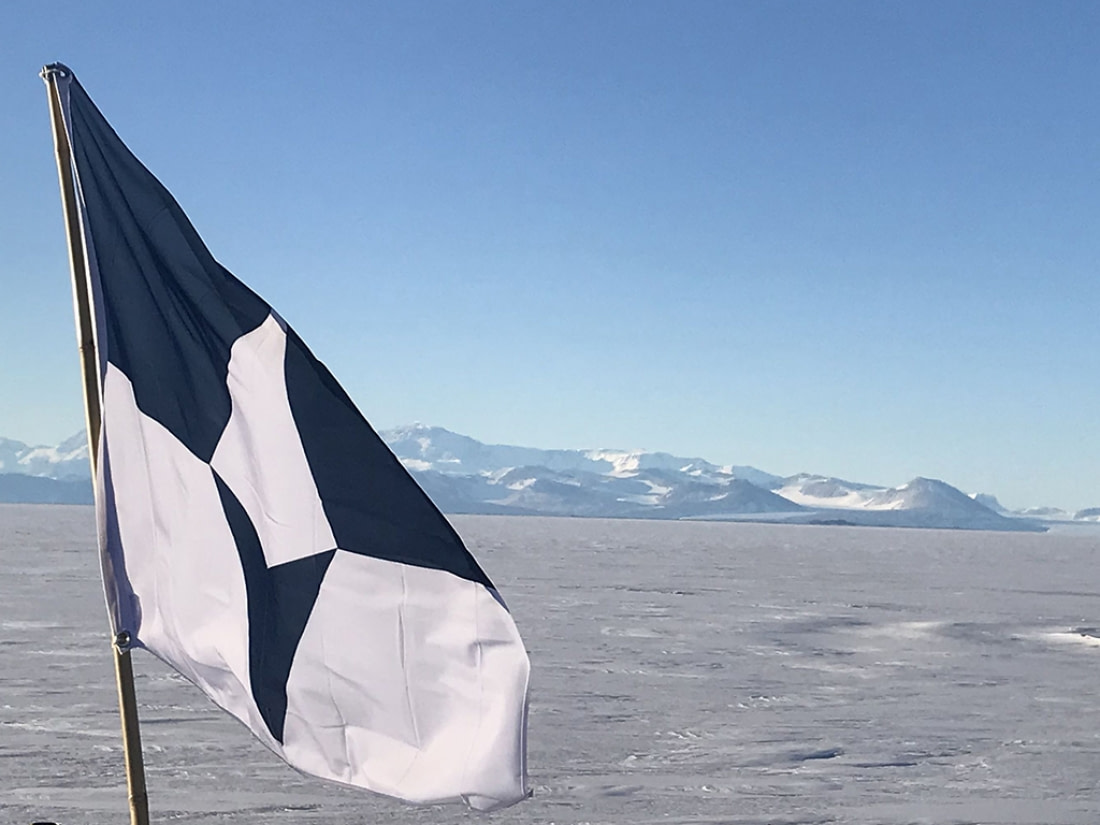
Through my work in international education, I’ve learned a lot about nation branding and how it can affect public perception and multilateral policies, so that helped with designing the True South flag. But regardless of my background, this has been a learning experience on a daily basis. I had never created a flag before True South, and I have never done outreach quite like this before.
Some might say, “Antarctica already has a flag. Why does it need a new one?” Have you encountered this reaction?
We have been lucky in that support for True South has been pretty widespread, but I understand why some people might react that way.
I have a lot of respect for the Antarctic flags that have come before ours, but I think one reason they haven’t been fully embraced is because their primary purpose is neutrality. They don’t really have a strong meaning, so there’s not much for people to connect to.
Where True South is different is that, rather than passively maintaining neutrality, it was created to actively build community and connection.
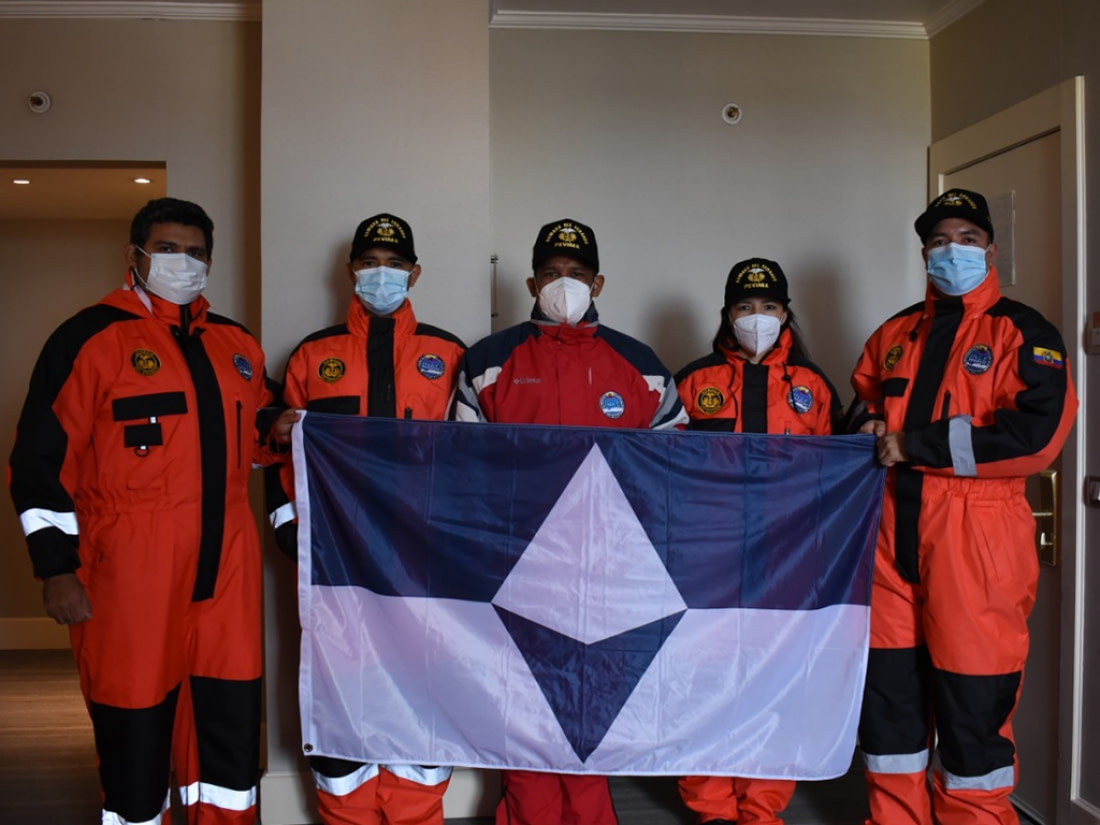
Ecuador National Antarctic Program
Also, our understanding of and relationship with the continent has changed a lot since those other flags were made, such as the 1995 flag that is the current Antarctica emoji. Political tensions may always surround Antarctica, but with every passing day, we understand more about the threats facing the continent.
We need a flag that can inspire people to talk about that subject, a flag that will rally a community that is not restricted to any specific locality or nationality but instead made up of people who care about Antarctica. That’s our goal with the True South flag.
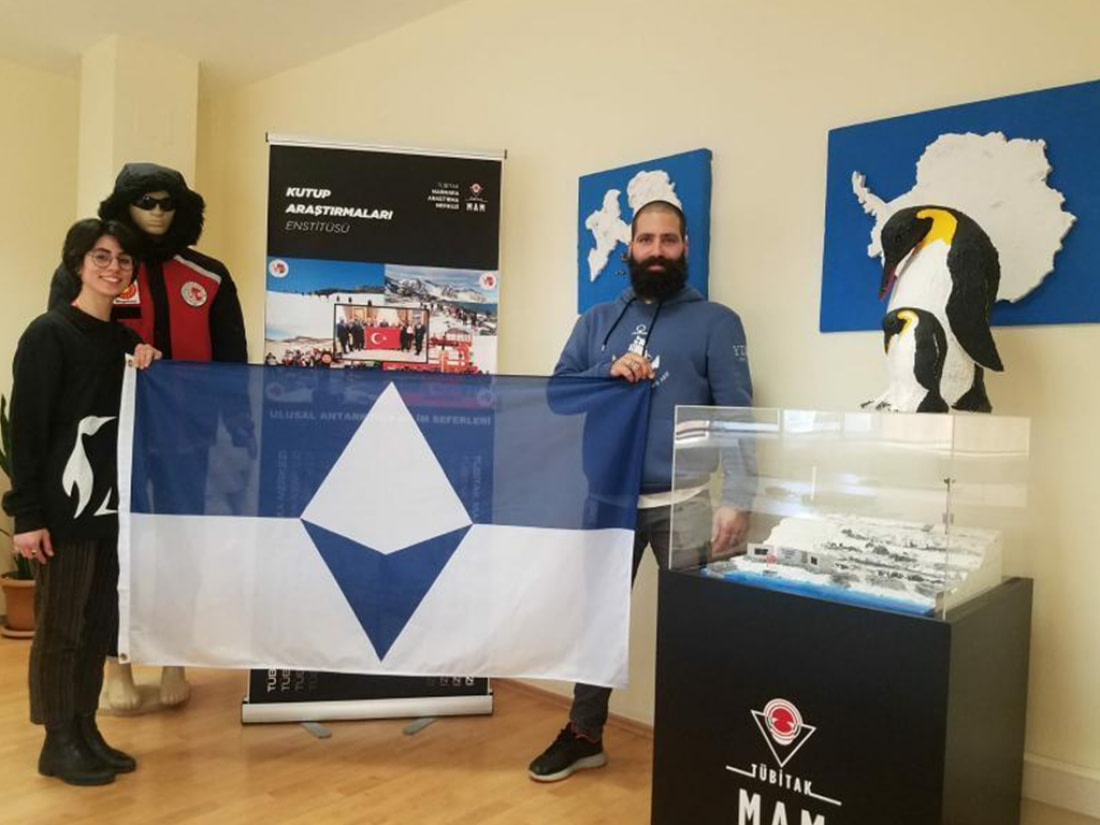
Turkish Polar Program
Where did your love for Antarctica begin?
Back in elementary school, we had an assignment where we had to do a research project on a particular country. I wanted to do Antarctica, and I was disappointed – but also a little fascinated – to find out it’s not really a country.
Then, after graduating college, I lived in Christchurch, New Zealand, which is a gateway city for American operations in Antarctica. I met a few people there who had been to Antarctica or were on their way there, and they told me about being a support contractor at one of the bases. That’s how I started doing seasonal work, which led to the creation of the flag.

How many organizations have adopted the flag so far, and what do you hope the future will hold for it?
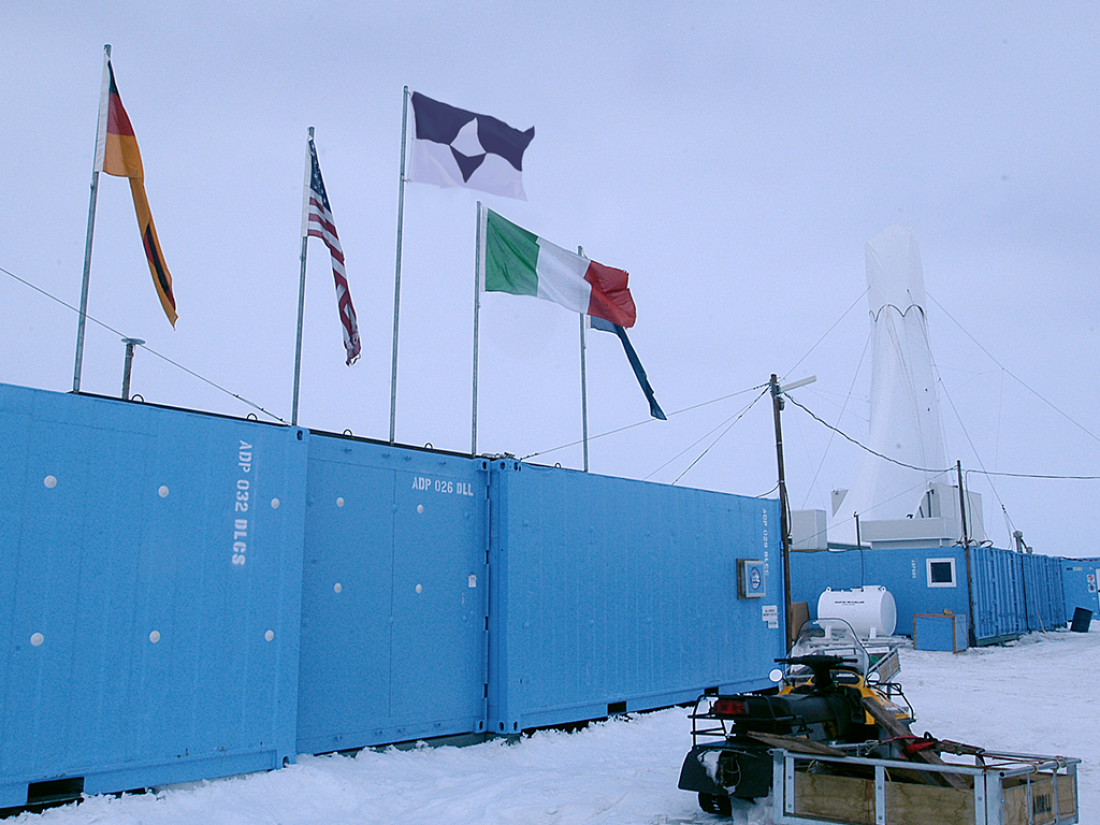
In addition to all the individuals who have adopted the flag, we have participation from nonprofits, businesses, and five National Antarctic Programs so far. The flag will be flying at 16 stations and counting, plus field camps, research vessels, islands, and trans-continental convoys.
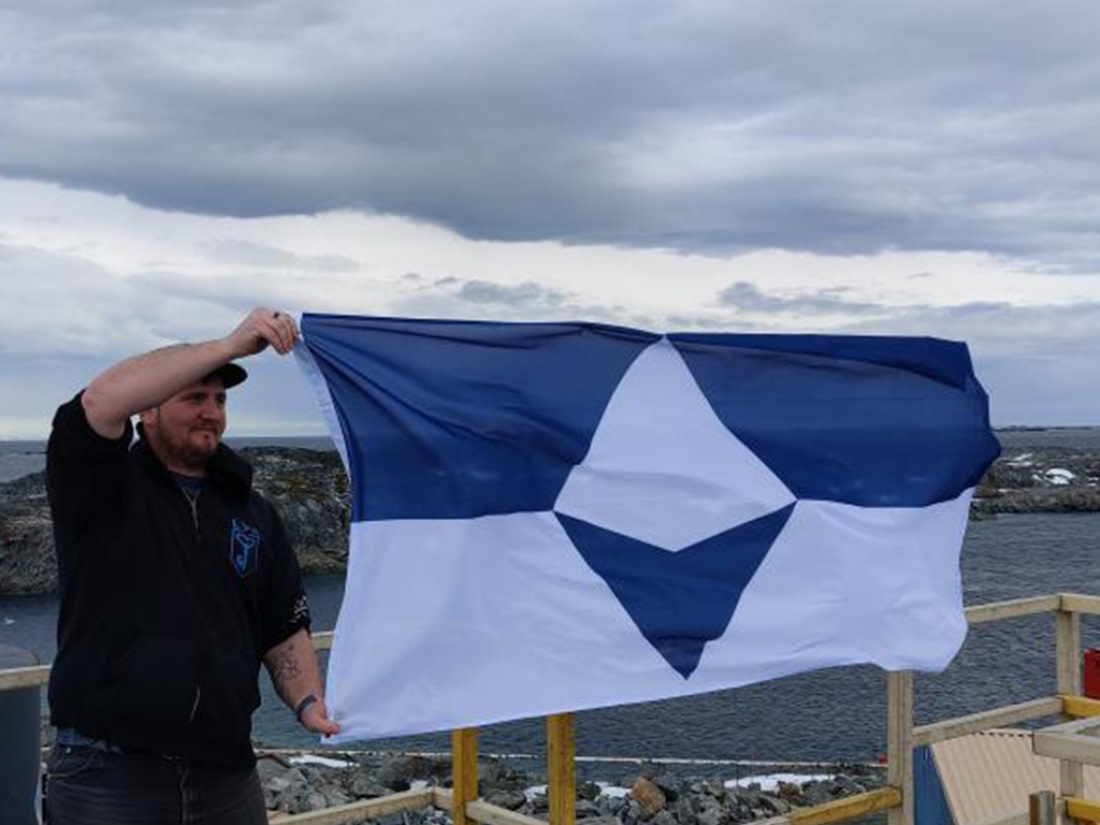
Palmer Station
We also have polar expedition teams that plan to fly the flag, including an all-female firefighter crew from the United Kingdom that is planning a 70-day overland trek across Antarctica. The amount of participation is especially amazing given how much COVID has severely limited polar operations. Most recently, the True South flag flew on all seven continents during Antarctic Day.
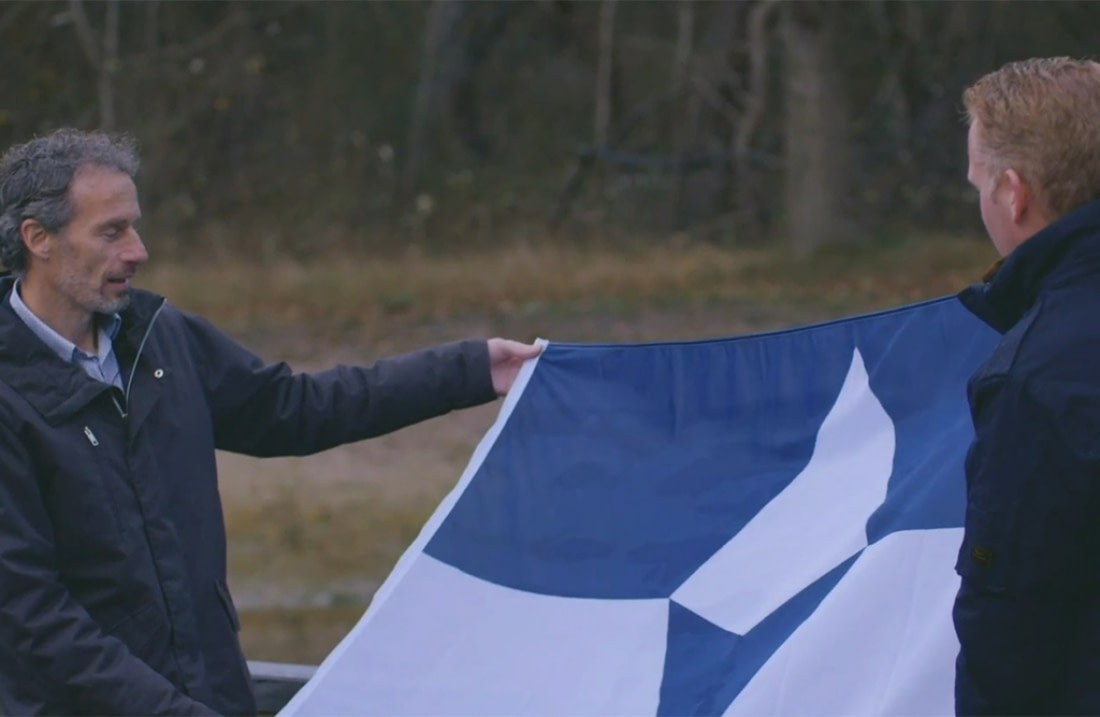
The Hague
So I think we’re approaching a tipping point in the life of the True South flag where it will gain the momentum it needs to continue beyond us. If one day the flag takes on a life of its own and I can step back from it, that would be ideal.
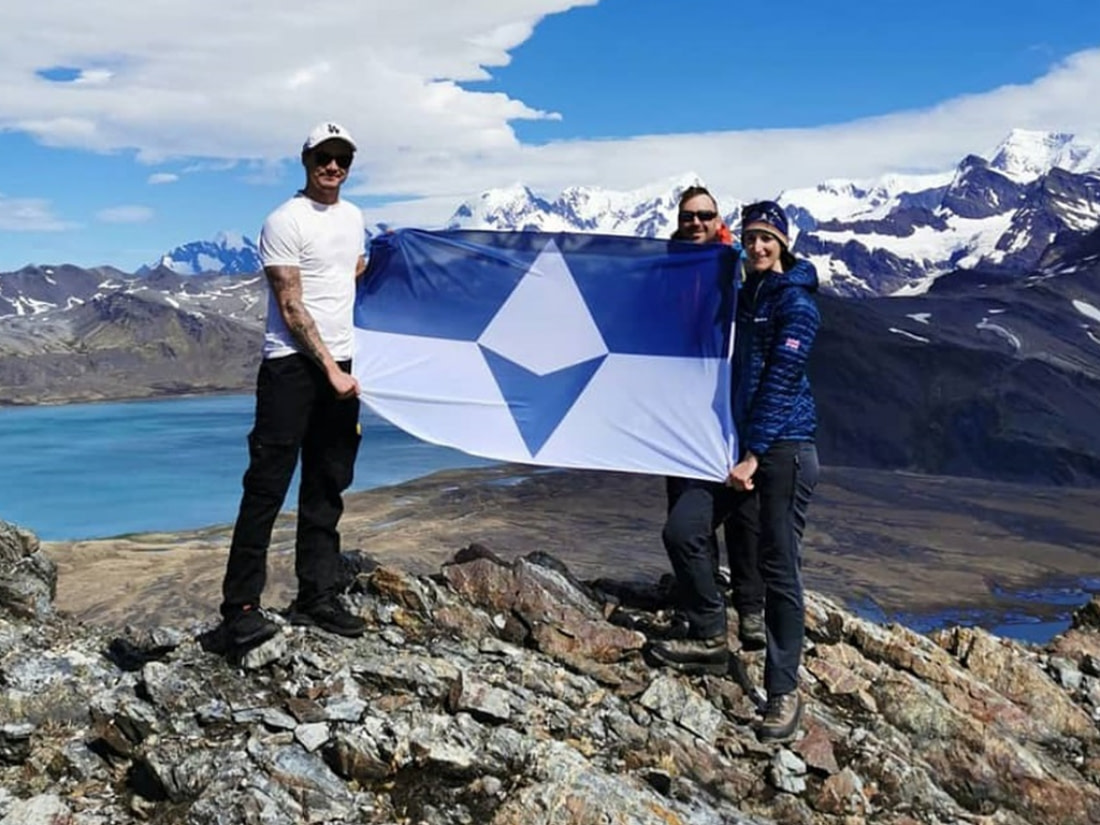
British Antarctic Survey
I feel really privileged just to be a part of it. Even if I’m not one of the Antarctic researchers studying ice cores or weather patterns, it’s great to be able to do something for the preservation of the continent’s ecosystem in my own way.
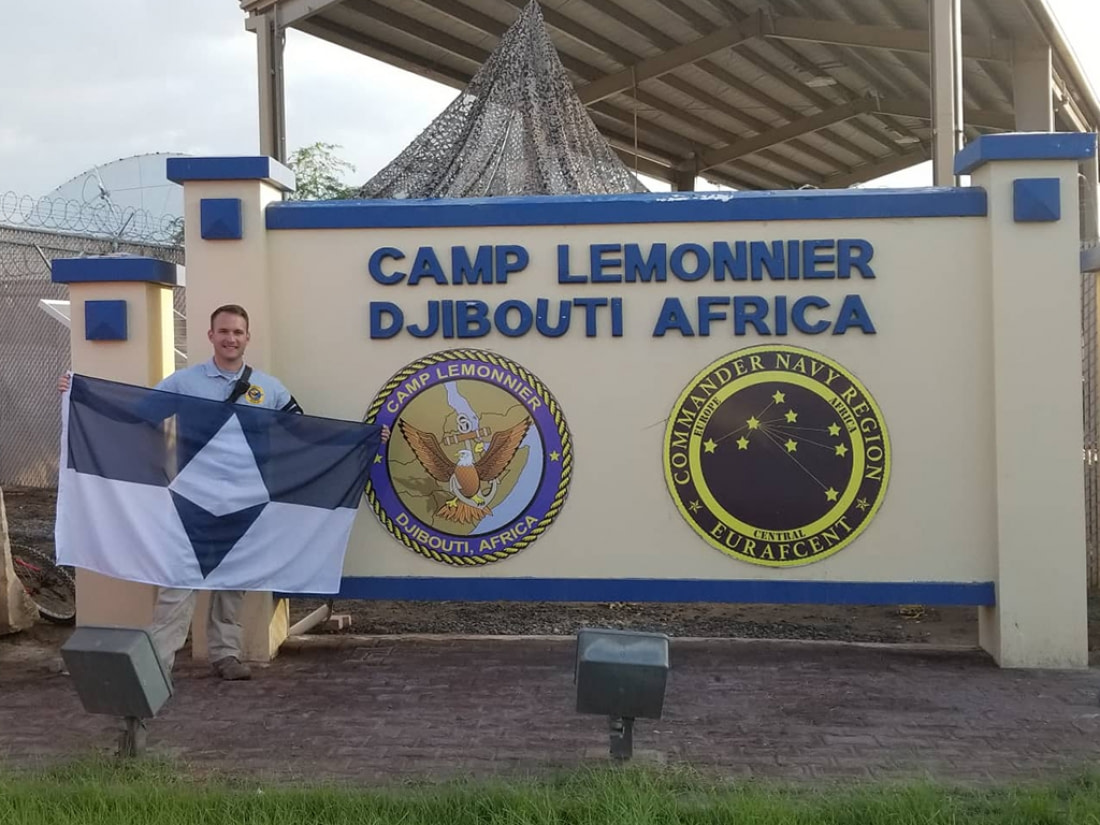
As someone who comes from a communication and education background, I think a lot about how we connect people to information that is useful to them. For example, how do we bridge the gap between the knowledge we have and the people who can use it?
My hope is that the True South flag is one of those ways.


Blog


The Emperor Penguin of the Drake Passage
Fierce and Feathered: the Skuas of Antarctica
The Wildlife of Antarctica’s Seas and Skies
Port Pastimes: 7 Fun Things to Do in Longyearbyen
Coming Back from the Brink: The Fur Seals of Antarctica
Solargraphy & Pin Hole photography in the Arctic

Eight Antarctic Misconceptions
The Eight Albatrosses of Antarctica and the Sub-Antarctic
The Small Mammals of the Arctic and Antarctica
The Ways and Wildlife of the Weddell Sea
Orcas of the Polar Seas
Six Must-See Svalbard Sites

Earth vs. Mars: Polar Regions Compared
Svalbard vs. the Canadian Arctic
Weddell Sea, Shackleton’s Endurance, and New Swabia
Why You Should Visit Greenland: 11 Things to See, Do, and Explore

The World Is Changing for Greenland's Native Inuit People
Birds of the South: 33 Antarctic Birds and Seabirds
Antarctica’s Hourglass Dolphin