

Stepping aboard this long-running expedition vessel, it’s easy to forget that she’s been making voyages to the polar regions since “Afternoon Delight” by Starland Vocal Band was on the Billboard Hot 100.
1976, if you’re wondering.
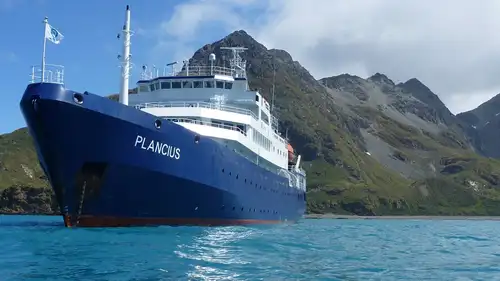
Originally built as an oceanographic research vessel by the Royal Dutch Navy, Plancius has been in the fleet since 2004. In 2009 she was so fully updated, renovated, and rebuilt that she barely shows a trace of her age. (But don’t ask her. She hates that.)

Every Northern and Southern Hemisphere summer, Plancius delivers polar travelers to some of the most scenic, wildlife-rich locations in the Arctic and Antarctica, respectively, embarking on nearly every route in our long list of polar itineraries.
But what’s it like to actually sail (and sleep) on Plancius?
We spent some time aboard this veteran ship on a voyage to Spitsbergen, one of Plancius’s prime haunts, and jotted down our impressions.
First impressions upon boarding Plancius
The first thing you’re stricken by while taking the Zodiac out to board Plancius is her size – and not that she’s large, but rather that she’s fairly modest in dimension. But when it comes to polar expedition cruises, smaller ship size is of chief importance.

A smaller vessel means enhanced ability to go places larger ships can’t, which means more access to all the great Antarctic and Arctic fjords, bays, and shorelines you came to see.
Not only that, smaller ships are nimble and can respond quickly to weather and wildlife opportunities as they occur. Because Plancius only accommodates 108 people, she’s a great example of the kind of vessel suited to polar travel.
Inside the Plancius lounge, restaurant, and bar
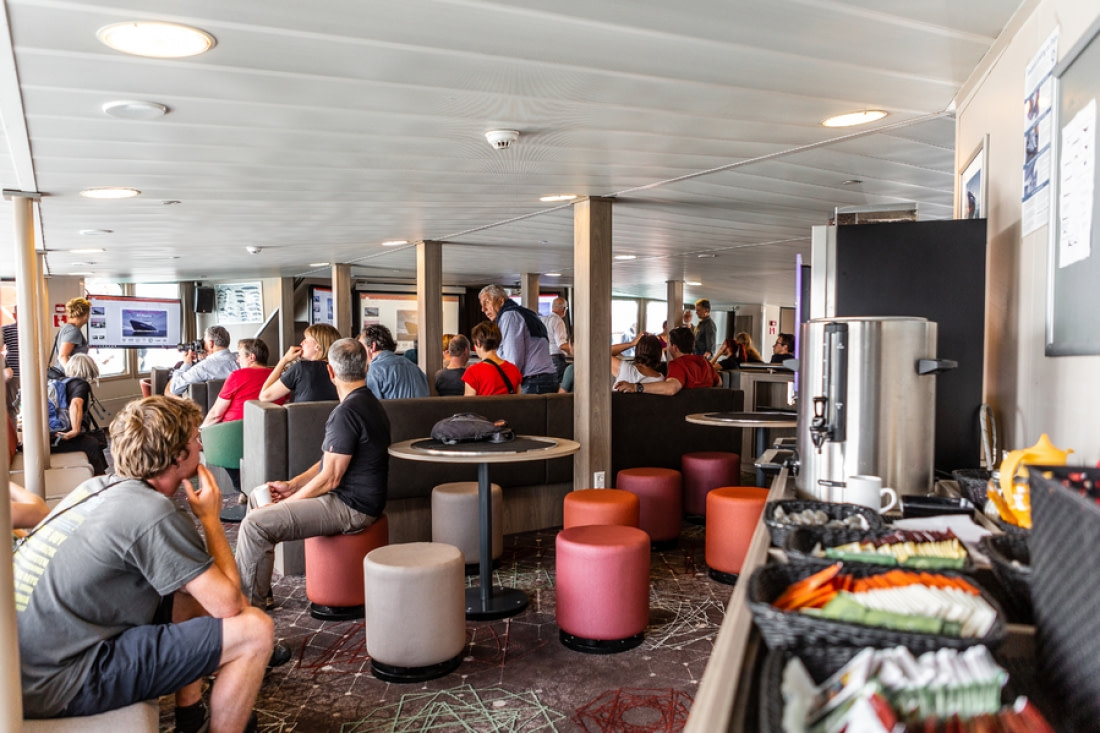
Stepping into the Plancius observation lounge on deck five, you’re greeted by a spacious, well-lit area surrounded by wide, thick-paned windows – perfect for taking in the rugged coastlines and glittering, berg-filled bays of Spitsbergen when it’s too cold or stormy to go outside.

The lounge is the main gathering place of Plancius, a comfortable yet stylishly designed area with plenty of couches for passengers to kick back in. This comes in handy during briefings and the many interesting presentations given by expedition guides.
There’s also a media room and library where you can peruse polar-related books, upload pictures to the trip log, and check your email if you pay for supplementary Wi-Fi.

The dining area on deck three is similarly sizable, with ample seating at circular tables, allowing you to meet other guests during mealtimes. As for the buffet, it’s as fit for vegetarians as meat-eaters, with a range of options that is impressive for a polar vessel.

You definitely won’t go hungry here.

Or thirsty. The well-stocked bar is the place to be in the evening, its popularity rivaled only by the nearby coffee machine during the earlier hours of the day.
Touring the many outer decks of Plancius
There are a few outer deck areas on Plancius, but the largest is the wide wraparound level of deck four. From here you can see everything around the ship while you sail quietly, the only sound the loose floes striking the ice-strengthened hull with dull, distant “clunks.”

We were actually lucky enough to spot two blue whales surface off the port side. A rare sight, they swam around the ship for about fifteen minutes until losing interest.

All the decks offer great vantage points for close-up views of whales or more distant wildlife, like the polar bear we saw sleeping out in the snow later on. And the layout on Plancius makes it easy to get from one deck to another, so you won’t waste time in transit if someone spots an animal.

Just make sure to bring some good grip-soled shoes that work well on slick surfaces, as sometimes the decks get slippery if it snows or rains.
Checking out a few of the Plancius cabins
Assuming you stay in a twin porthole cabin like we did, you’ll be very happy with the coziness, cleanliness, and quiet (as long as your roommate doesn’t snore) of this room.

But checking out some of the other cabins, we were impressed by the variety. All cabins have their own private showers and toilets, flatscreen TVs (not that you’ll use them much), at least one window, a hair dryer, desk and chair, and a lot of storage space.
The larger superior cabins even have a sofa bed, refrigerator, and a coffee and tea maker.

The crew and expedition guides on board Plancius
More than 40 staff and crew join you aboard Plancius, from the expedition guides to the hotel workers, making sure you want for nothing on the ship and off.

There’s also a general feeling of friendliness from the staff, all of whom know the vessel inside and out. In fact, many of them work on this ship regularly and have for years, so you feel very much in good hands.
Zodiac outings and Plancius landings
The gangway to board and disembark the Zodiacs is easy to descend and climb, with non-slip steps for safe passage even in inclement weather.

Also, the loading process itself is swift and efficient. You’re helped into the Zodiacs by the guides, who give you interesting info about the surroundings as they pilot you to and from the landings – or simply boat you around the icebergs.
Though nobody can guarantee you’ll see the wildlife you want to see, Plancius is a great ship for getting up close to the best animal hotspots.

On top of that, she’s so unobtrusive and quiet that you can hardly imagine any wildlife being disturbed by her, particularly when she’s gliding slowly through the ice or anchored in one of the near-limitless fjords and bays here.
Last but not least, going to sleep on Plancius
When it’s finally time to bed down for the evening, there’s no question you’ll be pleased by the quiet and comfort of this ship.
We can only barely hear a low, peaceful hum from far below that nicely compliments the gentle rocking of the sea. This is made even more lullaby-like by the knowledge that tomorrow we’ll wake up in a different polar landscape with new polar experiences to enjoy.
And judging from the dinner tonight, breakfast won’t be half bad either.


Blog


Navigating by touch through the sea ice
Puffins: Clown Birds of the Atlantic
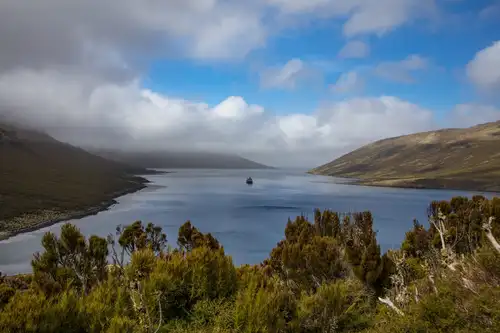
Visiting the Nearly Unknown: New Zealand’s Campbell Island
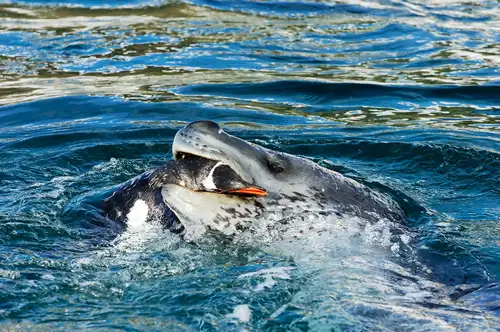
Danger Beneath the Water: 10 Facts About Leopard Seals

Six Facts About the Crabeater Seals of Antarctica

Eight Antarctic Misconceptions
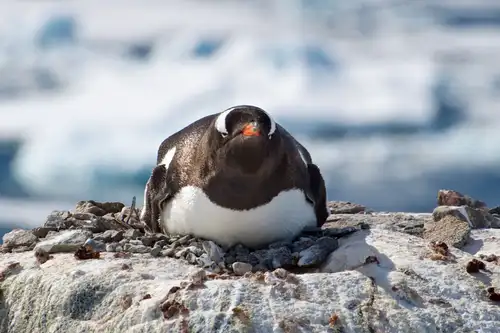
Life in a Penguin Colony
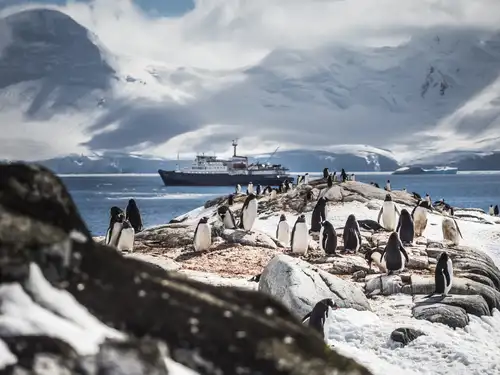
Top 10 Antarctic Attractions
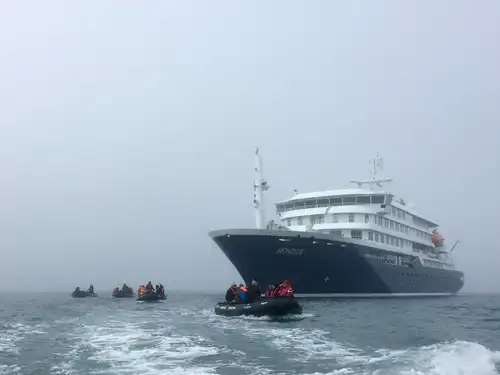
Highlights from the First Arctic Voyage of Hondius
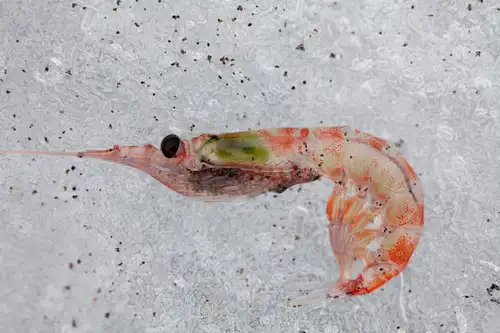
Antarctic krill: Antarctica's Superfood
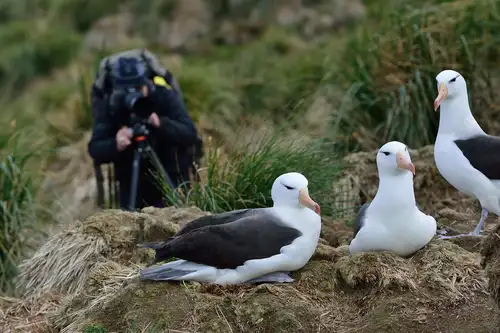
15 Falkland Islands Bird Photos
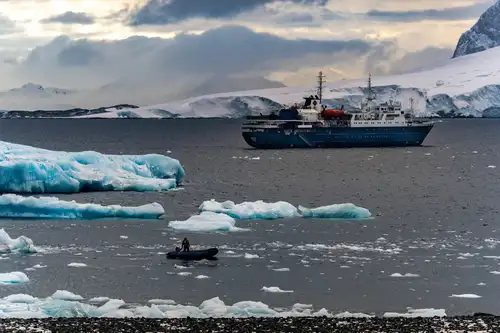
The Seasons of Antarctica: When to Visit and Why
Antarctica’s first Marine Protected Area
A Day on m/v Plancius
What the ice reveals about Antarctica
Gough Island: Seabird Capital of the South Atlantic

Around Spitsbergen vs. North Spitsbergen

Shackleton’s Push to the South Pole
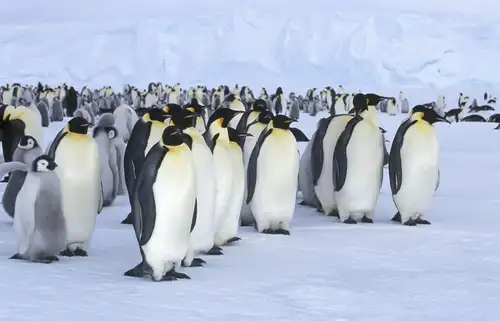
Imperial Antarctica: the Snow Hill Emperor Penguins