




As enthusiasts of wildlife travel, we believe every creature has something valuable to impart - from the grand blue whale to the tiny cephalopod, the formidable polar bear to the elusive Arctic fox.
But if you're seeking the most profound wisdom, look no further than our favorite flightless philosopher: the penguin.
Here are 22 priceless lessons we've gleaned from this wise species, each one proving that what the penguin lacks in flight, it more than makes up for in sagacity.
1. Show up on time, especially to ship launches

2. Let sleeping seals lie - unless they look too darn smug

3. Take time to contemplate life's deeper questions

4. But never miss a chance to play in the shallows

5. Sometimes you have to go along to get along

6. At other times, you have to walk your own path

7. Sometimes you have to stand your ground

8. And other times, it's best to find a peaceful agreement

9. Don't lose yourself in the crowd

10. Let your loved ones know you love them

11. Learn from others whenever possible

12. But don't listen to the naysayers

13. Remember to get your rest

14. Seriously, rest is very important

15. Without rest, you're nothing but a lump

16. Find friends you can be yourself around

17. But be open to others who are not like you

18. Waste not, want not

19. Learn and become who you are

20. Take pride in your true self

21. Live each day like you mean it

22. Then rest up for tomorrow



Blog


Blog
The Ways and Wildlife of the Weddell Sea
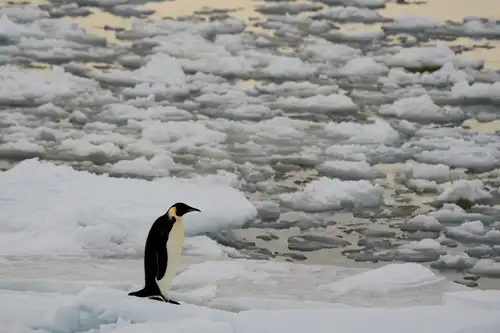
The Weddell Sea is situated off the coast of Antarctica, at the southernmost part of the Atlantic Ocean. Its coordinates are 75 degrees south and 47 degrees west, encompassing the Argentine, Chilean, and British territories of Antarctica. The severe weather and extensive pack ice have historically made the Weddell Sea challenging to access, but modern icebreaker ships are now enabling explorers to venture into this remote area.

Blog
The First Overwintering Hut in Antarctica
In 1899, Carsten Borchgrevink and his nine crewmen became the first to spend the winter in a hut in Antarctica. (Technically, the Belgian Antarctic Expedition of 1897-1899 was the first to overwinter there, though this was done on their vessel after it was caught in ice.) Borchgrevink and his men spent the dark winter months isolated in a dirty hut, surrounded by equipment and sled dogs fighting each other outside.
Blog
Science of the Ross Ice Shelf
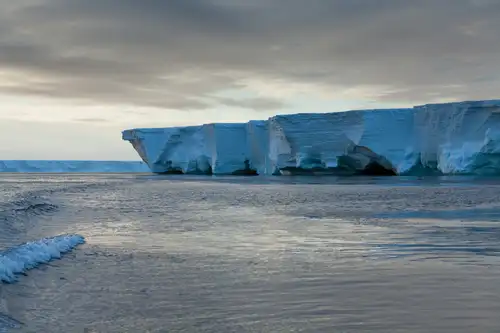
Antarcticaâs Ross Ice Shelf is vast, spanning 487,000 sq. km â comparable to the size of France â with a thickness that varies from a few hundred meters near the sea to over 1,200 meters away from the floating edge. The edge along the Ross Sea forms a towering ice wall, rising up to 50 meters above the water, with most of the ice submerged below the waterline.
Blog
12 Tips to Help Keep Birds Safe During an Antarctic Cruise
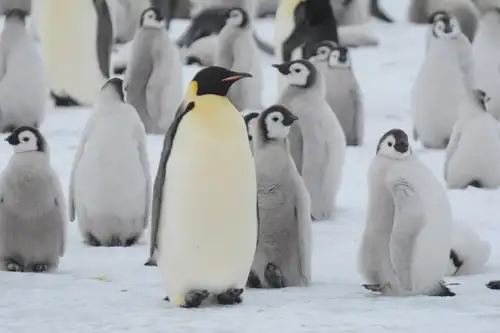
One of the most incredible experiences on an Antarctic cruise is observing the numerous penguins in their natural environment. Naturally, passengers often worry about the potential of disturbing the penguins and other Antarctic birds, which could disrupt their breeding and nesting patterns.
Blog
Diving in Antarctica: The Ultimate Underwater Experience
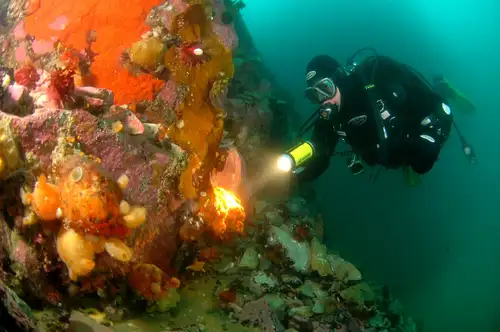
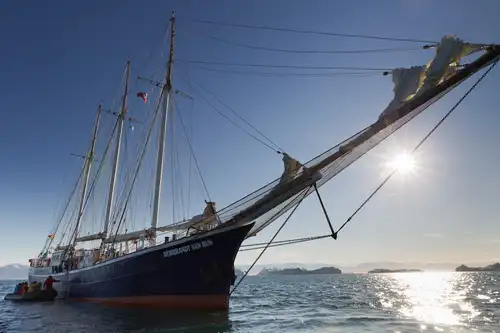
Ice diving offers an extraordinary experience on an Antarctica diving trip. The dive sites are teeming with a unique array of colorful marine life, including penguins and leopard seals, which are exclusive to this region.
Blog
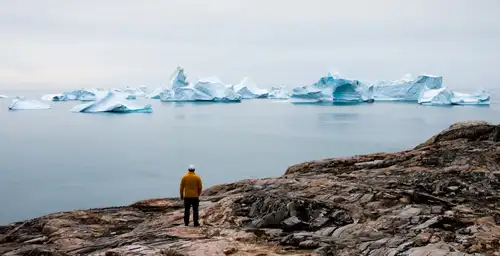
Ancient Arctic Exploration
When it comes to polar exploration, the Arctic boasts a much longer history compared to Antarctica.
Blog
Tracking Greenland’s Wildlife from Space
Despite Greenlandâs harsh environment, life has found a way to thrive there. If youâre lucky enough to embark on a Greenland cruise, you stand the chance of encountering many species of cold-adapted mammals, birds, and fish.
Blog
Deep Sea Dwellers: 10 Facts about The Antarctic Giant Isopod
On average, the Giant Antarctic Isopod grows to 9cm (3.5in.) in length. This may not seem very large, but factors including low light levels, freezing cold water, and a lack of oxygen prevent these isopods from growing very large. Other species of isopods, including the Giant Isopod, have been known to grow up to 40 cm (16 inches) in length!
Blog
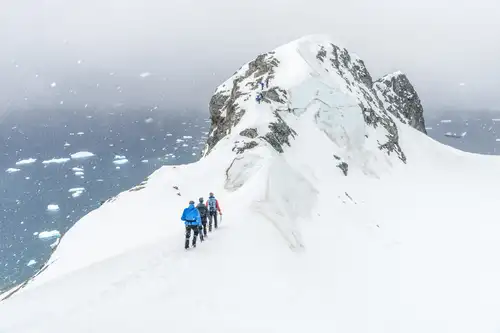
The Ins, Outs, and Ups of Polar Mountaineering & Ski Mountaineering
Traveling to the polar regions, whether to the Arctic or Antarctica, is an adventure almost no matter what you do.
Blog
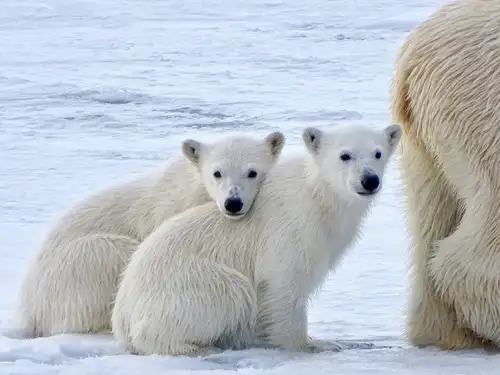
Where the Polar Bears Roam
Going to the Arctic without clapping eyes on a wild polar bear can be reasonably compared to visiting Africa without seeing a giraffe or a zebra or, most analogously, a lion.
Blog
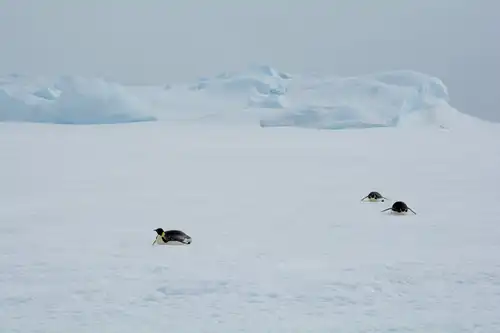
Encounter with the emperor penguin in Antarctica
Dutch journalist Gemma Venhuizen embarked on the MV Ortelius during the Weddell Sea cruise 'In search of the emperor penguins'. She had several encounters with this majestic penguin species - both from the sea and from the air.

Blog
Arctic Mythology: Inuit, Saami, and the Ancient Greeks
The Arctic locations we visit arenât merely made up of phenomenal landscapes, exotic wildlife, and more adventure than a Hardy Boys novel.
Blog
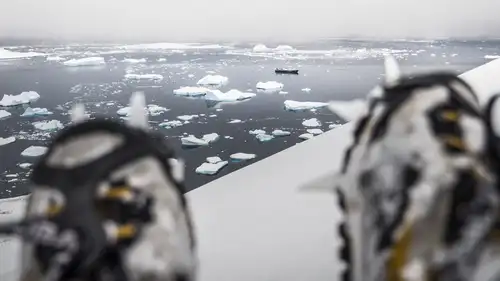
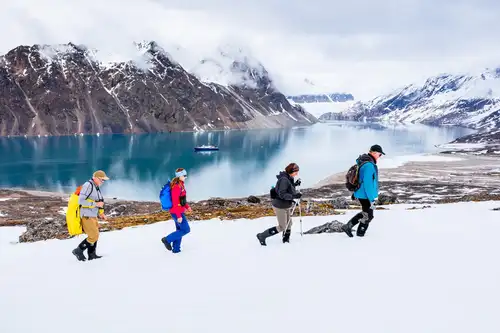
Arctic and Antarctic Basecamp Cruises – Choose Your Own Adventure
Thereâs an astonishing variety of activities to choose from when planning an Arctic trip or Antarctic cruise, which can be a bit overwhelming. How do you choose just one voyage over another when you want to experience everything? Happily, you donât have to give up one activity for another. Basecamp cruises have you covered.
Blog
Around Spitsbergen vs. North Spitsbergen
Svalbard, particularly Spitsbergen, was the first polar expedition cruise destination. It's no surprise that there are numerous trip programs available in this region. Among the most unique are the Around Spitsbergen and North Spitsbergen cruises.
Blog
The Return to Franz Josef Land
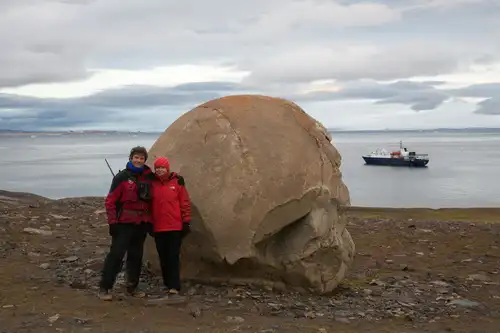
As the possibility of international travel slowly returns, we are eagerly awaiting all the great locations, activities, and wildlife we might experience in the coming season. One of the things weâre most excited about is the return of our Franz Josef Land voyages.
Blog
Puffins: Clown Birds of the Atlantic
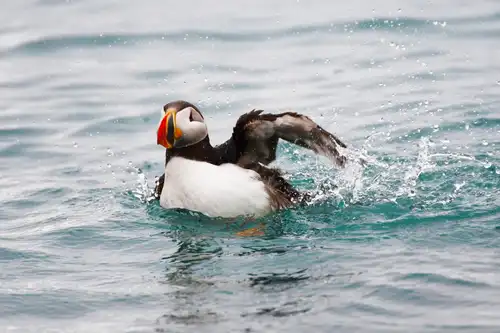
Puffins are part of a family of 22 seabird species known as auks, which are pigeon-sized birds that thrive on a diet of small fish and crustaceans.
Blog
A Day of Whale Watching in Antarctica
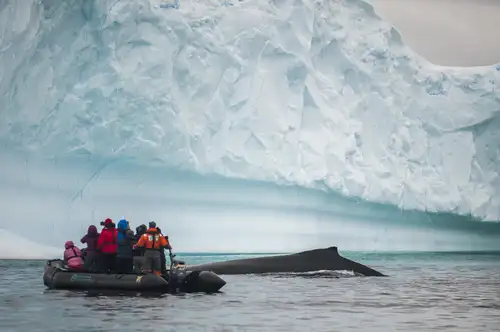
This morning we awoke early to enjoy the first light in Wilhelmina Bay, with the snow and cloud blanketing the surrounding mountains. As dawn broke, we could see the blows of humpback whales scattered throughout the bay. Some of the whales were closer to the ship and we spotted their small dorsal fins and occasionally their white patterned tails. It was a terrific start to our first full day in Antarctica.
Blog
Greenland: East vs. West
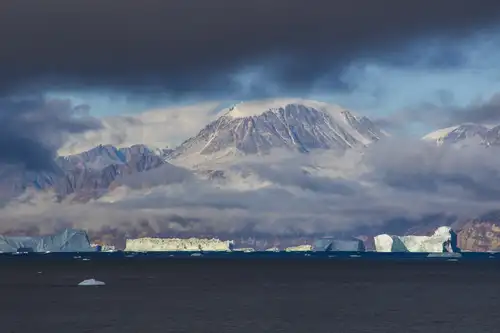
East and West Greenland offer vastly different experiences due to their unique climates, wildlife, habitation, and geology.
Blog
All things ice in the Antarctic
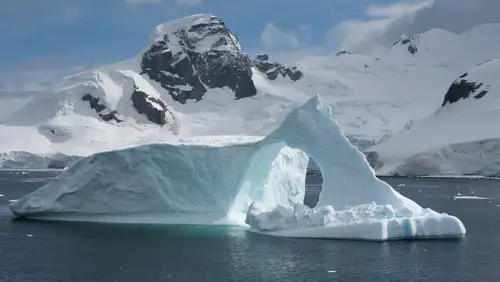
The first documented sighting of an iceberg in Antarctica occurred on February 1, 1700, when Edmond Halley was on an expedition to measure the Earth's magnetic field. He noted in his diary that he encountered "great Islands of Ice, of Soe Incredible a hight and Magnitude that I scare dare to write my thoughts on it."
Blog
10 Common Misconceptions About the Arctic
The Arctic is a vast region. Truly immense.