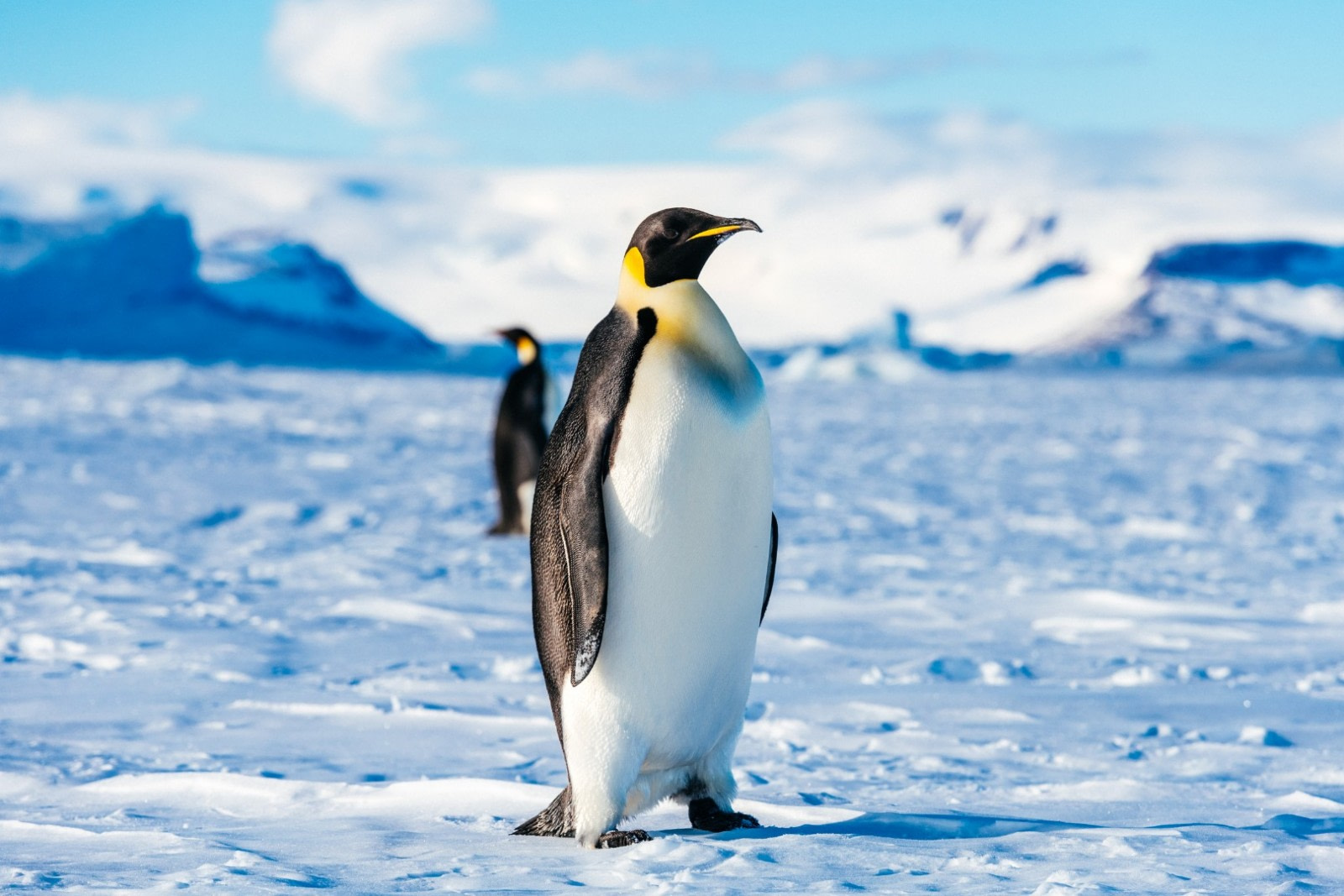
Penguins Petrels And Prions Top Antarctica Bird Tour Spots - Nexta Expeditions
Penguins, Petrels, and Prions: Top Antarctica Bird Tour Spots

Penguins, Petrels, and Prions: Top Antarctica Bird Tour Spots

If anyone tells you Antarctica is for the birds, they’re right.

But only if they mean it literally, because birdwatchers and polar enthusiasts are well aware that Antarctica is one of the best birding hotspots on the planet.

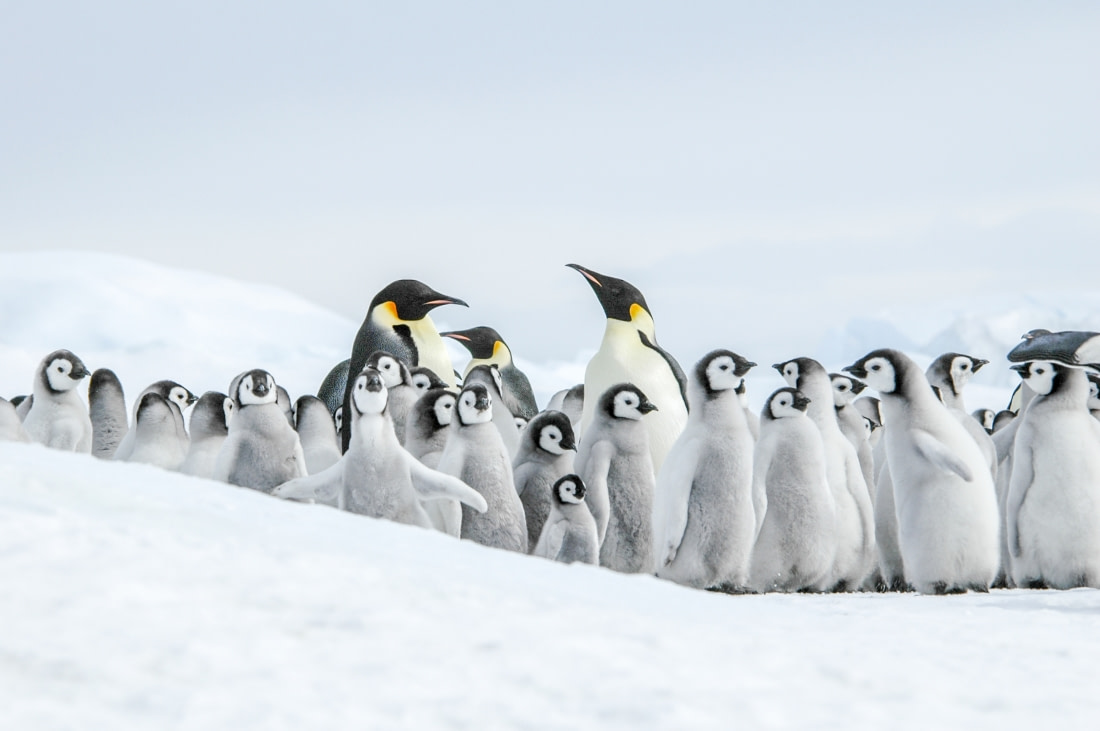
Not only is Antarctica the only place you can see the eight polar penguin species, it’s also where some of the most beloved flying (and in some cases, very far-flying) seabirds can be found, which we’ve discussed in great detail in our Birds of the South entry.

But what Antarctic locations give you best odds of spotting these winged beauties? Well, straighten your tripods and spit-shine your lenses, because we’re about to tell you.
blog-image

The Drake Passage

Some of your best bird-spotting opportunities will take place before you even get to Antarctica.

After embarking from Ushuaia and entering the Drake Passage, you’ll pass what is known as the Antarctic Convergence, a natural boundary formed by north-flowing cold waters colliding with warmer sub-Antarctic waters.

This puts you in the circum-Antarctic upwelling zone, where the marine life and bird life undergoes a shift.

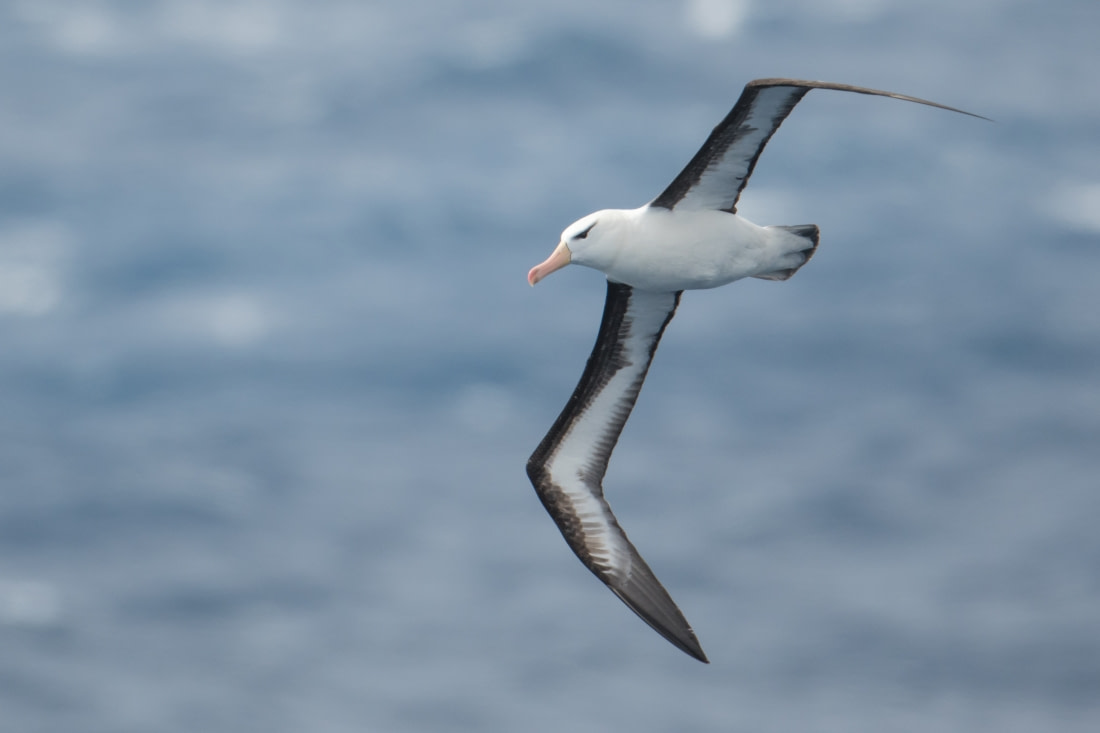
In this nutrient-rich area, you may see wandering albatrosses, grey-headed albatrosses, black-browed albatrosses, light-mantled sooty albatrosses, cape pigeons, southern fulmars, Wilson’s storm petrels, blue petrels, and Antarctic petrels, to name a few.
blog-image

Danco Island

This starkly beautiful Antarctic island offers you the chance to see nesting gentoo penguins, to say nothing of the Weddell and crabeater seals to be found nearby.

blog-image

Port Lockroy & Jougla Point

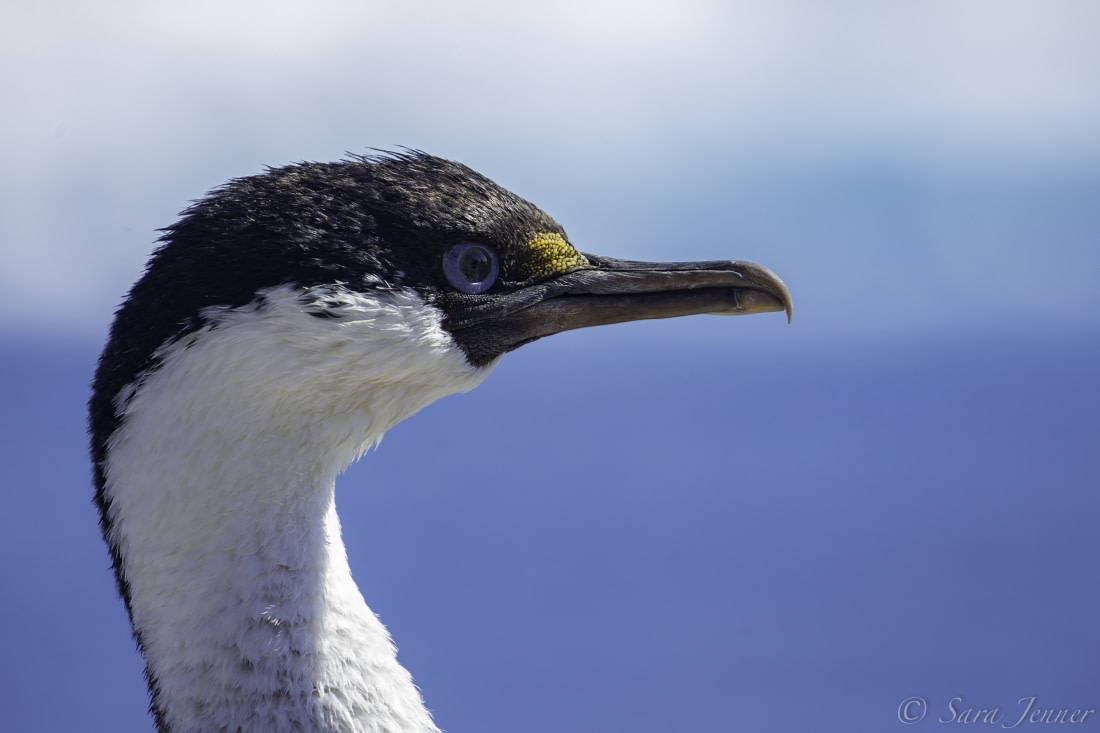
After sailing through Neumayer Channel, you may get a chance to visit this former British research station, now a museum and post office, as well as Jougla Point. Here you have good odds of seeing gentoo penguins and blue-eyed shags.
blog-image

Half Moon Island

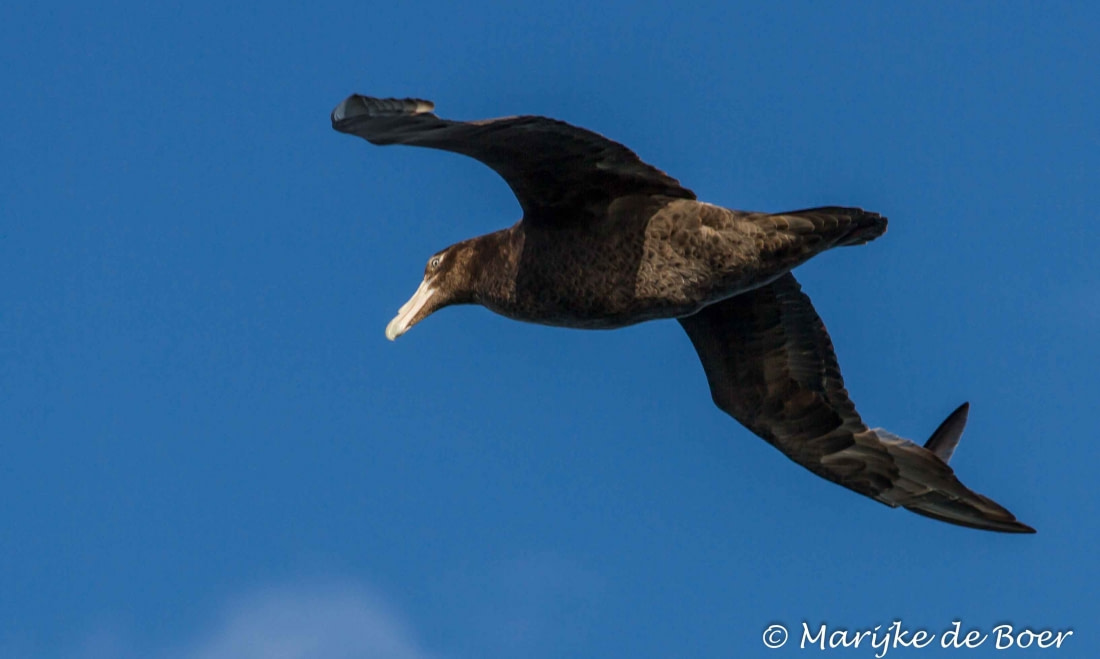
You may see chinstrap penguins (and Weddell seals) near Cámara Base, an Argentine scientific research station located on Half Moon Island.
blog-image

Cuverville Island

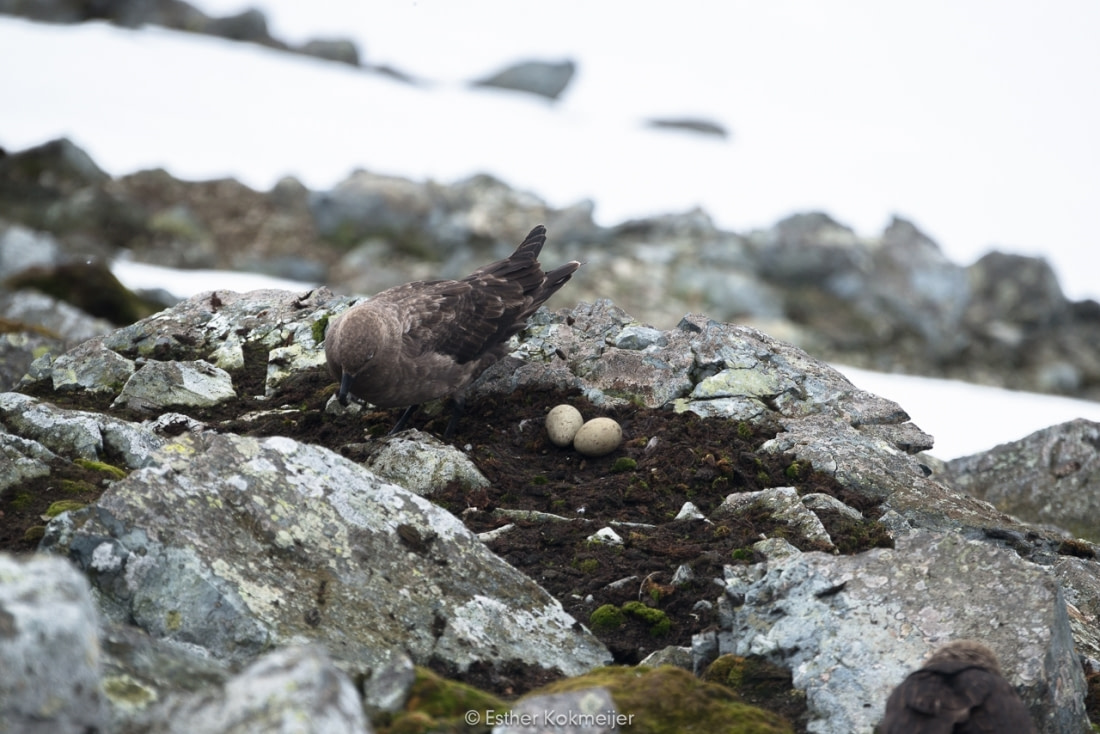
This small, precipitous island between the mountains of the Antarctic Peninsula and Rongé Island houses a large colony of gentoo penguins as well as breeding brown skuas.
blog-image

Petermann & Pléneau Islands

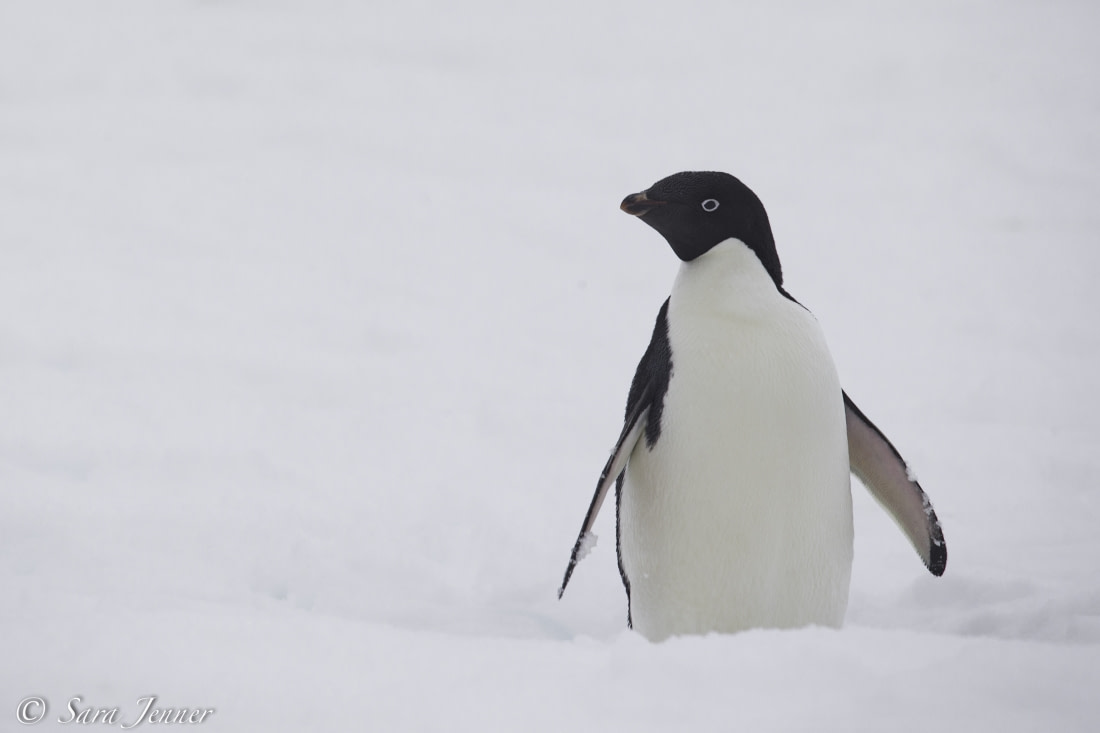
These Antarctic islands, located in the Penola Strait just south of the Lemaire Channel, provide a great variety of birdlife, such as gentoo penguins. As for non-bird wildlife, leopard seals, crabeater seals, minke whales, and humpbacks may also be seen here.
blog-image

Deception Island

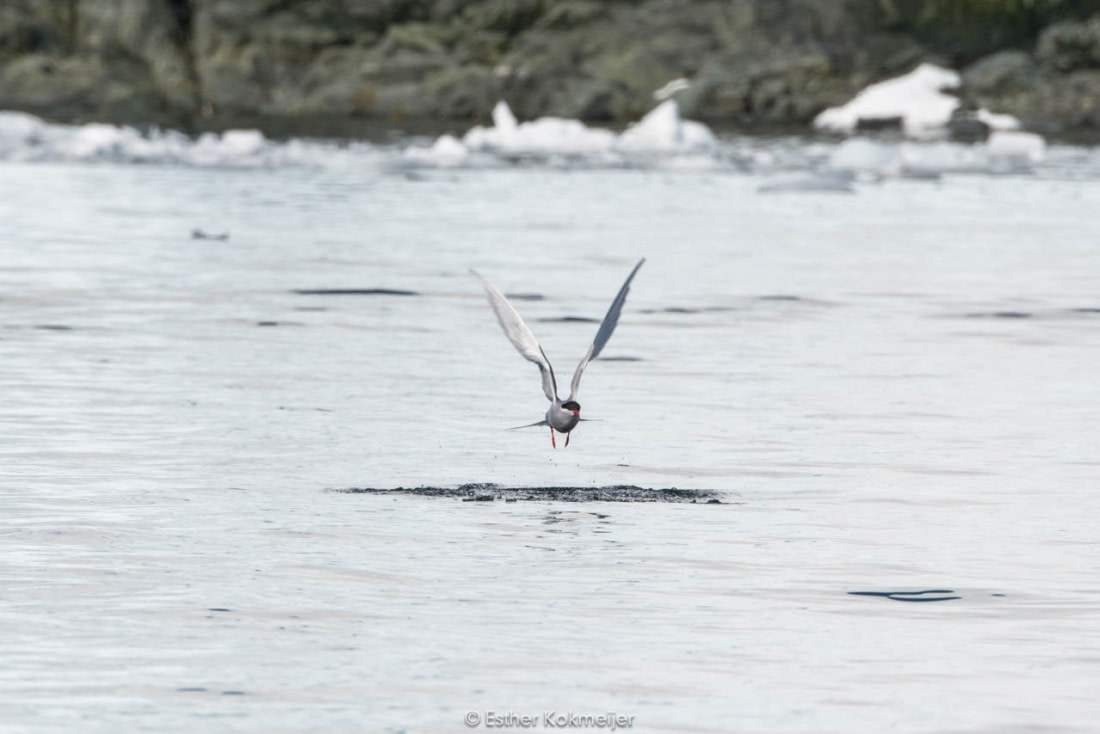
Actually a subducted crater, this island in the South Shetlands opens into the sea and creates a natural harbor for the ship. Multiple bird species can be spotted here, such as cape petrels, kelp gulls, brown and south polar skuas, and Antarctic terns.

Wilson’s storm petrels and black-bellied storm petrels also nest in the ruins of the whaling station in Whalers Bay.
blog-image

Fish Islands

You can encounter one of the Antarctic Peninsula’s southernmost Adélie penguin and blue-eyed shag colonies in the Fish Islands.

blog-image

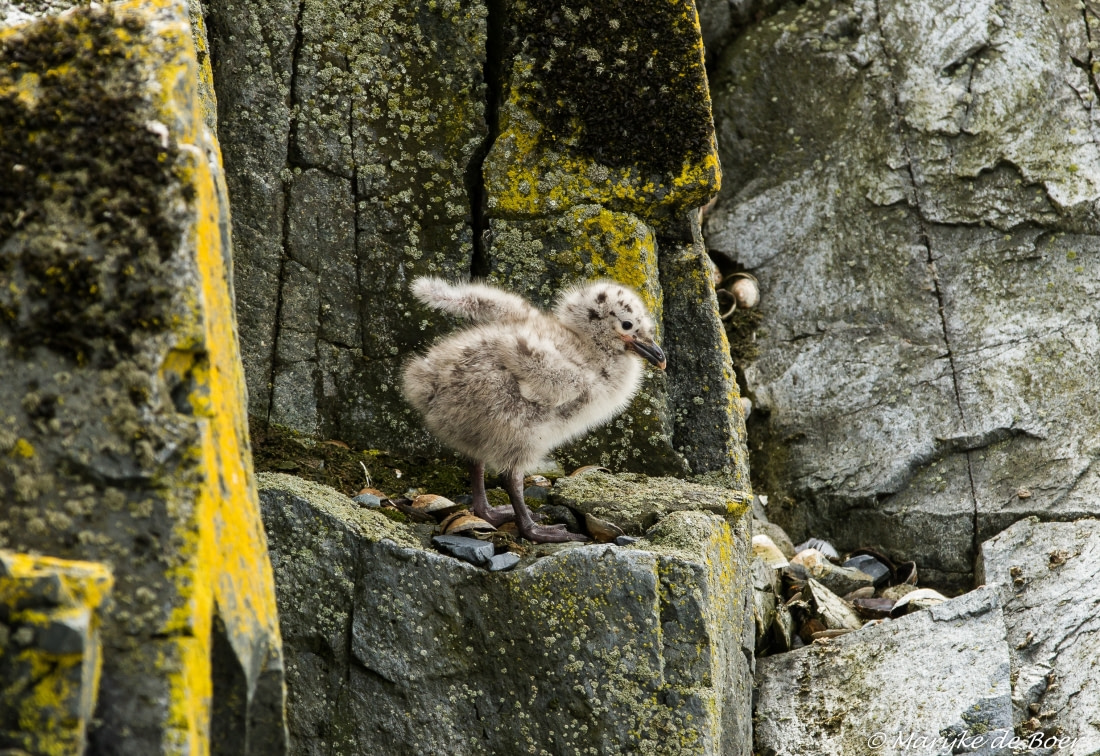
Antarctic Sound

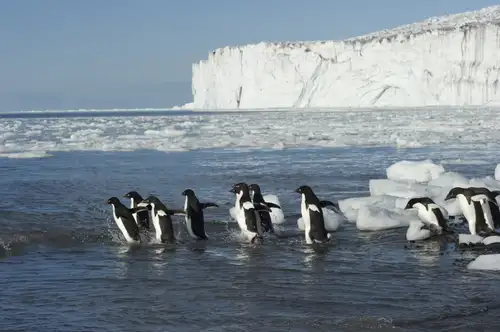
There are sometimes emperors and Adélie penguins on the ice floes here, as well as kelp gulls, skuas, and various breeds of petrel. The area is also very scenic in terms of landscape, with jagged mountain peaks and enormous walls of ice lying shattered on their slopes.
blog-image

Brown Bluff

Located in the Antarctic Sound, Brown Bluff is perhaps the most scenic location in the entire northern tip of the Antarctic Continent: sheer canyon walls, fallen boulders, beautiful volcanic creations capped with ice.

Added to which, a large Adélie penguin rookery lives here, with gentoo penguins and nesting snow petrels also to be found.

blog-image

Gourdin Island

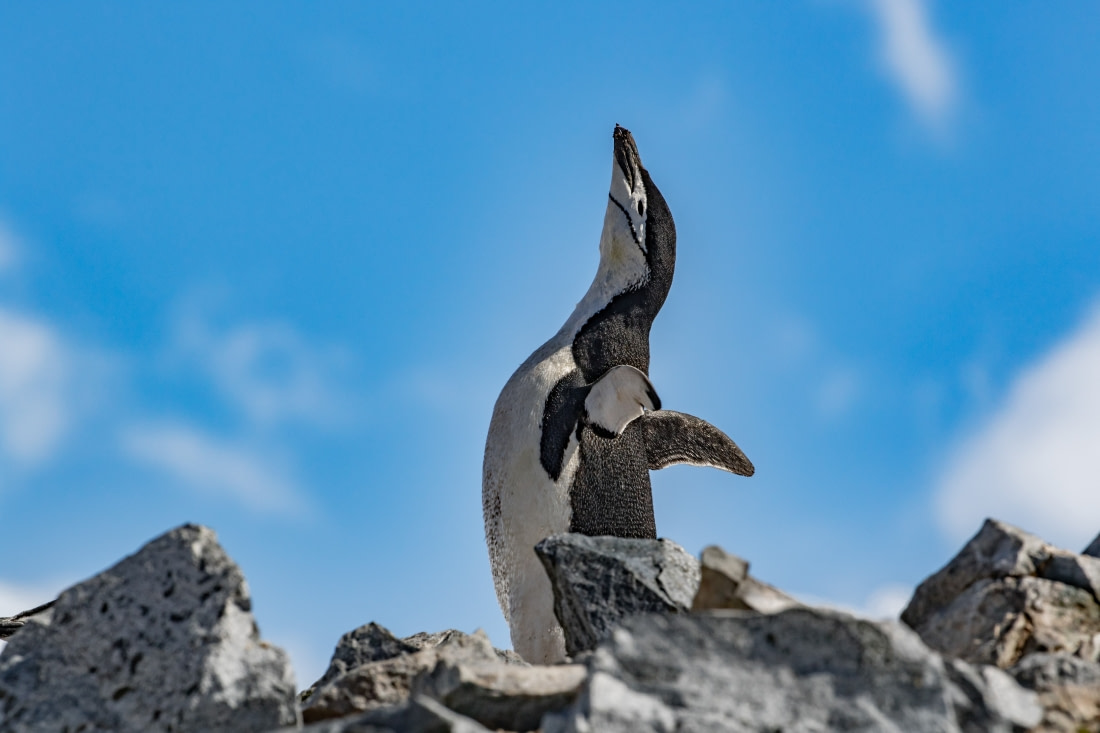
Chinstraps, gentoos, and Adélie penguins are a few of the seabirds that love this island, which is found just around the corner from the northwestern entrance to Antarctic Sound.
blog-image

Devil Island

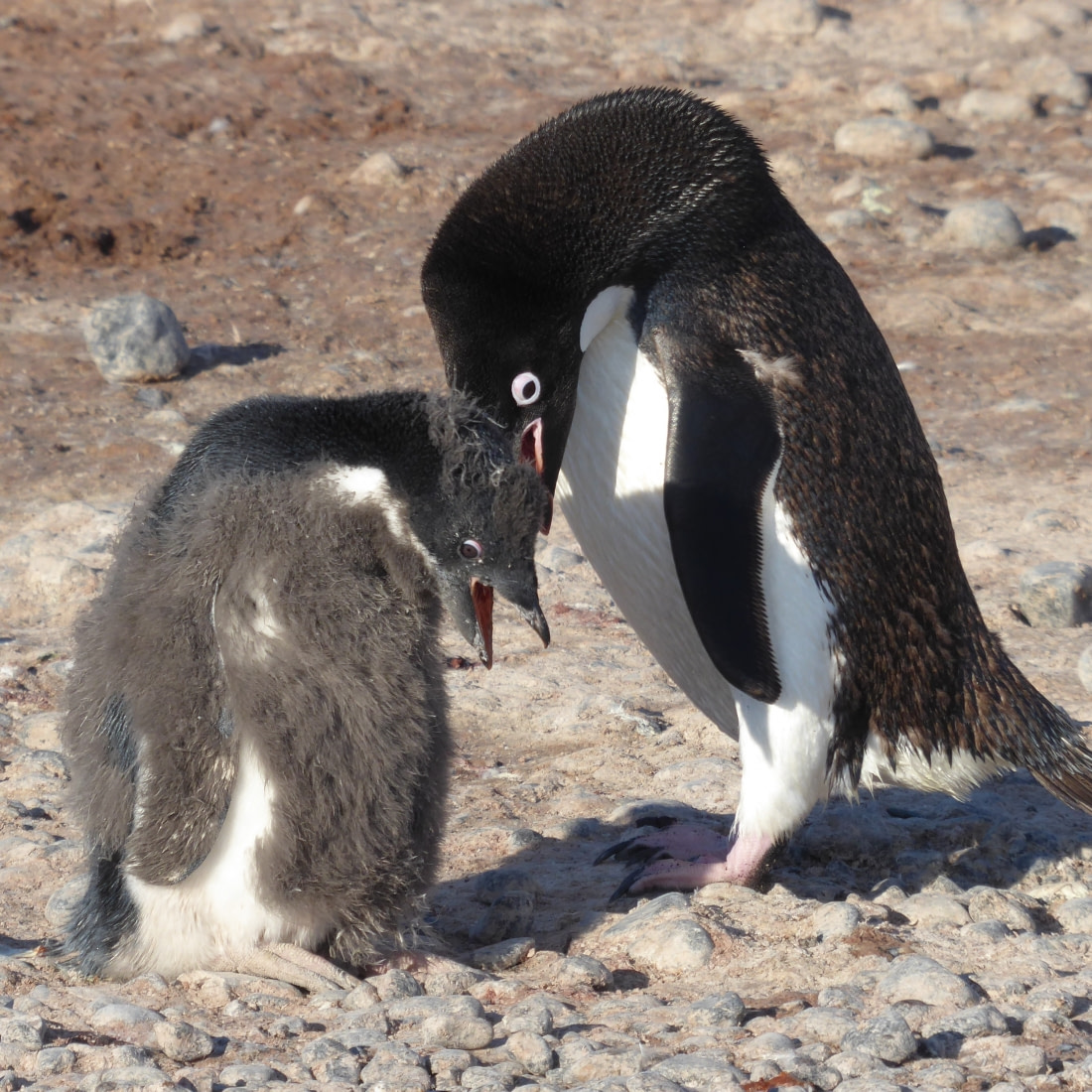
Home to a large colony of Adélie penguins, Devil Island offers a magnificent vantage point for hikers willing to foot it to the top of the hill. Melting ice sometimes forms a waterfall dropping from the cliffs close to Cape Well-met.
blog-image

Snow Hill Island (rare)

Helicopters allow us to reach the famed emperor penguin colony found here, but nature makes the rules in Antarctica: If conditions aren’t favorable, we can’t take the risk of flying.

If they are, however, you’ll spend about two days at this coveted penguin rookery.

The helicopter operation takes a full day, and the flight duration is approximately 15 minutes. Each helicopter can accommodate 4 – 6 passengers per flight, and the landing site is carefully chosen so that the penguins are not disturbed.

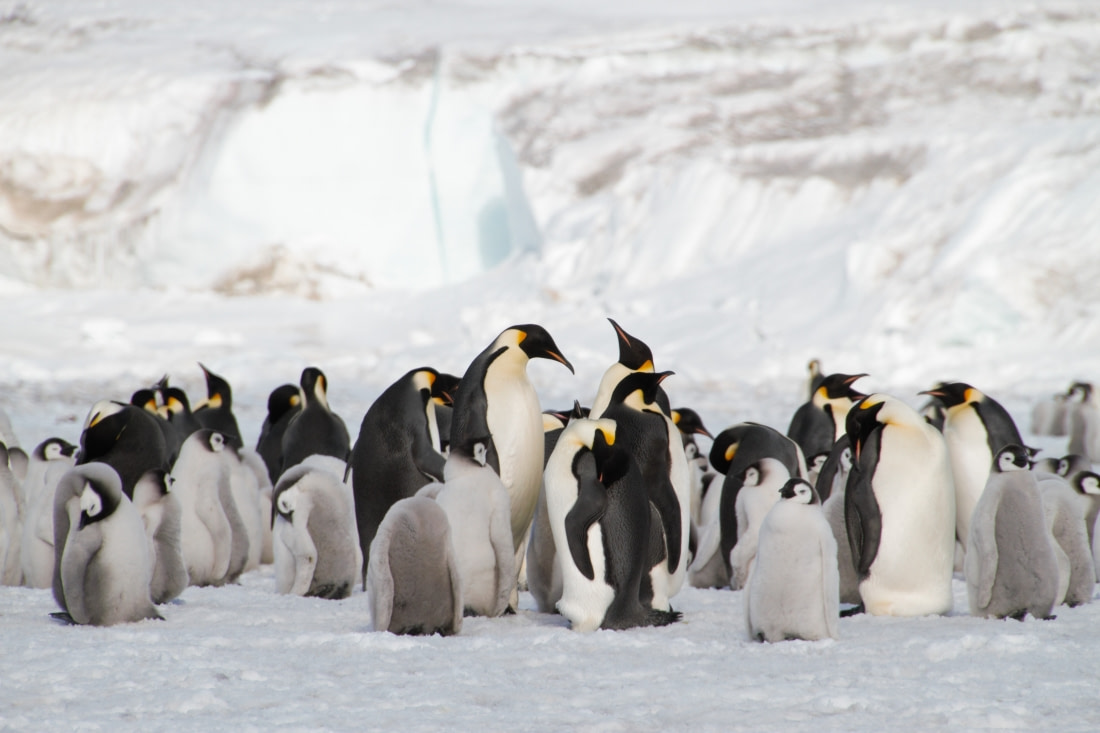
Upon arrival, it’s about a 45-minute walk to the rookery and what is perhaps the most endearing congregation of emperor penguins (and chicks) in all Antarctica.

blog-image

Blog
go-leftgo-right

A visit to the fascinating island of Jan Mayen - Nexta Expeditions
Blog

A visit to the fascinating island of Jan Mayen

After exploring the remote island of Fair Isle, our Atlantic Odyssey voyage once more turned its attentions northwards and left the outer extremities of the UK behind. Our destination was Jan Mayen, a volcanic island situated on the mid-Atlantic ridge just north of 71° (about 550 kilometers north of Iceland and 450 kilometers east of Greenland).
The Arctic’s Most Phenomenal Fjords - Nexta Expeditions
Blog

The Arctic’s Most Phenomenal Fjords

Fjords are often linked with Norway, but they are not exclusive to that region. They are a common feature of the Arctic and are major attractions in Greenland and Svalbard.
Adélie Penguins: the Little People of the Antarctic - Nexta Expeditions
Blog

Adélie Penguins: the Little People of the Antarctic

Described as “an object of endless pleasure and amusement” by Apsley Cherry-Garrard, survivor of Robert Falcon Scott’s ill-fated Terra Nova expedition to the South Pole, the Adélie penguin stands with the regal and iconic emperor penguin as one of only two penguin species found on mainland Antarctica.
Seven Things to Do around Ushuaia - Nexta Expeditions
Blog

Seven Things to Do around Ushuaia

We often recommend arriving early to Ushuaia before embarking on an Antarctica cruise, and for good reason: Ushuaia, on top of being the southernmost city in the world, has in recent years developed into a decidedly charming tourist destination.
Eight Ultimate Antarctica Adventures - Nexta Expeditions
Blog

Eight Ultimate Antarctica Adventures

Antarctica has adventure in its bones. Long before most travelers even reach the continent, they have to cross the Drake Passage, an oft-tumultuous waterway considered by many a hallmark of high adventure in itself. Once you do reach the Antarctic shores, the variations of landscape and wildlife are as multiform as the activities you can pursue there. While not all of these activities can or should be shoehorned into a single article, this piece will give you a survey of the top eight. Like everything in the polar regions, these activities are subject to weather conditions – and your own threshold for adventure.
Franz Josef Land Sites, Species, and Experiences - Nexta Expeditions
Blog

Franz Josef Land Sites, Species, and Experiences

The archipelago of Franz Josef Land is to Russia what Svalbard is to Norway: Both island groups offer excellent Arctic scenery, adventurous outdoor activities, and a good chance of seeing iconic species like polar bears and walruses - alongside a wide range of marine mammals and seabirds.
Seizing the Season: Spitsbergen’s Late Spring, Early Summer - Nexta Expeditions
Blog

Seizing the Season: Spitsbergen’s Late Spring, Early Summer

Most Arctic expedition cruises can be categorized into two main types: those that operate during the autumn and winter, focusing on the northern lights, and those that sail during the high season (mid to late summer), concentrating on a broader range of experiences.
Six Facts About the Crabeater Seals of Antarctica - Nexta Expeditions
Blog

Six Facts About the Crabeater Seals of Antarctica

Antarctic fur seals, leopard seals, Weddell seals, Ross seals, southern elephant seals... The many seal species of Antarctica all have names that are in some way explained by their appearance or primary region of distribution.
“The polar bear will still be there” - Nexta Expeditions
Blog

“The polar bear will still be there”

For several hours, we had been navigating the pack ice in search of polar bears. Despite numerous binoculars scanning the ice, no bears were visible, and only a few tracks were found. This suggested we might be in an area with fewer bears. Later that morning, we decided to head a few miles east, suspecting a higher bear population there.
10 Traits of Post-Ice-Age Greenland - Nexta Expeditions
Blog

10 Traits of Post-Ice-Age Greenland

Grasses, sedges, and other species of heath were the first arrivals, and are still commonly found in Greenland. Scientists have been able to work out how plants colonised Greenland by examining ancient pollen samples found in deposits at the bottom of lakes: Dwarf birch came to western Greenland around 9,000 years ago, and around 4,500 years ago – roughly the same time humans were first boating onto Greenland shores – green alders were taking up residence there.
The ozone layer in Antarctica - Nexta Expeditions
Blog

The ozone layer in Antarctica

An ozone molecule is composed of three oxygen atoms rather than the usual two. It exists in the atmosphere in trace amounts. Ozone molecules are created through the interaction of ultraviolet (UV) radiation from the sun with oxygen molecules: When an O2 molecule is split, the two free oxygen atoms bond with other O2 molecules to form O3 molecules.
What to Expect When Crossing the Drake Passage - Nexta Expeditions
Blog

What to Expect When Crossing the Drake Passage

Positioned between the southern tail of South America and the Antarctic Peninsula's north-sweeping arm is a lively little waterway known as the Drake Passage.
Peaks, Fjords, and Auroras: 14 East Greenland Attractions - Nexta Expeditions
Blog

Peaks, Fjords, and Auroras: 14 East Greenland Attractions

There really aren’t enough superlatives for East Greenland.
Five Birds You Might See on Your Greenland Cruise - Nexta Expeditions
Blog

Five Birds You Might See on Your Greenland Cruise

A Greenland expedition cruise offers birdwatchers a unique opportunity to capture stunning avian photographs. With over 230 bird species, Greenland boasts both spectacular landscapes and diverse winged wildlife.
10 Popular Bird Watching Binoculars - Nexta Expeditions
Blog

10 Popular Bird Watching Binoculars

Binoculars are a staple for outdoor enthusiasts, often packed with minimal thought alongside essentials like bug spray, sunblock, and waterproof matches. However, for certain groups, binoculars are indispensable, particularly for bird watchers. If you're part of this technical hobbyist community, here are 10 birding binoculars you should know about.
The Eight Great Penguin Species of Antarctica - Nexta Expeditions
Blog

The Eight Great Penguin Species of Antarctica

There are 17 species of penguin on the planet, but the eight you’ll most likely recognize live in Antarctica, its nearby islands, and the sub-Antarctic archipelagos of South Georgia and the Falklands. These are the core species we tend to see on our expedition cruises.
Antarctic krill: Antarctica's Superfood - Nexta Expeditions
Blog

Antarctic krill: Antarctica's Superfood

The size of a paper clip, pink, krill is a shrimp-like crustacean that does not look like much. Without them, though, the Earth's marine ecosystems would collapse completely.
Antarctica: When to Visit, How to Plan, What to Expect - Nexta Expeditions
Blog

Antarctica: When to Visit, How to Plan, What to Expect

Antarctica is an astonishing location loved in equal measure by ice enthusiasts and continent hoppers, but it also asks a lot in return for its prestigious polar status.
Imperial Antarctica: the Snow Hill Emperor Penguins - Nexta Expeditions
Blog

Imperial Antarctica: the Snow Hill Emperor Penguins

Recently, a rare achievement was made by visiting Antarctica’s northernmost emperor penguin colony on Snow Hill Island. Typically surrounded by impassable pack ice, Snow Hill is a notoriously difficult destination in the Weddell Sea cruise itinerary, only accessible using helicopters carried especially for this purpose.
The First Overwintering Hut in Antarctica - Nexta Expeditions
Blog

The First Overwintering Hut in Antarctica

In 1899, Carsten Borchgrevink and his nine crewmen became the first to spend the winter in a hut in Antarctica. (Technically, the Belgian Antarctic Expedition of 1897-1899 was the first to overwinter there, though this was done on their vessel after it was caught in ice.) Borchgrevink and his men spent the dark winter months isolated in a dirty hut, surrounded by equipment and sled dogs fighting each other outside.