Seven Sublime Antarctic Bays - Nexta Expeditions
Seven Sublime Antarctic Bays

Seven Sublime Antarctic Bays

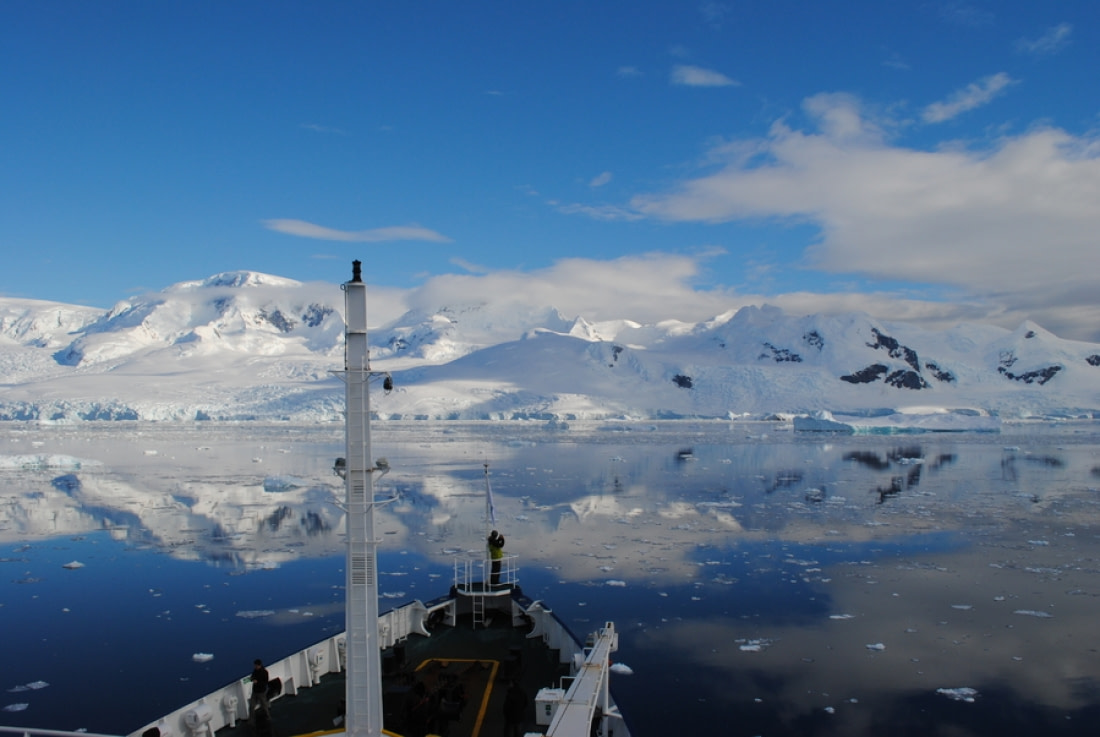
Antarctica is renowned for its glaciers, icebergs, and panoramic colonies of penguins. However, less known are the stunning crystal-clear bays that dot the Great White Continent, many of which are explored on our Antarctica cruise routes.

Whether located in the Ross Sea, Weddell Sea, or along the iconic coastline of the Antarctic Peninsula, these beautiful Antarctic bays are central to our deep Southern Hemisphere sailing program.

Here, in alphabetical order, are seven unique bays. Some we sail into, some we anchor in, and some we admire from a distance, but all are essential to the ultimate Antarctic experience.
blog-image

1. Dallmann Bay

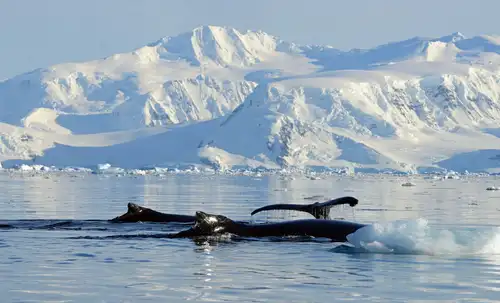
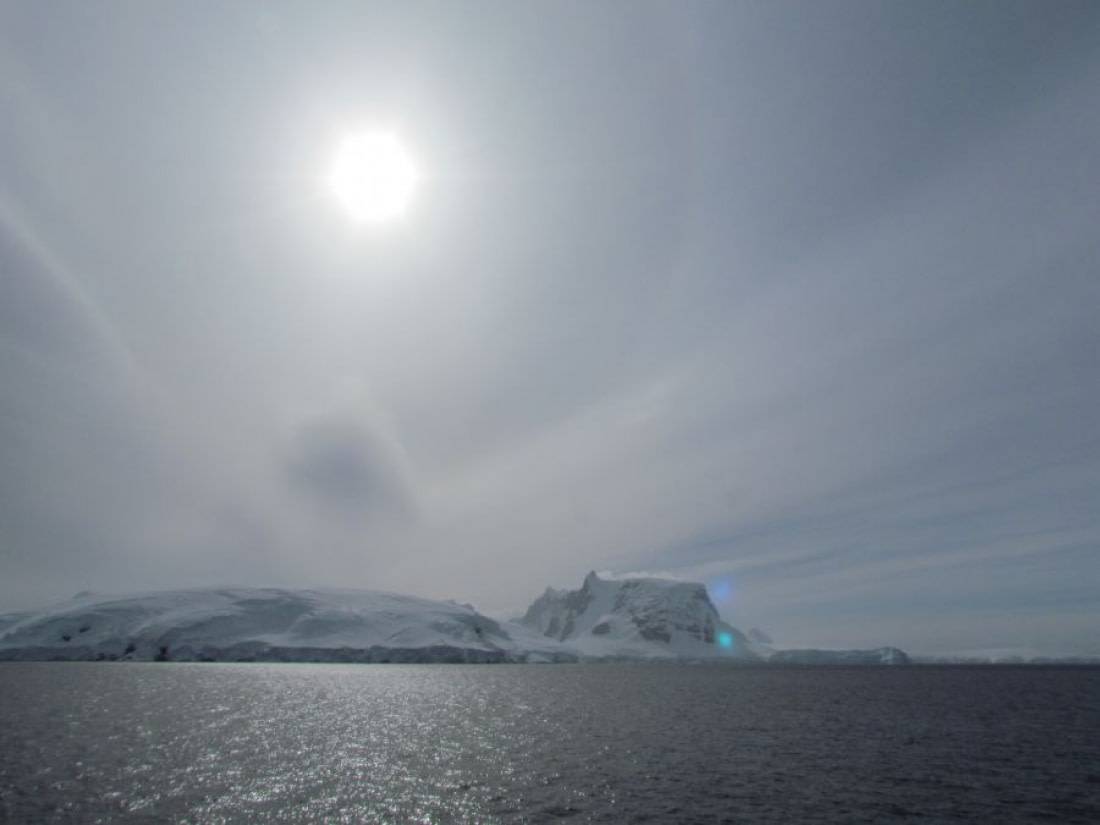
Keep an eye out for humpback whales in this quintessential Antarctic bay. Located between Anvers Island and Brabant Island, Dallmann Bay was discovered in 1874 by German whaler Captain Eduard Dallmann. It was later charted by Jean-Baptiste Charcot during the French Antarctic Expedition of 1903 – 05.
blog-image

2. Duse Bay

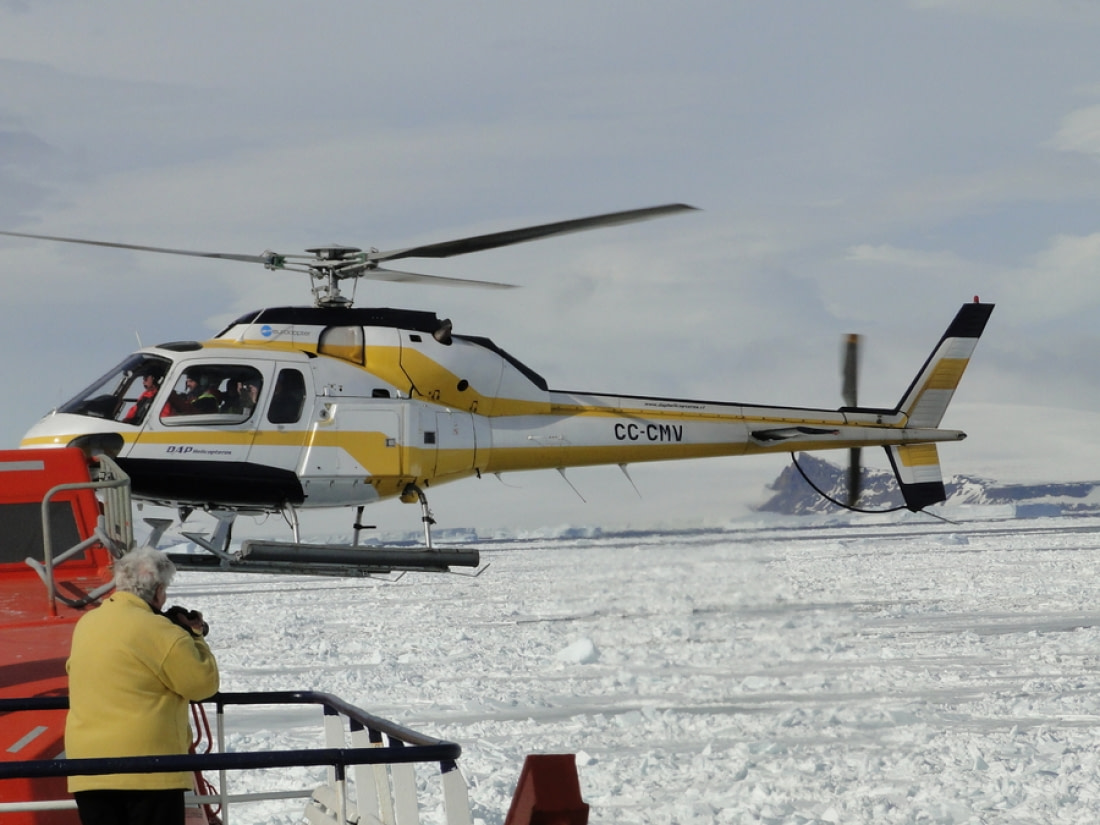
This wonderful Antarctic bay is sometimes seen on our Weddell Sea helicopter trips, which focus on sightings of the emperor penguin. If the weather permits, our helicopters will land on a rocky hillock near an old refuge hut overlooking Duse Bay. From there, we enjoy walks along the lichen-covered terrain.
blog-image

3. Hanusse Bay

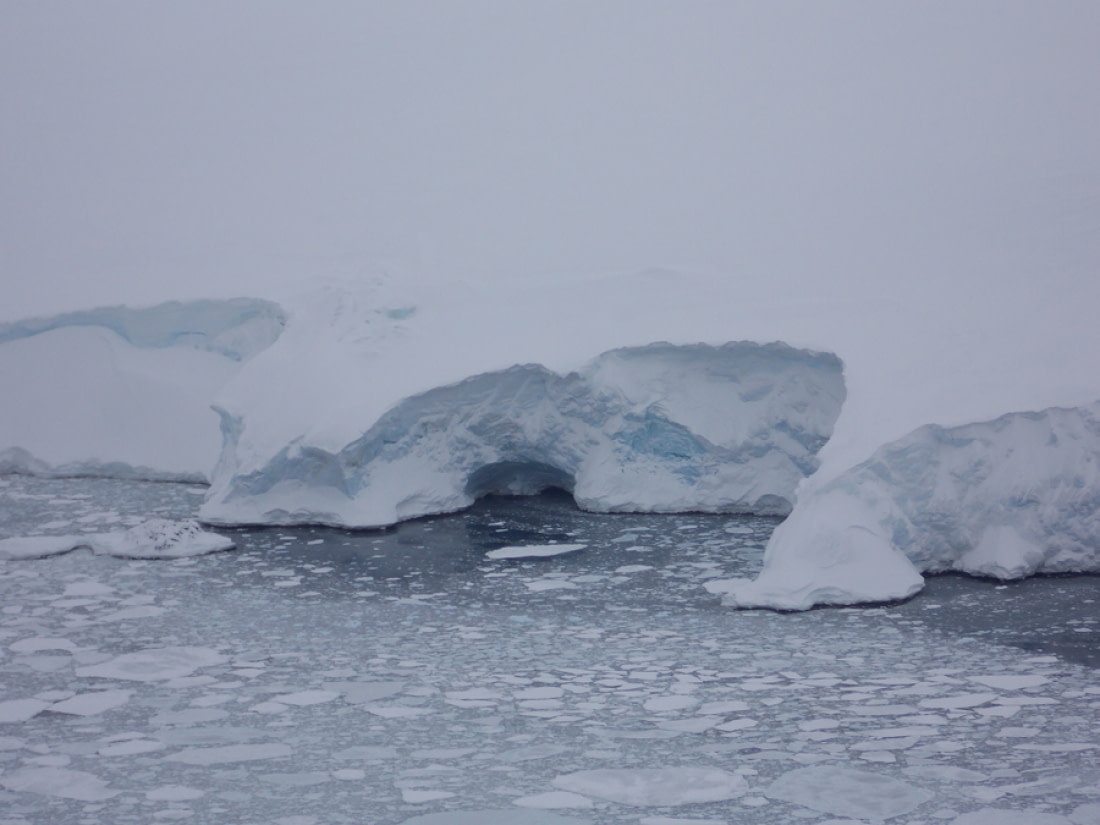
This Antarctic bay offers a fine view of scattered icebergs and a good chance of spotting whales. It is situated between the northern Arrowsmith Peninsula and Adelaide Island and was discovered by Charcot during the French Antarctic Expedition of 1908 – 10.
blog-image

4. Marguerite Bay

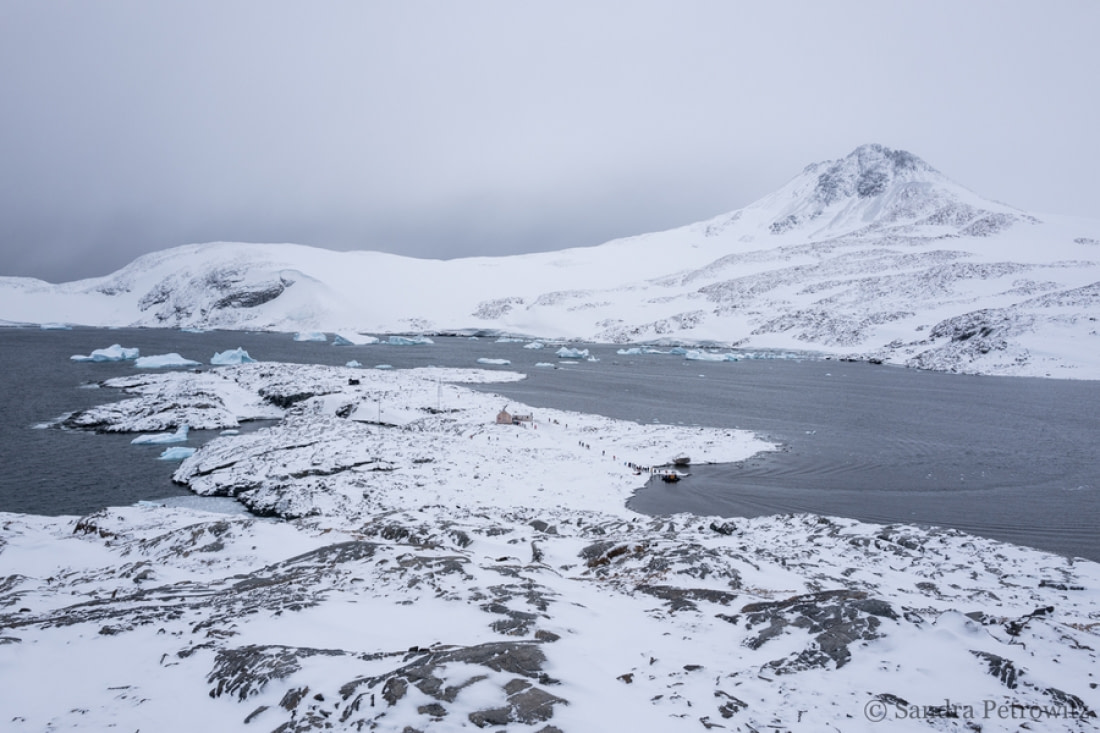
Located on the western Antarctic Peninsula, Marguerite Bay is another remarkable discovery by Charcot, who named this expansive bay after his wife. Within Marguerite Bay lie Horseshoe Island, Pourquoi Pas Island, and Lagotellerie Island.
blog-image

5. Paradise Bay

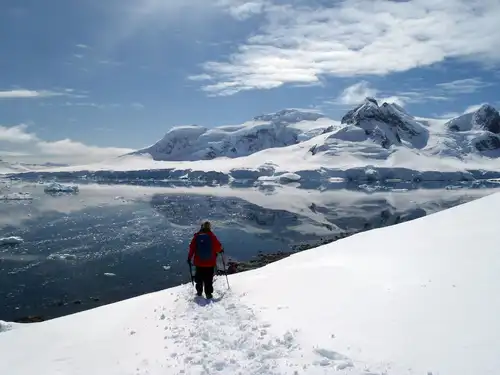
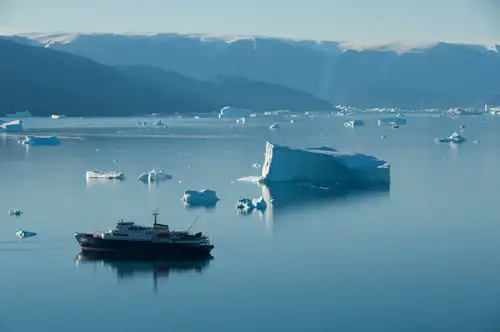
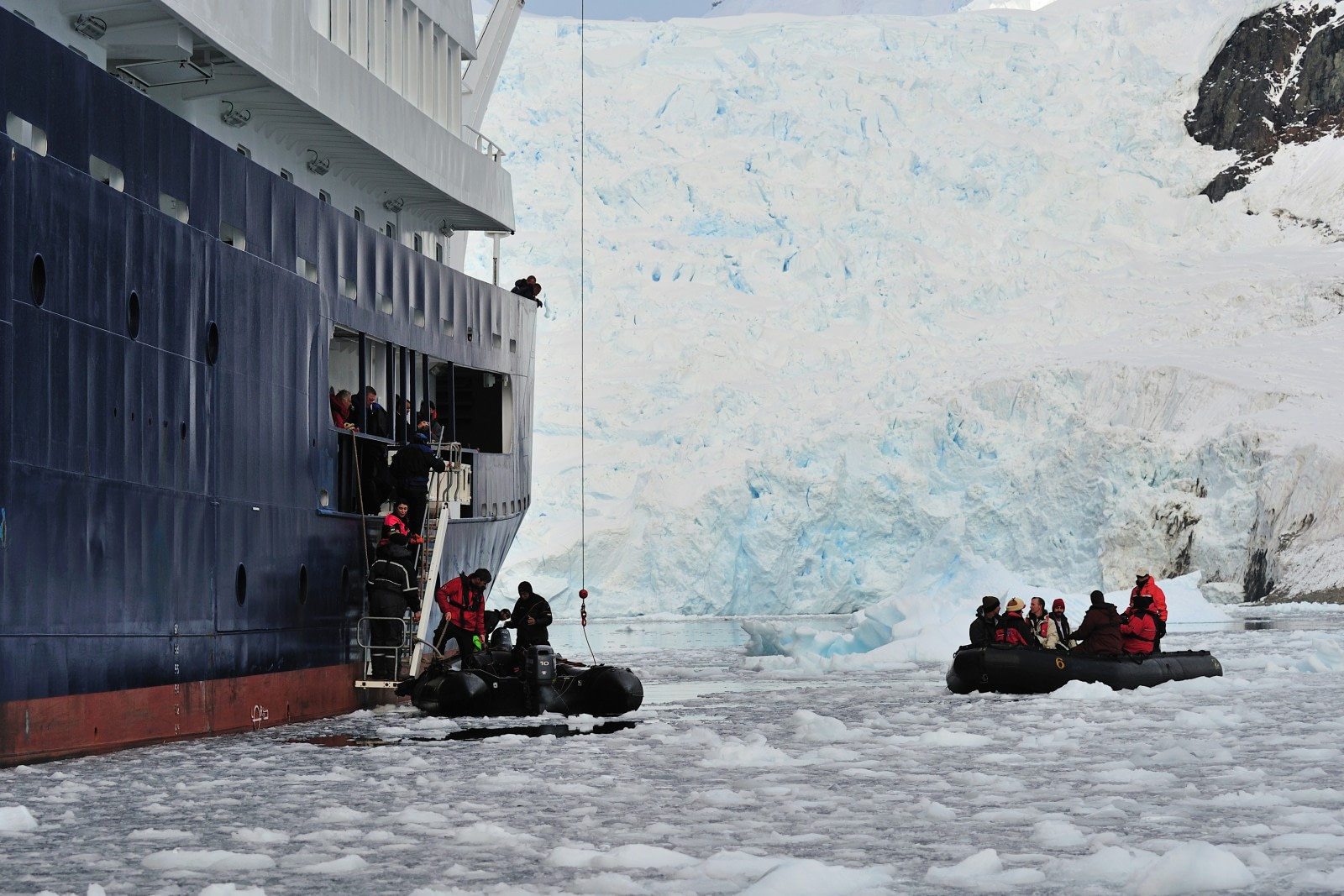
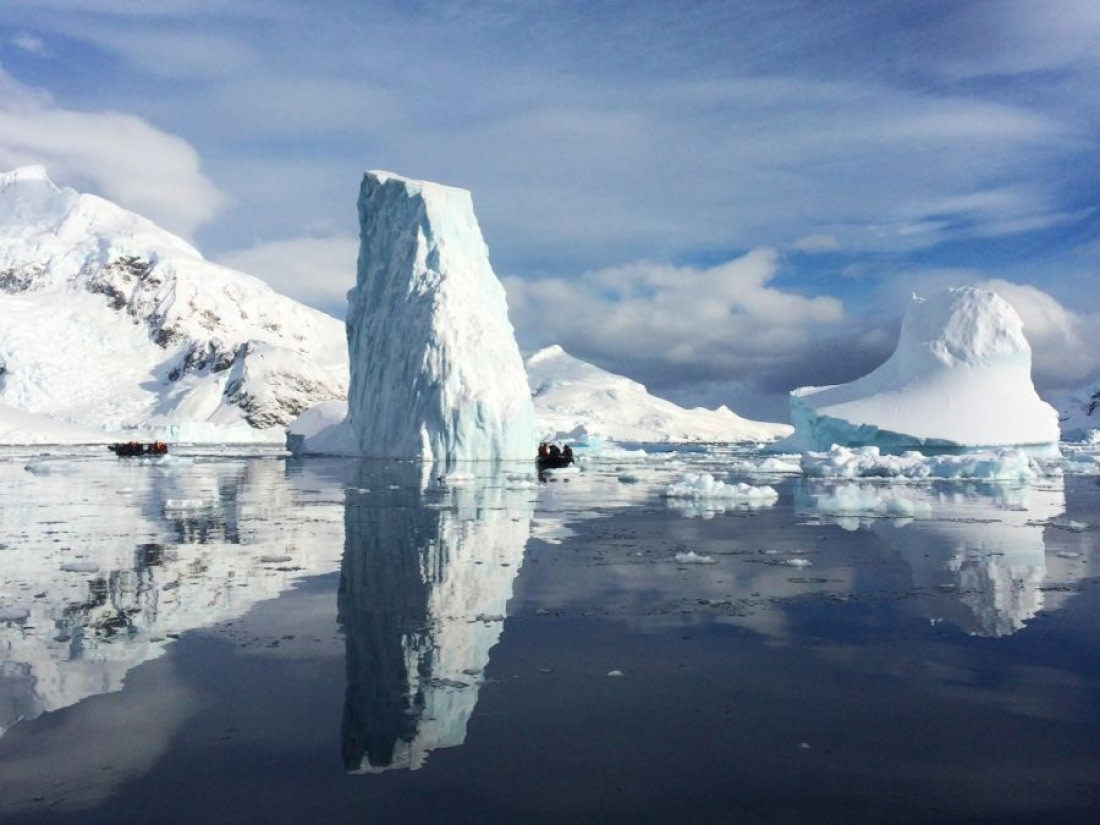
Arguably the most visually stunning bay in all of Antarctica, Paradise Bay (also known as Paradise Harbor) is an excellent spot for observing humpbacks and minke whales. We aim to visit this spectacular bay on multiple Antarctic voyages, navigating our Zodiacs through its brilliant blue waters while marveling at the dazzling ice formations.
blog-image

6. Whalers Bay

This famous Antarctic bay is a designated Historic Site or Monument (HSM 71) due to the remnants of the whaling industry from the past century. Wooden boats, abandoned houses, and bleached whale bones tell the story of Antarctica's less peaceful history.

blog-image

7. Wilhelmina Bay

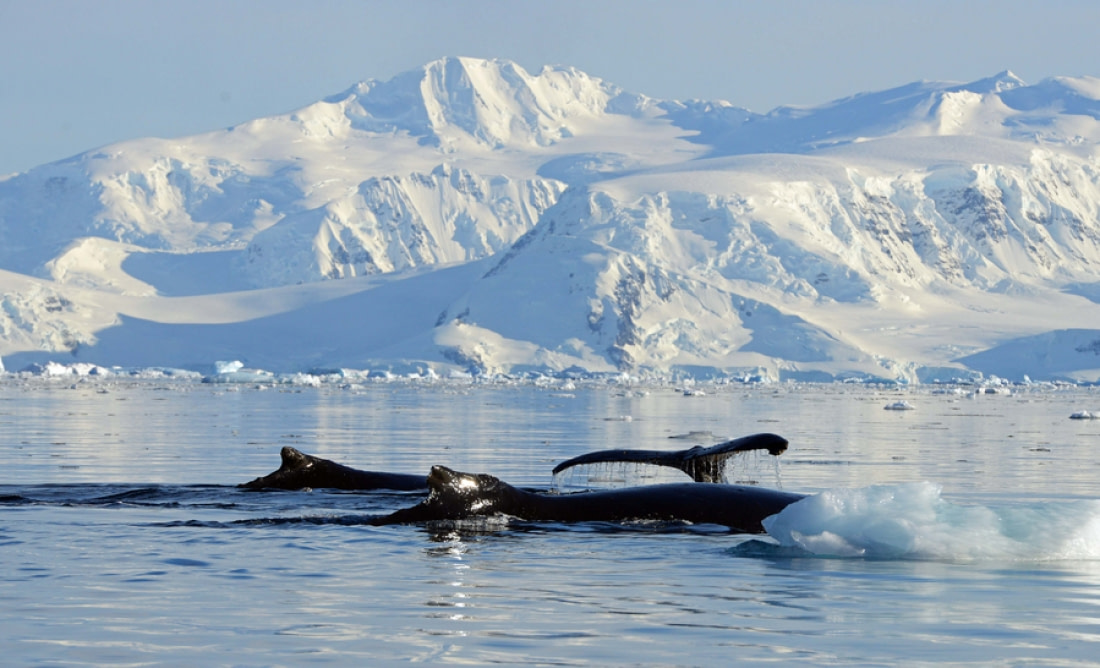
Another excellent location for humpback whale watching, this Antarctic bay is also ideal for Zodiac cruising. You might even spot the ghostly wreck of the Guvernøren, a whaling vessel that caught fire in 1915. Named after the queen of the Netherlands from 1890 to 1948, Wilhelmina Bay is nicknamed “Whale-mina Bay” due to its abundance of humpback whales.

blog-image

Blog
go-leftgo-right

Svalbard’s 12 Most Iconic Animals - Nexta Expeditions
Blog

Svalbard’s 12 Most Iconic Animals

Each of our Arctic regions offers its own distinct and unforgettable features: Greenland boasts mountainous shorelines and record-setting fjords, Northern Norway is renowned for the aurora borealis and historic masted schooners, and Svalbard (especially Spitsbergen) is where you're most likely to encounter a variety of Arctic wildlife.
10 Common Misconceptions About the Arctic - Nexta Expeditions

Blog

10 Common Misconceptions About the Arctic

The Arctic is a vast region. Truly immense.
Freshwater ecosystems in the Arctic - Nexta Expeditions
Blog

Freshwater ecosystems in the Arctic

The Arctic, surprisingly, hosts a rich and varied array of freshwater ecosystems, including lakes, ponds, rivers, streams, deltas, and wetlands. Some of the world's largest rivers and deltas, such as the Lena, Ob, and Yenisei, are found in this region.
Five Birds You Might See on Your Greenland Cruise - Nexta Expeditions
Blog

Five Birds You Might See on Your Greenland Cruise

A Greenland expedition cruise offers birdwatchers a unique opportunity to capture stunning avian photographs. With over 230 bird species, Greenland boasts both spectacular landscapes and diverse winged wildlife.
Living the Antarctic Dream - Nexta Expeditions
Blog

Living the Antarctic Dream

From October to March, during the Austral summer, thousands of breeding gentoo, Adèlie, and chinstrap penguins flock to the Western Antarctic Peninsula to rear their chicks and feast on krill before the harsh winter arrives. Alongside the penguins, field biologists from around the world gather to study these habits for conservation research. Observing these animals is one thing, but residing in an Antarctic field station for an entire breeding season is another. One particular field camp on King George Island, managed by American scientists, has perfected this Antarctic lifestyle and has thrived for over 30 years.
International Polar Bear Day - Nexta Expeditions
Blog

International Polar Bear Day

It will come as no surprise to you that we're crazy about polar bears. We have multiple blogs about where to find polar bears, we offer dozens of polar bear trips, and we've even written a short story from a polar bear's point of view. (Yes, we actually did that.) So if you were to say that our love of polar bears borders on obsession, you wouldn't be far off.
The Secret Life of Glaciers: How They Form, Move, and Melt - Nexta Expeditions
Blog

The Secret Life of Glaciers: How They Form, Move, and Melt

One of the most awe-inspiring natural wonders you can witness on an Arctic or Antarctic expedition is glaciers. These immense ice formations have been gradually moving from the mountains to the oceans for countless years, acting as both time capsules and indicators of our rapidly changing environment.
Science of the Ross Ice Shelf - Nexta Expeditions
Blog

Science of the Ross Ice Shelf

Antarctica’s Ross Ice Shelf is vast, spanning 487,000 sq. km – comparable to the size of France – with a thickness that varies from a few hundred meters near the sea to over 1,200 meters away from the floating edge. The edge along the Ross Sea forms a towering ice wall, rising up to 50 meters above the water, with most of the ice submerged below the waterline.
The Small Mammals of the Arctic and Antarctica - Nexta Expeditions
Blog

The Small Mammals of the Arctic and Antarctica

As Lillian Gish says in Night of the Hunter, “It’s a hard world for little things.”
12 photo tips to make better pictures on your Antarctica cruise - Nexta Expeditions
Blog

12 photo tips to make better pictures on your Antarctica cruise

During your trip in the Arctic or Antarctic cruise you and your camera equipment will be exposed to a variety of challenging conditions. Be careful with your equipment and protect it from the salty spray when in Zodiacs, on a beach, or on deck. Salt water and electronics is not a good mix!
The World Is Changing for Greenland's Native Inuit People - Nexta Expeditions
Blog

The World Is Changing for Greenland's Native Inuit People

You may know them as Eskimos, but the people of the Arctic are officially called the Inuit. Historically, they were hunters in the truest sense. For hundreds of years, they survived the world’s harshest conditions, living off their prey of whales, seals, polar bears, musk oxen, birds, fish, and reindeer. This has always been their way of life.
The Classic Polar Cruise: Antarctic Peninsula Facts, Pics, and More - Nexta Expeditions
Blog

The Classic Polar Cruise: Antarctic Peninsula Facts, Pics, and More

When it comes to experiencing the vast wonders of Antarctica, the Antarctic Peninsula stands out as an unparalleled destination.
The Ice-Jewelled Geology of Spitsbergen - Nexta Expeditions
Blog

The Ice-Jewelled Geology of Spitsbergen

The Svalbard archipelago is located in the Arctic Ocean, roughly 660 km (410 miles) north of Norway's northernmost point. This region is a haven for geologists, boasting a rich geological history that spans from the Mesozoic era (65-245 million years ago) through the Cambrian era (570 million years ago) and back to the Archean era, over 3.5 billion years ago.
5 Misconceptions You Might Have About Greenland - Nexta Expeditions
Blog

5 Misconceptions You Might Have About Greenland

Arctic Seals - Nexta Expeditions
Blog

Arctic Seals

Owing to the large landmasses that populate the Northern Hemisphere, the Arctic boasts the most diverse wildlife among the planet’s polar regions. Some of the most captivating Arctic animals are the marine mammals found just offshore.
Baleen Whales – The Gentle Giants of the Ocean - Nexta Expeditions
Blog

Baleen Whales – The Gentle Giants of the Ocean

They are the largest animals on Earth, yet they thrive on some of the tiniest creatures. These giants can reach lengths of 30 meters (90 feet), but it is the microscopic zooplankton, krill, and small fish that sustain them. These are the baleen whales. Unlike toothed whales, baleen whales lack teeth. Instead, they use plates of baleen in their mouths to trap and consume their tiny prey.
Of Treacherous Rocks & Audacious Fin Whales - Nexta Expeditions
Blog

Of Treacherous Rocks & Audacious Fin Whales

Soon large blows filled our view; small groups of fin whales sped by heading north all the while feeding on concentrations of krill & small fish. Group after group was seen, with many simply feeding in the general area and not heading anywhere in particular. Soon it became evident that we were not simply seeing a few random groups of fins, but a very large concentration spread out over a large area of sea just north and around the islands north of the South Shetlands. Dozens upon dozens of fin whales were feeding, diving around the ship and on the horizon in massive numbers; we must have seen well over fifty fin whales in the general area of Elephant Island, something many of the guides had never seen before.
Exploration of the Polar Regions - Nexta Expeditions
Blog

Exploration of the Polar Regions

From the Vikings via the first whale and seal hunters to Scott and Amundsen, from the maritime explorers Franklin and Nordenskiöld to present-day polar tourism, a quick tour through history reveals some of the aspects which motivated people to extend their horizons. Existential need, sheer curiosity, imperial greed, polar science, and a taste for adventure all converged in regions which pardon no mistakes.
16 Conversation-Starting Svalbard Facts - Nexta Expeditions
Blog

16 Conversation-Starting Svalbard Facts

It might seem odd that an icy, snowy, bear-packed cluster of islands at the edge of the world could be such a hotspot (so to speak) of outdoor tourism.
Albatross, penguin and krill research in Antarctica - Nexta Expeditions
Blog

Albatross, penguin and krill research in Antarctica

In the Antarctic region, extensive research is being conducted by national Antarctic programmes from countries like the UK, Australia, and Japan. These studies aim to understand species in the air, on the ground, and in the sea, and how these species are interconnected without variables such as human impacts and climate change.