
From the Vikings via the first whale and seal hunters to Scott and Amundsen, from the maritime explorers Franklin and Nordenskiöld to present-day polar tourism, a quick tour through history reveals some of the aspects which motivated people to extend their horizons. Existential need, sheer curiosity, imperial greed, polar science, and a taste for adventure all converged in regions which pardon no mistakes.
The first explorers
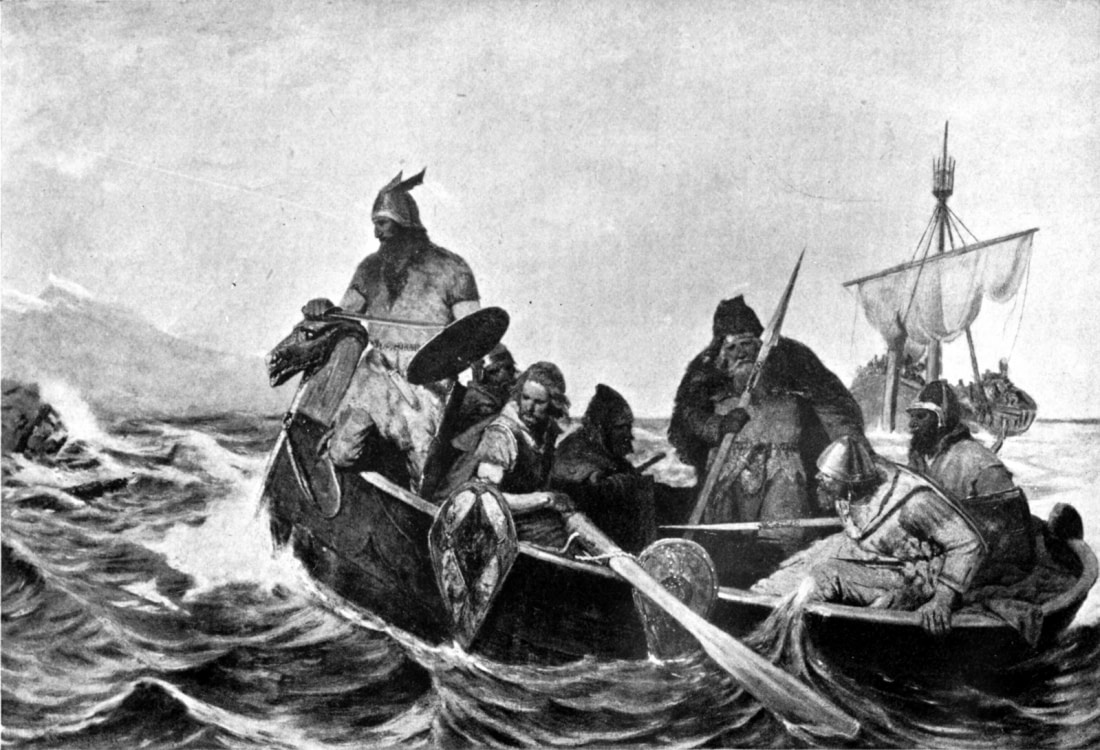
The Vikings (c. 800-1050 AD) were intrepid and wide-ranging seafarers. Their open boats had both a rudder and sails, and room for 30 men plus livestock. The Norseman Ottar sailed as far as the White Sea in the 9th century. Later other Vikings reached the coasts of Greenland and North America. They navigated with the aid of primitive compasses, observed and interpreted sea currents, winds, bird flight paths, and the favorite location of whales. They may also have been able to penetrate so far north because the climate was somewhat milder than it is today: the effects of the rise in temperature, which had brought about the end of the Ice Age, were still tangible.
Early trade
The Pomors lived by the White Sea - the word “pomore” means “along the sea”. They were traders who had migrated from Novgorod in the 13th century. With their vessels, known as “kotsyas”, they sailed both eastwards along the Siberian coastline and to the islands of the Arctic Ocean trading furs, skins, and fish. Their most important trading center was Archangelsk. The 16th century saw an expansion of European trade with China and the major powers began to dream of a North-East Passage to the sea. The Dutchman, Willem Barentz, was among those who attempted to find this passage. In the autumn of 1596, he reached Novaya Zemlya, was forced to spend the winter there, and died one year later on the return journey. Central European trade with China had to develop along different routes.
Russian expansion
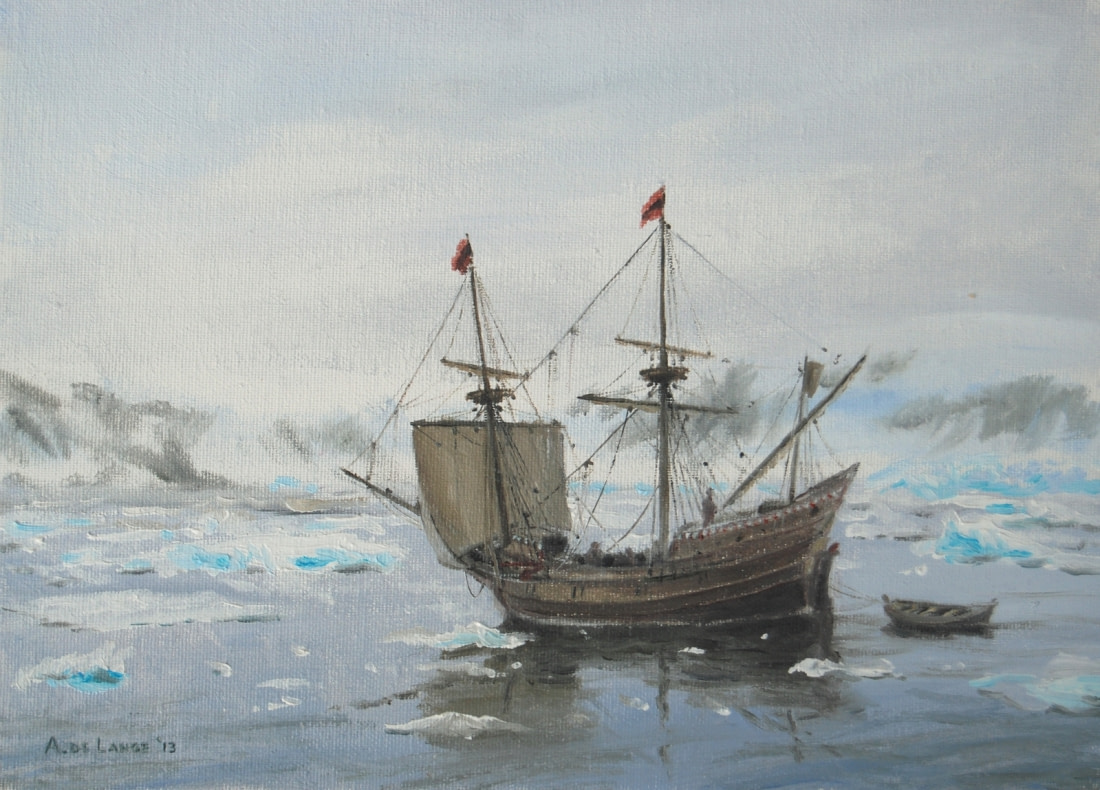
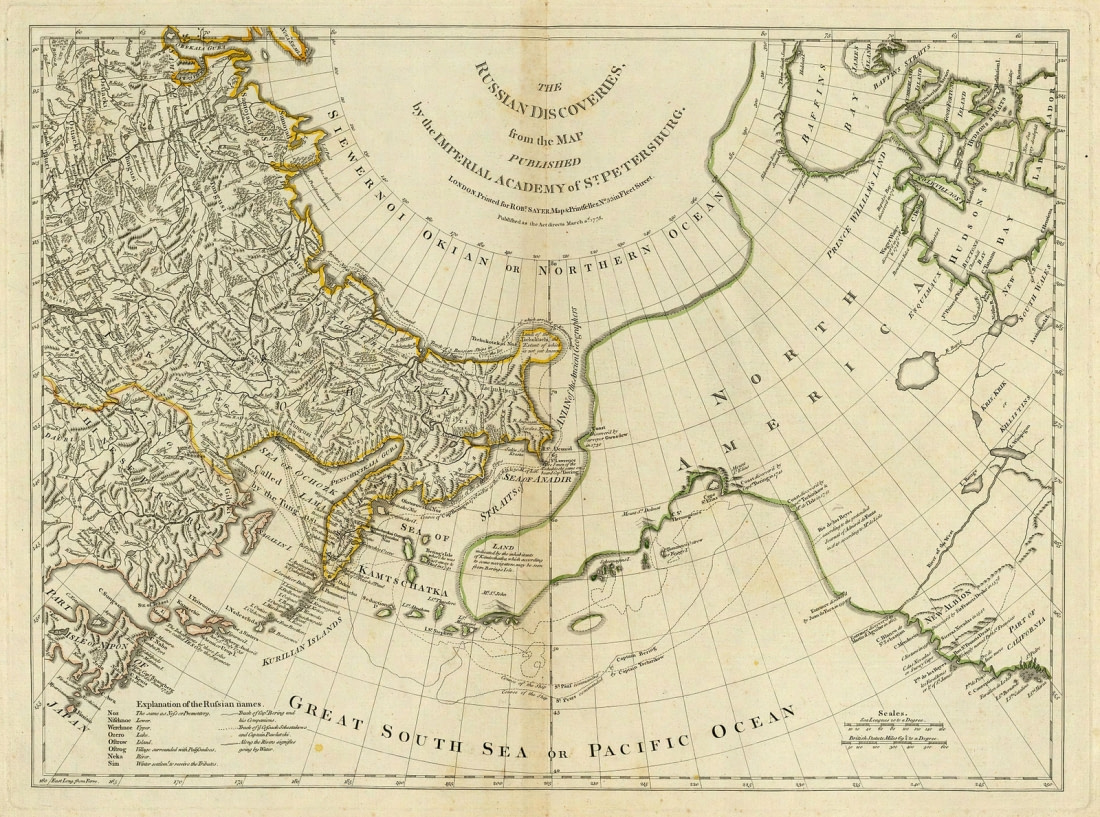
In the early 17th century, Russia conquered Siberia at astonishing speed. But the majority of Siberia was still largely uncharted terrain. Russian rule was maintained by small isolated garrisons which collected furs and mammoth tusks beside rivers and along the Arctic Ocean coast. During such a trading voyage, the Russian Semen Dezhnev sailed south through the “Bering Strait” in 1648 - 80 years before it was “discovered” by Vitus Bering. His imagination fired by the scientific discoveries of his day, Tsar Peter the Great wanted to explore Siberia and reach America. After his death, the Great Northern Expedition left St. Petersburg in 1733 under the leadership of the Dane Vitus Bering. Sections of Siberian coastline were named after Russian participants, for example K.P. Laptev and S. Tyelyuskin.
The North-West Passage
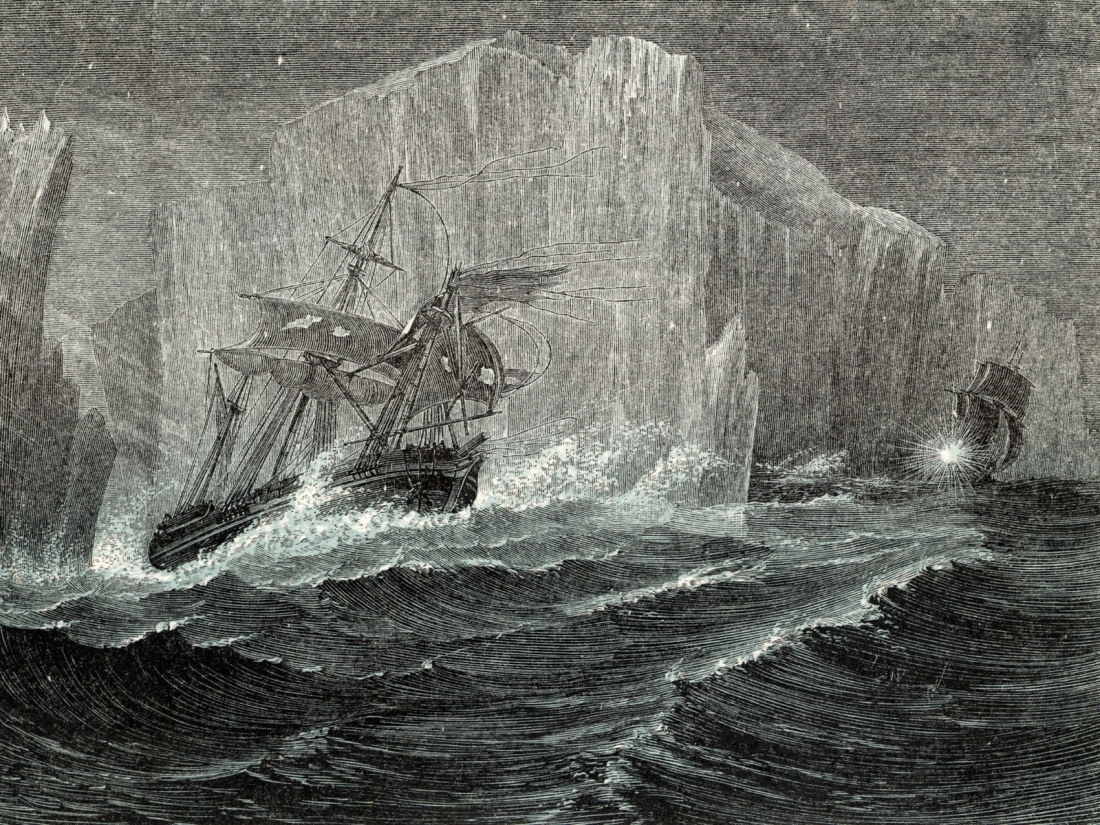
Britain ruled the waves after the Battle of Trafalgar in 1805. When the war was over, polar expeditions offered a fresh challenge. In the period 1813-1858, there were almost 30 northbound expeditions. In 1845, John Franklin set off with two ships and 133 men to continue the search for the North-West Passage. The expedition was equipped like a military campaign. It vanished without trace and several other expeditions tried to ascertain its fate. It was finally established that Franklin’s ship had become icebound and everyone on board had died of scurvy and starvation. The North-West Passage and large sections of the North American coast were charted during the rescue expeditions.
Nordenskiöld
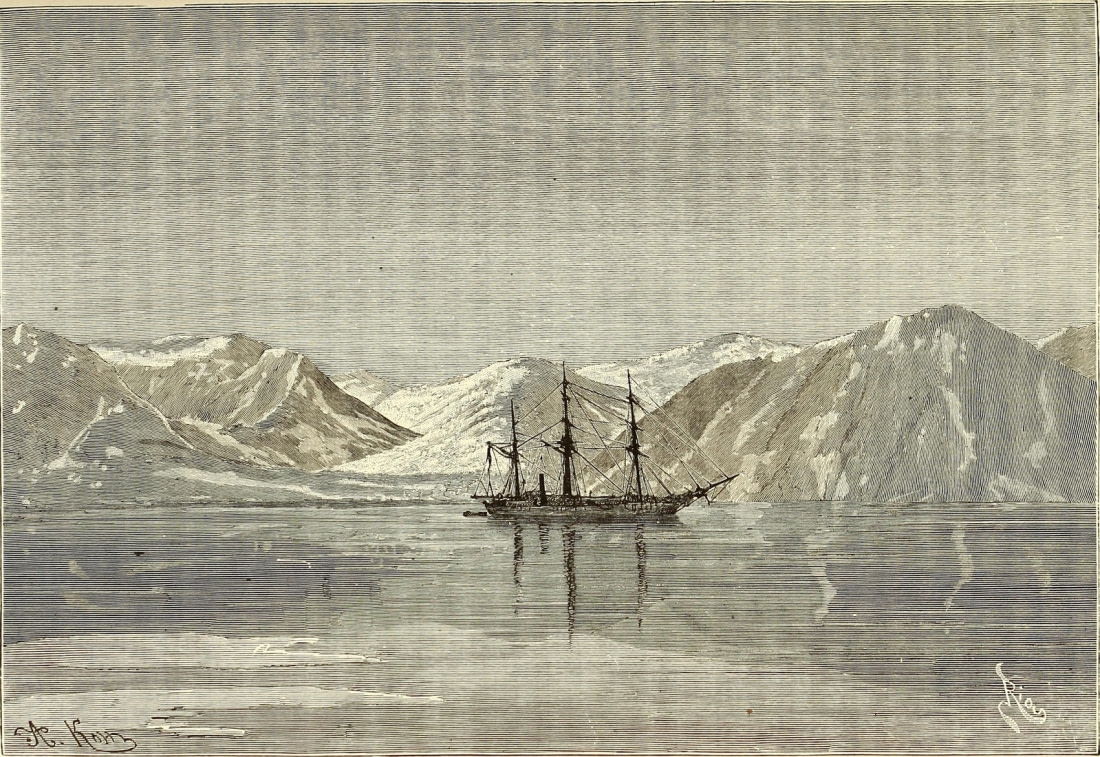
The name Adolf Erik Nordenskiöld is forever linked with the North-East Passage. He was the first to successfully navigate the notorious “ice cellar“, the Kara Sea, and sail along the northern coast of Siberia to China. Within two summer months in 1878, the steamship Vega traveled almost all the way along the northern coast of Siberia. On 28 September 1878, the Bering Strait was just an autumn day’s journey away. But then the pack ice and cold struck and the Vega was icebound. On 18 July 1879, the ice released the ship and it passed through the Bering Strait two days later. The home journey was via the Suez Canal, Naples, and Paris. Everywhere en route, the Vega was greeted with fireworks and festivities. On their arrival in Stockholm on 24 April 1880, Nordenskiöld and his captain, Louis Palander, were welcomed like national heroes.
Nansen
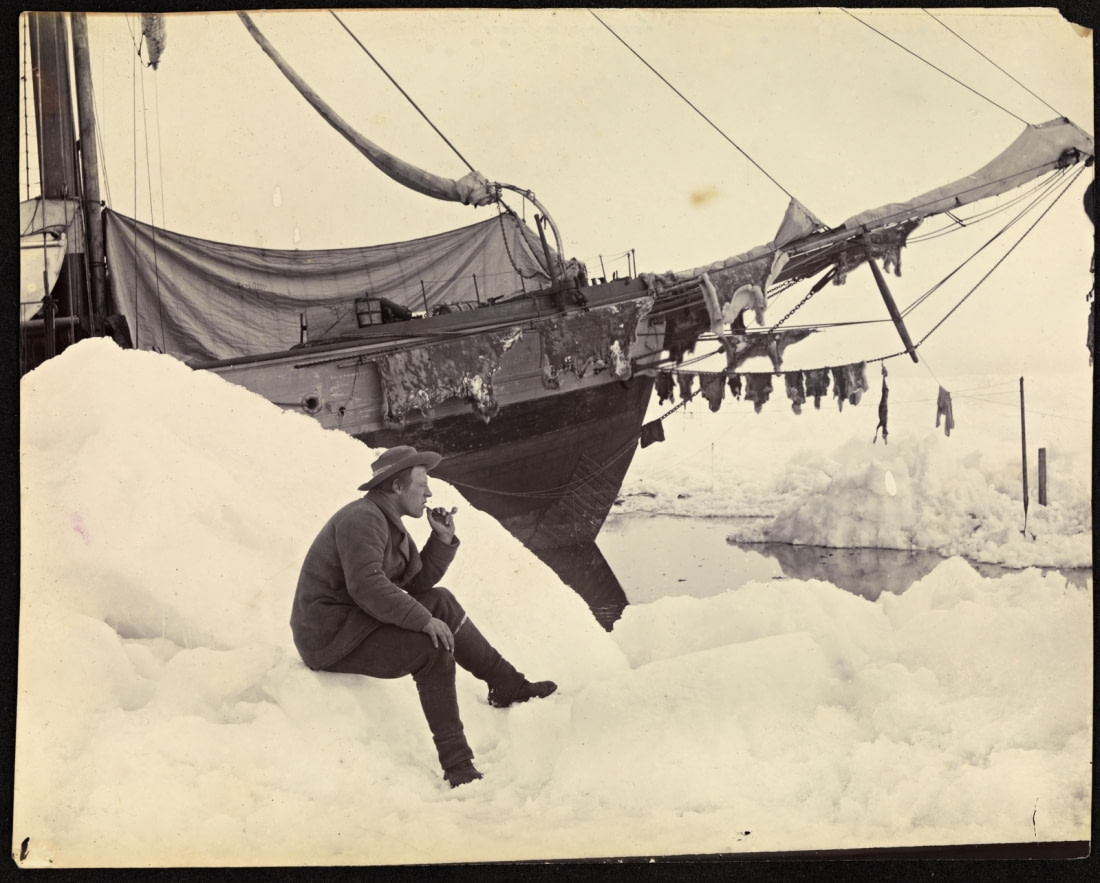
The 1890s were distinguished by national awareness and scientific curiosity. Polar expeditions were extremely popular. The Norwegian Fridtjof Nansen was a man who had taken an early interest in the polar regions and the abilities of Arctic peoples to cope with cold and difficult transport routes. His most famous voyage followed the sea current which moved sea ice through the northern Arctic Ocean between Siberia and Greenland. The journey, in the specially-built schooner Fram, took three years (1893-96). After two icebound winters, Nansen abandoned his ship, heading for the North Pole on skis together with Hjalmar Johansen. They did not reach the Pole and, against all expectations, survived a further winter before being rescued by English polar explorers in the summer of 1896. Nansen was a major explorer and writer. After the First World War, he became committed to the cause of war refugees. He was awarded the Nobel Peace Prize in 1922.
Andrée
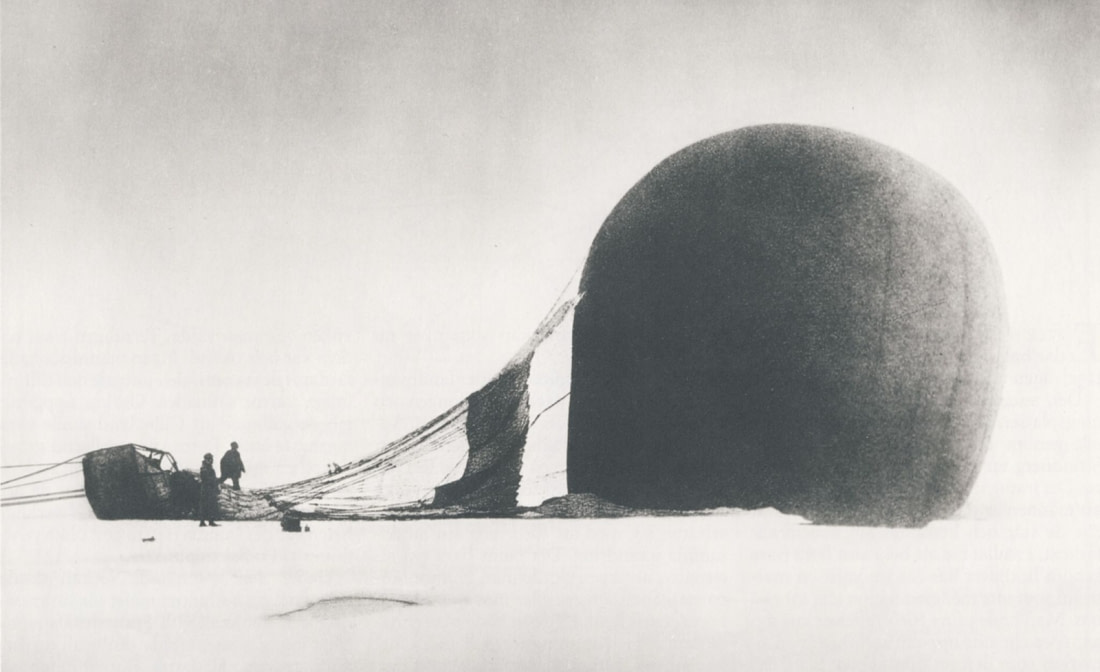
The Swede Salomon August Andrée had bold dreams. Crossing the northern Arctic Ocean in a gas-filled balloon developed into a fixed idea. The balloon which was to take Andrée, Knut Fraenkel, and Nils Strindberg the 3,700 kilometers from Spitzbergen to the Bering Strait, was sewn together in Paris: it was of Chinese silk, 20 meters in diameter, and with a volume of 2,800 cubic meters. On 11 June 1897, the Örnen (Eagle) was filled with hydrogen and took off from the island of Danskön, carrying a hyper-modern camera and 36 carrier pigeons on board. The Örnen was only airborne for 33.5 hours. The three men made their way south to the island of Kvitoya where they died in October. They are thought to have died of trichinosis after consuming polar bear meat. The camp on Kvitoya was discovered in 1930 and, amazingly, the men’s diaries and equipment, including the camera and some exposed glass plates were saved for posterity.
Alfred Wegener
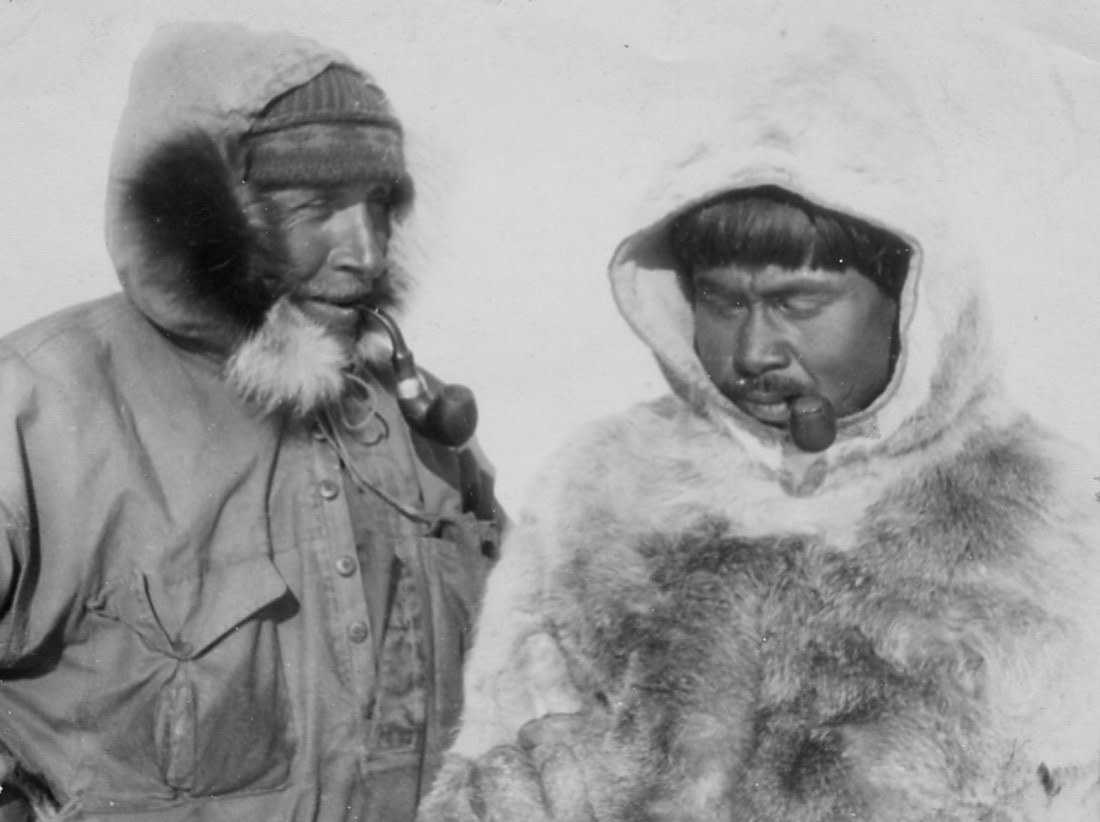
Wegener was a German natural scientist with a broad range of interests. At the beginning of the 20th century, he took part in three expeditions to the inland ice of Greenland. He led the Greenland expedition which spent the winter of 1930-31 there. Wegener died in autumn 1930 during a journey across the ice. Alfred Wegener typified the modern polar explorer - he was primarily a scientific researcher. In 1912, he launched the continental drift theory, though it was to take a further 50 years before his theory became the topic of serious discussion and was proved by the discovery of fossils in the polar regions. The theory, plate tectonics, is now generally accepted.
Russian ice drift stations
In the 1930s, the Communist regime in Moscow developed an interest in the Arctic seas. Scientific and political ambitions were closely linked. Before he could expand maritime travel and aviation in the Arctic, Stalin needed more knowledge about the Arctic Ocean and its climate. Stalin therefore placed his faith in a bold and, for many years, secret innovation of polar research - scientific stations on drifting ice floes.
On 21 May 1937, the first transport aircraft landed on an ice floe near the North Pole. Four research scientists under the leadership of Ivan Pananin were left behind to spend the winter and their only link with the outside world was a simple radio. After drifting southwards for 274 days on a melting ice floe, they were picked up off the coast of Greenland. They returned to the Soviet Union as heroes. Then came the war. It was not until 1950 that North Pole Station 2 was established. The program was discontinued in 1991 after 31 ice stations had been maintained in the region.
The race to the South Pole
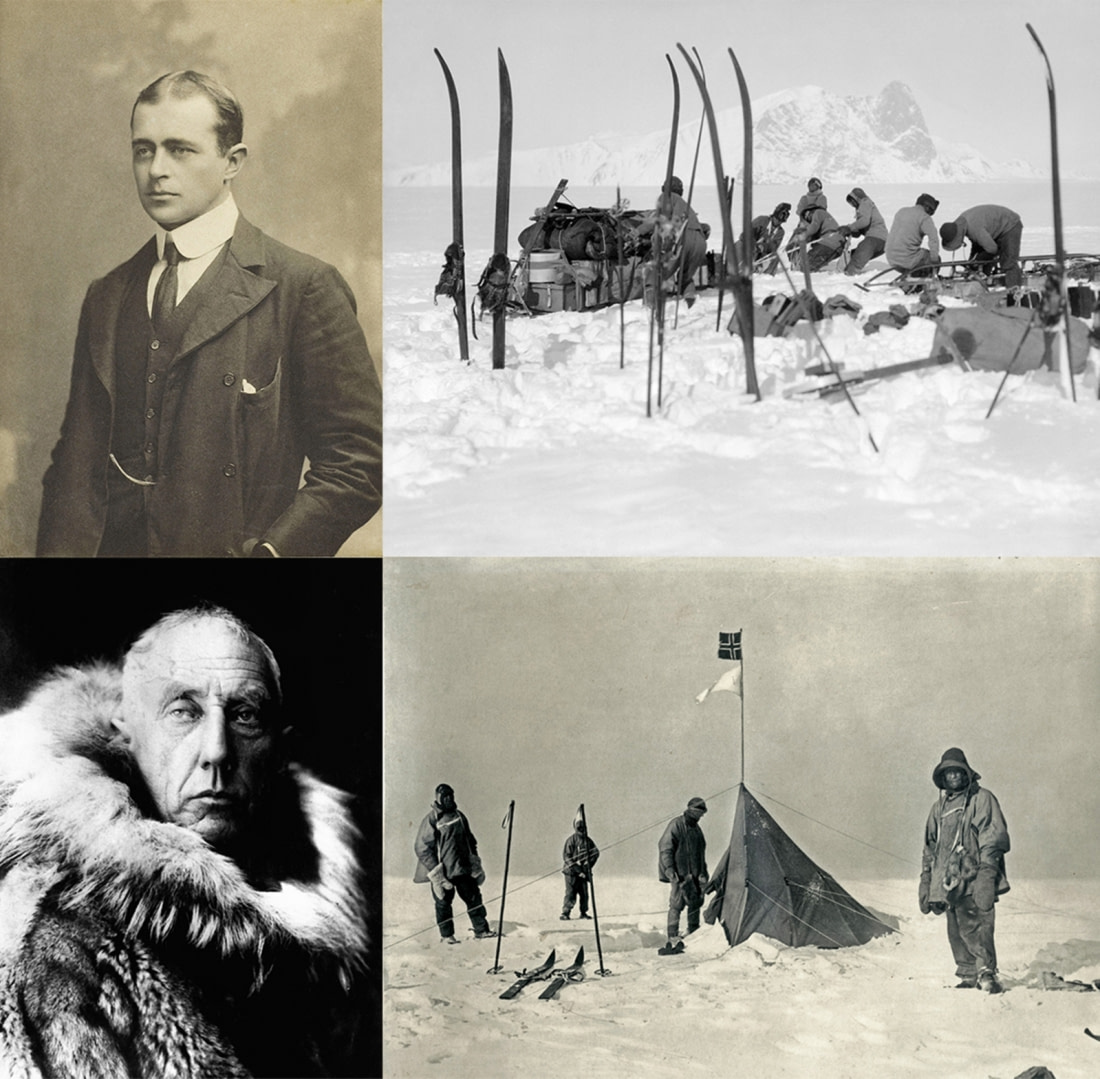
In 1909, the Englishman Robert Falcon Scott resolved to conquer the South Pole. At the same time, the Norwegian polar explorer, Roald Amundsen, was planning an expedition to the North Pole. When Amundsen learned in 1909 that Frederick Cook and Robert Peary were both claiming to have reached the North Pole he secretly changed his plans, heading off for the South Pole instead. Amundsen and four companions reached the South Pole on skis and with the help of dogsleds on 14 December 1911. Scott and his colleagues, who had pulled their sledges themselves, arrived on 17 January 1912 - only to find one of Amundsen’s tents. Greatly disappointed they set off on their return journey, plagued by cold, hunger, scurvy, and exhaustion. None of them survived. Scott and two others died just 18 kilometers from a supply depot. Thus ended one of the greatest dramas in polar history, one which is still the subject of papers and discussions to this day.
Shackleton
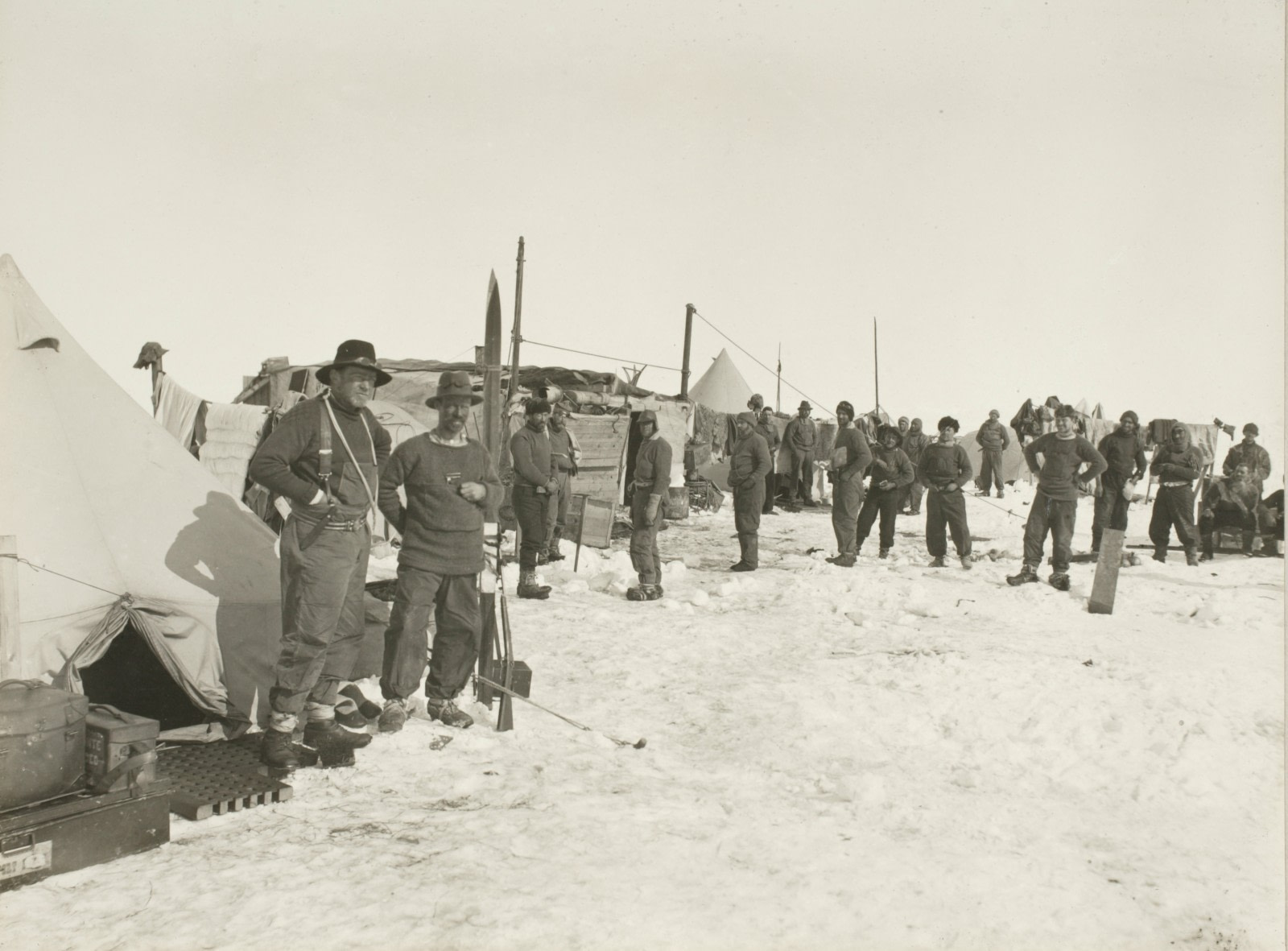
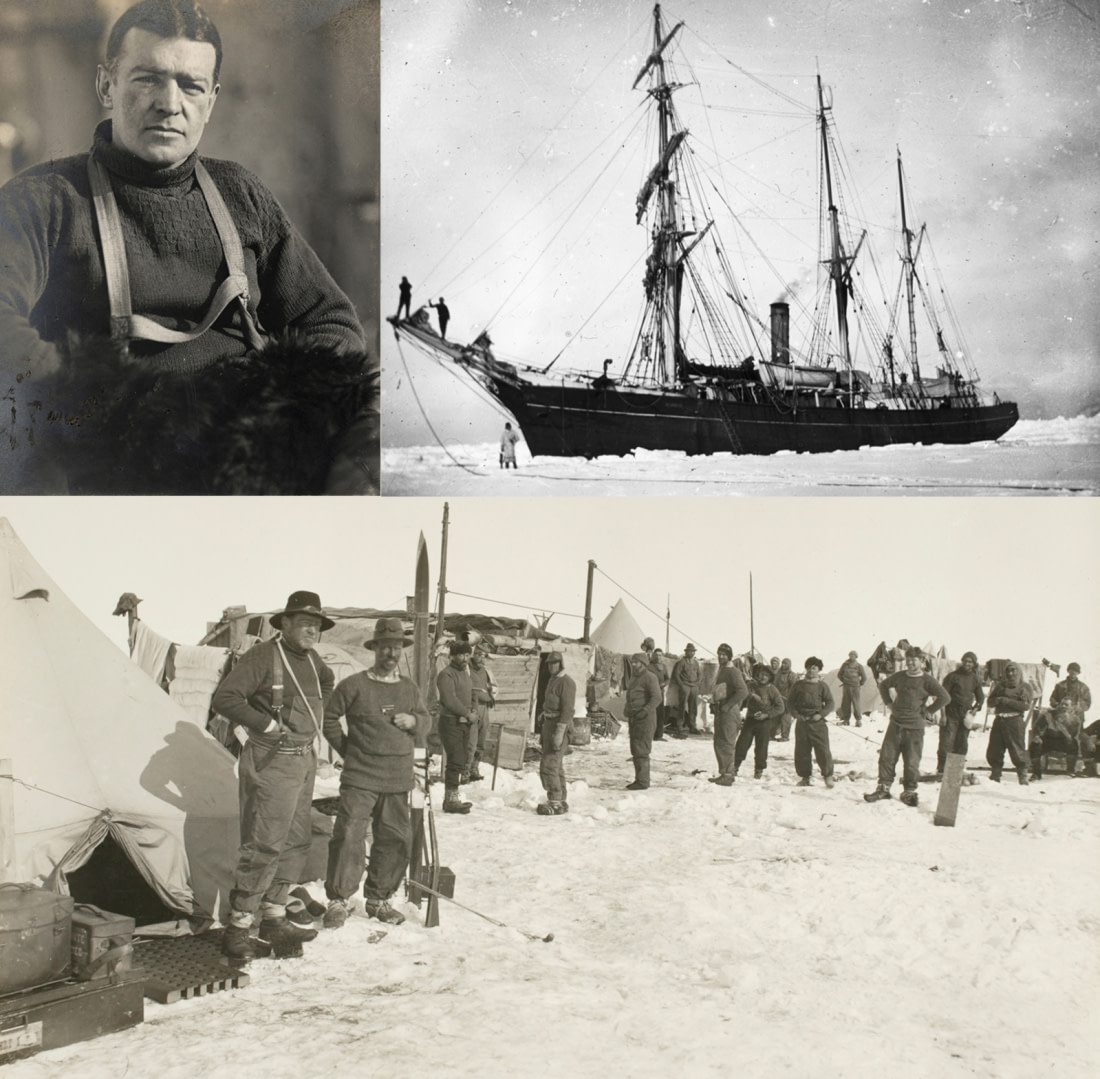
On the very same day that England entered the First World War, 8 August 1914, Sir Ernest Shackleton began his second voyage to Antarctica. Churchill eventually gave the order for him to depart after the loyal Shackleton had enquired whether he was required for war duty. When the American Peary claimed to have reached the North Pole in 1909, and the Norwegian Amundsen reached the South Pole in 1911, Great Britain had fallen behind in polar expedition. Shackleton wanted to restore Britain’s honor by crossing Antarctica. But his ship, Endurance, sank before the expedition reached the Antarctic Continent. The crew was rescued in a miraculous manner after the dramatic voyage of the ship’s boat James Caird. Many regard Shackleton as the greatest of the polar explorers because of his leadership qualities and his intrepid nature.
Exploitation
Animals form the basis for human existence in the Arctic. For thousands of years, reindeer, seals, Arctic foxes, walruses, and whales have provided the means of survival for the indigenous Arctic population in the harsh polar climate. They are a source of food and material for clothing, equipment, and housing. They also represent an important trading commodity. The hunter must kill to feed himself and his family, a fact which applies to both Man and beast.
Because of the extreme environment, hunting requires not only a high degree of perfection and efficiency in killing, but also deep respect among the indigenous Arctic hunters. People need animals as food and the animals allow themselves to be killed. But humans must in turn observe strict codes of behavior and treat the souls of the dead animals as guests. The polarity between individual tragedy and biological-social necessity is nowhere more visible than in death.
Whaling
People in the far north and south who share ecological niches with whales and seals have always exploited these renewable resources. Different catch methods were devised and adapted to the specific type of prey. As far as whaling is concerned, the Stockholm Environmental Protection Conference adopted a resolution in 1972 against the ecologically untenable catch quotas issued annually by the International Whaling Commission (IWC). Since that Conference there has been a consensus of opinion among the western industrial nations that whales are taboo for commercial exploitation.


Blog


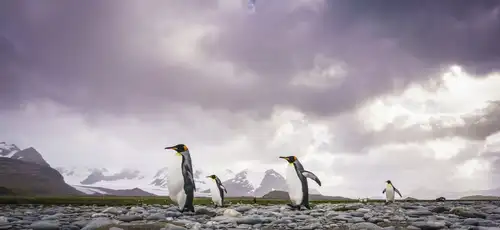
Penguins, Albatrosses, Petrels: The Winged Wildlife of South Georgia
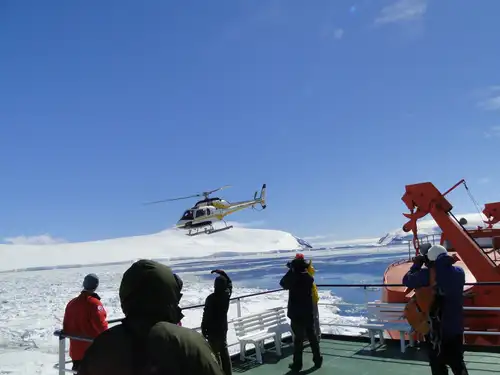
The Wonderful Weddell Sea: Places, Pics, and Impressions
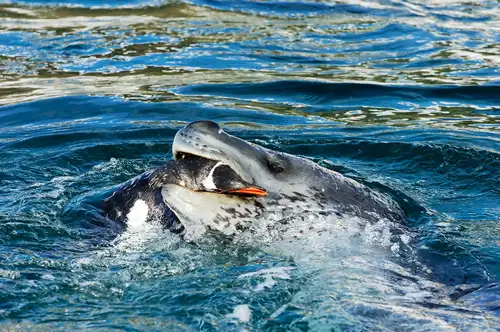
Danger Beneath the Water: 10 Facts About Leopard Seals
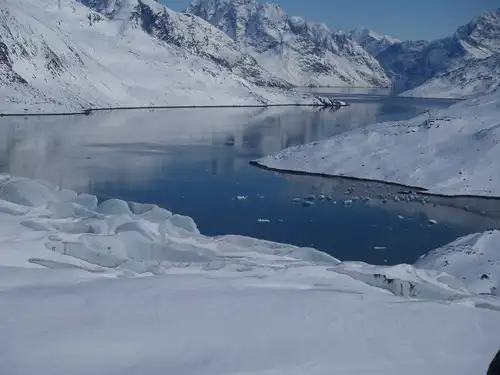
8 Scientific Wonders of the Arctic
The Mysteries of the Beluga Whale
Greenland's History: When Vikings Ruled the Ice Age
15 Falkland Islands Bird Photos
Birds of the South: 33 Antarctic Birds and Seabirds

Two for the Snow: Polar Cruises for Couples
Hondius Photography and Video Workshops
“The polar bear will still be there”
The first race to the South Pole in 50 years
What’s so Special about East Spitsbergen?
10 Tried-and-True Bird Photography Tips
Highlights from the First Arctic Voyage of Hondius
Five Birds You Might See on Your Greenland Cruise
Living the Antarctic Dream
Antarctic Explorer’s Voyage
8 Whales You Might See During Your Antarctica Cruise