Seven Things To Do Around Ushuaia - Nexta Expeditions
Seven Things to Do around Ushuaia

Seven Things to Do around Ushuaia

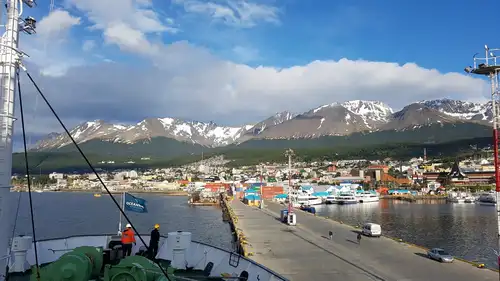
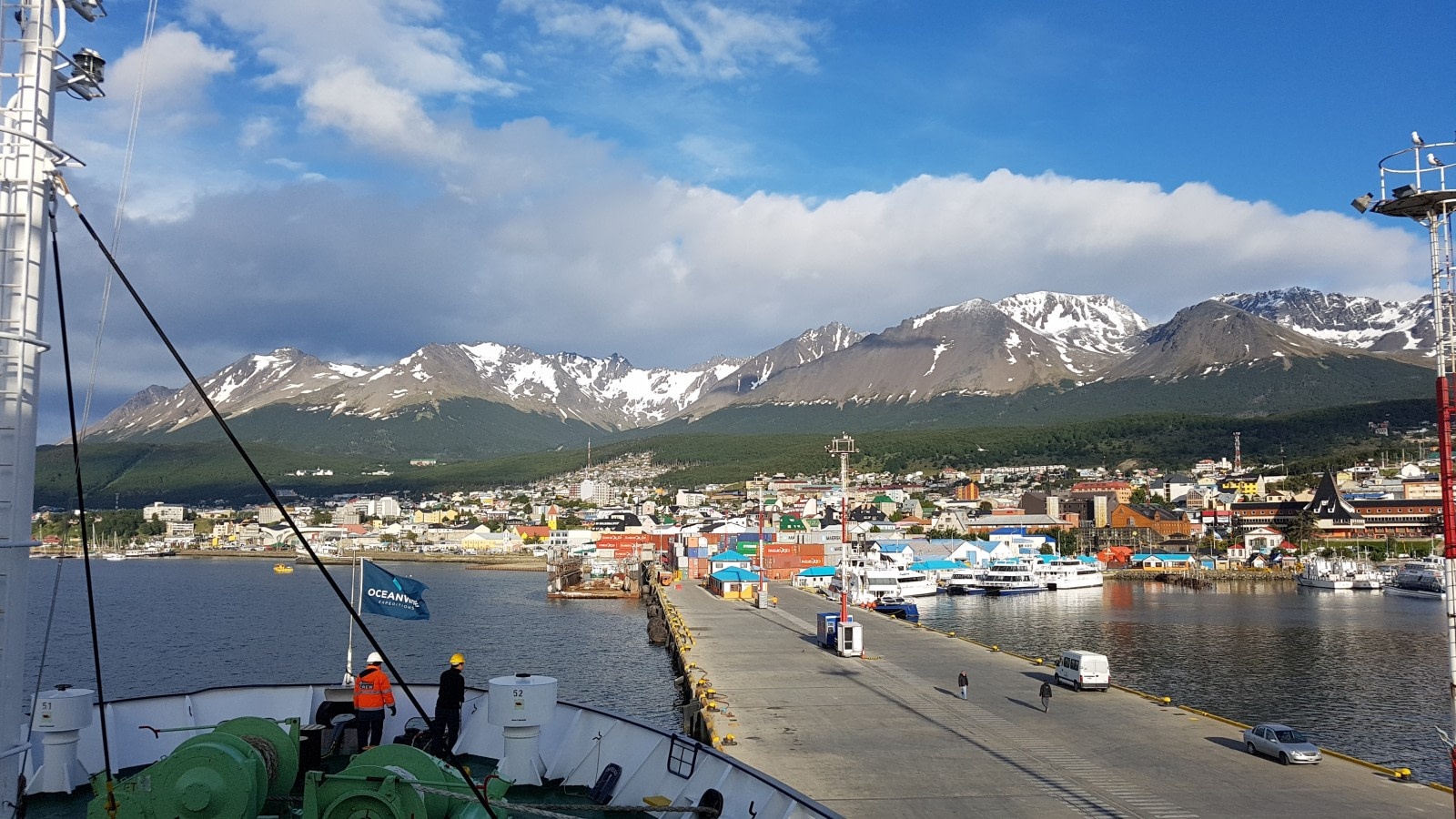
We often recommend arriving early to Ushuaia before embarking on an Antarctica cruise, and for good reason: Ushuaia, on top of being the southernmost city in the world, has in recent years developed into a decidedly charming tourist destination.

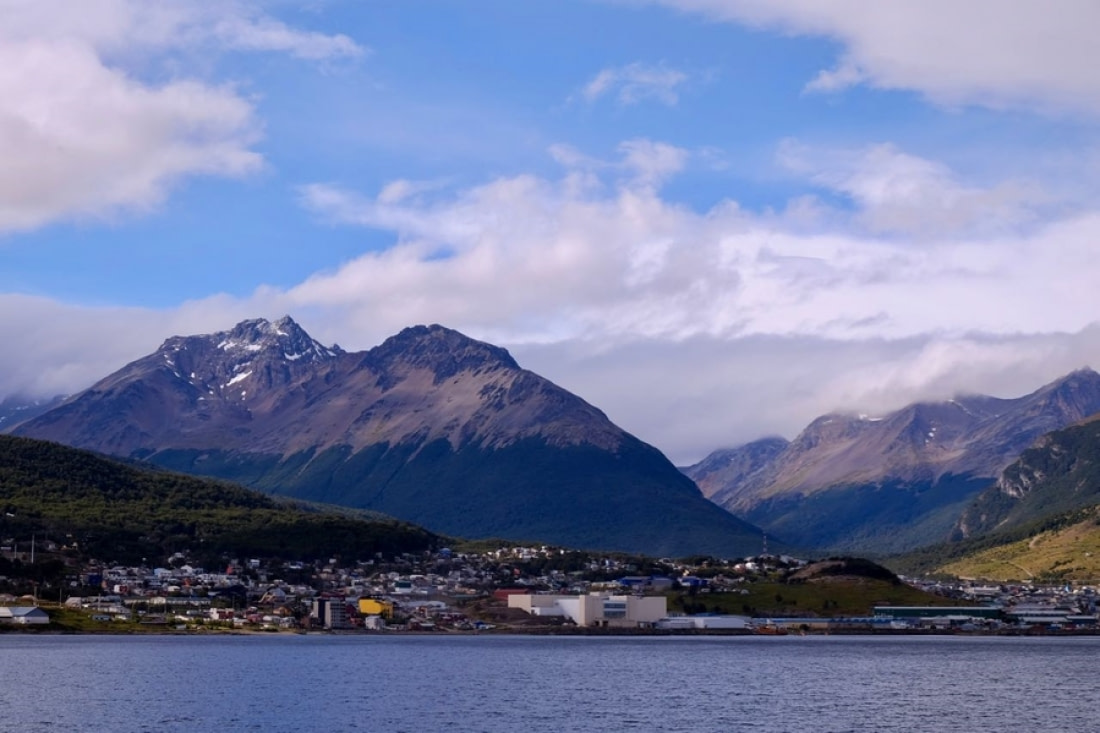
And for outdoors enthusiasts, the surroundings are rivaled only by Antarctica itself.

Here are seven outdoorsy things you can do to pack your Ushuaia time with some great sights, sounds, and experiences before pushing off to your prime Antarctic adventure.
blog-image

1. Take a boat trip to the Martillo Island penguin colony

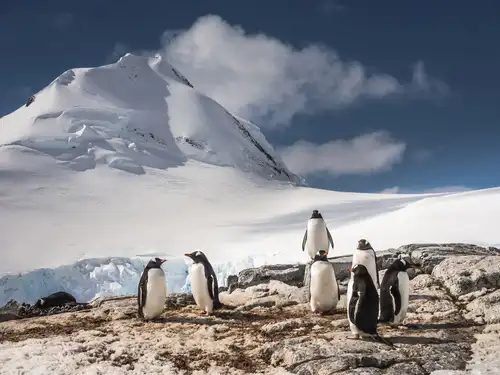
If you’re worried you might not get enough time with the penguins in Antarctica, never fear: You can see these flightless birds not far from Ushuaia too.

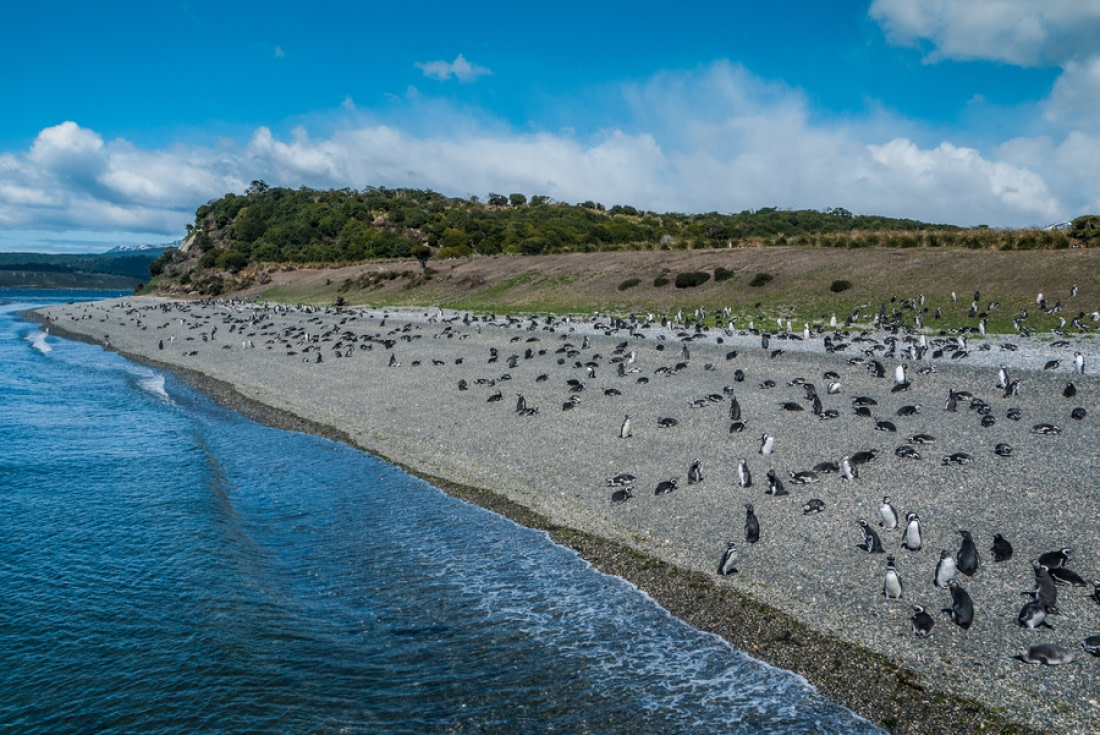
Book one of the four-hour boat tours that begin in Ushuaia and sail the scenic Beagle Channel on your way to Martillo Island, where you can see plenty of Magellanic penguins.

Before reaching the island, you’ll pass by the Cinco Hermanos and Olivia Mountains, the sea lions of Isla de los Lobos, Pajaro Island with its Magellanic cormorants, the Les Eclaireurs Lighthouse, and many other sights.

And when you reach Martillo, you’ll be able to view (and take ample pictures of) the Magellanic penguins while your guide tells you all about this lovable species.
blog-image

2. See Earth’s longest road in Bahia Lapataia (Lapataia Bay)

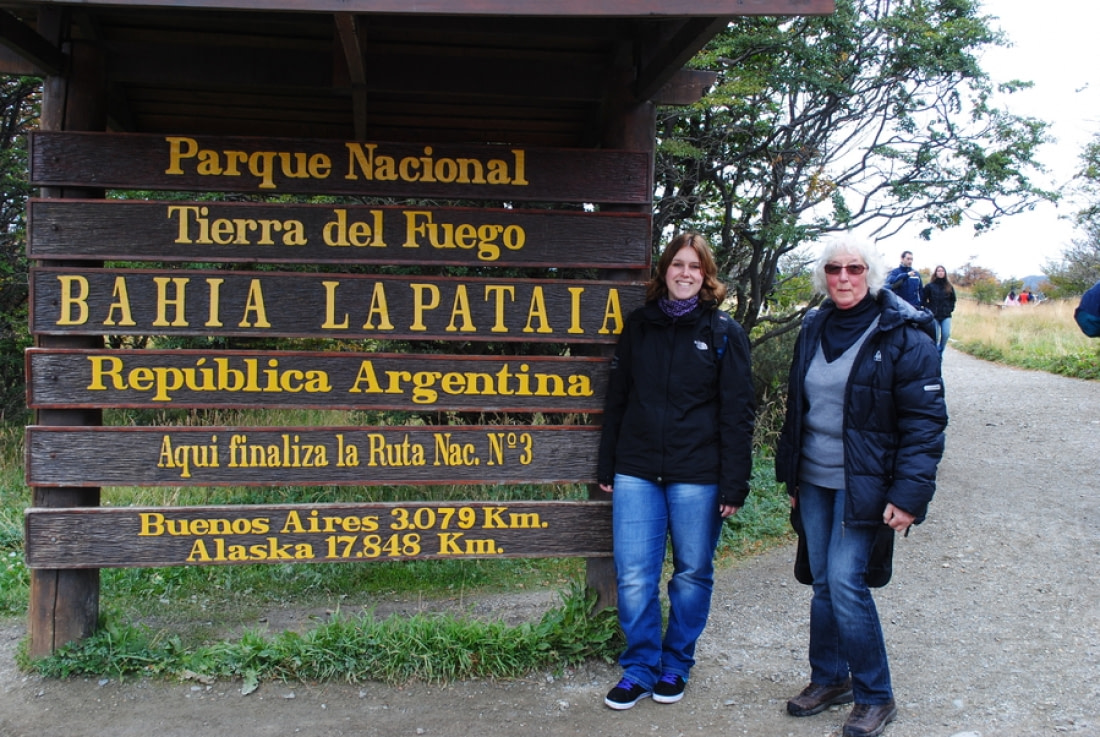
Here you can marvel at the southern endpoint of the world’s longest motorable road, as cited by the Guinness Book of Records.

The Pan-American Highway ends at Lapataia Bay, calling it quits after its roughly 48,000-km journey (29,830 miles) all the way from Prudhoe Bay, Alaska.

Like more than one entry on this list, Lapataia Bay is part of the Tierra del Fuego National Park (also an entry), perhaps the most all-encompassing outdoors attraction Ushuaia visitors can see.

Nonetheless, Lapataia bears mentioning on its own, since in addition to its Pan-American significance, the bay is beautiful in itself: wide, green, and filled with birdlife.
blog-image

3. Visit the lakes in a 4x4 truck (with Patagonian wine)

The Southern Andes might be part of the reason all-terrain vehicles were invented.

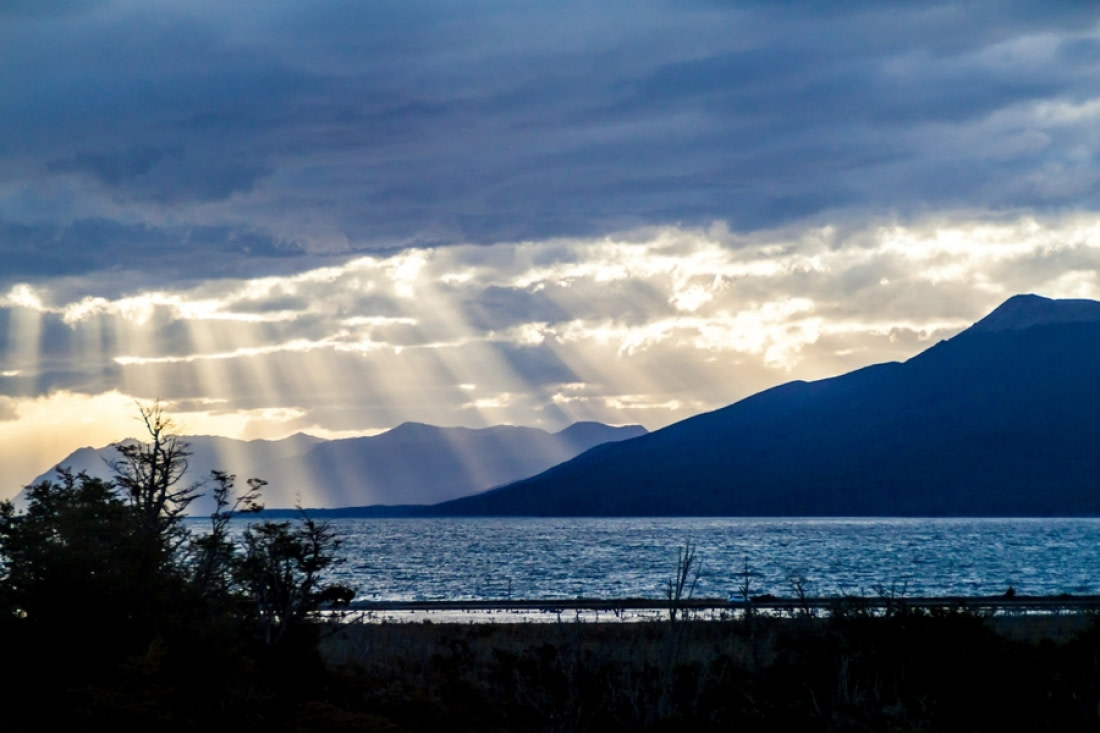
Thankfully, you can set out from Ushuaia in a 4x4 truck that will convey you to some of the best sights in the Lake District of these world-renowned mountains.

On this tour you’ll see deep Patagonian woodlands and glittering mountain lakes, splash across rivers and slosh over muddy roads in a vehicle made for just this kind of environment.

Along the way, you’ll make a stop at Escondido Lake (which we will explore in more detail soon), taking in extraordinary wilderness views.

Your final destination is Fagnano Lake, also known as Khami Lake, where you’ll enjoy a savory lunch accompanied by rich red wine from the region itself, making for a highly civilized end to this high-mountain adventure.
blog-image

4. Go for an Escondido Lake horseback ride

If 4x4 trucks aren’t really your thing, you can see one of Argentina’s most amazing lakes from a more historical conveyance: a horse.

In Ushuaia you can arrange half-day horseback excursions that will take you from the city into the surrounding highlands. After being picked up at your place of lodging, you’ll be driven to a ranch near Escondido Lake, where your ride will begin.

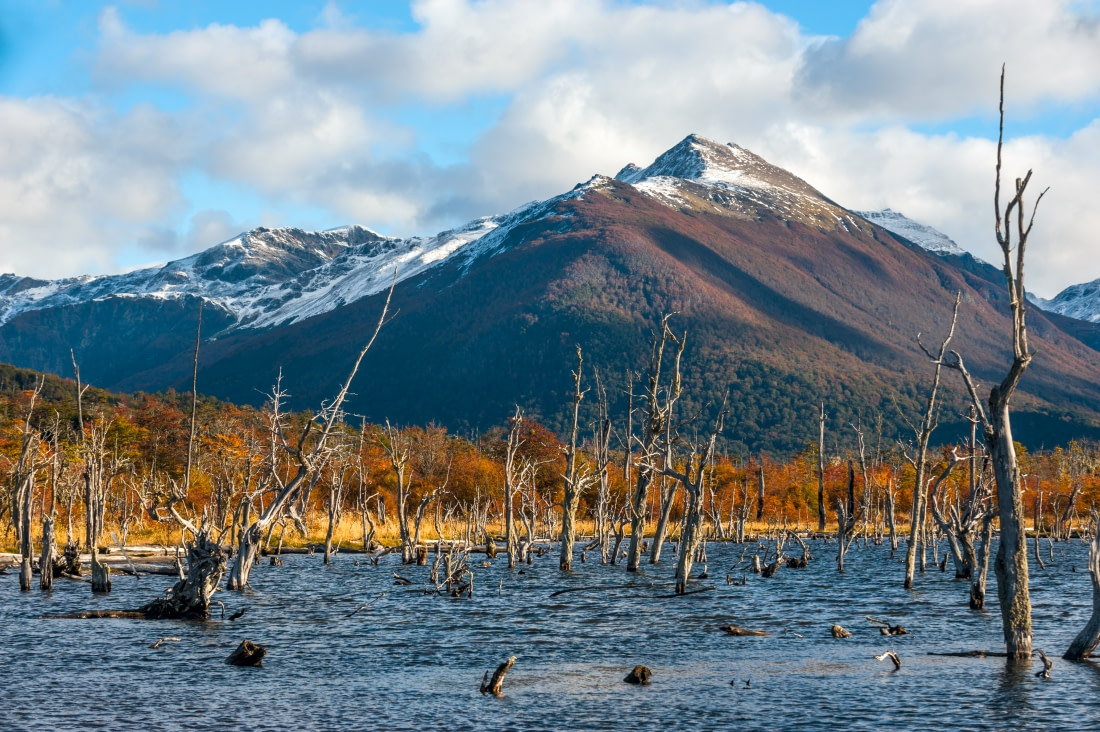
The ride lasts about an hour, touring the sub-Antarctic forest and pristine views of Lake Escondido, one of the most beautiful bodies of water in the region.
blog-image

5. Explore the Museo Maritimo (Maritime Museum)

Eye-popping as the surroundings of Ushuaia are, it can also be enjoyable to keep things simple and stay within the city. For those who don’t want to wear out their love of the outdoors too quickly, we recommend Ushuaia’s Maritime Museum.

The museum used to be a prison but was closed in 1947, now featuring a large collection of maritime models detailing the history of Tierra del Fuego and the arrival of explorers.

Not only that, there’s a section of the museum that explores the lives of the criminals who once inhabited this building, giving you a glimpse into the shadowy side of Ushuaia’s historical social structure.

Exhibits on famous explorers like Shackleton, Amundsen, Nordenskjöld, and Scott abound in the museum, along with works by leading Argentinean artists.

blog-image

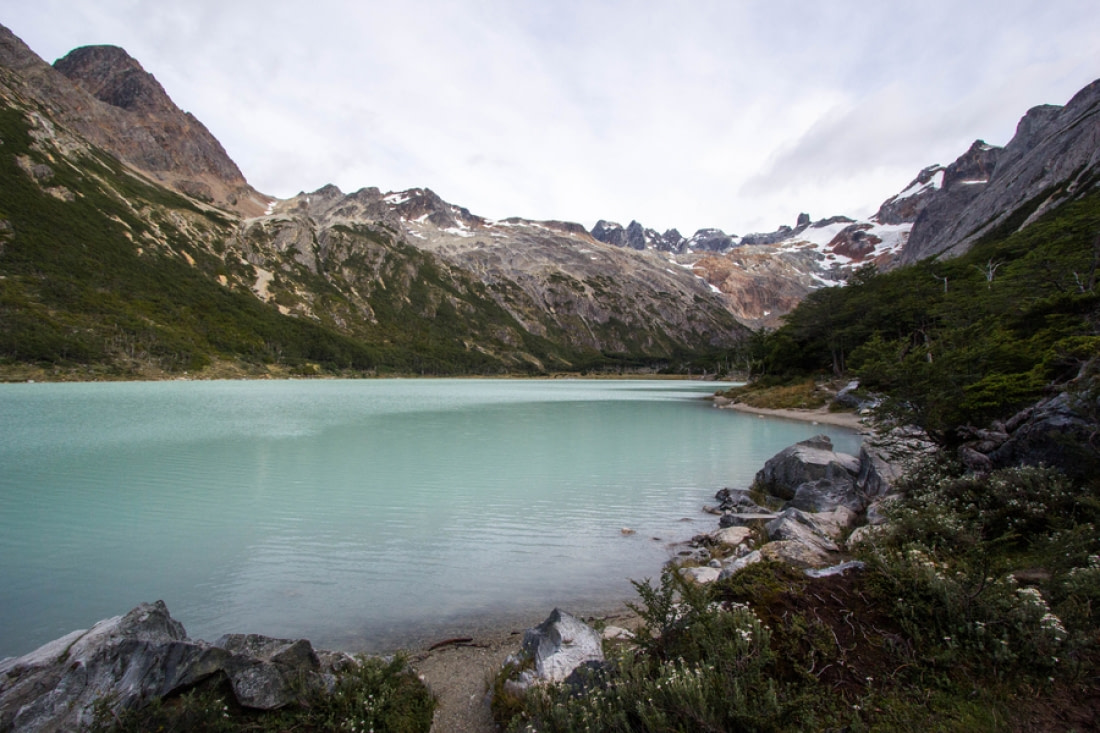
6: Trek around Laguna Esmerelda (Emerald Lagoon)

Like Lake Escondido, the Emerald Lagoon is one of Ushuaia’s most sublime bodies of water.

After taking a bus (arranged by the tour) and arriving at the Nunatak Refuge of the Tierra Mayor Valley, you’ll kick into a pair of waterproof Wellington boots and explore the verdant Patagonian countryside.

Your hike will lead you across streams, peat bogs, and the ancient forests of Lengas and Coihues, giving you the chance to spot beavers, condors, and foxes.

The tour also provides lunch once you reach the lagoon, and you’ll have plenty of time to take pictures and absorb the idyllic views before continuing your loop back to Ushuaia.
blog-image

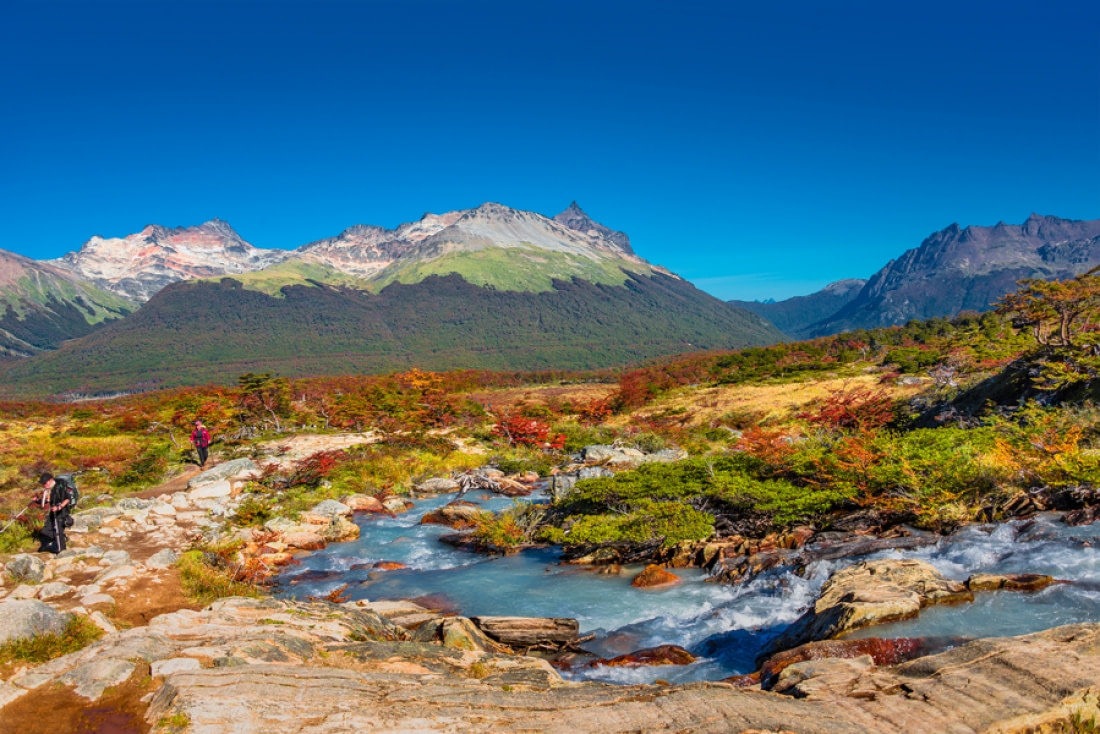
7. Tour the Tierra del Fuego National Park

The fact that Tierra del Fuego National Park appears at the end of this list does not necessarily mean we think it’s the best thing about the Ushuaia countryside, but we can say this: If you only have enough time to see this park during your visit, you can rest assured you’ve seen some of the best Ushuaia has to offer.

The charms of the Tierra del Fuego National Park are nearly endless, whether you’re lured by the lush coastline of the Beagle Channel, the lofty march of snow-capped peaks, or the deep green forests of the Patagonian wilderness.

You can tour the park by bus or by the End of the World Train, each granting their own perspective on this enchanting end-of-the-world oasis of flora and fauna.

blog-image

Blog
go-leftgo-right

Visiting the Nearly Unknown: New Zealand’s Campbell Island - Nexta Expeditions
Blog

Visiting the Nearly Unknown: New Zealand’s Campbell Island

New Zealand is a renowned destination globally, and for good reason: It’s absolutely stunning. Almost every corner is filled with unparalleled beauty. But did you know that New Zealand includes several sub-Antarctic Islands that are almost completely unknown?
First to the North Pole: Five Failed but Brave Expeditions - Nexta Expeditions
Blog

First to the North Pole: Five Failed but Brave Expeditions

Being first to reach the North Pole was seen by several nations as economically invaluable due to the open polar sea said to encircle it, but for the explorers themselves it was also a gloriously adventurous grab for immortality.
Exploration of the Polar Regions - Nexta Expeditions
Blog

Exploration of the Polar Regions

From the Vikings via the first whale and seal hunters to Scott and Amundsen, from the maritime explorers Franklin and Nordenskiöld to present-day polar tourism, a quick tour through history reveals some of the aspects which motivated people to extend their horizons. Existential need, sheer curiosity, imperial greed, polar science, and a taste for adventure all converged in regions which pardon no mistakes.
The South Georgia Seven: Hikes, Fjords, Whales, & Penguins - Nexta Expeditions
Blog

The South Georgia Seven: Hikes, Fjords, Whales, & Penguins

Few places encapsulate such a staggeringly rich assortment of sub-Antarctic scenery, wildlife, and outing opportunities as South Georgia.
Taking the Polar Plunge - Nexta Expeditions
Blog

Taking the Polar Plunge

There are some human activities that for many people simply defy understanding: We juggle chainsaws, we breathe fire, we fling ourselves out of perfectly good airplanes.
Polar Marine Visitors: the Whales of Antarctica and the Arctic - Nexta Expeditions
Blog

Polar Marine Visitors: the Whales of Antarctica and the Arctic

Whales are the world’s largest mammals, found in the Arctic and Antarctica. This article covers some of the major species you may see on voyages to these remarkable areas.
Fierce and Feathered: the Skuas of Antarctica - Nexta Expeditions
Blog

Fierce and Feathered: the Skuas of Antarctica

At first glance, the skuas you encounter in Antarctica may appear to be merely darker-feathered seagulls. But looks can be deceiving.
Five Reasons to Love St. Helena - Nexta Expeditions
Blog

Five Reasons to Love St. Helena

Being one of the most remote islands on Earth gives St. Helena a unique allure. Named after a Roman empress and the mother of Constantine the Great, this island also holds the distinction of being Napoleon’s final place of exile, making it a fascinating topic of conversation.
The disastrous expedition in the Arctic west - Nexta Expeditions
Blog

The disastrous expedition in the Arctic west

In 1902, Otto Sverdrup, captain of the Fram on Nansen’s expedition, led his own Arctic expedition to the north of Canada. Over the period of the expedition, which started in 1898, Sverdrup and his 15-man crew charted over 250,000 square kilometres of the Arctic using the Fram and sledges. During the expedition Ellesmere Island’s west coast was explored and new islands discovered.
Svalbard’s 12 Most Iconic Animals - Nexta Expeditions
Blog

Svalbard’s 12 Most Iconic Animals

Each of our Arctic regions offers its own distinct and unforgettable features: Greenland boasts mountainous shorelines and record-setting fjords, Northern Norway is renowned for the aurora borealis and historic masted schooners, and Svalbard (especially Spitsbergen) is where you're most likely to encounter a variety of Arctic wildlife.
Of Treacherous Rocks & Audacious Fin Whales - Nexta Expeditions
Blog

Of Treacherous Rocks & Audacious Fin Whales

Soon large blows filled our view; small groups of fin whales sped by heading north all the while feeding on concentrations of krill & small fish. Group after group was seen, with many simply feeding in the general area and not heading anywhere in particular. Soon it became evident that we were not simply seeing a few random groups of fins, but a very large concentration spread out over a large area of sea just north and around the islands north of the South Shetlands. Dozens upon dozens of fin whales were feeding, diving around the ship and on the horizon in massive numbers; we must have seen well over fifty fin whales in the general area of Elephant Island, something many of the guides had never seen before.
The Eight Great Penguin Species of Antarctica - Nexta Expeditions
Blog

The Eight Great Penguin Species of Antarctica

There are 17 species of penguin on the planet, but the eight you’ll most likely recognize live in Antarctica, its nearby islands, and the sub-Antarctic archipelagos of South Georgia and the Falklands. These are the core species we tend to see on our expedition cruises.
South Georgia in Spring - Nexta Expeditions
Blog

South Georgia in Spring

What a fantastic time to be in South Georgia! Perhaps the best time of the year! The wildlife is abundant, and the light is simply magical for photography. Kings, Gentoos, Chinstraps, and Macaronis are all present along the shorelines. Elephant and Fur seals are also plentiful! Wandering albatrosses are welcoming their newly hatched chicks, while the non-breeders are actively engaged in their courtship rituals, practicing a ceremonial dance. Light-mantled, Sooty, and Grey-headed albatrosses are still feeding their fluffy chicks, as are the Giant petrels. We've been fortunate with the weather, finding ourselves in the right place at the right time to succeed in all our landings and zodiac cruises so far.
Coming Back from the Brink: The Fur Seals of Antarctica - Nexta Expeditions
Blog

Coming Back from the Brink: The Fur Seals of Antarctica

Once hunted to the brink of extinction, the Antarctic fur seal is now one of the most populous and charismatic species of seal you’re likely to encounter during your Antarctica trips. Unlike other members of its large family, the fur seal has external ears, or pinnae, a short snout, and a thick coat of dark brown fur. Male seals tend to be larger than females, with weights ranging from 91 kg (200 lbs.) to 215 kg (474 lbs.).
Path of Polar Heroes: Hiking Shackleton’s Historic Route - Nexta Expeditions
Blog

Path of Polar Heroes: Hiking Shackleton’s Historic Route

“We had seen God in his splendors, heard the text that Nature renders.” ~Ernest Shackleton
Greenland's History: When Vikings Ruled the Ice Age - Nexta Expeditions
Blog

Greenland's History: When Vikings Ruled the Ice Age

A Greenland cruise offers a journey into a rich history filled with intriguing details that captivate polar expedition enthusiasts. Among the most fascinating historical aspects is the fact that Vikings once ruled this land. Anthropologists and climate scientists have long studied Greenland to pinpoint when and why the Vikings left. Recent findings have shed new light on this historical culture.
15 Falkland Islands Bird Photos - Nexta Expeditions
Blog

15 Falkland Islands Bird Photos

The remote sub-Antarctic archipelago of the Falkland Islands is a haven for bird enthusiasts, offering a unique and abundant selection of birds, especially seabirds.
Baleen Whales – The Gentle Giants of the Ocean - Nexta Expeditions
Blog

Baleen Whales – The Gentle Giants of the Ocean

They are the largest animals on Earth, yet they thrive on some of the tiniest creatures. These giants can reach lengths of 30 meters (90 feet), but it is the microscopic zooplankton, krill, and small fish that sustain them. These are the baleen whales. Unlike toothed whales, baleen whales lack teeth. Instead, they use plates of baleen in their mouths to trap and consume their tiny prey.
Ice streams and lakes under the Greenland Ice Sheet - Nexta Expeditions
Blog

Ice streams and lakes under the Greenland Ice Sheet

The Greenland ice sheet is a dynamic mass of dense, flowing, and deforming ice. Snow deposited on the central parts of the ice sheet is gradually compressed into ice that slowly moves towards the ice margin. At the ice margin, the ice is removed by melting or by breaking off into icebergs.
The Emperor Penguin of the Drake Passage - Nexta Expeditions
Blog

The Emperor Penguin of the Drake Passage

There are certain moments in life when a series of events combine to create an experience that is both unexpected and unforgettable. These are the times when you are reminded how fortunate you are to be a part of something that few people will ever have the opportunity to experience. This trip to Antarctica was full of these moments for me.