The First Buildings In Antarctica Borchgrevinks Historic Huts - Nexta Expeditions
The First Buildings in Antarctica: Borchgrevink’s Historic Huts

The First Buildings in Antarctica: Borchgrevink’s Historic Huts

Borchgrevink’s huts at Cape Adare hold a significant place in Antarctic history, being the first structures ever built on the continent.

In 1899, Norwegian explorer Carsten Egeberg Borchgrevink and his team arrived at Cape Adare with the goal of becoming the first to spend a winter in Antarctica. The success of this Southern Cross Expedition, officially known as the British Antarctic Expedition of 1898-1900, served as an inspiration for renowned explorers like Shackleton, Amundson, and Scott during the Heroic Age of Antarctic Exploration.

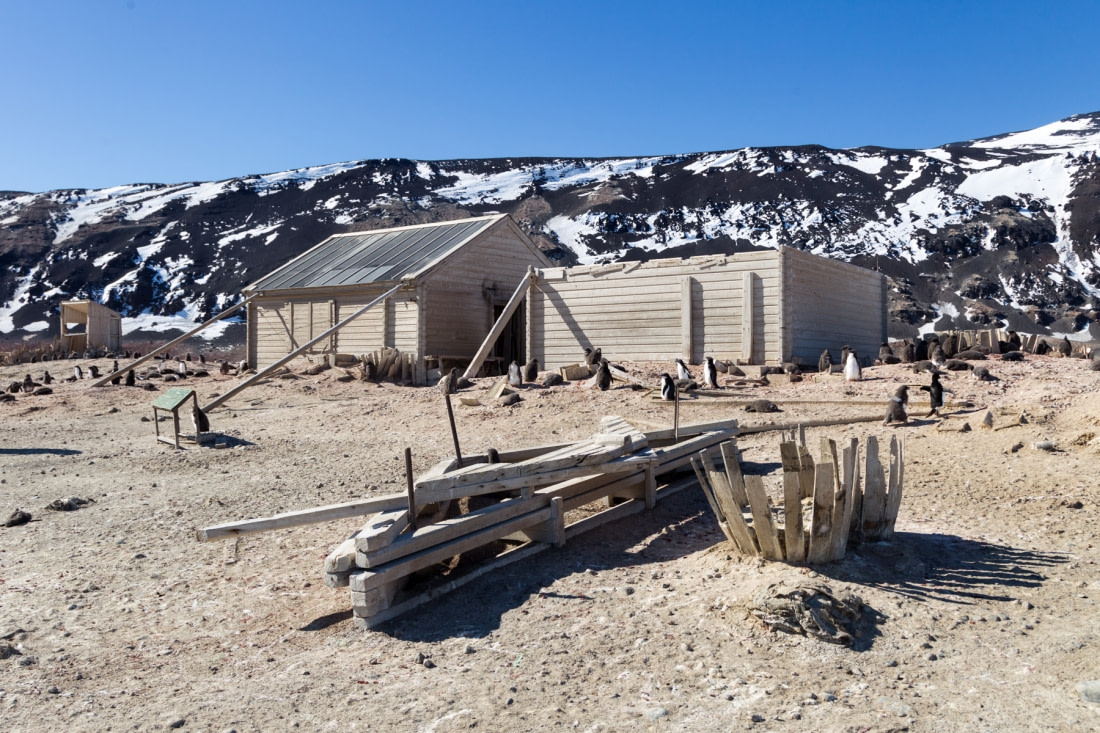
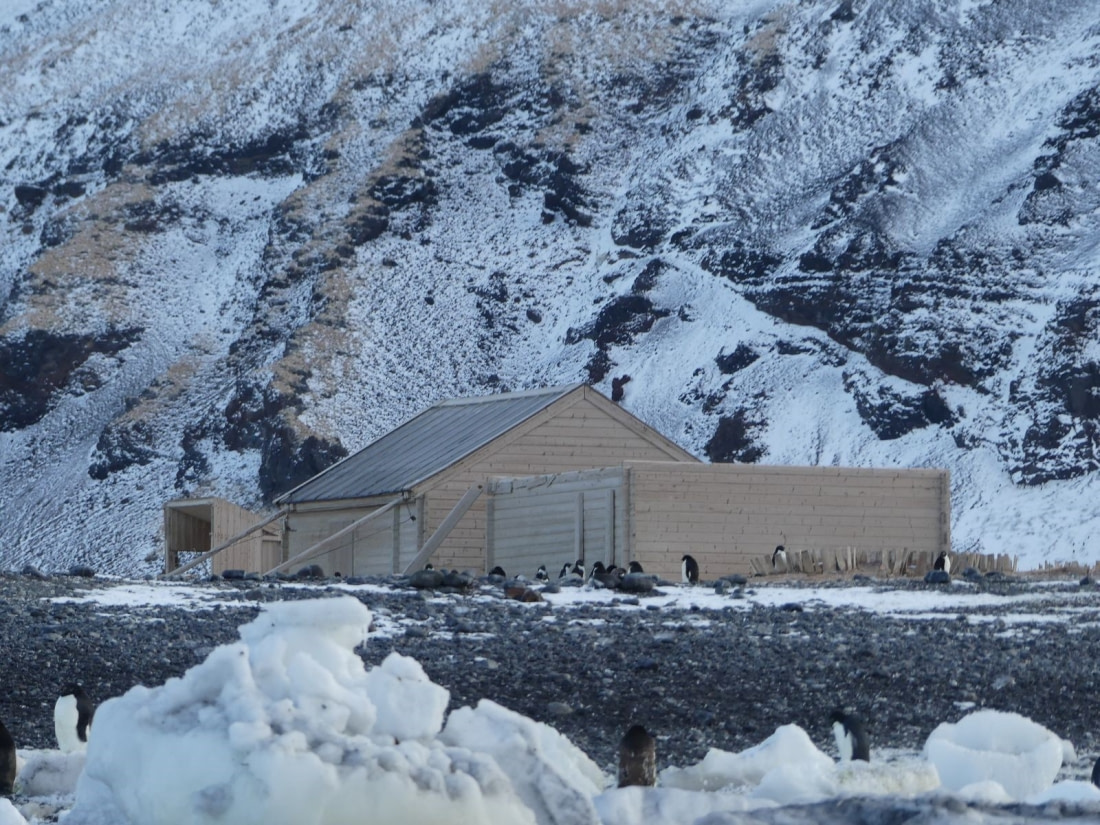
Borchgrevink and his crew constructed two huts from Norwegian spruce at Cape Adare—one for living quarters and the other for storing supplies.
blog-image

Carsten Borchgrevink and his Antarctic huts

The expedition arrived with 75 Siberian dogs, two tons of dehydrated food, various firearms, and 500 miniature Union Jacks for surveying and extending the British Empire.

The crew built their winter huts using interlocking boards secured with steel tie rods. The roofs were covered with seal skins, weighed down by coal bags and boulders. The living quarters featured a double floor and walls insulated with papier-mâché, sliding panels, and curtains for privacy. Double-glazed windows with exterior shutters helped retain warmth, and a saloon lamp from the ship provided lighting. Borchgrevink’s smaller hut stored medical supplies, provisions, and extra clothing, but eventually became his private study. This hut also had two small rooms off an entrance porch, used as a photographic darkroom and for storing instruments.

The two huts were connected by a roofline extending to the ground, with sails and seal skins providing additional storage and wind protection. Borchgrevink planned to move the huts, provisions, and party to either Coulman Island or Cape Gauss in the summer. After the winter of 1900, he intended to sledge to the South Magnetic Pole.

Work began on dismantling the hut, but it was halted, and the party left on February 2, 1900, heading south to the Ross Ice Shelf before returning to Stewart Island, New Zealand.
blog-image

Visitors to Borchgrevink’s huts

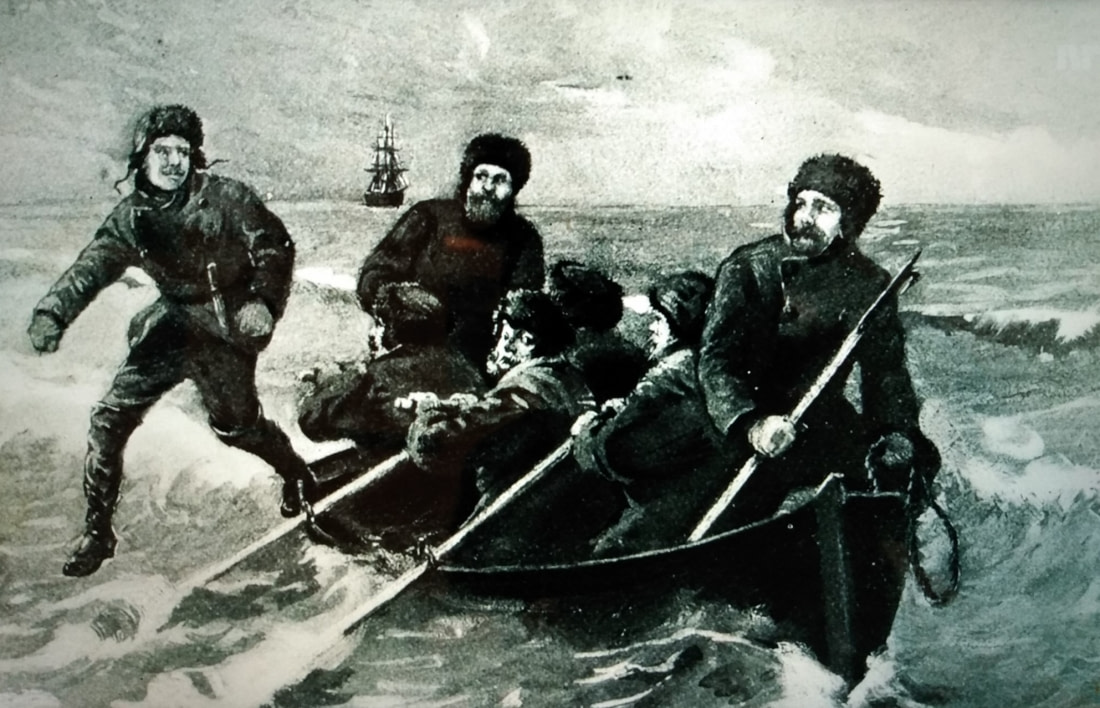
The next visit to Cape Adare occurred on January 8, 1902, by the Discovery Expedition led by Robert Falcon Scott. Expedition member Edward Wilson described the site: “The litter around the huts was very interesting and the waste excessive…the huts looked like the centre of a rubbish heap.”

In February 1911, a party from the British Antarctic Expedition, also known as the Terra Nova Expedition, arrived. The ship’s carpenter found weathered cases around the huts and noted, “I stuck a pick into one case and found it was ball ammunition… Luckily, I did not strike the business end of a cartridge.”

Despite being filled with snow, both huts were in good condition. The smaller hut’s roof, dismantled by Borchgrevink’s crew, was covered by a canvas. The hut was partitioned for warmth, with sleeping platforms on boxes around two walls. A blubber stove, ice melter, and a latrine against the outer west wall were also installed.

The Terra Nova crew built another wintering hut near Borchgrevink’s in mid-February. Almost a year later, on January 3, 1912, they left Antarctica, leaving the huts behind.
blog-image

The Borchgrevink huts’ later arrivals

In February 1924, Norwegian whalers on the chaser Star 1 observed Borchgrevink’s huts from offshore. The next visitors arrived in February 1956 with a party from the US icebreaker Edisto, finding scattered supplies and equipment from earlier expeditions.

On January 14, 1961, Brian Reid and Colin Bailey of the New Zealand Biological Party arrived on the US icebreaker Eastwind to study Adelie penguin and skua populations. A storm destroyed their tents, forcing them to take shelter in Borchgrevink’s hut. They found a letter to Petty Officer George Abbot of the Terra Nova Expedition, cologne bottles, plum puddings, and a biscuit tin from Cape Royds. They sealed the hut before leaving.
blog-image

The restoration of Borchgrevink’s huts

In February 1973, two New Zealanders, Shaun Norman and Lawrie Cairns, camped on Ridley Beach. They repaired Borchgrevink’s hut and brought several artifacts back to the Canterbury Museum in Christchurch, New Zealand.

A Canterbury Museum Expedition conducted further repairs and a site survey in early 1982. In 1990, a joint Antarctic Heritage Trust and University of Auckland party arrived at Borchgrevink’s hut for repair work and documentation.
blog-image

Borchgrevink’s huts today

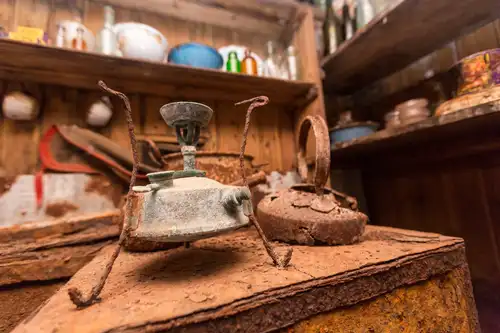
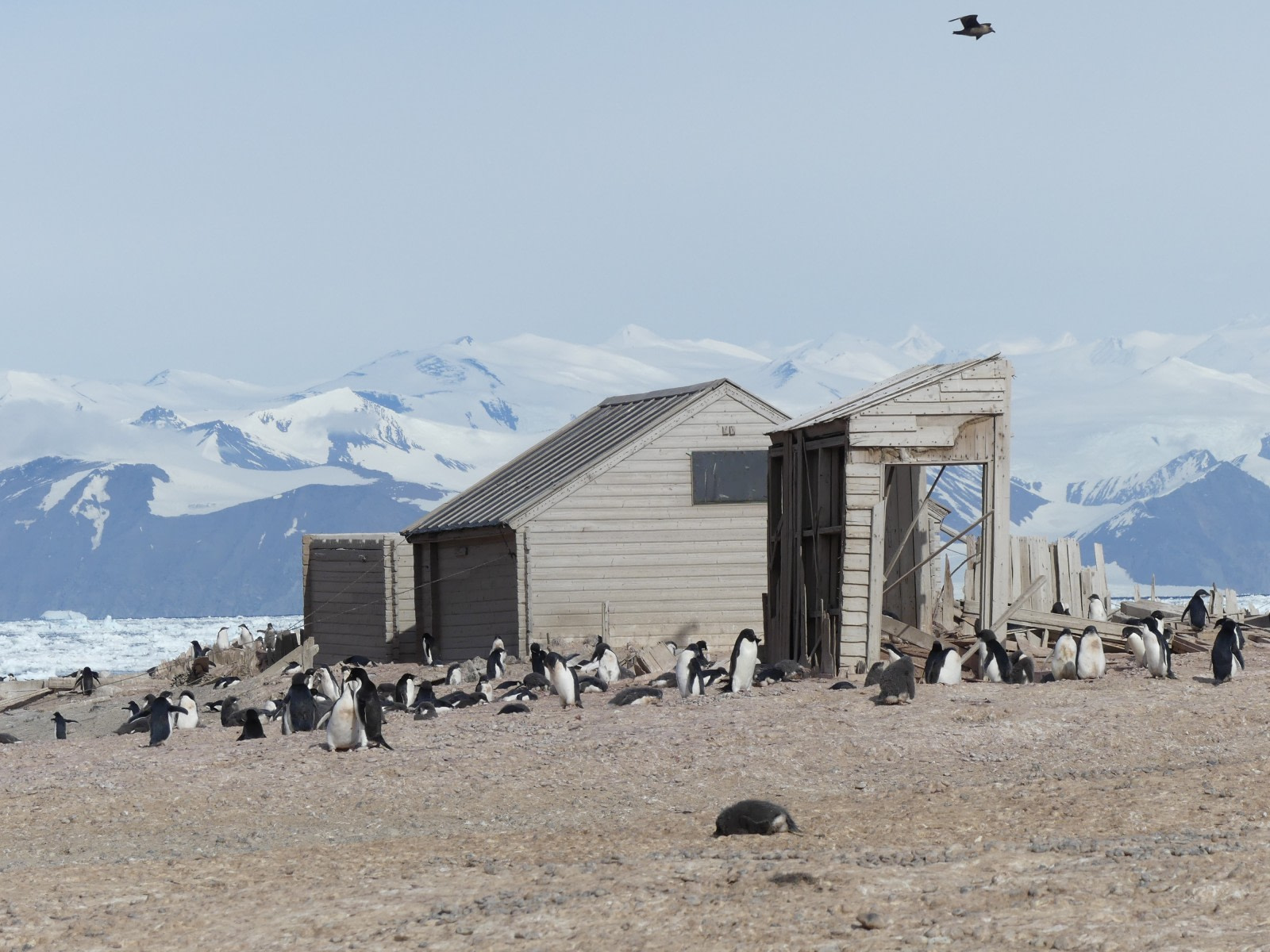
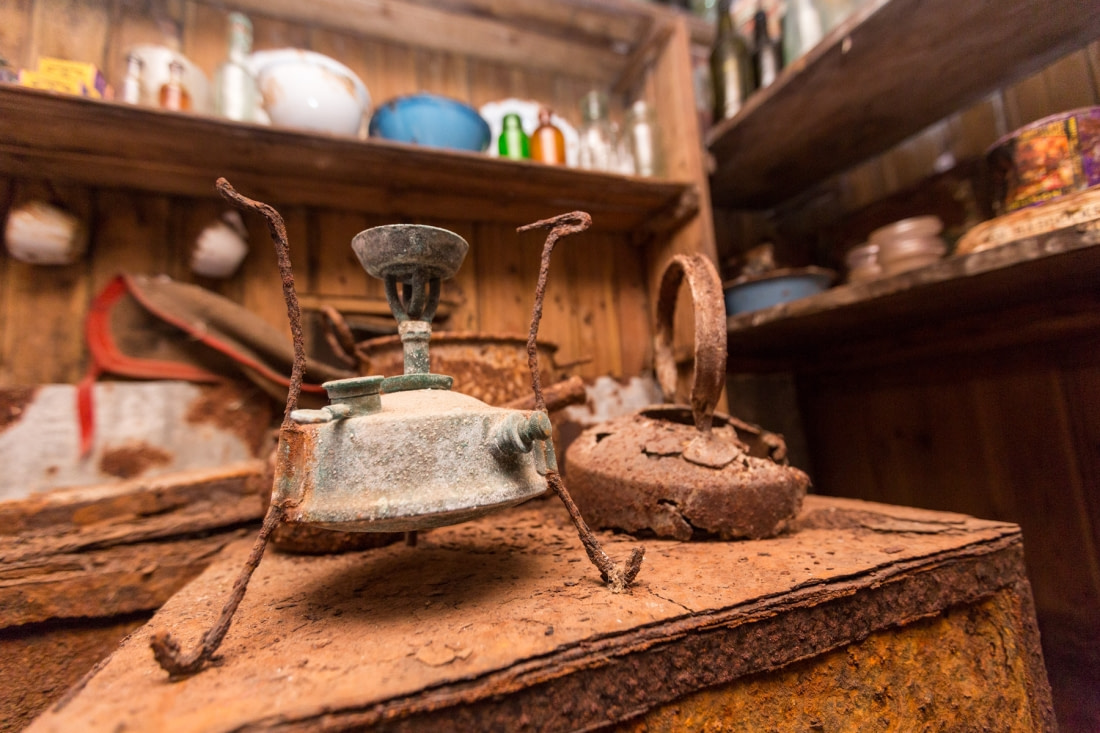
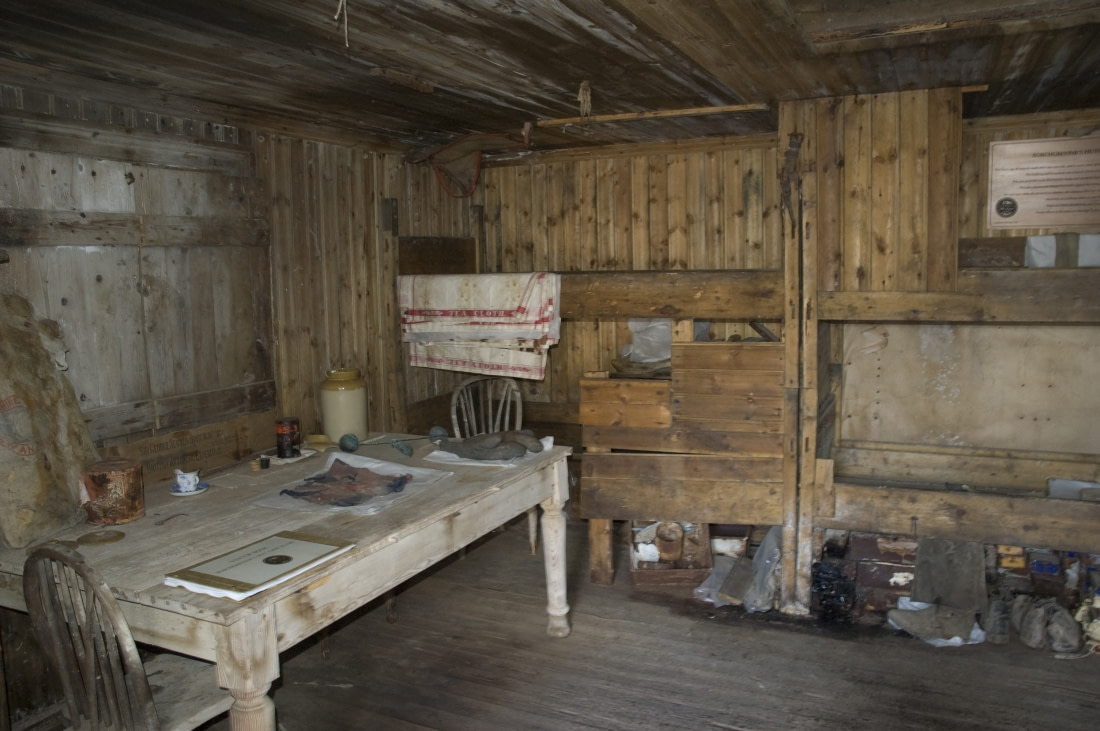
Today, Borchgrevink’s hut features a rusting stove and shelves lined with tins of lime juice nodules, dried potato, army rations, Wiltshire bacon, Lea and Perrins sauce, and hessian dog coats trimmed with red braids. The walls and bunks bear signatures and caricatures of expedition members.

A fine pencil drawing of a young Scandinavian woman adorns the ceiling above a bunk, accompanied by a Norwegian inscription: “All the bells chime far away, Tidings from the old days, All the flowers turn and look back with a sigh.”

Outside, remnants of the roof, wooden barrels, bags of coal, heavy calibre ammunition, an anchor, provision boxes, and dog tethering pegs with the remains of two dogs can be found. The hut built by the Terra Nova party has mostly collapsed, with only the porch still standing.

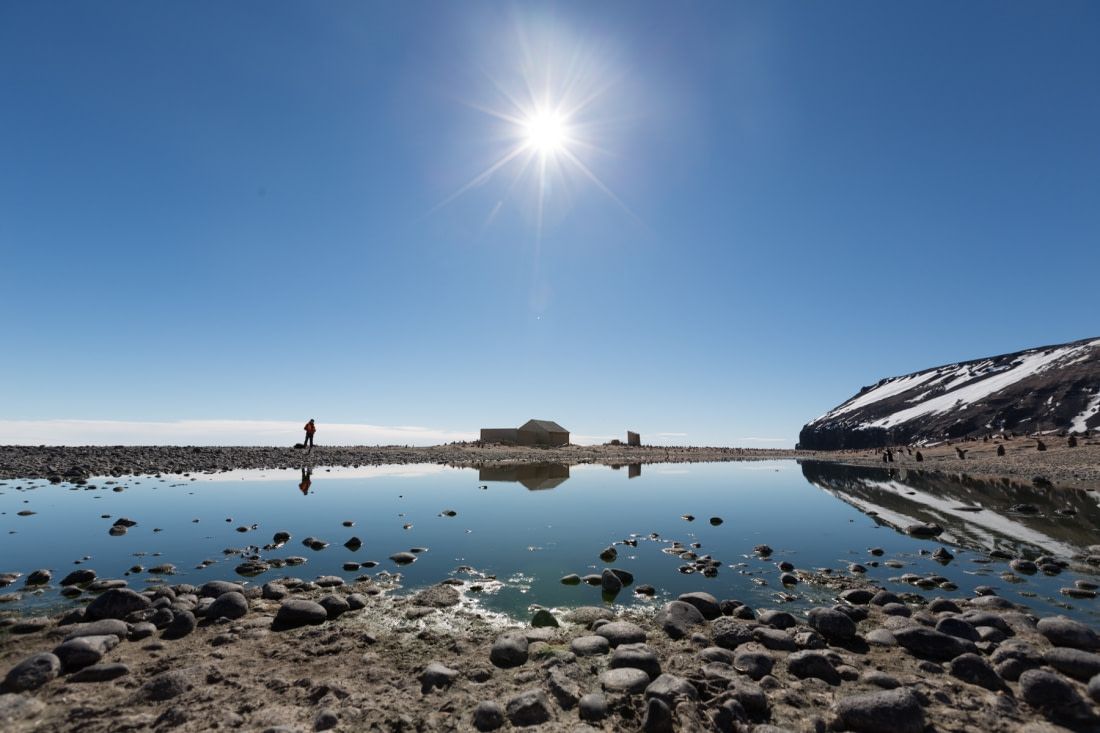
Carsten Borchgrevink’s small hut remains in sound condition over a century after its construction. Although the unroofed storage hut shows signs of severe weathering and a buckled floor, it remains a fascinating historical site. Both huts offer a glimpse into a bygone era of Antarctic exploration, captivating both scholars and visitors alike.

blog-image

Blog
go-leftgo-right

Eight Engaging Reindeer Facts - Nexta Expeditions
Blog

Eight Engaging Reindeer Facts
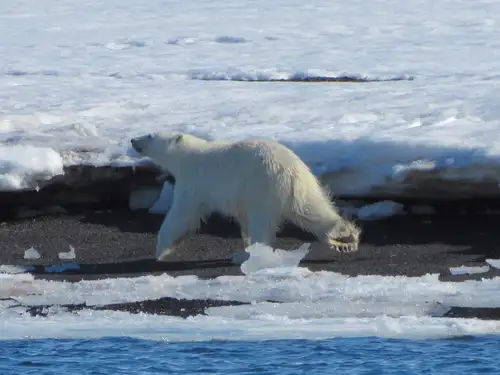
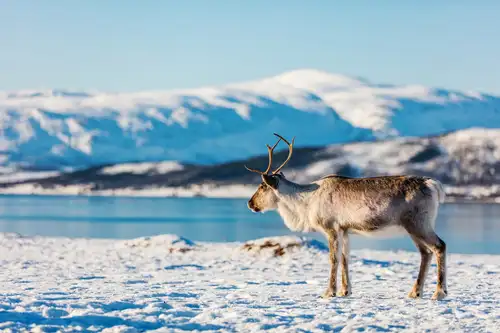
When we think about reindeer, we might also think of Saami herders or the holidays or teams of these beloved Arctic animals pulling a bell-covered sleigh across the nighttime sky. Only the first of these options, however, is something you're likely to encounter on an Arctic expedition cruise - and that's only in Northern Norway.
Polar bear feast - Nexta Expeditions
Blog

Polar bear feast

The polar bear was relishing his meal; the snow and his face were turning red from the blood. As we observed him eating, our own stomachs began to grumble. It was time for lunch.
Not Eskimos: 10 Enlightening Facts About the Inuit - Nexta Expeditions
Blog

Not Eskimos: 10 Enlightening Facts About the Inuit

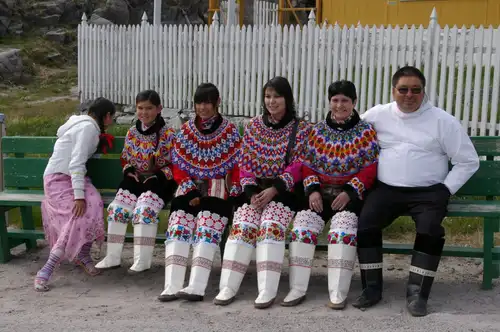
If you are planning to join an Arctic cruise, you might be intrigued by the Inuit culture. To help you gain a deeper understanding of these people, especially if you are considering a trip to Greenland, here are 10 fascinating facts about the Inuit that everyone should know.
The Giant Petrels of King George Island - Nexta Expeditions
Blog

The Giant Petrels of King George Island

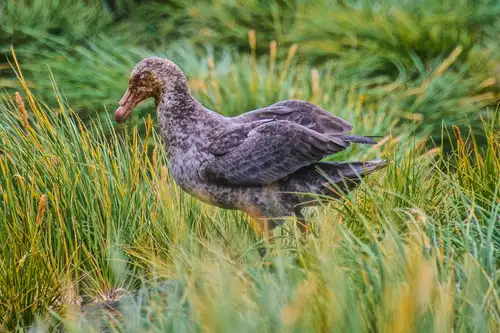
Antarctica is undeniably one of the world’s premier birding destinations.
12 Tips to Help Keep Birds Safe During an Antarctic Cruise - Nexta Expeditions
Blog

12 Tips to Help Keep Birds Safe During an Antarctic Cruise

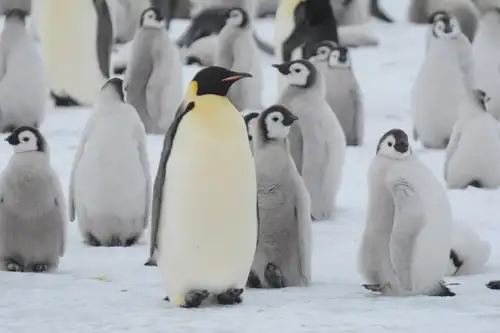
One of the most incredible experiences on an Antarctic cruise is observing the numerous penguins in their natural environment. Naturally, passengers often worry about the potential of disturbing the penguins and other Antarctic birds, which could disrupt their breeding and nesting patterns.
The Dirty Details of Antarctica's Dry Valleys - Nexta Expeditions
Blog

The Dirty Details of Antarctica's Dry Valleys

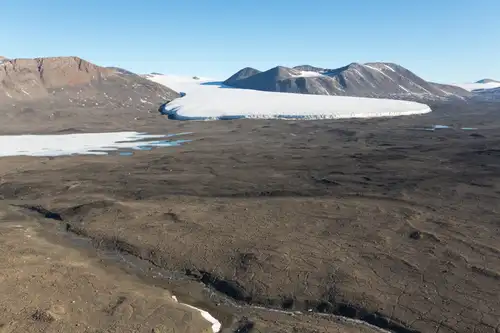
Situated on the western coast of McMurdo Sound, the McMurdo Dry Valleys represent the largest ice-free region in Antarctica.
The Evolving Shipboard Eco-traveler - Nexta Expeditions
Blog

The Evolving Shipboard Eco-traveler

Feeling stuck in the monotony of everyday life? Looking for a change of scenery? Look no further! Most of us spend our lives on solid ground, despite our bodies being composed of 71.5% water. You'd think we'd have a natural inclination to be in or on the water! So why not try something different? Consider an Arctic holiday adventure on the same waters that famous explorers once navigated!
Wreck Diving in Antarctica - Nexta Expeditions
Blog

Wreck Diving in Antarctica

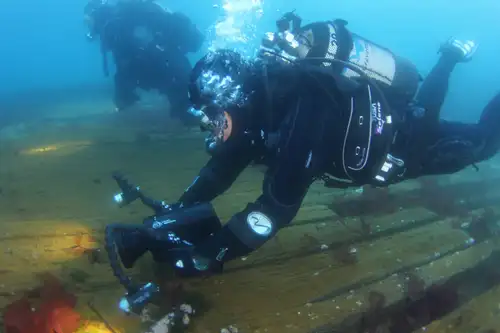
Scuba diving in Antarctica is an unparalleled adventure. Few places on Earth allow you to swim beneath icebergs and potentially encounter penguins or leopard seals. But the wonders of Antarctic diving don't end there.
South Georgia Whaling Stations - Nexta Expeditions
Blog

South Georgia Whaling Stations

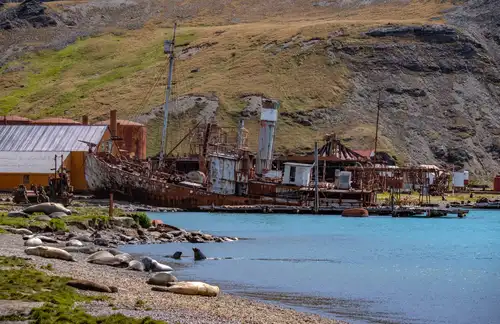
South Georgia is a paradise for animal enthusiasts. It stands out as one of the most wildlife-abundant destinations in our polar expeditions, whether in the Northern or Southern Hemisphere.
Life in the Polar Regions - Nexta Expeditions
Blog

Life in the Polar Regions

Polar bears in the Arctic, penguins in Antarctica.
Antarctic Explorer’s Voyage - Nexta Expeditions
Blog

Antarctic Explorer’s Voyage

There’s off the beaten track, and then there’s really off the beaten track.
The First Overwintering Hut in Antarctica - Nexta Expeditions
Blog

The First Overwintering Hut in Antarctica

In 1899, Carsten Borchgrevink and his nine crewmen became the first to spend the winter in a hut in Antarctica. (Technically, the Belgian Antarctic Expedition of 1897-1899 was the first to overwinter there, though this was done on their vessel after it was caught in ice.) Borchgrevink and his men spent the dark winter months isolated in a dirty hut, surrounded by equipment and sled dogs fighting each other outside.
The Ancient Fossil Forests of Antarctica - Nexta Expeditions
Blog

The Ancient Fossil Forests of Antarctica

Over a hundred years ago, Robert Falcon Scott’s expedition to Antarctica discovered fossils of plants on the Beardmore Glacier, less than 500 km (310 miles) from the South Pole. Edward Wilson, who was the expedition’s chief scientist, recorded the findings in his diary, stating that “most of the bigger leaves were like beech leaves in shape and venation.”
The Norse Settlement of Greenland - Nexta Expeditions
Blog

The Norse Settlement of Greenland

Erik the Red is a significant and vibrant figure in the history of the Norse Vikings. His story is primarily documented in the Icelandic Sagas Huaksbók (14th Century) and Skalhóltsbók (15th Century). These accounts offer slightly different versions of events that occurred 3-400 years earlier. The original saga of Erik the Red is believed to have been written around 1200 A.D., with the Skalhóltsbók version considered closest to the original. Additionally, Flateyjarbók (13th Century), which includes the Saga of the Greenlanders, is a crucial source for understanding the settlement of Greenland and the discovery of Vinland – North America.
Shackleton’s Long-Lost Endurance Discovered in Antarctica - Nexta Expeditions
Blog

Shackleton’s Long-Lost Endurance Discovered in Antarctica

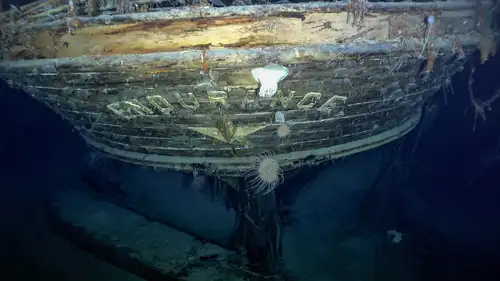
A discovery expedition launched by the Falklands Maritime Heritage Trust achieved a long-awaited mission when it located Anglo-Irish explorer Ernest Shackleton’s lost ship Endurance last Saturday (March 5).
Navigating by touch through the sea ice - Nexta Expeditions
Blog

Navigating by touch through the sea ice

Ships are meant to glide effortlessly through calm waters, but our Greenland expedition vessel Ortelius is shuddering and wiggling as it navigates through the calm yet frozen waters between Svalbard and the islands. We’re on the North Atlantic Odyssey, a journey that starts in continental Europe and concludes near the North Pole in Svalbard. Onboard are 115 enthusiastic passengers. Most of them are currently on the outer decks, cameras in hand, captivated by the sea ice.
South Georgia in Spring - Nexta Expeditions
Blog

South Georgia in Spring

What a fantastic time to be in South Georgia! Perhaps the best time of the year! The wildlife is abundant, and the light is simply magical for photography. Kings, Gentoos, Chinstraps, and Macaronis are all present along the shorelines. Elephant and Fur seals are also plentiful! Wandering albatrosses are welcoming their newly hatched chicks, while the non-breeders are actively engaged in their courtship rituals, practicing a ceremonial dance. Light-mantled, Sooty, and Grey-headed albatrosses are still feeding their fluffy chicks, as are the Giant petrels. We've been fortunate with the weather, finding ourselves in the right place at the right time to succeed in all our landings and zodiac cruises so far.
Solargraphy & Pin Hole photography in the Arctic - Nexta Expeditions
Blog

Solargraphy & Pin Hole photography in the Arctic

What to Pack for Your Expedition Cruise to the Arctic or Antarctica - Nexta Expeditions
Blog

What to Pack for Your Expedition Cruise to the Arctic or Antarctica

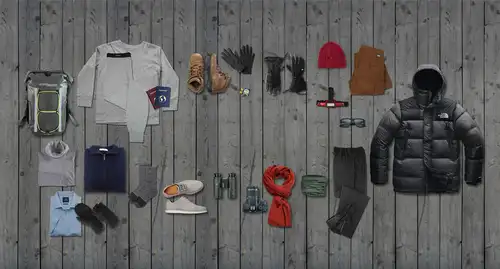
It’s easy to get confused about what to pack for a polar cruise. Some items are provided and some are not, and it’s not always clear which is which. This article will make your polar pack list painstakingly clear. Promise.
Top 10 Tips for Packing Your Polar Photography Equipment - Nexta Expeditions
Blog

Top 10 Tips for Packing Your Polar Photography Equipment

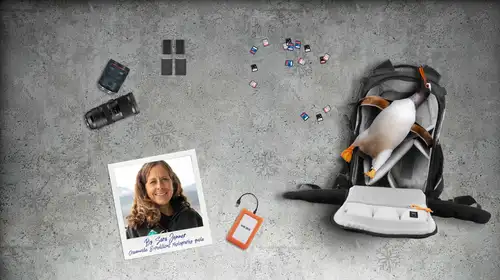
One of the most common questions I get asked before a cruise is, “What photography equipment should I bring?” It’s a broad question, and answers vary based on the individual. There are, however, a few key pointers that apply to almost everyone.