The Overlooked Treasures Of Ascension Island - Nexta Expeditions
The Overlooked Treasures of Ascension Island

The Overlooked Treasures of Ascension Island

If you know anything about Ascension Island, which is unlikely, it probably has to do with the green turtle breeding population that exists there.

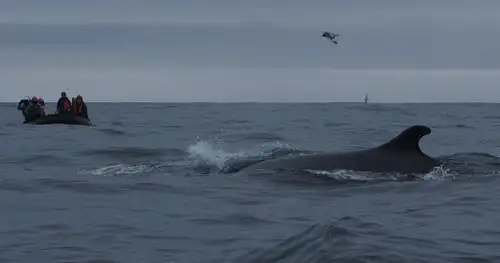
But fewer people know that this small volcanic landmass in the middle of the South Atlantic is actually a great travel destination for other reasons. Because of the long days we spend at sea, our Ascension Island route is highly popular among whale watchers and bird lovers.
blog-image

Our chances of meeting a variety of whales are high, and you can also see the northbound spring migration of birds like Arctic terns and long-tailed skuas joining us across the Equator.

Here are a few of Ascension Island’s most prized natural splendors, followed by some of the highlights of our usual Ascension route.

The green turtles of Ascension Island

Ascension Island has a rich history, but it is perhaps the green turtles for which this remote South Atlantic island is most known – at least among wildlife lovers.

The Ascension Island turtles grow beyond one meter long (3.2 feet) and are some of the largest green turtles in the world, feeding in the shallow sea-grass fields off the Brazilian coast.
blog-image

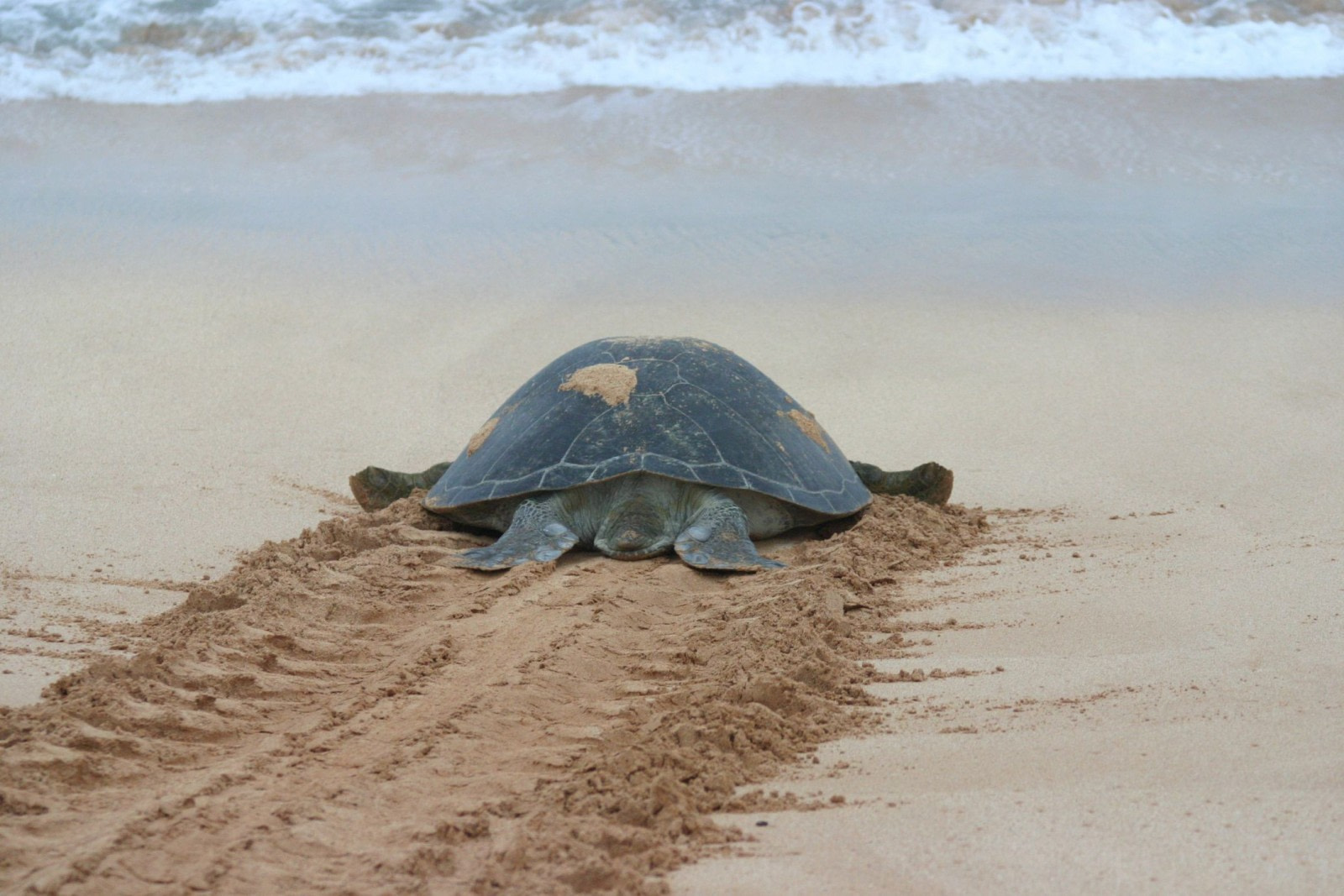
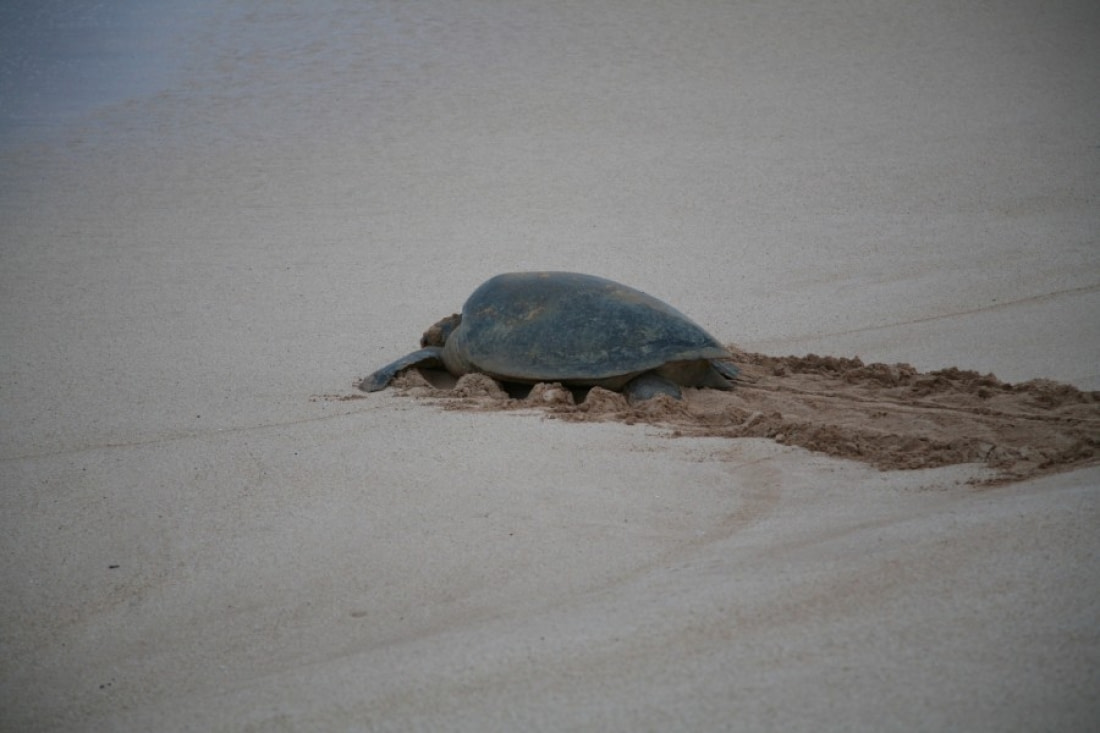
Every year thousands of green turtles travel to Ascension Island to lay eggs along the sandy beaches, where you can see them coming to shore at night. This presents a wonderful opportunity for nature photographers.

Just keep in mind that flash photography of the green turtles is not permitted, as it disturbs these precious Ascension Island animals.

Ascension Island’s hike between the horns

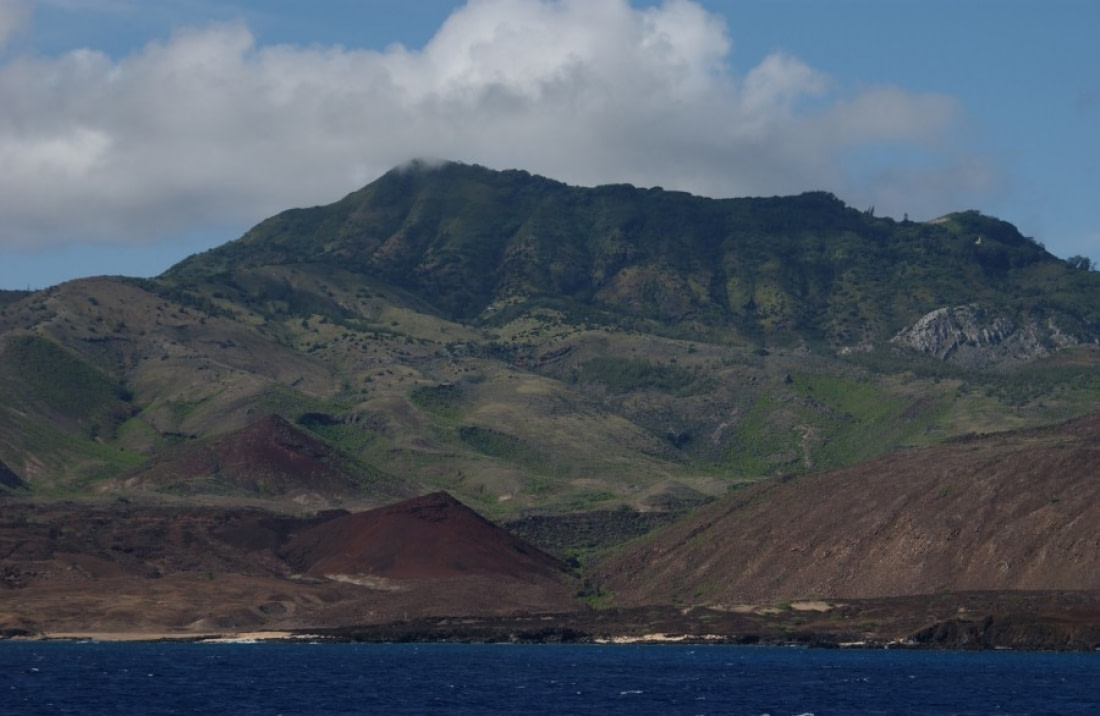
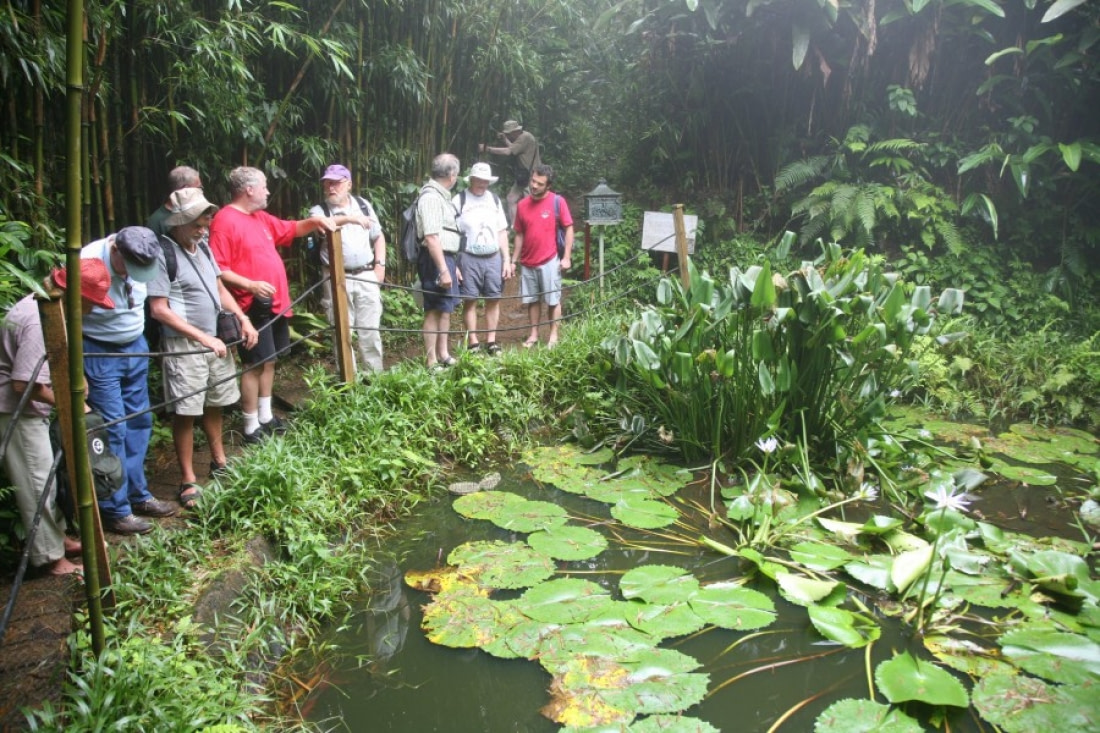
Ascension Island is located about halfway between the horn of Africa and the horn of South America, its highest peak stands 859 meters tall (2,818 feet), and its healthy volume of rain keeps much of the tropical landscape lush and gardenlike.

In other words, when you visit Ascension Island you’re in for some fine mountainside views.
blog-image

There are hiking opportunities on Green Mountain in particular that, if our landing time permits, provide impressive 360-degree views of the surroundings.

The wideawake bird of Ascension Island​

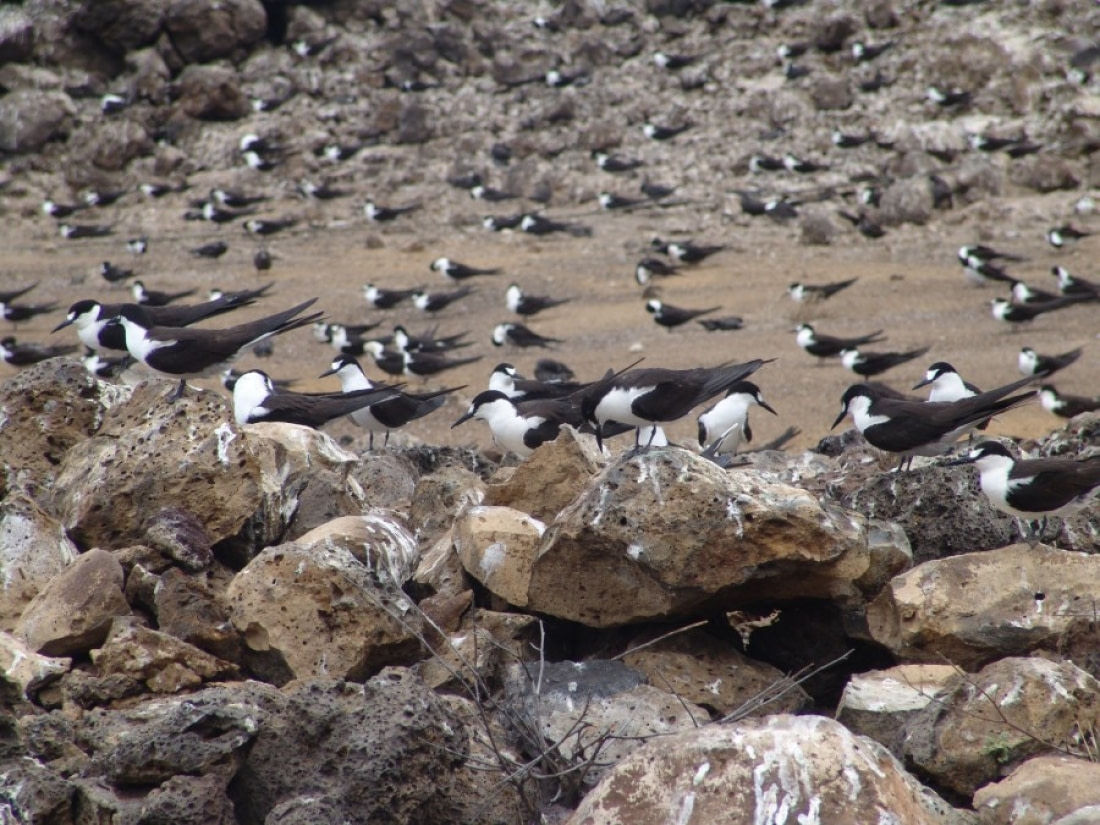
During WWII an American military station named Wideawake Airbase was built on Ascension Island. This name came from the sooty tern, also known as the wideawake bird for its loud call, which woke military personnel up early in the morning.
blog-image

Near the base is a large colony of over a million sooty tern breeding pairs. Petrels, boobies, white terns, tropic birds, and Ascension frigatebirds can also be seen on Ascension Island.

Our wildlife-packed Ascension Island route

Ascension Island is a wonderful whale, bird, and hiking destination in and of itself, but much of its charm also comes from the experiences you can have around the island.

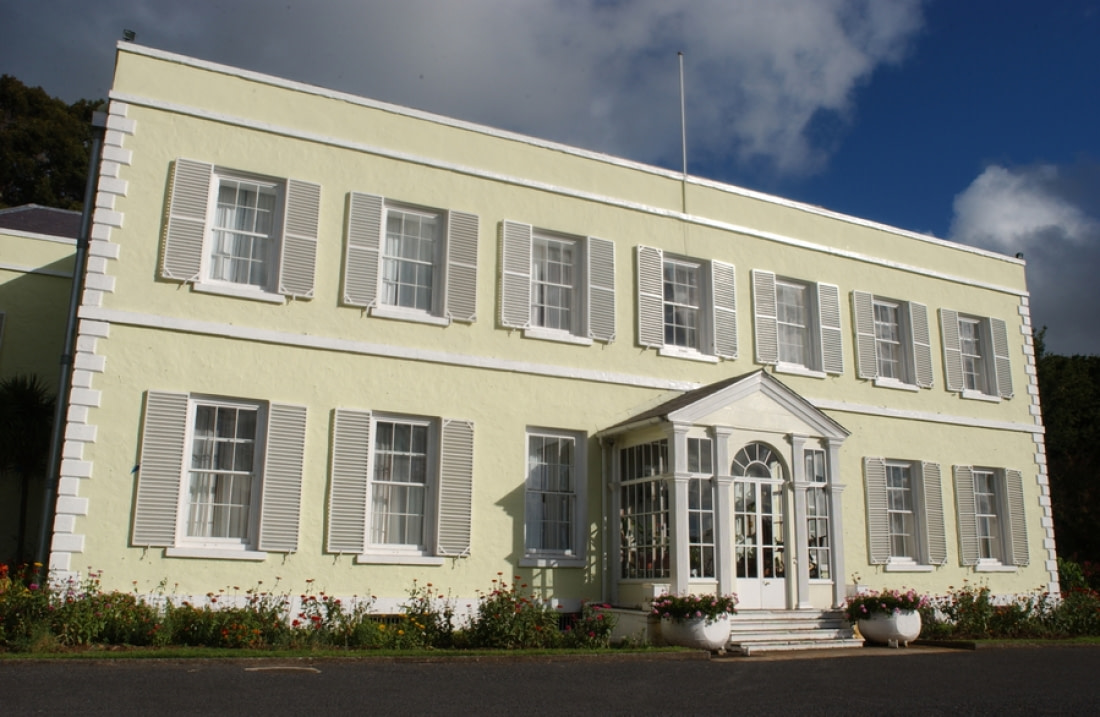
The first day of our Ascension Island voyage begins in Jamestown, the capital of St. Helena, one of the most remote islands in the world. Jamestown is a uniquely located city that offers much to enjoy before setting sail: British culture, pleasant tropical climate, and endemic birds.
blog-image

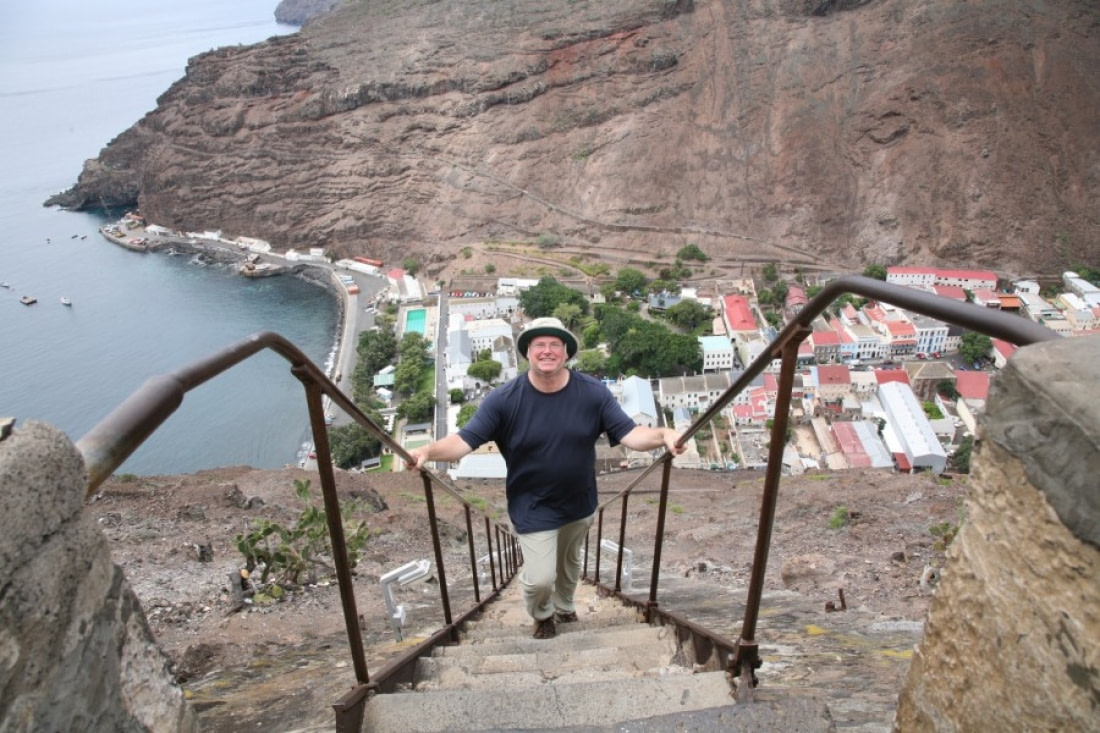
You can also visit the house where Napoleon lived (and died, in 1821) during his second exile, walk the 699-step Jacob’s Ladder, or go hiking or snorkeling.
blog-image

The next two days you spend sailing the Mid-Atlantic Ridge, the submarine mountain range running some 16,000 km (10,000 miles) from the Arctic Ocean to near the southern tip of Africa.

The fourth and fifth day you spend around Ascension Island.

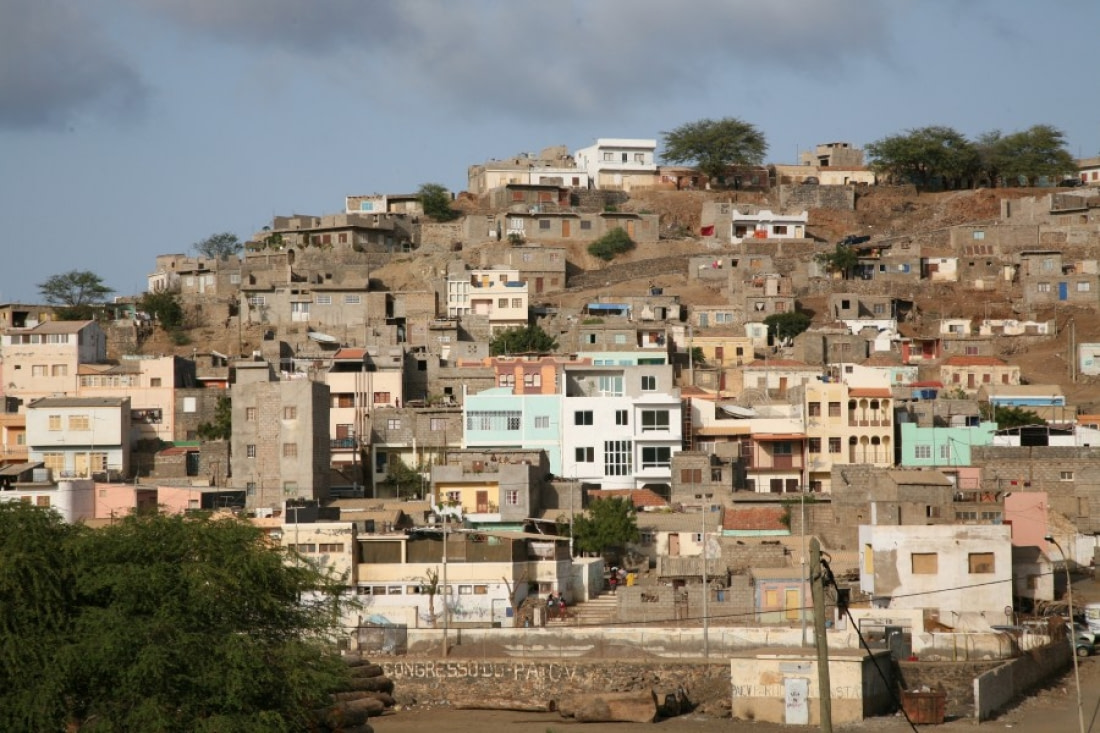
Afterward you sail across the Equator, spending about four days on the high seas. On the eleventh day you reach the town of Praia, in the Cape Verde Islands.
blog-image

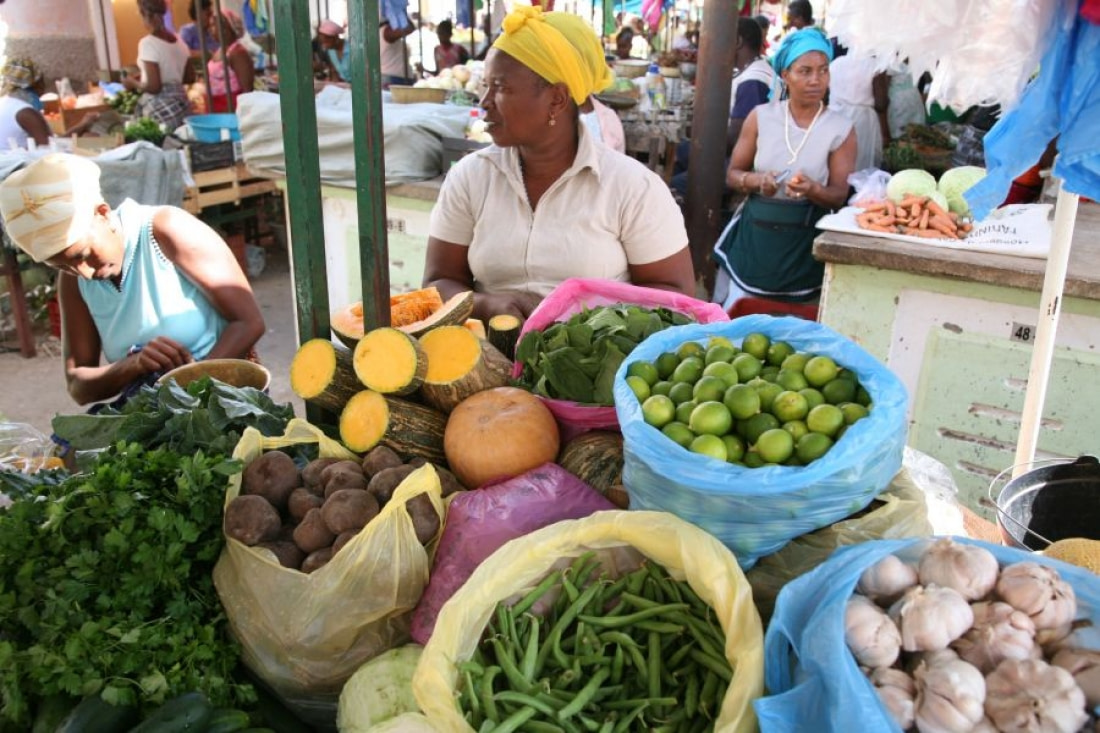
If you have the time, we offer an additional tour in and around this fascinating town: You can see Cidade Velha and its massive hillside fortress, built to defend against English raiders; tour the oldest Christian church in the tropics; and see the old whipping post in the square.
blog-image

Or you can simply stroll the Praia streets, enjoying the variety of indigenous folk music spilling out of the tavern windows, a fine end to your Ascension Island adventure.


Blog
go-leftgo-right

Amazing Greenland - Nexta Expeditions
Blog

Amazing Greenland

If you ever get the chance to take a trip to Greenland, you will be amazed by its coastlines, fjords, ice-covered peaks, and great expanse of snow-covered land. You will also notice that Greenland is a rugged area with a rich diversity of life, making it a dream location for scientists as well.
Orcas (aka Killer Whales) of Antarctica and the sub-Antarctic - Nexta Expeditions
Blog

Orcas (aka Killer Whales) of Antarctica and the sub-Antarctic

Orcas are highly social and intelligent members of the dolphin family Delphinidae. They are sometimes referred to as killer whales, though this name has somewhat fallen out of fashion due to inaccurately characterizing orcas as ferocious predators.
Humpback Whales: the Stars of the Western Antarctic Peninsula - Nexta Expeditions
Blog

Humpback Whales: the Stars of the Western Antarctic Peninsula

The marine ecosystem of the West Antarctic Peninsula (WAP) stretches from the Bellingshausen Sea to the northern tip of the peninsula. This region includes the Antarctic Sea Ice Zone, a highly productive area that supports large populations of marine mammals, birds, and Antarctic krill. One of the highlights of this region, which you can observe on a whale-spotting Antarctica cruise, is the humpback whale.
The bio-richness of the Ross Sea - Nexta Expeditions
Blog

The bio-richness of the Ross Sea

The Ross Sea is one of the most stunning and untouched marine areas globally. This sea, which remains frozen for most of the year, spans 3.6 million square kilometers (1.4 million square miles) along the Antarctic coast south of New Zealand. Its waters harbor a biologically diverse ecosystem of species that have flourished, unchanged, for millennia.
Port Lockroy: History, Post Office, and Resident Penguins - Nexta Expeditions
Blog

Port Lockroy: History, Post Office, and Resident Penguins

Sometimes it’s easy to get caught up in the stunning coastlines, fjords, and other natural wonders of Antarctica, overlooking the man-made attractions nestled in between.
Visiting the Nearly Unknown: New Zealand’s Campbell Island - Nexta Expeditions
Blog

Visiting the Nearly Unknown: New Zealand’s Campbell Island

New Zealand is a renowned destination globally, and for good reason: It’s absolutely stunning. Almost every corner is filled with unparalleled beauty. But did you know that New Zealand includes several sub-Antarctic Islands that are almost completely unknown?
How Arctic Wildlife Differs from Antarctic - Nexta Expeditions
Blog

How Arctic Wildlife Differs from Antarctic

While the north and south poles share certain characteristics, they are also remarkably distinct. Both regions are cold and dry, yet each has its own unique terrain and climate. The Antarctic is particularly harsh and inhospitable, with only two native vascular plant species, whereas the Arctic tundra supports a wider range of fauna due to its relatively warmer temperatures and greater plant diversity. Here are some of the animals you can find in the Arctic compared to the Antarctic.
16 Conversation-Starting Svalbard Facts - Nexta Expeditions
Blog

16 Conversation-Starting Svalbard Facts

It might seem odd that an icy, snowy, bear-packed cluster of islands at the edge of the world could be such a hotspot (so to speak) of outdoor tourism.
Northeast Greenland National Park - Nexta Expeditions
Blog

Northeast Greenland National Park

Northeast Greenland National Park is the world’s largest national park and the ninth largest protected area on Earth. It should come as little surprise, then, that it’s also bigger than most countries, covering an impressive 972,000 square km (375,300 square miles).
Arctic Flowers, Trees, and Other Plant Life - Nexta Expeditions
Blog

Arctic Flowers, Trees, and Other Plant Life

When many people think of the Arctic, they probably imagine a stark white wasteland devoid of anything except snow, glaciers, and the occasional far-wandering polar bear.
A Diving Dream Fulfilled - Nexta Expeditions
Blog

A Diving Dream Fulfilled

Last January, Mark Hatter achieved a dream he’d been training for over two years. Booking his berth aboard the m/v Ortelius and making the long flight to Ushuaia, Argentina, he and two of his friends sailed down the famous Drake Passage, bound for Earth’s southernmost continent. But their Antarctica trip was not just about shoreline walks and photographing penguins.
A Day of Whale Watching in Antarctica - Nexta Expeditions
Blog

A Day of Whale Watching in Antarctica

This morning we awoke early to enjoy the first light in Wilhelmina Bay, with the snow and cloud blanketing the surrounding mountains. As dawn broke, we could see the blows of humpback whales scattered throughout the bay. Some of the whales were closer to the ship and we spotted their small dorsal fins and occasionally their white patterned tails. It was a terrific start to our first full day in Antarctica.
Hondius Photography and Video Workshops - Nexta Expeditions
Blog

Hondius Photography and Video Workshops

There’s no shortage of great things to say about a Hondius expedition cruise, but among the best are the free video and photography workshops offered during some of this ship’s voyages. These informative, interactive, highly useful supplements allow you to not only capture your memories in the best way possible but also make your friends back home maddeningly jealous.
10 Books and Films To Prepare for your Antarctica cruise - Nexta Expeditions
Blog

10 Books and Films To Prepare for your Antarctica cruise

The deep sea remains one of the most mysterious and least explored regions on our planet. With its vast, dark expanses and unique ecosystems, it continues to captivate scientists and adventurers alike.
Danger Beneath the Water: 10 Facts About Leopard Seals - Nexta Expeditions
Blog

Danger Beneath the Water: 10 Facts About Leopard Seals

If your thirst for adventure leads you to Antarctica, you may be lucky enough to cross paths with a leopard seal while you’re there. These amazing animals are wonderful to observe both in and out of the water, and they are a coveted part of the polar wildlife experience.
The Plants of Antarctica - Nexta Expeditions
Blog

The Plants of Antarctica

Surviving in Antarctica is a monumental challenge for any plant. The extreme cold, limited sunlight, scarce moisture, poor soil, and short growing season make it nearly impossible for most flora to thrive. Yet, some plants have adapted to these harsh conditions and have managed to flourish where others cannot.
The Emperor Penguin of the Drake Passage - Nexta Expeditions
Blog

The Emperor Penguin of the Drake Passage

There are certain moments in life when a series of events combine to create an experience that is both unexpected and unforgettable. These are the times when you are reminded how fortunate you are to be a part of something that few people will ever have the opportunity to experience. This trip to Antarctica was full of these moments for me.
The Ice-Jewelled Geology of Spitsbergen - Nexta Expeditions
Blog

The Ice-Jewelled Geology of Spitsbergen

The Svalbard archipelago is located in the Arctic Ocean, roughly 660 km (410 miles) north of Norway's northernmost point. This region is a haven for geologists, boasting a rich geological history that spans from the Mesozoic era (65-245 million years ago) through the Cambrian era (570 million years ago) and back to the Archean era, over 3.5 billion years ago.
Scenes from St. Andrews Bay:  12 Pics of Penguins, Seals, and More - Nexta Expeditions
Blog

Scenes from St. Andrews Bay: 12 Pics of Penguins, Seals, and More

If you ever find yourself exploring the breathtaking sub-Antarctic island chain of South Georgia, one of the most captivating spots you'll encounter is the picturesque shoreline of St. Andrews Bay.
The first race to the South Pole in 50 years - Nexta Expeditions
Blog

The first race to the South Pole in 50 years

Before the South Pole could be reached, the question was what exactly lay at the southern ends of Earth. The concept of Terra Australis Incognita, an unknown continent, was first introduced by Aristotle, who reasoned that a southern landmass must exist to ‘balance’ the known lands in the northern hemisphere.