Six Facts About The Crabeater Seals Of Antarctica - Nexta Expeditions
Six Facts About the Crabeater Seals of Antarctica

Six Facts About the Crabeater Seals of Antarctica

Antarctic fur seals, leopard seals, Weddell seals, Ross seals, southern elephant seals... The many seal species of Antarctica all have names that are in some way explained by their appearance or primary region of distribution.

All except crabeater seals, which do not, as their moniker suggests, eat crabs at all.

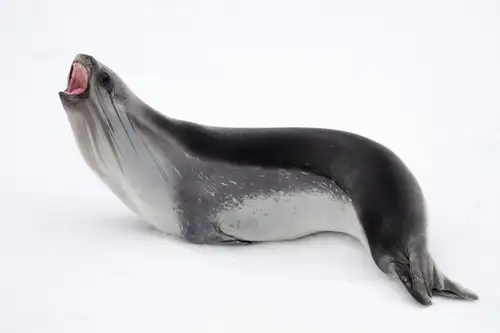
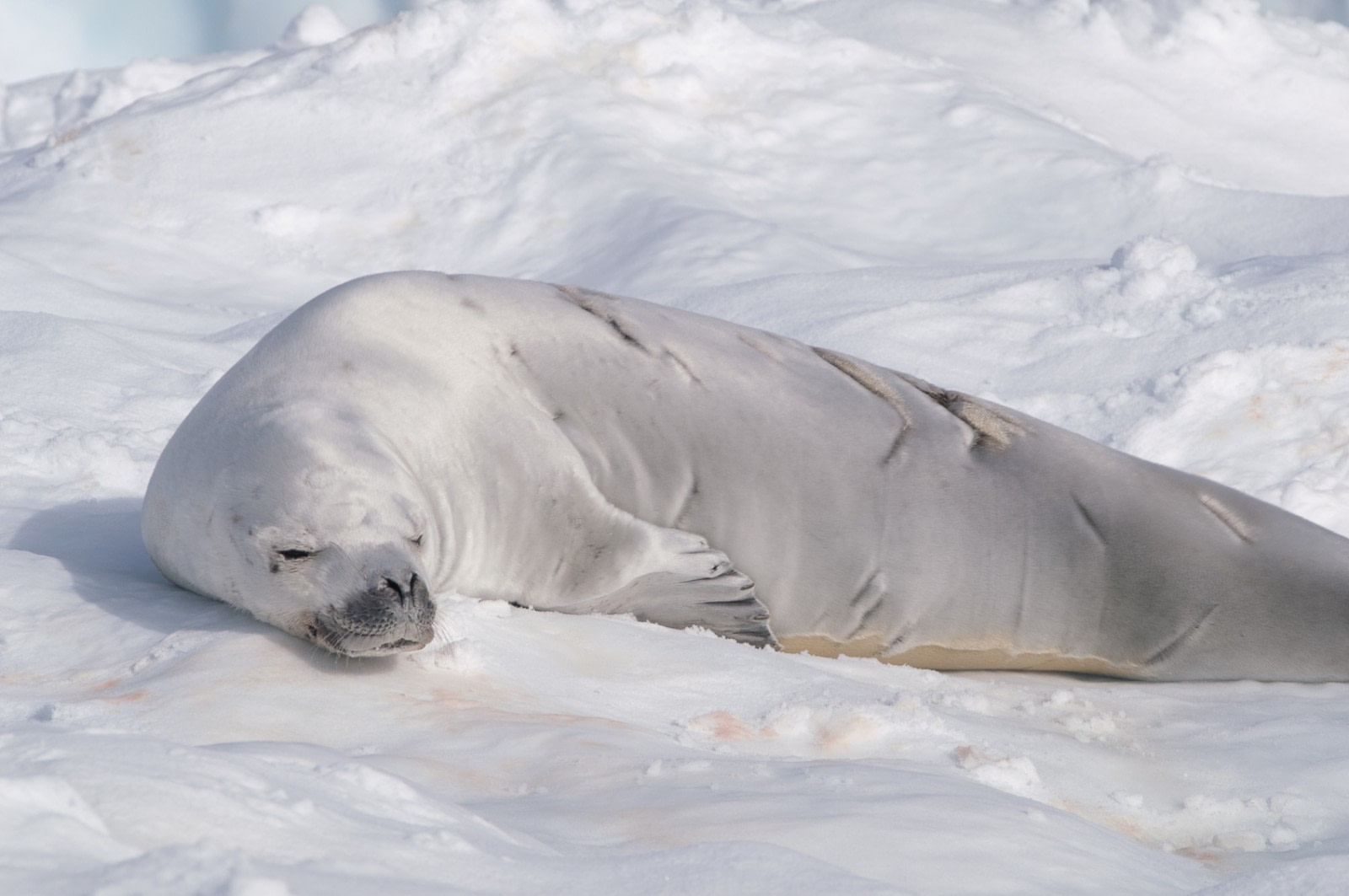
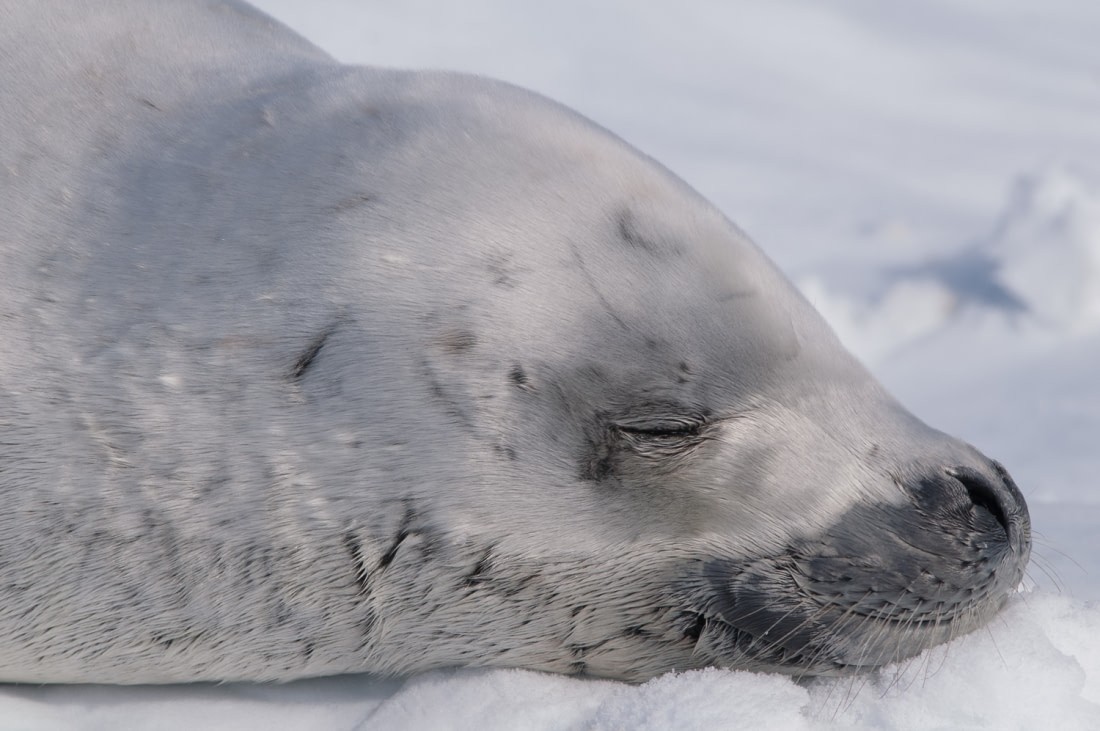
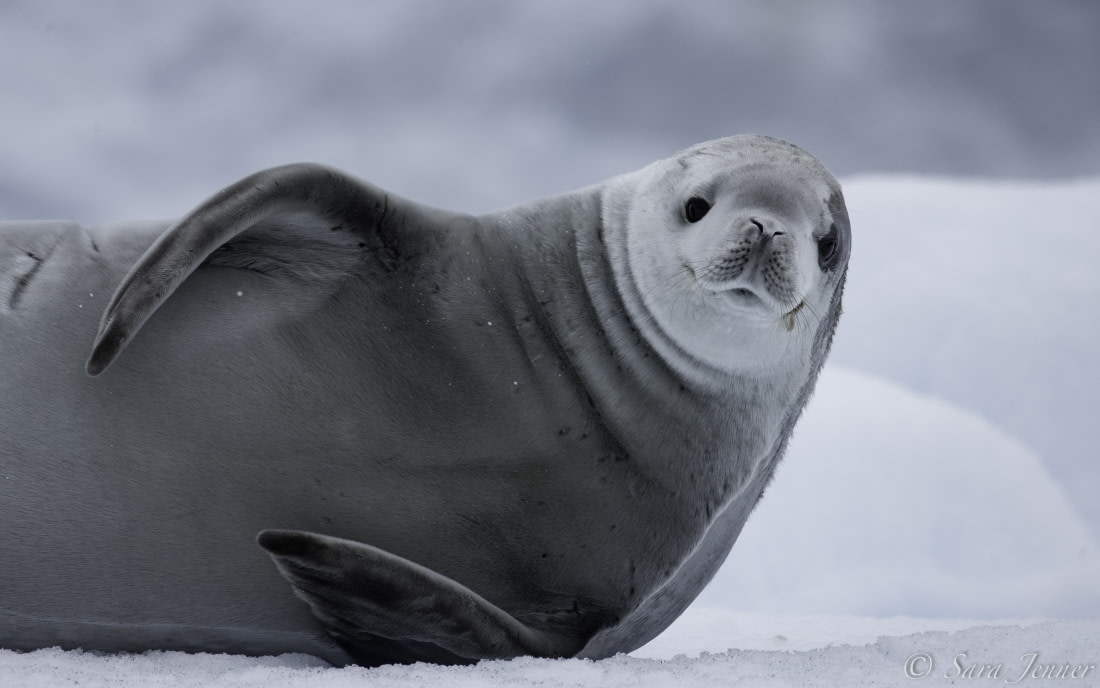
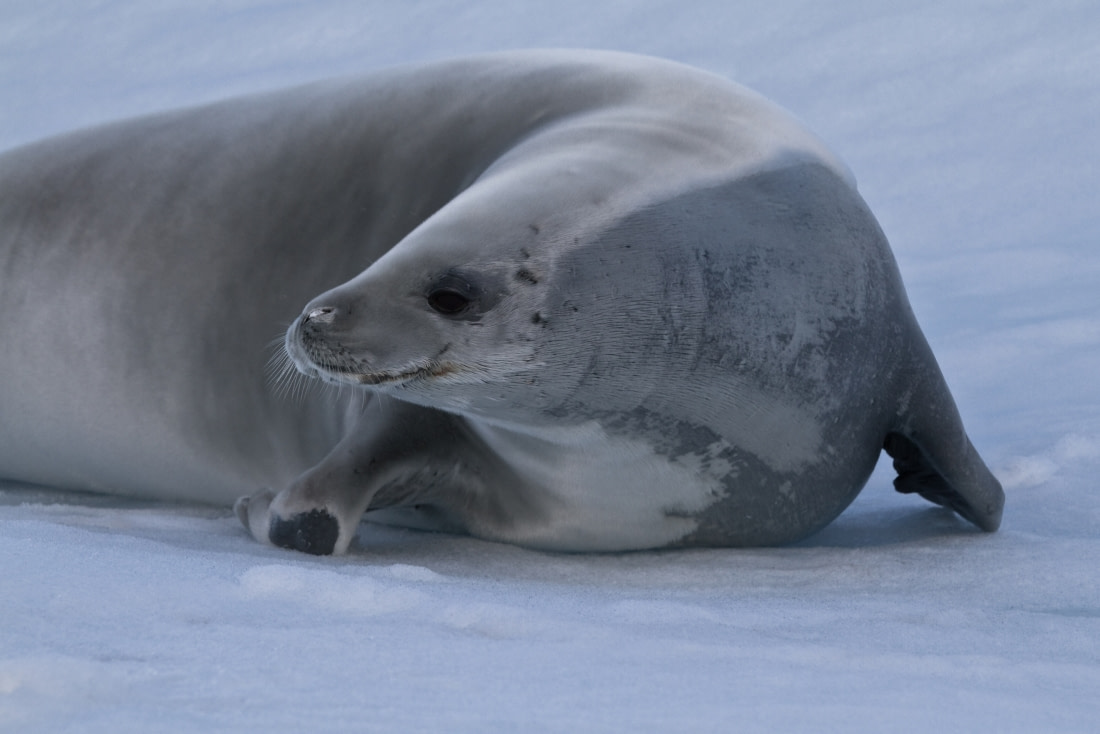
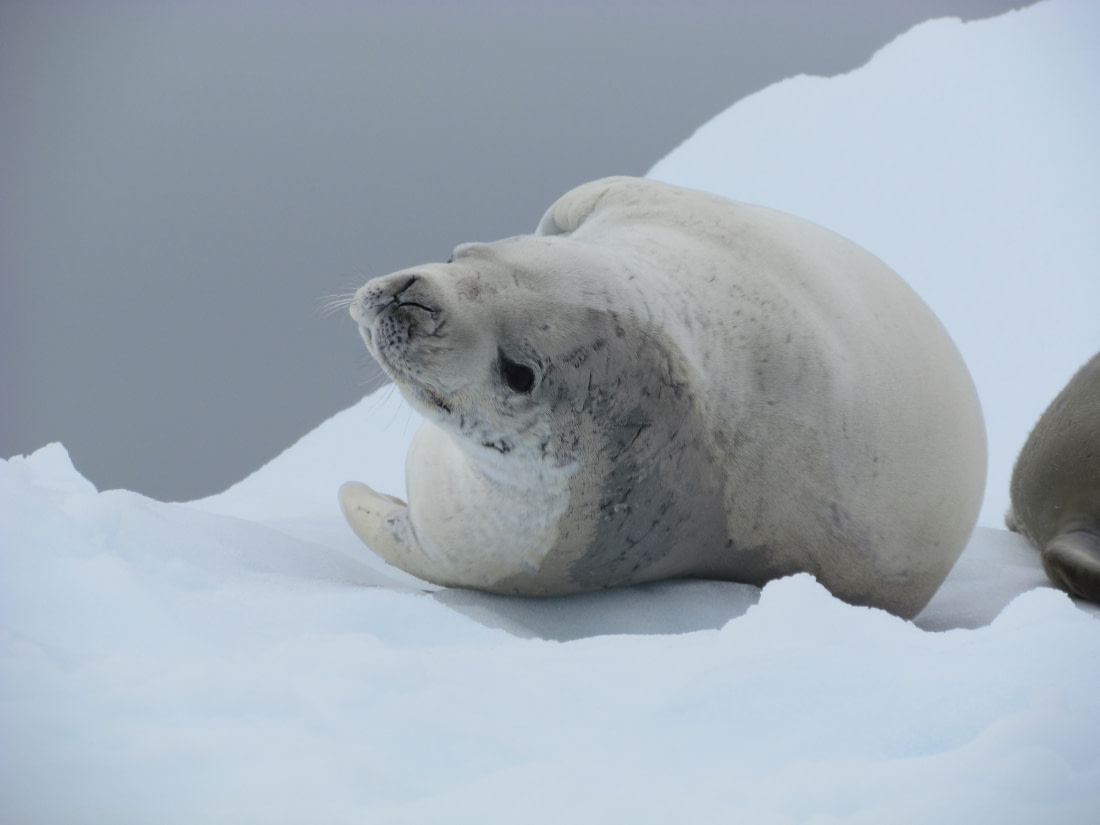
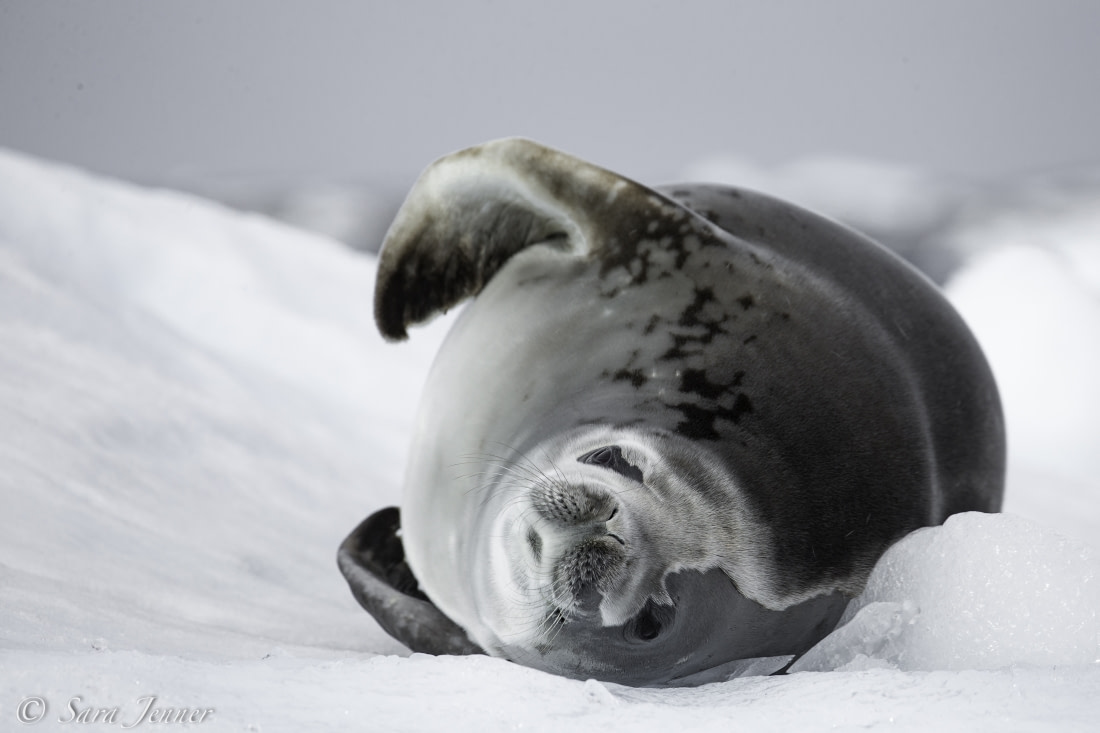
Possessed of a long snout, pale fur, and an affinity for ice floes, the not-so-aptly named crabeater seal (Lobodon carcinophagus) is one of Antarctica’s many interesting pinnipeds. Here are six key facts about this integral and easily distinguished member of the exotic Antarctic marine cast.
blog-image

1. Crabeater seals do not actually eat crabs

Despite their obvious-sounding name, crabeater seals do not actually eat crabs. In fact, there aren't that many species of crabs that live in Antarctica.

The name "crabeater" was a mistake of early whalers and sealers, who for whatever reason got it into their heads that these seals loved a diet of crustaceans. Despite the soon-realized error, the name stuck.

Instead, crabeater seals primarily eat krill. Cephalopods and Antarctic fish also make up a smaller portion of the crabeater seal diet. The highly specialized, lobed teeth of crabeater seals allow them to swim through swarms of krill and filter out the tiny crustaceans from seawater like a sieve.

With these specialized teeth, crabeater seals can eat large quantities of krill every day without exerting much energy.

blog-image

2. Whale populations and crabeater seal populations are directly linked

It was once thought that crabeater seal populations might number as high as 15 million, but currently there is no reliable consensus as to their numbers. What is known is that they are the most abundant seal in Antarctica.

During the 1800s and into the 20th century, large numbers of baleen whales were slaughtered in Antarctica. As baleen whales' only food source is krill, this left little competition for the chief food source of crabeater seals (and other Antarctic wildlife). This in turn led to upward trends in their populations.

It will be interesting for marine scientists to observe how crabeater seals and other Antarctic marine wildlife continues to respond now that whaling is illegal in Antarctica.
blog-image

3. Crabeater seals have a slightly different breeding ritual than other seals

The crabeater seal breeding season takes place between September and November. Although scientists cannot be completely sure, it is suspected that both courtship and mating take place in the water.

While other seals assemble to give birth to pups, crabeater seals take a different approach: Pregnant crabeater females haul out on ice floes by themselves and give birth to a single pup, which they nurse for three weeks. Some time later, crabeater seal males haul out alongside females and pups and fiercely defend their new families.

These male crabeater seals may not even be biologically related to the seal pups, and are more interested in mating with the female seals once they are ready to breed again.

Crabeater seal pups are born weighing around 20 kg (44 pounds), but by the end of their three-week nursing period they can weigh up to 110 kg (240 pounds). The milk they get from their mother is high in fat and protein, a good combination for surviving the Antarctic winter.
blog-image

4. There are two prime Antarctic predators of crabeater seals

However plentiful the crabeater seal’s population may be, it still frequently falls prey to two of Antarctica’s top predators.

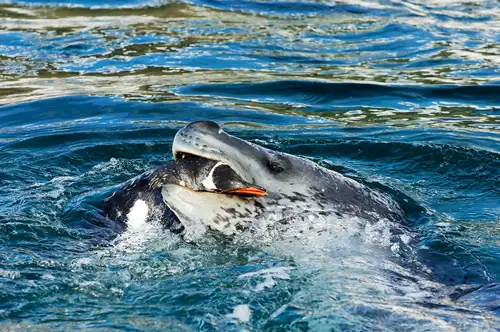
The leopard seal, one of Antarctica’s most voracious eaters, is responsible for an estimated 80% of all crabeater seal pup deaths. Like many other seal species, young crabeater seals that have recently left their parents for open waters are seldom safe. Their other predators are orcas, or killer whales, which are also known to eat both crabeater seal pups and adults.

To deter predators, crabeater seals gather on ice floes and in open water in groups of up to 1,000 individuals.
blog-image

5. Crabeater seals occasionally wander too far north

When winter starts to set in, crabeater seals begin to migrate into the northern parts of Antarctica, where the water is usually warmer. Occasionally, however, their internal compass goes awry.

There have been reports of crabeater seals ending up in South America, New Zealand, even South Africa. These occurrences are rare but can be deadly for seals primarily meant to live in freezing temperatures.

blog-image

6. Climate change has negatively impacted crabeater seal populations

One of the major threats currently facing crabeater seals, and indeed all Antarctic seals, is climate change.

Declining sea ice throughout Antarctica has led to a massive decline in krill populations, which means there simply may not be enough food to feed the millions of seals currently living around the Antarctic Continent.

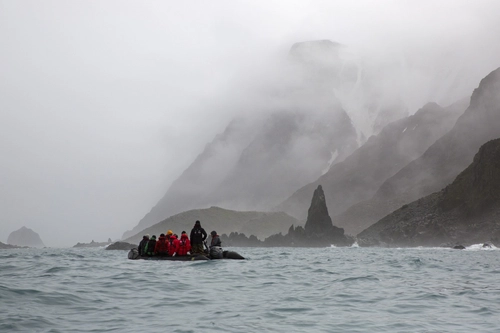
But as crabeater seals are the most populous species of seal in Antarctica, they're still commonly (though not always) seen on our Antarctica cruises. Watch out for them, because they'll surely be watching out for you.
blog-image

Best Deals

Related Trips

Falkland Islands - South Georgia - Elephant Island - Antarctica - Polar Circle - Nexta Expeditions
Antarctica
Ushuaia

Falkland Islands - South Georgia - Elephant Island - Antarctica - Polar Circle

calendar16 Feb 2026 - 10 Mar 2026
clock23 Days / 22 Nights
From $ 17.800 per person
Antarctica – Uncharted islands of the Deep South - Nexta Expeditions
Antarctica
Ushuaia

Antarctica – Uncharted islands of the Deep South

calendar18 Feb 2026 - 04 Mar 2026
clock15 Days / 14 Nights
From $ 12.100 per person
Deep South Basecamp experience - Nexta Expeditions
Antarctica
Ushuaia

Deep South Basecamp experience

calendar04 Mar 2026 - 17 Mar 2026
clock14 Days / 13 Nights
From $ 11.200 per person
Antarctica - Elephant Island - Weddell Sea - Polar Circle - Aurora Australis / Southern Lights - Nexta Expeditions
Antarctica
Ushuaia

Antarctica - Elephant Island - Weddell Sea - Polar Circle - Aurora Australis / Southern Lights

calendar09 Mar 2026 - 23 Mar 2026
clock15 Days / 14 Nights
From $ 11.200 per person
Antarctica - Beyond the Polar Circle - whale watching - Aurora Australis / Southern Lights - Nexta Expeditions
Antarctica
Ushuaia

Antarctica - Beyond the Polar Circle - whale watching - Aurora Australis / Southern Lights

calendar20 Mar 2026 - 31 Mar 2026
clock12 Days / 11 Nights
From $ 8.200 per person
Bellingshausen Sea / Peter I Island + Ellsworth Land - incl. helicopters - Nexta Expeditions
Antarctica
Ushuaia

Bellingshausen Sea / Peter I Island + Ellsworth Land - incl. helicopters

calendar14 Jan 2027 - 07 Feb 2027
clock25 Days / 24 Nights
From $ 24.600 per person
Falkland Islands - South Georgia - Elephant Island - Antarctica - Polar Circle - Nexta Expeditions
Antarctica
Ushuaia

Falkland Islands - South Georgia - Elephant Island - Antarctica - Polar Circle

calendar13 Feb 2027 - 07 Mar 2027
clock23 Days / 22 Nights
From $ 17.050 per person
Antarctica - Polar Circle - Deep South Discovery voyage - Aurora Australis / Southern Lights - Nexta Expeditions
Antarctica
Ushuaia

Antarctica - Polar Circle - Deep South Discovery voyage - Aurora Australis / Southern Lights

calendar06 Mar 2027 - 18 Mar 2027
clock13 Days / 12 Nights
From $ 11.000 per person
Antarctica - Elephant Island - Weddell Sea - Polar Circle - Nexta Expeditions
Antarctica
Ushuaia

Antarctica - Elephant Island - Weddell Sea - Polar Circle

calendar12 Mar 2027 - 26 Mar 2027
clock15 Days / 14 Nights
From $ 11.700 per person

Blog
go-leftgo-right

The Ancient Fossil Forests of Antarctica - Nexta Expeditions
Blog

The Ancient Fossil Forests of Antarctica

Over a hundred years ago, Robert Falcon Scott’s expedition to Antarctica discovered fossils of plants on the Beardmore Glacier, less than 500 km (310 miles) from the South Pole. Edward Wilson, who was the expedition’s chief scientist, recorded the findings in his diary, stating that “most of the bigger leaves were like beech leaves in shape and venation.”
The Return to Franz Josef Land - Nexta Expeditions
Blog

The Return to Franz Josef Land

As the possibility of international travel slowly returns, we are eagerly awaiting all the great locations, activities, and wildlife we might experience in the coming season. One of the things we’re most excited about is the return of our Franz Josef Land voyages.
Camping in Antarctica: a True Expedition Experience - Nexta Expeditions
Blog

Camping in Antarctica: a True Expedition Experience

We often think of camping as a summer activity, filled with warm nights, campfire dinners, and serene mountain lakes. However, there's a whole other world of camping to explore.
A visit to the fascinating island of Jan Mayen - Nexta Expeditions
Blog

A visit to the fascinating island of Jan Mayen

After exploring the remote island of Fair Isle, our Atlantic Odyssey voyage once more turned its attentions northwards and left the outer extremities of the UK behind. Our destination was Jan Mayen, a volcanic island situated on the mid-Atlantic ridge just north of 71° (about 550 kilometers north of Iceland and 450 kilometers east of Greenland).
What to Pack for Your Expedition Cruise to the Arctic or Antarctica - Nexta Expeditions
Blog

What to Pack for Your Expedition Cruise to the Arctic or Antarctica

It’s easy to get confused about what to pack for a polar cruise. Some items are provided and some are not, and it’s not always clear which is which. This article will make your polar pack list painstakingly clear. Promise.
“The polar bear will still be there” - Nexta Expeditions
Blog

“The polar bear will still be there”

For several hours, we had been navigating the pack ice in search of polar bears. Despite numerous binoculars scanning the ice, no bears were visible, and only a few tracks were found. This suggested we might be in an area with fewer bears. Later that morning, we decided to head a few miles east, suspecting a higher bear population there.
The Wildlife of Antarctica’s Seas and Skies - Nexta Expeditions
Blog

The Wildlife of Antarctica’s Seas and Skies

Antarctica is one of the most pristine environments on Earth, home to whales, penguins, seals, and birds, providing nature lovers with a treasure trove of wildlife memories to take back home.
Amphibian, reptiles and herbivore mammals in the Arctic - Nexta Expeditions
Blog

Amphibian, reptiles and herbivore mammals in the Arctic

Arctic ecosystems are relatively young in geological terms, having primarily developed over the past three million years. Generally, species richness is lower in the Arctic compared to more southerly regions, aligning with scientific observations that biodiversity decreases from the Equator to the poles.
A Look Into the International Research Stations of Antarctica - Nexta Expeditions
Blog

A Look Into the International Research Stations of Antarctica

In 1902, William S. Bruce, along with a team of naturalists, explorers, and sailors, embarked on the first Scottish expedition to Antarctica’s South Pole aboard the Scotia. The Scottish National Antarctic Expedition (SNAE) aimed to establish the continent's first meteorological station and explore its largely undocumented biological, topographic, and meteorological features.
Polar Bear Primer: Eight Facts About the Arctic Wanderer - Nexta Expeditions
Blog

Polar Bear Primer: Eight Facts About the Arctic Wanderer

Polar bears inhabit the Arctic region across 19 subpopulations, including areas in Alaska, Canada, Greenland, Norway, and Russia. These majestic creatures prefer the edges of pack ice where currents and wind interact, creating a dynamic environment of melting and refreezing that forms ice patches and leads, which are open spaces in the sea between sea ice.
Antarctic Icon: 44 Facts About the Emperor Penguin - Nexta Expeditions
Blog

Antarctic Icon: 44 Facts About the Emperor Penguin

What polar bears are for the Arctic, emperor penguins are for Antarctica. These flightless aquatic birds are probably the most recognizable animals in the southern polar regions and certainly among the most popular wildlife attractions for our passengers.
How and When Did Greenland Become Covered in Ice? - Nexta Expeditions
Blog

How and When Did Greenland Become Covered in Ice?

Although it may be hard to believe, there was a time when Greenland was more green than icy. Today, those who embark on a Greenland expedition are greeted with views of the Greenland ice sheet and the marine life that thrives in this region, including seals and whales. Polar bears are also prominent in the northern and eastern parts of Greenland. These animals have adapted to their environment, but a few million years ago, the massive island would not have been as welcoming to them.
Hondius Photography and Video Workshops - Nexta Expeditions
Blog

Hondius Photography and Video Workshops

There’s no shortage of great things to say about a Hondius expedition cruise, but among the best are the free video and photography workshops offered during some of this ship’s voyages. These informative, interactive, highly useful supplements allow you to not only capture your memories in the best way possible but also make your friends back home maddeningly jealous.
The Ice-Jewelled Geology of Spitsbergen - Nexta Expeditions
Blog

The Ice-Jewelled Geology of Spitsbergen

The Svalbard archipelago is located in the Arctic Ocean, roughly 660 km (410 miles) north of Norway's northernmost point. This region is a haven for geologists, boasting a rich geological history that spans from the Mesozoic era (65-245 million years ago) through the Cambrian era (570 million years ago) and back to the Archean era, over 3.5 billion years ago.
Antarctica in Pictures: Photos from 2018 - Nexta Expeditions
Blog

Antarctica in Pictures: Photos from 2018

Pictures can never truly capture the essence of an experience, and this is especially true for the breathtaking adventures in Antarctica.
Narwhals: the Aquatic Unicorns of the Arctic - Nexta Expeditions
Blog

Narwhals: the Aquatic Unicorns of the Arctic

Though narwhals are among the rarest whale species encountered during our Arctic expeditions, a journey to the Arctic regions of Greenland and Svalbard always holds the potential for spotting these elusive creatures.
A Day of Whale Watching in Antarctica - Nexta Expeditions
Blog

A Day of Whale Watching in Antarctica

This morning we awoke early to enjoy the first light in Wilhelmina Bay, with the snow and cloud blanketing the surrounding mountains. As dawn broke, we could see the blows of humpback whales scattered throughout the bay. Some of the whales were closer to the ship and we spotted their small dorsal fins and occasionally their white patterned tails. It was a terrific start to our first full day in Antarctica.
10 Common Misconceptions About the Arctic - Nexta Expeditions
Blog

10 Common Misconceptions About the Arctic

The Arctic is a vast region. Truly immense.
Seven Sublime Antarctic Bays - Nexta Expeditions
Blog

Seven Sublime Antarctic Bays

Antarctica is renowned for its glaciers, icebergs, and panoramic colonies of penguins. However, less known are the stunning crystal-clear bays that dot the Great White Continent, many of which are explored on our Antarctica cruise routes.
Six Seal Species You Might See On Your Greenland Cruise - Nexta Expeditions
Blog

Six Seal Species You Might See On Your Greenland Cruise

If you spot a grand old whiskered man lounging in solitary splendor, there's a good chance you're looking at a bearded seal. Your Greenland cruise will take you to bays where these solitary fellows (except during breeding season) hunt for fish in the relatively shallow waters near the shores.