



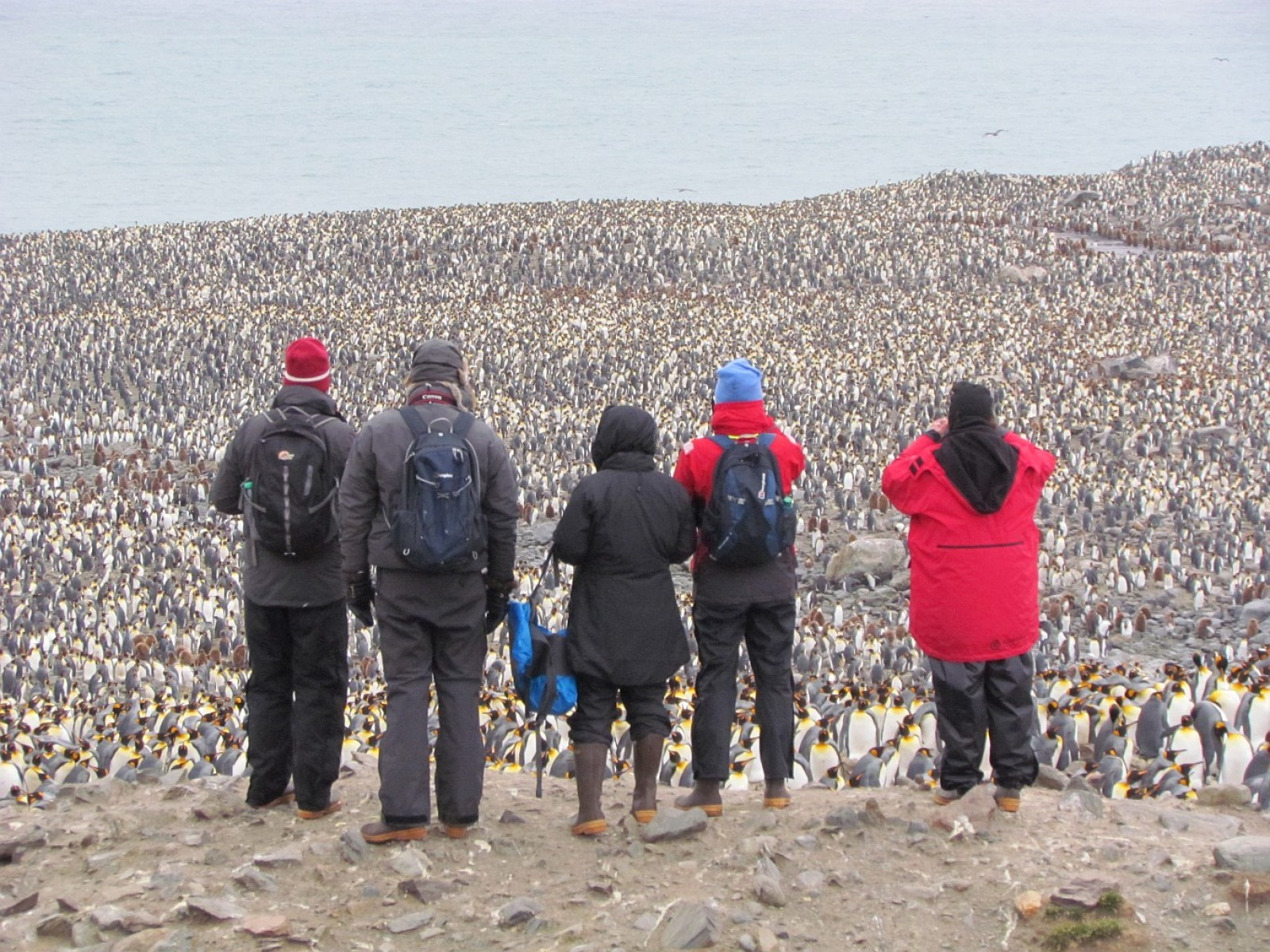
If you ever find yourself exploring the breathtaking sub-Antarctic island chain of South Georgia, one of the most captivating spots you'll encounter is the picturesque shoreline of St. Andrews Bay.
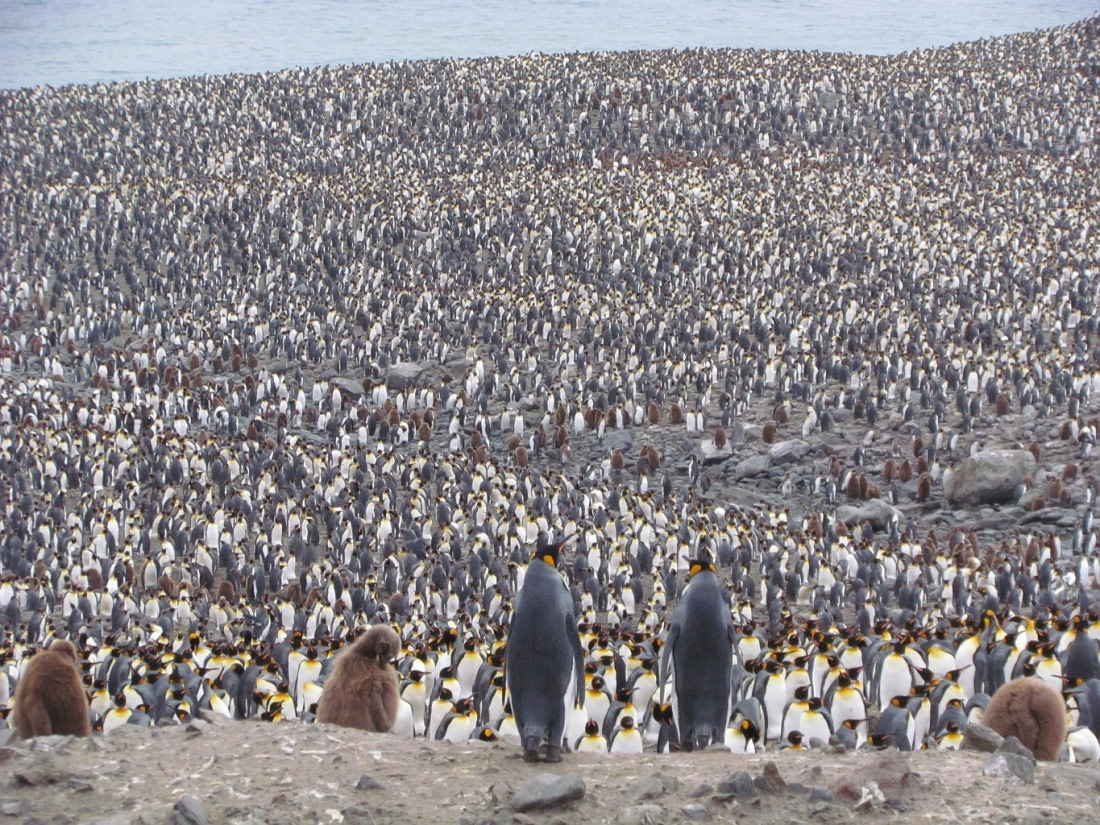
While the sheer number of king penguins – approximately 150,000 in the St. Andrews rookery, the largest in South Georgia – is a major draw, it's not the only reason to visit. The abundant populations of southern elephant seals and Antarctic fur seals also add to the allure of St. Andrews Bay.
The combination of this incredible wildlife and the stunning, remote sub-Antarctic landscape makes St. Andrews Bay an irresistible destination. But don't just take our word for it; here are 12 amazing pictures of St. Andrews Bay that speak volumes.
1. Tequila (with a dash of amaretto) sunrise over St. Andrews
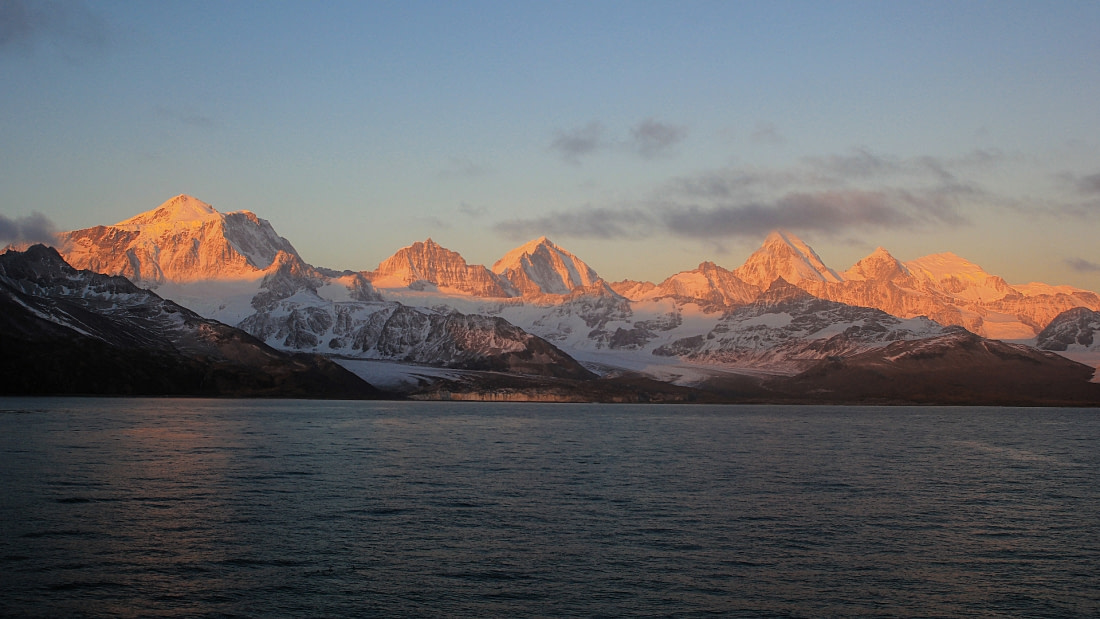
2. Smiling St. Andrews Bay Antarctic fur seal pup

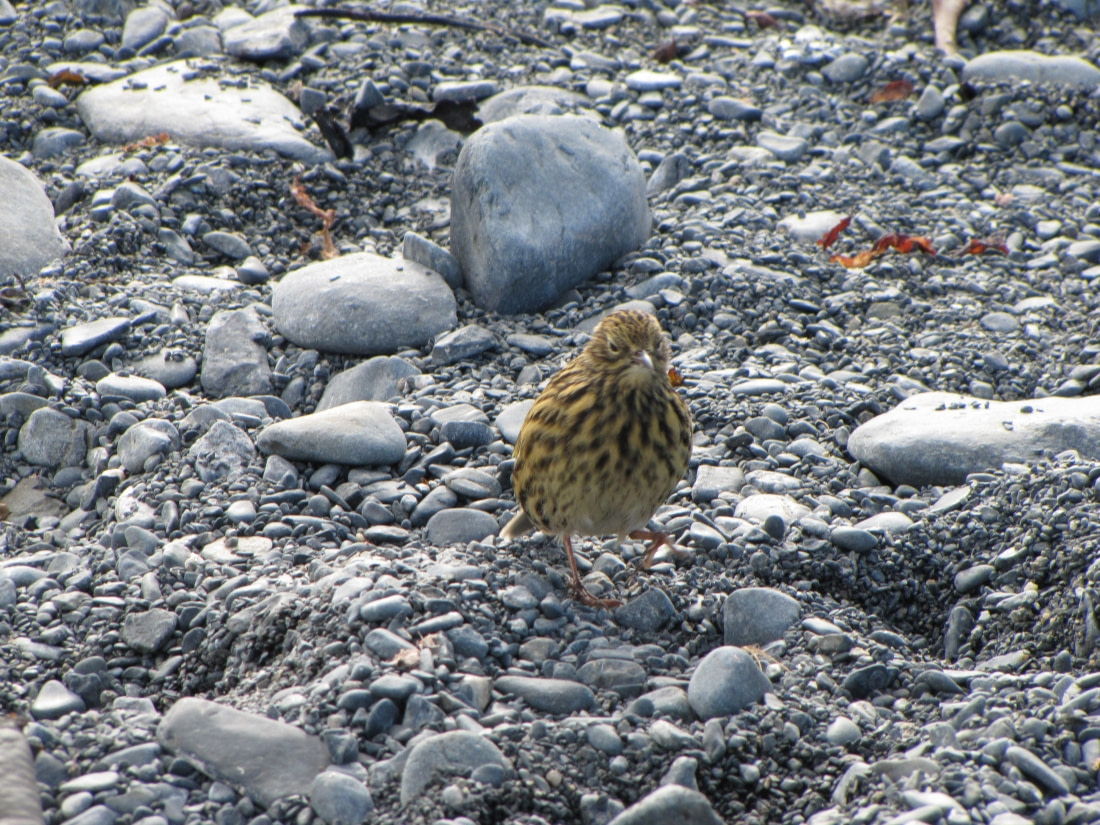
3. South Georgia pipit taking some down time at St. Andrews
4. St. Andrews Bay and its big, bold, beautiful mountains
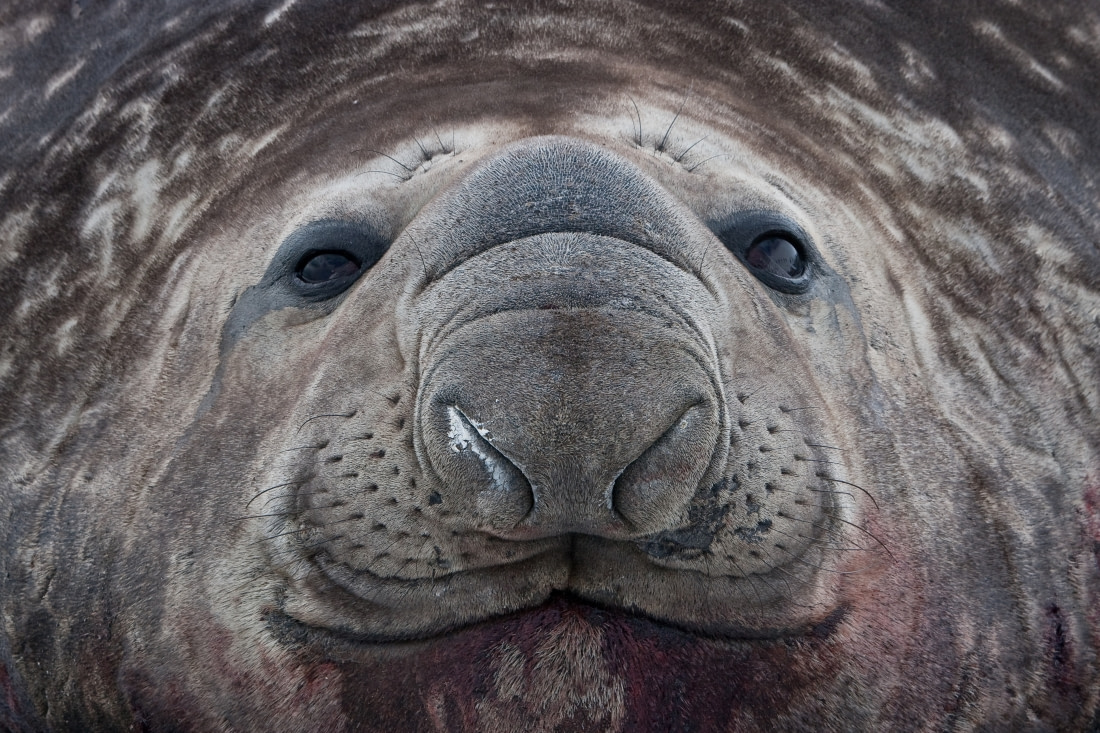
5. The seemly southern elephant seals of St. Andrews
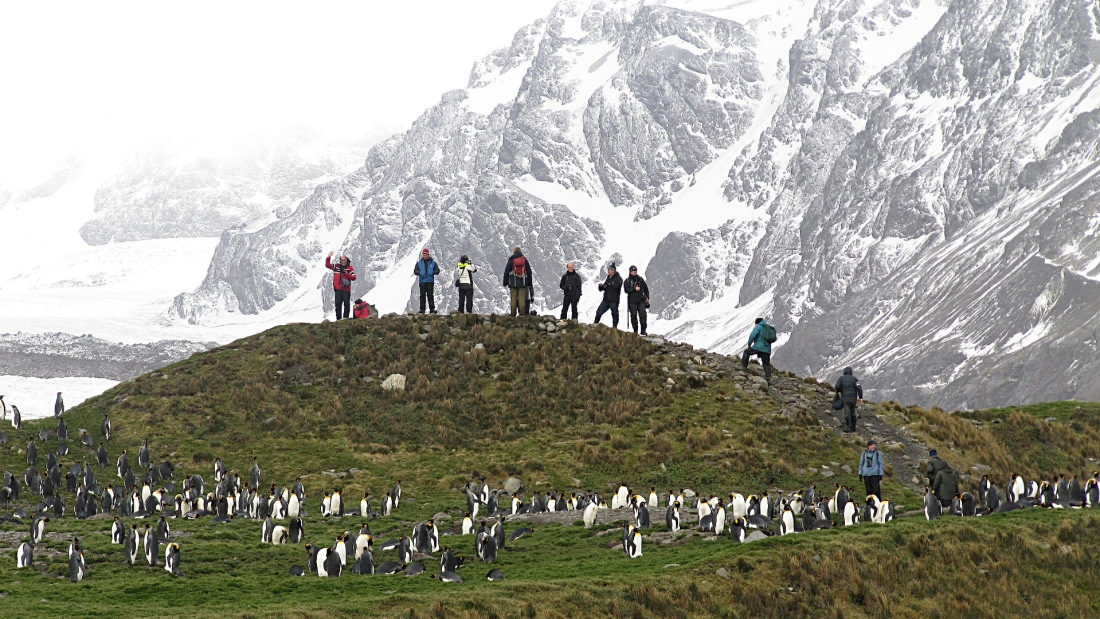
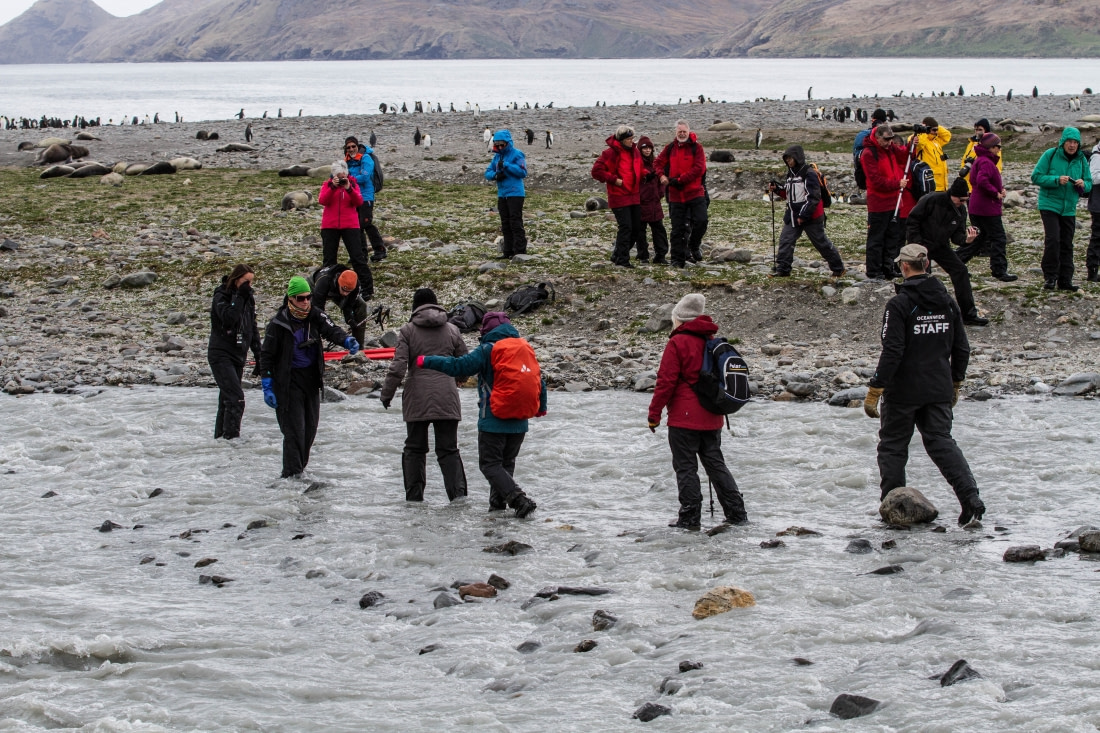
5. St. Andrews Bay scenic shoreline walks
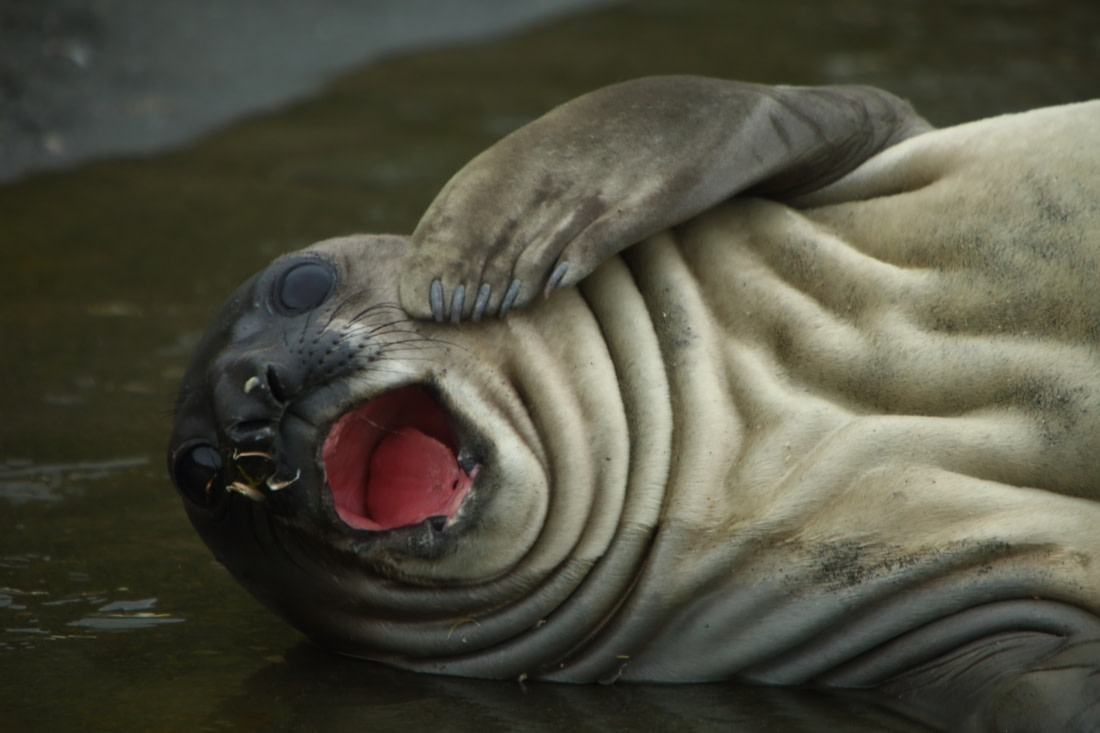
6. Southern elephant seal pup playing cute at St. Andrews
7. St. Andrews Bay’s soothing, sun-kissed beaches
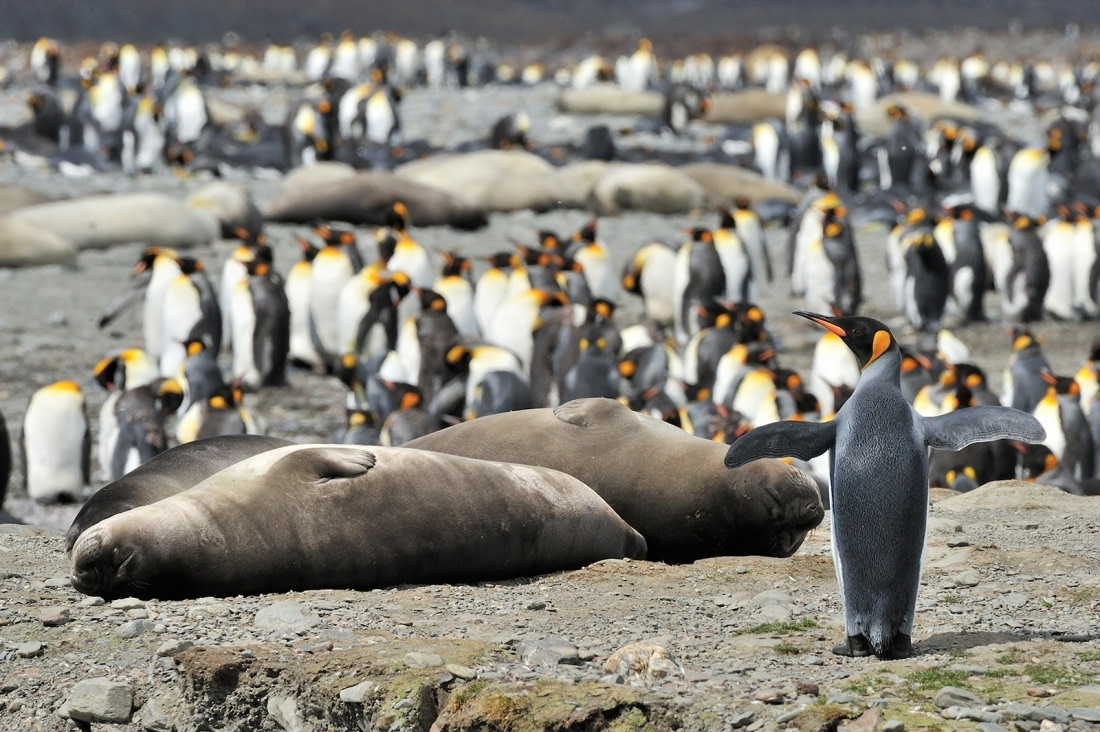
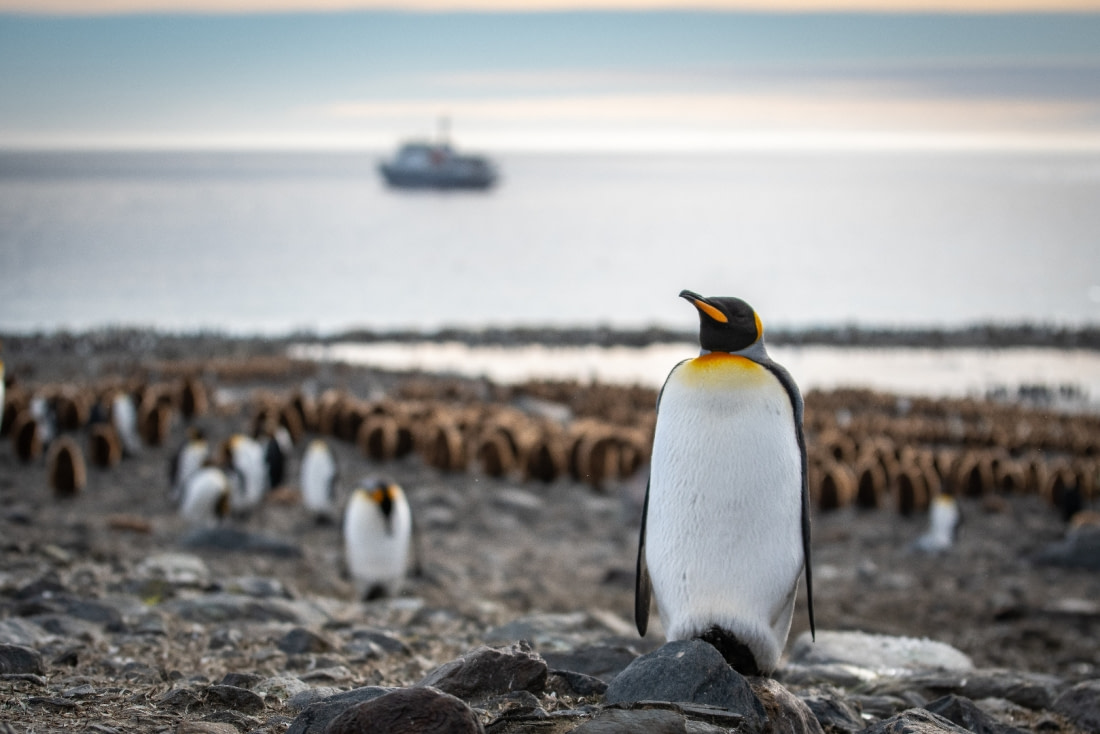
8. King penguin waiting for the St. Andrews tourists
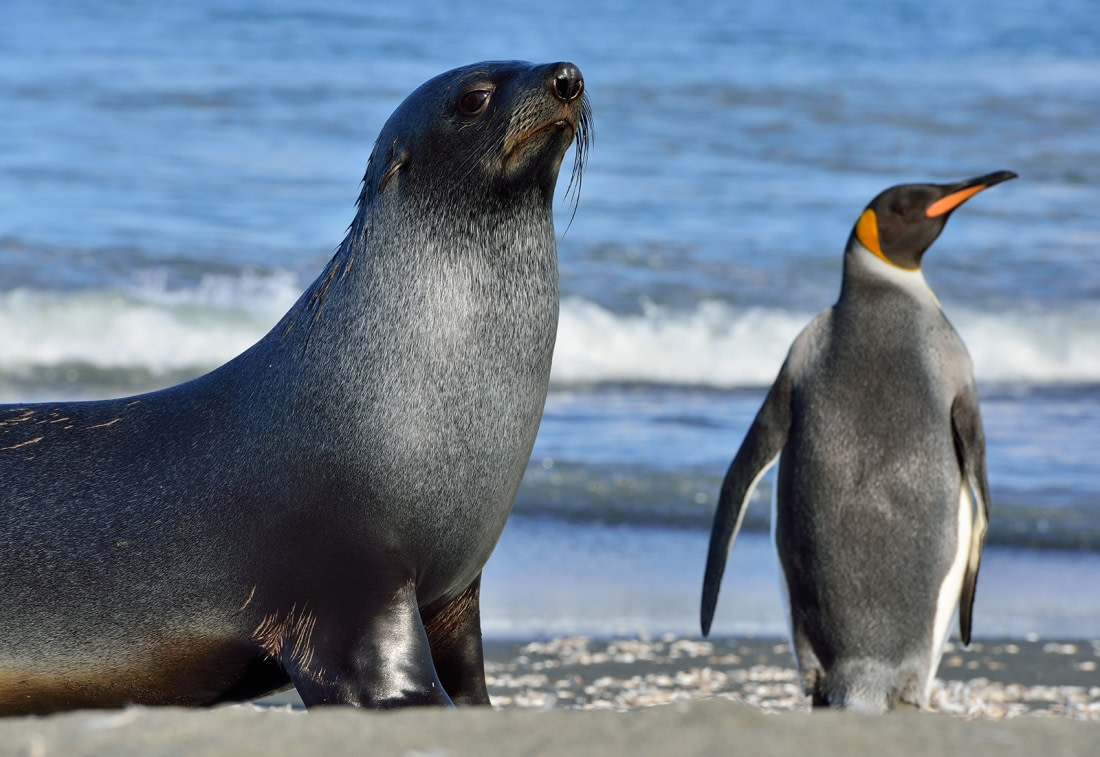
9. Two St. Andrews locals (Antarctic fur seal and king penguin) getting the lay of the land
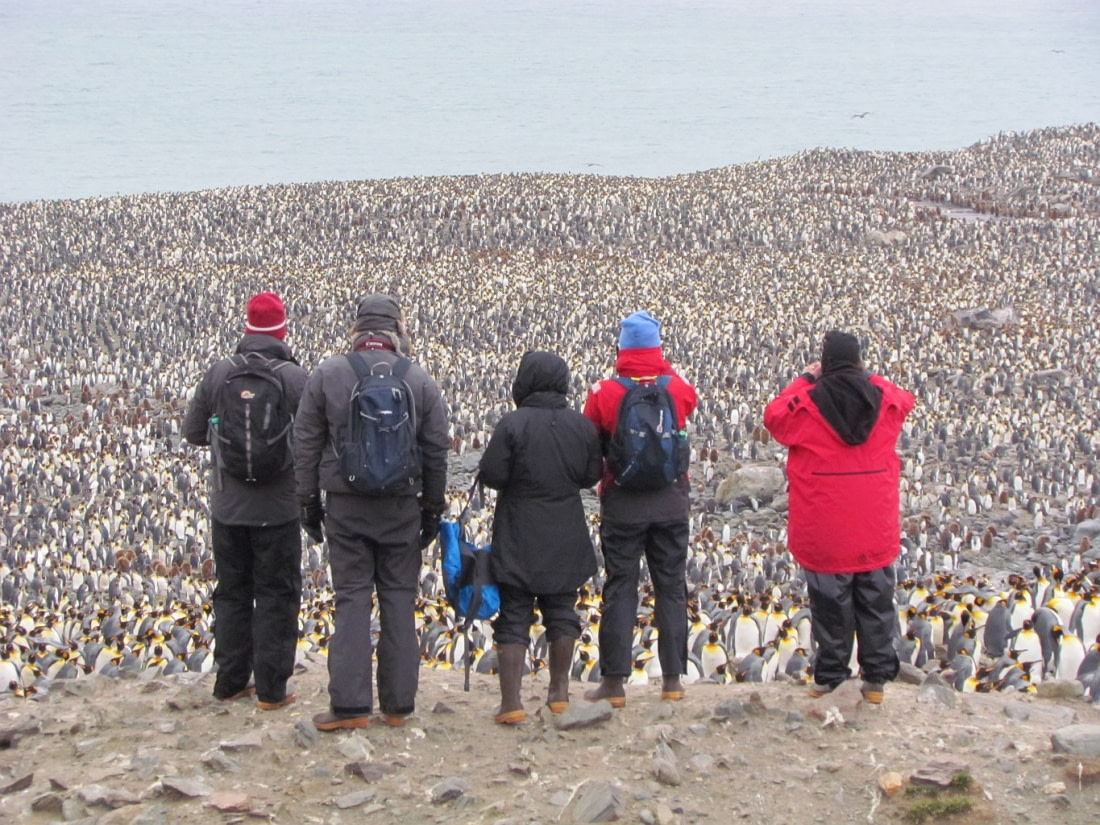
10. Finally, the great king penguin colony at St. Andrews Bay
11. And another of the St. Andrews king penguin colony
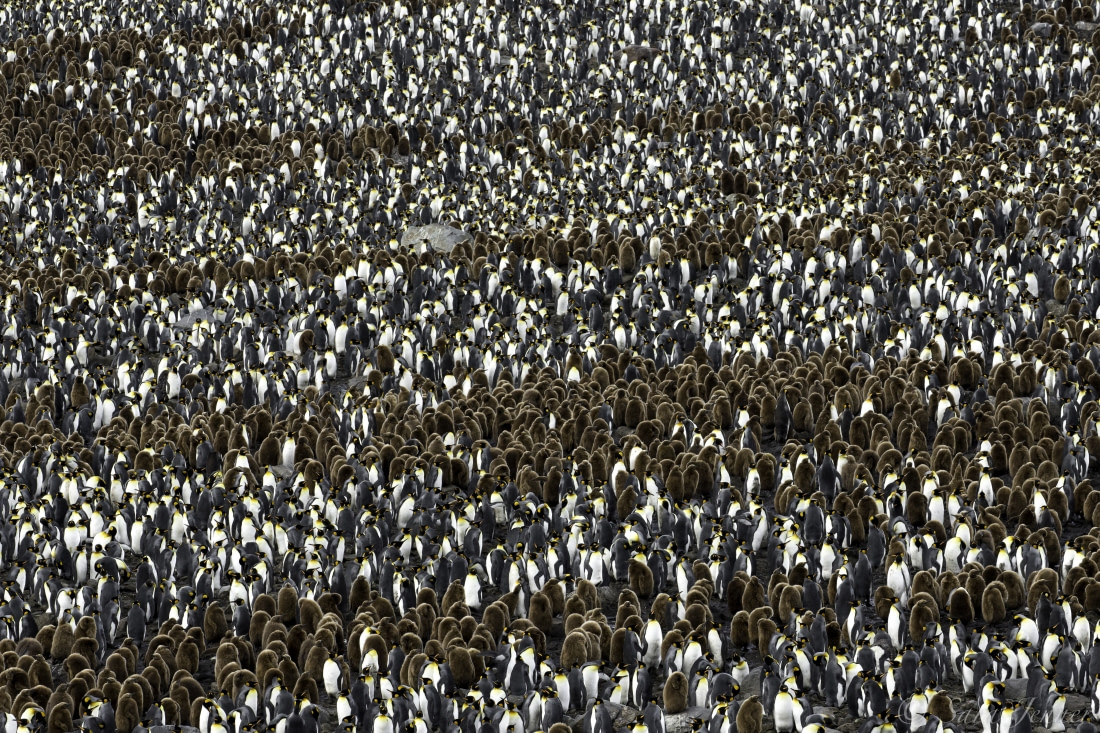
12. And yet another. Come meet them all at St. Andrews Bay!
Best Deals
Falkland Islands - South Georgia - Antarctica
 21 Dec - 08 Jan 2026
$ 15.600
Falkland Islands - South Georgia - Antarctica
19 Jan - 06 Feb 2026$ 16.600
Remote Weddell Sea Explorer incl. South Georgia - South Sandwich Islands - Neuschwabenland - Larsen Ice Shelf - Paulet and Devil Island - Elephant Island, incl. helicopters
22 Jan - 18 Feb 2026$ 26.500
Falkland Islands - South Georgia - Antarctica
28 Jan - 16 Feb 202616.900
$ 12.650
Falkland Islands - South Georgia - Elephant Island - Antarctica - Polar Circle
16 Feb - 10 Mar 2026$ 17.800

Related Trips
Antarctica
Ushuaia
Falkland Islands - South Georgia - Antarctica
21 Dec 2025 - 08 Jan 2026  19 Days / 18 Nights
From $ 15.600 per person
Antarctica
Ushuaia
Falkland Islands - South Georgia - Antarctica
19 Jan 2026 - 06 Feb 2026 19 Days / 18 Nights
From $ 16.600 per person
Antarctica
Ushuaia
Remote Weddell Sea Explorer incl. South Georgia - South Sandwich Islands - Neuschwabenland - Larsen Ice Shelf - Paulet and Devil Island - Elephant Island, incl. helicopters
22 Jan 2026 - 18 Feb 2026 28 Days / 27 Nights
From $ 26.500 per person
% Save up to $ 7.350
Antarctica
Ushuaia
Falkland Islands - South Georgia - Antarctica
28 Jan 2026 - 16 Feb 2026 20 Days / 19 Nights
From $ 12.650 per person
Antarctica
Ushuaia
Falkland Islands - South Georgia - Elephant Island - Antarctica - Polar Circle
16 Feb 2026 - 10 Mar 2026 23 Days / 22 Nights
From $ 17.800 per person
Antarctica
Ushuaia
Atlantic Odyssey, excl. Antarctic Peninsula
01 Apr 2026 - 24 Apr 2026 24 Days / 23 Nights
From $ 9.050 per person

Antarctica
Puerto Madryn
Falkland Islands - South Georgia - Antarctic Peninsula - Photography special
24 Oct 2026 - 13 Nov 2026 21 Days / 20 Nights
From $ 14.850 per person
% Save up to $ 2.650
Antarctica
Puerto Madryn
Falkland Islands - South Georgia - Antarctic Peninsula
03 Nov 2026 - 23 Nov 2026 21 Days / 20 Nights
From $ 14.850 per person
Antarctica
Ushuaia
Falkland Islands - South Georgia - Antarctic Peninsula
23 Nov 2026 - 11 Dec 2026 19 Days / 18 Nights
From $ 15.100 per person

Antarctica
Ushuaia
Falkland Islands - South Georgia - Antarctic Peninsula - Birding
11 Dec 2026 - 29 Dec 2026 19 Days / 18 Nights
From $ 15.100 per person
Antarctica
Ushuaia
Falkland Islands - South Georgia - Antarctica
27 Dec 2026 - 14 Jan 2027 19 Days / 18 Nights
From $ 15.100 per person
Antarctica
Ushuaia
Falkland Islands - South Georgia - Antarctica
16 Jan 2027 - 03 Feb 2027 19 Days / 18 Nights
From $ 17.400 per person

Blog


Blog
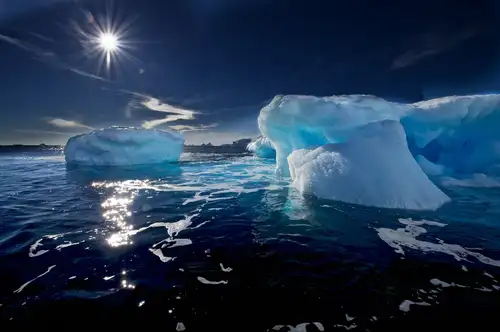
Everything you need to know about Antarctic icebergs
The ice in Antarctica might seem static, but it is constantly moving. Pieces of ice are continuously breaking off from ice shelves, glaciers, or other icebergs. They float freely along with the Antarctic currents, with about 90 percent of their mass below the surface of the water. This fact is actually what gave rise to the nowadays popular phrase âthe tip of the icebergâ. Regardless, the sighting of the first iceberg is always a moment to celebrate in any and all Antarctic expeditions. So that you may appropriately ready yourself for that joyous moment, in this article you will find everything you need to know about Antarctic icebergs.
Blog
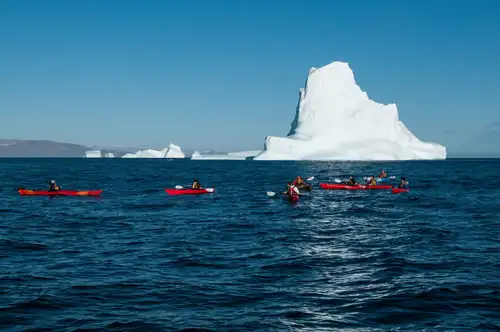
Kayaking In Greenland
Think of Greenland and two images come to mind:
Blog
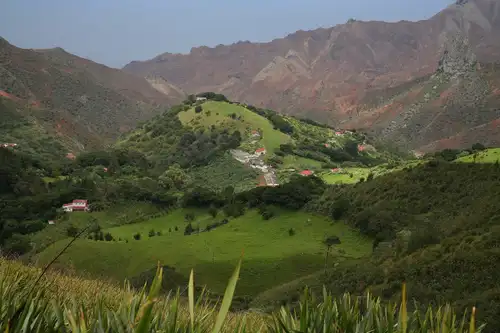
Five Reasons to Love St. Helena
Being one of the most remote islands on Earth gives St. Helena a unique allure. Named after a Roman empress and the mother of Constantine the Great, this island also holds the distinction of being Napoleonâs final place of exile, making it a fascinating topic of conversation.
Blog
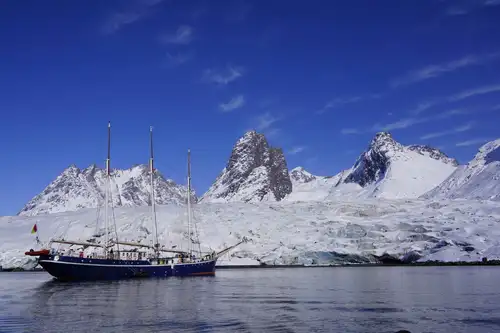
5 Misconceptions You Might Have About Greenland
Blog
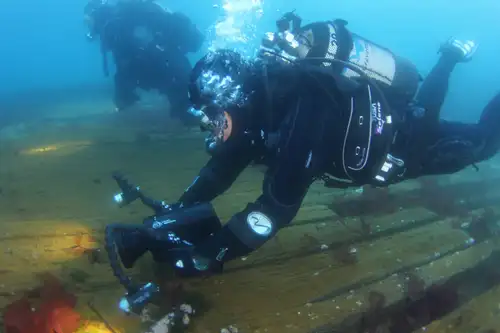
Wreck Diving in Antarctica
Scuba diving in Antarctica is an unparalleled adventure. Few places on Earth allow you to swim beneath icebergs and potentially encounter penguins or leopard seals. But the wonders of Antarctic diving don't end there.
Blog
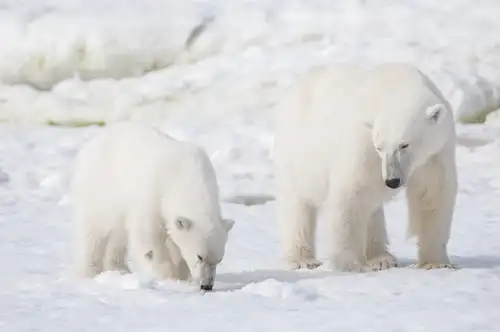
The polar bear: king of the Arctic food chain
As apex predators, polar bears reign supreme in the Arctic food chain. Only humans pose a threat to this massive and majestic species. But one look at these magnificent creatures explains why so many people embark on Arctic trips hoping to spot a polar bear in its natural habitat.
Blog
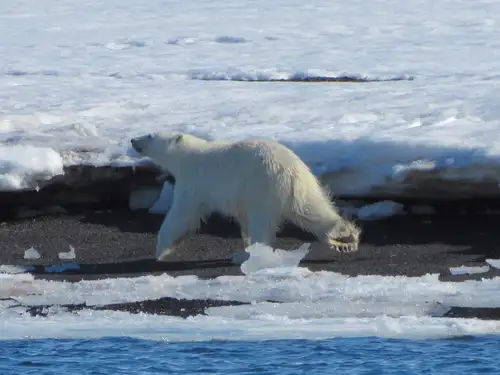
Polar bear feast
The polar bear was relishing his meal; the snow and his face were turning red from the blood. As we observed him eating, our own stomachs began to grumble. It was time for lunch.
Blog
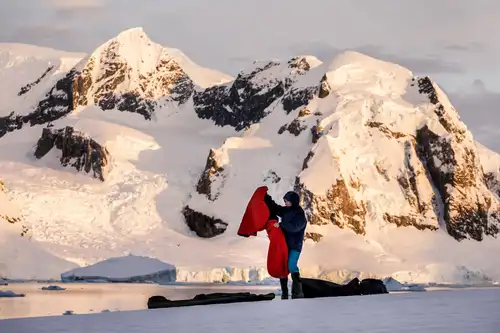
Camping in Antarctica: a True Expedition Experience
We often think of camping as a summer activity, filled with warm nights, campfire dinners, and serene mountain lakes. However, there's a whole other world of camping to explore.
Blog
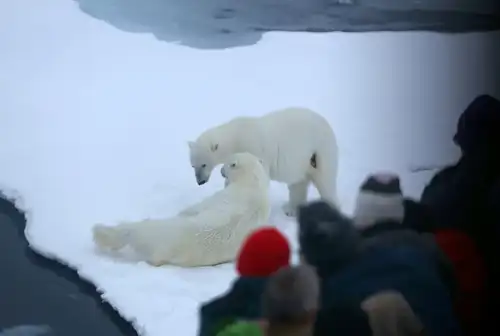
The Pack Ice and Polar Bears of North Spitsbergen
The Arctic archipelago of Svalbard is renowned for being one of the prime locations to observe polar bears. The largest island in this region, Spitsbergen, not only offers sightings of these majestic Arctic creatures but also provides a unique opportunity to experience the phenomenon of pack ice.
Blog
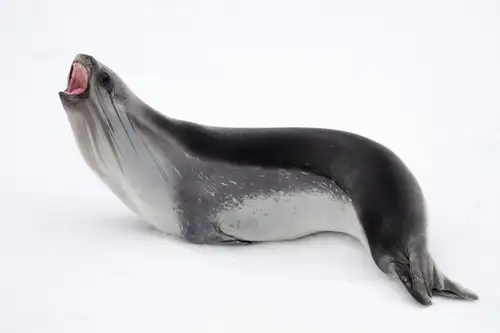
11 Seals You May See in Antarctica or the Arctic
1. Weddell seals â These seals are known for their calm demeanor and spend most of their lives beneath the Antarctic ice. Although they need to come up for air, they can remain underwater for up to 45 minutes. Weddell seals can dive to depths of 610 meters (2,000 feet) in search of food. These vocal animals usually have one pup annually and can grow up to 3 meters (10 feet) and weigh 544 kg (1,200 lbs).
Blog
Polar Cruises: The Ultimate Icebreaker
Travel is one of lifeâs great eye openers. It brings you into contact with new people and perspectives, challenges old assumptions you havenât held to the light in years, and invites you to make unexpected discoveries about the world around you â and most of all, yourself. Added to which, you get to visit places you never knew you loved until you saw them.

Blog
The disastrous expedition in the Arctic west
In 1902, Otto Sverdrup, captain of the Fram on Nansenâs expedition, led his own Arctic expedition to the north of Canada. Over the period of the expedition, which started in 1898, Sverdrup and his 15-man crew charted over 250,000 square kilometres of the Arctic using the Fram and sledges. During the expedition Ellesmere Islandâs west coast was explored and new islands discovered.
Blog
The Most Enchanting Antarctica Cruise Islands
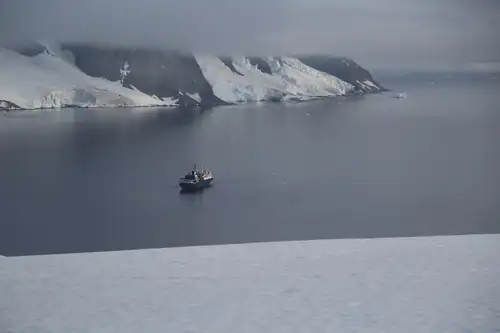
Whether itâs Greenland in the Arctic or Snow Hill Island in Antarctica, the bulk of our polar expeditions take place around, between, and upon islands.
Blog
Why You Should Visit Greenland: 11 Things to See, Do, and Explore
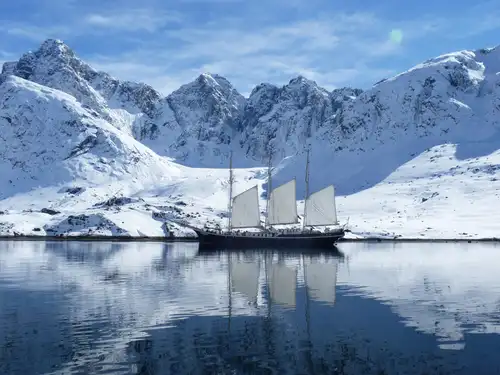
There's nothing quite like witnessing your first Greenland glacier, navigating into the island's largest fjord system (which also happens to be Earth's largest), or observing a humpback whale breach over the dark Greenland Sea.
Blog
15 Toothy Facts About the Atlantic Walrus
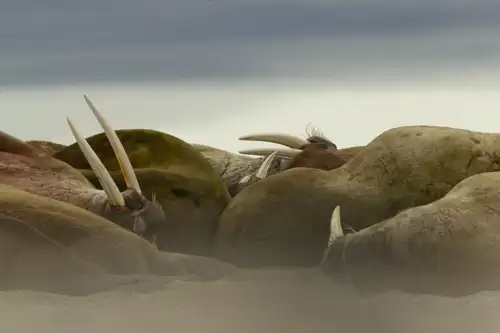
The walrus is one of the most recognizable animals on the planet, and for good reason. Try sneaking into a cinema with those tusks!

Blog
The First Overwintering Hut in Antarctica
In 1899, Carsten Borchgrevink and his nine crewmen became the first to spend the winter in a hut in Antarctica. (Technically, the Belgian Antarctic Expedition of 1897-1899 was the first to overwinter there, though this was done on their vessel after it was caught in ice.) Borchgrevink and his men spent the dark winter months isolated in a dirty hut, surrounded by equipment and sled dogs fighting each other outside.
Blog
Greenland: East vs. West
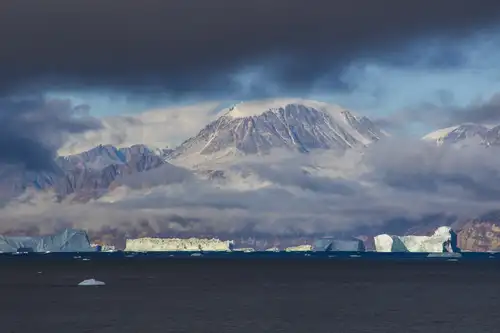
East and West Greenland offer vastly different experiences due to their unique climates, wildlife, habitation, and geology.
Blog
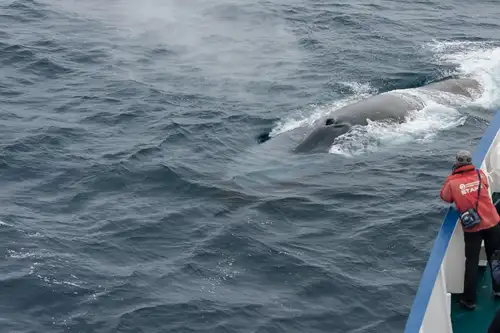
10 Bountiful Blue Whale Facts
The umbrella term âwhaleâ refers to a wide variety of large marine mammals. To zero in on blue whales, however, weâll need to unpack this term a bit. The Latin word for whale, cetus, is the root of the whale infraorder, Cetacea, the largest parvorder of which is Mysticeti.
Blog
Weddell Sea, Shackleton’s Endurance, and New Swabia
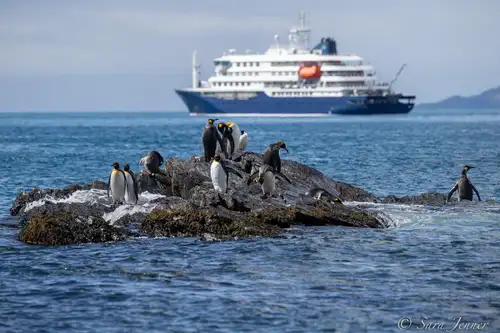
Our Antarctica 2023-24 cruise program is packed with incredible expeditions, including a new itinerary that explores key locations such as South Georgia, the Weddell Sea, and the more easterly region of New Swabia (Neuschwabenland).
Blog
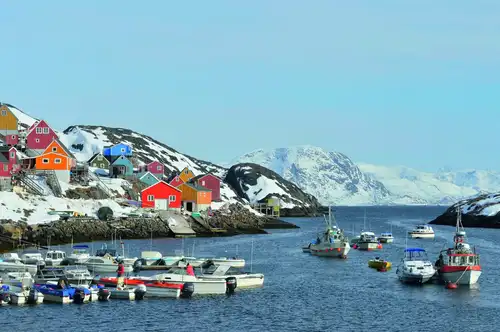
Amazing Greenland
If you ever get the chance to take a trip to Greenland, you will be amazed by its coastlines, fjords, ice-covered peaks, and great expanse of snow-covered land. You will also notice that Greenland is a rugged area with a rich diversity of life, making it a dream location for scientists as well.