




Blog


Blog
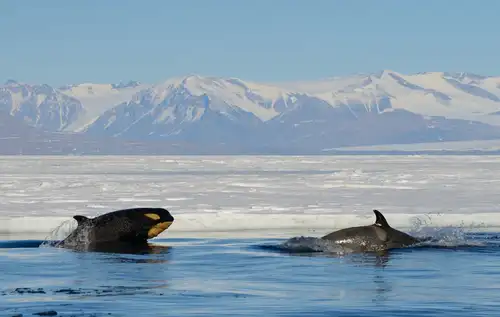
Orcas (aka Killer Whales) of Antarctica and the sub-Antarctic
Orcas are highly social and intelligent members of the dolphin family Delphinidae. They are sometimes referred to as killer whales, though this name has somewhat fallen out of fashion due to inaccurately characterizing orcas as ferocious predators.
Blog
Svalbard’s 12 Most Iconic Animals
Each of our Arctic regions offers its own distinct and unforgettable features: Greenland boasts mountainous shorelines and record-setting fjords, Northern Norway is renowned for the aurora borealis and historic masted schooners, and Svalbard (especially Spitsbergen) is where you're most likely to encounter a variety of Arctic wildlife.
Blog
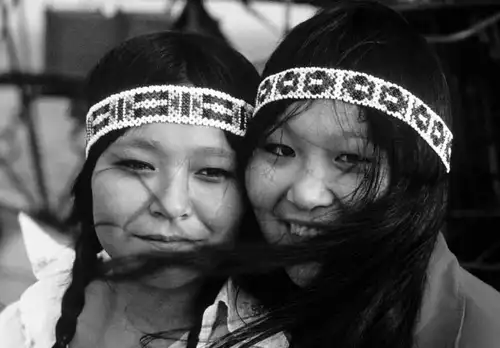
Traditional Lifestyles of the Inuit
The Inuit are an indigenous Arctic people who speak the languages of the Eskaleutian family and reside in four countries surrounding the North Pole: Greenland, Canada, the United States, and Russia.
Blog
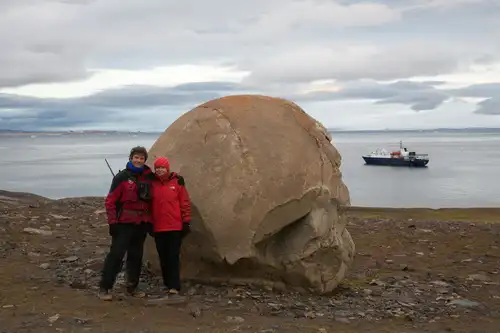
The Return to Franz Josef Land
As the possibility of international travel slowly returns, we are eagerly awaiting all the great locations, activities, and wildlife we might experience in the coming season. One of the things weâre most excited about is the return of our Franz Josef Land voyages.
Blog
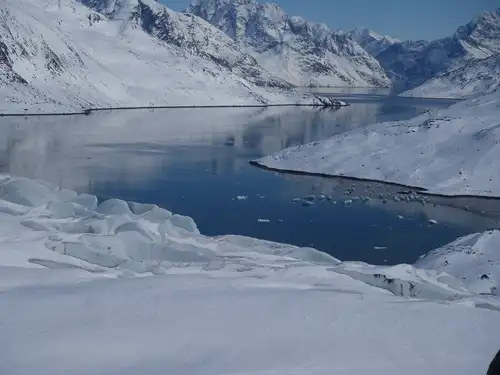
How and When Did Greenland Become Covered in Ice?
Although it may be hard to believe, there was a time when Greenland was more green than icy. Today, those who embark on a Greenland expedition are greeted with views of the Greenland ice sheet and the marine life that thrives in this region, including seals and whales. Polar bears are also prominent in the northern and eastern parts of Greenland. These animals have adapted to their environment, but a few million years ago, the massive island would not have been as welcoming to them.
Blog
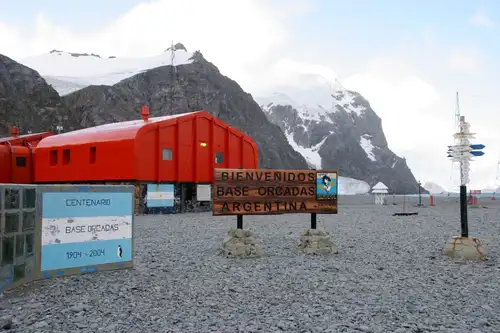
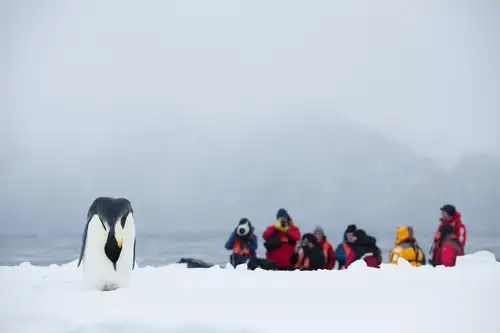
A Look Into the International Research Stations of Antarctica
In 1902, William S. Bruce, along with a team of naturalists, explorers, and sailors, embarked on the first Scottish expedition to Antarcticaâs South Pole aboard the Scotia. The Scottish National Antarctic Expedition (SNAE) aimed to establish the continent's first meteorological station and explore its largely undocumented biological, topographic, and meteorological features.
Blog
Five Reasons You Should Cruise the Ross Sea Immediately
In our search for lesser-known holiday spots that still offer fully developed amenities like spas and gift shops, we often miss out on some of the planet's truly underrated treasures.

Blog
Arctic Mythology: Inuit, Saami, and the Ancient Greeks
The Arctic locations we visit arenât merely made up of phenomenal landscapes, exotic wildlife, and more adventure than a Hardy Boys novel.
Blog
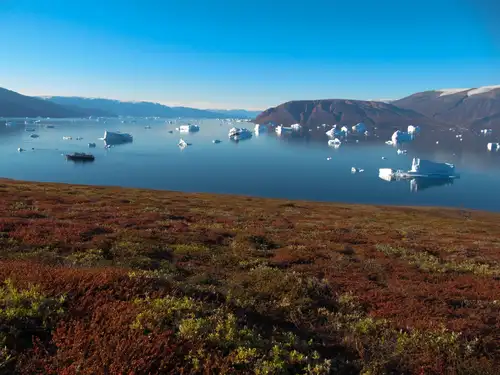
Northeast Greenland National Park
Northeast Greenland National Park is the worldâs largest national park and the ninth largest protected area on Earth. It should come as little surprise, then, that itâs also bigger than most countries, covering an impressive 972,000 square km (375,300 square miles).
Blog
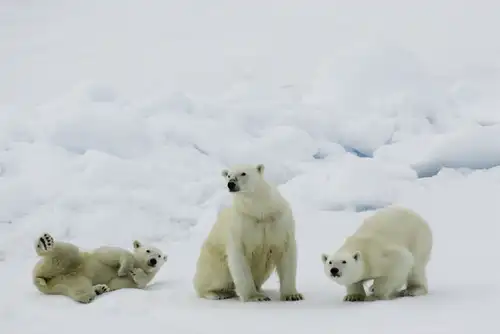
Polar bear encounter in Spitsbergen
I watch the sea ice from the bridge of a ship in one of the fjords of Spitsbergen, an archipelago north of Norway. I observe a perfectly adapted animal moving on the ice, the results of hundreds of thousands of years of ecological fine-tuning. Snowshoe-sized paws distribute weight, fur handles the cold and sunlight to perfection, and an incredible sense of smell samples this monochromatic realm.
Blog
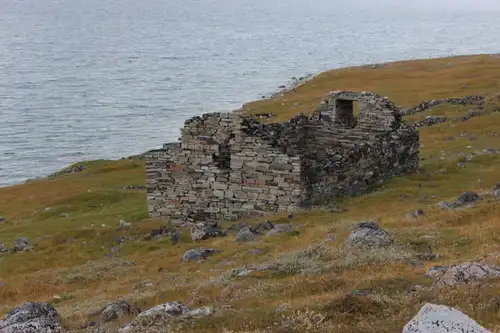
Greenland's History: When Vikings Ruled the Ice Age
A Greenland cruise offers a journey into a rich history filled with intriguing details that captivate polar expedition enthusiasts. Among the most fascinating historical aspects is the fact that Vikings once ruled this land. Anthropologists and climate scientists have long studied Greenland to pinpoint when and why the Vikings left. Recent findings have shed new light on this historical culture.
Blog
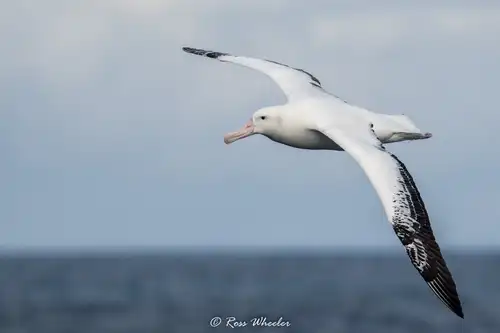
The Eight Albatrosses of Antarctica and the Sub-Antarctic
Our guests are typically wildlife enthusiasts, with a particular interest in bird life. While many bird lovers focus on the penguins we encounter, there's a smaller yet equally passionate group that favors the more airborne seabirds. Among this birdwatching subset, the albatross is a species that garners (and deserves) significant attention.
Blog
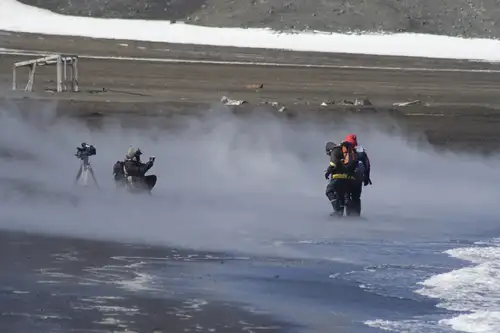
Deception Island deceptively active
In Antarctica, the South Shetland archipelago is home to Deception Island, a volcanic-rounded island that is 15 km in diameter with a shield volcano. The volcano is mainly basalt-andesite and was one of the first parts of Antarctica to be discovered, probably around 1820 by UK and USA sealers.
Blog
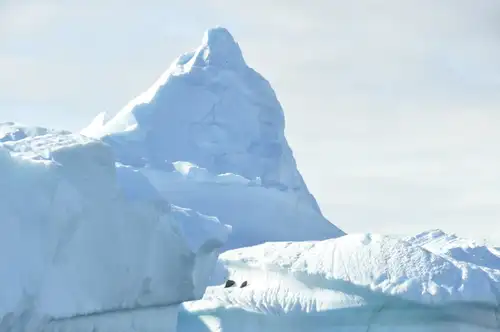
Life migrating through the Polar Front
Since James Cookâs second voyage to Antarctica from 1772-1775, which provided the first descriptions of Antarctic animals, scientists have progressively uncovered the biodiversity of the Antarctic and sub-Antarctic regions. Numerous expeditions and research projects have since been undertaken to understand the unique ecosystems of this continent.
Blog
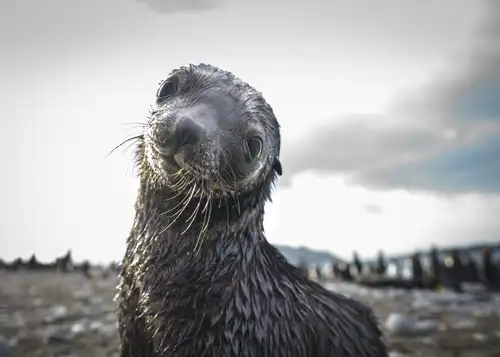
The secrets of Antarctic seals revealed
There are only six species of seals that inhabit the Antarctic: Southern elephant seals, Antarctic fur seals, crabeater seals, leopard seals, Ross seals, and Weddell seals. While we are familiar with these species, much about their lives remains a mystery.
Blog
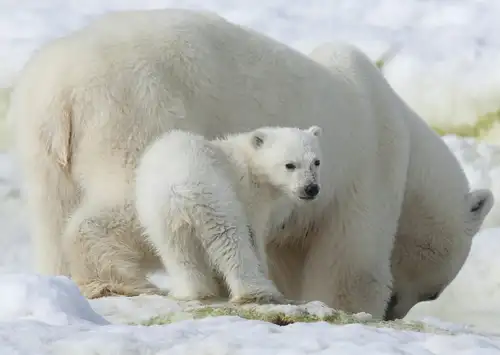
Arctic Icon: 10 Facts about the Polar Bear
Polar bears are to the Arctic what penguins are to Antarctica.
Blog
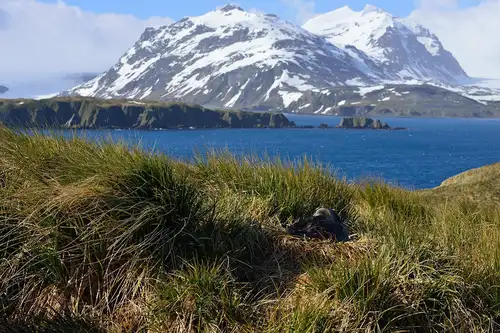
Flowers in Antarctica
The polar regions are among the most inhospitable environments for plants and animals. Life here faces numerous challenges, including low temperatures, high winds, solar radiation, and cell freezing. The Antarctic continent experiences extreme conditions, with darkness during winter and continuous light during summer. Winter temperatures can drop to -60°C or lower.
Blog
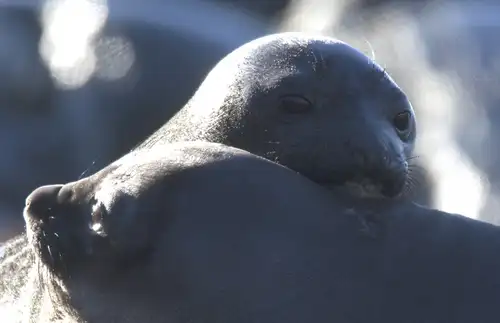
South Georgia in Spring
What a fantastic time to be in South Georgia! Perhaps the best time of the year! The wildlife is abundant, and the light is simply magical for photography. Kings, Gentoos, Chinstraps, and Macaronis are all present along the shorelines. Elephant and Fur seals are also plentiful! Wandering albatrosses are welcoming their newly hatched chicks, while the non-breeders are actively engaged in their courtship rituals, practicing a ceremonial dance. Light-mantled, Sooty, and Grey-headed albatrosses are still feeding their fluffy chicks, as are the Giant petrels. We've been fortunate with the weather, finding ourselves in the right place at the right time to succeed in all our landings and zodiac cruises so far.
Blog
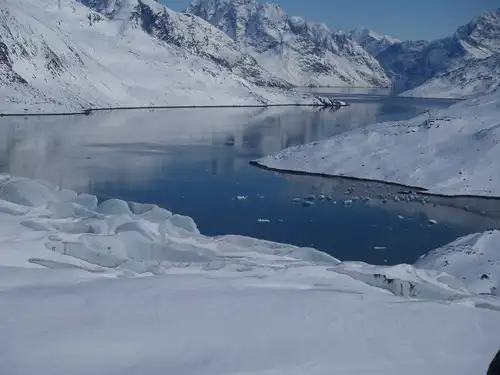
8 Scientific Wonders of the Arctic
The Arcticâs frozen landscape not only contains scenic gems, it also prompts fascinating advances in research. Here are some of the eight best.
Blog
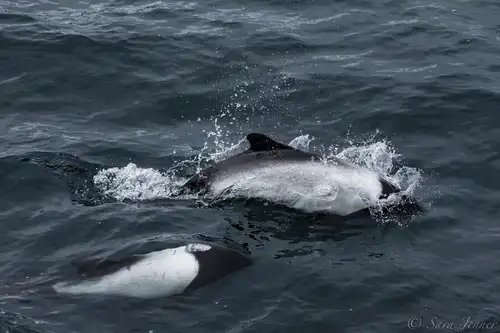
The Small but Social Commerson’s Dolphin
Despite being one of the lesser-known Antarctic cetaceans, Commerson's dolphins are quite social and have been given various names over the years, including Piebald dolphins, skunk dolphins, and panda dolphins. These names have been in use since their discovery in 1767 by French naturalist Philibert Commerson.