Gough Island Seabird Capital Of The South Atlantic - Nexta Expeditions
Gough Island: Seabird Capital of the South Atlantic

Gough Island: Seabird Capital of the South Atlantic

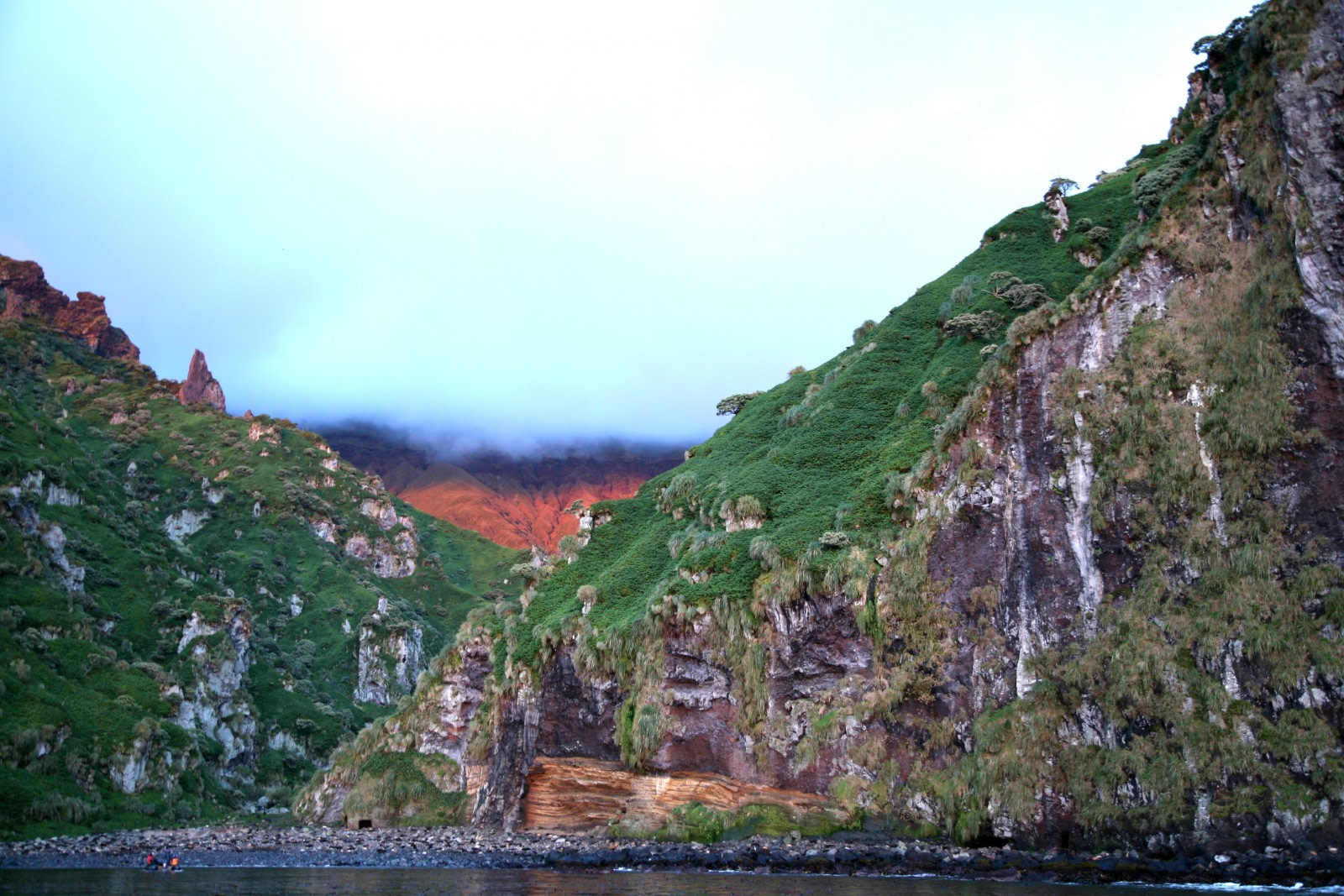
Gough Island is a remote volcanic island in the South Atlantic, uninhabited except for a small party of meteorologists and (sometimes) biologists.

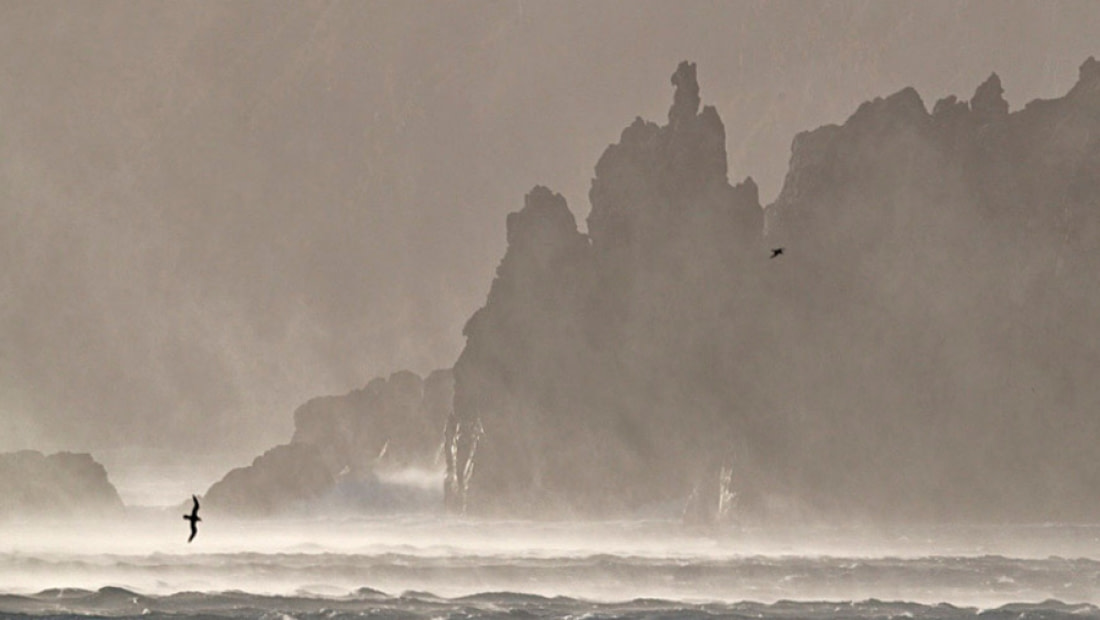
Set in the midst of the Roaring Forties, a Southern Hemisphere area of strong western winds between 40 and 50 degrees latitude, Gough Island is often buffeted by strong westerly gusts as well as powerful sea swells.

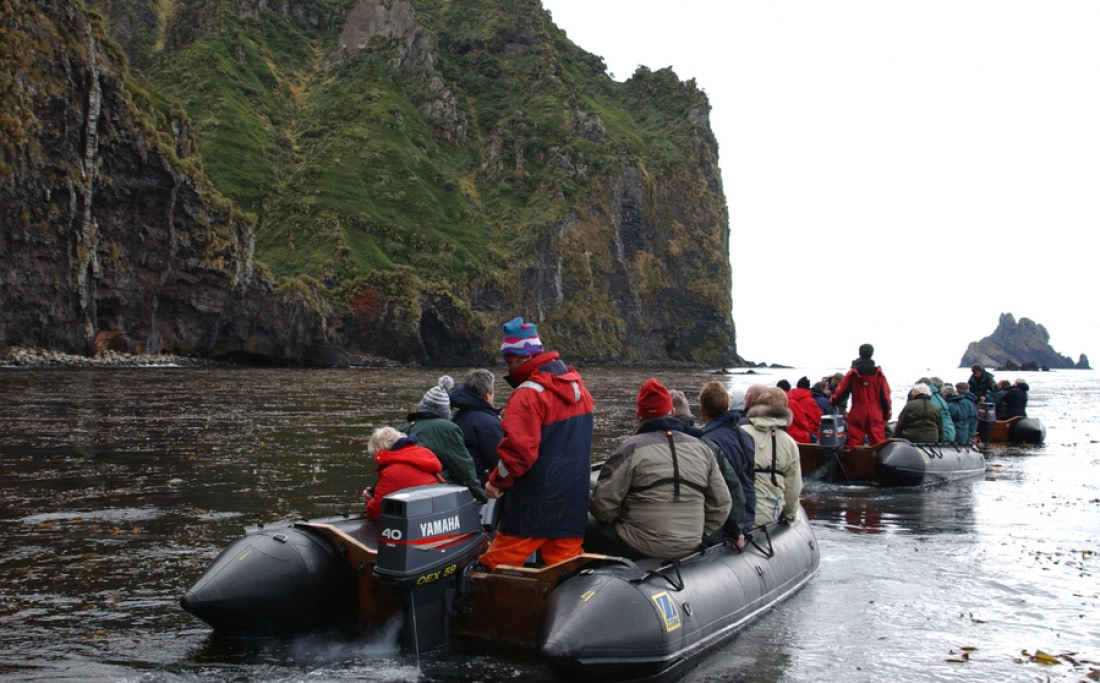
Only a few vessels visit Gough Island each year due to its remoteness and severe weather.
blog-image

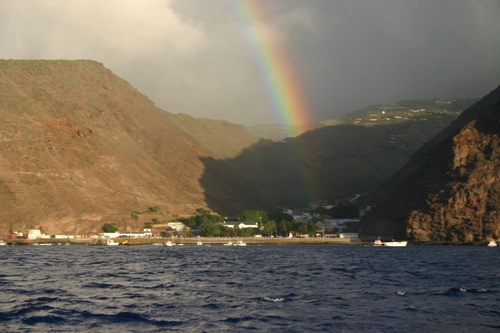
The first eye-popping glimpse of Gough Island

Like many South Atlantic islands, Gough Island is volcanic and visually mind blowing. Steep cliffs several hundred meters high frame the island, telling of towering mountains and deep-carved valleys that create dramatic natural scenery.

The island receives a great deal of rain, and after a fresh fall you can often see peat-stained waterfalls cascading down the cliffs.
blog-image

The Gough Island seabird paradise

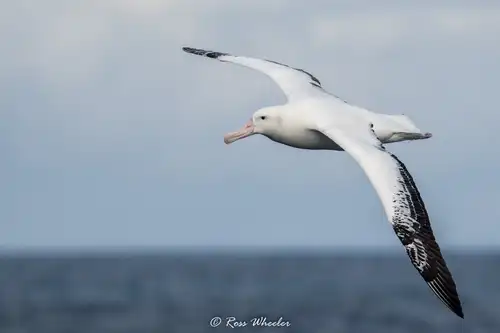
Though Gough Island is not well known even among many seasoned travelers, it is most famous for its wealth of breeding seabirds.

Situated near the Subtropical Convergence Zone, where temperate waters mix with subtropical waters, Gough Island is highly attractive to both warm- and cold-water seabirds.

In fact, nowhere else in the world do Antarctic terns and tropical brown noddies nest side by side than on Gough Island. Despite this feature, however, it is the incredible array of tubenose seabirds that truly sets Gough Island apart.
blog-image

The tubenose seabird feeding grounds of Gough Island

The seas surrounding Gough Island are some of the richest seabird feeding grounds anywhere in the Atlantic Ocean.

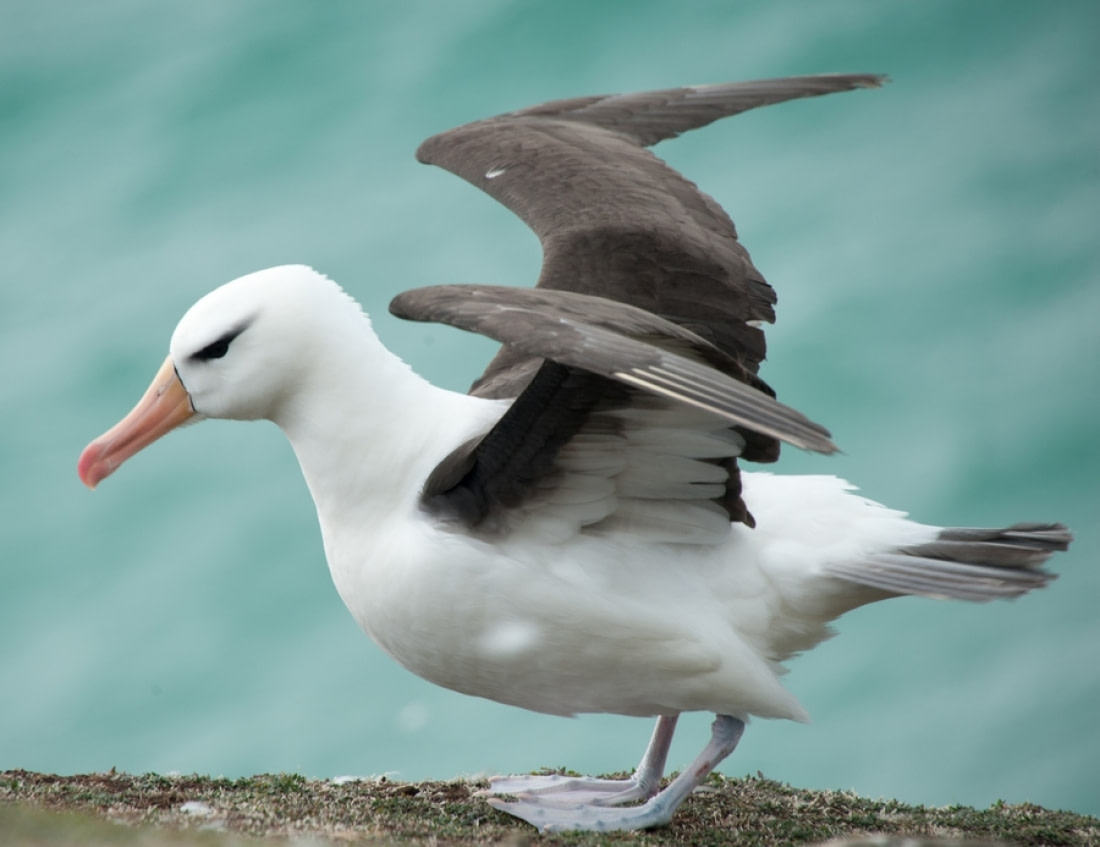
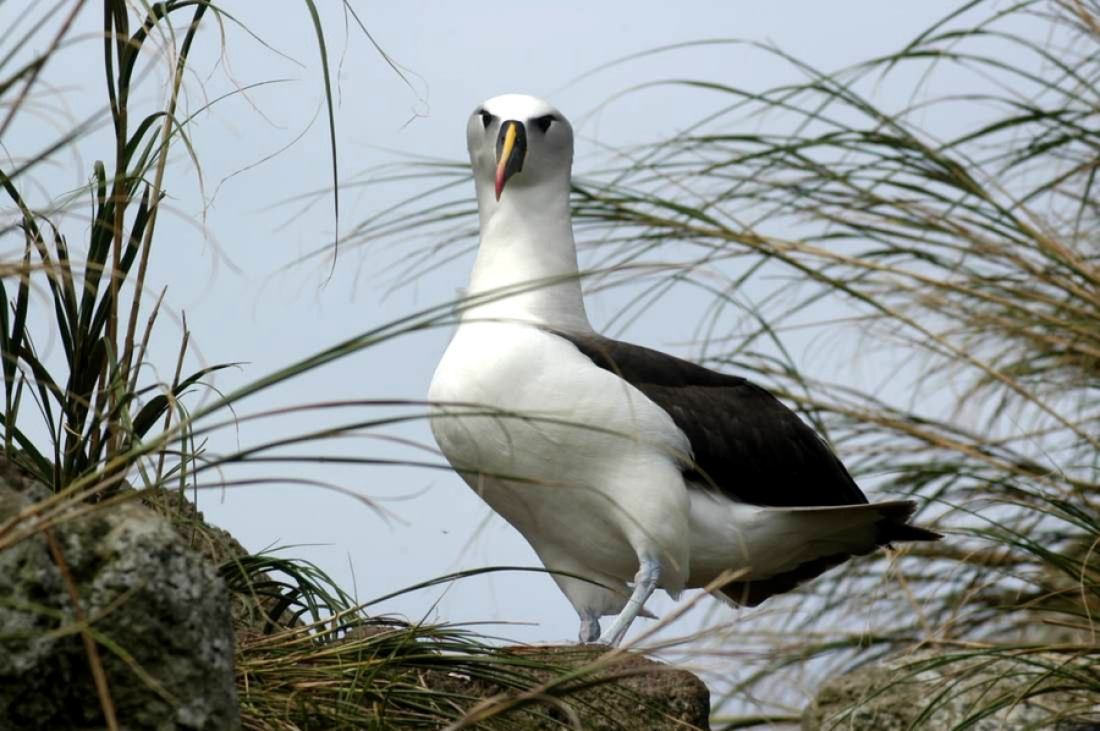
Some cruises have counted over 20 tubenose species around Gough Island, including birds from South Georgia (black-browed albatrosses, Cape petrels, Antarctic prions), New Zealand (shy albatrosses), and the Indian Ocean (white-headed petrels).

Gough Island and Tristan da Cunha also hold the world’s only breeding colonies of Tristan albatrosses, Indian yellow-nosed albatrosses, Atlantic petrels, and spectacled petrels.

Seeing such birds in such numbers is enough to get any birder’s heart pumping.
blog-image

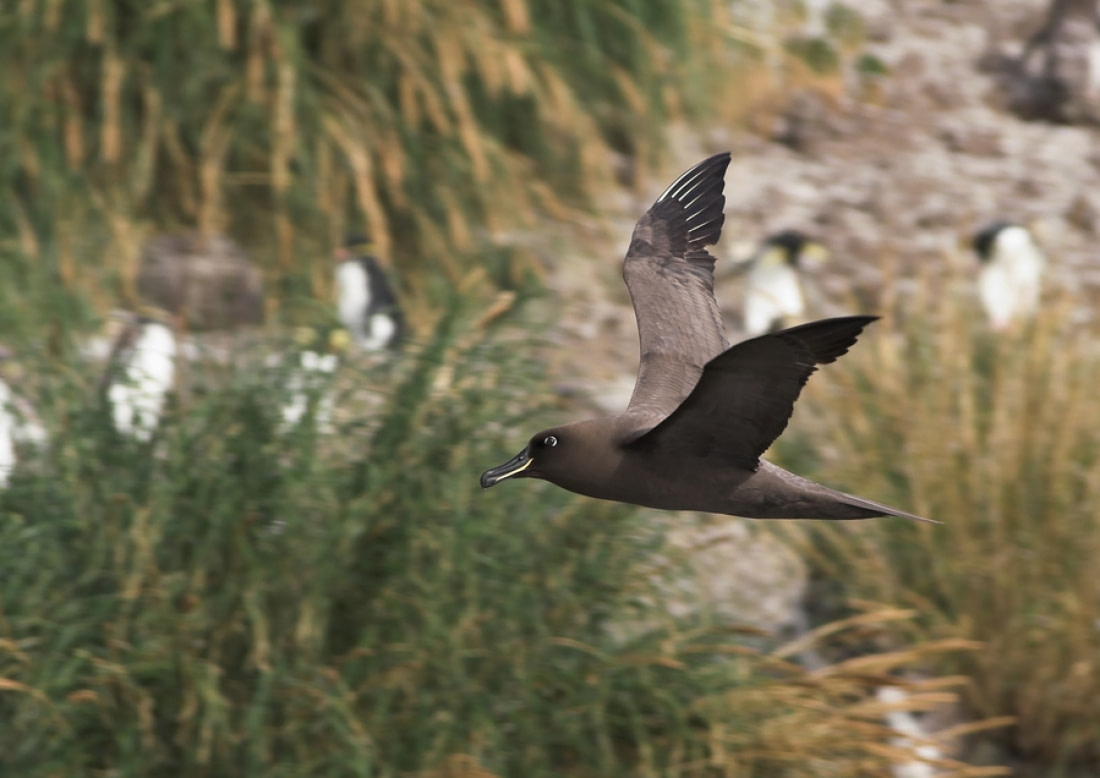
Further Gough Island seabirds

Other tubenose seabirds on Gough Island include sooty albatrosses, great-winged petrels, Kerguelen petrels, soft-plumaged petrels, grey petrels, great shearwaters, sub-Antarctic little shearwaters, broad-billed prions, and white-bellied storm petrels.

Though this is not meant to be a complete list of Gough Island seabirds, it does cover the more commonly seen varieties.

blog-image

Gough Island feeding frenzies

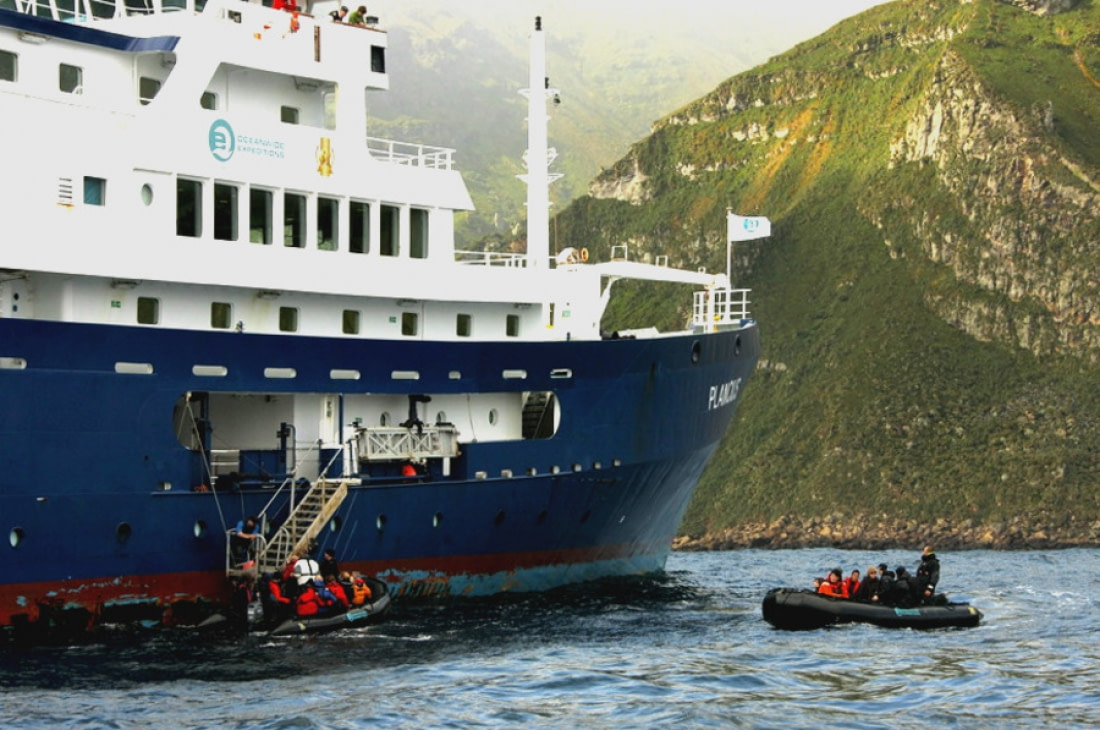
Landings on Gough Island are not permitted due to conservation reasons, but you may still see some action even at a distance.

Circumnavigations of Gough Island have revealed, for example, large pods of dusky dolphins accompanied by a feeding frenzy of hundreds of seabirds. We cannot promise you this on your own Gough Island trip, of course, but the possibilities are always there.
blog-image

The rare rockhopper penguins of Gough Island

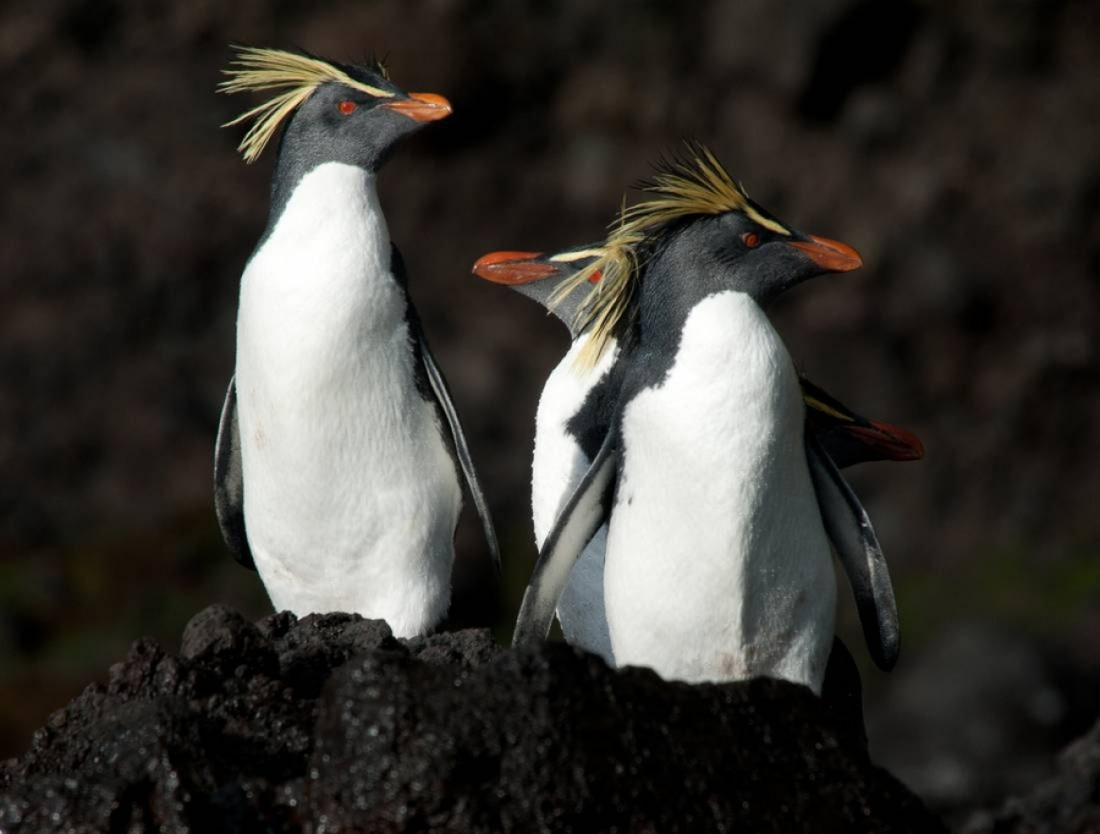
On the east side of Gough Island lies Quest Bay, which is known for its rookery of northern rockhopper penguins.

Northern rockhoppers have longer yellow crests than their southern cousins, and they can only be found on a handful of remote and rarely visited islands in the South Atlantic and South Indian Ocean. Gough Island fits the bill, so to speak.

Not only do northern rockhopper penguins sport the best hairstyles, they are also among the most seldom-seen penguin species in the world.
blog-image

Gough Island’s equally rare fount of fur seals

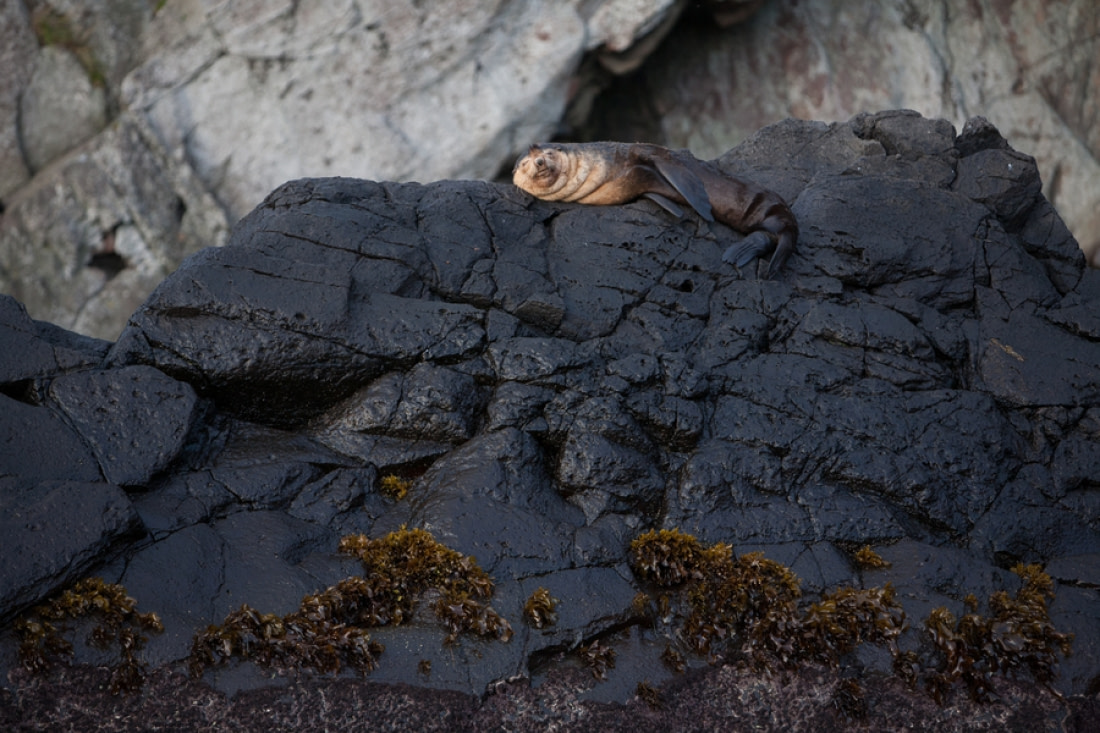
You might also encounter sub-Antarctic fur seals on the shores of Gough Island.

Males have a striking color pattern, with a lovely blond face and chest against a black body. These seals share a similar range with northern rockhoppers and are also rarely encountered, further evidence of how unique Gough Island wildlife is.
blog-image

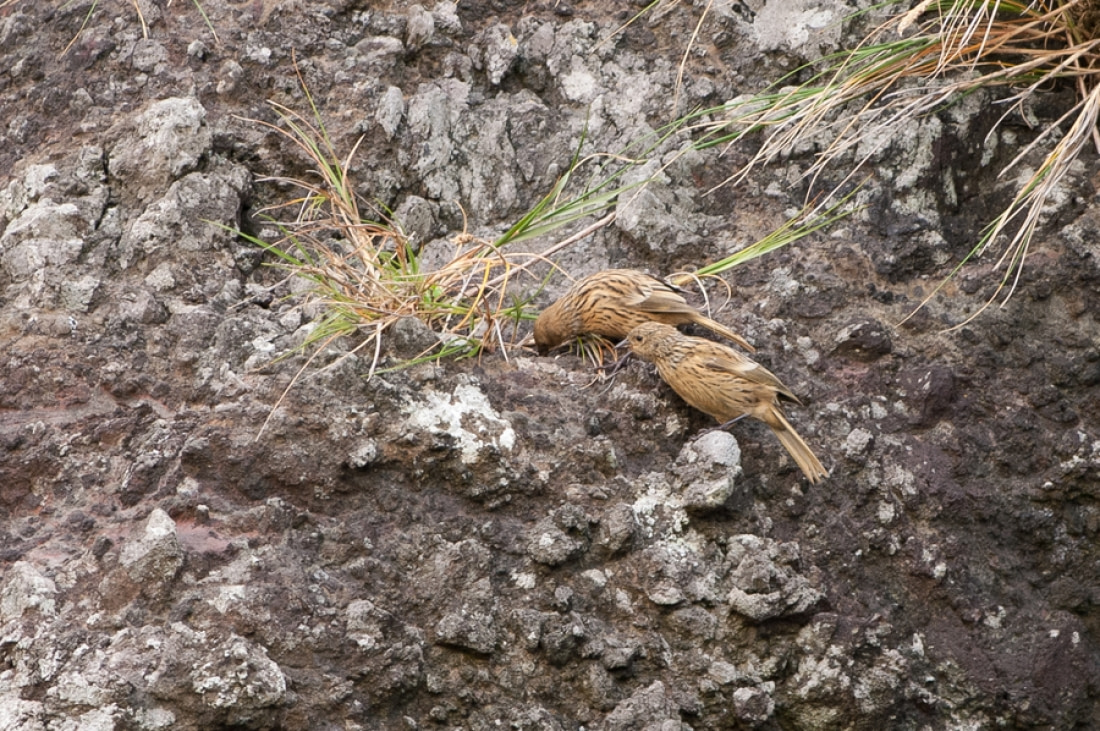
Endemic Gough Island birds: Gough moorhens & Gough buntings

Gough Island houses two endemic land birds, distinct species evolved from South American ancestors and found nowhere else in the world: the Gough moorhen and Gough bunting.

The Gough bunting is particularly unique, being the only member of the genus Rowettia.
blog-image

UNESCO World Heritage Site: Gough and Inaccessible Islands

Because of its wildly diverse flora, fauna, and unusually undisturbed ecosystem, Gough Island (along with the relatively close Inaccessible Island) is a protected wildlife reserve and World Heritage Site under UNESCO.

Not surprisingly, then, Gough Island is also one of the most beautiful and fascinating locations for birders and nature lovers alike.

blog-image

Best Deals

Related Trips

Atlantic Odyssey, excl. Antarctic Peninsula - Nexta Expeditions
Antarctica
Ushuaia

Atlantic Odyssey, excl. Antarctic Peninsula

calendar01 Apr 2026 - 24 Apr 2026
clock24 Days / 23 Nights
From $ 9.050 per person
Atlantic Odyssey, excl. Antarctic Peninsula - Nexta Expeditions
Antarctica
Ushuaia

Atlantic Odyssey, excl. Antarctic Peninsula

calendar04 Apr 2027 - 27 Apr 2027
clock24 Days / 23 Nights
From $ 9.450 per person

Blog
go-leftgo-right

9 Facts about the Greenland Shark - Nexta Expeditions
Blog

9 Facts about the Greenland Shark

The Greenland shark, or Somniosus microcephalus, is one of many fish that inhabit the waters around Greenland, though this is not the only area in which the shark resides. These sharks, sometimes referred to as “gray sharks” or “gurry sharks,” can also be found in the north Atlantic Ocean near Iceland, Norway, and Canada.
Eight Antarctic Misconceptions - Nexta Expeditions
Blog

Eight Antarctic Misconceptions

Antarctica has given rise to some pretty far-fetched rumors.
Life in the Polar Regions - Nexta Expeditions
Blog

Life in the Polar Regions

Polar bears in the Arctic, penguins in Antarctica.
Deep Sea Dwellers: 10 Facts about The Antarctic Giant Isopod - Nexta Expeditions
Blog

Deep Sea Dwellers: 10 Facts about The Antarctic Giant Isopod

On average, the Giant Antarctic Isopod grows to 9cm (3.5in.) in length. This may not seem very large, but factors including low light levels, freezing cold water, and a lack of oxygen prevent these isopods from growing very large. Other species of isopods, including the Giant Isopod, have been known to grow up to 40 cm (16 inches) in length!
Earth vs. Mars: Polar Regions Compared - Nexta Expeditions
Blog

Earth vs. Mars: Polar Regions Compared

It’s well-known that Mars, like Earth, has its own polar regions, often referred to as the Martian ice caps. These regions, similar to Earth's, are situated at the north and south poles and experience much lower temperatures compared to the areas in-between.
Amphibian, reptiles and herbivore mammals in the Arctic - Nexta Expeditions
Blog

Amphibian, reptiles and herbivore mammals in the Arctic

Arctic ecosystems are relatively young in geological terms, having primarily developed over the past three million years. Generally, species richness is lower in the Arctic compared to more southerly regions, aligning with scientific observations that biodiversity decreases from the Equator to the poles.
Birds of the North: 29 Arctic Birds and Seabirds - Nexta Expeditions
Blog

Birds of the North: 29 Arctic Birds and Seabirds

The Arctic is home to some of the world’s most majestic mammals, both on land and sea. However, the bird life in this region is equally remarkable, showcasing numerous exotic species that are highly prized by bird enthusiasts worldwide.
How and When Did Greenland Become Covered in Ice? - Nexta Expeditions
Blog

How and When Did Greenland Become Covered in Ice?

Although it may be hard to believe, there was a time when Greenland was more green than icy. Today, those who embark on a Greenland expedition are greeted with views of the Greenland ice sheet and the marine life that thrives in this region, including seals and whales. Polar bears are also prominent in the northern and eastern parts of Greenland. These animals have adapted to their environment, but a few million years ago, the massive island would not have been as welcoming to them.
Islands of the Blessed: Things to Do Around Cape Verde - Nexta Expeditions
Blog

Islands of the Blessed: Things to Do Around Cape Verde

We visit Cape Verde and its capital city of Praia during our occasional St. Helena to Cape Verde voyages. Characterized by peaceful days at sea, these trips allow you to see some of the lesser-known gems of the Atlantic.
Seven Things to Do around Ushuaia - Nexta Expeditions
Blog

Seven Things to Do around Ushuaia

We often recommend arriving early to Ushuaia before embarking on an Antarctica cruise, and for good reason: Ushuaia, on top of being the southernmost city in the world, has in recent years developed into a decidedly charming tourist destination.
Antarctica Cities (and Five Other Things That Don’t Exist There) - Nexta Expeditions
Blog

Antarctica Cities (and Five Other Things That Don’t Exist There)

Why write about what you won't find in Antarctica? Most travel blogs highlight what a destination offers, but many polar tourists visit Antarctica to experience a new world and escape their old one.
The Ways and Wildlife of the Weddell Sea - Nexta Expeditions
Blog

The Ways and Wildlife of the Weddell Sea

The Weddell Sea is situated off the coast of Antarctica, at the southernmost part of the Atlantic Ocean. Its coordinates are 75 degrees south and 47 degrees west, encompassing the Argentine, Chilean, and British territories of Antarctica. The severe weather and extensive pack ice have historically made the Weddell Sea challenging to access, but modern icebreaker ships are now enabling explorers to venture into this remote area.
Shackleton’s Push to the South Pole - Nexta Expeditions
Blog

Shackleton’s Push to the South Pole

On the evening of February 11, 1907, Irish-born polar explorer Ernest Shackleton, already among the more famous polar explorers in the world, announced his intention to embark on a momentous Antarctic expedition.
Not Eskimos: 10 Enlightening Facts About the Inuit - Nexta Expeditions
Blog

Not Eskimos: 10 Enlightening Facts About the Inuit

If you are planning to join an Arctic cruise, you might be intrigued by the Inuit culture. To help you gain a deeper understanding of these people, especially if you are considering a trip to Greenland, here are 10 fascinating facts about the Inuit that everyone should know.
5 Misconceptions You Might Have About Greenland - Nexta Expeditions
Blog

5 Misconceptions You Might Have About Greenland

Harp seals harping on in Greenland - Nexta Expeditions
Blog

Harp seals harping on in Greenland

Harp seals are a moderately sized species, typically reaching about 1.6 meters in length and weighing around 130 kilograms. Both males and females are similar in size and weight, with males being only slightly larger. They possess a thick, robust body, a small broad and flat head, short narrow flippers, and a narrow muzzle.
10 Common Misconceptions About the Arctic - Nexta Expeditions
Blog

10 Common Misconceptions About the Arctic

The Arctic is a vast region. Truly immense.
The Seven Best Things to Do in Antarctica - Nexta Expeditions
Blog

The Seven Best Things to Do in Antarctica

Unless you’re a scientist, there’s no such thing as a means-to-an-end trip to Antarctica.
All About Ice: Glaciers and Icebergs of the Arctic and Antarctica - Nexta Expeditions
Blog

All About Ice: Glaciers and Icebergs of the Arctic and Antarctica

Unless you’re a scientist, there’s no such thing as a means-to-an-end trip to Antarctica.
Ice streams and lakes under the Greenland Ice Sheet - Nexta Expeditions
Blog

Ice streams and lakes under the Greenland Ice Sheet

The Greenland ice sheet is a dynamic mass of dense, flowing, and deforming ice. Snow deposited on the central parts of the ice sheet is gradually compressed into ice that slowly moves towards the ice margin. At the ice margin, the ice is removed by melting or by breaking off into icebergs.