Humpback Whales The Stars Of The Western Antarctic Peninsula - Nexta Expeditions
Humpback Whales: the Stars of the Western Antarctic Peninsula

Humpback Whales: the Stars of the Western Antarctic Peninsula

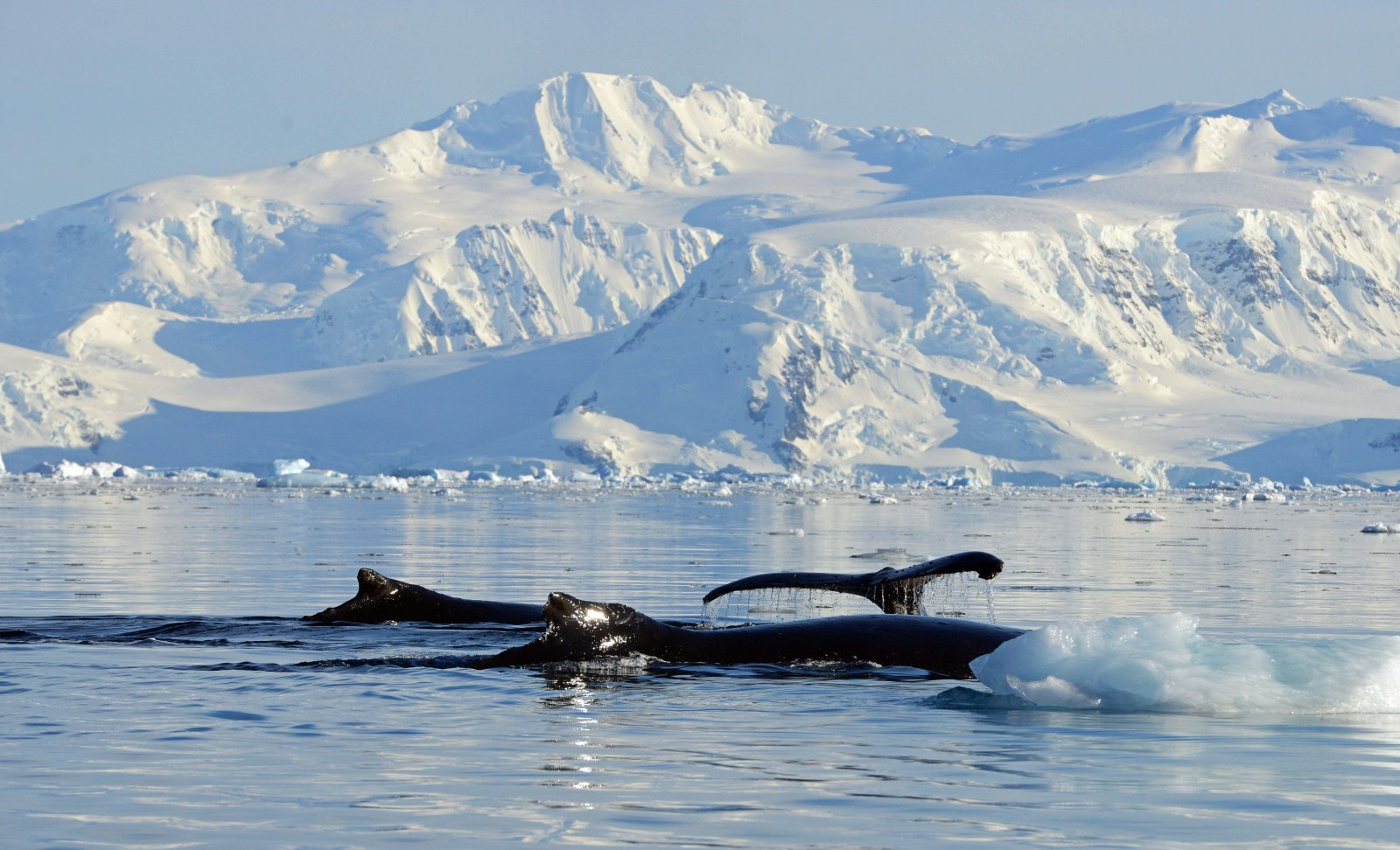
The marine ecosystem of the West Antarctic Peninsula (WAP) stretches from the Bellingshausen Sea to the northern tip of the peninsula. This region includes the Antarctic Sea Ice Zone, a highly productive area that supports large populations of marine mammals, birds, and Antarctic krill. One of the highlights of this region, which you can observe on a whale-spotting Antarctica cruise, is the humpback whale.
blog-image

Identifying humpback whales: the hump helps

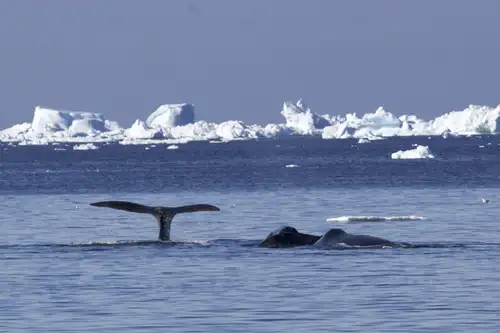
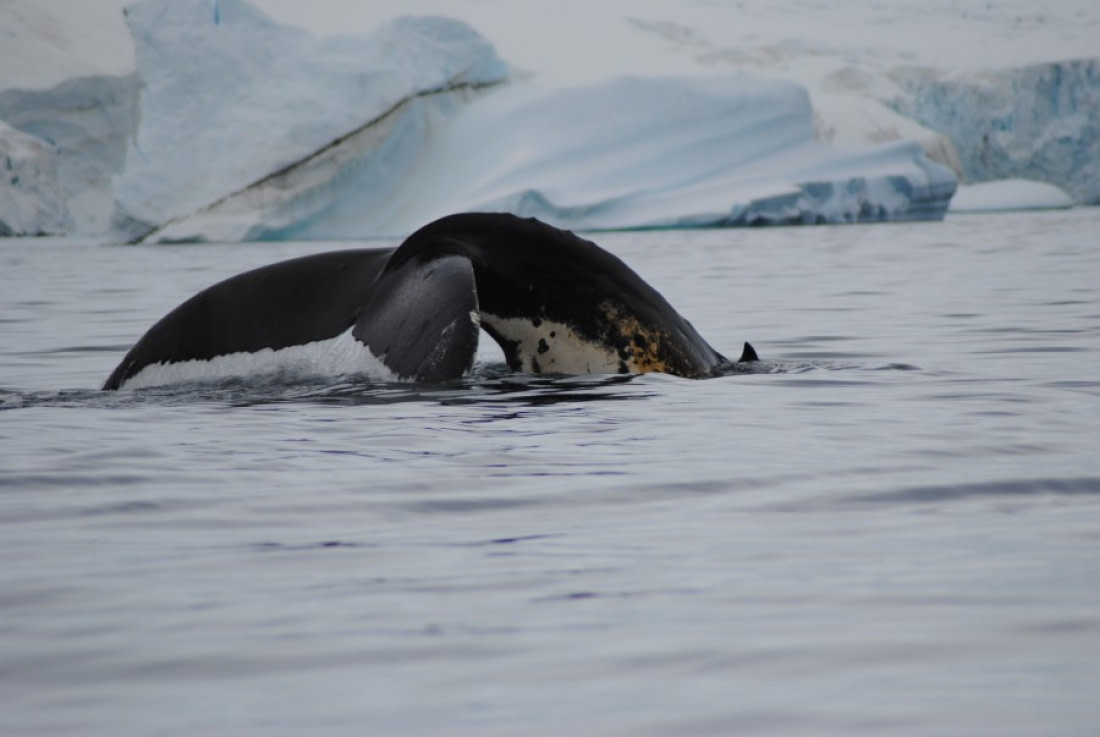
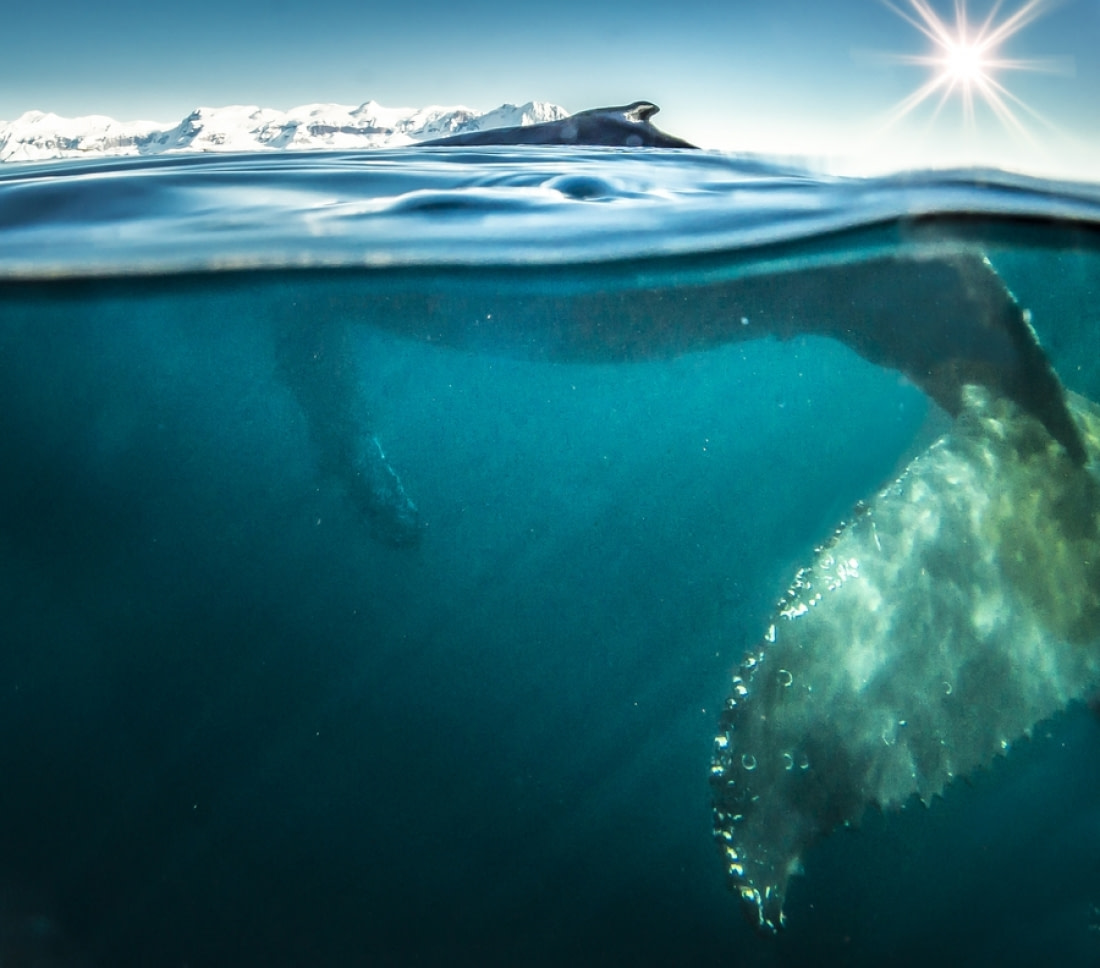
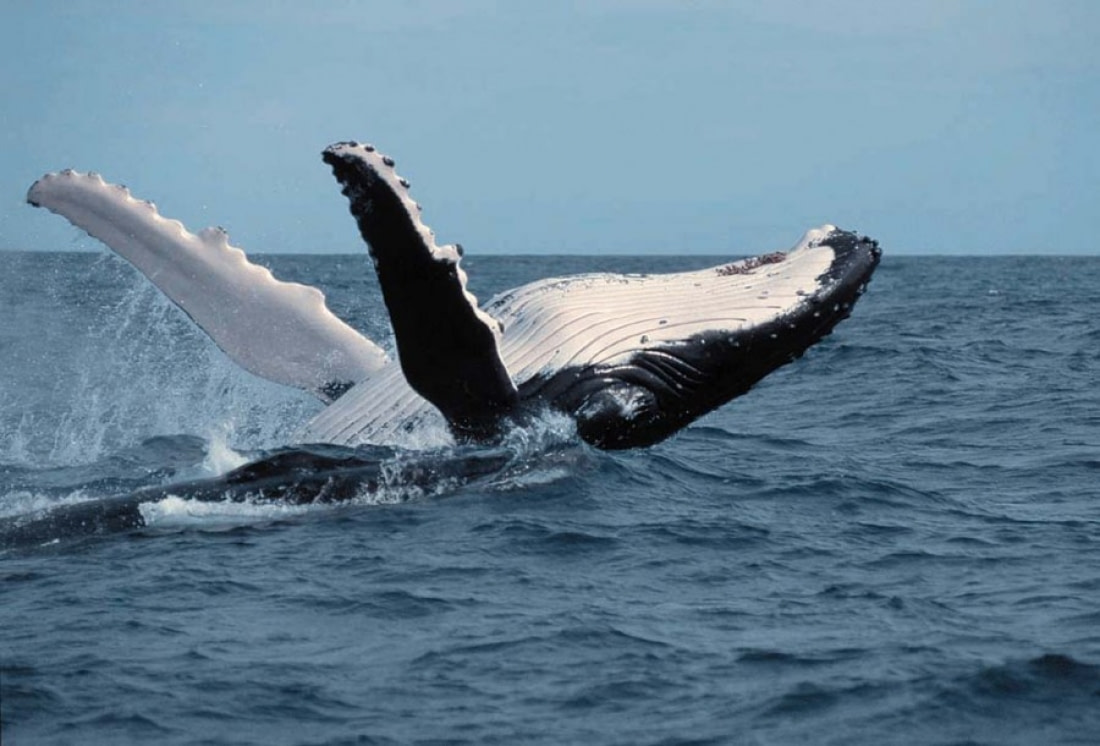
Humpback whales are easily recognizable by their small dorsal fin, distinct hump at the front, long flippers, and unique black-and-white pattern on their tail. They typically travel alone or in small pods of two or three whales. It is common for mothers to touch the fins of their young, which is believed to be a sign of affection.
blog-image

The singing of humpback whales

Humpbacks are renowned for their beautiful, complex songs. These songs, composed of sequences of moans, howls, and cries, can last for hours. Interestingly, only the males sing. Scientists think these songs might be used to attract potential mates. Males can sing for hours and repeat their song multiple times. All males in a population sing the same song, although each population's song is different.

The songs evolve throughout the year, so they are never singing the same tune for too long. Humpback whale songs can travel long distances in the ocean, being heard up to 30 km (20 miles) away. Researchers have found that humpback whales typically produce sounds with an audio frequency between 80 and 4,000 hertz.

Humpback calves guzzling milk

A female humpback whale breeds every two to three years and carries its calf for about a year. The calf usually measures between 3—4.5 meters (10—15 feet) and weighs around 900 kg (one ton), while adult humpbacks reach between 11.5—15 meters (37.5—49.2 feet) and weigh up to 36,000 kg (79,000 pounds).

The calf is nursed for a year, and the mother’s milk is 45—60 percent fat. Humpback calves can consume 600 liters (158 gallons) of milk per day. Within the first year, calves double in length and continue to grow over the next 10 years.

The ocean-sized buffets of the humpback whale

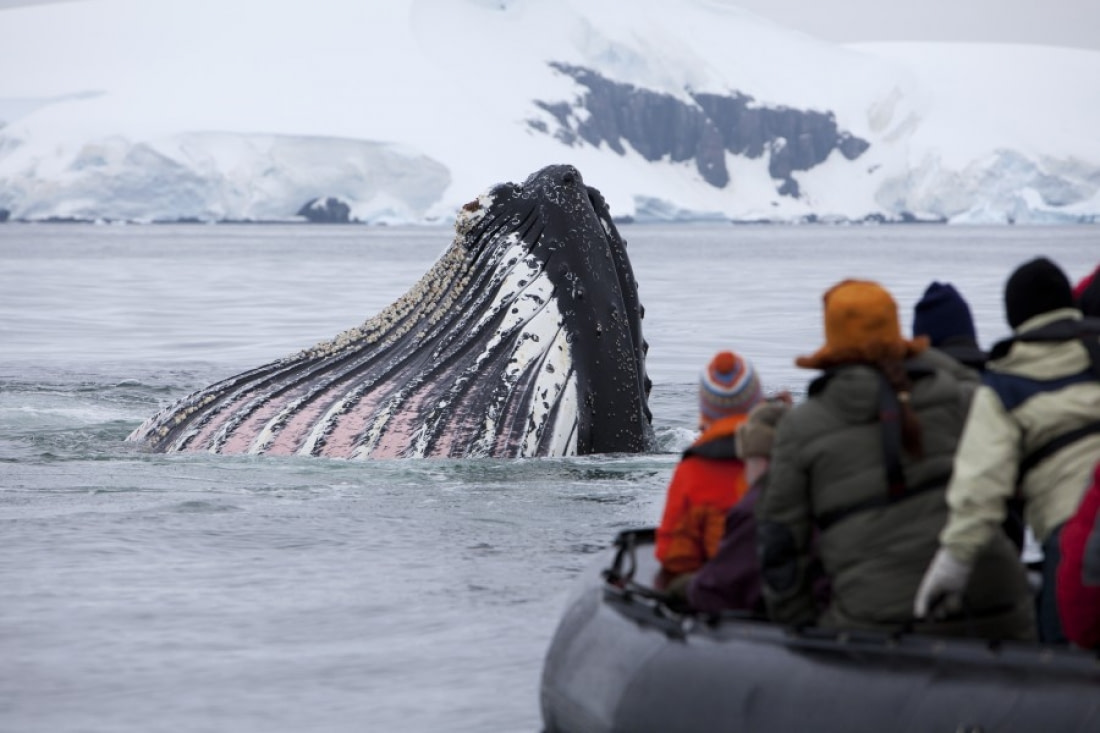
Humpback whales are baleen whales, meaning they have between 270 and 400 fringed overlapping plates hanging down from each side of their upper jaws instead of teeth. These are called baleen plates, made of keratin, the same material as human hair and nails. The plates are black and about 76 cm (30 inches) long.

The whales primarily eat small fish, krill, and plankton. To feed, humpback whales take large gulps of water. Below their mouths are 12—36 throat grooves that expand to hold the water. Humpbacks then filter the water, expelling it through the two blowholes on their backs. They hunt and feed in the summer and fast during the mating season, relying on their blubber reserves to focus on migration and mating.

They are social hunters, using a unique technique called “bubble netting,” where groups of humpbacks use air bubbles to herd, corral, or disorient fish. They are large eaters, capable of consuming up to 1,360 kg (3,000 pounds) of food per day.
blog-image

Counting humpbacks from the air

During the summer, scientists estimate that around 3,000 humpback whales inhabit the West Antarctic Peninsula. To determine this, they conducted a ship-based helicopter survey of the whales and a net trawl survey for krill to see if the large population is linked to specific krill species. Scientists then created distribution maps to predict the densities of humpback whales in the western part of the peninsula.

They found that in one summer alone, the estimated 3,000 humpbacks frequented the area. Regarding the connection between krill type and whale numbers, researchers found no clear relationship between the humpback whales and the presence of a particular krill species. The whales were present regardless of krill availability.

3D mapping humpback whale behavior

In another study, researchers monitored a large group of humpbacks in Wilhelmina Bay, along the western side of the Antarctic Peninsula. This group, comprising over 300 whales, had five whales per square kilometer (0.38 square miles), breaking the previous record of one whale per square kilometer.

Over six weeks, scientists observed humpback whales feasting on krill. The whales fed continuously for 12 to 14 hours before falling asleep on the sea's surface. This is no surprise, as krill fill the sea from the surface down to 300 meters (985 feet) below.

In addition to observing their feeding, scientists attached tags to humpback whales that stayed on for 24 hours, capturing data such as temperature, sound, and position. This allowed scientists to create a 3D map of the whales’ underwater activities with its own soundtrack. Researchers even managed to attach tags to sleeping whales at the surface. Even half-asleep humpbacks were too full to move when researchers approached in a small boat to place tags on their heads!

An underwater humpback recording studio

Scientists studying humpback singing in the Western Antarctic Peninsula attached tags to whales during the Southern Hemisphere late fall (May and June). The tags were attached for 24-hour periods to six whales in one year and eight whales the following year to record sound production and body orientation.

The results showed song chorusing present on all the tag acoustic records, with multiple whales actively singing. The data also indicated that the songs were surrounded by periods of social sound production, reflecting the amount of social activity in the feeding grounds where the whales were tagged.

Humpback YouTube stars

Recently, a group of scientists attached temporary satellite tags and video cameras to humpback whales in the western part of the Antarctic Peninsula. These devices track the humpback’s movements and capture video images of everything in front of the whale for 24-48 hours before detaching and floating to the surface. Scientists then use GPS trackers to recover the tags and upload the videos. They have already captured unseen glimpses of humpback whales feeding, diving deep, and interacting with one another far below the sea's surface.

blog-image

Blog
go-leftgo-right

10 Illuminating Facts about the Northern Lights - Nexta Expeditions
Blog

10 Illuminating Facts about the Northern Lights

In Roman mythology, Aurora was the goddess of the dawn. The term "borealis" is derived from the Greek word for "wind." Thus, "aurora borealis" translates to "dawn wind," commonly known as the Northern Lights. This natural phenomenon has captivated humanity for millennia and remains a major attraction in the Arctic, with numerous cruises dedicated to witnessing this mesmerizing light display.
Polar Bear Primer: Eight Facts About the Arctic Wanderer - Nexta Expeditions
Blog

Polar Bear Primer: Eight Facts About the Arctic Wanderer

Polar bears inhabit the Arctic region across 19 subpopulations, including areas in Alaska, Canada, Greenland, Norway, and Russia. These majestic creatures prefer the edges of pack ice where currents and wind interact, creating a dynamic environment of melting and refreezing that forms ice patches and leads, which are open spaces in the sea between sea ice.
The polar bear: king of the Arctic food chain - Nexta Expeditions
Blog

The polar bear: king of the Arctic food chain

As apex predators, polar bears reign supreme in the Arctic food chain. Only humans pose a threat to this massive and majestic species. But one look at these magnificent creatures explains why so many people embark on Arctic trips hoping to spot a polar bear in its natural habitat.
Hot Ice: Breeding Practices of Five Polar Animals - Nexta Expeditions
Blog

Hot Ice: Breeding Practices of Five Polar Animals

Last Valentine's Day we gave you 14 wildlife pictures highlighting the ins, outs, ups, and downs of polar romance. This year we're moving on to something a little more advanced: the nitty-gritty details of polar wildlife breeding rituals.
Everything you need to know about Antarctic icebergs - Nexta Expeditions
Blog

Everything you need to know about Antarctic icebergs

The ice in Antarctica might seem static, but it is constantly moving. Pieces of ice are continuously breaking off from ice shelves, glaciers, or other icebergs. They float freely along with the Antarctic currents, with about 90 percent of their mass below the surface of the water. This fact is actually what gave rise to the nowadays popular phrase “the tip of the iceberg”. Regardless, the sighting of the first iceberg is always a moment to celebrate in any and all Antarctic expeditions. So that you may appropriately ready yourself for that joyous moment, in this article you will find everything you need to know about Antarctic icebergs.
Coming Back from the Brink: The Fur Seals of Antarctica - Nexta Expeditions
Blog

Coming Back from the Brink: The Fur Seals of Antarctica

Once hunted to the brink of extinction, the Antarctic fur seal is now one of the most populous and charismatic species of seal you’re likely to encounter during your Antarctica trips. Unlike other members of its large family, the fur seal has external ears, or pinnae, a short snout, and a thick coat of dark brown fur. Male seals tend to be larger than females, with weights ranging from 91 kg (200 lbs.) to 215 kg (474 lbs.).
Peaks, Fjords, and Auroras: 14 East Greenland Attractions - Nexta Expeditions
Blog

Peaks, Fjords, and Auroras: 14 East Greenland Attractions

There really aren’t enough superlatives for East Greenland.
Under the Greenland Ice Sheet - Nexta Expeditions
Blog

Under the Greenland Ice Sheet

Anyone who ventures to the right part of the globe can encounter vast amounts of ice, but a Greenland cruise offers something truly unique: ice sculptures hidden beneath the northern ice sheet. Scientists once thought these sculptures were rocky hills buried in ice, similar to the Ghost Mountains in Antarctica. However, it turns out that Mother Nature has crafted one of the most exclusive art exhibits in the world. These sculptures are not visible from the surface, but some scientists have managed to get a sneak peek using radar equipment.
Port Lockroy: History, Post Office, and Resident Penguins - Nexta Expeditions
Blog

Port Lockroy: History, Post Office, and Resident Penguins

Sometimes it’s easy to get caught up in the stunning coastlines, fjords, and other natural wonders of Antarctica, overlooking the man-made attractions nestled in between.
Diving in Antarctica: The Ultimate Underwater Experience - Nexta Expeditions
Blog

Diving in Antarctica: The Ultimate Underwater Experience

Ice diving offers an extraordinary experience on an Antarctica diving trip. The dive sites are teeming with a unique array of colorful marine life, including penguins and leopard seals, which are exclusive to this region.
Scoresby Sund: the Greatest Greenland Adventure - Nexta Expeditions
Blog

Scoresby Sund: the Greatest Greenland Adventure

In a land of expansive mountains, colossal glaciers, and majestic shorelines, few places are as expansive, colossal, or majestic as Scoresby Sund.
Inside the Svalbard Global Seed Vault - Nexta Expeditions
Blog

Inside the Svalbard Global Seed Vault

Literature, cinema, and even video games often present us with various global disaster scenarios. These typically involve devastating wars, catastrophic natural events, or widespread pandemics that leave survivors scavenging for food and supplies amidst hordes of zombies.
Earth vs. Mars: Polar Regions Compared - Nexta Expeditions
Blog

Earth vs. Mars: Polar Regions Compared

It’s well-known that Mars, like Earth, has its own polar regions, often referred to as the Martian ice caps. These regions, similar to Earth's, are situated at the north and south poles and experience much lower temperatures compared to the areas in-between.
Two for the Snow: Polar Cruises for Couples - Nexta Expeditions
Blog

Two for the Snow: Polar Cruises for Couples

Do you know the old saying, “Cold hands, warm heart”? In our opinion, that bodes well for couples who visit the polar regions.
The Small but Social Commerson’s Dolphin - Nexta Expeditions
Blog

The Small but Social Commerson’s Dolphin

Despite being one of the lesser-known Antarctic cetaceans, Commerson's dolphins are quite social and have been given various names over the years, including Piebald dolphins, skunk dolphins, and panda dolphins. These names have been in use since their discovery in 1767 by French naturalist Philibert Commerson.
Fierce and Feathered: the Skuas of Antarctica - Nexta Expeditions
Blog

Fierce and Feathered: the Skuas of Antarctica

At first glance, the skuas you encounter in Antarctica may appear to be merely darker-feathered seagulls. But looks can be deceiving.
Orcas of the Polar Seas - Nexta Expeditions
Blog

Orcas of the Polar Seas

The orca, also known as the killer whale, is the apex marine predator and possibly the most widespread vertebrate on the planet. While they are most numerous in colder regions like Antarctica, Norway, and Alaska, they also inhabit tropical and subtropical seas. Here, we’ll explore some essential orca facts you might want to know before encountering them in person, concluding with a fantastic video showcasing our top ten favorite killer whale facts.
Keep It Green: Our Commitment to Sustainable Polar Travel - Nexta Expeditions
Blog

Keep It Green: Our Commitment to Sustainable Polar Travel

It doesn’t make much sense for expedition travel if every time we visit the polar regions we leave them worse than we found them. And that’s just considering things from a purely human perspective, which we don’t.
Northeast Greenland National Park - Nexta Expeditions
Blog

Northeast Greenland National Park
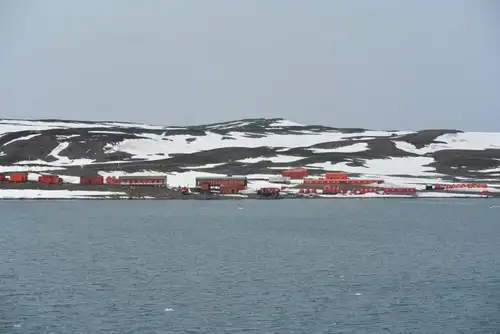
Northeast Greenland National Park is the world’s largest national park and the ninth largest protected area on Earth. It should come as little surprise, then, that it’s also bigger than most countries, covering an impressive 972,000 square km (375,300 square miles).
The Impact of Small vs. Large Cruise Ships - Nexta Expeditions
Blog

The Impact of Small vs. Large Cruise Ships

The generalization that larger ships impact the environment more than smaller ships seems like such a no-brainer that if someone said it to you, you’d be easily forgiven for thinking you were being tricked.